25 Everyday Phrases With Surprisingly Dark Historical Origins
Language has a way of hiding its own past. The phrases people toss around at dinner tables, in office emails, and during casual conversations carry centuries of weight most speakers never think to question.
Someone tells you to “bite the bullet” and you nod — you know what it means. But the image behind it is something far more specific and far more grim than the modern shorthand suggests.
That gap between what words mean now and where they actually came from is one of the stranger corners of everyday life. Some of these origins are violent.
Some are rooted in exploitation or punishment. A few are just quietly strange.
All of them are real, and once you know them, you’ll hear these phrases a little differently.
Bite the Bullet
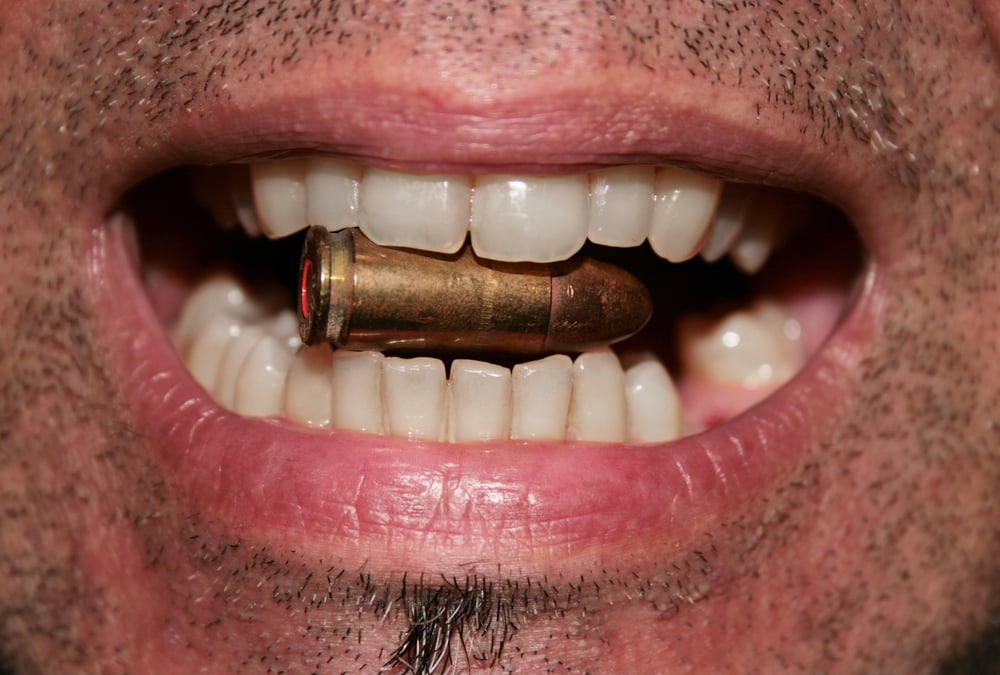
Soldiers wounded in battle before the era of proper anesthesia were sometimes given a lead bullet to clench between their teeth during field surgery — something to bear down on while the cutting happened. The phrase carries that image whole: enduring something agonizing with no real alternative.
So the next time someone tells you to bite the bullet and file your taxes early, the advice is technically asking you to summon the psychological posture of a 19th-century soldier on a battlefield table.
Rule of Thumb

The “rule of thumb” as a common measurement phrase is old and genuinely rooted in the thumb as a rough unit of length — that part is well documented. What’s darker is the phrase’s long association with a supposed legal principle permitting a husband to beat his wife provided the implement used was no thicker than his thumb, a belief so widely repeated in 18th-century courts and culture that it became embedded in the phrase’s folklore even if no single statute ever codified it cleanly.
The association is real enough that the phrase carries a shadow most people using it at a project meeting have no idea exists.
Caught Red-Handed

This one requires almost no imagination to unpack: it described someone caught with blood still on their hands, literally, usually after poaching or butchering an animal that wasn’t theirs. The phrase originated in Scottish law as early as the 15th century, where “red hand” referred to the undeniable evidence of a killing caught mid-act.
It migrated from legal language into common speech without losing much of its original weight — which is more than most phrases manage.
Sold Down the River

Turning a phrase about betrayal into something as ordinary as complaining that your manager “sold you down the river” requires a spectacular amount of historical forgetting. The phrase referred specifically to enslaved people in the American South being sold to plantations further south along the Mississippi — a fate widely understood at the time to be harsher than their current conditions, severing them from family and any familiar place.
It’s among the more direct examples of language absorbing the worst of history and then moving on without acknowledgment.
Turn a Blind Eye

Admiral Horatio Nelson, during the 1801 Battle of Copenhagen, held a telescope to his eye — his blind eye, deliberately — when a signal was raised ordering him to disengage from combat. He claimed he couldn’t see the order, pressed on, and won.
The phrase immortalizes what was, in the bluntest reading, a willful act of insubordination dressed up as a visual impairment. It’s a phrase about convenient ignorance that was coined by an act of convenient ignorance, which has a certain satisfying symmetry.
Kick the Bucket

The grimness here is in the mechanics. One theory — and the most linguistically credible one — traces the phrase to the beam or “bucket” (from the Old French “buquet,” meaning a trebuchet or balance) from which slaughtered pigs were hung by their heels to wound out, their legs often convulsing in the process.
Another theory links it to the act of a person standing on an overturned bucket. Either origin is unambiguous about the image it’s preserving.
Calling it a euphemism gives it more credit than it deserves.
Blood Money

The phrase is ancient and its meaning was once precise: money paid to a victim’s family as compensation for a killing, or money paid to an informant who provided information that led to an execution. It appears in the Bible and in early English common law, and for centuries it described a very specific transaction involving a very specific kind of loss.
Somewhere in the journey to the present, it became casual enough to describe any payment that felt morally compromised — a dilution that probably says something about the category of things people have decided to normalize.
Go Cold Turkey

There’s a particular bluntness to this phrase that suits its meaning — abrupt withdrawal, no taper, no negotiation. The origin is almost certainly a comparison to cold turkey meat: pale, pimpled, requiring no preparation.
Opiate withdrawal, which was the original context, produces skin that looks remarkably similar — clammy, raised, goosefleshed — and the phrase captured that physical reality rather than sanitizing it. It’s one of the more honest phrases in common use, which is perhaps why it survived while gentler alternatives didn’t.
Break a Leg
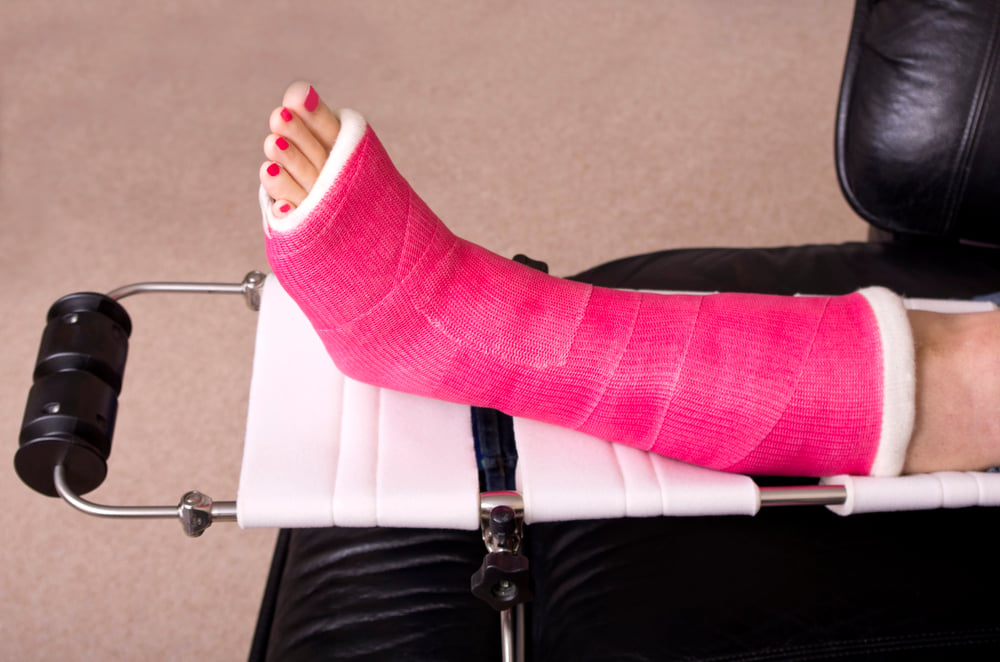
The theatrical superstition against wishing someone “good luck” before a performance is old and takes different shapes across different traditions. One leading theory connects “break a leg” to the practice of “breaking” the leg line — the side curtain of the stage — meaning to actually perform rather than wait in the wings; only performers who went on earned their pay.
Another connects it to the physical bowing that follows a successful performance, where the leg bends. Either way, a phrase used cheerfully before job interviews and first dates has its roots in the anxious rituals of a profession that considered spoken optimism genuinely dangerous.
Graveyard Shift

The graveyard shift feels self-explanatory — it’s the shift that runs through the small hours, quiet as the dead, unglamorous and cold. But one origin story goes further: it connects the phrase to the practice of attaching a string inside a coffin to a bell above ground, a genuine (if rarely used) precaution against premature burial that required someone to keep watch through the night in case a bell rang.
Whether that specific practice gave rise to the exact phrase is debated by historians, but the world that produced both is the same one — a world anxious enough about mistaken death that it built safeguards into the burial process.
Waking the Dead
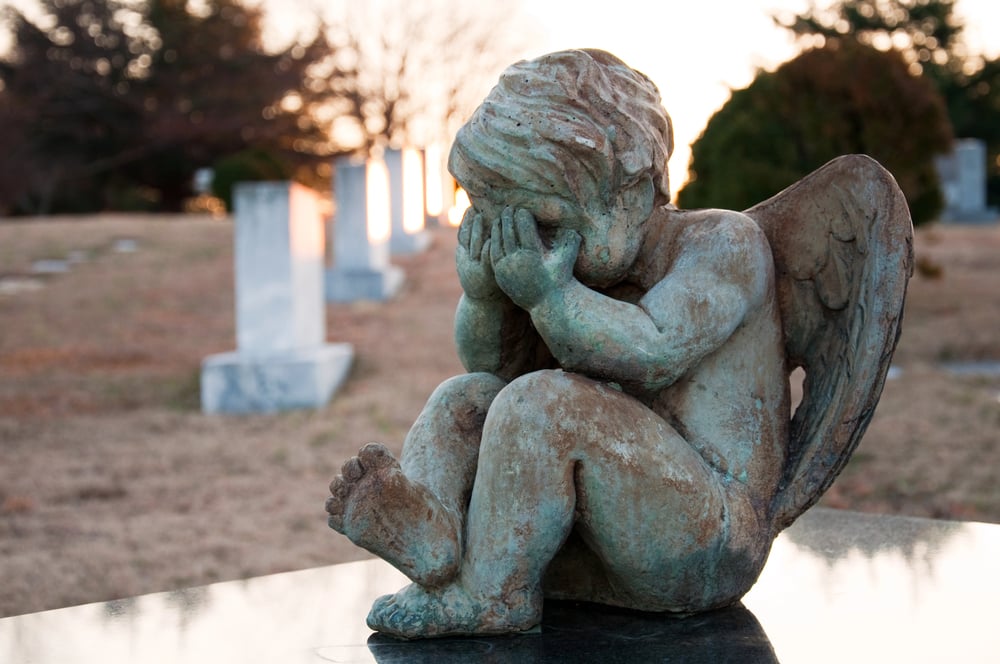
The phrase “wake” as a noun — a gathering to honor the dead — originally served a practical function that the name reflects honestly. Before embalming was widespread, the body was watched over (woken for, in the older sense) through the night partly to ensure the person was genuinely dead before burial.
The phrase isn’t metaphorical at its root; it describes a literal vigil born of a literal fear. The lively gatherings that modern wakes often become are almost cheerfully indifferent to the anxiety that shaped the tradition.
Running Amok

“Amok” entered English from the Malay word “amuk,” which described a very specific phenomenon: a state of frenzied, indiscriminate violence, usually in a man, following a period of brooding withdrawal. It was documented by European travelers in Southeast Asia from the 16th century onward, treated initially as a cultural curiosity and eventually recognized as a real psychological state.
The phrase now describes someone who has lost control of a chaotic situation in a relatively low-stakes sense — a toddler running amok at a birthday party — stripped almost entirely of the genuine violence encoded in its original meaning.
Blackmail

The “mail” in blackmail is not postal — it comes from an Old Scottish word for rent or tribute. “Black mail” was the extorted payment demanded by Scottish and English border raiders in the 16th and 17th centuries: if you paid, they might not burn your farmstead.
White rent, paid in silver, was legitimate; black rent, extracted through threat, was the other kind. The word migrated from describing organized extortion by armed men into its current meaning without losing its fundamental structure — which is: pay up or something bad happens to you.
Deadline

“Deadline” began as a literal line drawn in the ground. In Civil War prison camps, a boundary was marked around the perimeter beyond which prisoners were shot without warning.
The Andersonville prison camp in Georgia is among the most documented sites where this practice existed, and the word “deadline” appears in written records from that period in exactly this sense. It crossed into publishing and journalism in the early 20th century, where the stakes dropped considerably — though not to everyone who has ever worked a newspaper night shift.
Eavesdropping

Before houses had reliable gutters, rainwater fell from the eaves in a wide arc and soaked the ground in what was called the “eavesdrip” — and anyone standing close enough to a wall to stay dry was standing in a position that happened to be excellent for listening through windows. The law in medieval England actually recognized this, with some jurisdictions prohibiting people from lingering in the eavesdrip of another’s home.
The word “eavesdropping” preserved the architecture of the original offense: someone standing where they shouldn’t, hearing what they shouldn’t.
Pulling Someone’s Leg

The grim version of this phrase’s origin — popular and plausible enough to mention — connects it to street thieves in 18th and 19th century Britain who would trip or grab a person’s legs to make them fall, making them easier to rob while an accomplice worked quickly. A gentler theory connects it to the assistants at public hangings who would pull the condemned person’s legs to hasten death.
Neither origin is cheerful. The phrase now signals harmless teasing, which is either a comforting evolution or a remarkable act of collective amnesia.
Kick the Habit

“Habit” in the context of addiction carries the same root as the word for a monk’s robe — the Latin “habitus,” meaning a habitual mode of dress or being. But the phrase “kick the habit” arrived in American slang in the early 20th century tied specifically to the physical thrashing and leg movements associated with withdrawal from hard substances — the body literally kicking, involuntarily, as it fought its way back.
The physicality of the original image has been smoothed into something people apply to giving up sugar or hitting snooze too often.
Son of a Gun
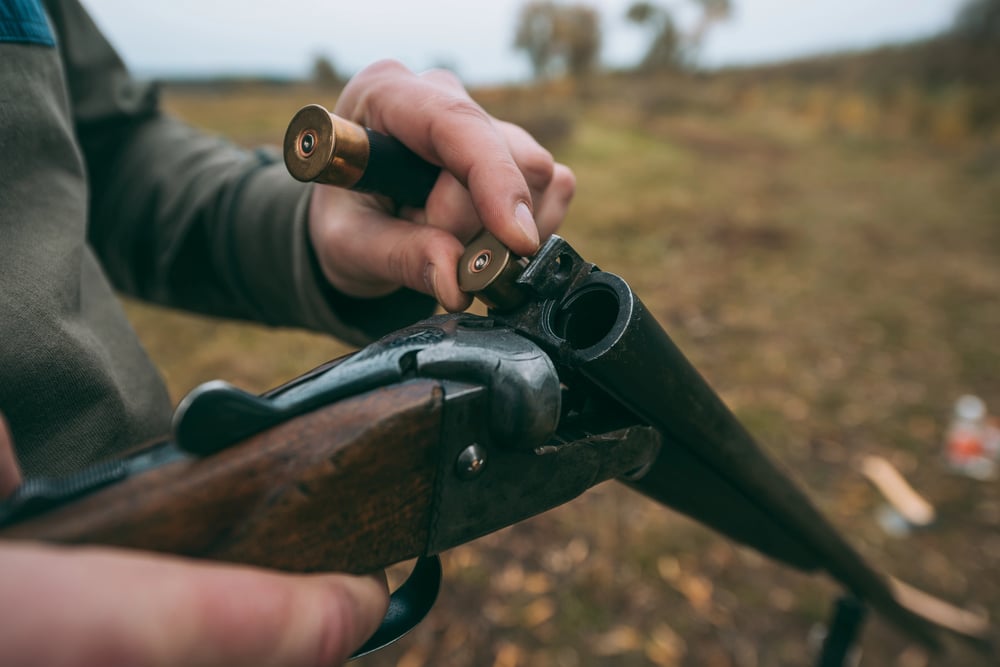
Ships in the era of sail were occasionally home to women — wives of officers, or women who boarded at port — and births sometimes occurred onboard, famously in the only somewhat sheltered space near the midship gun. A child born of uncertain paternity in such circumstances, or simply born in that location, might be logged as “son of a gun.”
The phrase migrated ashore as a mild oath, eventually landing in American English as something close to an affectionate expletive. The specificity of the original scene — a birth between cannons at sea — is almost entirely absent from its current use.
Mad as a Hatter

Hatters in the 18th and 19th centuries genuinely lost their minds — not metaphorically. The curing of felt for hats required mercury nitrate, and prolonged exposure caused neurological damage: tremors, slurred speech, mood swings, personality deterioration.
The workers most affected were the hat-makers themselves, who inhaled mercury vapor over years of work in poorly ventilated workshops. Lewis Carroll’s Mad Hatter is funny precisely because the character’s erratic logic seems whimsical; the real profession it references was a slow industrial tragedy.
Saved by the Bell
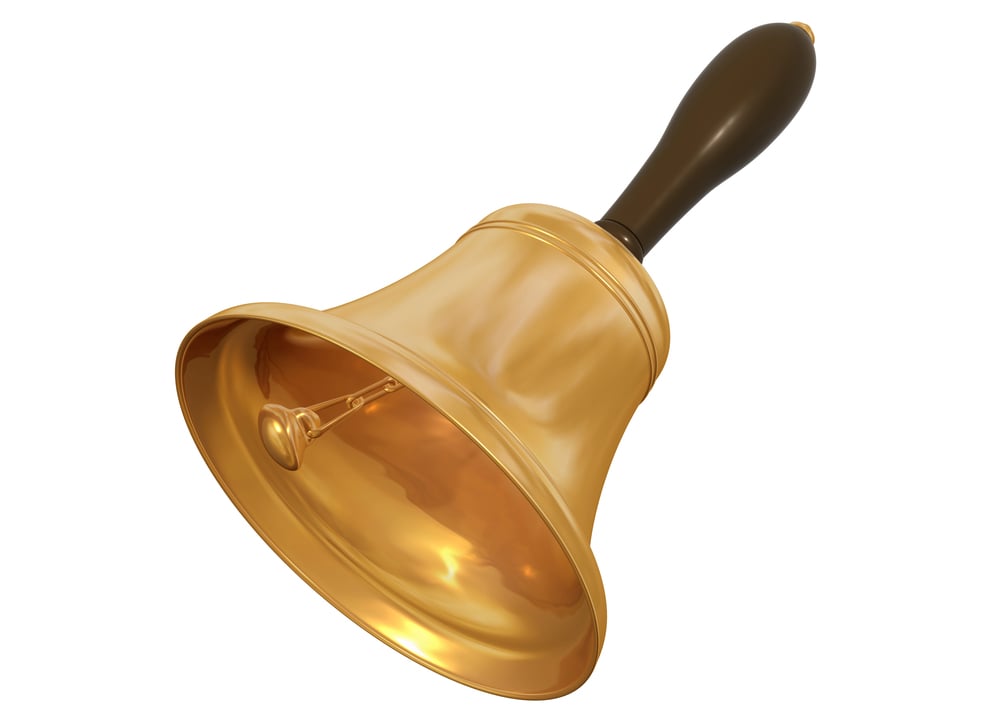
The most satisfying version of this phrase’s origin is the premature burial one — the same anxiety that produced graveyard shift watches — where a string tied to the hand of a buried person could ring a surface bell if they woke. Historians debate how widely practiced this actually was, but the fear was real and commercially exploited: “safety coffins” with bell mechanisms were genuinely patented in the 19th century.
The phrase also has a plausible boxing origin, where a fighter is rescued from a knockdown count by the round-ending bell — either way, it’s a phrase about rescue from something that was going badly.
Raining Cats and Dogs

Medieval cities and towns had drainage systems that were, charitably, inadequate. Heavy rain flooded streets and carried with it whatever had been deposited there — and in towns where animals lived and died outdoors, that included carcasses.
After a heavy storm, the streets sometimes presented a scene that looked, to the sufficiently distressed observer, as though animals had fallen from the sky. Jonathan Swift referenced streets running with dead cats and dogs in a 1710 poem with the kind of frankness that later centuries smoothed into a colorful idiom about weather.
Get the Sack
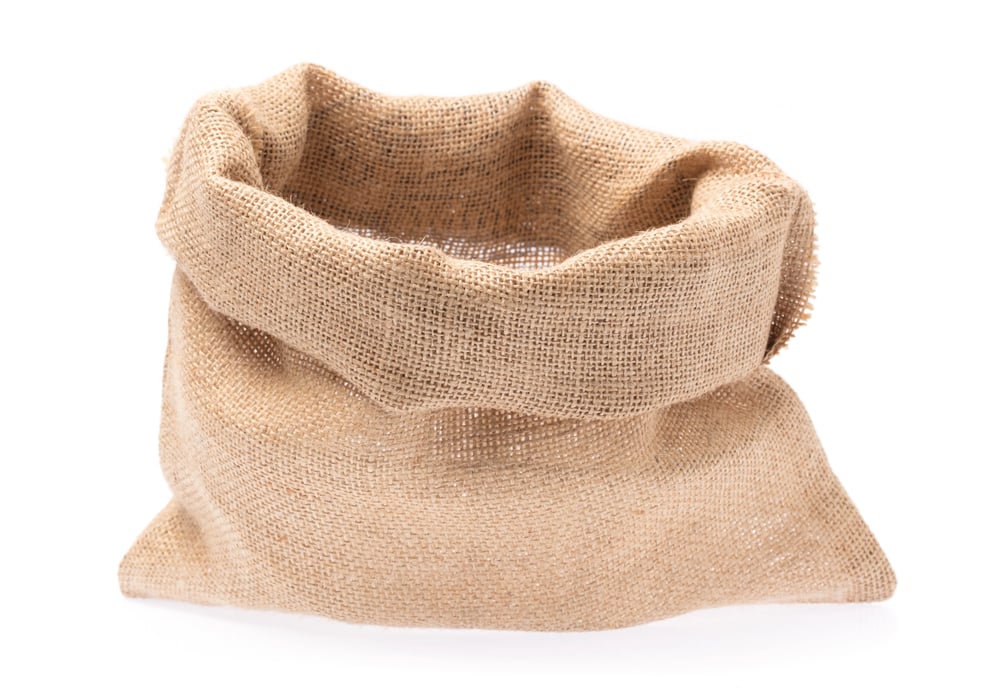
In France and parts of Europe, tradespeople and craftsmen who worked in others’ homes carried their tools in a personal sack. When the work was finished — or when the worker was dismissed — the employer returned the sack to the worker, signaling they were done.
“Getting the sack” meant receiving your bag back and being shown the door, a gesture that required no verbal explanation. The phrase is now used across English-speaking countries for any job termination, carrying the image of that bag of tools being handed back without ceremony.
Dressed to the Nines

Precision is the thing hiding here: the phrase likely derives from the expression “to the eyes” in Old English — “to the eyne” — meaning fully, completely, to the utmost degree. Nine is sometimes said to represent the highest single digit, implying maximum effort, though this explanation is a later rationalization.
Others connect it to the quality cloth merchants of 18th-century England who measured fabric in yards, with nine yards being an exceptional (and expensive) quantity. None of the proposed origins is cheerful exactly — they’re about wealth, aspiration, and the social theater of looking better than one is.
Crocodile Tears

The ancient belief that crocodiles wept while devouring their prey appears in texts as far back as the 14th century and was reported earnestly by early naturalists who seem to have accepted the image at face value. It turns out crocodiles do produce a fluid from their tear glands while eating — not from grief, but from a physiological response to the effort of feeding.
The phrase calls out performed grief or false sympathy, and it does so by invoking an animal whose apparent weeping is literally a byproduct of consumption. The metaphor is doing more work than most people give it credit for.
Bite the Dust
“Bite the dust” appears in Homer’s Iliad — in Greek, describing warriors falling in battle, face into the earth. Alexander Pope’s 18th-century English translation brought the phrase into wider circulation, and it carried that image for centuries before it became the gentler stand-in for failure or defeat that it is today.
There’s something almost archaeological about the phrase: beneath every casual “well, that project bit the dust” is a line from one of the oldest texts in Western literature, describing a man dying on a battlefield in the dirt.
When Language Keeps What People Forget

The phrases people use without thinking are a kind of compressed history — preserved in the mouth rather than on paper, passed down through repetition rather than intention. Most of them arrived worn smooth, their original edges buffed off by generations of casual use, until what was once a vivid image of violence or fear became a way to say “try harder” or “stay calm.”
That gap between origin and usage isn’t always troubling. Sometimes it’s just the natural life of language, moving through time and carrying what it can.
But every now and then, knowing where a phrase really came from makes the present moment feel stranger — and the past feel closer — than it did a moment before.
More from Go2Tutors!

- The Romanov Crown Jewels and Their Tragic Fate
- 13 Historical Mysteries That Science Still Can’t Solve
- Famous Hoaxes That Fooled the World for Years
- 15 Child Stars with Tragic Adult Lives
- 16 Famous Jewelry Pieces in History
Like Go2Tutors’s content? Follow us on MSN.



