Tulip Facts Every Flower Lover Should Know
Tulips show up every spring like clockwork, filling gardens and flower shops with color that chases away the last bits of winter. Most people see them as simple, pretty flowers that belong in Holland or on greeting cards.
But these blooms carry stories that stretch back centuries, crossing continents and causing financial disasters along the way. From their wild beginnings in Asian mountains to becoming so valuable that people traded them for houses, tulips have lived through more drama than most plants could handle.
Behind every cheerful red, yellow, or pink bloom sits a history far more interesting than most flower lovers realize. The flowers everyone thinks they know hide secrets in plain sight.
Time to dig into what makes tulips different from every other spring bloom.
They’re not Dutch at all
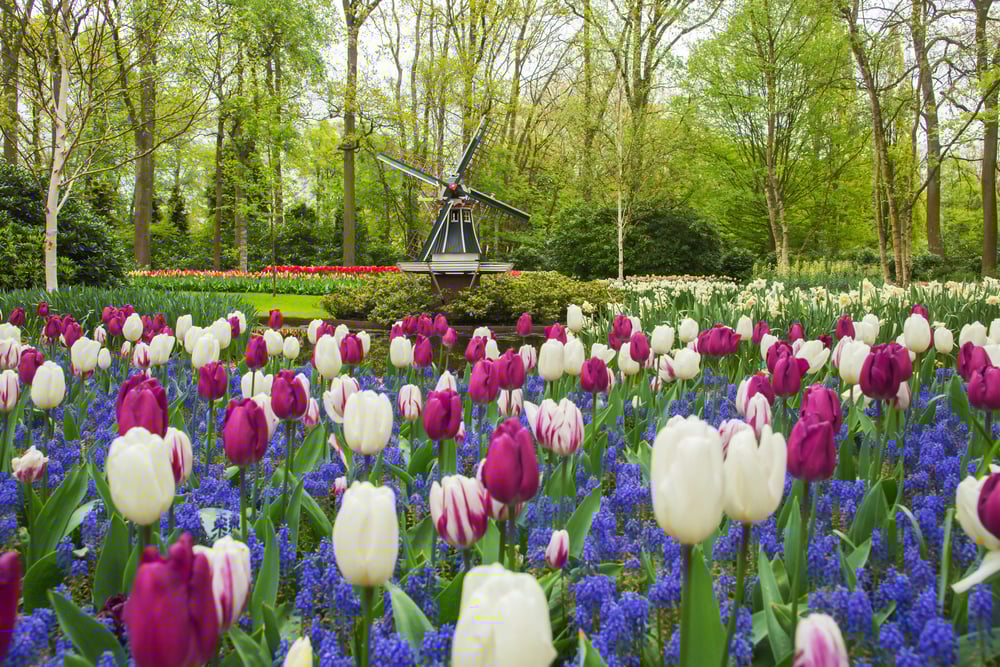
Tulips actually come from the Tian Shan mountains of Central Asia, growing wild in what’s now Kazakhstan, Uzbekistan, and surrounding areas. The Turkish people first cultivated them over 3,000 years ago, long before anyone in Europe knew they existed.
The Ottoman Empire turned tulips into symbols of paradise and featured them in art, architecture, and palace gardens starting around 1000 AD. When people see tulips today, they immediately think of the Netherlands, but that connection only started in the 1500s when a botanist brought some bulbs from Turkey.
The Dutch just happened to be really good at growing and selling them.
The name means turban
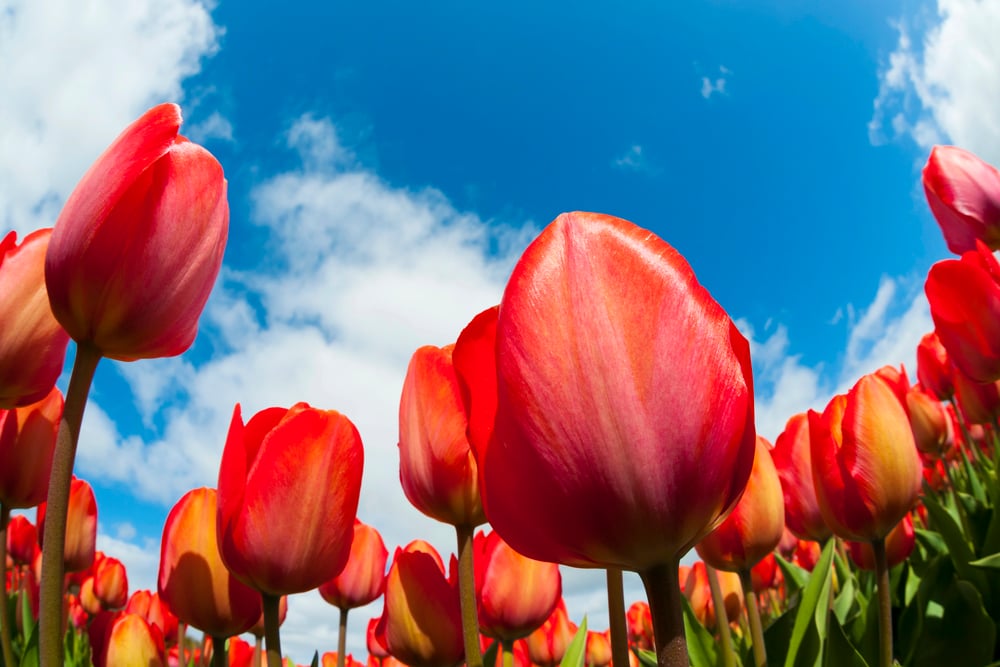
The word tulip comes from the Persian term delband or the Turkish word tülbend, both meaning turban. One explanation says the flower’s rounded, wrapped shape reminded people of traditional turbans worn throughout the Ottoman Empire.
Another story claims that people commonly wore these flowers tucked into their turbans, which led to confusion when translators tried to describe what they were seeing. Either way, the connection between the flower and headwear stuck, giving tulips a name that reflects their Middle Eastern roots rather than their later European fame.
They caused an economic crash

In the 1630s, the Netherlands went through Tulip Mania, which historians consider one of the first recorded financial bubbles. Tulip bulbs became so desirable that prices skyrocketed to absurd levels, with some rare varieties selling for as much as a craftsman’s entire annual salary or even the cost of a nice house in Amsterdam.
Speculators bought and sold tulip futures, betting on prices that kept climbing higher. The bubble finally burst in February 1637 when buyers suddenly refused to pay the inflated contract prices, leaving many people holding expensive bulbs that nobody wanted to buy.
The crash didn’t destroy the Dutch economy like some myths claim, but it certainly taught people about the dangers of speculation.
Striped tulips were sick flowers

The most valuable tulips during Tulip Mania were called Bizarres or broken tulips because they displayed unusual streaks and flames of color on their petals instead of solid hues. These multicolored flowers fetched the highest prices because they were rare and stunning.
Scientists didn’t discover until 1931 that the striking patterns were caused by a virus spread by aphids feeding on the plants. The Tulip breaking virus altered the flower’s pigmentation, creating those prized color variations that drove collectors wild.
Today, breeders can recreate similar patterns through selective breeding without using the harmful virus.
Cut tulips keep growing in the vase
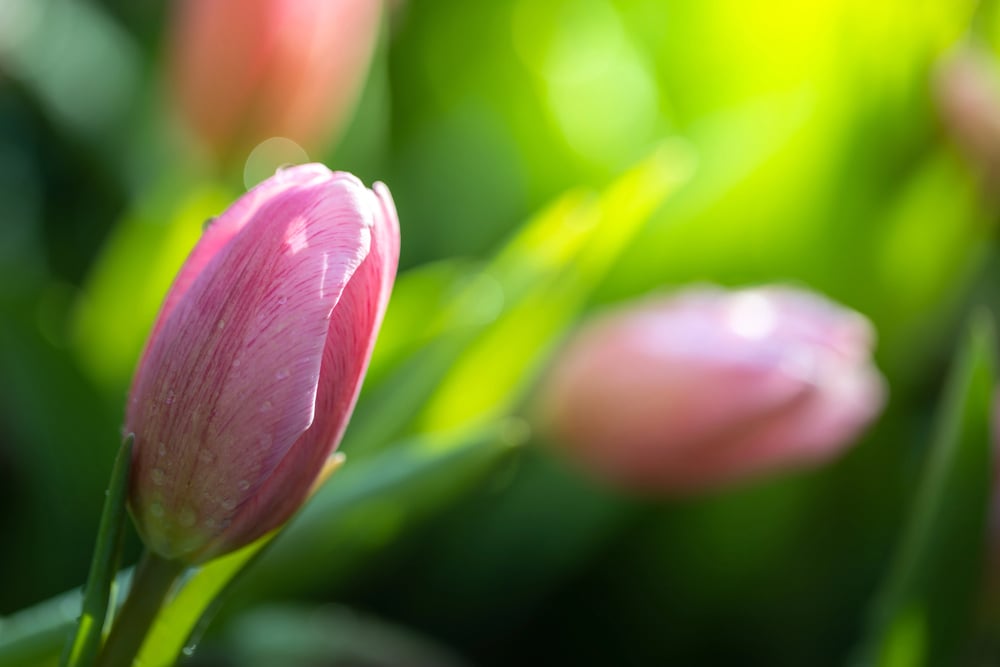
Unlike most flowers that stop growing once cut, tulips continue elongating after someone puts them in water. They can gain an inch or two in height, sometimes more, which often surprises people who arranged them carefully only to find the design shifted overnight.
This happens because of a plant hormone called auxin that causes cells in the tulip stems to keep stretching. The flowers also exhibit phototropism, meaning they bend and lean toward light sources, which explains why tulip arrangements sometimes look lopsided after sitting near a window.
Florists know to choose taller vases and rotate arrangements regularly to manage this quirky behavior.
They come in almost every color except true blue
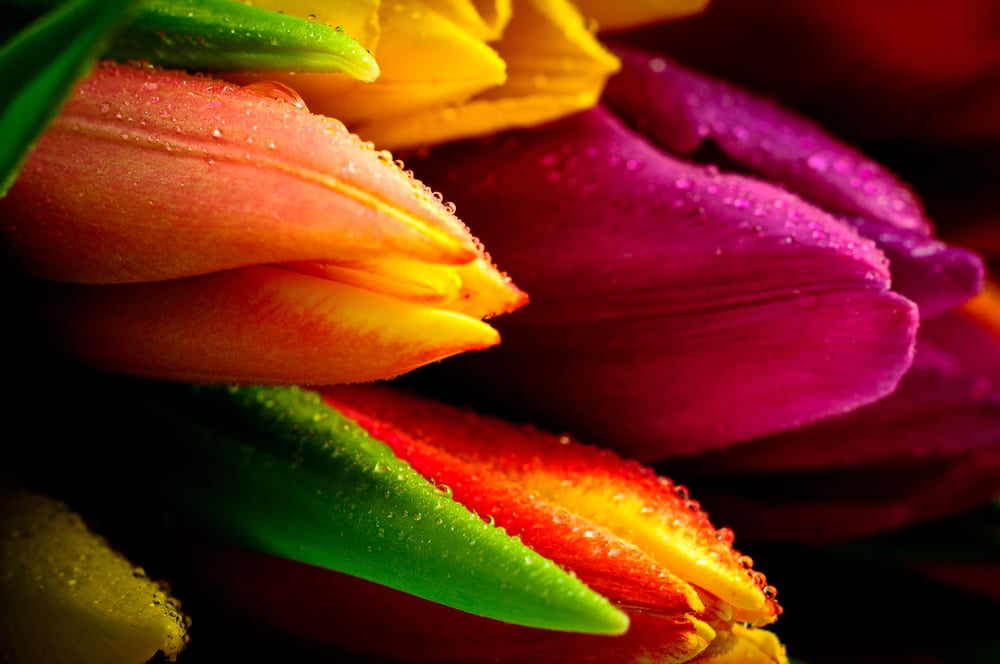
Tulips bloom in an astounding range of colors including white, cream, yellow, orange, pink, red, purple, green, and nearly black varieties. The only color that tulip breeders have never successfully created is true blue.
Despite decades of trying, the closest anyone gets is purple or lilac shades that lean toward blue but never quite make it. Blue is one of the rarest colors in flowers generally, requiring specific genetic traits that tulips apparently don’t possess.
This limitation hasn’t stopped enthusiasts from trying, and the search for a genuine blue tulip continues.
Some tulip petals are edible

Certain tulip varieties have petals that are safe to eat, offering a mild, slightly sweet flavor that works well as a garnish. In many culinary traditions, tulip petals can add a touch of elegance and color to various dishes including salads, desserts, and cocktails.
However, not all tulips are food-safe, and eating the wrong variety can make someone sick. The bulbs were actually eaten during times of famine, including in the Netherlands during World War II when food became desperately scarce.
Most people prefer to admire tulips rather than taste them, but the option exists for those feeling adventurous.
There are over 3,000 registered varieties
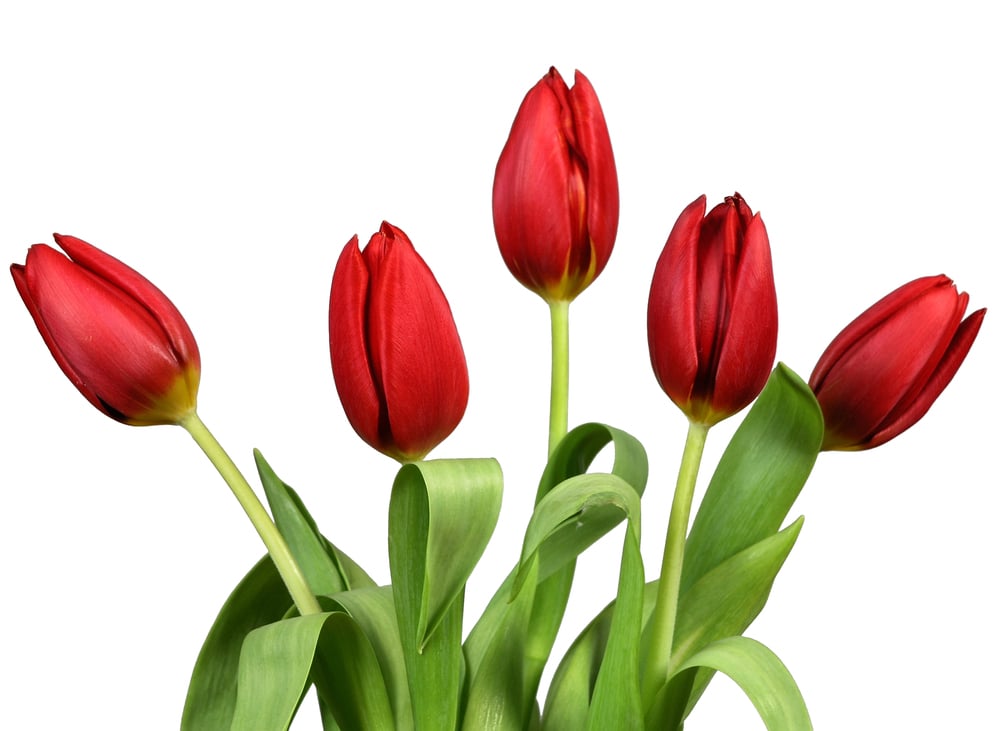
Tulip diversity is enormous, with more than 3,000 named varieties organized into 15 different groups based on bloom time, flower shape, and plant characteristics. These range from single early tulips with classic cup shapes to double late varieties that look more like peonies with their frilly, multi-layered petals.
Lily-flowered tulips have pointed petals that flare outward, while parrot tulips feature wild, ruffled edges and twisted forms. Fringed tulips have delicate edges on their petals that look hand-cut.
This variety means gardeners can choose tulips that bloom from early spring through late spring, extending the flowering season for months.
The world’s largest tulip garden is in the Netherlands

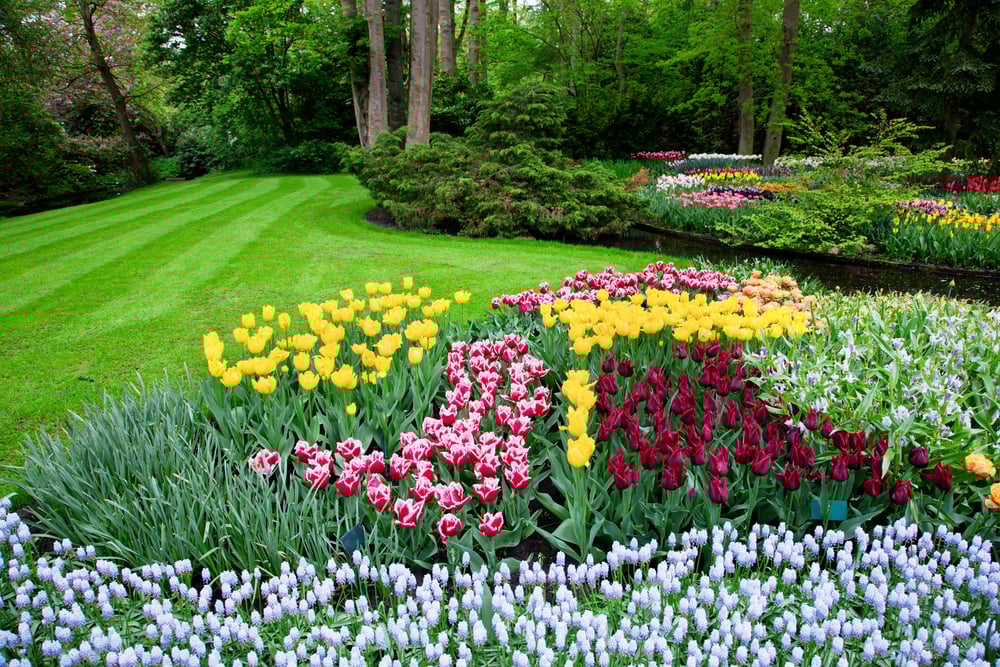
Keukenhof Gardens near Amsterdam holds the title for the world’s largest tulip display, featuring over seven million bulbs that bloom each spring. The garden opens for only about eight weeks every year, from mid-March through mid-May, when the flowers are at their peak.
Visitors from around the world flock to see the massive displays of not just tulips but also daffodils, hyacinths, and other spring bulbs. The Dutch take tulips seriously even now, exporting roughly three billion bulbs annually and maintaining their position as the world’s leading commercial tulip producers despite the flower’s non-European origins.
They’re technically perennials that act like annuals
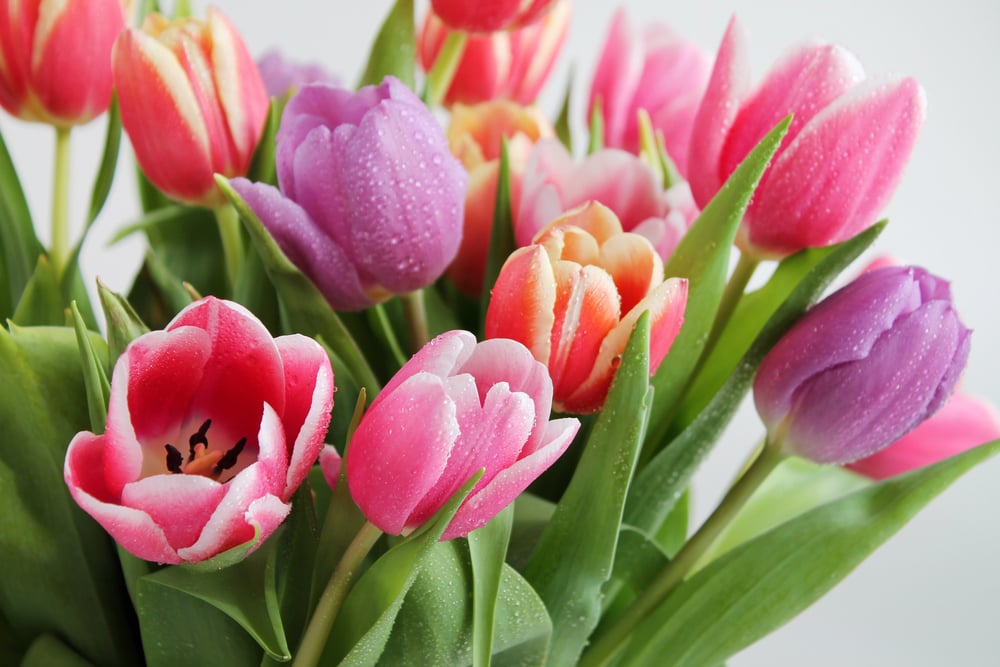
Tulips are perennial plants, meaning they should return year after year from the same bulbs. However, centuries of hybridizing to create bigger blooms and brighter colors has weakened their ability to reliably rebloom.
Many modern hybrid tulips are bred specifically for spectacular first-year displays, putting all their energy into that initial flowering. After blooming, the bulbs often don’t store enough nutrients to produce quality flowers the following spring.
Because of this, many gardeners and landscapers treat tulips as annuals, replanting fresh bulbs every fall to guarantee a good show. Species tulips, which are closer to wild varieties, tend to naturalize better and return more reliably.
Different colors carry different meanings
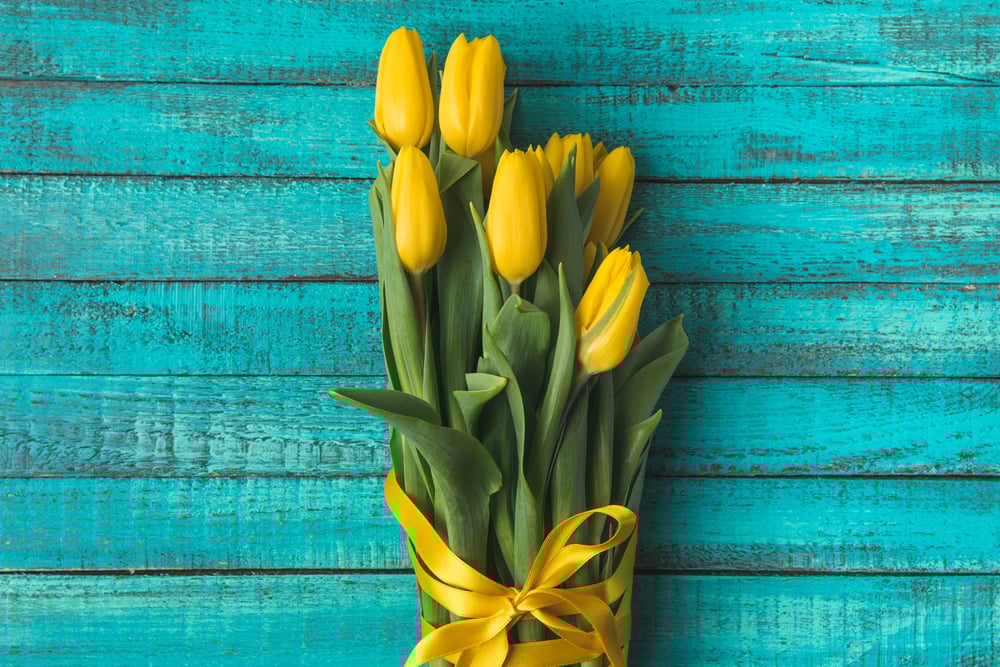
Red tulips symbolize passionate love and romance, partly because of an old Persian legend about star-crossed lovers whose blood created the first red tulips. Pink tulips represent care, affection, and congratulations, making them perfect for celebrations.
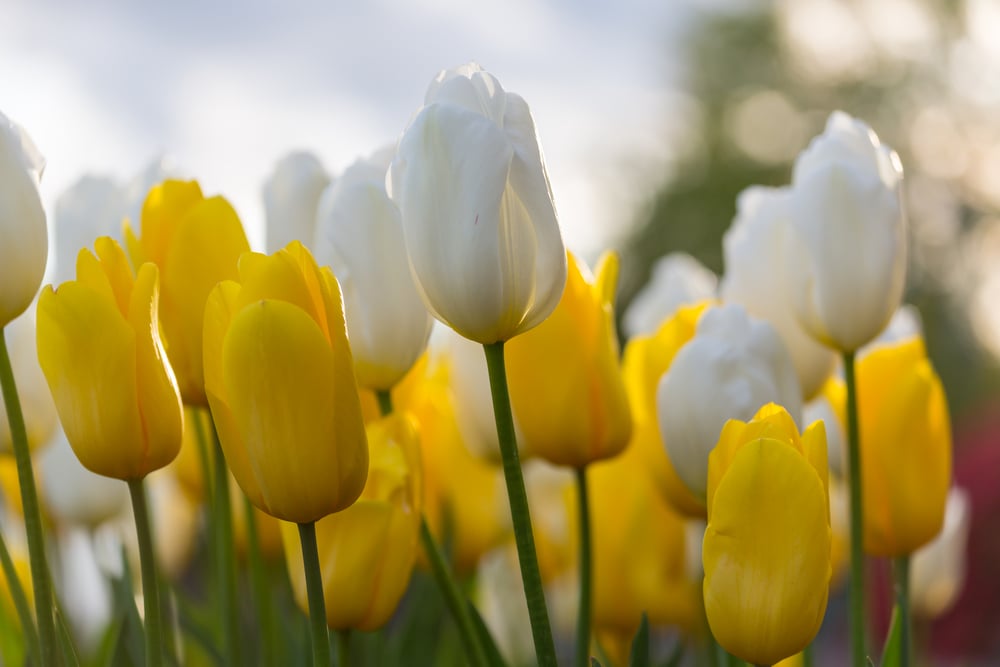
Yellow tulips traditionally symbolized hopeless love, though their meaning has shifted toward cheerfulness and friendship in modern times. White tulips suggest purity, forgiveness, or apology.
Purple tulips connect to royalty since purple dyes were once so expensive that only the wealthy could afford purple fabric, making the color itself a status symbol. These meanings give people ways to express feelings through flower choices.
They need cold to bloom properly

Tulip bulbs require a period of cold dormancy to bloom successfully, which is why they’re planted in fall and flower in spring. The bulbs need roughly 12 to 16 weeks of temperatures below 55 degrees Fahrenheit to trigger the biochemical changes necessary for flowering.
This requirement makes tulips difficult to grow in warm climates unless gardeners dig up and refrigerate bulbs before replanting them. In regions without proper winters, people sometimes buy pre-chilled bulbs or give up on tulips entirely in favor of flowers better suited to their climate.
The cold period acts like a reset button, preparing the bulb for its spring performance.
Wild tulips look nothing like garden varieties
Species tulips, also called wild tulips or botanical tulips, resemble their ancient ancestors and look quite different from the large, showy garden tulips most people recognize. They’re typically smaller with pointed, star-shaped flowers and thinner leaves.
These wild varieties often naturalize well, spreading and returning year after year without much help. Some species of tulips bloom very early, even before traditional garden tulips wake up.
Because they’re tougher and closer to the original wild plants, they handle neglect better and work well for rock gardens or natural-looking plantings where big, formal tulips might seem out of place.
Tulips were more important than art in Ottoman culture
During the Ottoman Empire, tulips appeared everywhere from pottery to prayer rugs, from palace tiles to tombstones. The period from 1718 to 1730 became known as the Tulip Era because Sultan Ahmed III’s love for the flower influenced art, culture, and politics throughout the empire.
Tulip festivals lit with thousands of candles illuminated palace gardens while tortoises carrying candles on their backs wandered among the flowers, creating spectacular nighttime displays. The Turkish city of Istanbul still has neighborhoods named Laleli, meaning place of tulips, commemorating areas where these flowers once grew abundantly.
Ottoman horticulturists also pioneered selective breeding techniques that laid groundwork for modern tulip varieties.
They became symbols for Parkinson’s disease
In 1980, Dutch horticulturist J.W.S. Van der Wereld, who suffered from Parkinson’s disease, bred a red and white tulip in honor of Dr. James Parkinson, the English doctor who first described the condition in 1812. This tulip, named Dr. James Parkinson, became a symbol of hope for people affected by the disease.
Parkinson’s organizations worldwide have adopted the tulip as their emblem, using it in awareness campaigns and fundraising efforts. The flower represents optimism and the ongoing search for better treatments and eventually a cure.
This modern symbolism adds another layer to the tulip’s already rich history of meaning.
Most tulips have perfectly symmetrical flowers
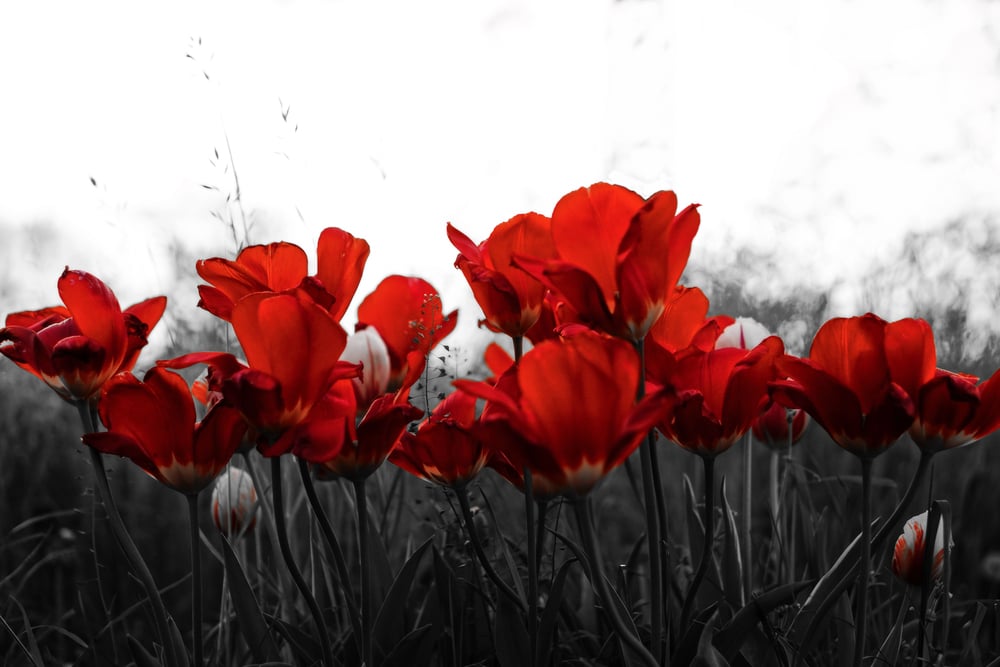
A flower’s look often comes down to how its parts line up, with most tulips showing perfect balance in their petal layout. Their even form shapes a smooth cup or bowl, giving off a tidy grace prized in garden designs.
Not every kind sticks to this rule – some, like parrot tulips or those with jagged edges, twist into wilder forms. Still, the usual type holds tight to symmetry, almost like measured geometry.
Artists under the Ottoman Empire noticed this exactness, pulling it into tiles and sacred drawings where harmony meant more than beauty. What grows in soil can echo deeper ideas when lines match just right.
Festivals celebrating tulips take place across the globe
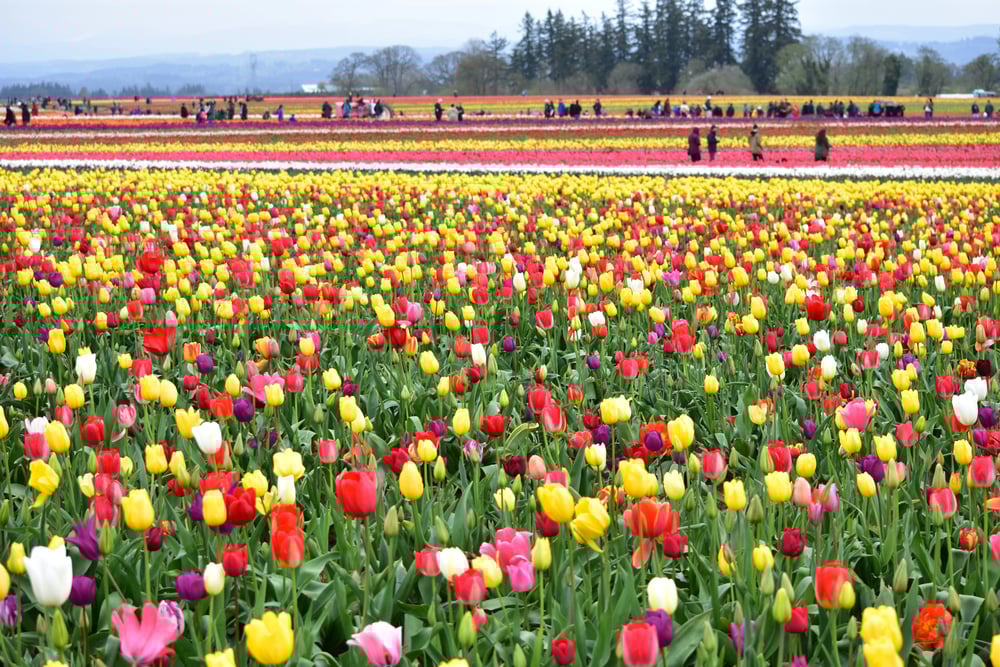
Spring brings tulip festivals not just in the Netherlands but also across Canada, the U.S., Turkey, and beyond. From Ottawa’s tribute rooted in wartime kindness – where the Dutch sent flowers as thanks for protecting their royals – to sweeping fields in Washington’s Skagit Valley painted row by row with bright petals.
The blooms there rise from working farms, bursting open in patterns like ribbons stitched across the land. Meanwhile, Istanbul honors its own deep ties to the flower, once prized in palace gardens during Ottoman times.
Visitors travel far to walk among these vivid scenes, capturing images of vibrant hues set against hills and cityscapes alike. Money flows into towns simply because people show up eager to wander through beauty made real each April.
When spring returns with familiar faces

Spring after spring, tulips show up like clockwork – no surprise, yet always welcome. These bright faces started high in Central Asian peaks, then wandered through royal Ottoman halls before settling into Dutch soil.
Today they pop up everywhere, from tidy rows to wild backyard corners. Back in the 1600s, people lost their minds over a single bulb; now they bloom quietly, year after year.
Thanks to modern methods, colors and shapes keep changing – wild stripes, odd curves, shades once unseen. Still, what draws us stays the same: soft petals, bold hues, that quiet signal of thawing ground.
Winter fades. Warmth inches closer. Tulips say it first. Worth every trip, every wait.
More from Go2Tutors!

- The Romanov Crown Jewels and Their Tragic Fate
- 13 Historical Mysteries That Science Still Can’t Solve
- Famous Hoaxes That Fooled the World for Years
- 15 Child Stars with Tragic Adult Lives
- 16 Famous Jewelry Pieces in History
Like Go2Tutors’s content? Follow us on MSN.