18 Oscar facts every movie fan should learn
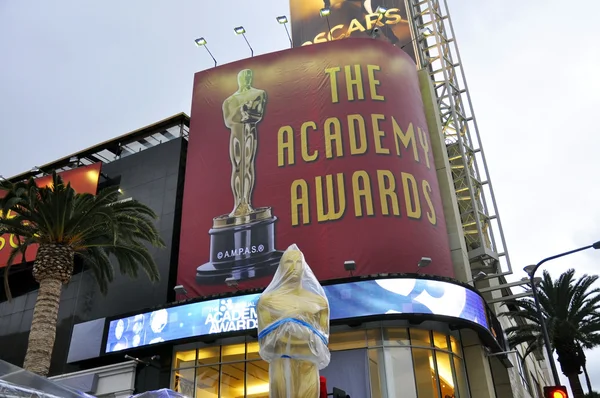
The Academy Awards have captivated audiences for nearly a century, creating moments that become part of Hollywood legend. From shocking upsets to bizarre backstage drama, the Oscars deliver entertainment both on and off the screen. These golden statuettes represent the pinnacle of film achievement, but the stories behind them often prove more fascinating than the movies themselves.
The ceremony that started as a quiet industry dinner has evolved into a global spectacle watched by millions. Here is a list of 18 Oscar facts that reveal the surprising, strange, and downright unbelievable aspects of cinema’s biggest night.
The Statuette Weighs as Much as a Small Bowling Orb

Standing at 13.5 inches tall and weighing a solid 8.5 pounds, these iconic awards are crafted from solid bronze and plated in 24-karat gold. Winners often joke about the unexpected workout they get when hoisting their Oscar above their head during those triumphant moments. The elegant figure might look delicate, but it packs some serious weight that reflects the gravitas of the award itself.
Nobody Really Knows Why They’re Called ‘Oscars’

AMPAS librarian Margaret Herrick is often credited for nicknaming the Academy Awards statuette as ‘Oscar’ as she possibly said that she nicknamed it after her Uncle Oscar asserting that it looked just like him. Actress Bette Davis claimed once that she invented the nickname as she found the statuette’s posterior to bear a resemblance with that of her husband Harmon Oscar Nelson’s. The Academy officially adopted the nickname in 1939, but the true origin remains one of Hollywood’s enduring mysteries. What we do know is that ‘Oscar’ sounds a lot less stuffy than ‘Academy Award for Merit.’
Only Three Films Ever Won the ‘Big Five’

‘It Happened One Night’ (1934), ‘One Flew Over the Cuckoo’s Nest’ (1975) and ‘The Silence of the Lambs’ (1991) stand atop the Oscar mountain as the only three films to ever win Best Picture, Best Actor, Best Actress, Best Director and Best Screenplay. This achievement requires lightning striking twice – having both a phenomenal male and female lead performance in the same movie. Think about how rare it is for one film to deliver iconic performances from both leading actors while also excelling in writing and direction.
The First Ceremony Had Two Best Picture Winners

The very first Oscars had two Best Picture winners without there being a tie… technically. You see, the first year actually had two different Best Picture categories: one for Outstanding Picture (a recognition of production and technical brilliance overall), and another for Unique and Artistic Picture. Wings took home what we now consider the main Best Picture prize, while F.W. Murnau’s masterpiece Sunrise won for Unique and Artistic Picture. The Academy quickly realized this setup was confusing and dropped the artistic category after just one year.
Walt Disney Holds the Record for Most Oscars Won

Walt Disney earned 59 Oscar nominations of which 22 were wins. He also received 4 honorary Oscars thus receiving a total of 26. Disney’s domination came primarily through animated shorts and features, establishing a legacy that continues today. His record seems nearly impossible to break, considering the specialized nature of his contributions and the sheer volume of work his studio produced during Hollywood’s golden age.
You Can’t Actually Sell Your Oscar

If you won an Oscar after the 1950s, you don’t actually own the trophy (legally). The Academy Awards requires winners sell the trophy back to the Academy Awards for the princely sum of a single dollar. This rule prevents the awards from becoming collector’s items or investment pieces. The Academy learned this lesson the hard way when some early winners started auctioning off their statuettes, threatening to turn prestigious awards into mere commodities.
Barry Fitzgerald Was Nominated Twice for the Same Performance

Barry Fitzgerald was nominated twice (!) for his performance as Father Fitzgibbon. He lost to Bing Crosby (for, well, this film) in the Best Actor category, but I doubt he was too upset because he won Best Supporting Actor that very same night. This happened because the rules weren’t as strict in the 1940s, allowing the same performance to compete in multiple categories. The Academy quickly changed the rules after realizing how awkward this situation could become.
The Shortest Winning Performance Lasts Just Five Minutes

Beatrice Straight proved that you don’t need hours of screen time to make an impact. Her five-minute, two-second performance in Network earned her the Oscar for Best Supporting Actress, making it the shortest winning performance ever. Her powerful confrontation scene with William Holden about his affair packed more emotional punch than many full-length performances. It proves that Oscar gold comes from intensity, not quantity.
John Williams Has Been Nominated in Seven Consecutive Decades

John Williams holds a pretty impressive Oscar nominations record. Ready for this? He’s the only individual to be nominated in seven consecutive decades, starting in 1968 and extending into 2024. From Star Wars to Harry Potter to the recent Indiana Jones films, Williams has consistently created the soundtracks to our lives. His 54 nominations make him one of the most recognized artists in Oscar history.
The Los Angeles Times Once Spoiled Every Winner

The Los Angeles Times beat out the 12th Oscars ceremony by releasing the winners of the event; it was so early that stars like Clark Gable were finding out who won before they even arrived at the ceremony. This embarrassing breach in 1940 happened during Gone with the Wind’s record-breaking year, completely deflating the drama for everyone involved. The incident led to the now-famous sealed envelope system and strict media embargoes.
Midnight Cowboy Remains the Only X-Rated Best Picture Winner
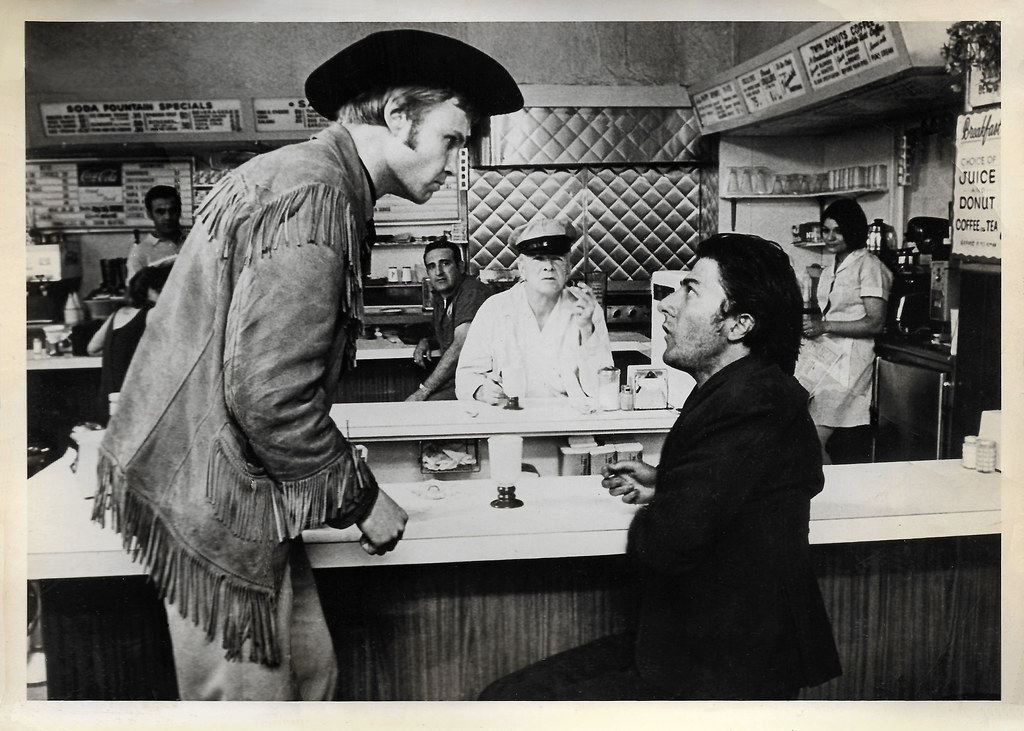
Midnight Cowboy is a Best Picture winner, given how beloved the film is. What may come as a shock is that it is the first — and only — X-rated Best Picture winner of all time. The 1969 film starring Dustin Hoffman and Jon Voight tackled controversial themes around male relationships that made censors nervous. Ironically, the film was re-rated to R just two years later, proving that social attitudes can shift faster than Academy voting patterns.
Two Films Lost Despite Earning 11 Nominations Each

Two movies were nominated 11 times but came out of the award ceremony empty handed. The Turning Point (1977) and The Color Purple (1985). These films represent the ultimate Oscar heartbreak – receiving recognition across nearly every major category yet walking away with nothing. The Turning Point’s shutout was particularly brutal since it tied the record for most nominations at the time.
Greer Garson’s Speech Created the Time Limit Rule

Greer Garson delivered the longest acceptance speech, which is believed to have lasted for almost six minutes, in 1943 while accepting the Best Actress Award for Mrs. Miniver. AMPAS thereafter set the time limit for an acceptance speech to forty-five seconds. Her heartfelt but lengthy speech brought the ceremony to a grinding halt, forcing the Academy to implement the time restrictions that winners still face today. Modern winners have Garson to thank for those awkward orchestra interruptions.
The First Ceremony Lasted Only 15 Minutes

The 1st Academy Awards ceremony that lasted for 15 minutes was held more as a private event without much pageantry with about 270 people in attendance. Compare that to today’s multi-hour spectacles with elaborate musical numbers and celebrity presenters. The original ceremony was more like a corporate awards dinner than the global entertainment event we know today. Everyone already knew who won since the results had been announced months earlier.
Kobe Bryant Is the Only Person to Win Both Olympic Gold and an Oscar

Kobe Bryant is the only person who earned both an Olympic medal and an Oscar, winning gold medals in 2008 and 2012 as part of US Olympic basketball teams and an Oscar for Best Animated Short Film for Dear Basketball in 2018. This remarkable achievement showcases how athletic excellence can translate into artistic success. Bryant’s post-basketball career in storytelling proved that champions can reinvent themselves in completely different fields.
Three Generations of Two Families Have Won Oscars

Two of the most prominent families of tinsel town that boast of having three generations of Oscar winners are the Hustons with Walter, his son John and the latter’s daughter Anjelica; and the Coppolas, with Carmine , his son Francis Ford and the latter’s daughter Sofia. These Hollywood dynasties prove that talent often runs in families, though each generation had to earn their recognition independently. The Huston family’s achievement is particularly impressive since John directed both his father and daughter to their wins.
Tatum O’Neal Remains the Youngest Competitive Winner

Tatum Beatrice O’Neal, at age 10, became the youngest person to win a competitive Oscar. She received the Best Supporting Actress award for her performance in Paper Moon in 1973. Her victory came for playing opposite her real-life father Ryan O’Neal in the Depression-era comedy-drama. At 10 years old, she probably had no idea she was making Oscar history – she was just acting in a movie with her dad.
Alfred Hitchcock Never Won a Directing Oscar
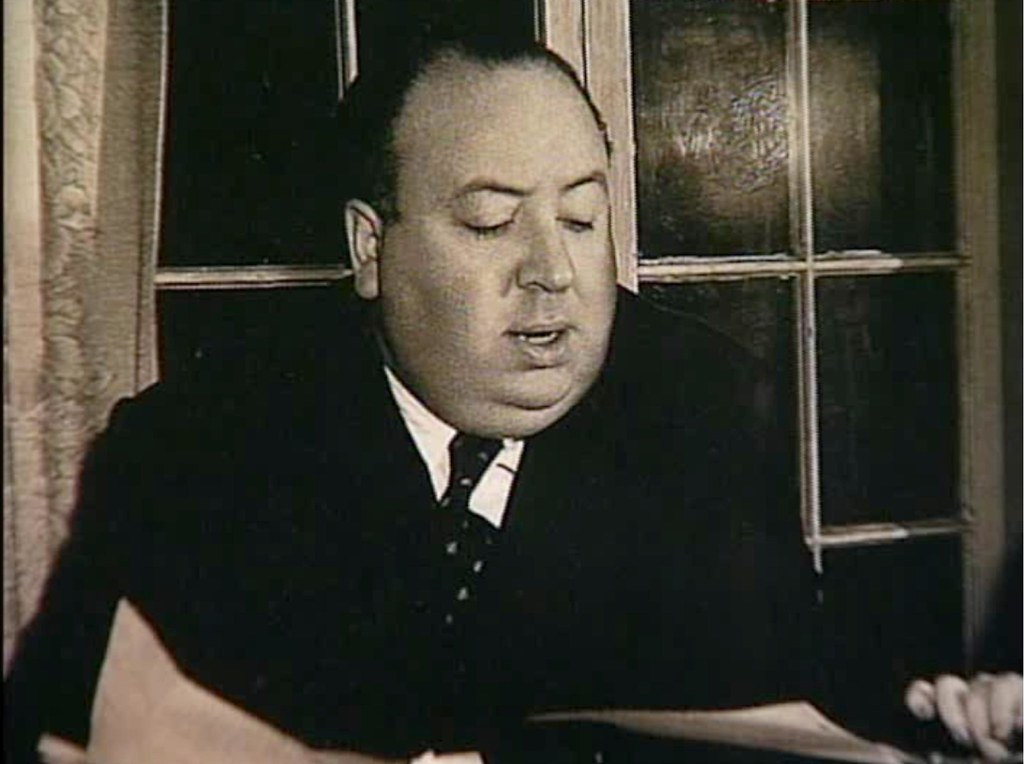
Zero. That’s right, arguably the greatest director in all of film history never won the directing prize, despite a prolific body of work that includes ‘Notorious’ (1946), ‘Rear Window’ (1954), ‘Vertigo’ (1958), ‘North By Northwest’ (1959), ‘Psycho’ (1960) and ‘The Birds’ (1963). This shocking omission represents one of the Academy’s biggest oversights in history. Hitchcock was nominated five times but never won, proving that Oscar success doesn’t always align with lasting artistic impact or popular recognition.
The Golden Thread That Connects Past to Present

These Oscar facts reveal how an industry dinner grew into a global cultural phenomenon that continues to surprise us nearly 100 years later. From the weight of the statuettes to the brevity of winning performances, each detail adds to the mystique that makes the Academy Awards endlessly fascinating. The ceremony has witnessed family dynasties, historic oversights, and moments of pure Hollywood magic that remind us why we still tune in every year. Whether celebrating groundbreaking achievements or head-scratching snubs, the Oscars remain the ultimate measure of movie success – even when they get it spectacularly wrong.
More from Go2Tutors!

- 16 Historical Figures Who Were Nothing Like You Think
- 12 Things Sold in the 80s That Are Now Illegal
- 15 VHS Tapes That Could Be Worth Thousands
Like Go2Tutors’ content? Follow us on MSN.