Discontinued Sodas And Drinks People Still Beg Companies To Bring Back
Surge
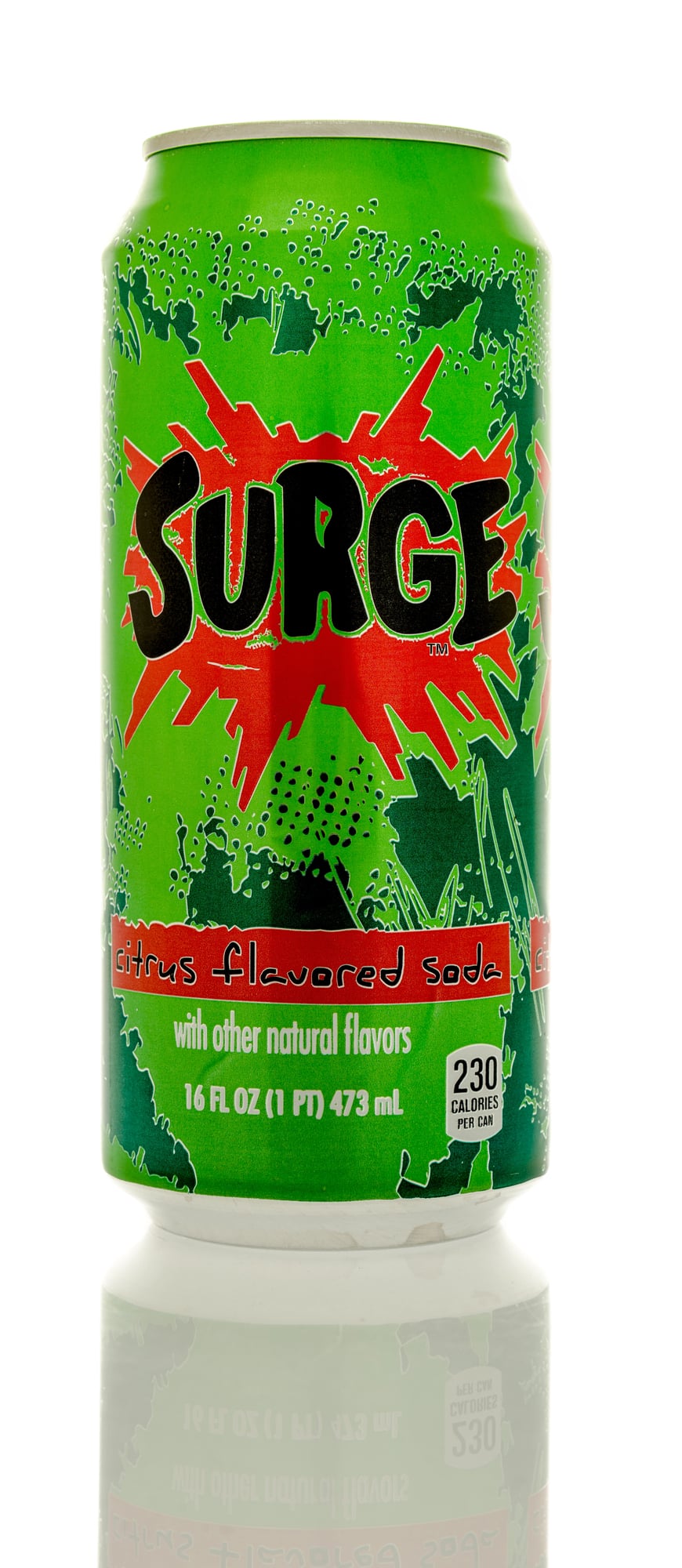
Surge was never subtle about what it was. Citrus-flavored, aggressively carbonated, neon green — it arrived in 1996 as Coca-Cola’s answer to Mountain Dew and immediately became the defining drink of a certain kind of 1990s childhood.
It was pulled from shelves in the early 2000s, and the grief was immediate and vocal.
Crystal Pepsi
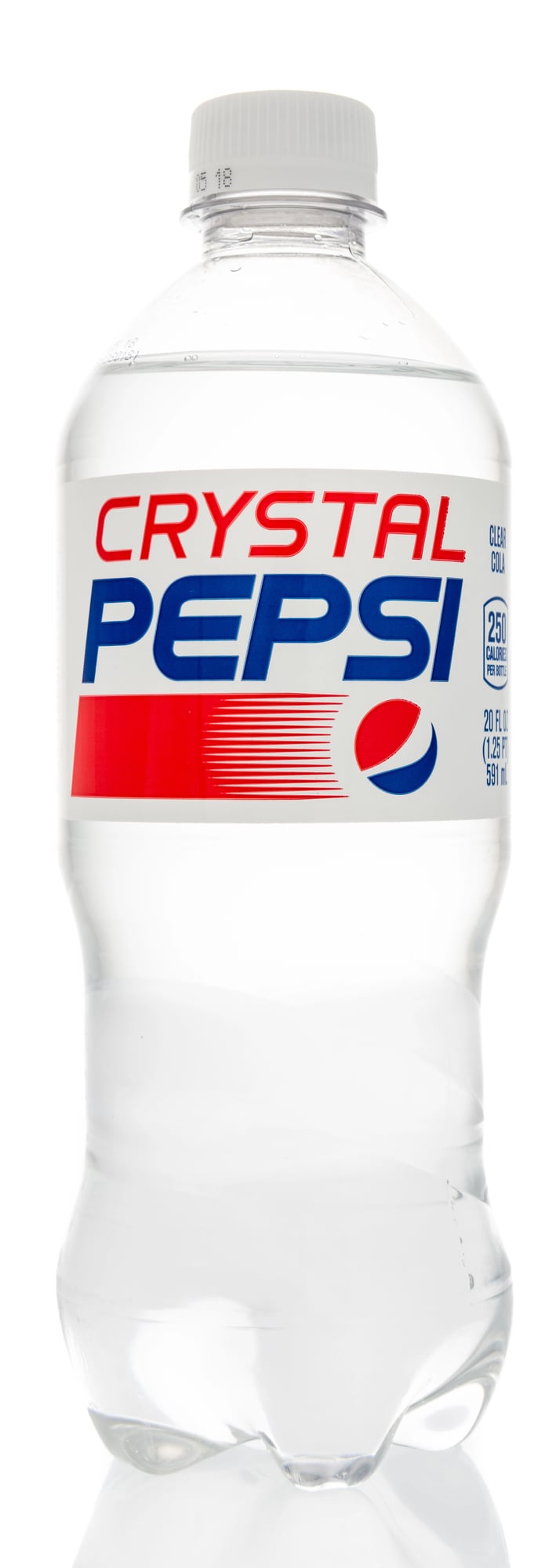
Crystal Pepsi was a marketing exercise dressed up as a beverage, and somehow it worked. Launched in 1992 on the premise that clear meant pure (a logic that doesn’t fully survive scrutiny), it sold well enough initially before the novelty wore off and Pepsi quietly pulled it.
The nostalgia around Crystal Pepsi is genuinely outsized for a drink most people only had a few times.
Josta
Josta deserves more credit than it gets in these conversations. Introduced by PepsiCo in 1995, it was the first energy drink from a major American soda company — guarana-based, dark, faintly exotic in the way mid-90s marketing liked to position things as exotic, and it developed a cult following before Pepsi discontinued it in 1999.
People still talk about it with the kind of reverence usually reserved for things that never got a fair shot.
Orbitz
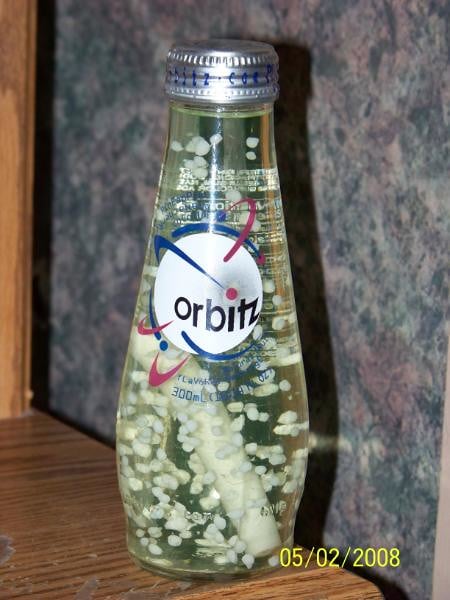
Orbitz is the drink people remember most vividly but describe least accurately. It was a lightly carbonated fruit drink with small gelatin rounds suspended in it — spheres that floated mid-bottle rather than sinking, which was the entire point — and it was sold briefly in the late 1990s before disappearing.
The taste was ordinary; the visual was genuinely unforgettable, which is probably why it keeps coming up.
Pepsi Blue
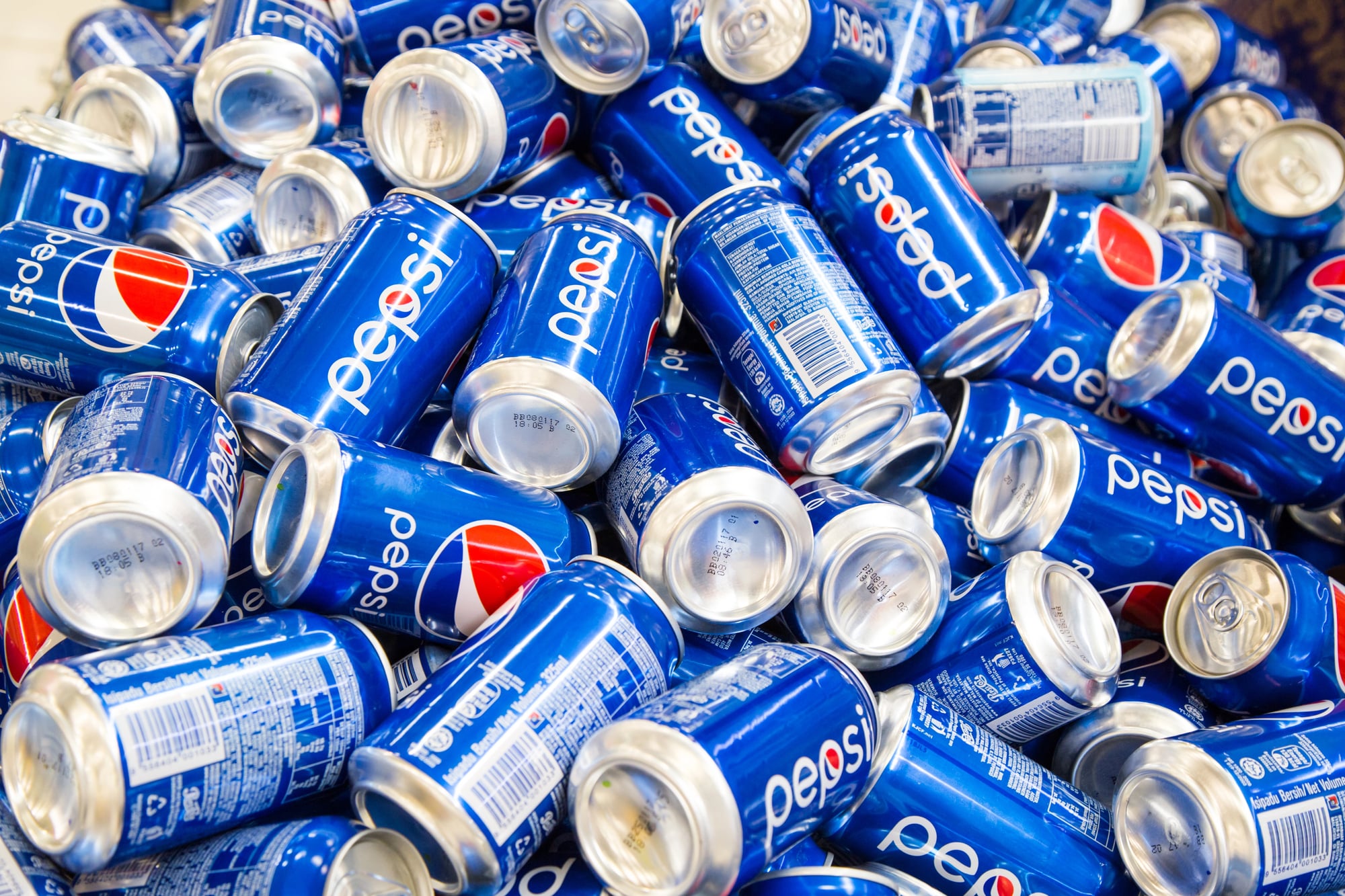
Pepsi Blue was, to put it plainly, a mistake that people miss anyway. Launched in 2002 as a berry-flavored cola with an electric blue color, it was discontinued in the United States by 2004 after disappointing sales — and yet a meaningful segment of the population insists they loved it and wants it back.
Turns out nostalgia doesn’t require good judgment.
OK Soda
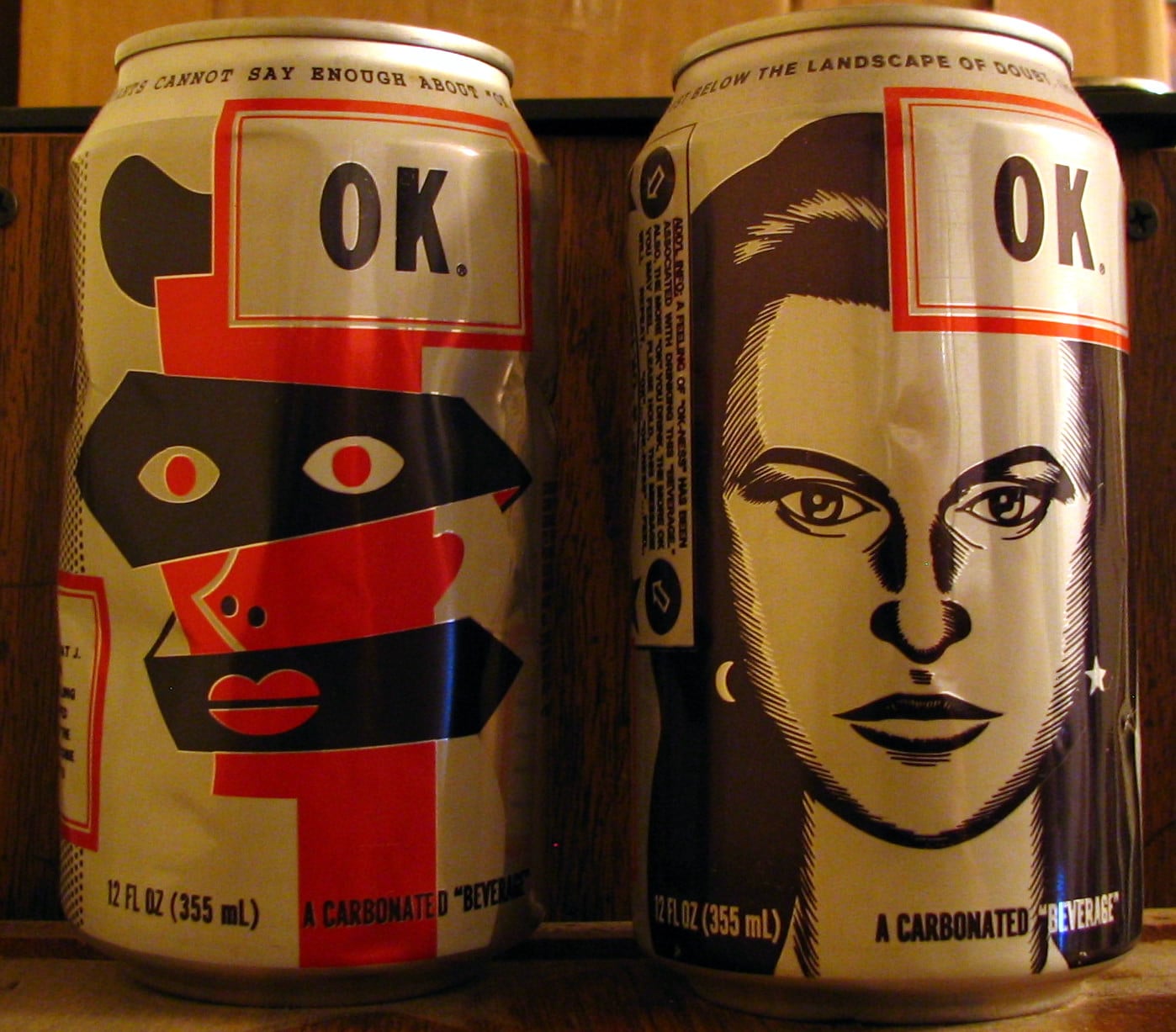
OK Soda was Coca-Cola’s attempt in the early 1990s to market directly to Generation X, and the approach was strange enough to be fascinating — the branding leaned into irony and detachment, the ads were deliberately odd, and the flavor itself (a blend of cola and citrus, roughly) was secondary to the aesthetic. It was test-marketed in select cities between 1993 and 1995 before Coca-Cola pulled it, and it never reached national distribution.
The cult around it is disproportionate to the number of people who ever actually tasted it.
Slice
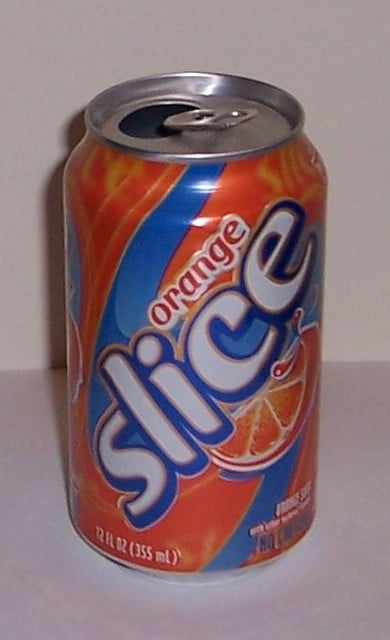
Slice, the lemon-lime soda that PepsiCo launched in 1984, occupied a specific lane: fruit juice-forward, less aggressive than its competitors, positioned as the slightly more grown-up option. It quietly disappeared from most markets in the early 2000s, replaced internally by Sierra Mist, and the people who grew up with it have never fully accepted the substitution.
The orange flavor had particular devotees who still bring it up unprompted.
Snapple Elements
Snapple Elements — the line that included Rain, Fire, Earth, and Sun — was exactly what the late 1990s thought a premium drink should look like: glass bottles shaped like small lamps, colored liquid, mineral-style names. The line ran from roughly 1997 to the early 2000s before Snapple quietly retired it, and the people who remember it remember it intensely, the way you remember anything that felt slightly too stylish for its moment.
Tab
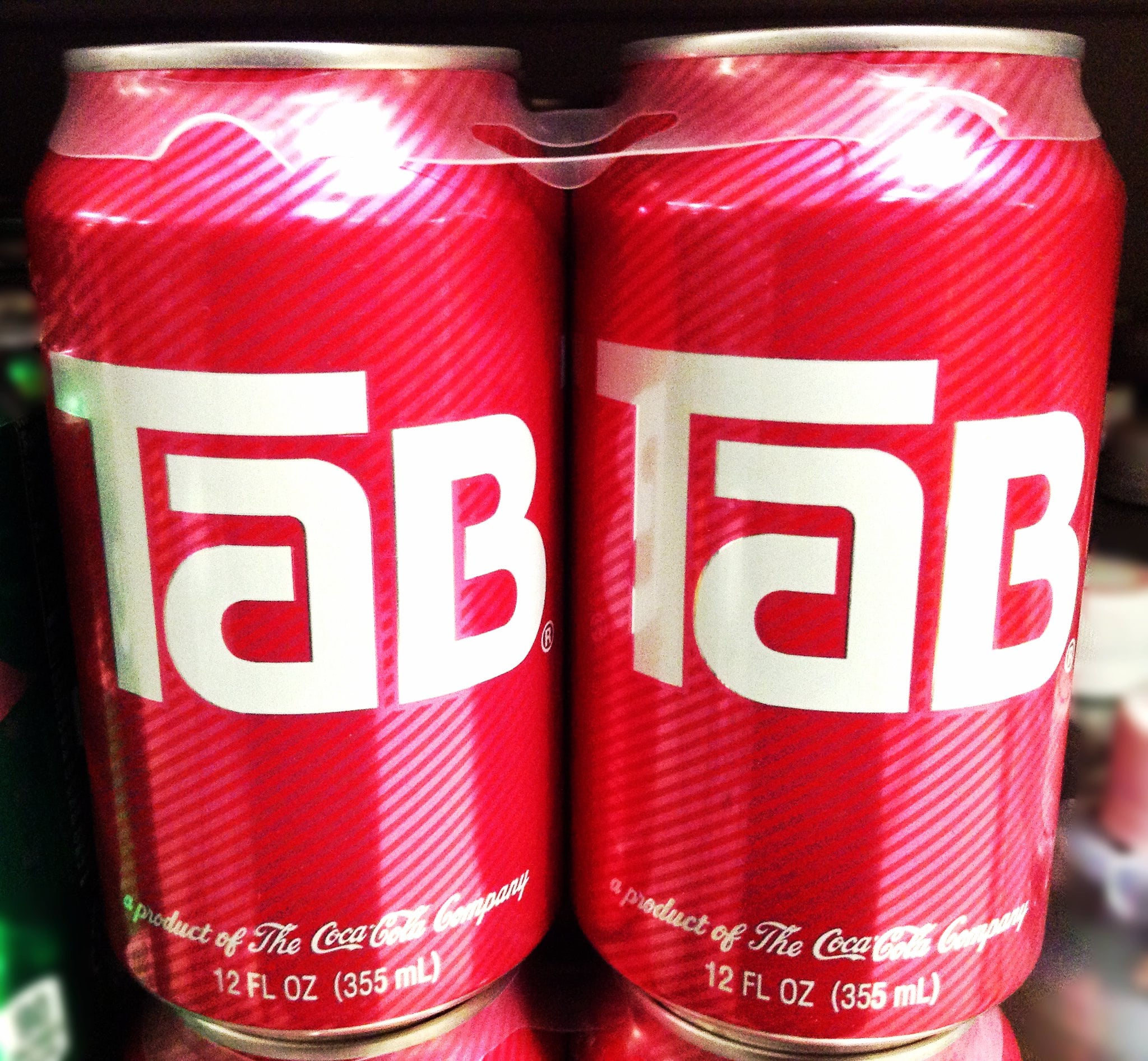
Tab was Coca-Cola’s original diet cola, launched in 1963 and kept alive for decades as a kind of legacy product even after Diet Coke arrived and took most of its market share. Coca-Cola officially discontinued it in 2020, during the early months of a pandemic that made the loss feel crueler than it might have otherwise.
Tab had a dedicated following — older, loyal, deeply uninterested in switching — and they have not gone quietly.
Mello Yello
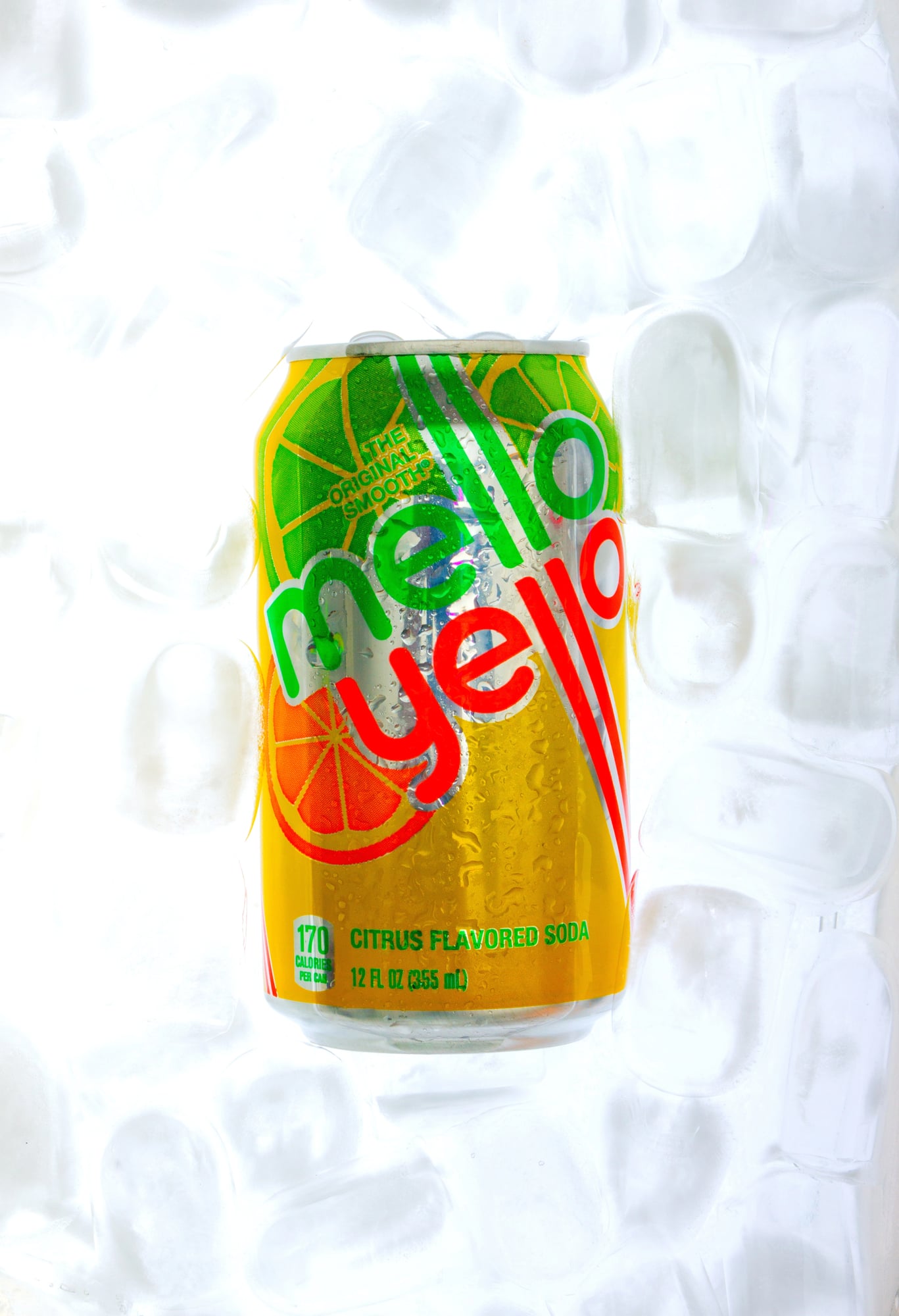
Mello Yello technically still exists in parts of the country, but for large swaths of the United States it vanished from regular distribution years ago, which to its fans counts as a discontinuation in every meaningful sense. Introduced by Coca-Cola in 1979 as a direct competitor to Mountain Dew, it was citrusy and slightly less sharp — and in certain regional markets it genuinely won the comparison.
The people who grew up with it are bewildered that it lost.
Fruitopia
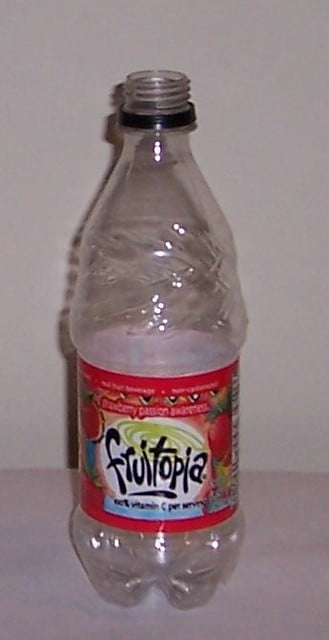
Fruitopia arrived in 1994 as Coca-Cola’s answer to Snapple, and it brought the full mid-90s aesthetic with it: tie-dye visuals, vaguely philosophical slogans, flavors with names like Strawberry Passion Awareness and The Grape Beyond. It was pulled from U.S. shelves around 2003, though it persisted longer in Canada and at McDonald’s fountains.
The packaging alone could anchor a decade — that’s the kind of thing that keeps a discontinued drink alive in memory long after the taste has faded.
Jolt Cola
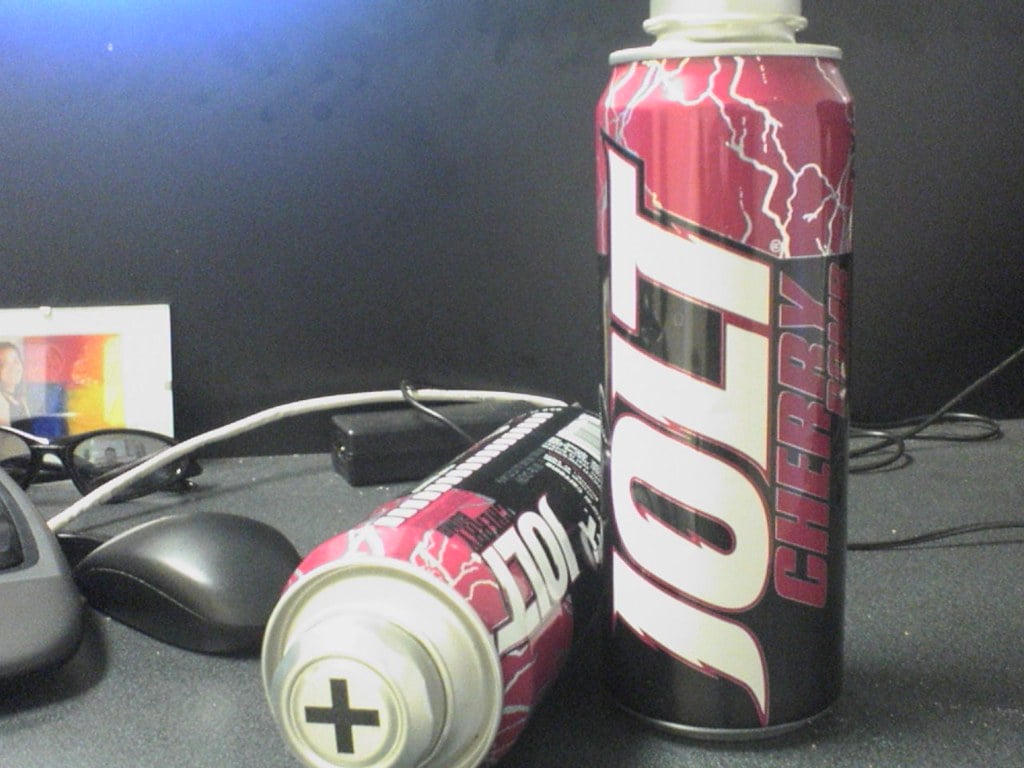
Jolt Cola — “all the sugar and twice the caffeine” — was the original high-caffeine soda, arriving in 1985 before energy drinks existed as a category. It ran through various ownership changes and reformulations before finally going under around 2019, and its absence matters because it was the honest version of what a lot of drinks are now but won’t admit to being.
It said exactly what it was on the label, which was either refreshing or alarming depending on who you asked.
Coca-Cola BlāK
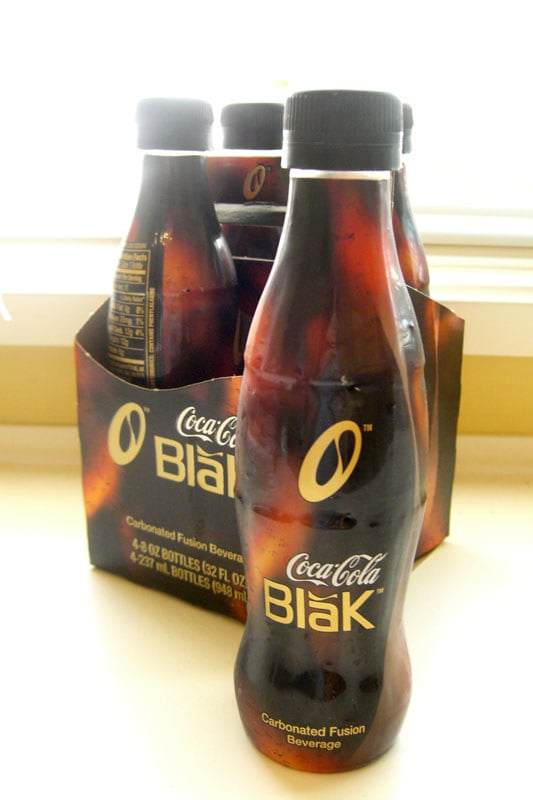
Coca-Cola BlāK was a coffee-cola hybrid that Coca-Cola launched in 2006 and discontinued by 2008, which wasn’t long enough for most people to form an opinion but was apparently long enough for a dedicated group to feel its absence. The flavor was polarizing in the way that coffee and cola probably always will be together — but the people who liked it liked it enough that BlāK keeps appearing on “bring it back” lists nearly two decades later.
The market it predicted eventually arrived; BlāK just didn’t survive long enough to see it.
Hubba Bubba Soda
Hubba Bubba Soda was exactly what it sounds like: a bubblegum-flavored carbonated drink that existed in the 1980s and was almost certainly not good for you in any direction. It leaned completely into the sugar-and-novelty lane with no apologies, which is precisely what people loved about it.
As a childhood artifact it lands somewhere between candy and beverage, and grown adults who remember it tend to do so with a warmth that far outstrips the drink’s actual quality.
Squeezit
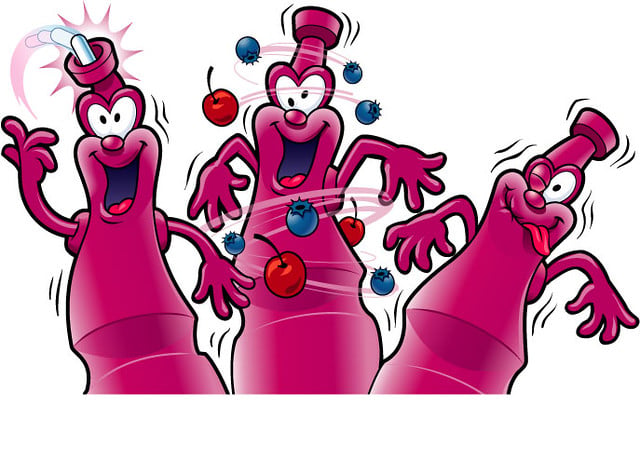
Squeezit — the squeezable, brightly colored fruit drink in a plastic bottle shaped like a small figure — was a staple of 1990s lunch boxes before General Mills discontinued it in 2001. What it lacked in sophistication it more than compensated for in pure kid-targeted joy: the packaging was the experience, and the flavor (grape, cherry, and a rotation of others) was secondary to the ritual of squeezing the bottle.
The petitions to bring it back have been around for years, and they are very sincere.
Hi-C Ecto Cooler
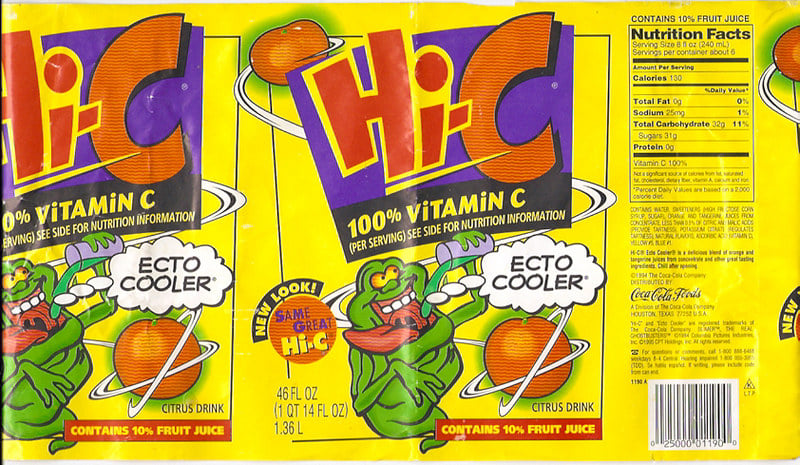
Hi-C Ecto Cooler was a citrus-flavored juice drink that debuted in 1987 as a tie-in to the Real Ghostbusters animated series, and it’s one of the few drink tie-ins that outlasted the property it was meant to promote — staying on shelves until 2001. It made brief comebacks around the 2016 Ghostbusters reboot, which only intensified the demand from people who’d spent 15 years asking for it.
The nostalgia for Ecto Cooler is less about the flavor and more about what it meant to open a lunch box in 1989.
Pepsi Twist
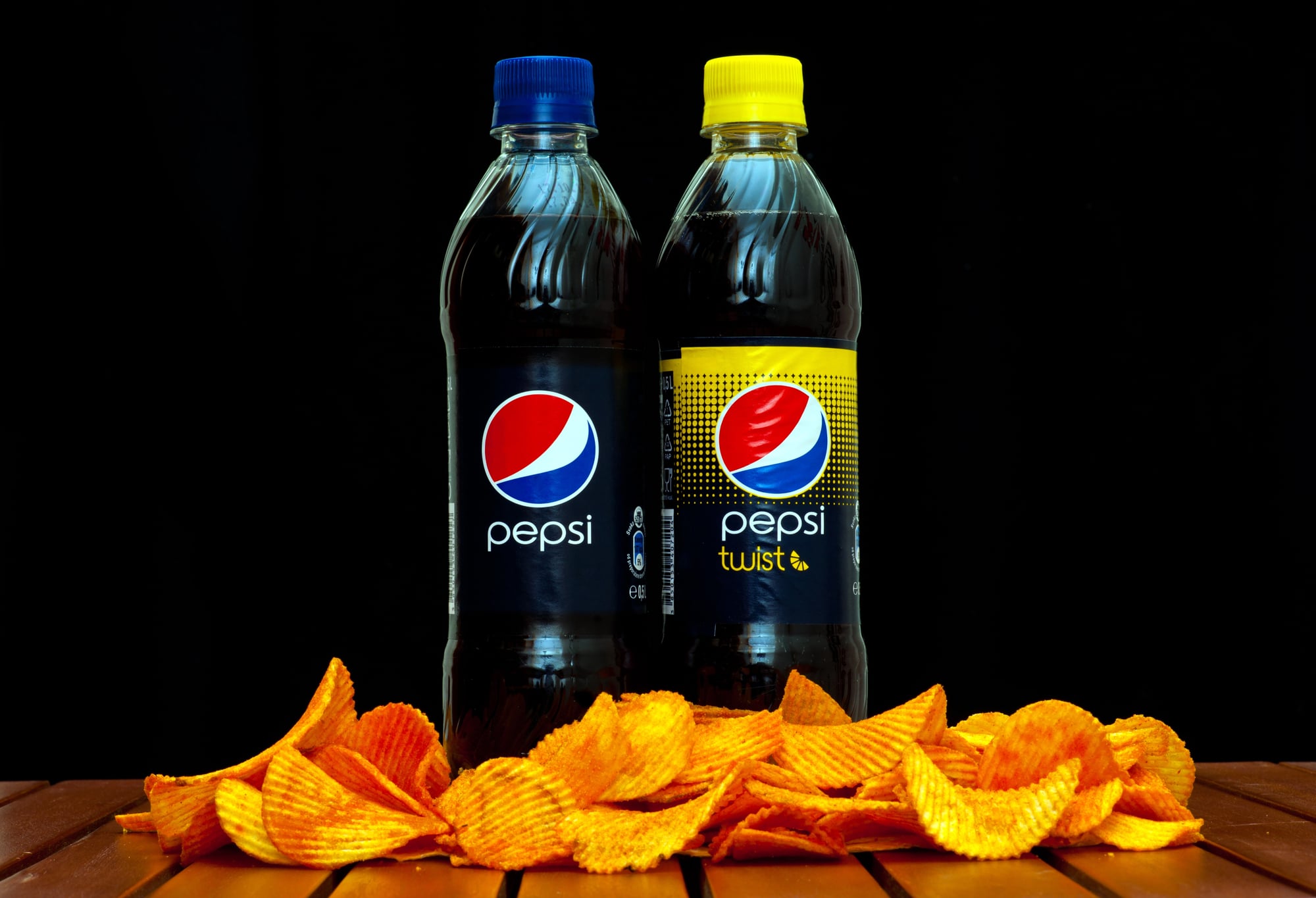
Pepsi Twist — cola with a lemon flavor built in — was available in the United States through the early to mid-2000s before quietly being discontinued, and it had a following among people who found regular Pepsi slightly flat in flavor profile. It continues to be sold in some international markets, which is its own particular kind of sting for American fans.
The ask to bring it back is less loud than some on this list, but it’s consistent.
Mountain Dew Pitch Black
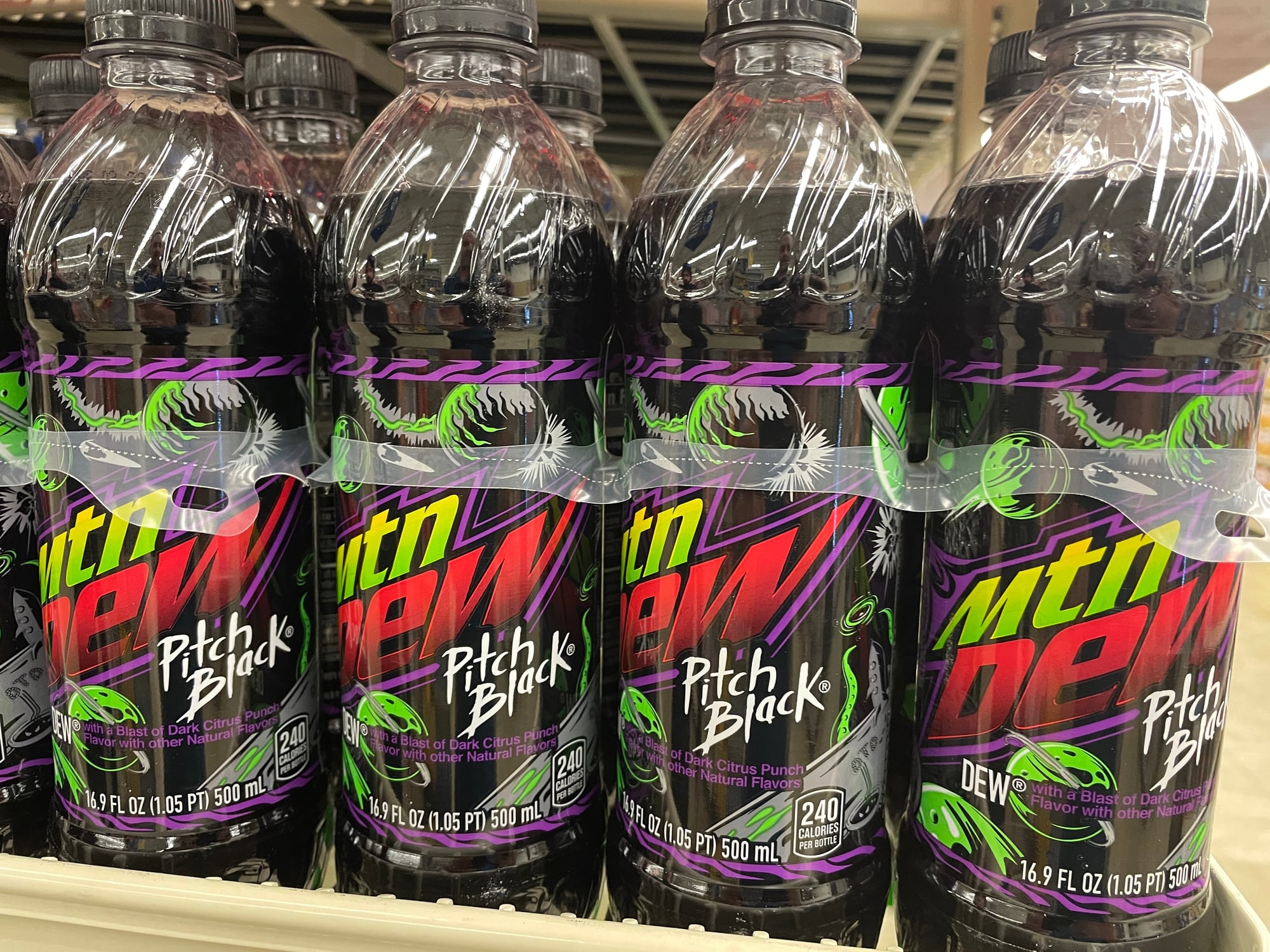
Mountain Dew Pitch Black was a limited-release grape-flavored variant that debuted in 2004 around Halloween, came back briefly in 2005, and has since surfaced in limited runs — but never with any permanence. Each reappearance is met with immediate enthusiasm and immediate disappointment when it disappears again, and the cycle has been going long enough that it’s basically its own tradition.
Mountain Dew fans are, to be fair, a particular breed of committed, and Pitch Black has become something of a cause.
Gatorade Fierce Grape
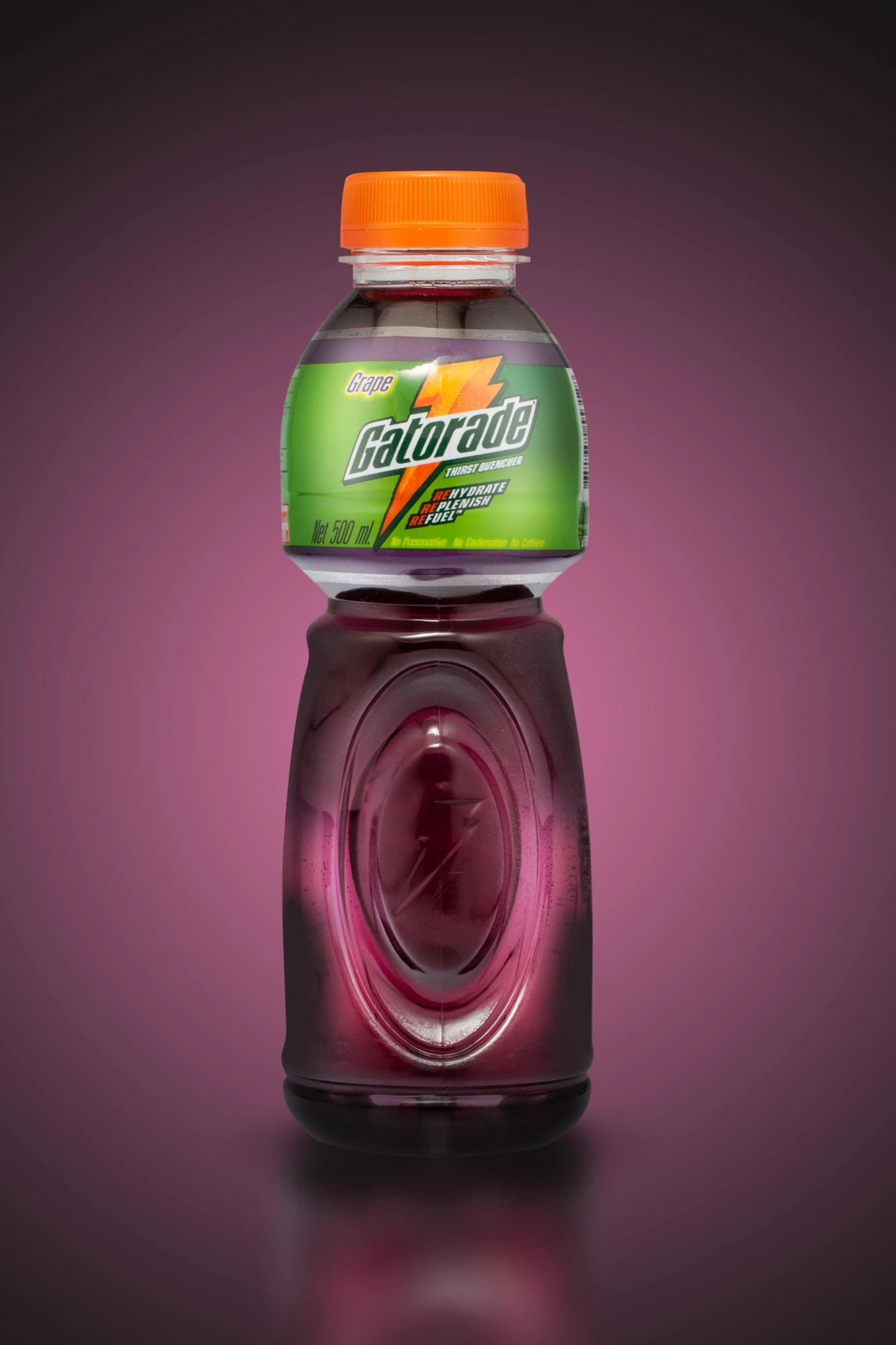
Gatorade has quietly cycled through dozens of flavors over the years, discontinuing some that had genuinely strong followings, and Fierce Grape is among the most mourned. The Fierce line had a darker, more concentrated flavor profile than standard Gatorade, and the grape variant — deep purple, less sweet than most grape drinks — hit a specific note that its fans found hard to replace.
Sports drink options are not exactly scarce, and yet.
Clearly Canadian
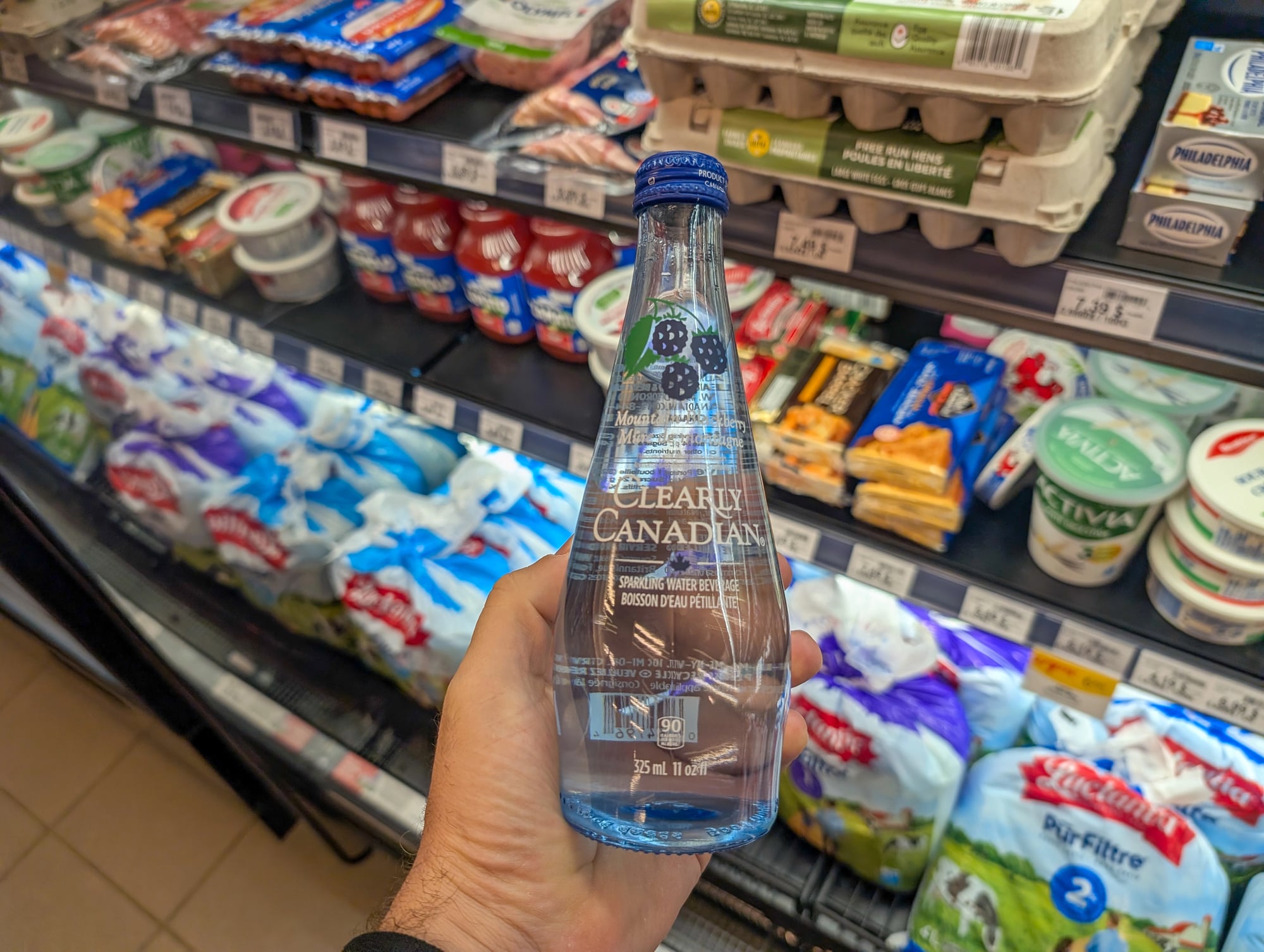
Clearly Canadian was a sparkling water with fruit flavors in a distinctive cobalt-blue glass bottle, and in the late 1980s and early 1990s it was the premium water option before that was a crowded category. It went through bankruptcy and reformulation and eventually returned in a limited capacity through crowdfunding around 2015, though not at the scale or distribution its fans wanted.
The bottle was as much a part of the appeal as the drink — elegant, slightly old-fashioned, the kind of object that still shows up in nostalgia posts without the author quite knowing why.
Pepsi Holiday Spice
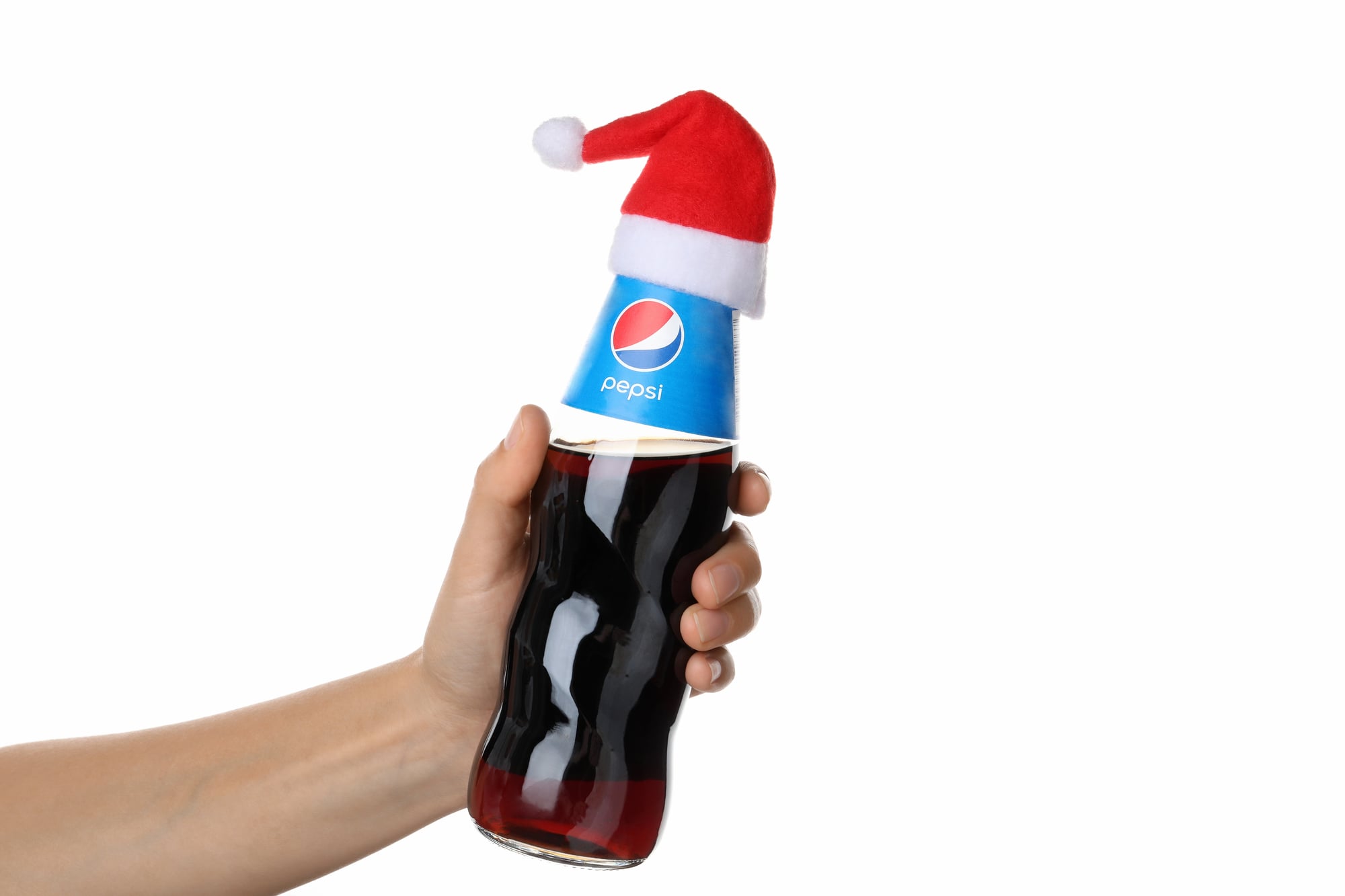
Pepsi Holiday Spice was a cinnamon and ginger-flavored cola sold during the holiday season in 2004 and briefly again in 2006, and it found an audience among people who wanted something that tasted like December in a can. Seasonal sodas rarely outlast their moment, but Holiday Spice accumulated enough goodwill during its short runs to keep people requesting it every November.
The ask is as regular as the season itself.
Vernors Ginger Ale (Original Formula)
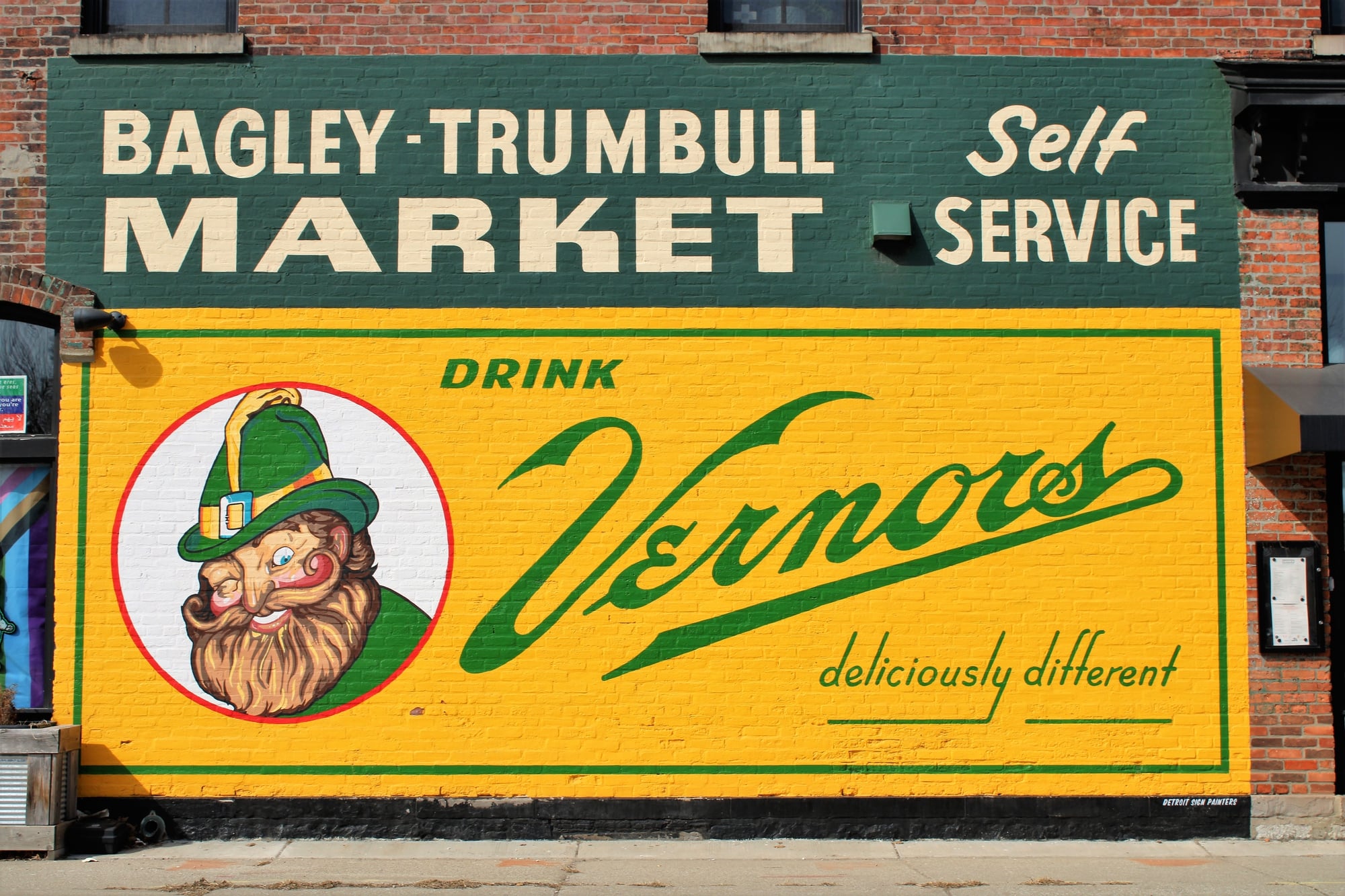
Vernors technically still exists — it’s one of the oldest soft drinks in America, originating in Detroit in the 1860s — but longtime fans insist the formula changed significantly after various ownership transfers, and that the original barrel-aged ginger flavor is effectively gone. The original had a bite and a woodiness that current versions don’t replicate, and the people who remember it treat the current product as a different drink wearing the same name.
It’s a grief with an asterisk.
When The Can Goes Empty For Good
There’s something worth sitting with in the fact that most of these drinks weren’t extraordinary. The recipes weren’t complex.
The ingredients weren’t rare. What made them irreplaceable was timing — the specific moment in a specific life when a drink became a habit, a comfort, a small ritual.
And rituals don’t transfer cleanly to substitutes, no matter how close the flavor profile gets. That’s why the petitions keep getting signed.
That’s why Reddit threads about Crystal Pepsi still get replies in 2024. It was never really about the soda.
More from Go2Tutors!

- The Romanov Crown Jewels and Their Tragic Fate
- 13 Historical Mysteries That Science Still Can’t Solve
- Famous Hoaxes That Fooled the World for Years
- 15 Child Stars with Tragic Adult Lives
- 16 Famous Jewelry Pieces in History
Like Go2Tutors’s content? Follow us on MSN.



