31 Historical Figures Whose Reputations Completely Flipped
History has a habit of revising its own verdicts. Someone dies a villain and gets rehabilitated two centuries later.
Someone else spends a lifetime celebrated, only for future generations to tear the statue down — sometimes literally. The reassessments aren’t random.
They follow shifts in what people value, what evidence gets unearthed, and whose voices finally get heard. Some of the figures below were genuinely misunderstood in their time.
Others were genuinely awful and got away with it for far too long. Either way, what you were taught about them and what the fuller record actually shows are often two very different things.
Richard III
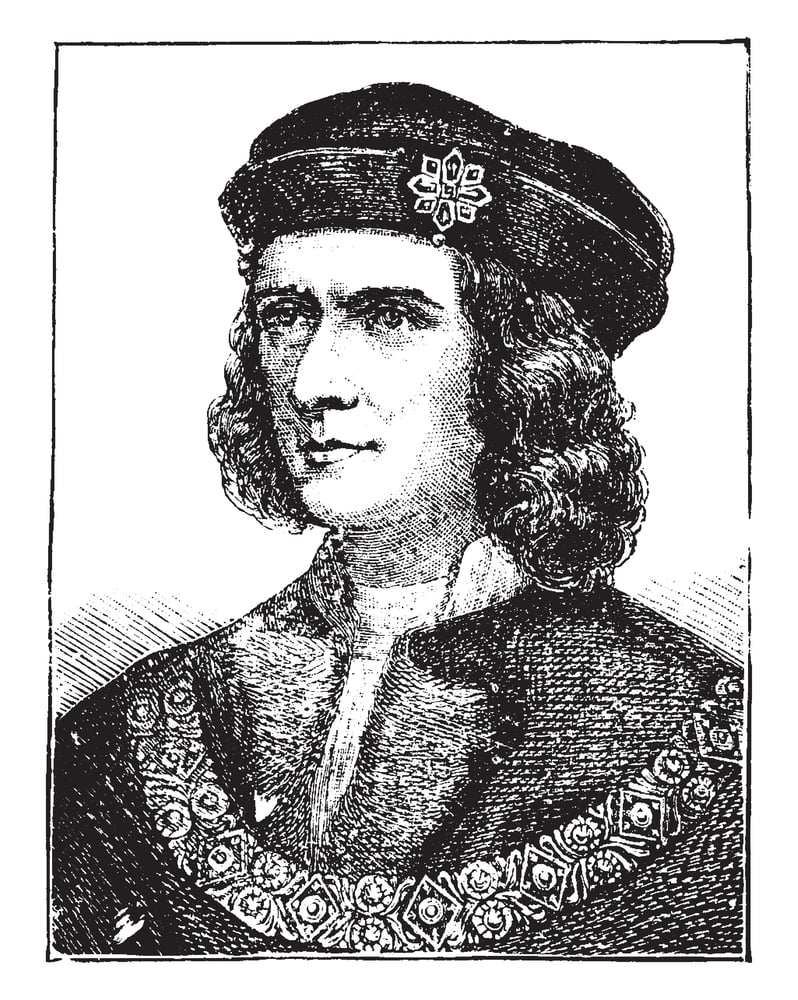
Richard III spent centuries wearing Shakespeare’s portrait like a death mask — hunched, murderous, the man who allegedly smothered his own nephews in the Tower of London. But Shakespeare was writing under the Tudors, who had every political reason to make the man they’d deposed look monstrous.
Modern historians, and the 2012 discovery of Richard’s actual skeleton beneath a Leicester parking lot, have complicated that image considerably: the scoliosis was real, the deliberate villainy far less certain.
Thomas Edison
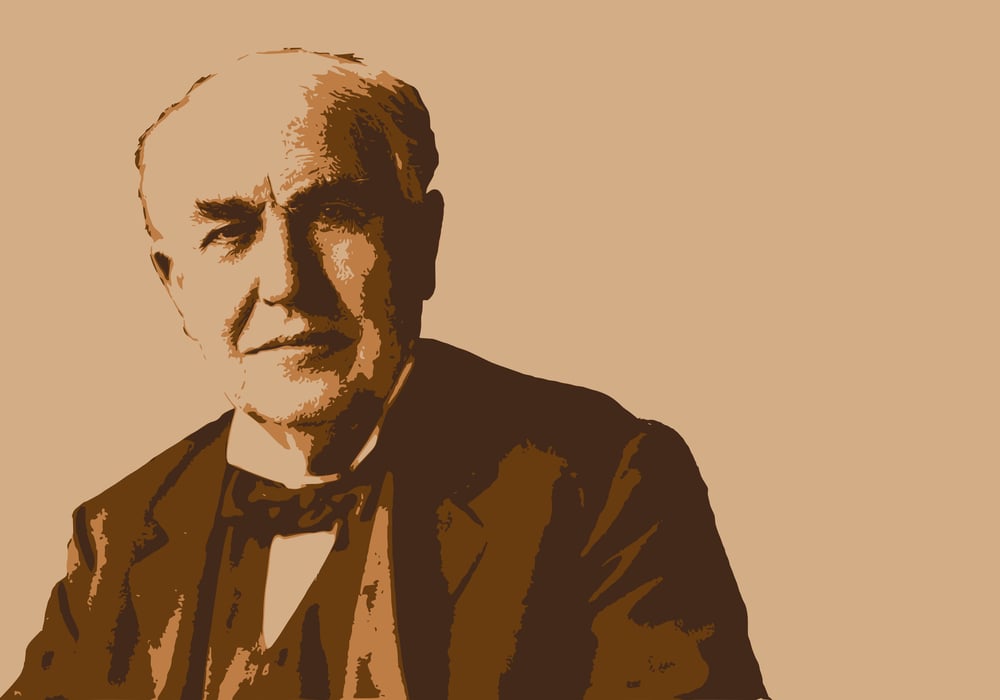
Edison was a genius at marketing himself, which is not quite the same thing as being a genius. He ran a laboratory full of researchers whose contributions he routinely absorbed into his own patents, he waged a vicious public campaign against AC current that included electrocuting animals to make a competitor look dangerous, and the “lone inventor” mythology the textbooks handed down was largely his own construction.
Turns out the lightbulb story is messier than the museum placard suggests.
Nikola Tesla
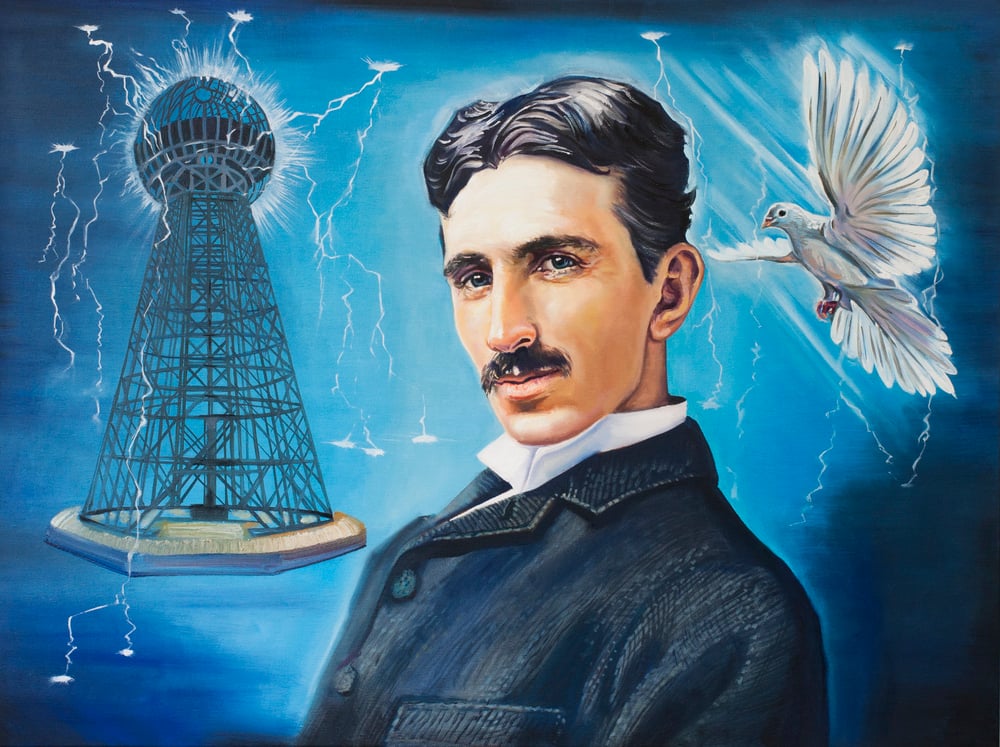
Tesla spent most of the 20th century as a footnote, the eccentric who lost to Edison and ended up forgotten in a Manhattan hotel room. And yet the rehabilitation that followed — particularly the one that happened online — has overcorrected so dramatically that Tesla now exists as a kind of secular saint for people who distrust corporations, which is its own distortion.
He was genuinely brilliant and genuinely wronged, but he was also difficult, obsessive, and prone to ideas that never came close to working.
Christopher Columbus
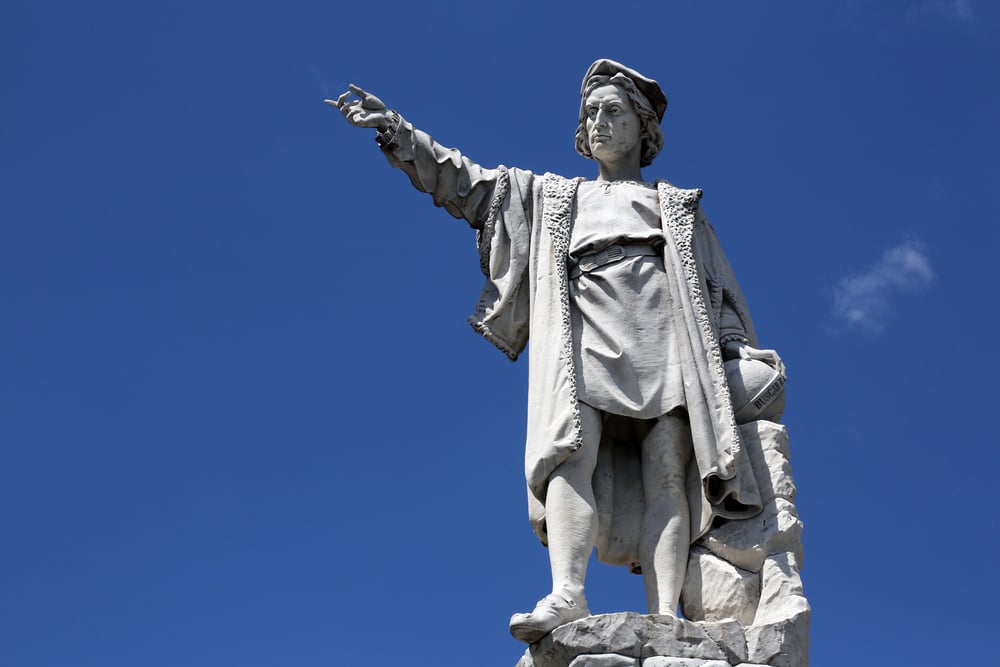
The Columbus rehabilitation is over. What’s left isn’t really a debate about exploration — it’s a reckoning with documented brutality: the enslavement of Indigenous people in Hispaniola, the severed hands, the calculated terror used as a governance tool.
The man was, by his own journals and by the accounts of his contemporaries, someone who treated human beings as raw material. That’s not revisionism — that’s just reading the sources.
Winston Churchill
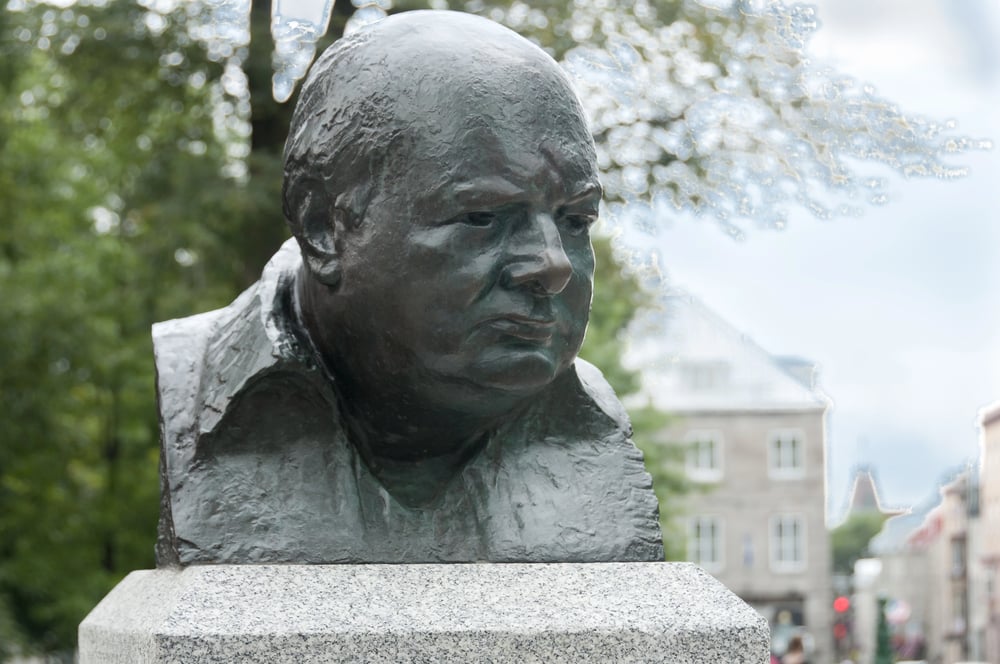
Churchill saved Europe from fascism, and that is not a small thing. But the Churchill handed to schoolchildren — the bulldog, the cig) — often arrives without the Bengal Famine of 1943, during which somewhere between two and three million people died while Churchill’s government prioritized wartime exports and Churchill himself made remarks about Indians that left little ambiguity about how he valued their lives.
A man can be genuinely heroic and genuinely callous at the same time. Churchill is proof.
Galileo Galilei
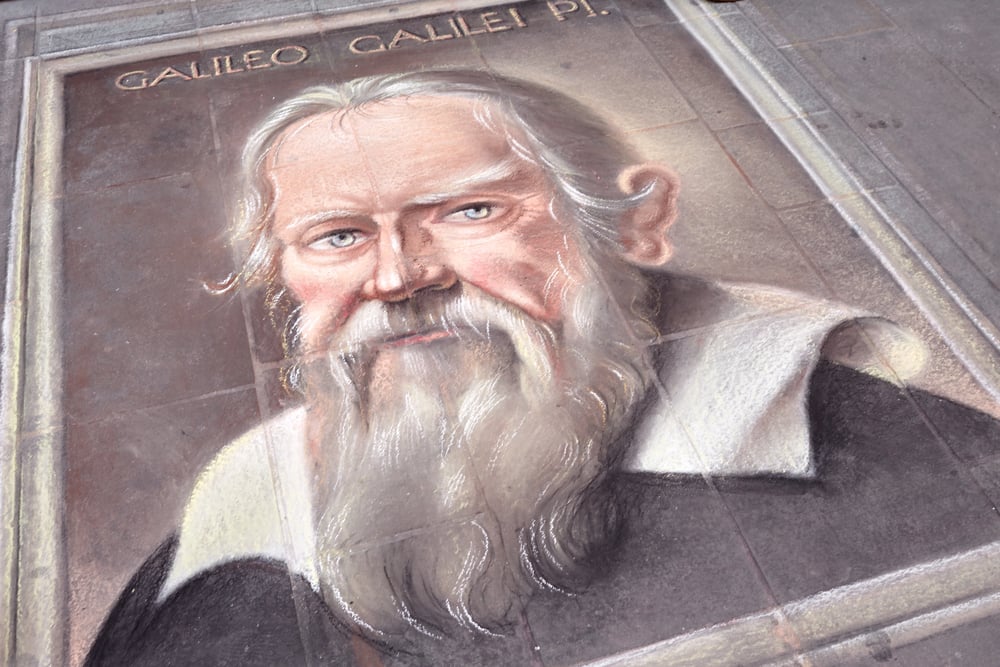
Galileo has been cast as the lone truth-teller surrounded by dogmatic fools, a martyr for science pinned down by the Church — but the actual story (which involves a fair amount of Galileo being diplomatically catastrophic, personally abrasive, and willing to mock the Pope who had previously protected him) is considerably more textured than the parable suggests. He was right about heliocentrism.
He was also, by most accounts, enormously difficult to be around. So the Church wasn’t purely defending ignorance — it was also reacting to a man who had made himself a political problem in ways that went beyond astronomy.
Cleopatra
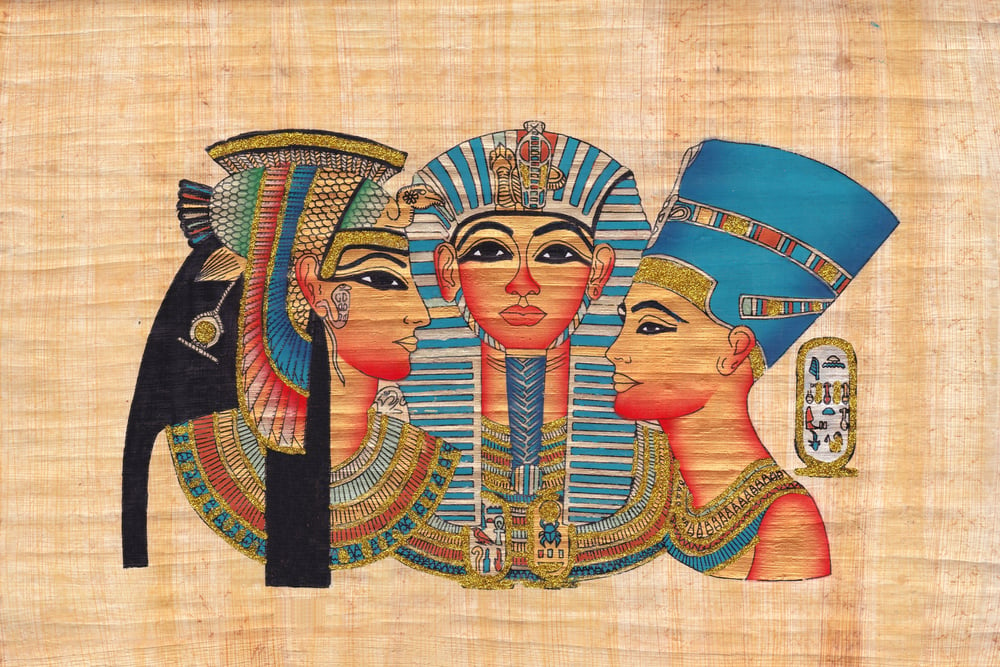
Cleopatra VII was not Egyptian by ethnicity — she was Macedonian Greek, the last of the Ptolemaic dynasty — but she was the first of her line to bother learning the Egyptian language, which tells you something about her relationship to the people she ruled. The seductress image is almost entirely Roman propaganda, constructed by men who found a woman holding real military and political power baffling and threatening.
She was a scholar, a linguist who reportedly spoke nine languages, and an administrator who held Egypt together during a period of extraordinary external pressure.
Che Guevara
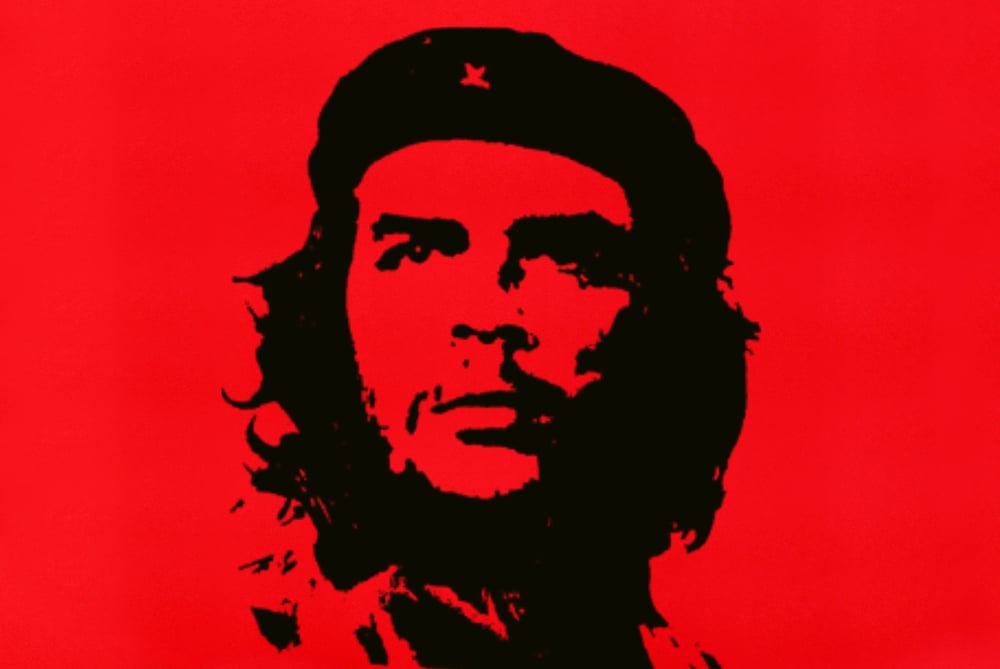
Che Guevara became a poster — literally, the Korda photograph on dorm room walls everywhere — which stripped out everything inconvenient about who he actually was. The revolutionary idealism was real, but so were the summary executions he oversaw in Cuba, his contempt for due process, and his documented racial prejudice toward Black Cubans and Africans that sits badly against the liberation mythology.
The icon and the man are essentially incompatible, which is exactly why the icon replaced the man.
King Leopold II
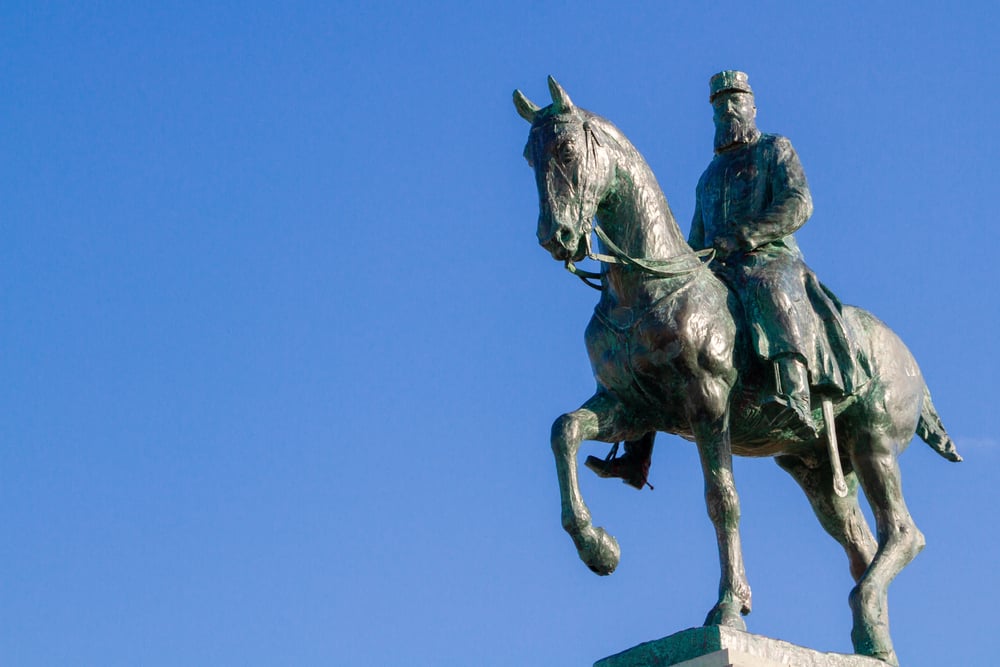
For a long time, Leopold II was known in Europe primarily as a philanthropist and a monarch who had, generously, taken on the burden of “civilizing” the Congo. The reality — forced labor, mutilation, killings on a scale that some historians estimate at ten million deaths — was not secret during his lifetime, but it was suppressed, denied, and buried under enough colonial rhetoric that his statue stood in Belgian cities until very recently.
Adam Hochschild’s 1998 book did more to restore the historical record on Leopold than a century of official history had managed.
Marie Curie
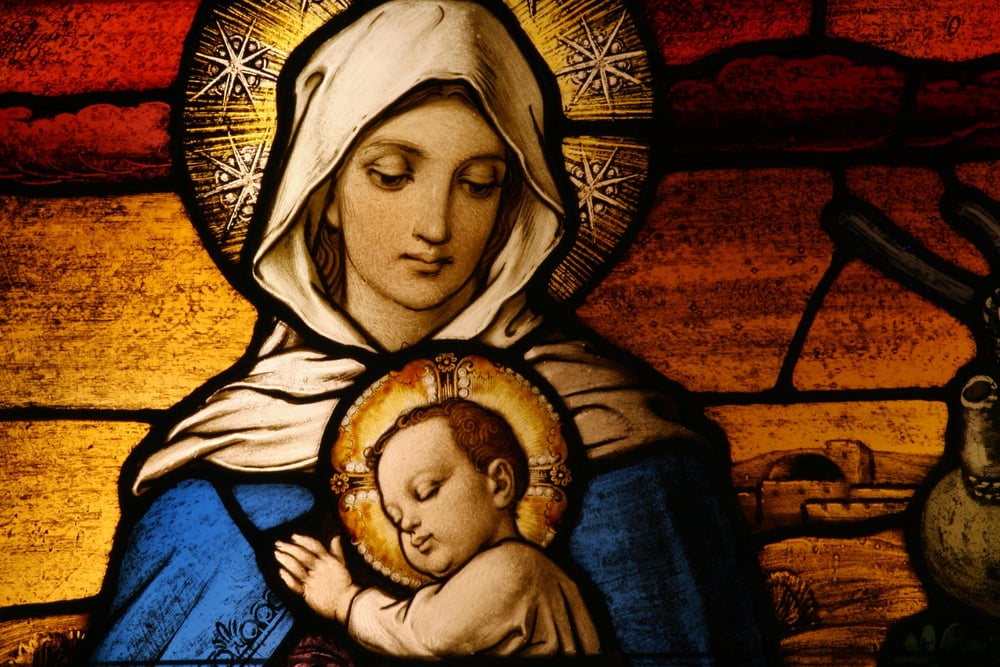
Marie Curie’s reputation has only strengthened with time, but the specific shape of that reputation has shifted. She was long framed primarily as an inspiration — the woman who broke barriers — in ways that inadvertently softened how radical and rigorous she actually was, or how hostile the scientific establishment genuinely was to her presence.
Her notebooks are still radioactive, kept in lead-lined boxes, which is perhaps the most precise metaphor imaginable: she was so far ahead of her time that her actual work is still dangerous to touch.
Andrew Jackson
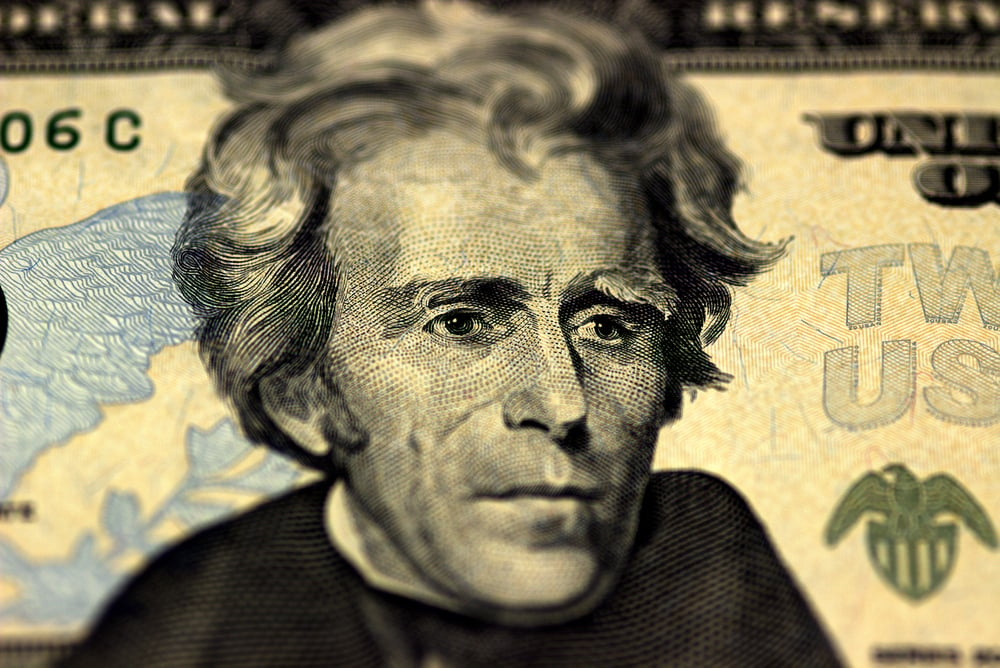
Jackson was on the $20 bill for the better part of a century, which says something about how long the mythology held. The “man of the people” framing depended heavily on ignoring which people — specifically, the Indigenous nations he removed from their ancestral lands through the Indian Removal Act, resulting in the Trail of Tears, during which thousands died.
That’s not a controversial reassessment at this point. That’s just the historical record.
Oliver Cromwell
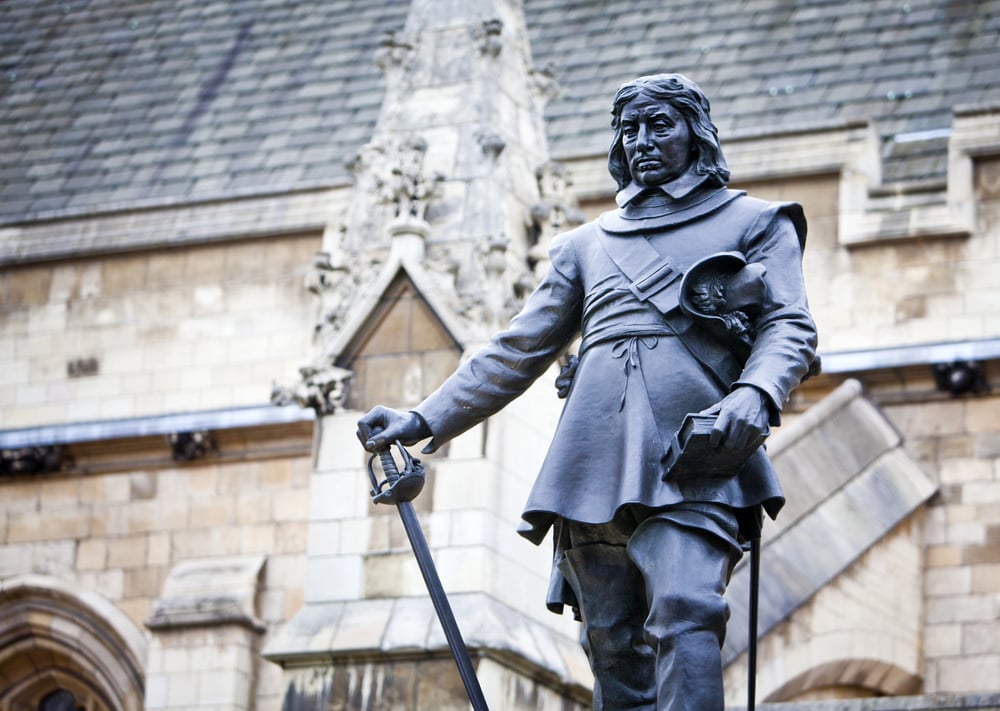
Cromwell sits in a strange historical middle ground in Britain — celebrated in some quarters as a defender of Parliament, despised in Ireland for the Drogheda massacre of 1649, during which his forces killed thousands of civilians and soldiers who had already surrendered. His Irish reputation never rehabilitated, and arguably shouldn’t.
The English rehabilitation, such as it is, tends to focus on his constitutional role while staying carefully quiet about what he authorized abroad.
Woodrow Wilson
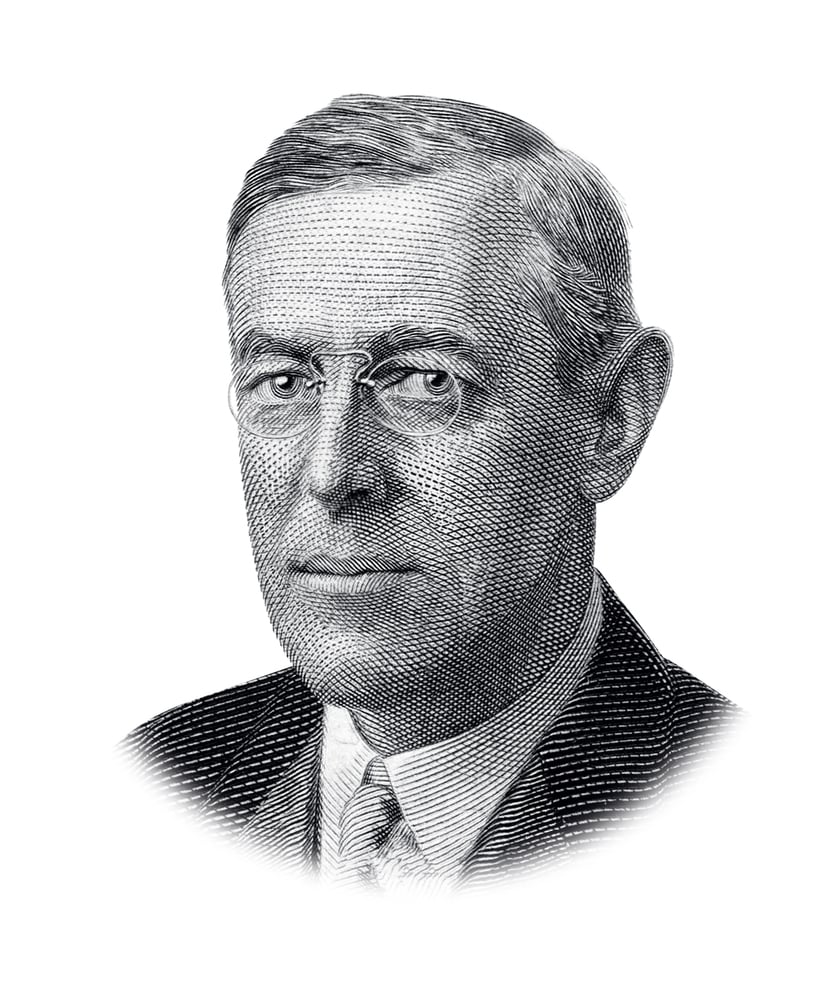
Wilson won the Nobel Peace Prize, shepherded the League of Nations into existence, and was celebrated as a visionary. He was also a committed white supremacist who re-segregated the federal government after his predecessor had made modest progress on integration, who personally screened “Birth of a Nation” at the White House and praised it, and whose Fourteen Points carefully excluded the colonized peoples of Asia and Africa from the self-determination principles he claimed to champion.
Princeton finally removed his name from its School of Public and International Affairs in 2020.
Genghis Khan
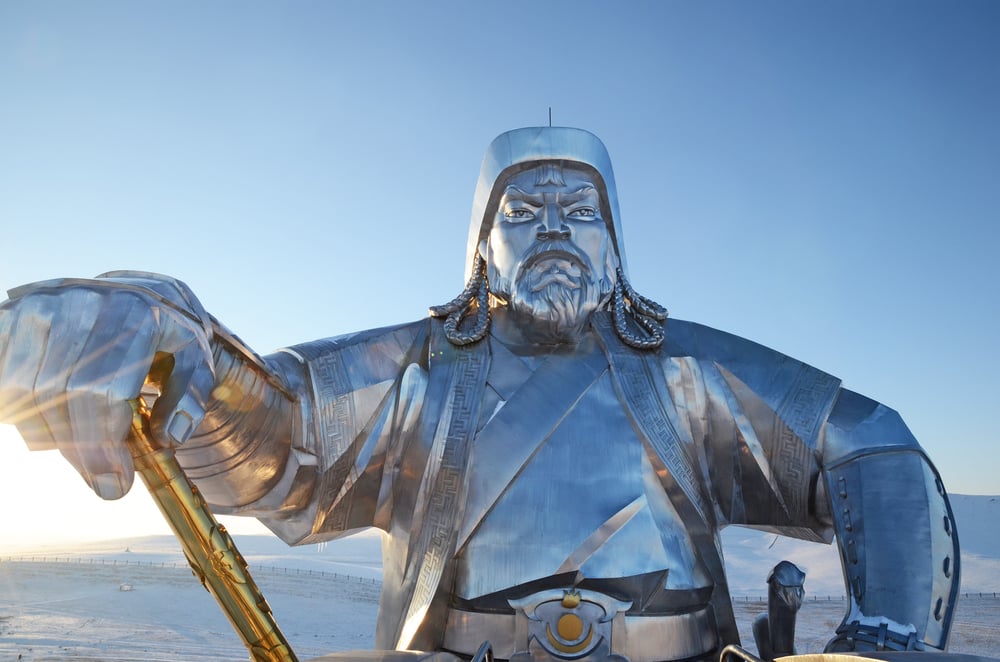
The name is synonymous with destruction, and the destruction was real — the Mongol campaigns killed enormous numbers of people, with some estimates suggesting the depopulation of entire regions. But the empire Genghis Khan built was also, by the standards of the 13th century, one of the most religiously tolerant in the world, with protections for clergy of multiple faiths, a functioning postal system, and trade routes that connected Asia to Europe in ways that hadn’t previously existed.
The full picture is both worse and more interesting than the caricature.
Florence Nightingale
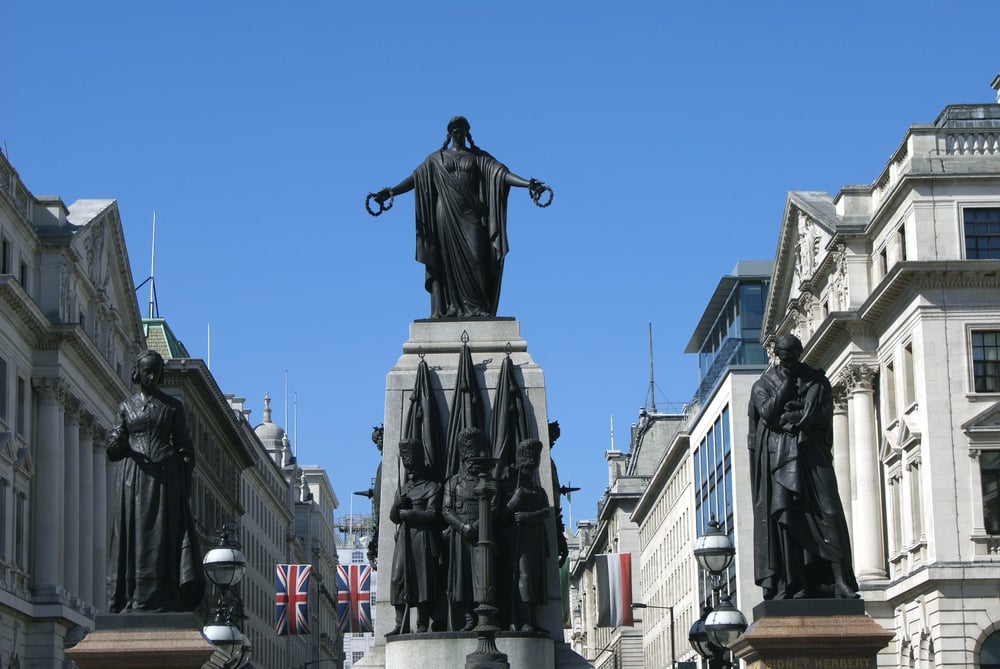
Florence Nightingale, the lamp-bearing angel of the Crimea — that image is real but incomplete in ways that quietly diminish her actual achievements. She was a pioneering statistician who essentially invented the modern infographic to persuade the British government that sanitation reform would save more lives than medical treatment, she was politically ferocious, and she worked herself into near-complete physical collapse for decades.
The soft religious imagery that surrounded her in popular culture during her lifetime was, in part, a way of making a formidably dangerous woman seem unthreatening.
John D. Rockefeller
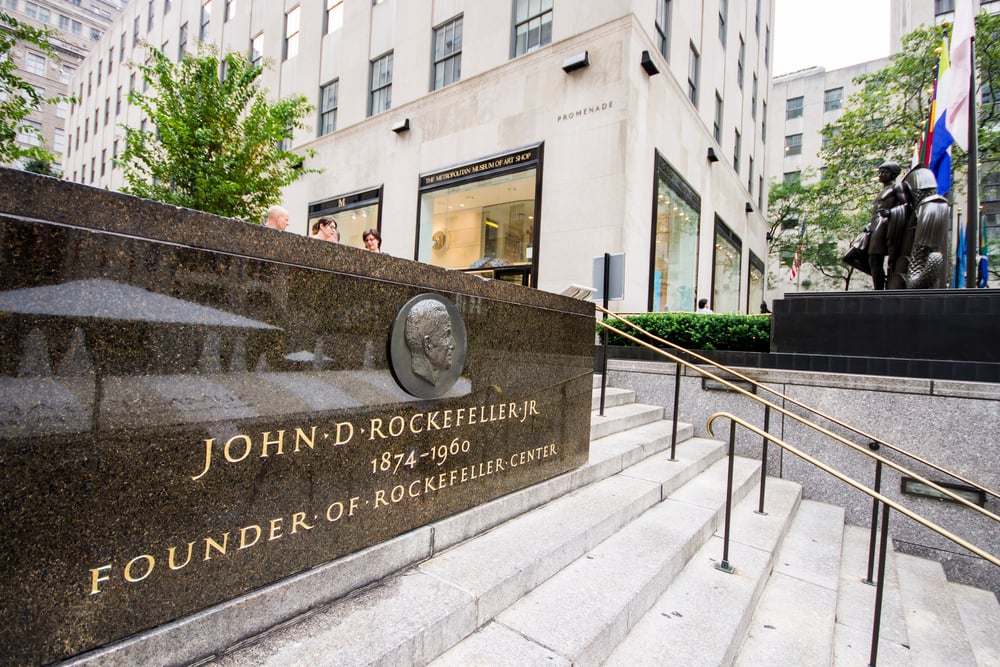
Rockefeller spent his later decades giving away an estimated $500 million, funding the University of Chicago, establishing public health initiatives, and becoming one of the most prominent philanthropists in American history — which is also, if you’re paying attention, one of the more effective reputation laundering operations the Gilded Age produced. Standard Oil’s business practices were predatory enough that they produced the Sherman Antitrust Act.
The charity followed the monopoly, not the other way around.
Harriet Tubman
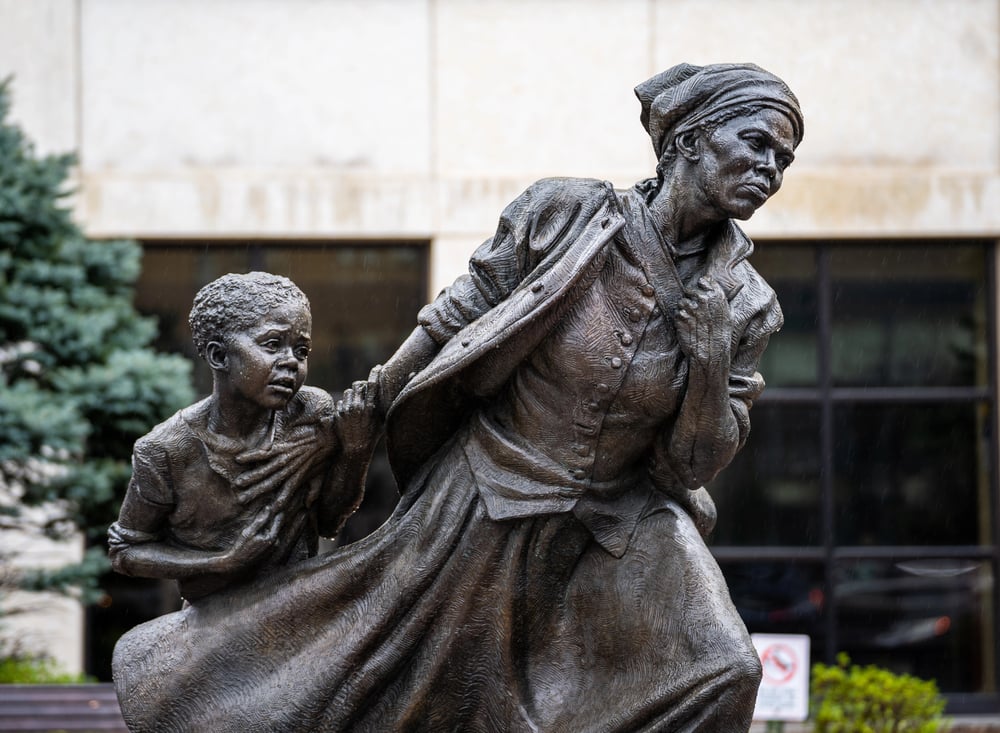
Tubman’s reputation has only grown, but the specific texture of what she did has often been flattened. She was a military strategist — she planned and led the Combahee River Raid in 1863, liberating more than 700 enslaved people in a single operation, working directly for the Union Army.
The “conductor of the Underground Railroad” framing is accurate but incomplete; she was also a spy, a soldier, and an intelligence operative. The saintly grandmother image that appeared on classroom walls for decades quietly drained some of the tactical ferocity out of her actual record.
Thomas Jefferson
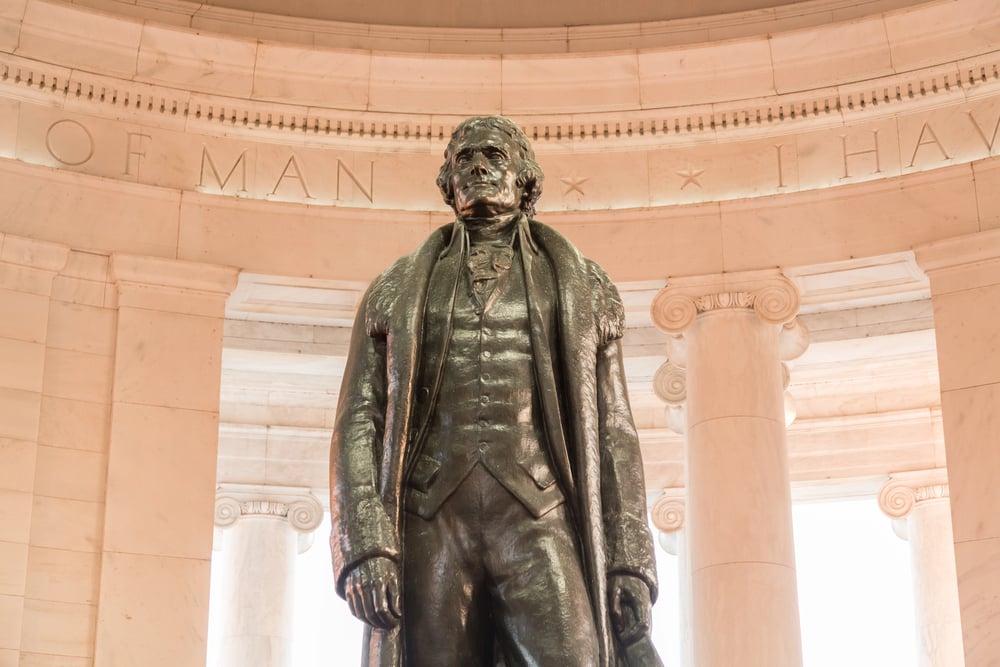
Jefferson wrote that all men are created equal while enslaving more than 600 people over the course of his life, and the American education system spent most of the 20th century treating that contradiction as a footnote rather than a central fact. The reassessment isn’t about canceling Jefferson — it’s about insisting that the full sentence gets read, not just the inspiring half of it.
The gap between what he wrote and what he did is the most consequential unresolved tension in American political history.
Robert E. Lee
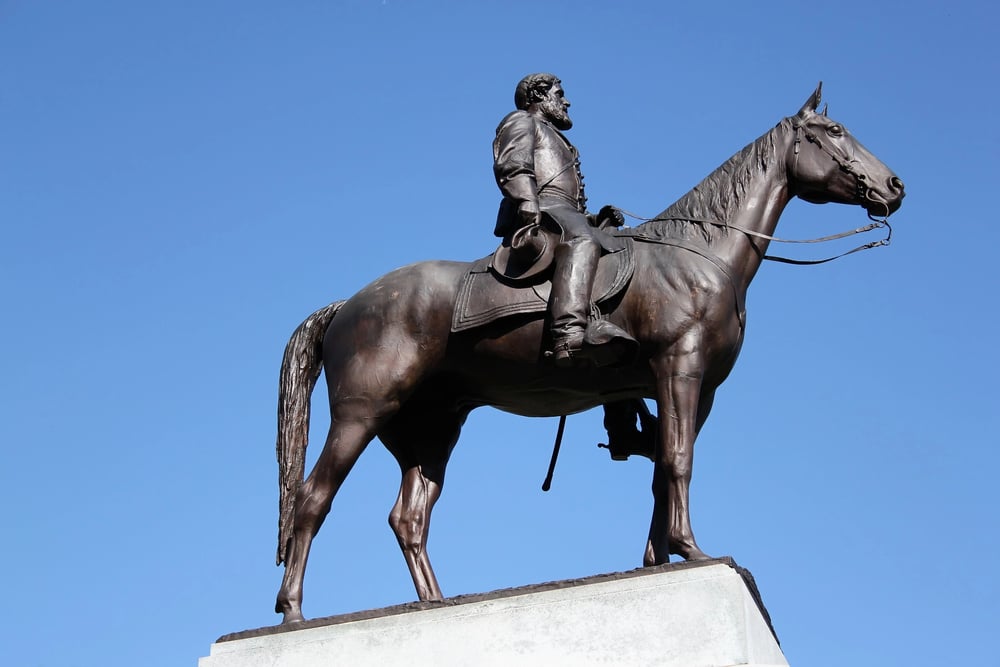
Lee was constructed as a figure of honor and nobility almost immediately after the Civil War ended — the Lost Cause mythology needed a martyr who looked dignified, and Lee fit. But the documentary record of who Lee actually was during the war, including his documented cruelty toward enslaved people who attempted to escape his estate, dismantles the nobility framing with uncomfortable precision.
The statues went up decades after the war, mostly during the Civil Rights era, which is less about heritage than it initially seems.
Alan Turing
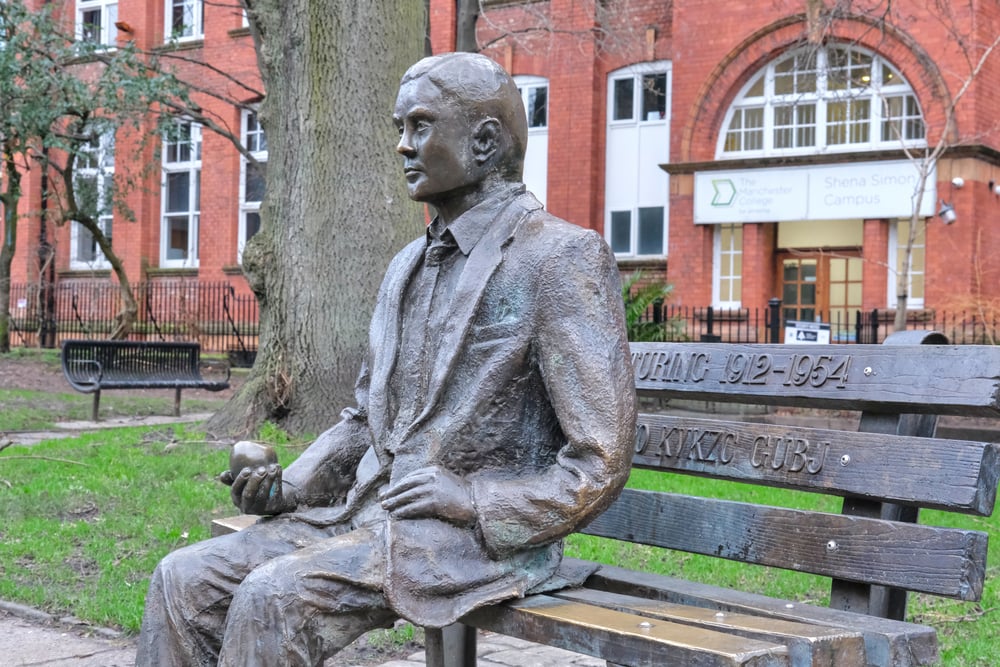
Turing cracked the Enigma code, helped win the Second World War, and effectively laid the conceptual foundation for modern computing. The British government’s response was to prosecute him for being gay, subject him to chemical castration, and drive him to his death by 1954.
His formal pardon came in 2013 — nearly 60 years later — which is either belated justice or an admission of how long it took the country to grasp what it had done to one of its most consequential minds.
Mao Zedong
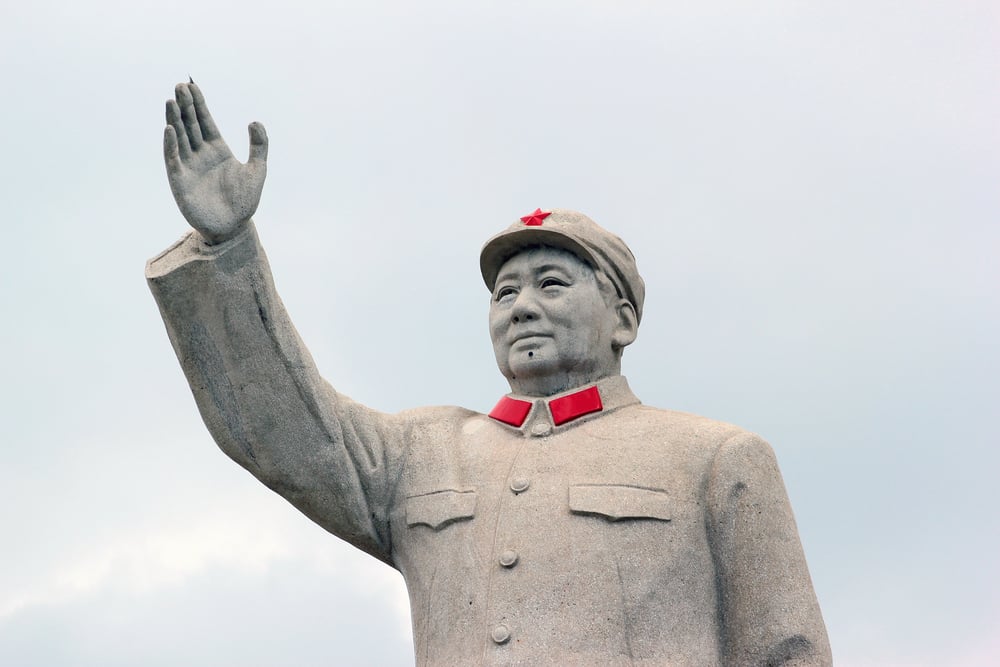
Mao is still on Chinese currency, which tells you that the official rehabilitation in China has limits that don’t apply to historical scrutiny elsewhere. The Great Leap Forward produced one of the deadliest famines in human history — estimates range from 15 to 55 million deaths — through centrally mandated agricultural policies that ignored basic agronomics and punished anyone who reported the resulting disaster honestly.
The revolutionary who unified China and the administrator who presided over mass death are the same person, and the number on the currency doesn’t change that.
Paul Revere
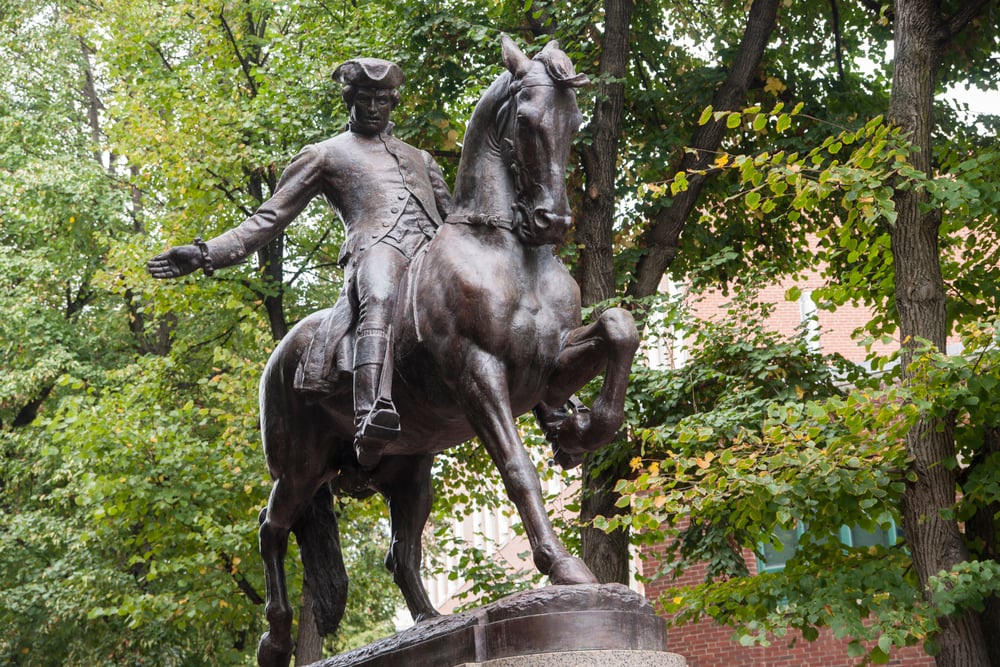
Revere’s “midnight ride” is one of those stories so thoroughly shaped by a poem that the poem has almost entirely replaced the event. Henry Wadsworth Longfellow wrote his famous 1861 account 86 years after the fact, which is plenty of time for details to migrate.
Revere was captured before completing his route; it was Samuel Prescott who actually reached Concord. William Dawes rode that night too, and history absorbed none of his name.
So the most famous patriot midnight ride is primarily a feat of 19th-century marketing.
Napoleon Bonaparte
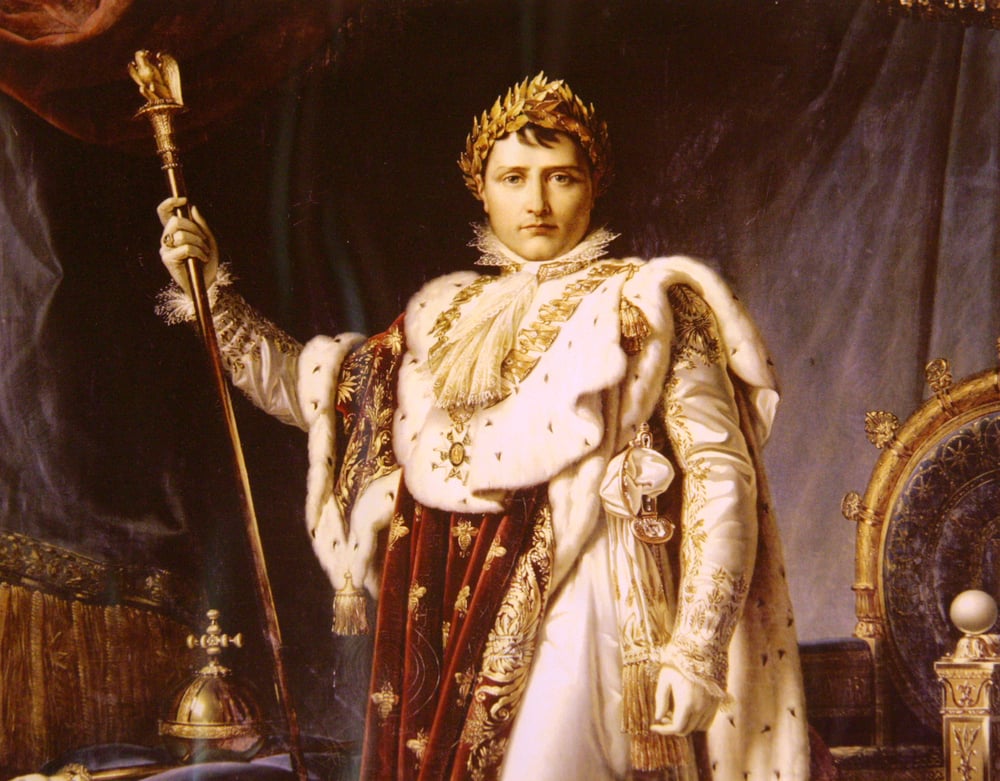
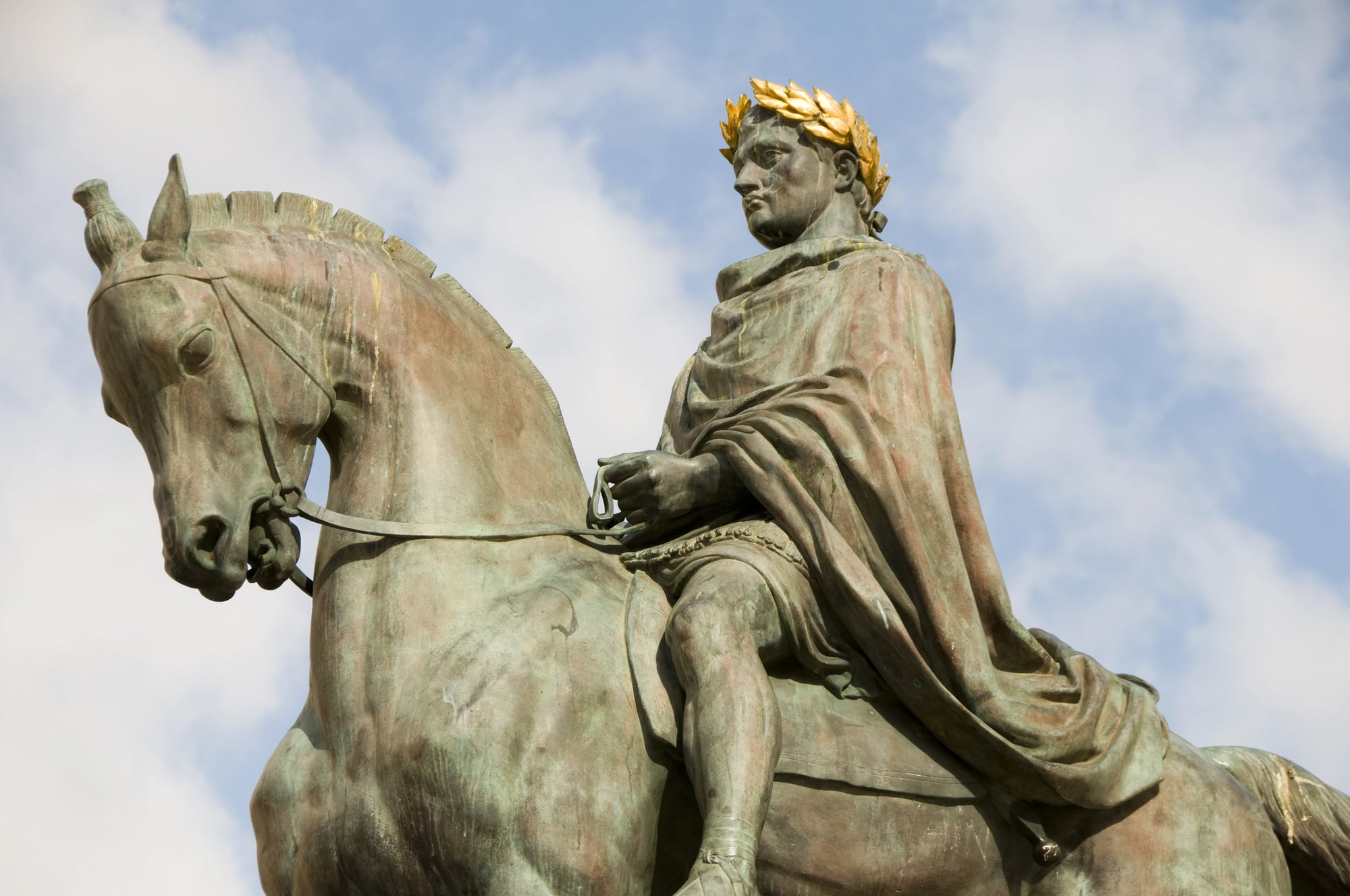
Napoleon gets filed under “tyrant” or “military genius” depending on who’s doing the filing, but both categories miss the part where he overhauled French law, standardized weights and measures, reorganized the education system, and created administrative institutions that modern France still operates inside of. He also reintroduced slavery in the French colonies after it had been abolished, which is not a minor asterisk.
The Napoleonic Code is still the basis of law in Louisiana. The full ledger is genuinely complicated.
J. Edgar Hoover

Hoover built the FBI into a serious law enforcement institution, and that is roughly where the charitable assessment ends. He ran COINTELPRO, a covert program designed to surveil, harass, and destroy civil rights organizations — Martin Luther King Jr. specifically — kept secret files on politicians that amounted to blackmail leverage, and stayed in power for nearly five decades partly because everyone in Washington was afraid of what he had on them.
He died in office in 1972. The “national hero” framing lasted longer than it should have by any reasonable measure.
Sigmund Freud
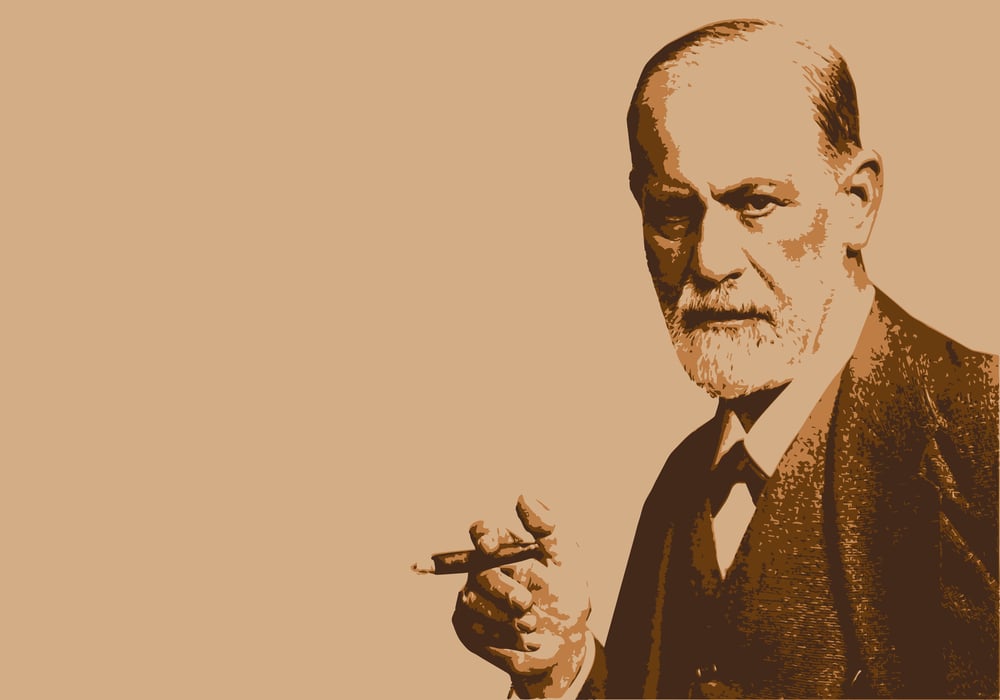
Freud is one of those figures whose influence outran his accuracy by a significant margin. His work on the unconscious mind opened doors that psychology still walks through, but much of his specific clinical framework — penis envy, hysteria, the Oedipal complex as a literal developmental stage — has not survived empirical scrutiny.
The reputation flip here isn’t a moral one; it’s epistemological. He was a brilliant theorist who sometimes confused his theories for facts, which, in the field he invented, turned out to matter.
Henry Ford
Ford’s assembly line did change manufacturing in ways that are genuinely difficult to overstate, and his $5 workday was a real economic disruption that benefited workers in tangible ways. He was also a virulent antisemite who published a newspaper, the Dearborn Independent, that ran anti-Jewish content for years, and whose work was translated and distributed in Germany — Adolf Hitler kept a portrait of Ford on his wall and cited him by name in “Mein Kampf.”
That’s not a peripheral detail. It lives in the same biography as the Model T.
Empress Wu Zetian
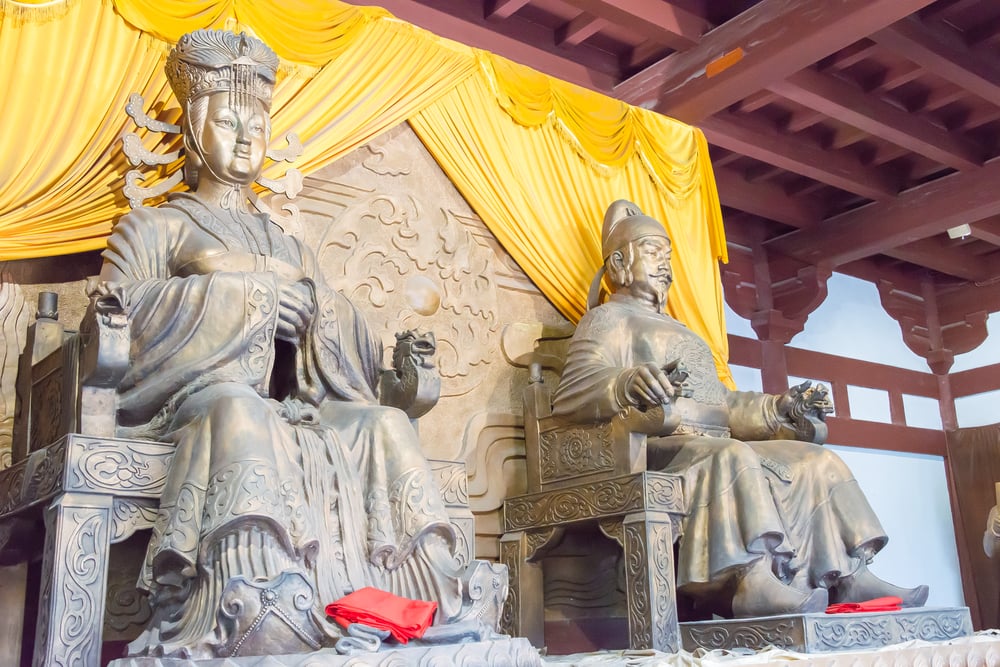
Wu Zetian is the only woman in Chinese history to have ruled as emperor in her own name, and the historical record assembled by the male scholars who came after her is among the most spectacularly biased in any civilization’s archives. She was accused of killing her own infant daughter to frame a rival, of corrupting the court through favoritism, of every excess that made a woman in power seem illegitimate — and modern historians, revisiting the primary sources, have found that most of those charges are either unverifiable or demonstrably constructed.
She ruled for decades and by most measurable standards, ruled competently.
Thomas Paine
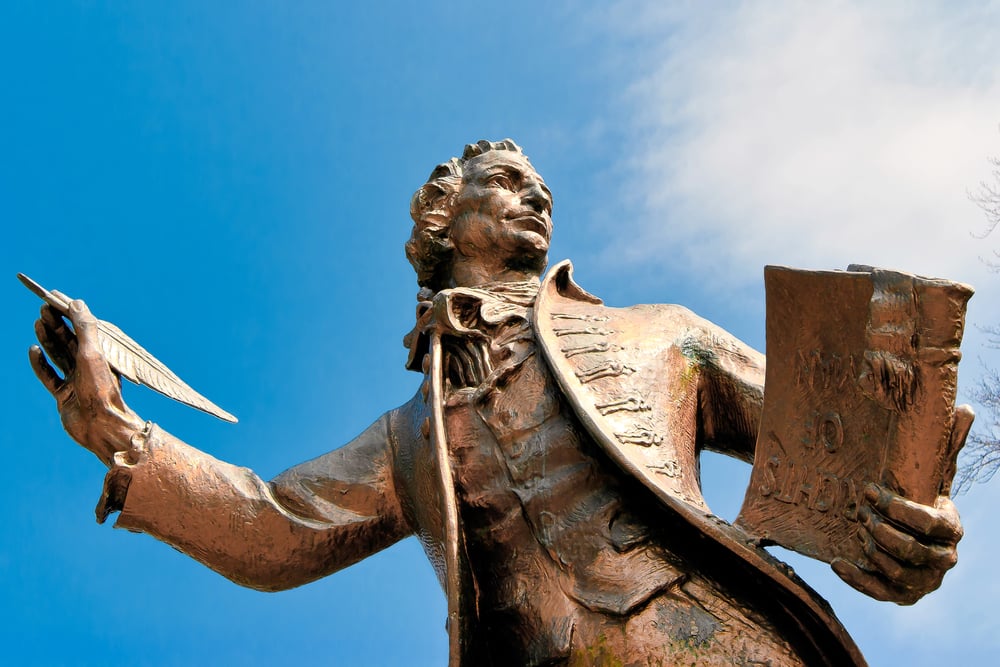
Paine wrote “Common Sense,” which arguably did more to turn colonial ambivalence into revolutionary commitment than any other single document. He died in 1809 in poverty and near-total disgrace, largely because his later work — “The Age of Reason,” a systematic critique of organized religion — had horrified the same public that once celebrated him.
Only six people attended his funeral. He was reburied in England, the reburial was lost, and his bones have never been located.
History eventually restored his reputation; it couldn’t do the same for his remains.
Machiavelli
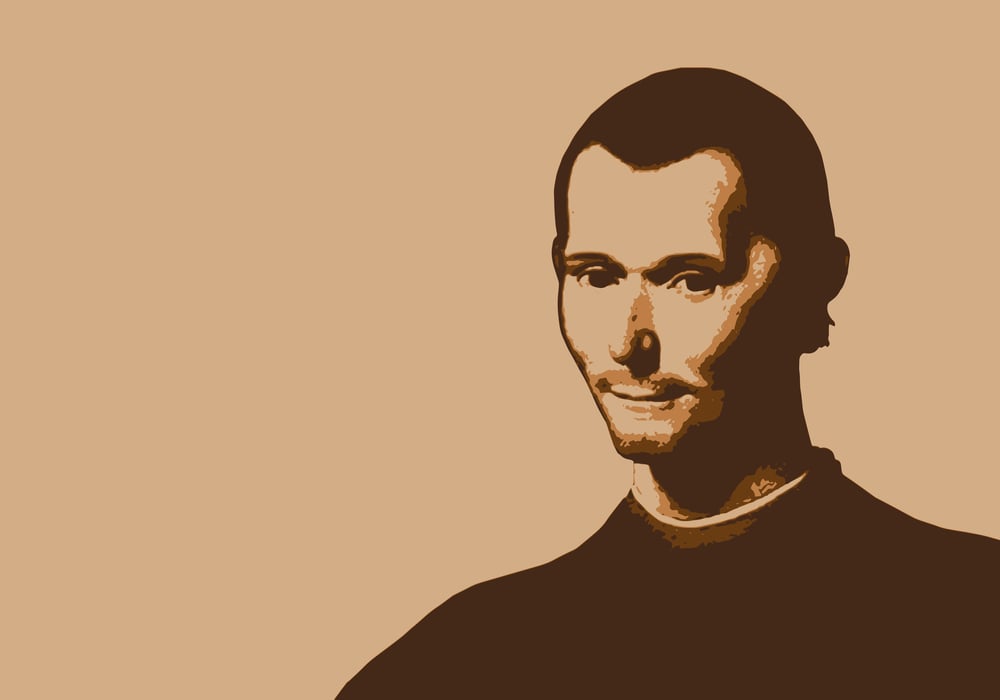
“Machiavellian” has become a synonym for cynical manipulation, and that reading of Niccolò Machiavelli is based almost entirely on “The Prince” while ignoring the rest of his work. His longer writings, including the “Discourses on Livy,” argue consistently for republican government, civic virtue, and popular participation in political life — positions that sit badly against the scheming-courtier image.
He wrote “The Prince” as a job application to the Medici family, which is context that changes quite a bit about how the book reads. The villain of political philosophy was, in his own terms, a republican.
Benedict Arnold
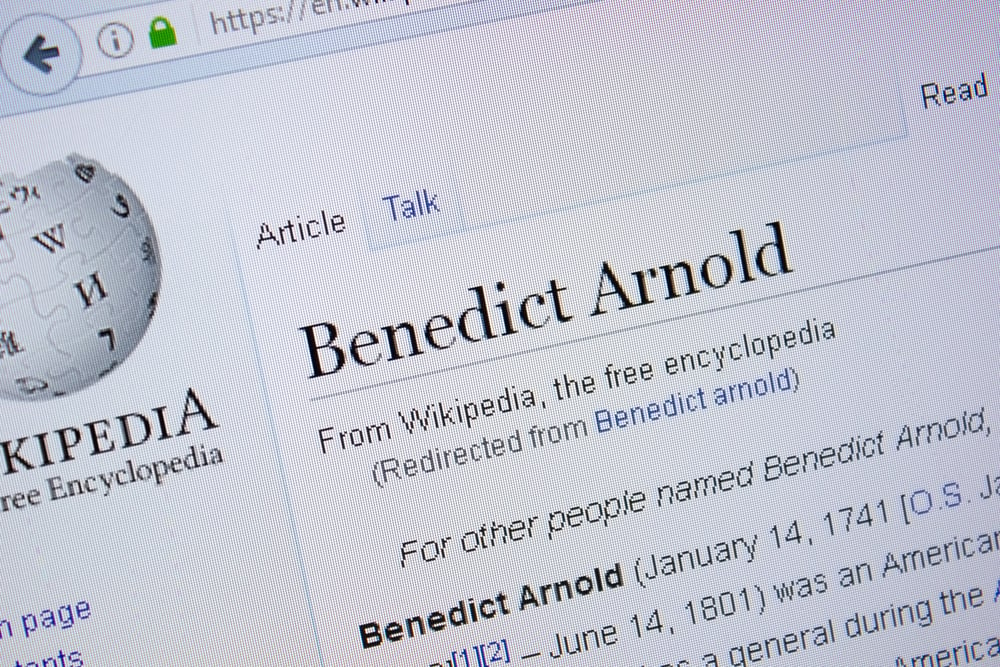
Arnold is the archetypal American traitor, and the story that gets told is usually the one that starts at West Point and ends in British uniform. What gets skipped is the extraordinary military record that preceded it: Arnold’s campaign at Saratoga was decisive, his leadership during the invasion of Canada showed genuine tactical ability, and he was repeatedly passed over for promotion by a Continental Congress that seemed committed to not acknowledging what he’d contributed.
He was genuinely wronged before he genuinely betrayed. Both things are true, and the betrayal doesn’t disappear just because the grievances were real.
Nikita Khrushchev
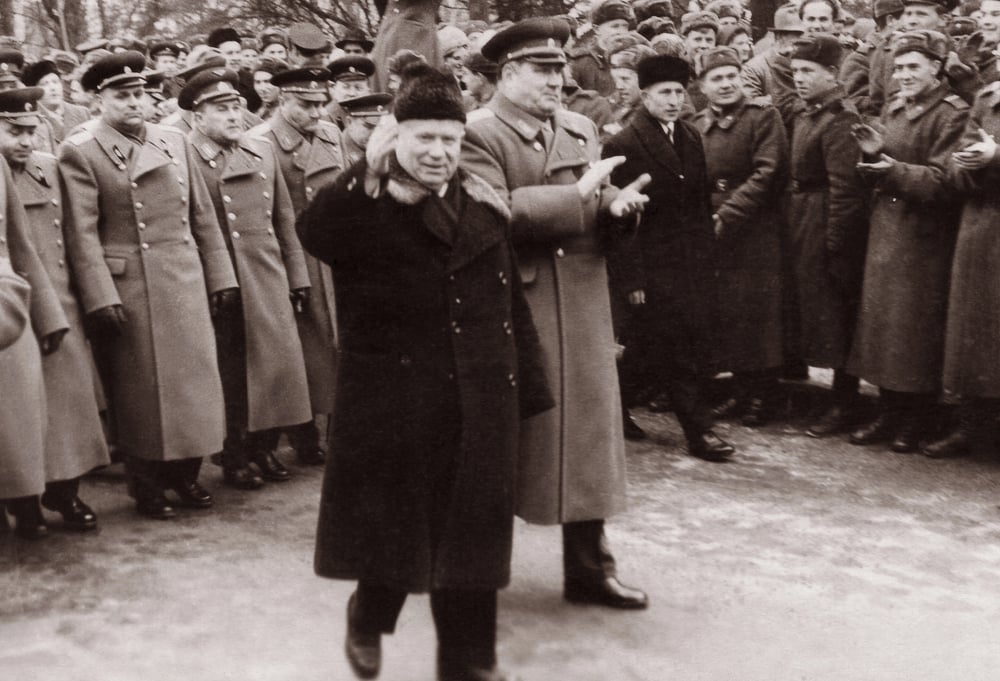
Khrushchev presided over the Cuban Missile Crisis and the brutal suppression of the Hungarian Revolution in 1956, which are not small marks against him. But he was also the Soviet leader who delivered the “Secret Speech” denouncing Stalin’s purges, who allowed Solzhenitsyn to publish “One Day in the Life of Ivan Denisovich,” and who genuinely pulled the world back from nuclear confrontation in October 1962 when both sides were close enough to the edge that “close” barely captures it.
In the context of Soviet leadership, he is almost unusual for having left the world slightly less dangerous than he found it.
The Shape of What Remains
Reputations are constructed, maintained, and eventually contested — which means every heroic story has a crack somewhere, and every villain narrative is probably missing a chapter. That doesn’t flatten moral judgment into meaninglessness.
Some of the figures here were genuinely worse than you were told; others were better; most were both in proportions that resist easy filing. What it does suggest is that the version of history you absorbed first deserves a second look — not
More from Go2Tutors!

- The Romanov Crown Jewels and Their Tragic Fate
- 13 Historical Mysteries That Science Still Can’t Solve
- Famous Hoaxes That Fooled the World for Years
- 15 Child Stars with Tragic Adult Lives
- 16 Famous Jewelry Pieces in History
Like Go2Tutors’s content? Follow us on MSN.