26 Historical Events Schools Barely Mention Anymore
History class has a way of telling the same story on a loop. You get the Pilgrims, you get the Civil War, you get World War II — and then the bell rings.
There’s nothing wrong with those stories, exactly, but the version of history that gets handed to most American students is suspiciously tidy: a straight line from founding to triumph, with the complicated parts quietly trimmed away. The events below didn’t make that cut.
Some were too uncomfortable, some too regional, and some just inconvenient for the narrative being built. But they happened, they mattered, and most people walking around today have never heard a word about them.
The Tulsa Race Massacre
It was 1921, it lasted two days, and it destroyed one of the wealthiest Black communities in the country. The Greenwood District of Tulsa — called “Black Wall Street” — was burned to the ground by a white mob, with some accounts suggesting that planes were used to drop incendiary materials on the neighborhood.
Somewhere between 100 and 300 people were killed, and the event was so thoroughly buried that many Tulsa residents didn’t learn about it until decades later.
The Convict Leasing System
The 13th Amendment abolished enslavement except as punishment for a crime, and Southern states took that exception and ran with it. Convict leasing allowed states to rent out prisoners — disproportionately Black men, arrested on trivial or fabricated charges — to private companies, mines, and plantations, often under conditions more brutal than antebellum enslavement because the companies had no financial stake in keeping the laborers alive.
It persisted well into the 20th century, and it built fortunes that are still intact today.
The Ludlow Massacre
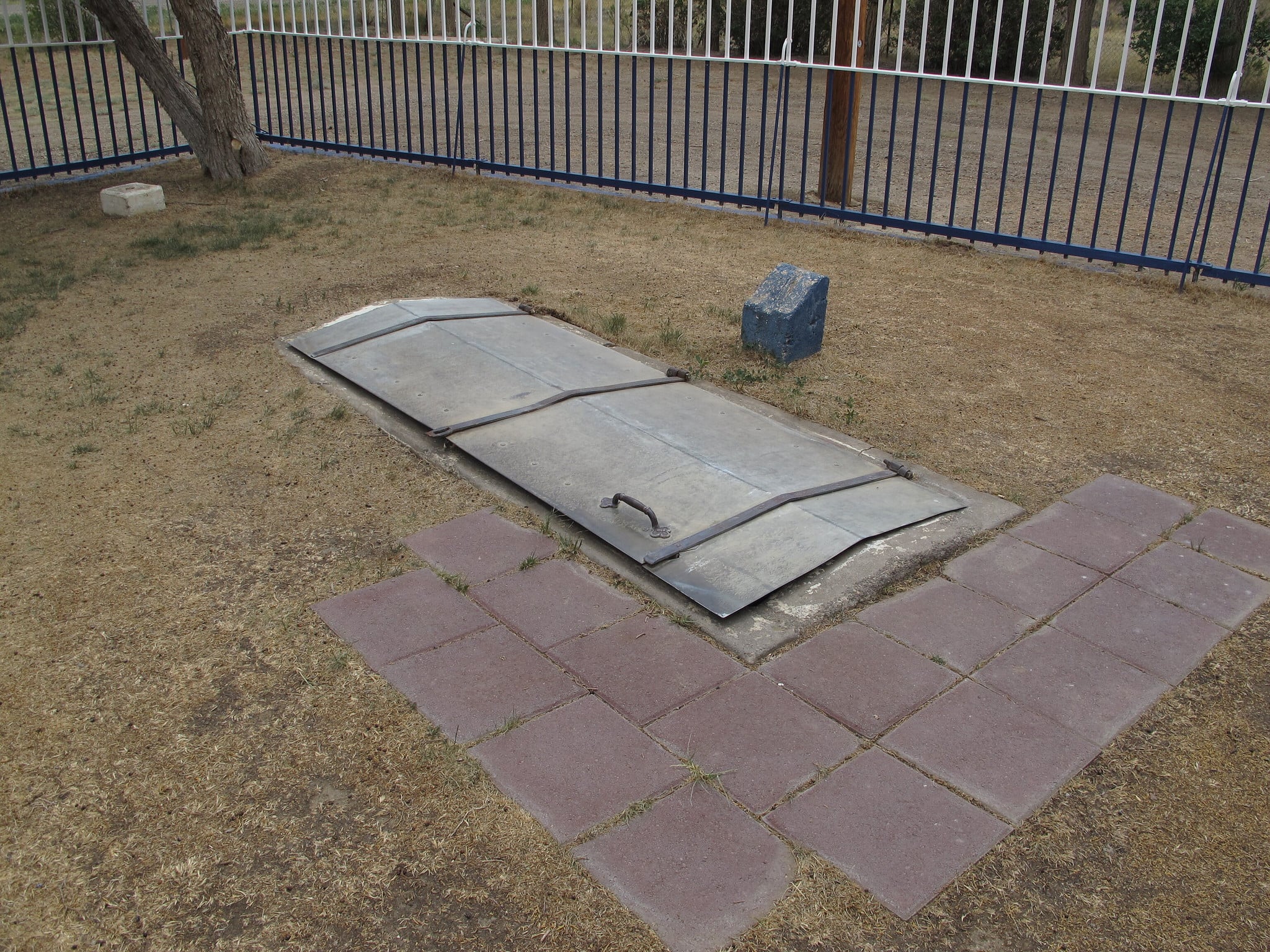
In April 1914, the Colorado National Guard and private guards employed by John D. Rockefeller Jr. attacked a tent colony of striking coal miners and their families in Ludlow, Colorado. Somewhere between 19 and 25 people died, including women and children who suffocated in a pit they had dug beneath their tent for protection.
The incident triggered a ten-day armed uprising by miners — one of the largest labor rebellions in American history — and virtually none of it appears in a standard school curriculum.
The Destruction of the Colfax Courthouse
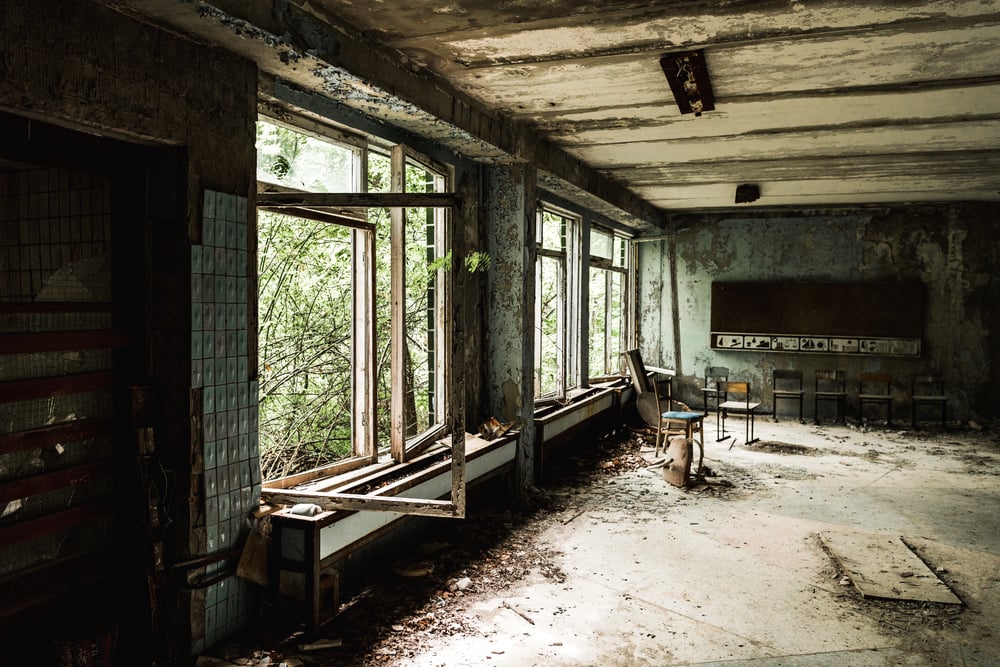
The Colfax Massacre of 1873 is one of the bloodiest single incidents of Reconstruction-era violence. A white supremacist militia in Louisiana attacked Black freedmen defending the Grant Parish courthouse, killing somewhere between 62 and 153 people — the numbers vary because not everyone who died was counted — and the Supreme Court’s subsequent ruling in United States v. Cruikshank essentially gutted federal enforcement of Black civil rights for the next century.
That ruling’s shadow is still long, and most students have never heard of the day that cast it.
The Forced Sterilization Programs
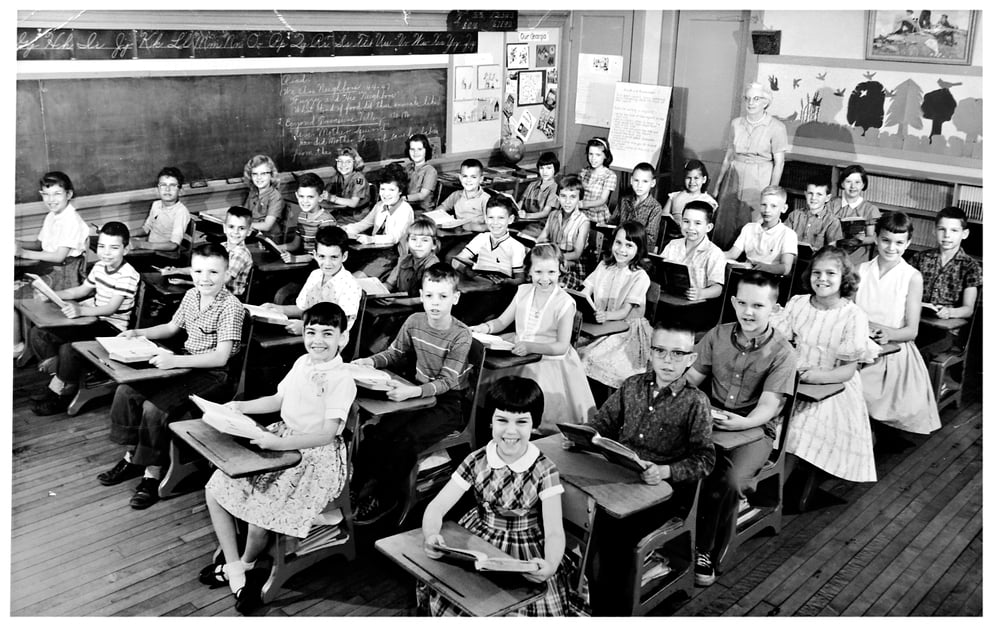
Between 1907 and the 1970s, more than 60,000 Americans were forcibly sterilized under state eugenics laws. The targets were people deemed “unfit” — the poor, the disabled, immigrants, and disproportionately people of color — and the Supreme Court upheld the practice in Buck v. Bell in 1927, a decision that has never been formally overturned.
California sterilized more people than any other state, and a version of the program continued in California prisons as recently as 2010.
The Zoot Suit Riots
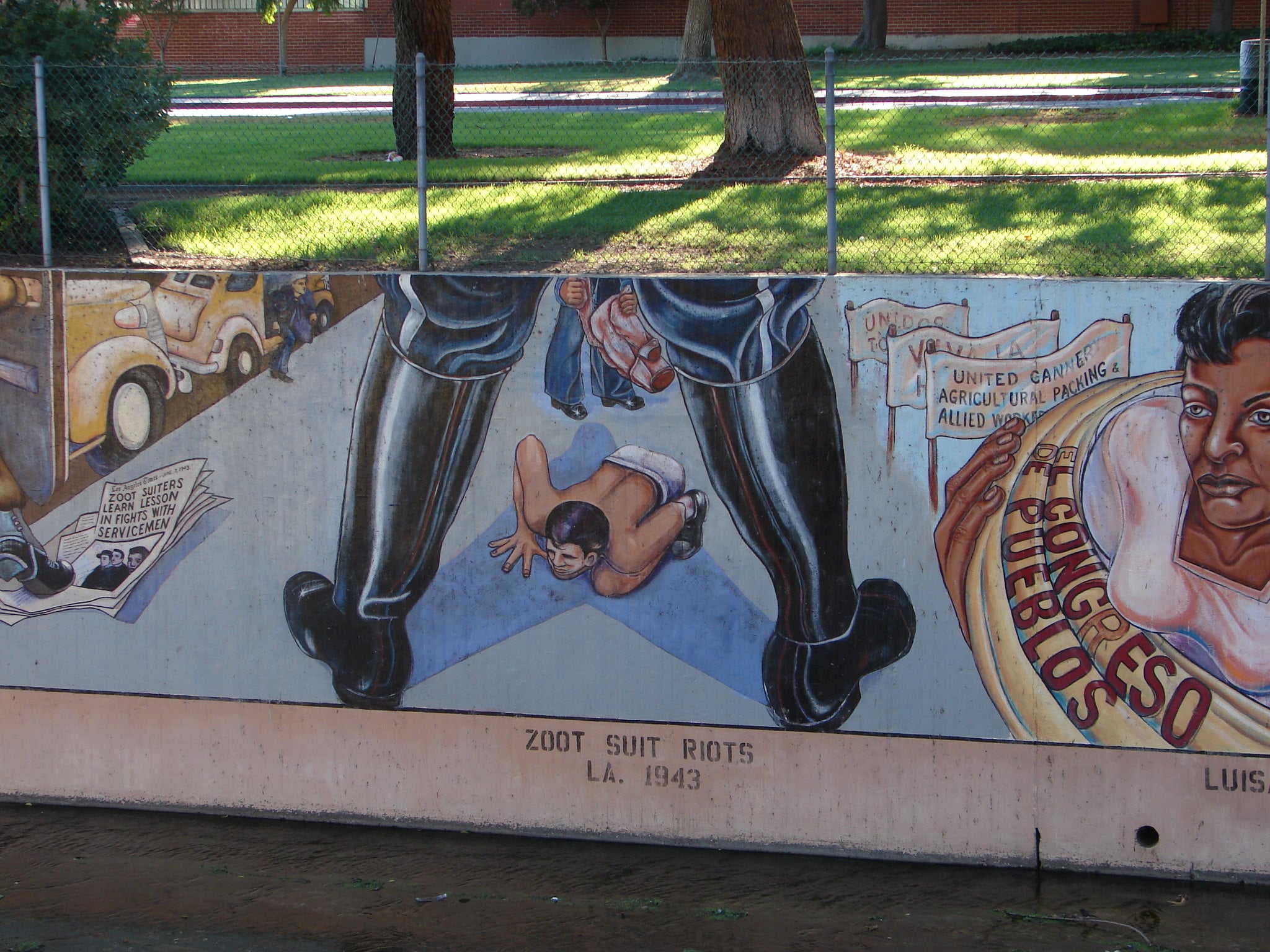
In the summer of 1943 in Los Angeles, U.S. servicemen spent several nights roaming the city, attacking Mexican-American youth — stripping off their zoot suits, beating them in the streets, and leaving them for police to arrest. The police, as a rule, arrested the victims.
Eleanor Roosevelt mentioned the riots publicly and was accused of stirring up race trouble for doing so, which tells you roughly everything about where official sympathy sat.
The Bonus Army March
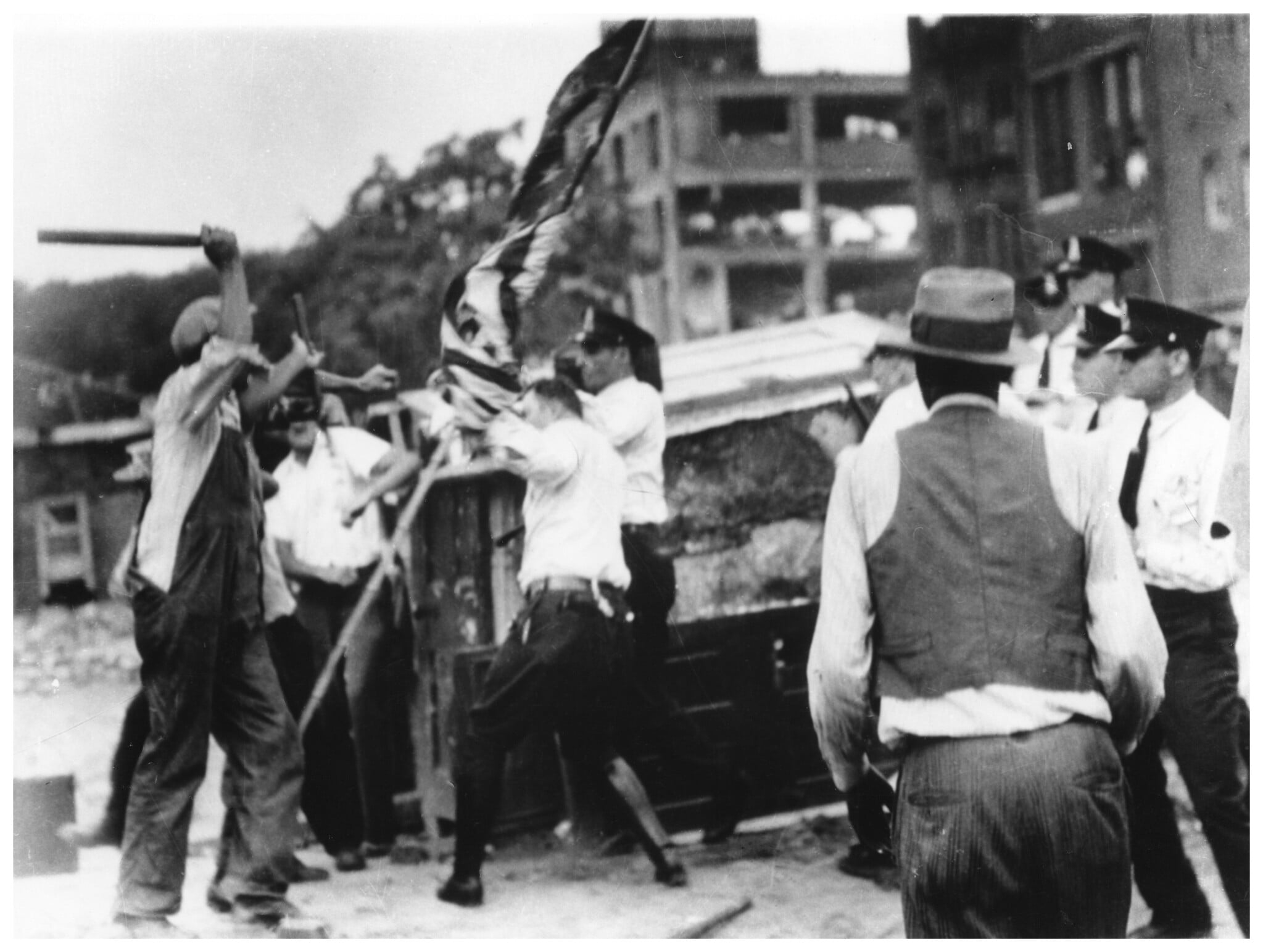
By 1932, thousands of World War I veterans — broke, desperate, and owed a service bonus the government had promised but not yet paid — marched to Washington D.C. and built a camp on the Mall. General Douglas MacArthur, under orders from Herbert Hoover, dispersed them with cavalry, bayonets, and tear gas, burning their camp to the ground, and the optics were bad enough that even Hoover knew it.
The whole episode, a sitting president turning the U.S. Army on its own veterans during peacetime, is almost never discussed in the standard American history sequence.
The Annexation of Hawaii
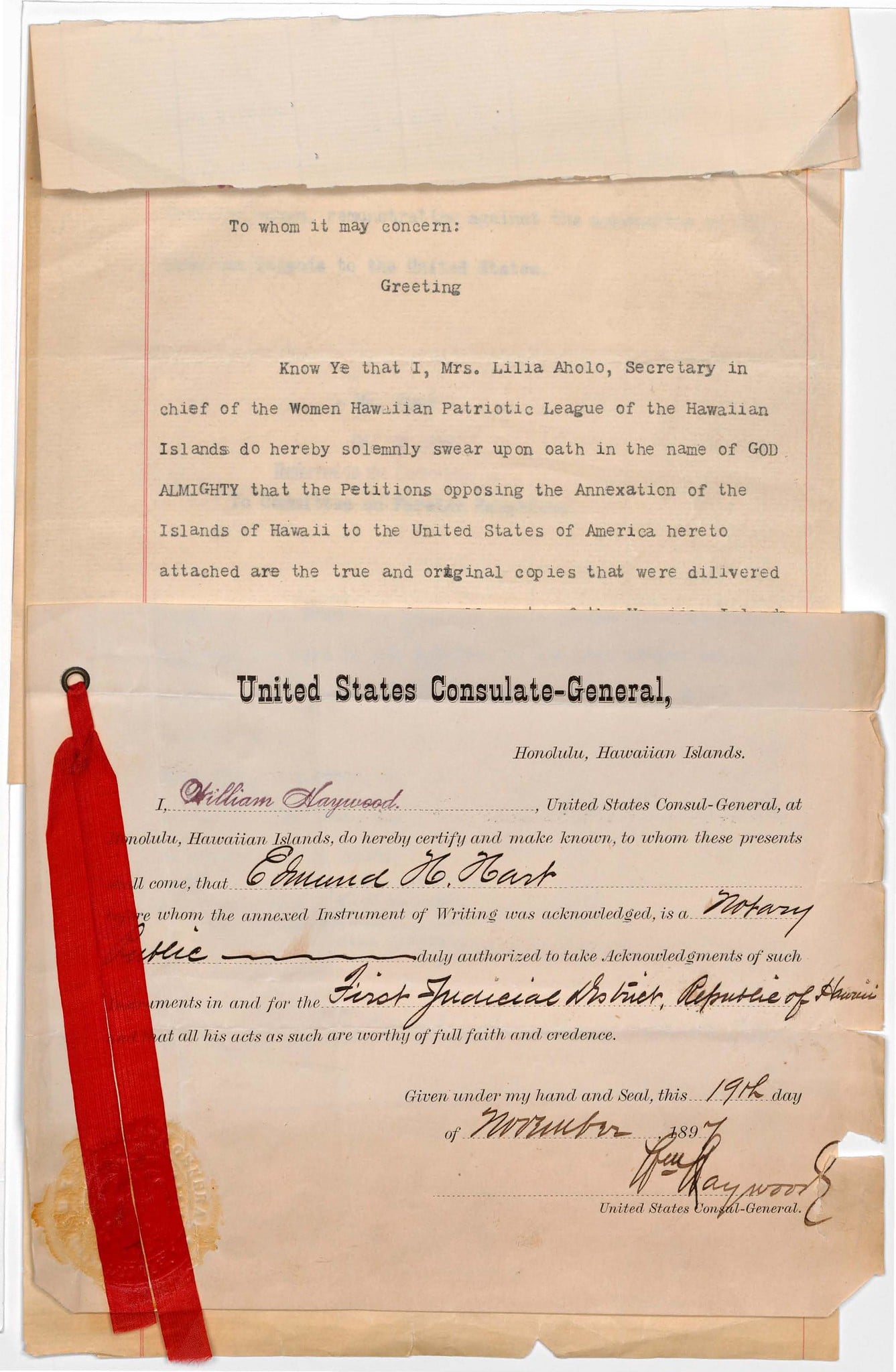
Hawaii was not an empty island chain that politely asked to become American. In 1893, a group of American sugar planters and businessmen, backed by U.S. Marines who conveniently arrived in Honolulu harbor, overthrew Queen Lili’uokalani in a coup that even President Grover Cleveland condemned as illegal and shameful.
Congress apologized for it in 1993 — a hundred years later, which is the kind of timeline that says more than any apology could.
The Philippine-American War
Right after the Spanish-American War, the United States fought a brutal counterinsurgency campaign in the Philippines that lasted from 1899 to 1902 and, by some counts, much longer. Estimates of Filipino civilian deaths range from 200,000 to over a million, American soldiers wrote home about tactics that would be called war crimes in any later century, and the whole war was sold to the public as a civilizing mission.
The Spanish-American War gets a full chapter; this one gets a footnote, if that.
The Trail of Tears Death Counts
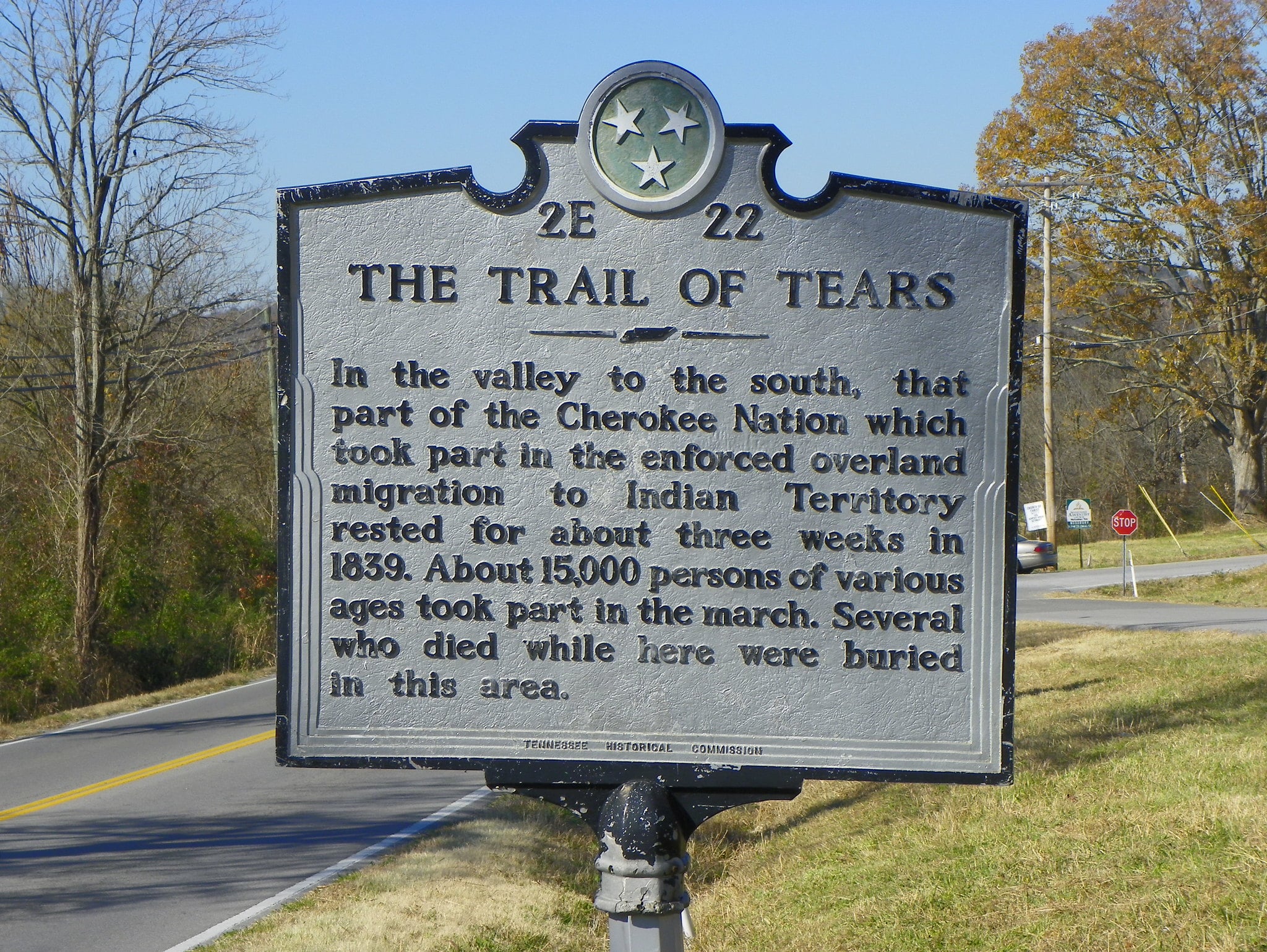
The Trail of Tears is taught, but it tends to get the sanitized version — a sad relocation, a long walk, a policy mistake. What it actually was: a forced removal of approximately 60,000 Indigenous people across five nations, in which somewhere between 4,000 and 10,000 people died from cold, starvation, and disease, on a march that the U.S. government conducted with full knowledge of the conditions.
Andrew Jackson defied a Supreme Court ruling to make it happen. That part often gets quietly left out.
The Great Purge in American Context
Most students learn about Stalin’s Great Purge as a Soviet horror story, which it was. What they rarely learn is that the United States ran its own version of ideological cleansing during the Red Scare of the late 1940s and 1950s — thousands of government employees, teachers, screenwriters, and union organizers were fired, blacklisted, or jailed not for crimes but for beliefs.
The Hollywood Ten went to prison. Careers and lives were destroyed on the testimony of informants who were sometimes lying, and the machinery of it was entirely legal.
The Sand Creek Massacre
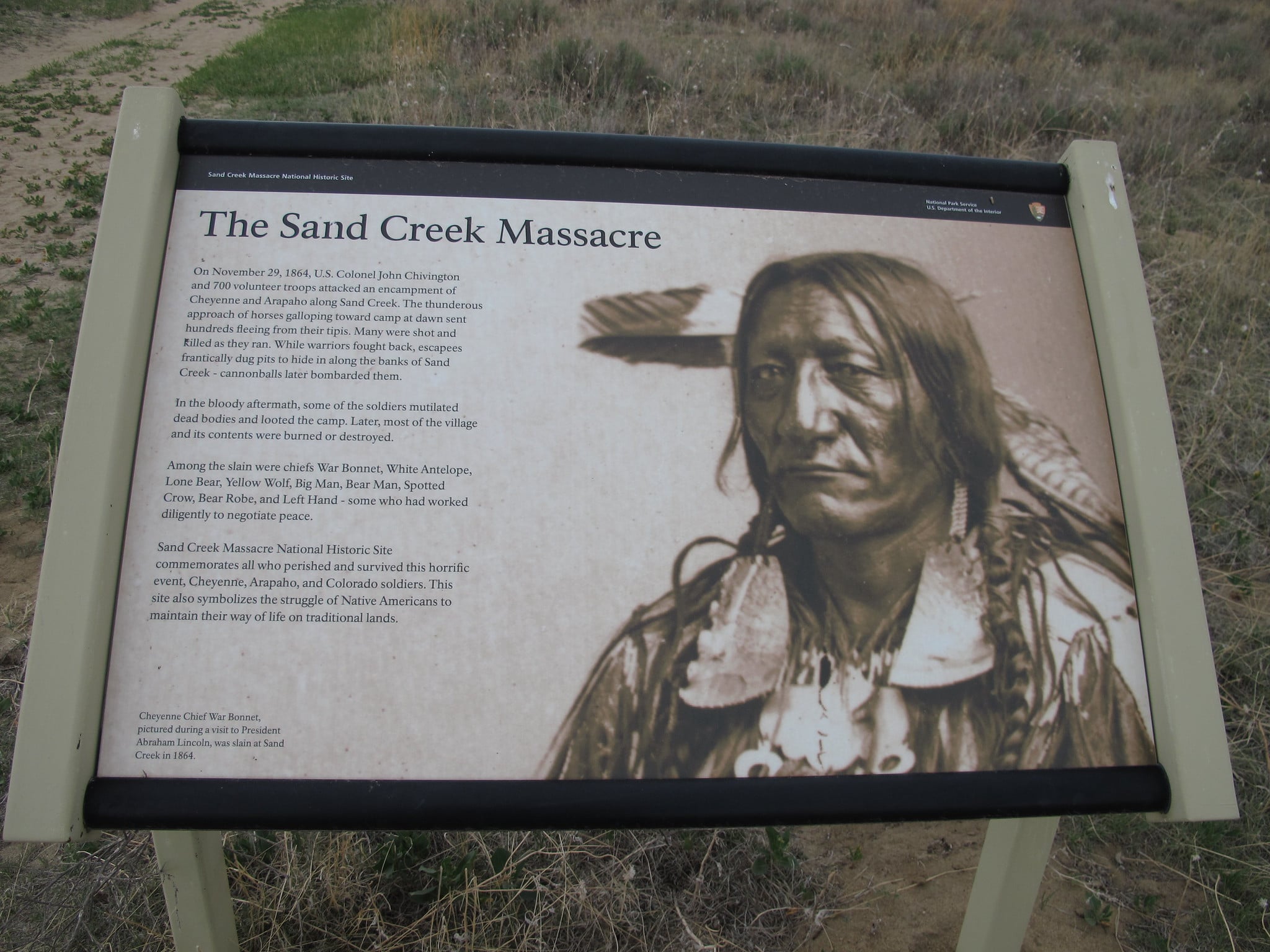
On November 29, 1864, a Colorado militia under Colonel John Chivington attacked a peaceful Cheyenne and Arapaho encampment at Sand Creek, killing and mutilating somewhere between 70 and 500 people, mostly women, children, and elderly — the wide range reflects how little care was taken to document the dead. Chivington was celebrated in Denver when he returned.
Congress later called it a massacre, but by then the celebration had already happened, and that particular detail tends not to make the lesson plan.
The 1898 Wilmington Coup
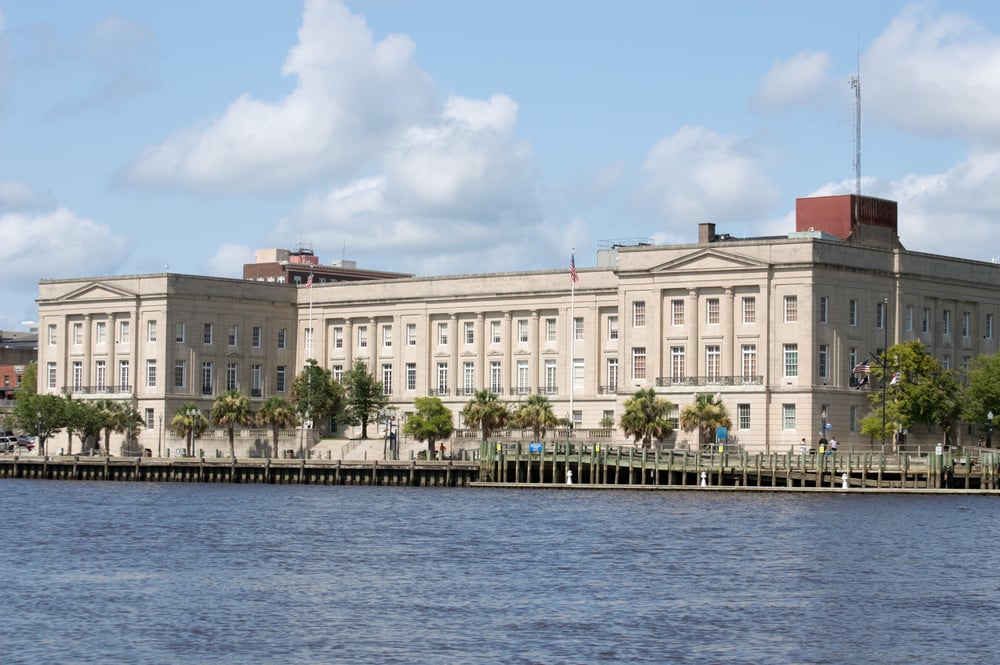
In Wilmington, North Carolina, a white supremacist mob overthrew the legitimately elected biracial city government on November 10, 1898 — the only successful coup d’état in American history. They burned down a Black-owned newspaper, killed an unknown number of Black residents (estimates range from 14 to over 300), and installed their own men in power the same afternoon.
It is, somehow, still not a household name the way it should be.
The Internment of Japanese Americans
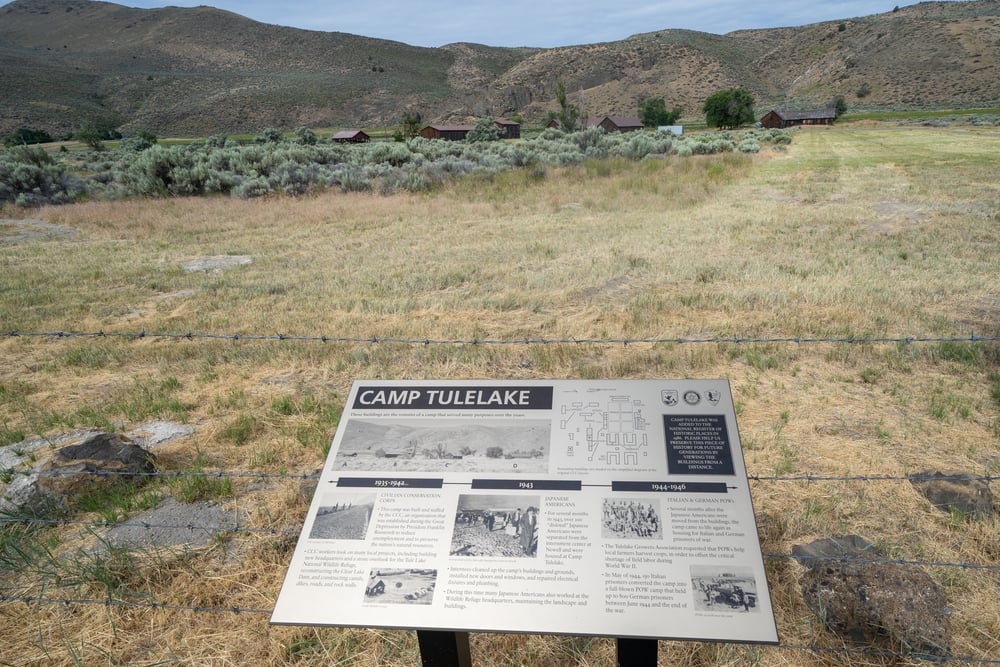
This one gets mentioned, to be fair — but the version that gets taught tends to be cleaned up. What is less often covered is that German Americans and Italian Americans were interned in far smaller numbers, that the government knowingly suppressed evidence that Japanese Americans posed no threat, and that the Supreme Court upheld the policy in Korematsu v. United States in 1944, a decision the Court didn’t formally repudiate until 2018.
The belated correction arrived 74 years after the fact.
The MOVE Bombing
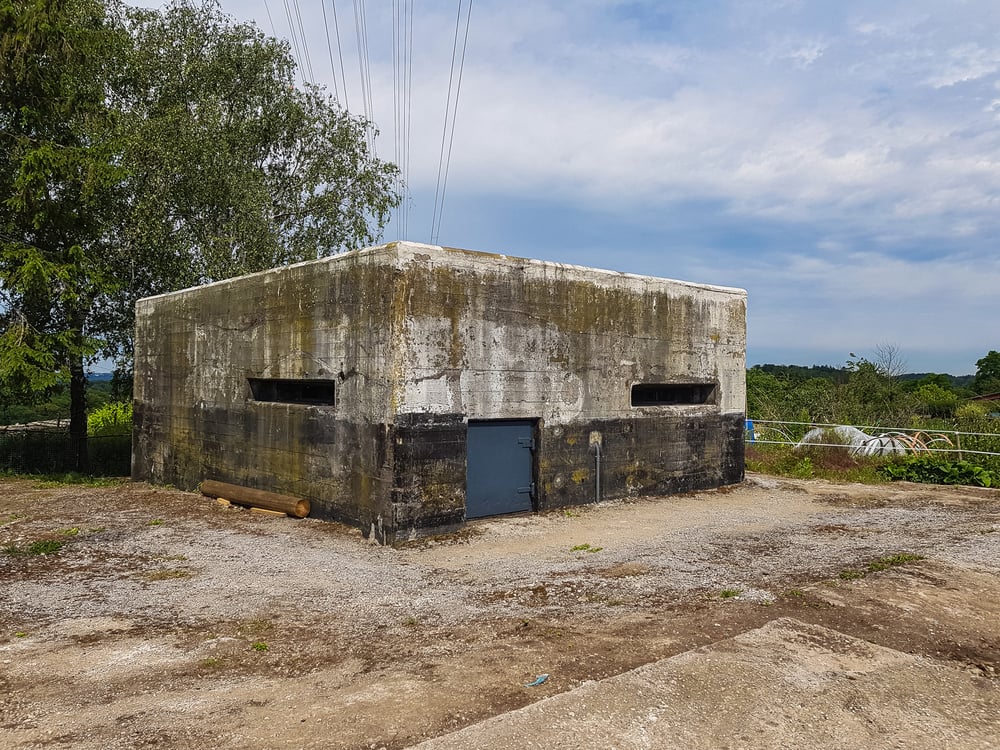
In 1985, the Philadelphia police dropped a bomb on a residential neighborhood. The target was the house occupied by MOVE, a Black liberation organization, and the bomb ignited a fire that city officials chose not to extinguish — 11 people died, including five children, and 65 homes burned down.
The mayor was reelected. The officers involved were not criminally charged.
It happened in a major American city within living memory, and it is almost entirely absent from American history education.
The Homestead Strike
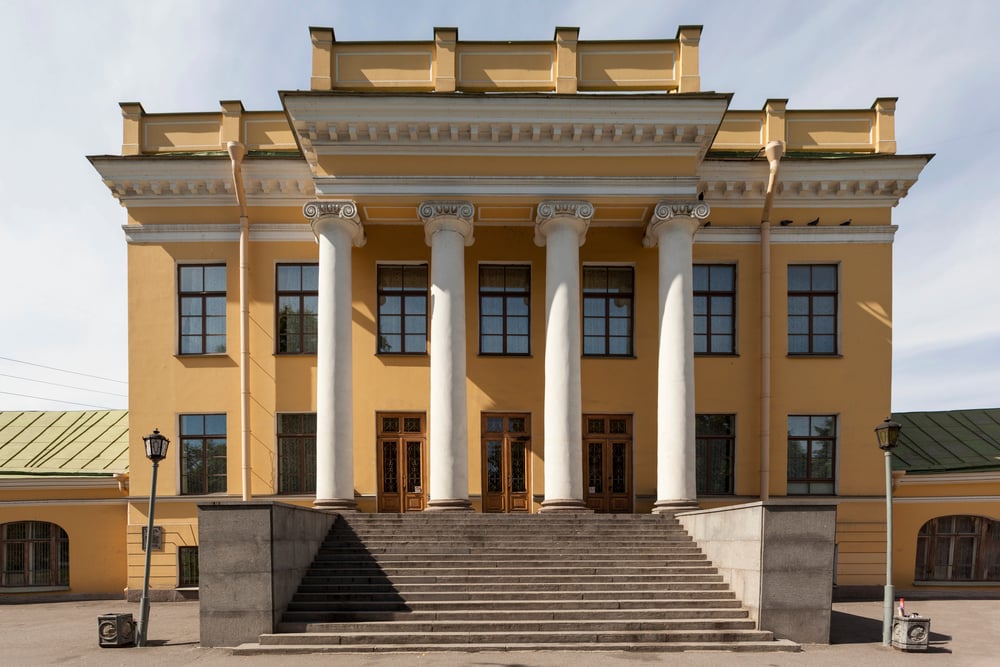
In 1892, the Carnegie Steel Company — specifically Andrew Carnegie’s right-hand man Henry Clay Frick — brought in 300 Pinkerton agents to break a steelworkers’ strike at the Homestead plant in Pennsylvania, and the resulting battle left 10 men dead. Carnegie was conveniently vacationing in Scotland when it happened.
The strike’s defeat set back American labor organizing by decades, and the episode reveals exactly how the Gilded Age industrial economy actually functioned — which may explain why it’s rarely taught in full.
The Tuskegee Syphilis Study
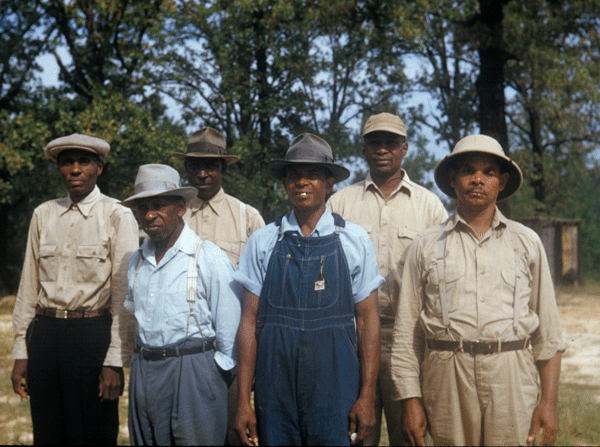
The U.S. Public Health Service spent 40 years — from 1932 to 1972 — deliberately withholding treatment from Black men in Alabama who had syphilis, in order to study the disease’s progression. The men were told they were receiving treatment for “bad blood.”
Penicillin became the standard cure in 1947, and the study continued for 25 more years anyway. When it was exposed, it wasn’t because a regulator intervened — it was because a whistleblower leaked documents to a journalist.
The Carlisle Indian School
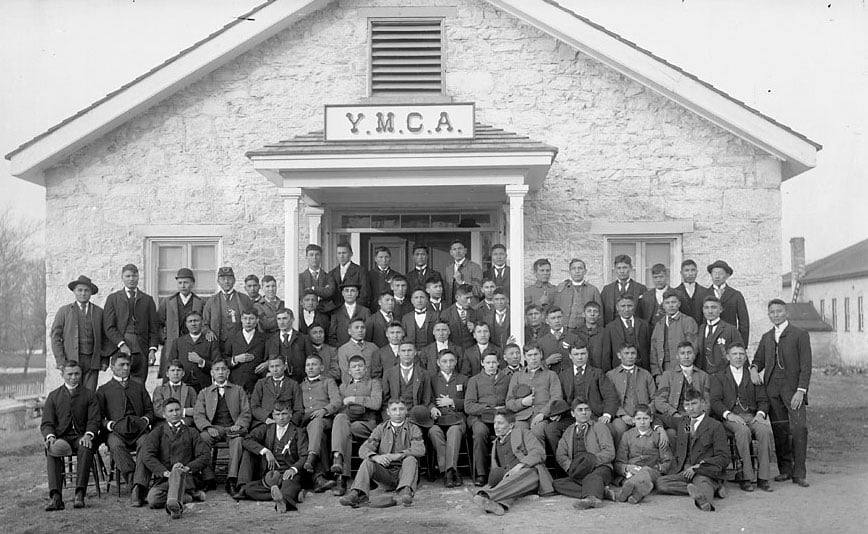
The motto of the Carlisle Indian Industrial School in Pennsylvania, founded in 1879, was “Kill the Indian, save the man.” It was not a metaphor they were shy about.
Children were taken — often by force — from their families, forbidden from speaking their languages, punished for practicing their traditions, and subjected to conditions that killed hundreds of them; their graves are still being identified on the property today. At its peak, there were over 350 similar boarding schools operating across the country.
The Chinese Exclusion Act
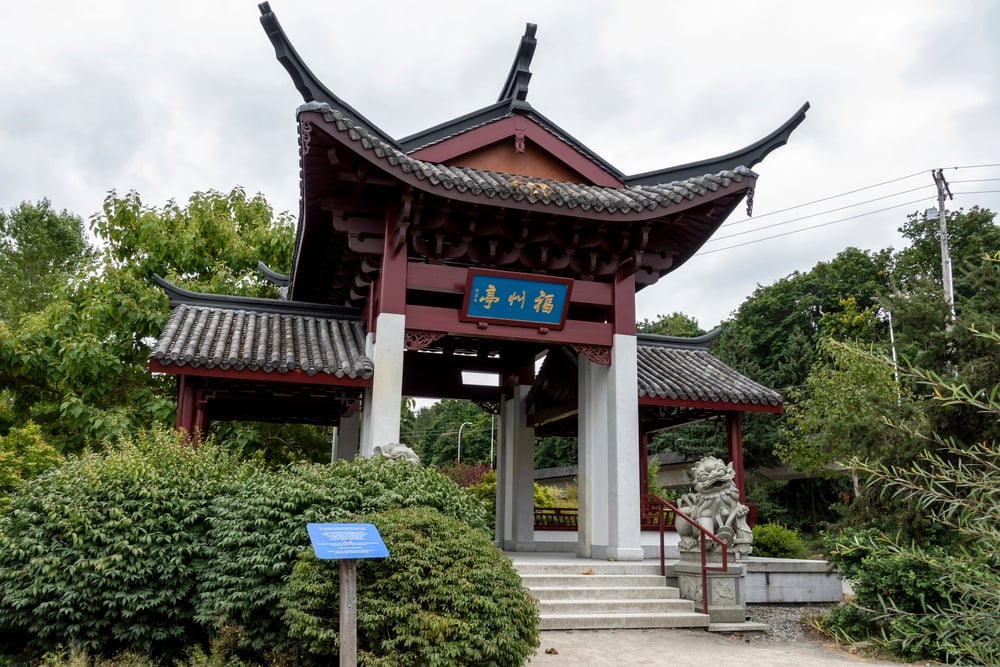
The Chinese Exclusion Act of 1882 was the first — and, to date, only — federal law to explicitly ban immigration based on race and nationality. Chinese laborers had built much of the transcontinental railroad, and the country thanked them by banning their families from joining them, stripping resident Chinese immigrants of the right to become citizens, and setting a legal precedent for racial exclusion that would shape immigration policy for decades.
It wasn’t repealed until 1943, and then only because China was an ally in World War II.
The Bracero Program’s Dark Side
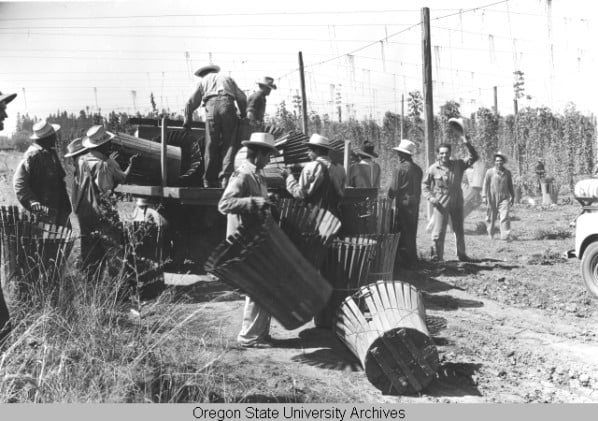
The Bracero Program, which ran from 1942 to 1964, brought millions of Mexican laborers to the United States to fill agricultural labor shortages. What the cheerful textbook version leaves out is that the program was riddled with documented abuses — workers were charged for housing and food that consumed most of their wages, exposed to pesticides without protection, and routinely denied the legal protections the program technically guaranteed them.
Operation Wetback, the mass deportation campaign that ran parallel to it, deported American citizens along with migrants, and the name itself should have been a red flag.
The Battle of Blair Mountain
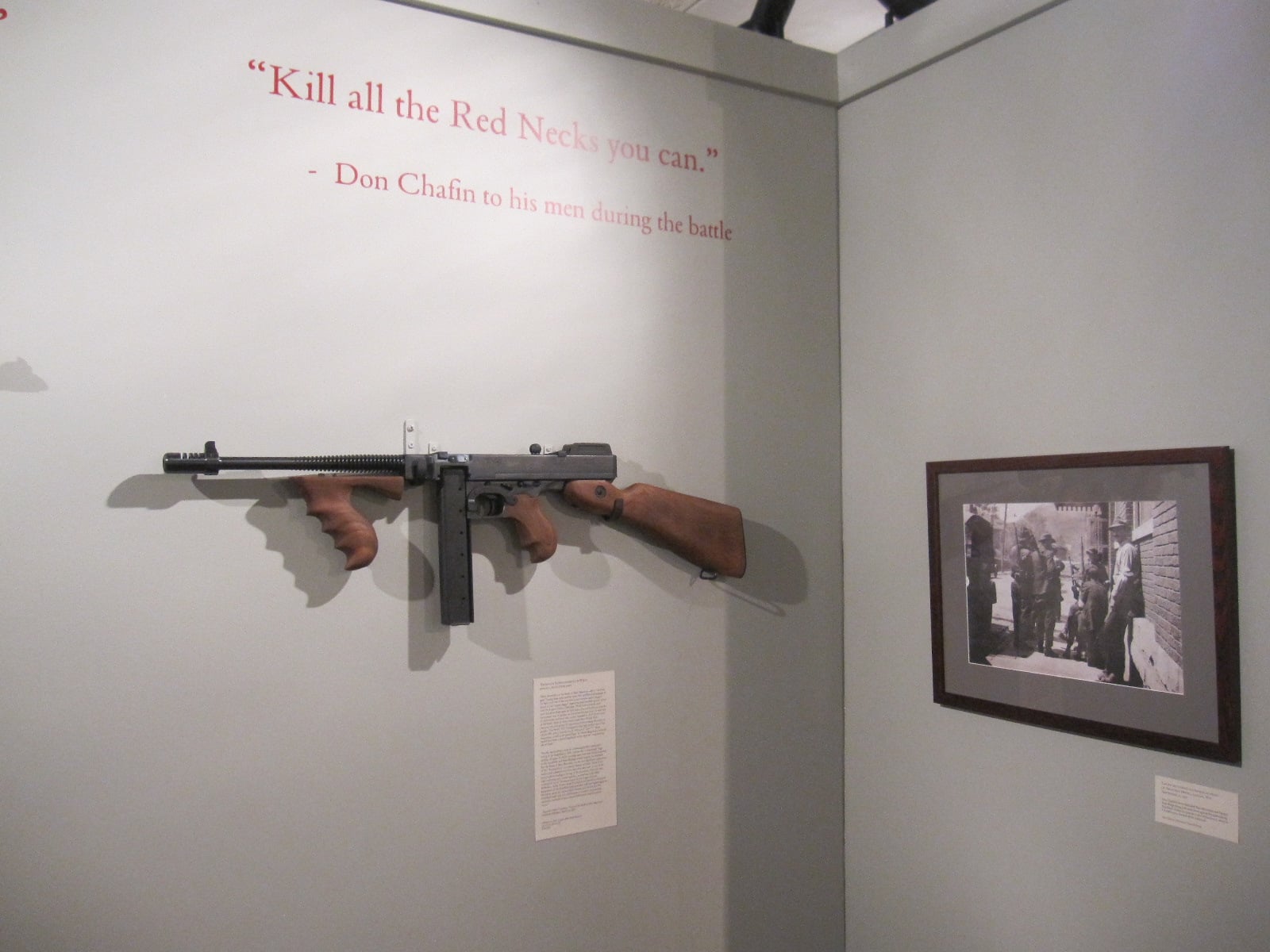
In 1921, roughly 10,000 armed coal miners marched through the mountains of West Virginia in what became the largest labor uprising in American history and the largest armed insurrection since the Civil War. They were met by private armies, state police, and eventually U.S. Army aircraft.
The miners were fighting for the right to unionize without being evicted from company-owned housing, fired, and blacklisted. The battle lasted five days, the miners lost, and the whole episode was buried so thoroughly that the site nearly became a strip mine before historians pushed to have it protected.
The Rosewood Massacre
In January 1923, the town of Rosewood, Florida — a prosperous, predominantly Black community — was destroyed by a white mob over the course of a week. At least six Black residents were killed (some estimates run far higher), the town was burned to the ground, and survivors fled into the surrounding swamps to survive.
The state of Florida did not acknowledge its role until 1994, when it issued an official apology and a modest reparations payment to survivors, the last of whom were still alive to receive it.
The Overthrow of Mohammad Mosaddegh
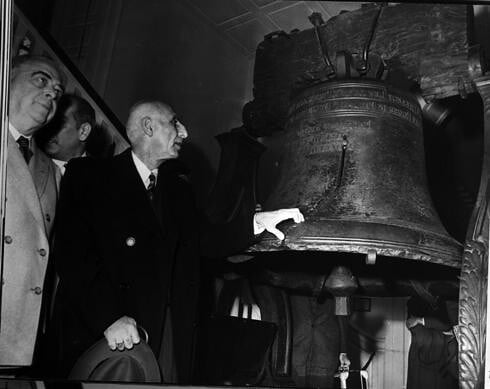
In 1953, the CIA and British intelligence orchestrated a coup that removed Iran’s democratically elected Prime Minister Mohammad Mosaddegh from power. He had nationalized Iran’s oil industry, which threatened British Petroleum’s profits, and the Western response was to install Shah Mohammad Reza Pahlavi — whose brutal authoritarian rule helped generate the conditions that produced the 1979 Islamic Revolution.
The CIA didn’t formally acknowledge its involvement until 2013, which is a long time to keep a secret that reshaped an entire region.
The Atomic Veterans
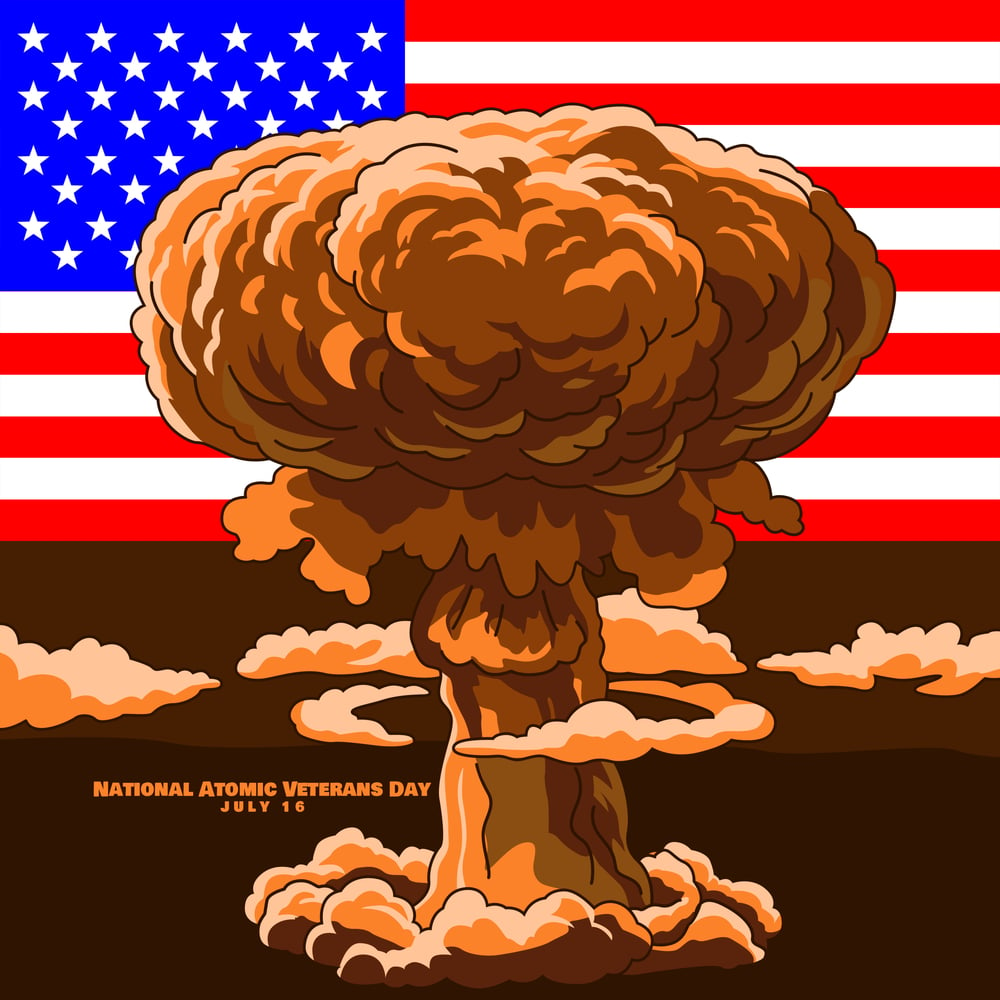
When the United States conducted nuclear weapons tests in Nevada and the Pacific between the late 1940s and 1960s, it stationed American soldiers close enough to the detonations to observe the blasts and, in some cases, march through the fallout zones afterward. Somewhere between 400,000 and 500,000 service members were exposed.
For decades, the government denied any connection between that exposure and the cancers and other illnesses that followed, and the Veterans Administration routinely rejected disability claims. Congress passed the Radiation Exposure Compensation Act in 1990, but the fight over coverage is still ongoing.
The 1919 Red Summer
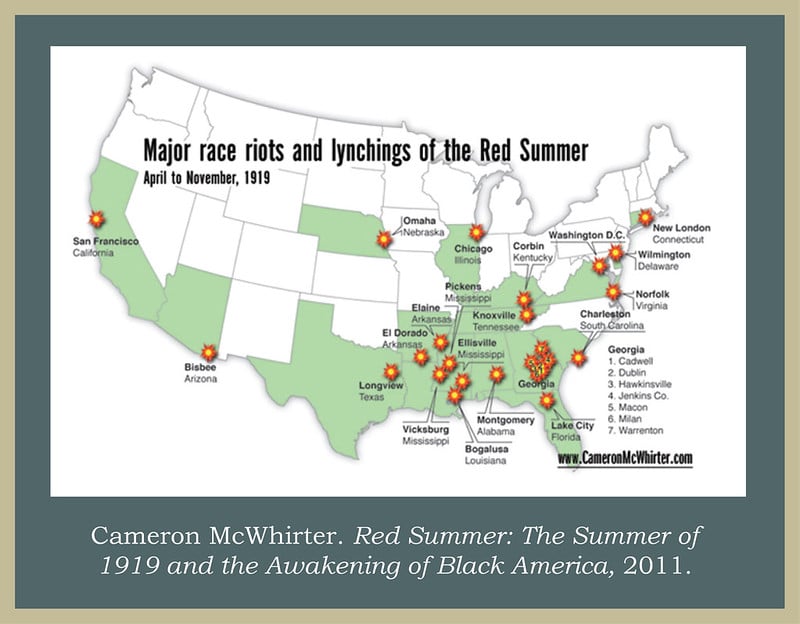
The summer of 1919 saw white mob attacks on Black communities in more than three dozen American cities — Chicago, Washington D.C., Knoxville, Omaha, and many others. Returning Black veterans who had fought in World War I were targeted specifically; wearing a uniform while Black was treated as provocation.
The NAACP called it Red Summer for the blood spilled across the country. It is rarely taught as a unified, nationwide event, which is exactly what it was.
What Gets Left Out Gets Repeated
There’s a pattern running through all of these events, and it’s not subtle. The history that gets omitted tends to be the history that complicates the official story — the one where progress is steady, institutions are trustworthy, and the country’s worst moments were outliers rather than policies.
But the gaps in a curriculum are as revealing as what fills it. Every event listed here is documented, researched, and in many cases formally acknowledged by the government that buried it.
Knowing this history doesn’t make America look worse — it makes the people who survived it look more stubborn, more resilient, and far more extraordinary than any cleaned-up version ever could.
More from Go2Tutors!

- The Romanov Crown Jewels and Their Tragic Fate
- 13 Historical Mysteries That Science Still Can’t Solve
- Famous Hoaxes That Fooled the World for Years
- 15 Child Stars with Tragic Adult Lives
- 16 Famous Jewelry Pieces in History
Like Go2Tutors’s content? Follow us on MSN.