Why Public Libraries Are the Most Underrated Spaces in America
There’s a building in almost every American town — sometimes a grand limestone structure with carved cornices and brass door handles worn smooth by a century of hands, sometimes a squat brick rectangle squeezed between a nail salon and a tax preparer — that offers more than most people realize. You can walk in without spending a dollar, stay as long as you need, and leave with something you didn’t have when you arrived.
Most people drive past it without a second thought. That’s the public library, and it’s quietly doing more for American life than almost any other institution that doesn’t get nearly enough credit for it.
Free and Open to Everyone

Public libraries are one of the last genuinely free public spaces in America. No cover charge, no minimum purchase, no membership tier.
You walk in, and that’s enough.
The Sheer Volume of What’s Available

Most people think “books” when they think library — and sure, the books are there, floor to ceiling, in categories most people wouldn’t think to look for, but the honest truth is that modern public libraries have long since outgrown that single-noun description, stocking everything from audiobooks and e-books to seed libraries and tool-lending collections, which means the gap between what people assume is available and what’s actually sitting on those shelves (or in those databases, or behind that service desk) is enormous. The New York Public Library alone holds more than 55 million items.
So “just books” doesn’t quite cover it.
A Refuge That Doesn’t Judge
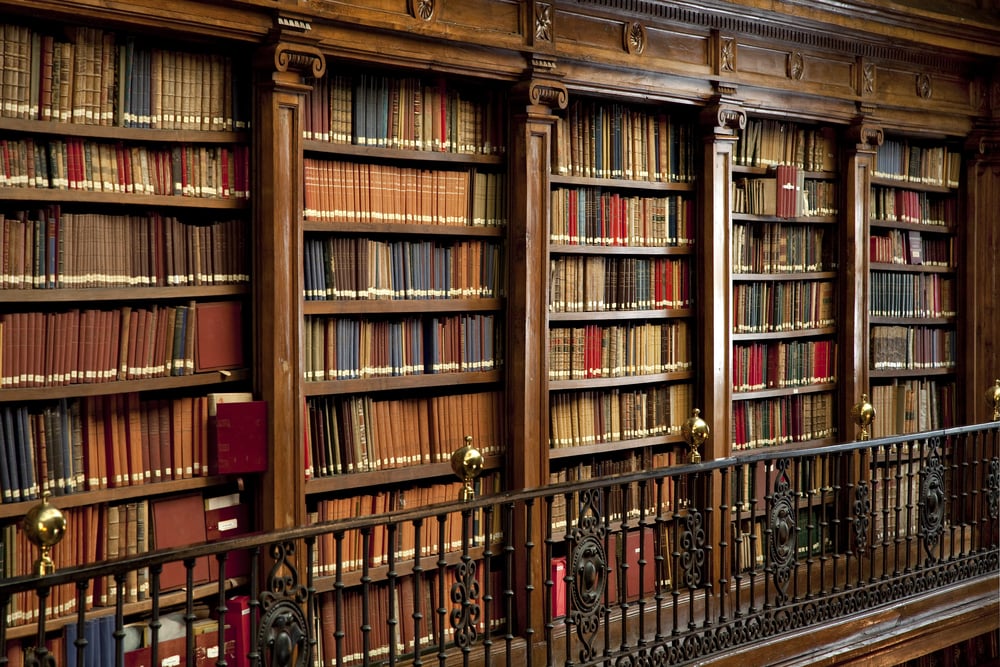
A library holds space the way a good coat does — quietly, without making a scene, present when the weather turns. The person at the reference desk doesn’t ask why you’re there or how long you plan to stay.
That indifference to your reason for being there is, strangely, one of the most dignified things a public institution can offer.
Digital Access for People Who Don’t Have It at Home
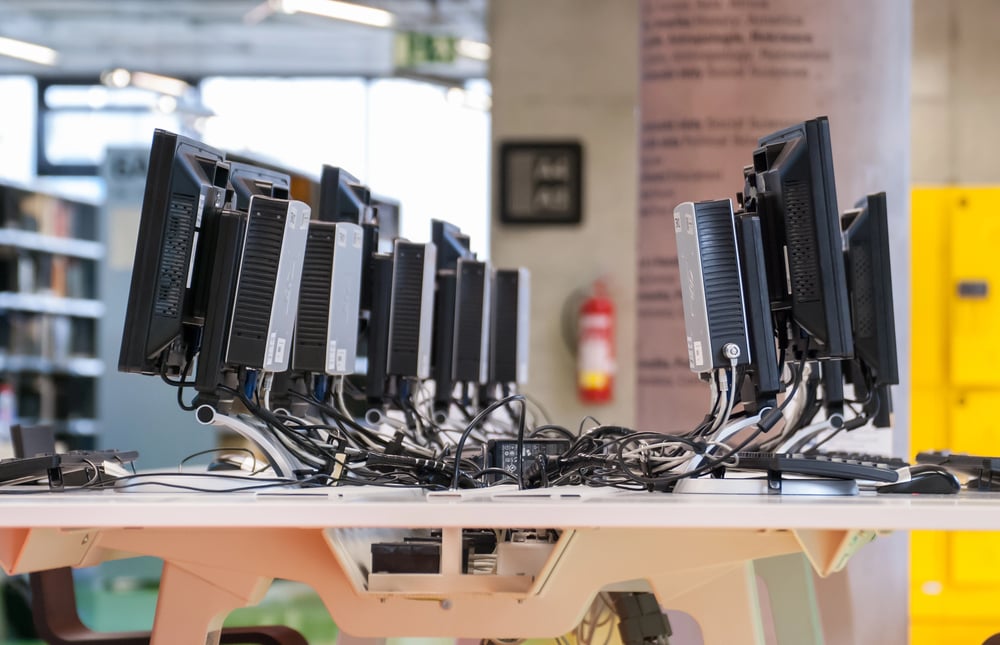
Roughly 21 million Americans lack access to reliable broadband internet at home — and that number climbs sharply in rural counties and low-income urban neighborhoods. Libraries fill that gap without ceremony or fanfare, providing computers, Wi-Fi, and staff who can actually help people use both.
To be fair, no single institution can paper over the full breadth of the digital divide, but libraries are doing more of that structural work than most people give them credit for.
The Reference Librarian Is Genuinely Underestimated

Reference librarians are trained researchers, not book-shelvers who got promoted. The average reference librarian holds a master’s degree in library and information science.
Ask one a hard question and watch what happens.
Children’s Programming That Actually Reaches Kids

Summer reading programs at public libraries have been shown to measurably reduce learning loss over the months when school is out — the so-called “summer slide” that disproportionately affects children from lower-income families — and yet the programs themselves often run on budgets that are borderline embarrassing for what they’re expected to accomplish, staffed by people who are visibly, stubbornly committed to the work anyway. Story time, STEM workshops, craft hours, visits from local authors: these aren’t afterthoughts.
And in many communities, especially those without bookstores or enrichment programs, the library is the only place offering any of it.
The Architecture Tells You Something
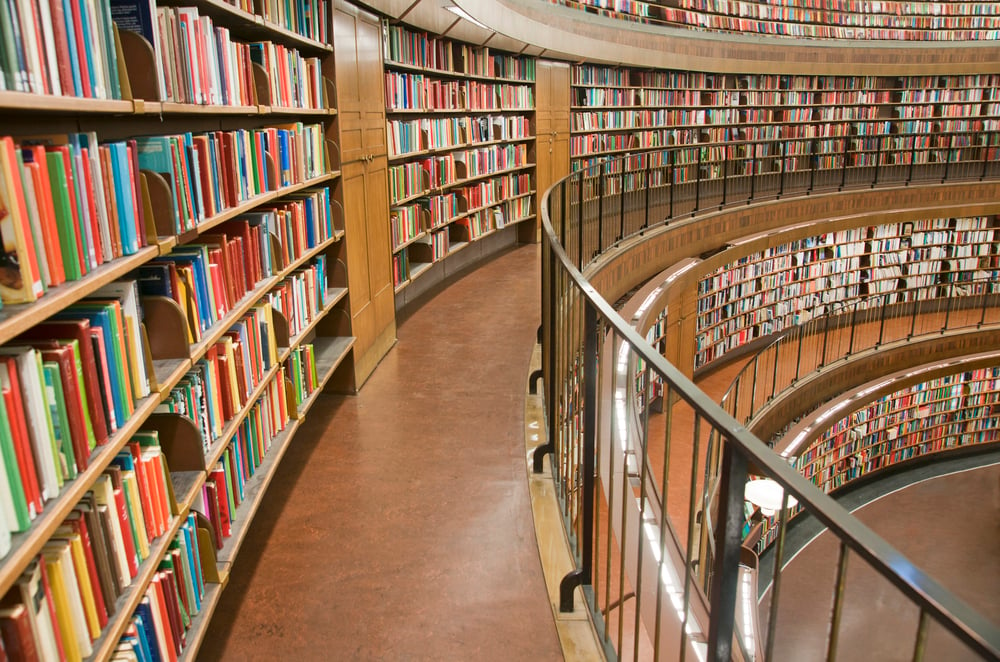
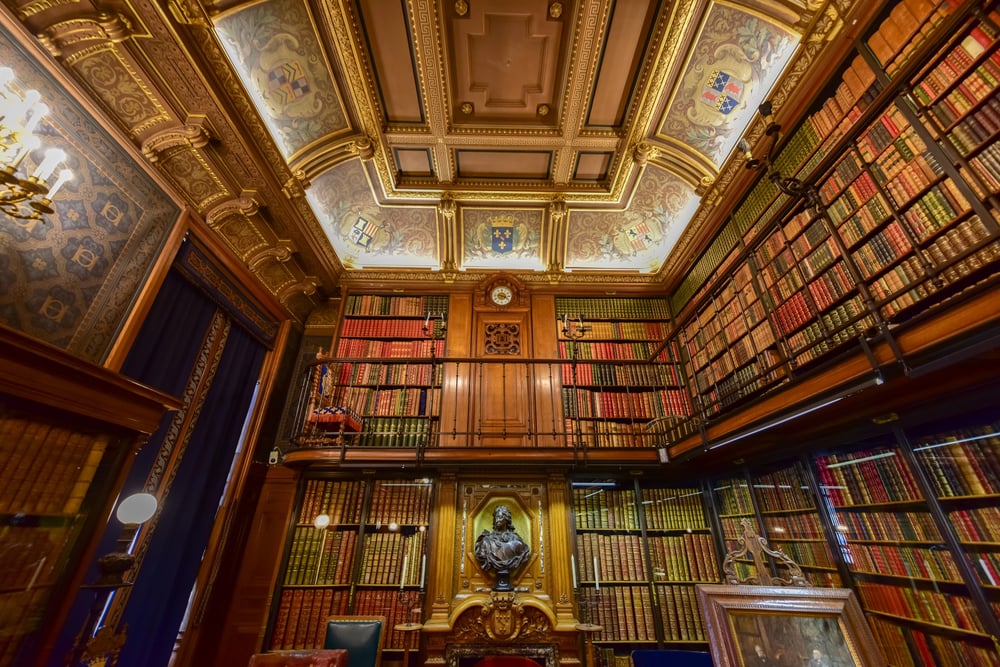
The great library buildings of the late nineteenth and early twentieth centuries — Carnegie libraries, most obviously, of which more than 1,600 were built across the United States — were designed to feel important on purpose. High ceilings, generous windows, reading rooms built like cathedrals: the architecture made an argument that knowledge deserved a serious house.
The building itself was the message, and that message was aimed squarely at people who had never been told their curiosity mattered.
A Place to Sit Without Being a Customer

Every coffee shop, every restaurant, every retail store in America operates on a soft but real premise: you are there to buy something. Libraries dissolved that premise entirely, which turns out to matter more now than it did a decade ago, when the “third place” — the space between home and work — started disappearing from American life at a notable rate.
You can sit in a library chair for three hours reading a magazine you didn’t pay for and no one will ask you to leave. That’s not a small thing.
Language Resources for New Americans

Public libraries serve immigrant communities in ways that rarely get press coverage. English-language learning programs, citizenship preparation classes, multilingual collections, and staff trained in navigating translation barriers — these services exist in libraries across the country, from major urban branches to small-town outposts.
For a newly arrived family trying to build footing in an unfamiliar place, the library is often the first institution that meets them where they are.
The Quiet Erosion of Funding

Library budgets in the United States have been cut, frozen, or stagnated in dozens of cities and counties over the past two decades, which means that the institutions doing more work than ever — more digital services, more community programming, more social services by necessity — are doing it with resources that haven’t kept pace, staffed by people who are absorbing the gap between what the library promises its community and what the budget actually allows. Some branches have reduced hours to three days a week.
Some have closed altogether. The silence around that fact is its own kind of verdict on how seriously Americans take the institutions they claim to cherish.
Job Seekers Use Them Constantly

Libraries are a first stop for people looking for work — and not in a casual, browsing-the-job-boards sense. They offer resume workshops, interview coaching, computer access for online applications, and in many cases, dedicated career resource centers with staff who specialize in workforce navigation.
For someone who just lost a job and doesn’t have a printer at home or a LinkedIn account they know how to update, the library is genuinely functional infrastructure.
Local History Lives There

No digital archive has yet replaced what sits in the local history room of a county library. Birth records, old photographs, newspaper microfilm going back to the Civil War, deeds, letters, maps of towns that no longer exist in their original form — these are the raw materials of memory, and libraries are where they’re kept.
The feeling of holding a photograph of your great-grandmother’s street as it looked in 1910 is hard to replicate on a screen.
Small-Town Libraries Punch Especially Hard
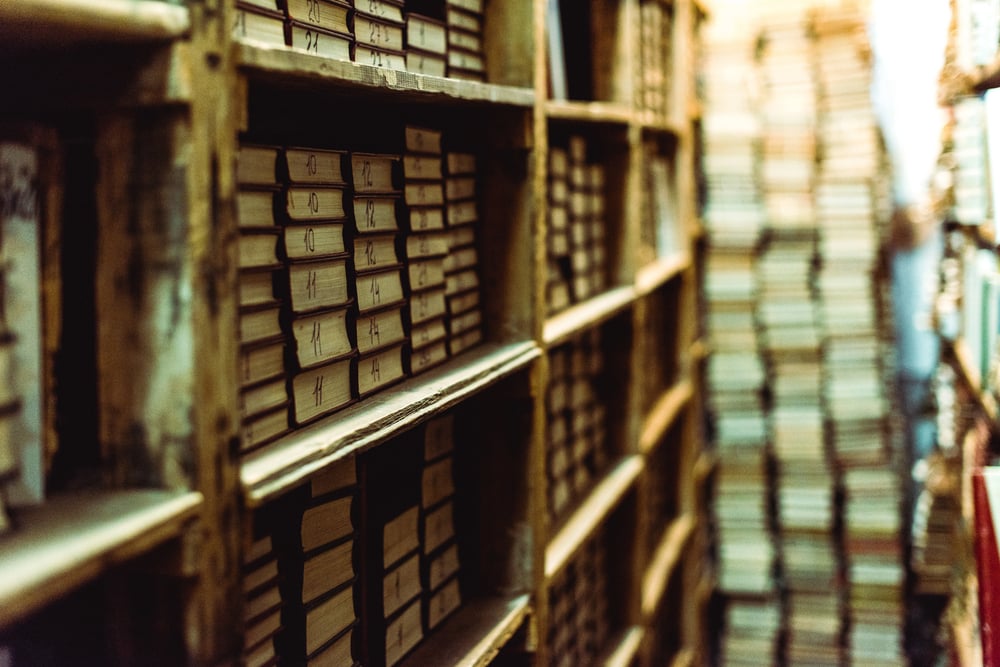
In a rural town of 4,000 people, the library isn’t competing with a bookstore, a community center, a makerspace, and a coworking hub — it is all of those things simultaneously, compressed into one building that probably shares a parking lot with the post office. Rural libraries frequently serve as the only public gathering space in a community, hosting everything from 4-H meetings to local elections to grief support groups.
The range of functions they absorb is something that would genuinely surprise most people who have only ever used a library in a city.
The Quiet People Watching

There is something worth noticing in the cross-section of a library on a Tuesday afternoon: the retired man reading the paper at the same table he’s occupied every weekday for eleven years, the teenager doing homework they definitely didn’t plan to do, the woman on the computer who is filling out a government form with the focused expression of someone for whom the stakes are real. The library, more than almost any other space, puts people who would never otherwise share a room into the same room — and does it without anyone announcing that this is happening.
Ebooks and Digital Lending Are Expanding Fast

The Libby app, operated through OverDrive, lets library cardholders borrow e-books and audiobooks from their local library system without leaving their couch — and the catalog is larger than most people expect. Bestsellers, academic texts, niche genre fiction, current magazines: it’s all in there, usually with a modest wait time that, honestly, has the pleasant side effect of reminding you that other people wanted the same book.
All of it is free with a library card.
Mental Health and Social Services

Libraries were not designed to be social service agencies. And yet, in the absence of adequate community mental health resources, many urban library systems have begun stationing social workers inside branches — New York, San Francisco, Philadelphia, Denver, and others have active programs — because the reality of who uses the library, and why, made it unavoidable.
That this is necessary is worth thinking about. That libraries rose to meet it anyway is worth more.
Tax Dollars Actually Visible Doing Something Useful
Most people interact with their tax dollars through potholes they didn’t vote to ignore and bureaucracies that seem designed to exhaust them. The library is a rare and almost startling exception: a public institution where you can walk in on a random Wednesday and immediately, tangibly see what the investment produces.
It’s one of the few places where the phrase “your tax dollars at work” doesn’t feel like a dark joke.
The Intellectual Freedom Argument

Libraries have a documented, professional commitment to intellectual freedom that runs deeper than a policy statement on a website. The American Library Association has actively opposed censorship attempts for decades, and individual librarians have pushed back against book challenges and bans with a consistency that goes largely unnoticed until a local school board makes the news.
The library, almost alone among public institutions, holds the position that you should be allowed to read what you want without someone deciding first whether it’s appropriate for you.
Anyone Who’s Sat in One Knows

The library has a specific quality of time — slower, somehow, than the same hour spent anywhere else. It’s the kind of place that corrects you gently toward patience, where the ambient hum of collective attention creates a pressure to actually focus on the thing in front of you.
Plenty of Americans have drifted away from libraries in adulthood for no particular reason, and most of them — if they walk back in — immediately wonder why they stayed away.
What Gets Lost When We Stop Showing Up

Absence is how institutions die — not with a dramatic announcement, but with declining foot traffic, shrinking budgets, and the quiet assumption that someone else is using the thing and so it’s probably fine. Public libraries in America need funding, political support, and people who show up — not because they urgently need something, but because the building being full is itself a kind of argument for its own survival.
The most underrated space in America is still there, still open, still free. That’s not guaranteed to stay true forever.
More from Go2Tutors!

- The Romanov Crown Jewels and Their Tragic Fate
- 13 Historical Mysteries That Science Still Can’t Solve
- Famous Hoaxes That Fooled the World for Years
- 15 Child Stars with Tragic Adult Lives
- 16 Famous Jewelry Pieces in History
Like Go2Tutors’s content? Follow us on MSN.