Controversial Historical Facts Teachers Avoided
History class had a way of smoothing over the rough edges. The textbooks presented clean narratives with clear heroes and villains, tidy timelines that made sense, and stories that wrapped up neatly by the final bell.
But the real past was messier than that — full of uncomfortable truths, moral complexities, and facts that didn’t fit the preferred version of events. Some of these omissions were practical.
There’s only so much time in a semester, and some topics require more nuance than a high school curriculum can handle. Others were deliberate.
Certain facts challenge the stories societies tell themselves about their origins, their heroes, and their moral progress through time.
The Founding Fathers’ Financial Interests
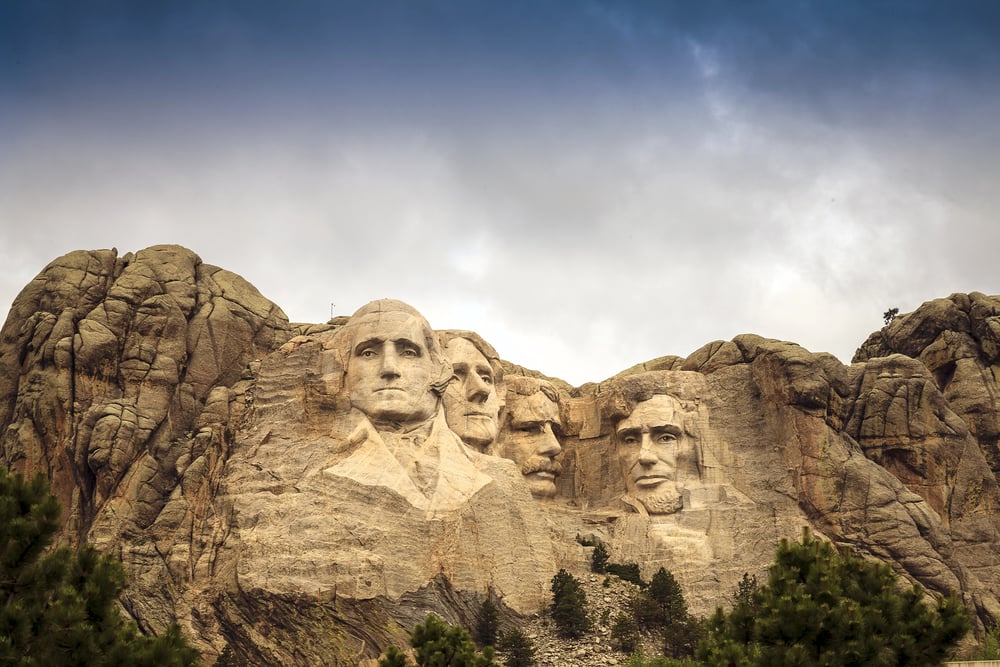
The Constitution wasn’t written by disinterested patriots. It was drafted by men with serious money on the line.
Take Alexander Hamilton. His entire financial plan depended on a strong federal government that could honor debts and regulate commerce. George Washington owned vast tracts of western land that would become worthless without federal protection and infrastructure.
Many of the delegates at the Constitutional Convention held government bonds that were nearly worthless under the Articles of Confederation but would regain value under a stronger central government.
Native American Slave Ownership

The story gets complicated when you discover that several Native American tribes, particularly in the Southeast, owned enslaved people (and yes, this complicates the simple narrative where indigenous peoples were purely victims of European colonization, though it certainly doesn’t excuse what was done to them). The Cherokee, Creek, Choctaw, Chickasaw, and Seminole nations all participated in the plantation economy, and some tribal leaders owned hundreds of enslaved individuals — which meant that when these tribes were forcibly relocated during the Trail of Tears, they brought their enslaved people with them, and the question of what to do about this practice became one of the most contentious issues during the Civil War, since these tribes had to choose sides just like everyone else.
But here’s where it gets even more tangled: some of these same tribes also provided refuge for escaped enslaved people, and intermarriage between Native Americans and people of African descent was common enough that it created entire communities with mixed heritage.
So you had tribes that simultaneously participated in the plantation system and undermined it.
Lincoln’s Colonization Plans
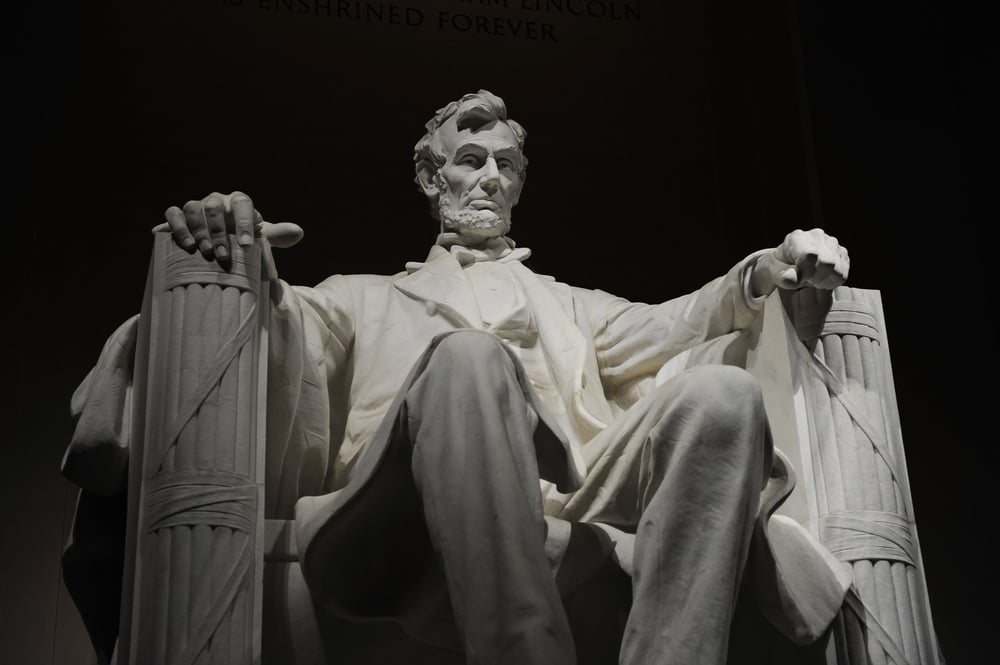
Lincoln gets remembered as the Great Emancipator, but that memory conveniently skips over his backup plan. He spent years trying to convince freed people to leave the country entirely.
The colonization idea wasn’t new — it had been around since the early 1800s. But Lincoln took it seriously enough to fund experimental colonies in Haiti and consider locations in Central America.
He met with African American leaders in 1862 to pitch voluntary emigration, essentially arguing that white and Black Americans could never coexist peacefully. Frederick Douglass called it insulting.
Most other Black leaders agreed. The colonization schemes mostly failed, but Lincoln kept pushing them well into the Civil War.
The Tuskegee Experiment Duration

Everyone knows about the Tuskegee syphilis study, but most people think it happened in some distant, less enlightened past. The experiment ran from 1932 to 1972.
That means it continued through World War II, when the Nazis were conducting their own medical experiments on unwilling subjects. It continued through the Nuremberg Trials, which established international standards for medical ethics.
It continued through the civil rights movement, through the moon landing, through Woodstock. The study only stopped when a whistleblower leaked the story to the press. By then, dozens of men had died from untreated syphilis, and the disease had spread to wives and children who were never told about the experiment.
Japanese American Wealth Confiscation

The internment camps were bad enough, but they were just the beginning. When Japanese Americans were forced from their homes in 1942, they had about a week to dispose of their property.
Houses sold for a fraction of their value.
Businesses were abandoned or sold for pennies on the dollar. Personal belongings were stored in government warehouses where much of it disappeared or was damaged.
Farmers lost entire crops and equipment. The economic devastation was systematic and deliberate.
After the war, the government offered minimal compensation — usually far less than what people had lost. Many families never recovered financially.
The 1988 reparations act provided $20,000 to surviving internees, but by then, most had been struggling for nearly half a century to rebuild what they’d lost.
Corporate Collaboration with Nazi Germany

American companies didn’t just trade with Nazi Germany before the war — some continued doing business after it started (and the relationships were deeper and more extensive than most people realize, involving household names that are still major corporations today). IBM provided the punch-card systems that helped organize the Holocaust logistics.
Ford and General Motors built trucks and aircraft engines for the German military through their European subsidiaries, and they kept operating those plants even after Pearl Harbor brought America into the war. Coca-Cola created Fanta specifically for the German market when wartime trade restrictions made it impossible to import Coke syrup.
Chase Bank and other financial institutions helped the Nazis liquidate assets stolen from Jewish victims. Some of these companies later sued the U.S. government for damages to their German facilities caused by Allied bombing.
And the business relationships picked up again surprisingly quickly after 1945. Many of the same executives who had profited from Nazi contracts were back in charge within a few years.
The Pentagon Papers Timeline

The Vietnam War’s secret history didn’t stay secret because of national security. It stayed secret because it was embarrassing.
The Pentagon Papers revealed that every administration from Truman through Nixon had lied about Vietnam. They showed that officials knew the war was unwinnable while publicly expressing confidence.
They documented plans to escalate conflicts that presidents were simultaneously promising to end. Daniel Ellsberg leaked the papers in 1971, but they covered decisions going back to the 1940s.
That meant the public spent decades supporting policies based on information their own government knew was false.
Eugenics Program Scope

— Photo by Tadzo
Forced sterilization wasn’t limited to Nazi Germany. American eugenics programs sterilized over 60,000 people between 1907 and the 1970s.
The Supreme Court approved the practice in 1927. Buck v. Bell upheld Virginia’s sterilization law, with Justice Oliver Wendell Holmes writing that “three generations of imbeciles are enough.” The decision was never formally overturned.
States targeted people in mental institutions, but the criteria kept expanding. Being poor, unmarried, or simply deemed “morally deficient” could qualify someone for sterilization.
Some states sterilize people for epilepsy or blindness. Others targeted specific ethnic groups.
McCarthyism’s Actual Targets

The Red Scare wasn’t really about finding Soviet spies. It was about controlling domestic dissent.
Most of the people blacklisted, fired, or imprisoned during the McCarthy era had no connection to Soviet intelligence. They were union organizers, civil rights activists, teachers who assigned the wrong books, or Hollywood writers who’d attended leftist meetings in college.
The actual Soviet spy networks were largely unaffected. The FBI knew who the real agents were — they’d been tracking them for years through counterintelligence operations.
But going after actual spies required careful, quiet work. Going after teachers and actors made better headlines.
Native Residential School System

The boarding school system for Native American children lasted longer and reached further than most people know. From the 1870s through the 1970s, thousands of children were removed from their families and sent to institutions designed to “kill the Indian, save the man.”
Children were forbidden to speak their native languages, practice their religions, or maintain contact with their families. Many were physically and emotionally abused.
Hundreds died from disease, malnutrition, or neglect and were buried in unmarked graves on school grounds. The system wasn’t just federal.
Churches ran many of the schools, and states provided funding and students. By the 1920s, nearly every Native American child in the country was enrolled in a boarding school.
Racial Zoning Laws Duration

Housing discrimination wasn’t just about private prejudice or informal redlining. Many cities had explicit laws prohibiting people of different races from living in the same neighborhoods.
These racial zoning ordinances were common across the South and in many northern cities. They remained in effect well into the 20th century, with some lasting into the 1960s.
When courts finally struck down explicit racial zoning, cities switched to more subtle methods — zoning for “character of neighborhood” or requiring expensive building materials that effectively excluded lower-income residents. The effects compound across generations.
Neighborhoods that excluded minority families for decades accumulated wealth through rising property values. Families locked out of those areas were also locked out of the equity that came with homeownership.
Chemical Weapons in World War I

World War I introduced chemical warfare on an industrial scale, but the aftermath gets glossed over in most history classes. The immediate casualties were horrible enough — chlorine gas, mustard gas, and phosgene killed over 90,000 soldiers and wounded more than a million others.
But the long-term effects stretched for decades. Veterans suffered from respiratory damage, skin conditions, and cancers that took years to develop.
Many were denied benefits because military doctors didn’t understand the connection between chemical exposure and later health problems. After the war, massive stockpiles of chemical weapons had to be disposed of.
Much of it was simply dumped in the ocean or buried in unmarked sites. Some of those burial sites are still being discovered today, and cleanup efforts continue nearly a century later.
Labor Union Violence

The history of American labor includes plenty of violence that went both ways, but textbooks tend to focus on striking workers while downplaying the systematic brutality used against them.
Companies hired private armies to break strikes. The Pinkertons, Baldwin-Felts detectives, and other private security firms used machine guns, dynamite, and armored vehicles against striking miners, steel workers, and textile employees.
State and federal troops regularly intervened on behalf of employers. The 1914 Ludlow Massacre in Colorado saw National Guardsmen and company guards attack a tent city of striking miners’ families, killing over 20 people including children.
The 1937 Memorial Day Massacre in Chicago involved police firing into a crowd of striking steelworkers, killing 10 and wounding dozens more.
The Real Cost of Progress

History textbooks love stories of inevitable progress — how things kept getting better, how problems got solved, how justice eventually prevailed. But progress always came with a price, and someone always paid it.
The railroads connected the continent by destroying Native American societies. Industrial prosperity was built on child labor and workplace deaths that were considered acceptable costs of doing business.
The suburbs that symbolized postwar prosperity were created through government policies that systematically excluded minority families. Understanding these trade-offs doesn’t negate the genuine improvements in human welfare over time.
But it does suggest that progress is messier, more contested, and more morally complex than the sanitized version presented in most classrooms.
More from Go2Tutors!

- The Romanov Crown Jewels and Their Tragic Fate
- 13 Historical Mysteries That Science Still Can’t Solve
- Famous Hoaxes That Fooled the World for Years
- 15 Child Stars with Tragic Adult Lives
- 16 Famous Jewelry Pieces in History
Like Go2Tutors’s content? Follow us on MSN.