14 Concert Tours That Lost Money Despite Sellouts
When fans pack stadiums and arenas night after night, it seems impossible that a tour could lose money. After all, those ticket sales should translate directly into massive profits for the artists and their teams. The reality of the music industry tells a different story entirely.
Behind the scenes, concert tours face enormous expenses that can quickly spiral out of control. From elaborate stage productions to unexpected logistical nightmares, even the most successful artists have found themselves in the red despite playing to capacity crowds. Here is a list of 14 concert tours that managed to lose money even when every single seat was filled.
U2’s PopMart Tour (1997-1998)
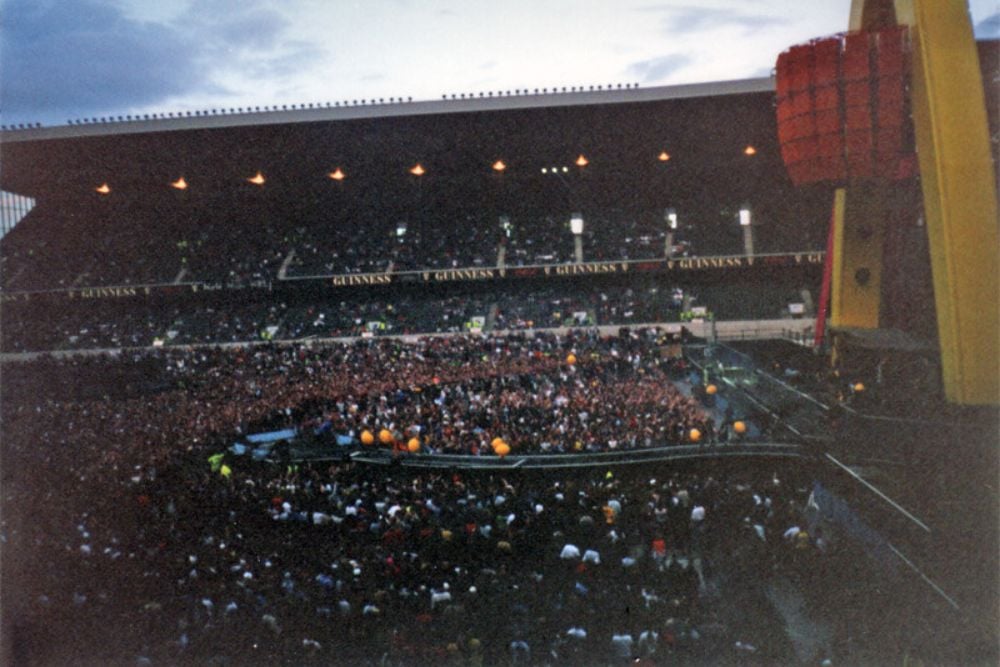
U2’s PopMart tour became legendary for all the wrong reasons when it came to finances. The band invested heavily in a massive 165-foot-wide LED screen and a 100-foot-tall golden arch that required an army of trucks to transport between venues.
The production costs were so astronomical that even with 3.9 million tickets sold, the tour barely broke even and likely lost money when all expenses were calculated.
Madonna’s Drowned World Tour (2001)

Madonna’s return to touring after an eight-year hiatus came with sky-high production values that ate into profits faster than fans could buy tickets. The elaborate stage design, complete with multiple video screens and complex choreography, required a crew of over 200 people.
Despite selling out arenas across Europe and North America, the tour’s massive overhead costs meant that Madonna’s ambitious comeback didn’t deliver the financial returns anyone expected.
Like Go2Tutors’s content? Follow us on MSN.
Michael Jackson’s HIStory World Tour (1996-1997)

Michael Jackson’s HIStory tour was a spectacle that pushed the boundaries of what a concert could be, but it also pushed the boundaries of what a budget could handle. The production featured pyrotechnics, a full orchestra, and staging that required months of setup time between legs of the tour.
Even though Jackson sold over 4.5 million tickets worldwide, the enormous production costs and extended breaks between shows meant the tour struggled to turn a profit.
Spice Girls’ Spice World Tour (1999)

The Spice Girls’ reunion tour seemed like a guaranteed money-maker given their massive global popularity, but the reality was far more complicated. The group’s elaborate stage setup included multiple costume changes, backup dancers, and a production crew that numbered in the hundreds.
Despite selling out venues across the globe, the tour’s expenses grew so large that it became one of the most expensive pop productions ever mounted, leaving little room for actual profit.
Guns N’ Roses’ Chinese Democracy Tour (2001-2014)
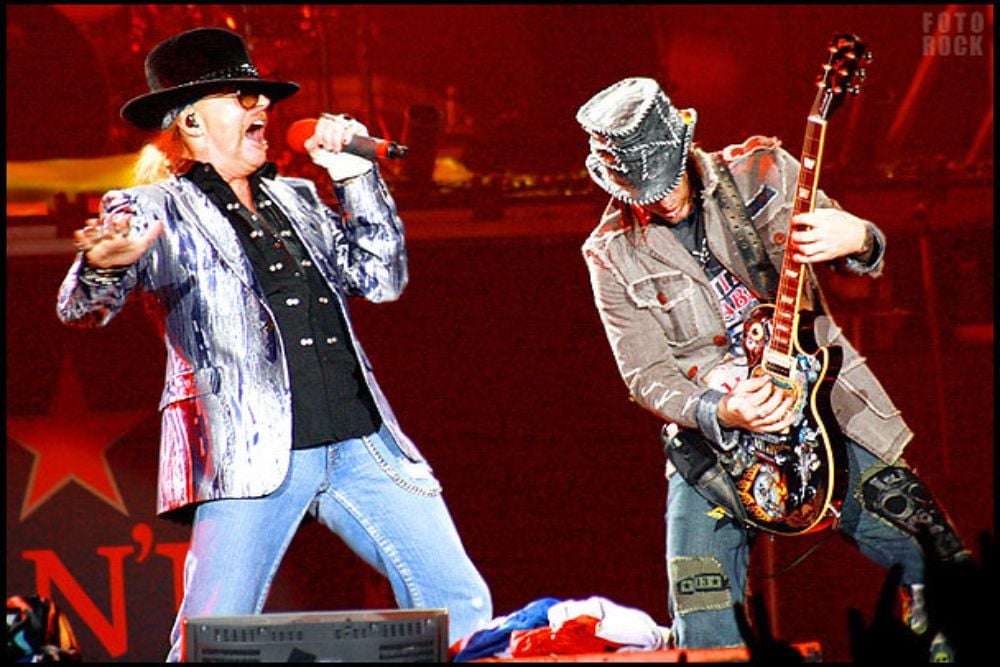
Guns N’ Roses’ seemingly endless touring cycle to support ‘Chinese Democracy’ became a masterclass in how to spend money faster than you can make it. Axl Rose’s perfectionist approach meant constant rehearsals, last-minute cancellations, and a rotating cast of expensive musicians.
The tour sold millions of tickets over more than a decade, but the constant personnel changes and production modifications meant that profits were consistently eaten up by overhead costs.
Like Go2Tutors’s content? Follow us on MSN.
Pink Floyd’s The Wall Tour (1980-1981)
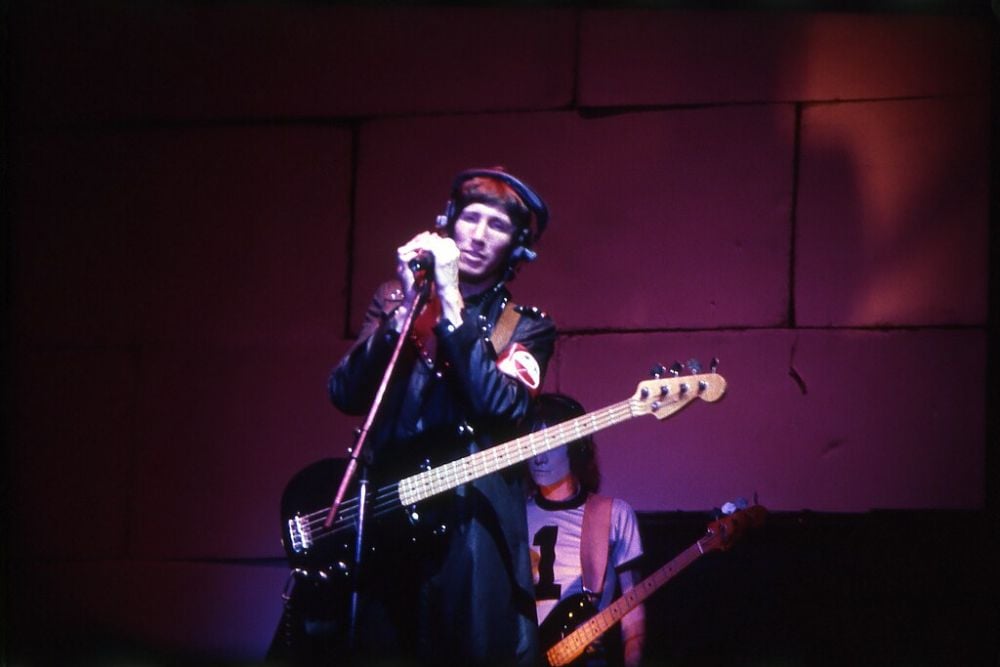
Pink Floyd’s ambitious staging of ‘The Wall’ was a theatrical masterpiece that required building an actual wall on stage during each performance. The logistical nightmare of transporting and constructing the elaborate set pieces meant that the tour required a massive crew and extended setup times.
Despite the critical acclaim and sold-out shows, the production costs were so enormous that the tour barely covered its expenses, making it one of the most expensive rock productions of its era.
Metallica’s Death Magnetic Tour (2008-2010)
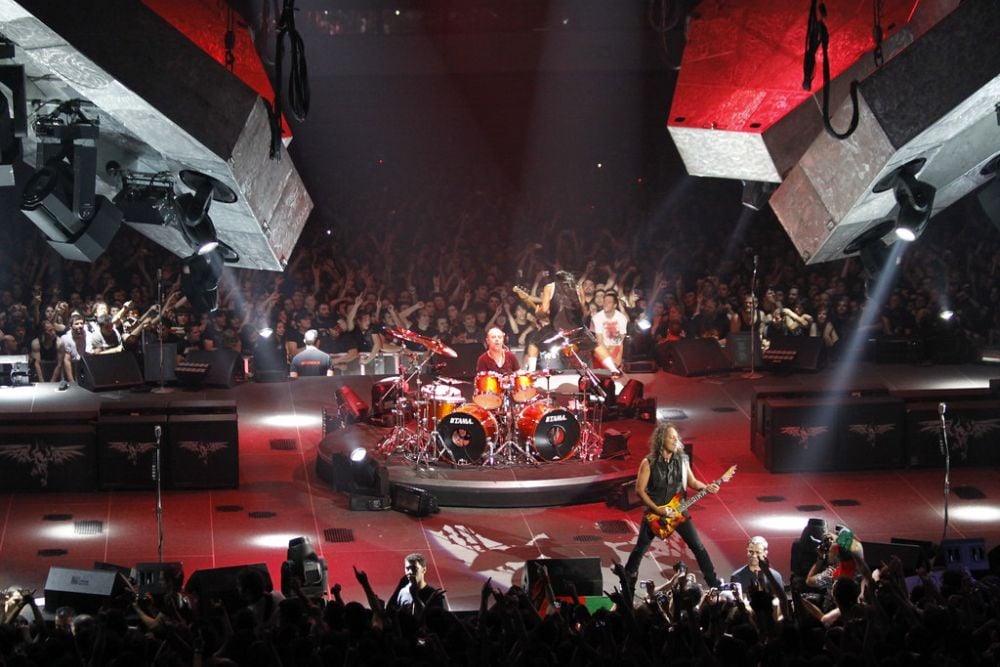
Metallica’s Death Magnetic tour featured a massive 360-degree stage setup that allowed fans to surround the band during performances. The innovative design required specialized equipment and a crew of over 300 people to operate safely.
While the tour sold over 5 million tickets worldwide, the costs associated with the complex staging and transportation meant that profits were significantly lower than expected for such a successful run.
Britney Spears’ Dream Within a Dream Tour (2001)

Britney Spears’ Dream Within a Dream tour was designed to be a visual spectacle that would cement her status as a pop icon. The production included elaborate costume changes, complex choreography, and a stage design that required extensive technical support.
Despite selling out arenas across North America, the tour’s massive production costs and the need for a large crew meant that the financial returns were disappointingly slim.
Like Go2Tutors’s content? Follow us on MSN.
Cher’s Farewell Tour (2002-2005)

Cher’s ‘farewell’ tour was meant to be her final bow, complete with elaborate costumes and staging that befitted a legend’s goodbye. The production featured multiple costume changes, each more elaborate than the last, and a stage design that required specialized equipment to operate.
Even though the tour sold over 3 million tickets and became one of the highest-grossing tours by a female artist at the time, the enormous production costs meant that profits were far lower than the ticket sales would suggest.
Genesis’ Invisible Touch Tour (1986-1987)

Genesis’ Invisible Touch tour featured one of the most complex stage productions of the 1980s, complete with elaborate lighting and video effects that were cutting-edge for the time. The band’s commitment to delivering a high-tech experience meant hiring specialized technicians and transporting equipment that few venues were equipped to handle.
Despite selling out stadiums across multiple continents, the tour’s technical ambitions resulted in costs that significantly reduced the overall profitability.
Fleetwood Mac’s Tango in the Night Tour (1987-1988)
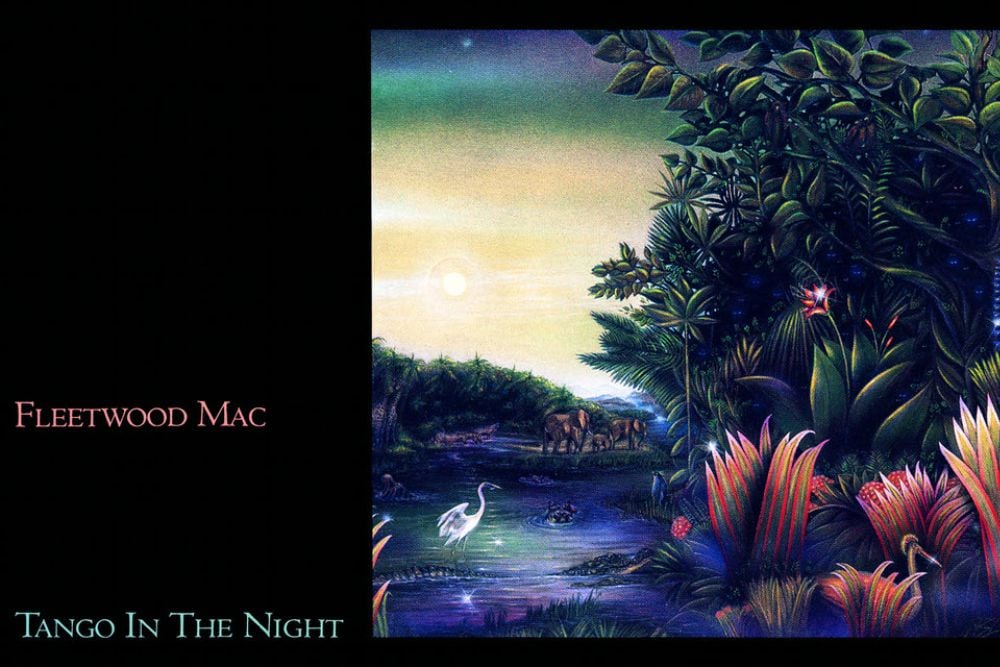
Fleetwood Mac’s Tango in the Night tour was plagued by internal band tensions that translated into expensive production decisions and last-minute changes. The group’s perfectionist approach to their live sound meant hiring additional musicians and technical staff, while their elaborate staging required specialized equipment.
Though the tour sold exceptionally well, the combination of high production costs and the band’s demanding standards meant that profits were much lower than anticipated.
Like Go2Tutors’s content? Follow us on MSN.
The Rolling Stones’ Bridges to Babylon Tour (1997-1998)

The Rolling Stones’ Bridges to Babylon tour featured a massive stage design that included a 100-foot-tall cobra and a secondary stage connected by a bridge. The production required a crew of over 400 people and multiple trucks to transport the equipment between venues.
Despite the tour’s commercial success and sold-out stadiums, the elaborate staging and transportation costs meant that the financial returns were far more modest than fans might have expected.
Barbra Streisand’s The Concert (1994)

Barbra Streisand’s return to live performing after decades away came with production values that matched her perfectionist reputation. The concert featured a full orchestra, elaborate staging, and technical requirements that demanded the highest quality equipment available.
While tickets sold for premium prices and venues sold out quickly, the costs associated with meeting Streisand’s exacting standards meant that the tour’s profitability was significantly impacted.
David Bowie’s Sound+Vision Tour (1990)

David Bowie’s Sound+Vision tour was marketed as his farewell to performing his classic hits, creating enormous demand for tickets. The production featured elaborate staging and costume changes that required a large crew and specialized equipment.
Despite selling out venues across the globe and generating significant media attention, the tour’s high production values and complex logistics meant that the financial returns were disappointingly low compared to the cultural impact.
Like Go2Tutors’s content? Follow us on MSN.
When Spectacle Meets Reality

These tours remind us that the music industry operates on razor-thin margins, even when everything appears to be going perfectly. The pressure to create increasingly elaborate productions has led many artists to prioritize spectacle over profitability, resulting in tours that are cultural successes but financial disappointments.
The lesson here isn’t that artists should scale back their ambitions, but rather that the business of live music is far more complex than simply filling seats. Today’s artists continue to walk this tightrope between artistic vision and financial reality, knowing that sometimes the greatest shows are the ones that cost the most to produce.
More from Go2Tutors!

- 16 Historical Figures Who Were Nothing Like You Think
- 12 Things Sold in the 80s That Are Now Illegal
- 15 VHS Tapes That Could Be Worth Thousands
- 17 Historical “What Ifs” That Would Have Changed Everything
- 18 TV Shows That Vanished Without a Finale
Like Go2Tutors’s content? Follow us on MSN.



