27 Forgotten Scandals That Rocked America And Then Disappeared
America has a short memory. Not because people are incurious, but because the news cycle moves like a flooded river — fast, indifferent to what it pulls under, and always carrying something new on the surface.
Scandals that once dominated front pages, consumed congressional hearings, and genuinely threatened careers or institutions have a strange way of simply vanishing. Not resolved. Not forgotten in the sense of being forgiven. Just… submerged.
If you were alive during some of these moments, you might remember the initial eruption — the headlines, the outrage, the breathless cable coverage. What you probably don’t remember is how they ended, or whether they ended at all.
Some of them didn’t. They just stopped being discussed. Here are 27 of the ones that deserved far more than they got.
The Savings And Loan Crisis

One thousand and forty-three financial institutions collapsed between 1986 and 1995, costing American taxpayers roughly $132 billion. The scandal touched politicians from both parties, implicated figures like Charles Keating and the so-called Keating Five senators, and exposed regulatory capture on a scale that should have been career-ending for dozens of people.
Most walked. The whole episode got quietly filed under “complicated financial stuff” and the country moved on.
COINTELPRO
The FBI ran a covert domestic intelligence program from 1956 to 1971 that systematically targeted civil rights leaders, socialist organizations, and political dissidents — including a documented effort to psychologically destabilize Martin Luther King Jr. and push him toward what the bureau hoped would be self-destruction. It was exposed by a group of activists who broke into an FBI office in Media, Pennsylvania, and stole the files, and yet J. Edgar Hoover never faced criminal charges.
The program just stopped, officially, and the architects retired.
The Iran-Contra Affair
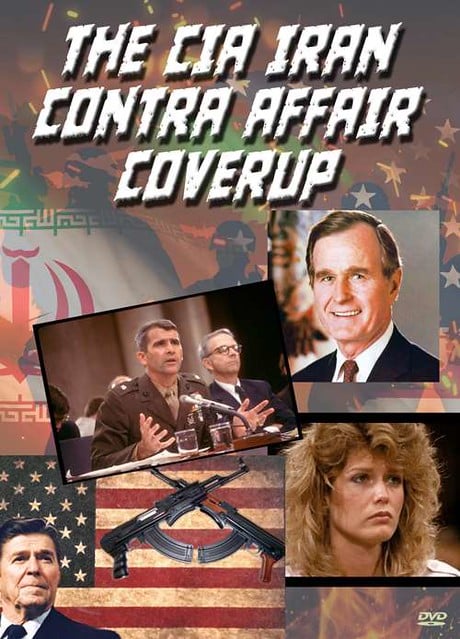
This one people sort of remember, but not the full shape of it. Senior officials in the Reagan administration secretly sold weapons to Iran — which was under an arms embargo — and then funneled the profits to Contra rebels in Nicaragua, explicitly violating the Boland Amendment, which Congress had passed to prohibit exactly that.
Fourteen people were indicted. Eleven were convicted.
Most had their convictions vacated or were pardoned by George H.W. Bush on his way out of office in December 1992. Oliver North sold books.
MKUltra
The CIA ran a covert program from the early 1950s into the late 1960s that used unwitting American and Canadian citizens as test subjects for experiments involving LSD, psychological torture, electroconvulsive therapy, and hypnosis — all in search of a workable mind-control technique. Many records were destroyed in 1973 on the orders of CIA Director Richard Helms, which meant that when the Church Committee investigated in 1975, the full picture was already gone.
No one was prosecuted. The agency issued a kind of institutional shrug.
The Teapot Dome Scandal

Before Watergate, this was the standard by which American political corruption got measured — and it’s now so thoroughly buried in textbooks that most people couldn’t tell you what it actually involved. Interior Secretary Albert Fall secretly leased federal oil reserves at Teapot Dome, Wyoming, and Elk Hills, California, to private oil companies in exchange for cash bribes, becoming the first sitting cabinet member in U.S. history to go to prison for crimes committed while in office.
The oil companies largely recovered. The reserves were returned to the Navy.
Operation Paperclip
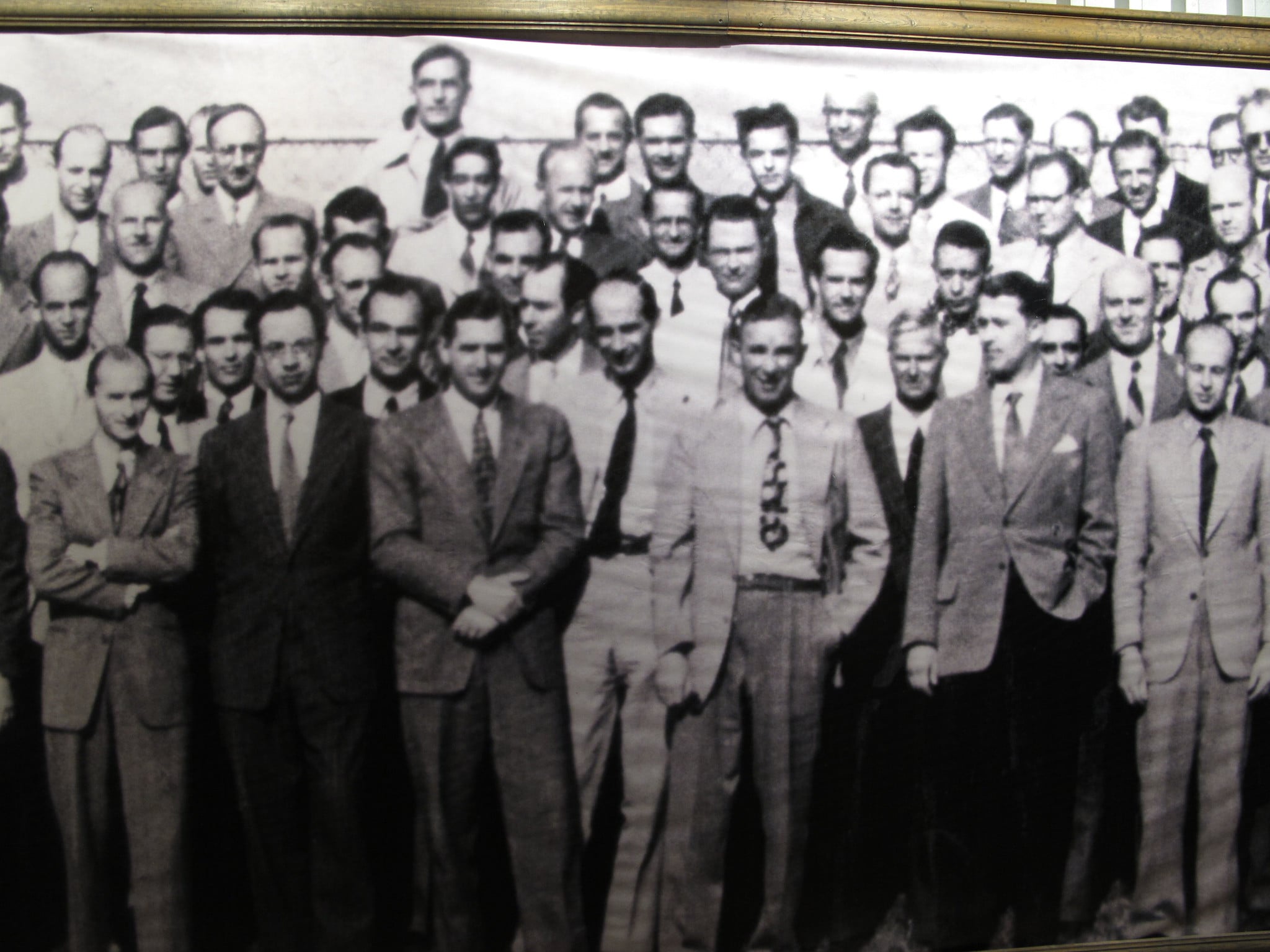
After World War II, the U.S. government deliberately recruited over 1,600 German scientists, engineers, and technicians — some of them committed Nazi Party members, some directly complicit in war crimes using concentration camp labor — and brought them to work on American military and aerospace projects. The program was sanitized at the top; President Truman had explicitly ordered that anyone “an active supporter of National Socialism” be excluded, and the Joint Intelligence Objectives Agency simply falsified the recruits’ records.
Wernher von Braun, who used forced labor at Mittelwerk, went on to become a NASA icon.
The Business Plot
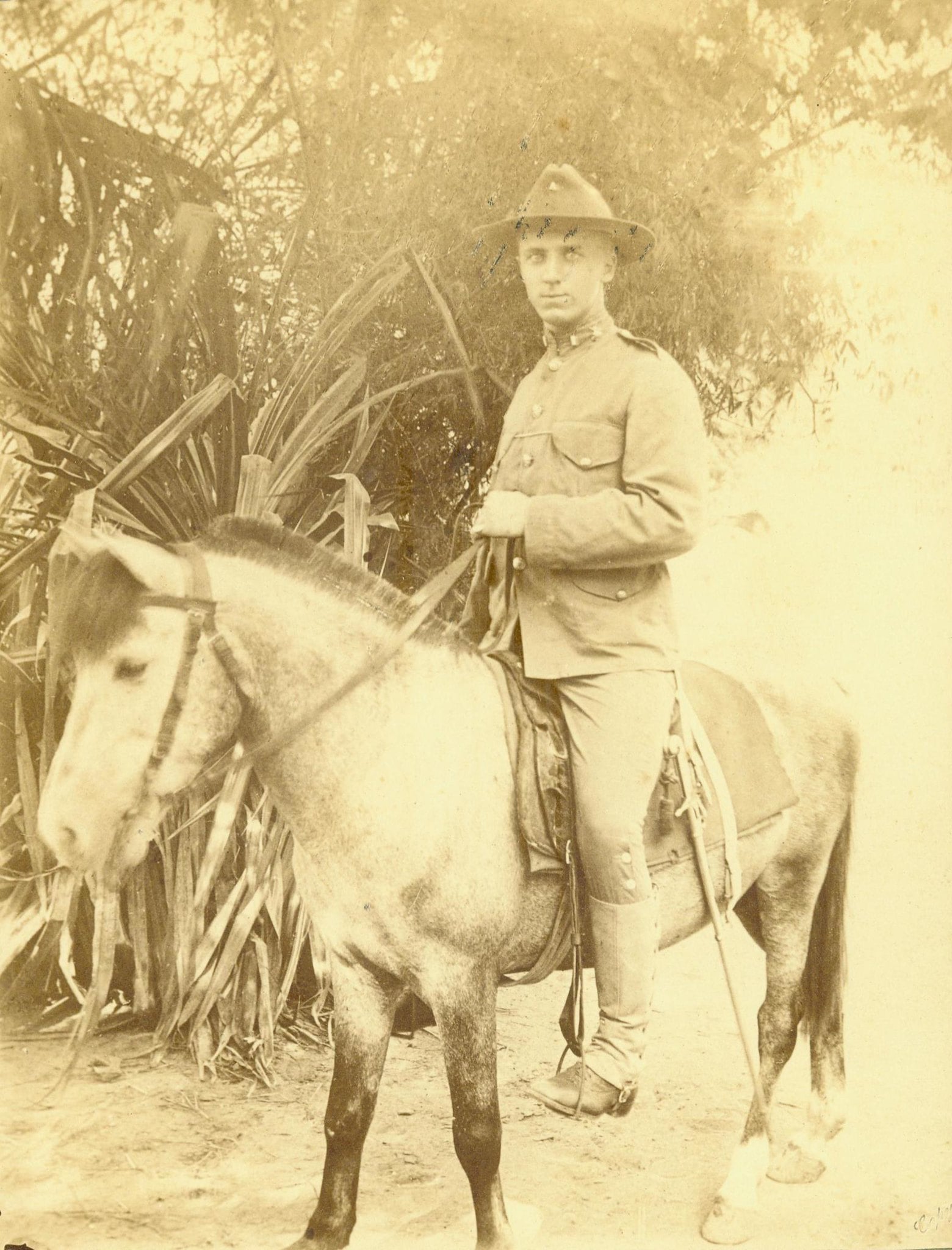
In 1933, a group of wealthy American businessmen allegedly approached retired Marine General Smedley Butler with a plan to overthrow President Franklin D. Roosevelt and install a fascist government modeled loosely on what Mussolini had built in Italy. Butler reported the plot to Congress, a special committee confirmed the broad outlines of his testimony, and then the investigation quietly collapsed — with no indictments, no prosecutions, and the financiers named in the testimony continuing their careers undisturbed.
The whole episode sounds invented, which is probably part of why it disappeared.
The Ludlow Massacre
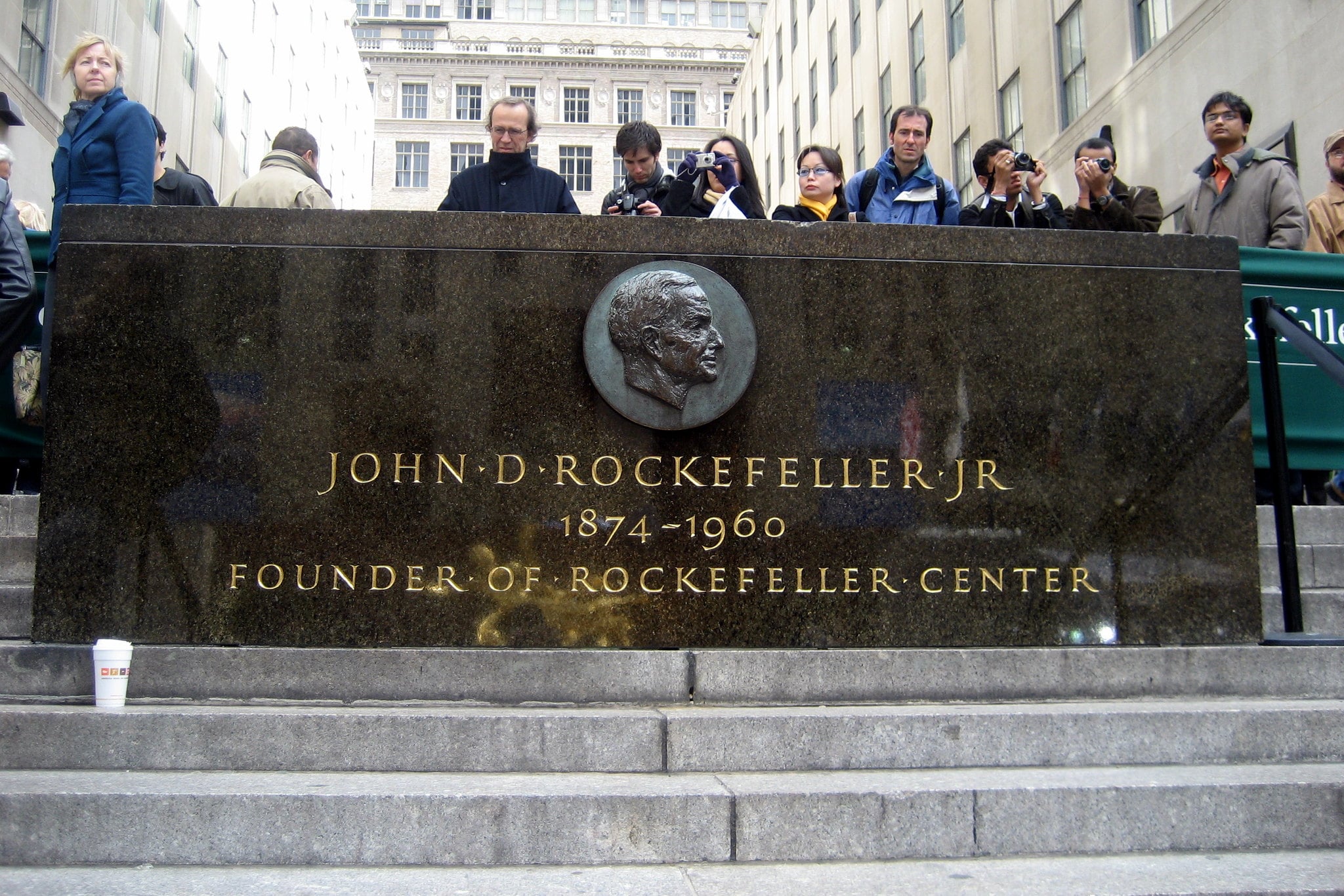
In April 1914, Colorado National Guard troops and private guards hired by John D. Rockefeller Jr.’s Colorado Fuel and Iron Company attacked a tent colony of striking coal miners and their families, killing at least 19 people — including two women and eleven children who suffocated in a pit beneath a burning tent. The event triggered an armed uprising that required federal troops to suppress, yet no one was ever prosecuted for the deaths.
Rockefeller hired Ivy Lee, one of the fathers of modern public relations, to manage the aftermath, and it more or less worked.
The Black Sox Scandal
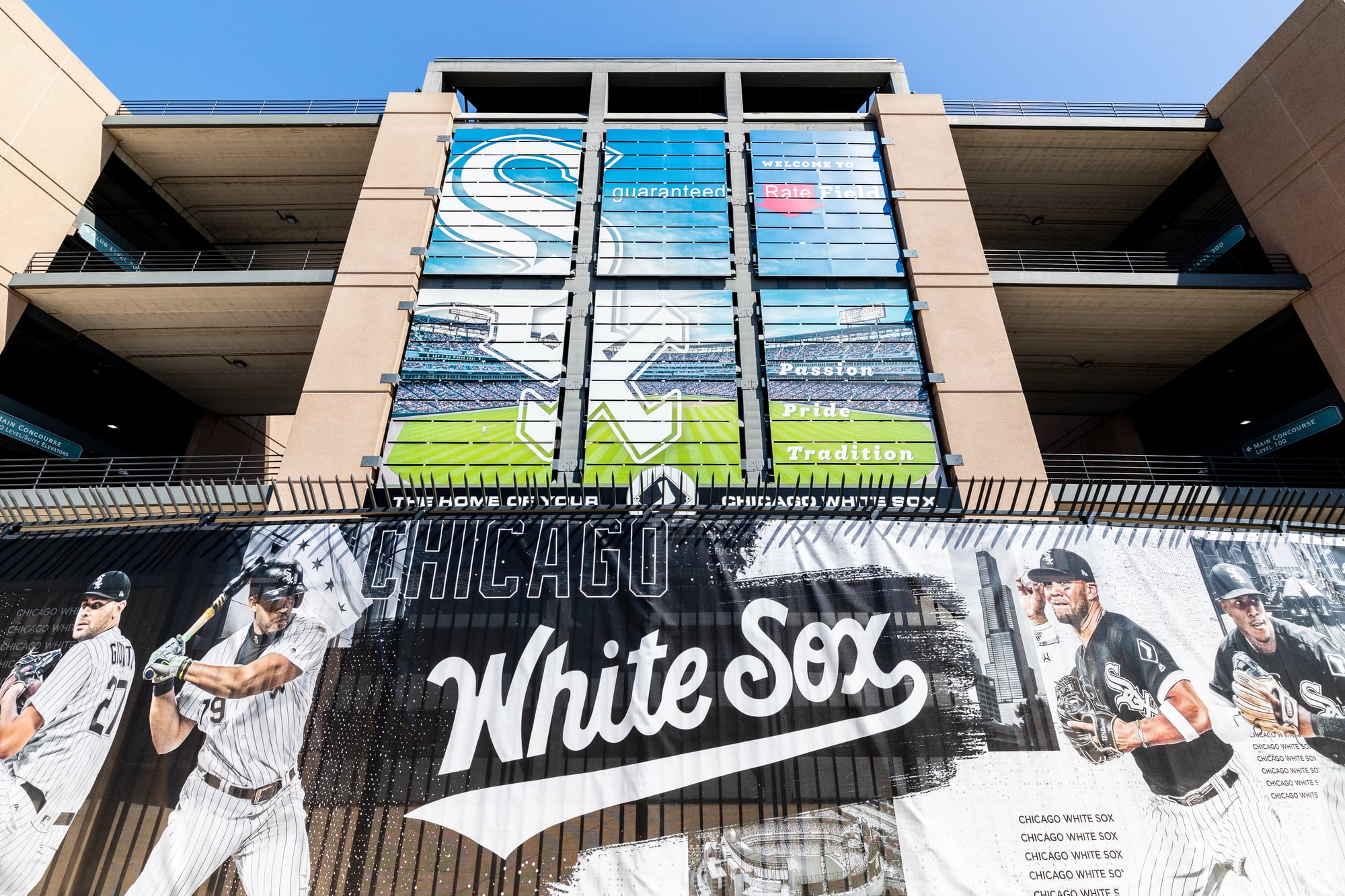
Eight Chicago White Sox players deliberately lost the 1919 World Series in exchange for payments from a gambling syndicate — a scandal so brazen it prompted the creation of the Commissioner of Baseball position specifically to restore public trust. All eight were acquitted at trial in 1921, partly because signed confessions mysteriously disappeared from the courthouse and turned up in the possession of team owner Charles Comiskey’s lawyer.
Commissioner Kenesaw Mountain Landis banned them for life anyway. Shoeless Joe Jackson, whose actual involvement remains genuinely contested, never made the Hall of Fame.
The Gulf Of Tonkin Incident
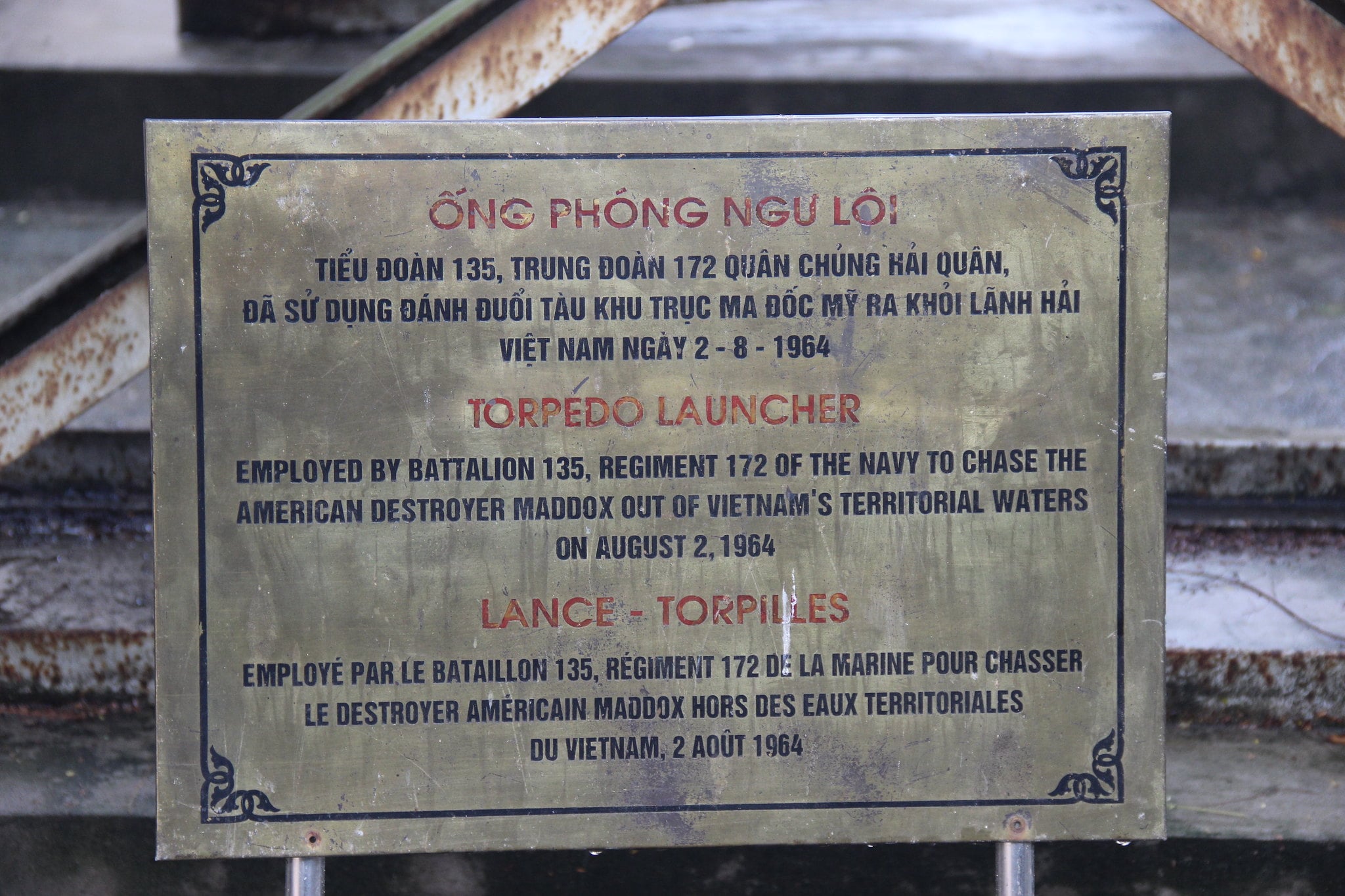
The Johnson administration used a reported attack on U.S. naval vessels in the Gulf of Tonkin on August 4, 1964, to push through a congressional resolution that effectively gave the president unlimited authority to escalate U.S. involvement in Vietnam — and the second attack, the one that actually triggered the resolution, almost certainly didn’t happen. Robert McNamara, the Secretary of Defense who helped sell the resolution, admitted as much decades later.
The war that followed cost over 58,000 American lives.
ABSCAM
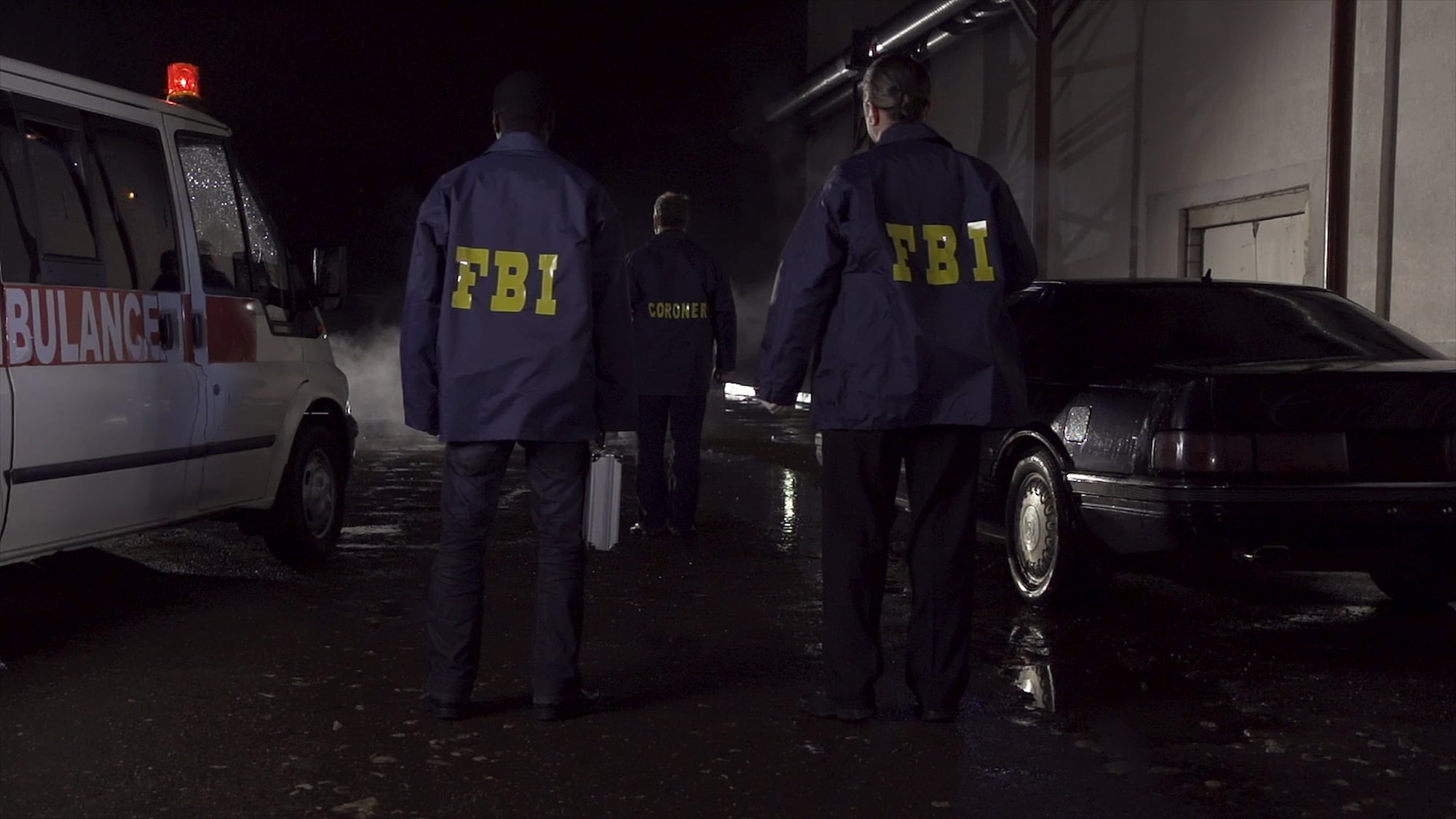
In 1980, an FBI sting operation using a fictitious Arab sheikh as bait successfully bribed six members of Congress and a senator, with the transactions captured on video that later aired nationally. One U.S. Senator, Harrison Williams of New Jersey, was convicted on nine counts of bribery and conspiracy.
The operation was genuinely extraordinary — actual sitting legislators caught on tape pocketing cash — and it produced a wave of coverage that lasted maybe two years before the whole episode was effectively absorbed into background noise.
The Radium Girls
Between the 1910s and 1930s, hundreds of young women working in watch-dial factories were instructed by their employers to point their radium-tipped paintbrushes with their lips — a technique called “lip-pointing” — despite company scientists knowing the material was lethal. The women developed radiation poisoning, lost their jawbones, and died slowly while the companies fought their compensation claims in court and publicly disputed the science.
A handful of workers eventually won settlements. The companies’ executives faced no criminal accountability.
The Church Committee Findings
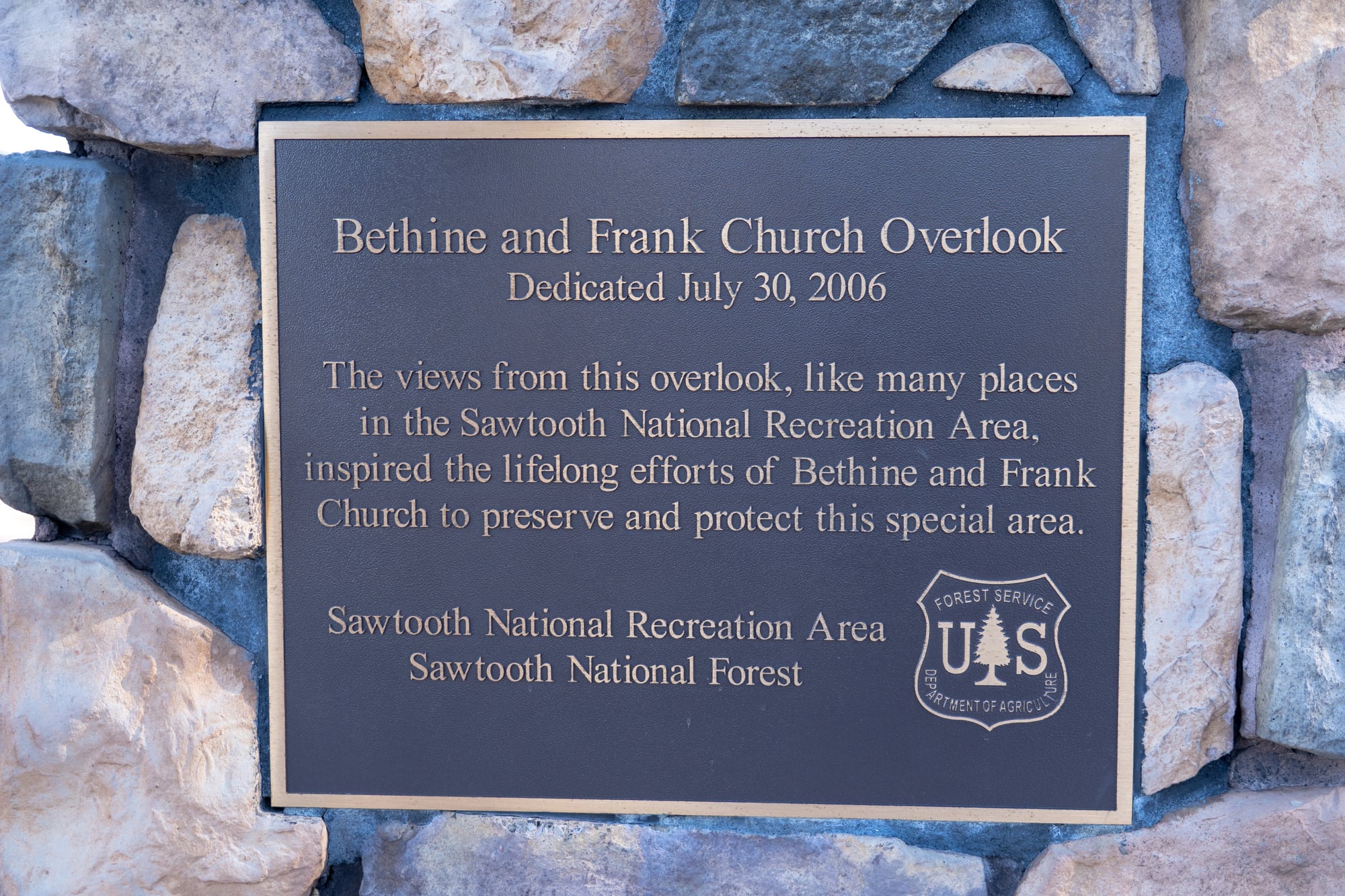
The 1975 Senate investigation chaired by Frank Church produced evidence that the U.S. government had plotted to assassinate foreign leaders — including Fidel Castro, Patrice Lumumba, and Rafael Trujillo — and had engaged in mass domestic surveillance of American citizens without legal authority. The committee’s work led to the Foreign Intelligence Surveillance Act and some structural reforms, but the individuals who ordered or carried out the assassination plots were never prosecuted, and within a decade many of the surveillance authorities had quietly crept back under different names.
The Ford Pinto Case
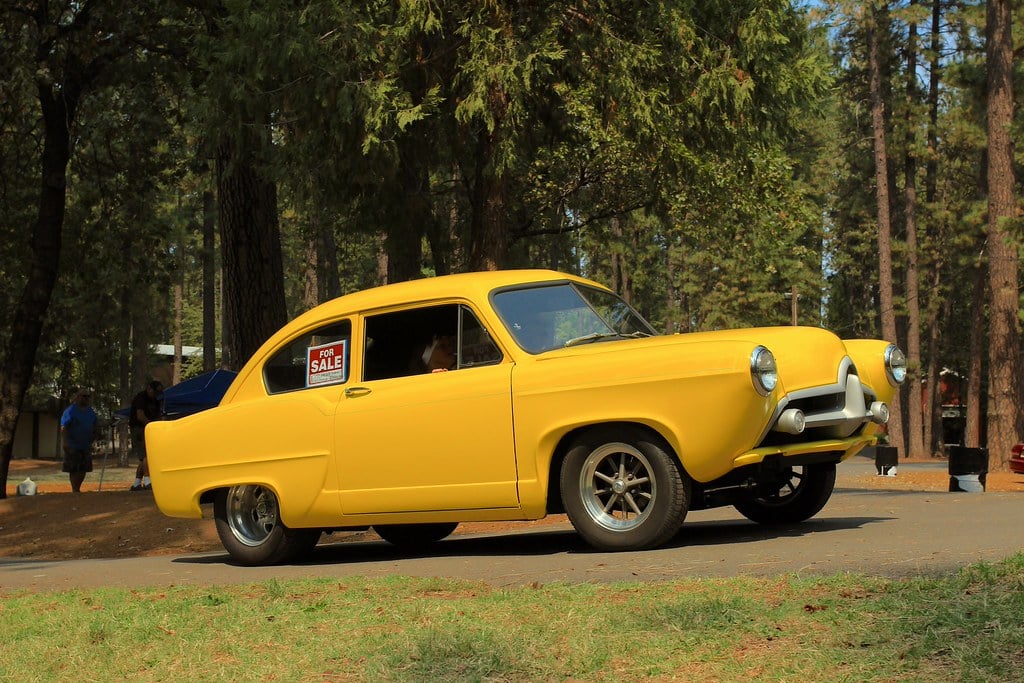
Internal Ford Motor Company documents, later used as evidence in litigation, showed that Ford had calculated the cost of fixing a known fuel-tank defect in the Pinto — one that caused the car to catch fire in rear-end collisions — and determined it was cheaper to pay settlements to burn victims and their families than to redesign the vehicle. The document became known as the Pinto Memo, and it described human lives in terms of settlement costs per fatality.
Ford was indicted for reckless homicide in Indiana but acquitted. The Pinto stayed on the road.
The Tuskegee Syphilis Study
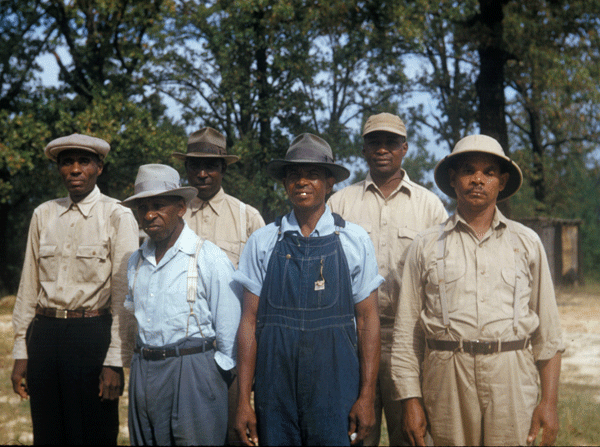
The U.S. Public Health Service enrolled 399 Black men with syphilis in a study in 1932, told them they were being treated for “bad blood,” and then deliberately withheld treatment — including penicillin once it became the standard of care in the 1940s — for 40 years, to observe the natural progression of the disease. The study only ended in 1972 when a whistleblower leaked it to the press.
President Clinton issued a formal apology in 1997. No one was prosecuted.
The Bonus Army
In 1932, approximately 43,000 people — mostly World War I veterans and their families — marched on Washington to demand early payment of bonus certificates they’d been promised but not yet received. General Douglas MacArthur, acting against President Hoover’s direct orders, deployed active-duty Army troops with bayonets and tear gas to rout the encampment, injuring hundreds and killing at least two veterans.
MacArthur faced no consequences. He was later given command of the entire Pacific theater.
The Pentagon Papers
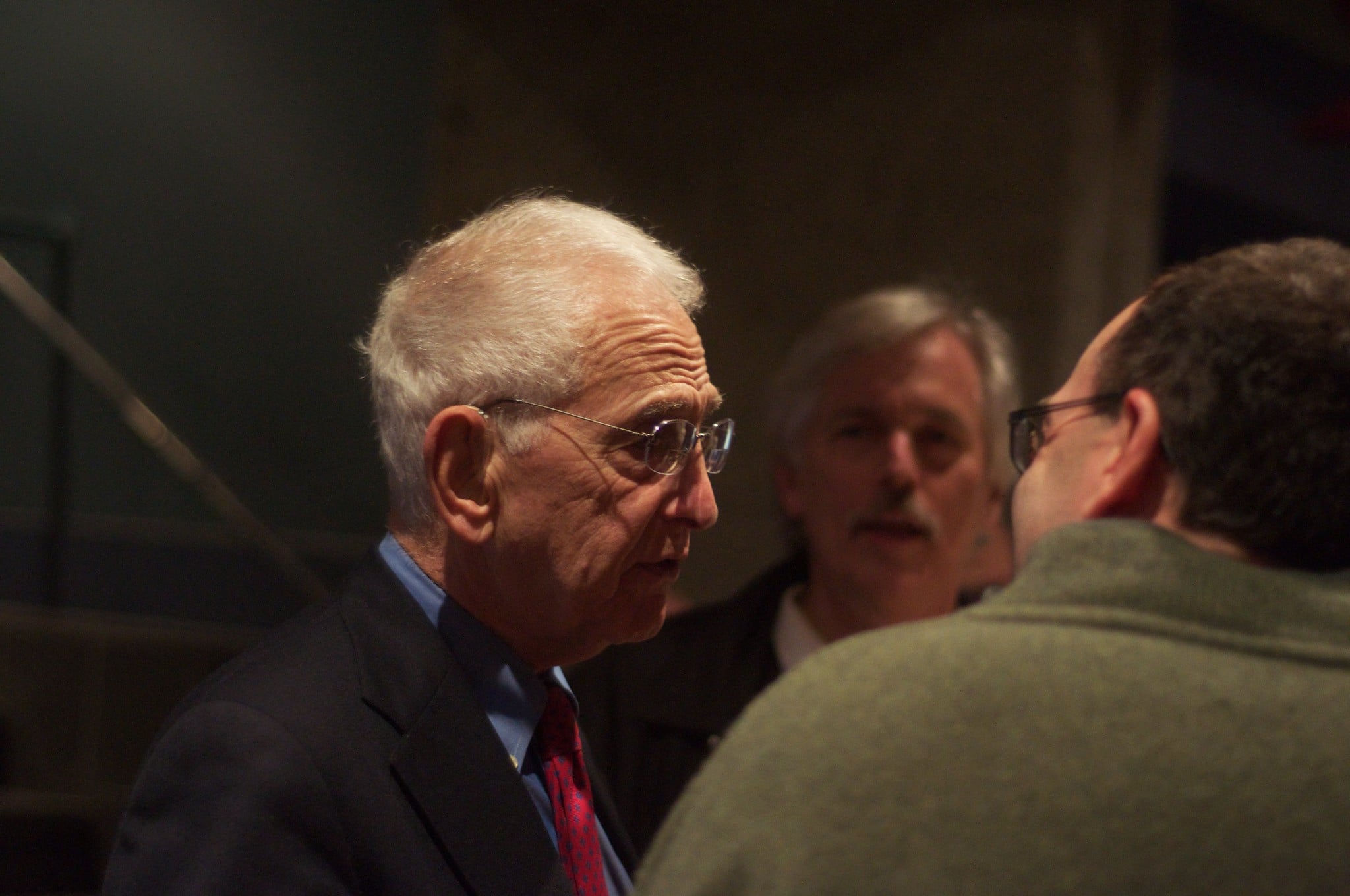
Daniel Ellsberg leaked 7,000 pages of classified Defense Department history to the New York Times in 1971, revealing that multiple administrations had systematically lied to Congress and the public about the scope, prospects, and internal assessments of the Vietnam War. The Nixon administration’s attempts to suppress publication — and then to destroy Ellsberg personally — led directly to the formation of the Plumbers unit, which then committed the Watergate break-in.
So the cover-up of this scandal created the preconditions for a different, bigger scandal. That’s a particular kind of American recursion.
The Inslaw Affair
In the mid-1980s, the Department of Justice was credibly accused of stealing proprietary software called PROMIS from a small company called Inslaw Inc., using a pirated version of it internally, and then driving the company into bankruptcy to prevent the theft from coming to light. Congressional investigations in both 1992 and 1993 found substantial evidence of government misconduct, and a federal bankruptcy judge called the DOJ’s behavior “fraudulent, deceitful, and contemptuous.”
No one was prosecuted. The story, which involved allegations that went considerably darker than software theft, essentially vanished.
The S&P Mortgage Ratings Scandal
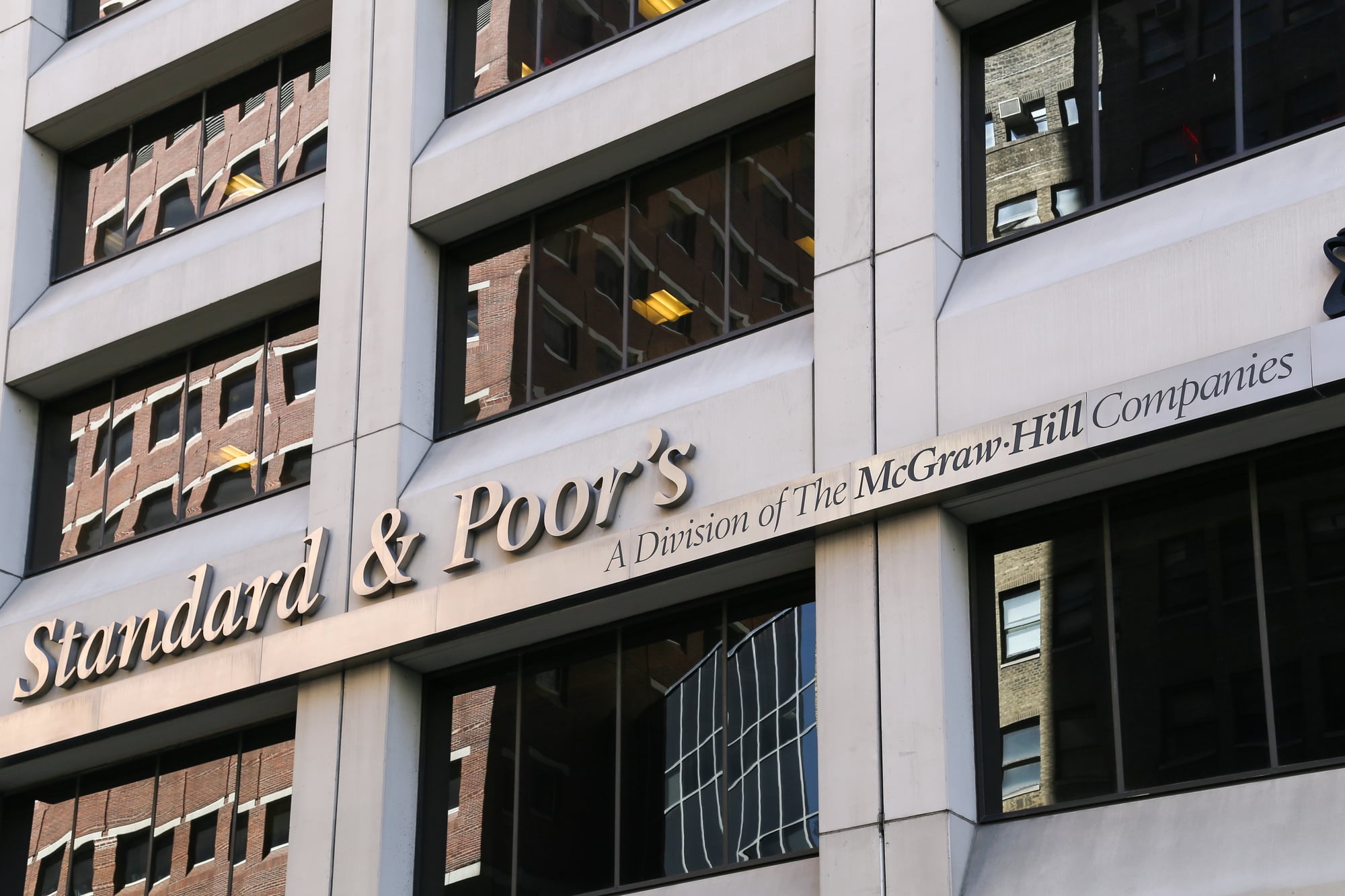
In the years leading up to the 2008 financial crisis, Standard & Poor’s, Moody’s, and Fitch gave AAA ratings — their highest possible designation — to mortgage-backed securities they knew or should have known were filled with subprime loans likely to default. Internal emails from analysts at these agencies later showed explicit awareness that the ratings were misleading.
The crisis wiped out roughly $10 trillion in household wealth. Not a single ratings agency executive went to prison.
Ruby Ridge
In August 1992, a botched FBI and U.S. Marshals operation at Randy Weaver’s remote Idaho property resulted in the deaths of Weaver’s 14-year-old son, his wife Vicki (who was shot by an FBI sniper while holding her infant daughter), and a U.S. Marshal. A subsequent Senate investigation found that the FBI had altered its own rules of engagement to permit shooting any armed adult male on sight — a standard that would have been illegal under any normal interpretation of the law.
The FBI sniper who shot Vicki Weaver was never prosecuted, and the Justice Department attorney who altered the rules of engagement received a letter of censure.
The Crédit Mobilier Scandal
Construction of the First Transcontinental Railroad was financed partly through a company called Crédit Mobilier of America, which essentially allowed the men building the railroad to pay themselves enormous sums from federal subsidies while the actual railroad company went into debt. To protect the arrangement, key shares in Crédit Mobilier were distributed to influential members of Congress at below-market prices — a straightforward bribe packaged as an investment opportunity.
The scandal broke publicly in 1872 and implicated Vice President Schuyler Colfax and a future president, James Garfield. Two congressmen were formally censured. Nothing else happened.
The Northwoods Memo
In 1962, the Joint Chiefs of Staff presented a classified document to Secretary of Defense Robert McNamara proposing a series of false-flag operations against American citizens — staged attacks, bombings, and even a fabricated sinking of a refugee boat — designed to be blamed on Cuba and used as a pretext for a U.S. military invasion. President Kennedy rejected the proposal and relieved the chairman of the Joint Chiefs shortly afterward.
The document wasn’t declassified until 1997. It describes, with bureaucratic tidiness, a plan for the U.S. military to kill American civilians for political purposes.
The Cig Industry Conspiracy

Internal documents released during litigation in the 1990s showed that major cig companies had known for decades that their products were addictive and lethal, had conducted internal research confirming carcinogenic properties, and had deliberately suppressed that research while publicly denying any link between their products and cancer. The 1998 Master Settlement Agreement produced $206 billion in payments to states over 25 years — which sounds enormous until you consider that the companies had been knowingly selling a lethal product to Americans for most of the 20th century.
No executives went to prison.
The Hanford Nuclear Site Contamination
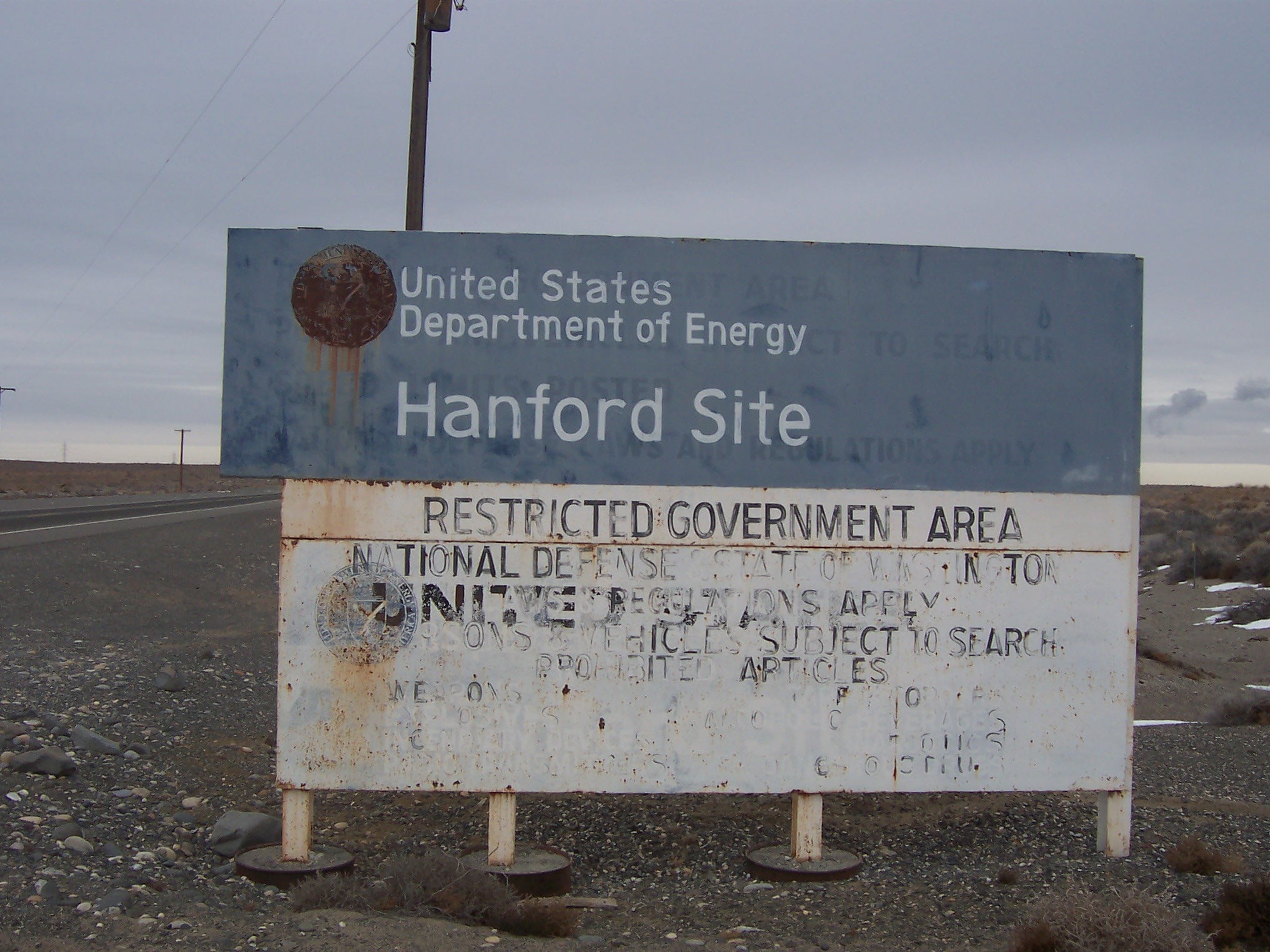
The Hanford Site in Washington State produced about two-thirds of the plutonium used in the U.S. nuclear weapons program, and for decades it released radioactive materials into the air and into the Columbia River in quantities the government systematically lied to nearby residents about — including a deliberate 1949 release called the “Green Run,” designed to test detection equipment, that exposed communities in eastern Washington to radiation without any warning or consent. Cleanup began in 1989 and is still ongoing, with a projected completion date that keeps moving.
It is the most contaminated nuclear site in the Western Hemisphere.
The Opioid Crisis Origins
Purdue Pharma, with the active encouragement of members of the Sackler family who owned it, marketed OxyContin starting in 1996 using a sales strategy that deliberately downplayed addiction risk and specifically targeted high-prescribing doctors. The company knew its own internal data showed misuse rates far higher than what it told prescribers and regulators.
Purdue pleaded guilty to federal charges in 2007 and paid $600 million in penalties — and then kept selling OxyContin for another decade. The Sacklers retained billions.
The Dakota Access Pipeline Water Contamination Claims
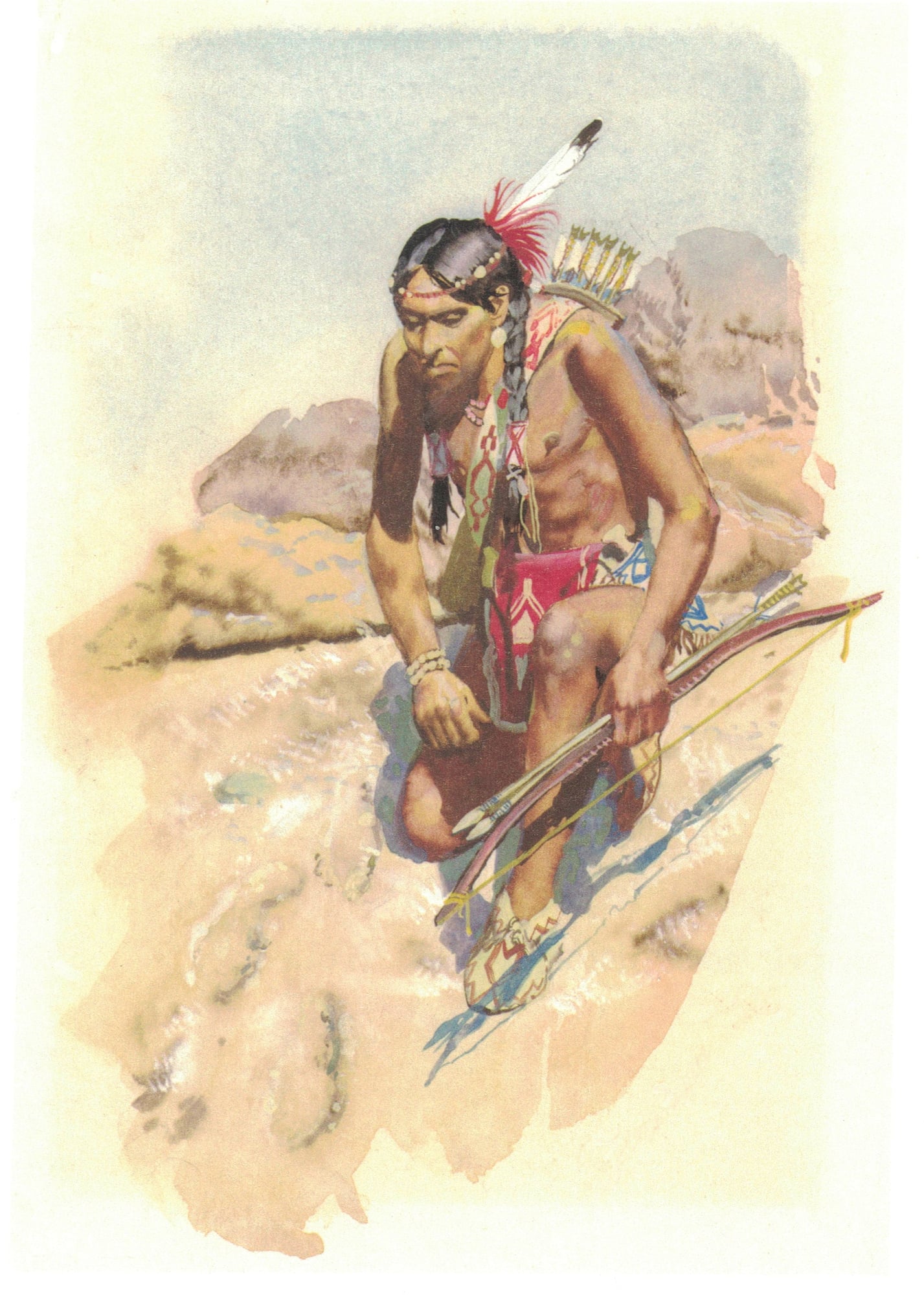
When the Standing Rock Sioux Tribe and allied protesters gathered in 2016 to oppose the Dakota Access Pipeline’s planned route beneath Lake Oahe — the tribe’s primary water source — they were met with water cannons in freezing temperatures, pepper spray, and mass arrests. Internal Army Corps of Engineers documents later showed that the pipeline’s environmental review had been fast-tracked in a way that bypassed normal consultation requirements with tribal nations under federal law.
The pipeline was built. Coverage evaporated within months of the protest camp’s forced dispersal.
The Walter Reed Scandal
In 2007, Washington Post reporters Dana Priest and Anne Hull documented the conditions at Walter Reed Army Medical Center, where soldiers returning from Iraq and Afghanistan were being housed in Building 18 — a mold-infested, roach-plagued outpatient facility — while navigating a bureaucratic maze so complex that some wounded veterans waited years for disability determinations. The Army Secretary was fired within days of the story’s publication, and two generals were relieved of command.
A congressional commission was formed. The structural problems with veterans’ care administration persisted for years.
The Submerged Memory

There’s something disquieting about a list like this — not because the scandals themselves are surprising, but because of how familiar they feel once you’re reminded of them. They didn’t disappear because they were resolved.
They disappeared because attention is finite, because institutions are patient, and because the people with the most to lose from sustained scrutiny are often the ones best positioned to outlast it. History doesn’t bury these things.
Indifference does. And the uncomfortable truth is that indifference isn’t always passive — sometimes it’s manufactured, sometimes it’s chosen, and sometimes it’s just the exhaustion of a public that was given too many outrages to carry at once and had to set some down. The question worth sitting with isn’t which of these you forgot.
It’s which ones are being forgotten right now.
More from Go2Tutors!

- The Romanov Crown Jewels and Their Tragic Fate
- 13 Historical Mysteries That Science Still Can’t Solve
- Famous Hoaxes That Fooled the World for Years
- 15 Child Stars with Tragic Adult Lives
- 16 Famous Jewelry Pieces in History
Like Go2Tutors’s content? Follow us on MSN.



