29 Jobs That Existed 30 Years Ago And Simply Don’t Anymore
There’s a specific kind of strange that comes from looking at an old job listing and not being able to picture the role at all. Not because it sounds boring or obscure, but because the entire category of work it describes has quietly ceased to exist.
The mid-1990s weren’t that long ago — most people reading this remember them — and yet the economy of that era was built on dozens of jobs that are simply gone now. Not outsourced, not restructured.
Gone. What follows is a look at 29 of them: the roles, the people who held them, and the world that made them possible.
Video Store Clerk
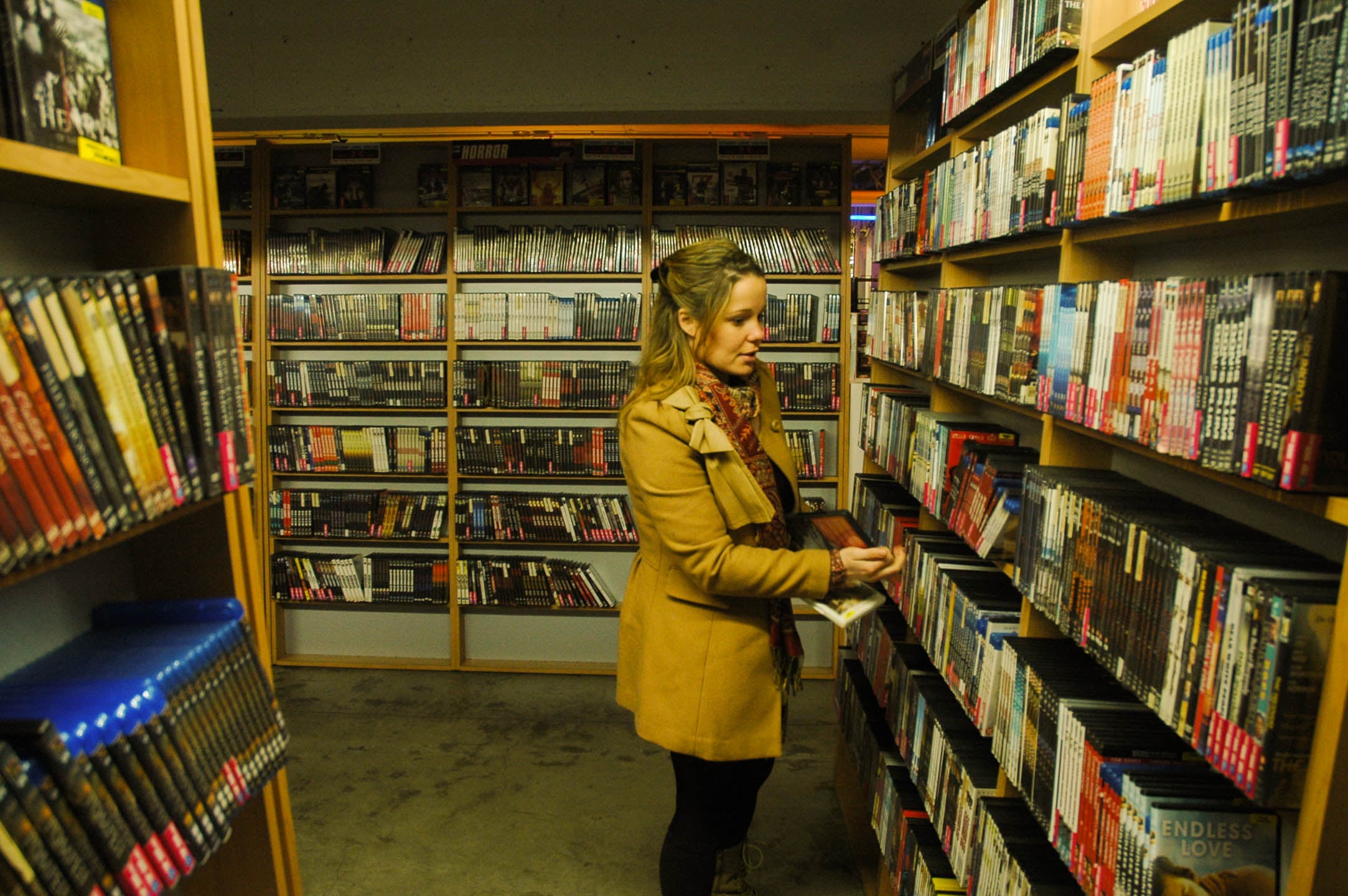
Blockbuster alone employed around 60,000 people at its peak. You knew the good clerks by their recommendations — not what the box said, but what they actually thought.
That job required taste, memory, and the ability to talk a stranger into renting something they’d never heard of.
Travel Agent

Travel agents are essentially extinct as a consumer-facing profession, and their disappearance happened faster than almost anyone predicted. The internet didn’t just make booking cheaper: it made the middleman feel unnecessary, almost overnight, and an entire industry of people who held genuine geographical and logistical expertise found themselves with nowhere to put it.
To be fair, some agencies survived by pivoting to luxury or corporate travel — but the neighborhood storefront with the cruise ship poster in the window is gone, and it’s not coming back.
Telephone Switchboard Operator
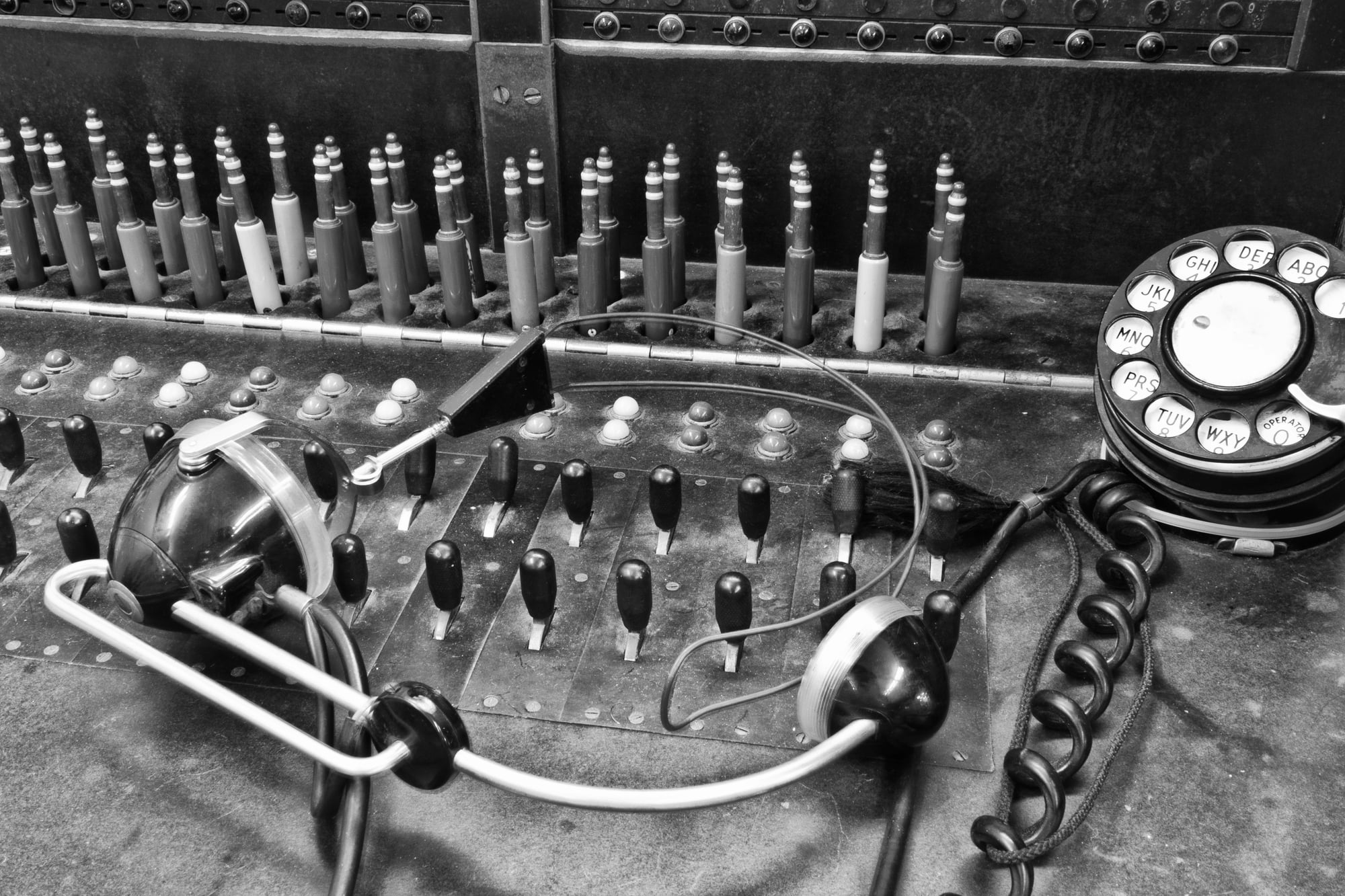
The switchboard operator was the original human router — sitting at a wall of plugs and cables, physically connecting one person’s voice to another’s across a city or a country. There’s something almost architectural about that image: a person at the center of a web, deciding which threads connect.
Automation made the role obsolete long before the 1990s in most of the world, but smaller operations and rural telephone exchanges still relied on human operators well into the early 1990s before digital systems made them redundant entirely.
Pager Technician
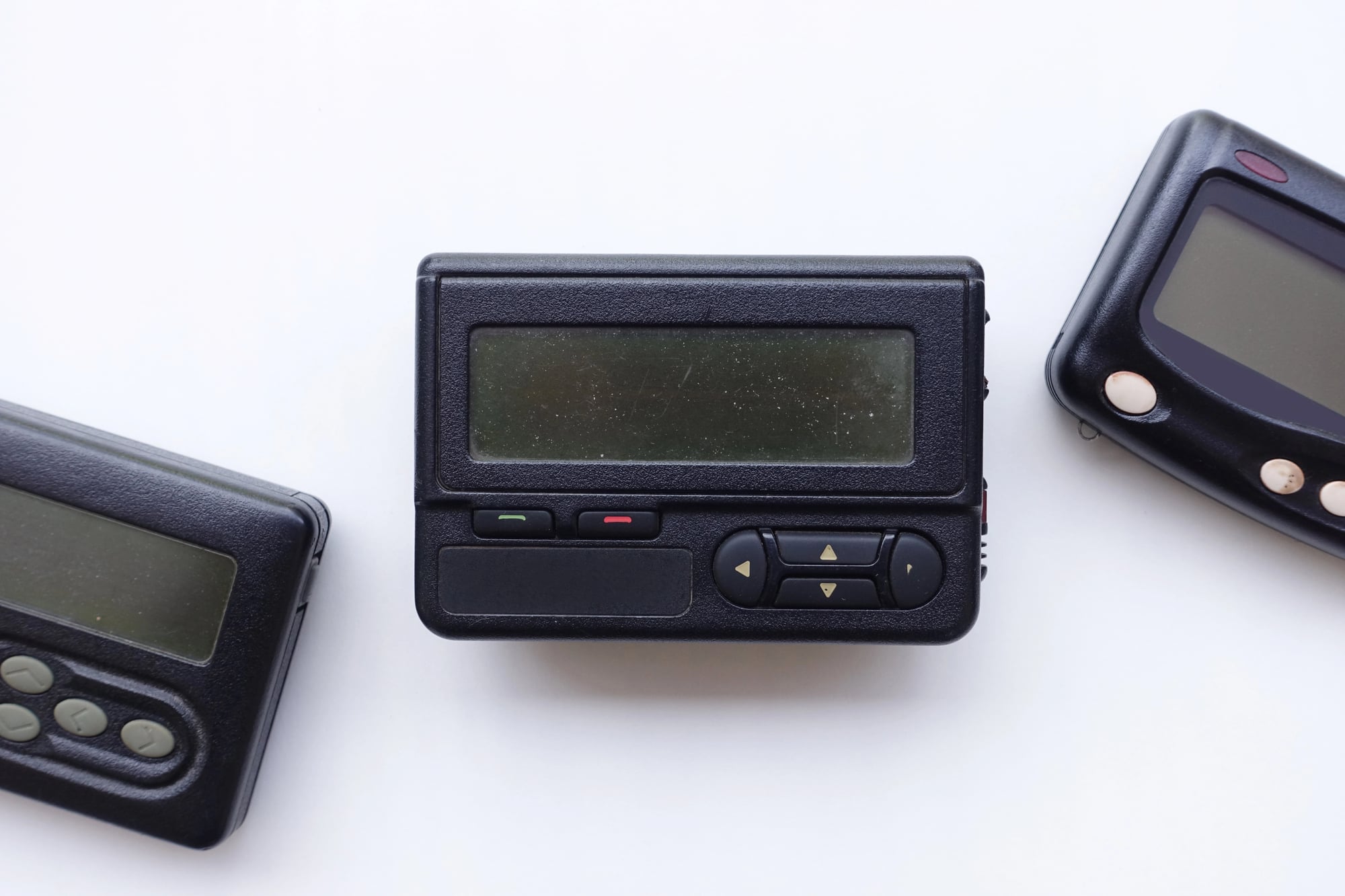
Pagers were serious business in the early 1990s — doctors, drug dealers, and everyone in between carried one. When they broke or malfunctioned, someone had to fix them.
That person doesn’t exist anymore, because neither does the device.
VCR Repair Technician
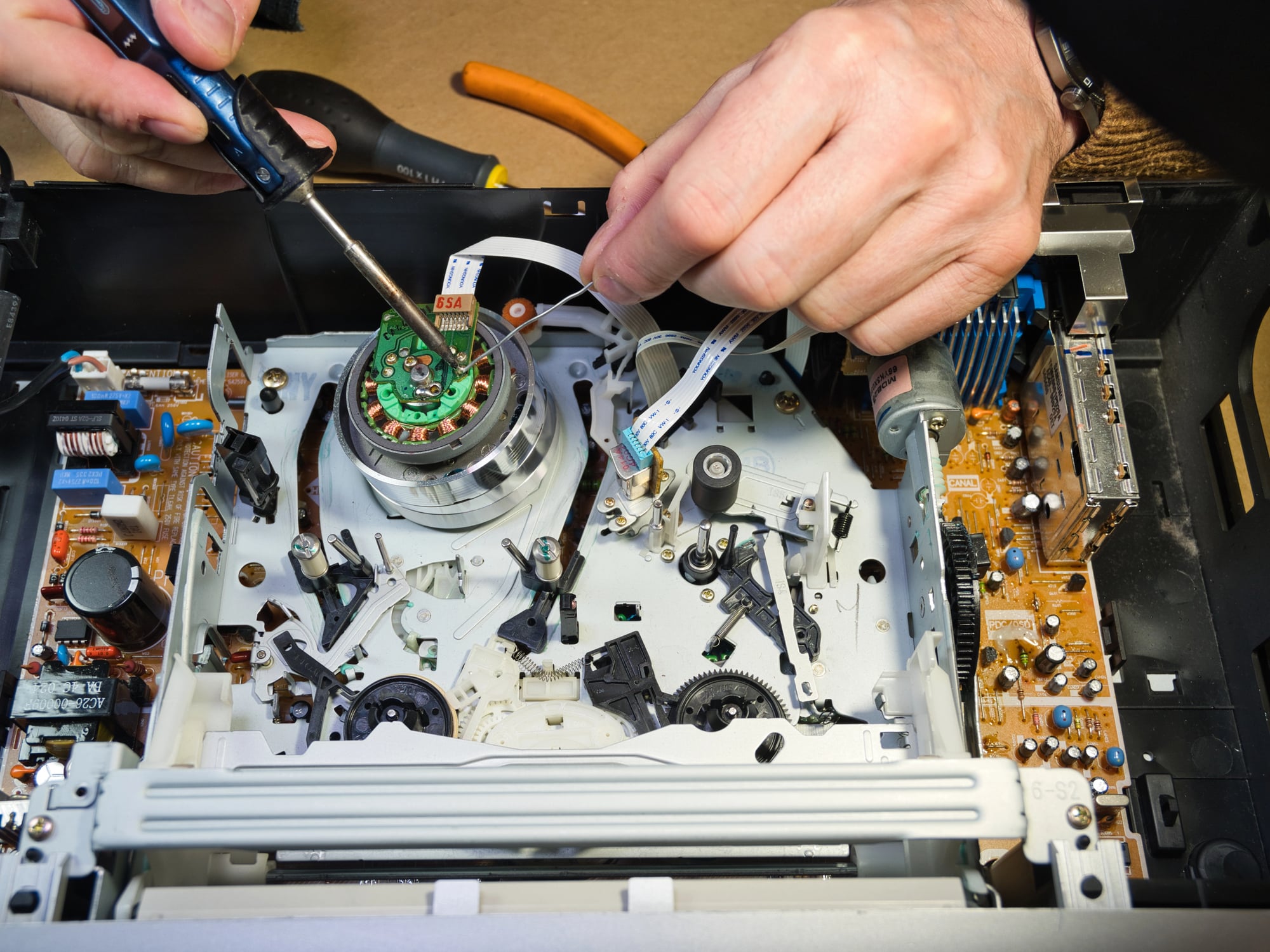
The entire VCR repair industry vanished so completely that most people forgot it ever existed. At its height, strip malls across America had dedicated shops where technicians would diagnose tape jams, faulty heads, and broken mechanisms — and people paid real money for those repairs because a VCR was a significant household investment.
DVD players rendered the machines disposable rather than repairable, and the shops closed so quietly there was almost no collective moment of recognition that a trade had died. Which is saying something.
Film Darkroom Technician

A darkroom smells like chemistry and patience — two things digital photography made irrelevant in the same stroke. Professional photo labs employed thousands of technicians who understood exposure times, chemical ratios, and the delicate choreography of developing film without ruining it.
The shift from analog to digital didn’t just change how photos were processed; it erased the entire physical infrastructure — the chemicals, the red lights, the shallow trays of developer — that a whole profession had been built around.
Pay Phone Collector

Somebody had to empty the coins out of payphones — and in the 1990s, that was a real, scheduled, full-time route for telecommunications workers. Gone.
Along with the payphones.
CD Duplicator
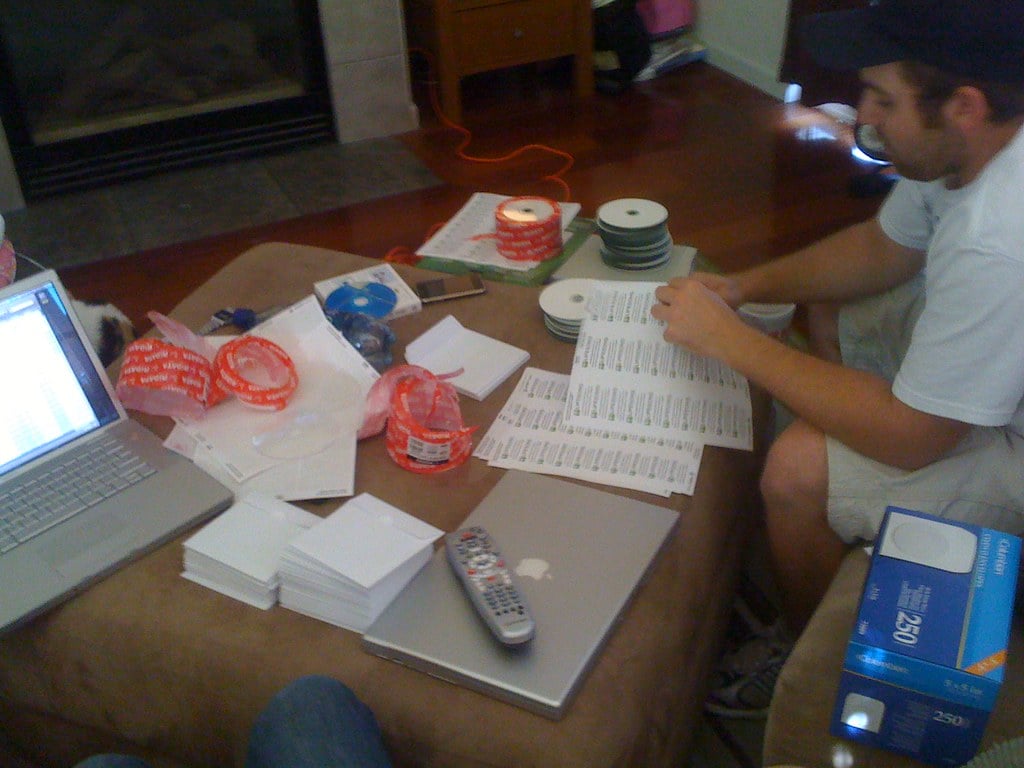
The CD duplicator sat in a room full of spindle towers and burning drives, running disc after disc — music, software, corporate presentations, training videos — all of it physical, all of it needing to be copied manually at scale. Streaming didn’t just change distribution; it eliminated the physical act of duplication as a professional category entirely, and those rooms full of humming towers became first obsolete, then unrecognizable.
So the job didn’t fade — it evaporated, along with the format it served.
Milkman

The milkman was already a fading figure by the 1990s, but residential delivery routes still existed in parts of the country, particularly in the Northeast and the rural Midwest. What finished the job wasn’t just refrigerators or supermarkets — it was the erosion of the idea that a neighborhood was a stable enough unit to build a weekly delivery route around.
The milkman wasn’t just delivering milk; he was a character in a particular kind of domestic geography that doesn’t exist the same way anymore.
Fax Machine Repairperson
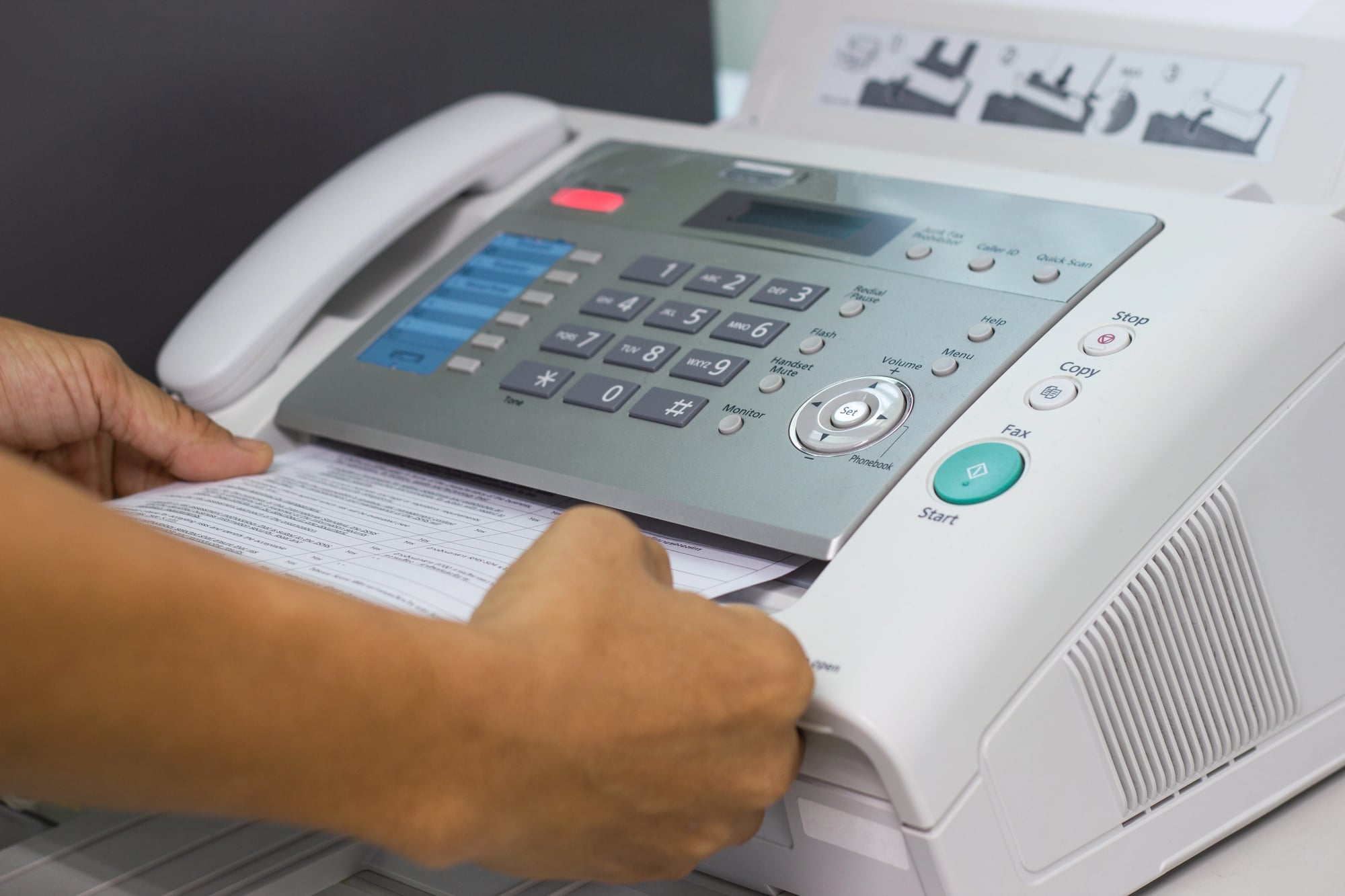
Fax machines were ubiquitous in early-1990s offices, and they broke constantly. Dedicated repair technicians — often contracted through office equipment companies — made house calls to offices across the country just to keep those machines functional.
Email didn’t just replace faxing; it made the hardware itself something that sits in a corner collecting dust, which means there’s nothing left to repair.
Classified Ad Taker

Newspapers once employed people whose sole job was to receive classified ads over the phone — writing them down, confirming the wording, calculating the cost per word, and scheduling them for print. This was a real, staffed department in every mid-sized paper in the country.
Craigslist launched in 1995, and the rest is a story about how fast a revenue stream can collapse when a free alternative arrives.
Blockbuster Inventory Manager

Managing the physical inventory of a video rental store was its own discipline — tracking which tapes were out, which were damaged, which titles needed restocking, and how to balance new releases against the catalog. The systems were custom, the stakes were real (a missing tape was a genuine loss), and the job required a specific kind of organizational fluency that no longer maps onto anything in the modern economy.
It wasn’t just a retail job. It was logistics, customer behavior analysis, and physical asset management rolled into one unglamorous title.
Phone Book Delivery Coordinator

Phone books were printed by the millions and delivered to every household and business in America — and someone had to coordinate those deliveries, manage the routes, track the contractors, and confirm coverage across entire metro areas. The Yellow Pages alone had substantial operational infrastructure behind it.
That infrastructure didn’t just shrink; it dissolved, leaving no equivalent role in its place.
Typewriter Repair Technician

Typewriter repair was still a viable trade in the early 1990s, especially in legal offices, government agencies, and newsrooms that hadn’t fully transitioned to computers. The machines required regular servicing — new ribbons, alignment adjustments, mechanical cleaning — and skilled technicians could diagnose problems by sound alone.
Computers didn’t just replace typewriters; they made the mechanical knowledge those technicians carried feel as distant as watchmaking.
Map Maker For Consumer Print

Consumer road maps — the folded paper kind that never went back together correctly — were produced in enormous quantities by companies like Rand McNally and AAA, and the cartographers and layout specialists who made them were a real workforce. GPS and digital navigation didn’t arrive overnight, but by the mid-2000s the consumer print map market had collapsed so thoroughly that the job title itself became a kind of historical artifact.
Go figure.
Slide Rule Manufacturer
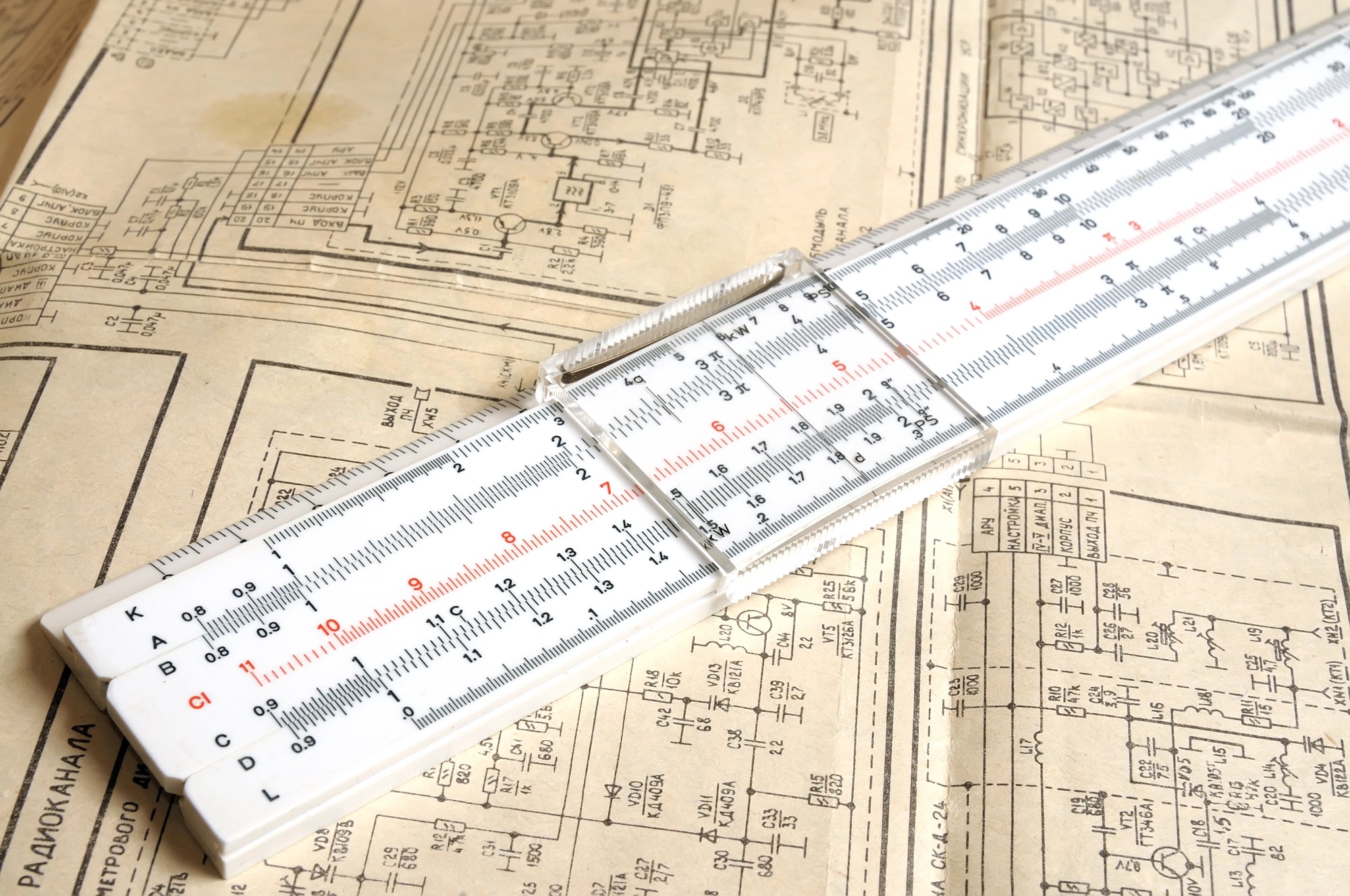
Slide rules had already been displaced by calculators before the 1990s, but niche manufacturing and specialty production for engineering and education markets lingered into the early part of the decade. The people who made them — machinists, calibration specialists, quality control workers — were practicing a precision craft that had been standard equipment for a century.
The market didn’t decline gradually; it just stopped.
Telegraphist

Telegraph services operated in some form in the United States until Western Union discontinued domestic telegraph service in 2006, but the telegraphist as a professional role — someone trained in transmission, Morse code, and message routing — had effectively disappeared from mainstream employment by the mid-1990s. The job had survived long past the technology’s cultural relevance, kept alive by institutional inertia and a handful of industries that hadn’t yet found a replacement.
And then it didn’t.
Drive-In Movie Theater Projectionist

Drive-in projectionists operated reel-to-reel film equipment from small projection booths, threading film by hand and managing the timing of multiple reels across a single screening. Digital projection eliminated the mechanical skill set entirely, and the broader decline of drive-in theaters — from around 4,000 at their peak in 1958 to approximately 2,000-2,500 by the 1980s and under 300 today — finished off the role as a meaningful employment category.
The few that remain are largely automated.
Encyclopedia Salesperson

Door-to-door encyclopedia sales was a legitimate, professional career path in the early 1990s — complete with training programs, regional sales territories, and commission structures that rewarded skilled in-home presenters. The pitch was serious: a set of encyclopedias was positioned as an investment in your children’s education, and plenty of families bought it, literally.
Encarta arrived in 1993. Wikipedia launched in 2001. The salesperson didn’t stand a chance against either.
Keypunch Operator

Keypunch operators translated data from physical documents into punched cards that early computers could read — a job that required speed, accuracy, and a particular kind of mechanical rhythm that experienced operators described almost like touch typing. The role had already declined substantially through the 1980s as direct data entry replaced card systems, but residual demand kept the job alive in certain government and legacy corporate environments into the early 1990s.
The last keypunch operators retired into a world that had no idea what they’d spent their careers doing.
CD-ROM Content Developer
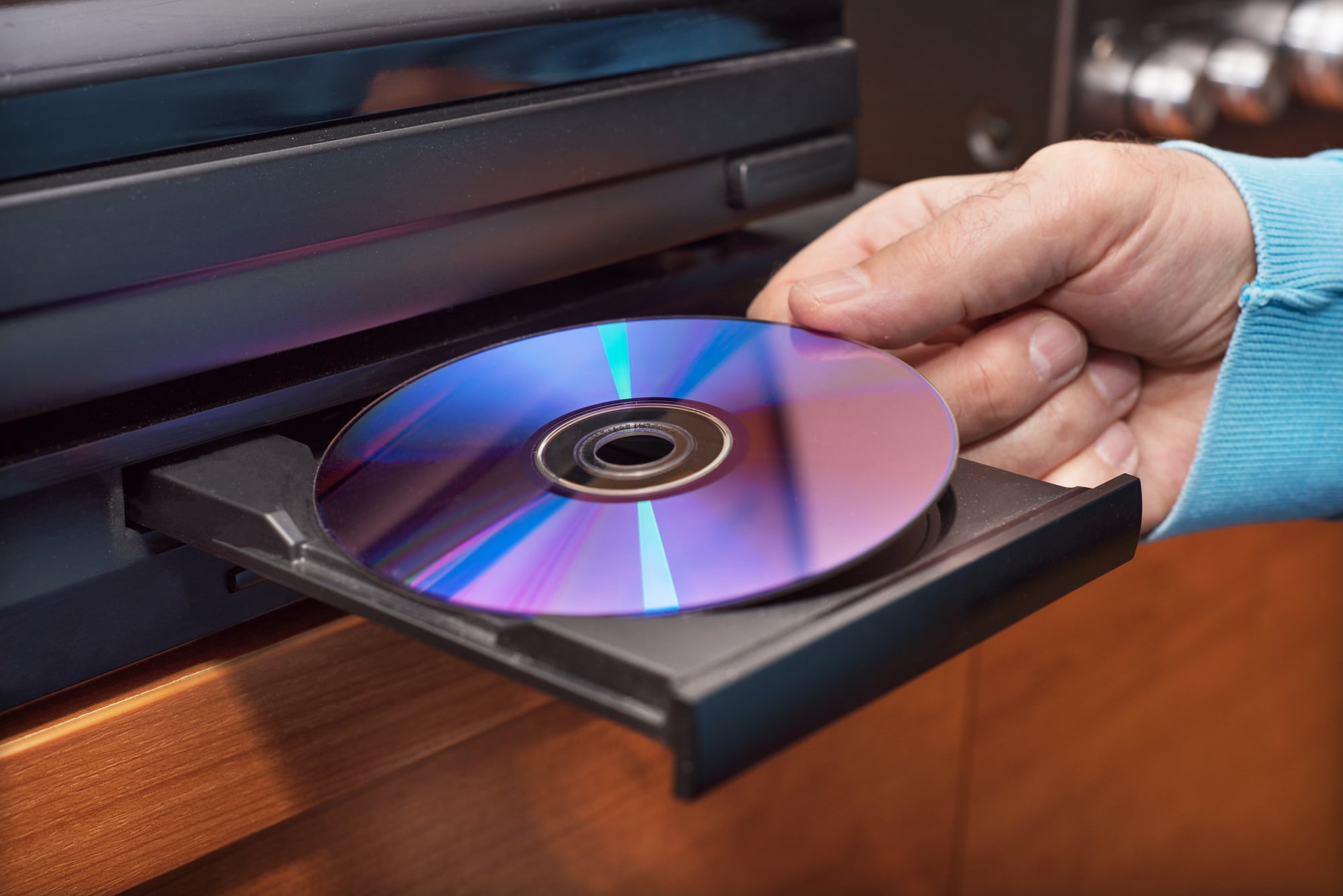
In the mid-1990s, CD-ROM was the future — interactive encyclopedias, educational software, games, multimedia presentations — and an entire category of content developer emerged specifically to build experiences for that format. The skill set was narrow and platform-specific: optimizing for disc read speeds, managing file size limits, designing navigation for a medium without an internet connection.
The internet didn’t just replace CD-ROM content; it made the entire medium feel dated so quickly that the developers who specialized in it had to reinvent themselves almost overnight.
Newspaper Typesetter

The typesetter’s job was to translate a reporter’s words into the physical arrangement of a printed page — a craft that had existed in some form since Gutenberg and that died in most newsrooms by the early 1990s as desktop publishing software arrived. Desktop publishing didn’t just automate typesetting; it handed the job to editors and designers who now controlled their own layout tools, making a dedicated specialist redundant.
A profession with centuries of history ended in about a decade.
Pager Dispatch Operator

Paging companies employed dispatch operators who received calls, took messages, and relayed them through the paging network — a human layer inside what people assumed was a purely technical system. The mobile phone didn’t just give people a faster way to communicate; it collapsed the entire infrastructure of intermediary messaging services, operators included.
Gone, and quickly.
Film Processor At One-Hour Photo
The one-hour photo counter was a fixture of every mall and drugstore in America through the 1990s — a small lab staffed by technicians who could develop and print a roll of 35mm film while you ran your other errands. Digital cameras went mainstream around 2002 to 2004, and within a few years those counters were stripped out and replaced with merchandise displays.
The whole thing disappeared with a speed that felt almost aggressive.
Toll Booth Operator
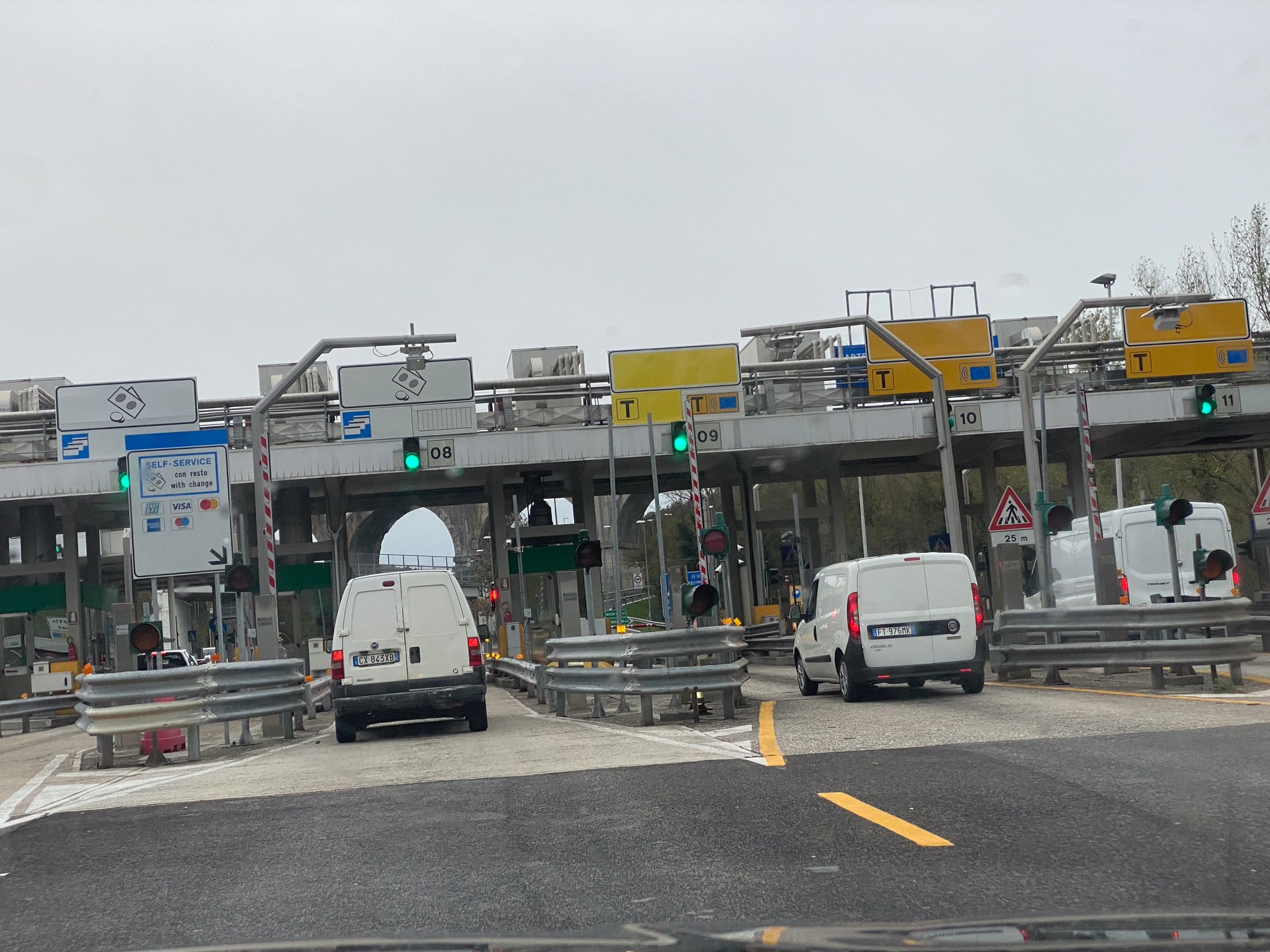
Toll booth operators were once a common highway job — collecting exact change, making fast transactions, managing traffic flow through the booth. Electronic toll collection systems like E-ZPass expanded dramatically through the late 1990s and 2000s, and states began eliminating staffed booths in favor of fully automated cashless lanes.
The people who worked those booths weren’t replaced by better toll collectors; they were replaced by a camera and a transponder.
Teletext Editor

Teletext was a broadcast data service that delivered news, weather, sports scores, and TV listings through the television signal — and it required a team of editors to write, format, and update content within the severe character and color limitations of the platform. It was a real editorial discipline with its own conventions and audience, and it existed in a genuinely strange space between broadcasting and print journalism.
The internet made it irrelevant, and the skills required to work within its constraints are now completely untransferable.
Manual Billing Clerk

Before billing software became universal, companies employed manual billing clerks — people who calculated invoices by hand or with adding machines, tracked accounts receivable in ledger books, and managed paper-based payment records across sometimes hundreds of client accounts. Accounting software eliminated the role not by making it easier but by making the human unnecessary entirely.
The job required genuine arithmetic fluency and organizational precision, and it simply ceased to exist as a staffed position.
Answering Service Operator

Before voicemail became universal, businesses subscribed to human answering services — small operations staffed by people who would take messages on behalf of doctors, lawyers, real estate agents, and small businesses after hours. The operator answered with the name of the business, wrote down the message, and passed it along.
It was personal, it was reliable, and it required genuine discretion. Voicemail didn’t just replace the technology; it replaced the human warmth of knowing someone actually picked up.
Steno Pool Typist

The steno pool was a shared typing department — a group of workers who transcribed dictated documents, correspondence, and legal or business materials for an entire office floor. Executives dictated into recorders; the pool transcribed and returned formatted documents.
Word processing software gave individuals control over their own documents, the pool dissolved, and the workers who had built careers around dictation speed and formatting precision had nowhere to apply those skills. It wasn’t a slow transition.
It was a departmental disappearance.
When A Job Title Becomes A Time Capsule

Looking at this list, what strikes you isn’t the obsolescence — it’s how recent the obsolescence is. These weren’t Victorian-era trades or industrial-revolution relics.
The people who held these jobs are still alive. Some of them are still working, having reinvented themselves into roles that didn’t exist when they started their careers.
The economy doesn’t announce its pivots. It just stops needing certain people, quietly reclassifies the skill as unnecessary, and moves on.
What these 29 jobs leave behind isn’t nostalgia exactly — it’s a record of how specific and how human the work of any given era actually is, and how quickly the specific can become invisible.
More from Go2Tutors!

- The Romanov Crown Jewels and Their Tragic Fate
- 13 Historical Mysteries That Science Still Can’t Solve
- Famous Hoaxes That Fooled the World for Years
- 15 Child Stars with Tragic Adult Lives
- 16 Famous Jewelry Pieces in History
Like Go2Tutors’s content? Follow us on MSN.