Facts About the Oceans That Are Changing Rapidly
The oceans have always been huge, deep, and full of mysteries. They’ve shaped the weather, fed billions of people, and hosted countless creatures that live nowhere else on Earth.
But things in the ocean are shifting faster now than at almost any point in human history. The changes happening beneath the waves affect everyone, even people who live far from any coast.
So what’s actually happening out there in all that blue water?
The water is getting warmer every year
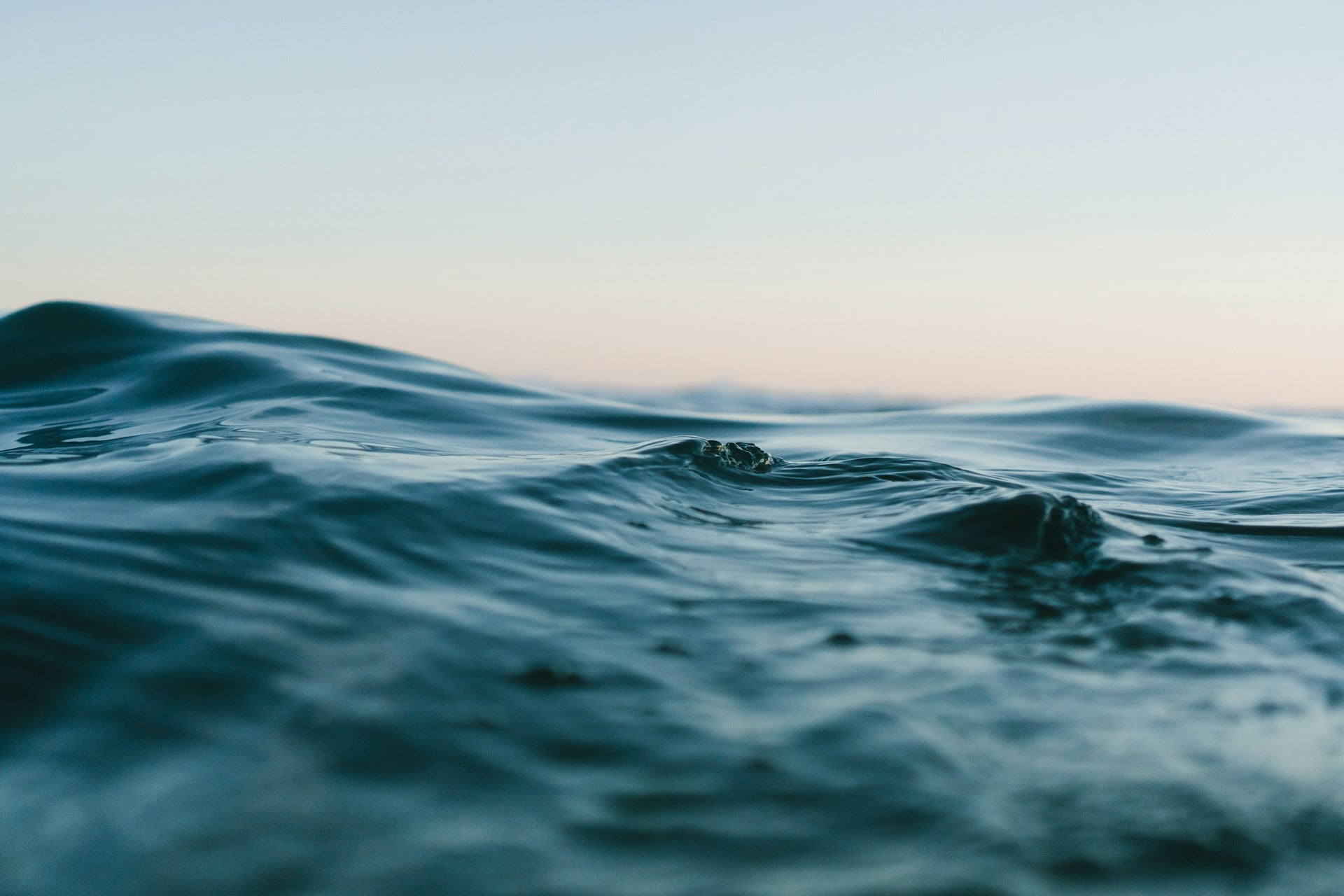
Ocean temperatures have risen significantly over the past few decades, and the pace keeps picking up. Warmer water changes everything about how marine life survives and where different species can live.
Fish that used to thrive in certain areas are swimming toward the poles looking for cooler temperatures. Coral reefs suffer terribly in hot water, turning white and dying off.
The heat also makes storms more powerful because warm water fuels hurricanes and typhoons, creating bigger dangers for coastal communities.
Sea levels keep creeping higher
The ocean is literally rising, swallowing beaches and threatening cities built near the shore. Melting ice from glaciers and ice sheets adds more water to the ocean every single day.
On top of that, warm water takes up more space than cold water, so the rising temperatures cause the ocean to expand. Islands that people have lived on for generations are starting to disappear.
Coastal neighborhoods flood more often now, even on sunny days when there’s no storm in sight.
Plastic waste is everywhere you look
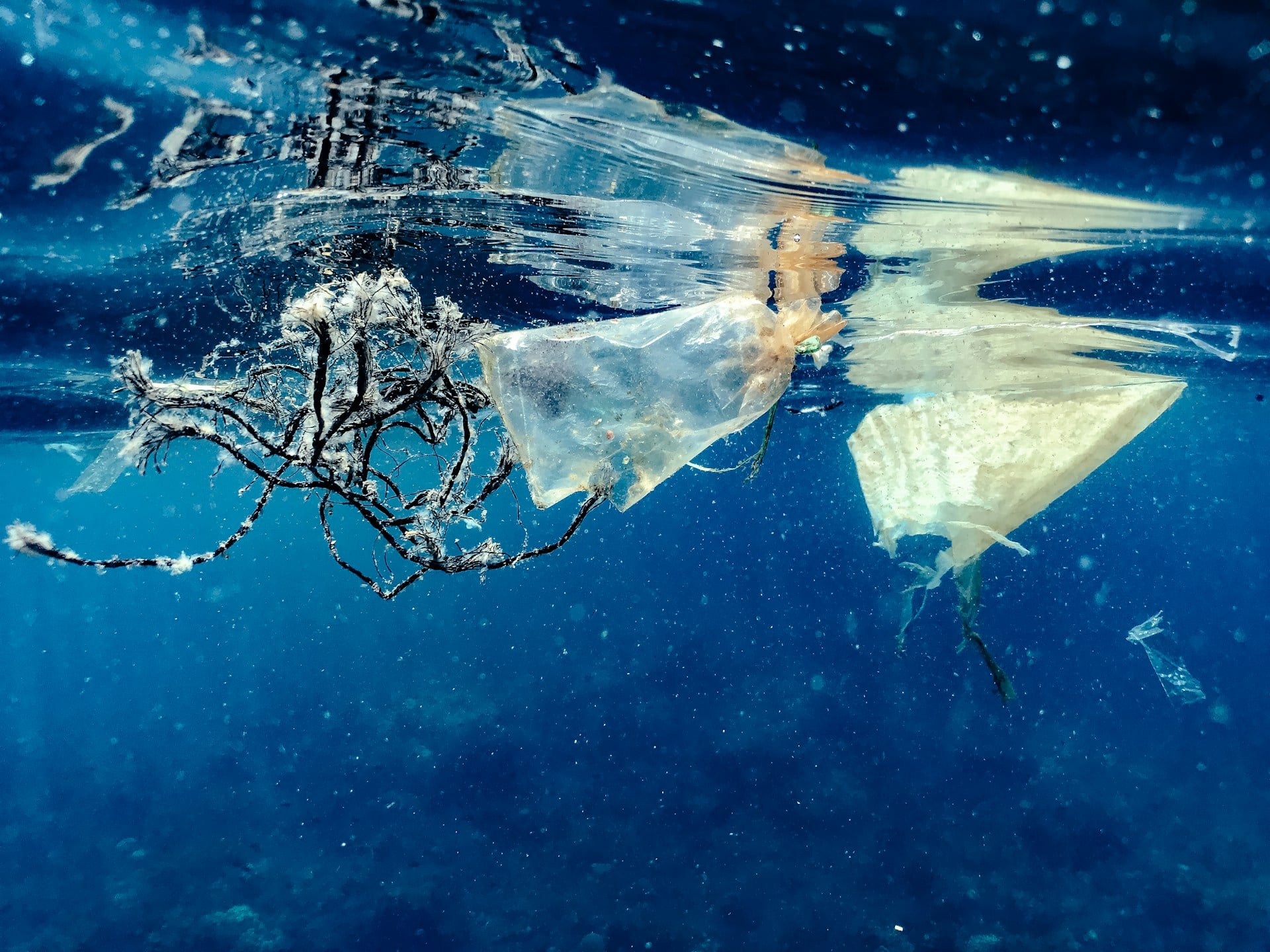
The amount of plastic floating in the ocean has reached shocking levels. Bottles, bags, fishing nets, and tiny broken-down pieces spread across every ocean on the planet.
Sea turtles mistake plastic bags for jellyfish and eat them, which blocks their digestive systems. Seabirds feed plastic bits to their babies thinking it’s food.
Scientists have found plastic in the deepest ocean trenches and in the stomachs of creatures living miles below the surface. The plastic problem isn’t going away because the stuff basically lasts forever.
Ocean chemistry is shifting toward acidic
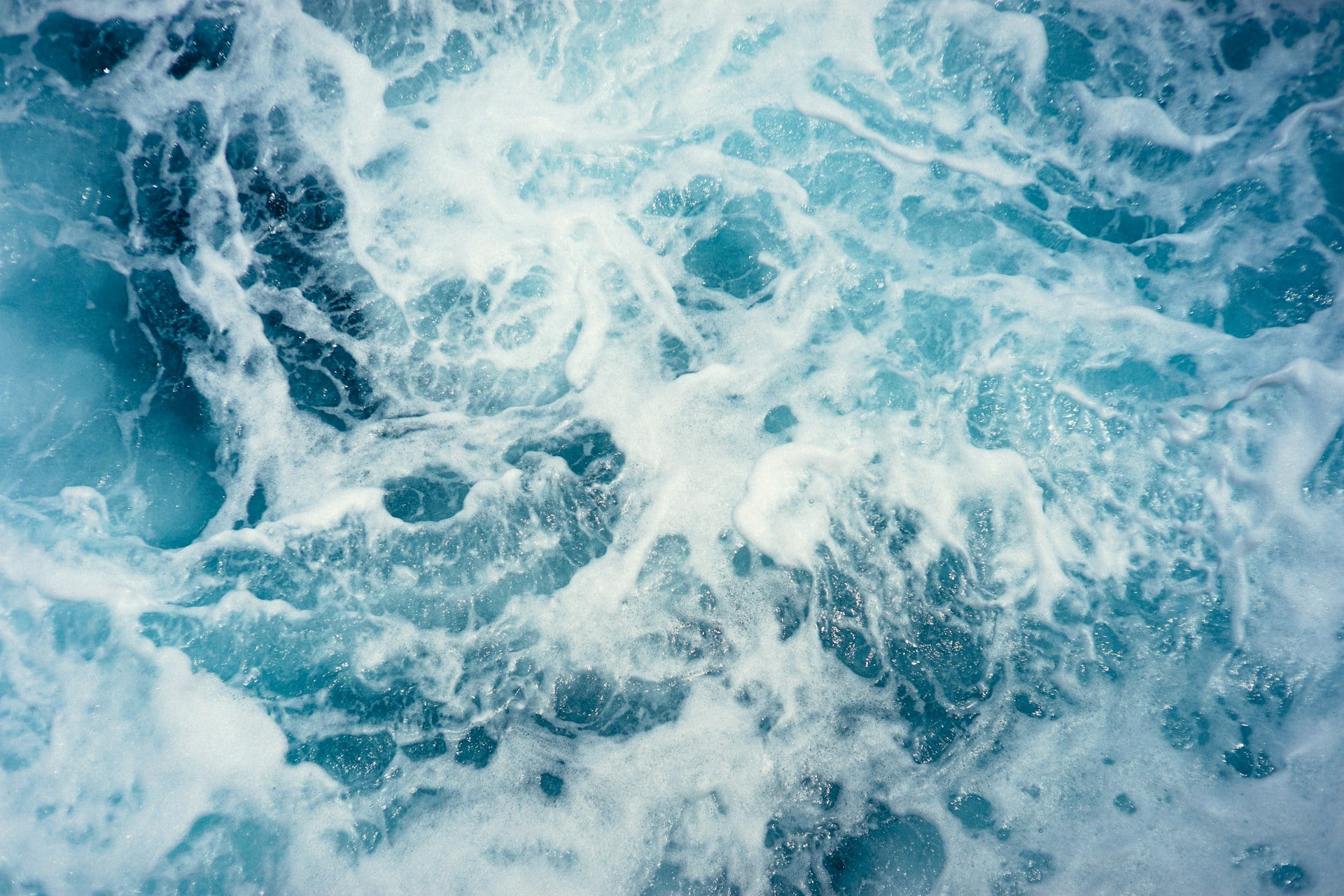
The ocean absorbs carbon dioxide from the air, which sounds helpful until you realize what it does to the water. That absorbed carbon dioxide makes the ocean more acidic, kind of like how soda is acidic.
Shellfish and coral struggle to build their shells and skeletons in acidic water because it dissolves the calcium they need. Oyster farms on the West Coast of the United States have already seen massive die-offs of baby oysters.
This chemistry change happened faster in recent decades than in thousands of years before.
Fish populations are crashing hard
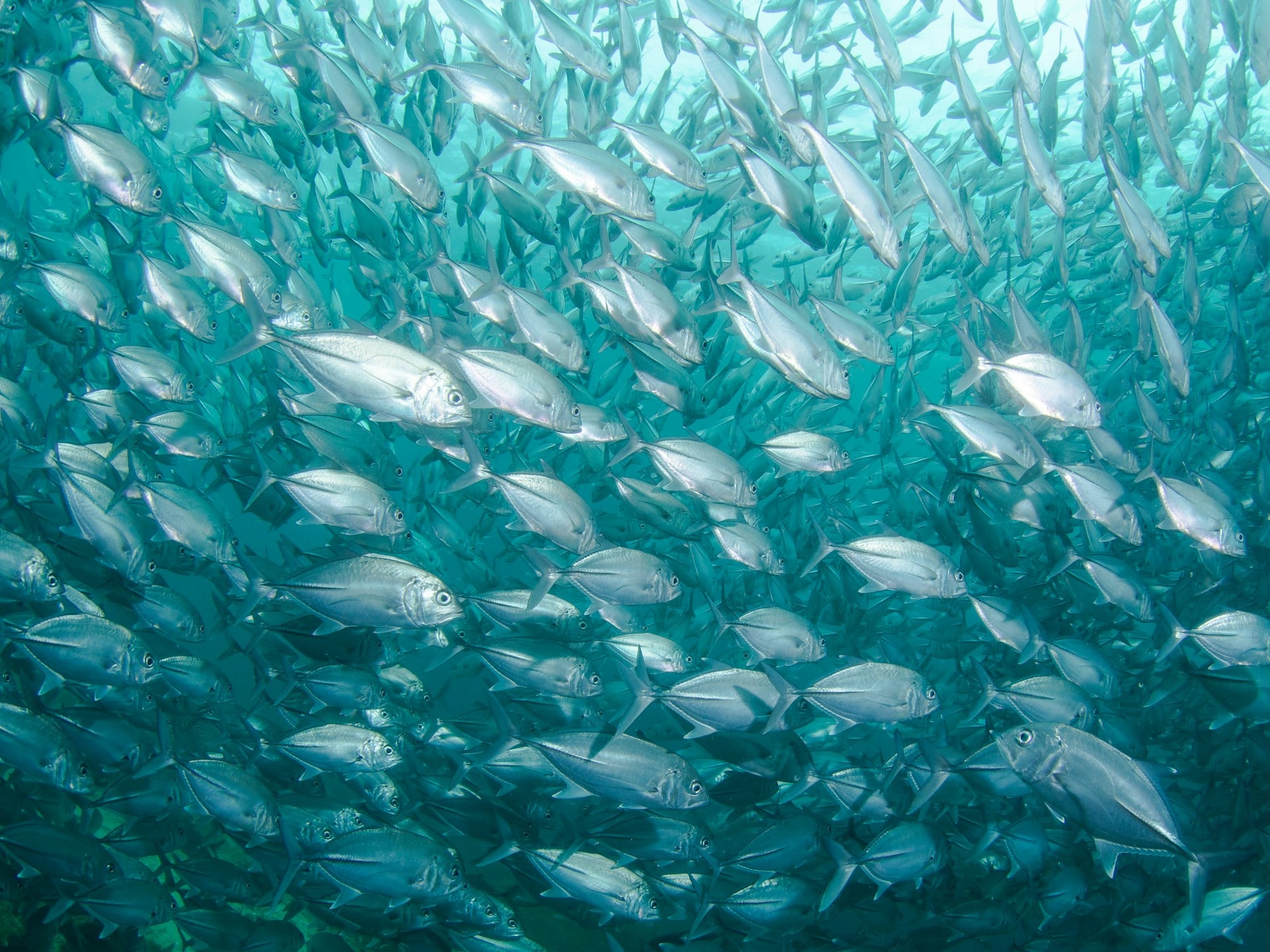
Overfishing has pushed many fish species to the edge of collapse. Huge fishing fleets with advanced technology can catch fish faster than the fish can reproduce and replace themselves.
Bluefin tuna numbers have dropped so low that some populations may never recover. Communities that relied on fishing for centuries are watching their catches shrink year after year.
The ocean’s ability to feed people is declining right when the human population keeps growing.
Dead zones are spreading across the seafloor
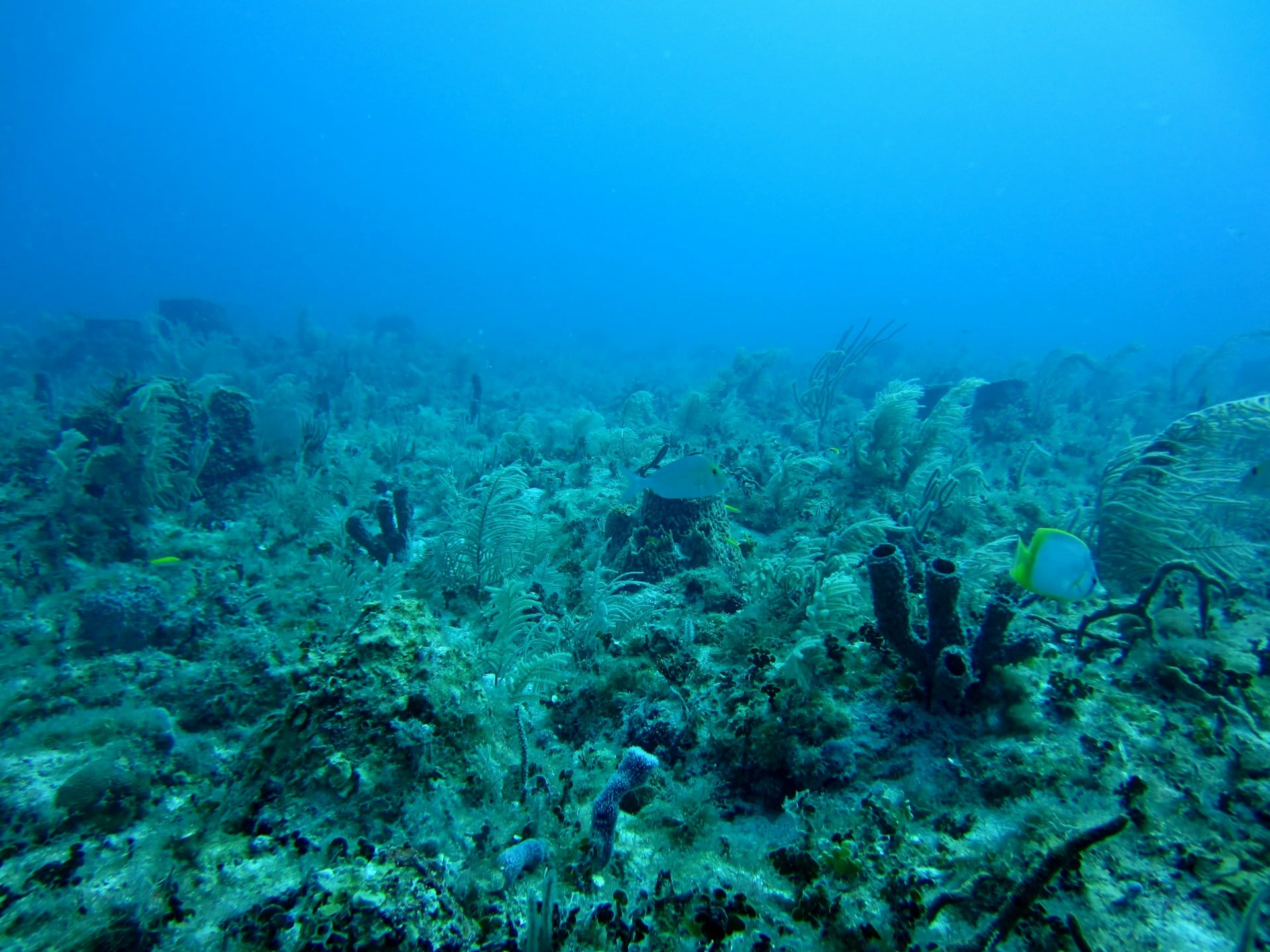
Certain areas of the ocean don’t have enough oxygen anymore for most creatures to survive there. Fertilizer from farms washes into rivers and eventually reaches the ocean, causing algae to grow out of control.
When all that algae dies and rots, it uses up the oxygen in the water. Fish and crabs flee these dead zones if they can, but anything that can’t move fast enough just dies.
The Gulf of Mexico gets a dead zone every summer that can be the size of a small state.
Coral reefs are bleaching and dying
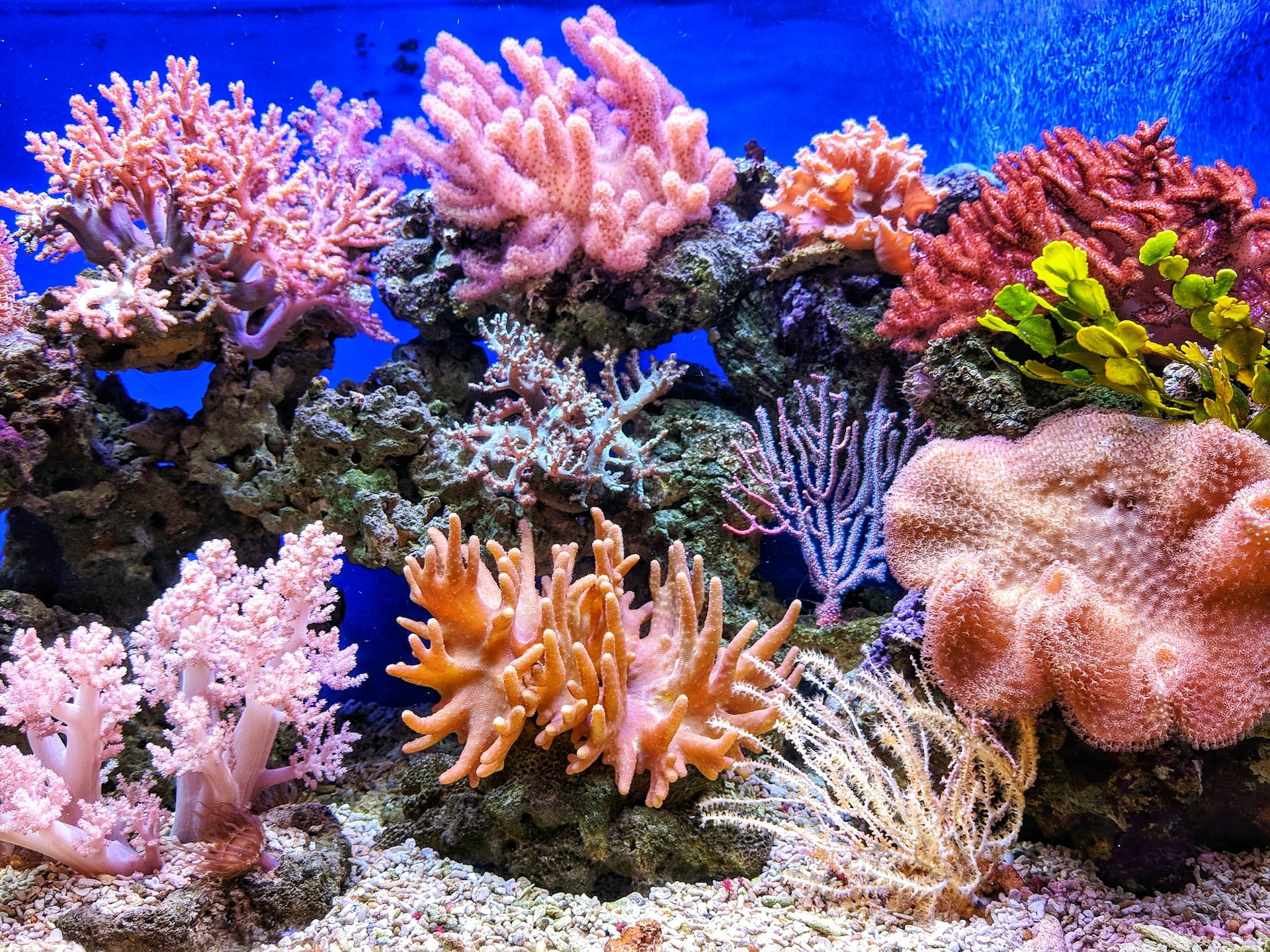
Coral reefs used to be colorful underwater cities full of life, but they’re turning ghostly white and empty. Heat stress causes coral to kick out the tiny algae that live inside them and give them color and food.
Without those algae, the coral turns white and slowly starves. Australia’s Great Barrier Reef has had multiple massive bleaching events in just the past few years.
Half the coral cover that existed a few decades ago is already gone.
Ocean currents are slowing down
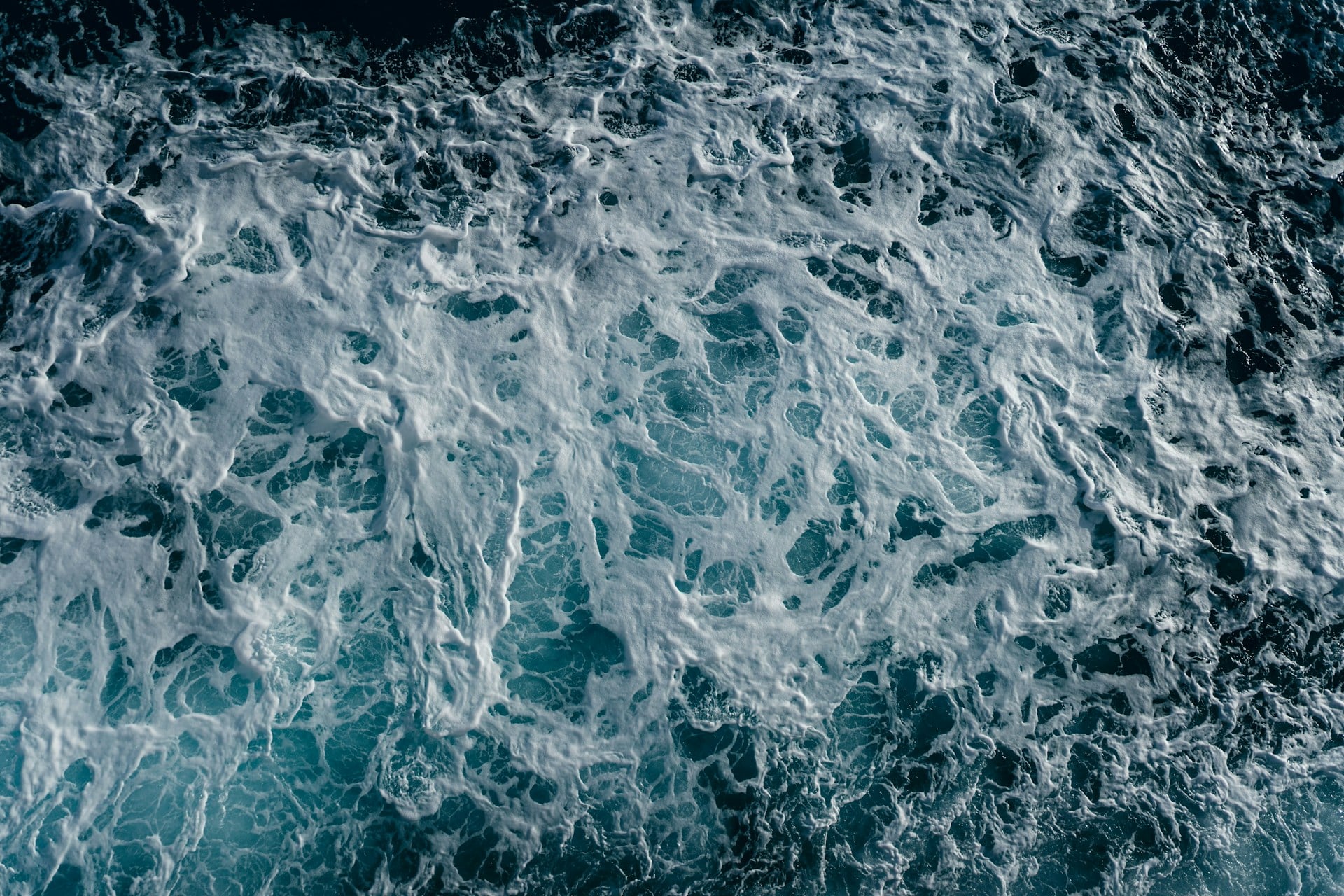
The giant conveyor belt of ocean currents that moves water around the planet is showing signs of weakening. These currents carry heat from the equator toward the poles and affect weather patterns across entire continents.
Fresh water from melting ice is making the North Atlantic less salty, which disrupts the normal flow. Scientists worry that major slowdowns could drastically change climates in Europe and North America.
The system has been relatively stable for thousands of years, but it’s shifting now.
Whales are changing their migration routes
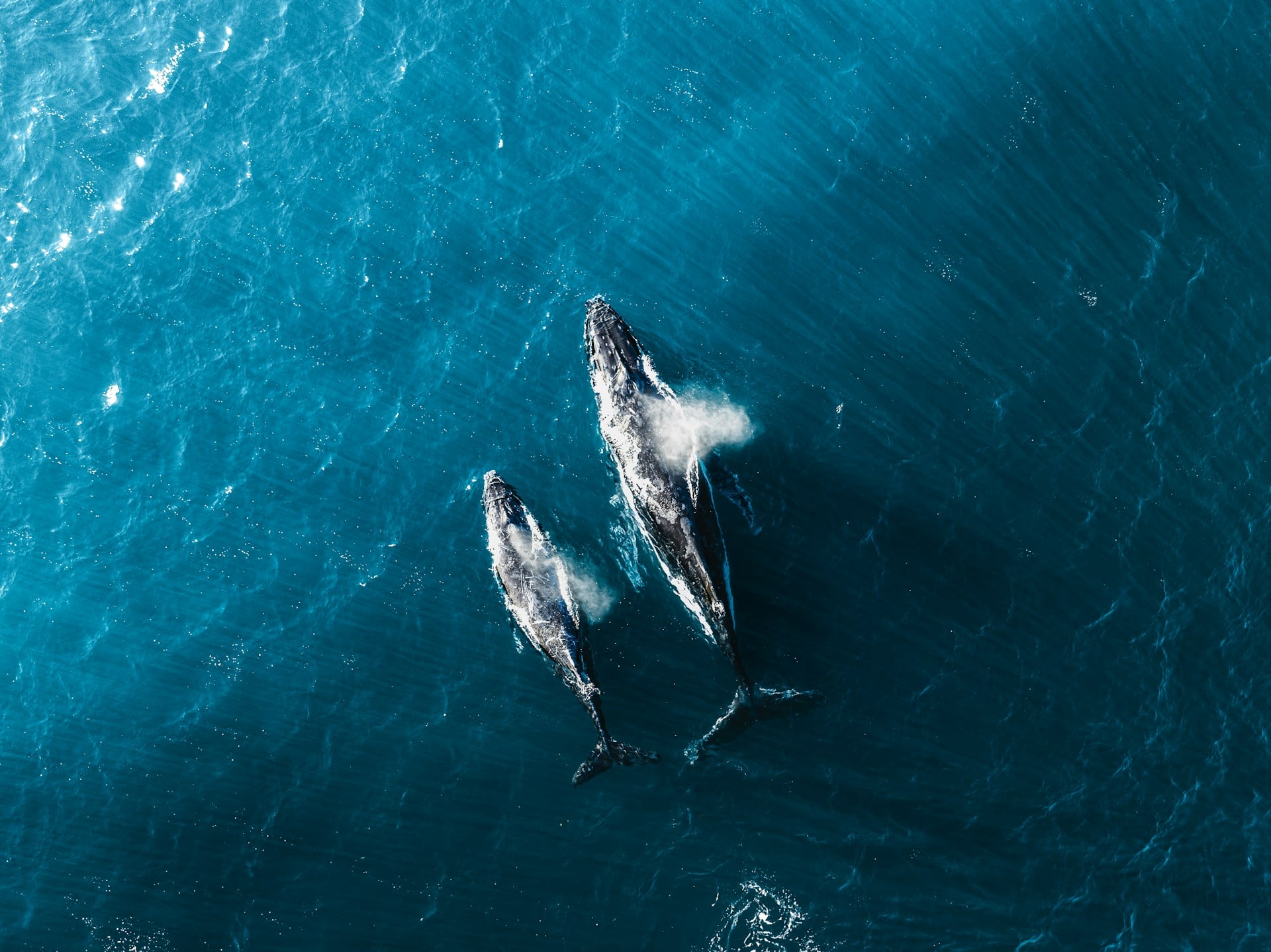
Whales travel thousands of miles between their feeding and breeding grounds, following patterns passed down through generations. But warming waters are forcing them to adjust routes they’ve used forever.
Their traditional feeding areas don’t have as much food anymore, so they’re exploring new regions. This puts them in conflict with shipping lanes they used to avoid, leading to more collisions with boats.
Young whales are learning different routes than their ancestors knew.
Jellyfish populations are exploding
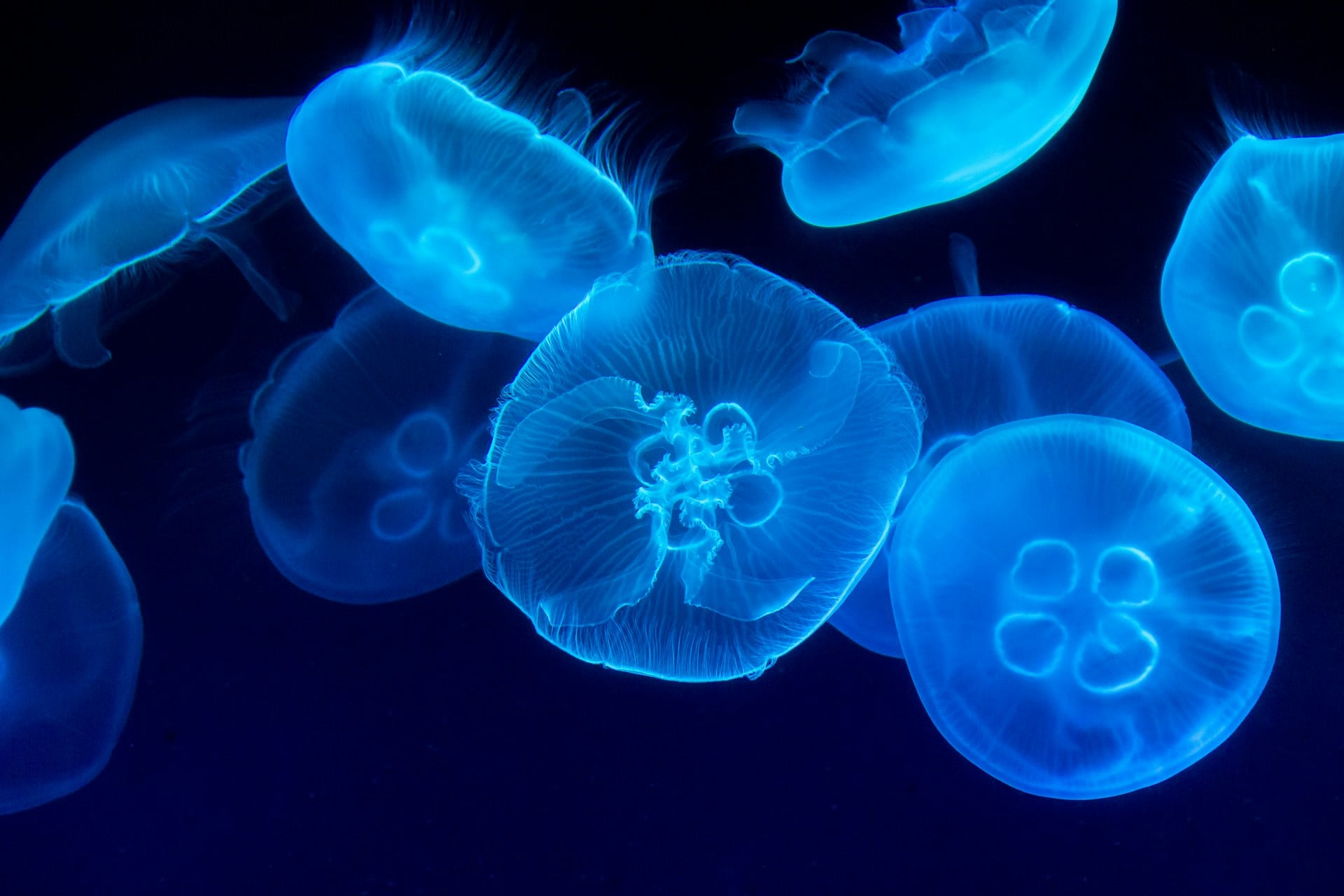
Jellyfish thrive in conditions that kill off other ocean creatures. Warmer, more polluted water suits them just fine.
Overfishing removes the fish that compete with jellyfish for food and the fish that eat baby jellyfish. Some areas that used to have occasional jellyfish now get massive swarms that shut down beaches and clog fishing nets.
Nuclear power plants near the ocean have had to shut down when jellyfish get sucked into their cooling systems.
Coastal erosion is accelerating everywhere
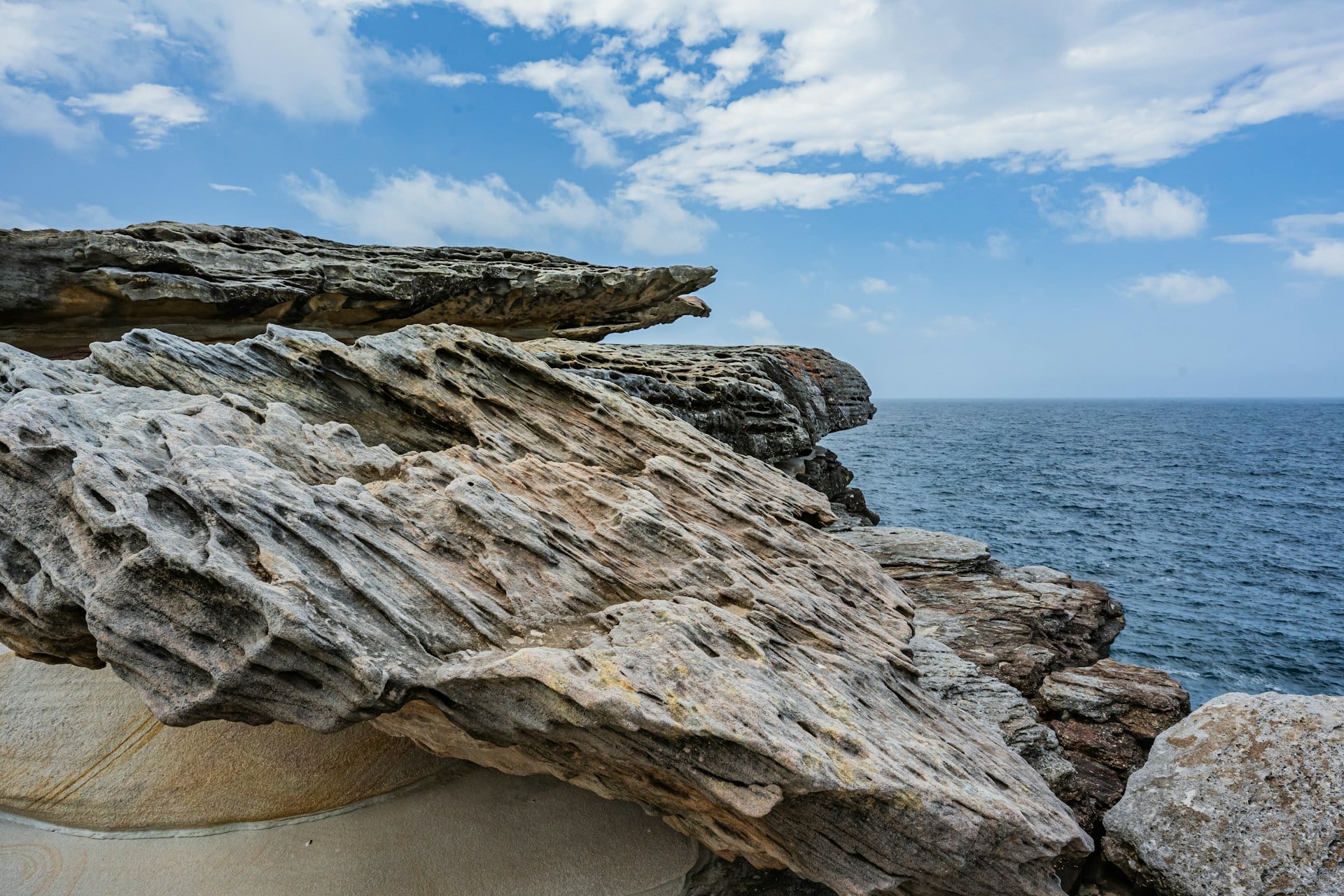
Beaches that people remember from childhood are noticeably smaller or completely gone now. Rising seas and stronger storms eat away at coastlines faster than sand can naturally replenish.
Some coastal roads that used to be far from the water now flood regularly. Properties worth millions of dollars are literally falling into the ocean.
Communities are spending fortunes trying to protect their shores, but fighting the ocean is expensive and often doesn’t work for long.
Marine species are moving toward the poles
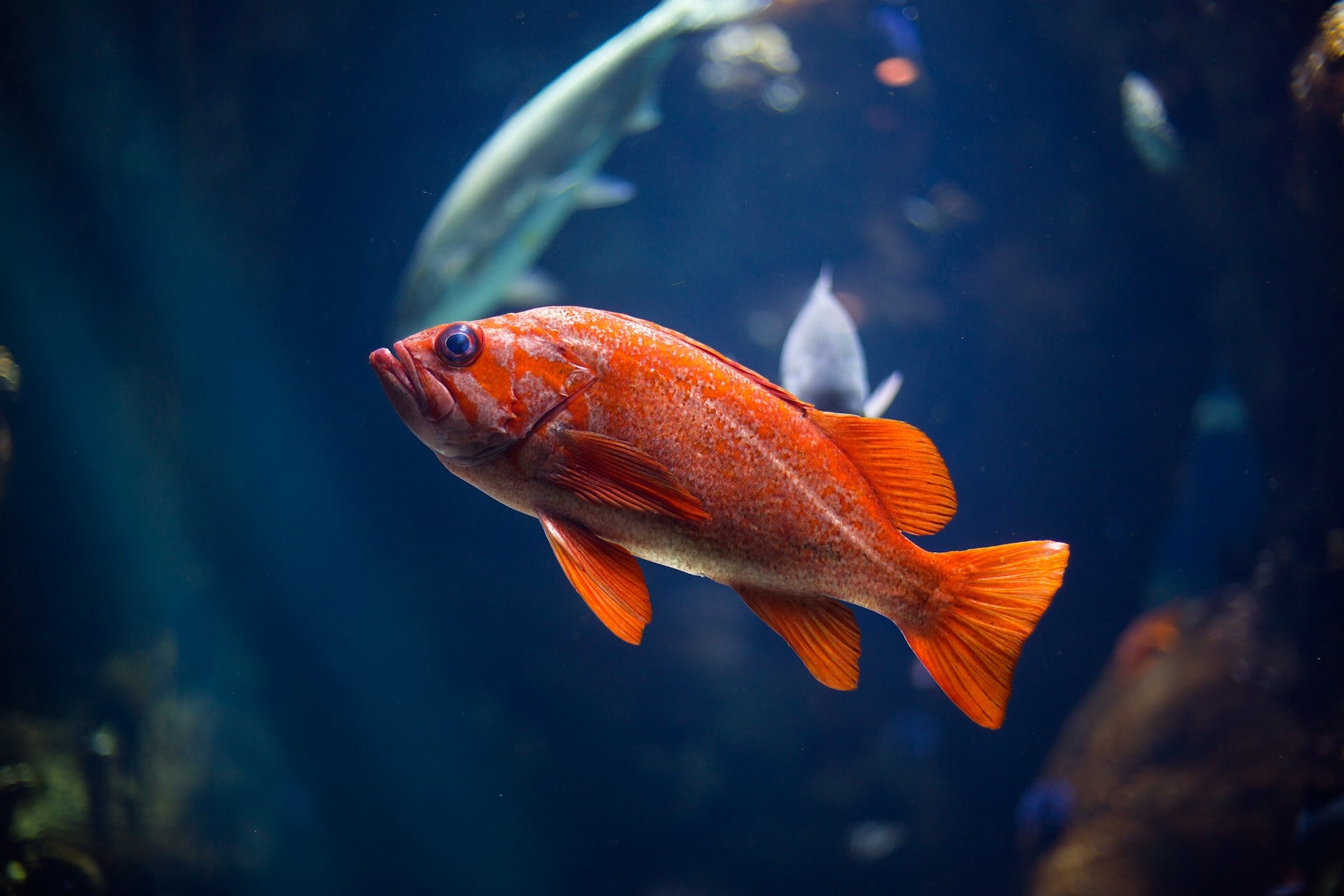
Fish, whales, seabirds, and other ocean creatures are swimming and flying away from the equator. They’re chasing the cooler temperatures they need to survive.
Arctic waters that used to be too cold for certain species are now becoming habitable. This reshuffles entire ecosystems as newcomers compete with animals that have always lived in those areas.
Fishing communities are seeing different species in their nets than they caught twenty years ago.
Shipping traffic has increased dramatically
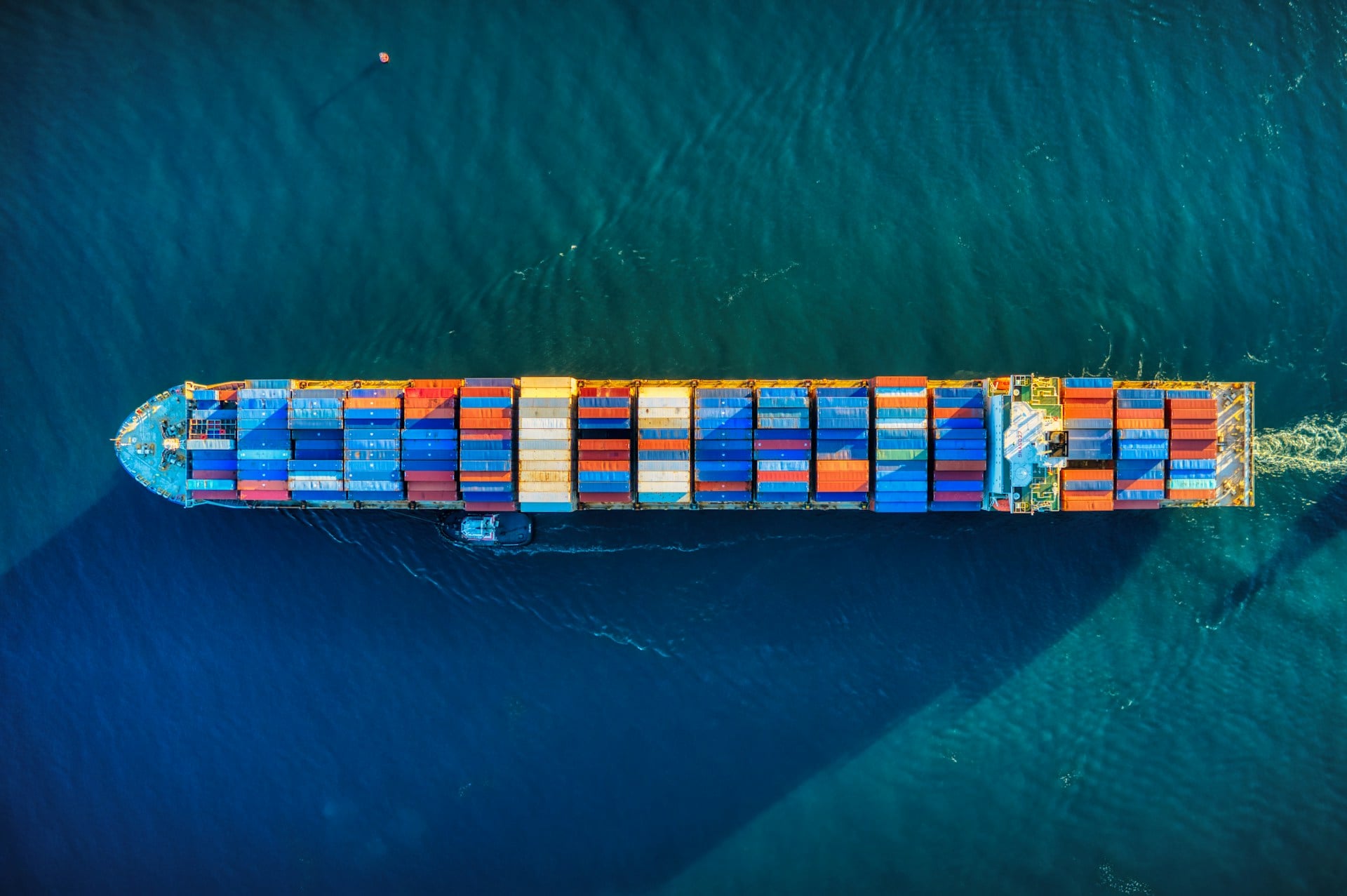
More ships cross the oceans now than ever before, carrying goods between countries that trade constantly. This increased traffic means more noise underwater, which confuses whales and dolphins that rely on sound to communicate and navigate.
Ships also bring invasive species from one part of the world to another in their ballast water. Oil spills and fuel leaks pollute the water.
The ocean has become a busy highway that never sleeps.
Ice in polar regions is melting faster
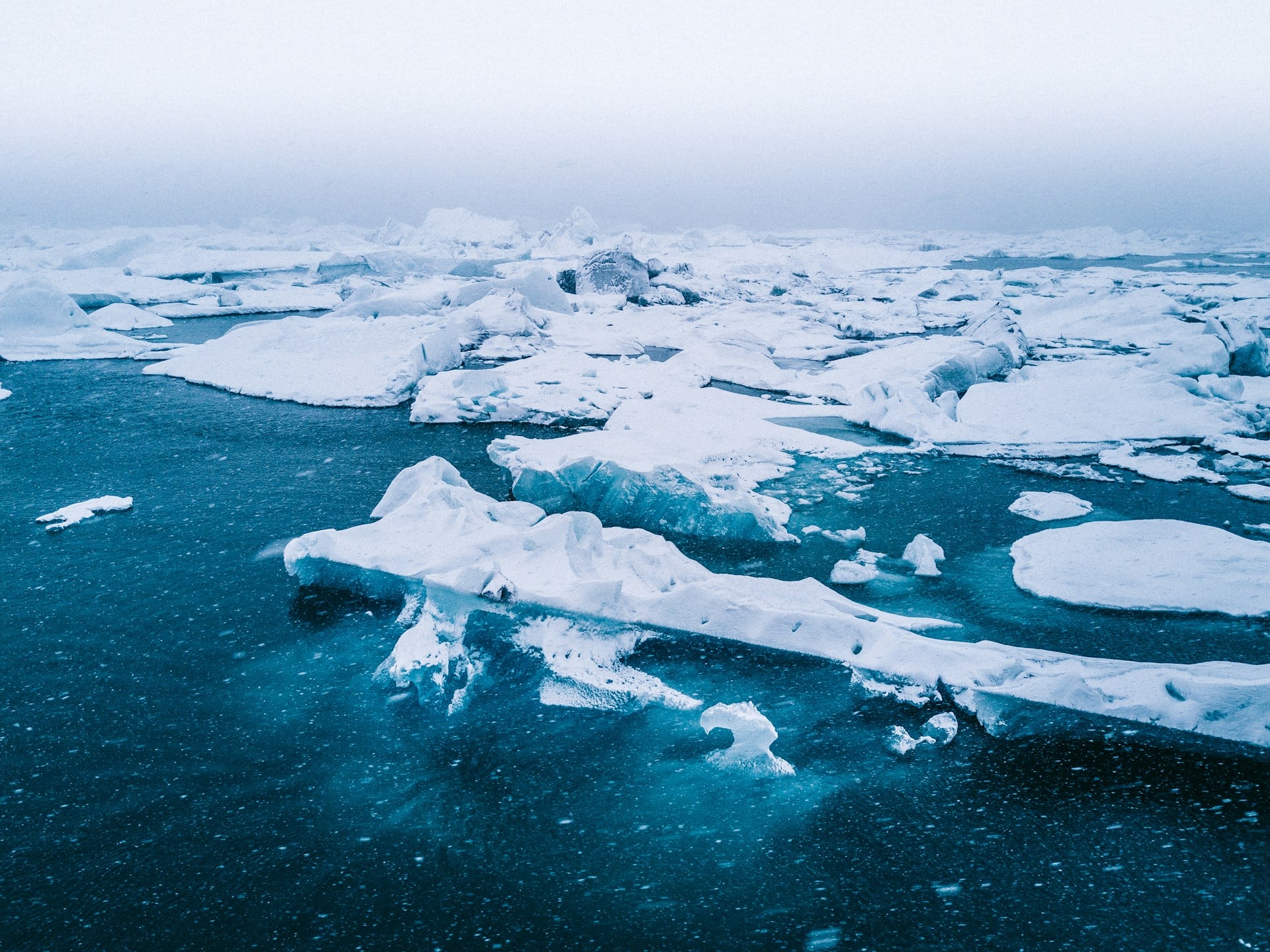
The Arctic Ocean used to have thick ice cover year-round, but now it melts back dramatically every summer. Antarctica is losing ice from its massive ice sheets at an accelerating rate.
This isn’t just about polar bears losing their habitat, though that’s happening too. The melting ice changes ocean salinity, affects currents, and contributes directly to rising sea levels worldwide.
Satellite images from just a decade ago look noticeably different from today.
Seagrass meadows are disappearing quickly
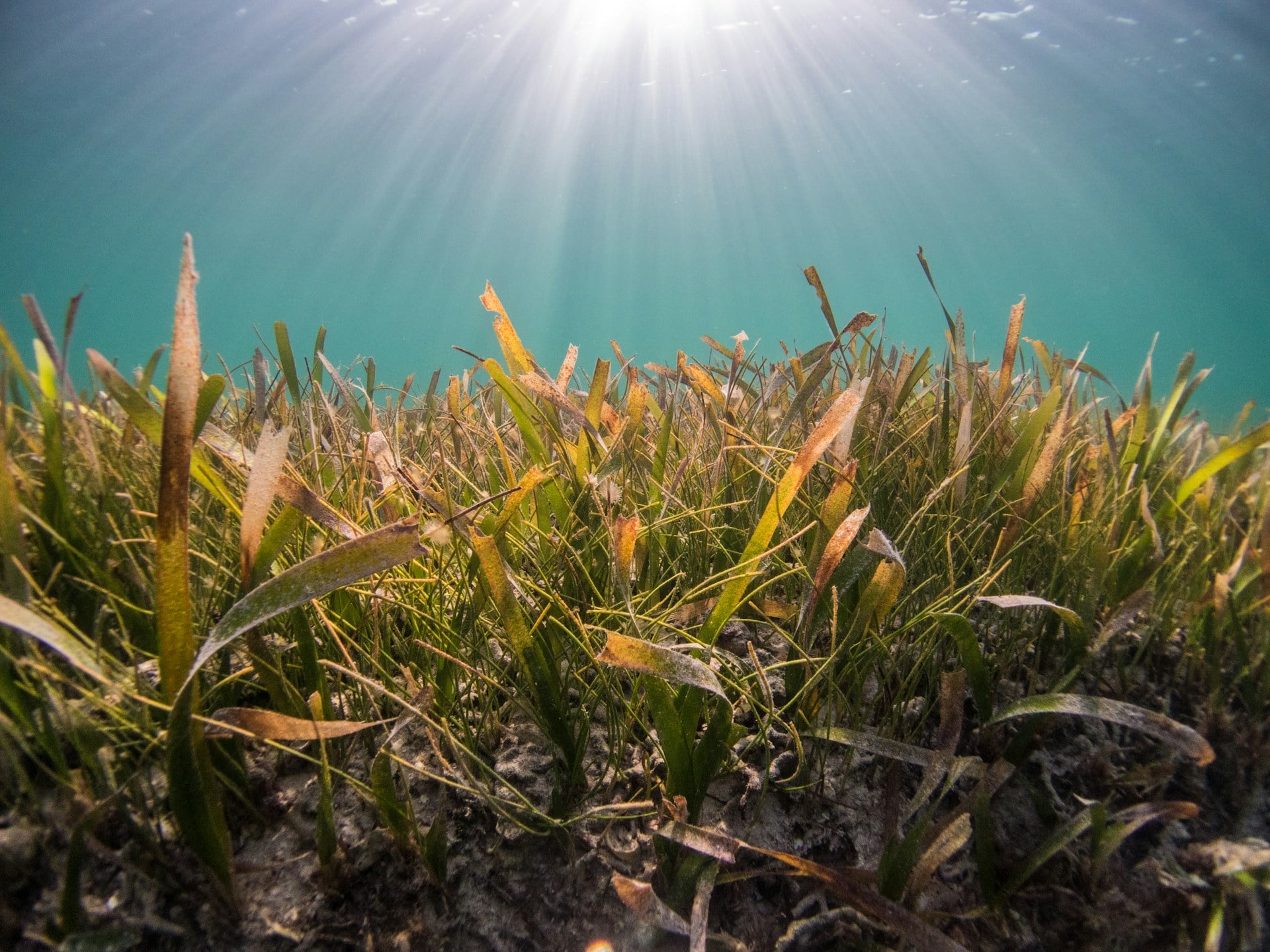
Seagrass grows in shallow coastal waters and creates crucial habitats for young fish, sea turtles, and manatees. These underwater meadows also store huge amounts of carbon and help keep the water clear.
But development, pollution, and warming waters are killing off seagrass at alarming rates. Once it’s gone, the creatures that depended on it lose their nursery grounds.
Entire coastlines that used to have lush seagrass beds are now mostly bare sand.
Ocean noise levels are getting louder
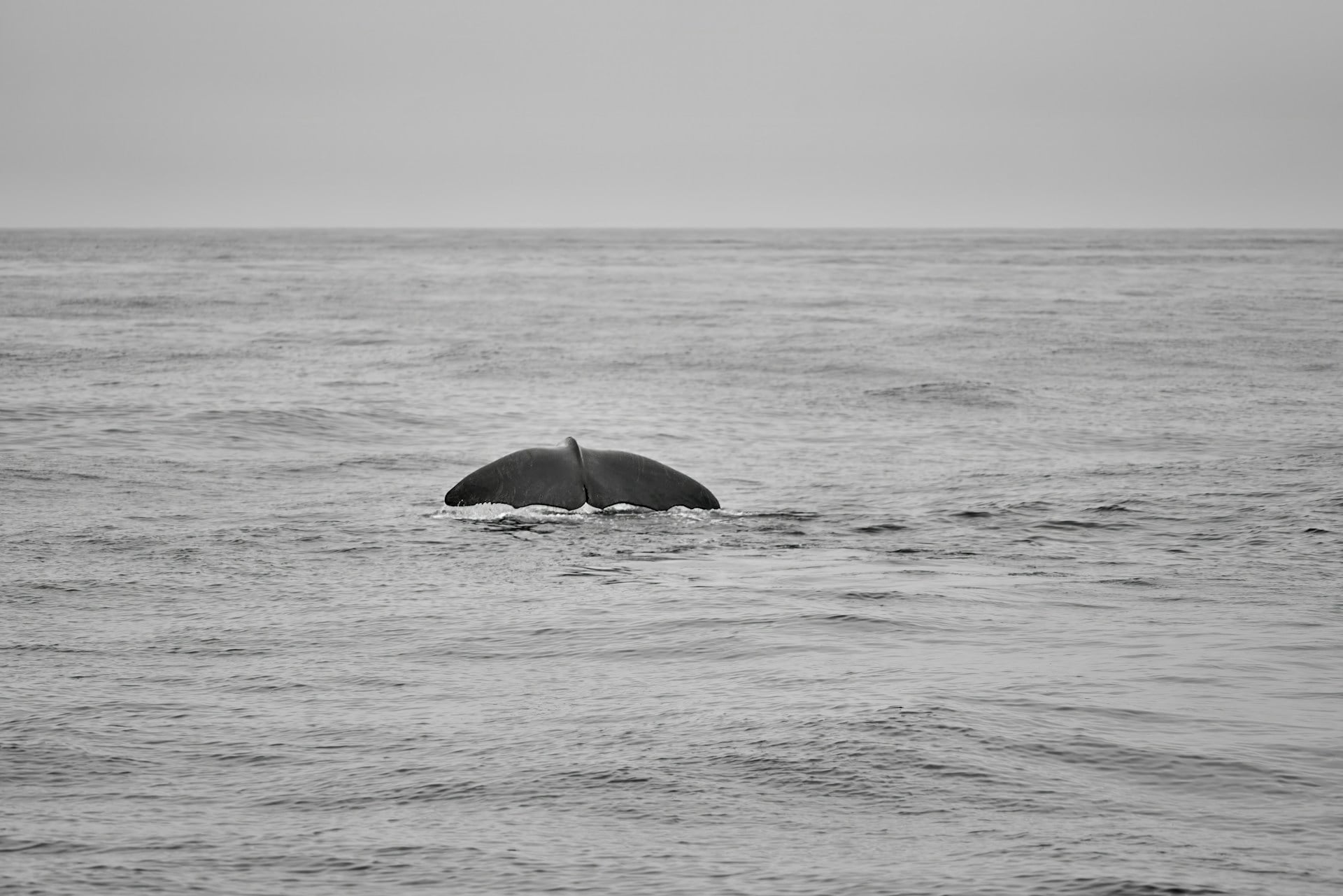
The ocean used to be a relatively quiet place, but human activity has made it much noisier. Shipping engines, oil exploration, military sonar, and construction projects all create underwater noise.
Whales and dolphins that communicate and hunt using sound find it harder to hear each other. Some whales are changing their calls, basically shouting to be heard over the racket.
The constant noise stresses marine animals in ways scientists are only beginning to understand.
Phytoplankton populations are changing
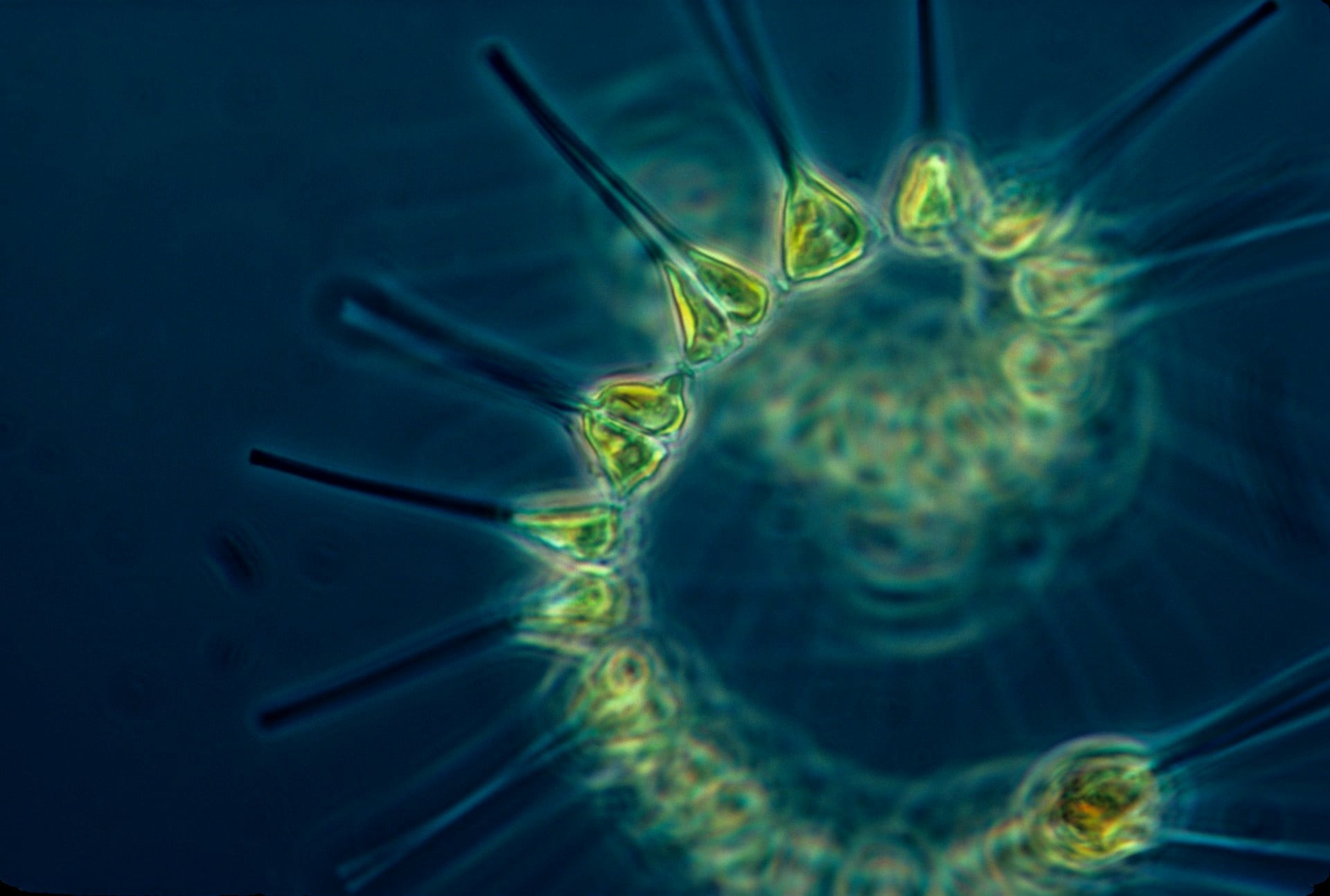
These tiny floating plants form the foundation of the ocean food web, but their numbers and types are shifting. Phytoplankton produce much of the oxygen in the atmosphere, so changes in their populations affect everyone.
Warmer, more acidic water favors some species over others, which ripples up through the entire food chain. Satellite observations show that phytoplankton abundance has declined in many ocean regions.
This might be the most important change happening that most people have never heard about.
Deep sea mining is about to begin
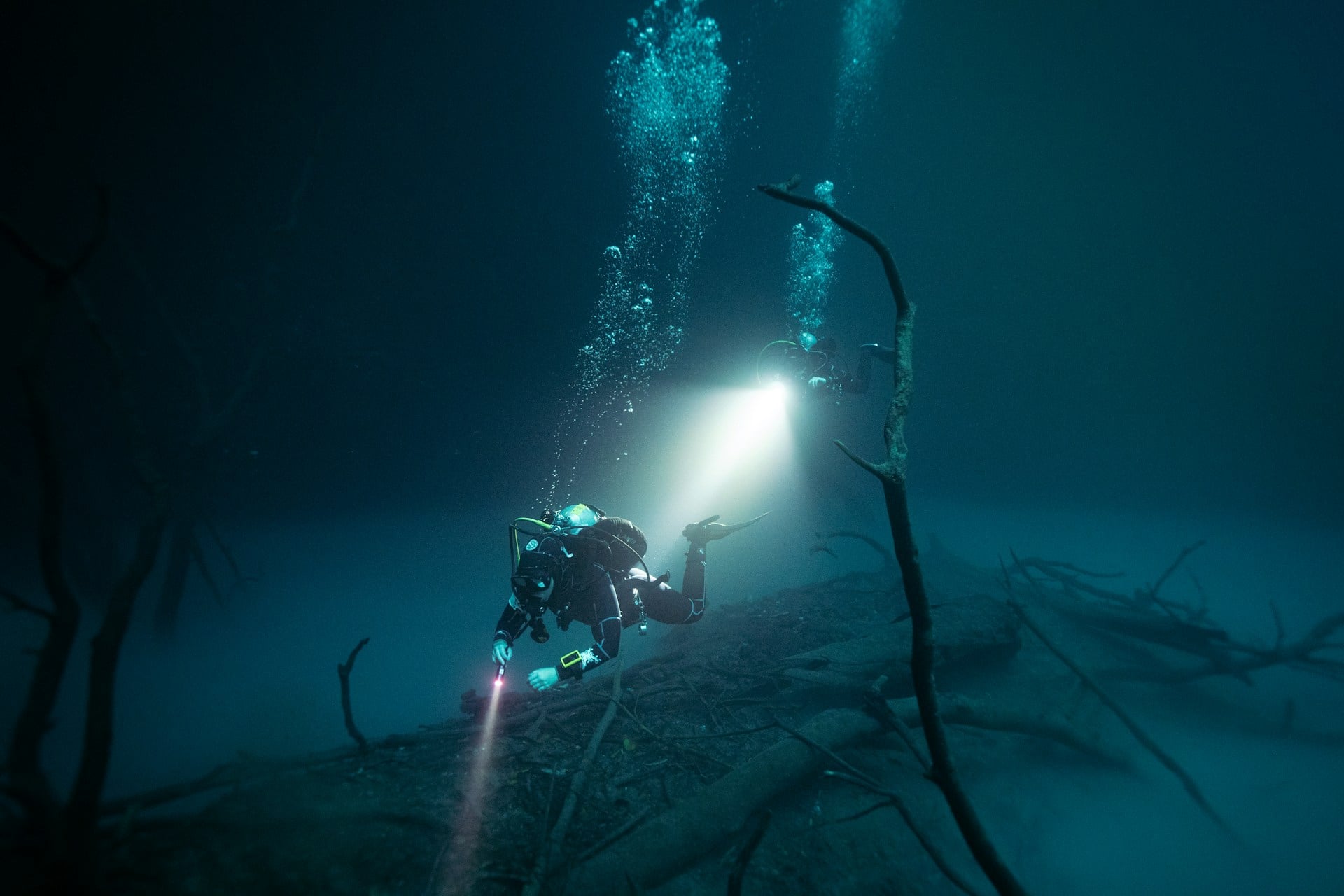
Companies are preparing to dig up minerals from the deep ocean floor, even though scientists barely understand those ecosystems. The deep sea hosts strange creatures found nowhere else, many of which haven’t even been discovered yet.
Mining will destroy habitats that took thousands of years to develop. The sediment stirred up by mining could spread across vast areas and smother marine life.
This new industry is about to start before anyone really knows what damage it might cause.
What happens next depends on today
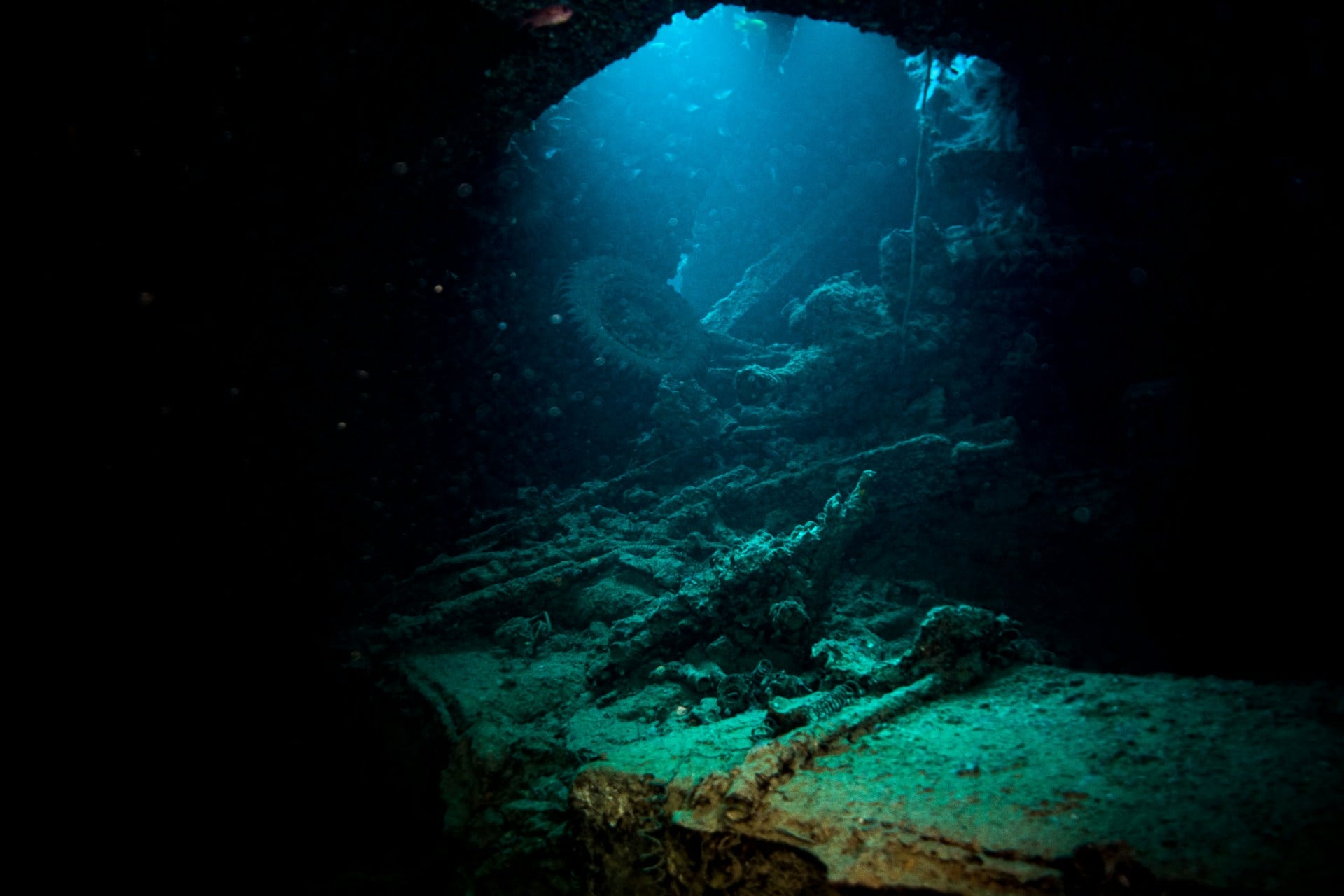
The ocean has absorbed much of the heat and carbon dioxide from human activities, basically protecting the land from worse impacts. But the ocean has limits, and many of those limits are being reached right now.
Changes that used to take centuries are happening in decades instead. The kids growing up today will live in a world with very different oceans than their grandparents knew.
What people choose to do now about pollution, fishing, and climate will determine whether those future oceans are wastelands or can bounce back to health.
More from Go2Tutors!

- The Romanov Crown Jewels and Their Tragic Fate
- 17 Halloween Costumes Once Considered Taboo
- Famous Hoaxes That Fooled the World for Years
- 15 Child Stars with Tragic Adult Lives
- 16 Famous Jewelry Pieces in History
Like Go2Tutors’s content? Follow us on MSN.