28 Famous Trials That Divided the Entire Country
Some trials end in a verdict. Others end in something messier — a country that can’t quite look at itself the same way afterward. The courtroom becomes a mirror, and nobody agrees on what they’re seeing.
Whether the defendant walked free or spent decades behind bars, certain cases cracked open fault lines in American society that were already there, waiting. Race, money, power, media, justice — these trials didn’t just test the law.
They tested how Americans understood fairness, guilt, and who the system was actually built for. These are the ones that split the country down the middle and never fully let it heal.
The O.J. Simpson Murder Trial
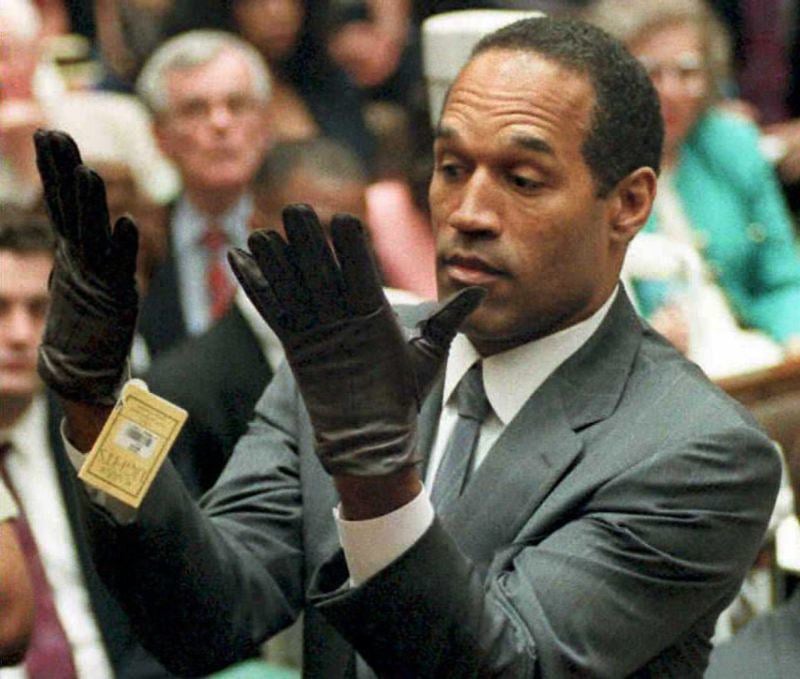
O.J. Simpson’s 1995 acquittal didn’t just divide the country — it exposed two entirely separate realities living inside the same nation. Black Americans and white Americans watched the same verdict and reacted in near-perfect opposition, a Rorschach test disguised as a legal proceeding.
The trial, with its DNA evidence, its glove that didn’t fit, and its carnival atmosphere, became the defining cultural flashpoint of the decade.
The Scopes “Monkey” Trial
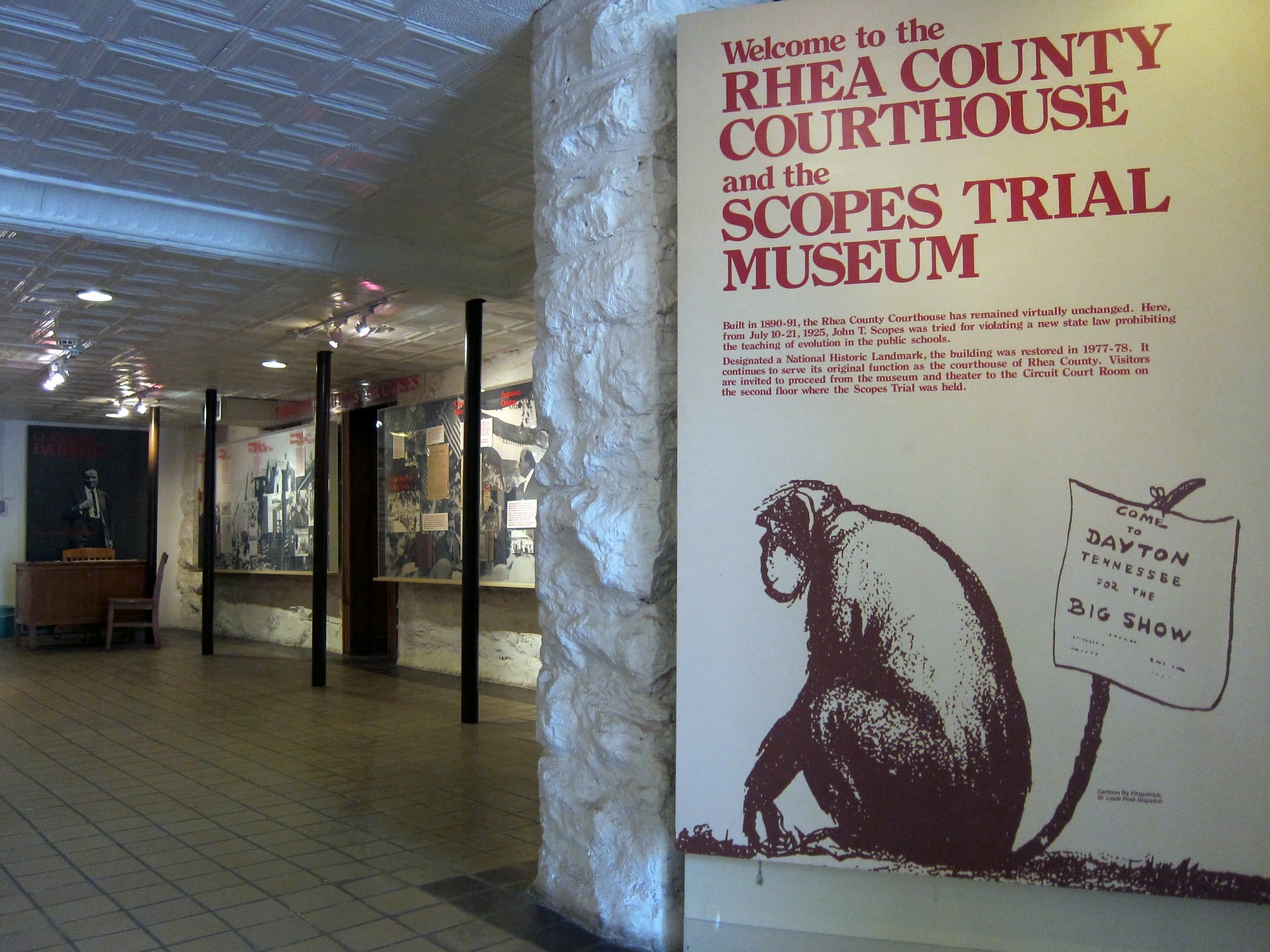
This one is a battle between two worldviews wearing the costumes of a criminal case. John Scopes was a Tennessee teacher tried in 1925 for teaching evolution — which was then illegal under state law — and the real fight, waged between Clarence Darrow and William Jennings Bryan on a sweltering courthouse lawn, was never really about Scopes at all: it was about whether science or scripture would govern the classroom.
Turns out, America couldn’t agree then, and echoes of that argument still surface every few election cycles.
The Rosenberg Espionage Trial
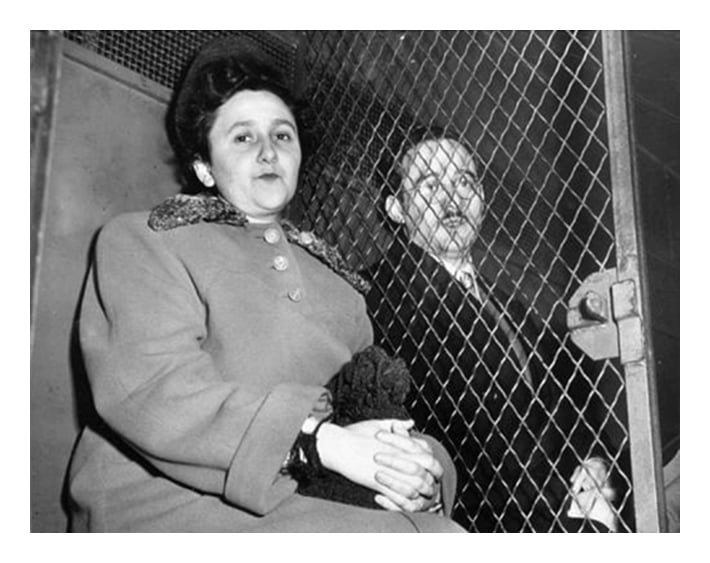
Julius and Ethel Rosenberg were executed in 1953 for passing atomic secrets to the Soviet Union, and the country has been arguing about it ever since. Some saw a clear-cut case of treason during a genuine crisis; others saw a government so consumed by Cold War panic that it killed two people — one of whom, Ethel, had far thinner evidence against her — to make a point.
The point it made was complicated.
The Trial of Charles Manson
Charles Manson never held the knife himself, and that legal distinction became the entire trial. The prosecution had to convince a jury that a man who wasn’t physically present for the Tate-LaBianca murders in 1969 had still orchestrated them through psychological control over his followers — a theory that was genuinely novel at the time.
Manson, for his part, performed for the cameras, carved an X into his forehead, and turned the whole proceedings into something that felt less like a court case and more like an exorcism.
The Sacco and Vanzetti Trial
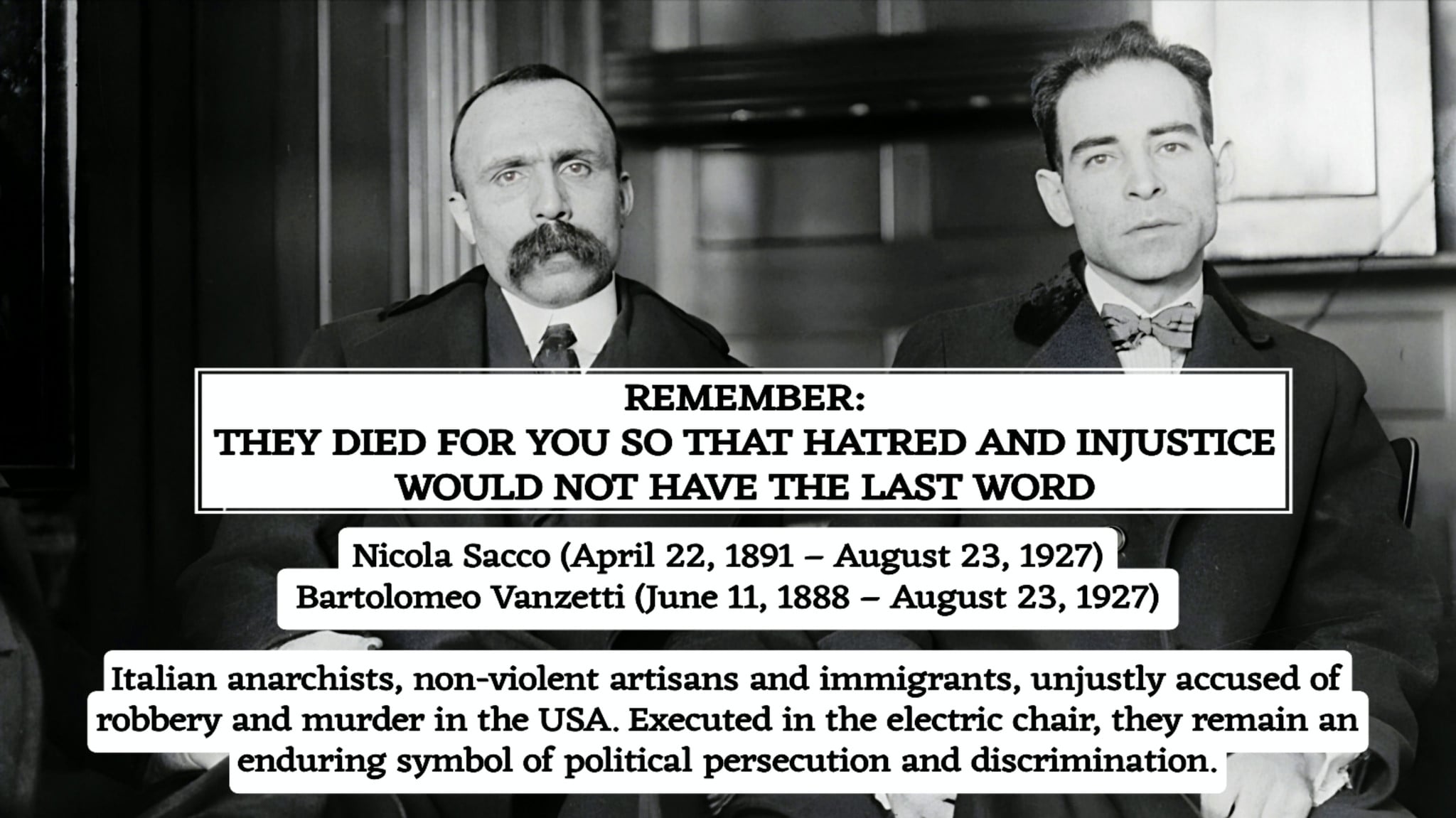
Two Italian immigrants, both anarchists, both convicted of murder in 1921 — and the evidence against them was always thinner than the fear surrounding them. Nicola Sacco and Bartolomeo Vanzetti became symbols almost immediately: for their supporters, they were proof that immigrant identity and political belief could substitute for actual guilt in an American courtroom.
They were executed in 1927, and Massachusetts formally apologized in 1977. Fifty years is a long time to sit with that.
The Trial of Aaron Burr
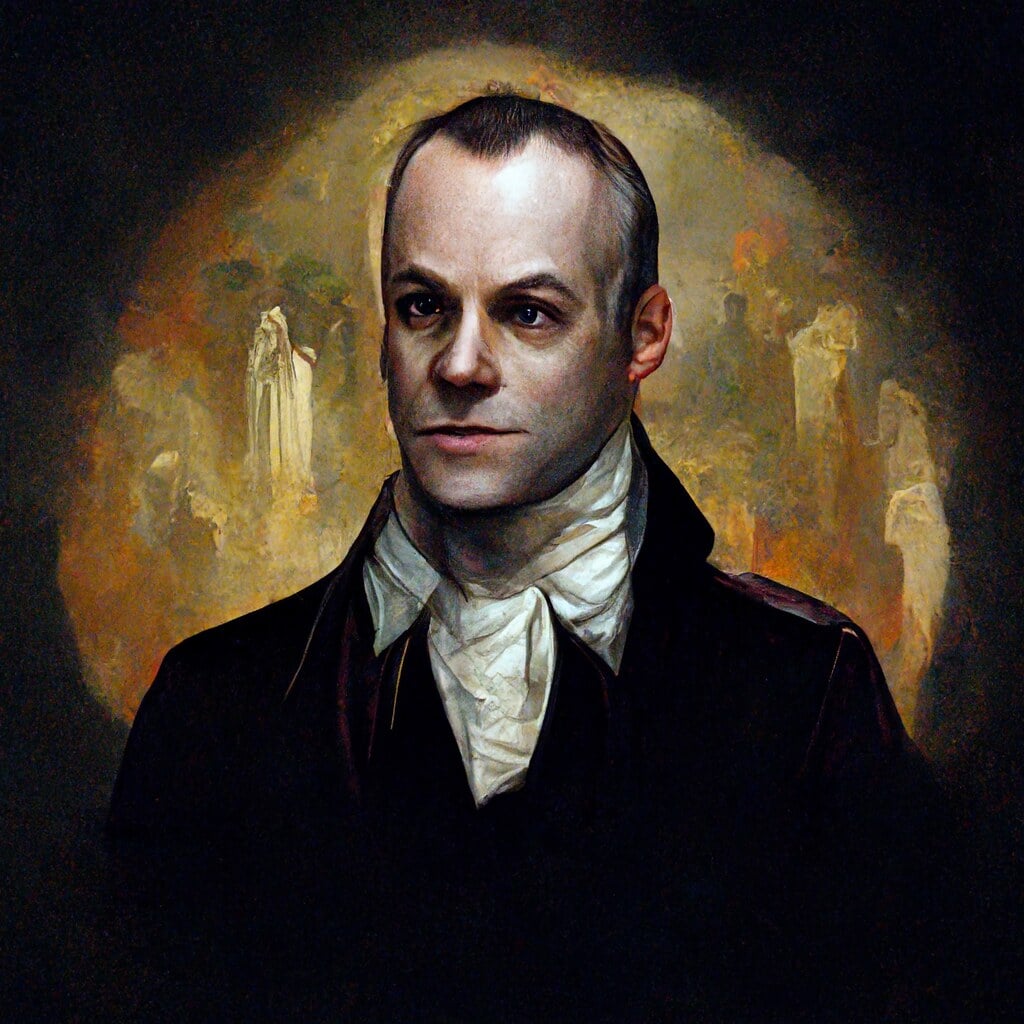
Aaron Burr — former Vice President, killer of Alexander Hamilton — stood trial for treason in 1807, accused of plotting to carve out his own nation from western territories. Chief Justice John Marshall presided, President Thomas Jefferson personally wanted a conviction, and the jury acquitted Burr anyway.
It remains one of the earliest and most striking examples of the courts refusing to bend to executive pressure, which is either reassuring or infuriating depending on how you feel about Burr.
The Lindbergh Baby Kidnapping Trial
The trial of Bruno Hauptmann in 1935 for the kidnapping and murder of Charles Lindbergh’s infant son was less a legal proceeding than a national obsession wearing a suit. Hauptmann maintained his innocence until his execution, and enough questions about the evidence — a handwriting analysis, a ransom ladder, a serial number on a bill — have lingered long enough that serious researchers still debate the verdict.
What’s not debatable is that the American media had never consumed a trial quite like it before.
The My Lai Court-Martial
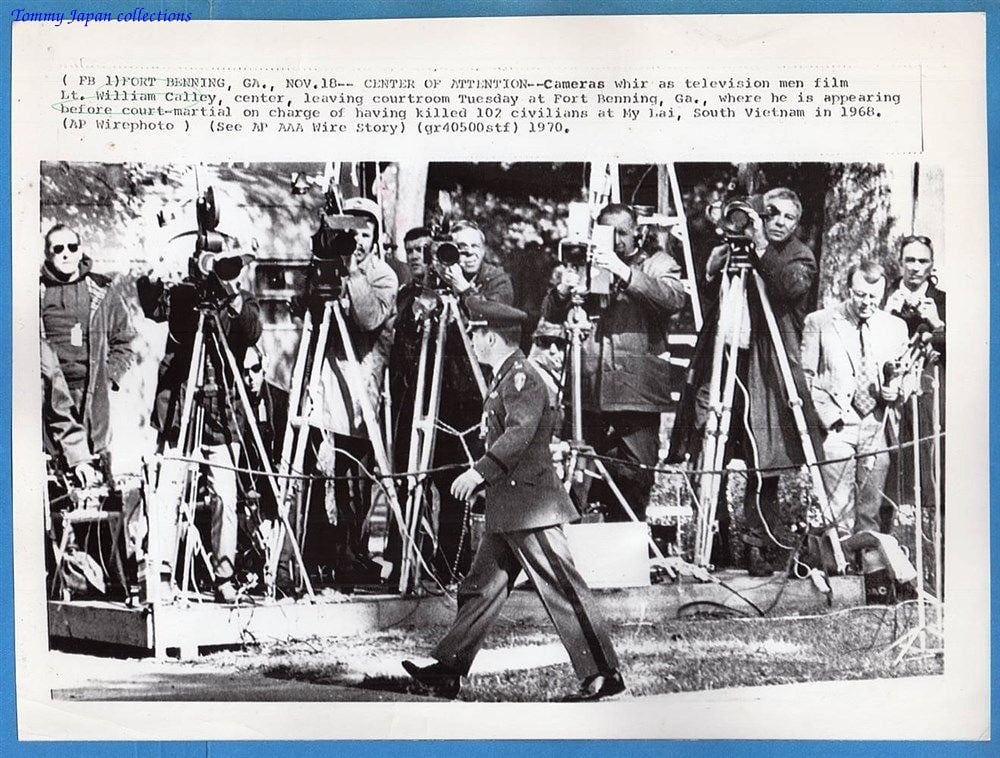
William Calley was the only soldier convicted for the massacre of hundreds of Vietnamese civilians at My Lai in 1968. He was sentenced to life in prison, served about three years under house arrest, and was eventually pardoned — and somehow, that outcome managed to outrage people on both ends of the political spectrum simultaneously.
Those who believed the massacre was criminal thought the punishment a farce; those who saw Calley as a scapegoat for a broader institutional failure thought he shouldn’t have been tried at all.
The Trial of John Brown
John Brown raided Harper’s Ferry in 1859 trying to spark a slave revolt, was captured, tried for treason against Virginia, and hanged. The North mourned him as a martyr; the South saw him as a terrorist.
He was, depending entirely on who you asked, both — and that collision of interpretations helped accelerate a country already sliding toward civil war. The verdict was never really the point.
The Chicago Seven Trial
Eight men were charged with conspiracy and crossing state lines to incite the riots at the 1968 Democratic National Convention, and the trial itself became a riot of a different kind. Judge Julius Hoffman had Black Panther co-defendant Bobby Seale literally bound and gagged in the courtroom — a sight that made international headlines and permanently tainted whatever legal legitimacy the proceedings might have claimed.
Abbie Hoffman and J. Rubin arrived in judicial robes one morning, which tells you roughly everything about the tone.
The Salem Witch Trials
Calling the Salem proceedings of 1692 “trials” is generous — they were closer to a community devouring itself whole. Nineteen people were hanged on the testimony of afflicted girls and neighbors settling old scores, with spectral evidence admitted as though a dream about someone could send them to the gallows.
The Salem trials became the permanent American shorthand for mass hysteria, which is a heavy burden for a small Massachusetts town to carry across three centuries.
The Trial of Susan B. Anthony
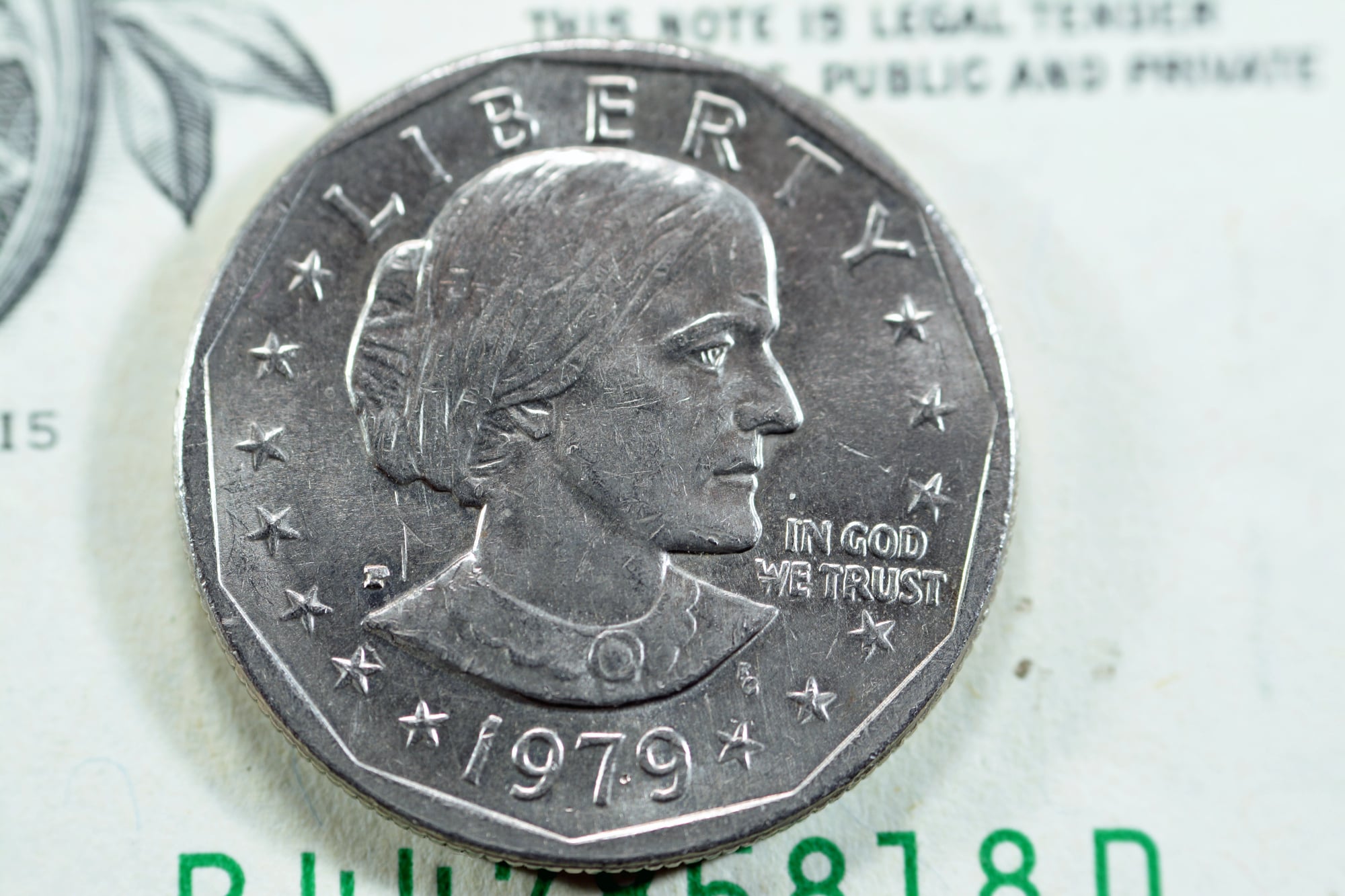
In 1873, Susan B. Anthony was tried for the crime of voting. She had cast a ballot in the 1872 presidential election, was arrested, and stood before a judge who had written his verdict before the trial began and refused to let the jury deliberate.
The judge fined her $100. She refused to pay.
The government, wisely, decided not to push it — there’s a reason her face ended up on a coin.
The McMartin Preschool Trial
The McMartin Preschool case ran from 1987 to 1990, made it through two trials, and ended with zero convictions — but not before destroying the lives of the accused and demonstrating how badly a child abuse investigation could go wrong when panic replaced process. The case became the longest and most expensive criminal trial in American history at the time, and the accusations, which grew increasingly fantastical, revealed how easily suggestible interview techniques with children could produce false testimony.
It was a genuine disaster in every direction.
The Nuremberg Trials
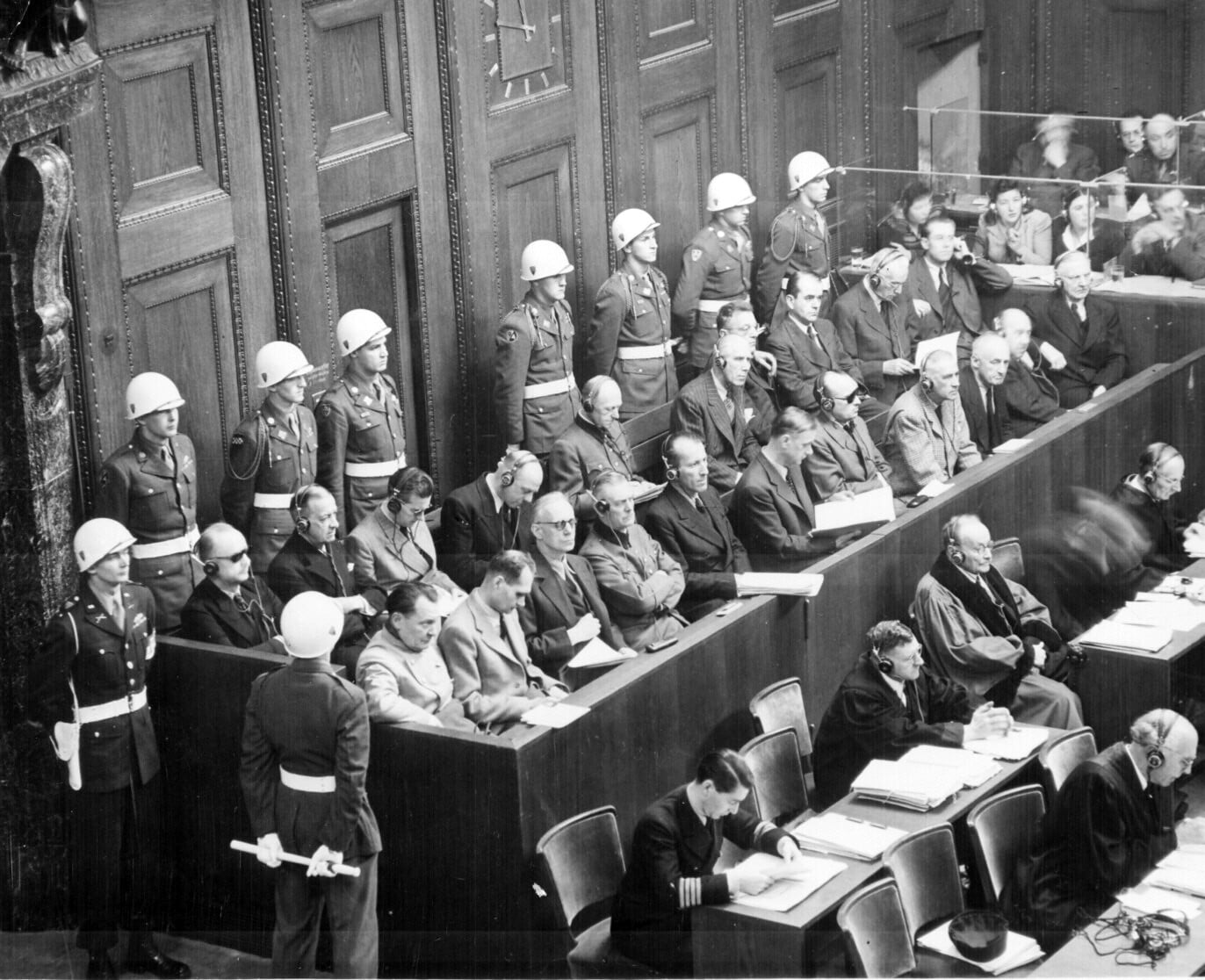
The Nuremberg Trials — held from 1945 to 1946 — established that following orders was not an acceptable defense for crimes against humanity, which sounds obvious until you realize no international court had ever made that ruling before. Twenty-four senior Nazi officials stood trial for war crimes, crimes against peace, and crimes against humanity, and the proceedings created the legal architecture that still governs international war crimes tribunals today.
Some thought the trials were victor’s justice; others saw them as the only sane response to what had happened. Both things contain truth.
The Menendez Brothers Trial
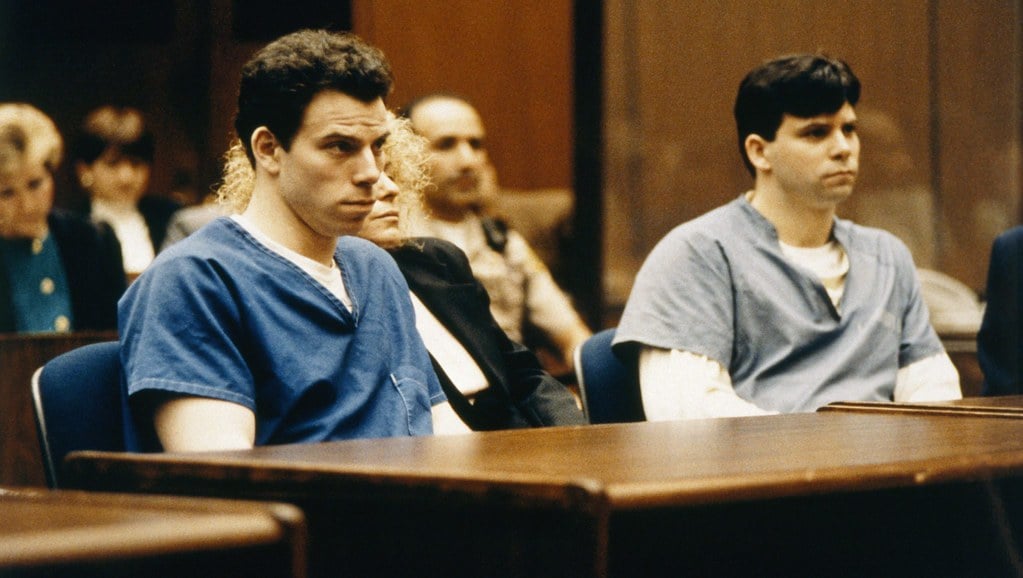
Lyle and Erik Menendez admitted to shooting their parents in 1989. The question was never what happened — it was why, and whether that why constituted a defense.
Their claim of years of severe abuse split the country between those who saw two young men broken by a monstrous home life and those who saw two spoiled sons who killed for an inheritance, and the disagreement felt less like a legal debate than a window into how differently people understand family, victimhood, and violence.
The Leo Frank Trial
Leo Frank, a Jewish factory superintendent in Atlanta, was convicted in 1913 of murdering 13-year-old Mary Phagan — a case saturated with antisemitism from the opening gavel. The governor commuted his sentence to life in prison after concluding the evidence was insufficient; a mob responded by abducting Frank from prison and lynching him.
His case directly led to the founding of the Anti-Defamation League, and the actual murderer, by most serious historical accounts, was almost certainly the janitor who testified against him.
The Emmett Till Murder Trial
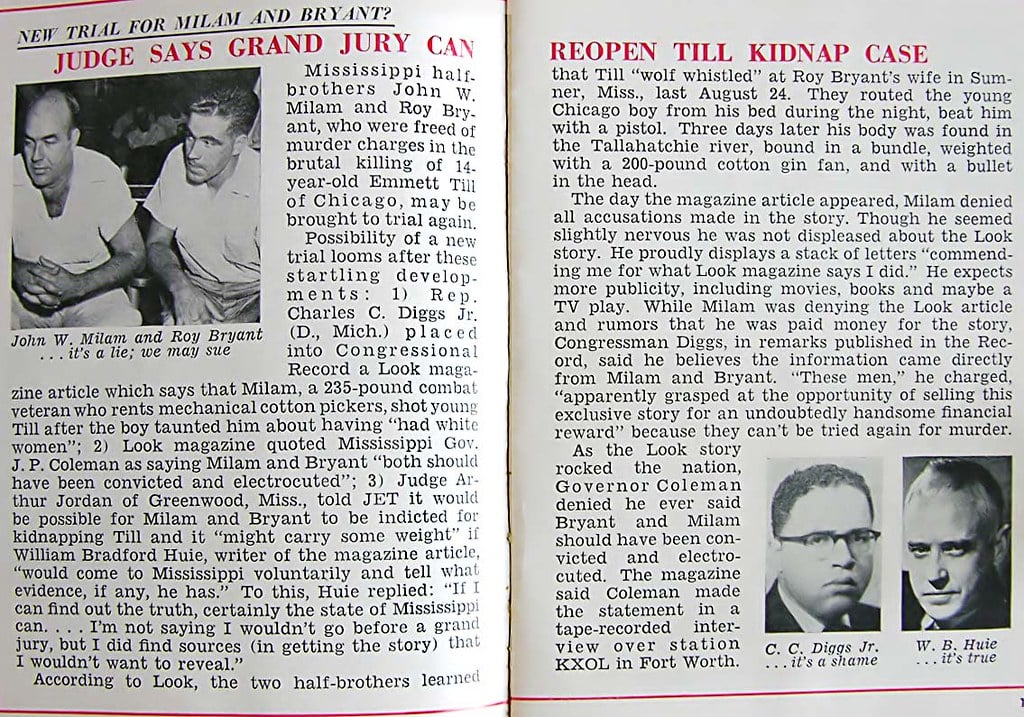
Roy Bryant and J.W. Milam stood trial in 1955 for the murder of 14-year-old Emmett Till. The all-white jury acquitted them in just over an hour.
Protected by double jeopardy, both men later confessed to the murder in a magazine interview. The trial — if it can be called that — galvanized the Civil Rights Movement and became the clearest possible evidence of what “justice” looked like in Mississippi in 1955, which is to say it looked like nothing at all.
The Trial of Lizzie Borden
Lizzie Borden was acquitted in 1893 of killing her father and stepmother with a hatchet, and the country immediately split into two camps that have never fully dissolved. The evidence was circumstantial, the prosecution’s case had real gaps, and the jury of twelve men may well have found it impossible to believe a well-bred New England woman capable of such violence.
Whether she did it remains one of American history’s most stubborn unsolved arguments — stubborn enough to survive a nursery rhyme.
The Pentagon Papers Trialv
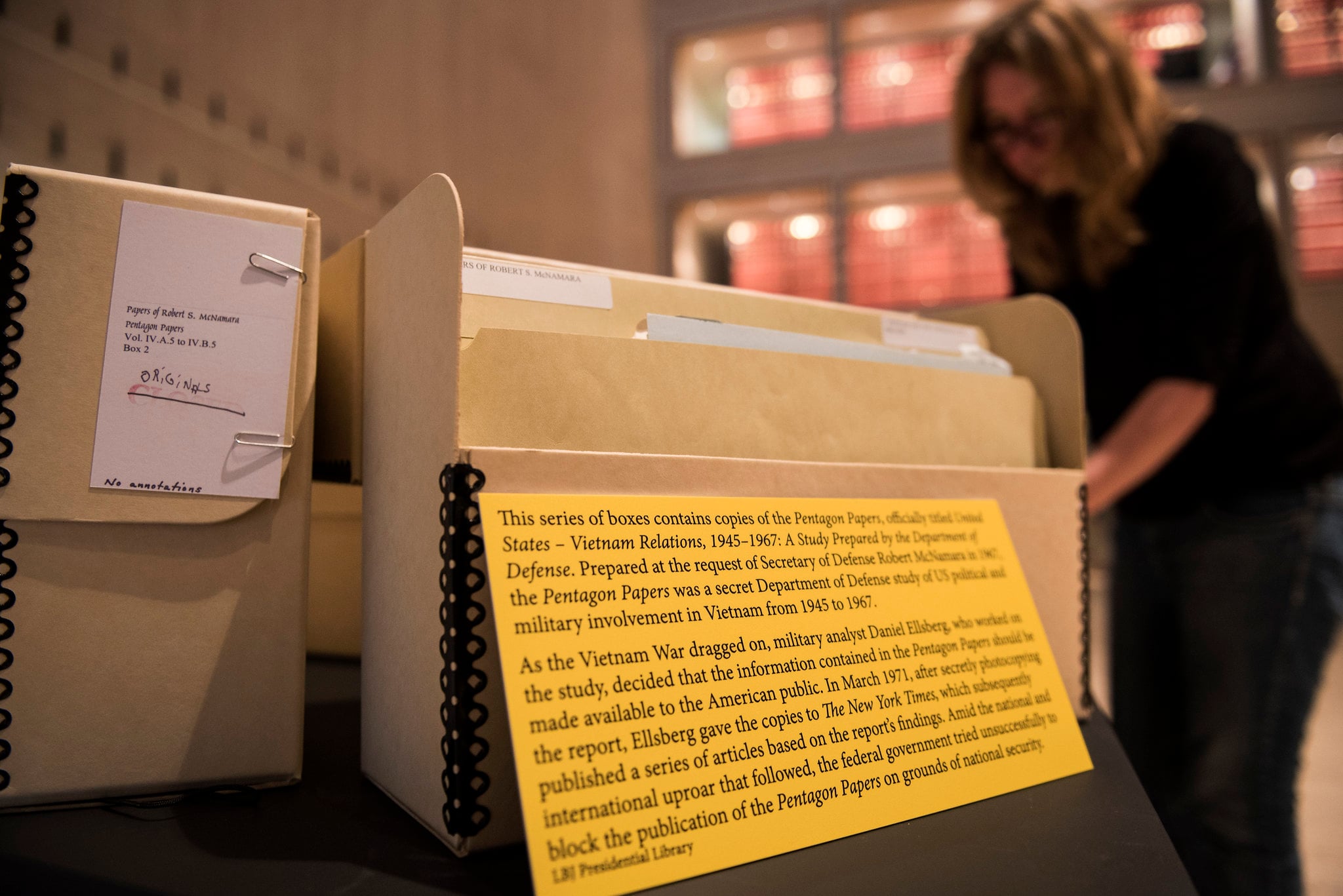
Daniel Ellsberg leaked 7,000 pages of classified Defense Department history showing that the government had systematically lied to the public about the Vietnam War, and the Nixon administration tried to stop newspapers from publishing them. The Supreme Court ruled 6-3 in favor of the press.
The case remains the clearest judicial statement on prior restraint in American history, and the government’s frantic efforts to suppress the papers now read as almost self-defeating, given how much attention those efforts drew.
The Impeachment Trial of Andrew Johnson
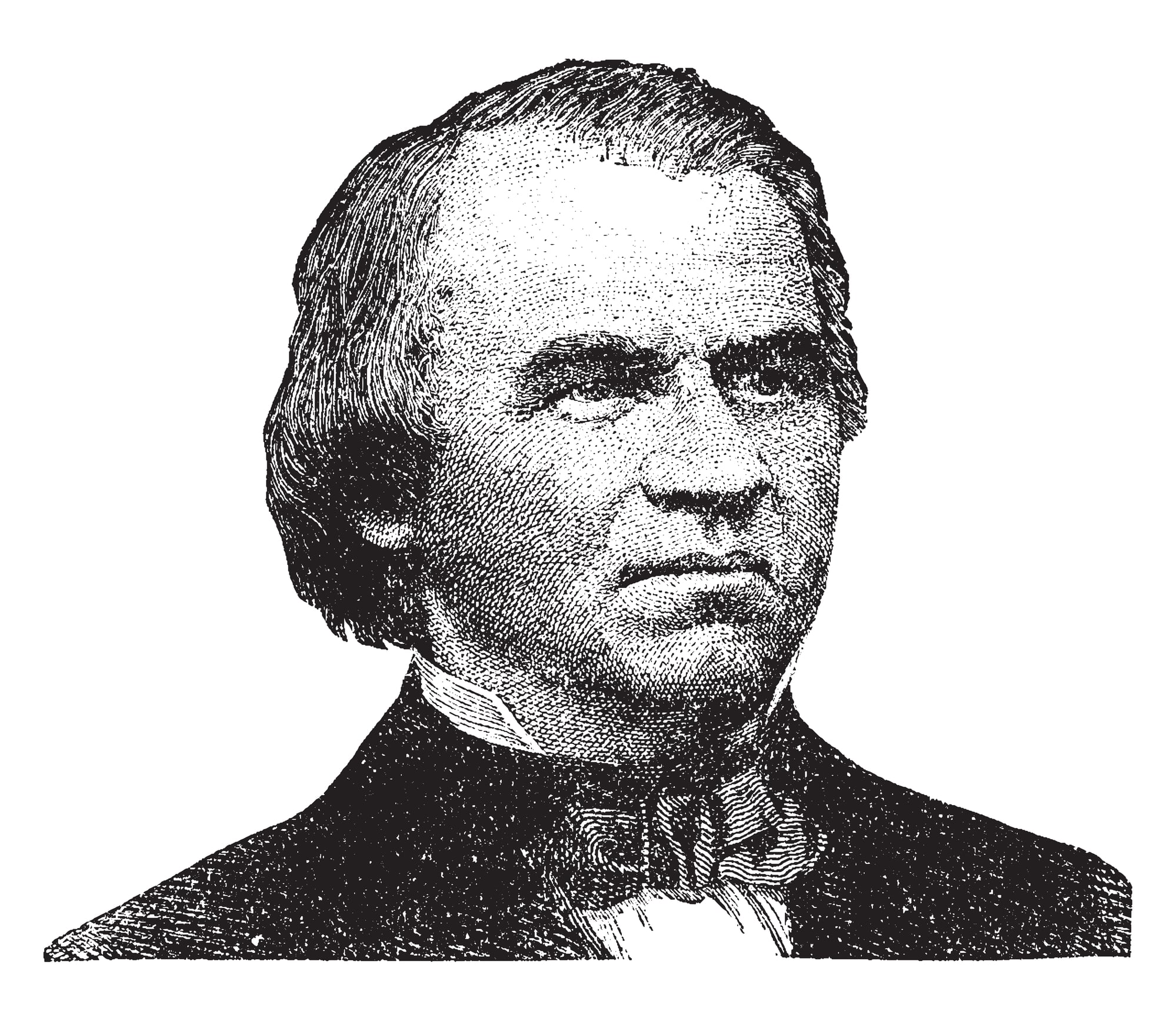
Andrew Johnson became the first U.S. president to be impeached in 1868, brought up on charges rooted in his defiance of the Tenure of Office Act. The Senate vote to convict fell one short of the required two-thirds, and Johnson survived.
The trial was always as much about Reconstruction policy and who would control the post-Civil War South as it was about any legal statute — which made the acquittal less a legal outcome than a political one, and the consequences for Black Americans in the South proved severe.
The Watergate Trials
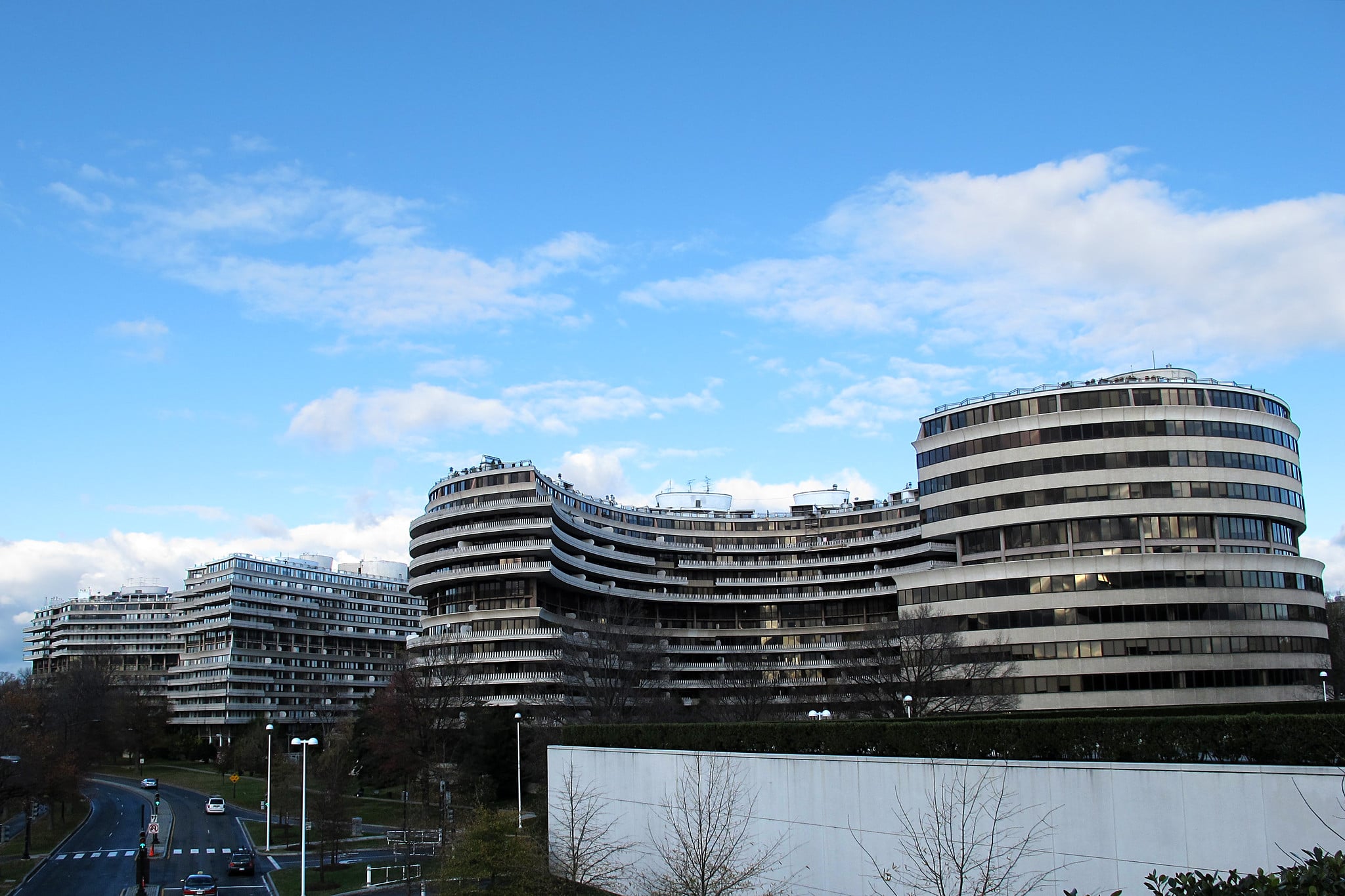
The Watergate prosecutions didn’t produce a single trial that defined the era — they produced dozens of convictions, several major prosecutions, and the only resignation of a sitting U.S. president. H.R. Haldeman, John Ehrlichman, and John Mitchell were among those convicted, and the whole sprawling legal aftermath made one thing unmistakably clear: the cover-up was always worse than the crime.
Which turned out to be saying quite a lot, given the crime.
The McVeigh Trial
Timothy McVeigh bombed the Alfred P. Murrah Federal Building in Oklahoma City in 1995, killing 168 people — including 19 children in a daycare center — and his trial in 1997 produced a death sentence that relatively few Americans disputed. What divided people was the question of what he represented: a lone radical, or a symptom of something deeper in American anti-government sentiment that the country preferred not to examine too carefully.
McVeigh was executed in 2001.
The Trial of Fatty Arbuckle
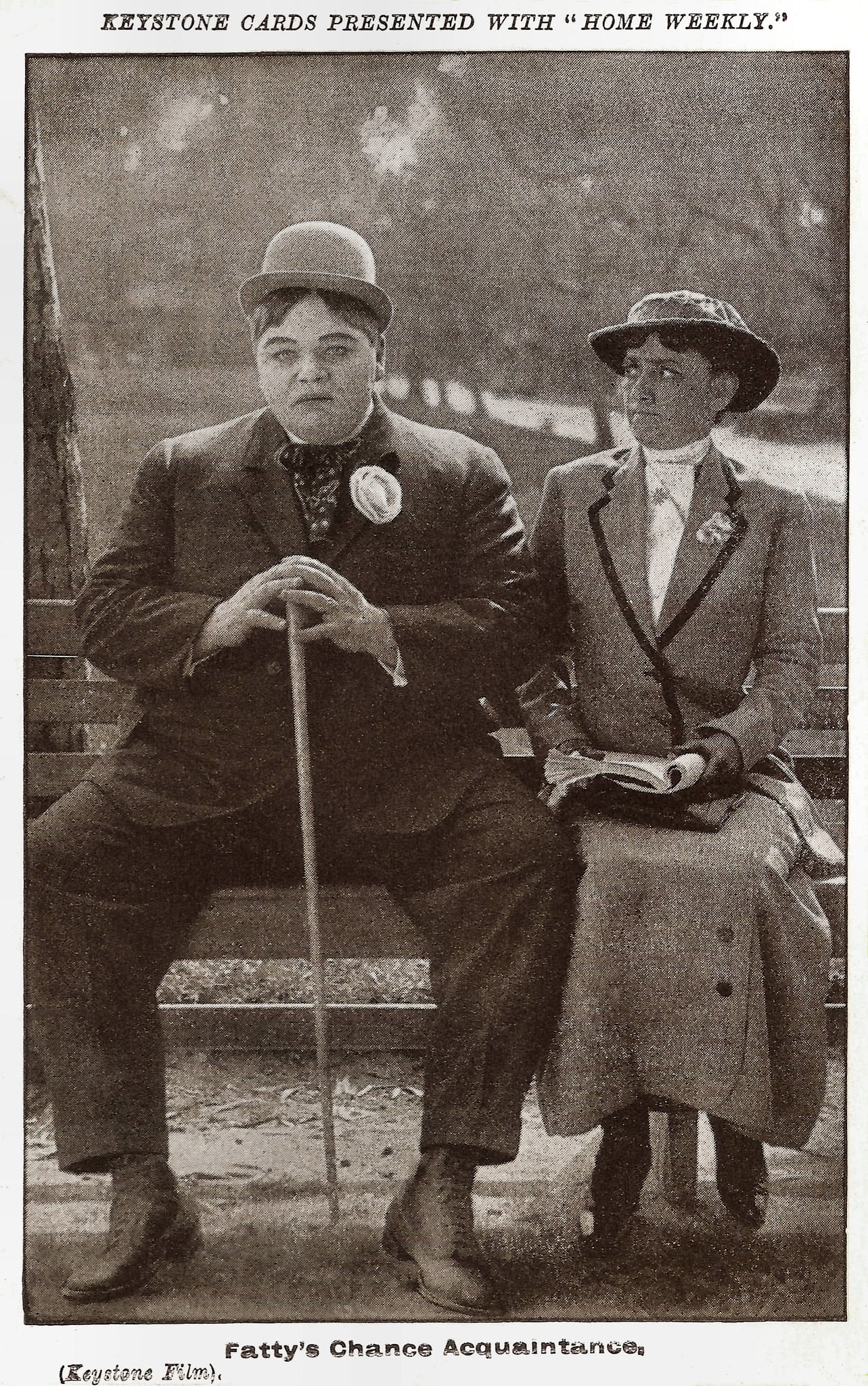
Roscoe “Fatty” Arbuckle — one of Hollywood’s biggest stars in the early 1920s — was tried three times for the death of actress Virginia Rappe following a party in San Francisco in 1921. The first two trials ended in hung juries; the third acquitted him in minutes, the jury issuing a formal written apology.
The trials destroyed his career anyway, because the tabloid coverage had already rendered the verdict irrelevant, and the whole episode established a template for celebrity scandal that Hollywood has been repeating ever since.
The Impeachment Trial of Bill Clinton
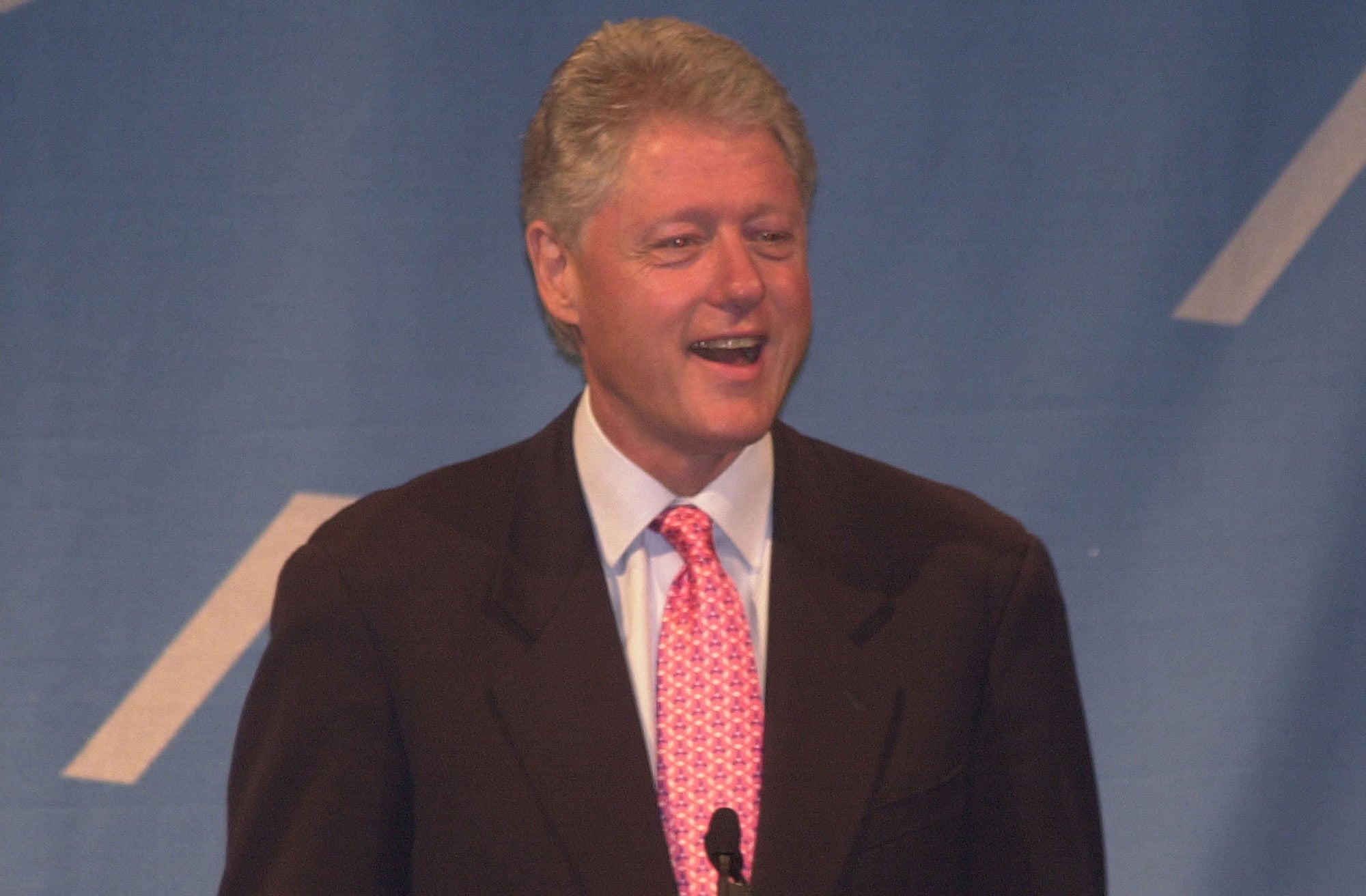
Bill Clinton was impeached by the House in 1998 for perjury and obstruction of justice related to his affair with a White House intern, and the Senate acquitted him on both counts. The country divided almost entirely along party lines, with the disagreement centering less on what happened than on whether what happened warranted removal from office.
Clinton left office with a 65% approval rating, which suggested a large portion of Americans had arrived at their own verdict independently of the Senate’s.
The Scott Peterson Trial
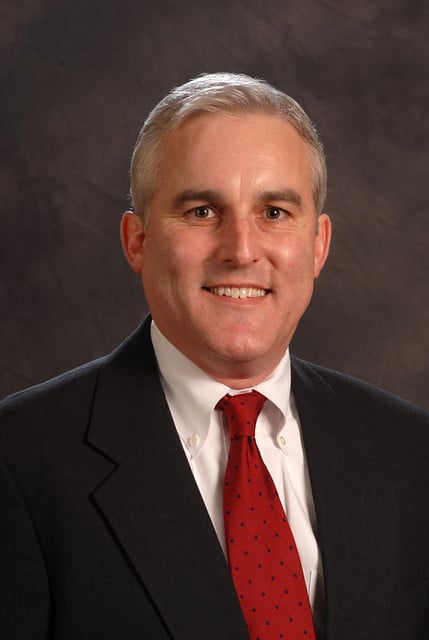
Scott Peterson was convicted in 2004 of killing his pregnant wife Laci on Christmas Eve 2002, and the trial became a fixture of cable news in a way that now feels like the opening act of a much longer era of true crime consumption. The evidence was circumstantial — no murder weapon, no witnesses, no confession — but a pattern of behavior, a mistress, and a body found near where Peterson claimed to have been fishing on the day she disappeared proved enough for the jury.
Peterson was sentenced to death; the case remained contested among true crime communities for years.
The Jodi Arias Trial
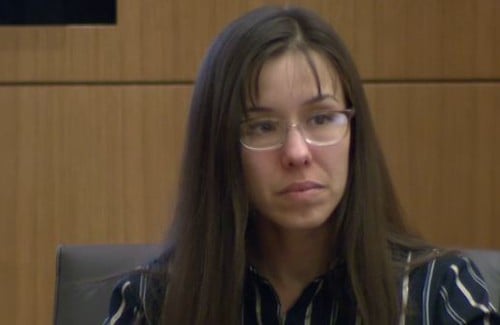
The 2013 trial of Jodi Arias for the murder of Travis Alexander was 18 days of nationally televised testimony that felt less like a criminal proceeding and more like something else entirely. Arias had admitted to the killing but claimed self-defense, and the details — the photographs, the text messages, the physical evidence — were graphic enough that the trial generated genuine debate about how much of this spectacle served justice and how much of it just served ratings.
She was convicted of first-degree murder.
The George Zimmerman Trial
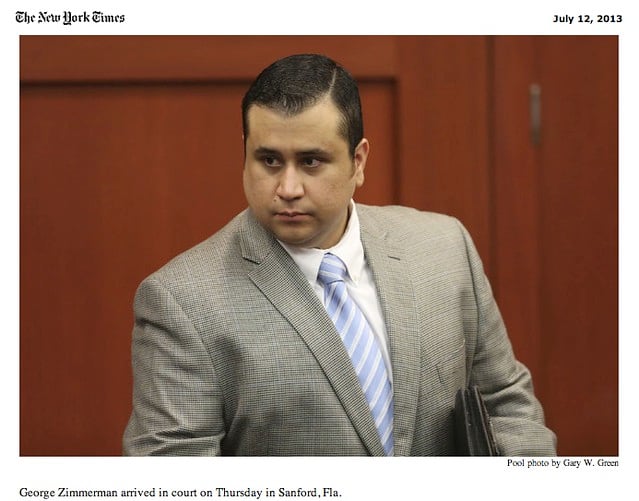
George Zimmerman shot and killed 17-year-old Trayvon Martin in February 2012, and his acquittal in 2013 on a self-defense claim under Florida’s Stand Your Ground statute produced one of the sharpest national splits in recent memory. The verdict helped give rise to the Black Lives Matter movement, and the arguments it sparked — about race, about self-defense law, about who gets to feel threatened and act on it — haven’t resolved.
They’ve intensified.
The Derek Chauvin Trial
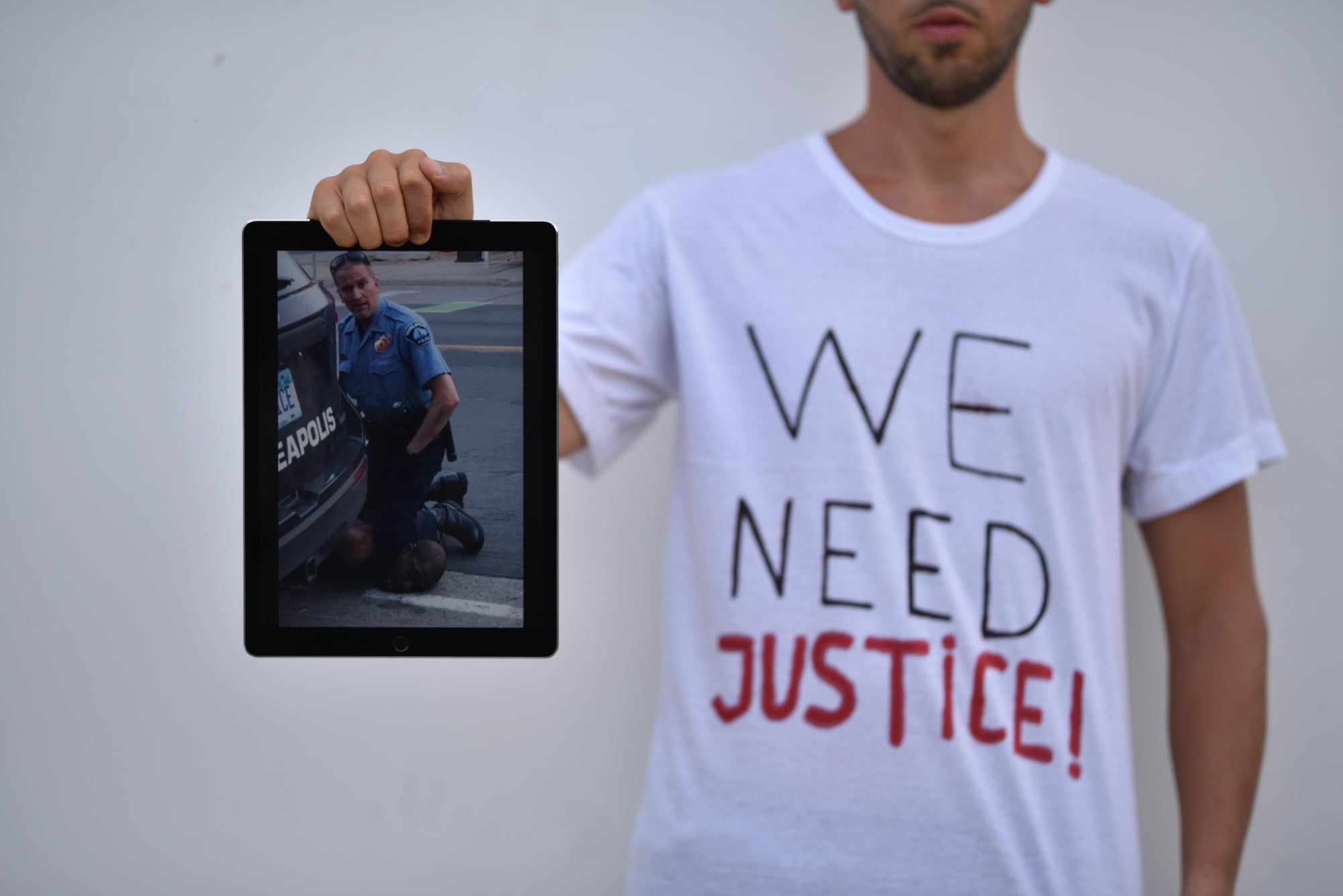
Derek Chauvin was convicted in April 2021 of murdering George Floyd, and the verdict — reached after a trial in which the killing had been witnessed on video by the entire world — was met with something that felt almost like collective exhale. Not celebration, exactly, but relief that the system had produced a result that matched the evidence for once.
The divisions the trial exposed — about policing, accountability, and race — ran as deep as any in this list. The conviction was an outcome, not a resolution.
What a Verdict Can and Cannot Do
A verdict closes a case. It does not close the argument.
These 28 trials stand as proof that some questions — about race, about power, about who deserves the presumption of innocence and who never had it — exceed what any jury, any judge, or any legal system can answer. The courtroom is not equipped to settle a country’s soul.
What these trials actually reveal is the gap between the law as written and justice as experienced, and that gap has always been wide enough for an entire nation to fall into.
More from Go2Tutors!

- The Romanov Crown Jewels and Their Tragic Fate
- 13 Historical Mysteries That Science Still Can’t Solve
- Famous Hoaxes That Fooled the World for Years
- 15 Child Stars with Tragic Adult Lives
- 16 Famous Jewelry Pieces in History
Like Go2Tutors’s content? Follow us on MSN.