17 Luxury Brand Secrets That Justify Their High Prices
Ever wonder why that designer handbag costs more than your monthly rent, or why luxury watches can run into six figures? The world of high-end brands operates on principles that go far beyond simple markup schemes. These companies have mastered the art of creating value through methods most people never see or fully understand.
The price tags might make you wince, but there’s actually a sophisticated strategy behind every luxury purchase. Here is a list of 17 insider secrets that explain why luxury brands can command such premium prices.
Artificial Scarcity Creates Desire

Luxury brands deliberately limit production to maintain exclusivity. Hermès produces only about two hundred thousand Birkin bags annually worldwide, even though demand far exceeds supply.
This scarcity model makes customers feel special when they finally acquire the item. The harder something is to get, the more people want it.
Heritage and Craftsmanship Stories

Every luxury brand sells a narrative alongside their products. Louis Vuitton emphasizes its long history of trunk-making for European royalty.
Swiss watchmakers highlight centuries-old techniques passed down through generations. These stories transform simple purchases into investments in tradition and artistry.
Materials That Actually Cost More

High-end brands genuinely use superior materials that justify higher costs. Cashmere from specific regions of Mongolia, leather from particular farms in Italy, or gold from certified mines all command premium prices.
The difference in material quality between luxury and mass-market items is often substantial and measurable.
Labor-Intensive Production Methods

Luxury goods often require significantly more human hours to produce. A single Chanel suit can take up to one hundred hours of hand-sewing by skilled artisans.
Italian shoemakers might spend weeks crafting one pair of bespoke shoes. This labor intensity drives up costs but creates products with superior construction and attention to detail.
Research and Development Investments

Luxury brands pour enormous resources into innovation that trickles down to their entire product line. Ferrari spends hundreds of millions on Formula One racing to develop technologies that eventually appear in their road cars.
Swiss watch companies invest years perfecting new movement complications that enhance their brand reputation.
Quality Control Standards
Premium brands maintain quality standards that would bankrupt most companies. Rolex tests every watch movement for weeks before assembly.
Luxury car manufacturers conduct thousands of hours of testing in extreme conditions. These rigorous standards ensure products last decades rather than years.
Exclusive Retail Experiences

The shopping experience itself adds significant value for luxury consumers. Personal shoppers, private viewing rooms, custom fittings, and concierge services all cost money to provide.
These experiences make customers feel valued and create emotional connections that justify premium pricing.
Celebrity and Influencer Partnerships
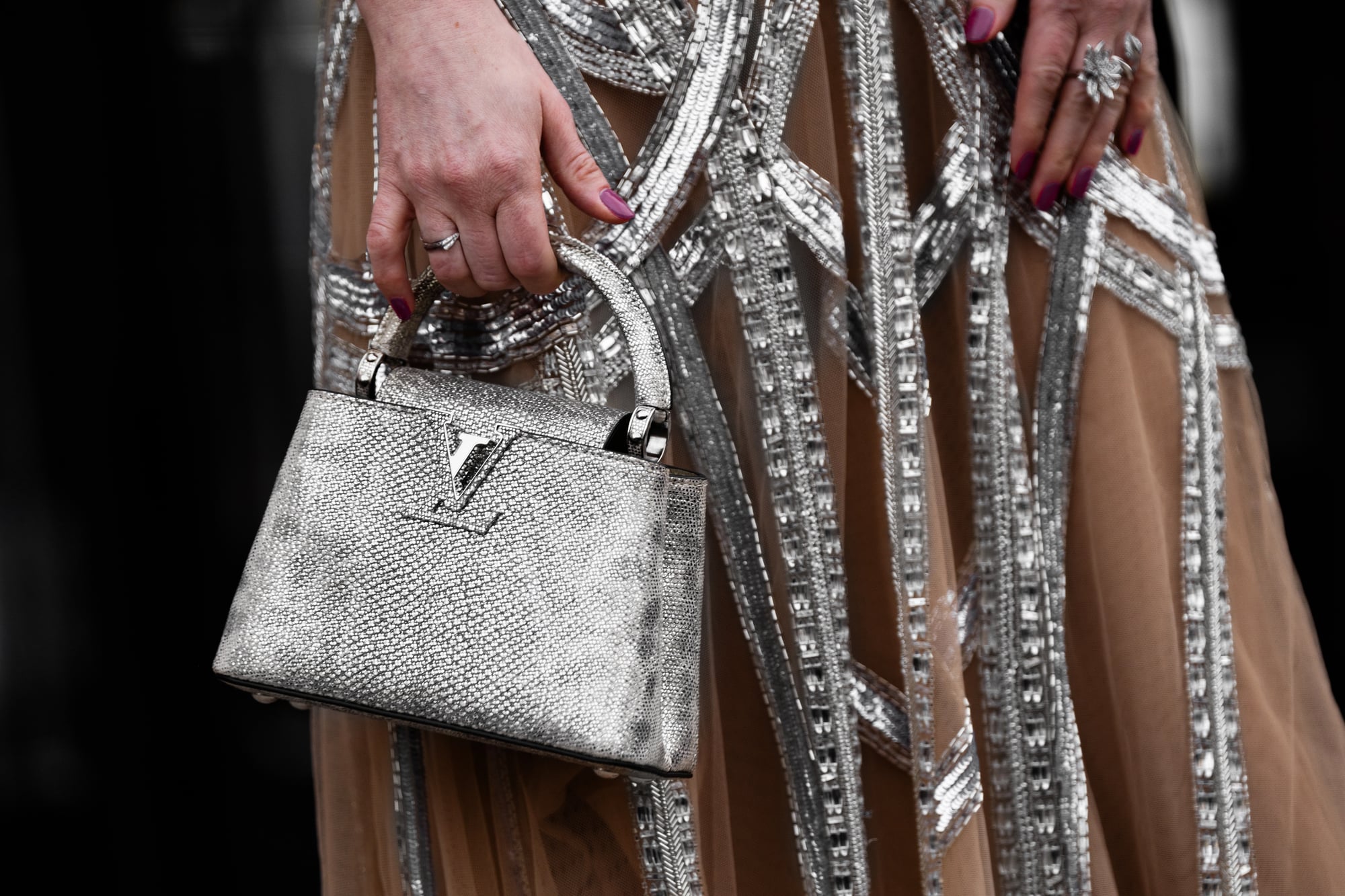
Luxury brands spend astronomical amounts on celebrity endorsements and partnerships. A single campaign with a major celebrity can cost millions, but it creates aspirational value that resonates with consumers.
When people see their favorite stars wearing certain brands, those items become symbols of success.
Limited Edition and Collaboration Strategies

Special releases and designer collaborations create buzz and command higher prices. Supreme’s limited drops sell out in minutes, often reselling for multiples of retail price.
These strategies make regular products seem more accessible while maintaining brand prestige through exclusive offerings.
Vertical Integration and Control

Many luxury brands own their entire supply chain, from raw materials to retail stores. LVMH controls leather tanneries, glass factories, and distribution networks.
This integration ensures quality consistency but requires massive capital investments that get reflected in final pricing.
Brand Protection and Legal Costs

Luxury companies spend fortunes protecting their intellectual property and fighting counterfeiting. Legal teams work constantly to maintain trademark protections across global markets.
These behind-the-scenes costs contribute to the premium pricing structure but preserve brand integrity.
Seasonal and Trend Forecasting

High-end fashion brands employ teams of trend forecasters and cultural analysts to predict what consumers will want years in advance. This research helps them stay ahead of mass-market competitors but requires significant investment in human resources and market intelligence.
Personalization and Customization Services
Luxury brands offer extensive customization options that mass-market companies cannot match. Bentley offers millions of color combinations and interior options.
Custom tailoring, monogramming, and bespoke services require skilled craftspeople and flexible manufacturing processes that increase costs substantially.
After-Sales Service and Warranties

Premium brands provide comprehensive after-sales support that can last decades. Luxury watch brands offer lifetime servicing, leather goods companies provide repair services, and high-end car manufacturers maintain extensive parts inventories for vintage models.
These long-term commitments require significant resources.
Location and Real Estate Costs

Luxury brands pay premium rents for prime retail locations on Fifth Avenue, Rodeo Drive, and the Champs-Élysées. These flagship stores serve as brand ambassadors but cost millions annually to maintain.
The prestige of these locations becomes part of the brand value proposition.
Psychological Pricing Strategies
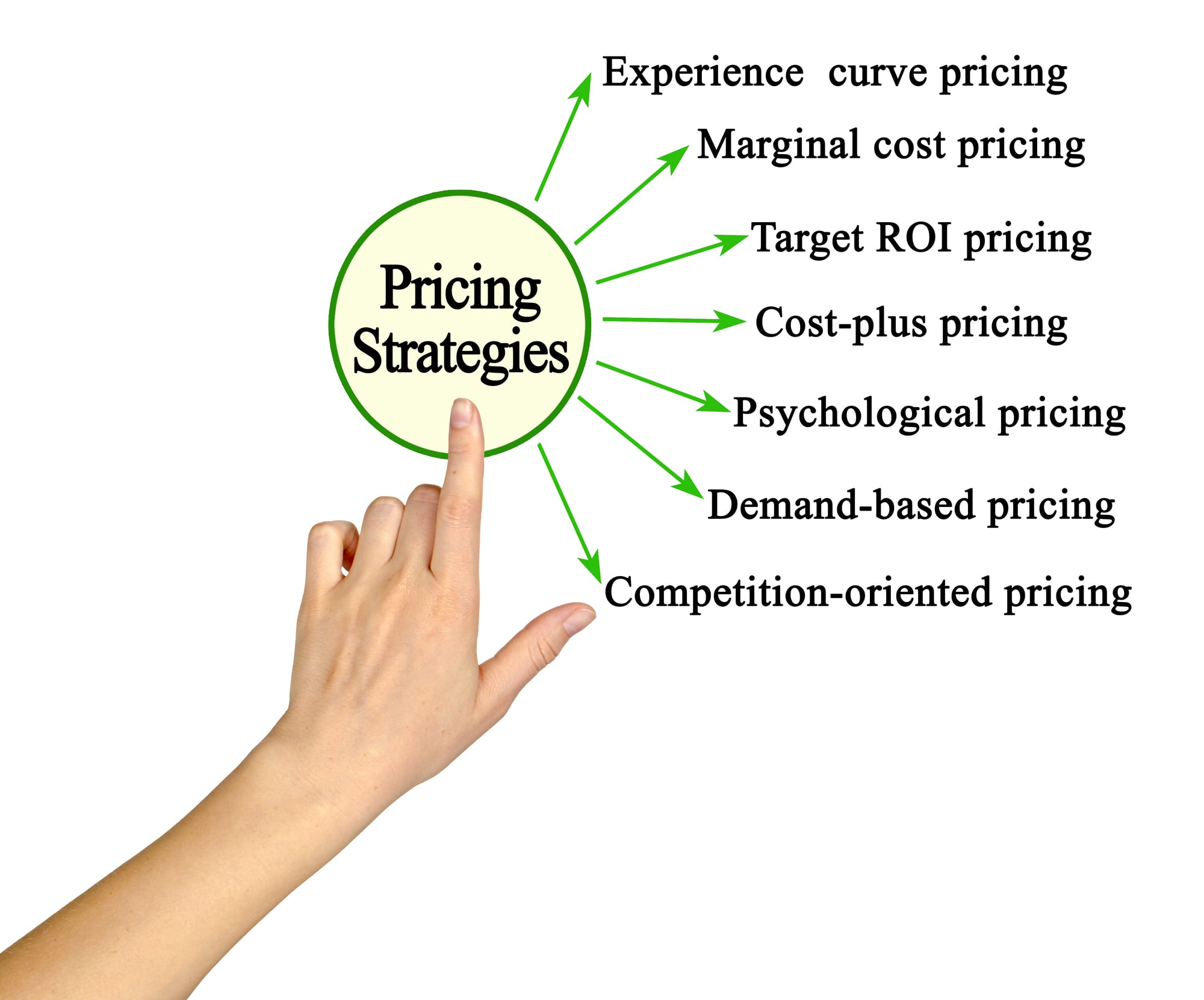
Luxury brands use sophisticated pricing psychology to maximize perceived value. Odd pricing points, anchor pricing, and strategic price increases all influence consumer behavior.
These companies employ behavioral economists to optimize pricing strategies that maximize both sales and brand perception.
Supply Chain Complexity and Risk Management

Luxury goods often involve complex global supply chains with multiple quality checkpoints. Italian leather might be processed in France, assembled in Switzerland, and finished in Germany.
Managing these intricate networks requires sophisticated logistics and quality assurance systems that add significant costs.
The Psychology Behind the Price Tag

Understanding these secrets reveals that luxury pricing isn’t just about exploitation—it reflects genuine differences in materials, craftsmanship, and brand building. Companies that consistently deliver on these promises build customer loyalty that spans generations.
While the markups remain substantial, the value creation process involves far more complexity and investment than most people realize. The next time you see those eye-watering price tags, you’ll know there’s usually more than meets the eye behind the premium.
More from Go2Tutors!

- The Romanov Crown Jewels and Their Tragic Fate
- 13 Historical Mysteries That Science Still Can’t Solve
- Famous Hoaxes That Fooled the World for Years
- 15 Child Stars with Tragic Adult Lives
- 16 Famous Jewelry Pieces in History
Like Go2Tutors’s content? Follow us on MSN.