16 Recording Studios Where Music History Was Made
Certain places possess an almost mystical ability to bring out the best in musicians. These legendary studios transcended their role as mere recording facilities—they became creative catalysts where artists discovered new sounds, challenged conventions, and created music that would define entire generations.
From Detroit’s hit factory to London’s most famous crosswalk, these spaces didn’t just document musical evolution; they actively shaped it. Here is a list of 16 recording studios that transformed from simple buildings into hallowed ground for music lovers worldwide.
Abbey Road Studios

That famous crosswalk might draw tourists, but the real magic happened inside Abbey Road’s recording chambers. The Beatles made this London institution their creative headquarters throughout most of their career, producing everything from the psychedelic experimentation of ‘Sgt. Pepper’s’ to their swan song ‘Abbey Road’.
Pink Floyd also spent extensive time here crafting ‘The Dark Side of the Moon’—using the facility’s advanced technology to pioneer sounds that nobody had imagined possible.
Sun Studio

Sam Phillips opened this compact Memphis studio in, though he probably never anticipated it would earn the title ‘The Birthplace of Rock and Roll’. When Elvis walked through those doors in to record ‘That’s All Right’, he unknowingly launched a musical revolution.
Johnny Cash, J. Lee Lewis, and Carl Perkins followed suit—each contributing to the rockabilly sound that would echo through decades of popular music.
Muscle Shoals Sound Studio

This Alabama studio proved that musical magic could emerge from the most unexpected places. The house band, nicknamed the Swampers, created such an irresistible groove that artists traveled from across the globe just to capture that signature sound.
Aretha Franklin and the Rolling Stones were among the many who discovered that sometimes the best recordings happen far from the industry’s traditional centers—Percy Sledge’s ‘When a Man Loves a Woman’ being a perfect example.
Hitsville U.S.A.

Berry Gordy Jr. converted an ordinary Detroit house into Motown’s headquarters, where he refined what became the definitive ‘Motown Sound’. Studio A was remarkably small, yet it produced the era’s most sophisticated pop music through artists like The Supremes, Temptations, and Stevie Wonder.
Those wooden floors absorbed countless hours of rehearsals, recording sessions, and spontaneous dance moves—creating an atmosphere where hit songs seemed to materialize effortlessly.
Electric Lady Studios

Jimi Hendrix invested his entire fortune into building this Greenwich Village sanctuary, designing every detail to support unlimited creative exploration. Though Hendrix recorded only briefly there before his death, Electric Lady attracted rock royalty including Led Zeppelin, David Bowie, and the Clash.
The studio’s curved walls and custom mixing board created acoustics that musicians still seek out today—proving Hendrix’s vision was ahead of its time.
Capitol Studios
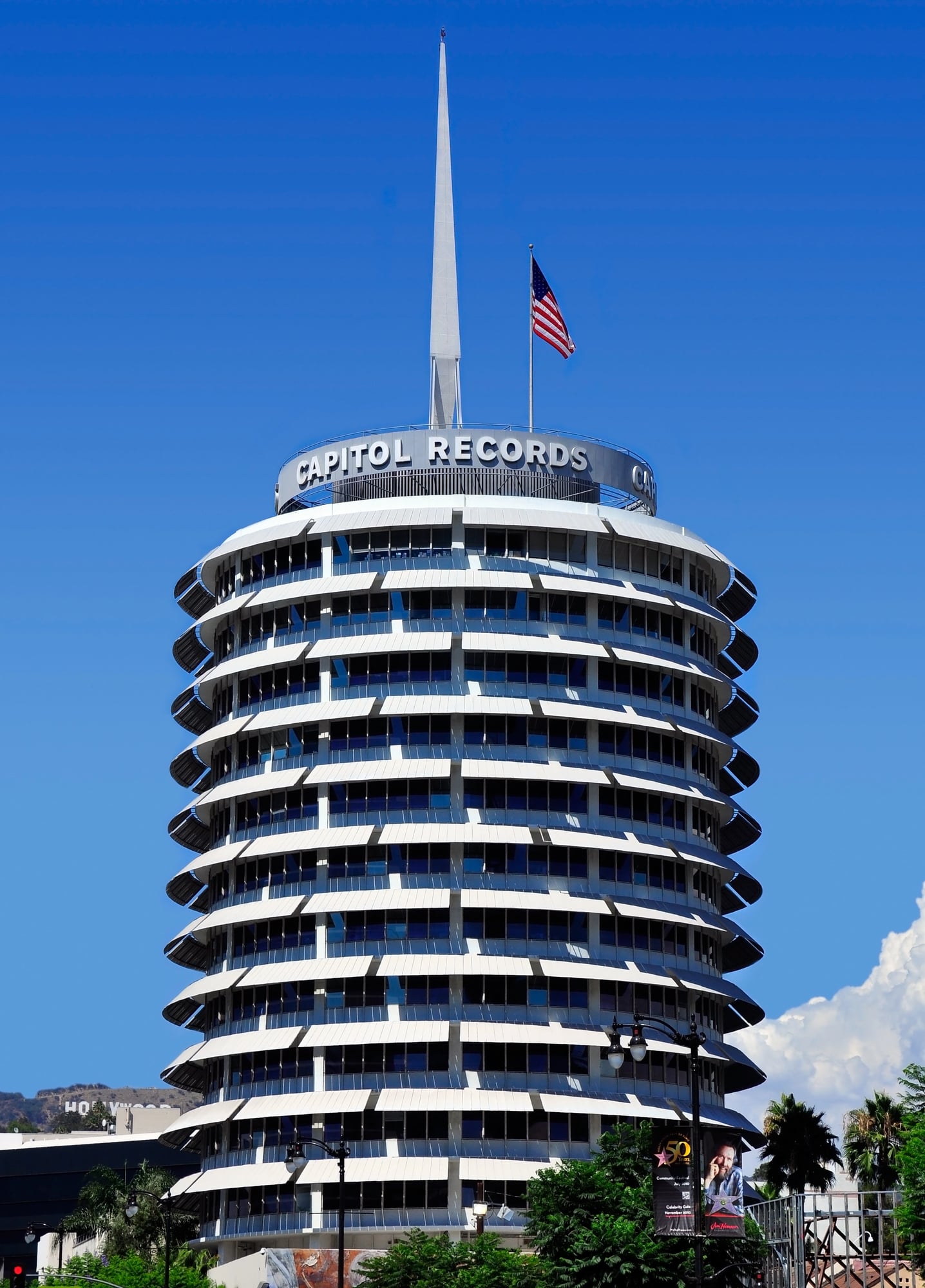
The cylindrical Capitol Records tower in Hollywood houses studios that have welcomed everyone from Frank Sinatra to contemporary acts like Radiohead. Built-in echo chambers beneath the building created the distinctive reverb that defined countless recordings.
Nat King Cole laid down many of his classics here, while the Beach Boys developed their complex harmonies in these same acoustically perfect rooms.
Olympic Studios
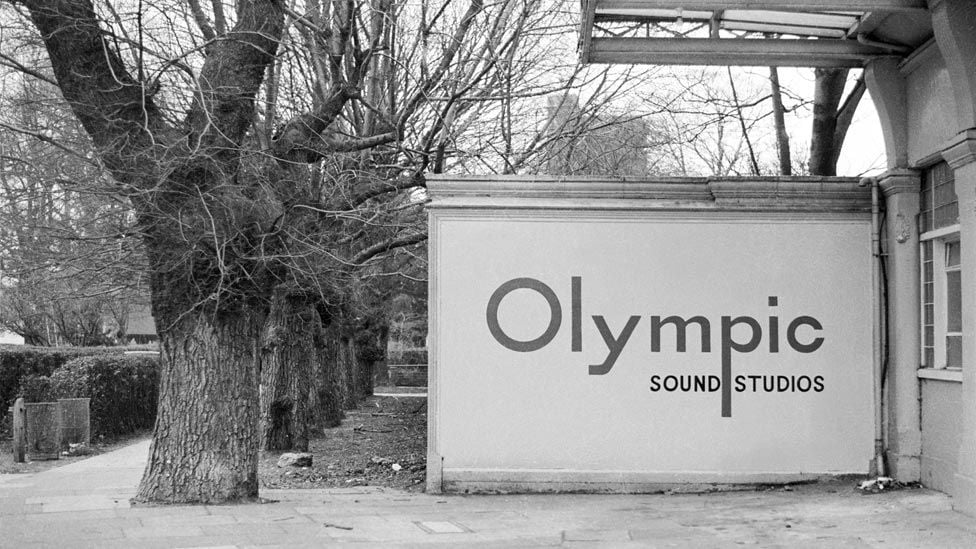
This London facility became virtually synonymous with the British Invasion—hosting the Rolling Stones, Led Zeppelin, and The Who during their most productive years. The Stones cut ‘Satisfaction’ here, though it was Led Zeppelin’s work on ‘Led Zeppelin IV’ (including ‘Stairway to Heaven’) that truly demonstrated the studio’s capacity for epic recordings.
The relaxed environment encouraged artists to experiment freely—often resulting in their most innovative material.
Stax Records
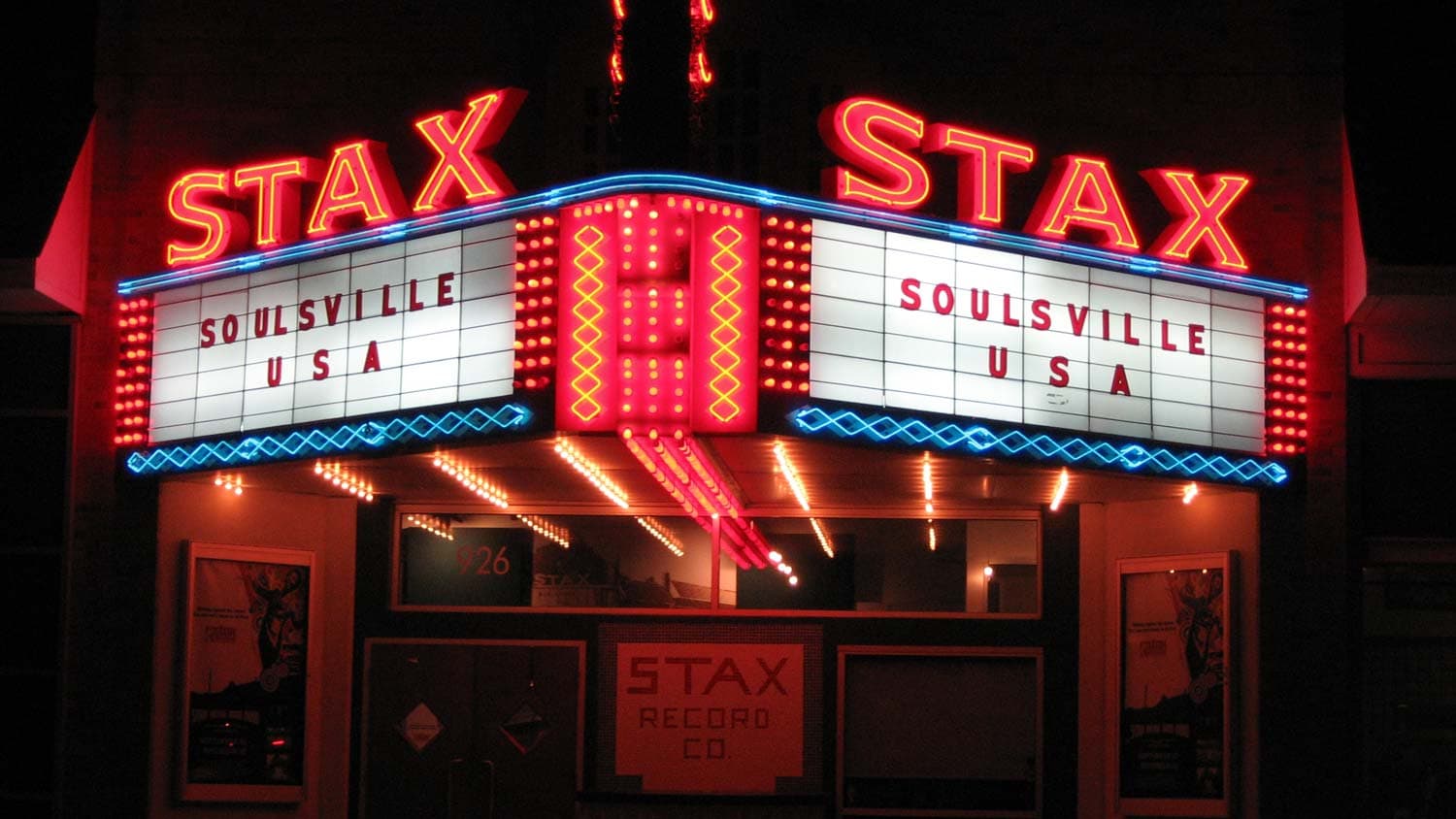
A converted Memphis movie theater became the unlikely headquarters for Southern soul music throughout the 1960s. Otis Redding, Isaac Hayes, and Booker T. & the M.G.’s developed a grittier, more emotional approach that contrasted sharply with Motown’s polished production style.
The tight rhythm section provided the foundation for classics like ‘Green Onions’ and ‘Soul Man’—proving that raw authenticity could be just as powerful as technical perfection.
Sound City Studios

This Van Nuys studio gained legendary status primarily through its custom Neve recording console, which captured the unfiltered energy that made grunge and alternative rock so compelling. Nirvana’s ‘Nevermind’ was born here, though Fleetwood Mac had already spent months perfecting ‘Rumours’ using the same equipment.
The studio’s reputation for analog warmth drew artists who preferred organic sound over digital precision.
Chess Records

Operating from various Chicago locations, Chess Records launched electric blues and early rock and roll into the mainstream. Muddy Waters, Howlin’ Wolf, and Chuck Berry recorded their most influential material for the label—creating templates that rock musicians still follow today.
Chess’s willingness to embrace amplification and rhythm helped transform blues from its acoustic folk origins into an electric force that would influence everyone from the Beatles to countless garage bands.
Power Station

This Manhattan studio earned its reputation by hosting some of the most ambitious recording projects from the 1980s onward. Bruce Springsteen created ‘Born in the U.S.A.’ here, while David Bowie and Madonna also utilized the facility’s cutting-edge technology for their biggest commercial successes.
Its Midtown location made it incredibly convenient for artists who needed to be close to industry decision-makers and media outlets.
Village Recorders
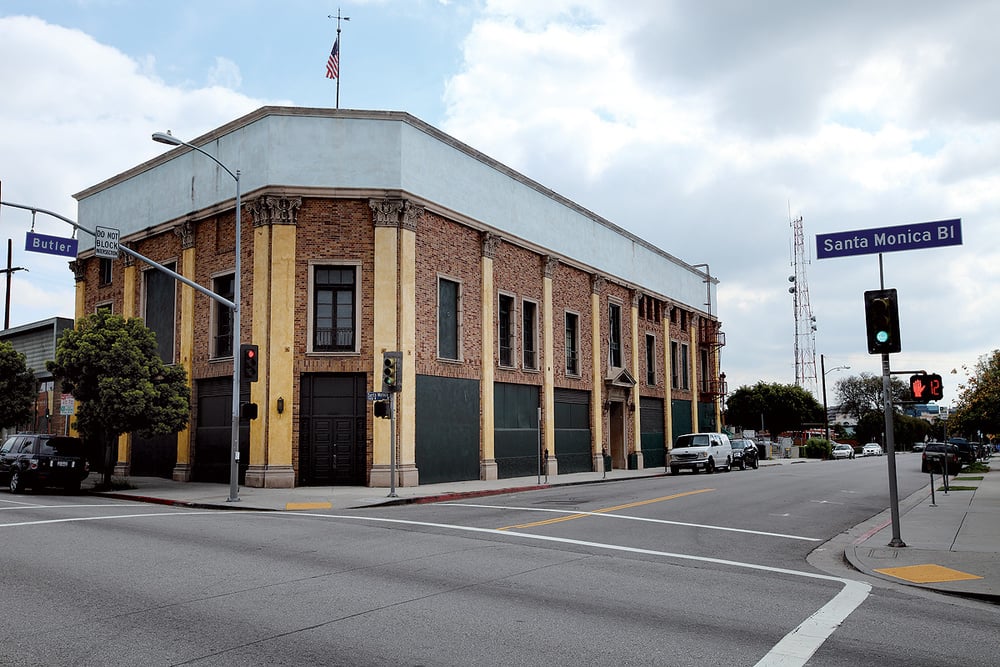
Nestled in West Los Angeles, Village Recorders offered artists a more intimate alternative to the larger commercial facilities. The Eagles famously spent months here perfecting ‘Hotel California’, meticulously crafting every guitar part and vocal arrangement in the studio’s comfortable, residential atmosphere.
Steely Dan also gravitated toward this space, using its superior acoustics to achieve their characteristically precise sound.
CBGB’s Recording Studio

While CBGB is remembered primarily as the punk club that launched a thousand bands, Hilly Kristal also maintained a small recording studio above the venue. This cramped space perfectly captured the raw intensity of New York’s punk explosion, documenting early work by Television, Talking Heads, and Blondie.
The studio’s deliberately lo-fi aesthetic matched punk’s DIY philosophy, demonstrating that powerful recordings didn’t require expensive gear or pristine conditions.
Paisley Park

Prince’s Minnesota complex included an extensive recording facility where he pursued his most experimental musical ideas. The Purple Rain soundtrack, ‘1999’, and numerous other classics emerged from these studios, which were specifically designed to support his vision of complete creative autonomy.
Multiple rooms allowed Prince to work on different projects simultaneously, often with minimal outside interference or input.
The Record Plant

With facilities in both New York and Los Angeles, The Record Plant attracted artists eager to explore the outer limits of studio possibilities. John Lennon recorded ‘Imagine’ at the New York location, while Stevie Wonder crafted ‘Songs in the Key of Life’ on the West Coast.
The studio’s commitment to technical innovation and creative freedom made it particularly appealing to musicians who wanted to experiment with unconventional sounds and recording approaches.
RCA Studio B

This Nashville facility helped forge the ‘Nashville Sound’, transforming country music from its rural origins into a more commercially viable genre. Elvis recorded over two hundred forty songs here, including beloved tracks like ‘Are You Lonesome Tonight?’ and ‘It’s Now or Never’.
The studio’s distinctive echo chamber and that legendary corner piano contributed to a warm, intimate quality that defined Nashville recording standards for generations.
The Sound That Shaped Everything

These studios represent far more than locations where famous recordings happened to occur. They became creative sanctuaries where popular music found its voice, each developing distinctive sonic characteristics through unique equipment, architectural features, or simply the accumulated creative energy of countless breakthrough moments.
Though digital technology has democratized high-quality recording, these legendary spaces continue attracting artists who recognize that sometimes the most crucial element in creating memorable music is simply being surrounded by the ghosts of musical history. The creative spirits that once filled these rooms seem to linger, inspiring each new generation of musicians who enter hoping to add their own chapter to these ongoing musical legacies.
More from Go2Tutors!

- The Romanov Crown Jewels and Their Tragic Fate
- 13 Historical Mysteries That Science Still Can’t Solve
- Famous Hoaxes That Fooled the World for Years
- 15 Child Stars with Tragic Adult Lives
- 16 Famous Jewelry Pieces in History
Like Go2Tutors’s content? Follow us on MSN.



