County Fair Traditions That Barely Changed in a Century
There’s something almost stubborn about a county fair. Everything else in American life has been disrupted, digitized, or discontinued — and yet, every summer, the same tents go up, the same smells hit you from a hundred yards away, and the same ribbons get pinned to vegetables that somebody spent the better part of a year growing for exactly this moment.
It’s not nostalgia that keeps these traditions alive. It’s something more tenacious than that — a genuine, unspoken agreement between communities that some things are worth preserving without apology.
The 4-H Livestock Competition
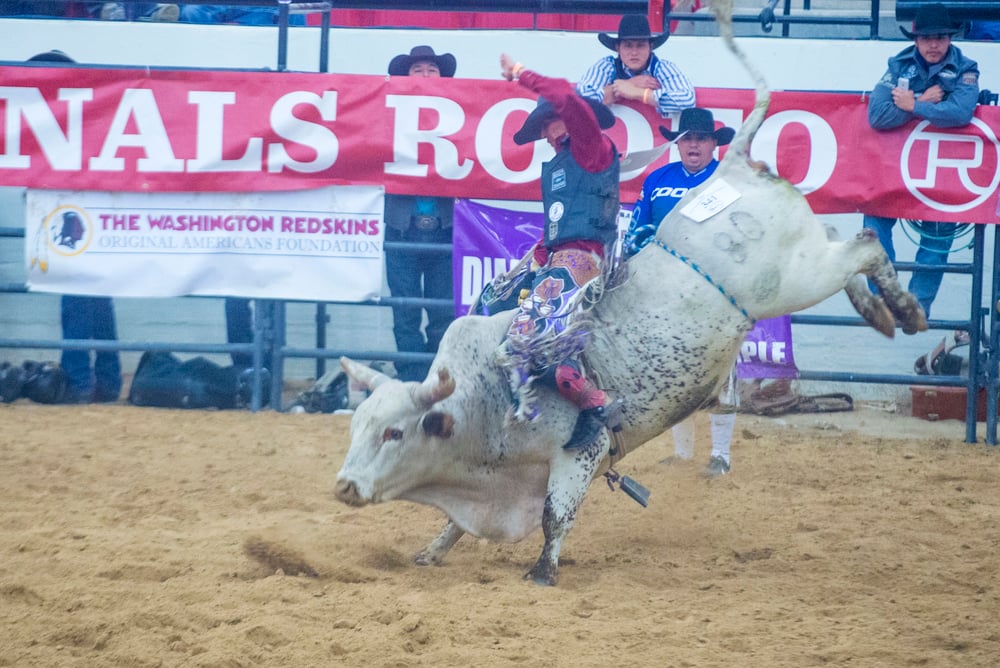
Kids raising animals to show at the fair is not a new idea — it’s one of the oldest rituals in American agricultural life. The 4-H program, which traces its roots to the early 1900s, put a formal structure around something farm families had always done: teaching children that animals require daily attention, patience, and a certain willingness to be inconvenienced at 5 a.m.
So the kids still show up, livestock still walk in circles around a sawdust ring, and judges still run their hands along the flanks of pigs and steers with the same deliberate authority they’ve always had.
The Pie-Baking Contest
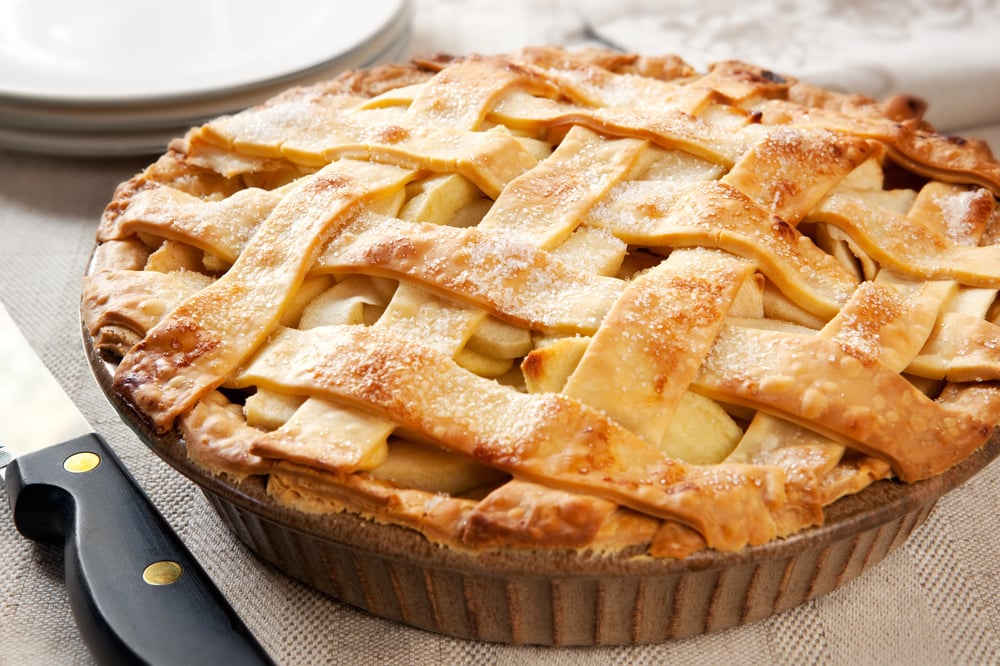
The pie-baking contest is a genuinely competitive event, and anyone who treats it as quaint has never stood next to the table when the judging begins. County fair baking competitions have been running continuously since the late 19th century, with early agricultural societies using them to promote domestic craftsmanship alongside crop farming.
The stakes — a ribbon, bragging rights, and the particular satisfaction of being declared better than your neighbor at something as personal as a crust — have never changed.
Blue Ribbon Produce
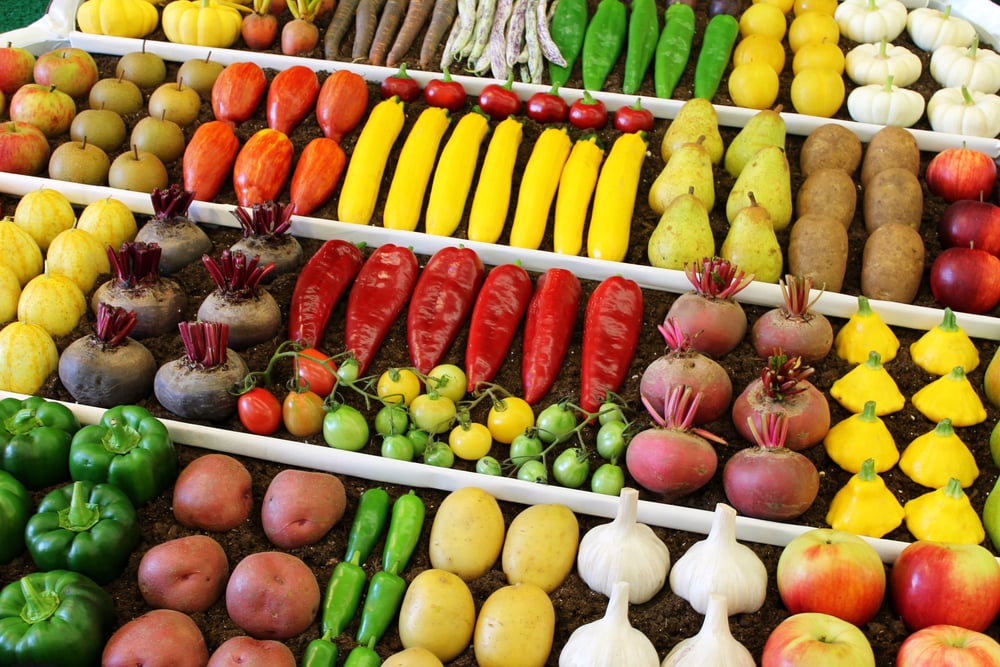
Somewhere between a sport and a slow obsession, the vegetable and fruit competition at a county fair operates on a logic that the outside world finds baffling — and regulars find completely reasonable. A grower who enters the same tomato category for thirty consecutive years is not being eccentric; they’re participating in a tradition that agricultural societies in the United States were actively organizing as early as the 1820s, when county fairs first began taking formal shape.
The blue ribbon, still that specific shade of deep cobalt, still pinned with that same small curl of white text, hasn’t fundamentally changed since.
The Ferris Wheel
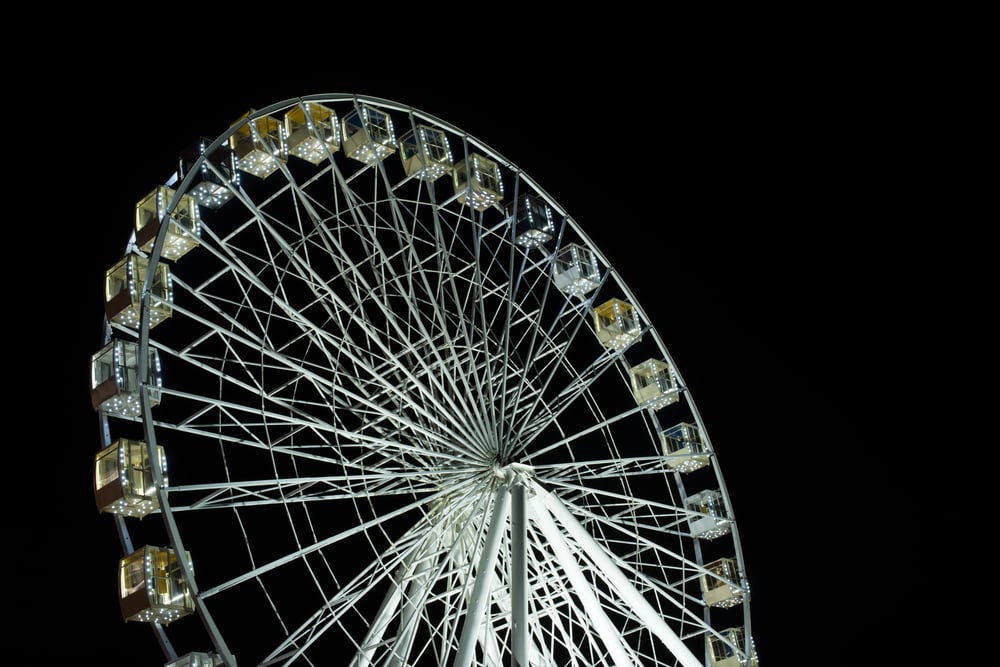
The Ferris wheel is the one piece of carnival infrastructure that never needed reinventing. The original design, introduced by George Washington Gale Ferris Jr. at the 1893 World’s Columbian Exposition in Chicago, was so mechanically sound and so perfectly suited to the experience of slowly rotating above a fairground that the basic form simply stuck.
You still board a gondola, still rise above the noise, and still get that moment — somewhere near the top — where the whole fair shrinks below you into something that looks almost manageable.
Livestock Judging by Breed
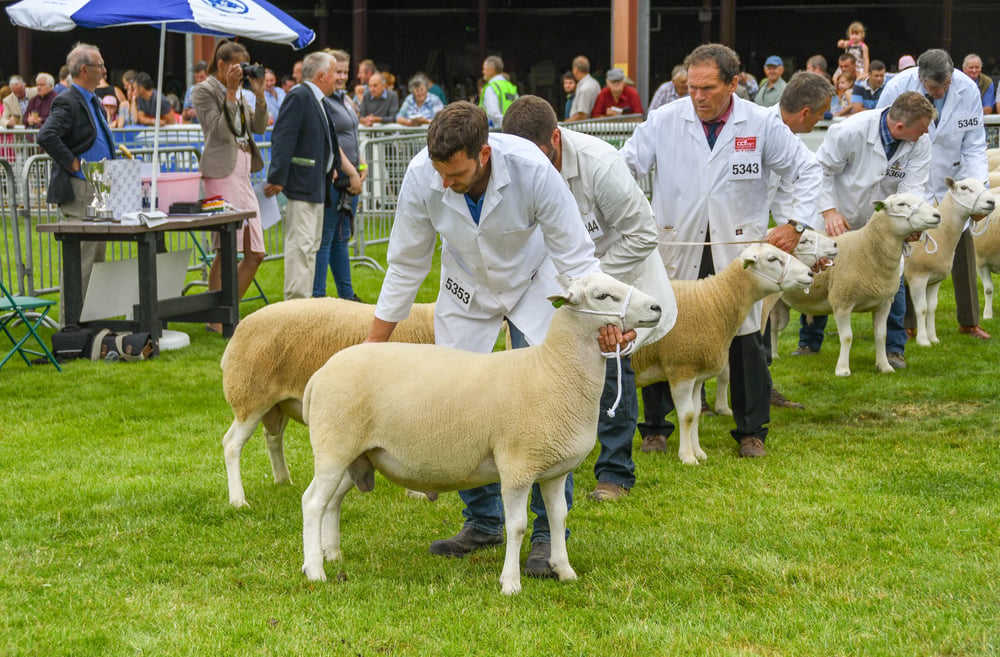
Breed-specific livestock judging — where cattle, sheep, goats, and swine are evaluated against breed standards rather than general appearance — remains one of the most technically demanding events at any county fair. Judges trained in organizations like the American Hereford Association or the Hampshire Sheep Association bring a level of specificity that hasn’t softened over decades.
To be fair, the rubrics themselves have been refined over time, but the fundamental act of standing a clean, well-haltered animal in front of someone who knows exactly what it should look like has been the same for well over a hundred years.
The Demolition Derby
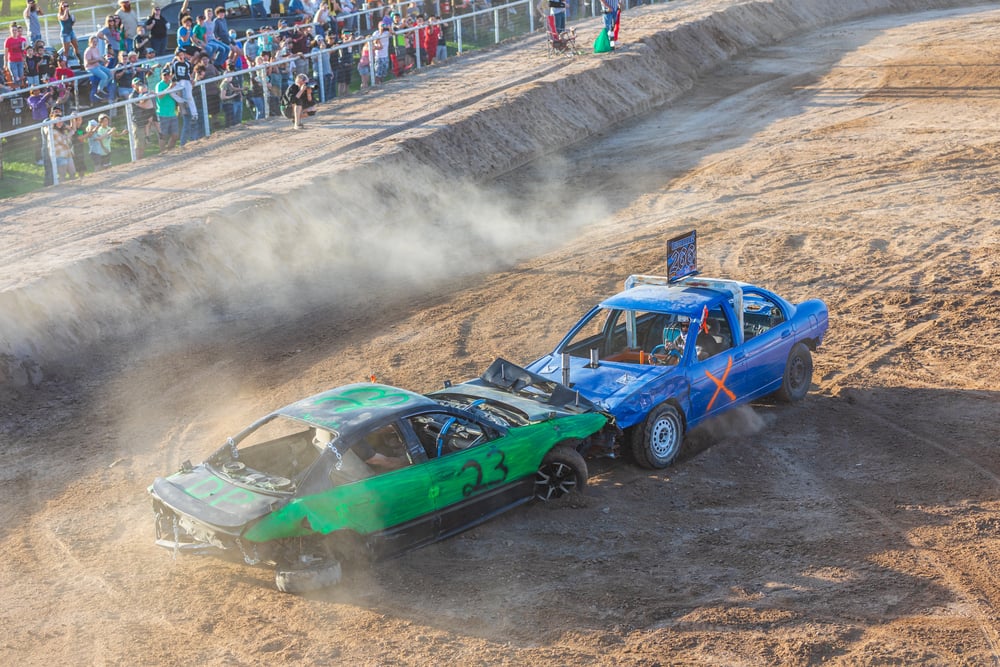
The demolition derby arrived later than most fair traditions — the format took hold in the 1950s — but it calcified almost immediately into something that resists change with remarkable force. Old American sedans, deliberately stripped of glass and anything flammable, are driven into each other until only one is still moving.
No strategy is complicated enough to explain in more than one sentence. And yet, year after year, the grandstands fill earlier for this than for almost anything else.
Carnival Games of Skill
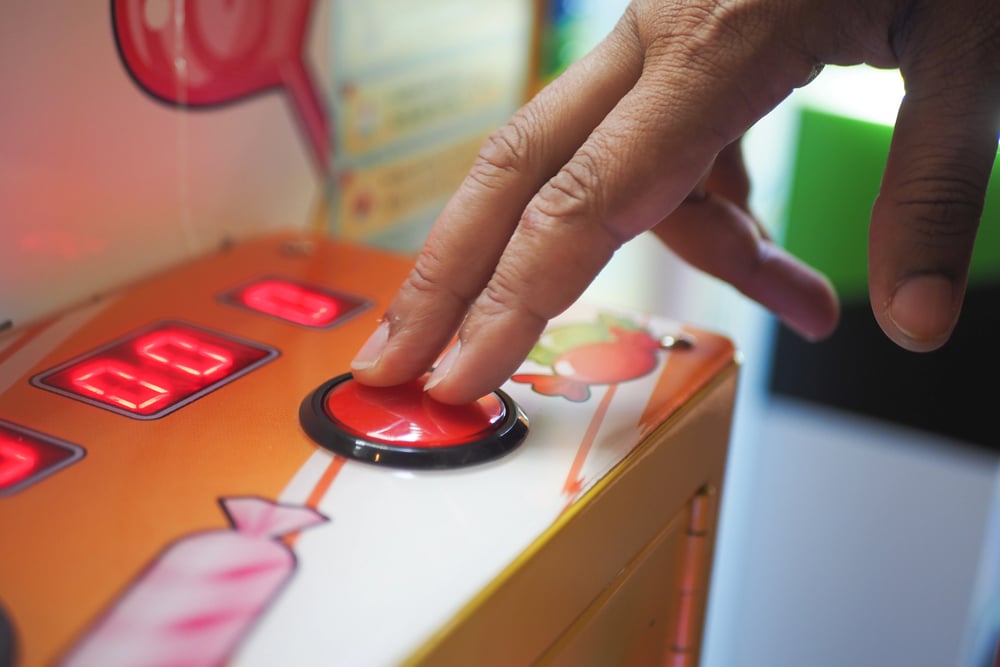
Carnival games like ring toss, balloon darts, and the milk-bottle knock have been fixtures of American fairs since the traveling carnival circuit expanded in the 1880s and 1890s. The games carry a faint air of conspiracy — the odds are rarely what they appear to be, and everyone knows it — but that knowledge has never actually reduced participation.
There’s something almost affectionate in the way fairgoers walk up to a game they know is rigged and play it anyway, as if the act of trying is the point and always was.
The Midway
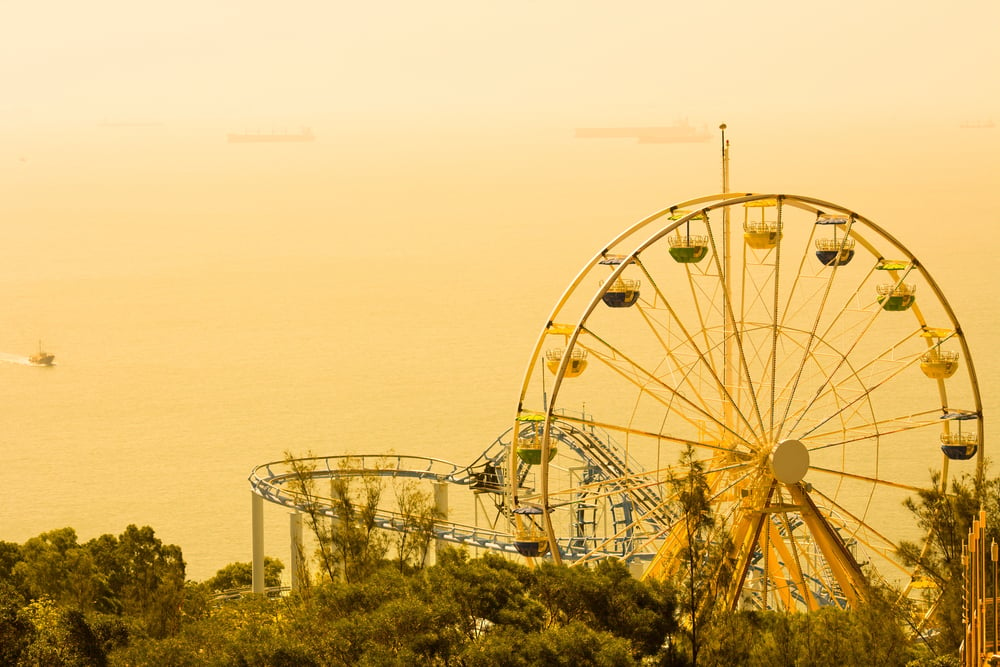
The midway is less a place than a frequency — that compressed corridor of noise, color, and fried-food vapor where everything competes for attention at the same pitch simultaneously. Traveling midways, organized by companies like Wade Shows or Butler Amusements, have operated with remarkably similar layouts since the early 20th century, with food vendors, games, and ride operators arranged in the same general logic every time.
You could drop someone from 1924 into a modern county fair midway and, aside from the phone screens glowing in the crowd, they would find it surprisingly familiar.
Quilt and Needlework Exhibition
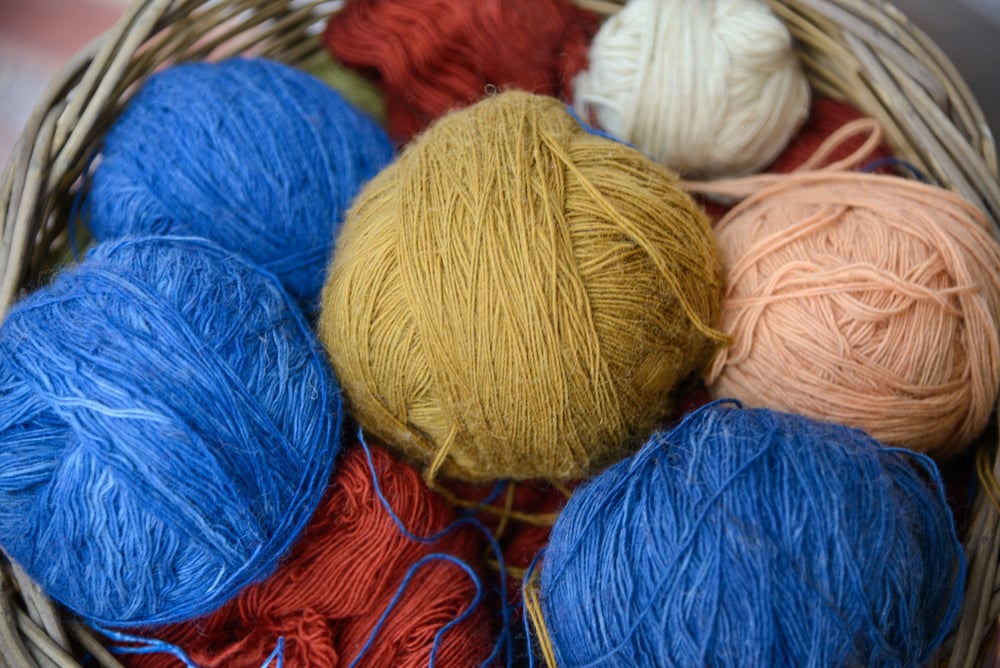
Quilts have been displayed at county fairs since before the Civil War — early agricultural fairs in the 1820s and 1830s included domestic arts alongside livestock and crop exhibits, treating needlework as evidence of a household’s competence in exactly the same way a prize-winning steer was. The quilts entered today are sometimes digitally designed, sometimes pieced from modern fabrics, but the tradition of hanging them on wooden frames in a well-lit exhibition hall while strangers walk slowly past and lean in close — that part hasn’t changed.
A quilt still earns its ribbon one careful stitch at a time.
Square Dancing and Barn Dances
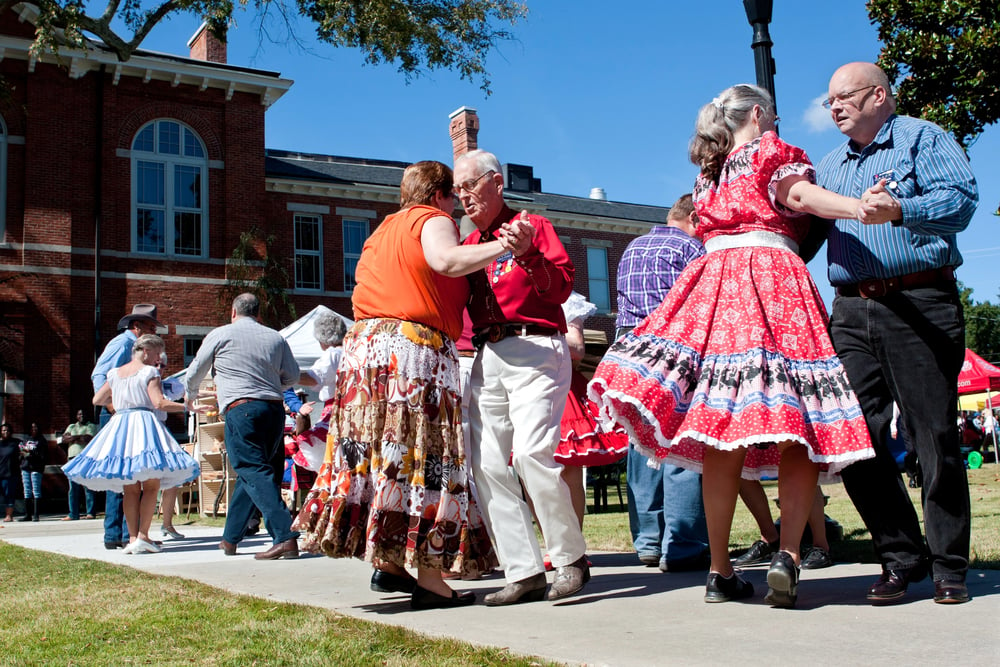
Square dancing at the county fair is one of those traditions that could easily feel performative — a heritage display rather than a living practice — but in agricultural communities across the Midwest and South, it still functions as a genuine social event. The calls haven’t changed much since the 19th century, and neither has the basic structure: a caller, a fiddle, pairs of dancers moving through figures with names like “dosey-do” and “promenade.”
It’s one of those few traditions where participation hasn’t shrunk into spectatorship.
Horse Pulling
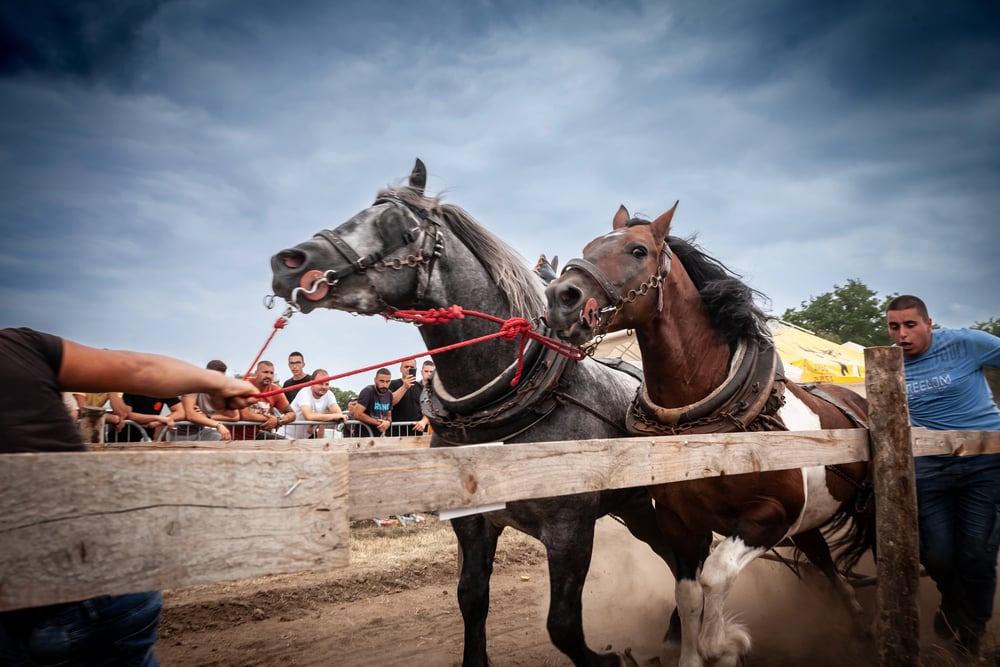
Horse pulling — where draft horses compete to pull the heaviest weighted sled across a measured distance — is about as old as the county fair itself. Teams of Belgians and Percherons, which can weigh over a ton each, strain against loads that would seem implausible if you weren’t watching it happen in front of you.
The horses that compete today are not so different from those that competed a century ago, and neither is the crowd’s reaction: a specific, hushed attention that drops over the grandstand the moment a team is backed into position.
The Deep-Fried Food Tradition
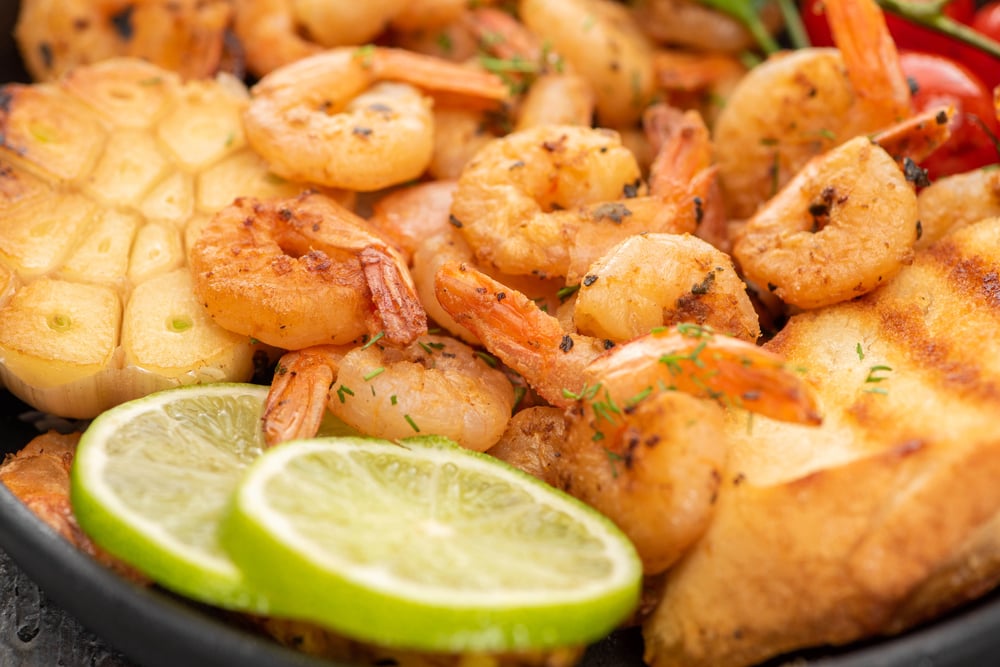
The deep fryer at the county fair started with simple doughnuts and fried dough, both of which were being sold at American agricultural fairs by the 1880s. What’s changed is ambition — corn dogs, funnel cake, deep-fried Oreos, deep-fried butter — but the underlying logic, that fair food should be hot, indulgent, and eaten standing up, is completely unaltered.
The grease and the paper boat it comes in: both still fundamental.
The Grandstand Show
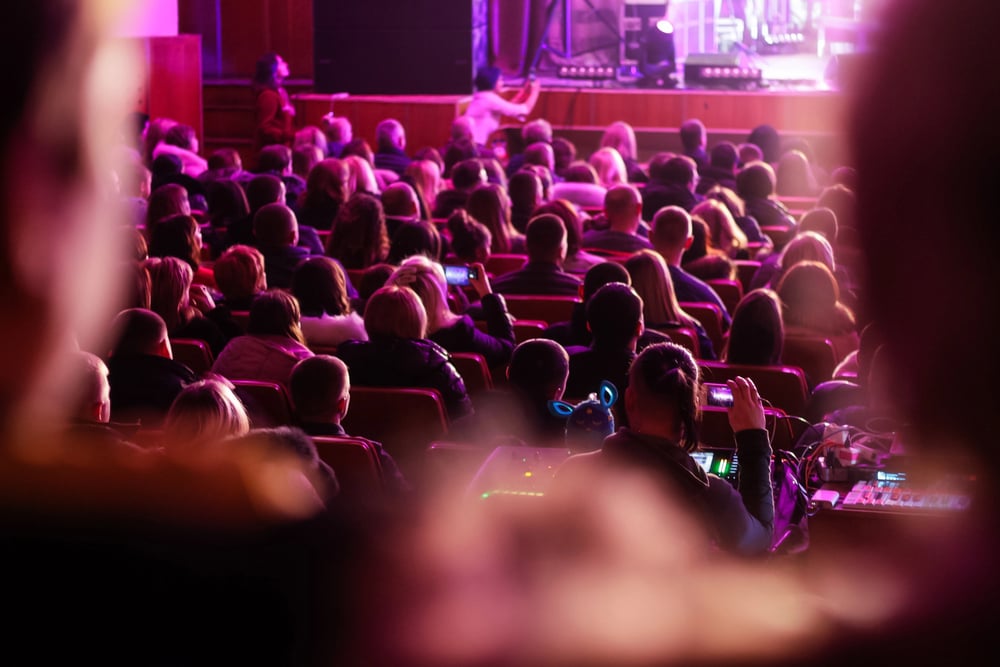
County fairs have hosted grandstand entertainment — musical acts, variety shows, rodeo performances — since at least the 1880s, when traveling acts would book county fairs as stops on regional circuits. The grandstand itself, that semicircle of bleachers facing a central stage or arena, is such a specific and consistent architectural form that it’s become inseparable from the fair experience.
The acts change from decade to decade, but the structure of the evening — a crowd gathering at dusk, bleachers filling from the top, the announcer’s voice crackling over the PA — is stubbornly intact.
The Canning and Preserves Competition
Home canning and preserves have been judged at county fairs since the early 1900s, when extension services actively promoted food preservation as both an economic skill and a matter of household safety. Entrants still submit sealed jars of jam, jelly, pickles, and preserves, and judges still evaluate color, clarity, set, and flavor with the same systematic criteria.
The category has never been glamorous, which is probably why it’s never been replaced — it just keeps sitting there on the exhibition table, quietly doing what it’s always done.
The Rabbit Show
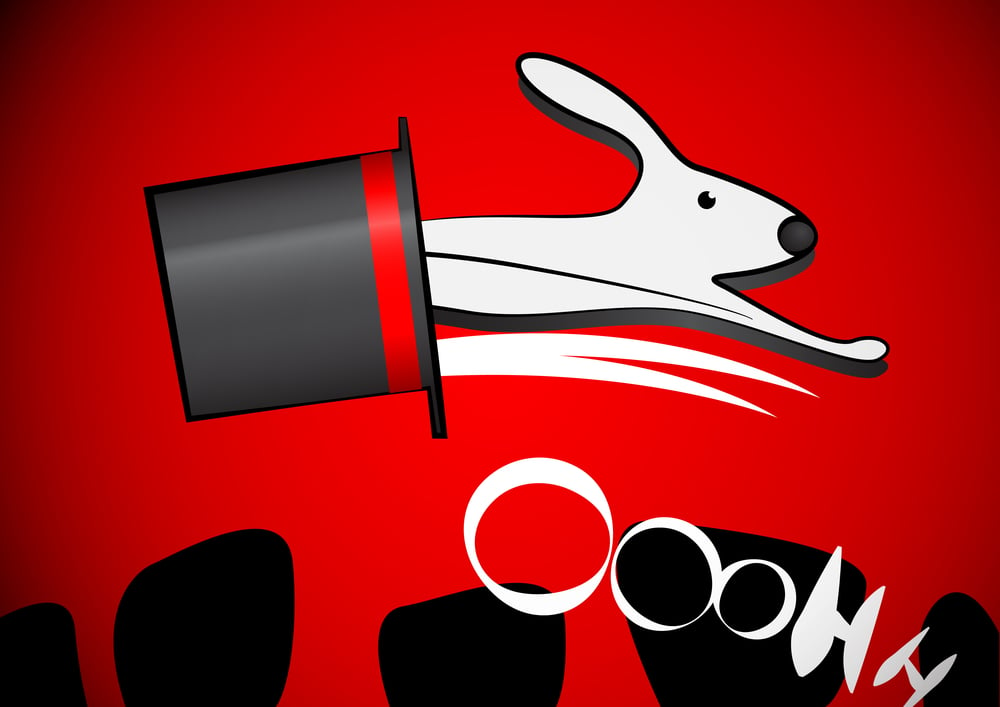
Rabbit shows at county fairs follow a standard of breed evaluation established by the American Rabbit Breeders Association, which has been registering breeds and setting show guidelines since 1910. The rabbits are removed from their cages, set on a judging table, and evaluated for body type, coat condition, and breed-specific markings with a precision that surprises people who expected something more informal.
The winners go home in the same wire crates they arrived in, which is perhaps the least glamorous part of winning anything, anywhere.
The Tractor Pull
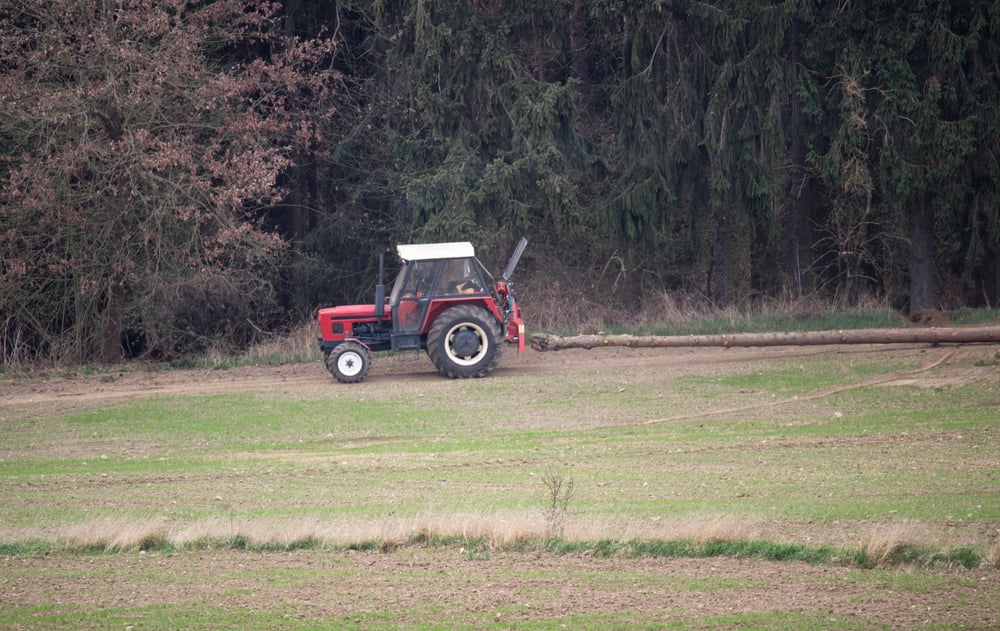
The tractor pull is younger than some fair traditions but no less entrenched — it developed as a competitive event in the early 20th century, when farmers would informally test whose machine could drag the most weight. Today it runs as a sanctioned sport with weight classes, official sleds, and drivers who travel from fair to fair across the country.
The core spectacle — a machine straining against resistance while a crowd watches in genuine suspense — has not changed in any meaningful way since the first improvised pulls happened on dirt tracks a hundred years ago.
Goat Showing
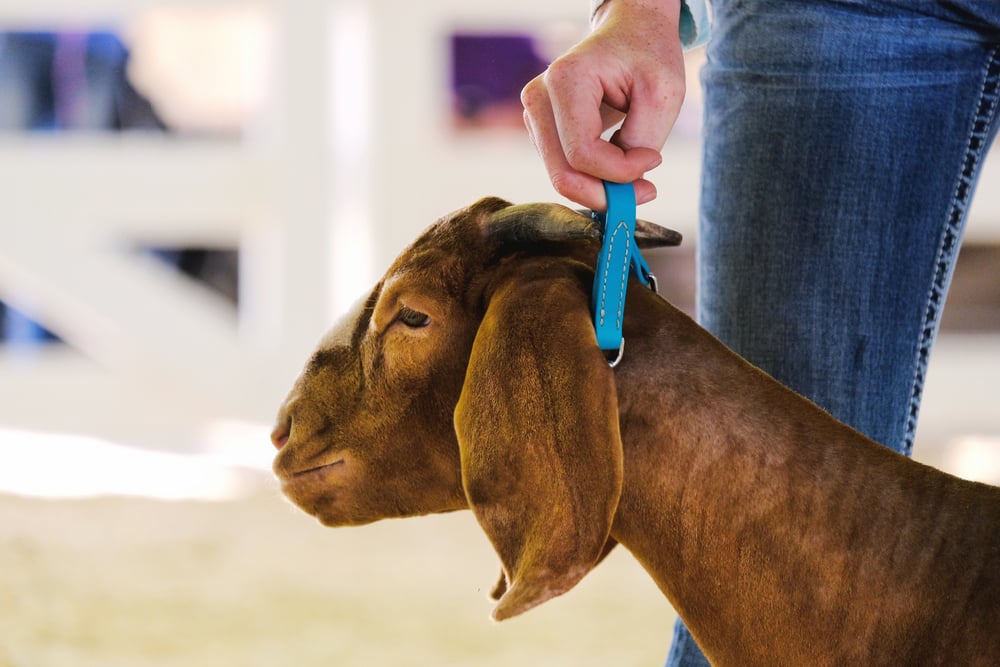
Goat showing at county fairs operates under the same general logic as cattle or sheep showing, but with a specific quality that other livestock events lack: the animals themselves are indifferent to the procedure in a way that makes the whole thing slightly unpredictable. Dairy breeds like Nubians and La Manchas have been shown at county fairs since at least the early 1900s, evaluated on breed characteristics, udder quality, and general condition.
The kids showing them — often literally kids, teenagers in 4-H whites — navigate that unpredictability with a patience that is, honestly, impressive.
The Photography Exhibit
— Photo by imagestock
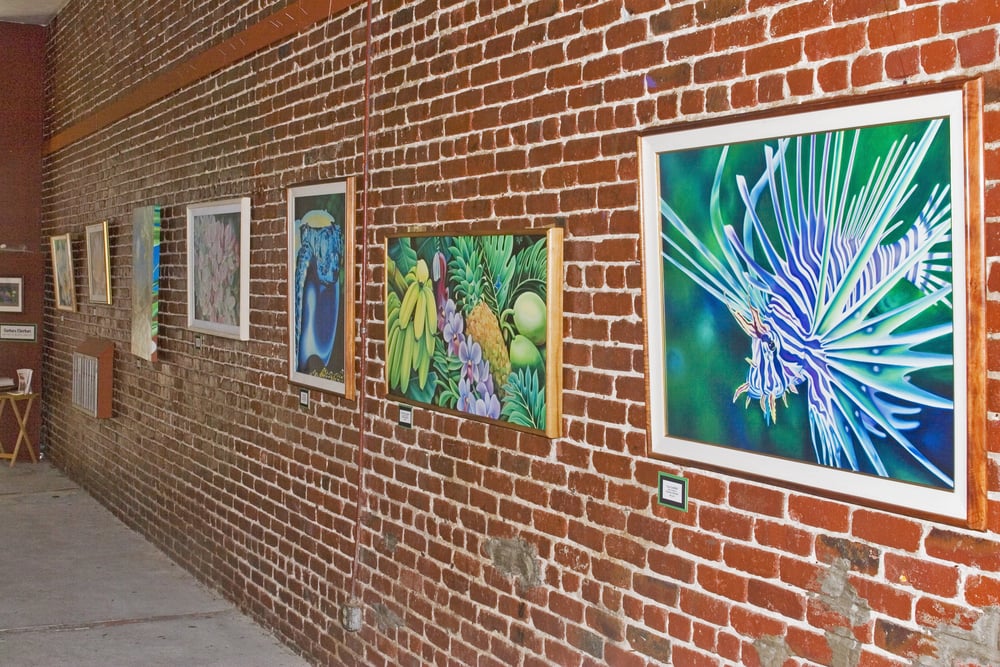
Photography entered county fair exhibition halls not long after the medium became accessible to amateur practitioners in the late 19th century, and it’s been there ever since — amateur prints mounted on foam board, organized by category, judged by someone who actually knows what they’re looking at. The equipment has changed beyond recognition; the categories (landscape, portraiture, nature, black-and-white) have barely changed at all.
There’s a framed 8×10 print sitting on a display stand in a fair exhibition hall somewhere right now that could have been entered a century ago and fit right in.
The Draft Horse Hitch
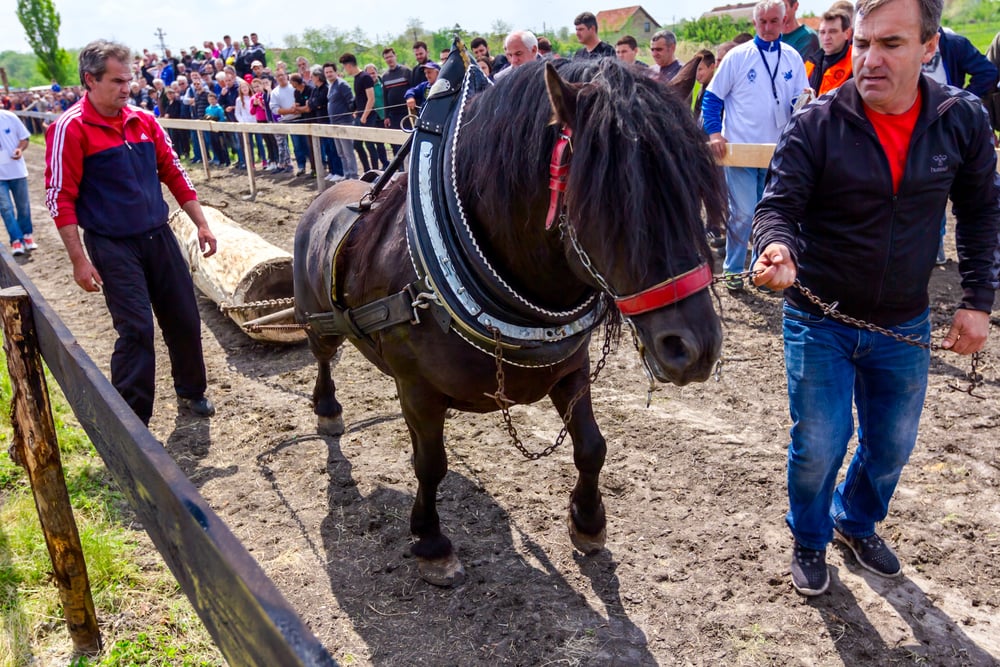
The six-horse hitch class — where draft horses are hitched in pairs and driven as a team in formation around a show ring — is one of the most technically demanding horsemanship events at any agricultural fair. Breeds like the Clydesdale, Belgian, and Percheron have been exhibited in hitch competitions since the late 1800s, when heavy horse breeds were still the primary source of agricultural and commercial pulling power in North America.
The horses are groomed to a standard that borders on theatrical — braided manes, polished hooves, gleaming harness brass — and the crowd that turns out for it tends to know exactly what they’re watching.
The Fair Queen Pageant
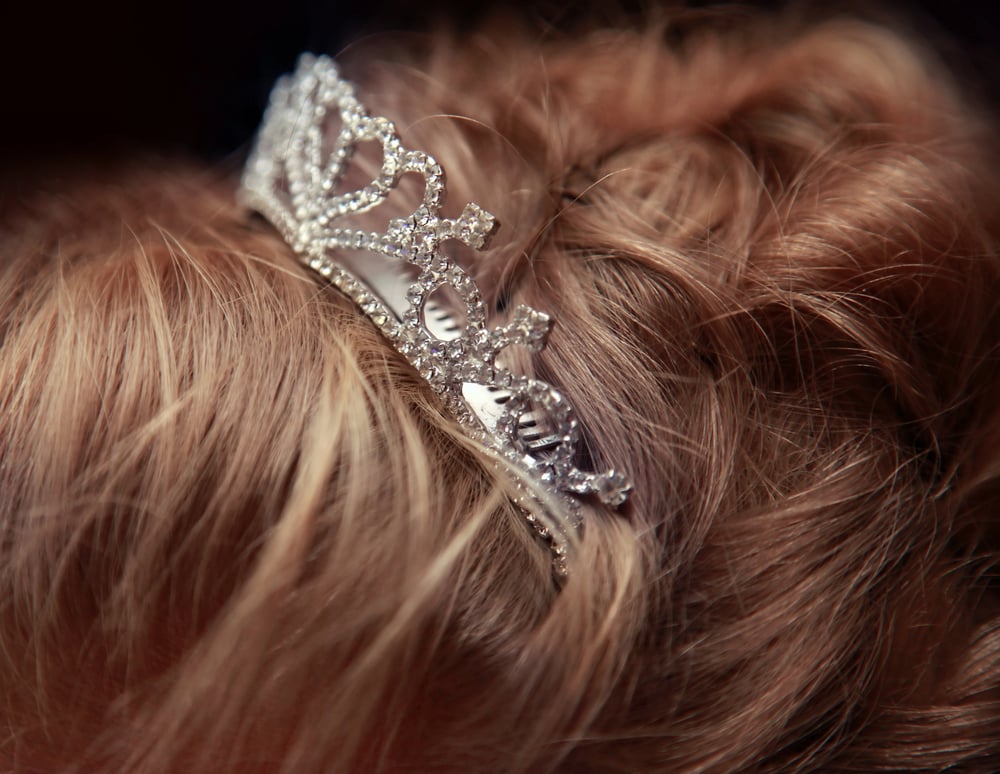
County fair queen competitions have been a fixture since at least the 1920s, when agricultural communities began selecting young women to serve as public representatives of the fair and, by extension, the farming community they came from. The format varies by county — some emphasize agricultural knowledge, some emphasize public speaking, some do both — but the role itself, a young woman wearing a crown and a sash and riding on a float in the opening parade, has remained consistent across most of the country for a century.
It’s the kind of tradition that generates debate in some communities without actually disappearing from any of them.
The Opening Parade
— Photo by DIGICOMPHOTO
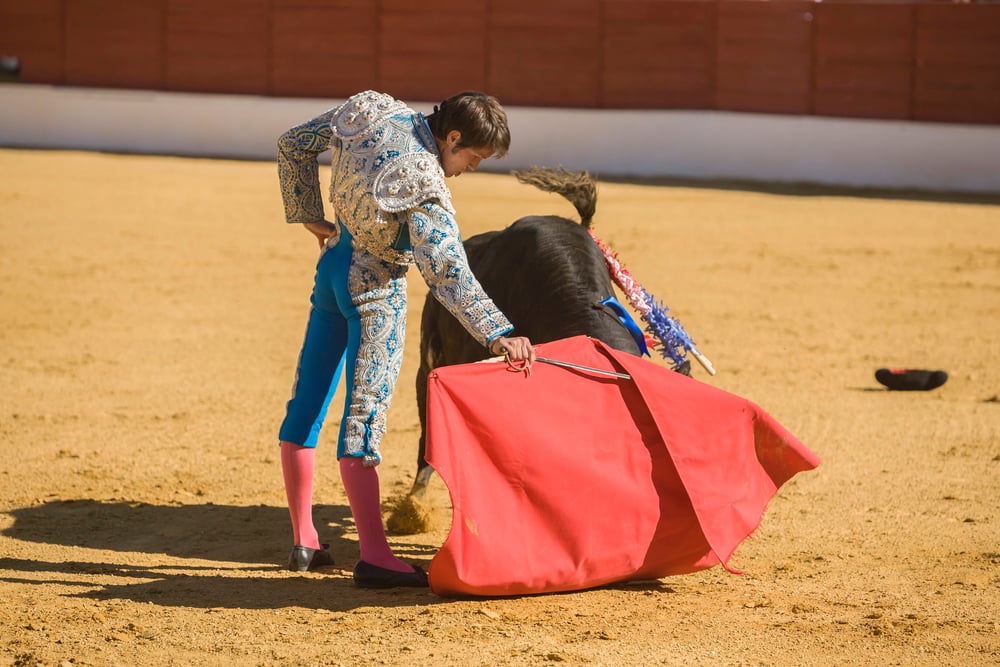
Every county fair worth attending starts with a parade — a procession through the fairgrounds or the nearest town that includes the fair queen, 4-H clubs, local politicians who would rather be seen than absent, and at least one marching band. The format has been standard since the early 20th century, when fairs began treating the opening day as a civic event rather than just an agricultural one.
The parade sets the tone: this is not a private gathering, it’s a public celebration, and the whole community is technically invited.
Homemade Jam on Judging Day
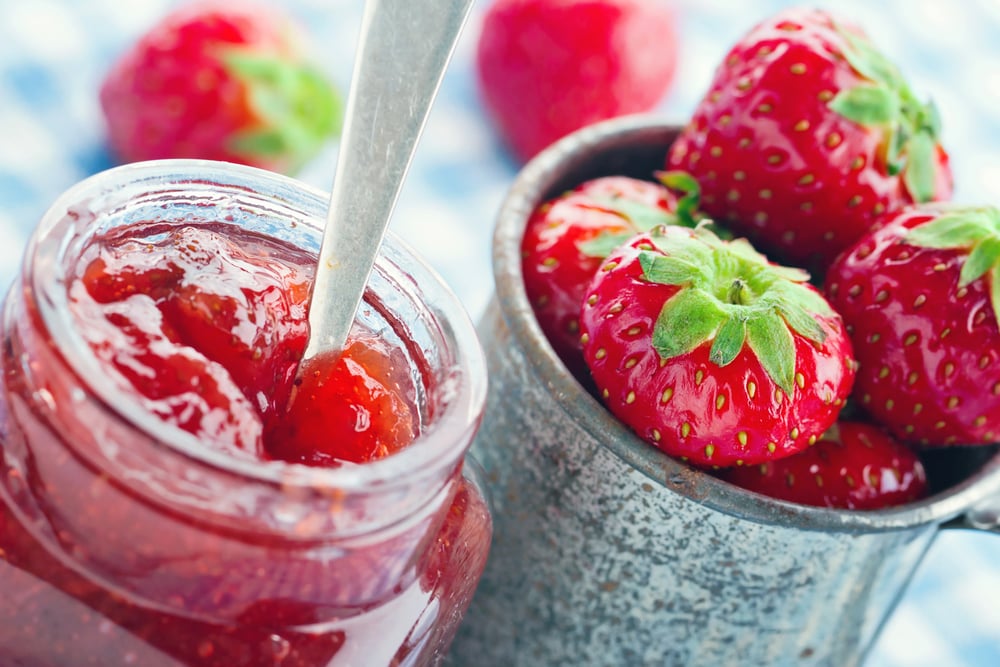
There is something quietly competitive about a row of jam jars on a fair exhibition table that no formal description quite captures — each one sealed, labeled, and representing months of fruit seasons, kitchen afternoons, and the private belief that this batch is the best one yet. Strawberry, blackberry, peach, and apple butter have cycled through county fair judging tables since the 19th century, shifting only in the exact varieties that show up rather than the act itself.
The winner gets a ribbon and a small paper certificate, which is somehow both insufficient and exactly right.
Carnival Rides That Predate Your Parents
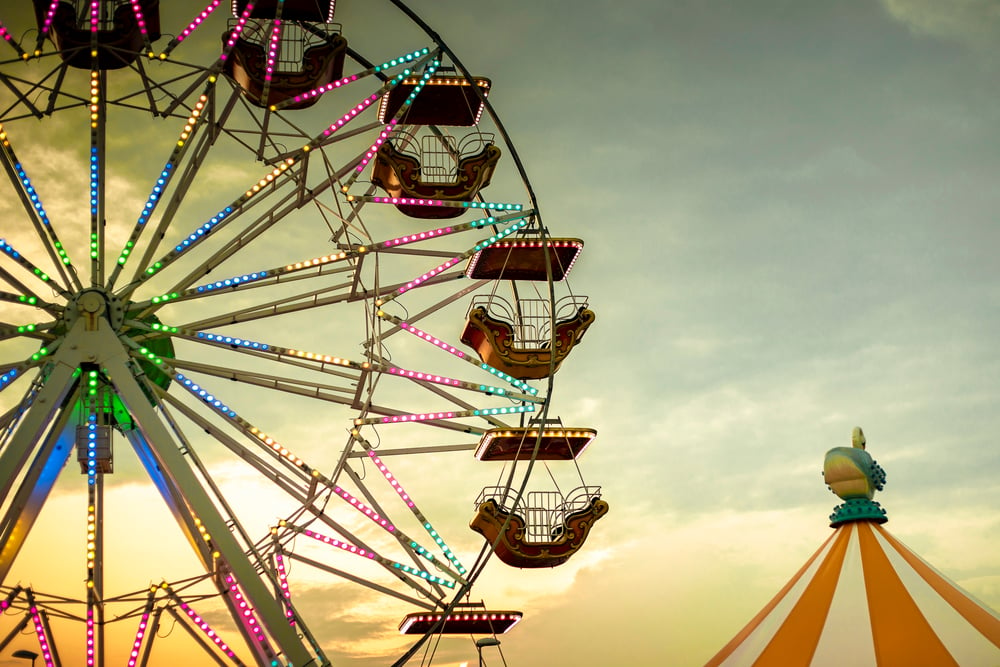
The Tilt-A-Whirl, first manufactured by the Sellner Manufacturing Company in Faribault, Minnesota in 1926, is still a standard fixture at county fair midways across the country. It has not been meaningfully redesigned since.
That’s not indifference to improvement — it’s evidence that the original design worked well enough that no one has made a serious case for replacing it with something else.
The Livestock Barn at Dusk
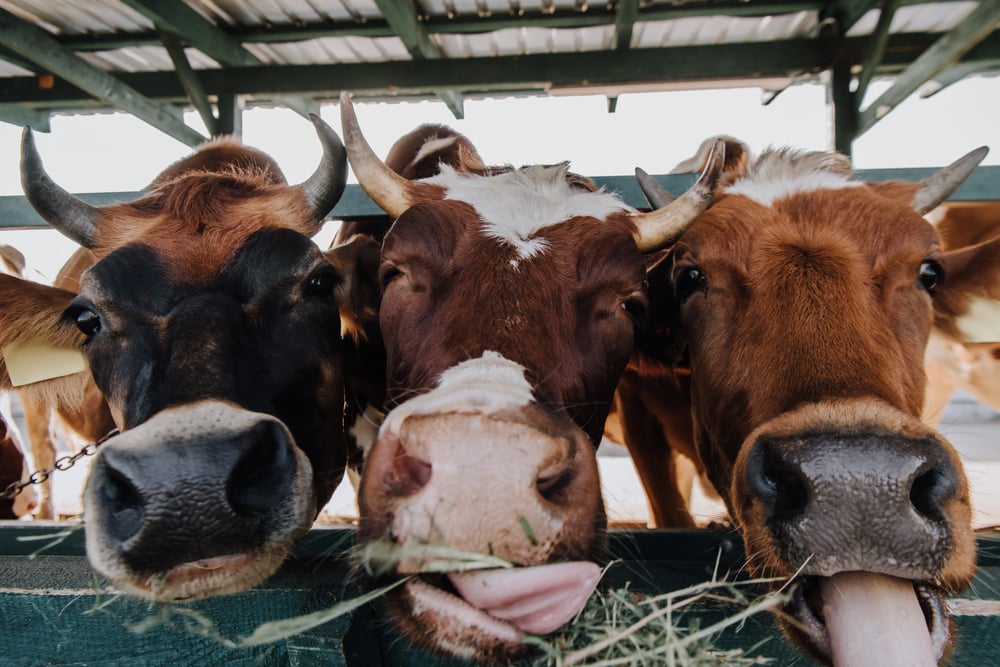
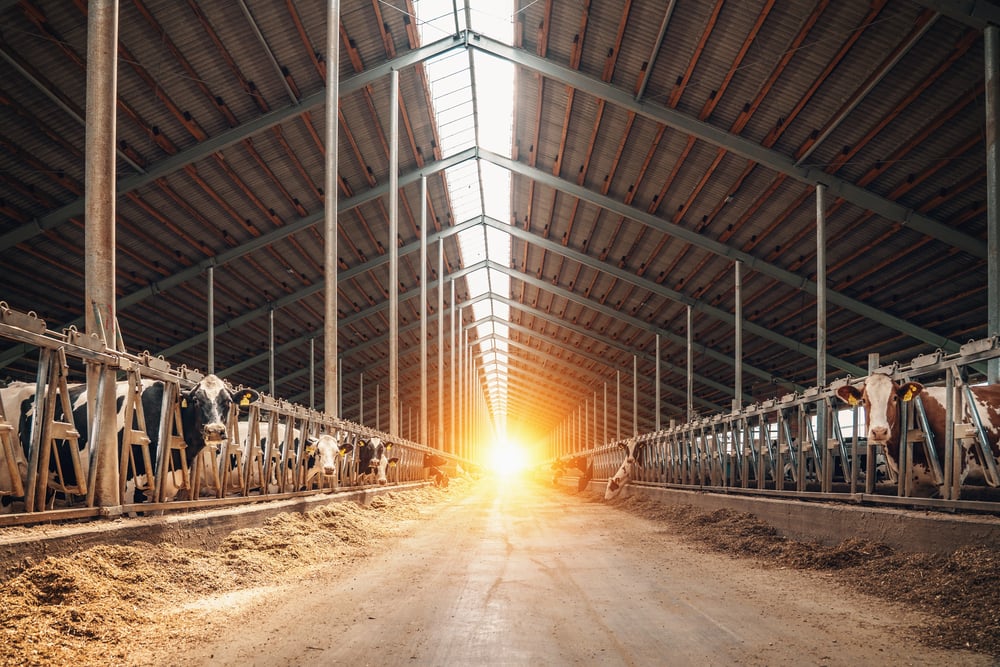
At some point in the early evening of every county fair, the main livestock barn empties of visitors and the animals settle into something quieter — feed sounds, the occasional shift of hooves on straw, the low murmur of exhibitors still tending their animals after the judging is done. That scene has been playing out in cedar and pine fair barns across the country for over a century, and nothing about it asks for documentation or improvement.
It just happens, the way it always has, in barns that smell the same everywhere.
Where All of This Lands
There’s no single explanation for why county fairs have preserved so many of their original forms while the rest of American life has moved on from nearly everything it once recognized. Part of it is agricultural inertia — communities that still depend on farming have reasons to maintain the institutions that celebrate it.
Part of it is something less practical: the county fair is one of the few places where a ribbon still means what it always meant, where showing up with something you made or raised or grew is still the whole point, and where the passage of a hundred years registers as almost nothing at all.
More from Go2Tutors!

- The Romanov Crown Jewels and Their Tragic Fate
- 13 Historical Mysteries That Science Still Can’t Solve
- Famous Hoaxes That Fooled the World for Years
- 15 Child Stars with Tragic Adult Lives
- 16 Famous Jewelry Pieces in History
Like Go2Tutors’s content? Follow us on MSN.



