The Rise and Fall of the American Mall Food Court
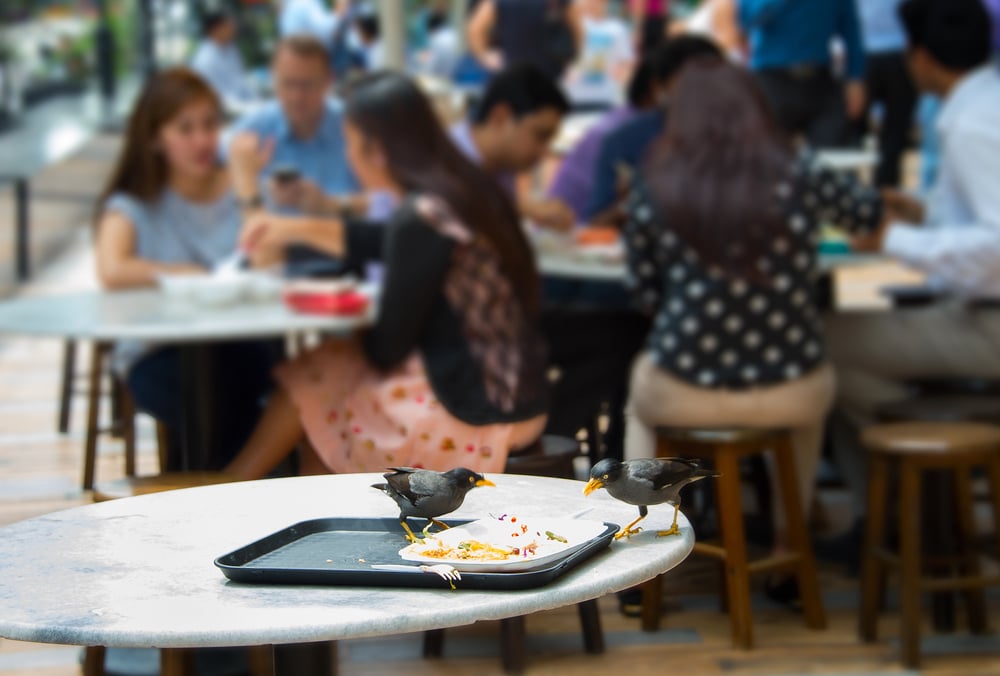
There’s something almost archaeological about visiting a mall food court in 2024. The orange plastic chairs, the slightly sticky tables, the faint smell of fried rice and cinnamon rolls layered together into something that shouldn’t work but somehow always did — it’s all still there, just quieter now.
For a few decades, the food court wasn’t just a place to eat between stores. It was a destination, a social anchor, the gravitational center of American suburban life.
Understanding how it got there, and why it started slipping away, turns out to be a pretty good window into how American culture eats, spends, and changes its mind.
The Origins of the Food Court Concept
The first enclosed shopping mall in the United States opened in Edina, Minnesota in 1956, designed by Victor Gruen, but the food court as a distinct, centralized eating zone didn’t arrive until later. Paramus Park Mall in New Jersey is widely credited as the site of one of the earliest purpose-built food courts, opening in 1974.
The idea was simple and quietly brilliant: cluster competing food vendors around shared seating, and shoppers would stay longer.
The Architecture of Appetite
A food court is less a dining room than a stage set — built not for intimacy but for throughput, and designed so that the smell of something frying hits you before you’ve consciously decided you’re hungry. The high ceilings, the skylights flooding everything in flat afternoon light, the vendor stalls arranged in a horseshoe so your eyes could sweep the options in a single glance — none of it was accidental.
Mall developers understood that feeding people was a mechanism for keeping them in the building, and the architecture reflected that priority with a kind of cheerful, commercial honesty.
The Golden Era
The 1980s and early 1990s were the peak years for American mall food courts, and the numbers back that up. By the late 1980s, there were more than 30,000 shopping centers in the United States, many anchored by food courts that served thousands of visitors daily.
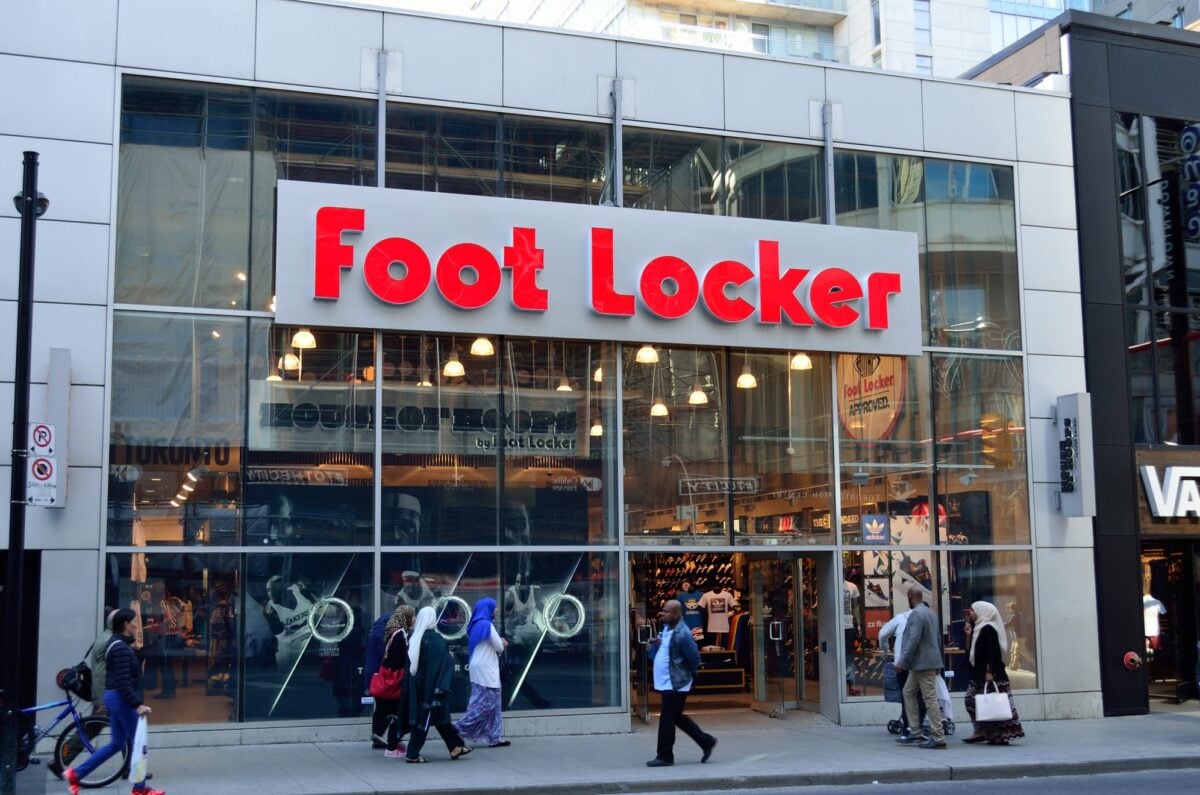
Foot Locker and Sbarro existed in the same ecosystem, and for a while, that ecosystem was genuinely thriving.
The Chains That Defined the Era
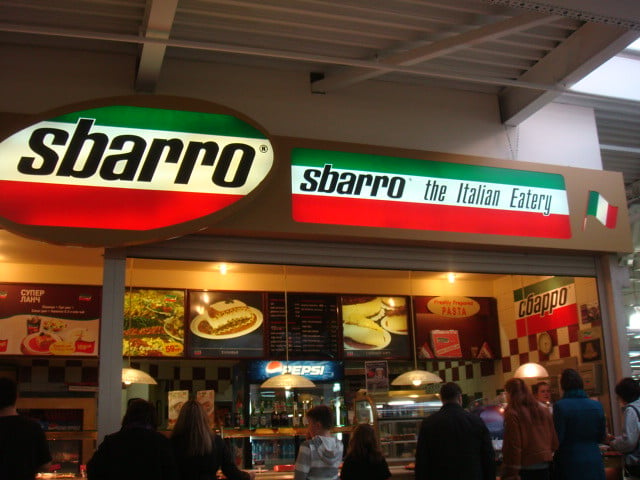
Sbarro, Orange Julius, Chick-fil-A (which got its start in Hapeville, Georgia in 1946), Panda Express, Auntie Anne’s — these weren’t just restaurants, they were landmarks. You didn’t say “I’ll meet you near the food” — you said “I’ll meet you at the Orange Julius,” which tells you something about how specific and reliable those anchors felt.
The food was consistent in a way that felt like safety: you knew exactly what a Bourbon Chicken sample on a toothpick would taste like before you even reached out your hand.
The Social Function Nobody Advertised
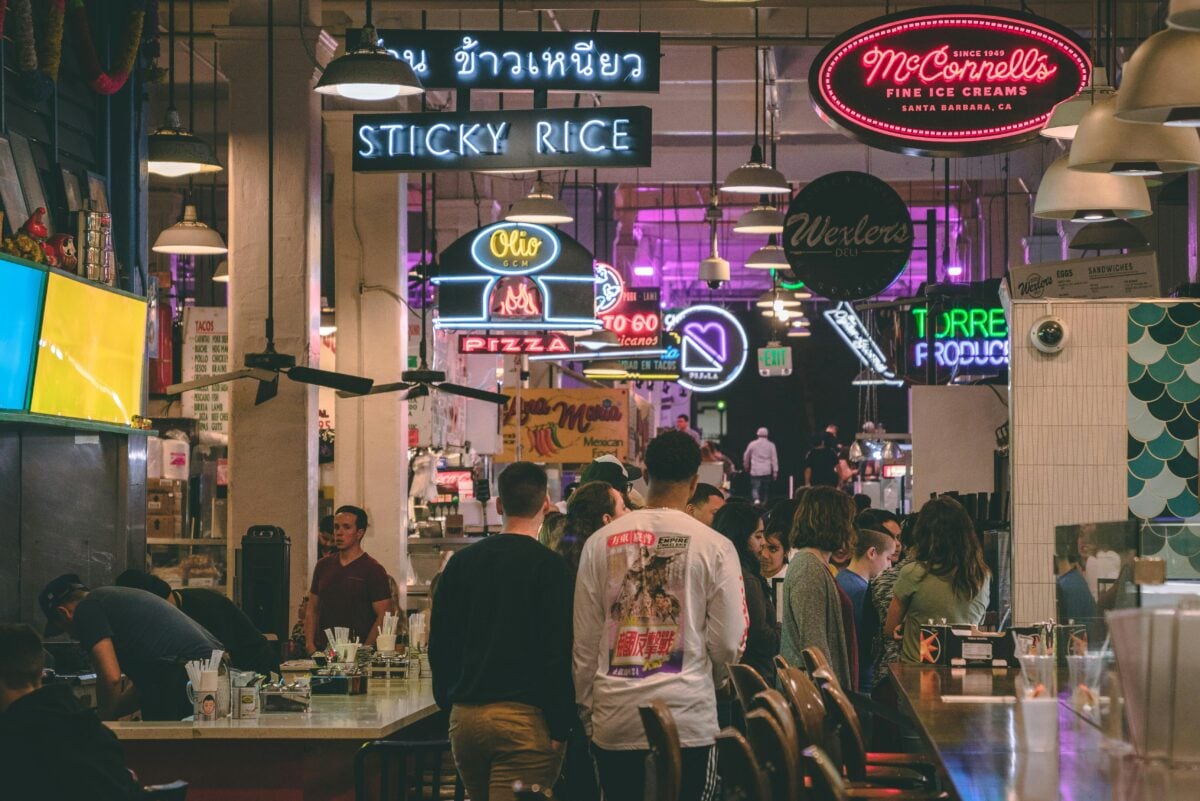
Food courts were, quietly, one of the more democratic social spaces American suburbs produced. You didn’t need to spend money to sit there — a soda was enough, or sometimes nothing at all — and the tables attracted everyone from retirees eating early lunches to teenagers performing the elaborate ritual of not quite asking each other out.
The food was almost secondary to the function, which was: somewhere to be. Somewhere indoors, climate-controlled, and reliably populated, which in a suburban landscape built around the car and the cul-de-sac, was more valuable than it sounds.
The Teenager Question
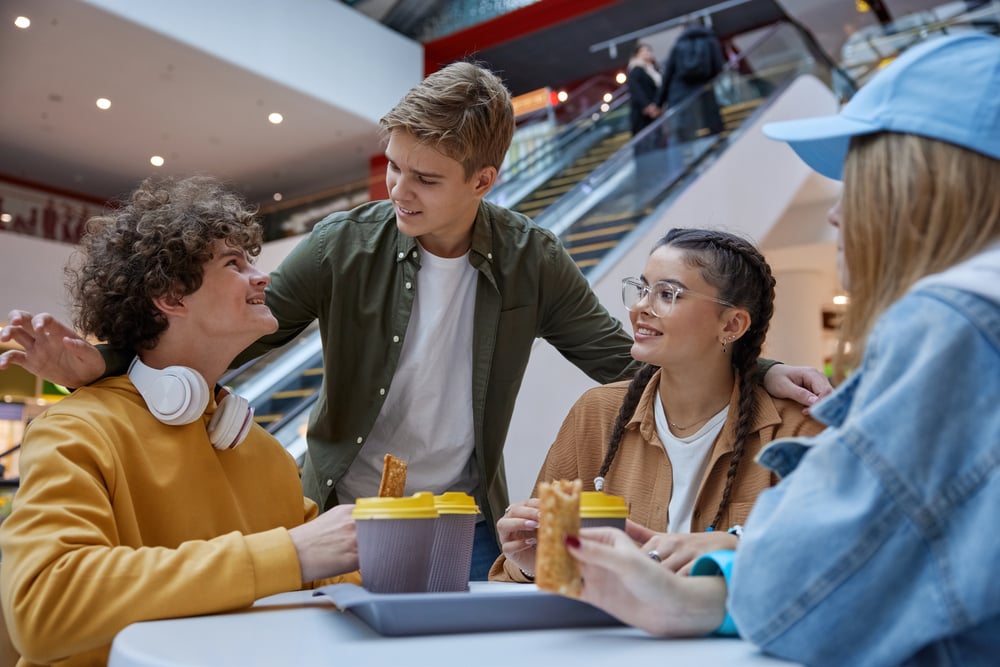
Teenagers and the mall food court had a relationship that was genuinely symbiotic — teenagers needed a place to exist that wasn’t home or school, and the food court needed foot traffic that didn’t care much about converting to a purchase. But mall management across the country eventually started viewing teenage congregations as a liability rather than a feature, introducing loitering policies, security patrols, and in some cases parental escort requirements for visitors under 18.
That shift, subtle at the time, quietly drained the food court of one of its most vital energy sources.
The Fast Casual Disruption
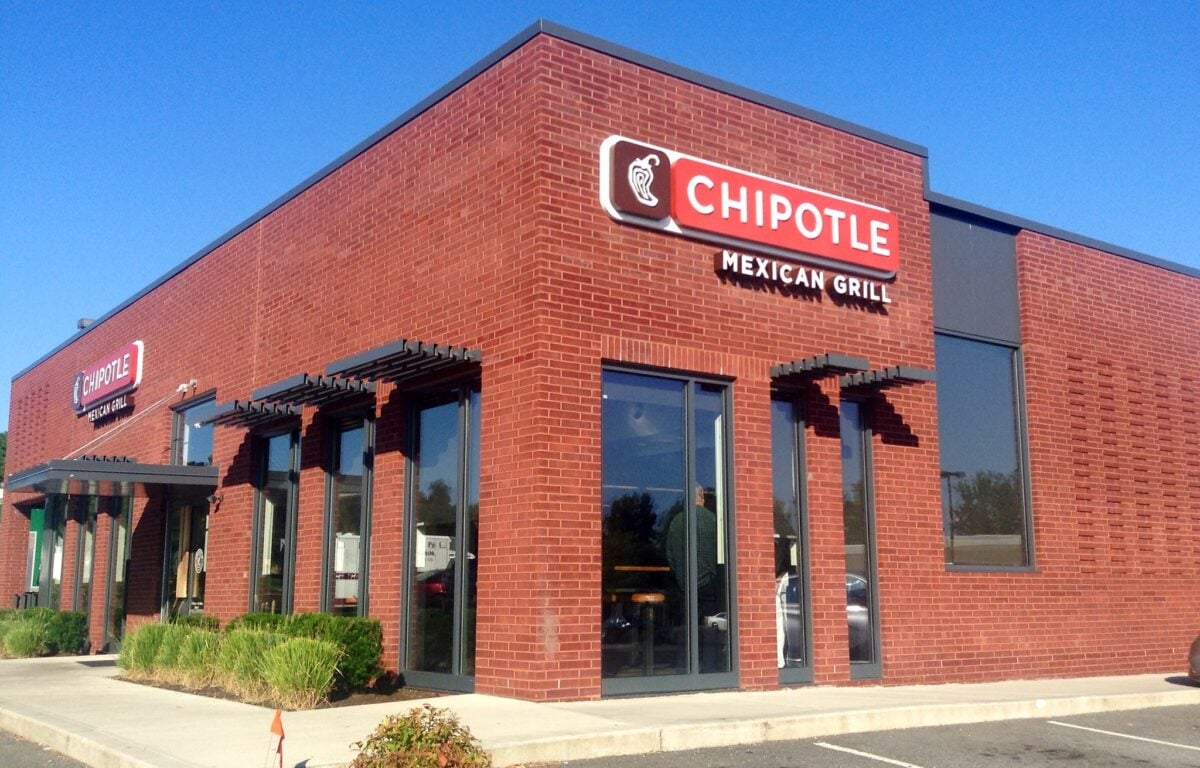
Chipotle opened its first location in Denver in 1993. Panera Bread, in its current form, arrived in 1999. These weren’t mall brands — they were freestanding, street-facing, and designed to feel like a deliberate upgrade from the food court experience.
The emergence of fast casual dining gave people the speed and price point of a food court with none of the tray-sliding, fluorescent-lit ambiance, and consumers, turns out, had feelings about ambiance.
The Anchor Store Collapse
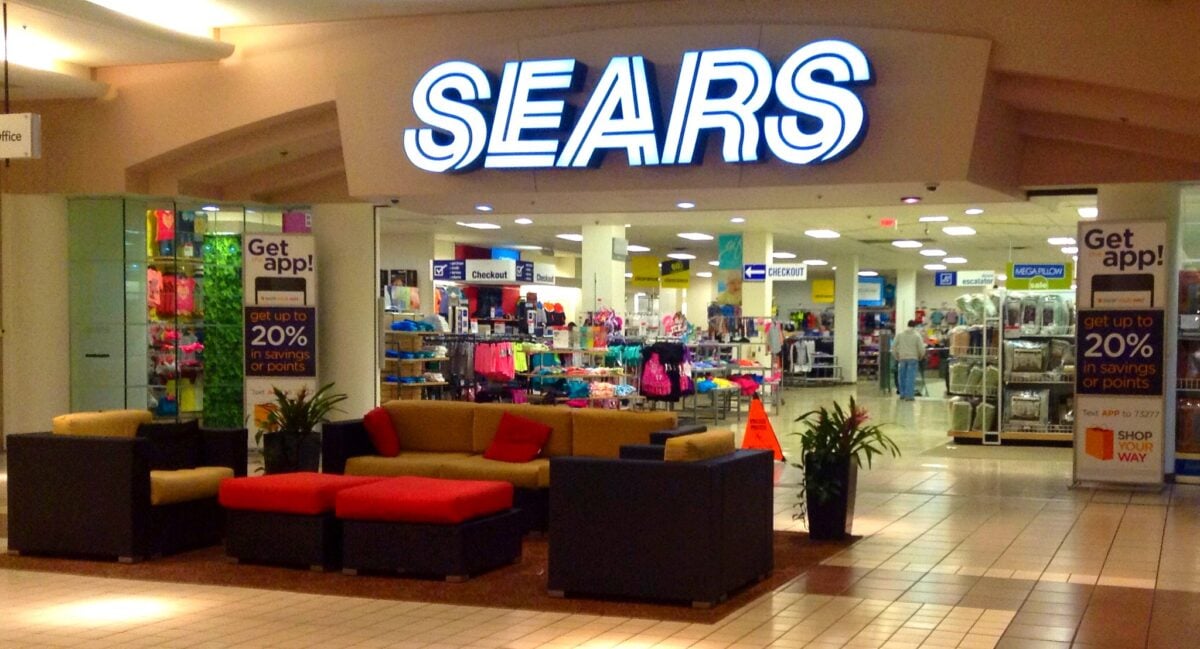
When Sears filed for bankruptcy in 2018 and began closing hundreds of locations, it wasn’t just a retail story — it was a food court story. Anchor stores were the gravitational engines that pulled people through mall entrances and past the food court in the first place, and as JCPenney, Macy’s, Sears, and Kmart contracted or collapsed entirely, the foot traffic that once made a Tuesday afternoon at the food court a bustling scene began to thin.
A food court without foot traffic is just a collection of chain restaurants with no parking lot.
The E-Commerce Factor
Amazon didn’t kill the mall on its own, but it meaningfully changed what a trip to the mall was for. When you no longer needed to visit a store to buy a specific item, the “I’m already here, might as well eat” logic that filled food court seats started to erode — because you weren’t already there. The trip itself became intentional rather than incidental, and intentional trips are far less likely to end with a slice of Sbarro pizza and a lemonade just because you walked past.
What Happened to Sbarro
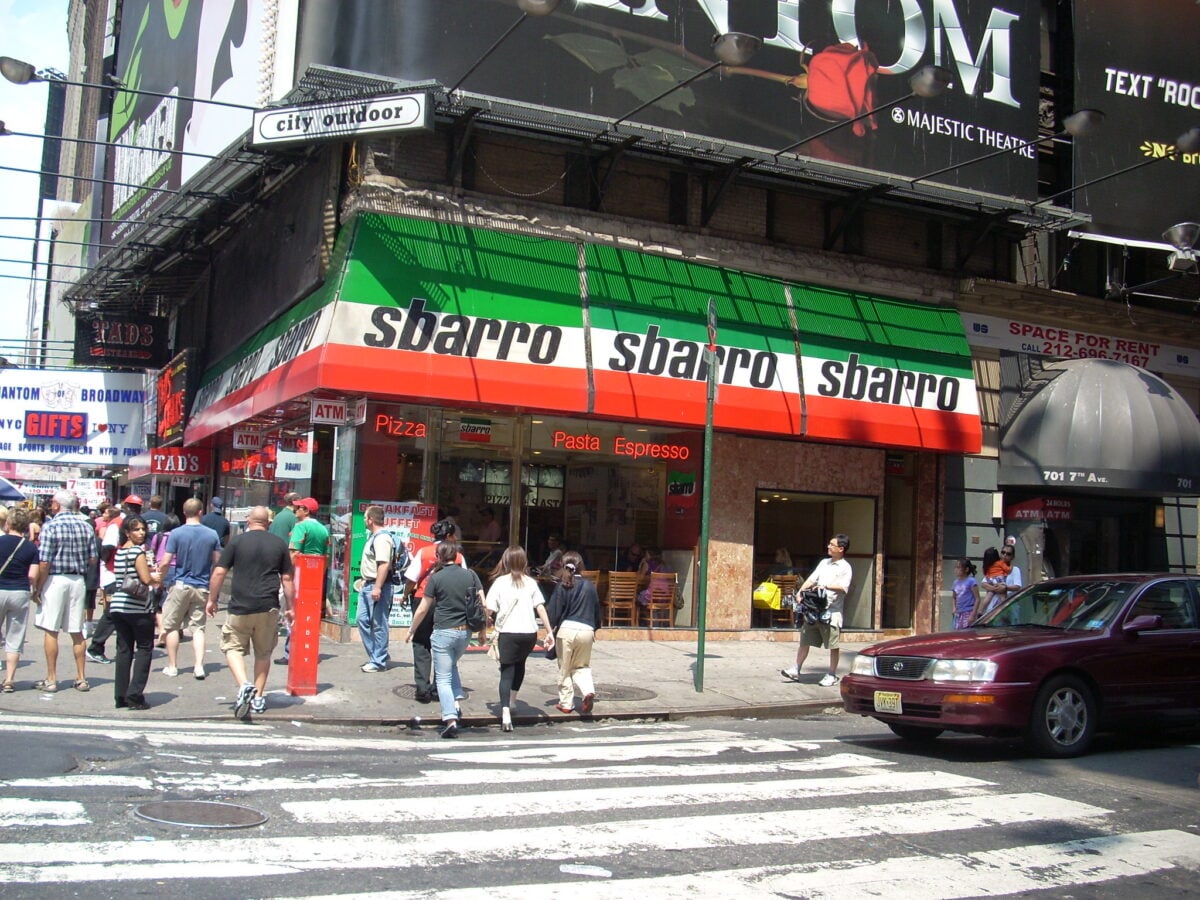
Sbarro filed for bankruptcy twice — once in 2011 and again in 2014 — and closed hundreds of locations in both cycles. At its peak, the chain operated more than 1,000 locations, nearly all of them inside shopping malls.
The story of Sbarro is essentially the story of the food court told through one brand: built for volume, dependent on captive audiences, and structurally incapable of surviving when the captive audience found somewhere else to be.
The Ghost Mall Phenomenon
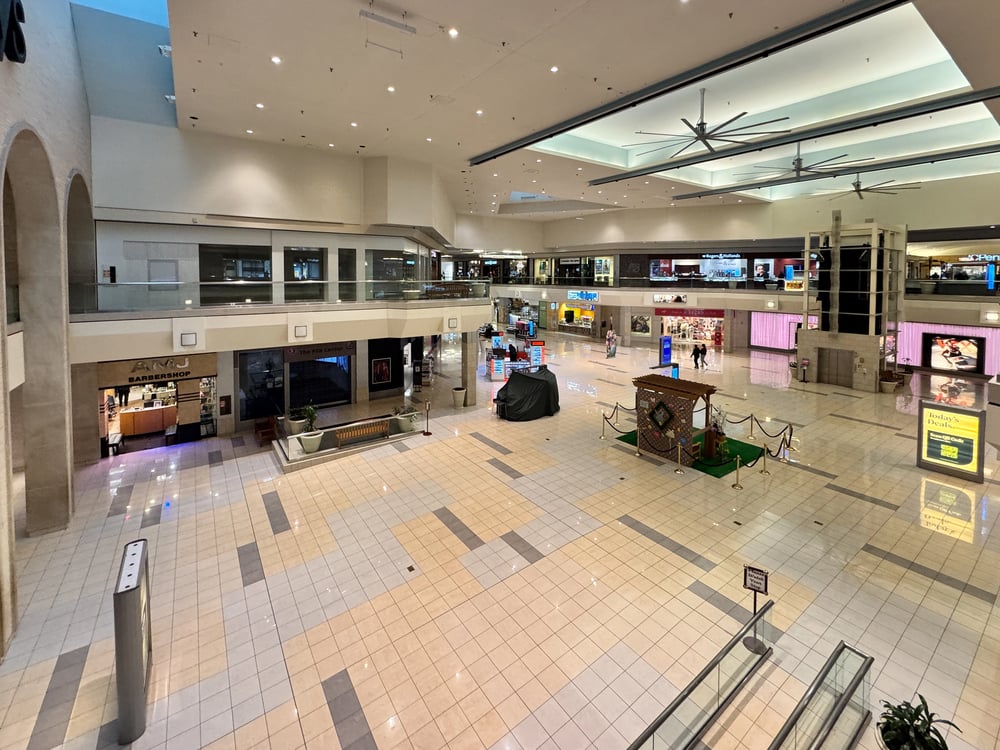
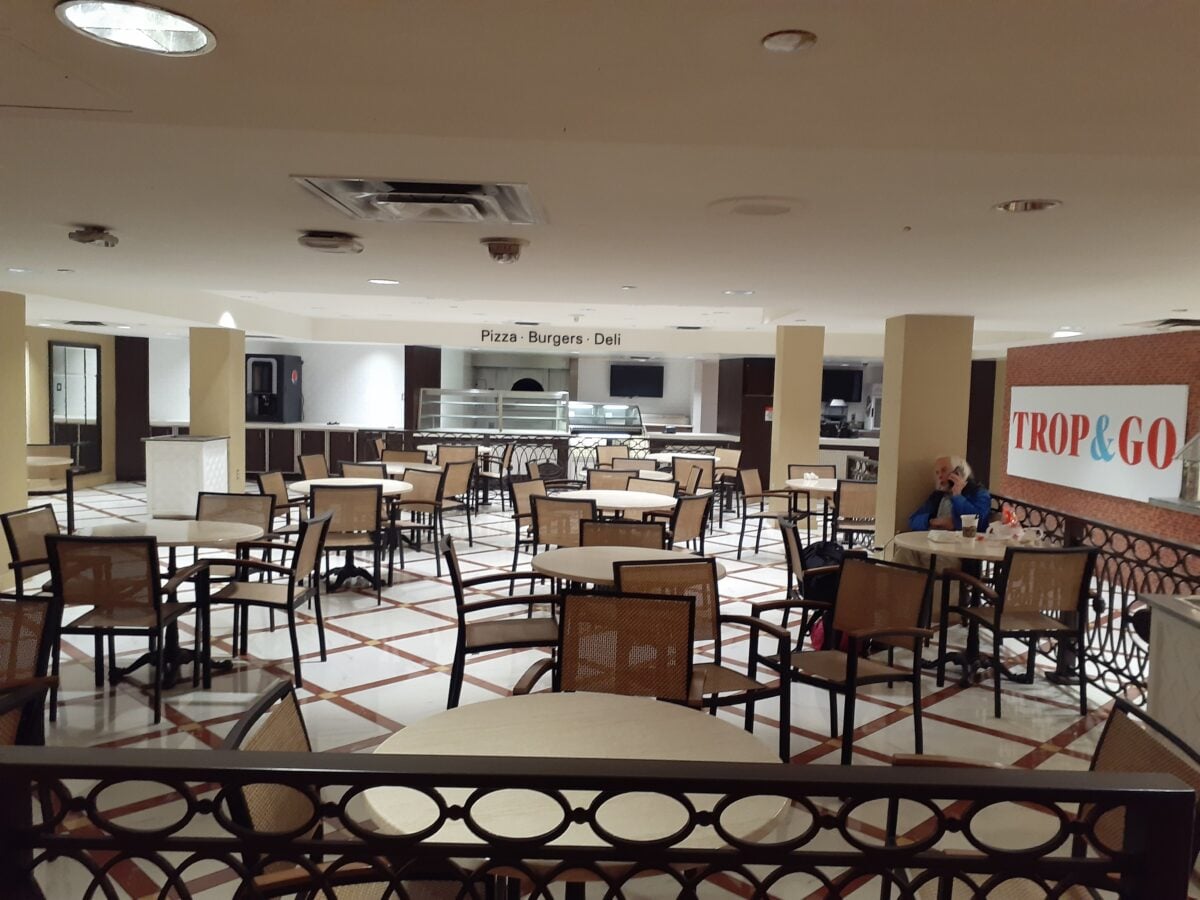
Drive past a dead mall and the food court is often the most unsettling section — the vendor signs either stripped or still hanging, the chairs stacked or bolted to floors that haven’t been cleaned in months, the ventilation hoods sitting quiet above cold fryers. There are roughly 300 dead or dying malls in the United States as of the early 2020s, and each one contains a food court that was, at some point, loud and full and smelling of something frying.
What a mall food court looks like empty is what happens when the social infrastructure underneath commerce quietly stops working.
The Pandemic Accelerant

COVID-19 didn’t create the food court’s decline — it compressed about five years of slow deterioration into eighteen months. Mandatory closures, reduced capacity requirements, and a lasting shift in consumer comfort with indoor shared dining spaces hit food courts with particular severity, given that shared seating and enclosed spaces were precisely the model.
Several chains that had been holding on through attrition simply didn’t reopen their mall locations when restrictions lifted.
The Reinvention Attempts
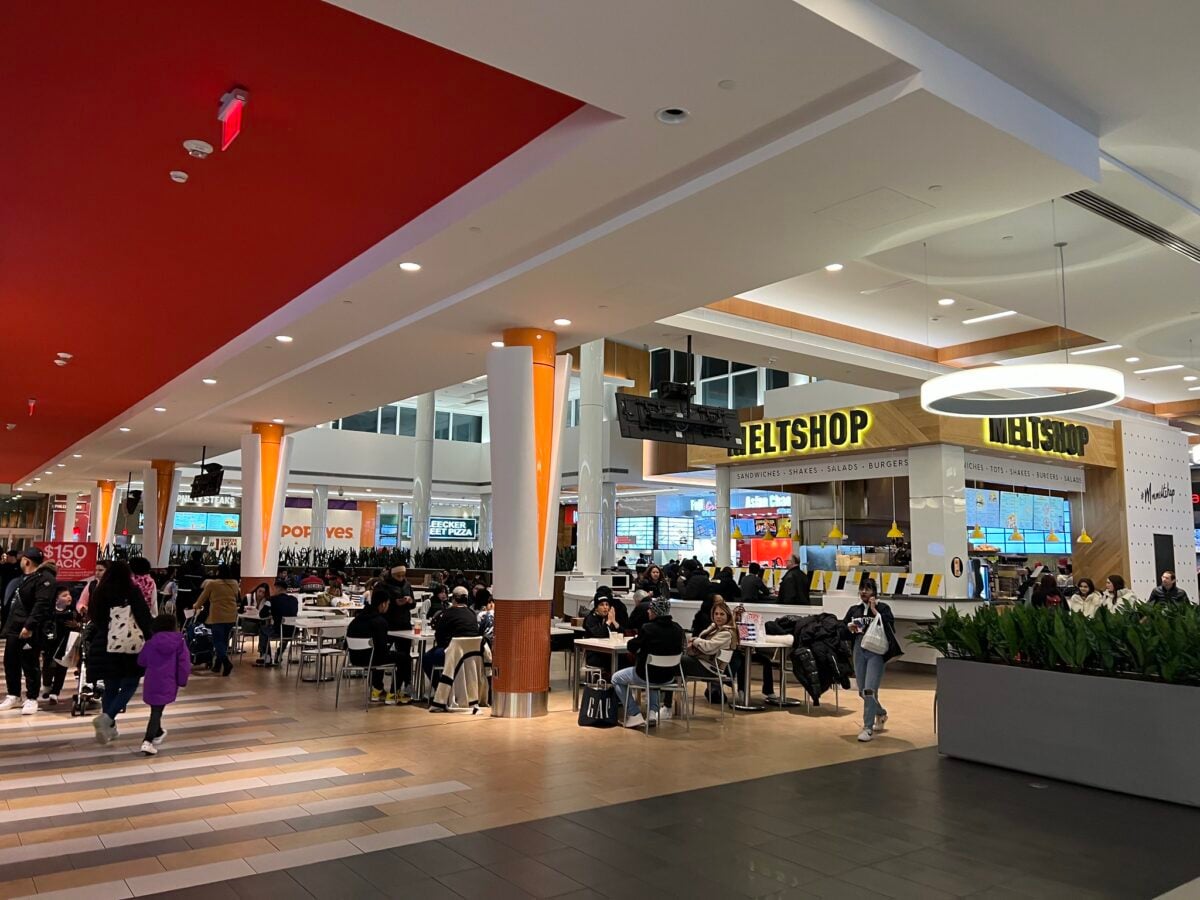
Some malls started replacing traditional food court tenants with local restaurant operators, ghost kitchen setups, or chef-driven concepts rather than national chains. Roosevelt Field Mall in Garden City, New York overhauled its dining area into something closer to a food hall.
The distinction between a food court and a food hall matters more than it sounds: a food hall signals aspiration, locally sourced, artisanal, Instagrammable — and a food court signals 1987, which is either a criticism or a compliment depending on who’s asking.
The Food Hall as Successor
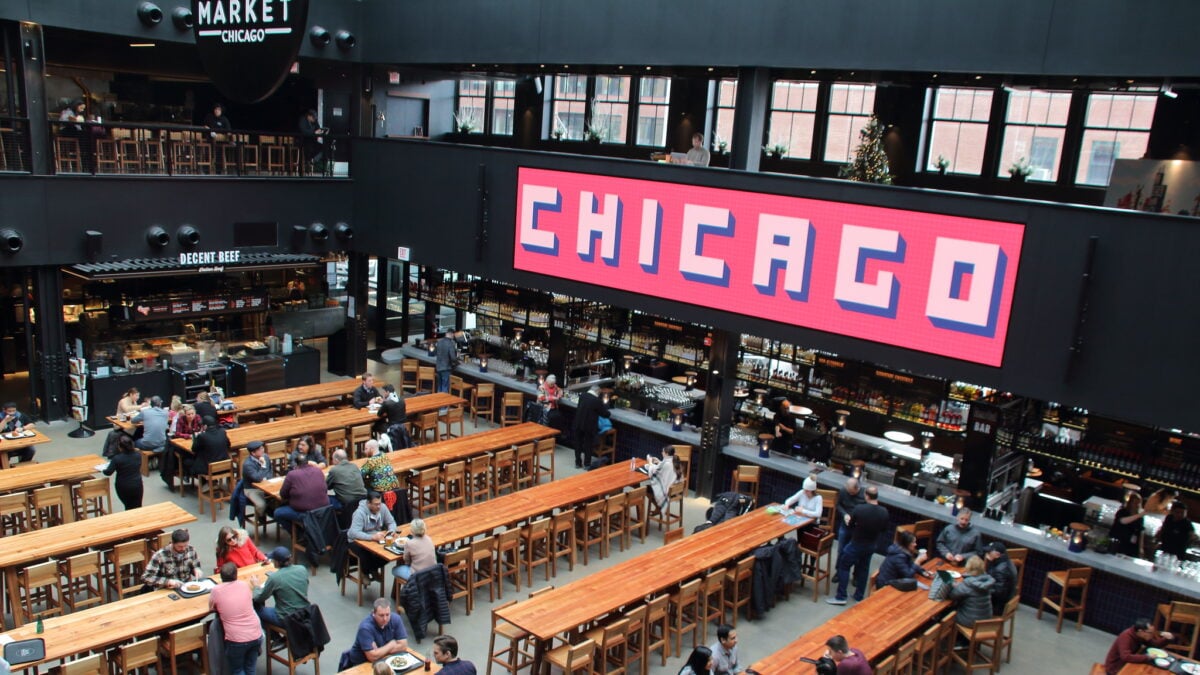
Food halls — the urban, curated, often locally branded cousins of the food court — have been expanding steadily while traditional food courts contract. Eataly, Time Out Market, Ponce City Market in Atlanta, Chelsea Market in New York — these spaces carry the structural DNA of the food court (shared seating, multiple vendors, high foot traffic) but wrapped in exposed brick and reclaimed wood rather than drop ceilings and vinyl flooring. Whether that counts as evolution or replacement depends on whether you think the food court’s soul was ever really about the food.
The Nostalgia Economy
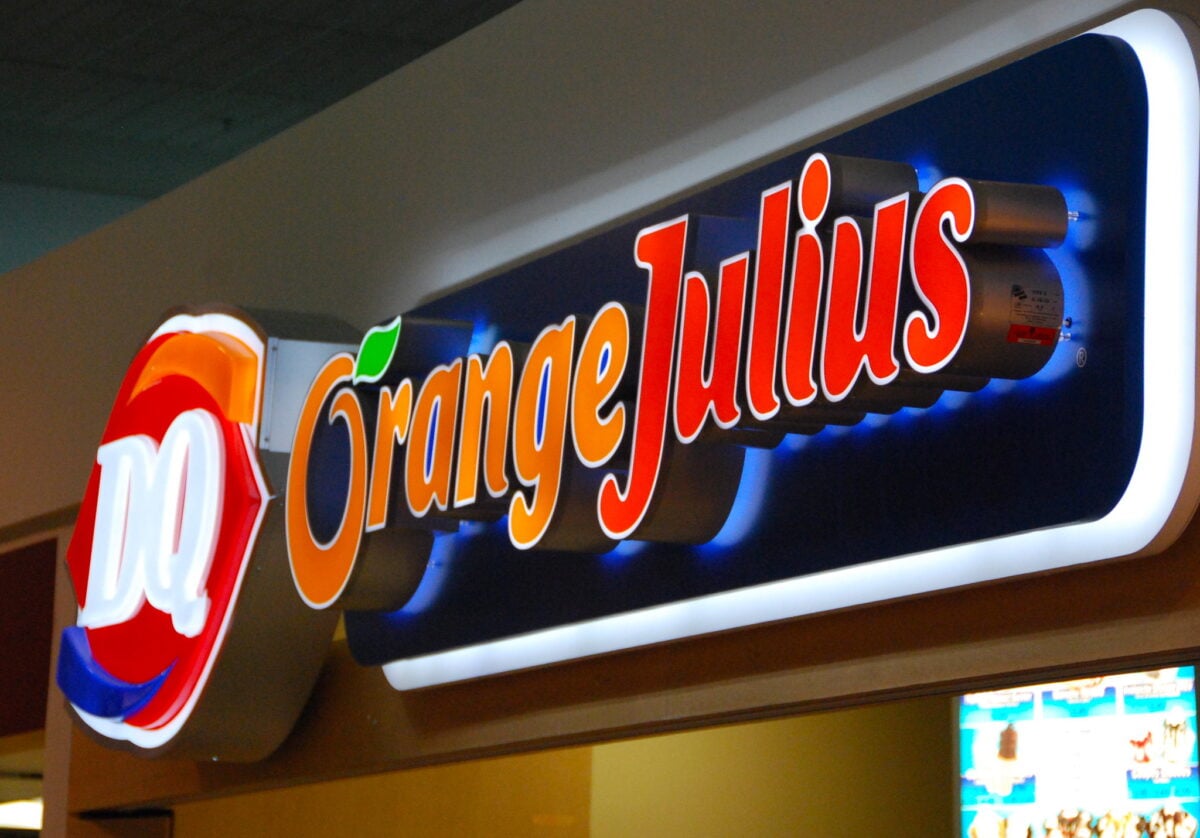
There is now a measurable nostalgia industry around the food court era that would have seemed baffling twenty years ago. Auntie Anne’s leans into retro branding. Orange Julius merchandise surfaces on eBay with the same seriousness people bring to vintage concert shirts.
Food court nostalgia isn’t really about the food — it’s about a particular texture of American adolescence, the feeling of having somewhere to go that required nothing from you except a couple of dollars and an afternoon.
The Surviving Anchors
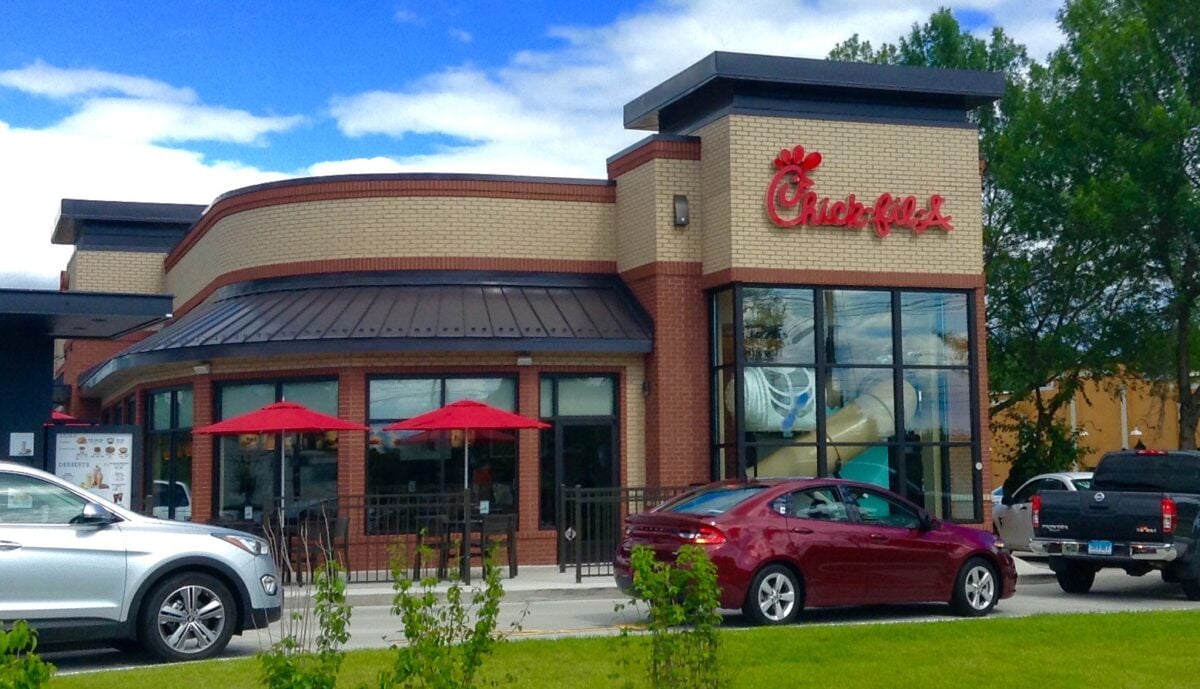
Not every food court brand collapsed. Chick-fil-A’s mall locations have largely transitioned to freestanding restaurants, which reads as a quiet indictment of the food court model — the brand outgrew the container. Panda Express operates in more than 2,300 locations and has been expanding beyond malls for years.
Auntie Anne’s continues operating in malls but has also moved into airports, stadiums, and standalone kiosks, which is essentially the food court logic applied to any high-traffic captive audience environment. The lesson wasn’t that the food was wrong. It was that the container had a shelf life.
What Actually Killed It
The food court didn’t die from one thing — it died from the slow withdrawal of everything that made it viable simultaneously. The decline of anchor stores reduced foot traffic. Fast casual gave people a better-feeling alternative.
E-commerce has reduced the number of reasons to visit a mall. The normalization of food delivery removed the “quick lunch” use case.
And suburban demographics shifted in ways that made the original model — designed for middle-class families spending Saturdays at the mall — fit less cleanly against the reality of how people actually moved through their days. Each factor was manageable on its own.
All of them at once was not.
The Malls That Survived
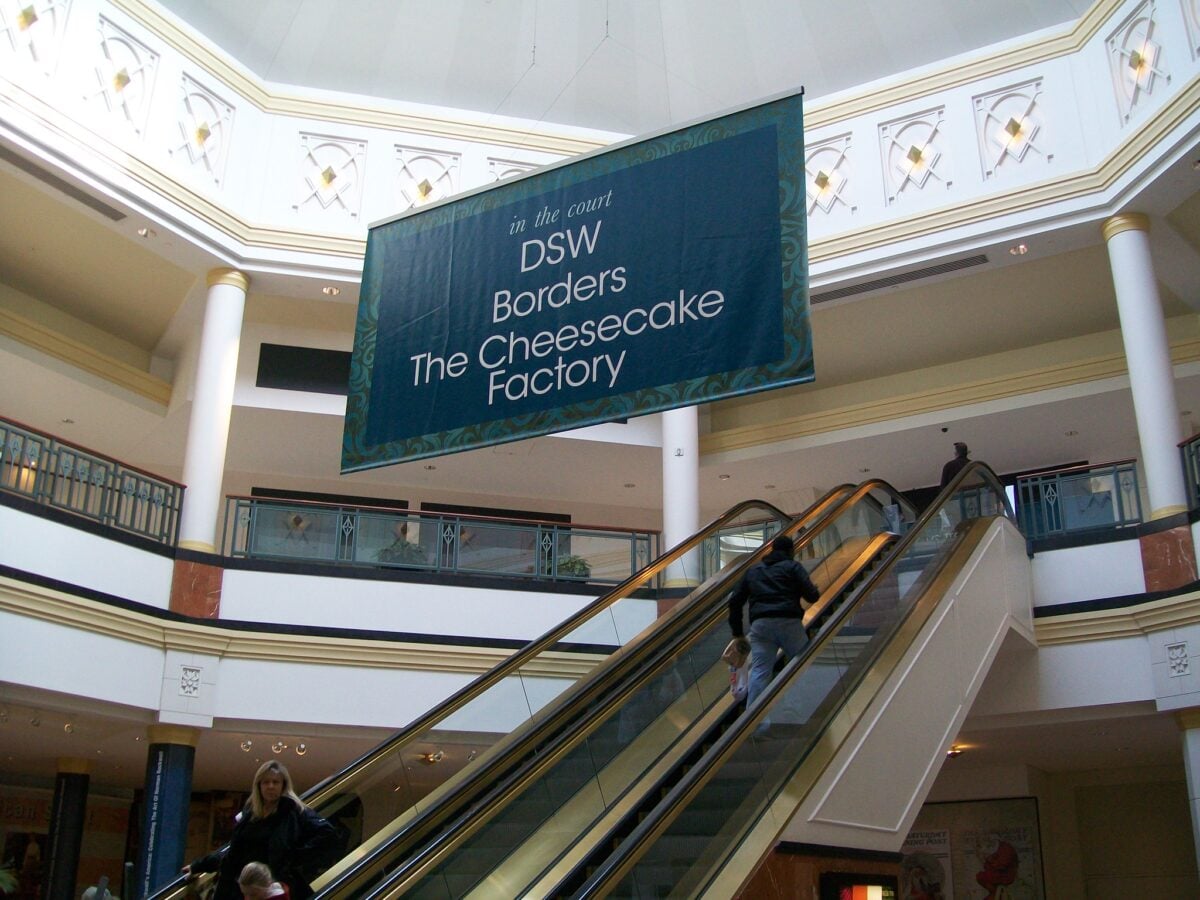
The malls that kept their food courts alive and functional share a few traits: they’re in high-density suburban or urban-adjacent markets, they’ve diversified beyond retail into entertainment, fitness, and medical services, and they’ve updated their food offerings to include at least some local or regional operators alongside the national chains. King of Prussia Mall in Pennsylvania and Tysons Corner Center in Virginia are examples of properties that have adapted without abandoning the food court structure entirely.
Survival, in the mall business, has required a willingness to be something other than what you were designed to be.
Where the Former Spaces Go
Dead food courts don’t stay dead — they get repurposed, sometimes in ways that feel almost reverential and sometimes in ways that feel aggressively indifferent to what came before. Former mall food courts have been converted into medical clinic waiting areas, college satellite campuses, trampoline parks, and co-working spaces.
The bones of the space — the high ceilings, the wide footprint, the kitchen infrastructure — make conversion relatively practical. What doesn’t transfer is whatever invisible quality made the original version worth visiting on a random Saturday afternoon.
The Last Tray Slide
Eventually, someone is going to write a serious cultural history of the American mall food court, and they’ll probably locate it correctly: not as a retail story or an architectural story, but as a story about how a particular version of American public life briefly found a home inside a commercial building, then quietly ran out of reasons to stay. The orange chairs and the laminate trays and the slightly too-loud ventilation fans were never really the point.
The point was somewhere to be — and when the country built enough others somewheres, the food court lost the argument without anyone having to make the case.
More from Go2Tutors!

- The Romanov Crown Jewels and Their Tragic Fate
- 13 Historical Mysteries That Science Still Can’t Solve
- Famous Hoaxes That Fooled the World for Years
- 15 Child Stars with Tragic Adult Lives
- 16 Famous Jewelry Pieces in History
Like Go2Tutors’s content? Follow us on MSN.