29 Skills Everyone Had 30 Years Ago That Are Basically Extinct
There’s a particular kind of confidence that came with knowing how to do things — real things, practical things, things that didn’t require a signal bar or a battery percentage. Thirty years ago, the average person carried a quiet competence in their hands and head that most people today couldn’t fake for five minutes. It wasn’t remarkable then.
Nobody got credit for reading a paper map or doing arithmetic without a calculator. It was just what you did. But somewhere between the late 1990s and now, a generation’s worth of functional skills quietly slipped out the back door — and most people didn’t notice until they needed them.
Reading a Paper Map
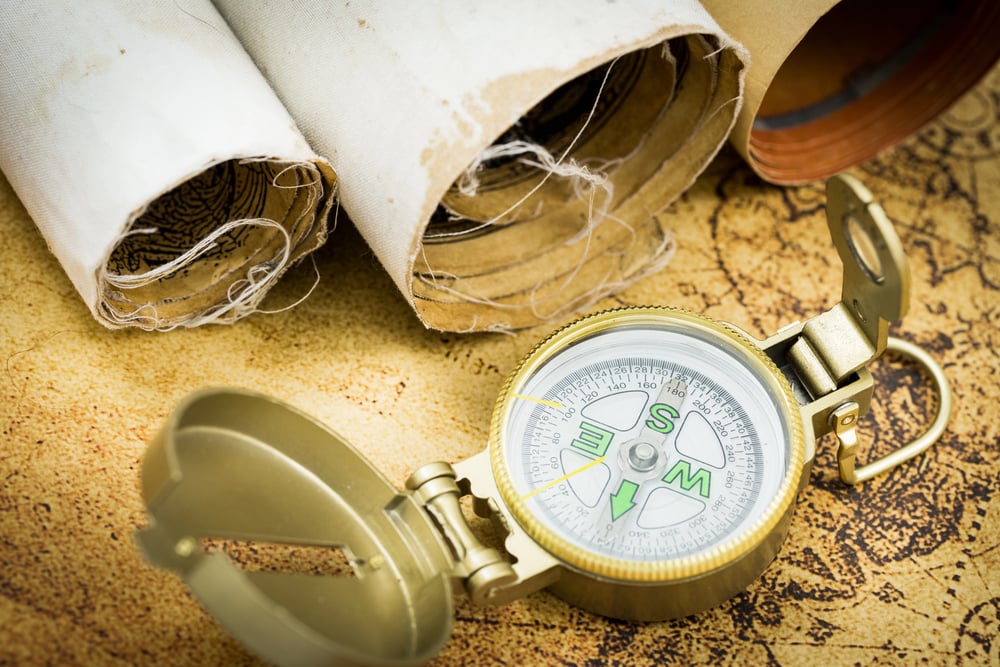
Paper maps didn’t forgive you for being indifferent. You had to orient yourself, find the intersection, trace the route with a finger — and if you got it wrong, you drove ten miles in the wrong direction before anyone could tell you otherwise.
There’s no rerouting. No cheerful voice saying “make a legal U-turn.” Just the map, the road, and whatever spatial reasoning you showed up with.
Mental Arithmetic

Mental arithmetic is a lost art, and that’s not an overstatement. People used to calculate tips, split bills, and estimate grocery totals in their heads without a second thought — now reaching for a phone to divide by four is considered completely normal.
To be fair, the phone is faster, but the speed comes at a cost: a brain that stops doing the work tends to stop being able to do the work.
Handwriting Legibly

Handwriting used to be something you were genuinely judged on — by teachers, employers, strangers reading a sympathy card. It was a form of presentation, like posture or punctuation, that signaled care and effort.
Now it’s closer to a lost dialect: most people can read it, fewer can produce it cleanly, and an entire generation writes in a hybrid scrawl that is neither cursive nor print.
Cursive Writing
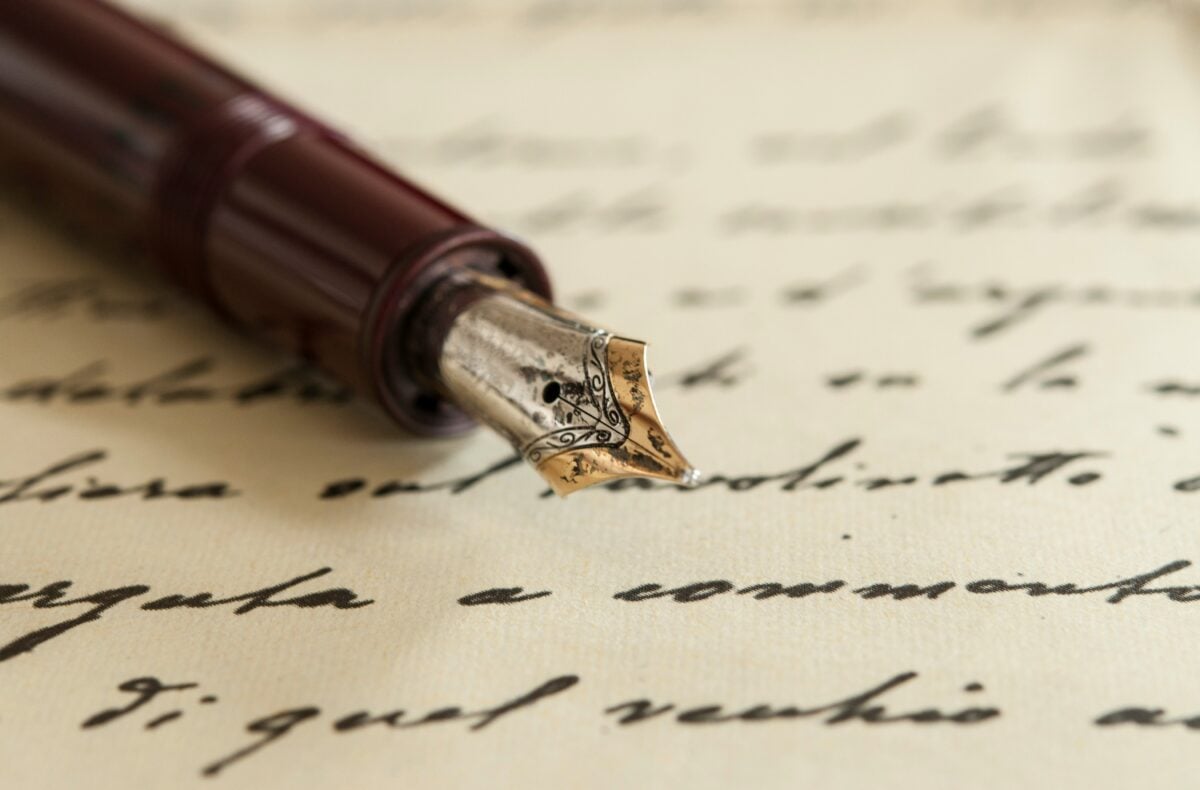
Cursive is its own category — something more than just legible handwriting and less than calligraphy, a flowing, connected script that was standard in every American classroom until it quietly got dropped from most curricula in the 2010s. Without it, historical documents written in cursive — letters, deeds, diaries — are becoming unreadable to younger generations without translation.
A 19th-century letter from a great-great-grandmother, written in the script everyone used to know, now requires a specialist.
Parallel Parking
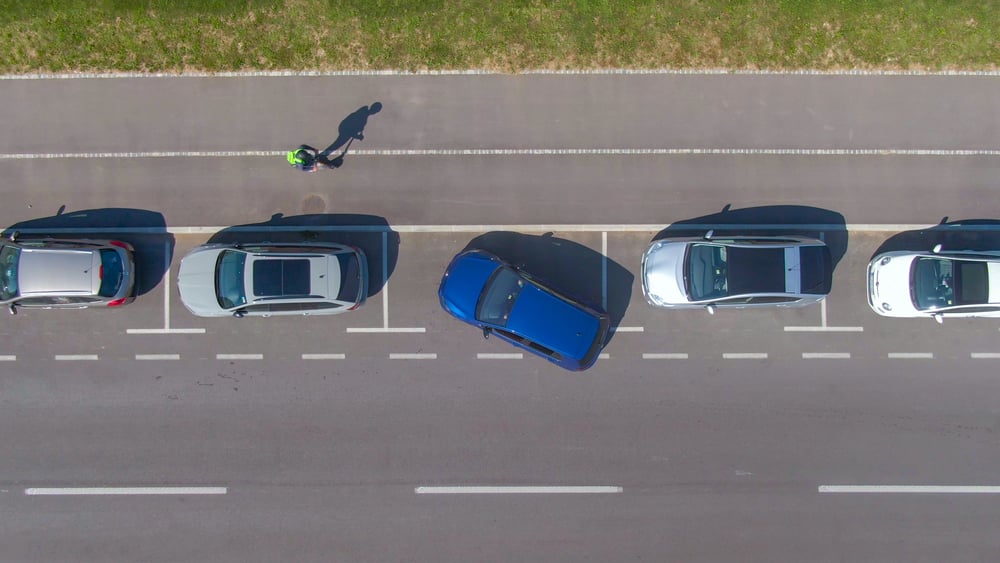
Parallel parking separated confident drivers from anxious ones, and everyone knew which category they fell into. It required spatial awareness, a feel for the car’s dimensions, and the willingness to commit to a move that could go wrong in front of an audience.
Backup cameras and parking sensors have made the skill optional, which is another way of saying they’ve made the skill disappear.
Navigating Without GPS

There was a whole internal geography that people carried before GPS — the knowledge of which roads connected, which shortcuts existed, which neighborhoods you could cut through at what time. It wasn’t just memorized routes, it was an understanding of how a city or region fit together as a system, the way a river connects to smaller tributaries, each one familiar and deliberately known.
That kind of spatial fluency is stubborn to build and quick to erode when you stop needing it.
Remembering Phone Numbers
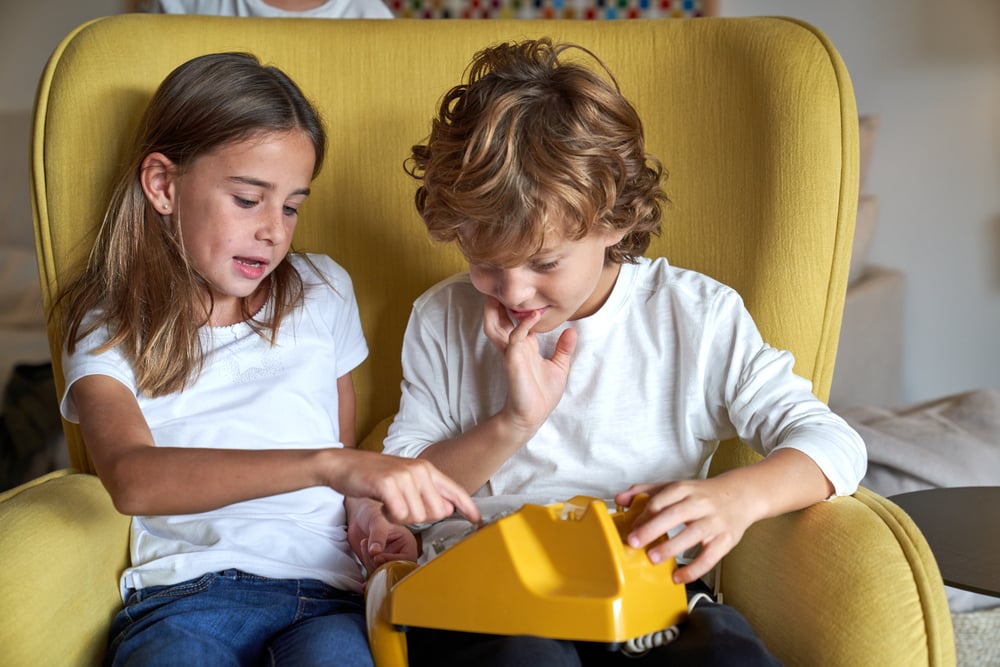
Ten years ago you knew at least a dozen phone numbers by heart. Your best friend’s landline, your parents’ number, your own cell — all retrievable without a device.
Now most people can’t recall even their closest contacts’ numbers, not because they’re less intelligent but because the phone remembered so the brain didn’t bother. Go figure: outsource memory often enough and the muscle atrophies.
Touch Typing

Touch typing — real touch typing, all ten fingers, no looking down — was a standard skill taught in high school typing classes through the 1990s, and the people who learned it properly can still produce 80 words per minute without breaking a sweat. The skill still exists, but it’s no longer universal.
Many people now type fast with two fingers or an unconventional hybrid approach, which works, technically, but never quite reaches the same fluency.
Using a Physical Encyclopedia

An encyclopedia wasn’t just a reference tool, it was a place you could get genuinely lost — you looked up volcanoes and somehow ended up reading about the Byzantine Empire forty-five minutes later. The cross-referencing, the serendipity, the physical commitment of pulling a heavy volume off a shelf: those things shaped how knowledge felt to acquire.
Wikipedia is faster, broader, and arguably better — but it doesn’t weigh anything.
Sewing and Basic Clothing Repair
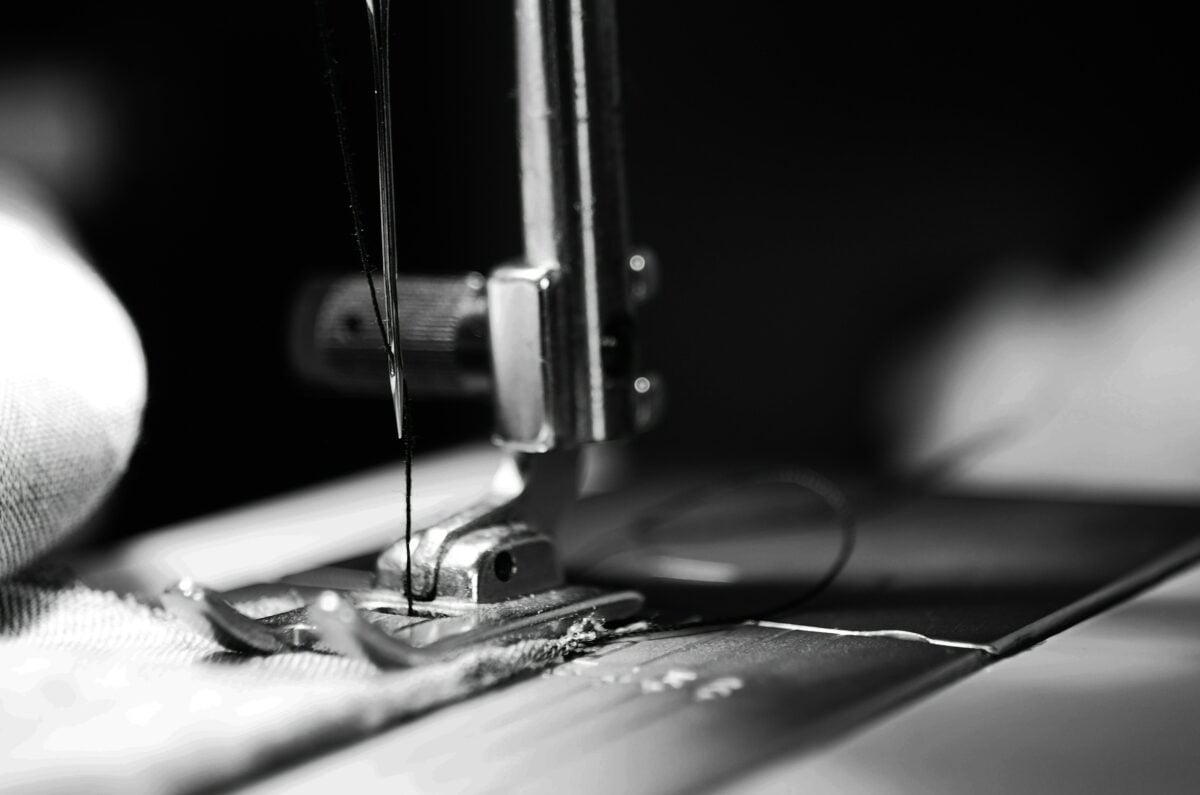
A lost button used to be a ten-minute fix. A split seam at the hem of trousers was something anyone with a needle and thread could handle in the time it took to watch a TV commercial. Now it’s either a trip to the tailor — if you can find one — or a permanent exile to the back of the closet.
The skill isn’t complicated; it’s just not taught anymore.
Changing a Tire

Changing a tire is a skill that survives perfectly fine in theory — most people know the steps exist — but collapses in practice when it’s 11 PM, raining, and nobody can figure out where the jack is stored. The roadside assistance industry is essentially a monument to this specific gap.
And some newer vehicles now skip the spare tire entirely and come with a can of sealant, which is, to put it plainly, not the same thing.
Balancing a Checkbook

Balancing a checkbook sounds almost quaint now, but it was a genuine financial discipline: tracking every transaction by hand, reconciling the running total against the bank statement, knowing at any moment exactly what you had. It built a particular relationship with money — not the vague sense that there’s “probably enough” that comes from glancing at an app.
The app isn’t wrong, but it doesn’t make you think.
Reading Analog Clocks

Reading an analog clock is not intellectually demanding, and yet a measurable percentage of younger people genuinely struggle with it. Schools in the UK started reporting the issue formally around 2018, and the pattern exists in the US too.
Digital clocks didn’t eliminate the skill overnight — it happened slowly, one digital display at a time, until analog clocks started appearing on walls like decorative objects that also, incidentally, told time.
Writing a Formal Letter
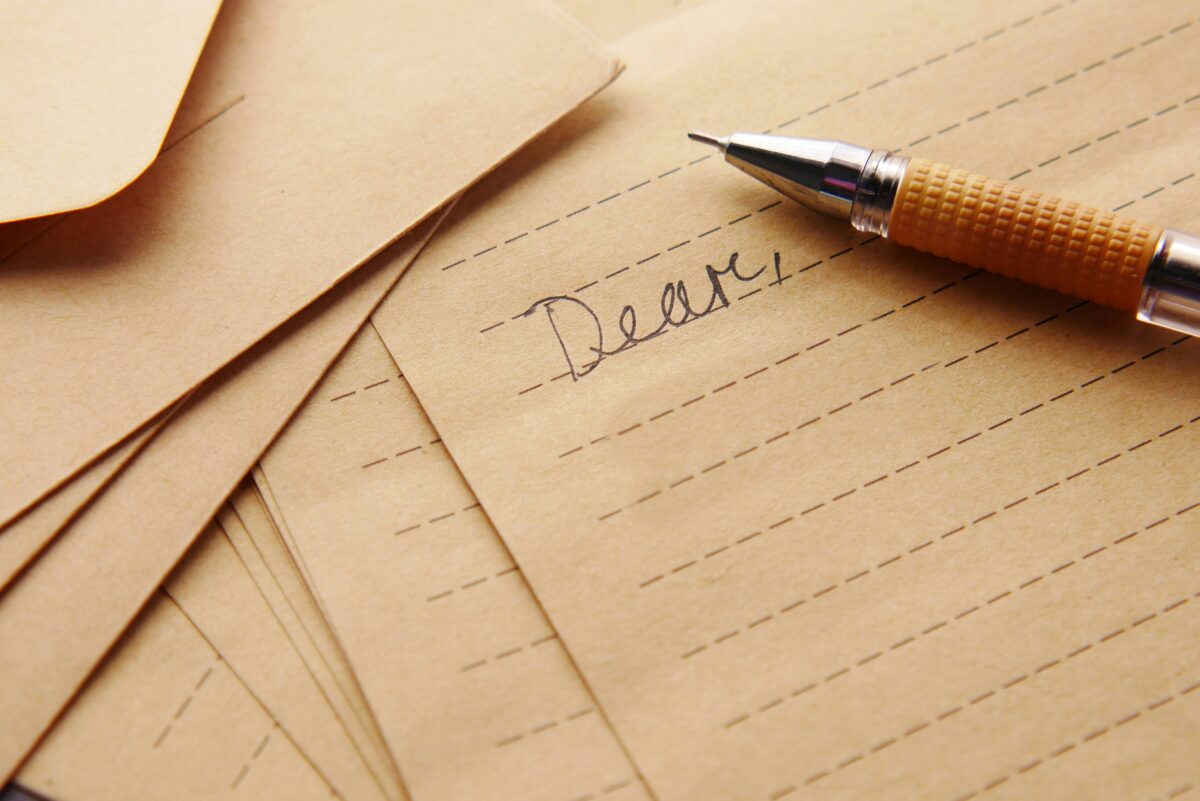
A formal letter had rules, and knowing them was a mark of basic adult competence. The date in the upper right.
The recipient’s address below left. The salutation, the body, the closing.
“Sincerely” versus “Yours truly” — each one calibrated to the relationship and the occasion. Email gutted most of this, and what replaced it is faster but tonally formless: every register collapses into the same informal middle.
Cooking from Scratch Without a Recipe

Cooking from scratch without a recipe used to be something most home cooks did instinctively — a rough knowledge of ratios, cooking times, and flavor combinations that lived in the hands as much as the head. It came from watching someone else do it, repeatedly, until the motions became familiar.
With step-by-step recipe videos available for everything, that intuitive fluency has become rare, and a kitchen without Wi-Fi now produces a specific kind of anxiety.
Reading a Bus or Train Schedule

— Photo by Blastam
A printed bus schedule was a document you learned to read — routes, times, transfer points, the footnotes explaining which services ran on Sundays and holidays. Getting it wrong meant standing on a corner for forty minutes in February.
Getting it right, and actually predicting a connection without an app, felt like a small private competence. Transit apps have replaced the skill almost entirely, which is fine until the app is wrong.
Filing Taxes by Hand

Before TurboTax, before H&R Block’s online portal, people sat down with physical forms and actually read the instructions — line by line, schedule by schedule, carrying numbers from one form to another by hand. It was tedious and occasionally baffling, but it meant that people understood, at least roughly, what was being calculated and why.
Now most people have no idea what their taxes actually say. They just wait for the refund number.
Developing Film Photography
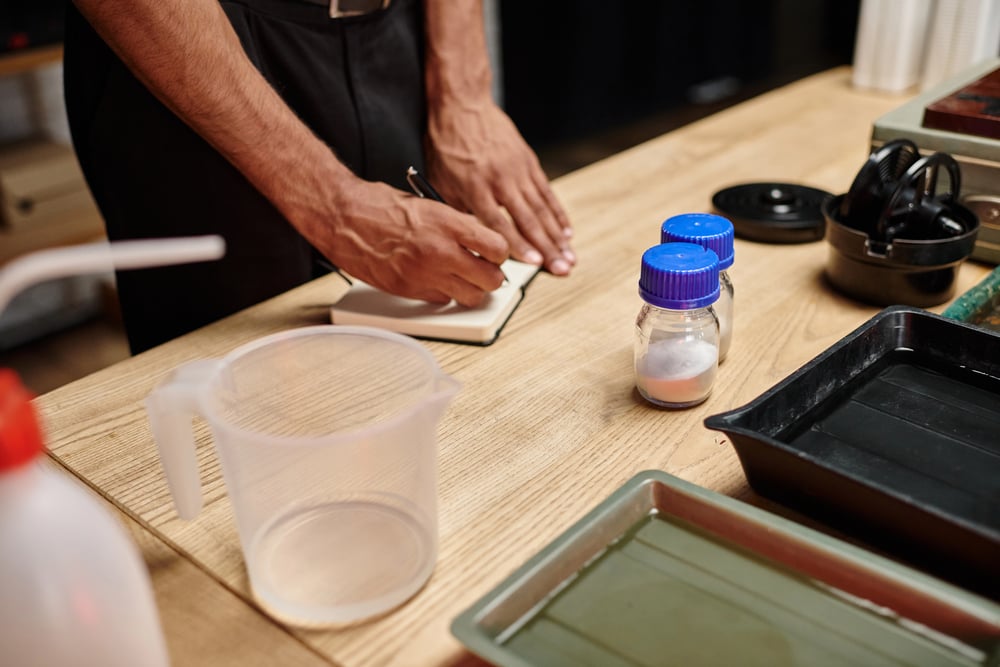
Film photography demanded patience in a way that digital photography simply doesn’t — every frame cost something, every choice mattered, and you didn’t know what you had until you developed it. The darkroom process (or the trip to the one-hour photo lab) was its own ritual: chemical trays, red lights, images appearing slowly on paper like a memory surfacing.
That specific, tactile relationship with an image has no digital equivalent. None.
Giving Directions Without a Phone
Giving directions used to be a social skill as much as a navigational one — you had to know the landmarks, the quirks of the route, the things that would help a stranger actually find the place. “Turn left at the old bank building, take that past the gas station, and it’s the third right after the overpass.”
Specific, local, human. Now asking someone for directions is a coin flip between getting a useful answer and watching them open Google Maps.
Memorizing Lyrics and Poems

There’s a reason that people who memorized poetry in school can still recite it decades later, often word for word — repetition without crutches builds a different kind of retention. Entire song lyrics, speeches, scripture passages: these lived inside people because the only way to have them was to hold them.
Streaming services put every lyric a swipe away, and in doing so, made the effort of memorization feel pointlessly old-fashioned.
Ironing Clothes Properly
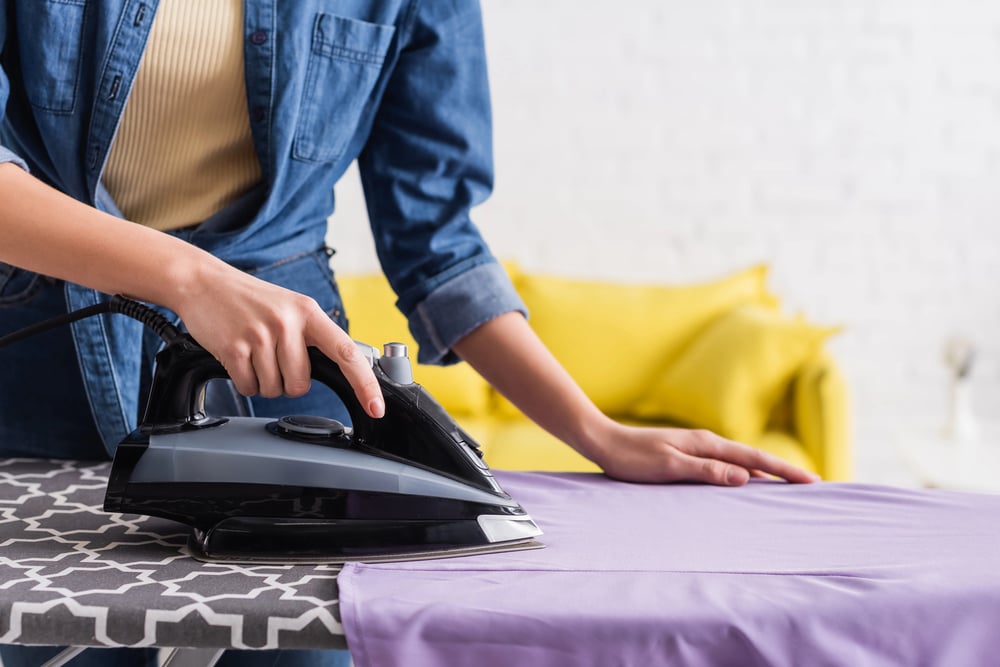
Ironing properly — collar points first, then cuffs, then sleeves, shirt body last — is a specific technique that produces a specific result, and most people under 35 have no reliable grasp of it. Wrinkle-resistant fabrics and the general casualization of dress codes removed the daily practice, and with it the skill.
The iron still exists in most households. It mostly irons tablecloths now.
Sharpening a Knife by Hand
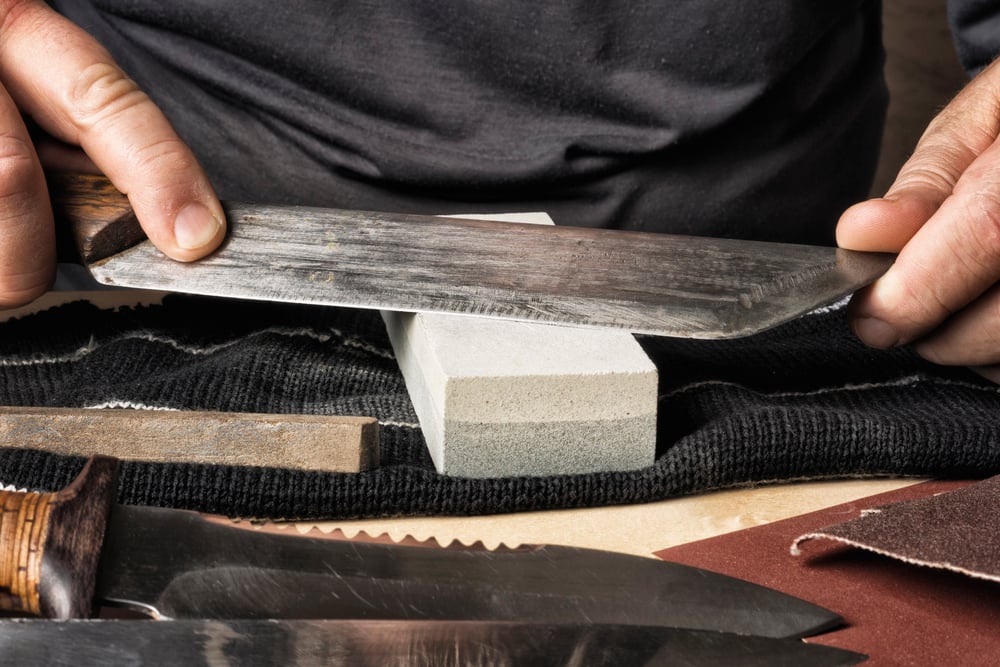
A sharp knife is, without argument, the most important tool in a kitchen. And yet the number of people who can sharpen one by hand — using a whetstone, maintaining a consistent angle, finishing on a honing steel — has dropped dramatically outside professional kitchens.
Pull-through sharpeners and electric gadgets have replaced the technique. They work, sort of. Chefs would have something cutting to say about the comparison.
Mending and Darning Socks
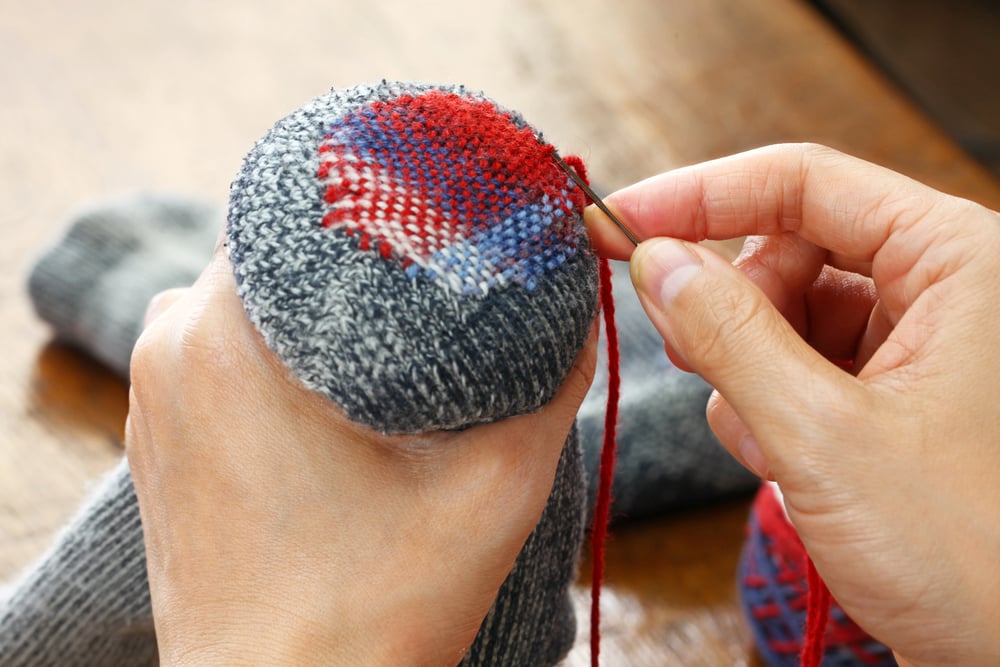
Darning — repairing worn-through socks with a needle and thread over a smooth form — was an almost universal household skill thirty years ago, and now it’s the kind of thing that appears on niche craft blogs as a “lost art revival.” Which, to be fair, it is.
The economics of disposable fast fashion made repair feel pointless, and a skill that was once passed from parent to child quietly ran out of people willing to carry it forward.
Reading Microfiche
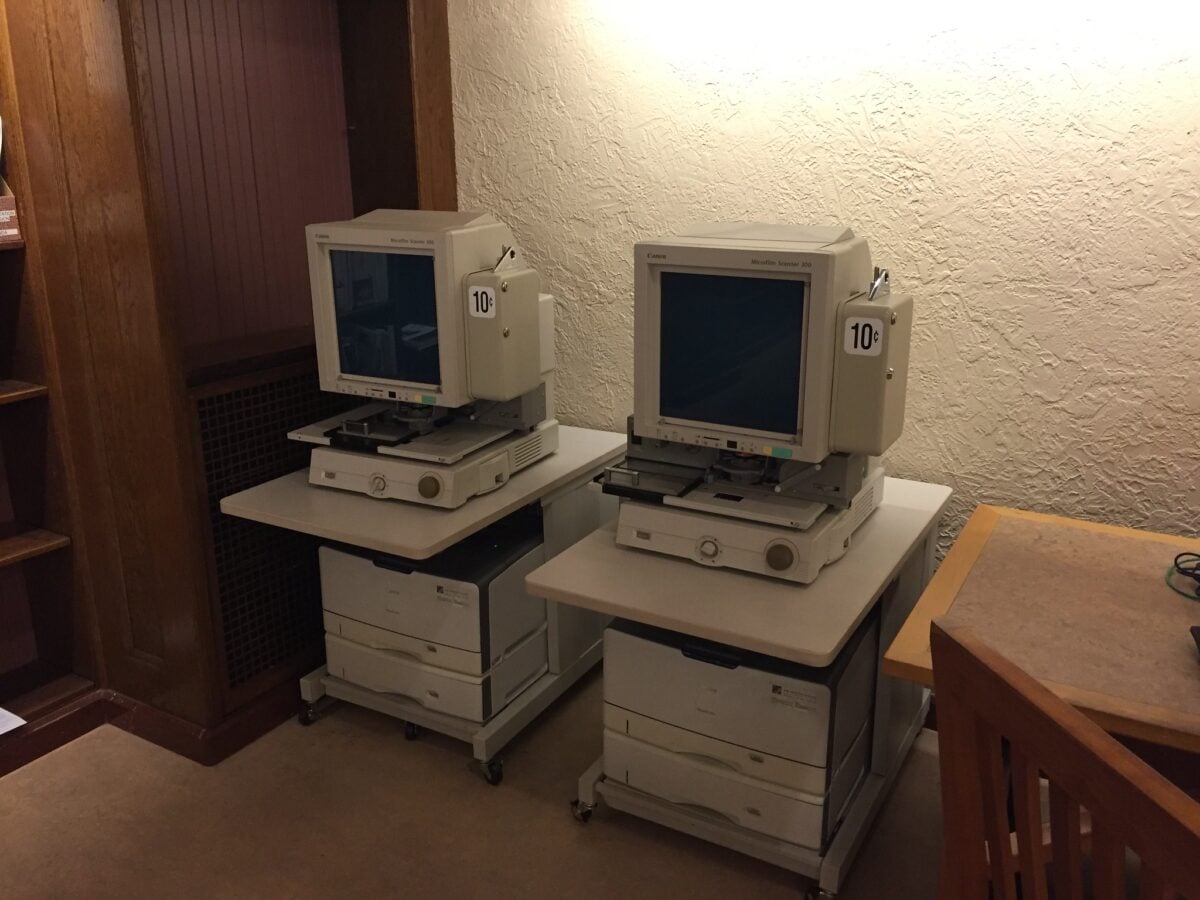
Microfiche readers were the search engines of their era — compact film cards loaded into a backlit reader, used in libraries and newspaper archives everywhere. Journalists, students, and researchers used them constantly through the 1990s.
The machines are largely gone now, and so is the patience required to scan slowly through an entire reel of a 1974 newspaper looking for one article on page twelve.
Home Canning and Preserving

Home canning — water-bath canning, pressure canning, the careful sterilization of jars and lids — was a functional part of managing a household, particularly in rural areas, and the knowledge was passed down with the equipment. You could put up tomatoes in August and eat them in January.
The skill requires precision (botulism is an unforgiving teacher), which may be part of why it faded, but its absence means an entire food preservation chain that existed for generations simply stopped.
Car Maintenance Basics
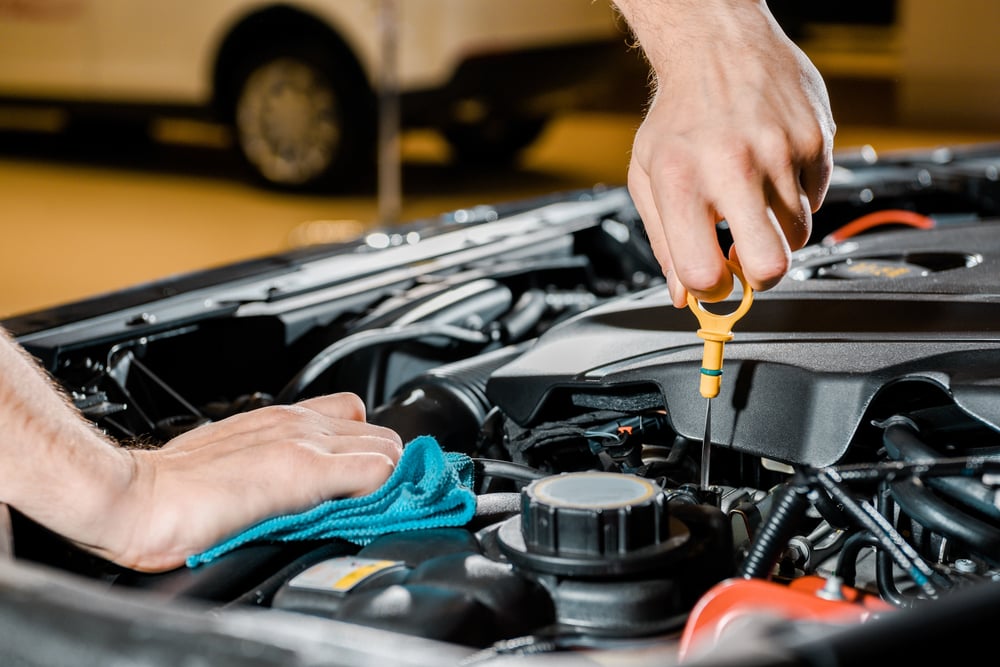
Changing your own oil, replacing air filters, checking and replacing spark plugs — these were tasks that most car owners handled themselves through the 1990s, partly because the cars were simpler and partly because the culture expected it. Modern engines, packed with electronics and designed for dealership servicing, have made the DIY approach harder.
But the attitude shifted first, long before engineering did.
Shorthand Writing

Shorthand — Gregg, Pitman, or one of the other systems — was a professional skill taught in secretarial schools and used by journalists, court reporters, and assistants who needed to capture spoken words at speed. It was a coded language that took months to learn and years to master, and those who knew it could transcribe a spoken sentence before it finished.
Digital recorders and transcription software made it redundant, and the knowledge mostly retired with the last people who used it daily.
Handwriting Letters and Mailing Them

There’s a reason people kept letters in shoeboxes under the bed for decades — a handwritten letter was a physical object that someone had spent time with, chosen words for, sealed and sent. It required knowing the address, having a stamp, and waiting.
The waiting was part of it. Email removed the friction so completely that it also removed the weight, and most people alive today have never written a letter that someone kept.
Operating a Rotary Phone

Operating a rotary phone required patience that felt almost meditative — you placed your finger in the opening, pulled the dial around to the stop, released it, waited for it to return, then did it again for each digit. A single misdial meant starting over.
For the generation that grew up with rotary phones, it was simply how calling worked. For anyone born after about 1990, it’s closer to operating antique machinery.
What Got Lost When the Skills Did

Skills don’t disappear cleanly. They take something with them — a texture of daily life, a specific kind of competence that didn’t feel like competence at the time because everyone had it.
Reading a map meant understanding where you were in space. Balancing a checkbook meant knowing where you stood financially.
Mending a sock meant a small but real refusal to throw away something that could still be useful. None of these skills were glamorous, and none of them are coming back in any widespread way.
But the gap they left is real, even if it’s hard to name — a quiet erosion of the ordinary self-sufficiency that once sat, unremarkable, at the center of everyday life.
More from Go2Tutors!

- The Romanov Crown Jewels and Their Tragic Fate
- 13 Historical Mysteries That Science Still Can’t Solve
- Famous Hoaxes That Fooled the World for Years
- 15 Child Stars with Tragic Adult Lives
- 16 Famous Jewelry Pieces in History
Like Go2Tutors’s content? Follow us on MSN.



