24 Retro Kitchen Appliances That Defined the ’70s
There’s something about a harvest gold blender sitting on a Formica countertop that hits differently than any stainless steel gadget ever could. The kitchens of the 1970s were loud, colorful, and unapologetically cluttered with appliances that promised to make life easier — and mostly delivered.
Some of them were genuinely brilliant. Some were absolute disasters wrapped in avocado green plastic.
All of them left a mark on the way American families cooked, ate, and gathered around the kitchen. If you grew up in that era, or you’ve just developed a weakness for thrift store finds, this list is going to feel very familiar.
Avocado Green Stand Mixer
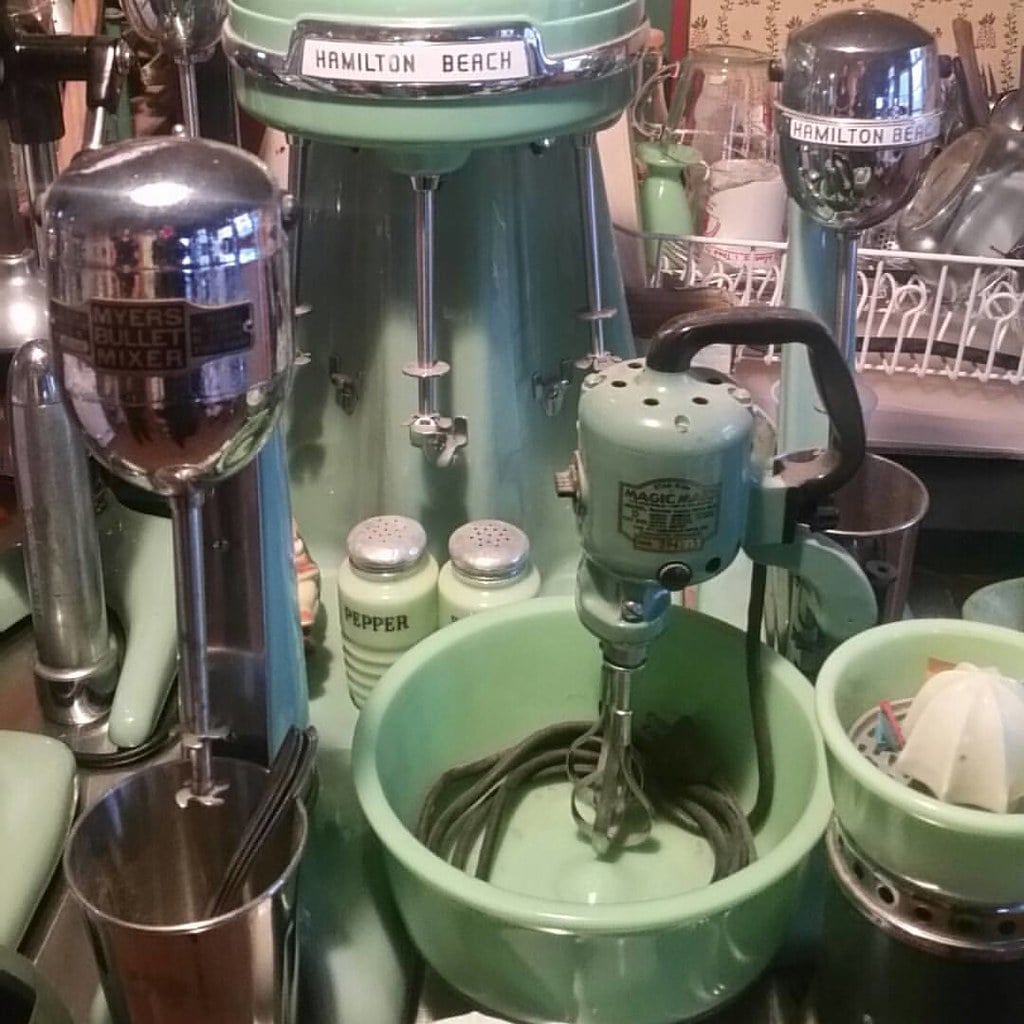
KitchenAid was already a household name by the ’70s, but the decade gave it a color palette that nobody asked for and everyone bought anyway. Avocado green, harvest gold, and coppertone — these weren’t just color options, they were a whole aesthetic commitment.
And yet somehow, those machines outlasted the decade, the color trend, and most of the people who owned them.
Electric Can Opener
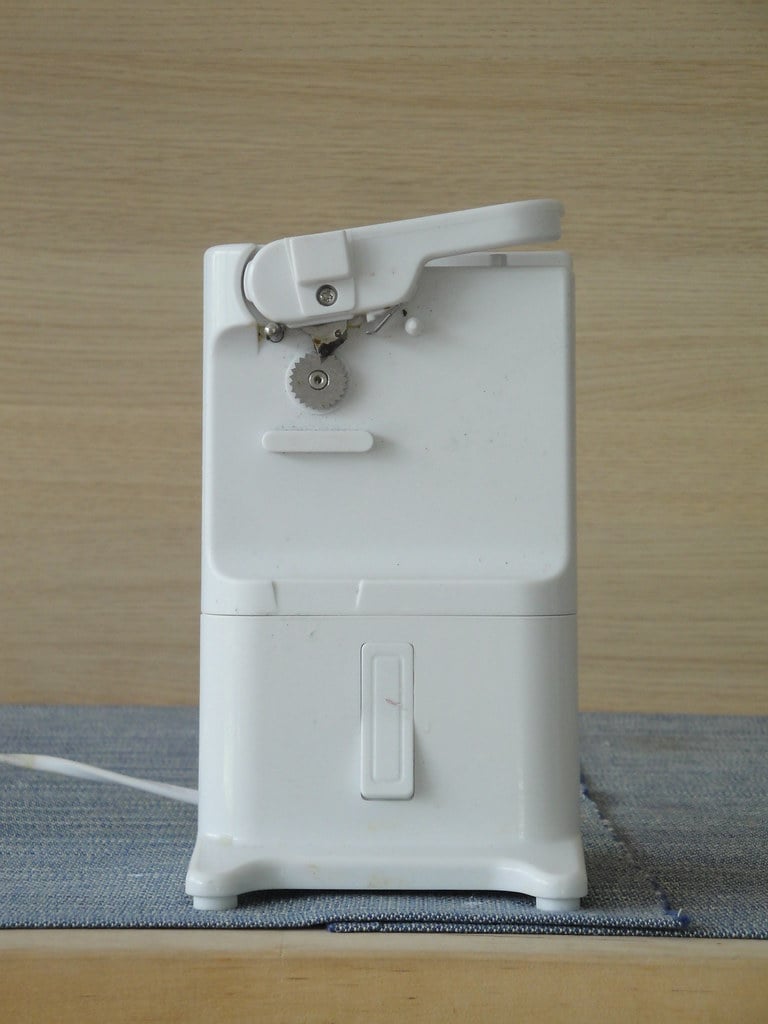
The electric can opener was the ’70s kitchen’s way of announcing that convenience had arrived and it wasn’t leaving. Wall-mounted models by Rival became nearly standard equipment, bolted under the cabinet like a permanent declaration of modernity.
You didn’t open a can by hand in a properly equipped ’70s kitchen — that was for people who didn’t have their priorities straight.
Crock-Pot
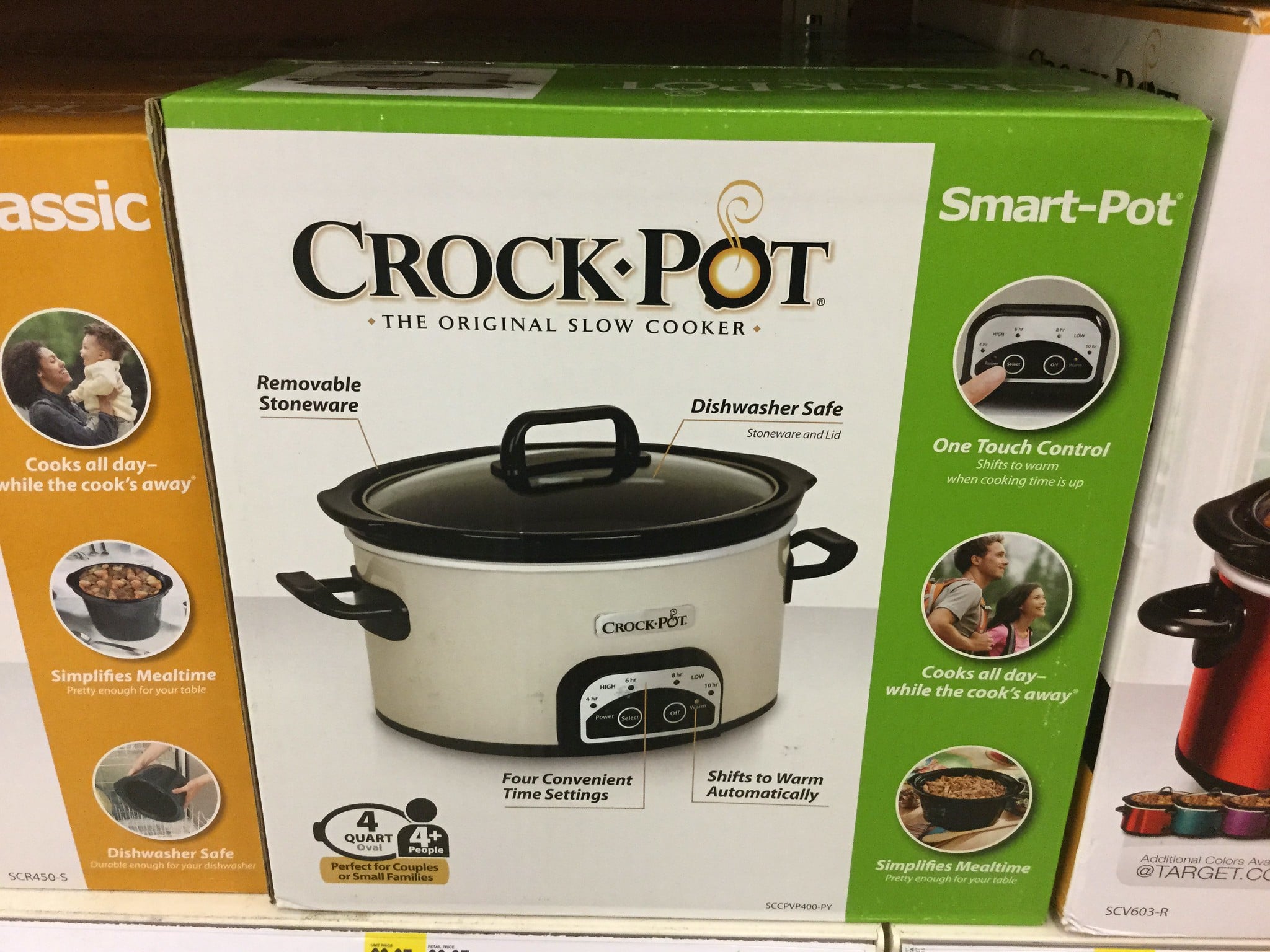
The original Crock-Pot — introduced by Rival in 1970 — didn’t just change dinner, it rewired the entire logic of the American weeknight. There’s something almost stubborn about the slow cooker’s appeal: the idea that you could abandon a pot of food for eight hours and return to something that tastes like you were there the whole time.
It suited the decade perfectly, a decade that was genuinely trying to figure out how to have both a career and a home-cooked meal.
Hamilton Beach Blender
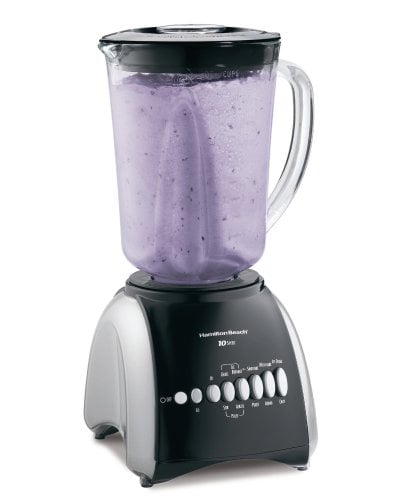
The blender was not new to the ’70s, but the ’70s weaponized it. Hamilton Beach and Oster models multiplied on countertops across the country, their translucent plastic pitchers stained faint orange from years of frozen daiquiri duty.
That blender wasn’t just appliance — it was social infrastructure.
Fondue Pot
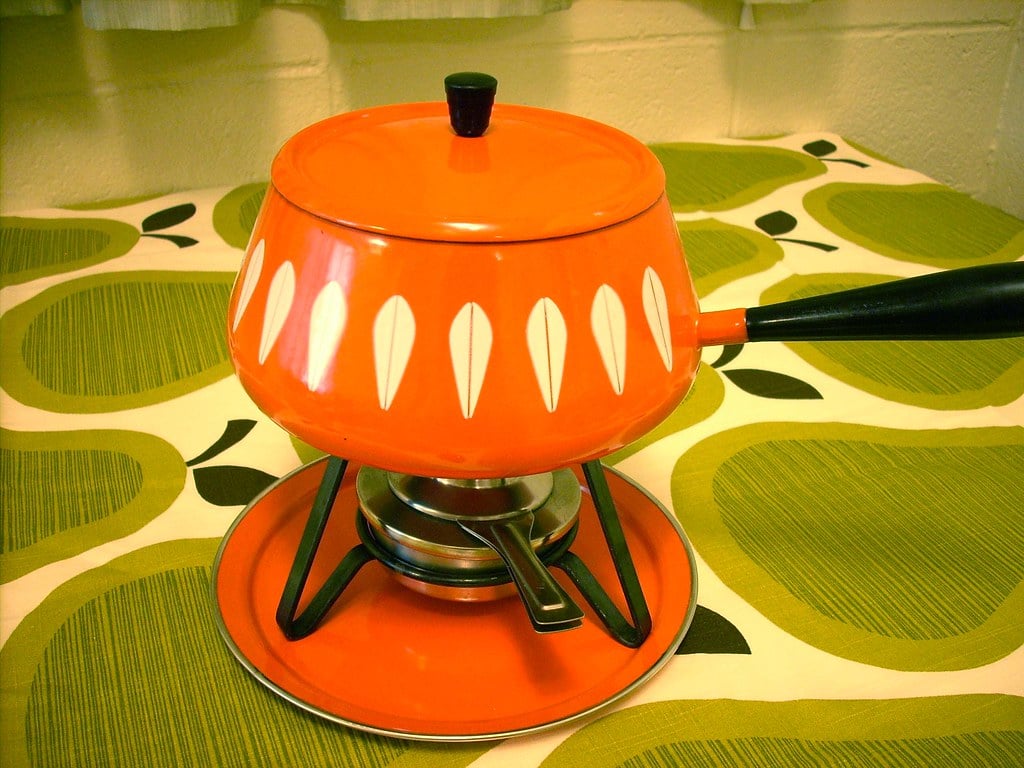
The fondue pot is the decade’s most theatrical kitchen object, and it earned every bit of that reputation. Ceramic or enameled cast iron, perched over a small flame, surrounded by bread cubes and long forks — it turned dinner into a performance.
To be fair, melted Swiss cheese over an open flame is genuinely hard to argue with.
Electric Wok
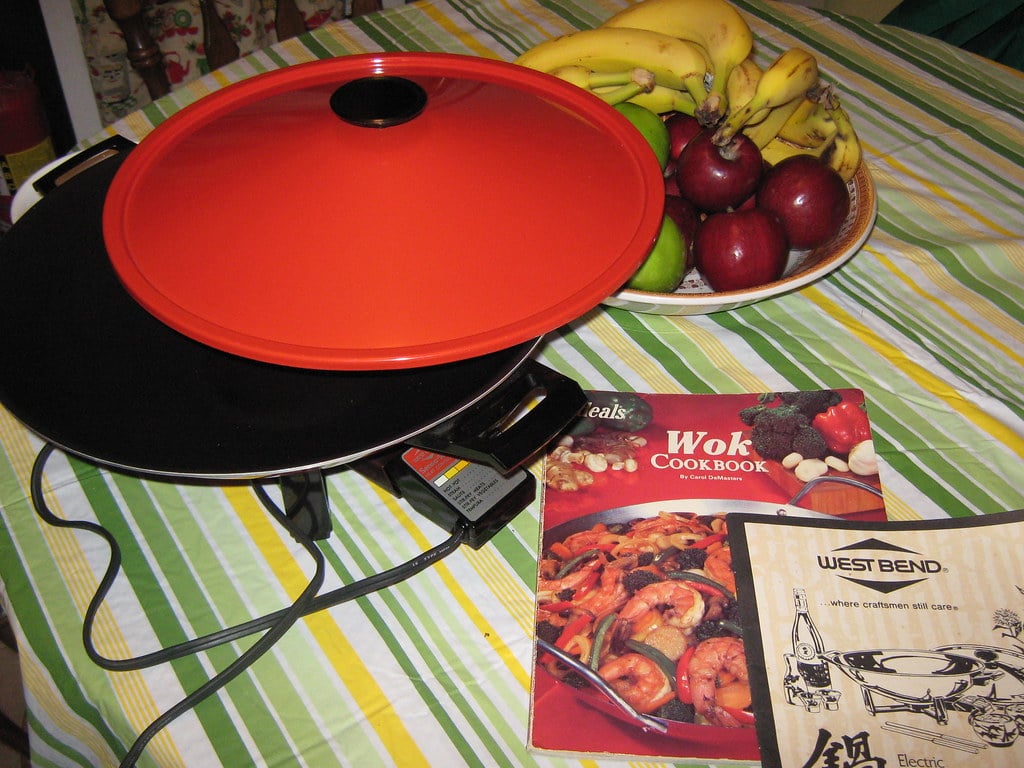
The electric wok arrived in American kitchens during the early-to-mid ’70s as part of a broader fascination with Asian cooking that the decade embraced with genuine, if sometimes clumsy, enthusiasm. Brands like Sunbeam and Farberware sold versions that plugged into any standard outlet and promised restaurant-quality stir-fry at home — a promise that was about seventy percent true, which was good enough.
The flat-bottomed design compromised the authentic high-heat performance of a traditional wok, but nobody was complaining too loudly while eating fried rice on a Tuesday night.
Toaster Oven
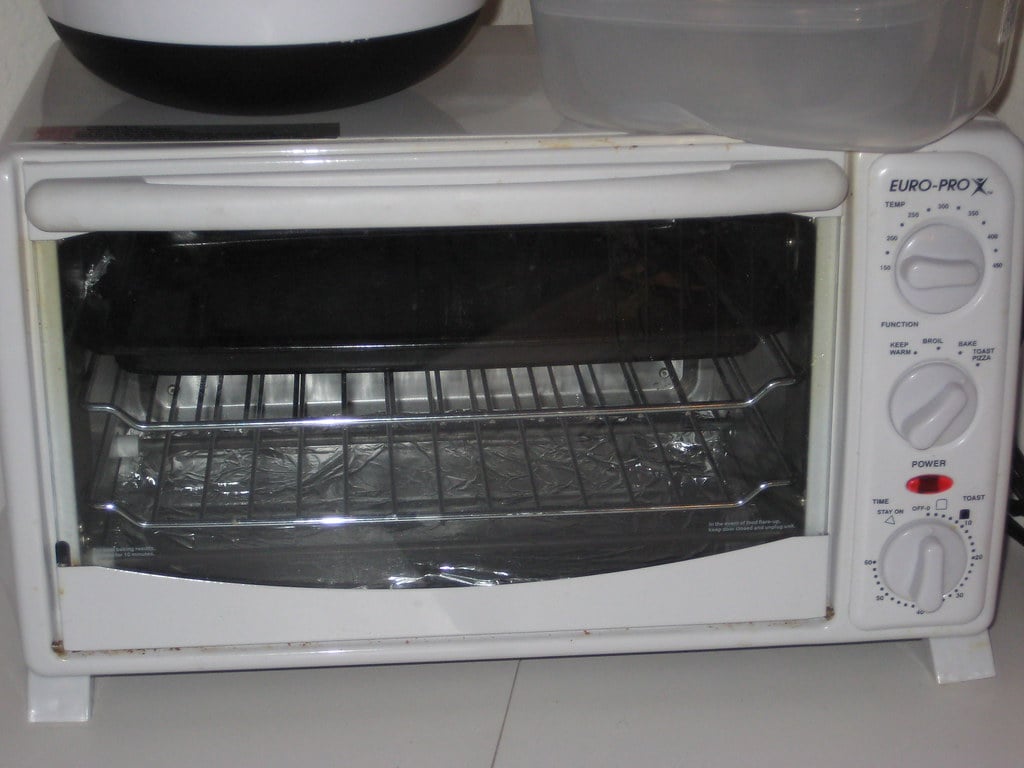
The toaster oven is one of those appliances that earns its counter space the quiet, unglamorous way — not by doing one spectacular thing, but by doing seventeen ordinary things reliably and without complaint. General Electric and Black & Decker models from the ’70s were boxy, chrome-trimmed workhorses that heated leftovers, toasted bread, and baked small casseroles without firing up a full oven.
A lot of those original units are still running somewhere, which is saying something.
Electric Skillet
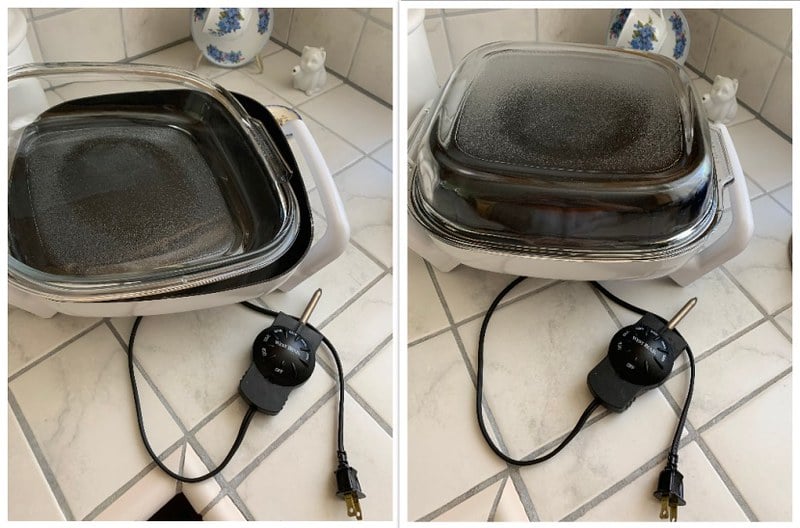
The electric skillet preceded the ’70s, but the decade owned it completely. Presto and Sunbeam made models in every harvest gold and avocado shade imaginable, their non-stick surfaces promising easy cleanup after Sunday pancakes or a full chicken fry-up.
They sat flat on the table like a portable griddle with ambitions, and families used them constantly.
Popcorn Popper
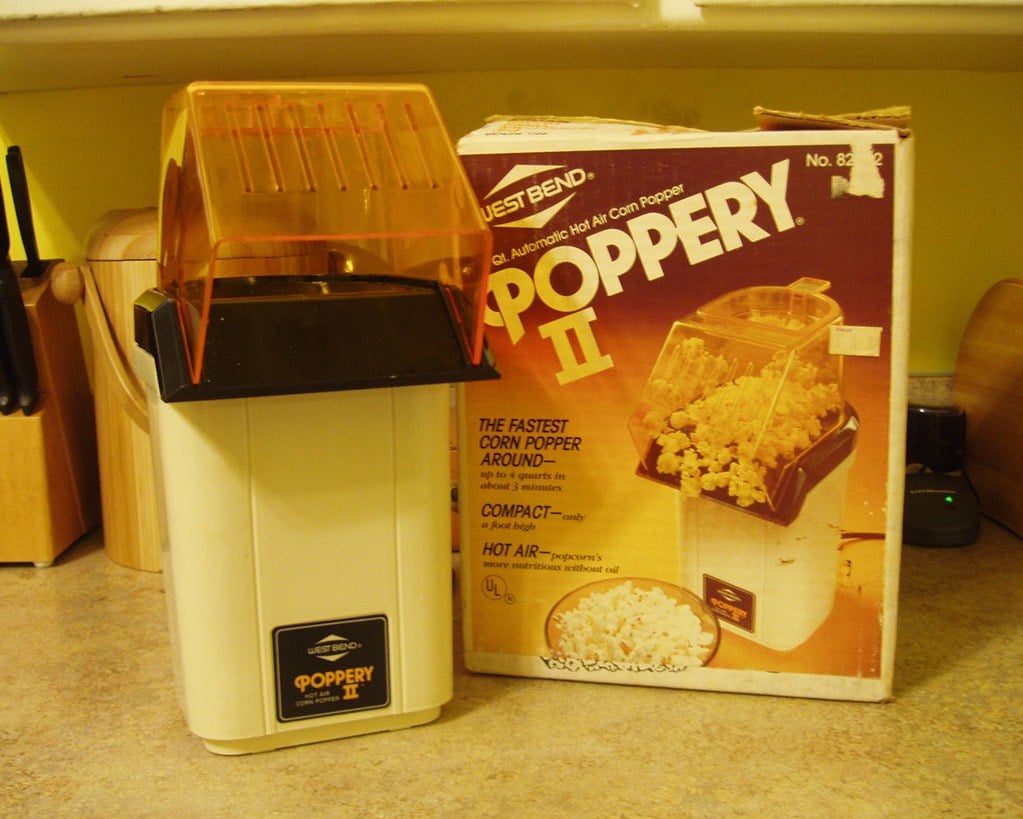
Before microwave popcorn existed, there was the hot-air popper — specifically the Presto PopLite and its competitors, which arrived in the mid-to-late ’70s and felt genuinely revolutionary. You poured kernels into a vented chamber, switched it on, and watched popcorn avalanche into the bowl like something out of a cartoon.
No oil, no stovetop, no burned kernels stuck to the bottom of a pan.
Ice Crusher
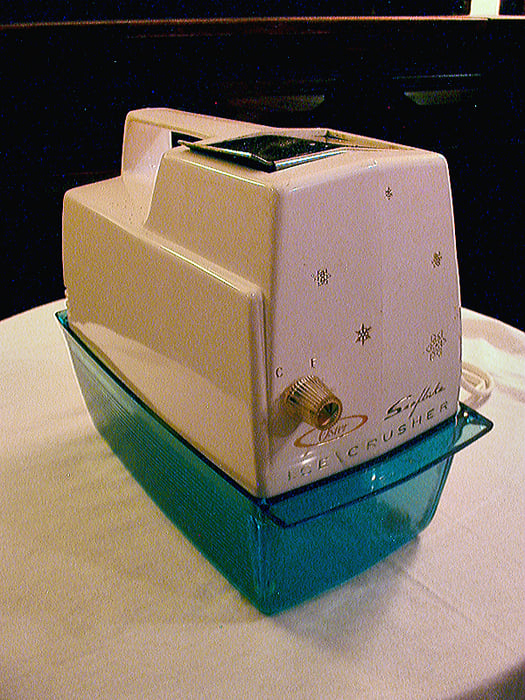
The ice crusher occupied a very specific cultural niche: it was the appliance you bought because you were serious about your home bar setup. Rival and Waring made countertop models in the ’70s that bolted or sat on the counter, fed ice cubes through serrated gears, and produced the crushed ice that frozen cocktails required.
It was a one-trick machine — but in the right kitchen, it was the most important trick going.
Waffle Iron
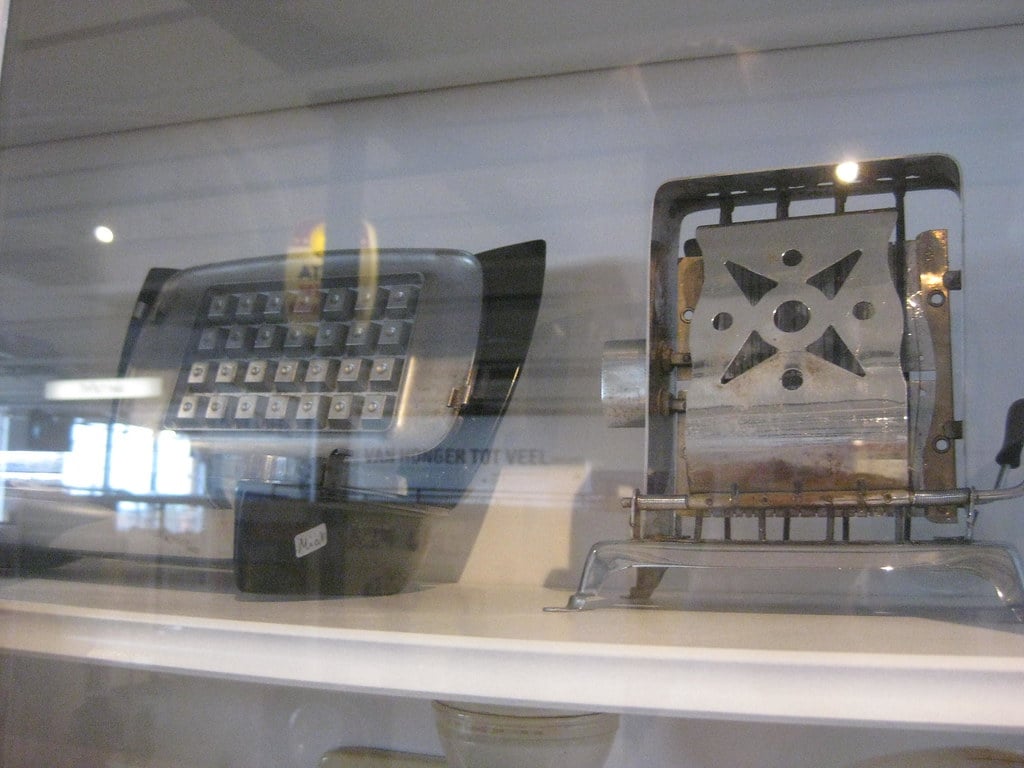
The waffle iron of the ’70s was a thick, chrome-lidded contraption that required patience, butter, and a willingness to sacrifice the first waffle to the gods of seasoning. General Electric and Sunbeam both made popular models with deep-pocketed grids designed to hold an unreasonable amount of syrup — which, to be clear, is the correct amount.
Weekend mornings were built around these things in a way that no countertop appliance has quite managed to replicate since.
Salad Shooter
Technically a product of the late ’80s, the Salad Shooter has its true spiritual roots in the ’70s obsession with gadgetry that justified its own existence through sheer novelty. The precursors — electric food slicers and manual shooters — were absolutely a fixture of the decade, and the logic was identical: why chop when a machine can fling thin slices of cucumber across your salad bowl at moderate velocity?
It made food preparation feel like a minor spectacle.
Food Dehydrator
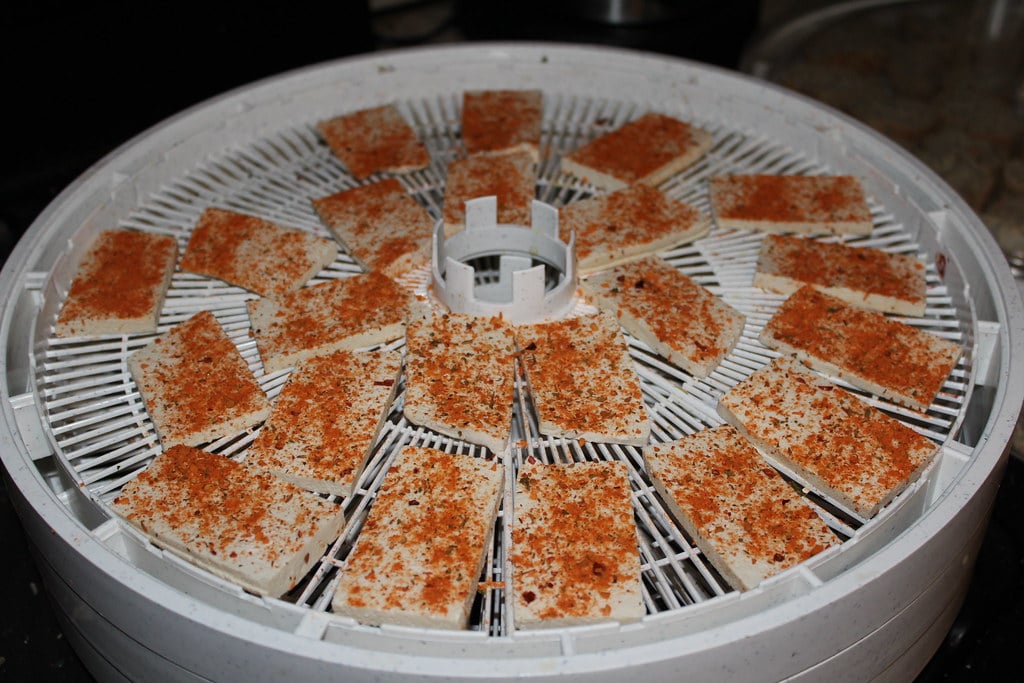
The food dehydrator found its audience in the ’70s through the back channels of health food culture and homesteading enthusiasm — two movements that were louder than their actual numbers suggested. American Harvest and Ronco both sold units that stackable trays and low heat to reduce fruit, vegetables, and meat to shelf-stable, concentrated versions of themselves.
Beef jerky made at home, in a beige plastic tower on the kitchen counter, was a very specific kind of ’70s achievement.
Electric Percolator
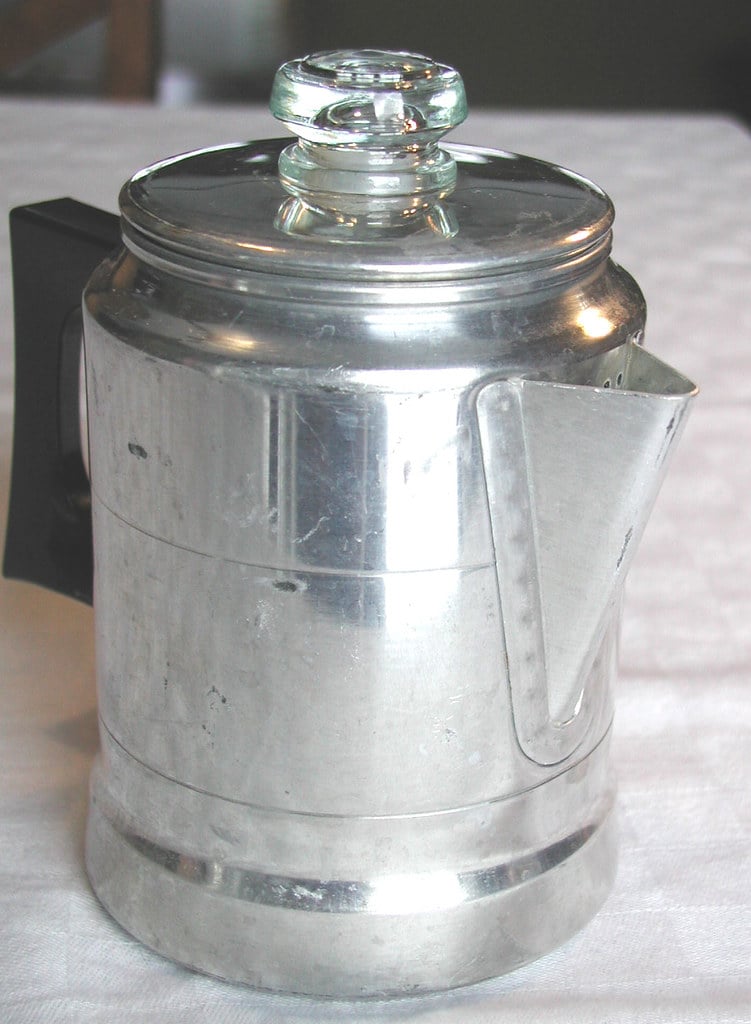
The electric percolator was the dominant coffee-making technology in American homes at the start of the ’70s — a glass-domed, gurgling machine that brewed by cycling hot water upward through a tube and over the grounds, repeatedly. Presto and General Electric made models that sat on the counter permanently, ready at all hours, producing coffee that was strong, hot, and slightly over-extracted in a way that the decade found completely acceptable.
The drip machine would eventually displace it, but not without a fight.
Mr. Coffee Drip Brewer
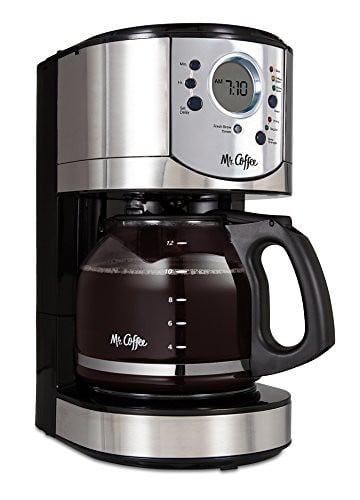
Mr. Coffee launched in 1972 and changed the American morning with a speed that few appliances have matched. The drip brew method — hot water flowing through a paper filter once, instead of cycling through repeatedly — produced cleaner, brighter coffee that made the percolator taste muddy by comparison.
Joe DiMaggio appeared in the ads, which helped, but the coffee spoke for itself.
Electric Griddle
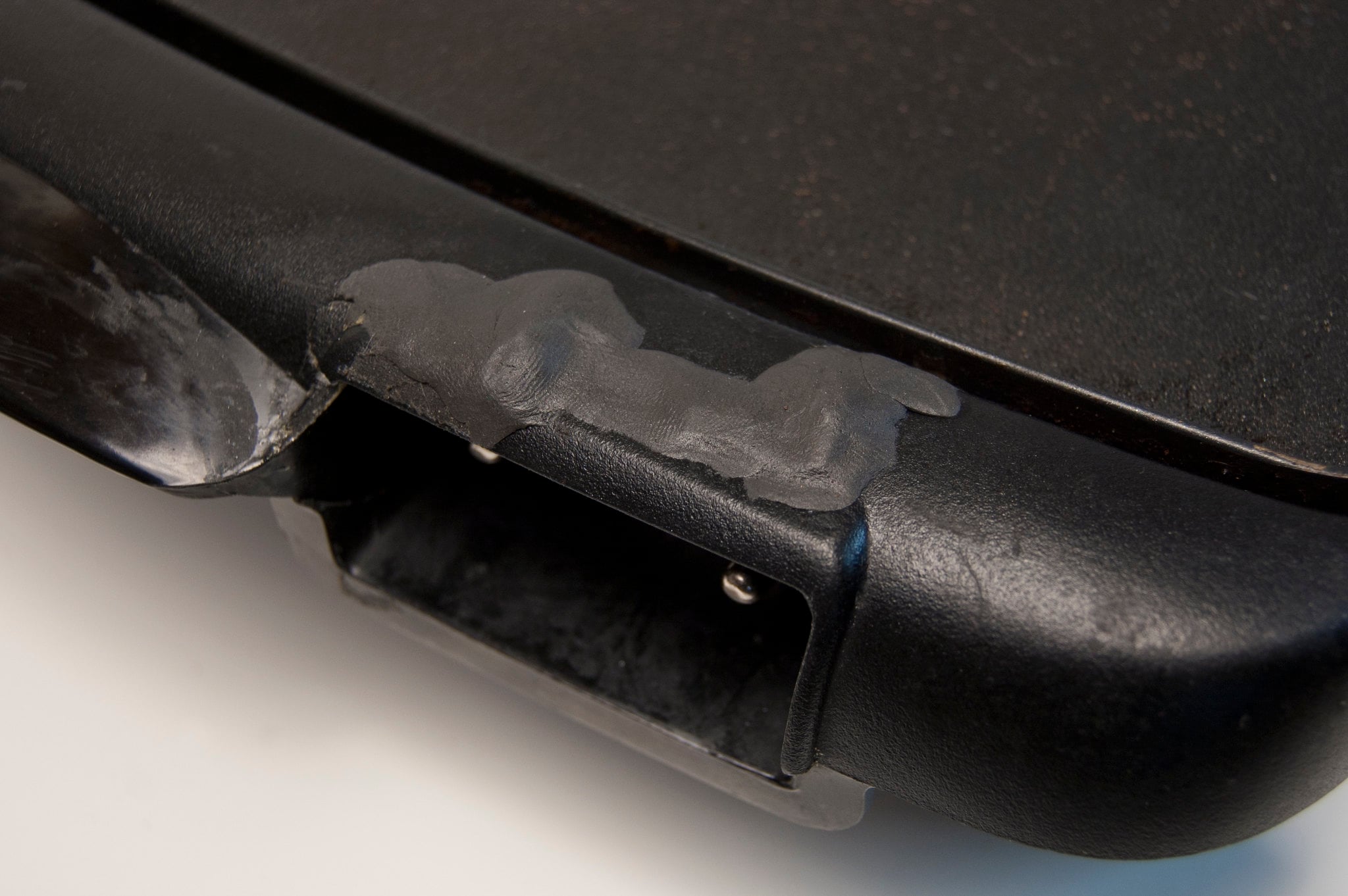
The electric griddle operates on a principle so simple it barely counts as a design — a flat, heated surface, a temperature dial, and enough square inches to cook four things at once. Farberware and Presto both made popular models in the ’70s, rectangular slabs of non-stick metal that sat on the counter and handled everything from bacon to grilled cheese without ceremony or complaint.
The lack of raised sides was a minor grease-management crisis waiting to happen, but nobody let that slow them down.
Juicer
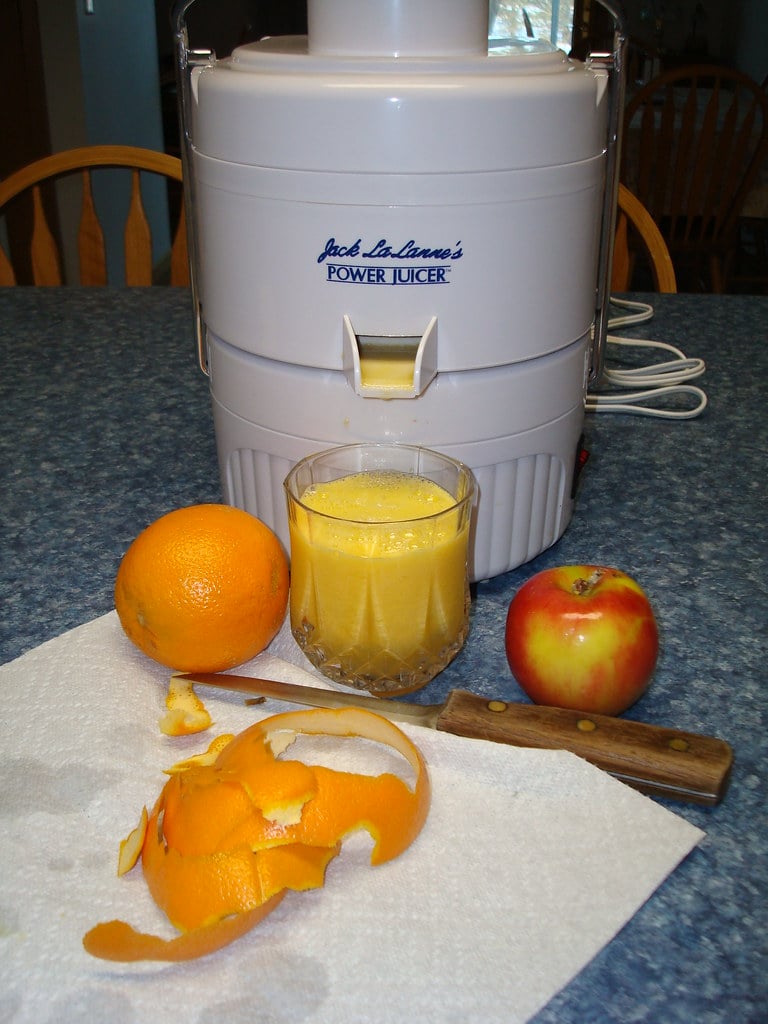
The citrus juicer of the ’70s was a centrifugal, cone-shaped reamer attached to a small motor, and it was loud enough to qualify as a morning alarm. Sunbeam’s electric juicer was a staple of the era, its ribbed cone spinning against half an orange or grapefruit while juice collected in a small reservoir below.
Fresh orange juice in 1974 felt like a genuine health commitment — practically a lifestyle statement — and the juicer was the artifact that proved it.
Rotisserie Oven
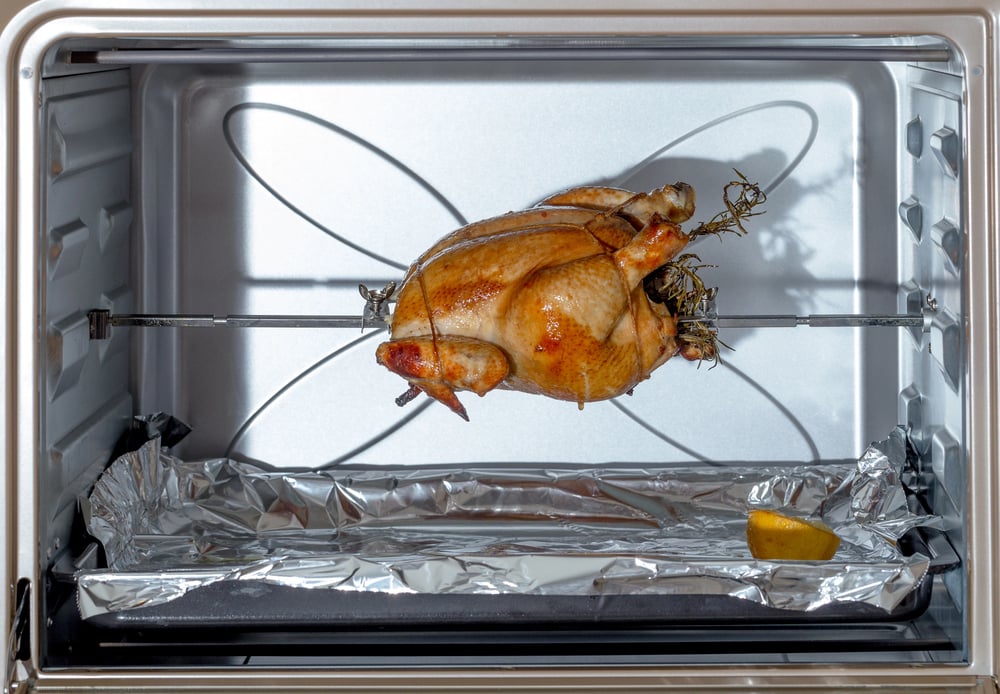
The countertop rotisserie — a glass-sided cabinet with a slowly rotating spit — was the kind of appliance that made guests stop and stare. Ronco’s later model (the Showtime) gets more cultural credit, but rotisserie countertop units were circulating through ’70s kitchens well before that, their slow rotation and steady heat producing chicken with crackling skin that a standard oven genuinely couldn’t match.
Something about watching the meat turn has always been hypnotic in a way that’s difficult to explain rationally.
Bread Maker
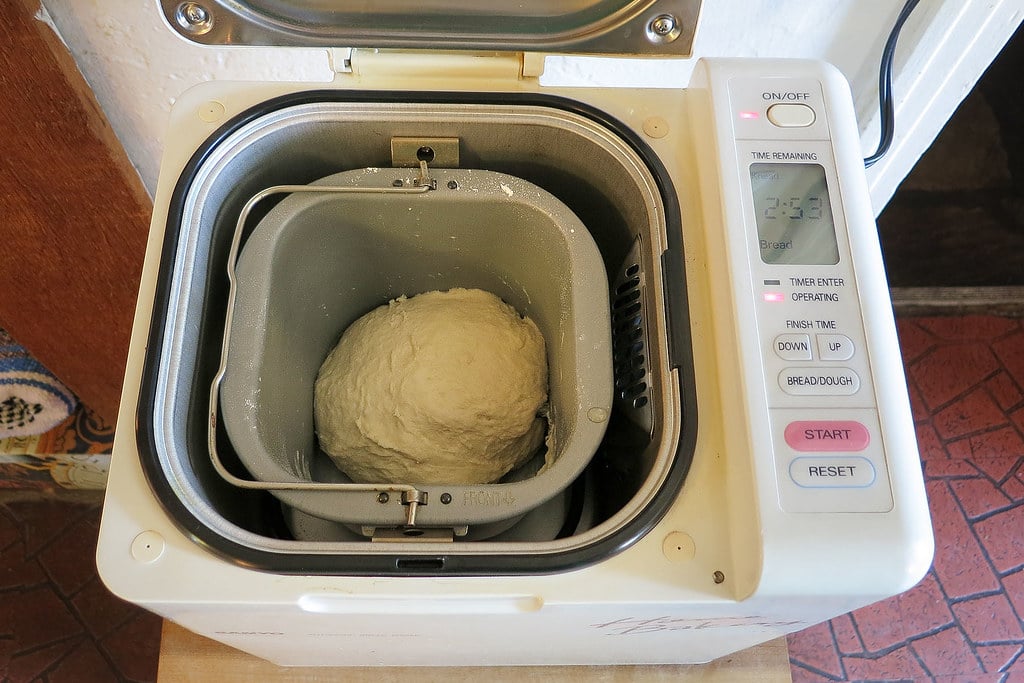
The home bread maker of the ’70s was not the sleek, programmable loaf-producing appliance that arrived in the late ’80s — it was a small, paddle-equipped mixing unit that did the kneading and left the rising and baking to you. The decade’s homesteading and natural foods impulse made homemade bread into a minor moral category, and these machines made the labor manageable.
The smell of bread baking from scratch has never needed any marketing.
Corn Popper
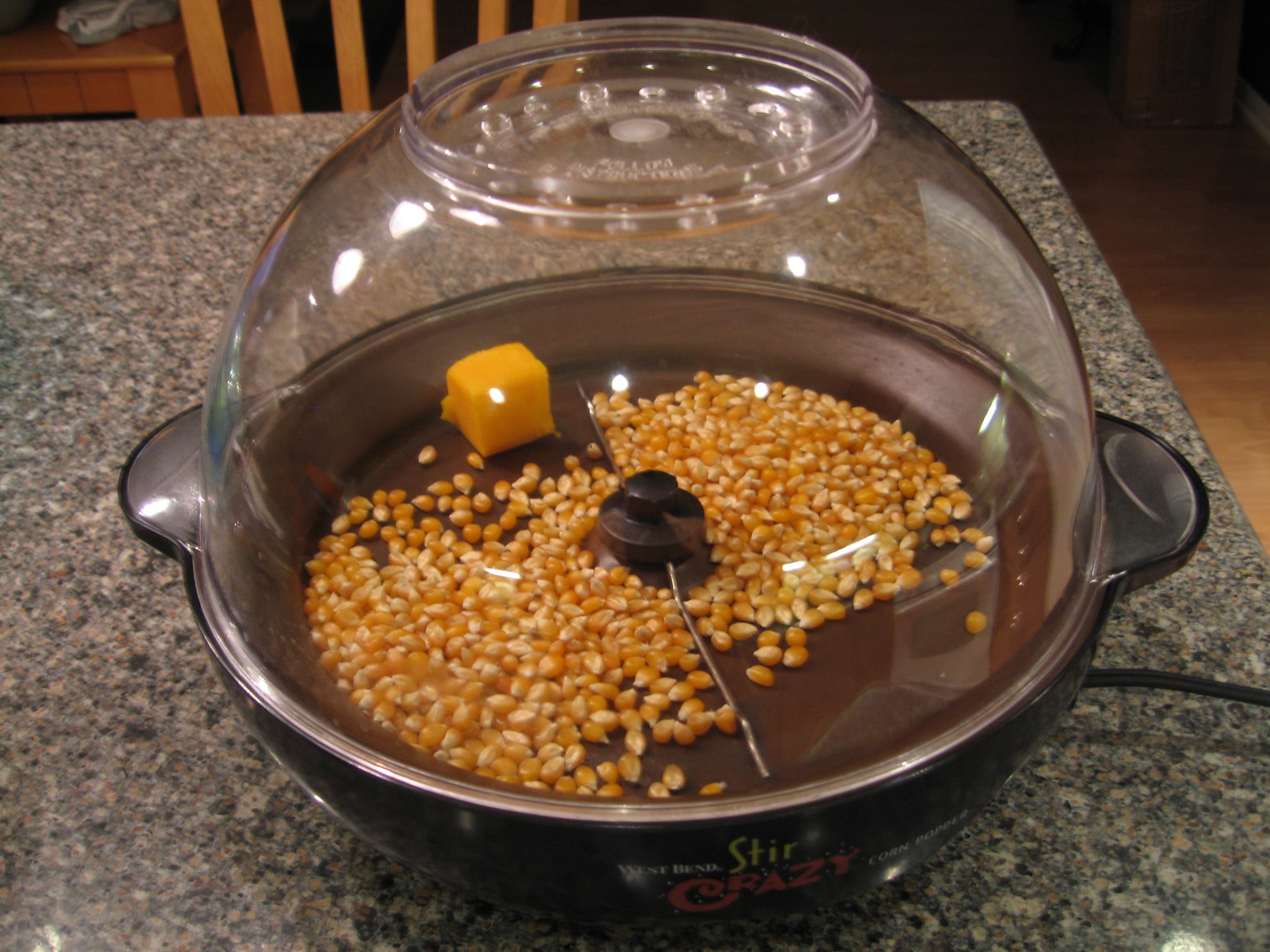
The stovetop corn popper — specifically the Whirley Pop-style hand-cranked pan — was a fixture of ’70s kitchens that predated it significantly but reached peak saturation in that decade. A lightweight aluminum pan with a hand-cranked paddle inside, placed over a burner, kept kernels moving to prevent scorching while oil did the work.
It produced better popcorn than most electric alternatives, required actual attention, and rewarded that attention consistently.
Electric Deep Fryer
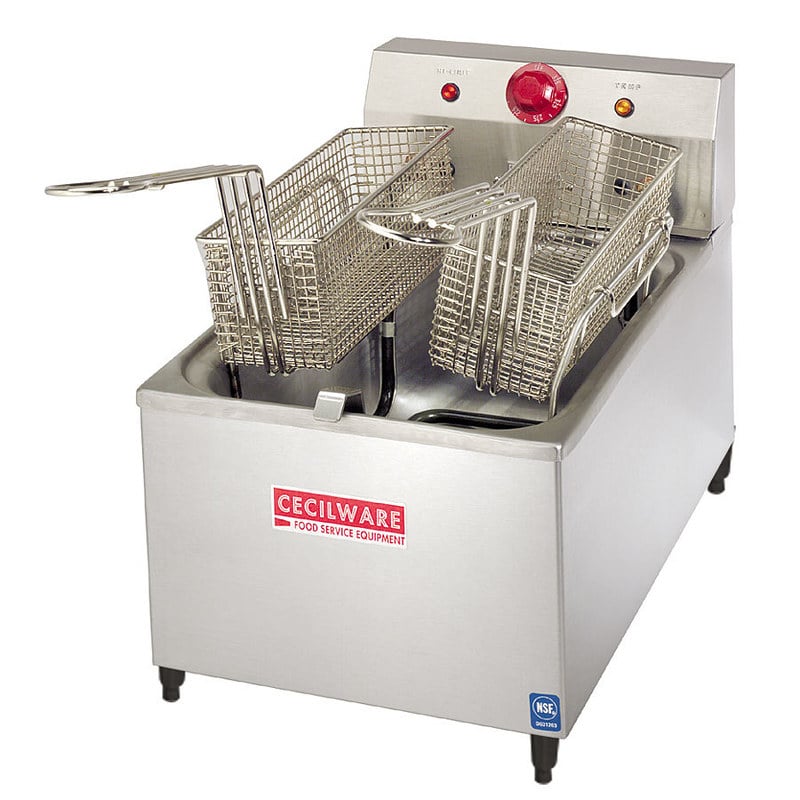
The countertop deep fryer arrived in American kitchens in the ’70s with the specific energy of an appliance that knew it was a little dangerous and didn’t care. Presto and Sunbeam made models with lidded baskets and oil capacities large enough to submerge a full chicken, sitting right there on the kitchen counter next to the toaster.
The fact that these units held several quarts of oil heated to 375 degrees — on a laminate countertop, next to a paper towel roll — was a detail the era processed with remarkable calm.
Yogurt Maker
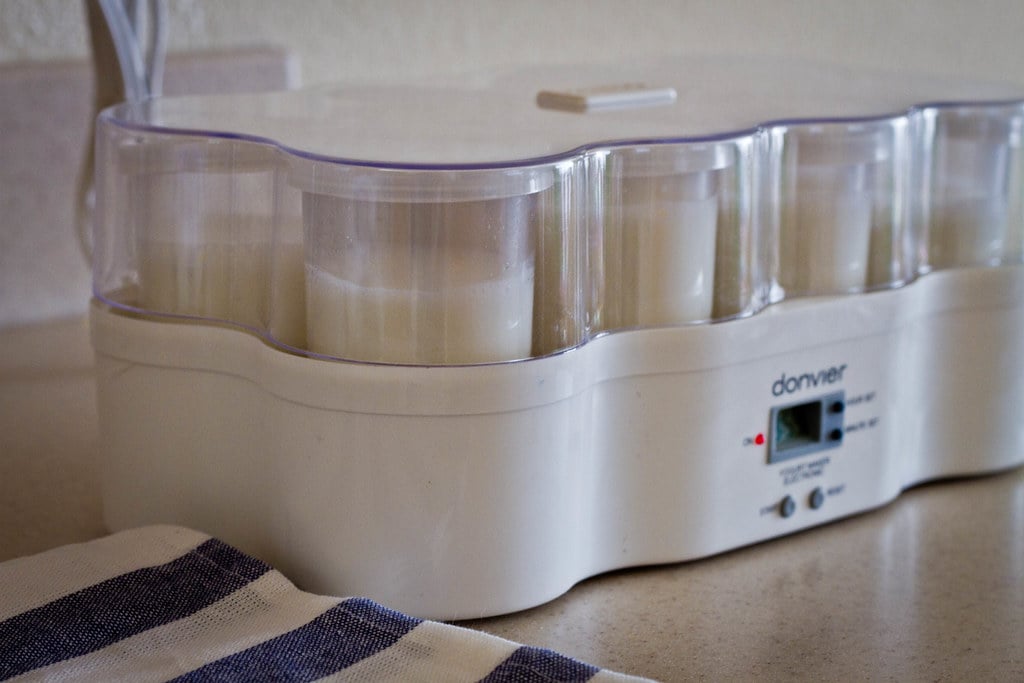
Yogurt makers became a symbol of the ’70s health food movement in a way that few other appliances matched. Salton made one of the most widely sold versions — a small tray of individual glass cups, warmed gently by a low-wattage heating element — and the process of making yogurt at home became something people did to signal that they were paying attention to what they ate.
It was earnest, slightly fussy, and produced results that genuinely tasted better than most commercial versions of the time.
Trash Compactor
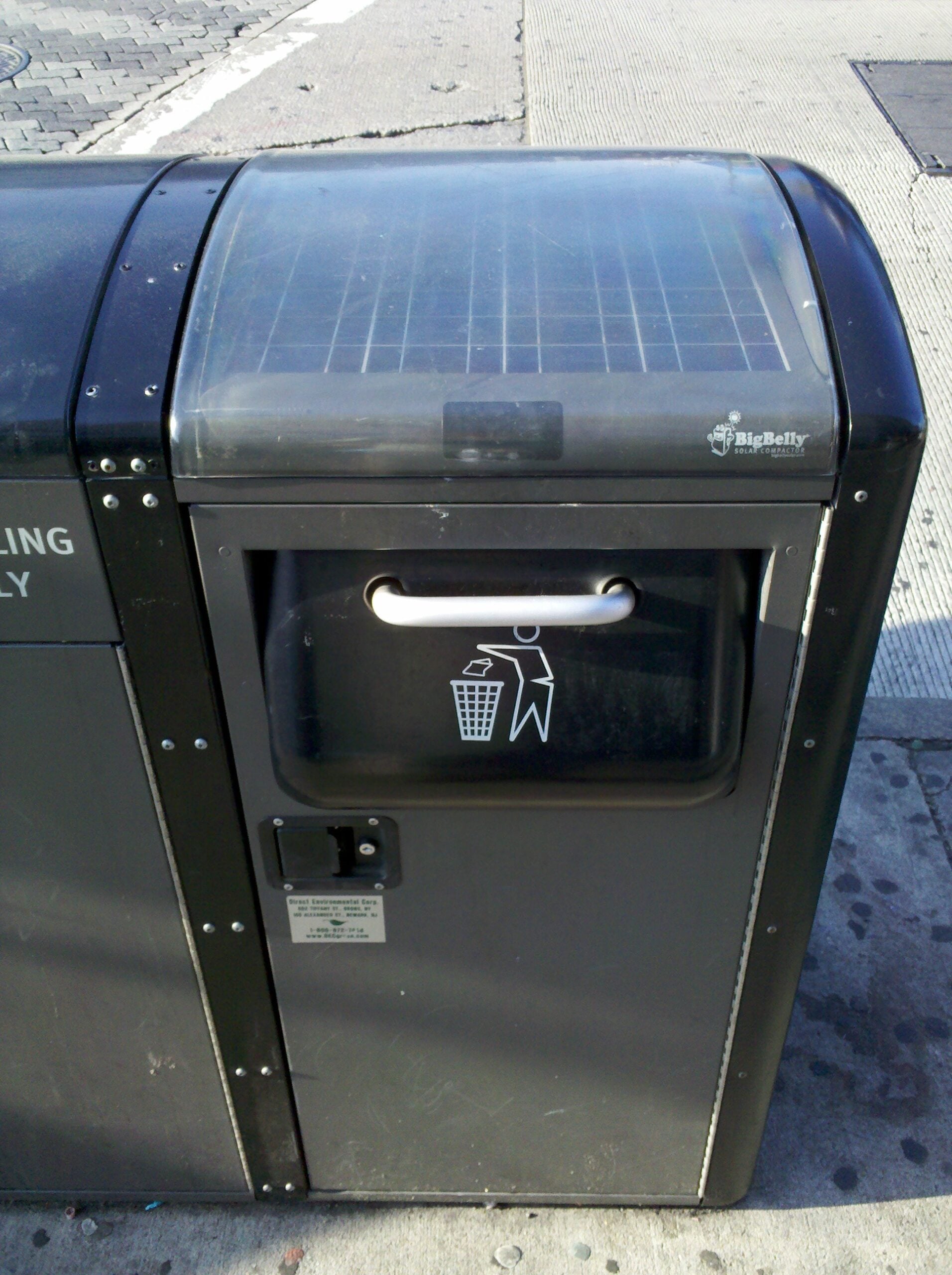
The in-cabinet trash compactor was sold to the ’70s American consumer as the logical endpoint of kitchen efficiency — why take out the trash four times a week when you could compress a full week’s worth into a single dense block? KitchenCraft and Whirlpool both made models that fit under the counter, operated with a key lock, and reduced garbage volume by roughly seventy-five percent.
The vision was clean and practical; the reality involved a certain amount of compressed, odorous commitment that not everyone had bargained for.
Microwave Oven
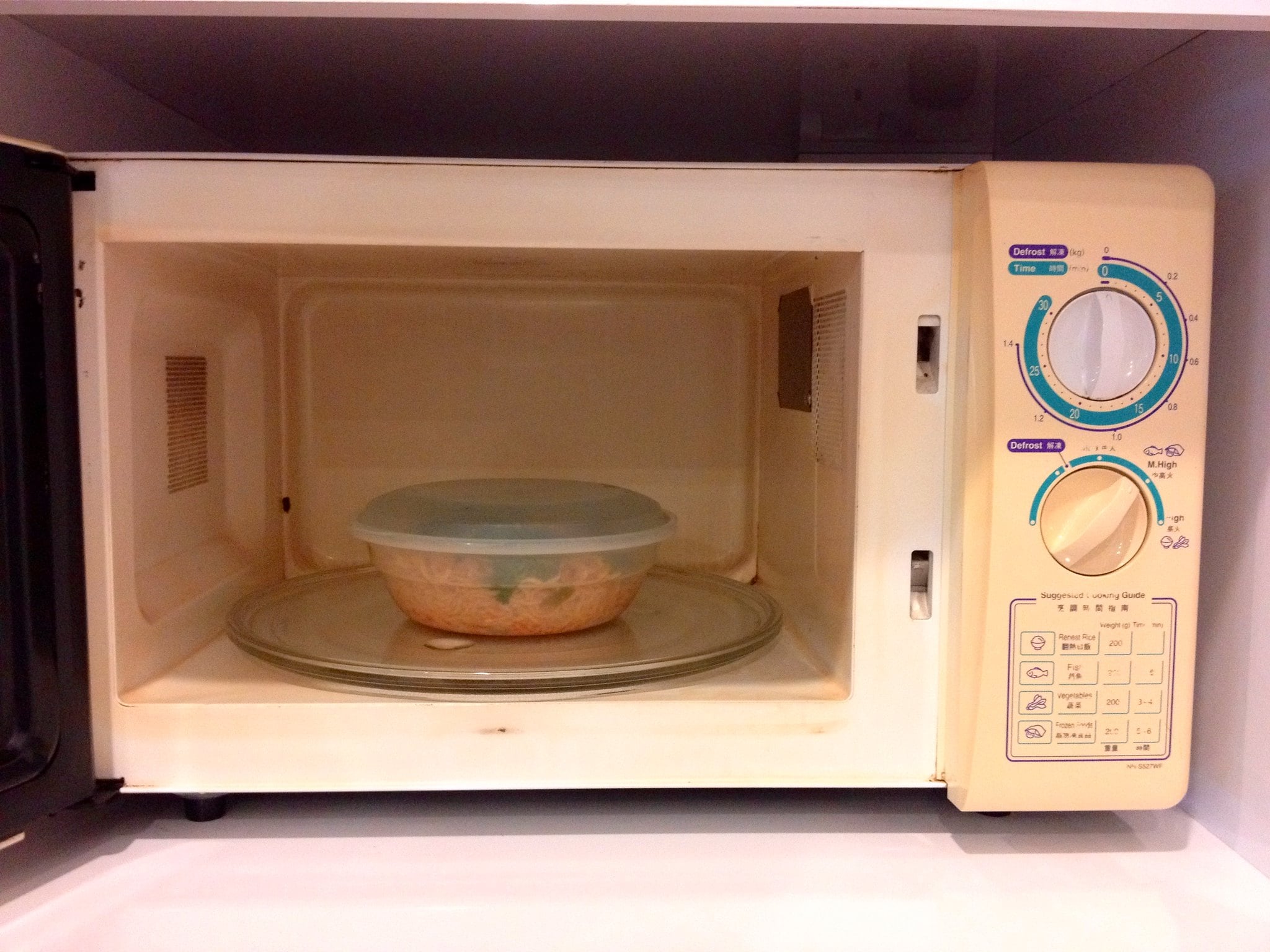
The countertop microwave crossed from commercial and military-adjacent use into the American consumer kitchen in the early-to-mid ’70s, and it arrived with the disorienting confidence of something that knew it was about to change everything. Amana’s Radarange was available by 1967, but it was through the ’70s that prices dropped enough to make it a genuine household option rather than a novelty.
That first generation of microwave owners learned the rules the hard way — foil, metal, eggs — and the decade absorbed those lessons with its characteristic mix of enthusiasm and mild chaos.
When the Kitchen Had Personality
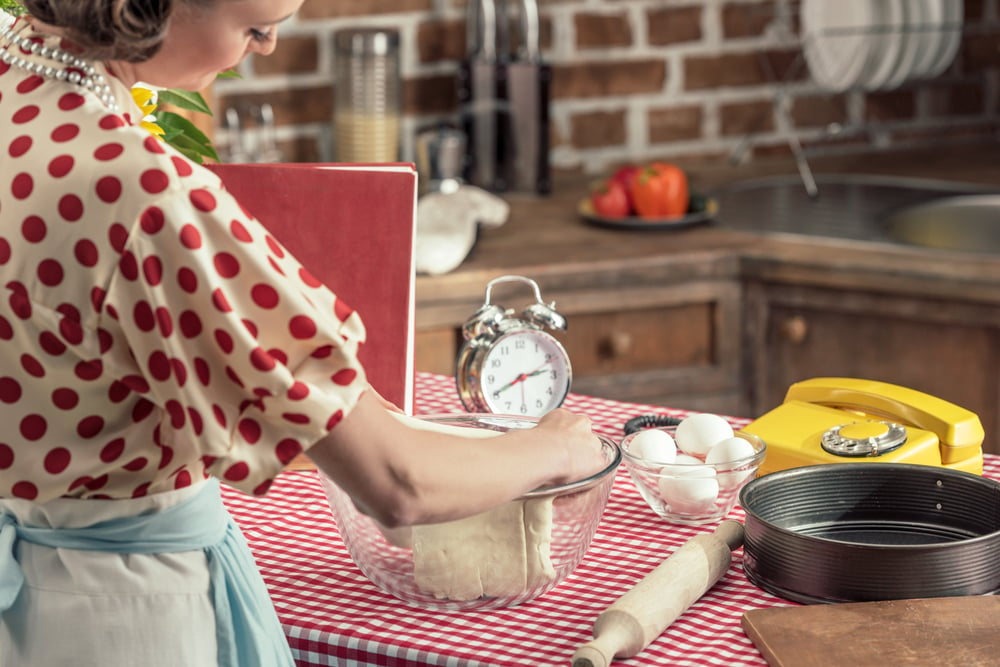
There’s a version of kitchen design that prioritizes clean lines, neutral tones, and surfaces that photograph well — and it has very little to do with the kitchens of the ’70s. Those rooms were opinionated spaces: warm colors, strong smells, and countertops crowded with appliances that each had exactly one job and did it without apology.
The decade trusted people to know what they wanted, built things to last longer than the trend cycle, and produced a collection of objects sturdy enough that many of them still turn up in estate sales, perfectly functional, forty years later. You don’t have to miss the avocado green to appreciate what that era understood about making a kitchen feel lived in.
More from Go2Tutors!

- The Romanov Crown Jewels and Their Tragic Fate
- 13 Historical Mysteries That Science Still Can’t Solve
- Famous Hoaxes That Fooled the World for Years
- 15 Child Stars with Tragic Adult Lives
- 16 Famous Jewelry Pieces in History
Like Go2Tutors’s content? Follow us on MSN.