16 Cursed Objects in Real Museums
Museums are supposed to be quiet, respectful places where history rests peacefully behind glass. But what happens when some of those historical artifacts refuse to stay quiet? Around the world, prestigious institutions house objects with dark reputations—items that seem to carry an invisible weight of misfortune wherever they go.
From ancient Egyptian relics to modern-day curiosities, these cursed objects have earned their sinister reputations through decades of documented strange incidents, unexplained accidents, and mysterious deaths. Whether you’re a skeptic or a believer, the stories surrounding these artifacts are undeniably compelling.
Here’s a list of 16 cursed objects that you can actually visit in real museums today—if you’re brave enough.
Hope Diamond
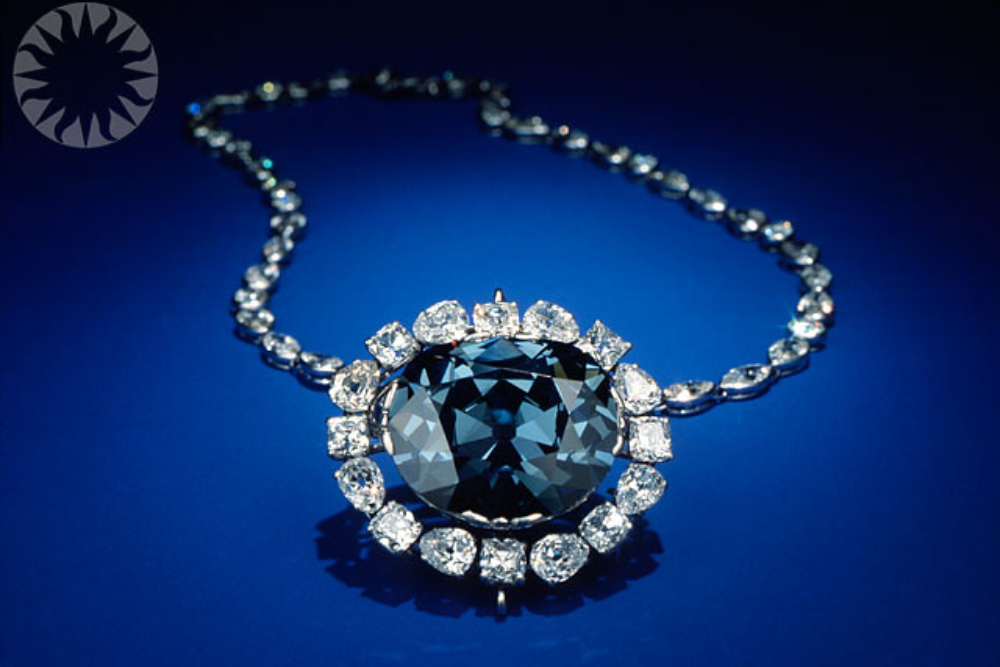
The crown jewel of the Smithsonian’s National Museum of Natural History isn’t just beautiful—it’s supposedly deadly. This 45.52-carat blue diamond has a trail of aristocratic corpses following in its wake.
King Louis XVI and Marie Antoinette both lost their heads to the guillotine while the stone was in the French royal collection. Later owners faced bankruptcy, mysterious deaths, and family tragedies.
Even the postal worker who delivered it to the Smithsonian in 1958 reportedly suffered a truck accident, lost his wife, and watched his house burn down shortly after handling the package.
The Unlucky Mummy
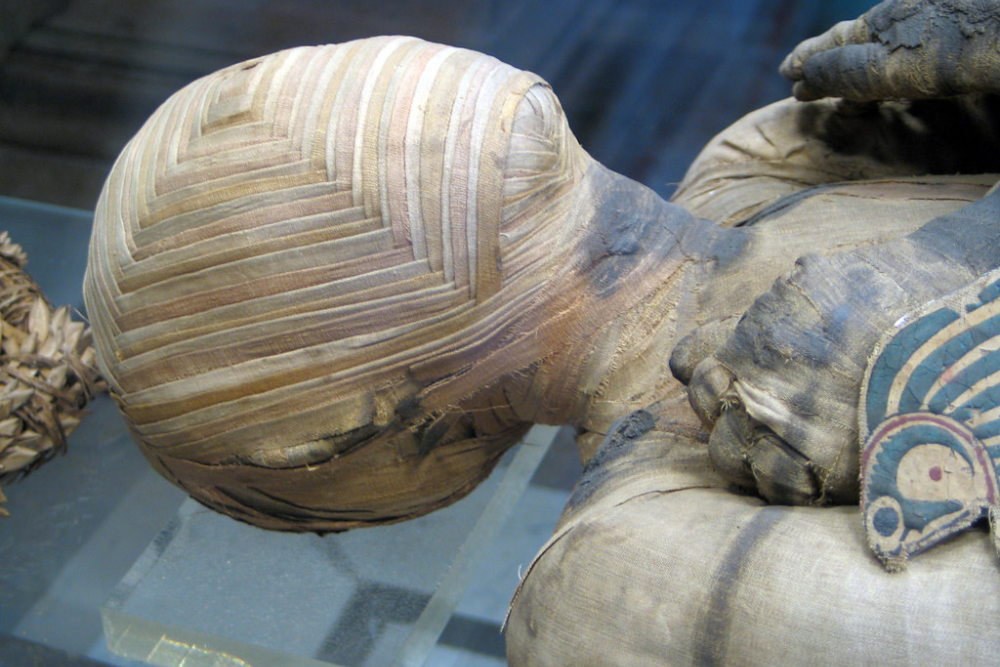
Despite its nickname, this isn’t actually a mummy at all—it’s the painted wooden coffin lid of an unnamed Egyptian priestess from around 950 BC. Housed in the British Museum as artifact EA 22542, this piece has been linked to a staggering number of deaths and disasters since the 1880s.
Four Englishmen who originally purchased it all died in tragic circumstances, and even the journalist who investigated the curse died mysteriously three years later. Museum night staff have reported strange noises and overwhelming feelings of terror emanating from the display case.
Like Go2Tutors’s content? Follow us on MSN.
Annabelle Doll

This innocent-looking Raggedy Ann doll sits locked behind glass at the Warren’s Occult Museum in Connecticut. The doll supposedly attacked and harmed multiple people before paranormal investigators Ed and Lorraine Warren secured it in a specially blessed case.
The real Annabelle looks nothing like the creepy Victorian doll from the horror movies—she’s actually a simple child’s toy that somehow became a vessel for something far more sinister.
Terracotta Army Artifacts

When farmers discovered Emperor Qin’s massive terracotta army in 1974, they inadvertently unleashed a 2,000-year-old curse. The ancient village where the discovery was made was demolished to make way for a massive museum complex.
Local belief held that disturbing the warriors would bring misfortune, and sadly, this prophecy seemed to come true when the entire community lost their ancestral home.
Busby’s Stoop Chair

This seemingly ordinary oak chair hangs safely on a wall at the Thirsk Museum in North Yorkshire, England—and there’s a very good reason it’s kept off the floor. Thomas Busby cursed his chair before his execution in 1702, and since then, numerous people who dared to sit in it have died in accidents or met violent ends.
The museum staff learned their lesson and mounted it high enough that no visitor can accidentally take a seat.
Like Go2Tutors’s content? Follow us on MSN.
Ballista Stone Projectiles

These ancient Roman stone cannonballs were stolen from an archaeological site near the Israel-Syria border in 1995. For twenty years, the thief’s life fell apart—his business collapsed, his family abandoned him, and financial ruin followed.
In 2015, he anonymously returned the stones to an Israeli museum with a handwritten apology, explaining that they had brought him ‘nothing but trouble’ since the theft.
The Crying Boy Painting
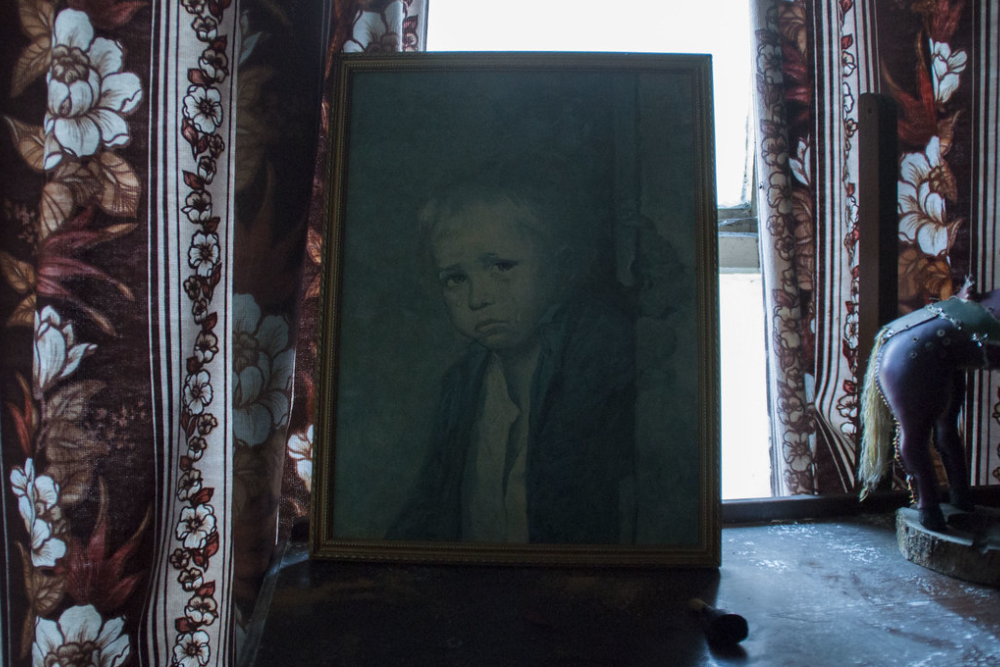
This mass-produced artwork became infamous in 1985 when British tabloids reported that copies of the painting were found unburnt in multiple house fires. The Sun newspaper fueled public hysteria by documenting case after case of homes destroyed by fire, with only this particular print remaining mysteriously intact.
Multiple versions hang in various museums as curiosities of modern folklore.
Robert the Doll
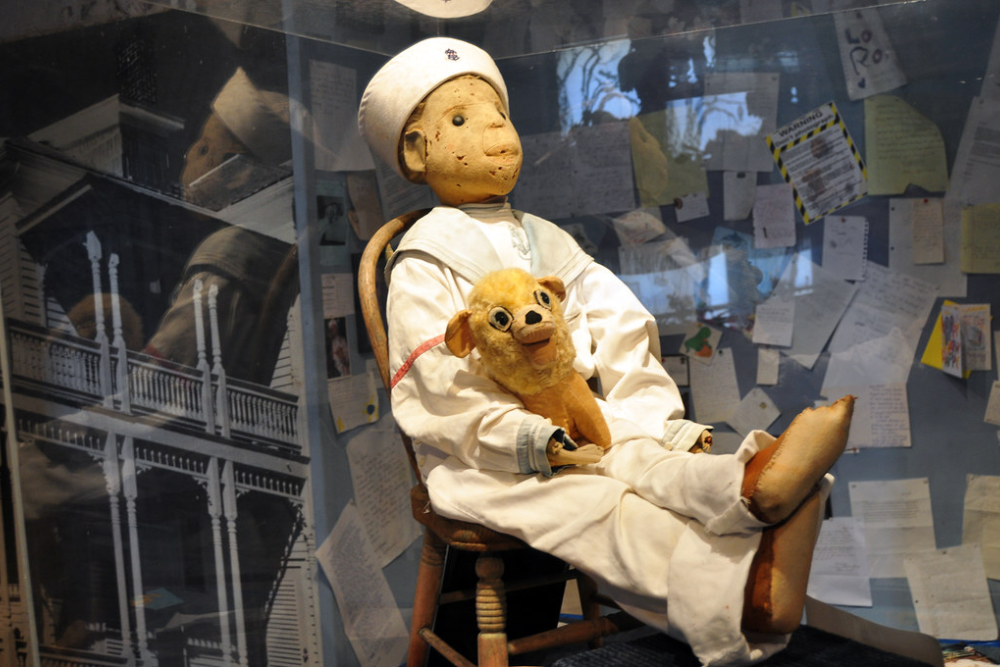
Key West’s Fort East Martello Museum houses one of America’s most notorious haunted dolls. Robert was given to young Gene Otto in 1906 and quickly became the scapegoat for every strange occurrence in the household.
Visitors who don’t show proper respect to Robert reportedly suffer accidents, relationship troubles, and mechanical failures. The museum receives dozens of letters each year from people begging Robert’s forgiveness for perceived slights.
Like Go2Tutors’s content? Follow us on MSN.
The Conjure Chest

This innocent-looking chest of drawers at a Kentucky museum carries a body count of approximately 16 people. Created by an enslaved craftsman named Remus in the 1830s, it was cursed after his master beat him to death for supposedly poor workmanship.
Remus’s friends scattered dried owl blood in the drawers, and since then, the chest has reportedly caused illness, accidents, and deaths among its various owners.
Bronze Lady Statue

Sleepy Hollow Cemetery’s museum displays this statue of a Civil War general’s wife, but visitors often report feeling inexplicably uneasy in her presence. The bronze figure seems to watch people as they move through the exhibit, and some claim her expression changes depending on the viewer’s angle.
Staff members have noticed that flowers placed near the statue wilt unusually quickly.
Belcourt Castle Haunted Chairs

Newport’s Belcourt Castle Museum houses several antique chairs that refuse to let people sit comfortably. Visitors report being physically pushed out of certain seats, feeling sudden chills, or experiencing tingling sensations when they try to rest.
Some chairs seem to offer resistance when people attempt to sit down, as if an invisible occupant is already using them.
Like Go2Tutors’s content? Follow us on MSN.
Bela Lugosi’s Mirror
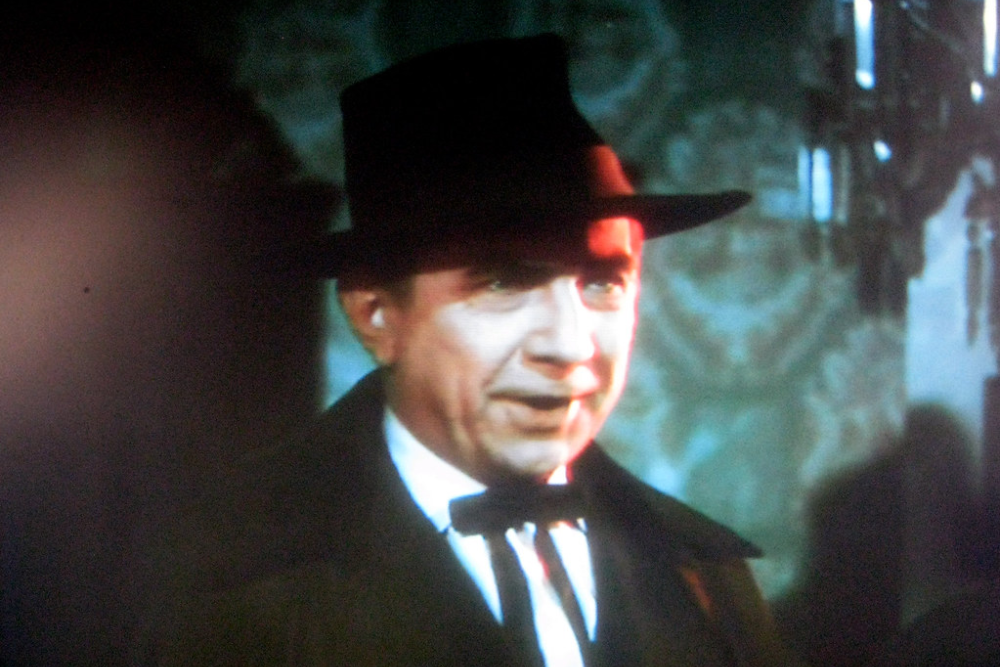
The Zak Bagans Haunted Museum in Las Vegas displays this mirror once owned by the famous Dracula actor. Lugosi used it for séances and clairvoyance exercises during his lifetime.
After his death, subsequent owners reported seeing dark silhouettes in the reflection, feeling mysterious bite marks on their necks, and experiencing increased paranormal activity in their homes.
The Anguished Man Painting
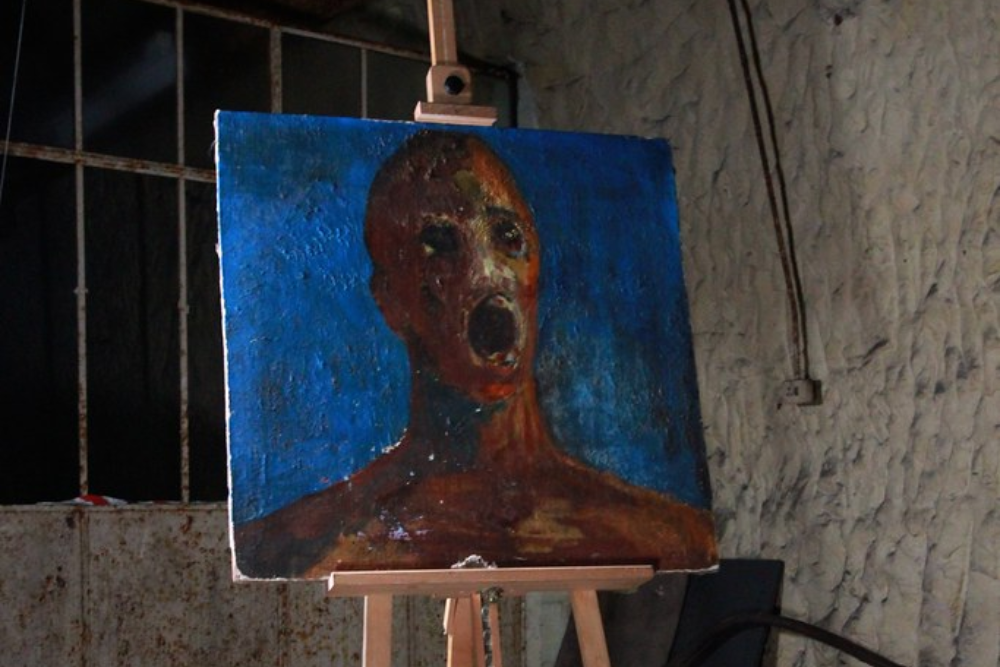
This disturbing painting of a tortured face supposedly drove its creator to take his own life shortly after completion. The current owner reports hearing strange noises, screams, and footsteps in his home since acquiring the piece.
Visitors to exhibitions featuring the painting have reported seeing shadowy figures lurking nearby and feeling an overwhelming sense of dread.
Pompeii Artifacts

Multiple museums around the world house artifacts taken from Pompeii, and many come with their own collection of curse stories. Tourists who pocketed small stones or pottery shards as souvenirs have reportedly experienced illness, accidents, and financial disasters until they returned the items.
The Italian postal service regularly receives packages containing stolen Pompeii artifacts along with desperate letters begging forgiveness.
Like Go2Tutors’s content? Follow us on MSN.
The Dybbuk Box

This wine cabinet, now displayed in Zak Bagans’ Haunted Museum, gained notoriety as one of the most documented cursed objects in modern times. Previous owners reported nightmares, strange smells, and unexplained illnesses.
The box was sold on eBay with a detailed warning about its malevolent properties, and its story inspired both books and horror movies.
The Little Mannie Stone Head

Manchester Museum houses this 3-inch stone carving discovered in mysterious circumstances. Found surrounded by ritual candles, bone fragments, and other occult paraphernalia in a basement, this ancient artifact seems to carry the weight of some forgotten ceremony.
The museum staff report that the temperature around its display case fluctuates unexpectedly, and visitors often comment on feeling watched when examining it.
When History Refuses to Rest
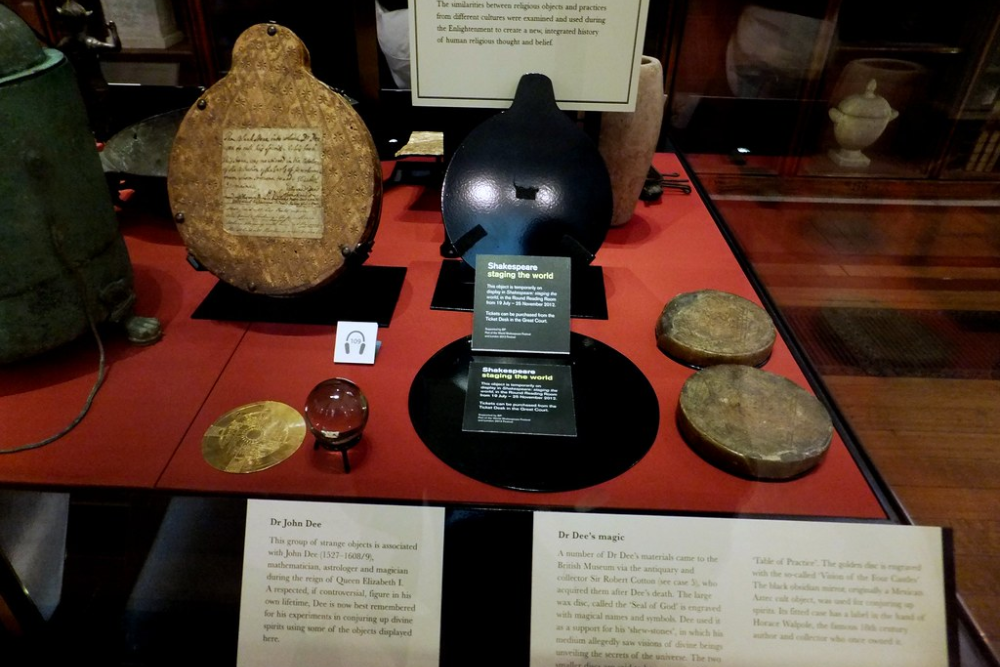
These cursed objects remind us that some stories transcend the boundaries between past and present. Whether driven by psychological suggestion, ancient spiritual beliefs, or something genuinely supernatural, these artifacts continue to captivate and unsettle museum visitors worldwide.
They serve as tangible connections to humanity’s enduring belief in forces beyond our understanding—and perhaps as warnings that some things from the past are better left undisturbed. The next time you visit a museum, you might find yourself wondering: what other secrets are hiding behind the glass?
Like Go2Tutors’s content? Follow us on MSN.
More from Go2Tutors!

- 16 Historical Figures Who Were Nothing Like You Think
- 12 Things Sold in the 80s That Are Now Illegal
- 15 VHS Tapes That Could Be Worth Thousands
- 17 Historical “What Ifs” That Would Have Changed Everything
- 18 TV Shows That Vanished Without a Finale
Like Go2Tutors’s content? Follow us on MSN.