26 Department Stores That Dominated Main Street Before Malls Took Over
There was a time when the biggest event in a small American city wasn’t a concert or a sporting event — it was the opening of a new floor at the downtown department store. These buildings weren’t just retail spaces.
They were landmarks, community anchors, places where you bought your first good coat and your grandmother bought her last good coat, and somehow both of you remembered the smell of the place decades later. The era of the grand department store on Main Street is mostly over now, displaced first by malls and then by screens, but the stores themselves left marks deep enough that people still argue about which one was better — yours or theirs.
Here are 26 of the stores that defined that world.
Marshall Field’s
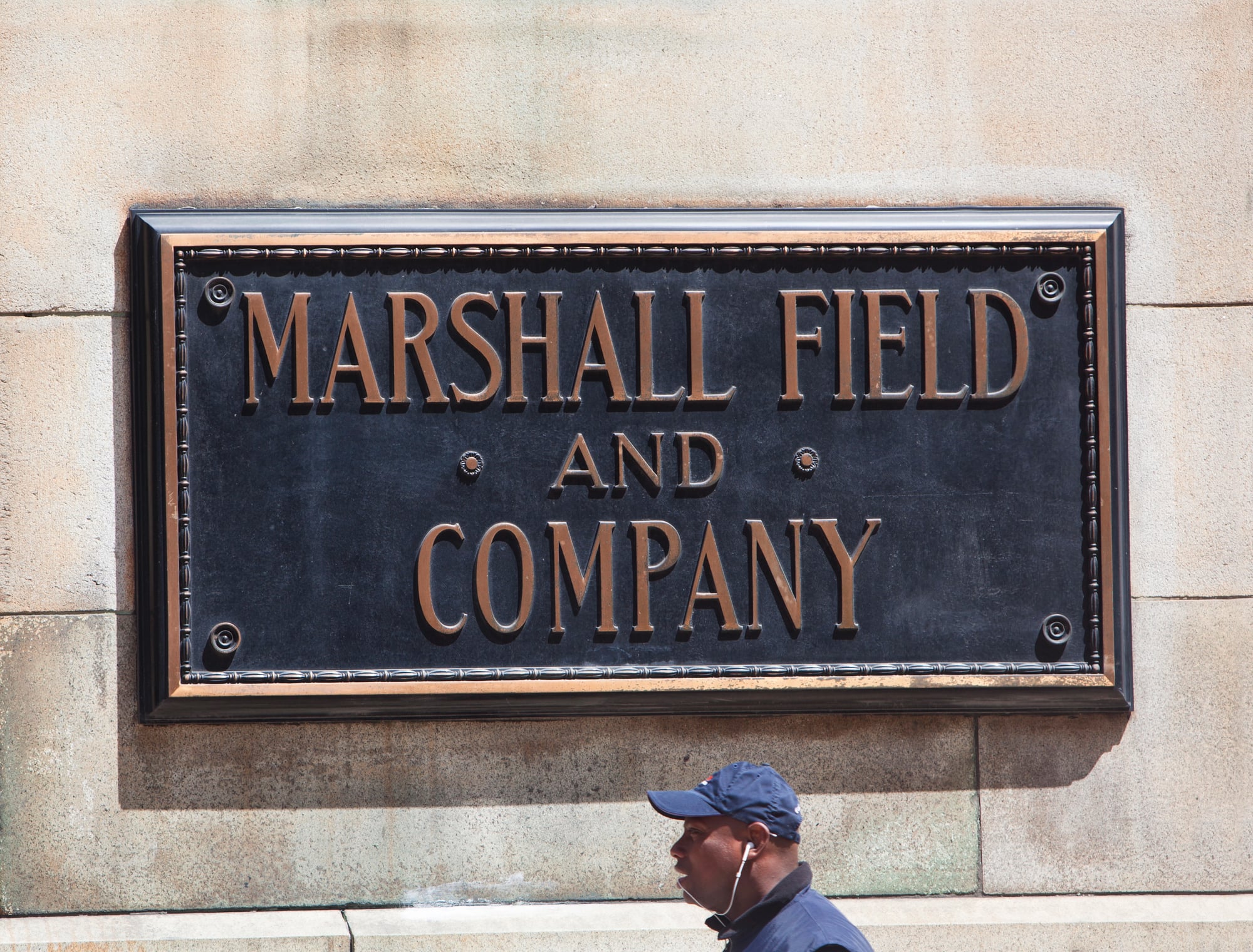
Marshall Field’s didn’t just sell things — it invented the idea that shopping could feel like an occasion. The Walnut Room restaurant on the seventh floor of the Chicago flagship, the enormous Tiffany mosaic ceiling, the clocks on State Street that became a meeting point for generations: none of that happened by accident.
When Macy’s absorbed the name in 2006, Chicago reacted like a civic institution had been quietly erased, which, to be fair, it had.
Wanamaker’s
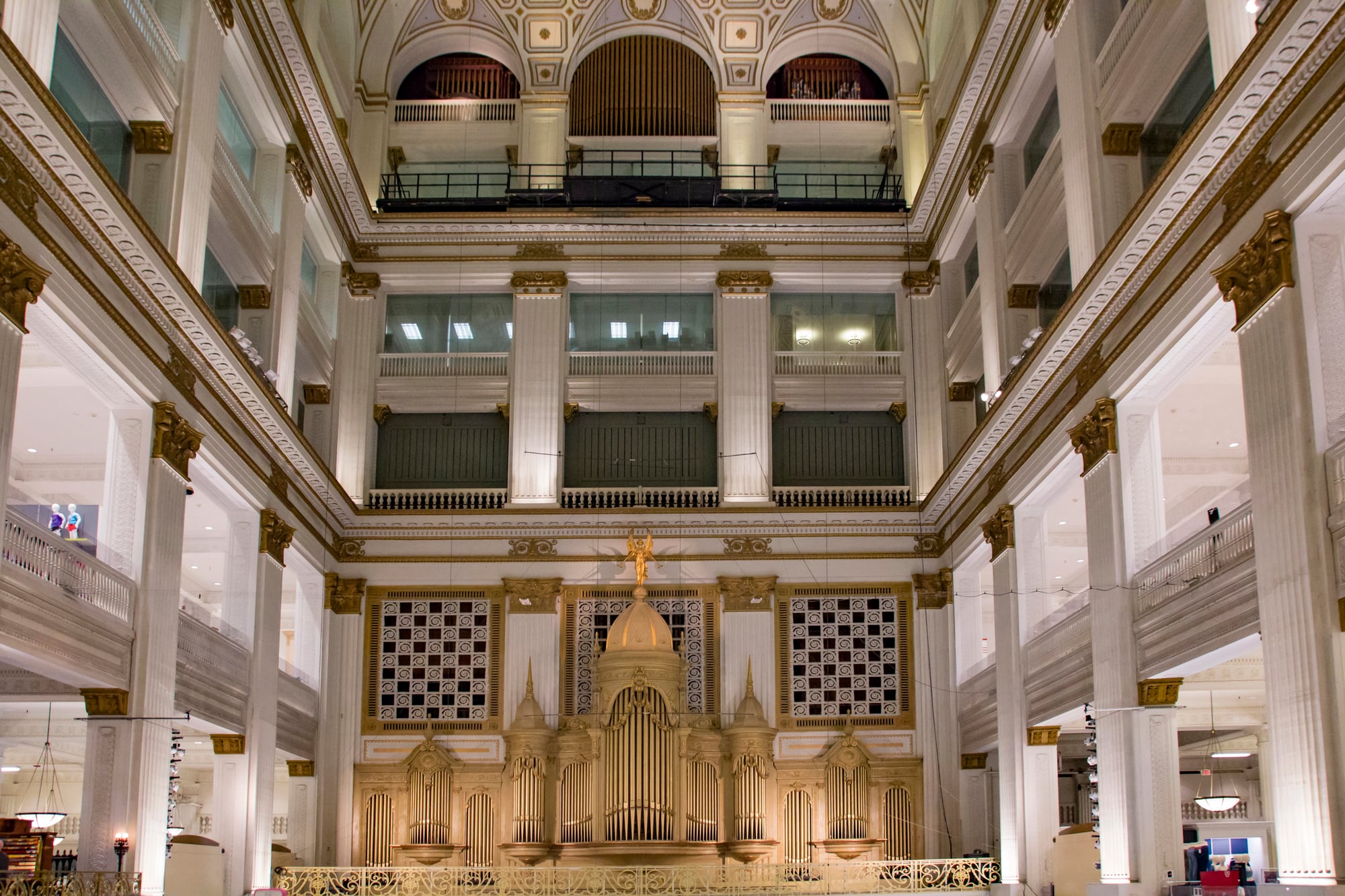
John Wanamaker opened his Philadelphia store in 1876 in a converted railroad freight depot, and what he built there — a Grand Court with a 30,000-pipe organ that still plays daily — wasn’t retail so much as theater. The store pioneered the price tag, the money-back guarantee, and white sales, which is a lot of invention for one building.
And yet the organ outlasted the store itself, still housed in what is now a Macy’s, playing to shoppers who may not know what they’re standing inside.
Hudson’s
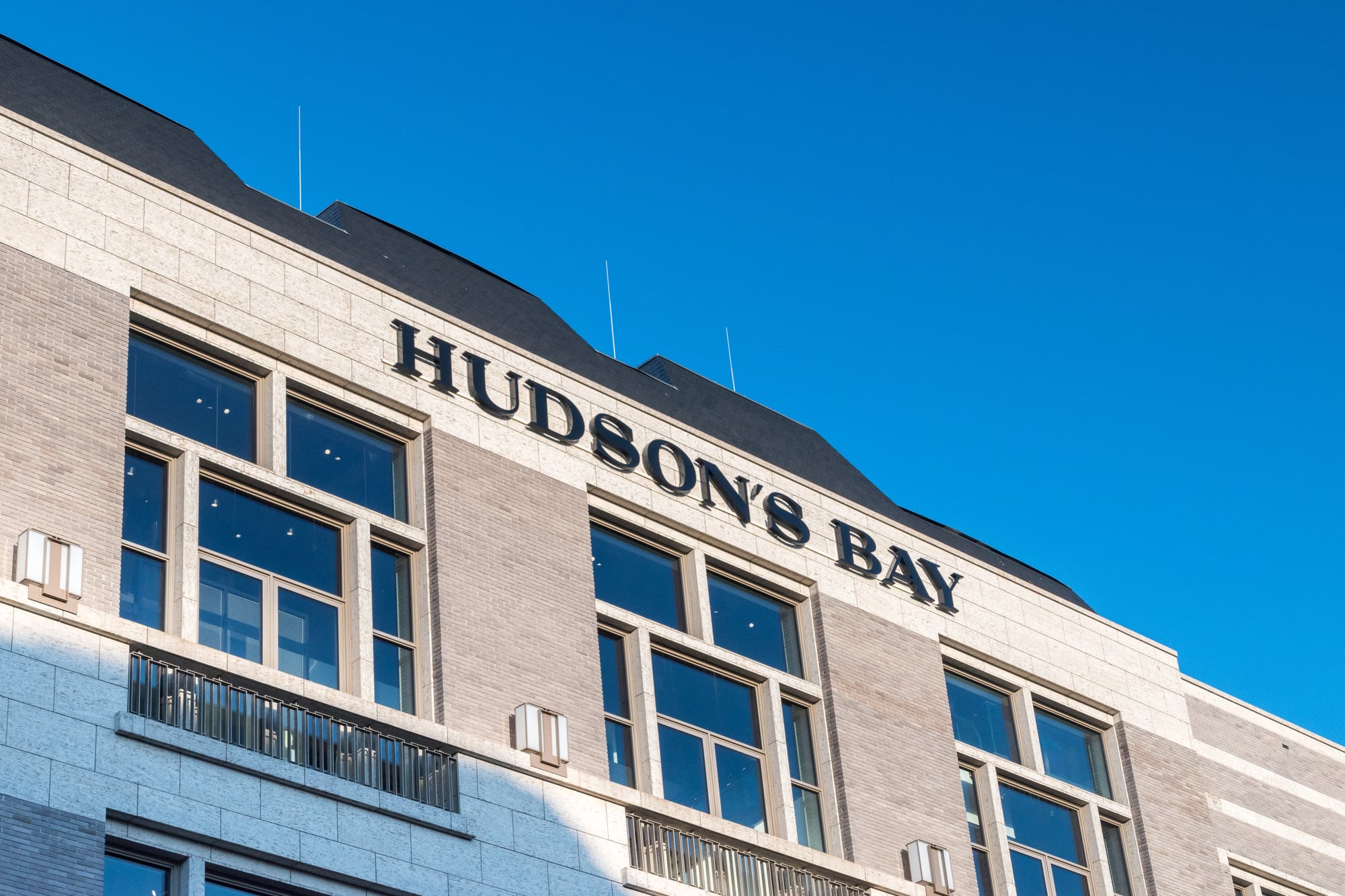
Hudson’s was Detroit’s store, full stop. The flagship on Woodward Avenue reached 25 stories at its peak, making it one of the tallest department stores ever built, and for decades it served as the gravitational center of downtown Detroit — the place where the city’s Thanksgiving parade ended, where generations of Michiganders bought their back-to-school clothes, where the city took itself seriously.
It was demolished in 1998, a slow implosion watched by a crowd of thousands, many of whom wept openly.
Filene’s
Filene’s Basement — the original, in Boston — deserves its own entry in American retail mythology, but the main store above it was no slouch either. The automatic markdown system downstairs, where prices dropped by a fixed percentage every six days until the item sold or was donated to charity, attracted a particular kind of Boston shopper: patient, strategic, slightly feral near the clearance racks.
The full Filene’s brand eventually merged into Macy’s in 2006, and the basement operation limped along before closing for good in 2011.
Hecht’s
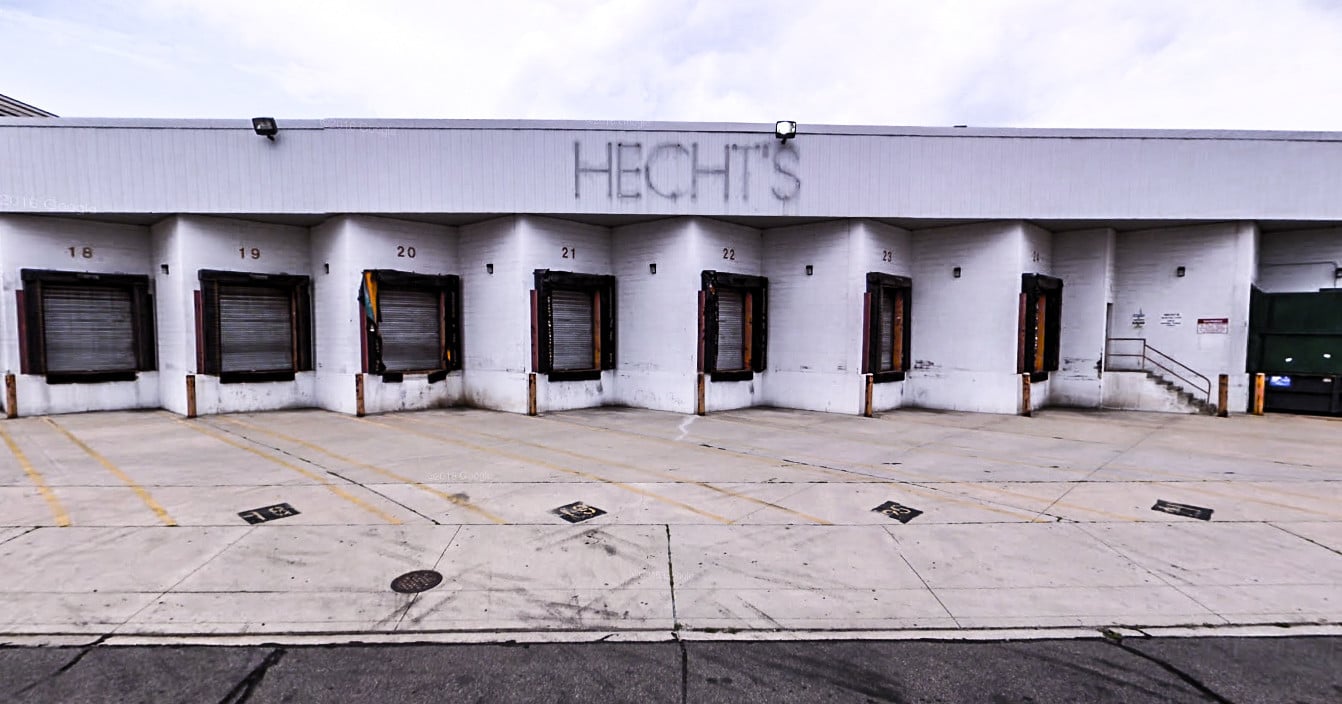
Hecht’s was the Washington, D.C., store, the one that felt like the region’s unofficial outfitter from the mid-20th century through the early 2000s. It started as a small shop on Pennsylvania Avenue in 1857 and grew into a Mid-Atlantic chain with stores across Virginia, Maryland, and D.C. that carried a particular gravity — regional but not provincial, familiar without being complacent.
Macy’s swallowed the name in 2006, and the Mid-Atlantic lost one of its few genuinely homegrown retail identities.
Rich’s
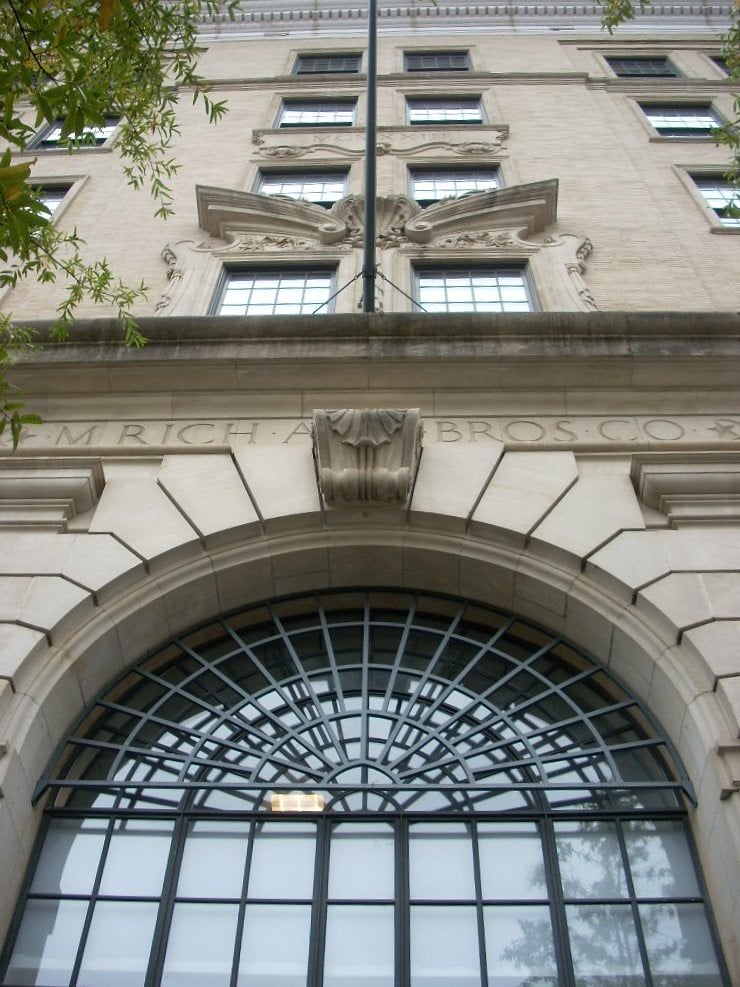
Rich’s, founded in Atlanta in 1867 by Morris Rich, became the South’s department store in a way that’s difficult to exaggerate. The flagship on Broad Street featured a roof where kids could visit Santa Claus via an aerial tram, a detail so wonderfully impractical that it tells you everything about what the store believed shopping should feel like.
Martin Luther King Jr.’s bail was reportedly paid by Rich’s credit department during the 1960 sit-in protests, which suggests the store’s influence extended well beyond retail.
Gimbels
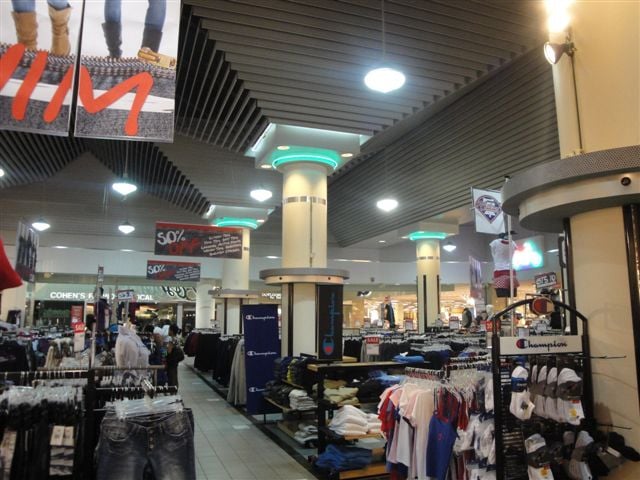
Gimbels was Macy’s great rival, and for decades the competition between the two gave New York retail genuine stakes. The flagship on 33rd Street in Manhattan sat close enough to Macy’s that the comparison was unavoidable and constant.
“Does Gimbels tell Macy’s?” became a genuine American idiom for minding your own business — which is a strange legacy for a store, but not a bad one. Gimbels closed in 1987, and the rivalry it sustained quietly died with it.
Bullock’s
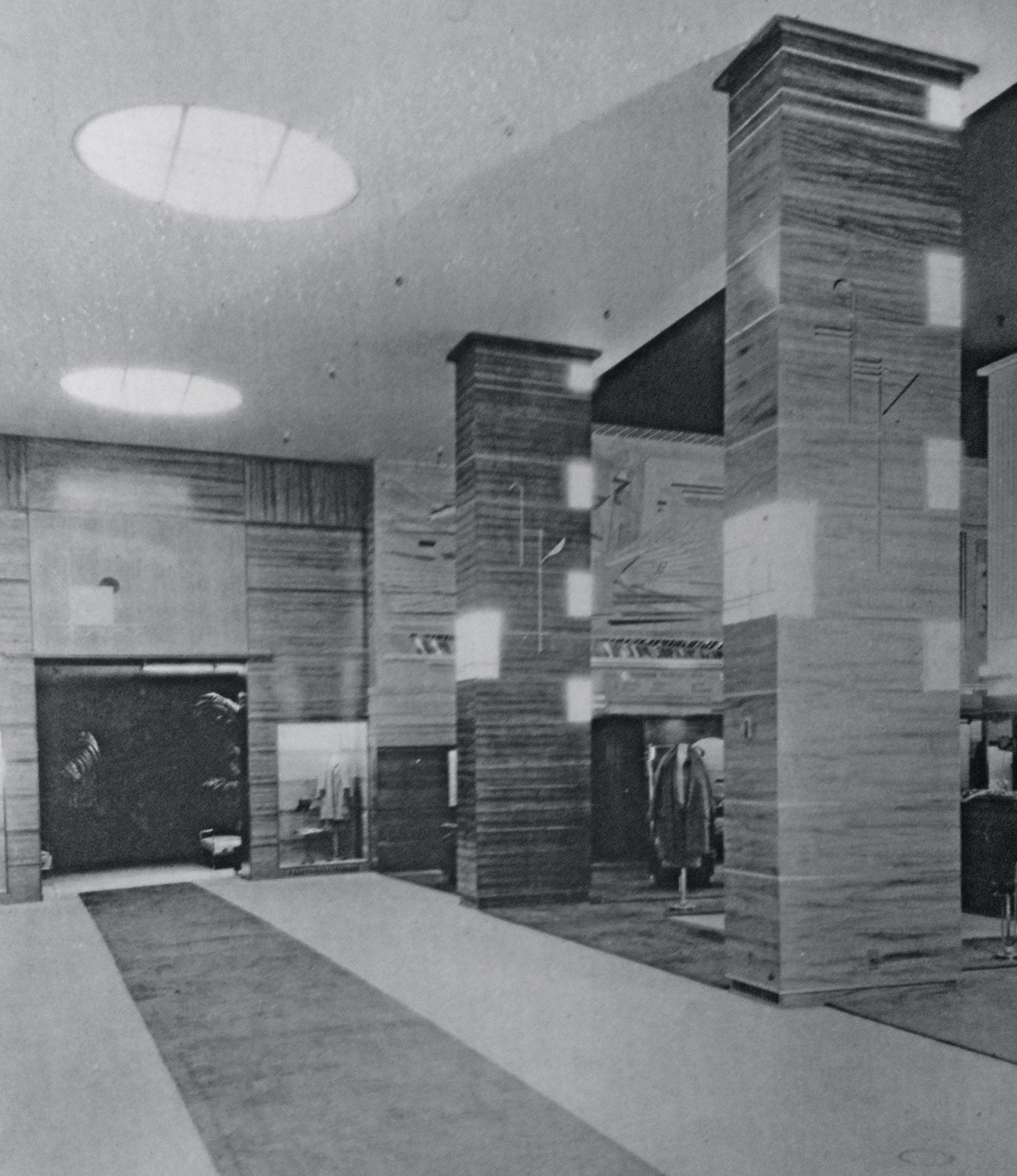
Bullock’s Wilshire, opened in 1929, was built for customers who arrived by automobile rather than on foot — the main entrance faced the rear parking area rather than the street, a deliberate architectural inversion that said something about where Los Angeles was already headed. The building’s Art Deco exterior and perfume-counter entrance canopy made it feel less like a store and more like a set for a film about what the future used to look like.
It closed as a retail space in 1993 and now houses the Southwestern Law School library.
Woodward & Lothrop
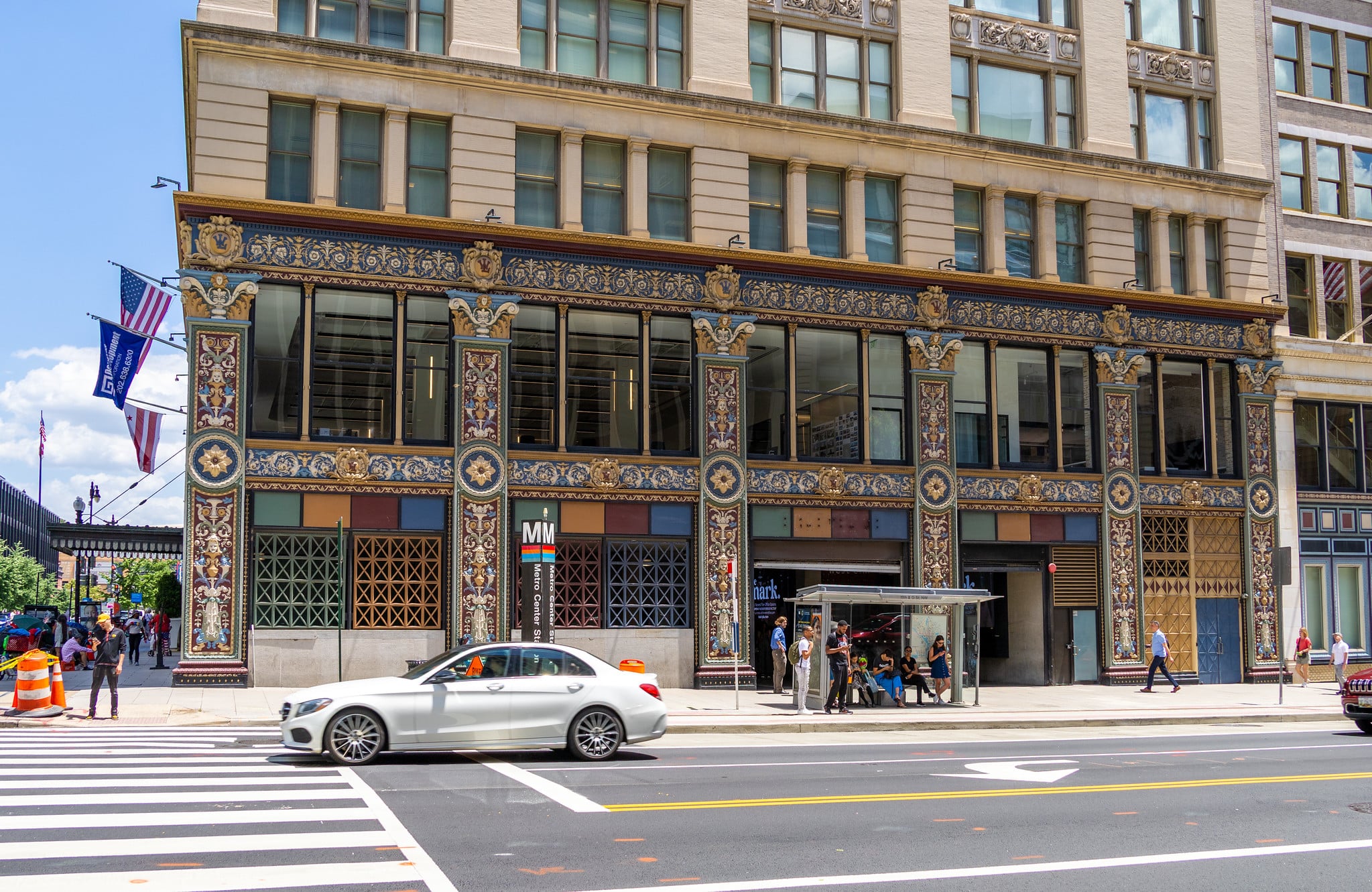
“Woodies,” as Washingtonians called it, anchored downtown D.C. retail from 1880 until its doors closed in 1995. It occupied a massive block on F Street NW, and its Christmas windows drew crowds the way department store windows once did in every American city — as a ritual, as a destination, as proof that the downtown still had a pulse.
The chain’s collapse after 115 years of operation felt less like a business failure and more like a neighborhood losing its oldest resident.
Carson Pirie Scott
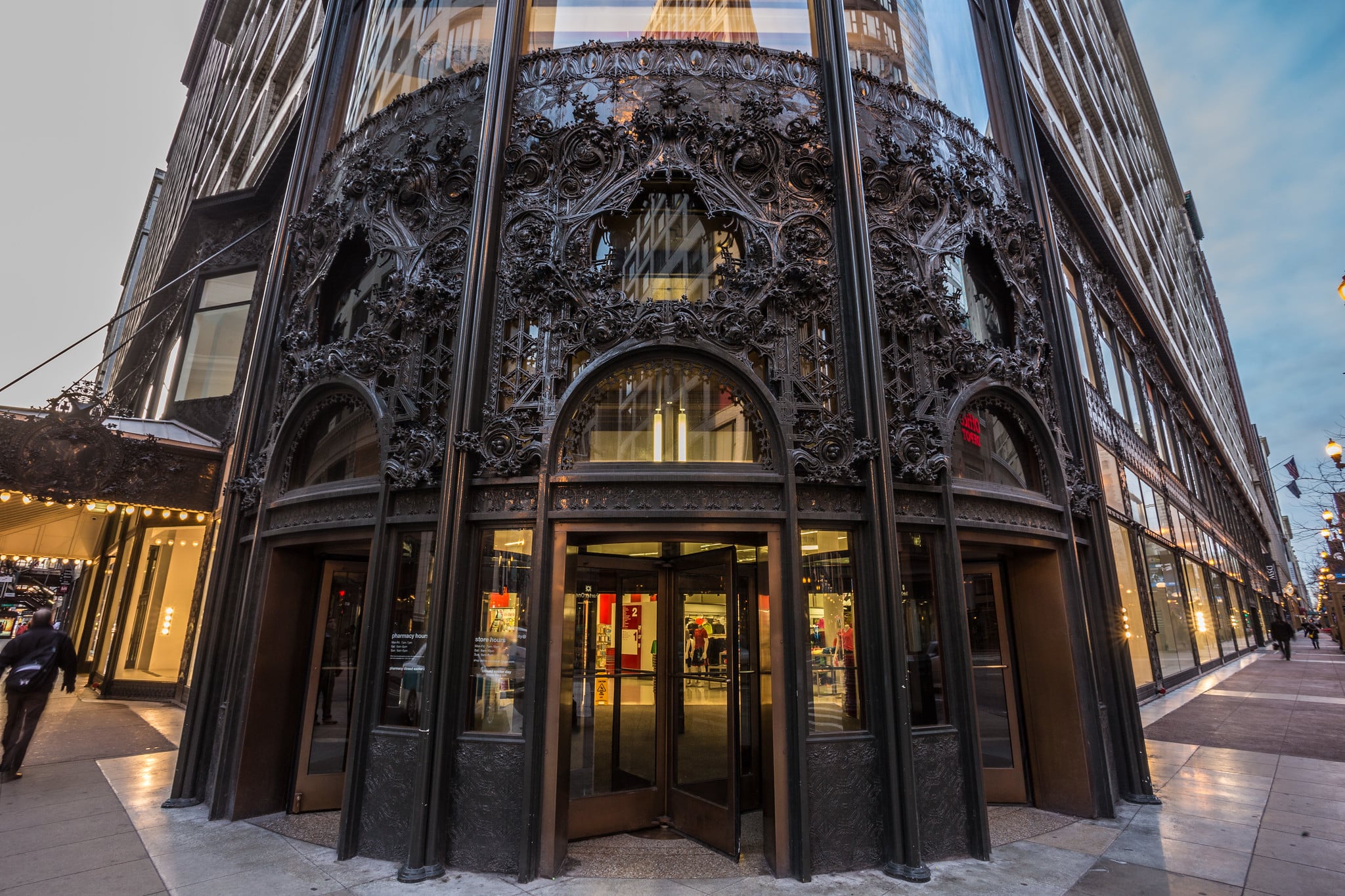
The building is the story here: Louis Sullivan’s cast-iron facade on State Street in Chicago, completed in 1904, is considered one of the finest examples of early commercial architecture in the country. Carson’s operated inside that building for most of the 20th century, which meant generations of Chicago shoppers absorbed world-class architecture while buying bath towels, largely without thinking about it.
The store finally closed in 2007, leaving Sullivan’s building to find its way to a succession of other tenants.
Bamberger’s
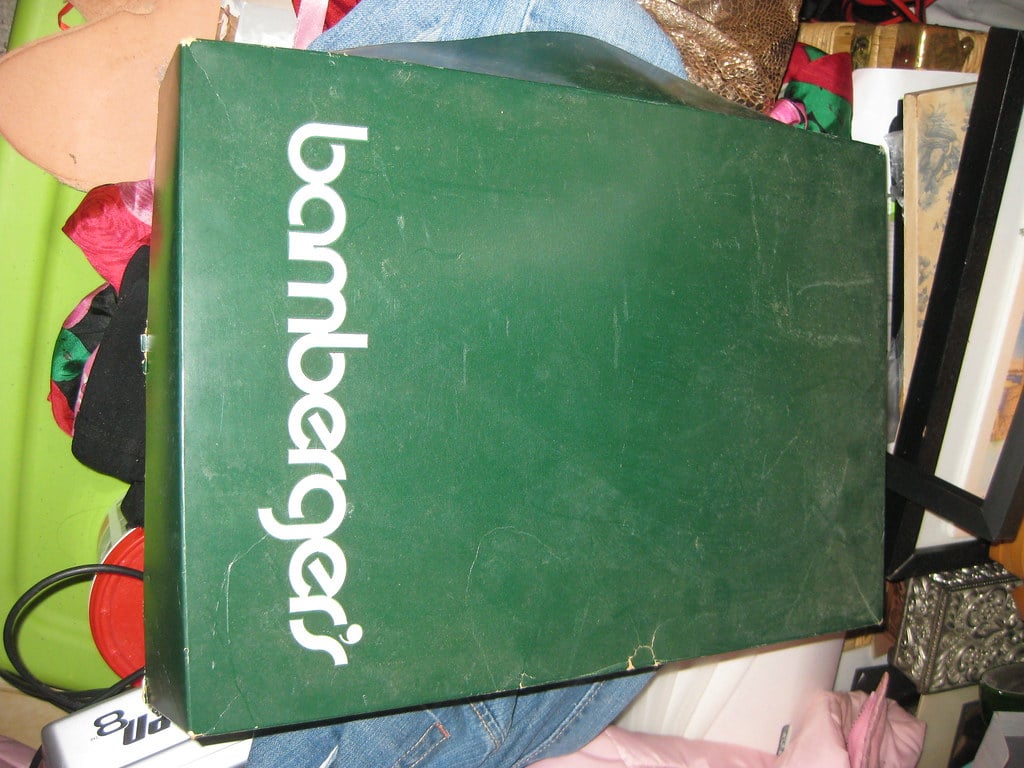
Bamberger’s was New Jersey’s store — specifically Newark’s store — and at its peak it was one of the most successful department stores in the country, drawing shoppers from across the region to its flagship on Market Street. Louis Bamberger sold the chain to R.H. Macy & Co. in 1929 and used the proceeds to co-found the Institute for Advanced Study in Princeton, which later became Albert Einstein’s intellectual home.
So in a roundabout way, department store shopping helped fund theoretical physics, which is not a sentence that gets written often enough.
Strawbridge & Clothier
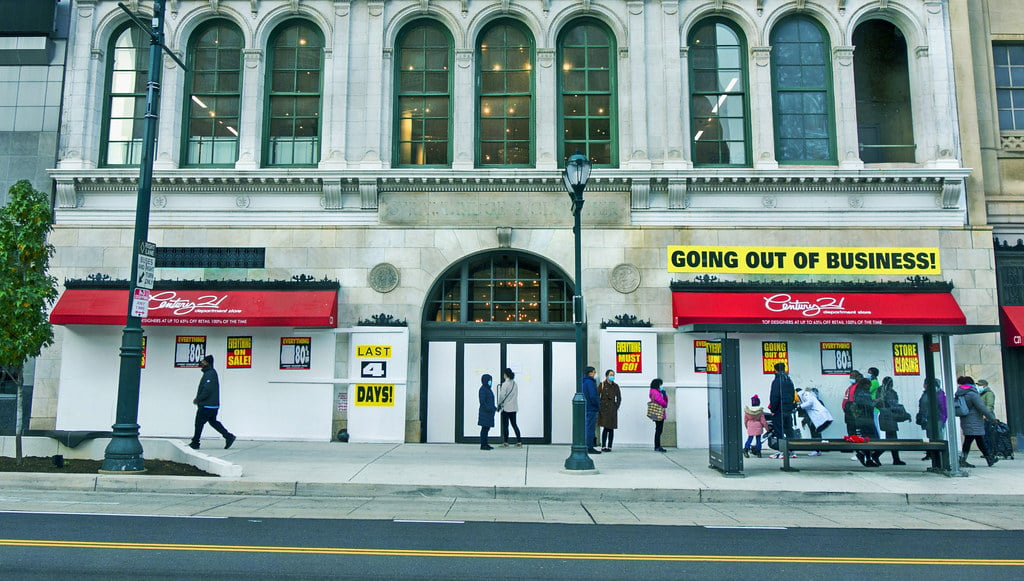
Strawbridge’s held Philadelphia retail together for well over a century, a Quaker-founded institution on Market Street that operated with a kind of earned dignity — not flashy, not loud, just stubbornly present and reliably good. It was acquired by May Department Stores in 1996 and eventually vanished into the Macy’s name in 2006, along with a dozen other storied regional brands that deserved better endings.
Philadelphia has never quite replaced the particular civic weight that Strawbridge’s carried.
Elder-Beerman
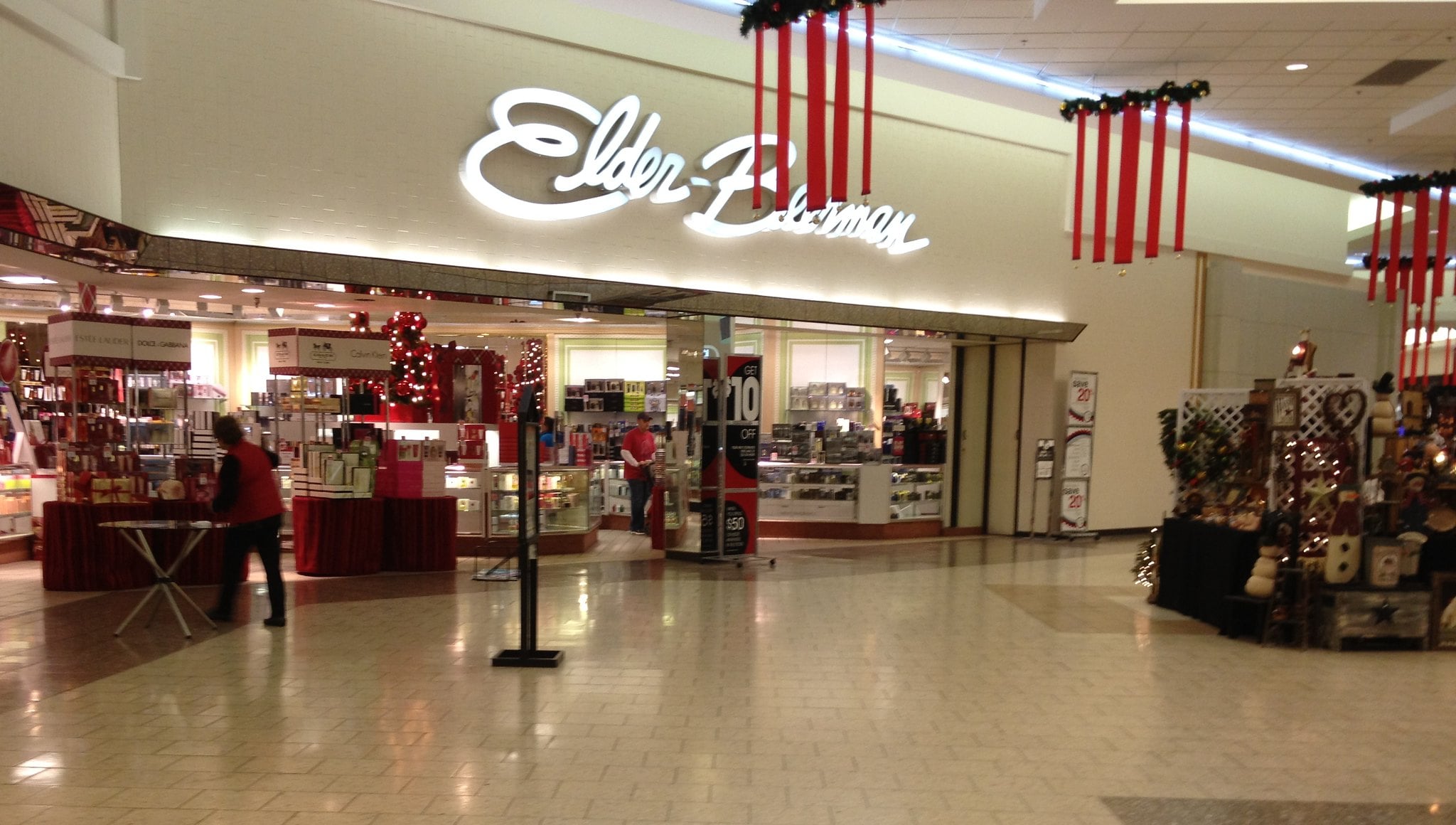
Elder-Beerman was the department store of the Ohio and Indiana heartland — Dayton, Columbus, Muncie, Ft. Wayne — a mid-sized regional chain that served mid-sized cities with a sincerity that the national chains rarely matched. It wasn’t glamorous, and it didn’t try to be; it sold what its customers needed at prices that respected their budgets, which turns out to be a more radical retail proposition than it sounds.
The company filed for bankruptcy in 2018, and most of its stores closed quietly without much national notice.
Meier & Frank

Portland, Oregon’s defining retail institution ran from 1857 to 2006 — nearly 150 years — and the flagship on SW 5th Avenue was the kind of building that made you stand up a little straighter when you walked through the door. Aaron Meier started it as a dry goods store; his son Emil turned it into a genuine department store anchor; and for decades the rooftop tearoom offered a view of Portland that made the city feel worth dressing up for.
Macy’s replaced the name in 2006, and something specifically Oregonian went with it.
Herpolsheimer’s
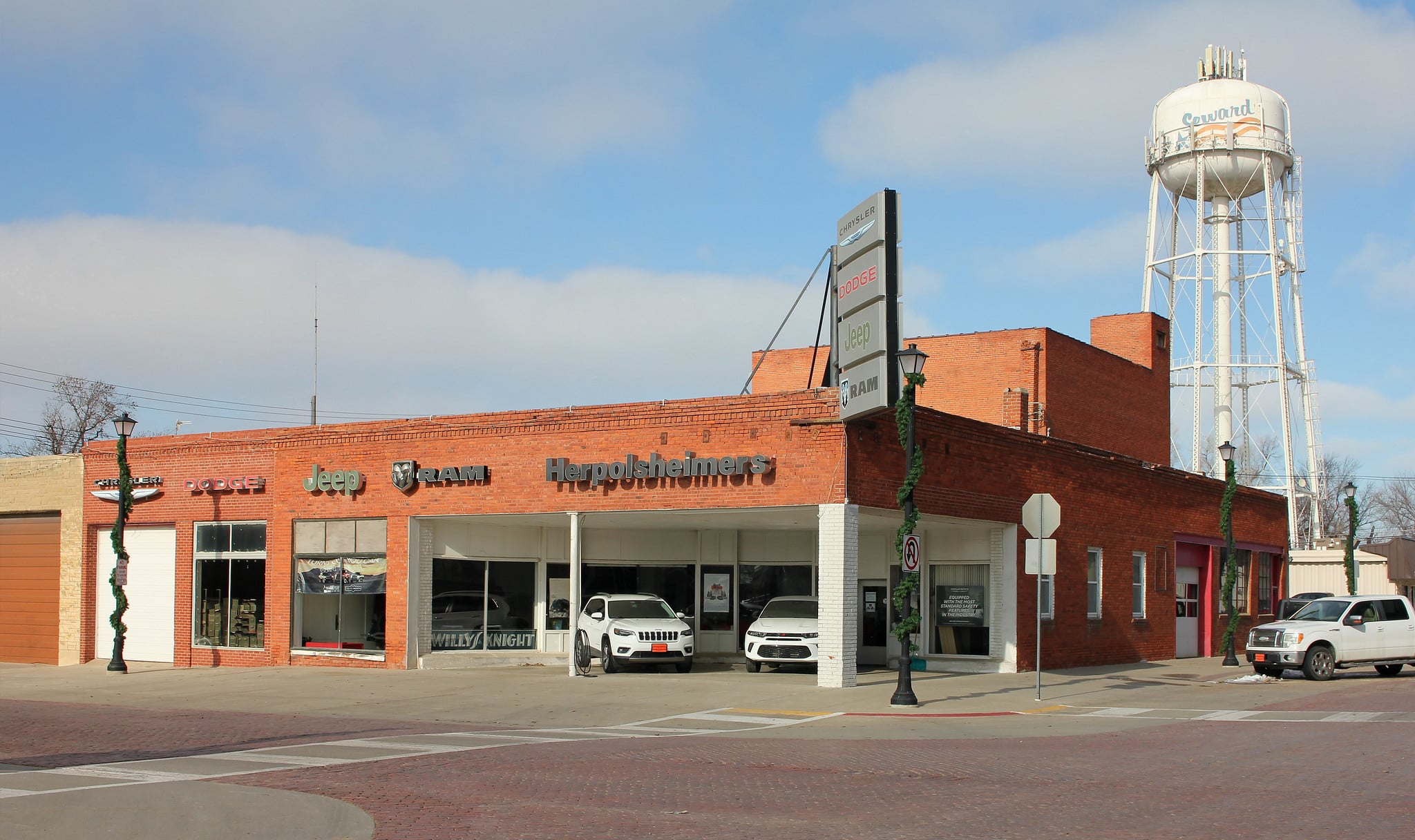
Herpolsheimer’s was Grand Rapids, Michigan’s downtown anchor from 1870 until it closed in 1987, and it carried the specific weight of a store that a city had grown up around rather than one that had grown up with the city. The flagship on Monroe Center featured pneumatic tube systems for sending cash to a central cashier — a mechanical wonder in its day that shoppers described with genuine affection decades later.
Its disappearance accelerated the hollowing of downtown Grand Rapids in a way the city spent years trying to reverse.
Emporium Capwell
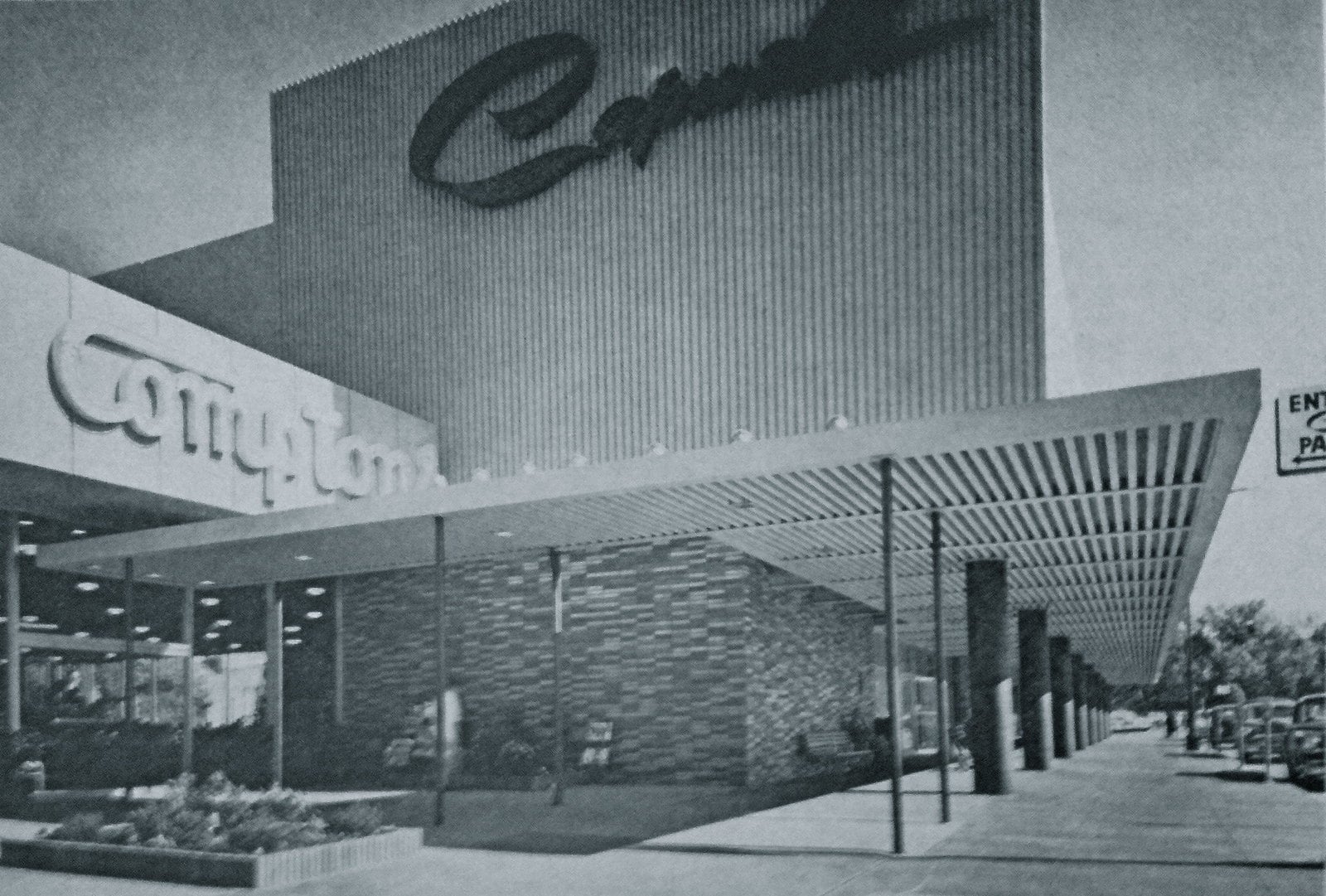
The Emporium on Market Street in San Francisco opened in 1896 with a glass dome so spectacular that it drew visitors who had no intention of buying anything. The store anchored San Francisco’s retail corridor for most of the 20th century, surviving the 1906 earthquake and rebuilding with a confidence that said the city would survive too.
It merged with Capwell’s to form Emporium Capwell in 1995 and was absorbed into Macy’s West shortly thereafter, taking its magnificent dome with it into history.
Thalhimer’s
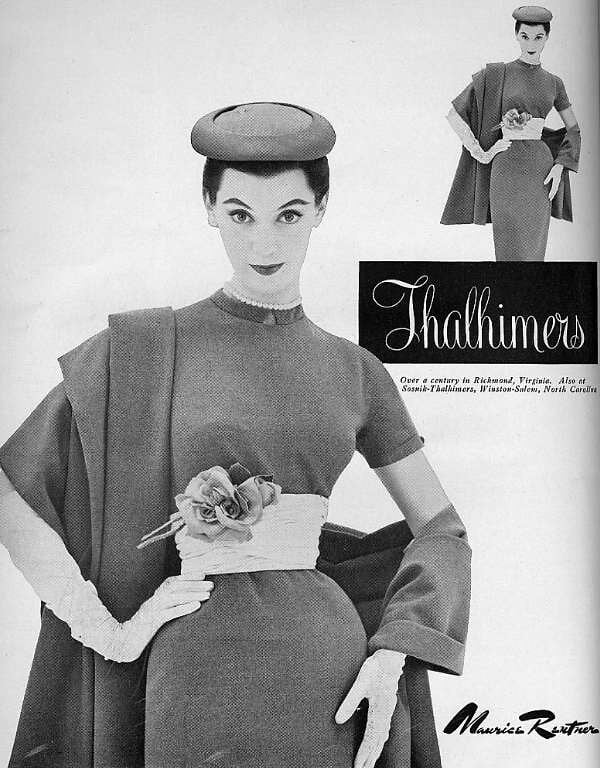
Thalhimer’s ran Richmond, Virginia’s retail scene from 1842 until 1992 — 150 years of steady civic presence — and it did so with a particular Richmond quality: formal without being cold, proud without being ostentatious. The sit-in protests at Thalhimer’s lunch counter in 1960, organized by students from Virginia Union University, were among the first successful lunch counter desegregation campaigns in the South, which gives the store’s history a dimension that most department store histories lack entirely.
It was acquired by May Company and eventually dissolved.
Sibley’s
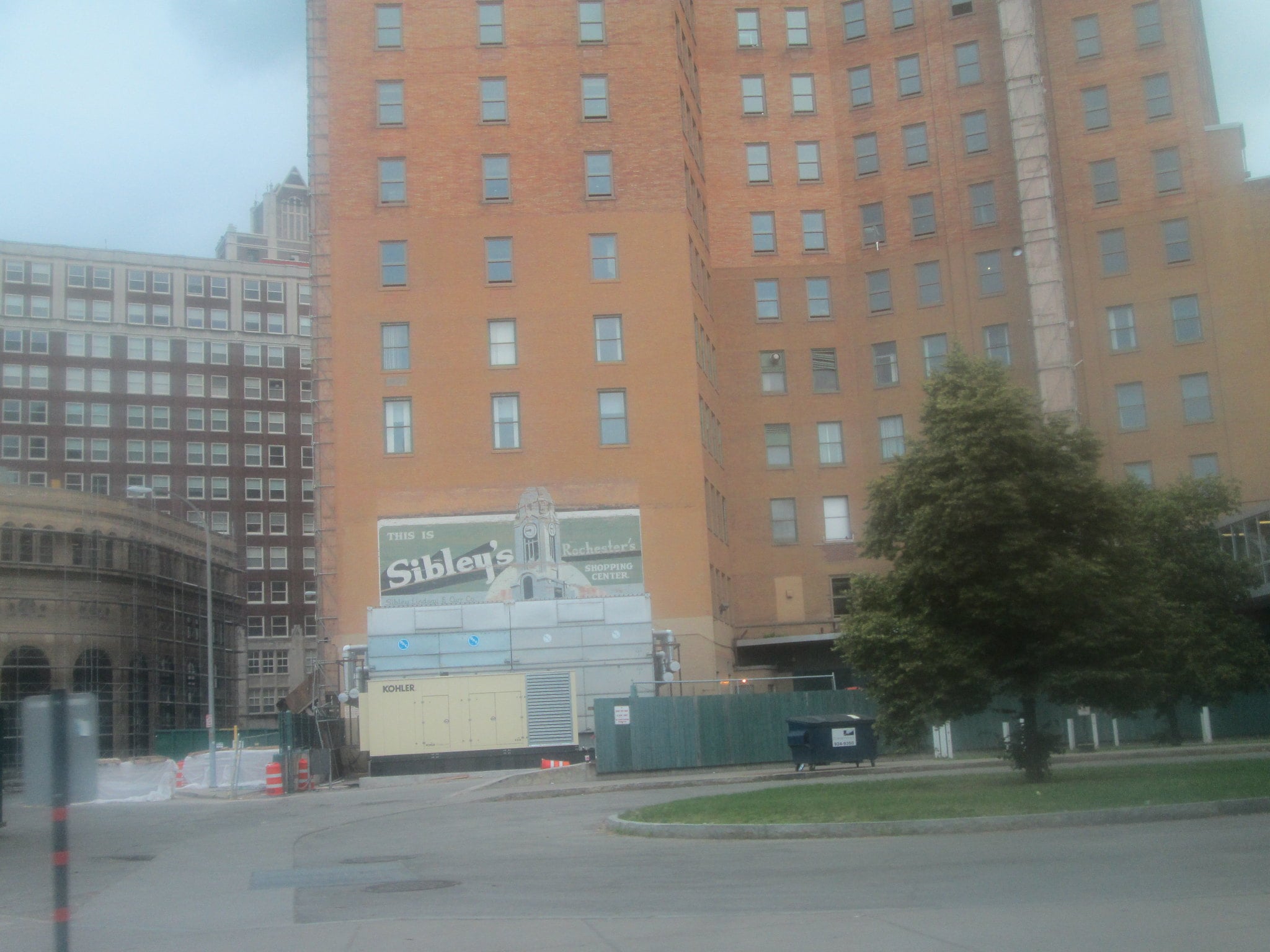
Sibley’s was Rochester, New York’s store — the anchor of downtown on Main Street East — and it carried itself with the modest confidence of a institution that knew it wasn’t going anywhere. The flagship’s annual Christmas display was a Rochester ritual for decades, the kind of thing families planned around without discussing whether they’d go, because of course they’d go.
Sibley’s was absorbed into Kaufmann’s and eventually Macy’s, and Rochester lost the one retail landmark that had genuinely belonged to it.
Lazarus
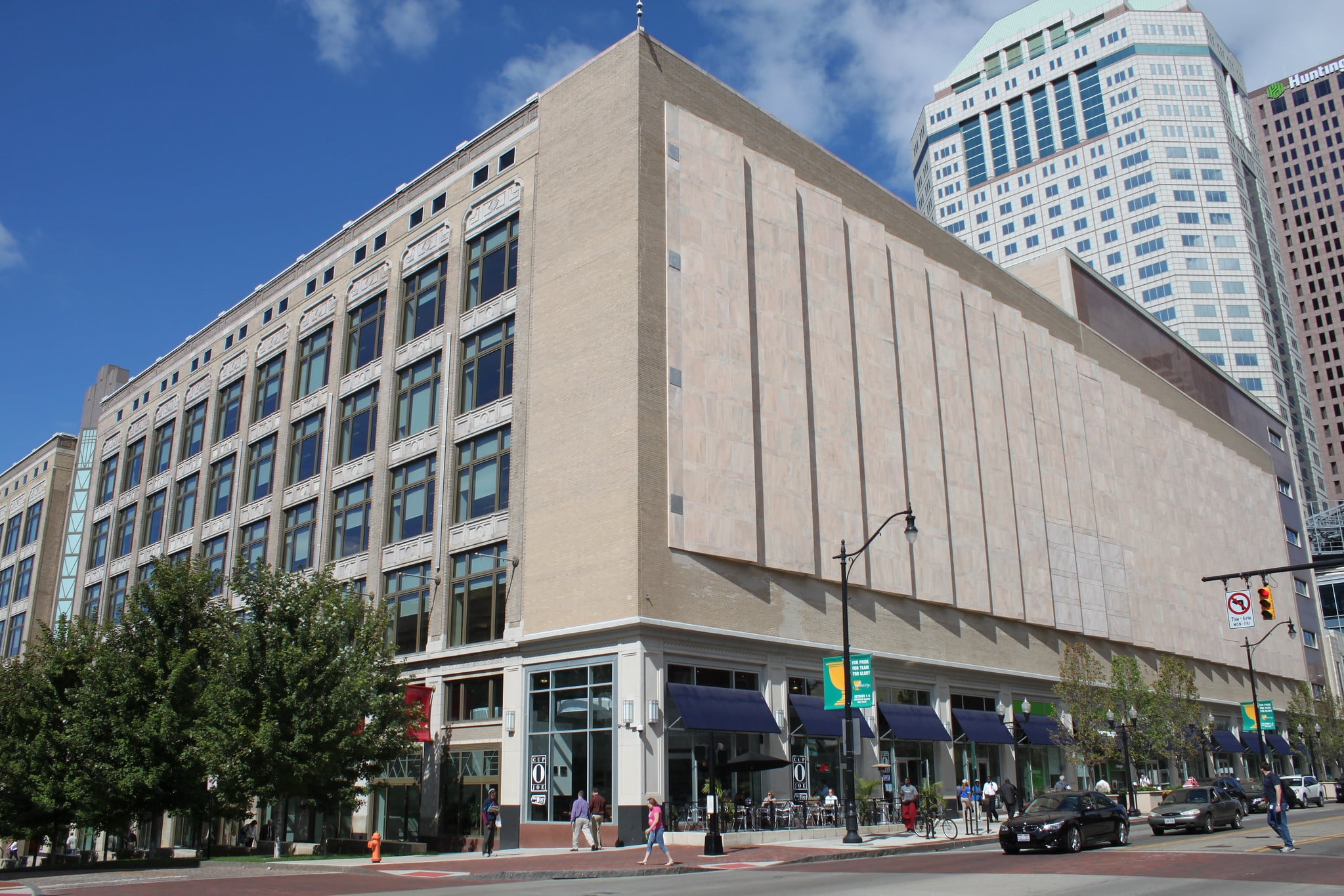
Lazarus dominated Columbus, Ohio, and eventually expanded across the Midwest as part of Federated Department Stores, but its origin — a single dry goods shop opened by Simon Lazarus in 1851 — was stubbornly Midwestern in the best sense. The Columbus flagship on High Street was one of the largest department stores in the country at its peak, a genuine civic monument that happened to also sell housewares.
When Federated rebranded the chain as Macy’s in 2005, Columbus residents responded with the kind of quiet grief that doesn’t make headlines but lingers for years.
Frederick & Nelson
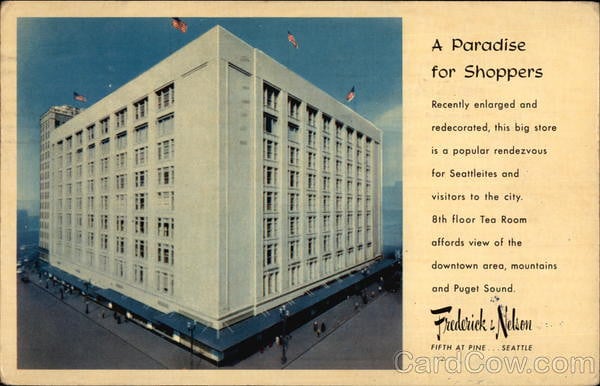
Frederick & Nelson was Seattle’s store — founded in 1890, anchored in a grand building downtown, and fiercely beloved by the Pacific Northwest for exactly a century before closing in 1992. The store was famous for its Frango mints, a product so associated with the Seattle store that shoppers genuinely mourned when production moved elsewhere after the Marshall Field’s acquisition took over the brand.
Some loyalties survive the closure of the stores that created them, which says more about what these places meant than any sales figure could.
More from Go2Tutors!

- The Romanov Crown Jewels and Their Tragic Fate
- 13 Historical Mysteries That Science Still Can’t Solve
- Famous Hoaxes That Fooled the World for Years
- 15 Child Stars with Tragic Adult Lives
- 16 Famous Jewelry Pieces in History
Like Go2Tutors’s content? Follow us on MSN.