Cocktails Invented During Prohibition
The 1920s brought America one of its strangest experiments in lawmaking when the government decided to ban alcohol completely. Instead of stopping people from drinking, Prohibition created a whole underground world of speakeasies, bootleggers, and some seriously creative bartenders.
These mixologists had to work with whatever liquor they could get their hands on, which was often pretty rough stuff that needed serious help in the taste department. The result was a golden age of cocktail innovation that gave us drinks people still love today.
So let’s raise a glass to the rebels who mixed, shook, and stirred their way through America’s ‘dry’ years. Here are the classic cocktails that came from that wild time.
The Bee’s Knees

This gin-based drink became a speakeasy favorite because honey did an amazing job of covering up the harsh taste of bathtub gin. The name itself came from the slang of the era, when people called anything excellent ‘the bee’s knees’ or ‘the cat’s pajamas’.
Bartenders mixed gin with fresh lemon juice and honey syrup to create something that actually tasted good instead of like industrial cleaner. The drink has made a huge comeback in recent years, with craft cocktail bars serving it as a reminder of Prohibition’s sneaky innovations.
The Southside

Chicago’s South Side gave this refreshing cocktail its name, though some stories claim it came from the Southside Sportsmen’s Club on Long Island. Either way, the drink mixed gin with lime juice, sugar, and fresh mint to create something light and drinkable.
Gangster Al Capone supposedly loved this cocktail, which makes sense since mint was great at hiding the smell of illegal alcohol on someone’s breath. Think of it as a mojito’s sophisticated older cousin who knows how to keep secrets.
Mary Pickford

This pretty pink drink honored the silent film star who was basically the Jennifer Lawrence of the 1920s. Bartenders in Havana created it by mixing white rum with pineapple juice, grenadine, and maraschino liqueur.
Cuba became a popular destination for thirsty Americans during Prohibition since they could legally drink there. The cocktail tastes sweet and fruity, much like the ‘America’s Sweetheart’ image that Mary Pickford carefully maintained throughout her career.
The Sidecar
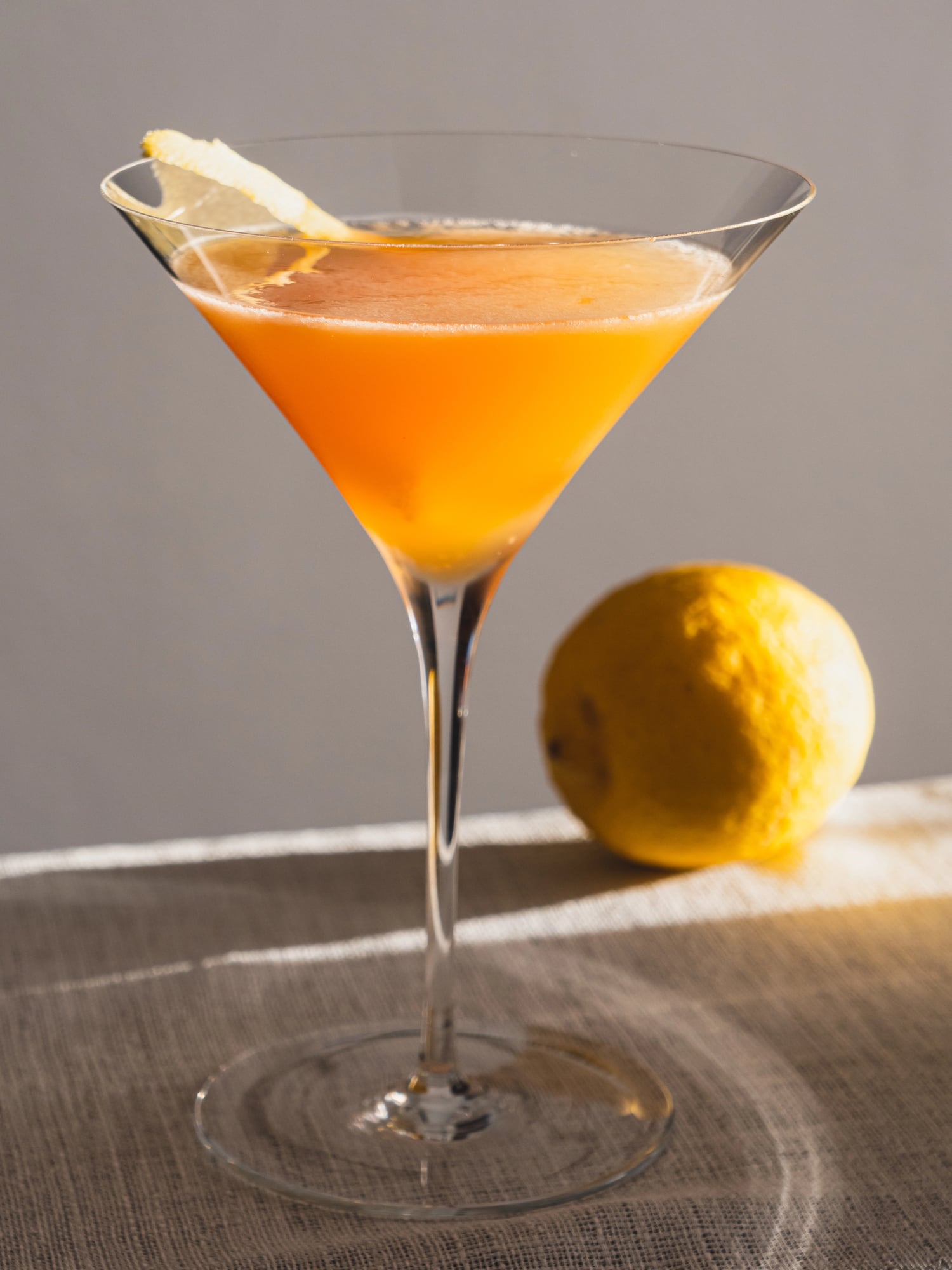
Paris became another escape route for Americans who wanted legal drinks, and French bartenders rose to the occasion with new creations. The Sidecar combined cognac, orange liqueur, and lemon juice in perfect balance.
Some say a military captain who rode in a motorcycle sidecar inspired the name, though the real origin stays murky. What matters is that this drink survived the decades and still shows up on cocktail menus everywhere.
Whiskey Sour

While sours existed before Prohibition, this era perfected the formula and made it wildly popular. Bootleg whiskey often tasted terrible, so bartenders learned to balance it with lemon juice and sugar to make something drinkable.
The addition of egg white created a silky foam on top that made the drink feel fancy even in a sketchy basement bar. Today’s craft bartenders still argue about whether the egg white is essential or optional.
The Last Word
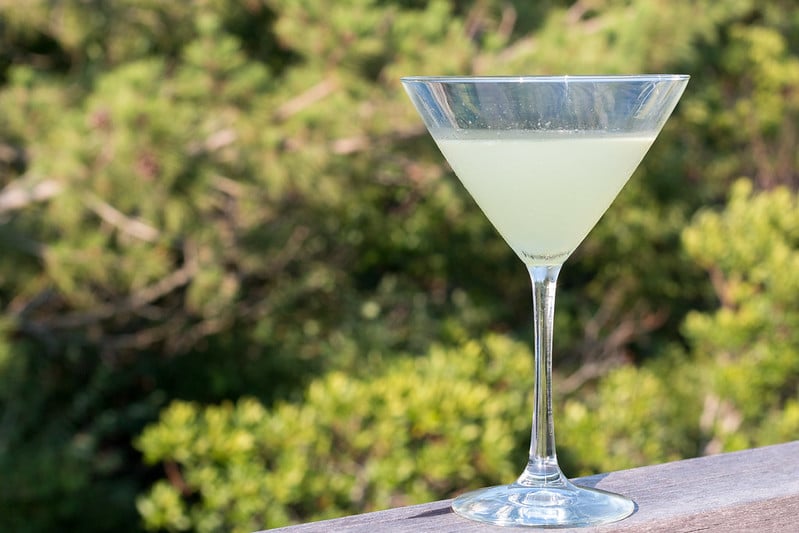
Detroit’s Athletic Club gets credit for this equal-parts cocktail that mixes gin, green Chartreuse, maraschino liqueur, and lime juice. The drink disappeared for decades after Prohibition ended, only to be rediscovered in the early 2000s by a Seattle bartender flipping through old recipe books.
Each ingredient pulls its weight, creating something balanced yet complex. The name supposedly came from vaudeville acts, where performers always wanted to get ‘the last word’ in their routines.
French 75

This powerful cocktail combined gin, lemon juice, sugar, and champagne to create something that packed a serious punch. The name came from a French artillery gun used in World War I, which tells you everything about its strength.
Bartenders in Paris served this to American expats who fled Prohibition, though some versions use cognac instead of gin. The drink became a symbol of sophistication and rebellion all at once.
Scofflaw

Someone actually held a contest to create a word that described people who broke Prohibition laws, and ‘scofflaw’ won. A bartender at Harry’s New York Bar in Paris immediately created a cocktail with the same name.
The drink mixes rye whiskey, dry vermouth, lemon juice, grenadine, and orange bitters into something surprisingly smooth. It was basically a middle finger to the Prohibition movement, served in a chilled glass with a smile.
The Boulevardier

Think of this as a Negroni’s whiskey-drinking cousin who moved to Paris for art school. The cocktail combines bourbon or rye with sweet vermouth and Campari in equal parts.
An American writer named Erskine Gwynne created a magazine called ‘The Boulevardier’ in Paris, and this drink became his signature order at Harry’s New York Bar. The bitter-sweet flavor profile takes some getting used to, but fans of the drink become devoted to it.
Aviation

This pretty purple-blue cocktail looks like the sky at dusk and tastes like sophisticated rebellion. Bartenders mix gin with maraschino liqueur, crème de violette, and lemon juice to create the color and flavor.
The drink actually predates Prohibition by a few years, but it became incredibly popular during the era when people wanted their illegal drinks to at least look beautiful. Many bartenders skipped the crème de violette for decades because it was hard to find, which changed the drink’s appearance completely.
Corpse Reviver No. 2
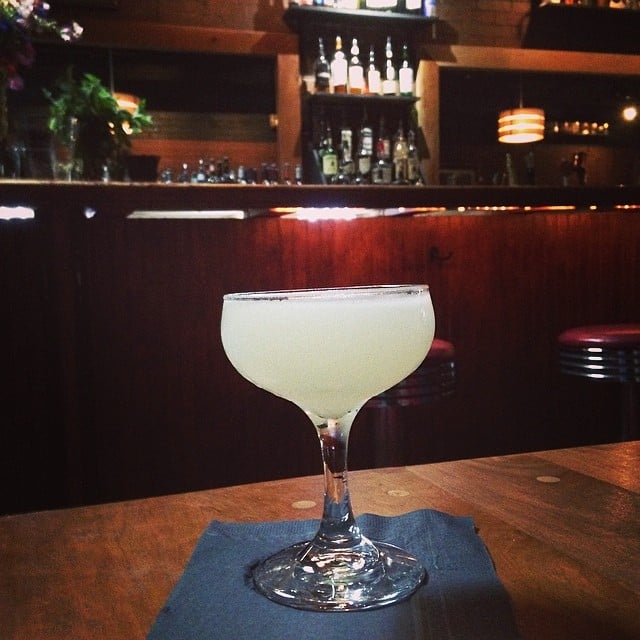
The name alone tells you this drink was meant to cure hangovers from the night before. Harry Craddock, a bartender who fled America for London during Prohibition, included this recipe in his famous Savoy Cocktail Book.
The mix includes gin, Cointreau, Lillet Blanc, lemon juice, and a dash of absinthe that makes all the difference. Craddock warned that ‘four of these taken in swift succession will unrevive the corpse again’, which is delightfully dark humor from the 1920s.
Between the Sheets

This drink sounds risqué, and that was probably intentional since Prohibition brought out everyone’s wild side. The cocktail mixes equal parts cognac, rum, and triple sec with a splash of lemon juice.
Harry’s New York Bar in Paris claims credit for this one too, since that place was basically cocktail central for Americans abroad. The result tastes smooth and deceptively strong, much like the era that created it.
Hemingway Daiquiri

Ernest Hemingway loved his drinks strong and his life adventurous, so he ordered his daiquiris without sugar and with double the rum. Bartenders at El Floridita in Havana created this variation that added grapefruit juice and maraschino liqueur to balance out the booze.
The writer supposedly drank them by the dozen, though that might be exaggeration mixed with legend. Either way, this version of the classic Cuban cocktail became a Prohibition-era favorite for Americans visiting the island.
Jack Rose
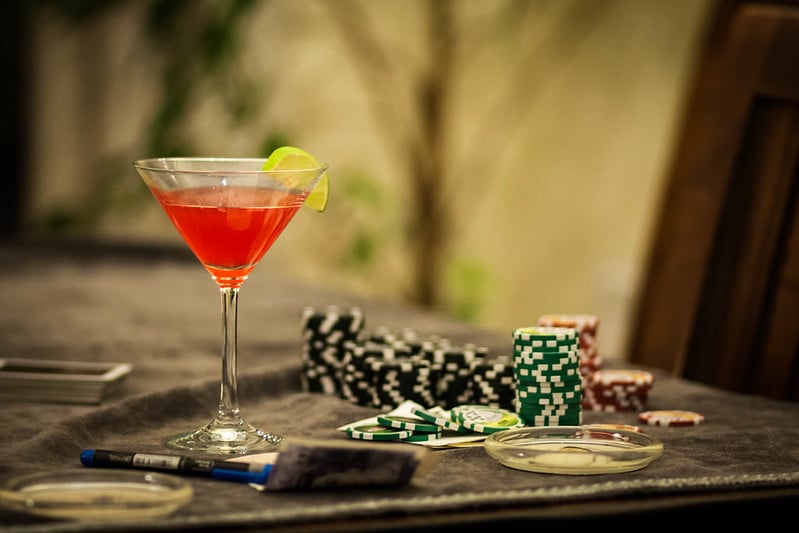
This pretty pink cocktail mixed applejack (apple brandy), grenadine, and lemon or lime juice into something deceptively simple. The drink might have gotten its name from its color, from a gangster named Bald Jack Rose, or from the jacqueminot rose flower.
Applejack was easier to make illegally than other spirits, so it showed up often in speakeasy drinks. The Jack Rose proves that sometimes the simplest combinations work best.
Monkey Gland

The name comes from a bizarre medical procedure that was trendy in the 1920s, where doctors thought transplanting monkey glands could restore youth. Harry McElhone at Harry’s New York Bar created this cocktail by mixing gin, orange juice, grenadine, and a splash of absinthe.
The result tastes fruity and slightly mysterious, much better than the name suggests. Modern bartenders sometimes struggle to sell this drink because the name makes people uncomfortable, but those who try it usually come back for another.
Clover Club

This pre-Prohibition drink became hugely popular during the dry years because egg white made cheap gin taste expensive. The Philadelphia men’s club that gave the drink its name met regularly before Prohibition to drink and socialize.
Bartenders shook gin with lemon juice, raspberry syrup, and egg white until it became pink and frothy. The drink fell out of favor for decades because pink cocktails seemed too feminine, but thankfully that silly bias has disappeared.
Southside Fizz

A splash of soda water lightens the Southside, turning it into something crisp for hot days. Fizz cuts through harshness, especially when the gin reminded people of hardware store fumes.
Lime pairs with mint in a way that tricks the mind into thinking it’s wholesome – despite clear evidence otherwise. Back then, speakeasy mixers reshaped drinks constantly just to mask rotgut spirits.
Old Pal
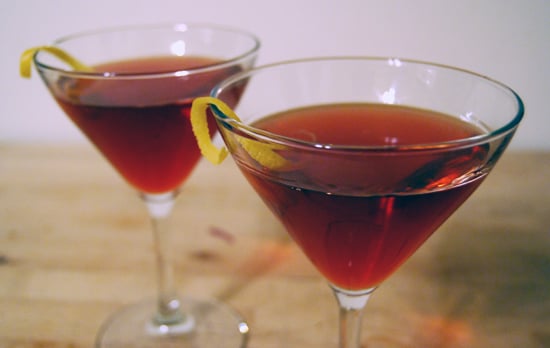
Back in 1927, Harry MacElhone slipped this drink into his cocktail guide – penned for a pal named William ‘Sparrow’ Robinson. Pour one part rye whiskey, match it with dry vermouth, then stir in an equal splash of Campari – you get sharpness without sugar clinging around the edges.
Think of it like a Boulevardier that skipped dessert, made for those turned off by syrupy sips. Speakeasies hummed with this kind of vibe: odd jobs meeting over illegal pours, trust building quick in dim rooms thick with smoke.
The title? Just another nod to nights when rules bent easily and company felt instant.
When the Party Ended but the Drinks Stayed

When Prohibition lifted in 1933, one thing stayed behind – the cocktails born out of defiance. Hard times didn’t stop clever minds; instead, they poured energy into mixing bold new drinks.
Behind every illegal bar counter, inventive hands shaped recipes now seen in modern lounges worldwide. Skip ahead decades later, and names like Bee’s Knees ring through menus – not just for flavor, but for rebellion preserved in glass.
History may have moved on, yet these sips keep a stubborn past alive.
More from Go2Tutors!

- The Romanov Crown Jewels and Their Tragic Fate
- 13 Historical Mysteries That Science Still Can’t Solve
- Famous Hoaxes That Fooled the World for Years
- 15 Child Stars with Tragic Adult Lives
- 16 Famous Jewelry Pieces in History
Like Go2Tutors’s content? Follow us on MSN.



