28 Things Babysitters Let Kids Get Away With That Parents Never Would
There’s a particular kind of chaos that only exists in the hours between when the parents leave and when they get back. The house looks the same. The kids are (mostly) alive.
But somewhere between 7 p.m. and midnight, a completely different set of rules quietly took over — and everyone involved knows it, and nobody’s saying a word about it. Babysitters aren’t bad at their jobs. They’re just operating under a different jurisdiction, one where bedtime is more of a suggestion and the second bowl of ice cream is a diplomatic necessity.
If you grew up with babysitters, you already know exactly what happened when your parents walked out the door.
Staying Up Way Past Bedtime

Bedtime is a parental institution. It requires enforcement, consistency, and the willingness to say “no” seventeen times in a row — none of which a babysitter, who is just trying to get through the evening without incident, is particularly motivated to do.
So the clock hits 9 p.m., then 9:30, then somehow it’s 11 and the kids are watching a movie they’ve definitely seen before, and everyone’s just fine with that.
Eating Dinner on the Couch
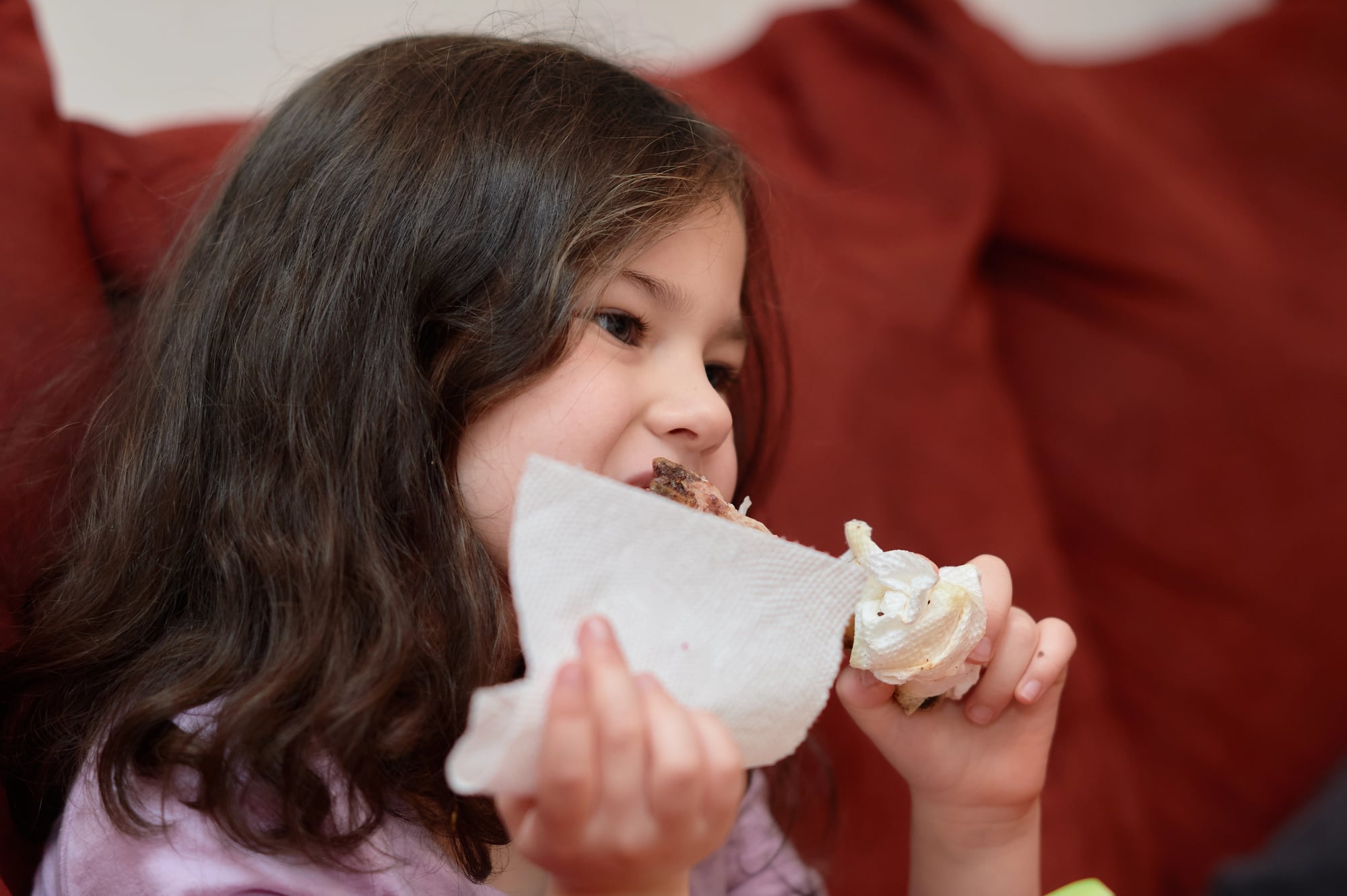
There’s a reason parents keep the no-food-in-the-living-room rule alive through sheer force of will. The couch has feelings. The carpet has a memory.
But a babysitter holding a tray of chicken nuggets and a kid pointing at the TV makes a certain kind of negotiation inevitable: one plate, balanced on a pillow, in front of whatever’s on screen.
Skipping the Vegetables Entirely

Parents build vegetables into the deal — you eat three bites of broccoli, you get dessert, that’s the structure. Babysitters, faced with a six-year-old who has suddenly discovered a passionate hatred of anything green, tend to quietly decide that tonight is not the hill anyone needs to die on.
The broccoli goes untouched. Nobody files a report.
Having Ice Cream for Dinner

To be fair, this one makes a kind of logic babysitters have quietly arrived at through experience: if the kid eats the ice cream first, they’re less likely to argue about everything else. That’s a working theory.
It’s not a nutritional guideline, but it functions in the field, and the parents will never know because the bowl will be washed and the evidence will be gone.
Watching Something Slightly Too Old for Them
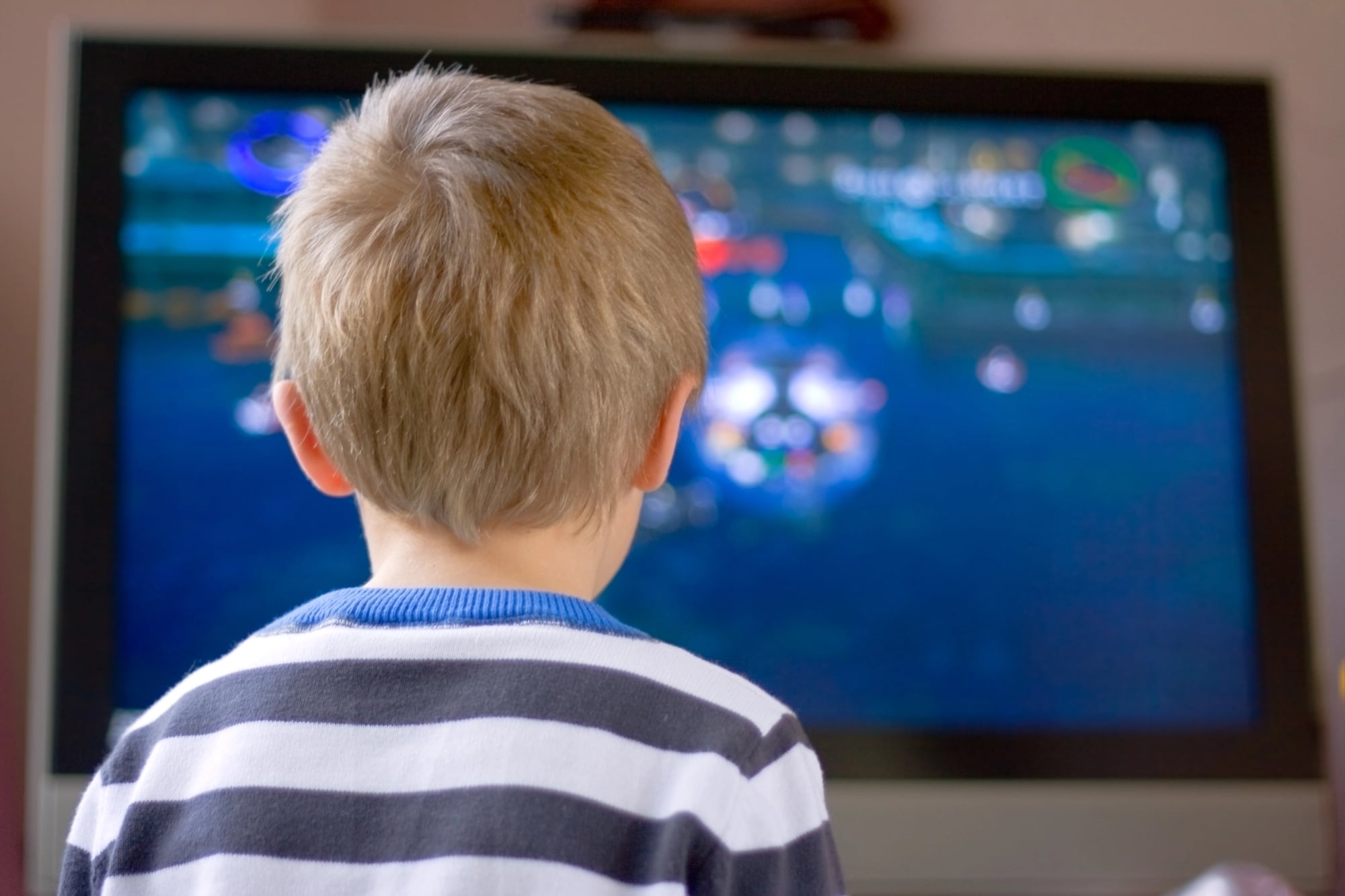
The thing about a kid asking to watch a PG-13 movie is that they ask with such absolute certainty — such genuine conviction that this is a totally normal and acceptable request — that a babysitter starts to wonder if maybe the parents already said it was fine. So the movie goes on, and nobody really processes the two scenes that were probably the whole reason for the rating.
And by the time the parents get home the kids are just describing the plot with suspicious enthusiasm.
Staying in the Bath Until the Water Goes Cold

A bath under parental supervision is efficient: in, wash, out, dry, pajamas, done. A bath under babysitter supervision is — somehow — a forty-minute maritime engineering project involving every plastic container in the house.
The water goes cold, the floor gets wet, and the babysitter is sitting outside the door answering questions about whether submarines are real.
Skipping the Actual Bath Altogether

And then sometimes the calculus goes the other direction entirely. Getting a reluctant kid into the bath requires a level of negotiating stamina that babysitters simply haven’t budgeted for on a Tuesday night.
A quick wipe-down with a washcloth, a change of pajamas — close enough. The parents will assume it happened. The kid will not volunteer information.
Eating Snacks Right Before Bed
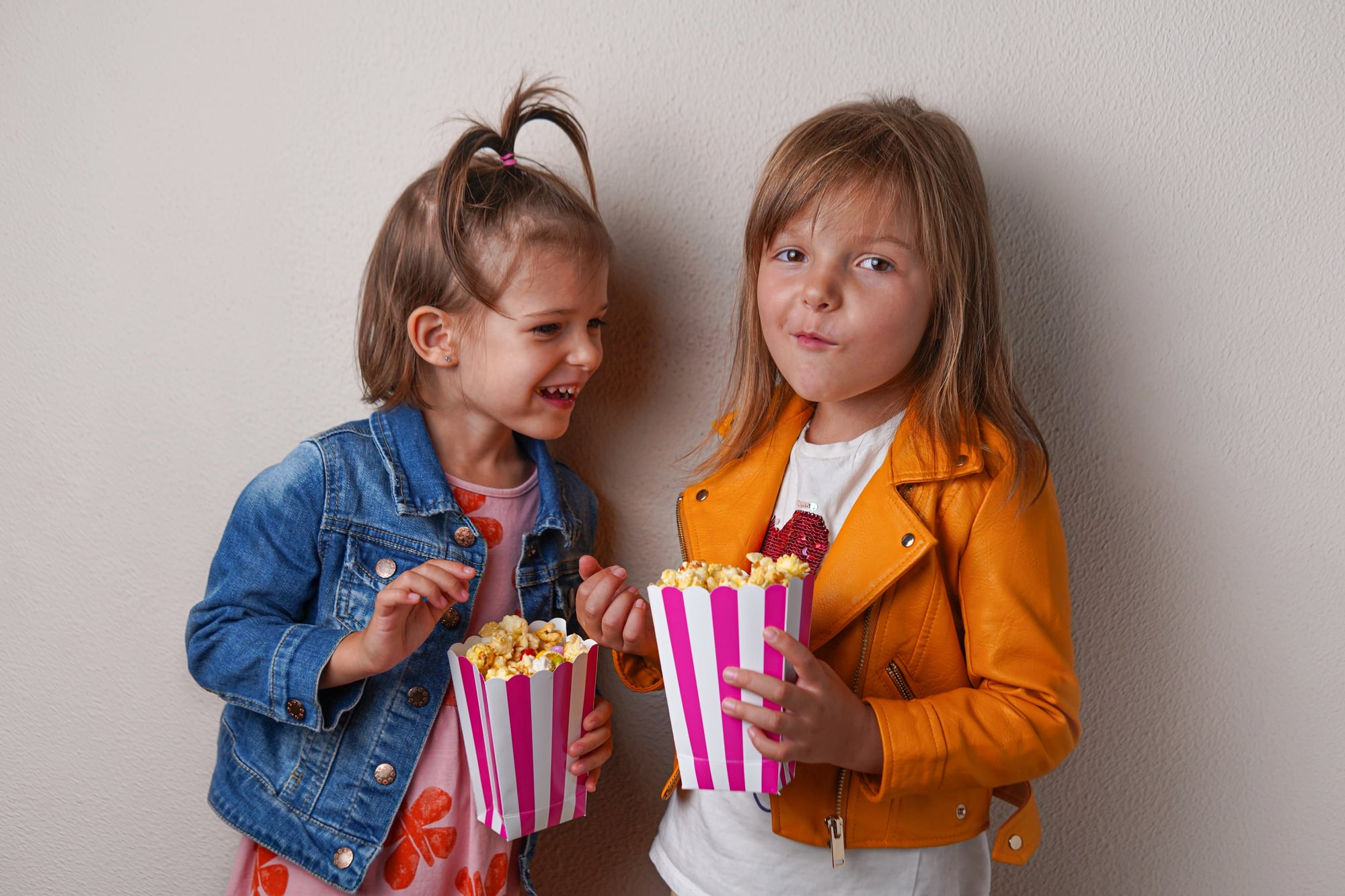
Parents understand that a snack at 9:45 p.m. is functionally a second dinner that nobody asked for. Babysitters understand that a child who is “starving” will not go to sleep, and that graham crackers are a faster solution than the argument.
So the snack happens — and then the kid is somehow still awake at 10:30, asking for another one.
Jumping on the Furniture

There’s something about parental absence that makes the couch look less like furniture and more like a staging ground. The rules against jumping are well-known. They exist for legitimate reasons.
But a babysitter who is also watching something on their phone while the kids play has a narrower field of attention, and the couch cushions are absolutely going to end up on the floor by 8 p.m.
Using Way Too Much Toothpaste
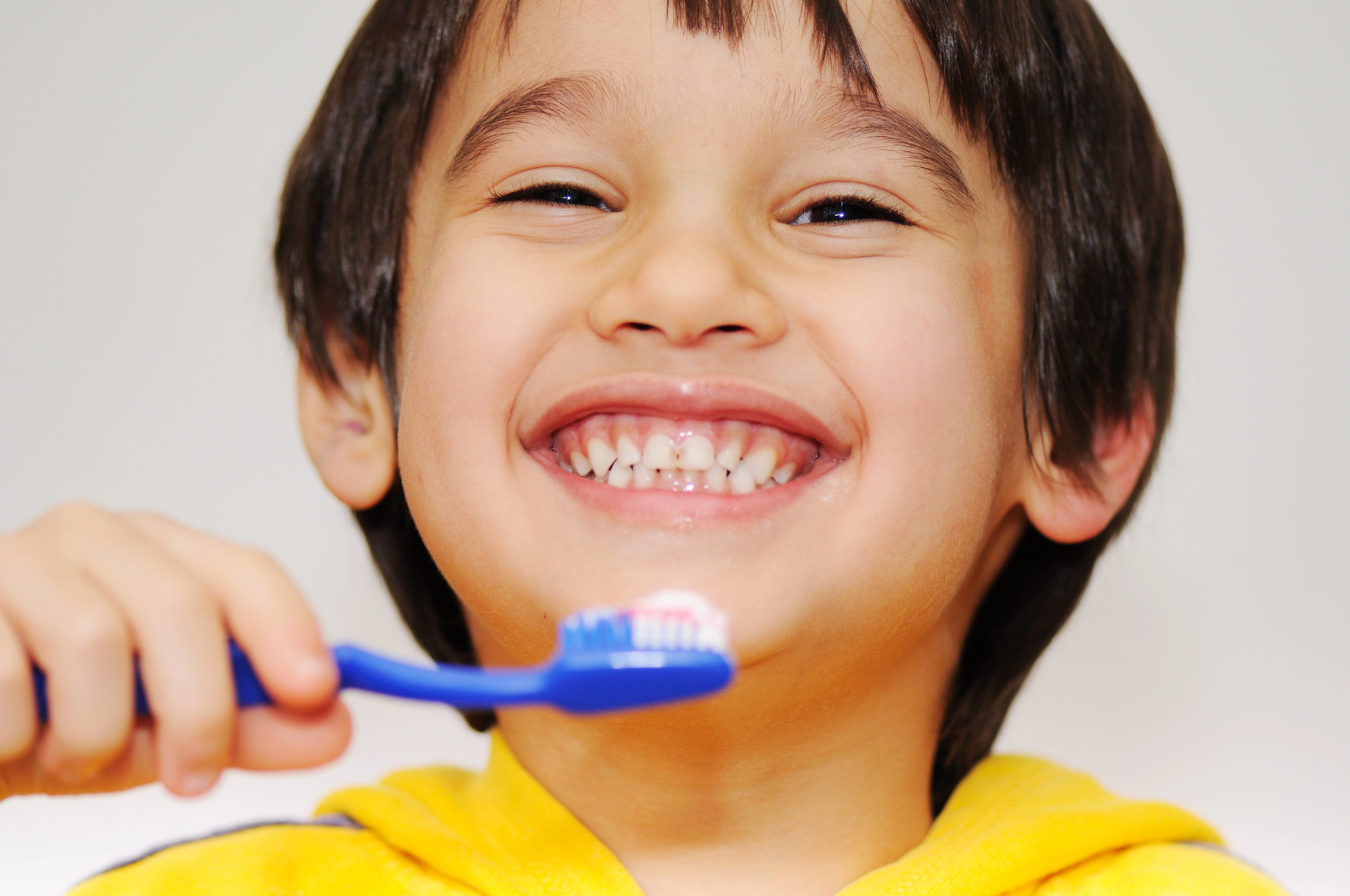
Nobody’s parent has ever let a child squeeze an inch-long coil of toothpaste onto a brush unchallenged — parents know what’s in that tube, they know how long it’s supposed to last, and they treat it accordingly. Babysitters hand over the toothpaste and consider their job done.
The child uses what amounts to a week’s worth in a single sitting, and brushing still only lasts about eleven seconds.
Getting a Second (or Third) Bedtime Story

The bedtime story is supposed to be singular. One story, lights out, that’s the deal. But stories, as children have known for centuries, are almost supernaturally good at multiplying — one ends, and suddenly there’s a sequel, and then a prequel.
And the babysitter is on page forty of a picture book they’ve now read twice while the child insists on one more. It’s less a bedtime routine and more a hostage negotiation conducted entirely in rhyme.
Wearing the Same Clothes to Bed They Wore All Day

Pajamas represent a parental commitment to the idea that day-clothes and sleep-clothes are different things. Babysitters, watching a child who is already horizontal and drowsy on the couch, recognize an opportunity: don’t move them, don’t change them, just cover them with a blanket and call it a win.
They’re clean enough. It’s fine.
Leaving Toys All Over the Floor
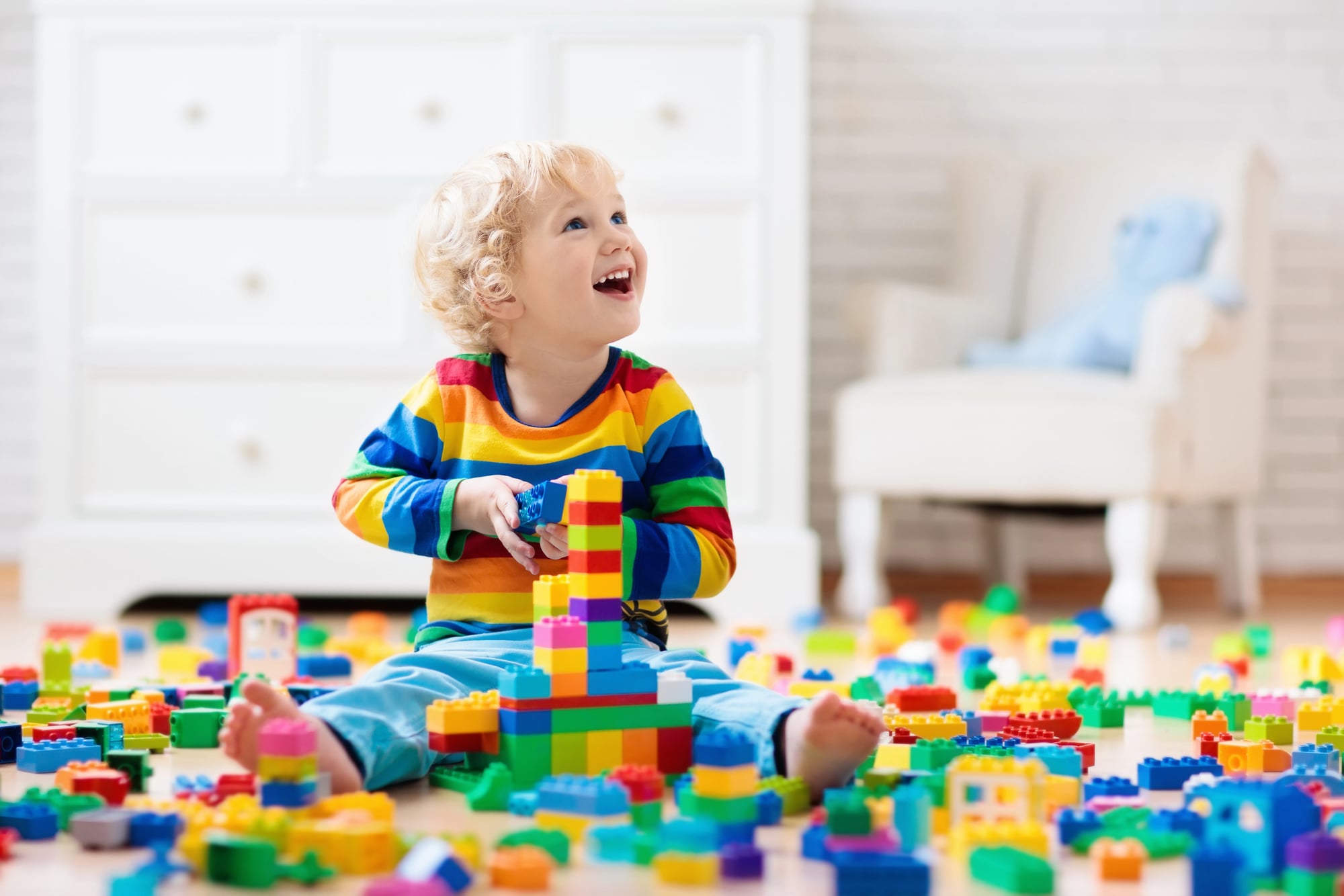
Cleanup is the final act of every parental evening — nothing goes to bed until the Legos are off the carpet and the stuffed animals are back in the bin. Babysitters approach this differently, which is to say: not at all.
The toys stay where they landed. The babysitter steps around them. Everyone will deal with it in the morning — “everyone” being the parents.
Staying Up Playing Video Games
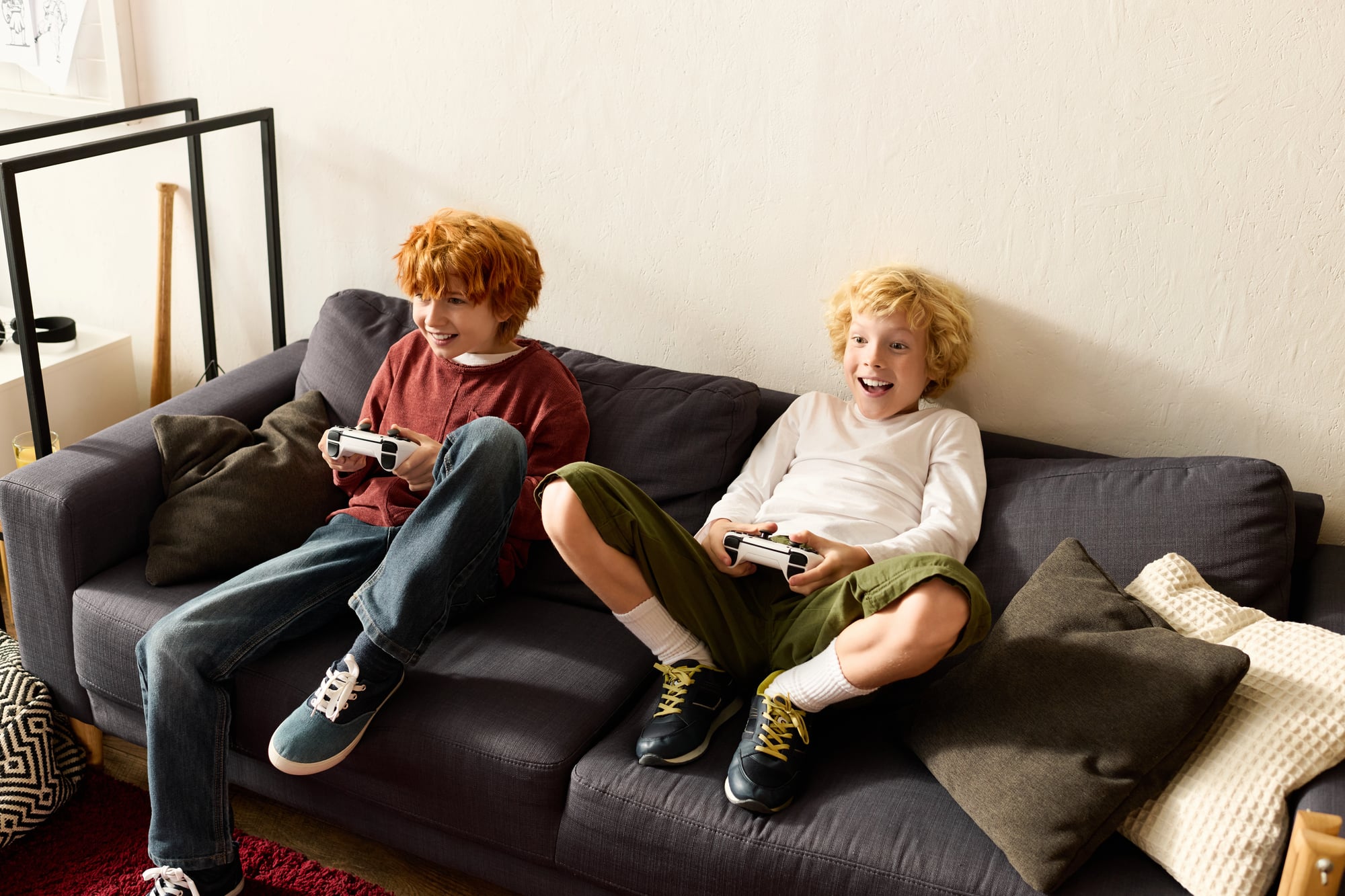
A babysitter who has been handed a controller “just for a few minutes” has made a significant tactical error. The few minutes expand. The kid asks for one more level.
The babysitter — who, to be fair, is now invested in the outcome — agrees. By the time the screen gets turned off, it is embarrassingly late and both of them have opinions about the final boss.
Eating Way Too Much Candy

Candy in a parent’s house is a rationed resource, a controlled substance administered in calculated doses. Under babysitter supervision, the bowl becomes a suggestion and the kid is basically self-regulating, which — turns out — children cannot do with Skittles.
The sugar crash at 9 p.m. is its own kind of justice, but by then it’s the babysitter’s problem, which is arguably also justice.
Staying Up to Watch “Just One More Episode”
Streaming services were, in a very real sense, designed to undermine babysitters. The “next episode” prompt appears before anyone has made a conscious decision, the kid says “please” with genuine pathos.
And the babysitter — who also wants to see how it ends — taps “continue playing” and decides bedtime was always more of a guideline.
Not Washing Their Hands Before Eating

Parents have trained themselves to ask about handwashing before every meal, every snack, every time food appears. Babysitters are managing multiple things at once: the food, the plates, the TV, the kid who disappeared, the other kid who is fine but suspicious.
Handwashing simply doesn’t make the checklist. The food gets eaten. Nobody gets sick. This time.
Making a Fort Out of Every Blanket in the House

The blanket fort is one of childhood’s great engineering achievements — and also a complete disaster for whoever has to take it apart. Parents allow them in specific circumstances, under negotiated terms, with some understanding about cleanup.
Babysitters say yes immediately, because a kid building a fort is a kid who is occupied, and occupied kids are quiet. The fact that every blanket in the house is now on the living room floor is a problem for later.
Staying Up Because They’re “Not Tired”
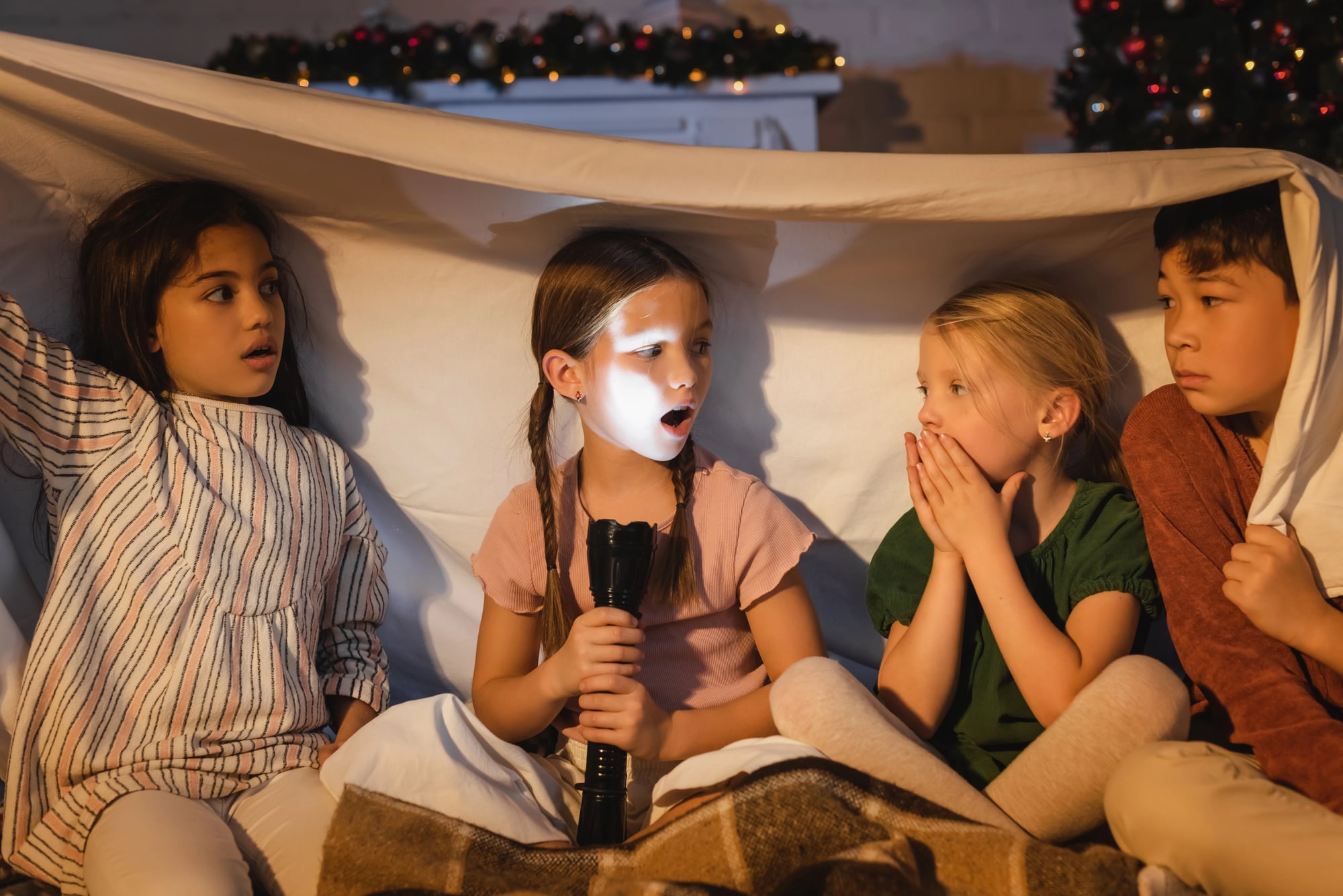
Every child has made this argument. It has never once been true. But babysitters lack the long game that parents carry — the knowledge, accumulated over years, that “not tired” is simply what children say in the fifteen minutes before they pass out mid-sentence.
So the bedtime gets pushed, and the kid falls asleep on the couch twenty minutes later, proving the parent right from approximately three miles away.
Negotiating a Later Bedtime With Total Confidence

Kids know exactly what they’re doing when they tell a babysitter “Mom said we can stay up until 10.” They deliver this information with the calm certainty of someone who has nothing to hide, which is the giveaway if you know what to look for — but babysitters often don’t, not yet.
The claimed bedtime creeps up by forty-five minutes, unchallenged, because disputing it would require a phone call and a confrontation nobody wants.
Eating Cereal as a Second Dinner

A bowl of cereal at 8:30 p.m. is not a meal. Parents understand this. Babysitters, presented with a child who didn’t eat enough actual dinner and is now performing starvation, reach for the fastest available option — which is almost always a box of something colorful from the top shelf.
The kid eats two bowls. The babysitter goes back to their phone. A parent would have seen this coming.
Getting Let Off the Hook for a Meltdown
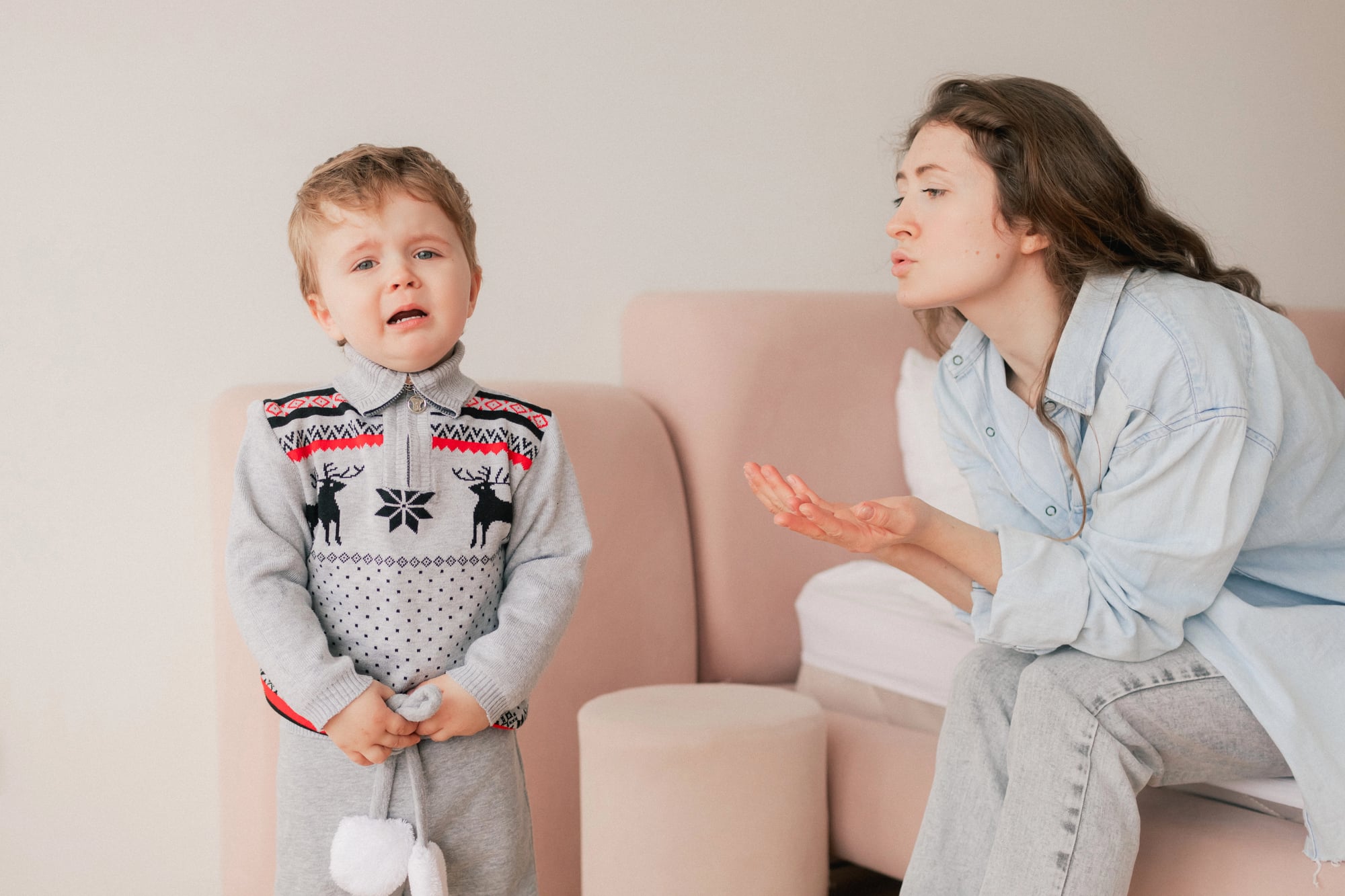
When a kid melts down with a parent, the parent holds the line, processes the feelings, and maintains the consequence — because they understand that the alternative is worse next time. Babysitters faced with a genuinely distressed child tend to absorb the demand just to restore peace, because they don’t have the emotional skin in the game that makes the long-term math clear.
It works, in the short term. Which is exactly why it keeps happening.
Skipping Medication or Vitamins

For parents, the evening vitamin or routine medication is non-negotiable — it’s written on the calendar, it’s in the routine, it’s done. Babysitters working from a handwritten note on the counter are operating without the full institutional knowledge of the household, and if the note doesn’t mention it, or the kid assures them they already took it, the medication just quietly doesn’t happen.
Nobody was being careless. The system just depends on better handoffs than it usually gets.
Staying Up Talking to the Babysitter
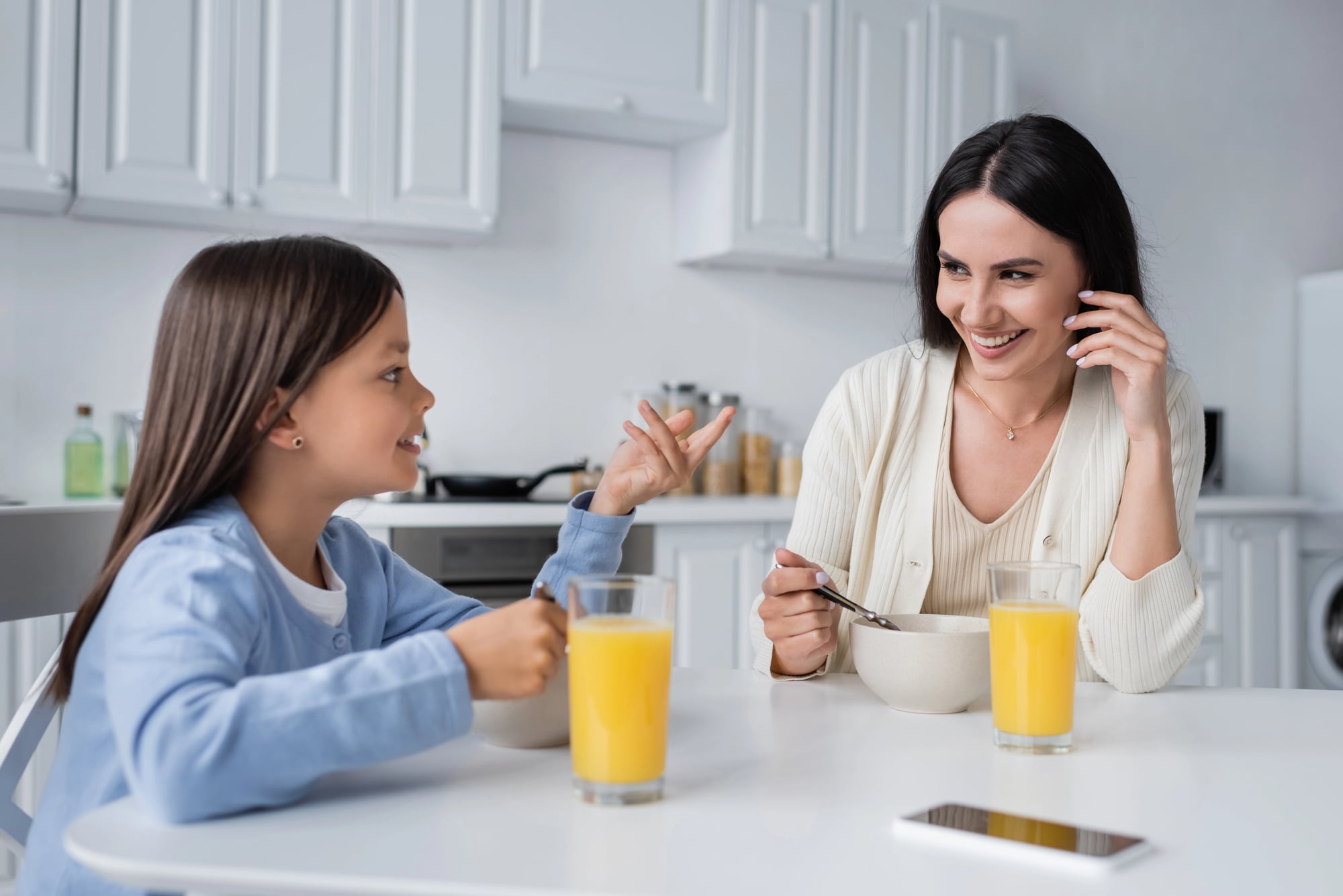
Some kids treat babysitters less like authority figures and more like older friends who happened to show up for the evening, and once that dynamic is established the night goes sideways fast. They ask questions — genuine, curious, occasionally relentless questions — and a babysitter who is charmed by a clever seven-year-old will answer them.
And then it’s 10 p.m. and they’ve been talking about dinosaurs for an hour. The kid won’t even remember going to sleep.
Letting Them Stay Up for “The Scary Part”

A child who is afraid of the dark has figured out that expressing that fear at bedtime delays the process significantly. Babysitters, who feel responsible for emotional outcomes during their shift, sit with the kid a little longer, leave more lights on than necessary, and sometimes let them fall asleep with the television going just to break the anxiety.
Parents would address the root cause. Babysitters are running triage.
Getting Away With Rude Behavior

Parents correct rudeness on sight — they’ve invested years in please, thank you, and not interrupting, and they’re not going to let it slide at the dinner table. Babysitters pick their battles, and politeness is not the battle they’re picking tonight.
The kid is rude to the babysitter, the babysitter says “hey, not cool” and moves on, because enforcing manners requires a whole architecture of consistency that doesn’t exist in a one-night engagement.
Watching Screens Right Up to Bedtime

The research on screens before bed is well-established — parents know it, which is why most households have some version of a screen-free wind-down routine. Babysitters know it too, in the abstract, but a screen is also the most reliable way to keep a child still and quiet in the final hour of an evening.
So the iPad stays on, the kid’s brain stays wired, and bedtime takes forty-five minutes longer than it needed to.
Basically Running the Household

By the end of the evening, a skilled kid has figured out every pressure point the babysitter has. They know which requests will land, which sad face closes the deal, and exactly how long to wait between asks before trying again.
The babysitter, who came in thinking they were in charge, is somewhere around hour three quietly taking orders — and the kid is running a tighter operation than most adults give them credit for.
The Unspoken Agreement

Here’s the thing nobody says out loud: the babysitter era is actually important. Not because lax rules are good parenting, but because kids need to learn that different people hold different authority differently — that the world outside the immediate family doesn’t run on the same rules, and navigating that gap is its own kind of education.
The parents come home to a relatively intact house, the babysitter gets paid, the kid files away the memory of staying up until midnight watching a movie they weren’t supposed to see. Years later, that night is the one they remember. Not the broccoli.
More from Go2Tutors!

- The Romanov Crown Jewels and Their Tragic Fate
- 13 Historical Mysteries That Science Still Can’t Solve
- Famous Hoaxes That Fooled the World for Years
- 15 Child Stars with Tragic Adult Lives
- 16 Famous Jewelry Pieces in History
Like Go2Tutors’s content? Follow us on MSN.