24 School Supplies From the ’90s That Doubled as Status Symbols
There was a particular kind of dread that came with showing up to school in September without the right supplies. Not the academic kind of dread — the social kind. Because in the ’90s, what you pulled out of your backpack said something about you before you opened your mouth. A trapper keeper wasn’t just a trapper keeper. a
A pencil case wasn’t just a pencil case. Everything carried weight, and kids — with their uncanny radar for these things — knew exactly what it meant when someone unzipped a Lisa Frank binder versus a plain five-subject notebook from the dollar bin.
These weren’t just tools for learning. They were credentials.
Trapper Keeper
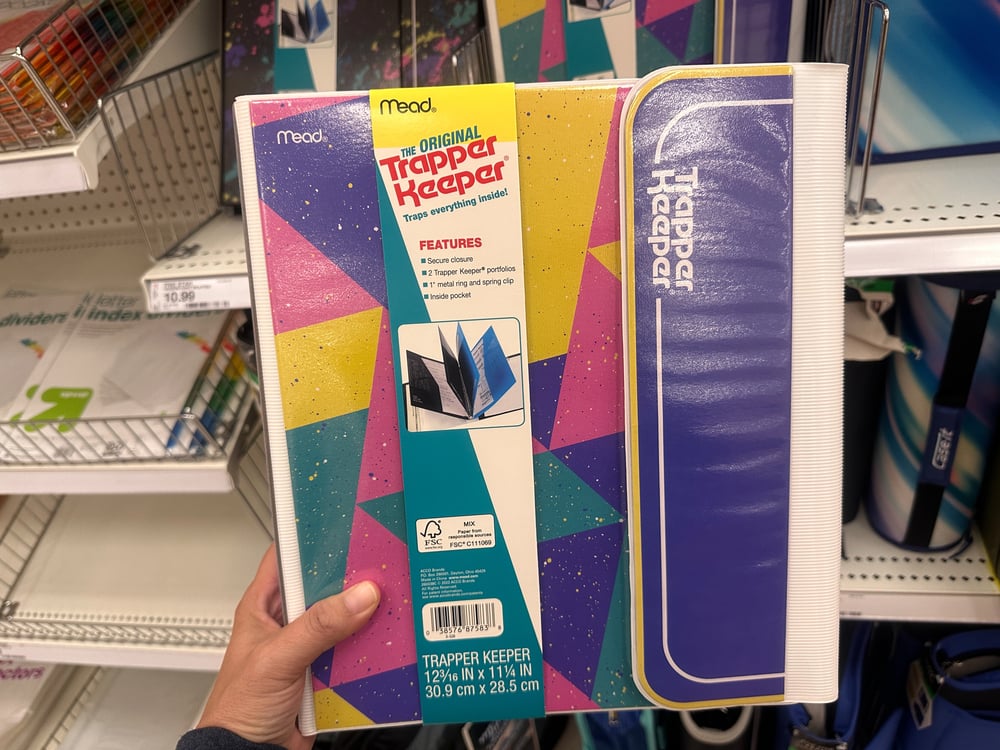
The Trapper Keeper was the crown jewel of the ’90s classroom. Mead’s velcro-fastened binder system came in designs ranging from geometric neon patterns to airbrushed wolves, and the one you chose told the whole class something about your personality — whether you intended it to or not.
Showing up with last year’s design when a new collection had dropped was a quiet but undeniable social miscalculation.
Lisa Frank Supplies
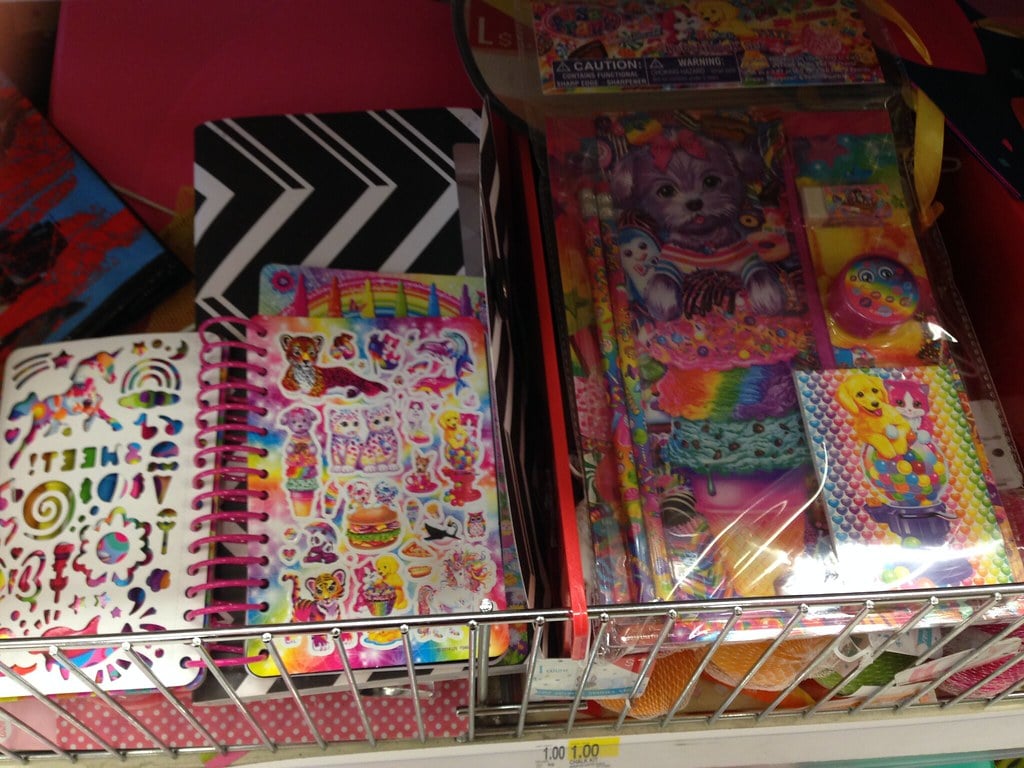
Lisa Frank operated on a simple principle: more is more. Rainbow-drenched dolphins, neon tigers, and impossibly saturated unicorns covered everything from folders to pencil pouches, and the brand’s genius was making restraint feel like a personality flaw.
If your supplies weren’t loud enough to be seen from across the room, were you even trying?
Gel Pens
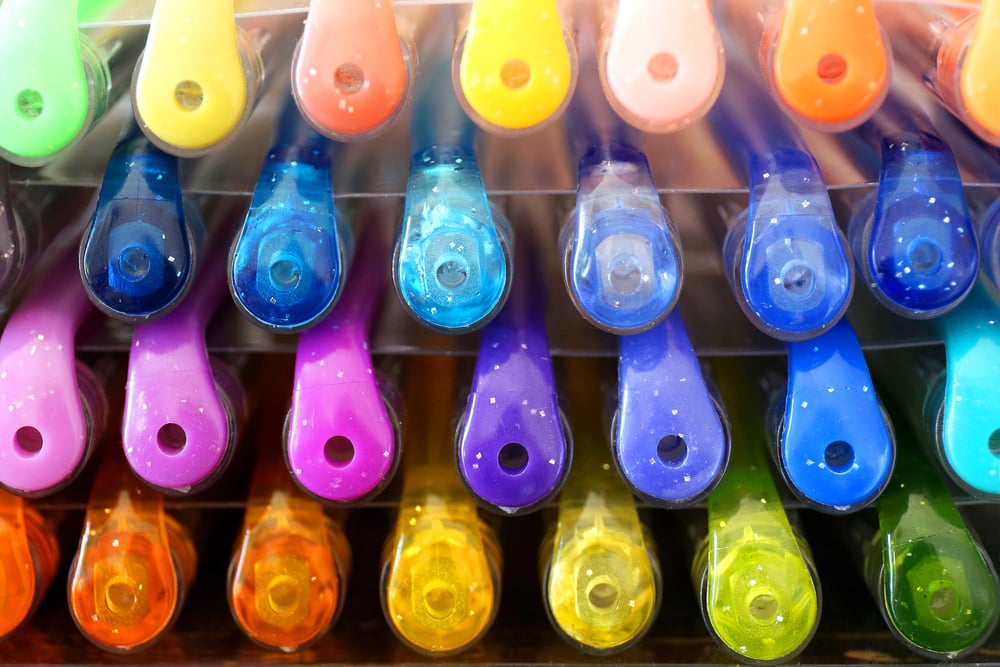
Gel pens arrived in the mid-’90s like something that had no business existing in a classroom — and that was precisely the point. The Milky Pen by Pentel, with its white ink that somehow showed up on dark paper, felt genuinely revolutionary in a way that’s hard to explain to anyone who didn’t grow up passing notes written in metallic purple.
So you hoarded them, lent them sparingly, and judged anyone who pressed too hard and broke the tip.
Yikes! Pencils
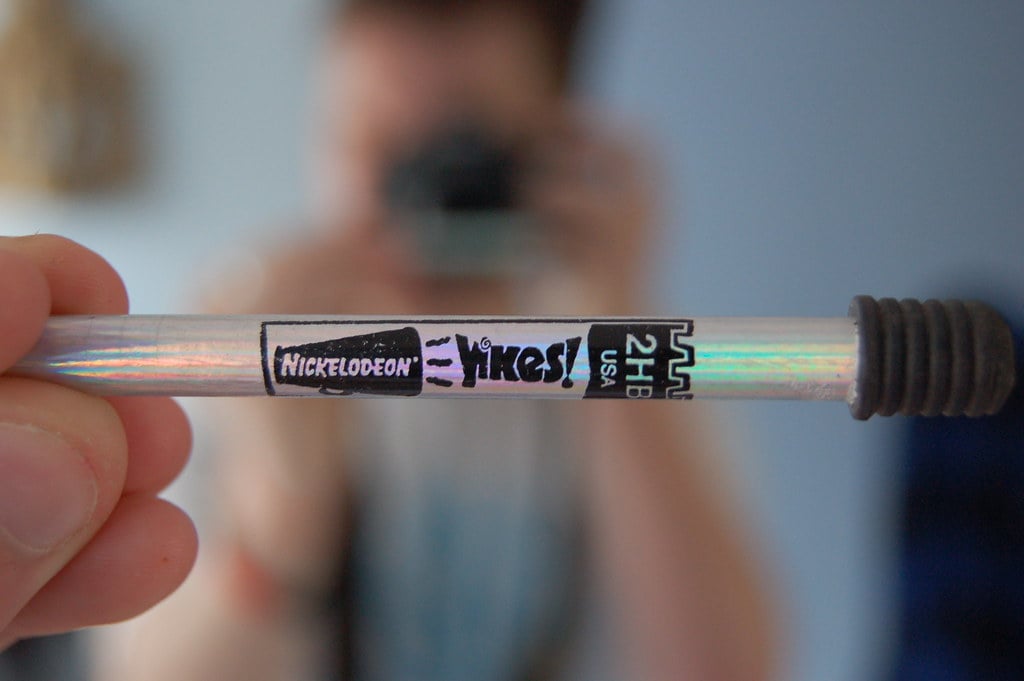
Yikes! pencils — those neon, pattern-covered pencils from Sanford — were the kind of thing you didn’t need but absolutely had to have. The patterns were deliberately chaotic: smiley faces, squiggles, neon splatters, all crammed onto a standard No. 2.
To be fair, they wrote exactly like any other pencil, but that was never the point.
Beaded Pencil Toppers
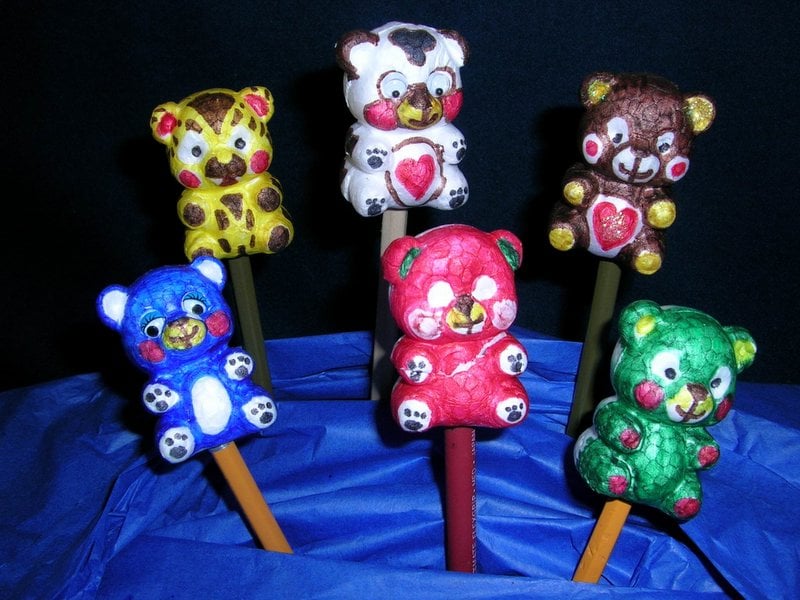
A plain pencil was a missed opportunity, and ’90s kids understood this with surprising conviction. Fuzzy creatures, plastic animals, and bead-covered toppers turned a writing instrument into a statement piece — something that bobbed and jiggled while you worked and communicated a very specific kind of creative confidence.
The best ones came from Limited Too or Justice and were treated with the kind of care usually reserved for irreplaceable objects.
Plastic Pencil Cases
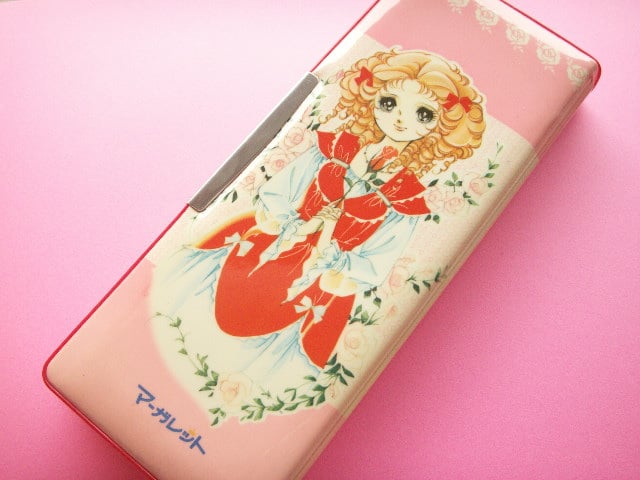
The hard plastic pencil case — usually a zipper-top rectangle in translucent neon — was less about organization and more about inventory display. What you kept inside (the gel pens, the Yikes! pencils, the novelty erasers) was visible through the plastic, which meant every time you unzipped it, you were presenting a curated collection to whoever happened to be watching.
And someone was always watching.
Scented Markers
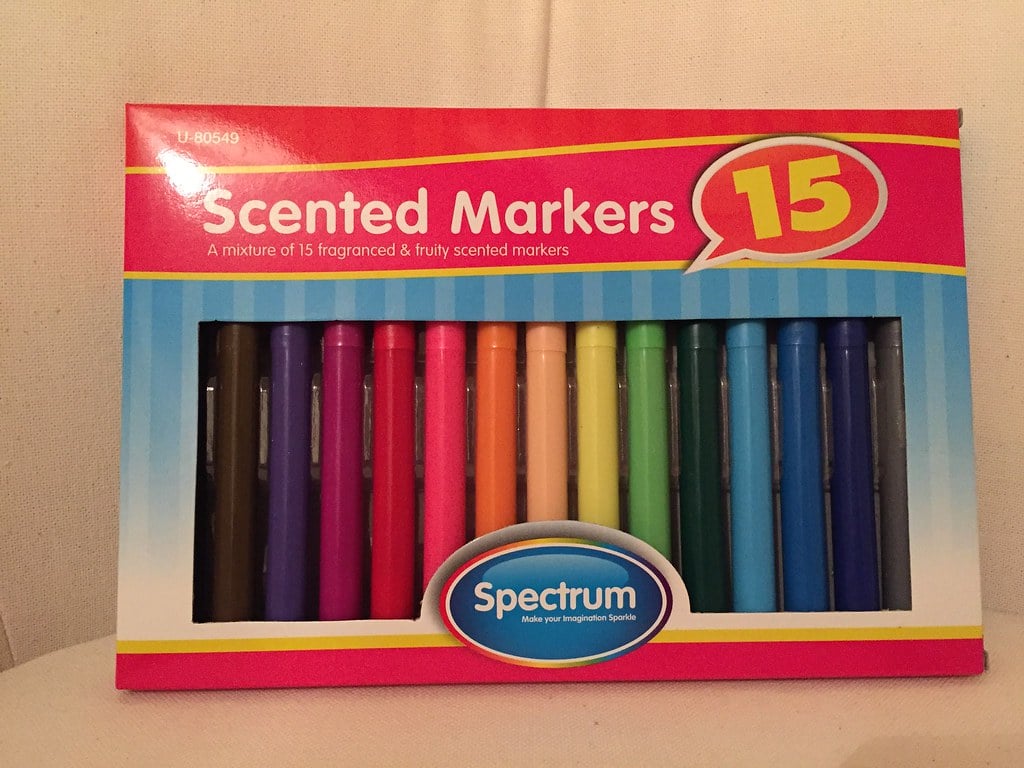
Scented markers from Rose Art and Crayola occupied a strange territory between art supply and sensory obsession, the kind of object that made you momentarily indifferent to what you were actually drawing because the grape marker smelled nothing like grape and everything like childhood. The set you brought mattered — the 20-marker set outranked the 8-marker set the way a phone with a camera outranked one without.
Kids who owned the full set and shared them freely were regarded with a quiet, particular generosity that felt earned.
Mechanical Pencils
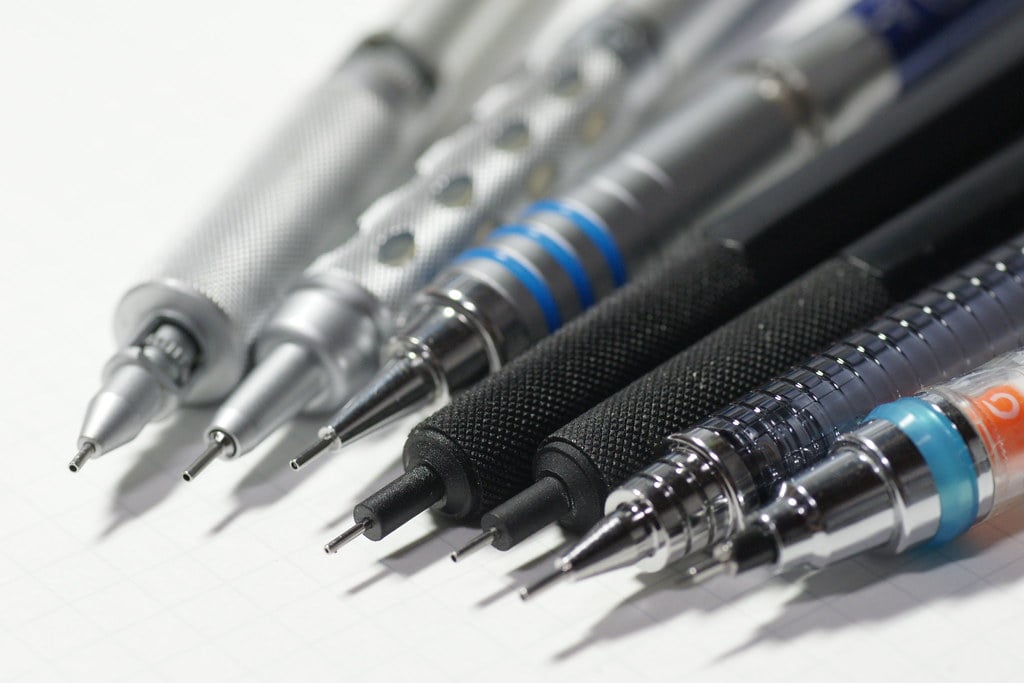
Mechanical pencils were shorthand for seriousness. Not the flimsy drugstore kind — the Pentel GraphGear or the Paper Mate Clearpoint, with their retractable tips and lead refill chambers that you’d click obsessively during class. There was a whole ritual around loading a new lead, and performing that ritual correctly in front of classmates carried a low but real kind of authority.
Scratch-and-Sniff Stickers
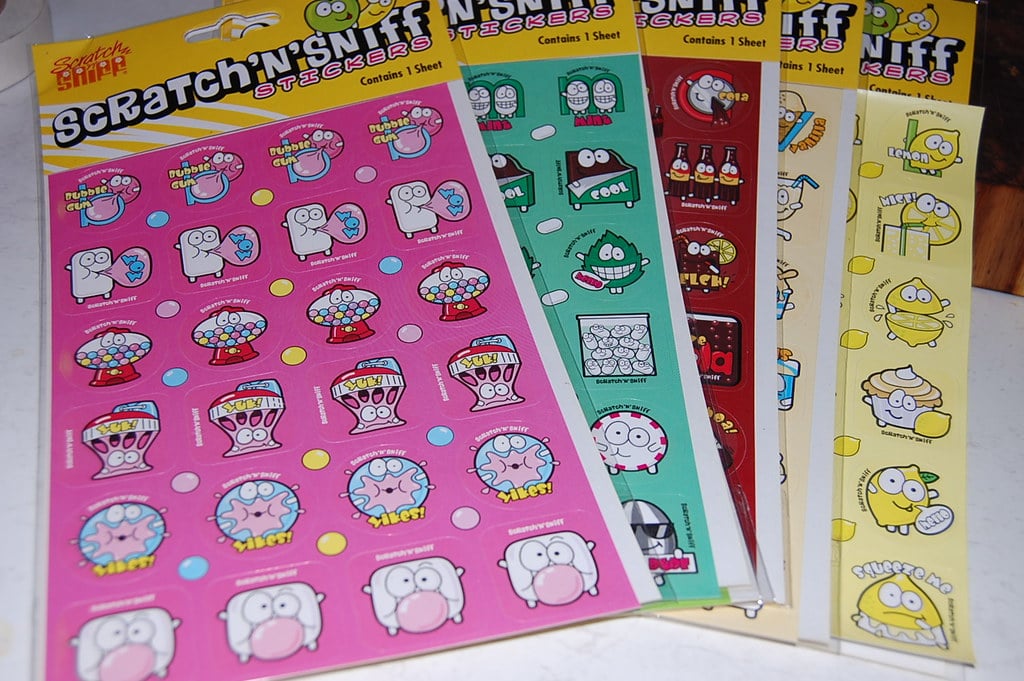
Scratch-and-sniff stickers existed at the intersection of reward and currency. Teachers gave them out for good work, but the real economy was the trading that happened afterward — a watermelon for a pizza, two strawberries for one cotton candy — and the kid with the fullest, most varied sticker book in class held a kind of social capital that was entirely unspoken but universally understood.
Turns out a sticker shaped like a taco and smelling faintly of artificial cheese was worth more than anyone would admit.
Crayola 64-Count Crayon Box
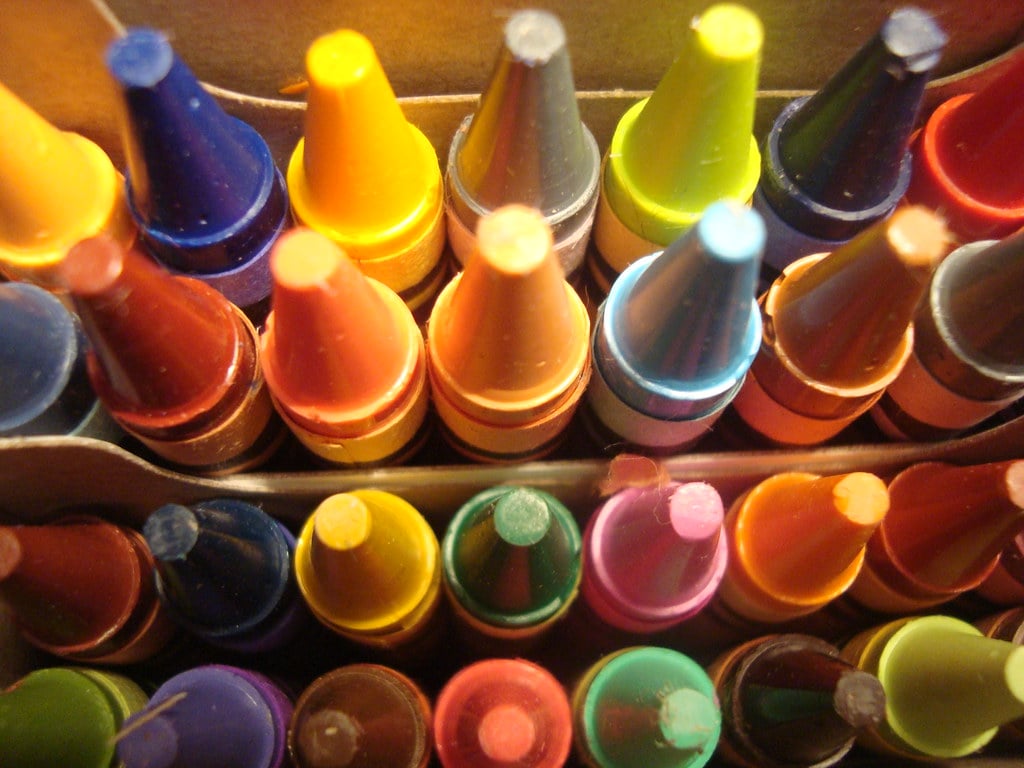
The 64-count Crayola box with the built-in sharpener in the back wasn’t just a crayon set — it was a landmark. Every kid who owned one knew the specific pleasure of opening it to find every crayon still in its original row, the wax tips unbroken and pointed, and the sharpener at the back untouched except for one careful test.
Sixty-four colors meant you had names like “Cornflower” and “Burnt Sienna” to work with, which felt — and this was important at the time — very adult.
Folders With Pockets and Brad Fasteners
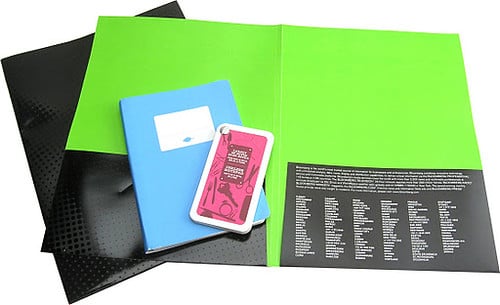
The two-pocket folder with the three-pronged brad fastener sounds like the most utilitarian object imaginable, but the design on the cover mattered enormously. Marble patterns, neon colors, and licensed characters like Looney Tunes or Garfield turned a five-cent folder into a declaration.
Showing up with a plain manila folder when everyone else had the holographic cat folder from Mead was its own kind of quiet humiliation.
Ruler With Liquid Inside
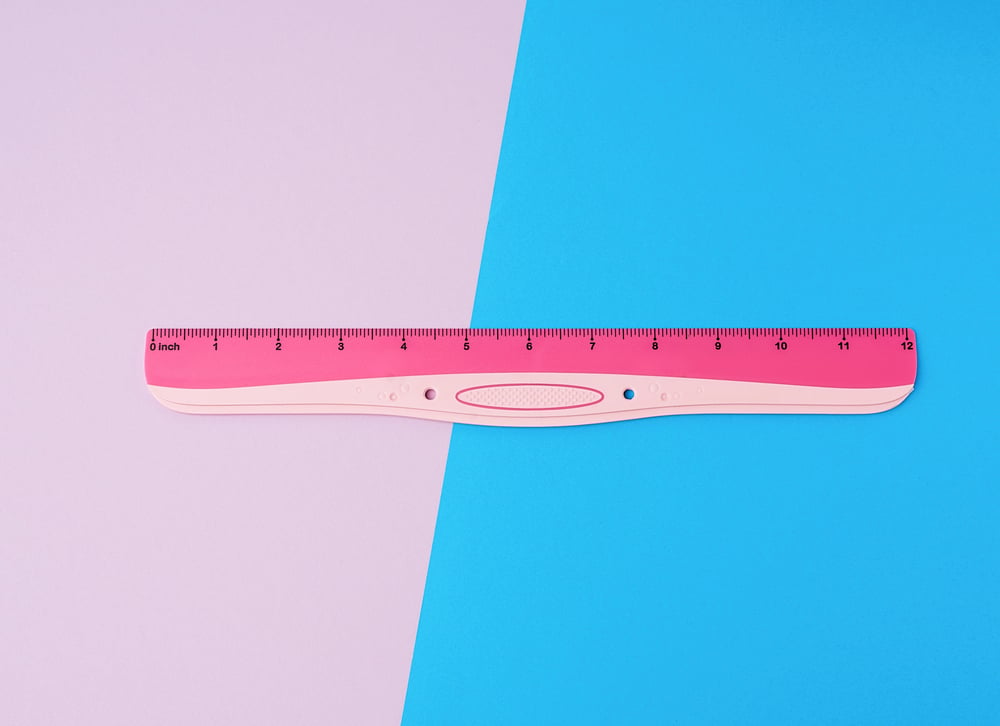
The ruler with the floating bubble trapped in colored liquid — usually pastel blue or yellow — was one of those objects that served no practical purpose and was treasured precisely because of that. You could technically use it to draw a straight line, but mostly you tilted it back and forth during math class and watched the bubble slide, which was more interesting than whatever was on the board.
It was the ’90s version of a fidget toy, and it was better.
White-Out
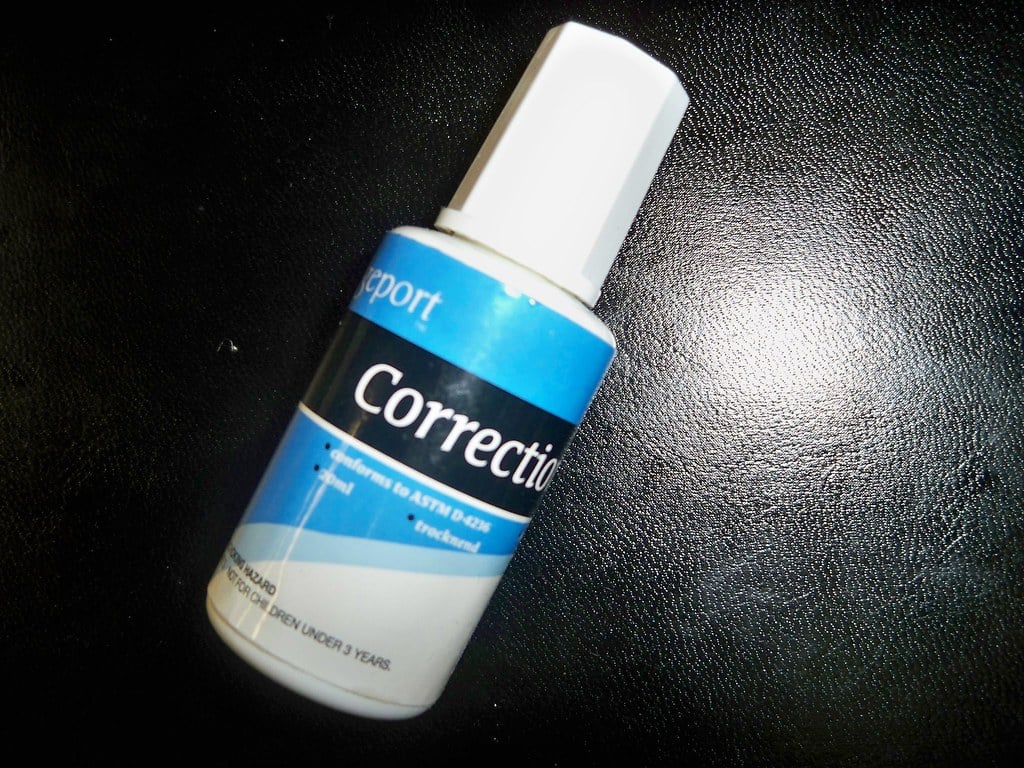
White-Out correction fluid, specifically the bottle with the brush applicator, was an object that communicated a certain organizational ambition — like the person who owned it planned to write something important enough to need correcting. The rollover tapes came later and were considered superior, but the original brush-on White-Out had a particular mystique, probably because the fumes were unmistakable and you could smell it across a whole table.
Clear Backpacks
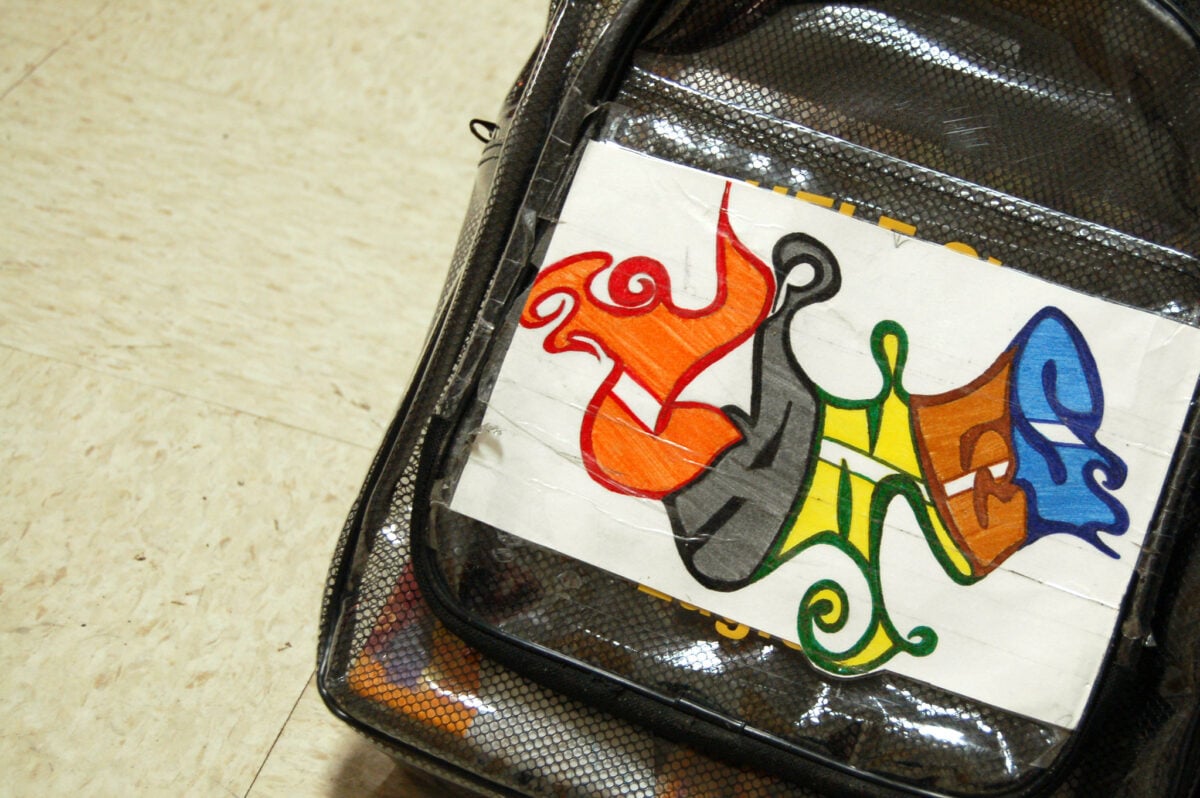
Clear backpacks occupied an odd position in the ’90s status economy — they were both enforced in some schools and coveted in others, depending entirely on what you had inside yours. The logic was inverted: instead of hiding your supplies, you displayed them, which meant a clear backpack only worked as a status symbol if everything inside it was worth looking at.
Kids who had one stuffed with Lisa Frank folders and Yikes! pencils treated it like a shop window.
Colored Binders
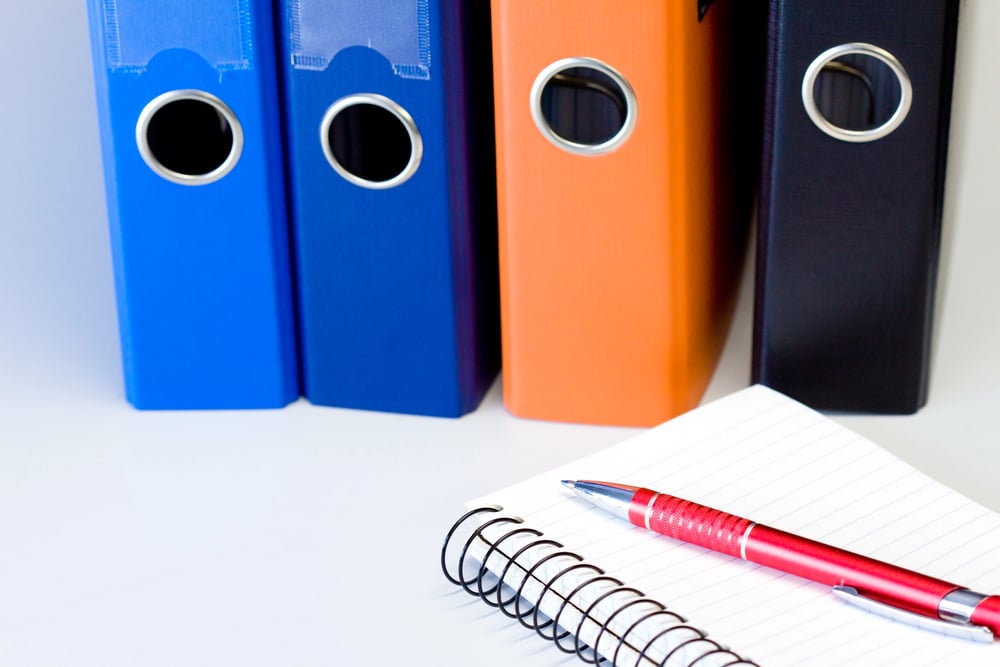
A single-color binder was fine. A binder covered in puffy stickers, gel pen doodles, and photo booth strips from the mall was a document of a social life — and in the ’90s, that document mattered.
The spine of your binder was visible every time you pulled it from your backpack, and a binder with the right band name or a carefully chosen quote written across it said more about you than any assignment tucked inside it.
Pencil Grips
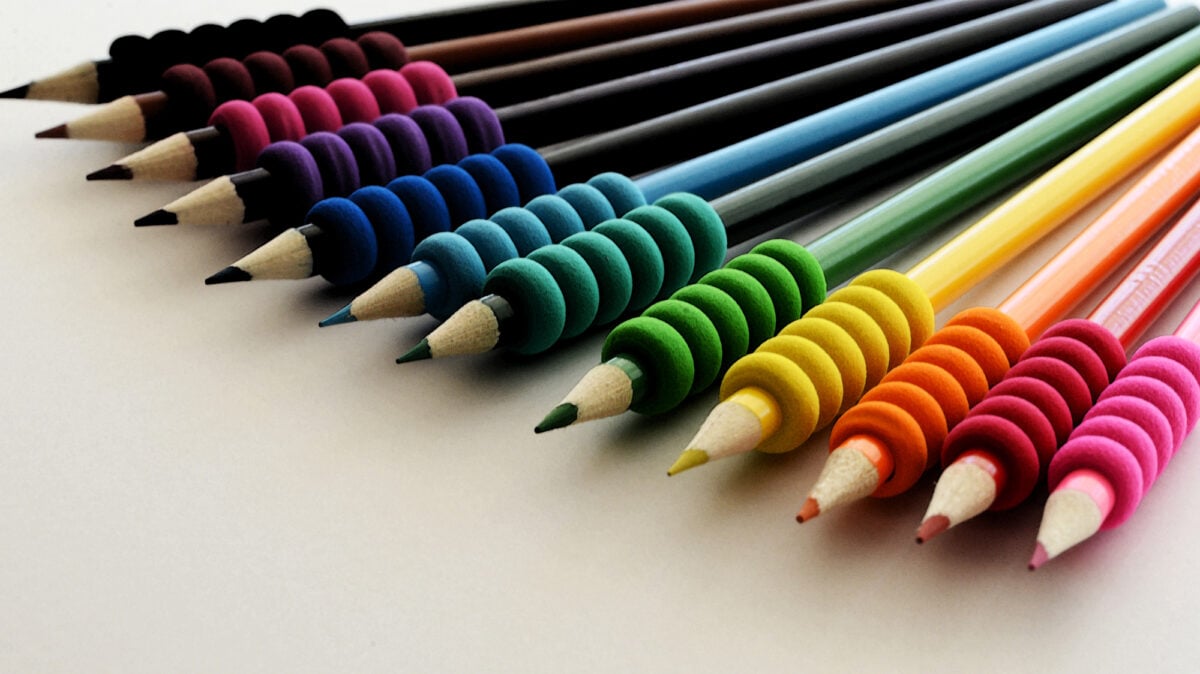
The foam rubber pencil grip — that triangular or cylindrical sleeve you slid onto a pencil — was technically designed for kids with handwriting difficulties, but somewhere around 1994 it crossed over into being a recognized accessory. Certain colors were more desirable than others (the translucent kind outranked the plain foam kind), and owning a set of them meant you were the kind of person who thought about their tools, which carried a particular kind of quiet credibility among kids who also thought about their tools.
Sticky Notes
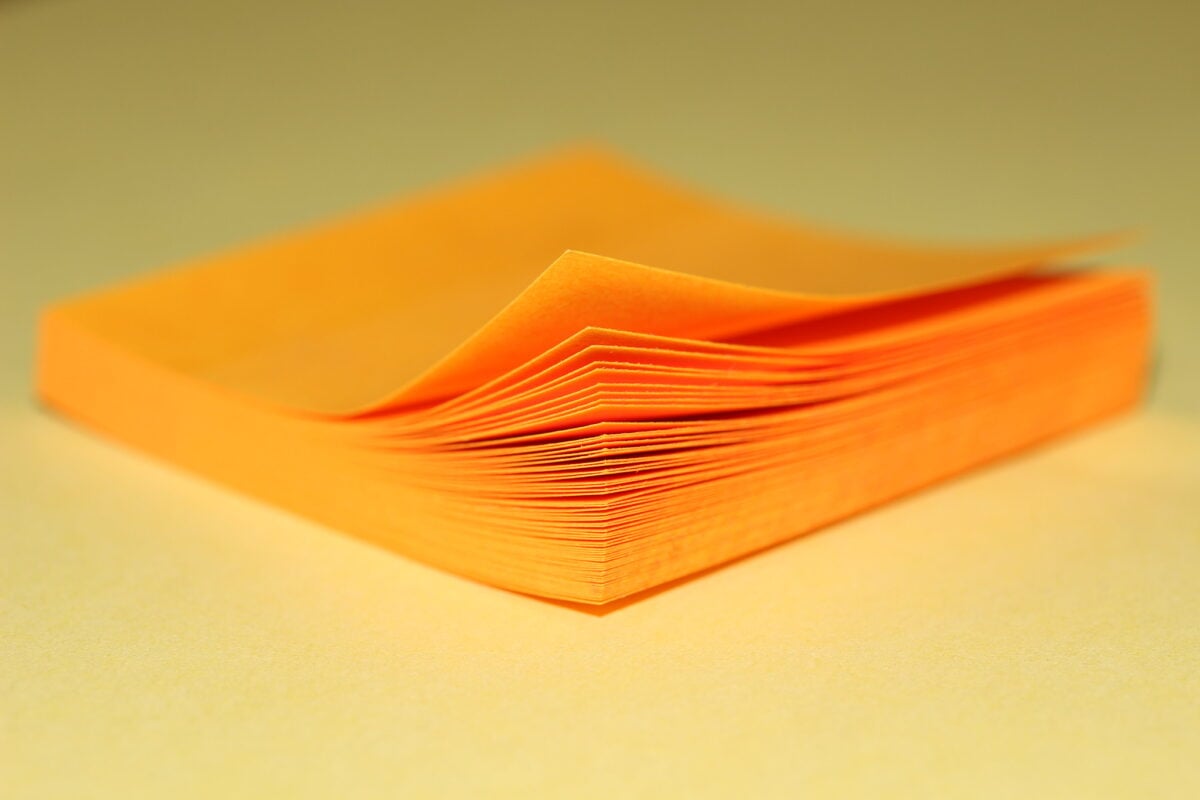
Post-it notes were technically an office supply, but by the mid-’90s they had fully migrated to the school backpack — used for decorating lockers, passing notes that could be stuck rather than folded, and color-coding homework in a way that impressed teachers and baffled parents. The neon packs were better than the standard yellow, and anyone who showed up with a cube dispenser was operating at a level of organizational theater that deserved some acknowledgment.
Novelty Erasers
Novelty erasers were a whole ecosystem — shaped like food, animals, sneakers, and Sanrio characters — that lived in pencil cases and were almost never actually used for erasing. The point was ownership, not utility, and a pencil case with a pizza-slice eraser and a tiny sneaker eraser in it was saying something about its owner’s personality in a way that a plain pink rectangular eraser never could.
Using them for actual erasing felt vaguely like a betrayal.
Highlighters
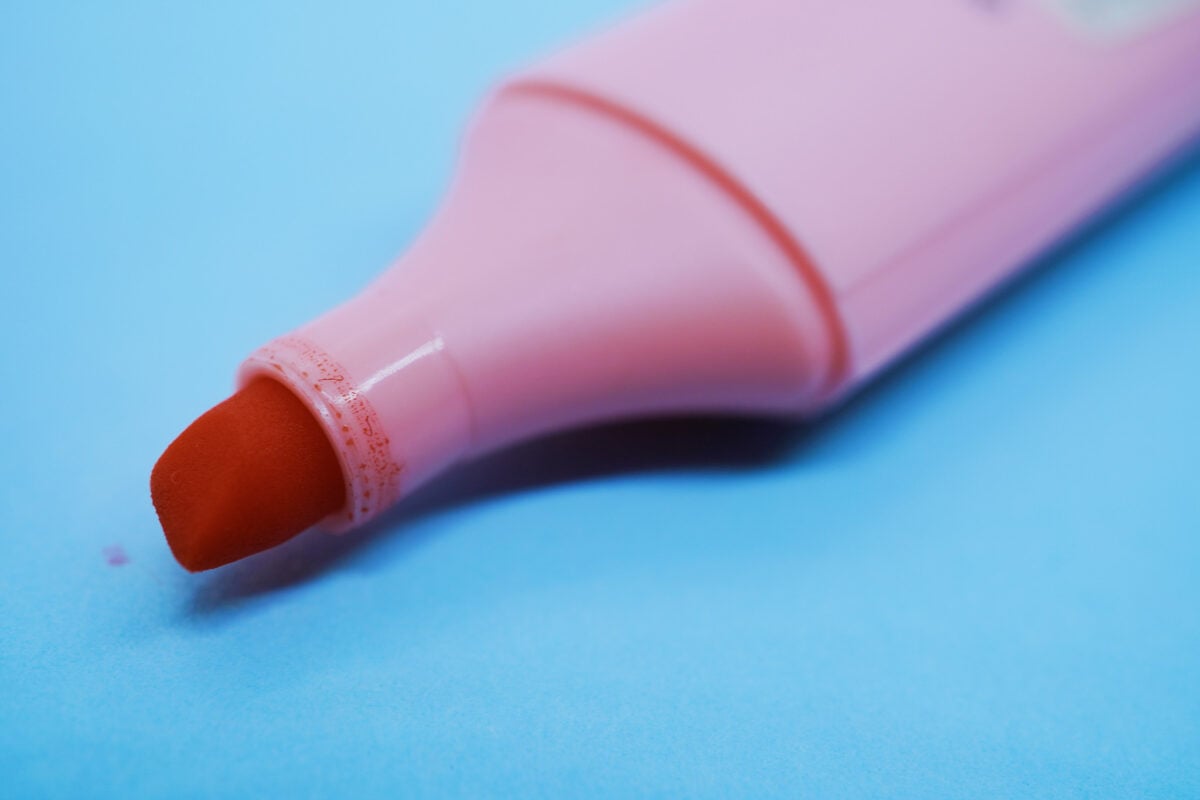
Highlighters were the gateway drug to color-coded organization, and the kid in class who had the full five-color set — yellow, pink, green, blue, orange — organized in a little case was regarded as someone who had their life together in ways that everyone else was still working toward. The smell of a fresh highlighter uncapped mid-class was its own minor event. Turns out a fluorescent yellow streak across a sentence carried a surprising amount of aspirational weight.
Zippered Pencil Cases With Characters
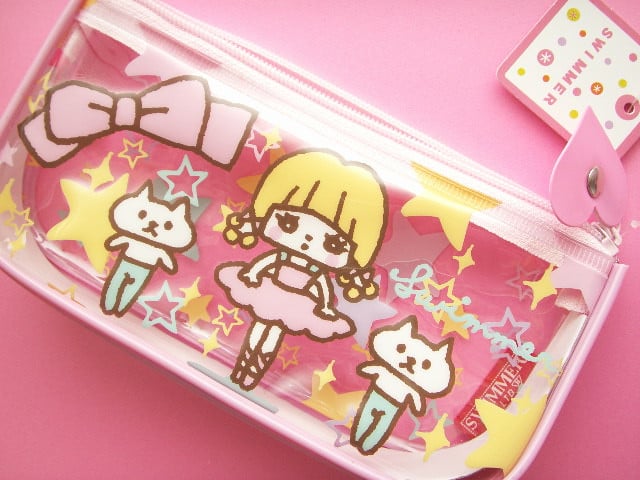
The licensed character pencil case — Looney Tunes, Garfield, Animaniacs — was a different animal from the plain translucent kind. It was a statement of affiliation, the ’90s equivalent of a band tee, and the character you chose revealed something about whether you watched Saturday morning cartoons, which in turn revealed something about whether you were the kind of person who woke up at 7 a.m. on weekends with genuine enthusiasm, which, as it happens, was the kind of person most kids quietly wanted to be.
Composition Notebooks
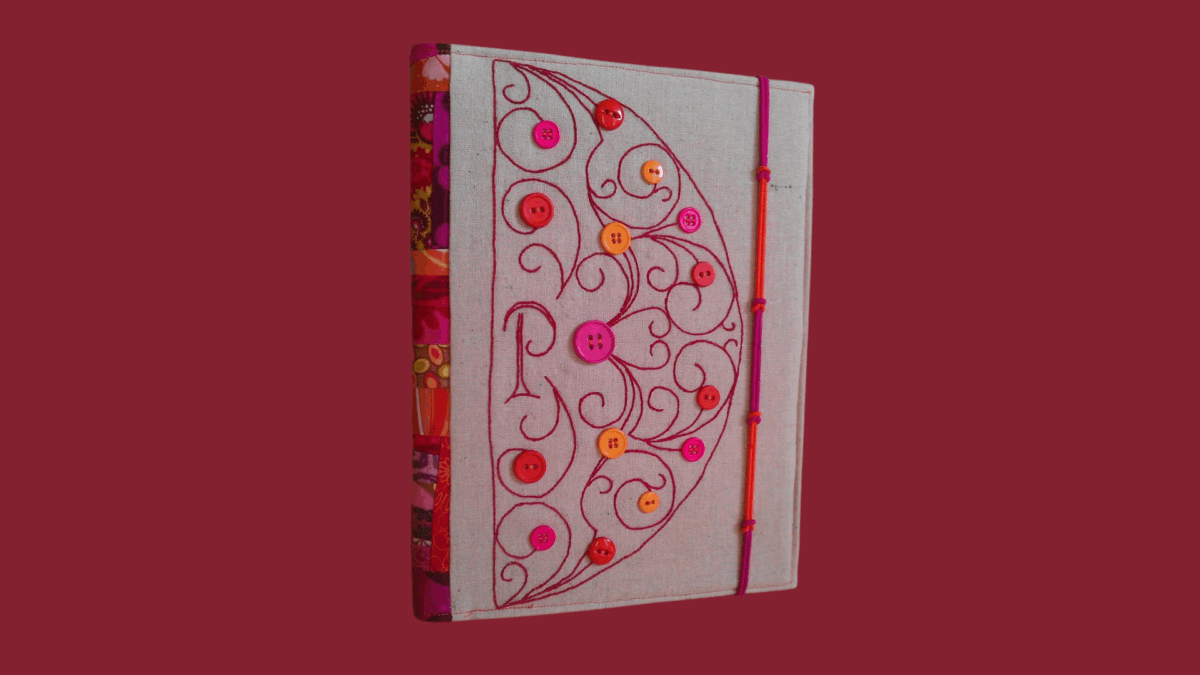
The black-and-white marble composition notebook was so commonplace that status came not from owning one but from what you did to it. Stickers, Wite-Out doodles, and magazine cutout collages on the cover transformed a 69-cent notebook into a personal artifact — something that communicated interiority, taste, and a degree of creative ambition that the inside (usually homework) didn’t quite match. It was the ’90s version of a personalized phone case.
Gelly Roll Pens
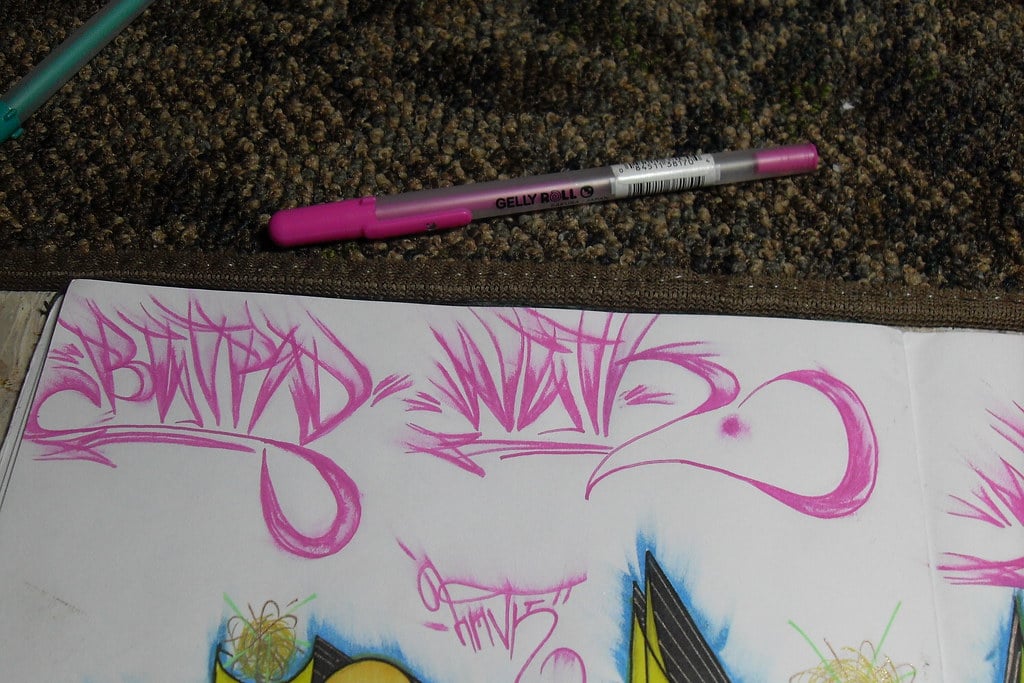
Sakura’s Gelly Roll pens — distinct from the broader gel pen category by their iconic barrel and specific ink formulation — were the connoisseur’s choice at a time when gel pens were already considered elevated. The white ink version on black paper was the most coveted, used for writing in notebooks with the kind of dramatic flair that a middle schooler with a developing sense of aesthetics absolutely required.
They weren’t cheap, which was, inevitably, part of the point.
Protractors
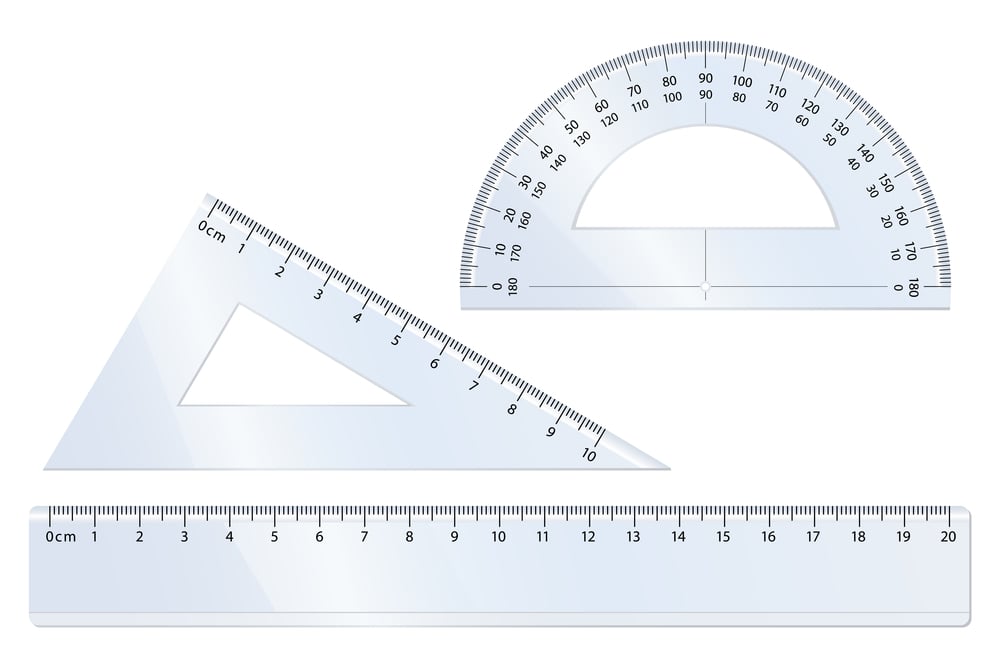
A protractor is, objectively, a niche tool — used for geometry and little else — and yet the metal kind outranked the clear plastic kind in the unwritten hierarchy of school supplies, for reasons that had everything to do with durability signaling and nothing to do with actual math performance.
The kid who pulled out a metal protractor from a proper geometry set was communicating readiness, preparedness, and a kind of serious intent that a flimsy plastic half-circle simply did not convey.
Binder Dividers
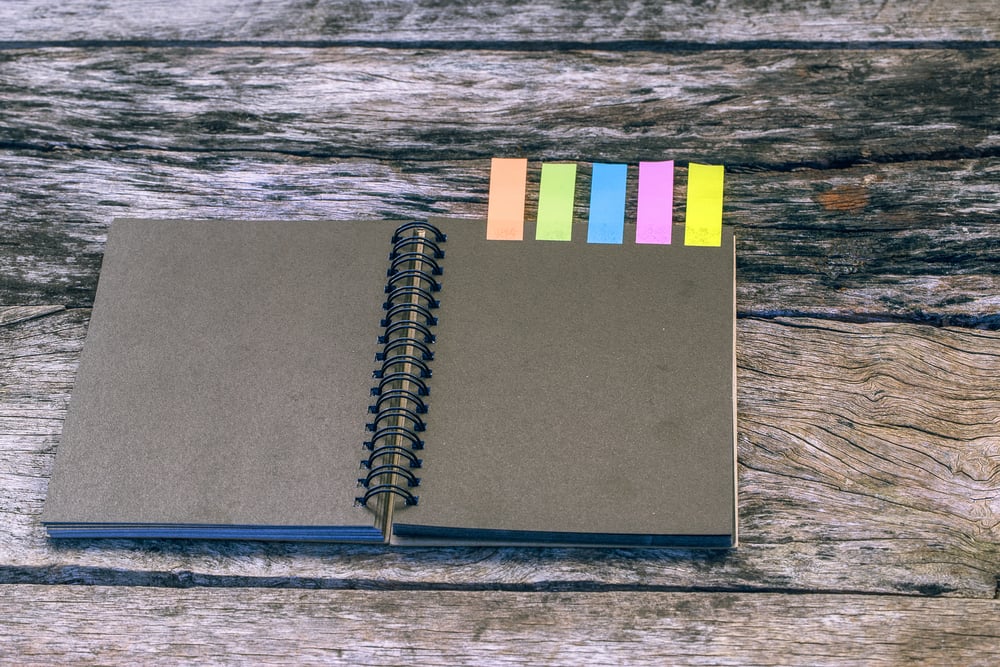
Tabbed binder dividers sound like the least glamorous item on this list, and maybe they are — but in the ’90s, having a fully organized binder with labeled, color-coded dividers for each subject was the academic equivalent of a clean locker: it told people something about you before you’d said a word. The laminated kind with the reinforced tabs outranked the plain paper kind.
And the kid who had everything filed, labeled, and sorted behind the right divider was the person everyone asked to borrow notes from, which, in the economy of middle school, was its own kind of power.
The Backpack Behind the Backpack

Looking back at all of it — the gel pens and the marble notebooks and the 64-crayon box — what’s striking isn’t how shallow the status game was but how earnest it was. These were kids trying to communicate something about themselves before they had the vocabulary or life experience to do it any other way.
A Lisa Frank binder was the only way some of them knew how to say this is who I am. And there’s something quietly honest about that — more honest, maybe, than most of the ways adults perform identity now, with their branded water bottles and monogrammed tote bags. The tools change. The impulse behind them doesn’t.
More from Go2Tutors!

- The Romanov Crown Jewels and Their Tragic Fate
- 13 Historical Mysteries That Science Still Can’t Solve
- Famous Hoaxes That Fooled the World for Years
- 15 Child Stars with Tragic Adult Lives
- 16 Famous Jewelry Pieces in History
Like Go2Tutors’s content? Follow us on MSN.