Saturday Morning Rituals from the ’70s That Kids Today Will Never Understand
Saturday mornings in the 1970s followed a sacred rhythm that modern kids would find completely alien. No streaming services, no smartphones, no on-demand anything.
Just you, a bowl of cereal, and whatever the three major networks decided to broadcast between 7 AM and noon. These rituals shaped an entire generation’s childhood, creating shared memories that feel almost mythical now.
Today’s kids, with their endless entertainment options and digital conveniences, will never know the peculiar joy and frustration of these weekly traditions.
Waking Up At Dawn Without An Alarm

Your internal clock didn’t need help. Saturday morning cartoons started early, and missing even five minutes felt like a catastrophe.
Kids regularly woke up at 6:30 AM without any prompting from parents.
Fighting Over The TV Guide
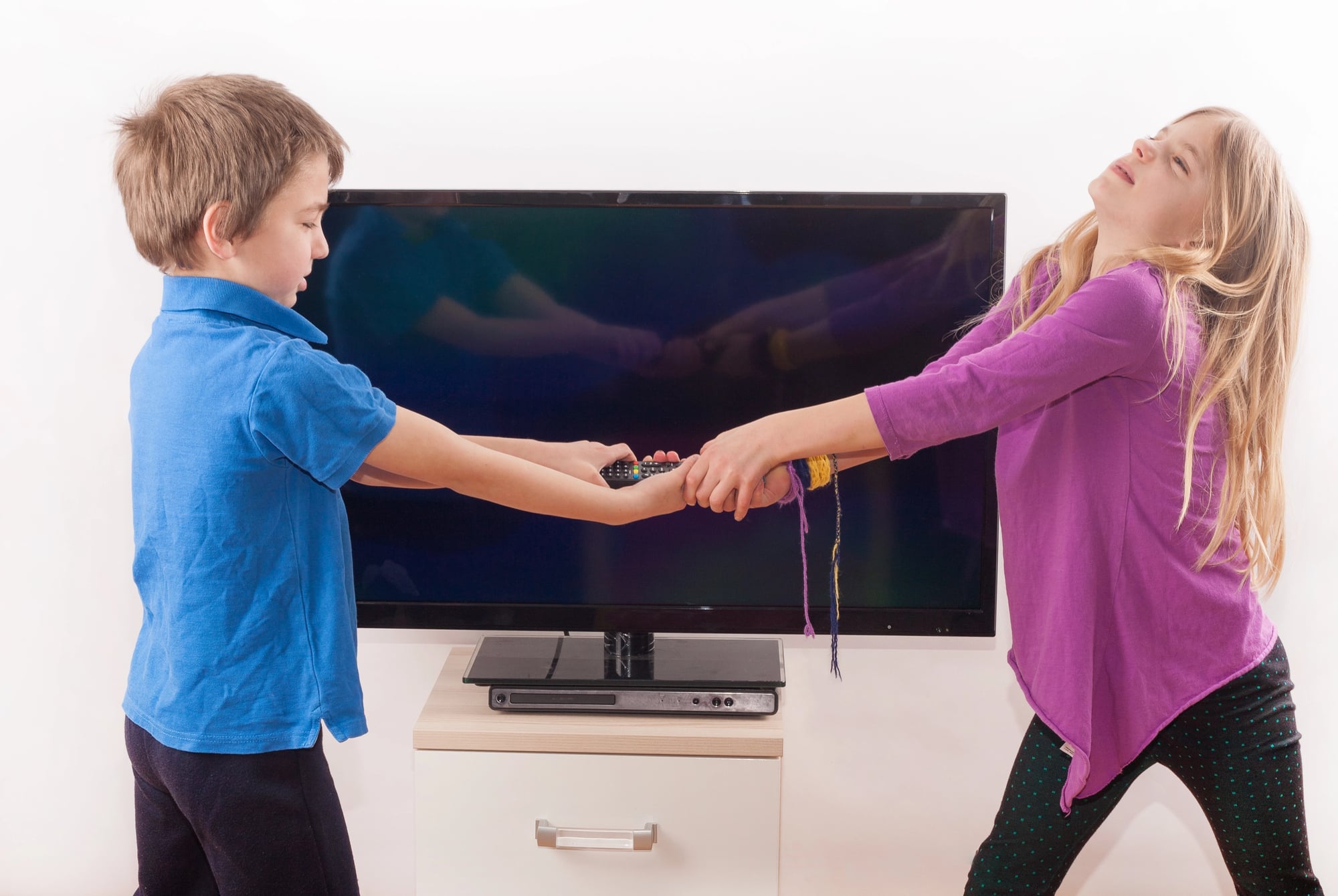
The TV Guide was the Bible of Saturday morning planning. Families had exactly one copy, and siblings would literally wrestle for control of it on Friday night.
You had to study that grid like your life depended on it, mapping out which cartoons aired when and on which channel. Missing your favorite show because you didn’t check the schedule was a rookie mistake that could ruin your entire weekend.
Sitting Too Close To The Television
Parents constantly warned that sitting close to the TV would ruin your vision, but Saturday morning cartoons demanded proximity (and the volume had to stay low so adults could sleep in). So there you’d be, cross-legged on the shag carpet, three feet from a massive wood-grain console television that probably weighed more than a refrigerator — which, as it happens, meant the whole experience felt more like attending church than watching TV.
The screen was your altar, and you were a devoted worshipper.
Picture the scene: you’re in your pajamas, bowl of sugary cereal balanced precariously in your lap, completely mesmerized by grainy animation that would look primitive by today’s standards. And yet it felt magical in a way that crisp HD streaming somehow doesn’t match.
Adjusting Rabbit Ears Every Five Minutes

Reception was a constant battle. The rabbit ear antennas on top of the TV had minds of their own, and atmospheric conditions could turn Scooby-Doo into a fuzzy mess without warning.
Someone always got designated as the “antenna holder,” which meant standing next to the TV with your arm stretched up, perfectly still, until the show ended. Move an inch, and the picture dissolved into static.
Eating Cereal That Was More Sugar Than Grain

Breakfast cereals in the ’70s were essentially candy disguised as nutrition. Count Chocula, Froot Loops, Lucky Charms, Cap’n Crunch — these weren’t just cereals, they were sugar delivery systems that parents somehow considered acceptable morning fuel.
The milk at the bottom of the bowl, tinted pink or green or blue depending on your cereal choice, was considered the best part.
You’d pour yourself a bowl that was roughly 60% sugar, and nobody questioned it. The fact that you could maintain steady focus on cartoons for four straight hours after consuming that much refined sugar was either a testament to childhood resilience or proof that the human body can adapt to anything.
Racing To The Bathroom During Commercial Breaks

Commercial breaks created genuine panic. You had exactly two minutes to use the bathroom, grab more cereal, or switch channels to see what was happening on the other networks.
There was no pausing, no rewinding, no second chances. Miss the beginning of your show because you were in the bathroom, and you were out of luck until the following Saturday.
Memorizing Every Commercial Jingle
Saturday morning commercials were burned into developing brains with surgical precision. “Silly rabbit, Trix are for kids.”
“They’re magically delicious.” “I’d like to teach the world to sing in perfect harmony.”
These weren’t just advertising slogans — they became the soundtrack of childhood. Decades later, adults can still recite cereal commercials word-for-word, which says something about the power of repetition and sugar-fueled concentration.
The jingles were catchier than most popular songs, and they had to be. Advertisers knew they had a captive audience of sugar-buzzed kids who would absorb and repeat anything set to music.
Changing Channels With Pliers

Remote controls were rare luxury items in the ’70s. Most families changed channels using a dial on the TV itself, and when that dial inevitably broke, pliers became the standard solution.
Someone’s dad would clamp a pair of needle-nose pliers onto the broken channel knob, and that became the family remote control. Changing channels required getting up, walking across the room, and hoping the pliers were within reach.
Getting Dressed In Yesterday’s Clothes
Saturday mornings were about efficiency, not fashion. You woke up, stumbled to the TV, and spent the morning in whatever pajamas or clothes you could find on the floor.
The concept of getting “ready” for the day didn’t exist until cartoons ended at noon. Some kids spent entire Saturdays in the same T-shirt they’d worn to bed, and nobody found this unusual.
Comfort trumped appearance because Saturday morning was sacred time that shouldn’t be wasted on trivial concerns like matching socks or brushing teeth.
Knowing Every Cartoon Schedule By Heart

Serious cartoon watchers had to stay on top of their local Saturday lineup, which changed from year to year and varied by network and market. ABC, NBC, and CBS each offered different programming blocks, and knowing which shows aired when—and on which channel—required consulting the TV Guide religiously.
Scooby-Doo, Bugs Bunny, and Schoolhouse Rock were reliable fixtures across the networks during the ’70s, but the specific time slots and order varied. You knew your own household’s schedule inside and out and could plan bathroom breaks around the weaker shows.
But what counted as “appointment television” depended entirely on what your local stations chose to broadcast.
Making Treaties With Siblings
Families with multiple kids had to negotiate viewing schedules like tiny diplomats. “You can watch your show from 8 to 8:30, but I get the TV from 9 to 10.”
These agreements were taken seriously and enforced with the gravity of international law. Breaking a Saturday morning TV treaty could result in sibling warfare that lasted well into Sunday.
The single television in most homes meant compromise was essential, and Saturday morning taught an entire generation the fine art of negotiation under pressure.
Experiencing Dead Air
Sometimes TV stations just stopped broadcasting. The screen would go to static, or display a test pattern, or show absolutely nothing.
This wasn’t a technical glitch that got fixed immediately — it was just part of television. You’d wait it out, maybe switch channels, maybe bang on the side of the TV.
The concept of 24-hour programming was still years away.
Building Blanket Forts

Saturday morning cartoon watching was elevated by proper fort construction. Couch cushions, blankets, and dining room chairs transformed living rooms into elaborate viewing caves.
The fort wasn’t just for comfort — it was a statement of commitment. Building a blanket fort meant you were settling in for the entire morning, and nobody was going to disturb your cartoon sanctuary.
Treasuring Schoolhouse Rock

“I’m Just a Bill” and “Conjunction Junction” weren’t just educational segments — they were appointment television. These three-minute animated lessons taught grammar, math, science, and civics more effectively than most classroom instruction.
Every kid knew these songs, and somehow learning became entertainment without anyone calling it educational programming.
Schoolhouse Rock proved that kids would willingly absorb information if it came with a catchy tune and clever animation, but it also represented something deeper: the idea that television could teach and entertain simultaneously without feeling preachy.
The End Of Magic
When noon arrived and cartoons gave way to sports or adult programming, Saturday morning officially ended. No amount of channel surfing would bring back the magic until the following weekend.
This hard stop created anticipation that streaming services can never replicate. Modern kids have unlimited access to unlimited content, but they’ll never know the sweet agony of waiting six days for their next cartoon fix.
The ritual of Saturday morning cartoons created shared cultural touchstones that an entire generation still carries. It was appointment television in its purest form — no recording, no rewatching, no second chances.
Just you, your cereal, and whatever the networks decided to broadcast. In hindsight, those limitations created something streaming abundance never quite manages: genuine anticipation and the peculiar joy of shared constraint.
More from Go2Tutors!

- The Romanov Crown Jewels and Their Tragic Fate
- 13 Historical Mysteries That Science Still Can’t Solve
- Famous Hoaxes That Fooled the World for Years
- 15 Child Stars with Tragic Adult Lives
- 16 Famous Jewelry Pieces in History
Like Go2Tutors’s content? Follow us on MSN.