30 Ancient Foods Still Eaten Today Almost Exactly the Same Way
There’s something quietly astonishing about sitting down to a meal and realizing that humans have been eating this exact thing — prepared this exact way — for thousands of years. Not a modern approximation, not a “inspired by” version with upgraded ingredients and a chef’s twist.
The actual thing. The same flatbread, the same fermented fish, the same roasted grain paste that someone in ancient Egypt or Rome or Mesopotamia would have recognized without blinking.
Food, it turns out, is one of the most honest time capsules the world has ever produced — sturdier than architecture, more personal than pottery, and far more likely to show up at your dinner table.
Flatbread

Flatbread is older than written language. Archaeologists have found the charred remnants of unleavened flatbread in a site in Jordan dating back roughly 14,400 years — thousands of years before farming was even a widespread practice.
You can still buy something nearly identical at any grocery store, and nobody thinks twice about it.
Honey
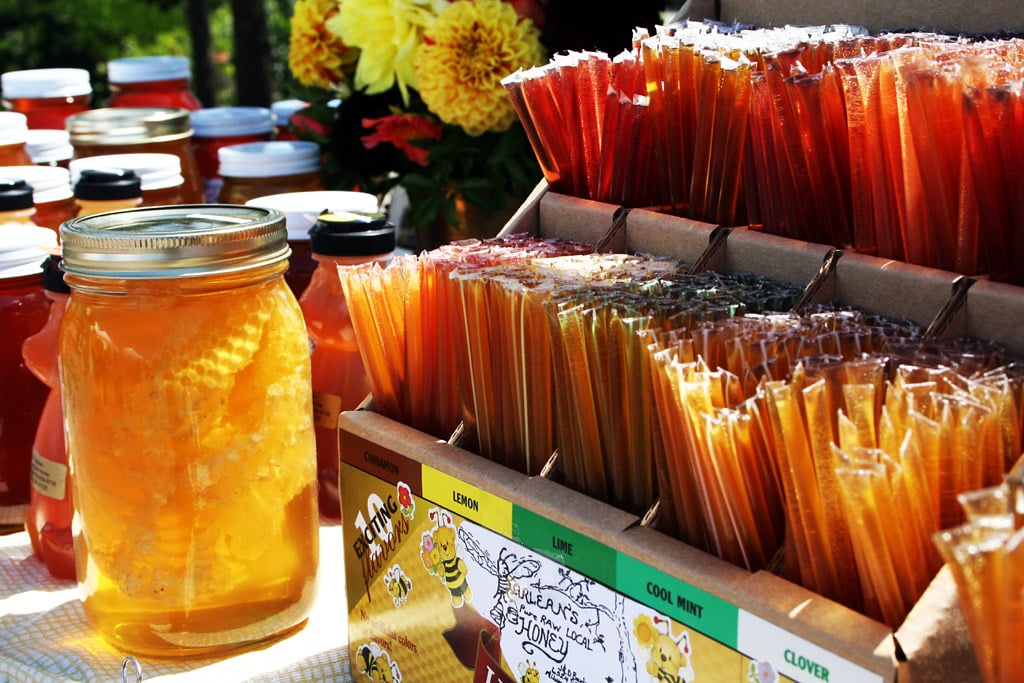
Honey has been consumed by humans for at least 8,000 years, and the process of harvesting it has barely changed in any meaningful way. Bees make it, humans take it — the negotiation between species is more or less the same as it ever was, just with slightly better protective gear on one side.
Ancient Egyptians used it in religious offerings, medicine, and food, and the honey in your cabinet right now would have been perfectly at home in a pharaoh’s pantry.
Cheese
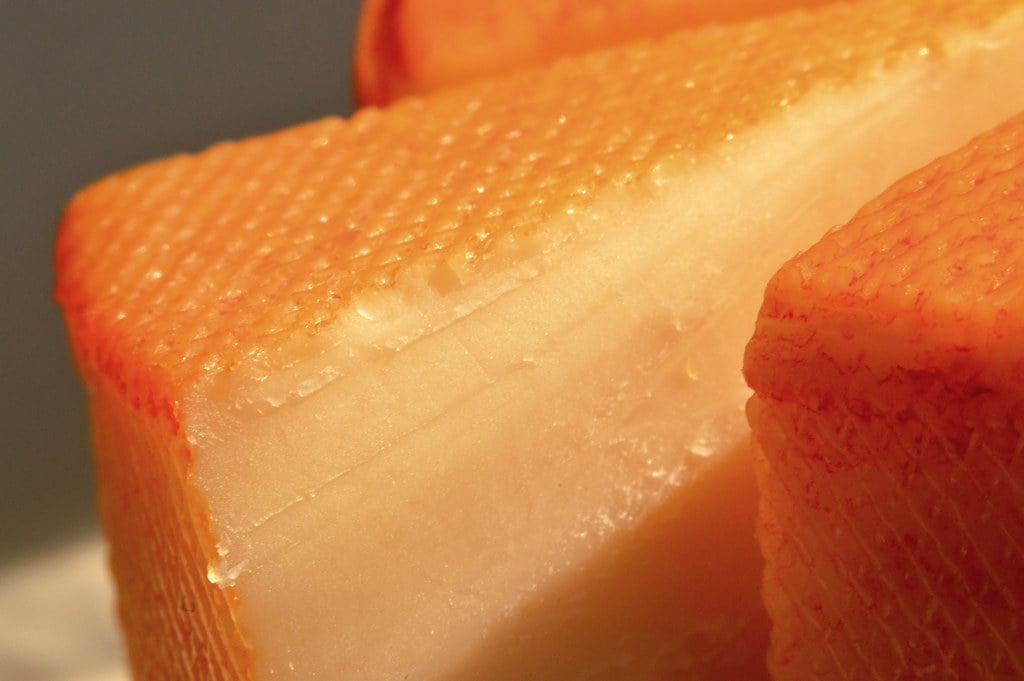
Hard cheese has a history stretching back at least 7,500 years, with evidence of cheese-making residue found in ancient Polish pottery. The basic process — separating curds from whey, pressing, aging — has remained stubbornly intact across millennia.
So when you eat a sharp aged cheddar or a slab of Manchego, you’re participating in one of the oldest dairy traditions on earth, which is saying something.
Olive Oil
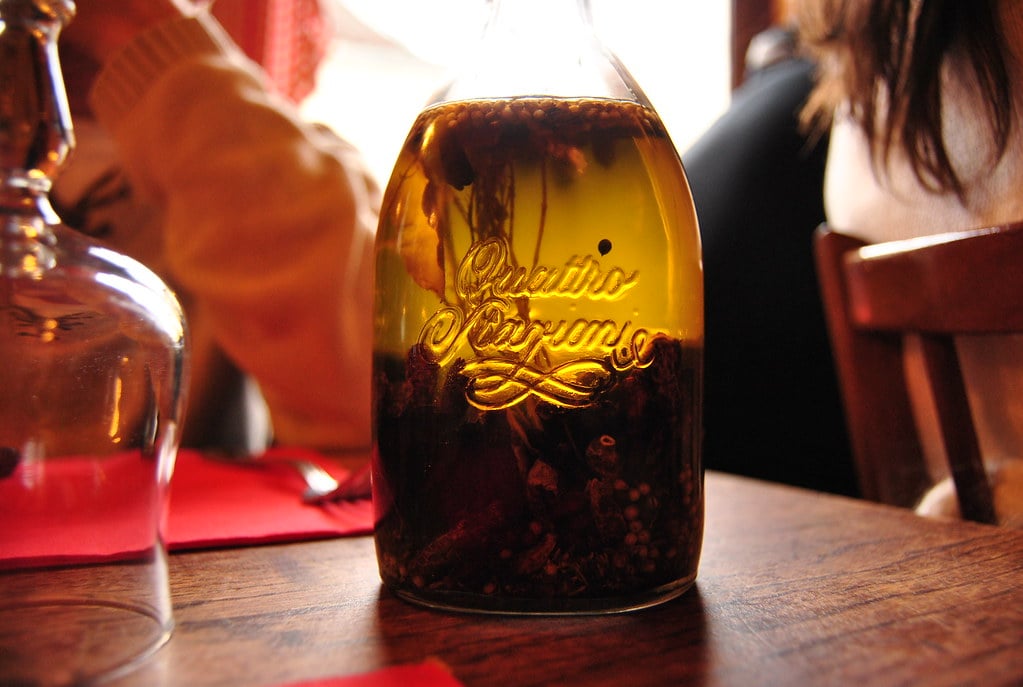
The olive press and the amphora are ancient technologies, and what came out of them looked a lot like what comes out of a bottle of cold-pressed extra virgin today. Olive cultivation dates back to at least 6,000 BCE in the Mediterranean, and the oil was used for cooking, preservation, and ceremony with the same casual centrality it occupies in modern Mediterranean kitchens.
The flavor profile of genuinely good olive oil — grassy, peppery, slightly bitter — hasn’t been bred out of existence yet, which is remarkable considering how much of the food industry tries to sand off every interesting edge.
Lentil Soup

Lentil soup appears in some of the oldest written recipes ever recorded, including texts from ancient Mesopotamia dating to around 1700 BCE. The basic construction — lentils, water, alliums, fat — has barely shifted, and versions of it still feed millions of people across the Middle East, North Africa, and South Asia every single day.
It is, to be direct about it, one of the most efficient culinary inventions in human history.
Beer

Beer might be the oldest deliberately fermented beverage on the planet, with evidence of brewing in ancient Mesopotamia and China dating back more than 7,000 years. The Sumerian “Hymn to Ninkasi” — written around 1800 BCE — is essentially a beer recipe, and the steps it describes (malting grain, fermenting with water and aromatics) follow the same logic used in craft breweries today. It was thicker, cloudier, and often consumed through a straw to avoid the grain sediment, but the fundamental chemistry of it hasn’t changed.
Roasted Grain
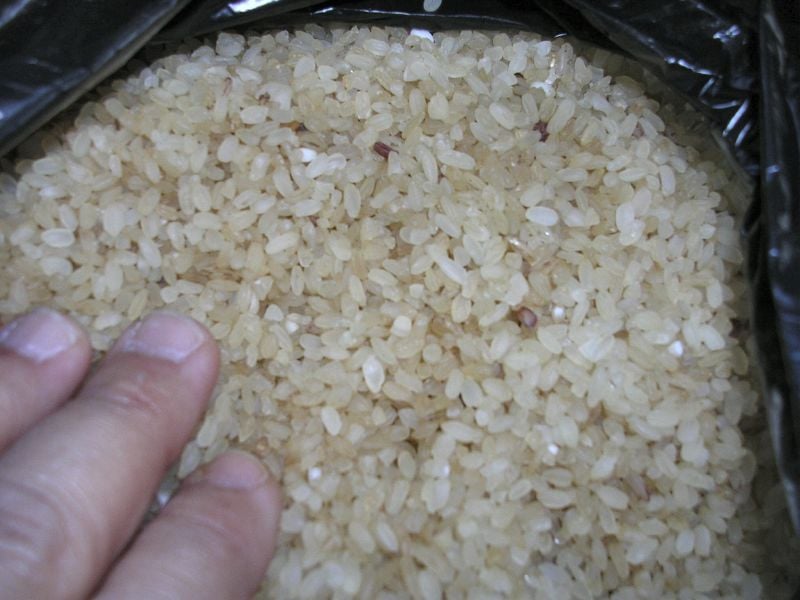
Long before bread, humans were simply roasting grain and eating it as is — a practice archaeologists have traced back more than 30,000 years. Grain parched in a dry pan or over fire is still eaten across Ethiopia, the Middle East, and parts of Asia, often under names like chiko or sattu, with preparation methods that would look entirely familiar to a Neolithic forager.
The simplicity is the point: grain plus heat plus time equals something you can actually survive on.
Yogurt
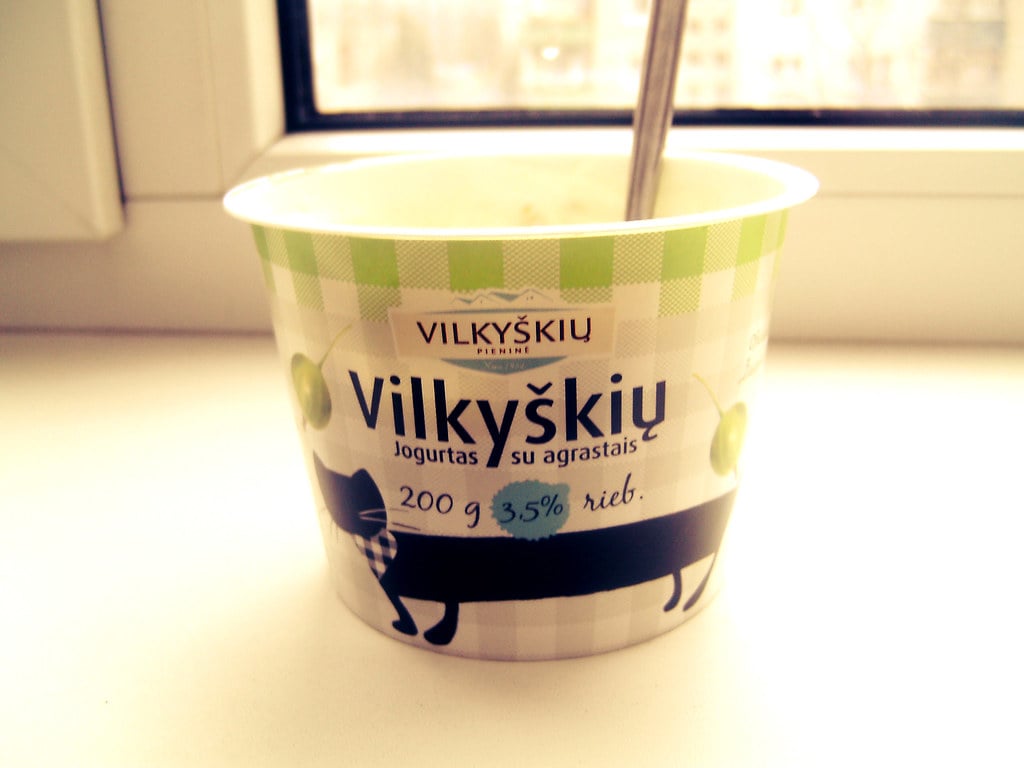
Yogurt is an accident of geography and warmth that became one of the most consumed dairy products in the world. Milk carried in animal-stomach pouches in the warm climates of Central Asia would naturally ferment — and whoever first tasted the tangy result and decided to repeat it was responsible for roughly 10,000 years of culinary tradition.
The live bacterial cultures doing the work today are descendants of the same biological process, and the thick strained version — what most Americans now call Greek yogurt — is essentially identical to what ancient people in the Levant and Anatolia ate daily.
Hummus
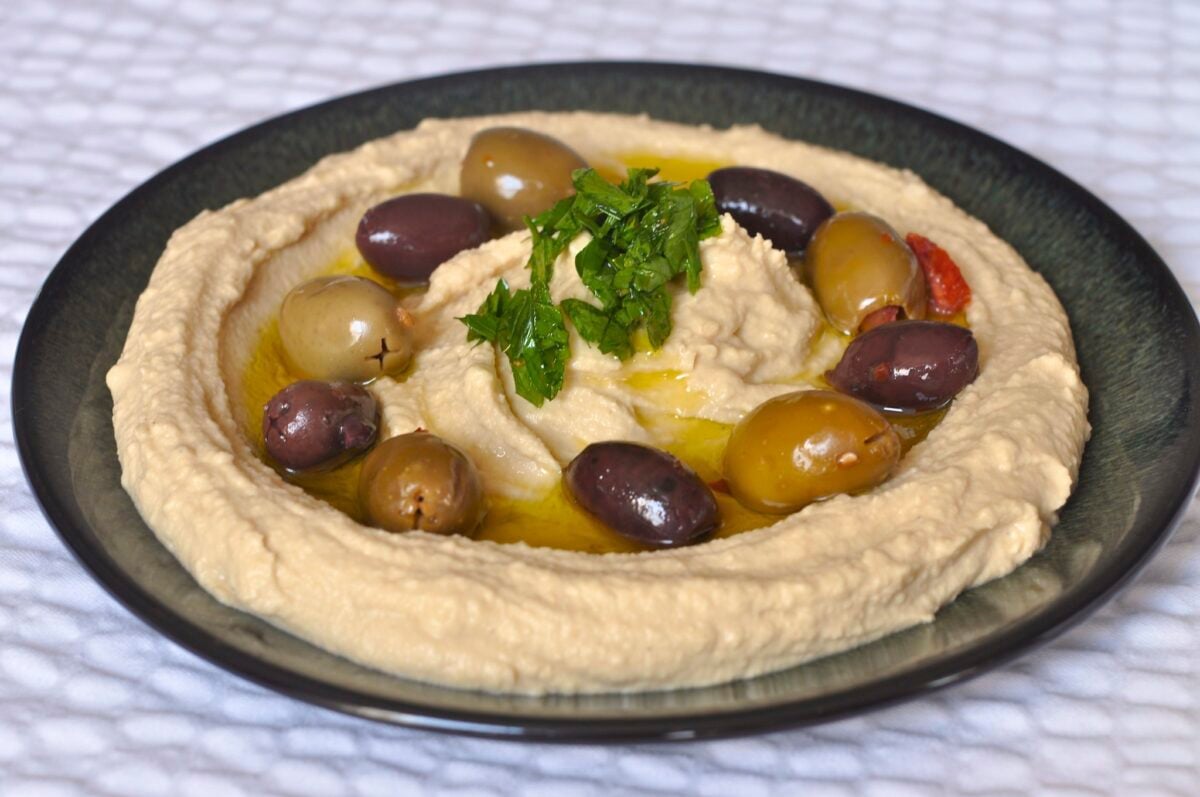
Chickpeas and sesame paste have been staples of the Middle Eastern diet for thousands of years, and the combination of the two shows up in medieval Arabic cookbooks in forms that are recognizably hummus. The modern version — blended chickpeas, tahini, lemon, garlic, olive oil — tracks so closely to those historical preparations that calling it ancient is not an exaggeration.
It’s still made the same way in households across Lebanon, Israel, Jordan, and Syria, without much ceremonial fuss about tradition, because it never needed to be a statement to stick around.
Garum
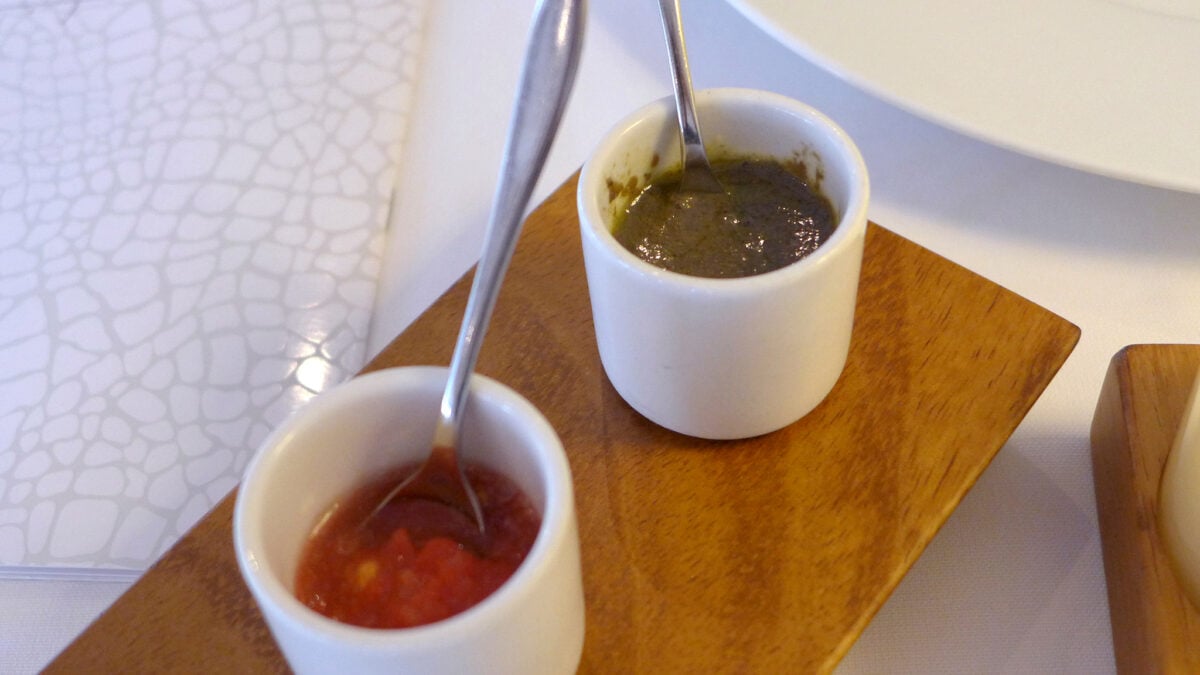
Garum is the fermented fish sauce that Romans put on everything — and it is, essentially, the same product as the fish sauce you find in the Asian foods section of any American grocery store today. The Romans made it by packing fish with salt and letting the whole mess liquefy over months in terracotta vessels under the Mediterranean sun, and Vietnamese nuoc mam is produced by the same method, with the same patience, and the same result: a deeply savory, pungent liquid that transforms food in ways you can’t quite explain.
Porridge
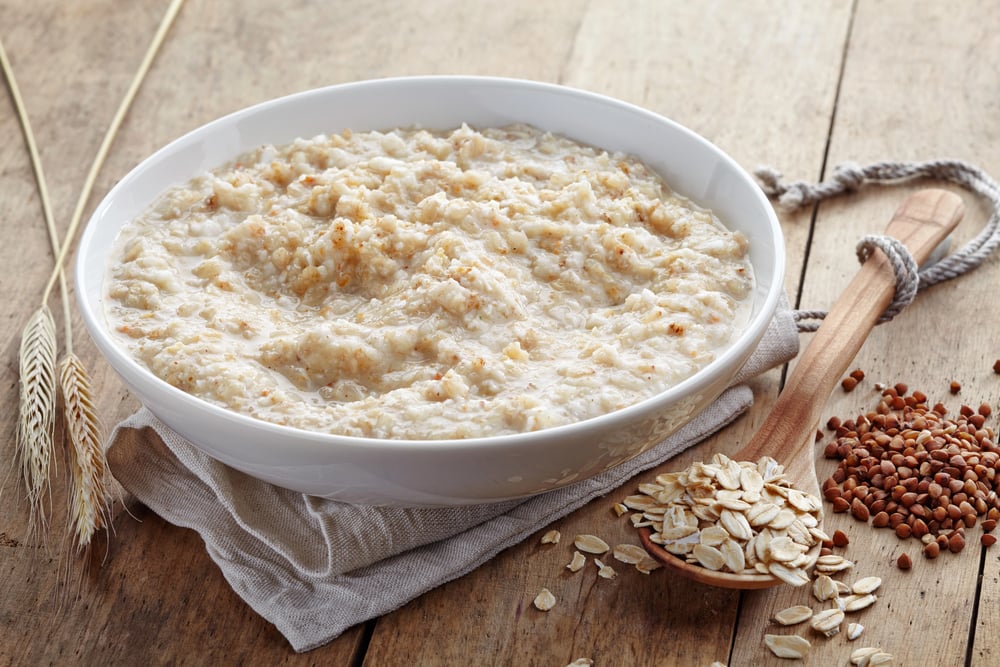
Porridge is the oldest cooked food that is still a mainstream staple, full stop. Residue found in ancient vessels across Europe and the Near East confirms that humans were boiling grain in water or milk tens of thousands of years ago, and the bowl of oatmeal you eat on a Tuesday morning exists at the end of an unbroken line stretching back to the Neolithic. It has not improved or worsened — it has simply persisted, the way useful things do.
Wine

Winemaking has been traced back to at least 6,000 BCE in the South Caucasus, and the core method — crush grapes, let the natural yeasts on the skins ferment the juice, wait — is not fundamentally different from what happens in a modern natural wine operation. The Georgians have been making wine in clay vessels called qvevri for at least 8,000 years, and that tradition is still alive and well today, not as nostalgia but as a preferred technique.
Ancient wine was often resinous, spiced, or mixed with seawater, which admittedly is not a selling point — but the basic vinification process is unchanged.
Smoked Fish
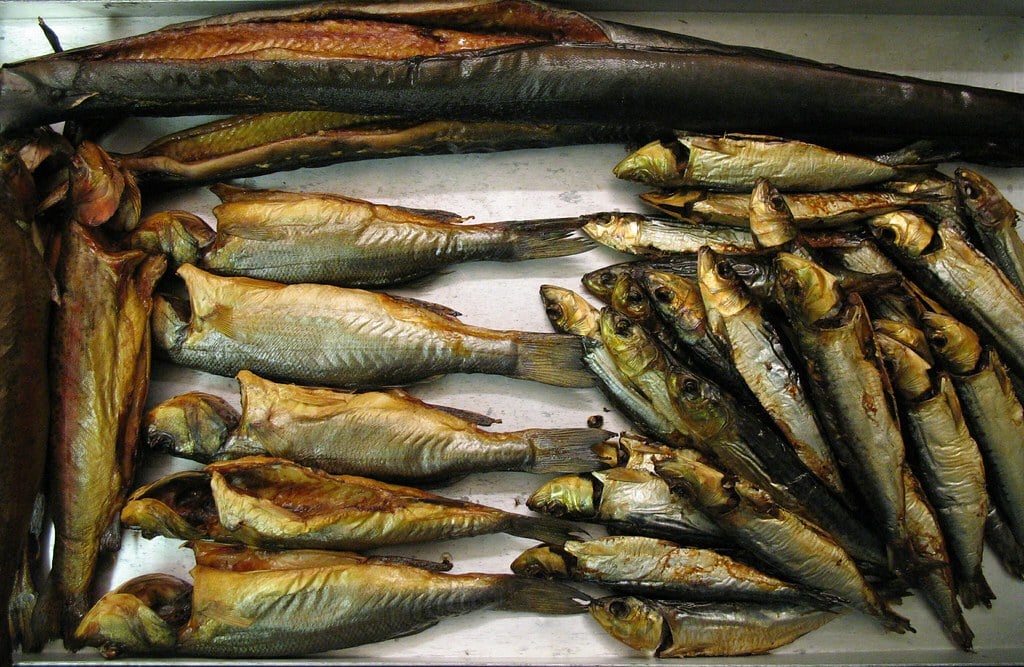
Smoked fish preserves the flavor; it is a practice documented across cultures from Scandinavia to Japan to pre-Columbian North America, with evidence stretching back at least 8,000 years. The method — hang the fish over slow-burning wood, let the smoke penetrate — is structurally the same today, whether it’s a Scottish smokehouse curing salmon over whisky barrel chips or an Alaskan fish camp with smoked sockeye over alder.
The flavor that results, that particular combination of salt, smoke, and fat, is not something modernity invented or improved.
Stuffed Grape Leaves
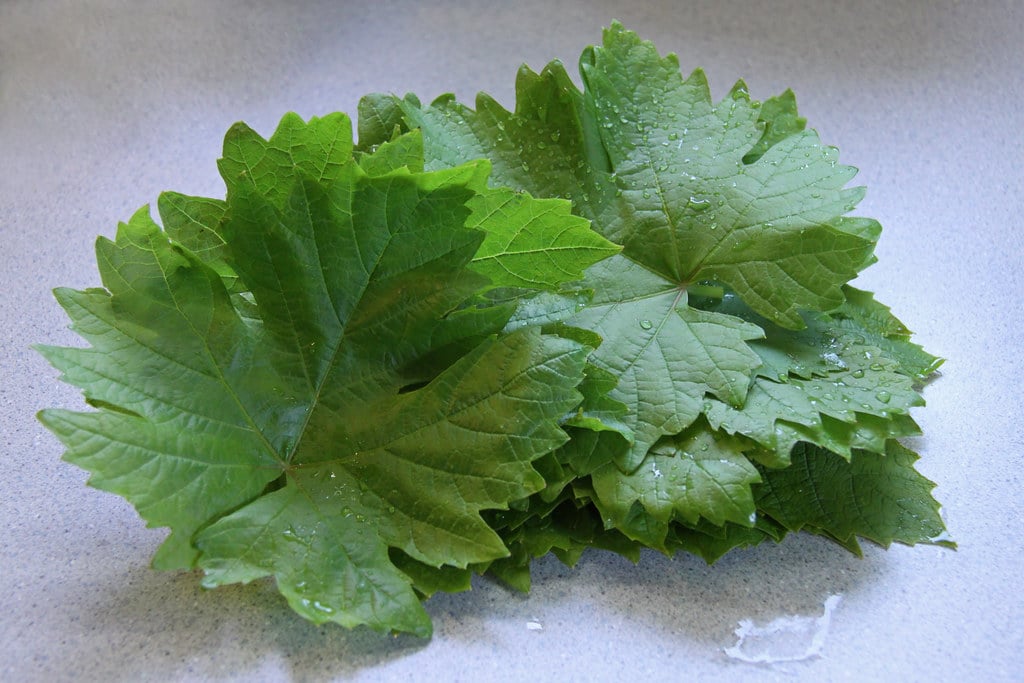
Grape leaves stuffed with grain, meat, or both appear in texts and food traditions dating back to ancient Greece and the Byzantine Empire. The modern version — dolmades in Greek cuisine, warak enab in Arabic — uses essentially the same filling logic and rolling technique that would have been familiar in classical Anatolia.
The grape leaf itself is one of nature’s more convenient edible wrappers, and humans figured that out a very long time ago without being persuaded to change their minds.
Mead
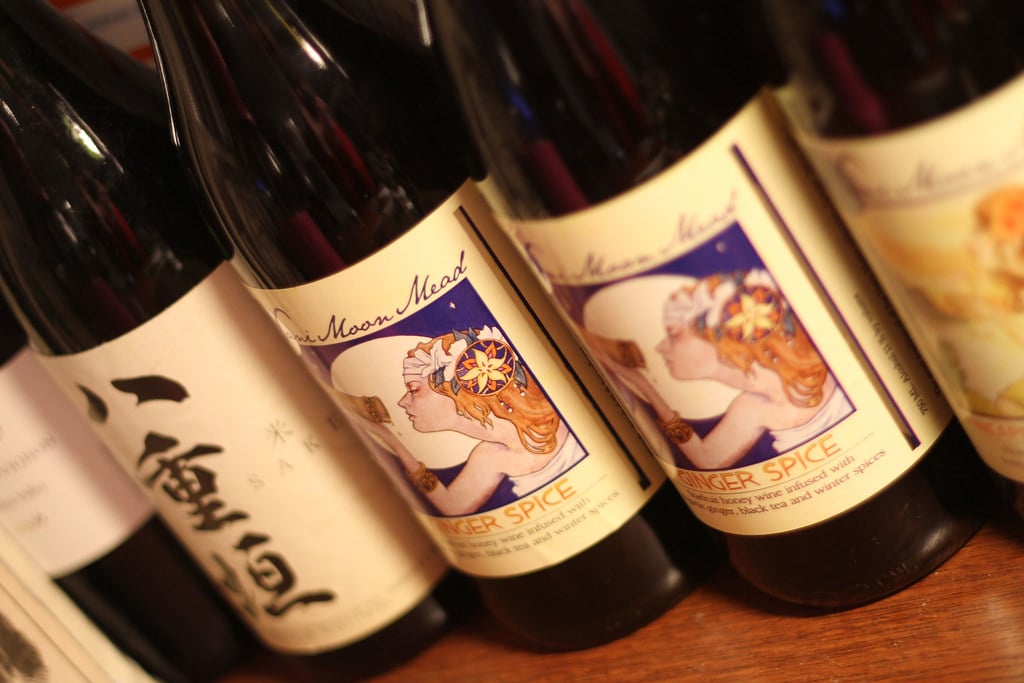
Mead — fermented honey and water — is likely the oldest alcoholic drink humans ever made, predating both beer and wine by thousands of years. The archaeological record puts evidence of mead-making in China at around 7,000 BCE, and the basic method is so simple it probably happened by accident the first time: diluted honey left in a warm container, wild yeast, time.
Modern meaderies operate on the same principle, and the drink that results lands in the same place — floral, sweet, quietly old.
Date Syrup
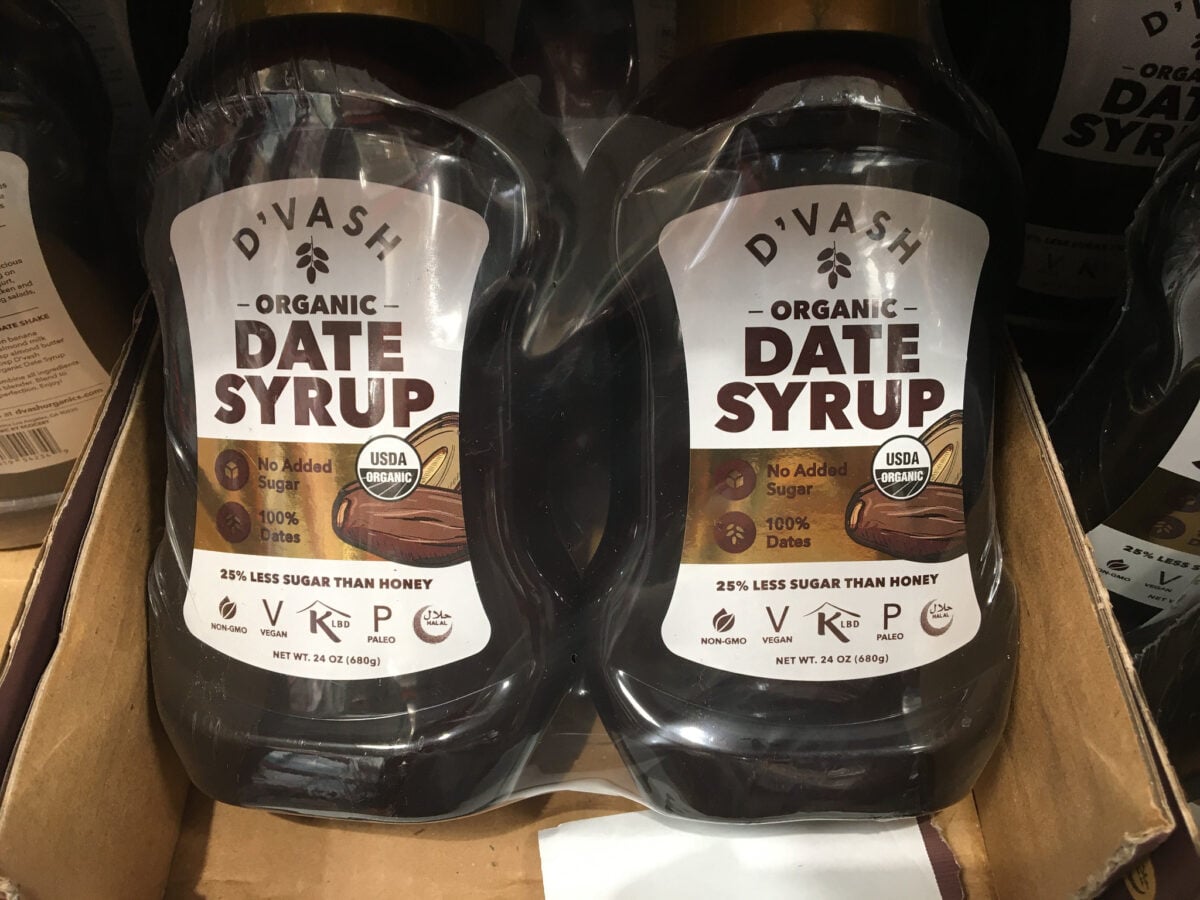
Dates were one of the most important crops in ancient Mesopotamia and Egypt, and the thick syrup made by pressing and reducing them was used as a sweetener for millennia before refined sugar existed. It’s called dibs in the Arabic-speaking world, and it’s still made the same way — dates, water, heat, reduction — and still poured over bread, used in cooking, and eaten with cheese in a combination that has barely shifted in 5,000 years.
Injera
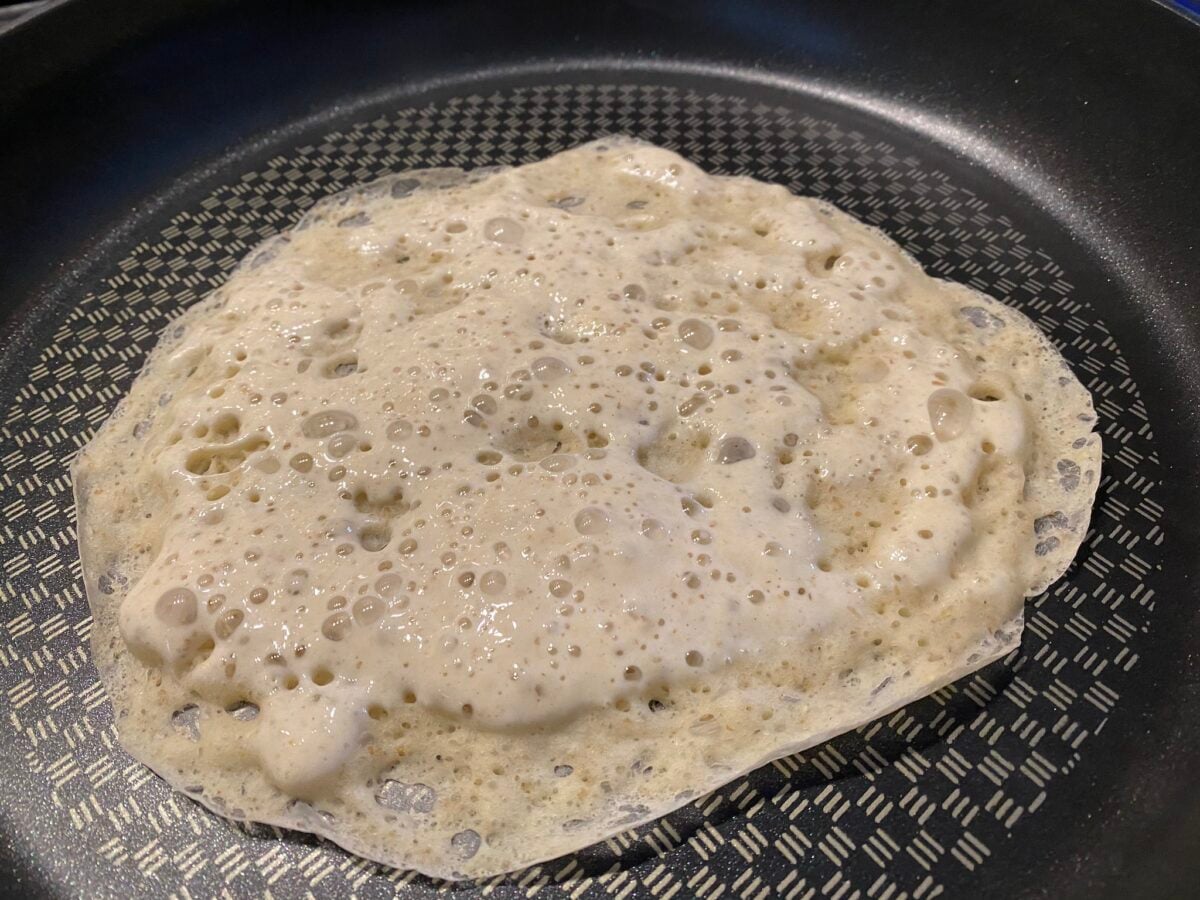
Injera is a fermented teff flatbread that has been central to Ethiopian and Eritrean food culture for thousands of years, and the method for making it — fermenting the batter for several days before cooking on a large clay pan — has not changed in any meaningful way. The resulting spongy, sour bread functions as both plate and utensil, and every meal served on top of it is a direct continuation of a food tradition that ancient highland communities would recognize immediately.
It’s not preserved as heritage; it’s just still the right answer.
Miso
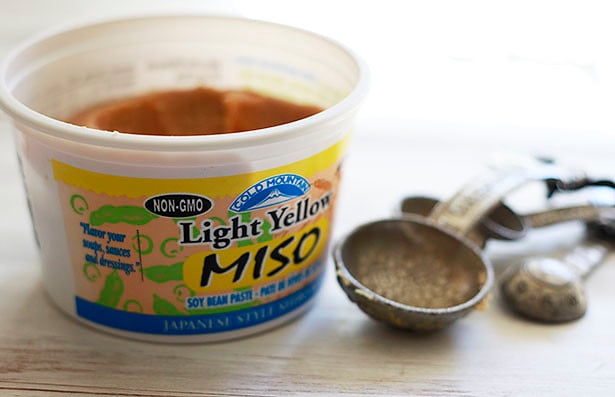
Miso’s origins trace back to ancient China and Korea before becoming a pillar of Japanese cuisine, with fermented grain and soybean pastes documented for over 2,500 years. The process is slow and deliberate: soybeans, salt, koji mold, time — measured in months or years, not hours.
Traditional miso producers in Japan still age their product in wooden barrels, using techniques that have resisted the pressure to modernize, not out of stubbornness but because the science of the slow fermentation simply can’t be shortcut without losing the result.
Falafel

Falafel’s precise origin is contested — Egypt, the Levant, and the Arabian Peninsula all have credible claims — but the core preparation has remained consistent for at least several centuries and likely much longer. Ground legumes (fava beans in Egypt, chickpeas elsewhere), herbs, spices, formed and fried — the execution today in a Cairo street stall or a Brooklyn food truck differs from the ancient version mainly in the scale of the frying operation and the presence of Instagram.
The food itself is stubbornly unchanged.
Preserved Lemons
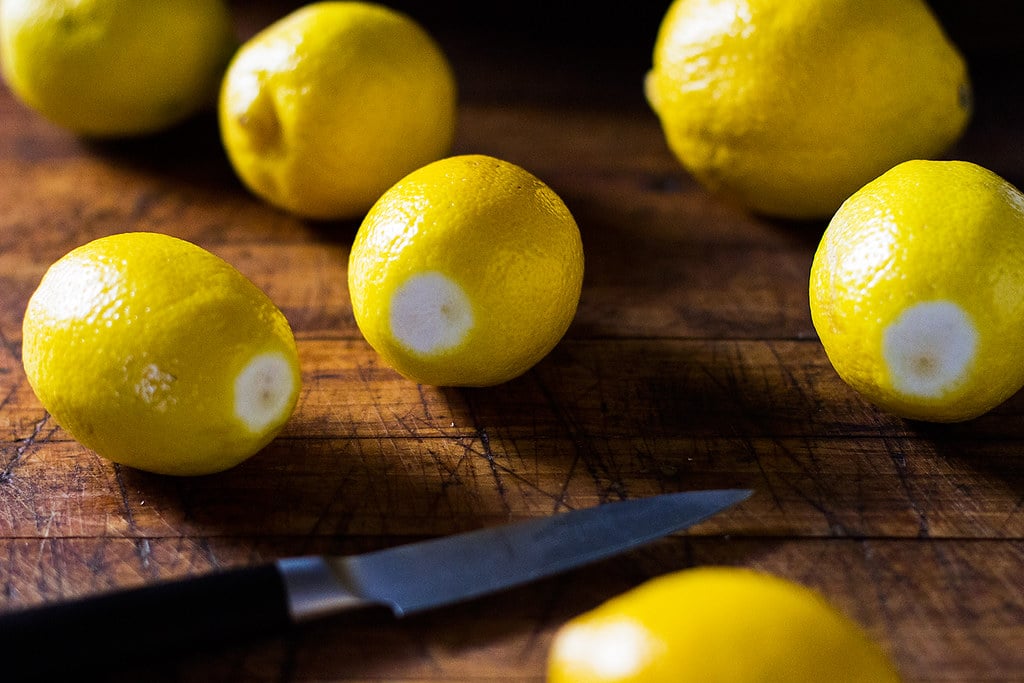
Preserved lemons — whole lemons packed in salt and left to cure — have been a staple of North African cooking for centuries, and there is nothing technically advanced about the process. Salt, acid, time, a sealed jar.
The fermentation happens on its own, and the resulting rind becomes something entirely unlike a fresh lemon: softer, funkier, intensely floral in a way that requires patience to achieve. Ancient Moroccan kitchens produced them, and modern ones do too, using the exact same method.
Black Pudding
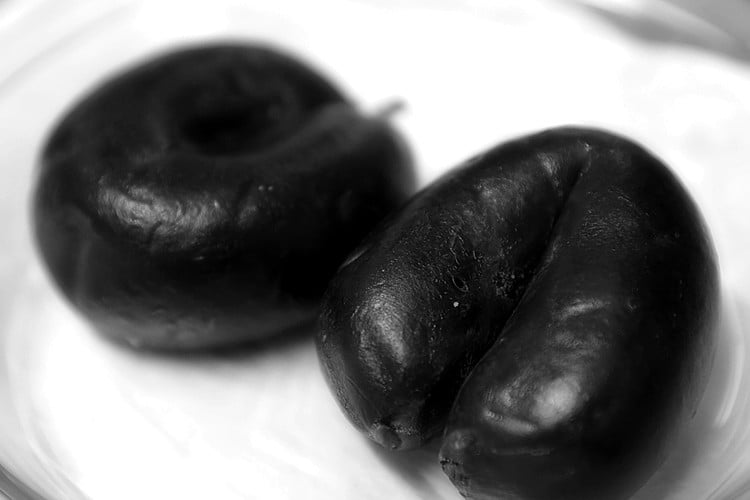
Black pudding — blood sausage — has been made in some form in nearly every culture that raised livestock, and the recipe is largely unchanged from its ancient origins: pig blood, fat, oats or barley, spices, packed into a casing. The Romans made it. Medieval Europe ate it.
The British still put it on the breakfast plate without apology. It’s one of the few foods that connects a Roman legionary’s morning meal to a full English in a Birmingham café, which is either charming or unsettling depending on your feelings about offal.
Vinegar
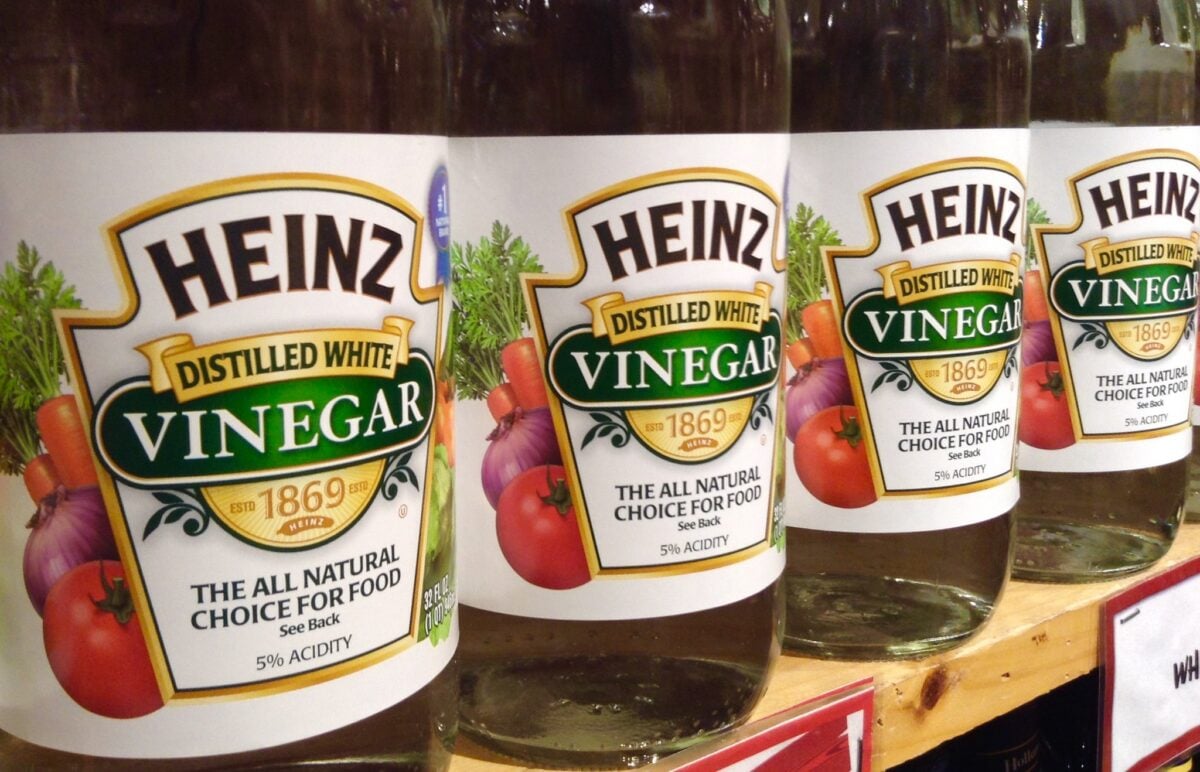
Vinegar is what happens when wine or beer is left exposed to air and the acetic acid bacteria get to work — a process humans have been exploiting intentionally for at least 5,000 years. Ancient Babylonian records document vinegar production for both preservation and cooking, and the basic mechanism (fermented liquid, oxygen, time) hasn’t been replaced by anything better because nothing better exists.
Balsamic vinegar aged in wooden barrels in Modena is still produced using a process that medieval Italian estates would recognize without much explanation.
Tahini
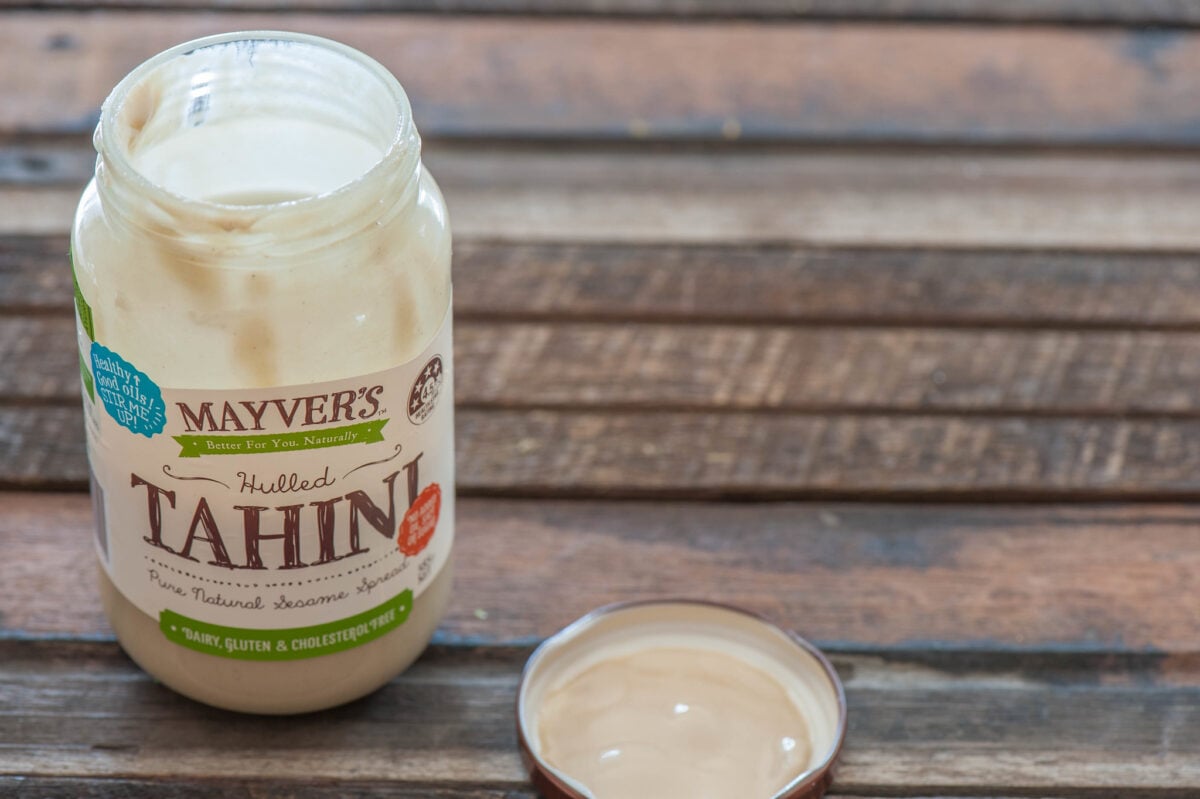
Sesame seeds ground into paste appear in ancient Near Eastern texts and were used as food and medicine across Mesopotamia, Egypt, and Persia. Tahini today is the same concept — hulled sesame seeds, ground fine, perhaps with a small amount of oil — and it requires no additives, no preservatives, and no modernization to be exactly what it’s supposed to be.
It has been sitting quietly at the center of Middle Eastern cooking for over 3,000 years, completely indifferent to whatever food trend is happening around it.
Slow-Cooked Legumes
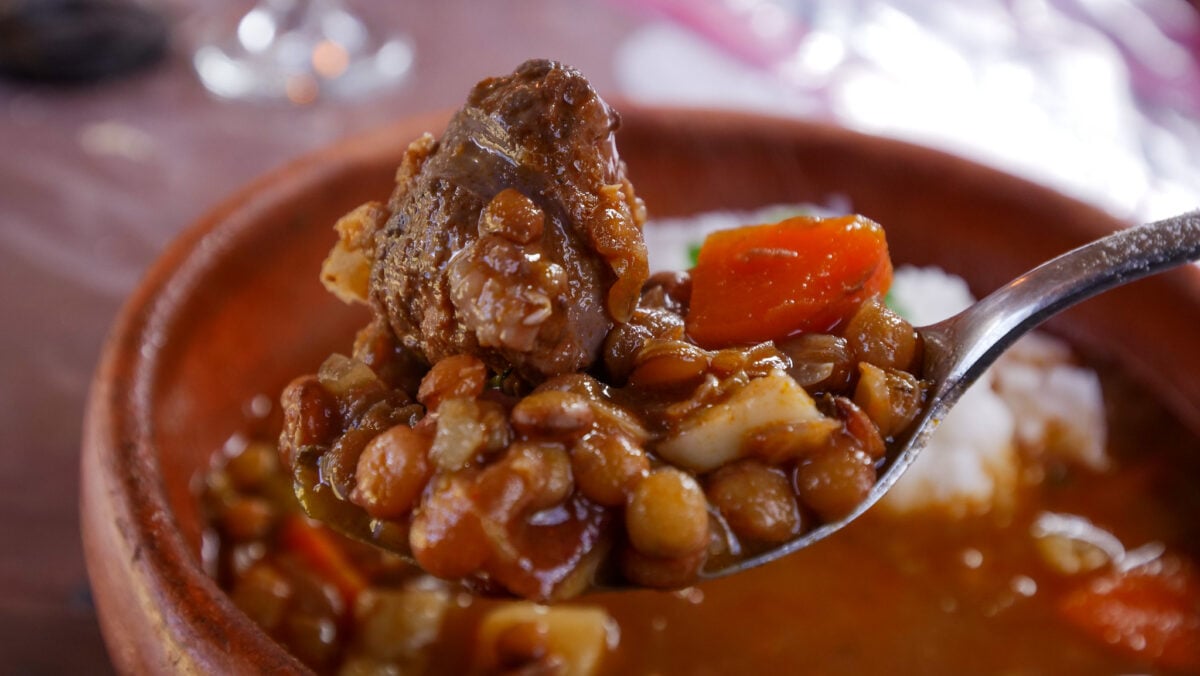
Long before ovens existed, ancient cooks buried sealed clay pots in the coals of dying fires and let beans, lentils, or chickpeas cook overnight in their own liquid — a method that shows up across Mesopotamia, North Africa, and the Mediterranean. The modern slow cooker is that same principle with a ceramic insert and a timer.
Ful medames, the Egyptian fava bean dish eaten at breakfast, has been cooked this way for thousands of years and is still prepared in the same low-and-slow fashion in Cairo today.
Spit-Roasted Meat
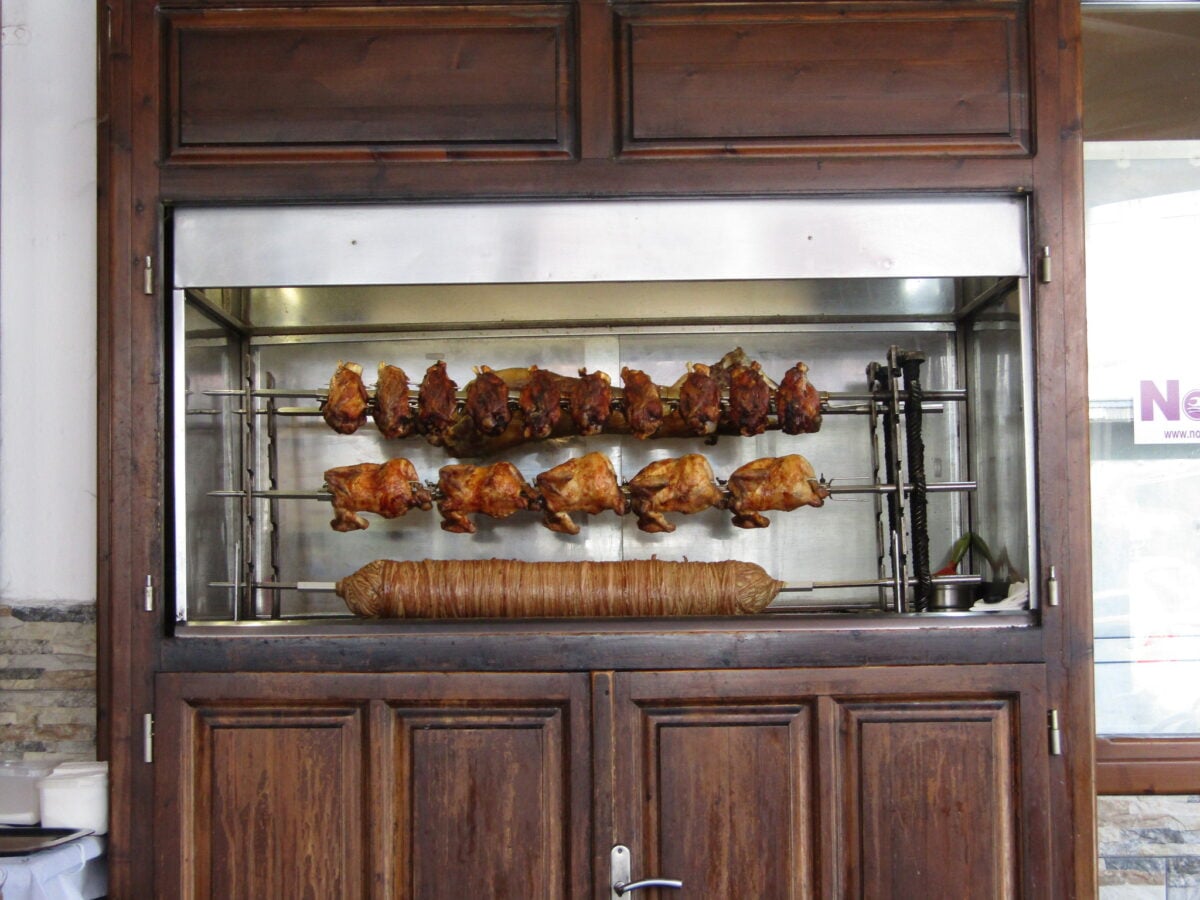
Roasting meat on a rotating spit over open fire is documented in the oldest culinary records of ancient Greece, and Homer describes it in the Iliad with enough specificity that it reads less like poetry and more like a recipe. The physics are the same now as they were then: even rotation, sustained heat, fat dripping into flame, the exterior crisping while the interior stays tender.
The döner, the shawarma, the Brazilian churrasco spit — all of them are direct descendants of the same ancient method, dressed in different spice traditions.
Fermented Cabbage

Salt-fermented cabbage has been made across Central Asia and Europe for at least 2,000 years, with records of it feeding workers on the Great Wall of China. The method — shredded cabbage, salt, compression, time in a sealed vessel — produces sauerkraut, kimchi (in its pre-chili iterations), and a dozen regional variations that are all essentially the same bacterial process applied to the same vegetable.
No heat, no additives, nothing but salt and patience.
Flatcakes on a Griddle

Ancient griddle cakes — grain paste cooked directly on a flat hot stone or iron — are one of the most universal foods in human history, appearing in form-identical variations across cultures that had no contact with each other. Welsh bara planc, American johnnycakes, Indian roti: all of them trace back to the same intuitive leap. A hot flat surface and a grain-based batter will always, eventually, produce something edible.
Humanity arrived at that conclusion independently and repeatedly across thousands of years.
Dried Fruit
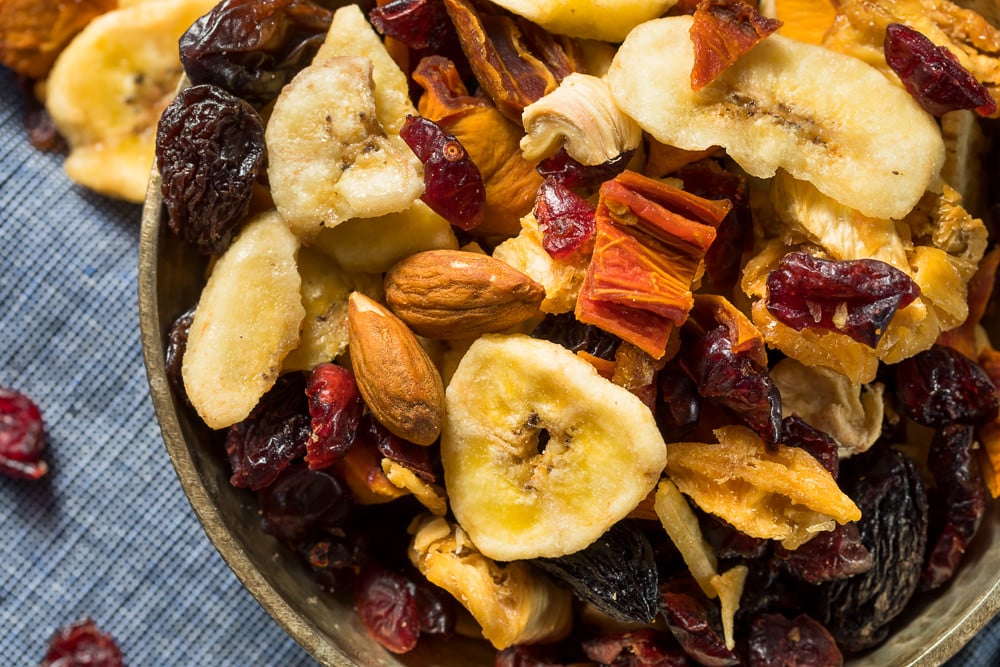
Sun-drying fruit as a preservation method appears in records from ancient Mesopotamia, Egypt, and Greece — figs, dates, apricots, and grapes all treated this way to survive the seasons between harvests. The method is: expose fruit to sustained direct sunlight, turn periodically, wait.
That’s it. Modern food dehydrators mimic the same process with electricity and a dial, but in parts of the Middle East and Central Asia, apricots are still spread on rooftops and left to the sun exactly as they were in ancient times.
Bone Broth
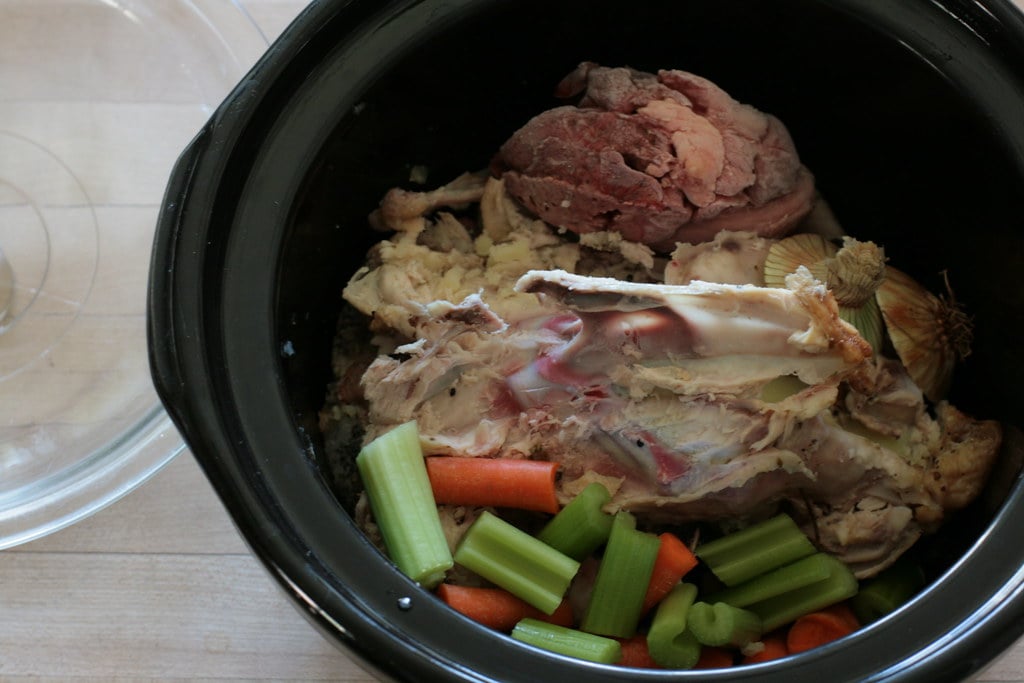
Bone broth is not a wellness trend — it’s a food technology that predates recorded history, born from the practical need to extract every calorie from an animal after the usable meat was gone. Ancient cooks across cultures boiled bones for hours in sealed vessels over low fire, producing the same rich, collagen-heavy liquid that broth bars now charge eight dollars a cup for.
The only thing that has changed is the price, the branding, and the Instagram caption.
Stuffed Dumplings

Stuffed dumplings — dough wrapped around a meat or grain filling and then boiled, steamed, or fried — appear in ancient Chinese texts, Central Asian food traditions, and medieval European records. The logic is elegant: a pocket of dough keeps the filling moist during cooking and creates a self-contained, portable meal. Jiaozi, pierogi, manti, empanadas — these are not four separate inventions but four cultures arriving at the same answer.
And every single one of them is still made by hand in someone’s kitchen tonight.
The Oldest Table on Earth

What’s remarkable isn’t that these foods survived — it’s that nobody had to campaign for their survival. They didn’t persist because historians archived them or because food writers decided to celebrate them.
They persisted because they worked, because they tasted right, because generation after generation reached for the same ingredients and the same method and got the same result. Food is the most democratic of archives.
It doesn’t require literacy, or museum funding, or a preservation society. It just requires someone to be hungry and to remember what their grandmother did.
More from Go2Tutors!

- The Romanov Crown Jewels and Their Tragic Fate
- 13 Historical Mysteries That Science Still Can’t Solve
- Famous Hoaxes That Fooled the World for Years
- 15 Child Stars with Tragic Adult Lives
- 16 Famous Jewelry Pieces in History
Like Go2Tutors’s content? Follow us on MSN.