Wild Facts About the $15K Self-Lacing Sneakers
Although they sound like something from science fiction, self-lacing sneakers are actually very real and very costly. Nike has made Back to the Future dreams come true with their products, but the prices are so exorbitant that they break most people’s budgets.
These technological wonders are the meeting point of luxury fashion, cutting-edge engineering, and pop culture nostalgia. The history of self-lacing shoes has been anything but typical, ranging from celebrity endorsements to charity auctions.
Back to the Future Origins

Nike’s self-lacing technology stems directly from the 1989 film “Back to the Future Part II,” where Marty McFly wore futuristic Nike Mags in 2015. The movie prop designers created a fictional shoe that captured imaginations worldwide, inspiring Nike to spend decades turning fantasy into reality.
When Nike finally released working versions in 2016, they auctioned pairs for charity — with some selling for over $200,000.
The $15,000 Price Point

While most Nike Adapt models retail for $350-400, rare and limited editions have reached stratospheric prices. The original 2016 Nike Air Mag charity auctions saw individual pairs sell for $15,000-$50,000, with proceeds benefiting Parkinson’s research.
These weren’t just shoes — they were pieces of cinematic history brought to life through advanced engineering.
Like Go2Tutors’s content? Follow us on MSN.
Power Lacing Technology

The self-lacing mechanism uses a motorized cable system controlled by pressure sensors and gyroscopes. When you step into the shoe, sensors detect your foot and automatically adjust tension for optimal fit.
The system can tighten or loosen on command, either through buttons on the shoe or via smartphone app connectivity.
Battery Life Challenges

Each shoe contains a rechargeable lithium-ion battery that powers the lacing system for approximately two weeks of normal use. The wireless charging system resembles a smartphone dock — you simply place the shoes on charging pads overnight.
However, cold weather significantly reduces battery performance, making winter wear problematic for the technology.
Limited Production Numbers
Nike has released only thousands of self-lacing pairs across all models combined, making them incredibly rare. The 2016 Air Mag release included just 89 pairs worldwide, while subsequent Adapt releases have been slightly more available but still extremely limited.
This scarcity drives collector demand and maintains premium pricing in resale markets.
Like Go2Tutors’s content? Follow us on MSN.
Celebrity Endorsements
High-profile athletes and entertainers have helped popularize self-lacing technology through strategic partnerships. Basketball players like Jayson Tatum have worn custom Adapt models during games, while celebrities at award shows sport exclusive colorways.
These endorsements create cultural buzz that far exceeds the shoes’ actual availability to consumers.
Smartphone Integration

Modern Nike Adapt models connect to dedicated mobile apps that allow precise customization of fit, lighting, and performance settings. Users can save multiple fit profiles for different activities — looser for casual wear, tighter for athletic performance.
The apps also track usage statistics and battery life while enabling firmware updates.
Engineering Complexity

Each self-lacing shoe contains over 200 individual components, including motors, sensors, cables, and electronic circuits. The engineering team spent years miniaturizing technology while maintaining durability standards for athletic footwear.
The complexity explains why these shoes cost exponentially more than traditional sneakers with similar materials.
Like Go2Tutors’s content? Follow us on MSN.
Durability Concerns
Despite their premium price, self-lacing sneakers face unique reliability challenges that traditional shoes don’t encounter. Water exposure can damage electronic components, while the motorized lacing system adds mechanical failure points.
Some early adopters reported motor malfunctions after months of regular use, highlighting the trade-offs of high-tech footwear.
Resale Market Madness

The secondary market for self-lacing sneakers operates at luxury goods pricing levels rather than typical sneaker resale margins. Deadstock Air Mags regularly sell for $50,000-$100,000, while even used pairs command five-figure prices.
Sneaker authentication services have developed specialized procedures for verifying these complex electronic products.
Cultural Impact Beyond Footwear
Self-lacing sneakers have influenced broader discussions about wearable technology and adaptive equipment for people with disabilities. Nike’s FlyEase technology, developed alongside self-lacing systems, has created more accessible footwear options.
The visibility of high-tech shoes has accelerated innovation across the entire athletic footwear industry.
Like Go2Tutors’s content? Follow us on MSN.
Manufacturing Precision

Each pair requires hand-assembly in specialized facilities equipped for electronic component integration. The production process involves traditional shoemaking techniques combined with precision electronics assembly similar to smartphone manufacturing.
Quality control testing includes both traditional wear testing and electronic functionality verification.
Future Technology Pipeline

Nike continues developing next-generation adaptive fit technology that goes beyond simple self-lacing mechanisms. Patent filings suggest future models might include biometric monitoring, temperature regulation, and even more sophisticated fit customization.
The company views self-lacing as just the beginning of truly smart footwear.
Collector Investment Potential

Some sneaker investors view high-end self-lacing models as alternative investments similar to luxury watches or vintage cars. The combination of limited production, cultural significance, and technological innovation creates potential long-term value appreciation.
However, electronic components face obsolescence risks that traditional collectible sneakers don’t encounter.
Like Go2Tutors’s content? Follow us on MSN.
Environmental Considerations

The electronic components in self-lacing sneakers create unique disposal challenges when the shoes reach end-of-life. Nike has developed take-back programs for electronic footwear, though the environmental impact of high-tech shoes remains complex.
The company continues researching sustainable approaches to integrating technology with traditional footwear materials.
The Future of Expensive Footwear
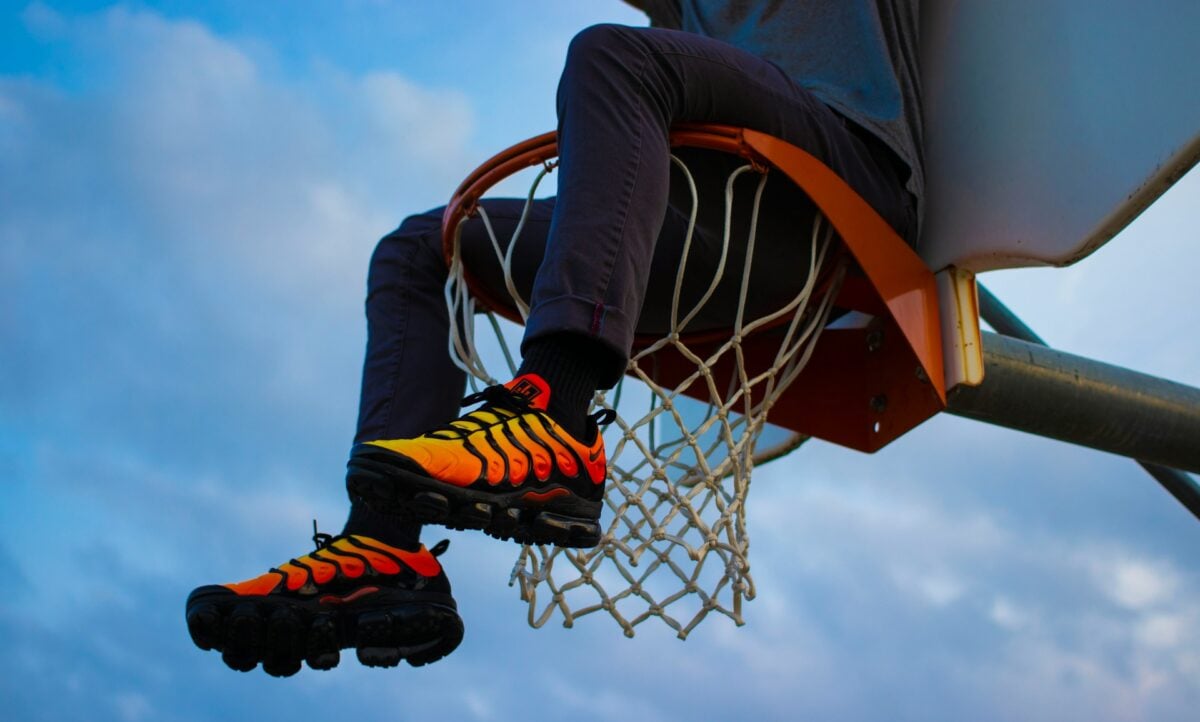
Self-lacing sneakers are only the start of how technology is changing the market for high-end footwear. What began as a movie prop has developed into a real product category that, thanks to innovation rather than just brand prestige, can command high prices.
Even if it means spending more money on sneakers than most people do on cars, these shoes demonstrate that buyers are willing to pay extraordinary prices for goods that successfully combine exclusivity, technology, and nostalgia.
More from Go2Tutors!

- 16 Historical Figures Who Were Nothing Like You Think
- 12 Things Sold in the 80s That Are Now Illegal
- 15 VHS Tapes That Could Be Worth Thousands
- 17 Historical “What Ifs” That Would Have Changed Everything
- 18 TV Shows That Vanished Without a Finale
Like Go2Tutors’s content? Follow us on MSN.