Architecture Fails That Look Silly
Buildings are supposed to be functional. They should make sense.
But sometimes architects and designers create structures that leave you scratching your head. These aren’t catastrophic failures—they’re the kind of mistakes that make you wonder how they got approved in the first place.
The designs look absurd, impractical, or just plain weird.
The Staircase to Nowhere
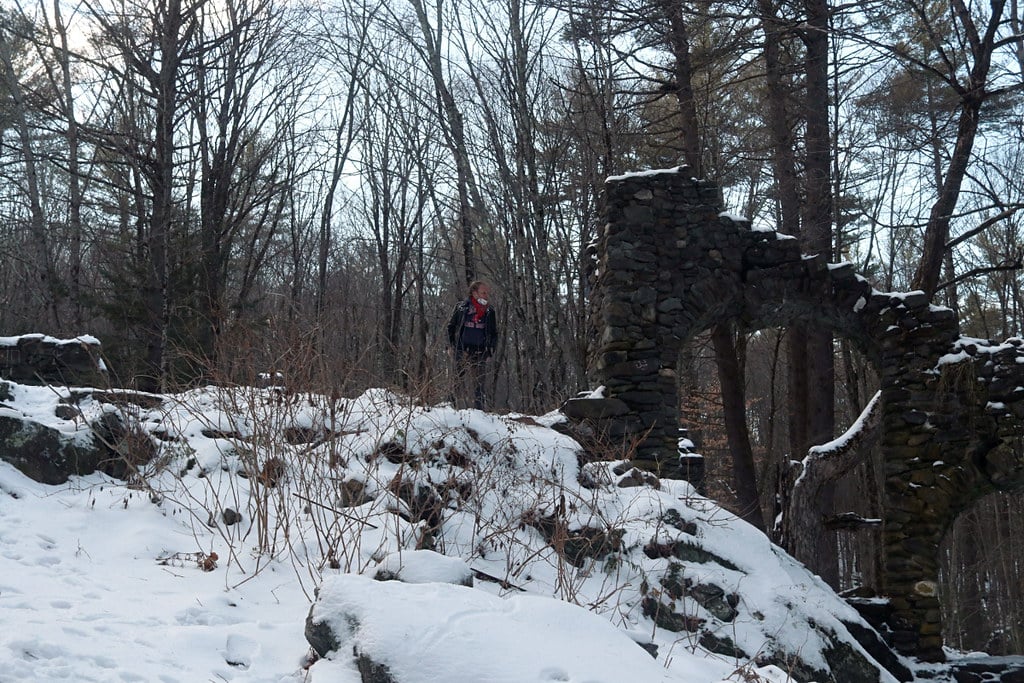
You’ve probably seen these. Stairs that lead directly into a wall, or worse, into a ceiling. Someone designed them, someone built them, and somehow nobody caught the problem until it was too late.
These staircases exist in buildings around the world, serving absolutely no purpose except to confuse anyone who tries to use them. The construction crew probably followed the blueprints exactly.
The architect probably missed a detail during revisions. And now the building has a permanent monument to poor planning.
Windows That Open Into Other Rooms

Privacy takes on a whole new meaning when your bathroom window opens directly into your neighbor’s kitchen. Or when bedroom windows face directly into hallways where everyone walks by.
These architectural oversights turn simple daily activities into awkward encounters. Some buildings have windows positioned so close to adjacent structures that you can literally reach out and touch the next building.
The natural light comes in, sure, but so does an unwelcome view of someone else’s living space.
Doors That Go Nowhere

Step outside and find yourself three stories up with no balcony, no fire escape, and nothing but air beneath your feet. These doors exist in buildings across the globe.
Maybe they were meant for a balcony that never got built. Maybe plans changed mid-construction and nobody thought to seal up the opening properly.
Either way, opening these doors means risking a serious fall. Most get marked with warnings after the fact, but the question remains—why are they still there?
Toilets With a View

Bathrooms need windows for ventilation. But placing a toilet directly in front of a street-facing window creates an uncomfortable situation for everyone involved.
Some designs position toilets right where passersby can see directly in, despite the obvious privacy concerns. The architects probably thought about airflow and natural light.
They apparently didn’t think about the person who would have to sit there while pedestrians walk past.
Pillars in the Middle of Everything

Picture trying to watch TV with a support beam blocking half the screen. Or eating dinner at a restaurant where a pillar sits right between you and your dining companion.
These structural elements are necessary, but their placement often defies common sense. The engineer says the pillar must go there for stability.
The architect apparently didn’t consider how people would actually use the space. The result? Rooms where you constantly have to lean or move to see around an obstacle that shouldn’t be in the way.
Ramps That Are Actually Stairs
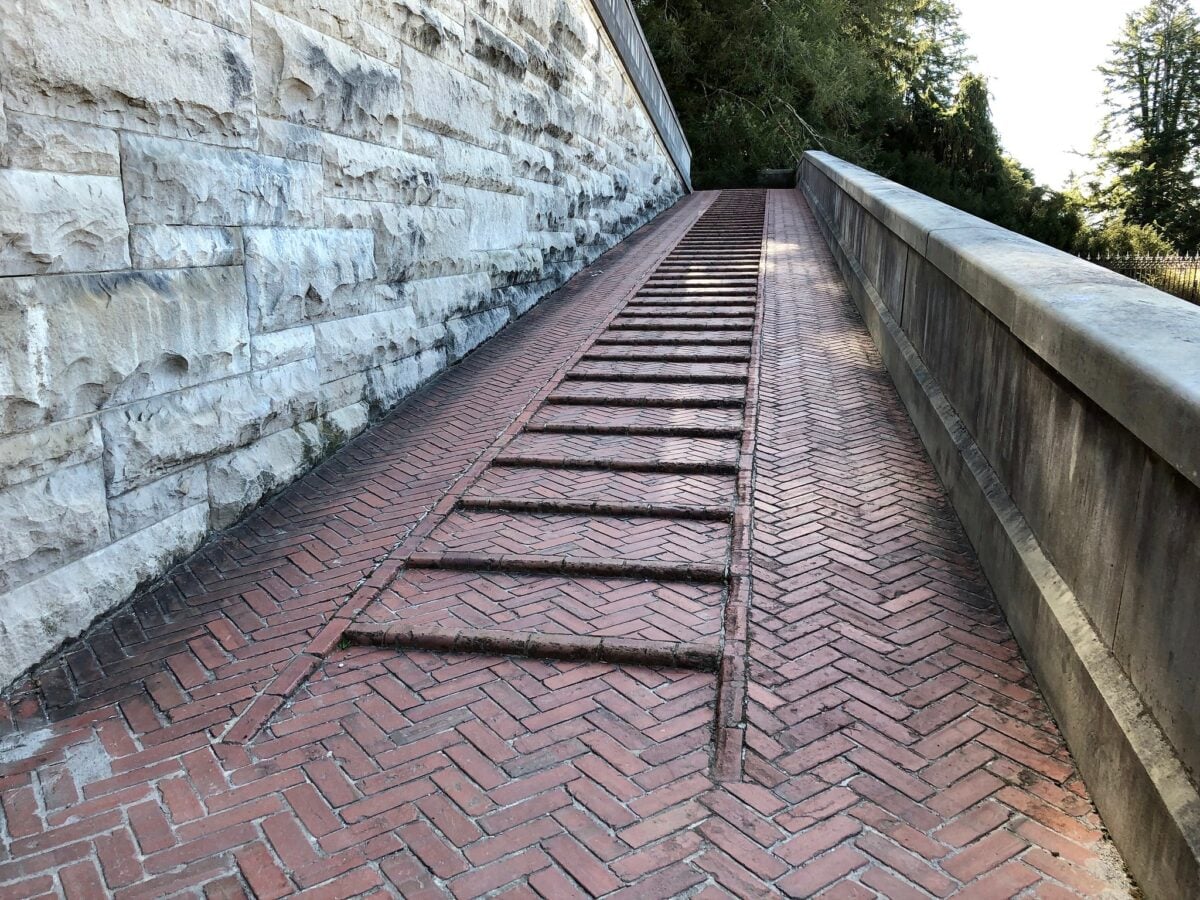
Accessibility ramps should help people with mobility challenges. But some designers create ramps so steep that they’re essentially stairs at an angle.
Others add steps to ramps, completely defeating their purpose. These designs ignore the fundamental point of a ramp.
Wheelchairs can’t climb stairs, no matter how gradual the incline. But someone approved these plans anyway.
The Two-Step Entry Problem

Front doors shouldn’t be an obstacle course. Yet many buildings feature entrances with awkwardly placed steps—sometimes just one or two—that seem designed to trip people.
These steps appear suddenly, with no warning, in places where the ground is already level enough that they’re unnecessary. You’re walking toward the entrance, distracted by your phone or a conversation.
The next thing you know, you’re stumbling over a completely avoidable step that adds nothing to the building’s function or appearance.
Diagonal Support Beams at Eye Level

Someone decided that placing metal beams at face height in walkways was acceptable. These diagonal supports might serve a structural purpose, but they create a hazard for anyone not paying close attention.
You see them in parking garages, underpasses, and building entrances. The positioning suggests nobody actually walked through the space during the design phase.
If they had, they would’ve realized that people of average height would constantly duck, weave, or risk a painful collision.
Light Switches Behind Doors
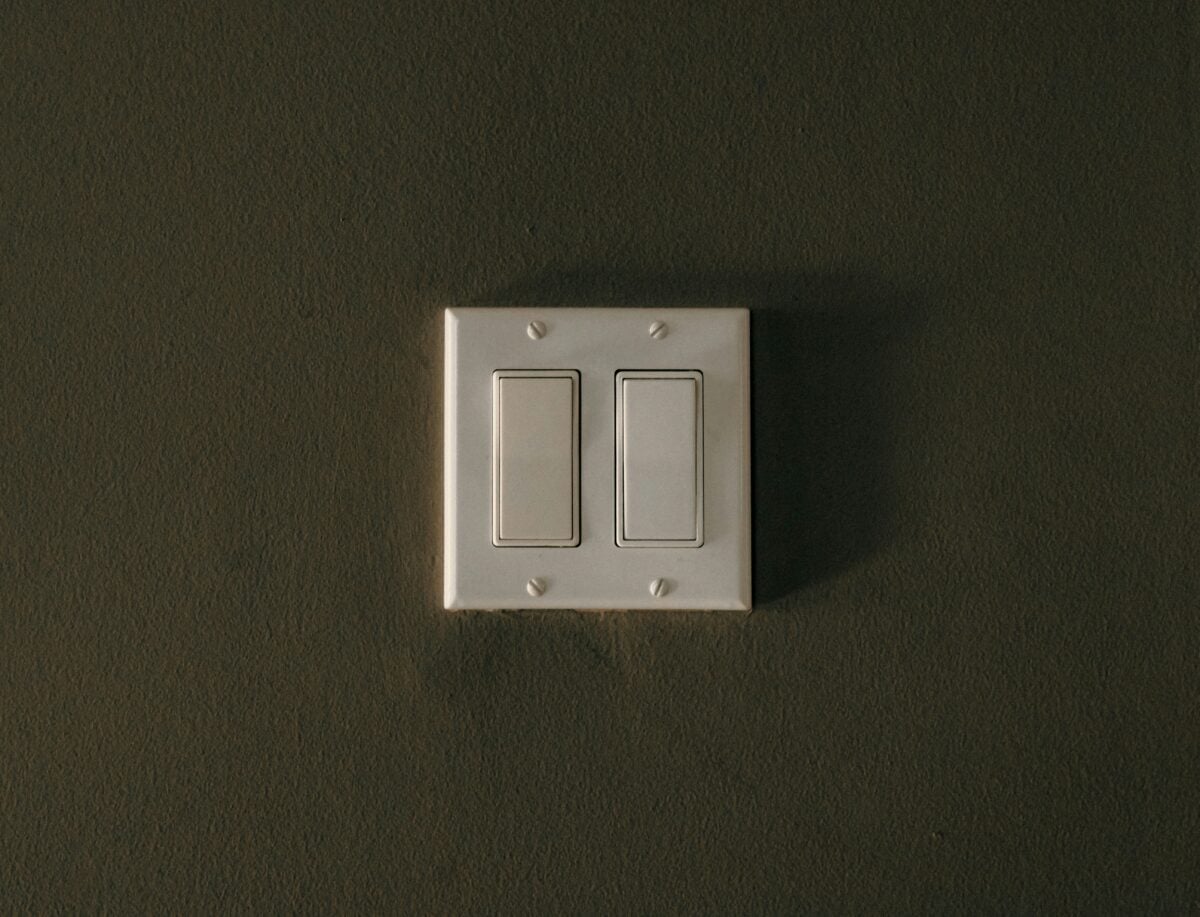
Flipping a light switch should be simple. But some placements require you to close the door first, reach around behind it, and fumble for the switch in the dark.
Others position switches so high or low on the wall that you need to stretch or crouch to reach them. These designs show a complete disconnect between the blueprint and real-world use.
The electrician put the switch exactly where the plans indicated, even though the location makes no practical sense.
Sinks Too Small for Hands

Public restrooms sometimes feature sinks so shallow and narrow that washing your hands means water splashing everywhere except where you need it. Your hands touch the sides of the basin, the faucet sprays directly onto the back wall, and you leave wetter than when you arrived.
The designer apparently never tested the sink before installation. Or they prioritized aesthetics over basic functionality.
Either way, the result is a fixture that fails at its primary job.
Balconies You Can’t Stand On
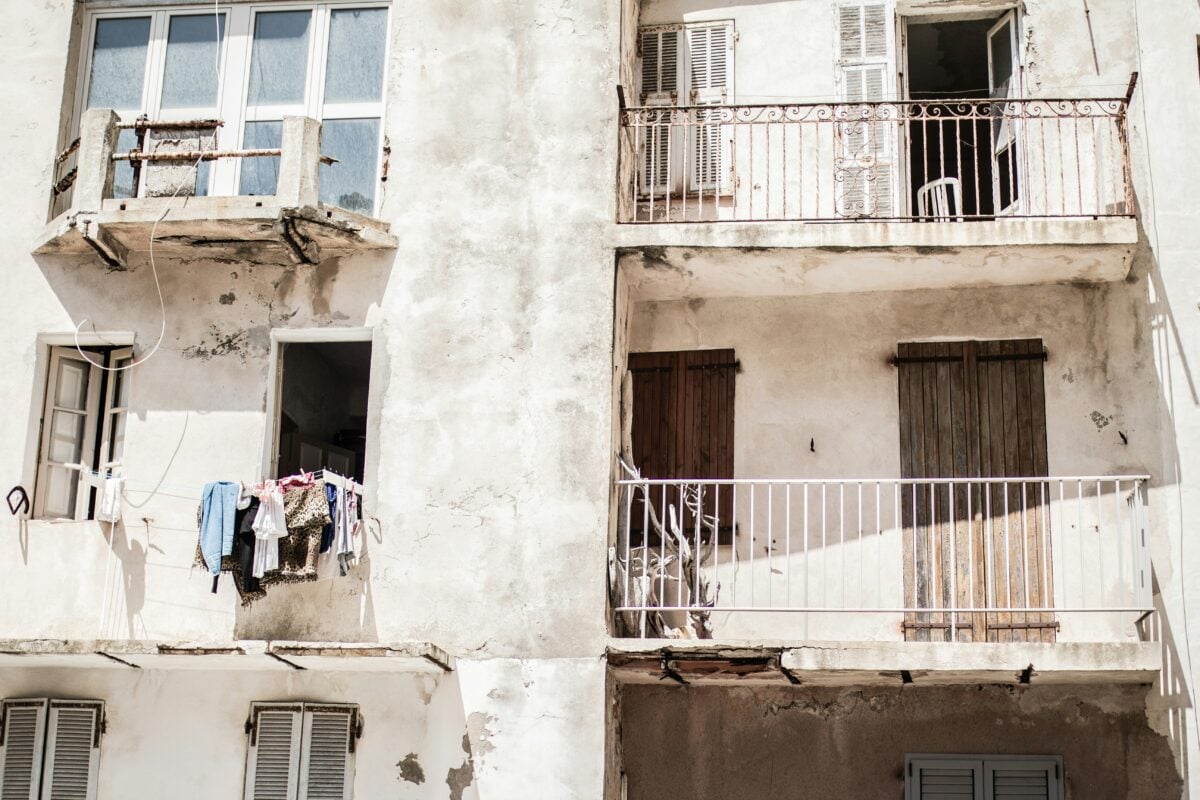
A balcony should offer outdoor space. But some buildings feature balconies barely wide enough for a single chair, with railings so low they feel dangerous, or doors that open outward and take up the entire available space.
Others have balconies that tilt slightly, creating an unsettling sensation when you step outside. These aren’t true outdoor spaces.
They’re architectural afterthoughts that exist mainly to let the building claim it has balconies.
Sloped Floors in the Wrong Places

Floors should be level. Ramps should slope.
But some buildings mix these up, creating gentle inclines in spaces where you expect flat ground. Kitchens with slanted floors mean dishes slide across counters.
Bedrooms with uneven surfaces make furniture wobble. The slope might be there to direct water somewhere, or because of foundation settling.
Regardless of the reason, it makes daily life slightly more difficult than it needs to be.
Ceiling Fans at Forehead Height

Ceiling fans belong on ceilings. Yet some installations place them low enough that tall people risk a concussion. These fans spin at head height in doorways, hallways, and rooms with low ceilings, creating a constant hazard for anyone above average height.
The installer followed the mounting instructions. The building has low ceilings.
But nobody considered that fans designed for standard eight-foot ceilings don’t work well in seven-foot spaces.
Handle Placement That Defies Logic
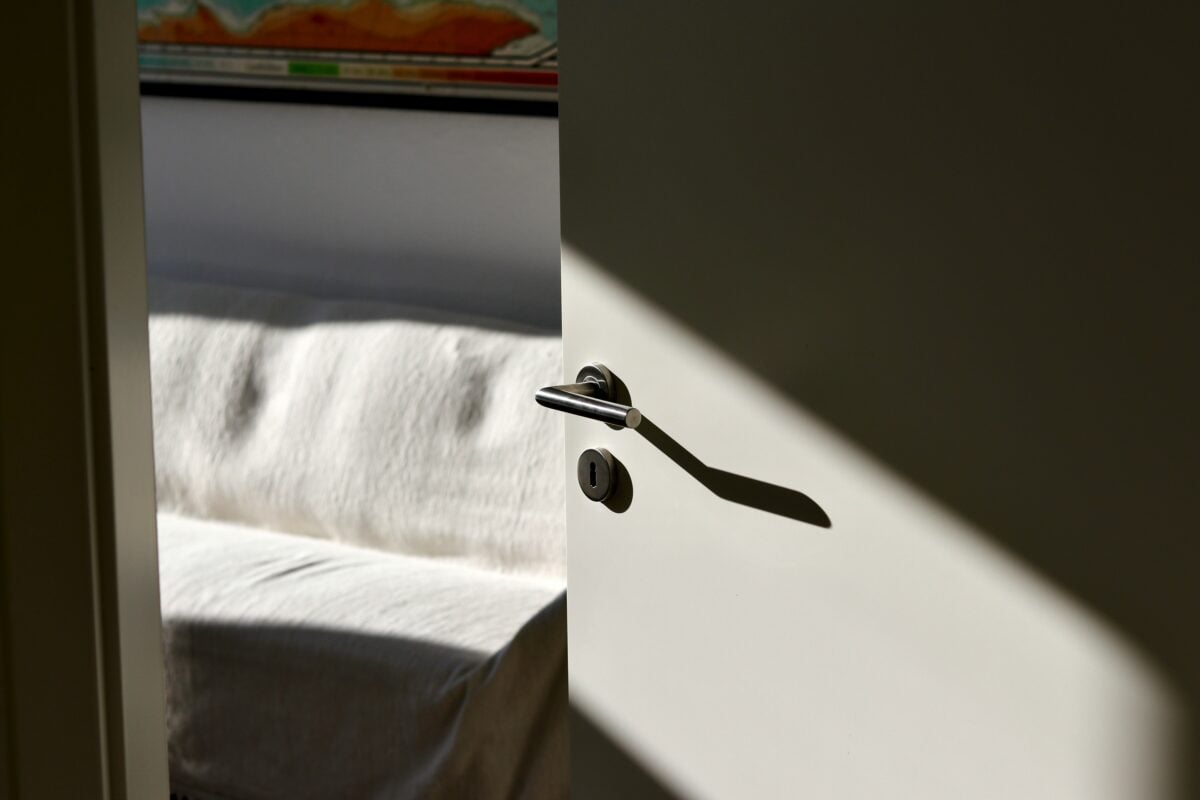
Door handles positioned too high or too low force you to reach awkwardly every time you enter or exit. Cabinet handles that face the wrong direction make opening them counterintuitive.
Shower controls are placed where water hits them directly before you can adjust the temperature. These small details add up.
Each misplaced handle represents a moment where someone designing the space didn’t think about how people would actually interact with it.
When Function Meets Fantasy

Architecture walks a line between creativity and practicality. Sometimes designers lean too far toward artistic vision and forget that people need to live and work in these spaces.
The result? Buildings that look interesting in renderings but frustrate everyone who uses them daily. These fails remind us that good design requires more than blueprints and building codes.
It needs someone to stop and ask—does this actually make sense for the humans who will spend time here? When that question goes unasked, you end up with stairs that lead nowhere and windows that should never have been installed.
More from Go2Tutors!

- The Romanov Crown Jewels and Their Tragic Fate
- 13 Historical Mysteries That Science Still Can’t Solve
- Famous Hoaxes That Fooled the World for Years
- 15 Child Stars with Tragic Adult Lives
- 16 Famous Jewelry Pieces in History
Like Go2Tutors’s content? Follow us on MSN.