33 Household Sounds That Disappeared as Technology Took Over
There’s a particular kind of grief that comes without a name — the kind you feel when you realize a sound you’ve heard your entire life has simply stopped existing.
No announcement, no farewell.
One year it was there, part of the background hum of daily life, and then somewhere along the way, it wasn’t.
The dial-up screech, the snapping of a film cartridge, the satisfying clunk of a rotary phone being hung up.
These weren’t just sounds.
They were timestamps — sonic proof that something was happening, that a machine was working, that life was moving forward in a particular direction.
Technology didn’t just replace these sounds.
It replaced them with silence, or worse, with a clean, frictionless nothing that registers barely at all.
The Dial-Up Modem Handshake
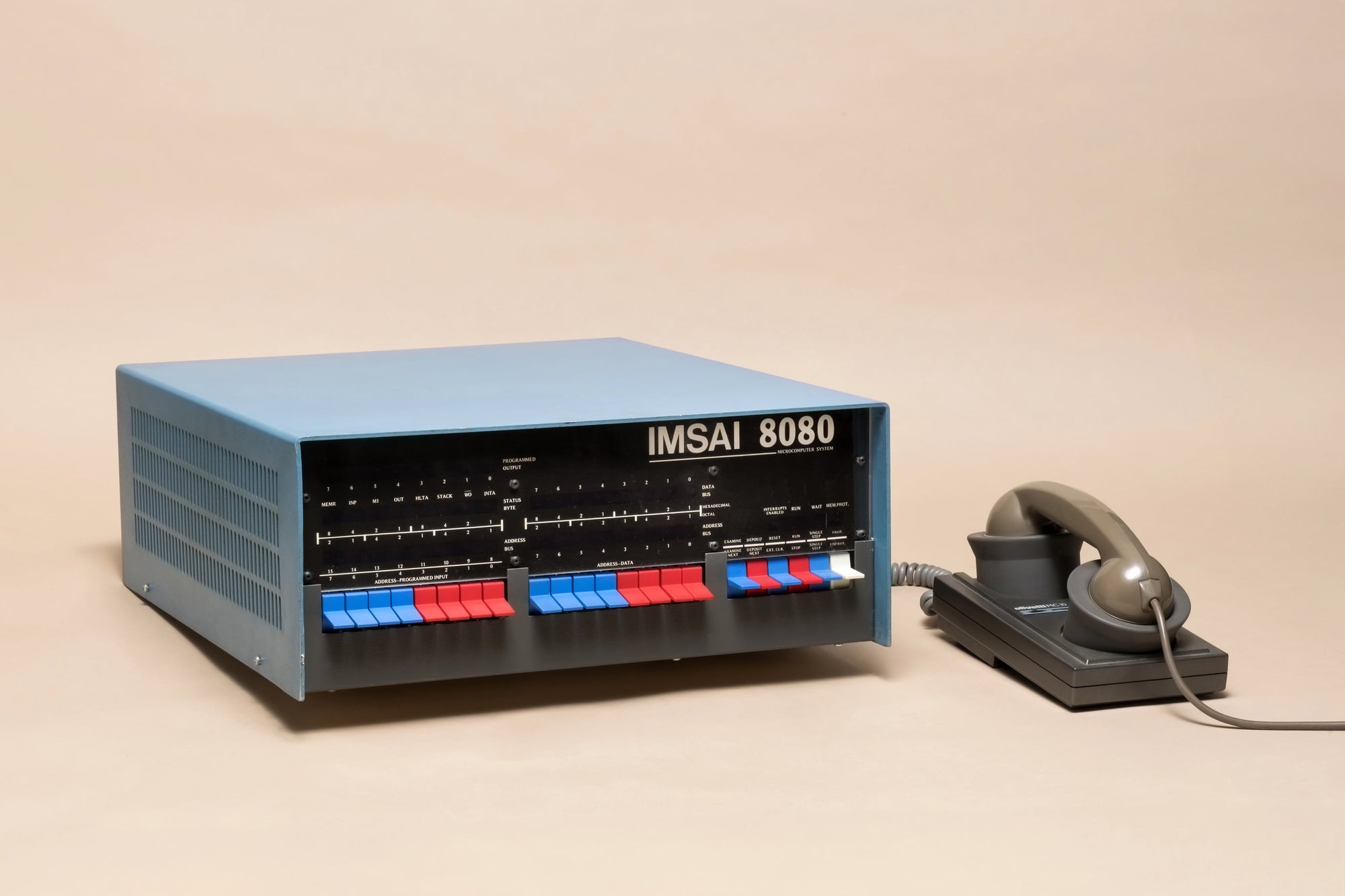
Nothing in the history of domestic technology announced itself quite like a dial-up modem connecting to the internet.
That sequence — the dialing tones, the static, the screech, the negotiation — lasted nearly 30 seconds and told you, loudly and without apology, that something genuinely complex was happening inside your phone line.
Broadband erased it completely, replacing one of the most distinctive sounds of the 1990s with a router you never think about.
The Rotary Dial Returning
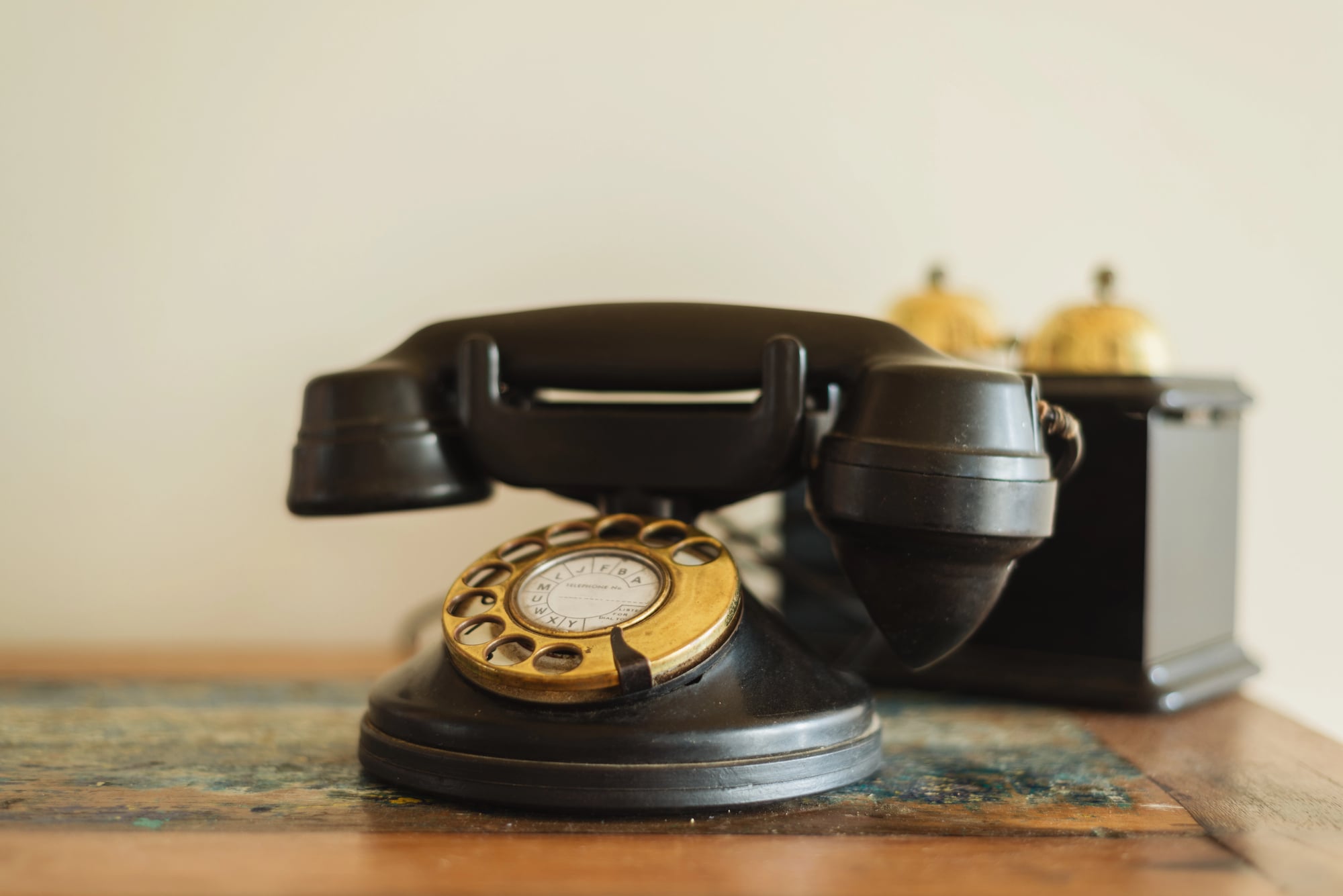
A rotary phone dial didn’t just let you make a call — it made you earn it.
Each number required pulling the dial to its stop, releasing it, and waiting for the satisfying mechanical return before starting the next digit.
So dialing a number with several nines in it was practically a commitment.
Touch-tone phones made that whole ritual obsolete in a single product generation.
The Typewriter Carriage Return

The typewriter carriage return was percussion, plain and simple — a sharp bell, a physical lever thrown, the carriage sliding back with a clean mechanical thud.
It marked the end of every line like punctuation you could hear, a small rhythmic ceremony that made the act of writing feel physical and consequential.
Word processors kept the line break but retired the ceremony entirely.
The VHS Tape Rewinding
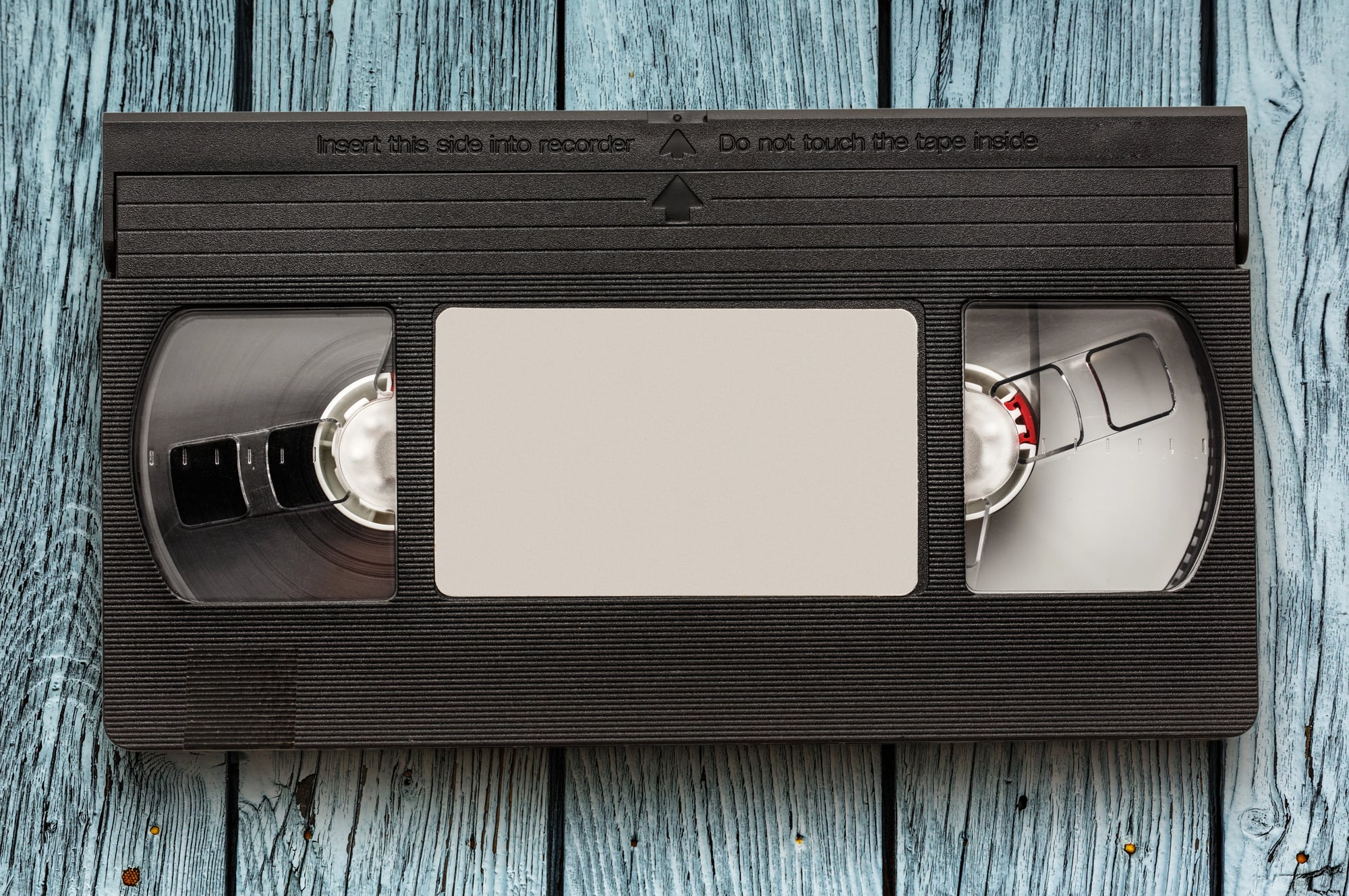
The VHS rewind was a domestic institution — that whirring mechanical growl from inside the VCR, building in pitch as the tape spooled back to the beginning, sometimes lasting a full two or three minutes for a feature-length film.
Video rental stores used to charge you a fee if you didn’t rewind.
DVDs eliminated the concept of rewinding altogether, and with it, one of the most reliable background sounds of family movie night.
The Busy Signal

The busy signal was blunt in a way that modern technology has stopped being.
Two short tones, repeating, telling you in plain terms: someone else is on the line, and you will have to wait.
It required patience, redialing, and a kind of acceptance that communication had limits.
Call waiting, voicemail, and eventually cell phones conspired to make the busy signal essentially extinct — which is, to be fair, less charming than it sounds.
The Film Camera Winding

Film cameras advanced the roll mechanically after each shot — a short, decisive whirr or manual wind that closed out one frame and readied the next.
It was a built-in pause, a small enforced breath between photographs.
Digital cameras removed that pause entirely, and then smartphones removed the camera altogether, replacing both the sound and the deliberateness with the capacity to take 300 photos of the same meal without stopping once.
The Answering Machine Tape Clicking
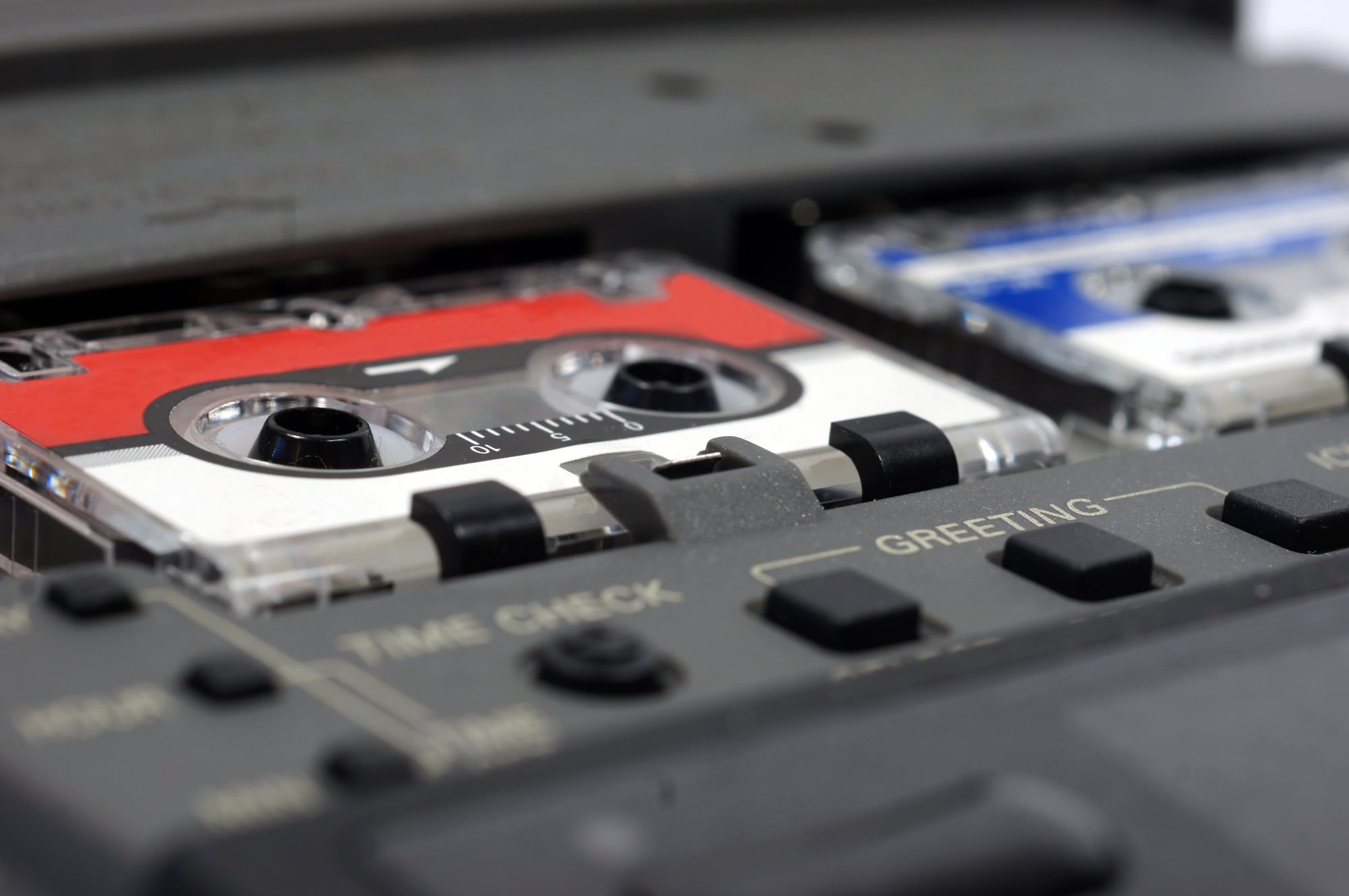
The answering machine tape had a particular click when it reached the end of a recorded message — a tiny mechanical punctuation mark that separated one message from the next.
Listening to your messages meant sitting through each one in sequence, at the speed it was recorded, while the tape physically moved.
Voicemail digitized the whole process and took the click with it, along with any sense that messages had a physical existence.
The Fax Machine Shriek
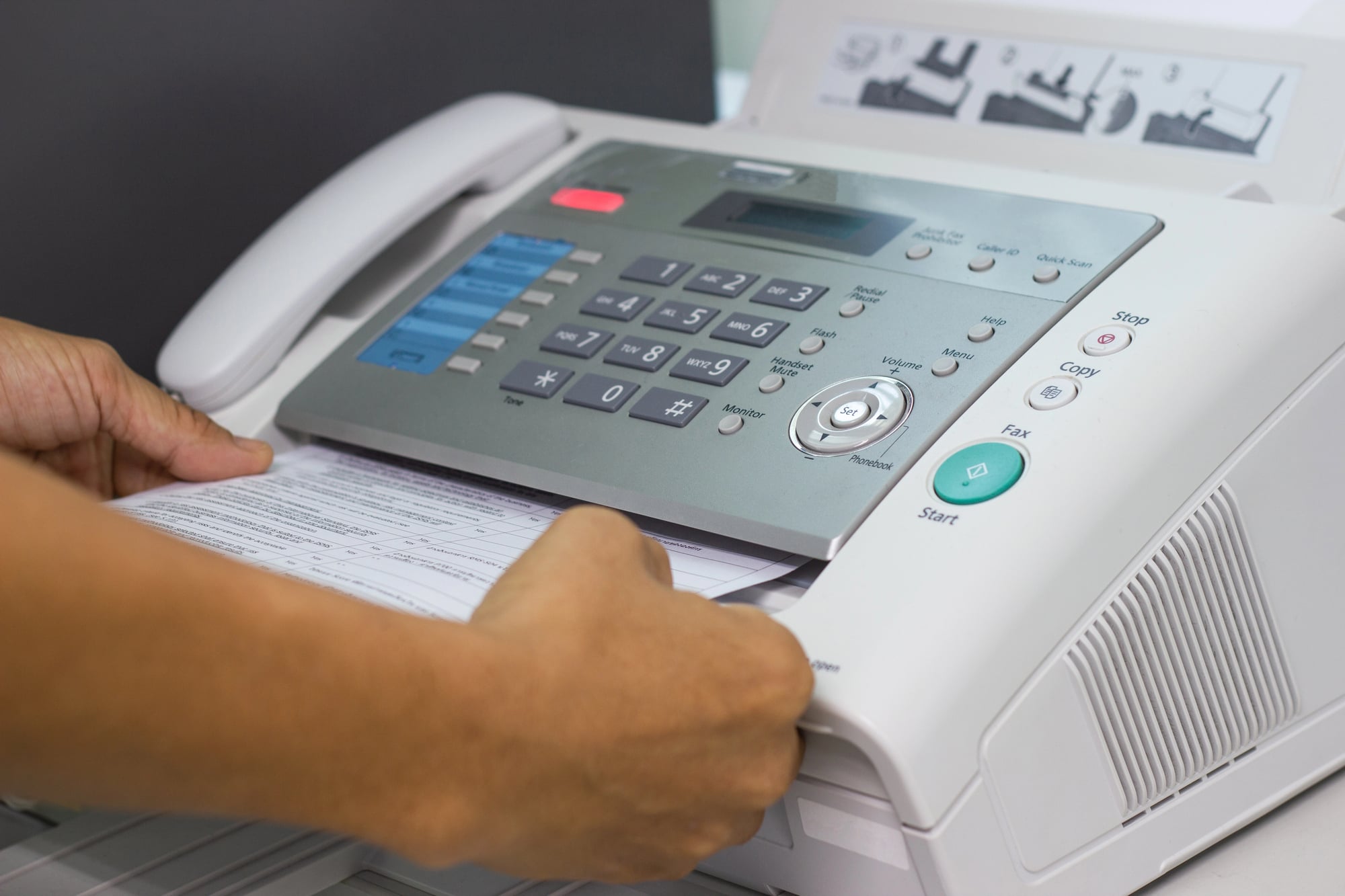
The fax machine was not a polite piece of equipment.
When it connected to another machine, it announced the fact with a high-pitched electronic handshake that landed somewhere between a smoke alarm and a modem — and if you accidentally picked up the phone during an incoming fax, it hit you directly in the ear without warning.
Email killed the fax machine slowly and then all at once, which most open-plan offices considered a mercy.
The Encyclopaedia Spine Cracking

A newly opened encyclopaedia volume had a spine crack that was almost ceremonial — that stiff, cold resistance of pages that hadn’t been opened yet, giving way with a sound that meant you were about to look something up the slow way.
It was the sound of effort before information, a small friction the internet abolished entirely.
Now the gap between a question and its answer is measured in milliseconds, and that crack belongs to a world that no longer exists.
The Film Projector Reel Clicking
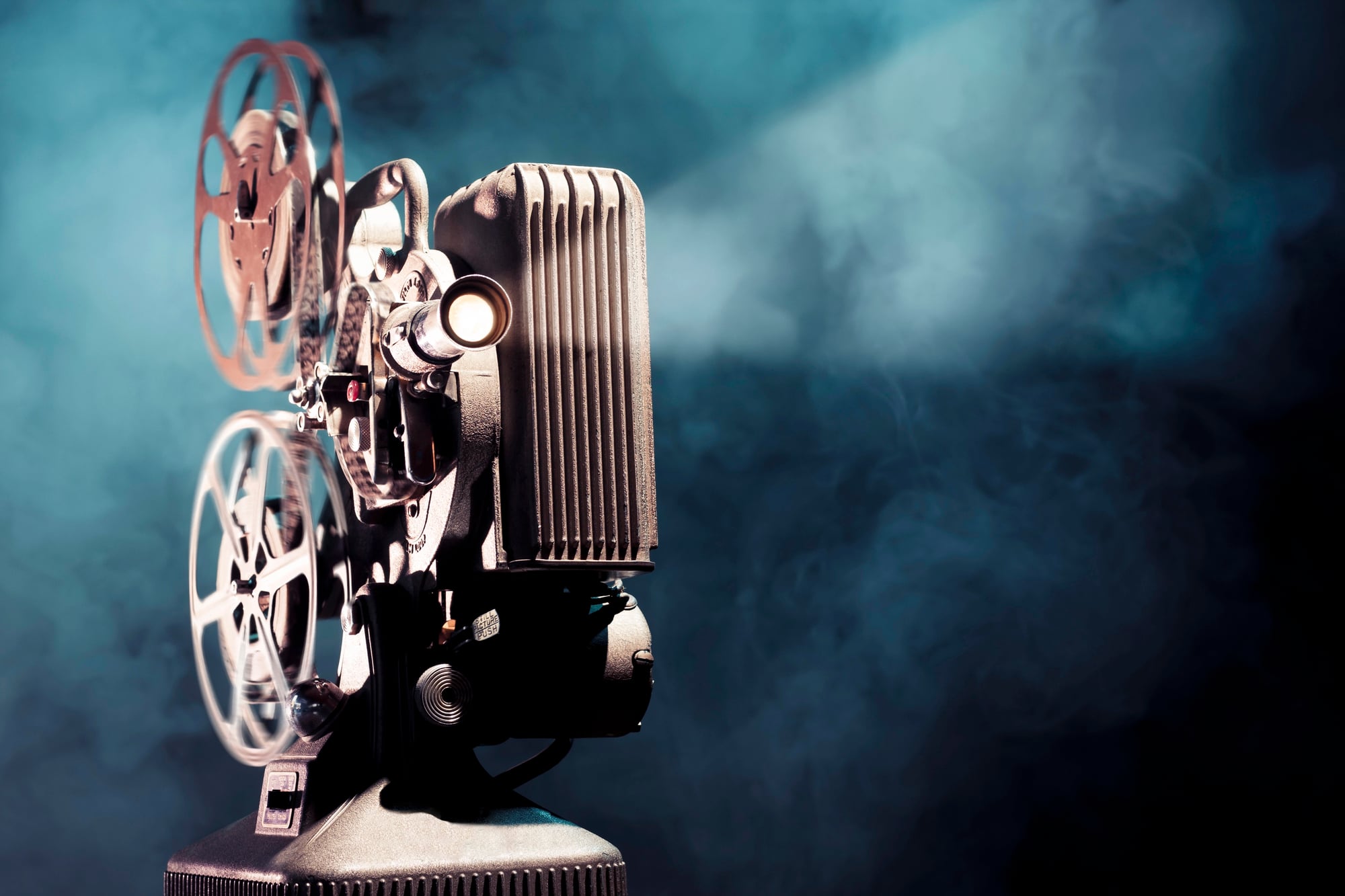
Home film projectors clicked steadily through each frame at a rhythm that was as much a part of family movie night as the film itself — a mechanical heartbeat running underneath every birthday party, every vacation, every Christmas morning captured on Super 8.
The sound and the image were inseparable, one feeding the other.
DVD players and then streaming services took the image and left the clicking behind, and living rooms became quieter for it in a way that isn’t entirely a gain.
The Cash Register Bell

Old mechanical cash registers rang a bell on every sale — an actual, physical bell struck by a lever connected to the transaction, announcing each completed purchase to anyone within earshot.
It was commerce with a soundtrack.
Electronic point-of-sale systems replaced it with a beep, or no sound at all, and something genuinely satisfying about the ritual of buying things got quietly retired alongside it.
The Television Warming Up
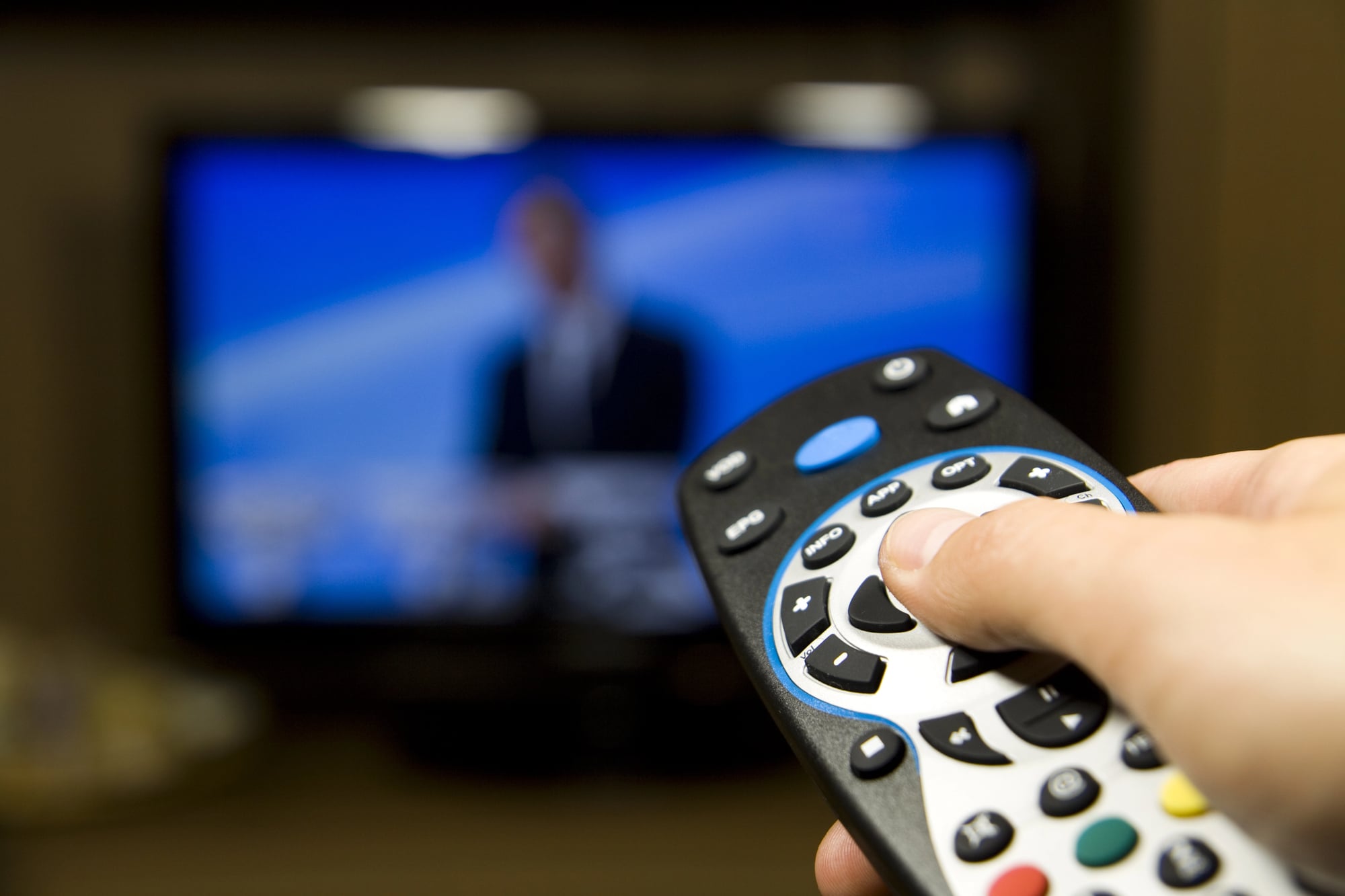
Older cathode-ray televisions took a moment to warm up — a low hum followed by the picture blooming out from a single bright point in the center of the screen.
That warm-up sound was the TV announcing it was ready, a small ceremony before the viewing began.
Modern flat screens arrive at full brightness instantly, silently, with no acknowledgment that something just switched on.
The Typewriter Keys Striking

The typewriter keystroke was full-bodied: a mechanical arm swinging up, striking a ribbon, pressing ink into paper — each key with its own weight and resistance, the whole machine trembling slightly with every word.
Writing on a typewriter sounded like writing, and the sound gave the work a physical reality that staring at a glowing screen simply doesn’t replicate.
Laptop keyboards have gotten thinner and quieter with every generation, and the mechanical clatter that accompanied a century of written work has become a niche hobby product.
The Polaroid Camera Ejecting
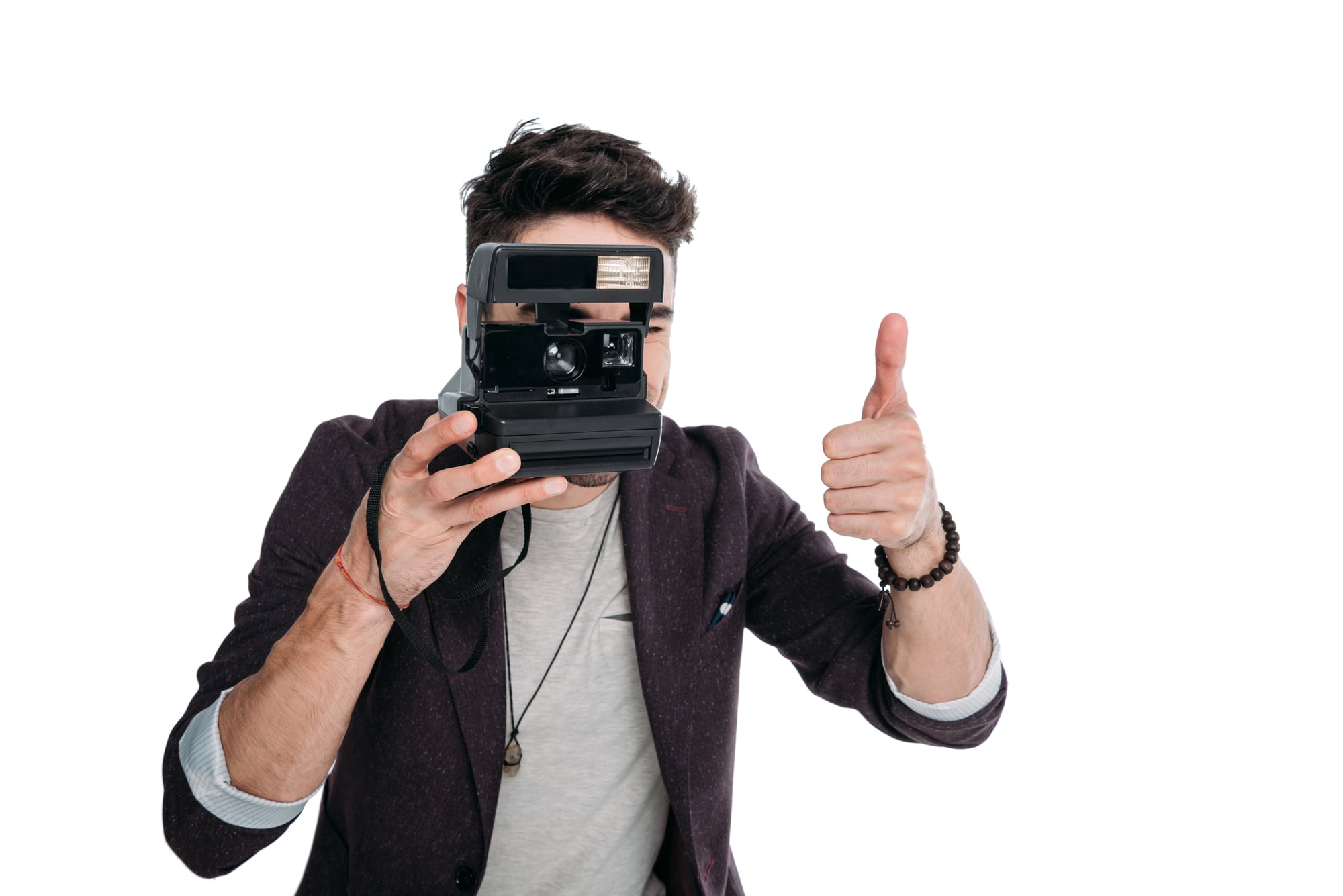
The Polaroid camera didn’t just take a photo — it delivered one, with a motorized whirr and a mechanical ejection that produced a small, warm square of potential sliding out from the front of the camera.
That sound was anticipation made audible: the image existed but hadn’t arrived yet.
Instant digital preview made the wait obsolete, and the sound went with the waiting.
The Rotary Phone Ringing
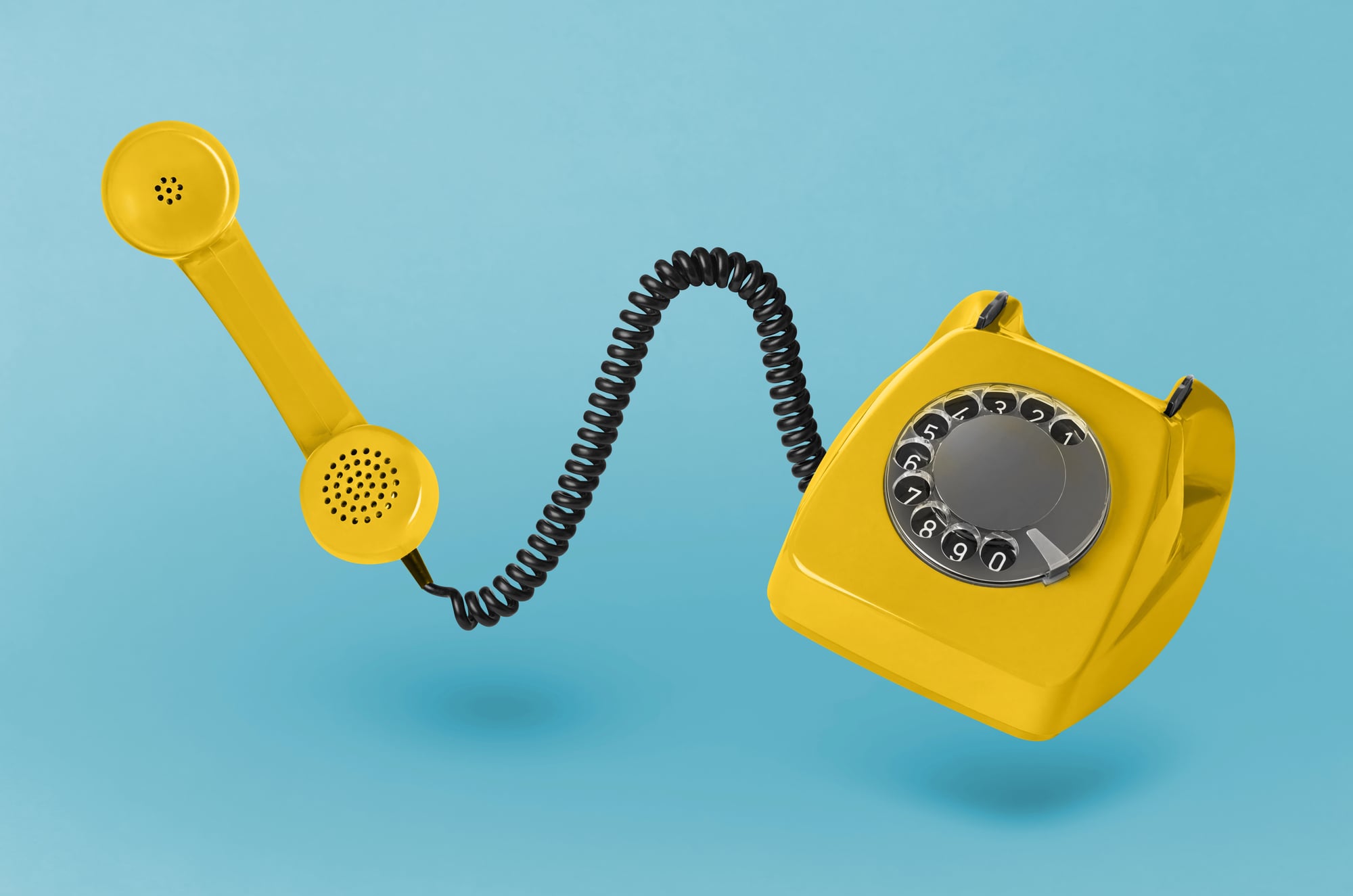
A rotary phone rang with an actual bell — two metal bells struck alternately by a small hammer, producing a ring that was impossible to sleep through and didn’t try to be.
It had authority.
Modern smartphones default to tones, jingles, or vibrations calibrated to be unobtrusive, which is useful and also somewhat spineless compared to a bell that could be heard from two rooms away through a closed door.
The Radio Dial Tuning
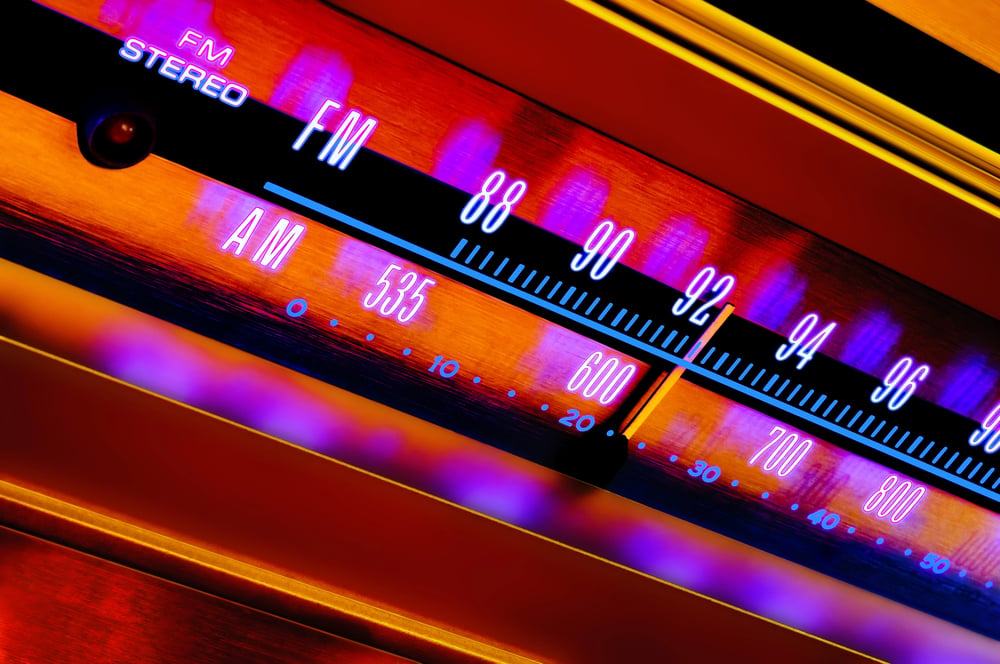
Tuning an analog radio meant physically turning a dial and listening for the station to emerge from static — a slow sweep through white noise and ghost signals until the frequency locked in and the music arrived cleanly.
It was active listening before the song even started.
Digital tuners and streaming services jumped straight to the destination and eliminated the search entirely, along with the occasional surprise of stumbling onto something you weren’t looking for.
The Dot Matrix Printer
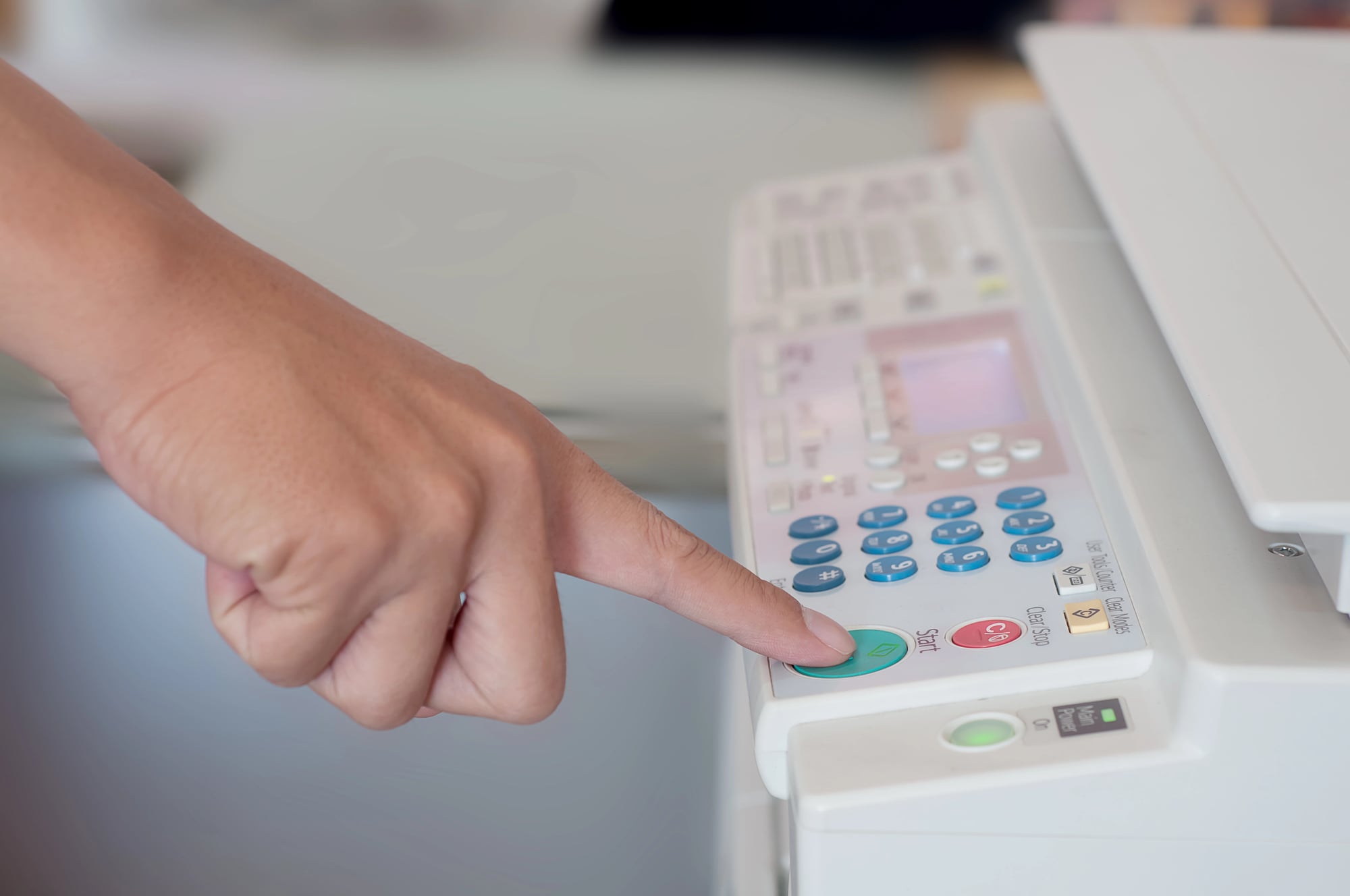
The dot matrix printer announced every document it produced with a grinding mechanical chatter that traveled through walls and could be heard clearly from the next room.
Each character was assembled from a grid of tiny pins striking an inked ribbon, and the combination of speed and force made a sound somewhere between a sewing machine and a very small jackhammer.
Inkjet and laser printers are whisper-quiet by comparison, which is an improvement that still somehow feels like a loss.
The Landline Phone Hanging Up
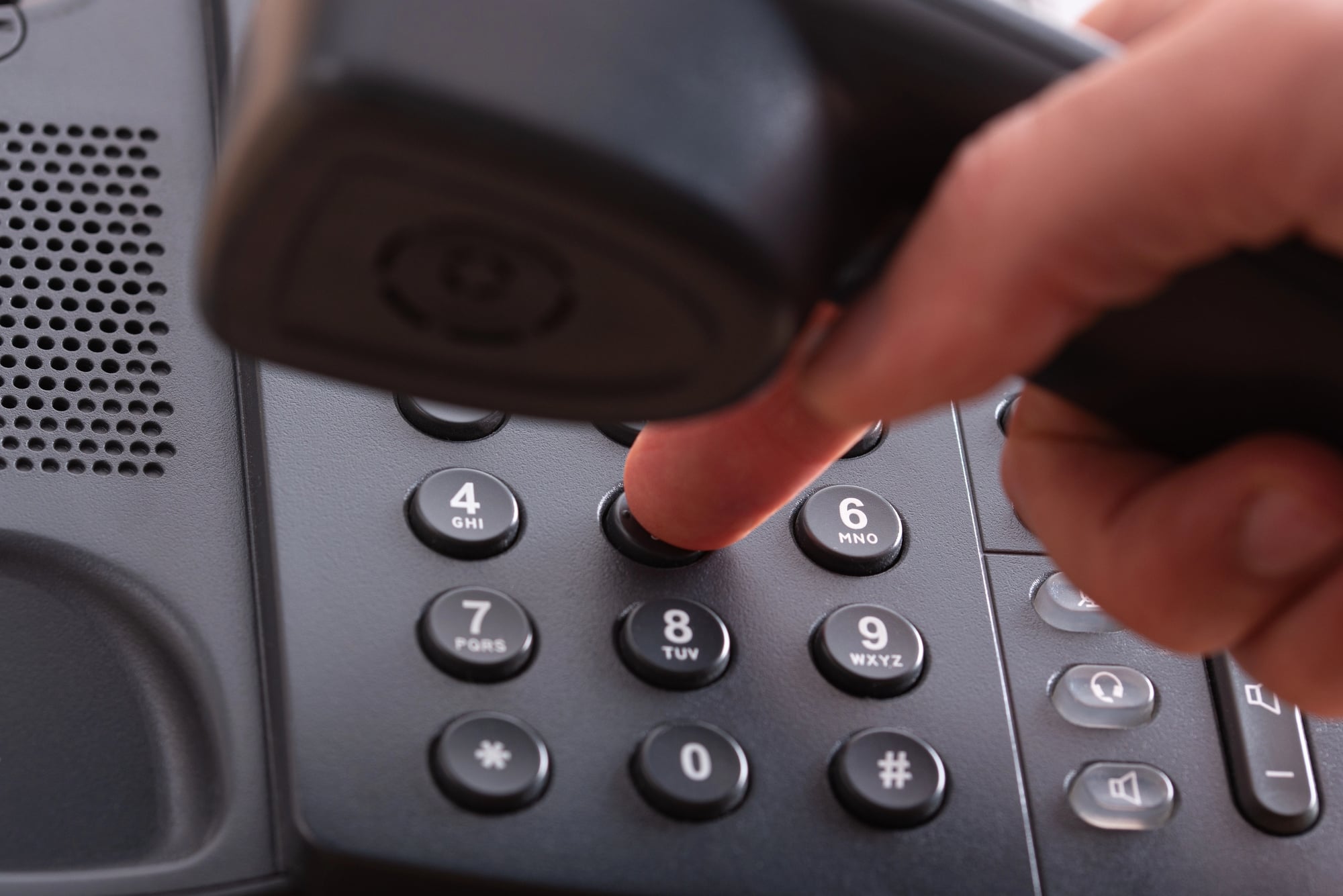
Hanging up a landline phone produced a sound — a definitive plastic-on-plastic clunk that had genuine mass to it, the handset dropping into the cradle and ending the call with a finality you could hear.
Ending a cell phone call is a tap on glass.
The clunk conveyed something the tap doesn’t: that the conversation is over, completely and physically, and there’s no ambiguity about it.
The Slide Projector Advancing
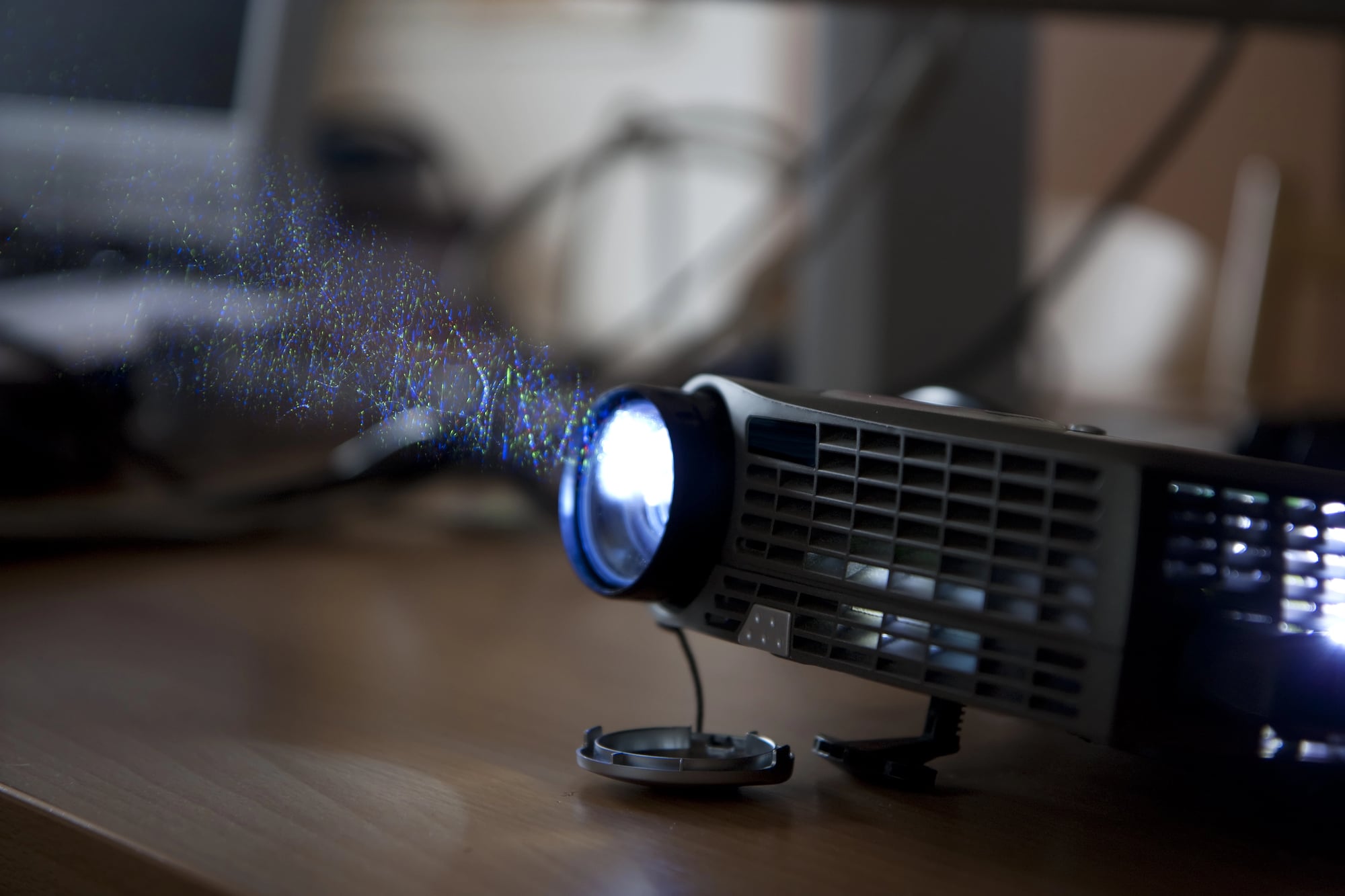
The slide projector advanced each frame with a mechanical click and a brief dark interval between images — a rhythm that paced every family slideshow at a speed that required someone to actually stop and narrate.
It imposed a slowness that felt deliberate, even when it wasn’t.
Digital photo slideshows can move at any speed and usually move too fast, which is a different experience dressed up as the same one.
The Ice Tray Cracking

Before refrigerators built automatic ice makers into their freezer doors, getting ice meant filling a metal or rigid plastic tray, freezing it, and then twisting it sharply to crack the cubes free — a sound that was part crack, part pop, part ice shifting in the tray.
It was a small domestic percussion that required effort and produced a satisfying result in direct proportion.
Automatic ice makers deliver ice silently and continuously, which is objectively better and also completely uninteresting.
The Electric Typewriter Hum
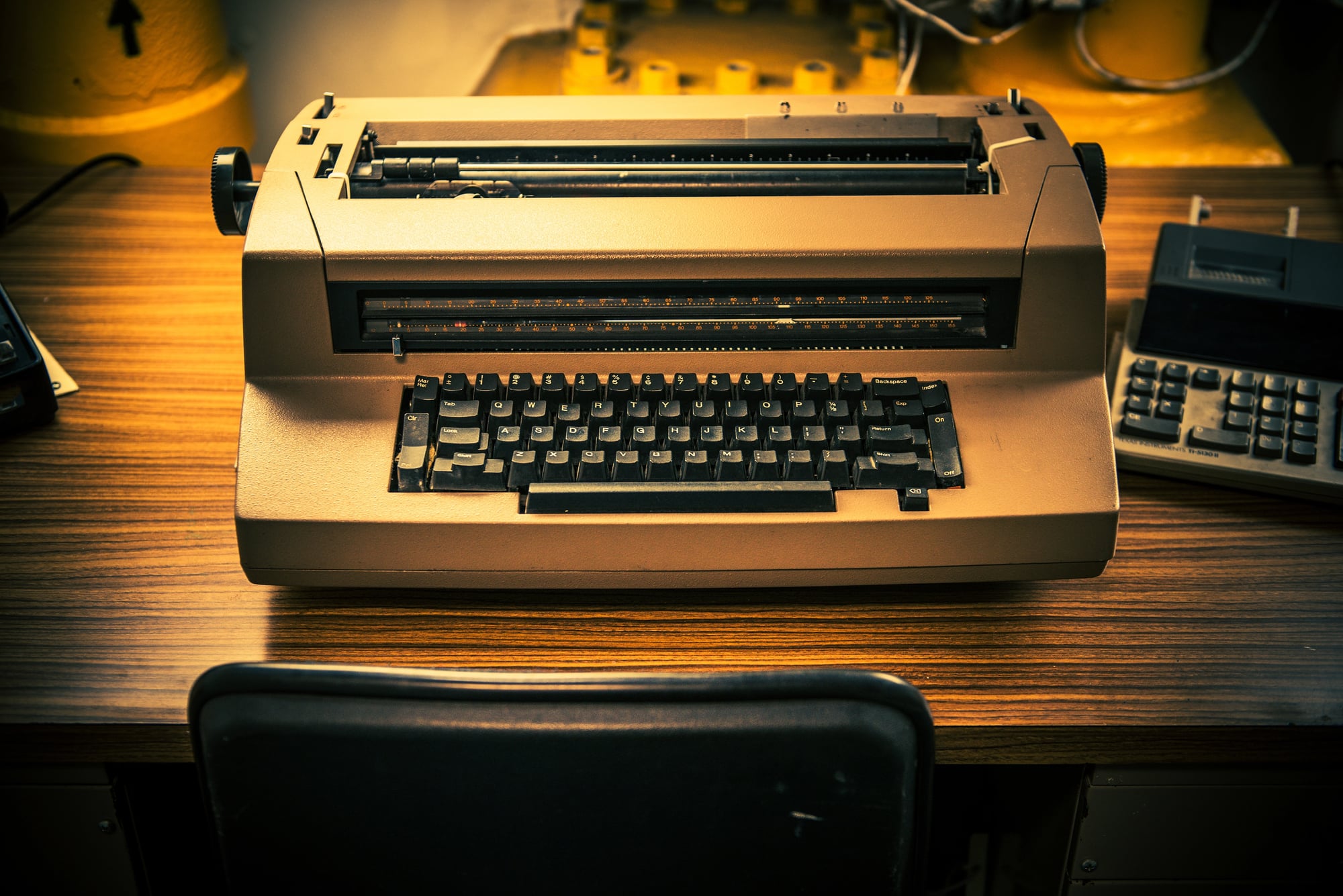
Electric typewriters hummed constantly while plugged in — a low, steady motor noise that meant the machine was ready and waiting.
Typists worked against that hum every day, and after enough time, they stopped hearing it the way you stop hearing the refrigerator.
But the absence of it in an office that had switched to computers was noticeable in a way that took weeks to fully register.
The Wristwatch Ticking
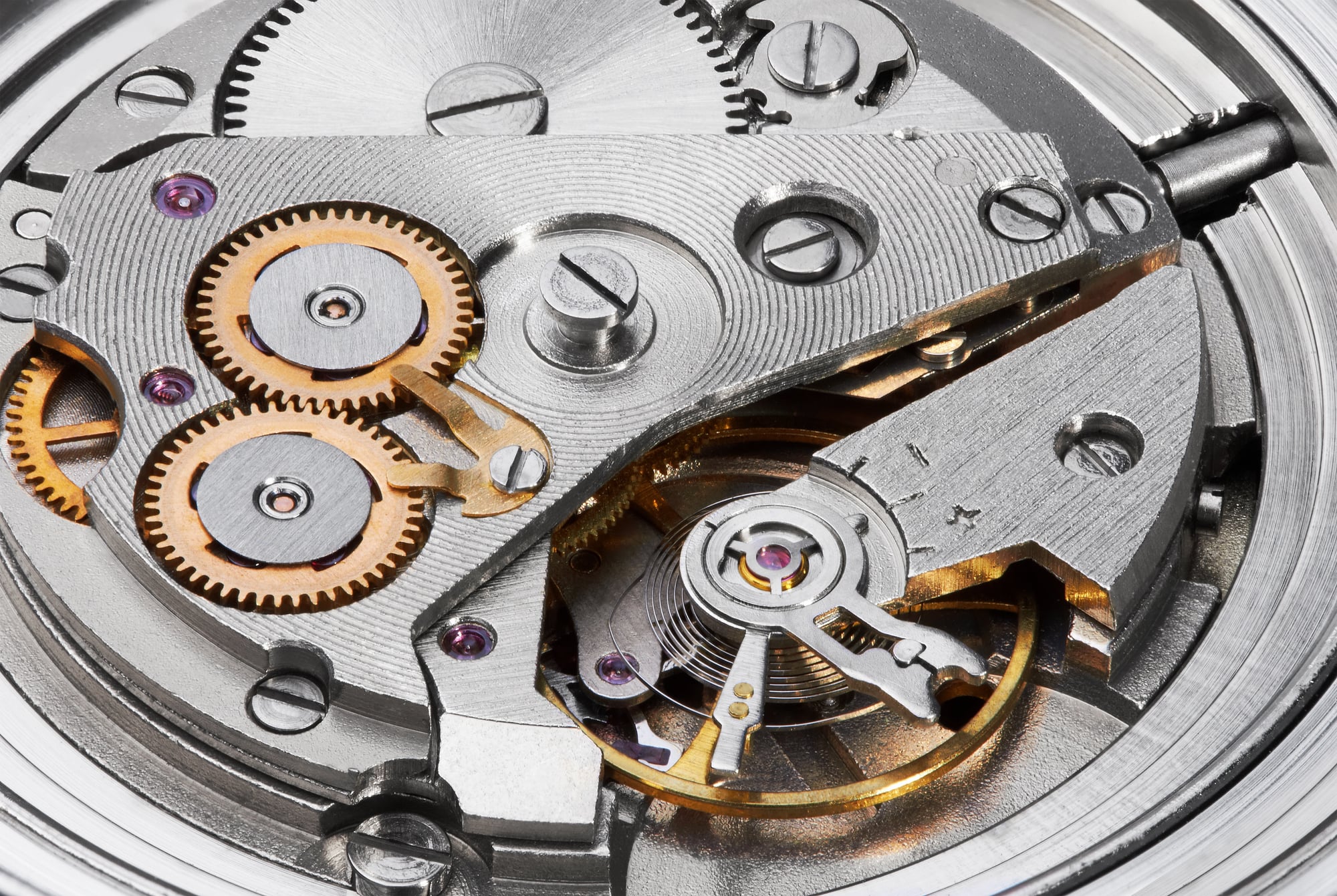
Mechanical and early quartz wristwatches ticked — not loudly, but audibly, especially in quiet rooms.
A ticking watch on your wrist was a small, constant reminder that time was physically moving, that something inside the watch was working to track it.
Smartwatches and digital displays are silent.
The seconds pass without acknowledgment.
The Cassette Tape Clicking Into Place
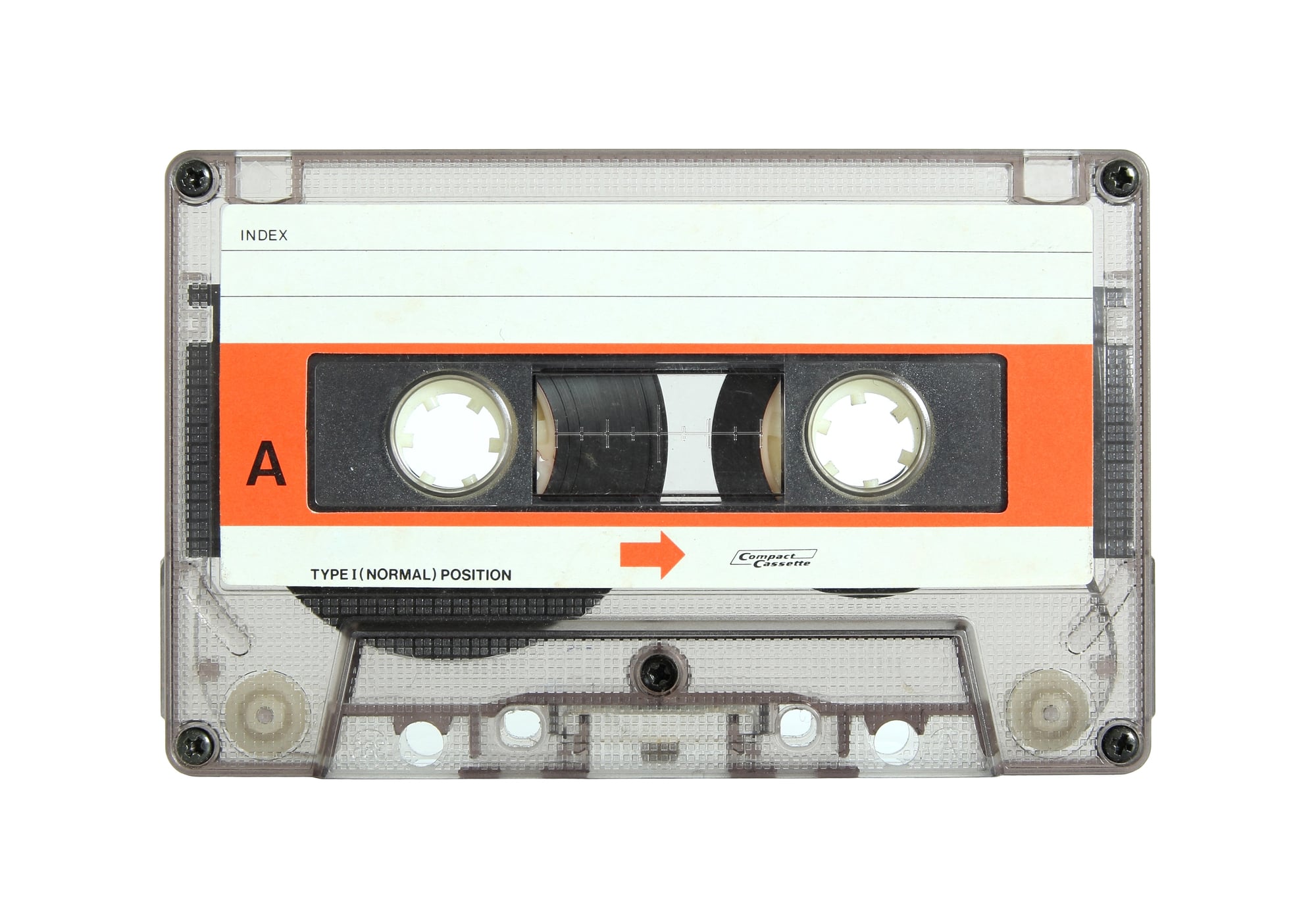
Loading a cassette tape into a deck involved pressing it in until it clicked into the mechanism — a satisfying, tactile snap that confirmed the tape was seated and ready to play.
Then pressing Play produced a second click as the heads engaged.
Those two sounds together were a ritual, and the music that followed felt earned in a small but genuine way.
Streaming music requires nothing.
The Dial Telephone Operator Tone

Before direct dialing was universal, placing a long-distance call often meant waiting for an operator tone — a specific, distinctive sound that preceded the connection and let you know the call was being routed through the telephone exchange.
It was the audible signature of a human-mediated infrastructure, of operators physically plugging cables into boards.
That entire system, and every sound it made, was engineered out of existence over several decades.
The Electric Can Opener
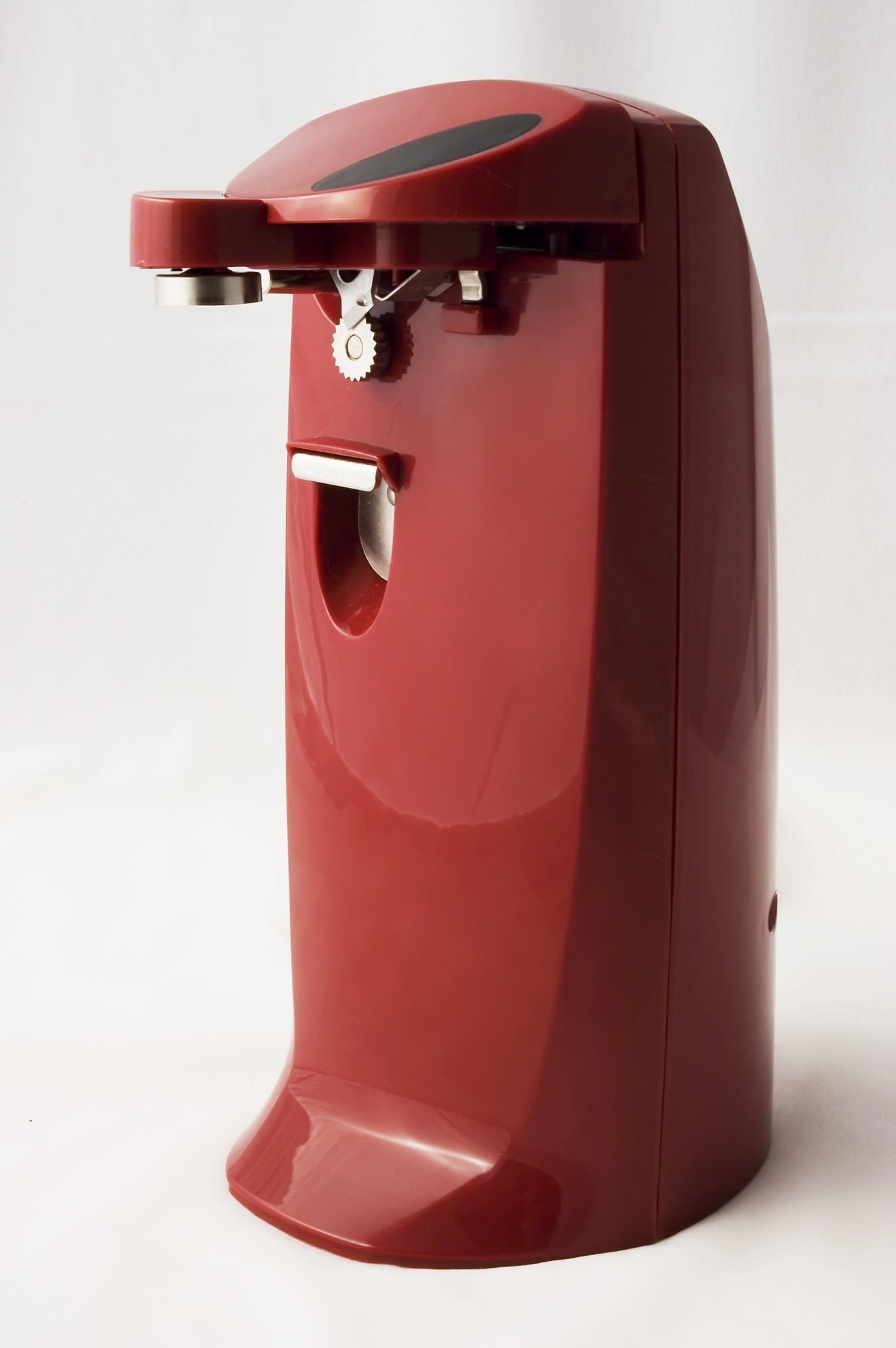
The electric can opener produced a specific grinding motor sound as the can rotated under the cutting wheel — a high-pitched whirr that meant dinner was approximately three minutes away.
The manual can opener replaced it in many kitchens, but what actually finished off the electric model was the pop-top lid, which now appears on most canned goods and requires no opener at all.
The sound didn’t disappear so much as become unnecessary.
The Thermal Fax Paper Curling
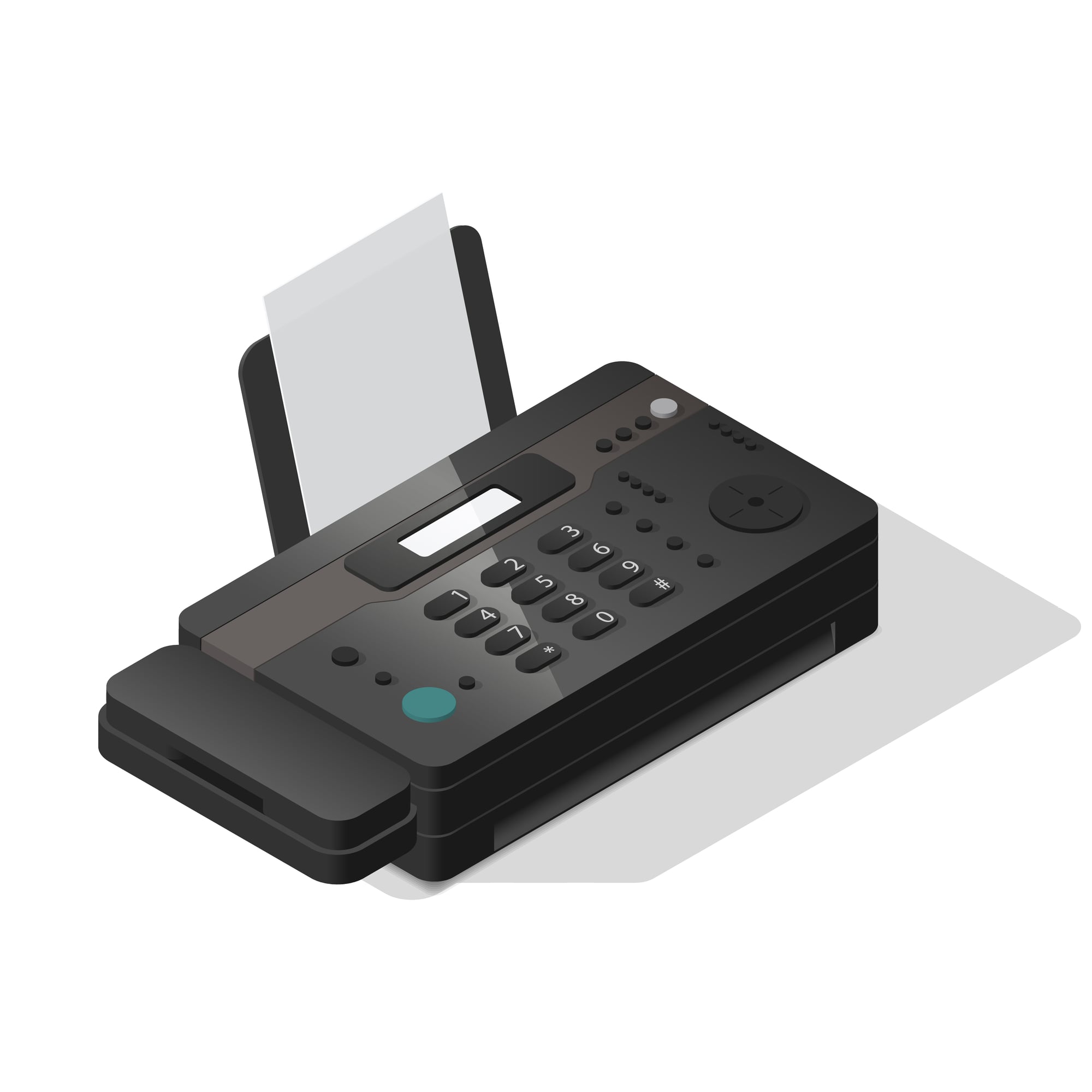
Thermal fax paper had a particular character when it came off the roll — a thin, slightly waxy paper that curled at the edges and smelled faintly of the heating element that had printed on it.
Picking up a fax and uncurling it was a physical act with its own small sounds: the crinkle of the paper, the soft resistance of the curl.
Email didn’t just replace faxing; it replaced every material quality of the thing.
The Grandfather Clock Chiming
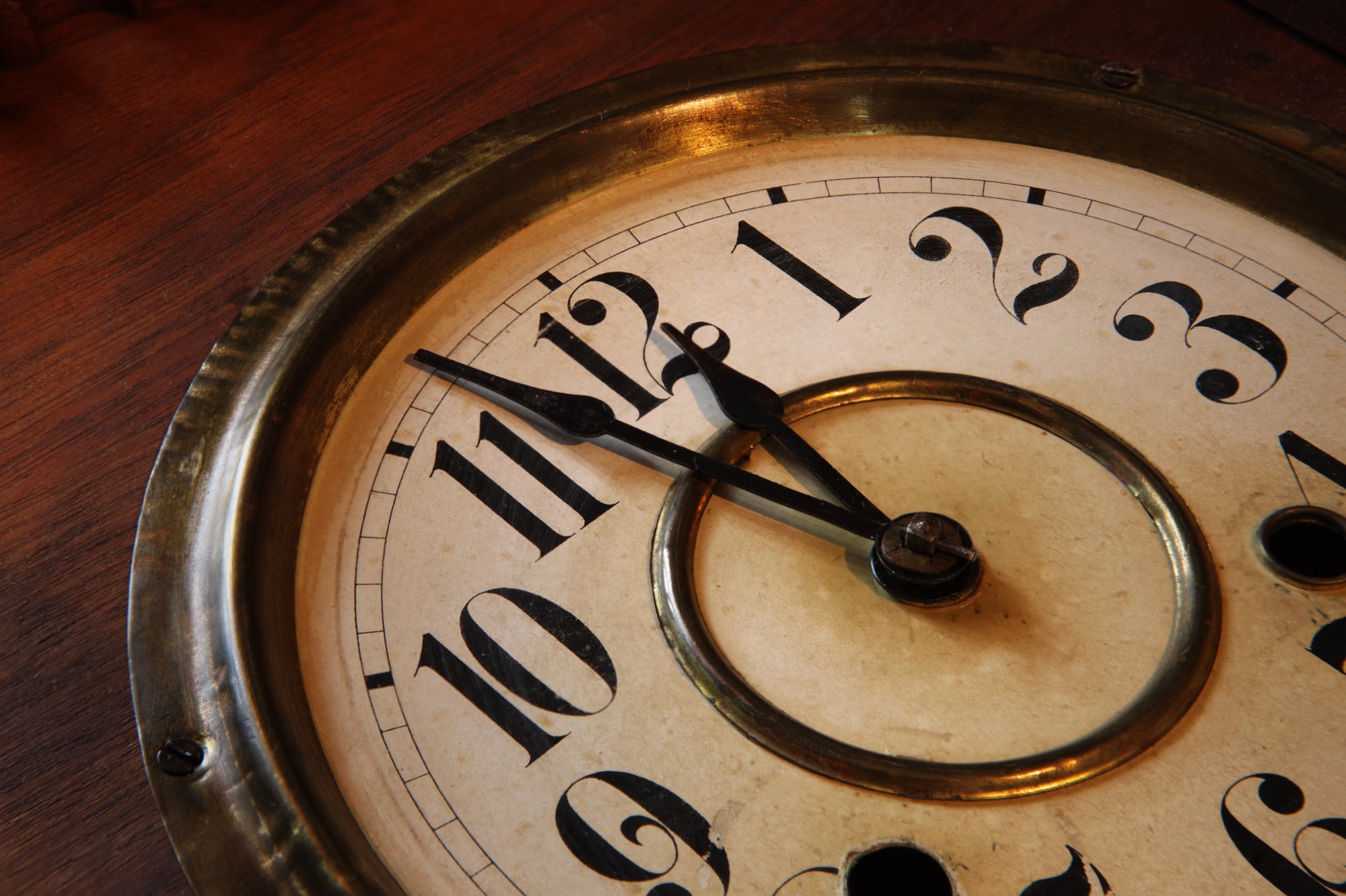
Grandfather clocks chimed on the quarter hour, the half hour, and the hour — a sequence of tones that organized the household day whether anyone asked them to or not.
They were fixtures, furniture that told time loudly and at regular intervals.
Quartz clocks and then digital displays made the chiming mechanism unnecessary, and most homes went from being acoustically aware of time to being entirely silent about it.
The Record Player Needle Dropping
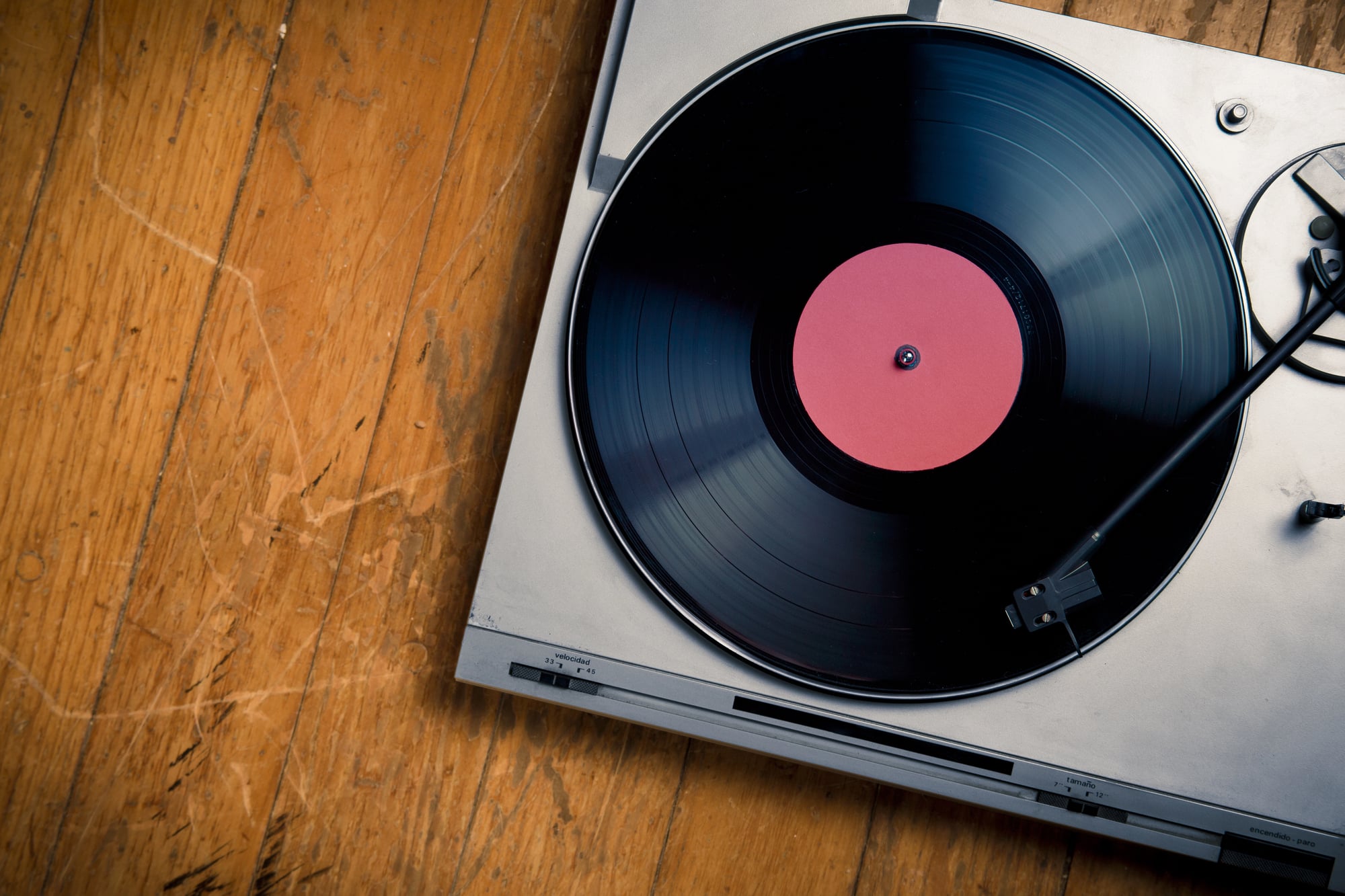
Dropping a needle onto a vinyl record produced a brief, intimate crackle before the music began — a moment of contact between the stylus and the groove that was the analog equivalent of a handshake.
It announced nothing except that the music was about to start, and somehow that was enough.
Streaming music begins without ceremony, which is efficient and also slightly cold.
The Garage Door Chain Drive
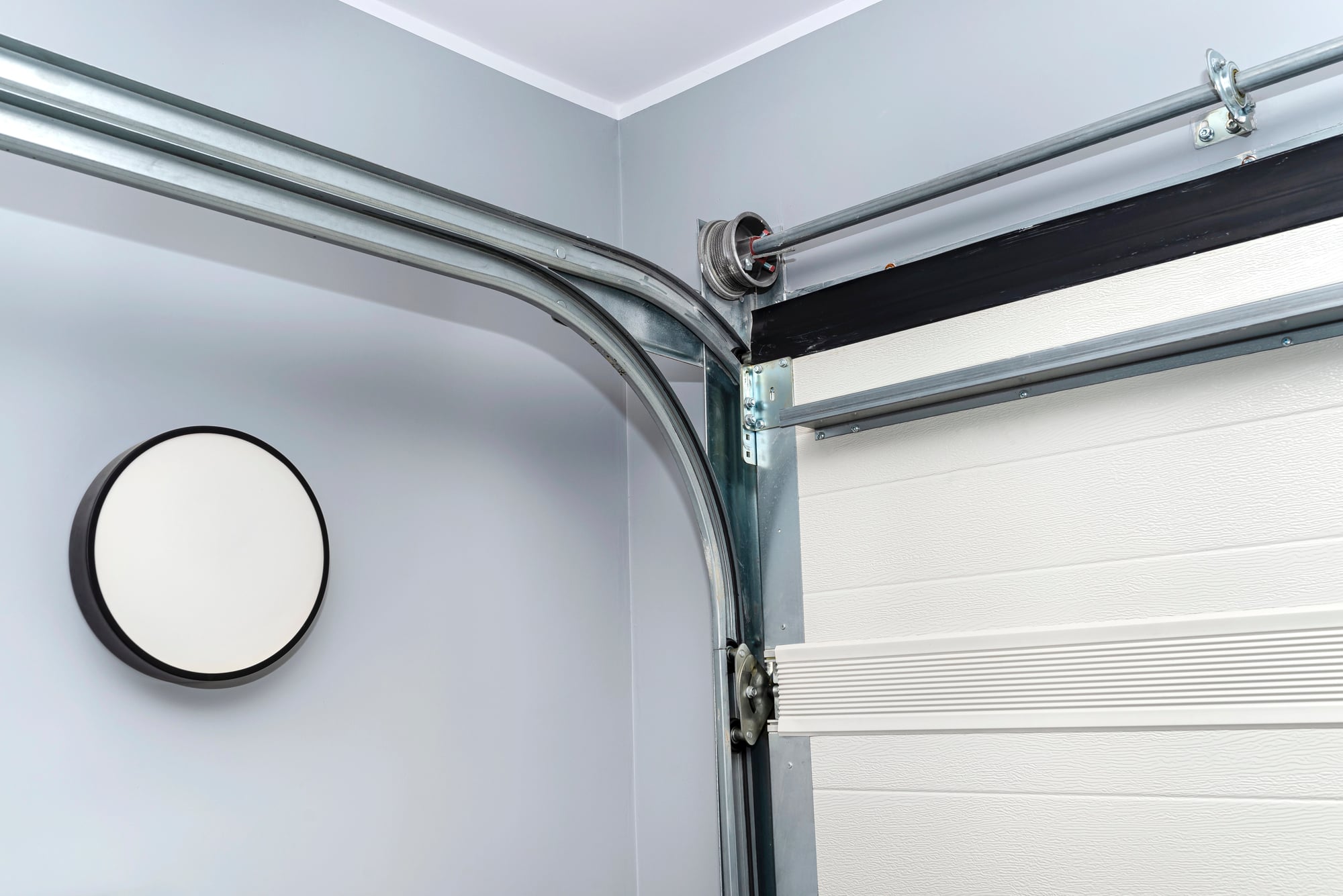
Older garage door openers ran on chain drives — a loud, rattling mechanical system that announced the door’s movement to everyone in the house and most of the immediate neighborhood.
You knew when someone was arriving or leaving without checking.
Belt-drive and modern screw-drive openers operate nearly silently, which is more convenient and makes it considerably easier for teenagers to come home late.
The Television Static
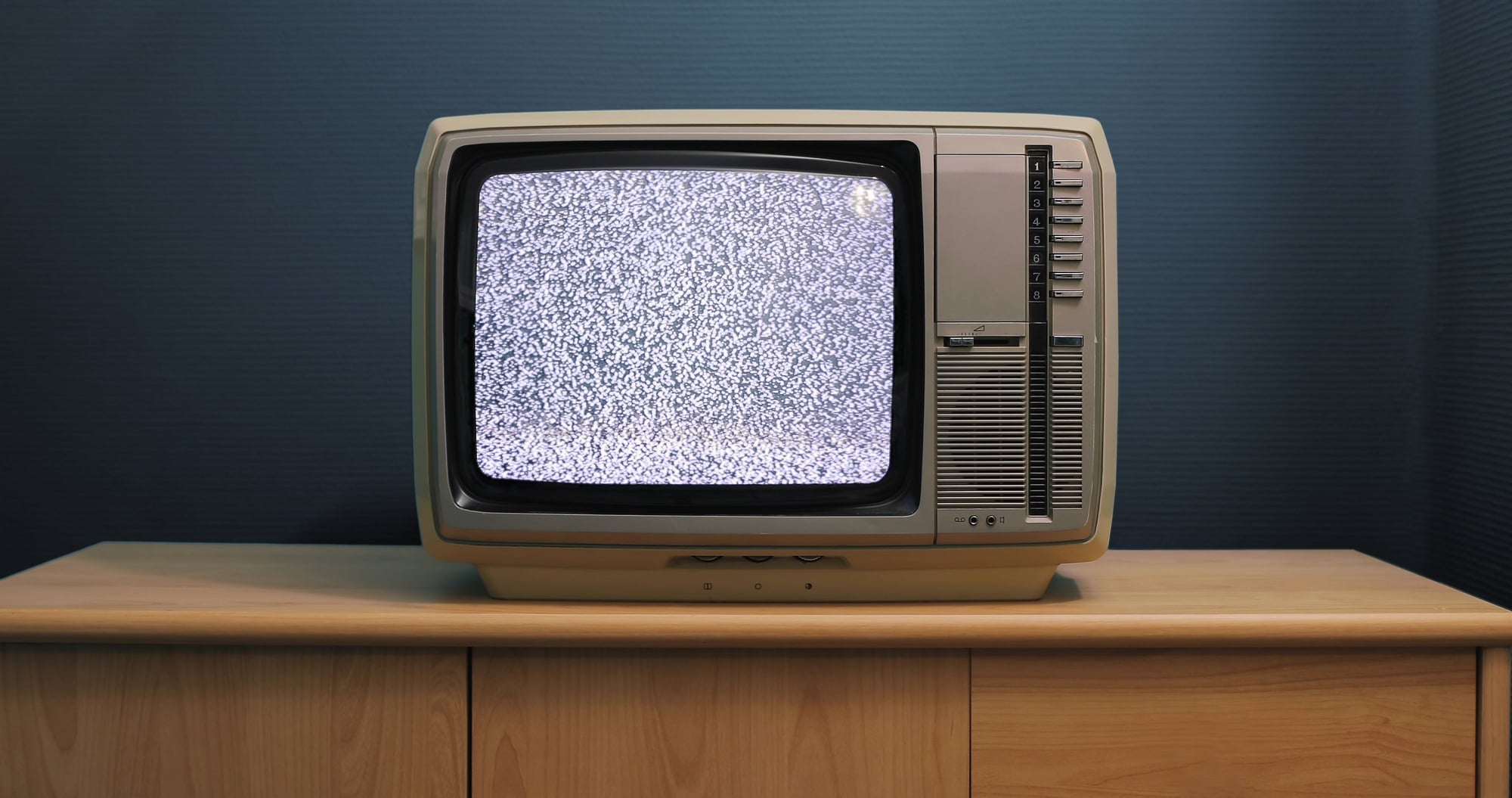
When a TV channel signed off for the night — and they did sign off, the last image often a test pattern followed by static — the screen filled with black and white noise that made a distinct hissing roar.
Some people fell asleep to it.
24-hour broadcasting arrived in the 1980s and made sign-off static a relic, and children born after that decade have no frame of reference for a television that simply stopped and said nothing.
The Percolator Bubbling

Before drip coffee makers became the kitchen standard, the stovetop percolator brewed coffee by cycling hot water up through a tube and over the grounds repeatedly — a process accompanied by a rhythmic, deep bubbling sound that built as the coffee strengthened.
The smell and the sound arrived together, a two-part alarm.
Drip makers are quieter, pod machines are quieter still, and the morning kitchen has lost one of its most reliable sensory rituals.
The Mechanical Alarm Clock Bell
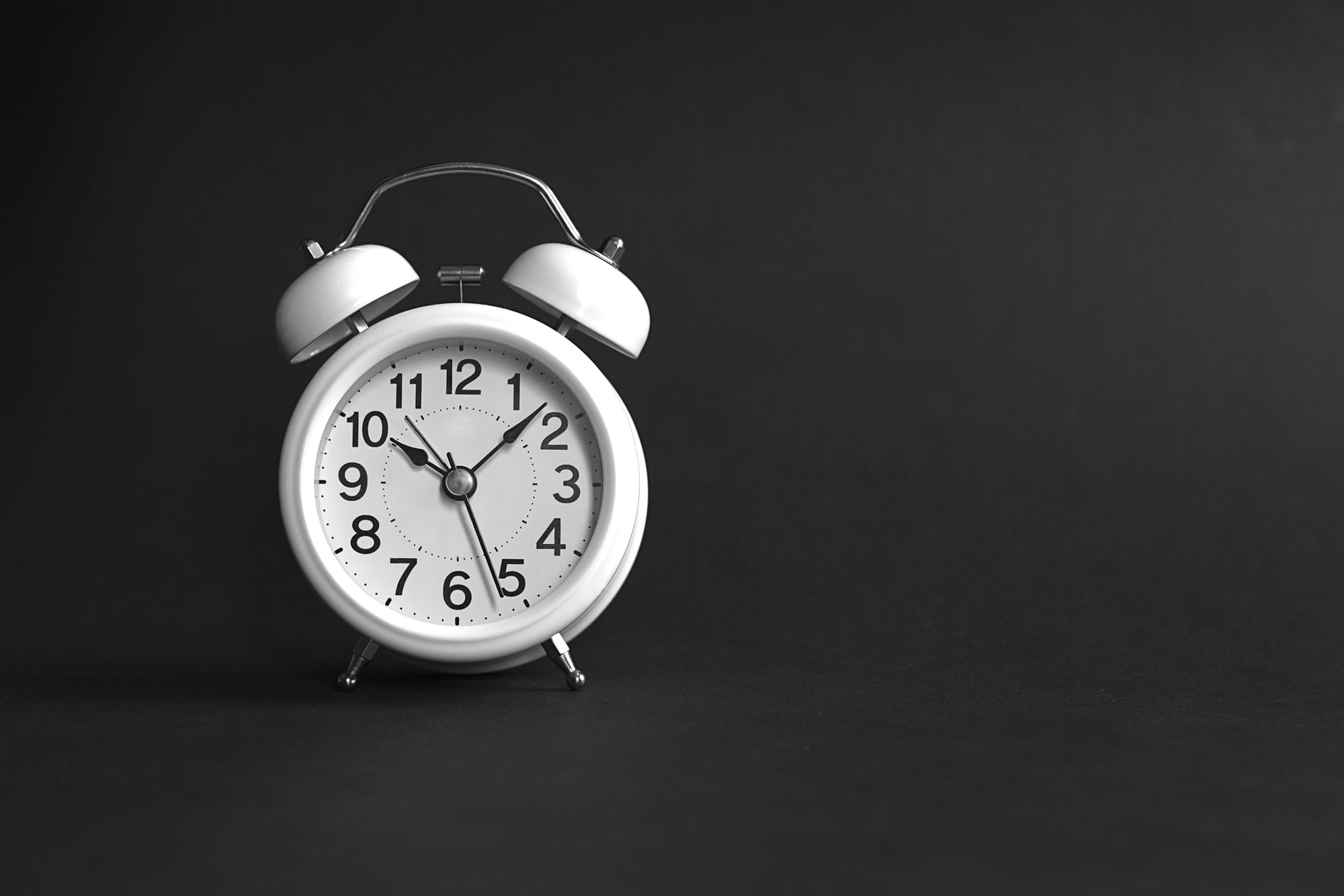
The mechanical alarm clock bell was not making a suggestion.
Two bells on top, a small hammer between them, striking back and forth at a frequency calibrated specifically to be impossible to ignore — it had zero interest in being gentle.
Smartphone alarms can be set to birdsong, ocean waves, or a gradually increasing tone designed to ease you into consciousness.
That’s a kindness the mechanical alarm clock did not offer and did not consider its problem.
The Whirring of a Film Rewinding in a Camera
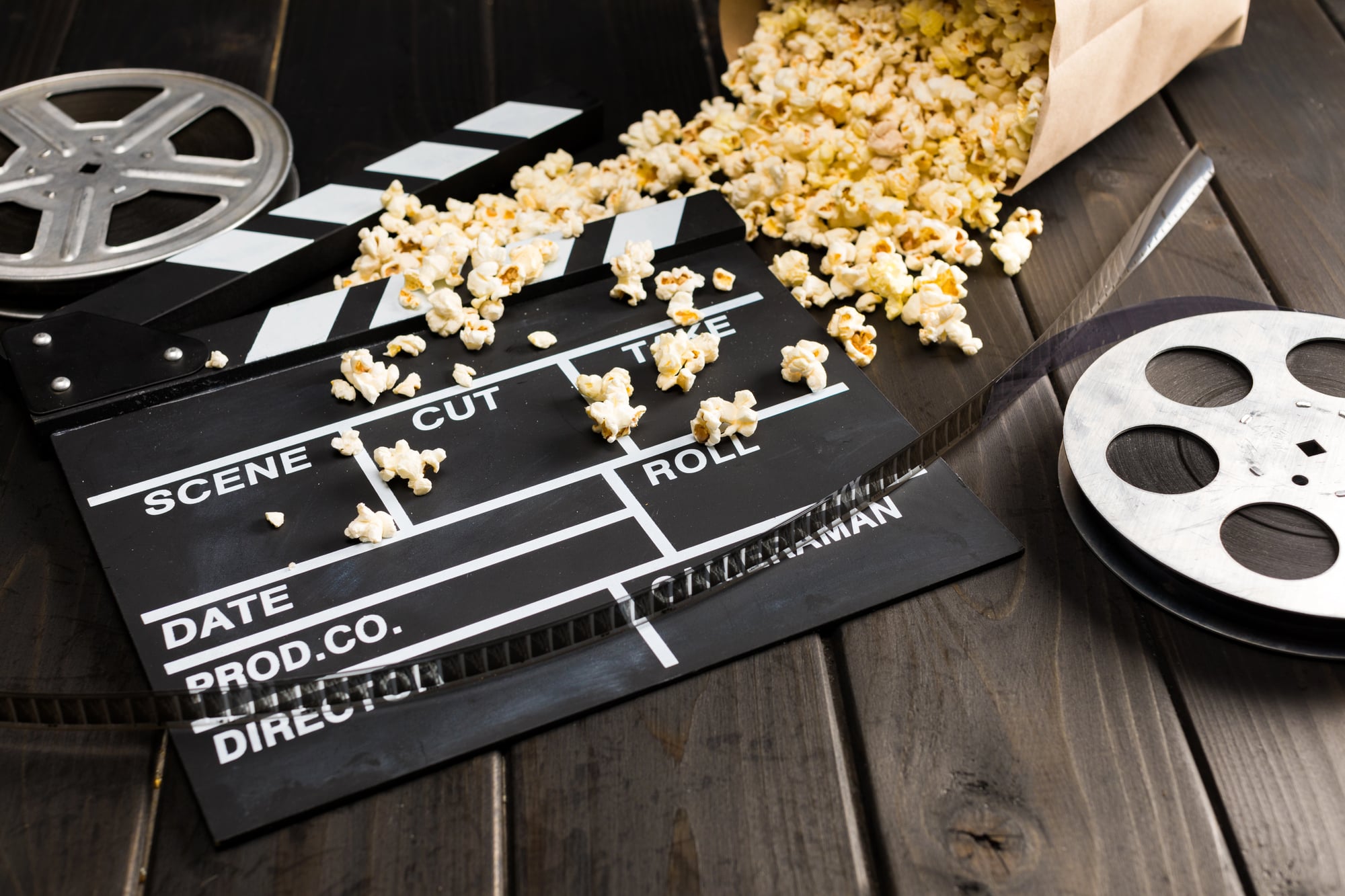
At the end of a roll of 35mm film, the camera’s motor rewound the entire roll back into the canister — a high-pitched whirr that counted down the frames in reverse and meant the roll was finished, used up, gone.
It was the sound of a definite end: no more shots, no undoing the exposures already made.
Digital cameras have no such limit and no such sound, and the idea of running out of photos has become genuinely difficult to explain to anyone under twenty-five.
The Echo of What We’ve Lost
Technology didn’t just change the way things work — it changed the acoustic texture of daily life in ways that accumulate quietly over years.
The house you grew up in had a sound, not just a look: the whirr of machines working, the clunk of physical things engaging, the ring of actual bells.
Those sounds weren’t incidental.
They were feedback — confirmation that effort was happening, that something physical was taking place between you and the outcome.
What replaced them is mostly silence, or the soft tap of glass.
Both are easier.
Neither quite fills the same space.
More from Go2Tutors!

- The Romanov Crown Jewels and Their Tragic Fate
- 13 Historical Mysteries That Science Still Can’t Solve
- Famous Hoaxes That Fooled the World for Years
- 15 Child Stars with Tragic Adult Lives
- 16 Famous Jewelry Pieces in History
Like Go2Tutors’s content? Follow us on MSN.