28 Cities Built on Top of Older Buried Cities
There’s something quietly unsettling about standing on a busy sidewalk and knowing that somewhere beneath your feet — beneath the coffee shops and parking garages and utility lines — another city is waiting. Not a ruin, exactly.
More like a city that simply got covered up and forgotten while the one above it kept moving. This has happened more often than most people realize, on every continent, across thousands of years of human settlement.
People built, cities fell or flooded or burned, and then other people arrived and built again — right on top. The layers add up.
What follows are 28 places where the city you can visit today is standing on the shoulders of one you can’t.
Rome, Italy
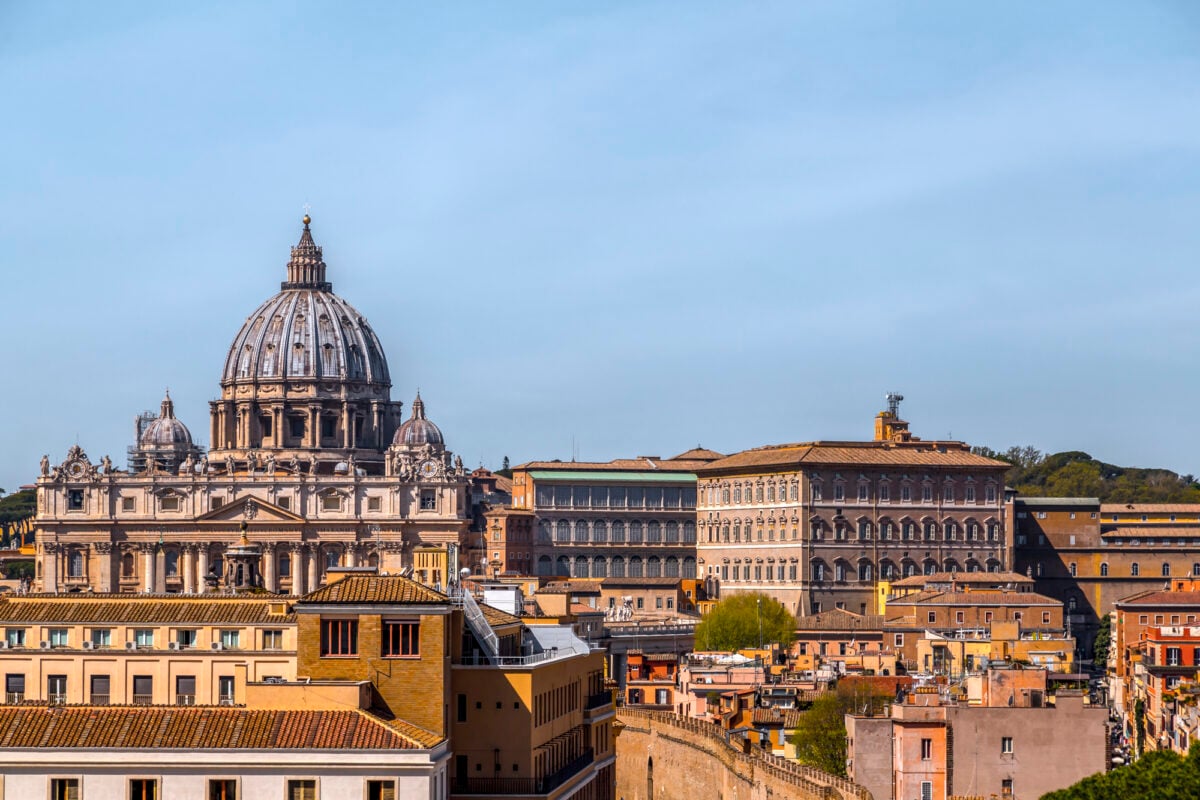
Rome doesn’t just have layers — it has arguments about which layer counts as the real one. Beneath the streets of the modern city lie Republican-era Rome, then Imperial Rome, then early Christian Rome, stacked in a geological cake of ambition and collapse.
Workers digging for a new Metro line in 2016 found a full military barracks from the Imperial period, which is saying something when you consider how many times Rome has been dug up already.
Athens, Greece
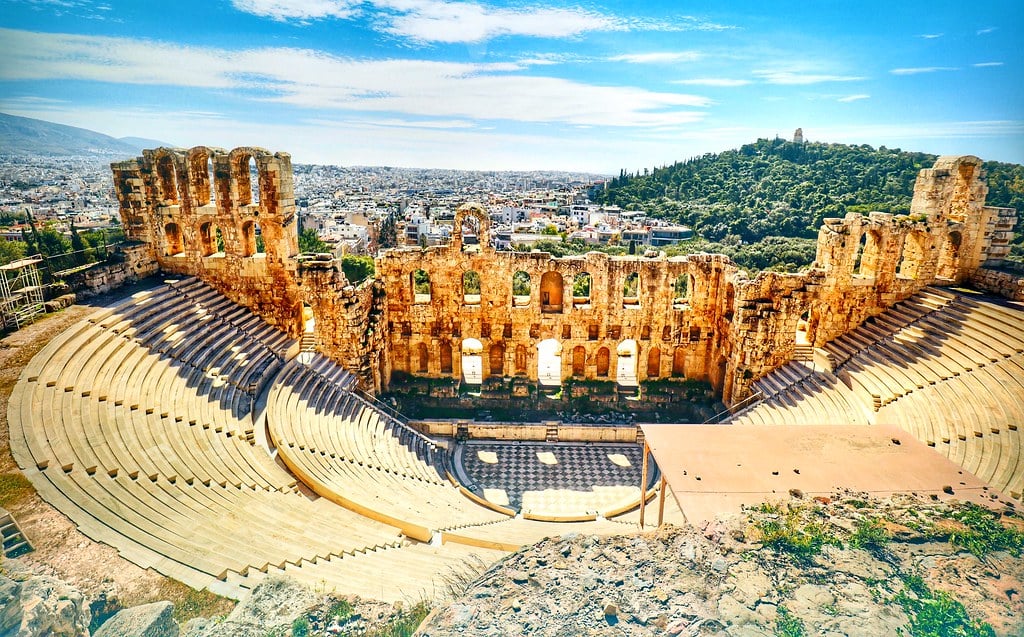
Athens is a city that corrects you every time you assume you know what’s underneath it. The construction of the modern Metro system, begun in earnest in the 1990s, turned into one of the most prolonged archaeological interventions in European history — workers kept hitting ancient infrastructure, wells, cemeteries, and marble pavements that refused to stay buried.
What they found beneath the contemporary city included neighborhoods from the Classical, Hellenistic, Roman, and Byzantine periods, each one pressed against the next like pages in a book no one meant to write.
Jerusalem, Israel
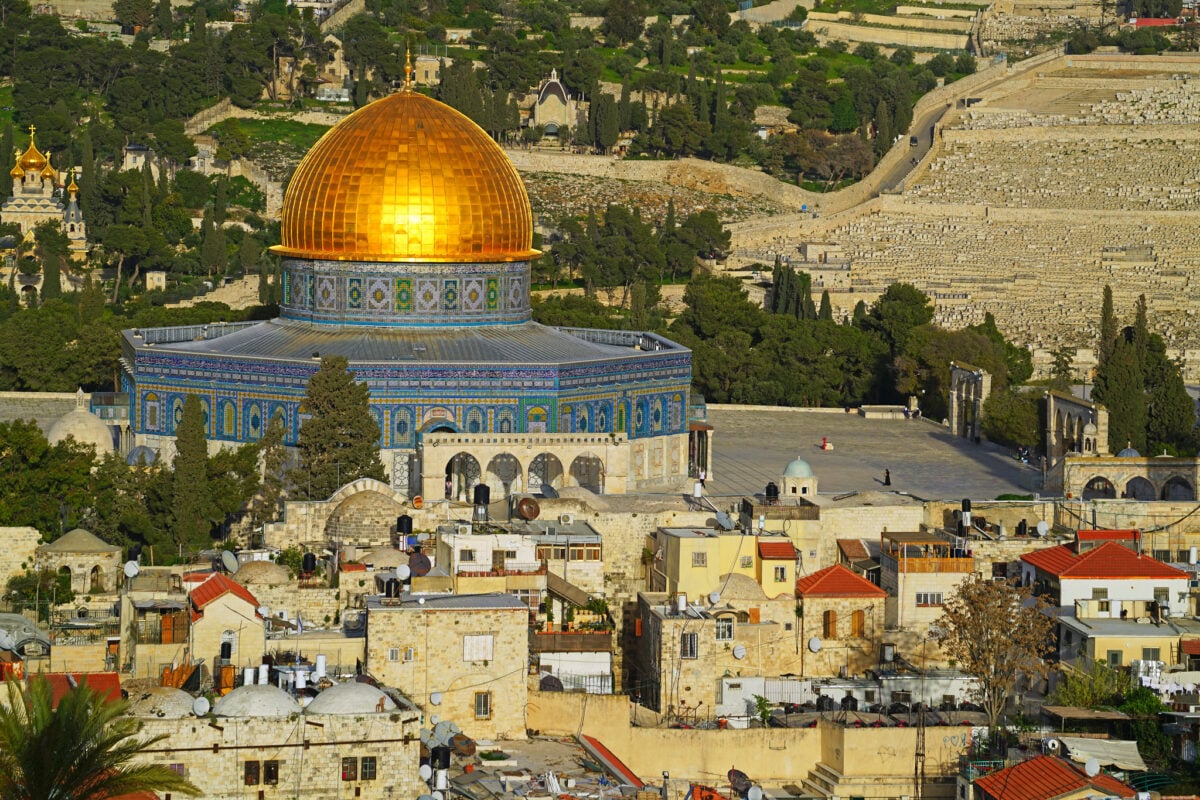
Jerusalem is a palimpsest. Every era that controlled the city left something behind and built on top of what the previous one abandoned, so the ground beneath the Old City contains Bronze Age settlements, Iron Age fortifications, Herodian construction, Roman streets, Byzantine churches, and medieval foundations — all compressed into a vertical record of who wanted this place and what they did when they had it.
Istanbul, Turkey
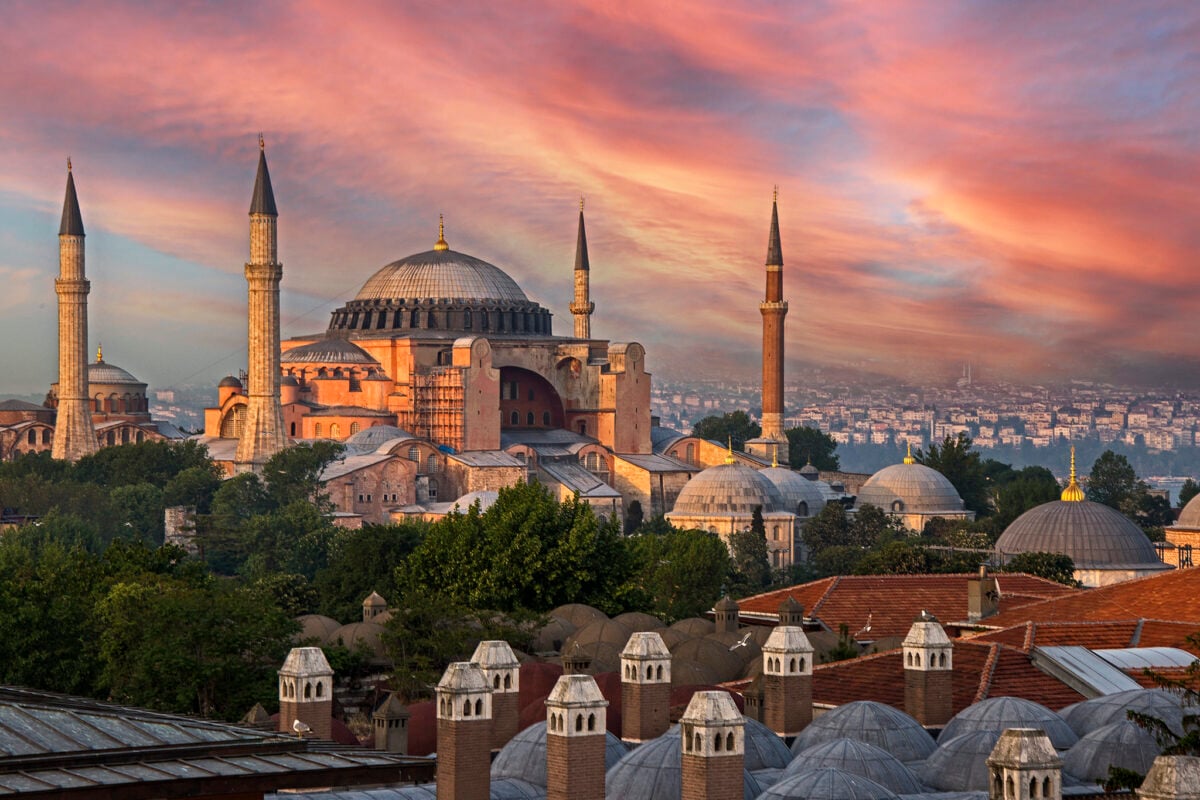
Istanbul sits on top of Byzantium, which sat on top of an even older Thracian settlement called Lygos. Beneath the Topkapı Palace and the Grand Bazaar and the Hagia Sophia, there are cisterns, aqueducts, and entire underground neighborhoods that date to the city’s Roman and Byzantine phases. The Basilica Cistern alone — a vaulted underground reservoir supported by 336 columns — is one of the most spectacular things that the modern city has simply built its streets across.
Mexico City, Mexico
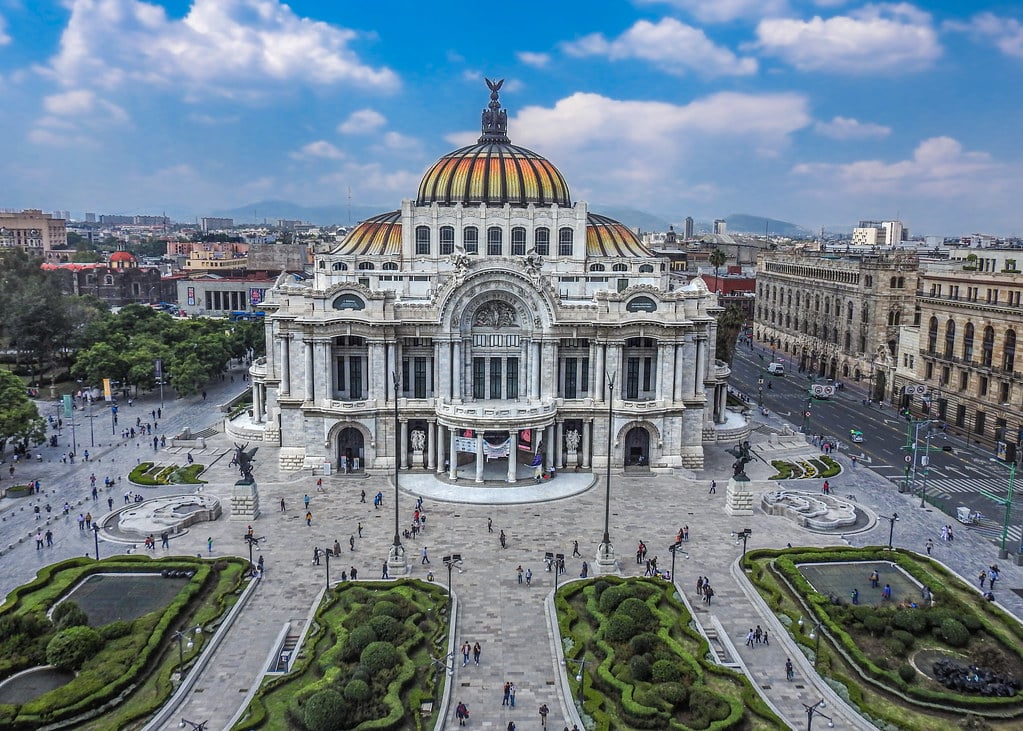
Mexico City is Tenochtitlan. Not metaphorically — the Aztec capital was deliberately dismantled by Spanish colonizers beginning in 1521, and the colonial city was constructed using the same stones, on the same foundations, in the same location.
The Templo Mayor, the great ceremonial center of Tenochtitlan, was only formally rediscovered in 1978 when electrical workers hit a carved stone disk eight feet underground, directly beneath the historic city center.
London, England
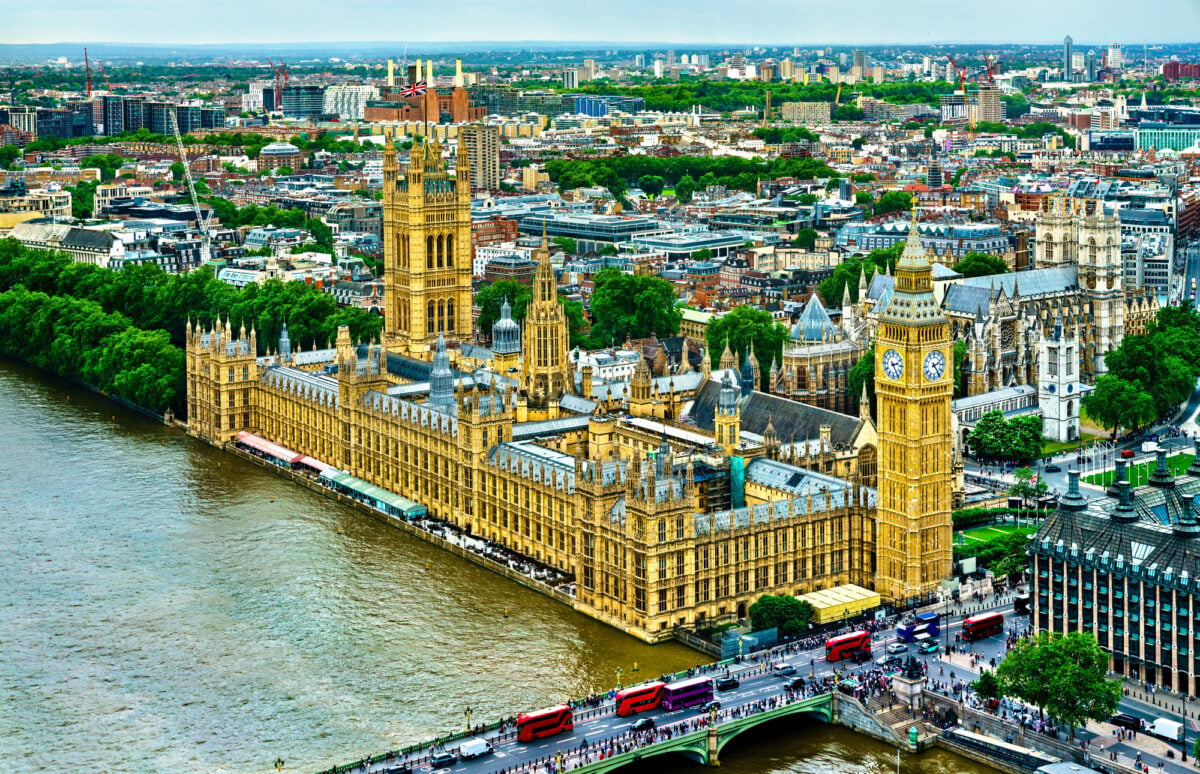
London has a habit of swallowing its own history without making much fuss about it. Beneath the City of London — that square-mile financial district — Roman Londinium is essentially intact at the level of a few feet down: walls, a forum, an amphitheater, a temple to Mithras.
The Bloomberg building construction in 2012 uncovered over 14,000 Roman artifacts, including writing tablets with legible text, which is a staggering number for what was supposed to be a routine excavation.
Cairo, Egypt
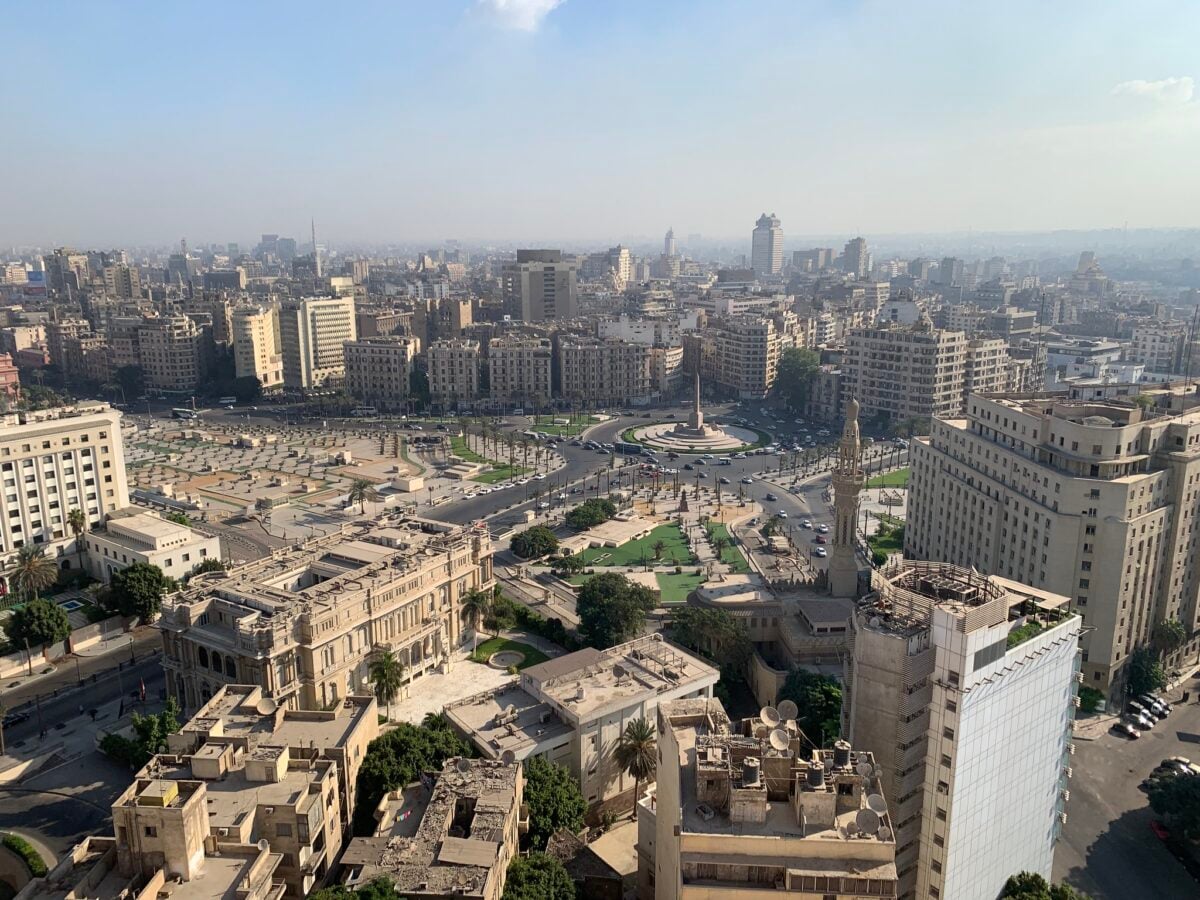
Modern Cairo grew up adjacent to and then over the site of ancient Memphis, the first capital of unified Egypt, and also absorbed the ruins of several intermediate cities — Heliopolis, Babylon in Egypt, the early Islamic capital of Fustat. The oldest layers are extraordinary: Memphis once housed some of the largest temples in the ancient world, but centuries of Nile flooding and stone quarrying reduced it to scattered ruins now largely buried beneath agricultural land on Cairo’s southern edge.
Baghdad, Iraq
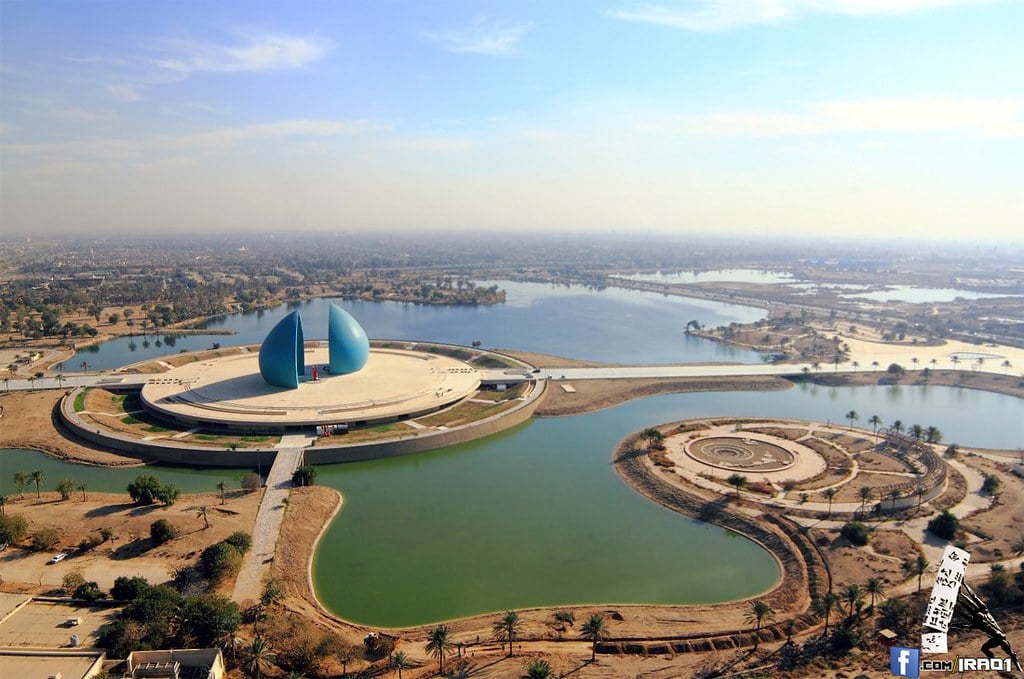
Baghdad was founded in 762 CE in a region where cities had existed for thousands of years before anyone thought to build there. Beneath the modern sprawl lie the remains of Babylon to the south, Ctesiphon — the great Sassanid capital — just a few miles outside the city, and Seleucia across the Tigris.
The medieval city of Baghdad itself, the famous round city of the Abbasid Caliphate, is essentially gone, its physical remains buried beneath layers of flooding, warfare, and continuous rebuilding over twelve centuries.
Naples, Italy
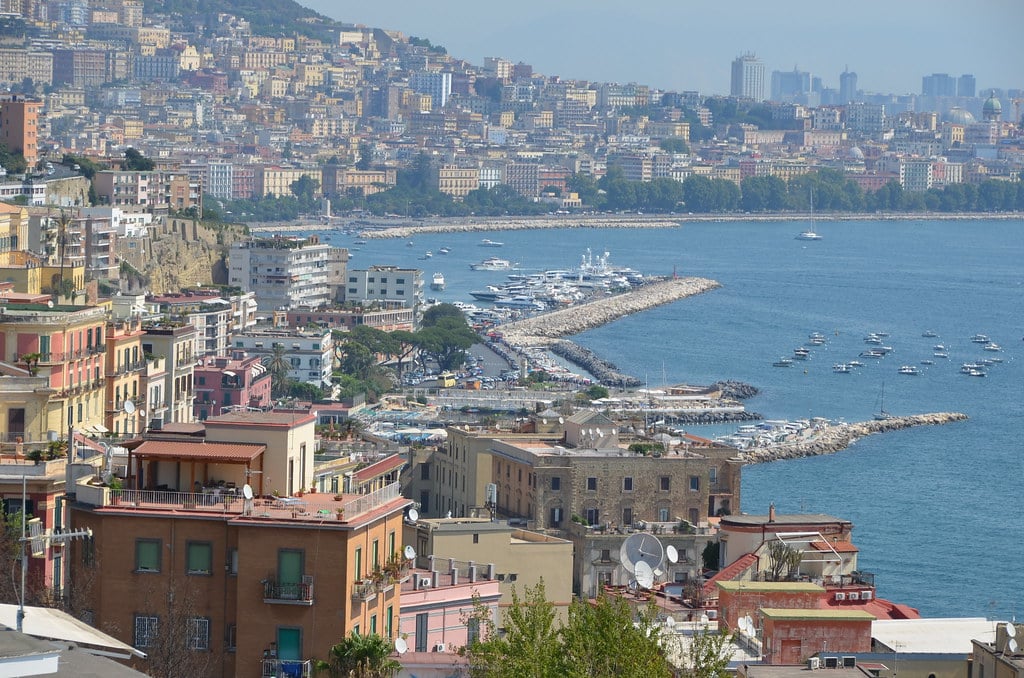
Naples has an entire underground city beneath it, and unlike most buried cities, this one is somewhat accessible. The ancient Greek colony of Neápolis — founded around 470 BCE — has its street grid, building footprints, and a vast network of volcanic tufa tunnels preserved beneath the modern city.
Sections of the ancient city’s aqueducts, cemeteries, and theater where the Roman emperor Nero reportedly performed have all been located and partially excavated beneath the contemporary urban fabric.
Edinburgh, Scotland
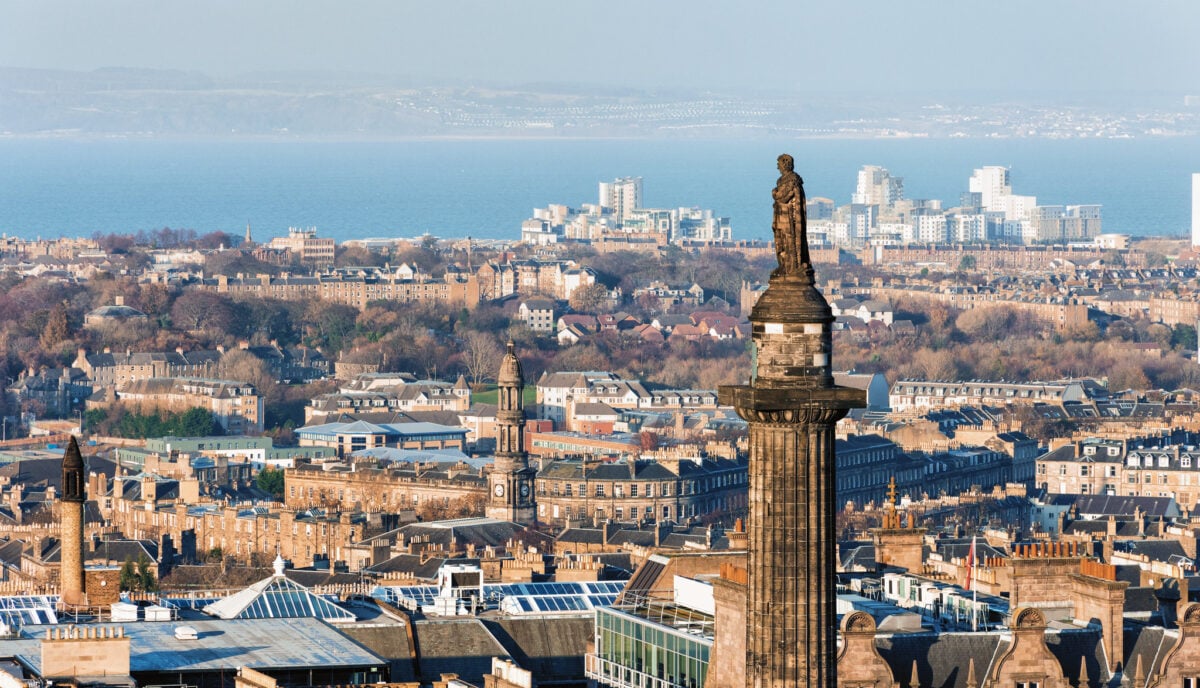
Mary King’s Close — the buried street beneath the Royal Mile — is the most famous remnant of what Edinburgh once was before the city decided to build over its problems rather than solve them. In the 17th century, the city essentially roofed over several closes and lower streets to serve as the foundations for the Royal Exchange building above.
The result is a sealed section of 17th-century Edinburgh preserved in the dark underneath the modern city, complete with room layouts, hearths, and domestic details that give the place an uncanny specificity.
Troy, Turkey
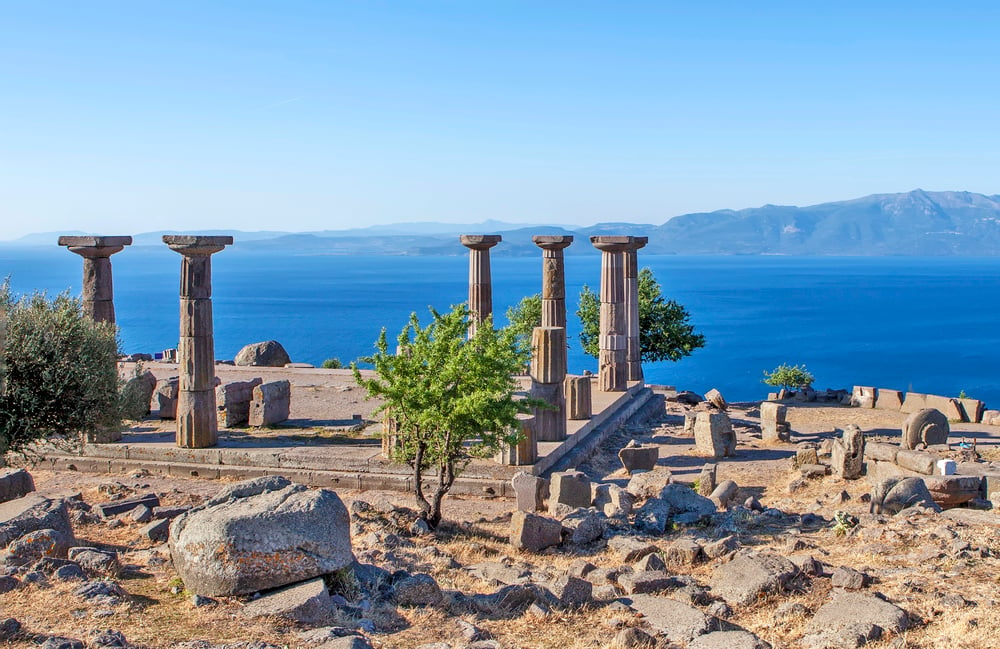
Troy is not one city. It’s nine.
The site of Hisarlık in northwestern Turkey contains nine distinct settlement layers, each one built on the rubble of its predecessor, spanning from roughly 3000 BCE to around 500 CE. Heinrich Schliemann, who began excavating the site in 1871, dug so aggressively through the upper layers to find what he believed was Homeric Troy that he accidentally destroyed much of it — which is the archaeological equivalent of reading the last page of a book and setting it on fire.
Damascus, Syria
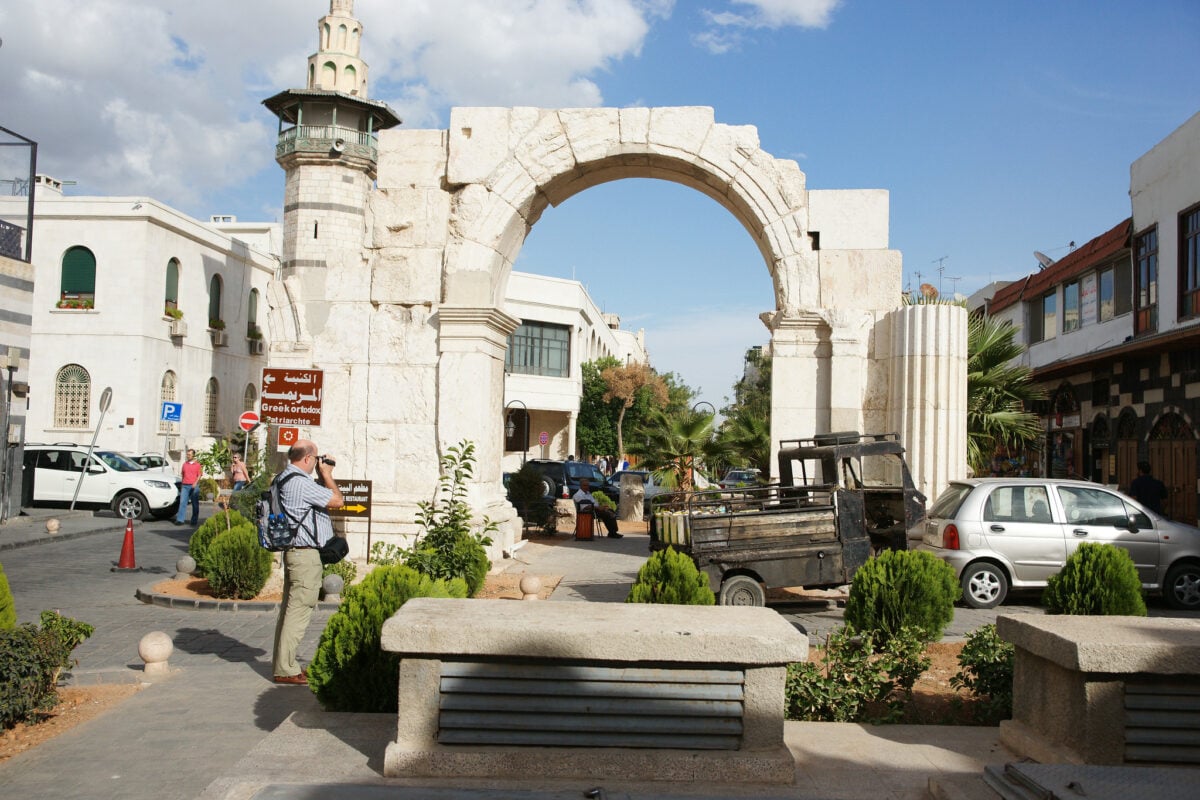
Damascus makes a credible claim to being the oldest continuously inhabited city in the world, and the evidence is in the ground. Beneath the Old City — itself a UNESCO World Heritage Site — lie Aramean, Assyrian, Persian, Hellenistic, Roman, Byzantine, and Umayyad layers, each one pressed into the soil.
The Roman street known as the “Street Called Straight,” mentioned in the Acts of the Apostles, still exists in the modern city as Straight Street, though it has shifted slightly from its original alignment over two millennia of continuous use.
Thessaloniki, Greece
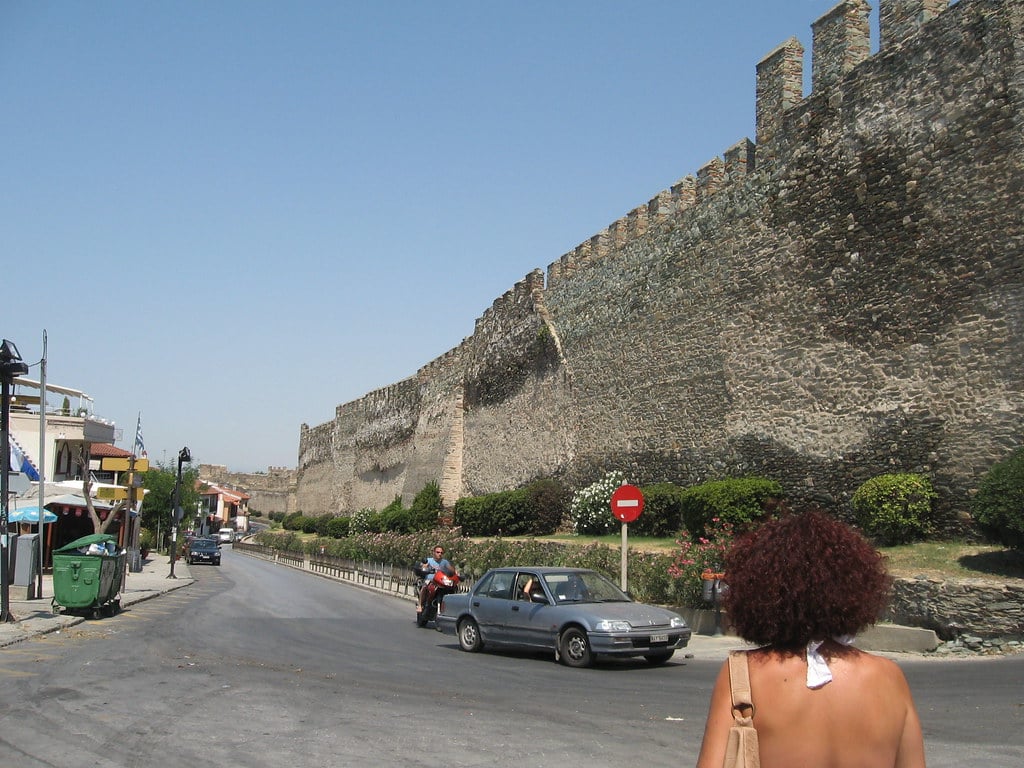
Thessaloniki has an underground problem that its transit planners know all too well. The city’s Metro system, which began construction in 2006, was repeatedly delayed for years because every dig revealed another layer of ancient urban fabric — Byzantine streets, Roman baths, early Christian churches, and a section of the ancient Via Egnatia, the Roman road that once connected the Adriatic coast to Byzantium.
Thessaloniki solved this, more or less, by designing a Museum Station where portions of the excavation are preserved as a public archaeological display inside the Metro station itself.
Jericho, Palestinian Territories
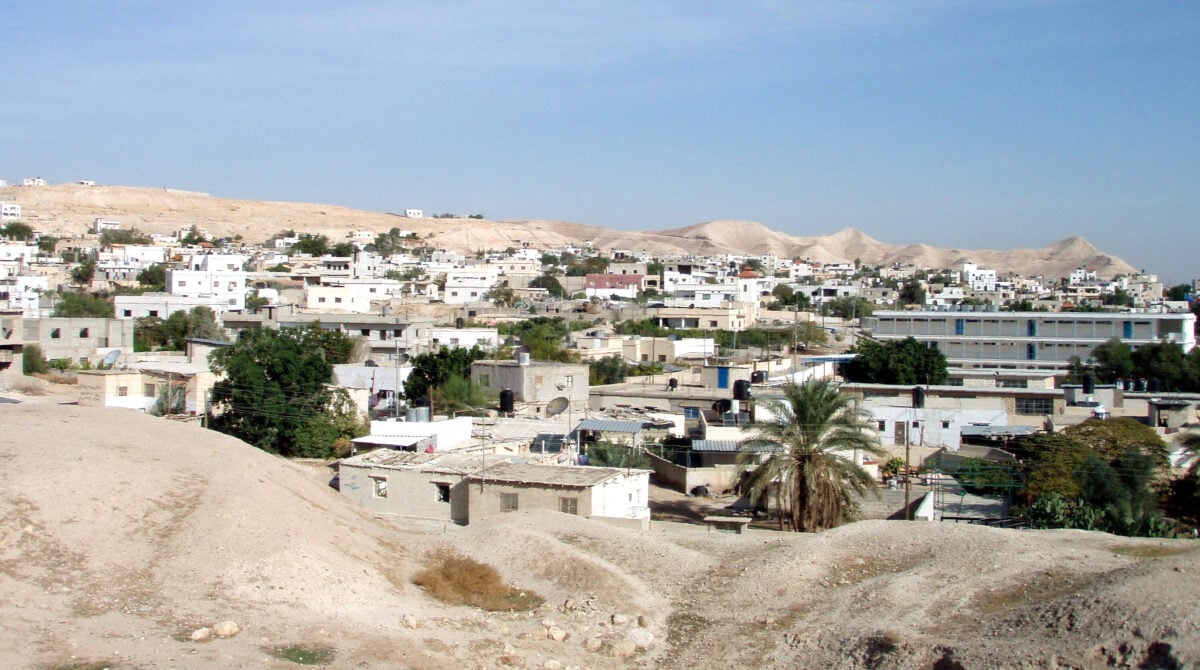
Jericho is genuinely old in a way that most cities can only approximate. Tell es-Sultan, the archaeological mound that represents ancient Jericho, contains evidence of human occupation dating back roughly 11,000 years, making it one of the earliest known permanent settlements on Earth.
The tell — a mound formed by accumulated layers of occupation — rises about 70 feet above the surrounding plain, each foot representing centuries of people building on top of what came before them.
Çatalhöyük, Turkey
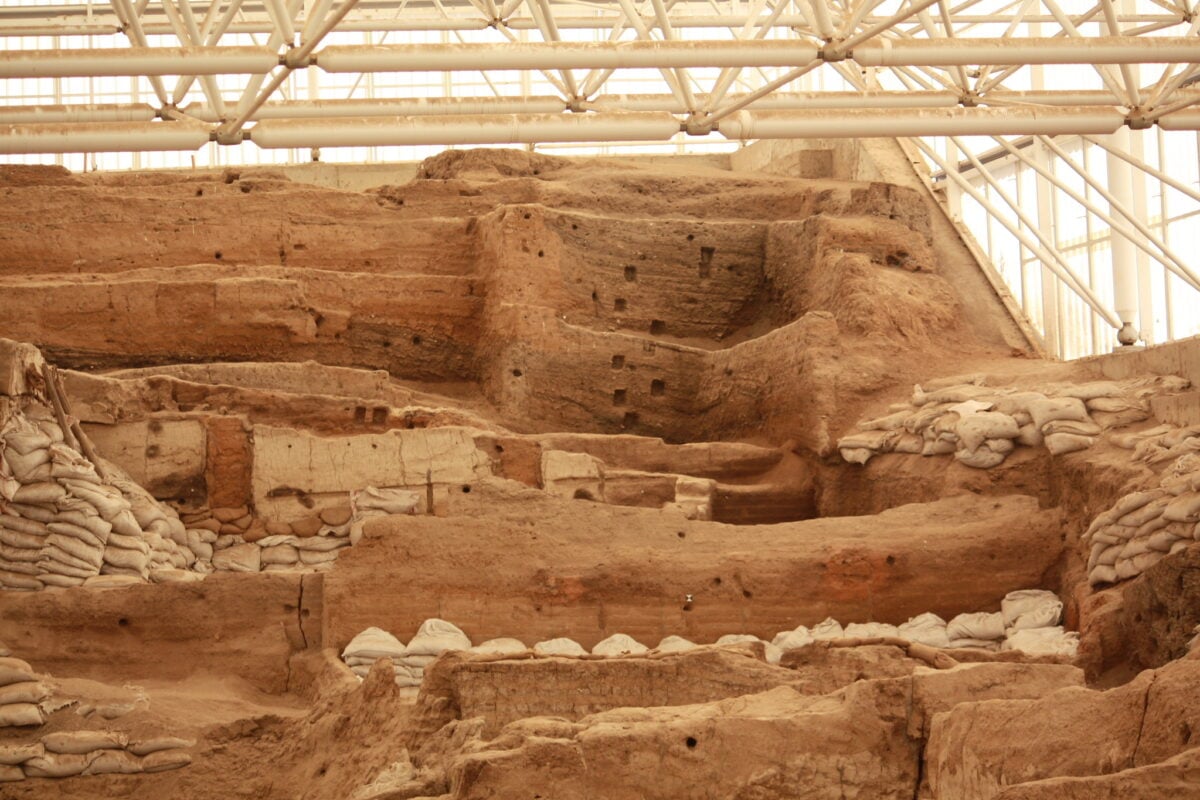
Çatalhöyük isn’t a city people live in anymore, but what it reveals about how ancient cities buried themselves is worth understanding. This Neolithic settlement in central Turkey, occupied from around 7500 BCE to 5700 BCE, shows a community that literally built its new homes on top of its old ones — constructing new floors over the sealed rooms below, generation after generation, until the settlement mound rose significantly above the plain.
The dead were buried beneath the floors of homes, meaning the living were, quite literally, living above their ancestors.
Mohenjo-daro, Pakistan
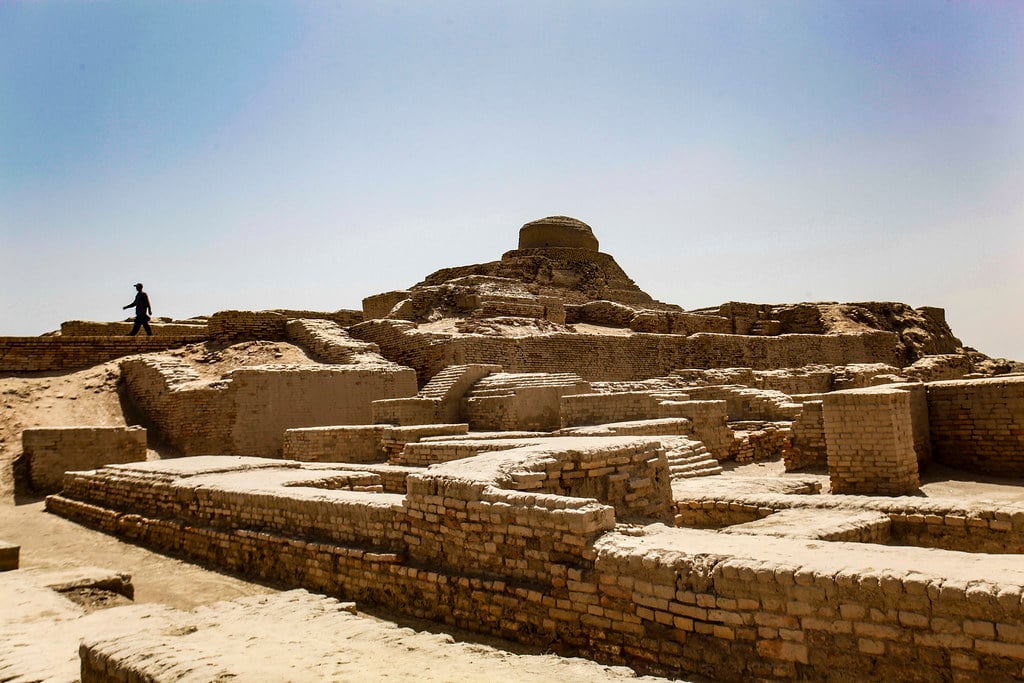
Mohenjo-daro operated on vertical ambition that most ancient cities didn’t bother with. When buildings in this Indus Valley city deteriorated, the inhabitants simply raised the floor levels and built the new structure higher — sometimes dramatically so, pushing street levels upward by feet over successive generations.
The result is a city that preserved itself through elevation, each layer pressing down on the one beneath it until excavators in the 1920s began peeling the site back and found a grid-planned city with drainage systems and standardized brickwork that predated most comparable ancient civilizations by centuries.
Ephesus, Turkey
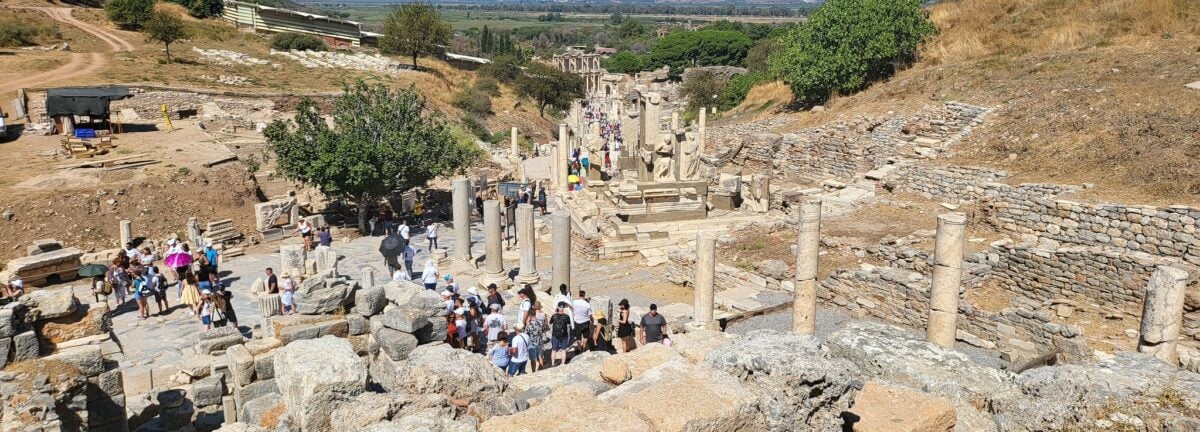
Ephesus is a ghost dressed in marble. The city the Roman world knew — with its Library of Celsus and its theater seating 24,000 people — was itself built over an earlier Greek city, which was built over an even earlier settlement reaching back to the Bronze Age.
So what visitors walk through today is only one version of Ephesus, the Roman one, with the Greek and pre-Greek layers resting quietly below, and the harbor that once made the city wealthy now buried under miles of silt.
Carthage, Tunisia
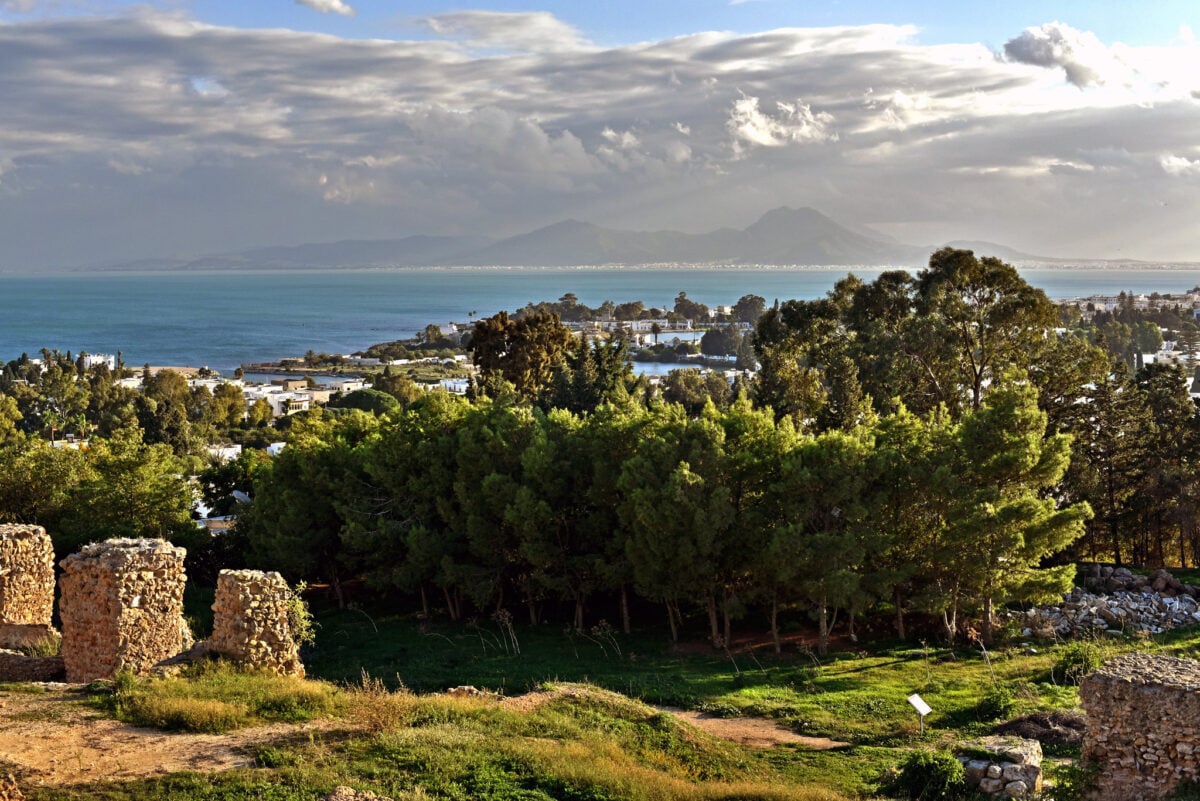
Carthage is a study in deliberate erasure that didn’t quite work. After Rome destroyed the Punic city in 146 BCE, the Romans later founded a new Roman city on the same site — meaning Roman Carthage is built directly on top of Punic Carthage, which has made excavation a complicated exercise in sorting out which civilization left which wall.
The Punic layers survive beneath Roman and Byzantine construction, and beneath modern Tunis suburbs, in fragmentary but genuinely revelatory condition.
Sofia, Bulgaria
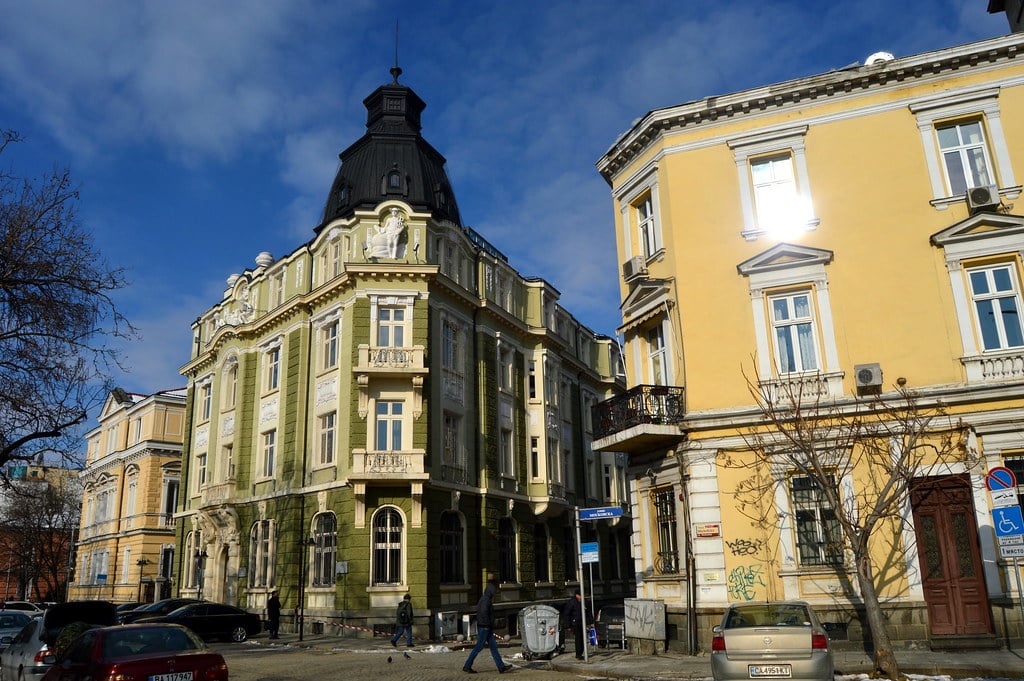
Sofia has the rare quality of a city that put its ancient past on display at street level rather than hiding it. Construction in the city center has repeatedly encountered the ancient city of Serdica — a Roman and later Byzantine settlement — and instead of concealing the finds, Sofia incorporated them into public squares, underground walkways, and the entrances to modern buildings.
A section of Roman street runs beneath a glass floor in the underpass near the Presidency building, visible to commuters who mostly walk over it without looking down.
Plovdiv, Bulgaria
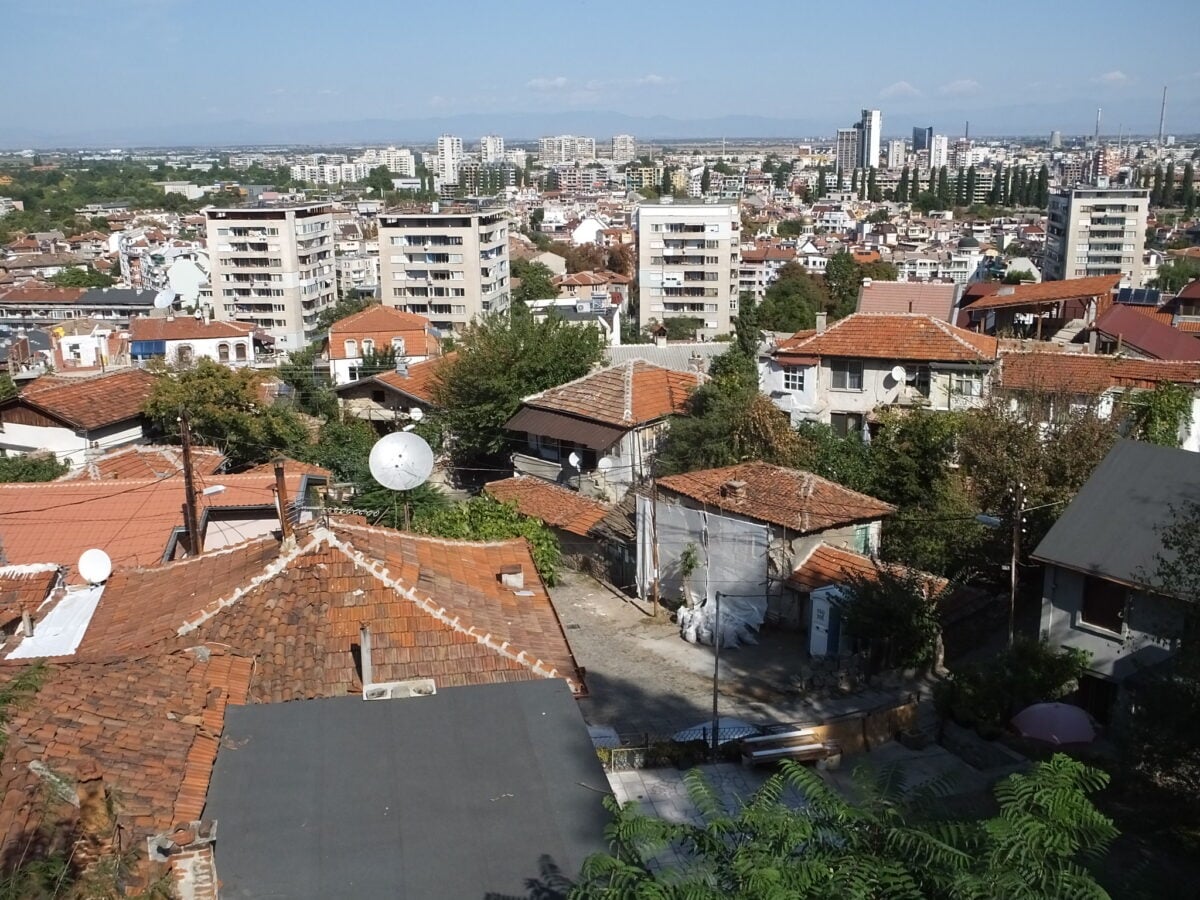
Plovdiv manages to be simultaneously a Roman city, a Thracian city, and a thoroughly modern one, and it doesn’t treat any of those identities as mutually exclusive. The ancient Thracian settlement of Eumolpias predates the Roman city of Philippopolis, which was built over it by Macedonian and then Roman settlers and which itself now lies beneath the Bulgarian city of Plovdiv.
The Roman theater, discovered accidentally in 1968 during a landslide, was excavated and is now an open-air performance venue still in active use.
Alexandria, Egypt
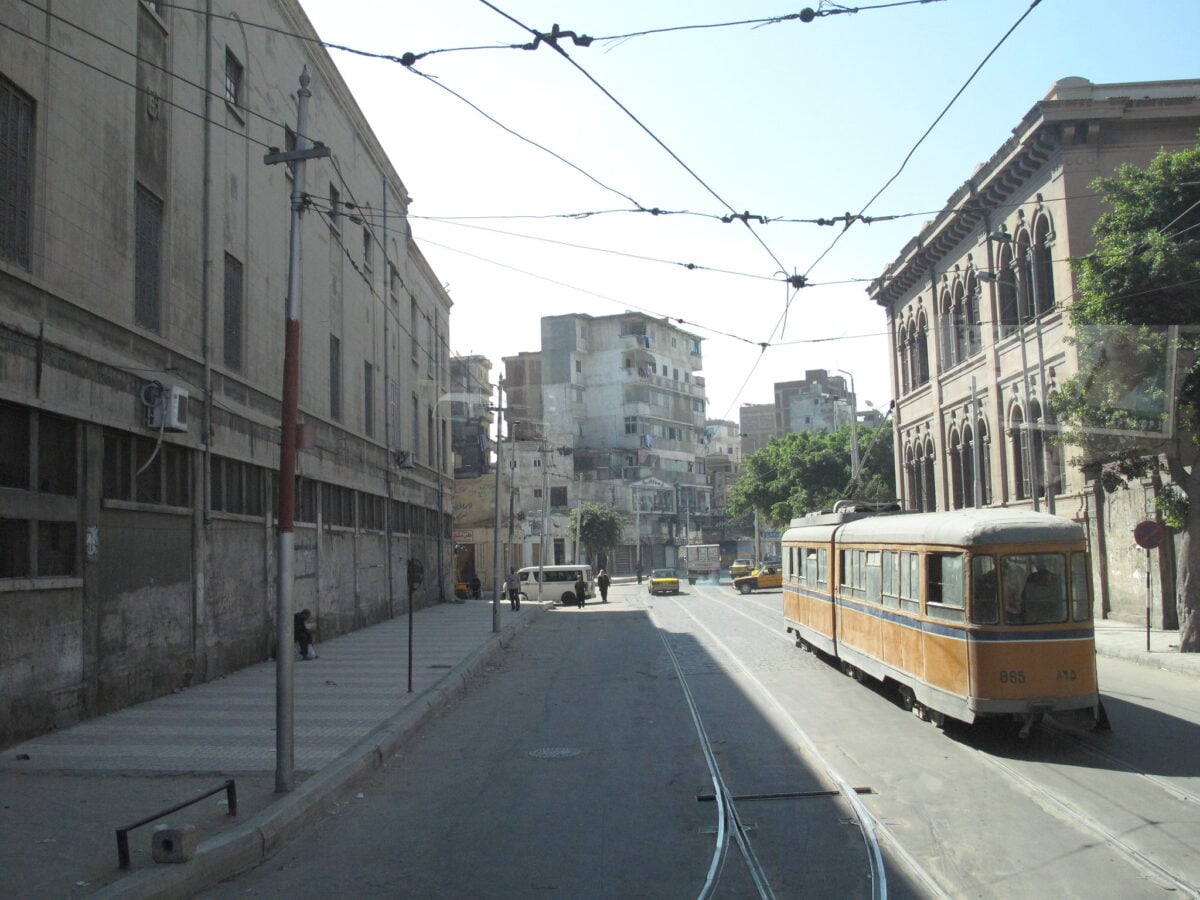
Alexandria is largely inaccessible to archaeologists because the modern city is sitting on top of it, heavy and unmoving. The ancient city — founded by Alexander the Great in 331 BCE — lies partly beneath the Mediterranean Sea due to subsidence and partly beneath the buildings and streets of modern Alexandria.
Underwater excavations by Franck Goddio’s team since the 1990s have found significant portions of the ancient royal quarter and harbor submerged offshore, which tells you how much the land has shifted since antiquity.
Antioch, Turkey
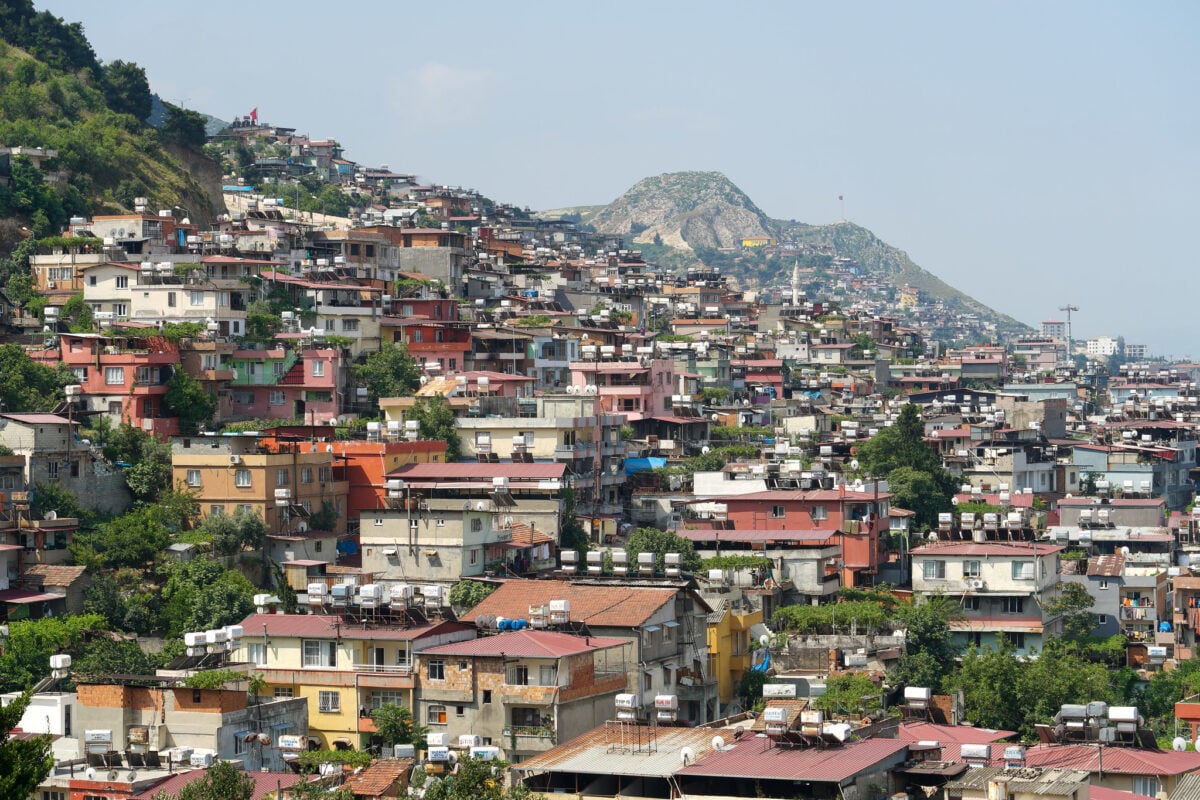
Antioch was once the third-largest city in the Roman Empire, behind Rome and Alexandria, with a population estimated at half a million people. The modern city of Antakya sits on top of most of it, which means the Roman city is largely unexcavated — its colonnaded main street, its palaces, its forums pressed beneath residential neighborhoods and commercial blocks.
What survives aboveground is fragmentary; what survives below is, by all estimates, substantial.
Bologna, Italy
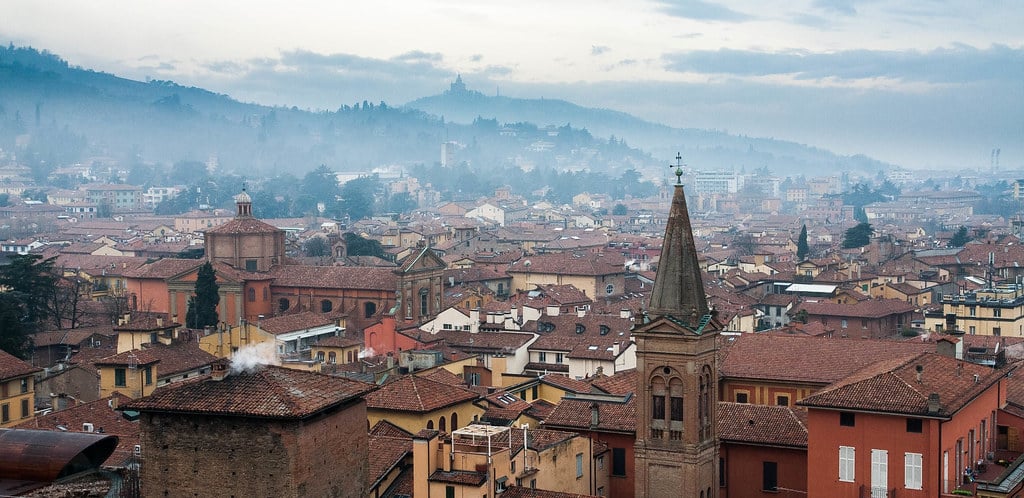
Bologna was Bononia to the Romans, and Bononia was Felsina to the Etruscans before that, and before the Etruscans, Bronze Age settlements occupied the same stretch of the Po plain. The modern city’s medieval towers and porticoed streets sit directly above Roman-era streets and infrastructure, which sit above Etruscan remains, which sit above Bronze Age material.
Excavations for utility work and construction regularly turn up artifacts spanning every one of those periods within a few feet of vertical soil.
Beirut, Lebanon
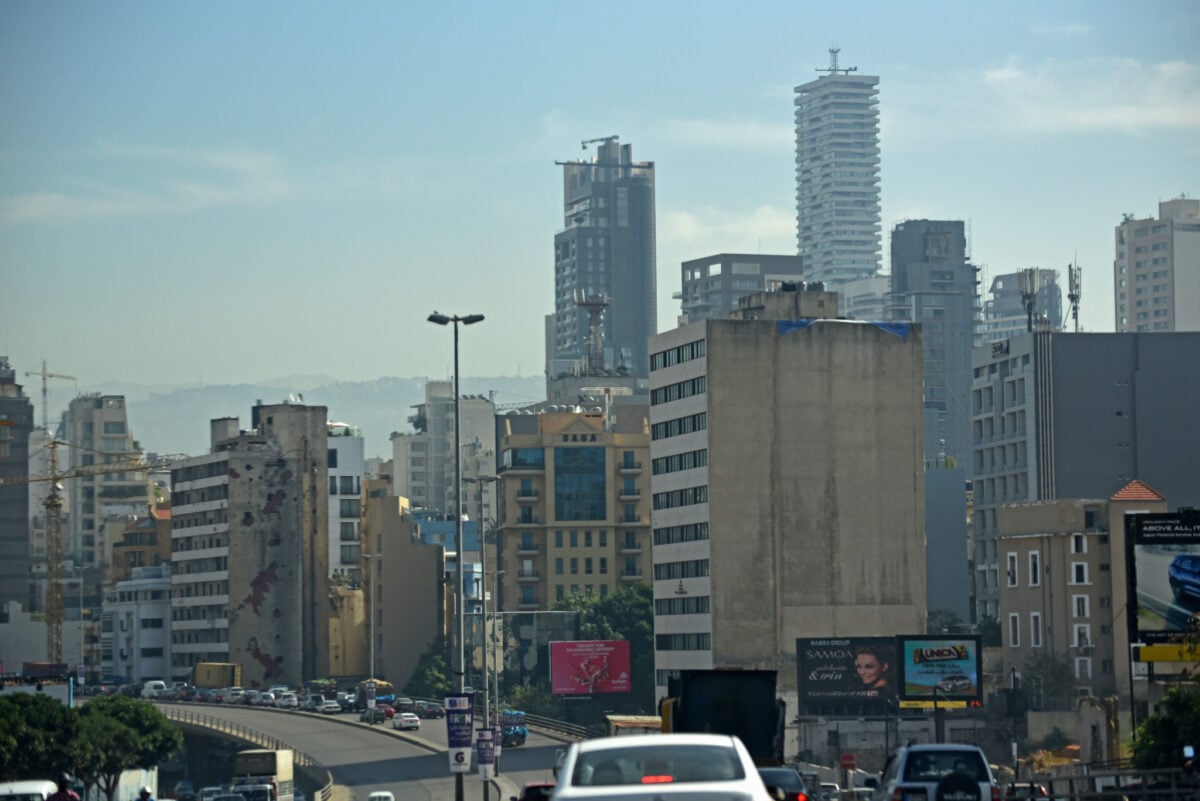
Beirut has been rebuilt so many times that the rebuilding itself became archaeological evidence. The downtown reconstruction after the civil war, which began in the 1990s, exposed Phoenician, Hellenistic, Roman, Byzantine, Arab, Crusader, and Ottoman layers in the same excavation trenches — a stratigraphic record of nearly every significant power that moved through the eastern Mediterranean.
The finds were extraordinary enough to prompt the creation of the Beirut Souks Archaeological Garden, which preserves the excavated layers in situ beneath the new commercial district built above them.
Amman, Jordan
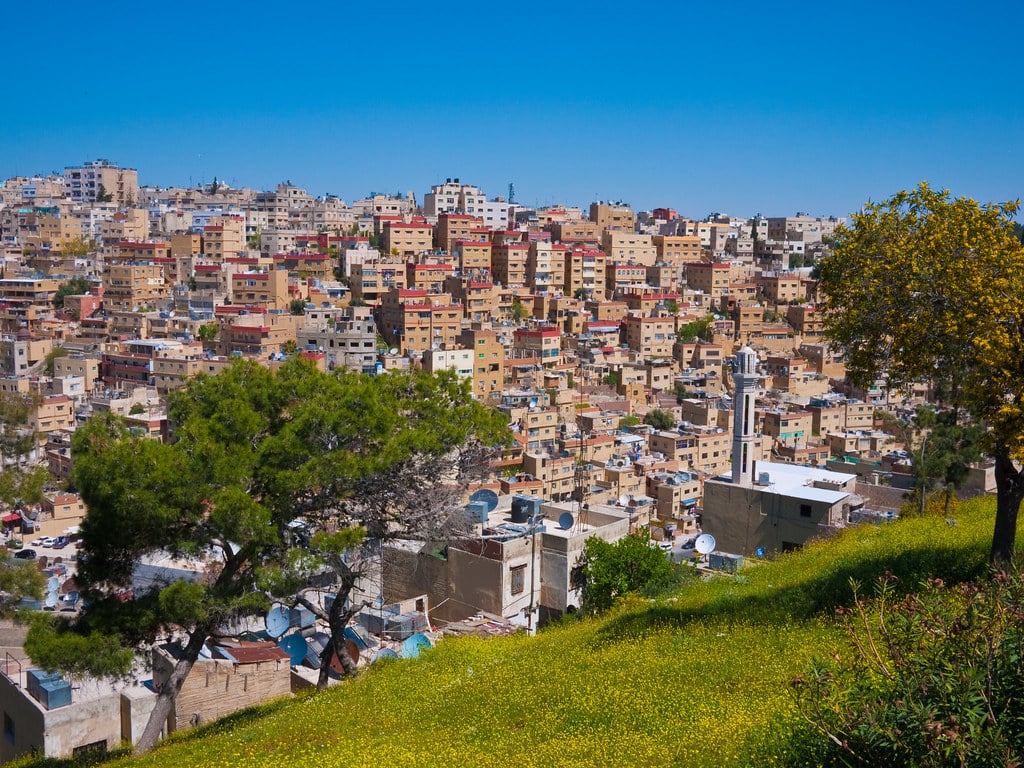
Amman sits on top of Philadelphia — not the American one, but the Hellenistic and later Roman city that occupied the same seven hills. Beneath the modern Jordanian capital, which grew from a small village in the 19th century into a city of several million, lie Bronze Age settlements, the Ammonite capital of Rabbath Ammon, and successive Hellenistic and Roman layers.
The Roman theater, seating 6,000 people, still stands in the middle of downtown Amman, surrounded by apartment buildings and street vendors — used occasionally for performances, indifferent to everything that happened since.
Tbilisi, Georgia
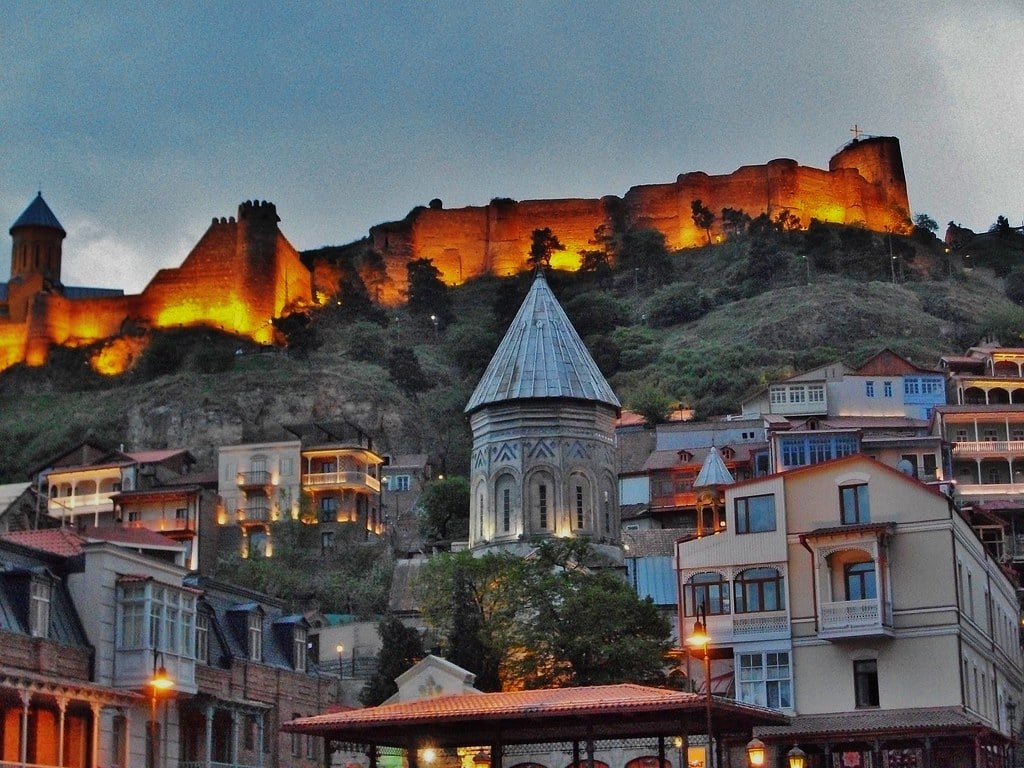
Tbilisi was founded in the 5th century CE, but the site it occupies was inhabited long before that, and the city has been destroyed and rebuilt so many times — by Persians, Arabs, Mongols, Timur, and others — that each reconstruction pressed the debris of the previous version deeper into the ground. Excavations in the city’s historic Metekhi and Narikala districts have revealed occupation layers reaching back to the early Iron Age, with artifacts from Achaemenid, Hellenistic, and Roman periods sitting beneath the ruins of medieval Georgian architecture.
Chicago, USA
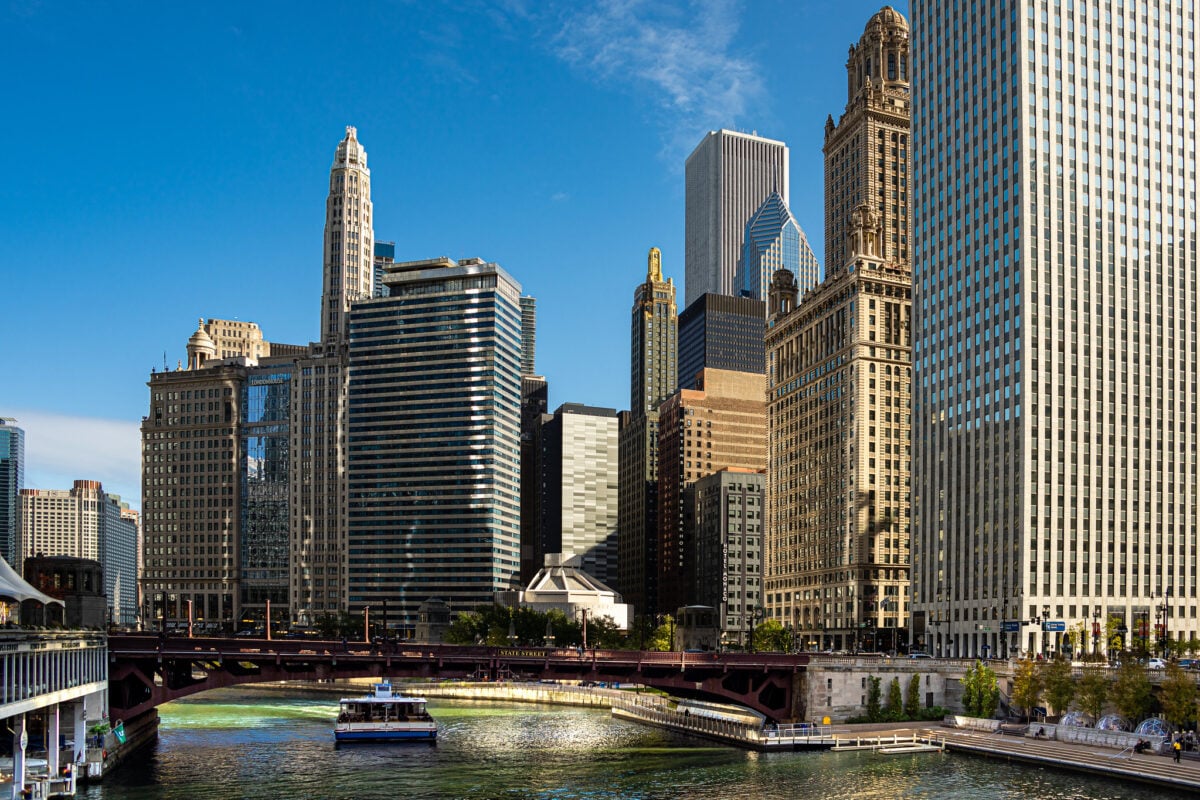
Chicago raised its own street level by as much as 10 feet in the 1850s and 1860s to solve a drainage problem, and then simply kept building on top of the raised grade. The original ground-floor storefronts and basements of buildings from the pre-raise era became underground spaces — what’s now called the Underground Chicago or the city’s “lower level.”
While this doesn’t represent an ancient buried civilization, it does mean that an entire layer of 19th-century Chicago is physically beneath the contemporary street, some of it still accessible, most of it sealed and forgotten under the city that decided to start over six feet higher.
Tarsus, Turkey
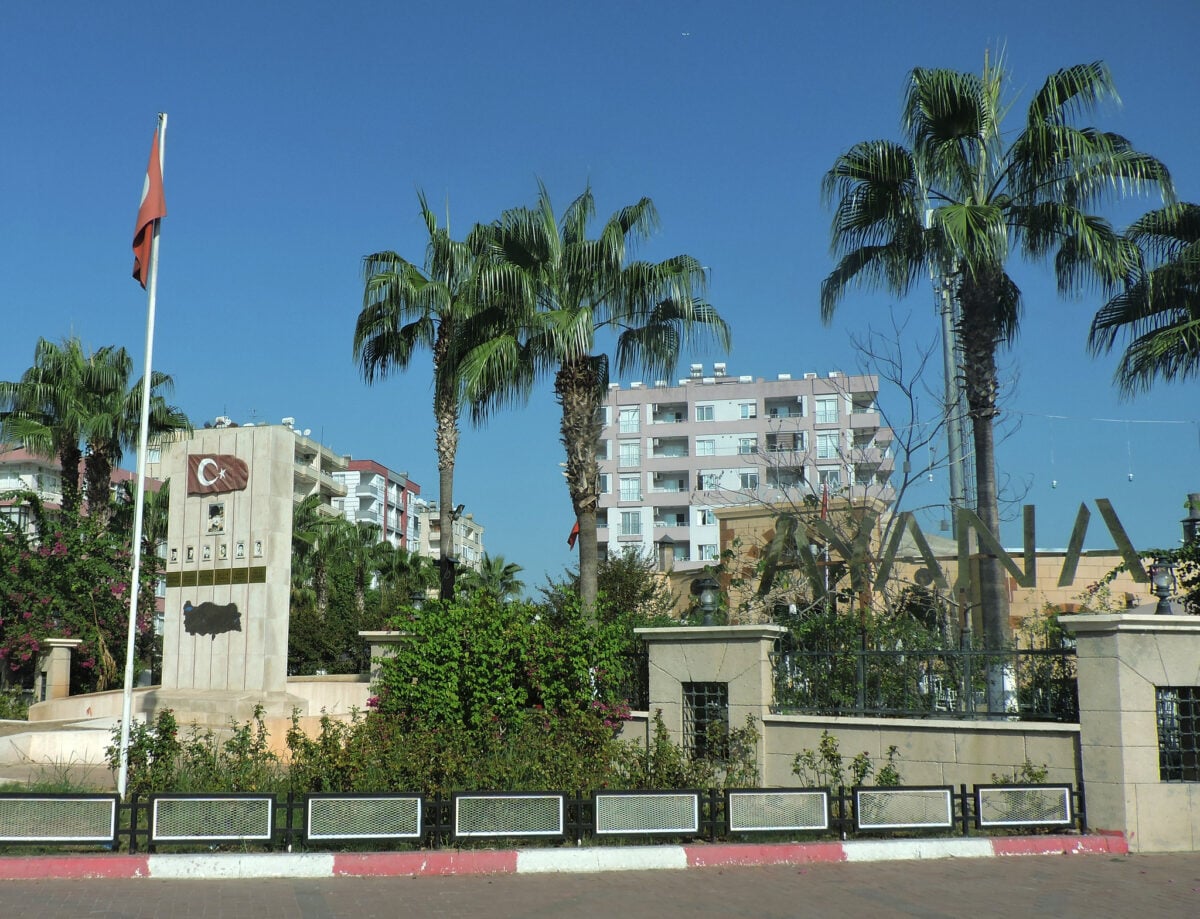
Tarsus is where the city of Paul of Tarsus, of Cleopatra’s meeting with Mark Antony, and of ancient Cilician trade sits — buried almost completely under the modern Turkish town of the same name. The ancient city accumulated over centuries of continuous settlement, and the tell on which it sits has been built over so thoroughly that archaeological access is limited to whatever construction or utility work happens to punch through.
Excavations have found Hittite, Assyrian, Greek, Roman, and Byzantine material in the same compact stratigraphy, as if the city never had time to be anything other than continuously, exhaustingly occupied.
What the Ground Remembers
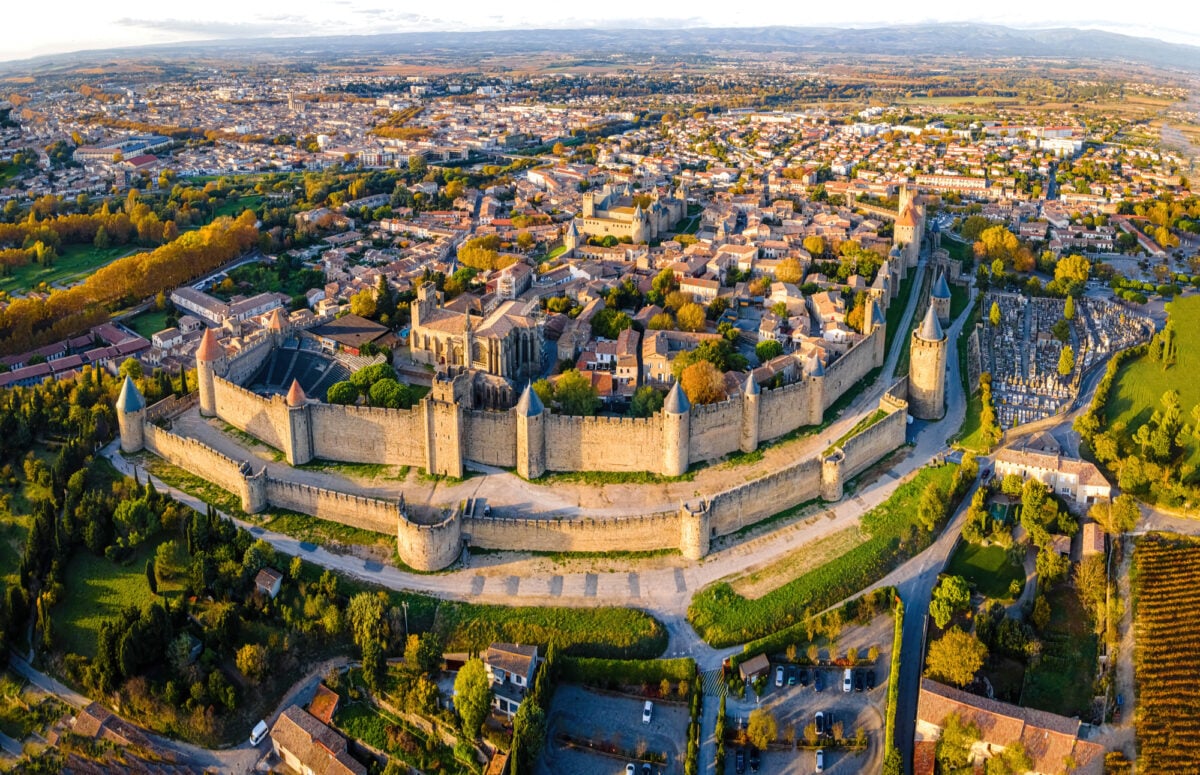
Cities don’t disappear cleanly. They compress. They get absorbed into the soil that other cities stand on, their walls becoming foundations, their streets becoming bedrock, their everyday objects — coins, ceramic dishes, writing tablets — becoming the evidence that archaeologists spend careers trying to read.
Every city on this list is proof that the ground beneath any human settlement is not empty. It’s an archive. And the archive goes down farther than most people standing at street level would ever think to wonder about.
The next time a construction crew hits something unexpected eight feet down in any old city — and they will — that’s not an interruption. That’s the city beneath the city, asserting itself.
More from Go2Tutors!

- The Romanov Crown Jewels and Their Tragic Fate
- 13 Historical Mysteries That Science Still Can’t Solve
- Famous Hoaxes That Fooled the World for Years
- 15 Child Stars with Tragic Adult Lives
- 16 Famous Jewelry Pieces in History
Like Go2Tutors’s content? Follow us on MSN.



