Cars That Run on Vegetable Oil
You’ve probably heard someone mention running a car on french fry grease, and thought it sounded too good to be true. The idea of powering a vehicle with leftover cooking oil seems like something from a quirky documentary, not real life.
But it’s real, and people do it every day. The technology exists.
The fuel exists. And the results can surprise you.
What Makes This Possible

Diesel engines can burn vegetable oil because of how they work. Unlike gasoline engines that use spark plugs, diesel engines compress air until it gets hot enough to ignite fuel on contact.
This design makes them more flexible about what they’ll accept as fuel. Rudolf Diesel, who invented the engine, actually demonstrated it using peanut oil back in 1900.
The petroleum industry just made diesel fuel cheaper and more available, so vegetable oil fell out of favor.
Two Main Approaches

You can convert a diesel vehicle to run on straight vegetable oil, or you can process the oil into biodiesel first. These paths require different equipment and give you different results.
Straight vegetable oil systems need a second fuel tank and a heating system since the oil needs to warm up before the engine can handle it. Biodiesel conversion happens before you pour anything into your tank, turning the oil into something closer to regular diesel through a chemical process.
The Straight Vegetable Oil Setup
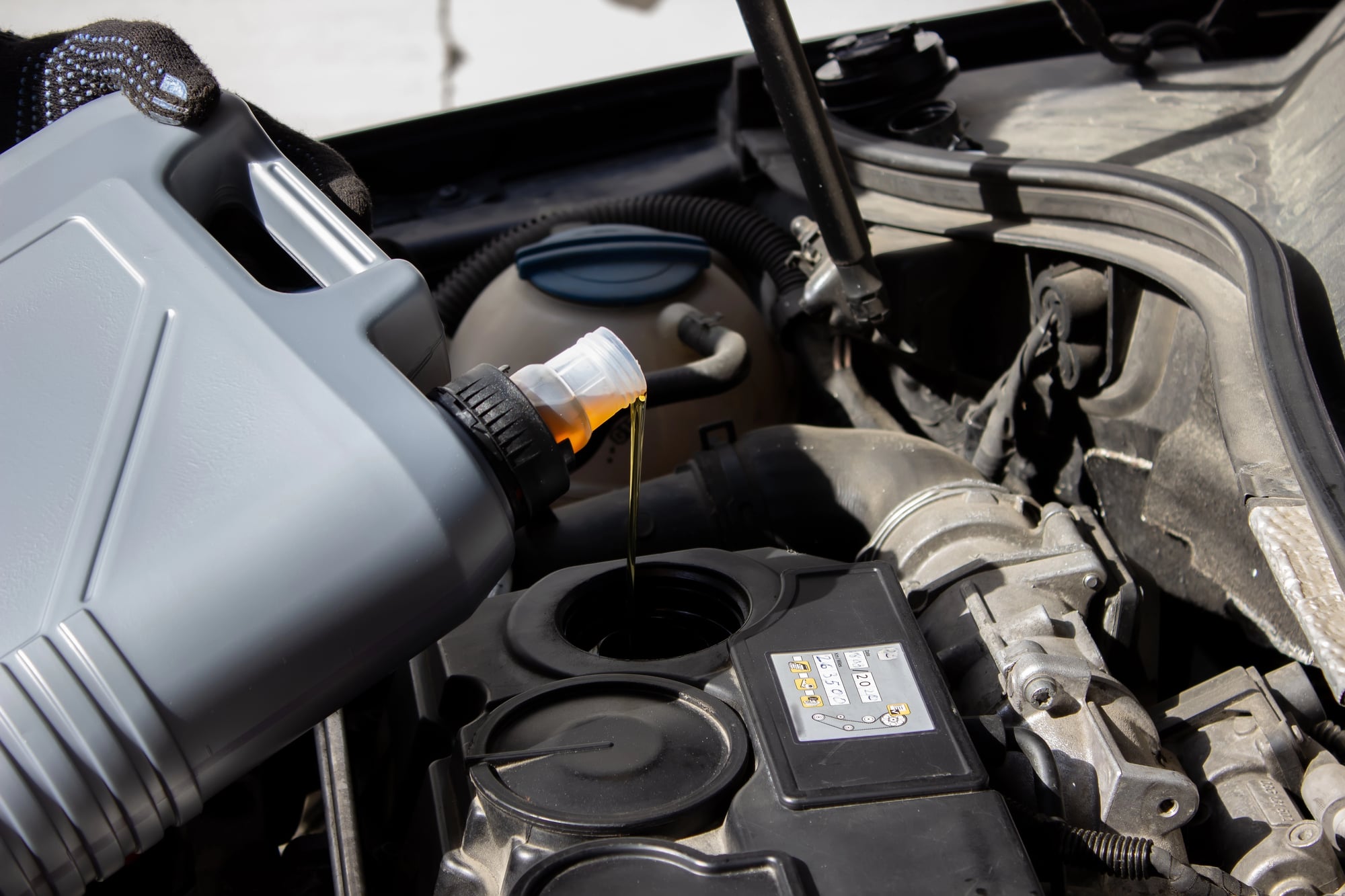
This conversion keeps things mechanical. You install a second tank for the vegetable oil, add fuel lines with heaters, and switch between regular diesel and vegetable oil while driving.
You start the engine on diesel, wait for everything to heat up, then flip a switch to run on vegetable oil. Before you shut down, you switch back to diesel to clear the system.
The process takes attention but becomes routine once you get used to it.
Making Biodiesel at Home

Biodiesel production happens through a chemical reaction called transesterification. You mix vegetable oil with methanol and lye, which breaks down the oil and creates biodiesel plus glycerin as a byproduct.
The process needs precise measurements and careful handling since lye burns skin and methanol produces toxic fumes. Home producers often start small, making five-gallon batches in their garage using converted water heaters or specialized processors.
Where the Oil Comes From

Restaurant fryers provide the most common source of free vegetable oil. Chinese restaurants, burger joints, and fried chicken places all generate waste oil that needs disposal.
You can often get it for free if you’re willing to filter it and haul it away yourself. Some people build relationships with specific restaurants and pick up oil on a regular schedule.
Others buy fresh vegetable oil from warehouse stores, though that eliminates the cost savings that make the whole thing worthwhile for many drivers.
Filtering Requirements

Raw fryer oil contains food particles, water, and other contaminants that will clog your fuel system. You need to filter it multiple times, starting with a coarse screen to catch the big chunks, then progressively finer filters to remove smaller particles.
Many people use old t-shirts, coffee filters, or purpose-built filter bags. Water poses another problem since it sinks to the bottom of storage containers.
You have to let the oil settle for days or weeks, then drain the clean oil from the top while leaving the water and sediment behind.
Engine Modifications and Risks

Running straight vegetable oil can cause problems if you don’t do it right. The oil thickens in cold weather, which can starve your engine of fuel.
It also leaves deposits if it doesn’t burn completely. Some drivers report fuel pump failures or injector problems after years of use.
The heating system addresses the thickness issue, but you still need to monitor your engine more carefully than you would with regular diesel. Fresh oil causes fewer problems than old fryer oil, but it costs more.
Cold Weather Challenges

Vegetable oil turns into something like syrup when temperatures drop. This thickness can prevent it from flowing through fuel lines and filters.
Most straight vegetable oil systems solve this by keeping the oil tank heated or insulated, and by running diesel during cold starts. Biodiesel handles cold better than straight oil, but it still gels at lower temperatures than petroleum diesel.
You can add kerosene or special additives to improve cold-weather performance.
Legal and Warranty Considerations

Using vegetable oil voids your vehicle warranty in most cases. Manufacturers design engines for specific fuel types, and vegetable oil doesn’t meet those specifications.
Some states also require you to pay fuel taxes on homemade biodiesel since you’re using it on public roads. The tax rates vary, but they exist because governments fund road maintenance through fuel taxes.
A few jurisdictions ban homemade fuels entirely or require permits and safety inspections.
Cost Analysis

The numbers only work if you get free waste oil. Fresh vegetable oil costs more than diesel at the pump, so buying new oil defeats the purpose unless you really care about the environmental angle.
Conversion kits for straight vegetable oil systems run from $800 to $3,000 depending on quality and installation complexity. Biodiesel processors cost $300 to $2,000.
Then you need to factor in time spent collecting, filtering, and processing oil. Your hourly rate determines whether the savings justify the work.
Environmental Impact

Vegetable oil produces less carbon dioxide than petroleum diesel because plants absorb CO2 while growing. This creates a shorter carbon cycle compared to pumping ancient carbon out of the ground.
Burning vegetable oil also produces fewer sulfur emissions. But the environmental picture gets complicated when you consider how the oil was produced.
Industrial agriculture uses pesticides, fertilizers, and diesel-powered equipment. Transportation of the oil adds more emissions.
The waste oil from restaurants represents the best environmental choice since it already exists as a byproduct.
Performance Differences

Most drivers report that vegetable oil delivers slightly less power than diesel. The energy content per gallon runs about 10% lower, which translates to reduced acceleration and fuel economy.
Some people notice their exhaust smells like popcorn or french fries, which can be amusing or annoying depending on your perspective. The engine runs a bit quieter in some cases, though this varies by setup and oil quality.
Reliability Factors

Success with vegetable oil depends heavily on maintenance and attention to detail. You need to change filters more often than with regular diesel.
Oil quality matters too. A batch of contaminated oil can damage your fuel system quickly.
Long-term reliability data remains limited since the practice sits on the fringes of mainstream vehicle use. Some enthusiasts run their vehicles for hundreds of thousands of miles without major issues.
Others blow engines after a few years.
Community and Resources
A fresh start often comes from watching a video late at night. Folks swapping rides powered by cooking grease find each other online or down the street.
One person might know where to grab used fryer fluid cheap, another can fix a clogged line. Group buys pop up when enough members need filters or tanks.
Learning curves flatten fast when someone else already burned their hand on the same mistake. Still, expect surprises no matter how many guides you watch.
Clips show wrench work, hose tangles, even lab-style mixes that turn gunk into fuel. Every builder adds their own twist along the way.
The Bigger Picture

Most folks find using veggie oil in cars fits better as a pastime or green choice than a way to save cash. Spending hours up front plus buying gear means payback takes ages – unless you log huge mileage yearly.
Yet for tinkerers eager to cut ties with fossil fuels, it stands solid. Machines run on it.
Grease gets filtered and stored. The only question sits in your court: does swapping garage work for gas station trips line up with what matters to you, and how deep will you dive into filling up with last night’s fryer leftovers.
More from Go2Tutors!

- The Romanov Crown Jewels and Their Tragic Fate
- 13 Historical Mysteries That Science Still Can’t Solve
- Famous Hoaxes That Fooled the World for Years
- 15 Child Stars with Tragic Adult Lives
- 16 Famous Jewelry Pieces in History
Like Go2Tutors’s content? Follow us on MSN.