Some of the World’s Most Remote Post Offices Still Deliver Mail by Hand
There’s something quietly stubborn about the postal system. In an age of same-day delivery apps and tracking numbers pinged straight to your phone, a handful of places on Earth still get their mail the old way — carried by a person, an animal, or a boat, across terrain that doesn’t care how urgent your letter is.
These aren’t quaint tourist gimmicks either. They’re functioning postal routes, staffed by people who show up regardless of weather, altitude, or common sense, because somewhere down the line, someone is waiting on that envelope.
Supai, Arizona
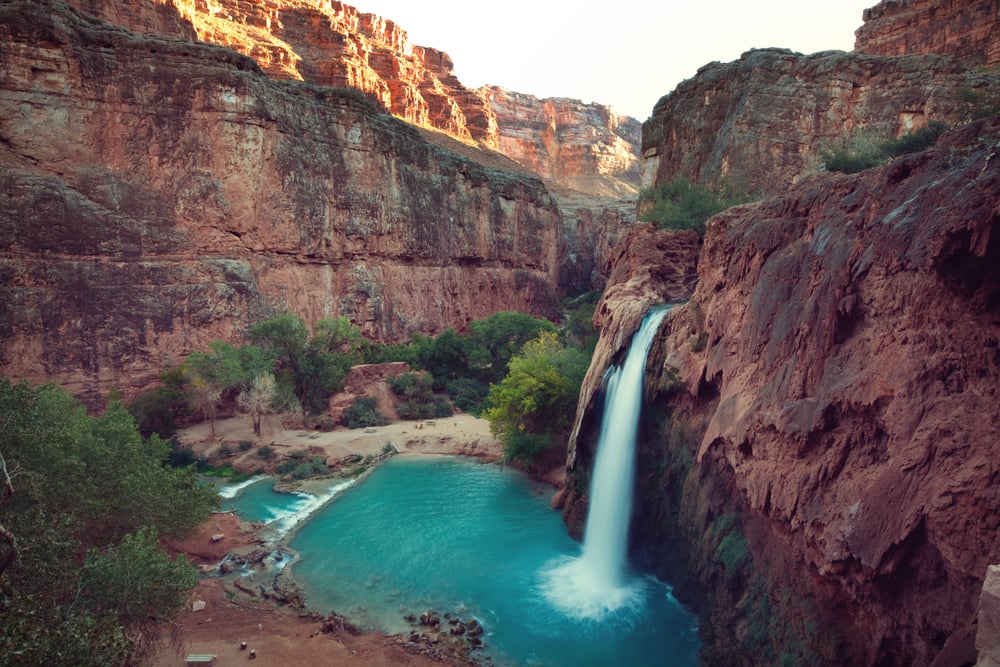
Supai sits eight miles down into the Grand Canyon, reachable only by foot, horseback, or helicopter. Mail still arrives by mule train, the last one of its kind in the United States.
Pack animals haul letters, packages, and groceries down a switchback trail that would make most delivery trucks give up entirely.
Dal Lake, Srinagar
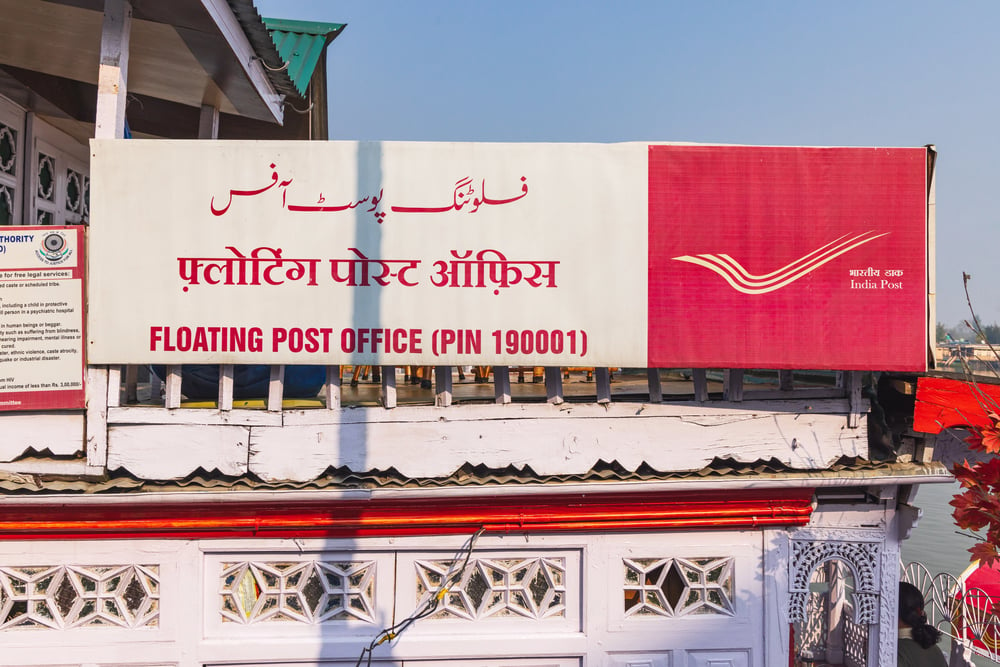
Dal Lake doesn’t behave like a place that should have a post office, and yet it’s had one since 1950, floating right there among the houseboats. What you get is a peculiar kind of poetry: a mail carrier paddling a shikara between water-bound homes, envelopes tucked somewhere dry, the whole operation moving at the pace of the current rather than a delivery schedule.
Locals will tell you it’s mostly for tourists now — postcards, mainly — but the boat still goes out, and the post office still stamps things, and somehow that matters more than efficiency ever could.
Port Lockroy, Antarctica
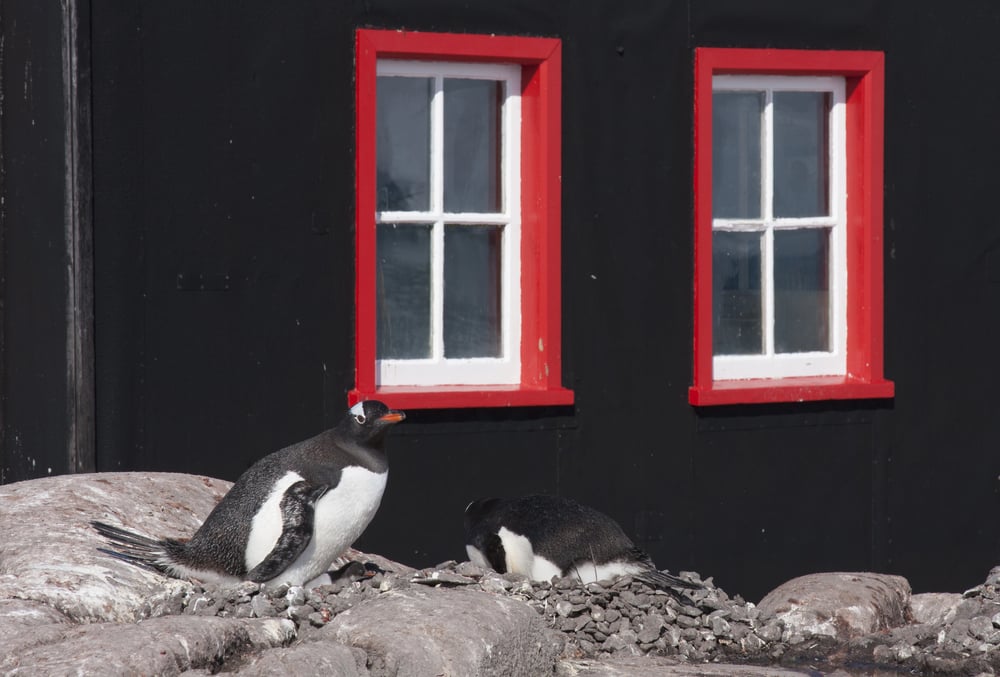
Nothing about Port Lockroy makes sense on paper, which might be why it works. Run by the UK Antarctic Heritage Trust, this former British research station on Goudier Island becomes, each austral summer, the world’s most improbable post office, staffed by a small crew who process tens of thousands of postcards for penguin-adjacent tourists before the ice closes back in.
The mail leaves by ship, not plane, and it can take months to reach its destination — a fact that somehow adds weight to it, the way a slow letter always feels more honest than a fast one.
Svalbard, Norway
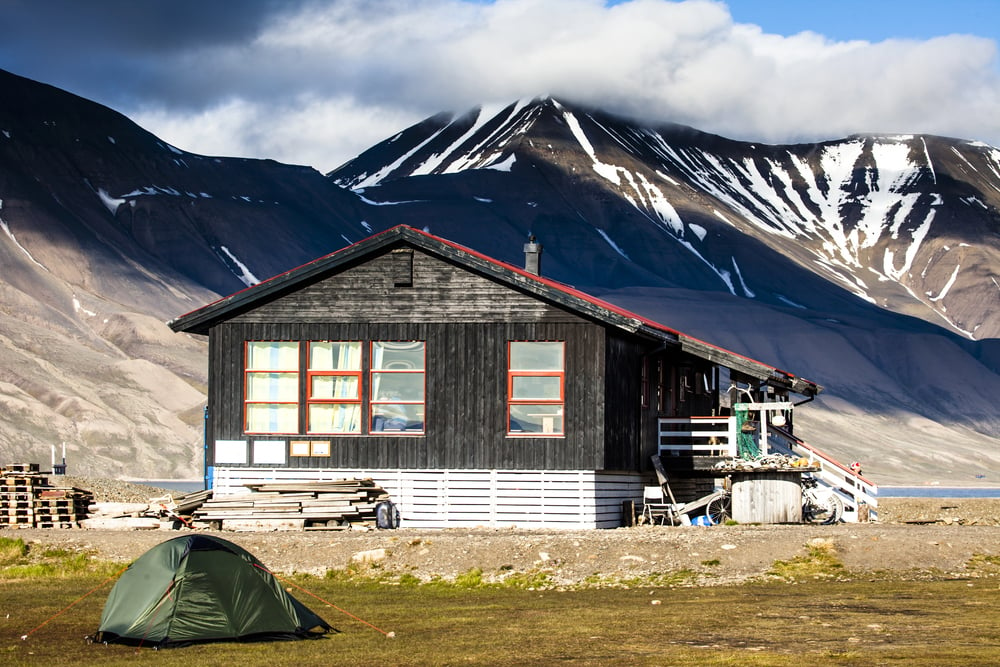
Longyearbyen holds the title of the world’s northernmost post office, and it does not let you forget it. This is polar bear country, dark for months at a stretch, where mail still gets sorted and handed across a counter like it’s any other Tuesday.
Nobody’s pretending it’s glamorous. It’s just done, reliably, at 78 degrees north, which is saying something.
Tristan da Cunha
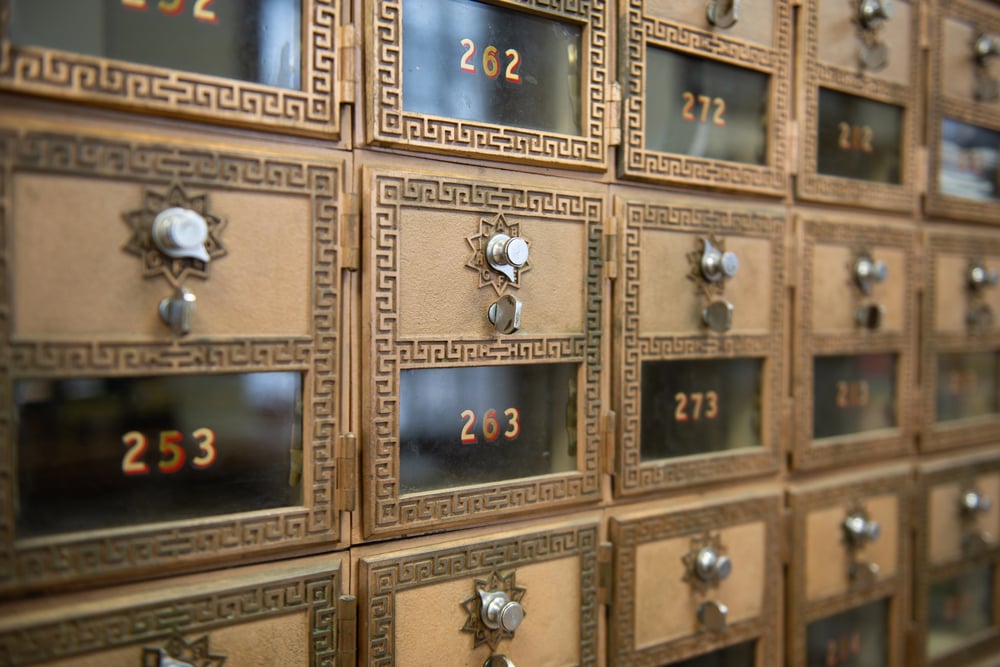
Tristan da Cunha is the most remote inhabited island on the planet, sitting nearly 1,700 miles from the nearest neighbor, South Africa, with no airstrip to speak of. Mail arrives by ship — and not often, either, since supply vessels only call a handful of times a year, weather permitting, which it frequently isn’t.
So residents wait: sometimes weeks, sometimes considerably longer, for a bag of letters that left civilization months earlier. There’s a stubborn kind of patience built into daily life there, and the mail is just one more thing you learn to stop watching for.
Pitcairn Island
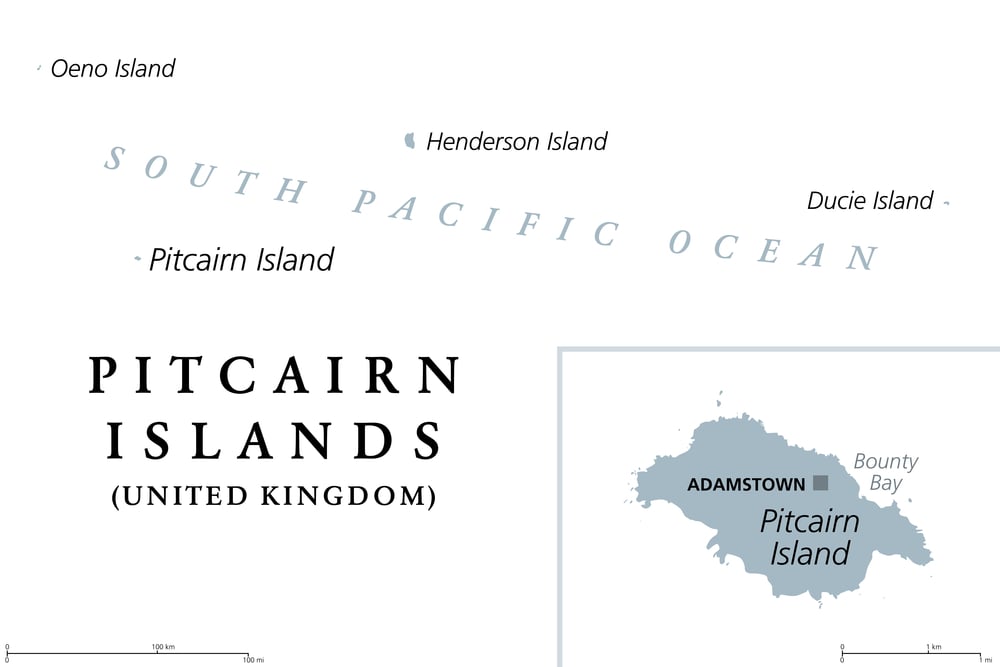
Pitcairn, population somewhere around 40, has no dock capable of handling large ships and no runway at all. Mail comes in on a supply vessel that visits a few times annually, transferred to smaller boats that navigate the rocky landing at Bounty Bay.
Getting a letter here isn’t a service, exactly — it’s closer to a small logistical miracle each time it happens.
Himalayan Postal Runners
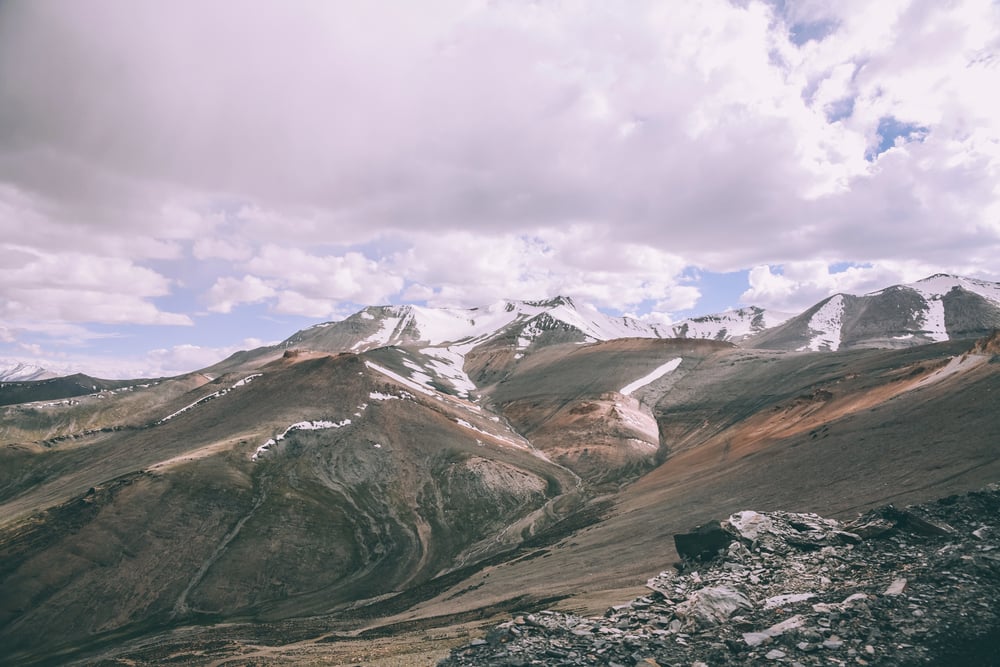
In the mountain districts of Himachal Pradesh and Uttarakhand, India, mail still moves the way it has for generations: on someone’s back, across a footpath, through weather that would close most roads outright. Postal runners carry sacks of letters between villages perched at elevations where vehicles simply can’t follow, threading narrow trails that cling to slopes and cross rivers on footbridges that sway more than anyone would like.
There’s no romance intended in the job itself — it’s grueling, seasonal, and thankless in the way that most essential work tends to be. And yet the mail arrives, year after year, because someone decided that a letter shouldn’t be a privilege reserved for places with roads.
Alaska Bush Mail
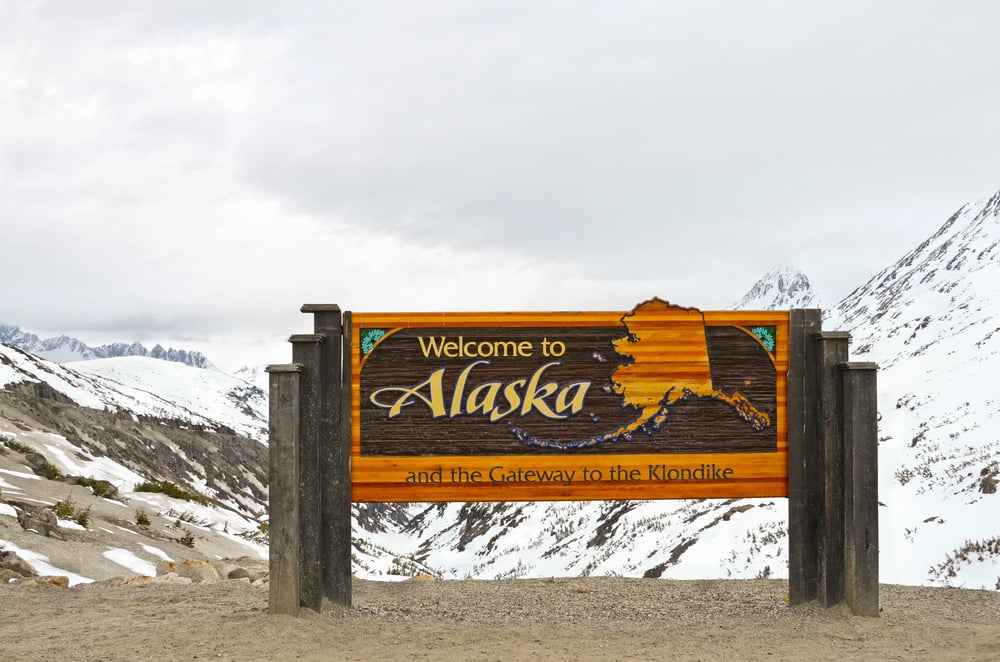
Rural Alaska runs on bush planes, and mail is no exception. Villages like those scattered across the Yukon-Kuskokwim Delta receive letters and packages via small aircraft, weather permitting, which in Alaska is a considerable qualifier.
Pilots double as postal carriers out of necessity, not novelty — there simply isn’t another practical way in.
Fair Isle, Scotland
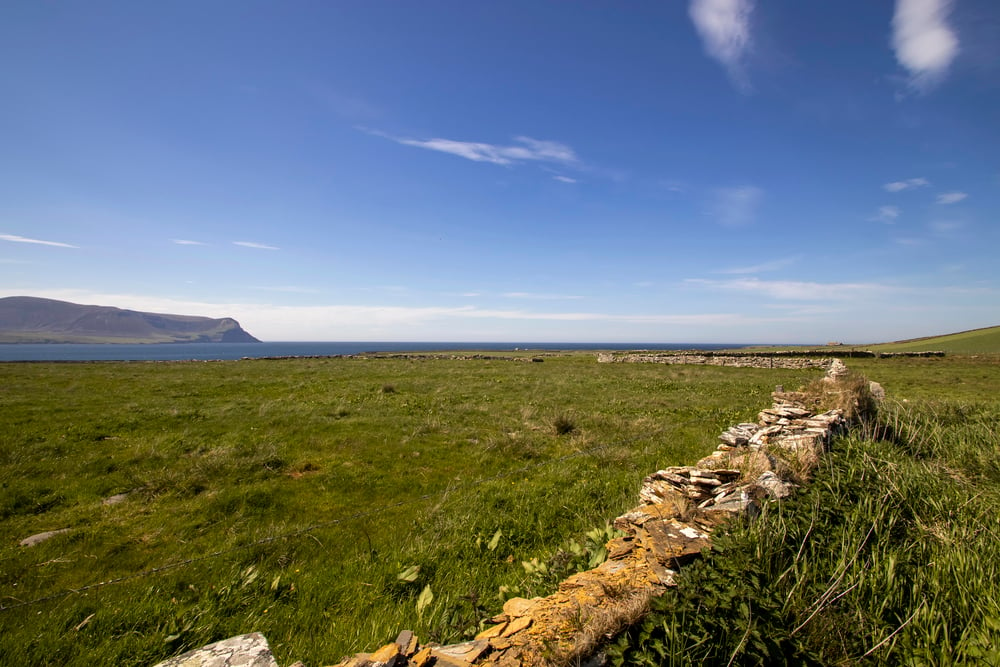
Fair Isle sits between the Orkney and Shetland Islands, a speck of land where roughly seventy people live and the weather makes most of the decisions. Mail arrives by boat when the sea allows it, and by small plane when it doesn’t, though “doesn’t” applies with unfortunate regularity given the North Atlantic’s temperament.
What’s striking isn’t the delivery method itself so much as the quiet reliability behind it: someone, somewhere, keeps making the crossing, storm after storm, because a handful of letters are worth the trip. It’s not glamorous work, but it’s the kind that keeps an island connected to everything beyond its own shoreline.
Ittoqqortoormiit, Greenland
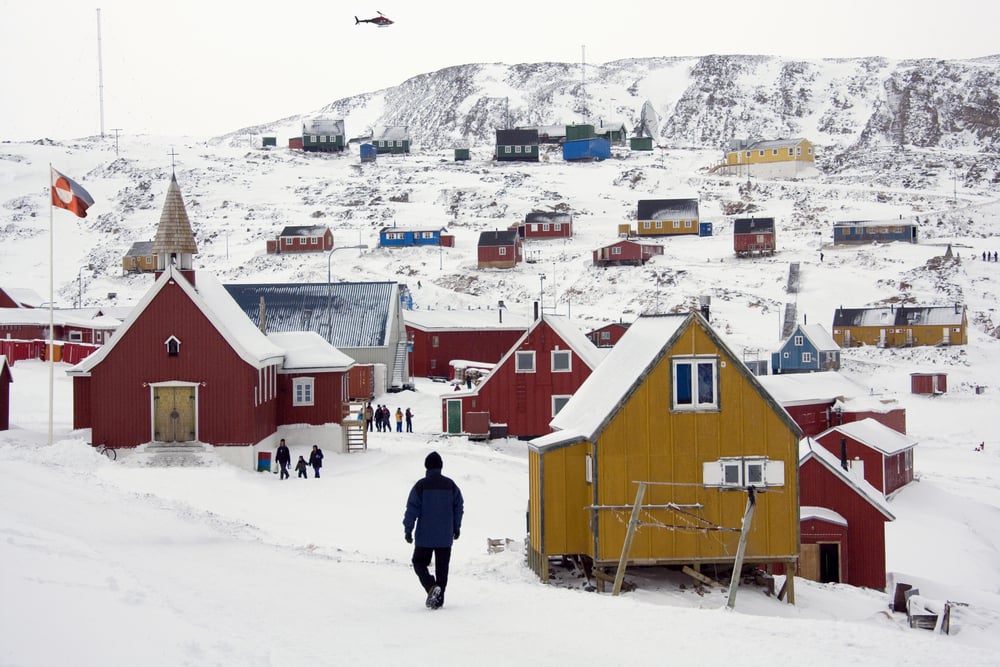
Ittoqqortoormiit is one of the most isolated settlements on Earth, sea ice sealing it off for much of the year, with roughly 350 residents holding on at the edge of a fjord that looks more like another planet than anywhere postal trucks belong. Mail comes by boat in the brief ice-free window, or by small aircraft the rest of the time, and delays measured in weeks aren’t unusual.
There’s no complaining about it locally, either — you adapt to the ice, or you don’t live there.
Australian Outback Mail Run
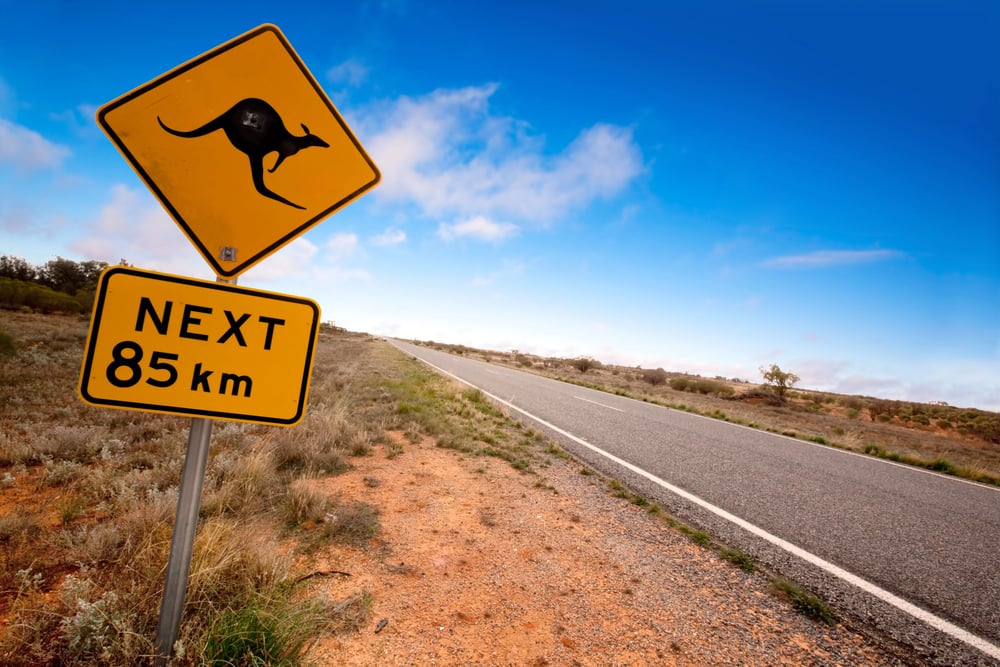
Australia doesn’t do remote by halves, and its outback mail runs prove it. Certain rural routes still deliver to isolated cattle stations and settlements via light aircraft or long-haul road runs stretching hundreds of miles between stops, some of the longest postal routes on the planet by distance covered per delivery.
Turns out the outback taught its mail carriers the same lesson it teaches everyone else: patience isn’t optional out there, it’s the entire job description.
Everest Region, Nepal
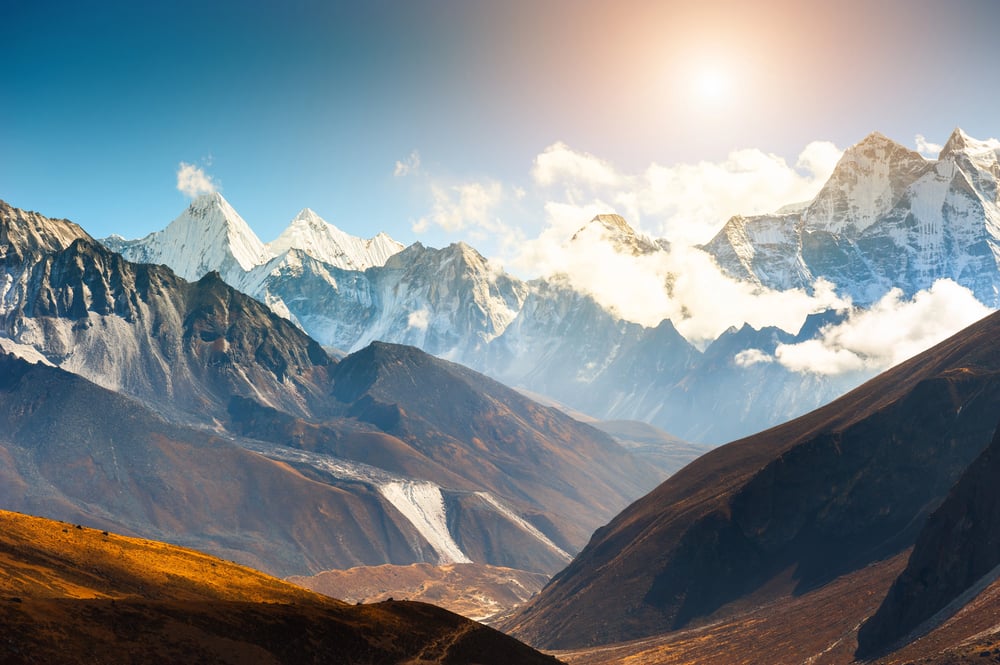
No roads reach the villages scattered through the Khumbu region near Everest, so mail moves the way most goods do there: on the backs of porters, occasionally supplemented by helicopter when weight or urgency demands it. A letter bound for a teahouse in Namche Bazaar might travel its final miles strapped to someone’s shoulders, climbing switchbacks at altitudes that leave most visitors gasping.
The mountain doesn’t care about postal timelines, and everyone involved seems to have made peace with that a long time ago.
Faroe Islands
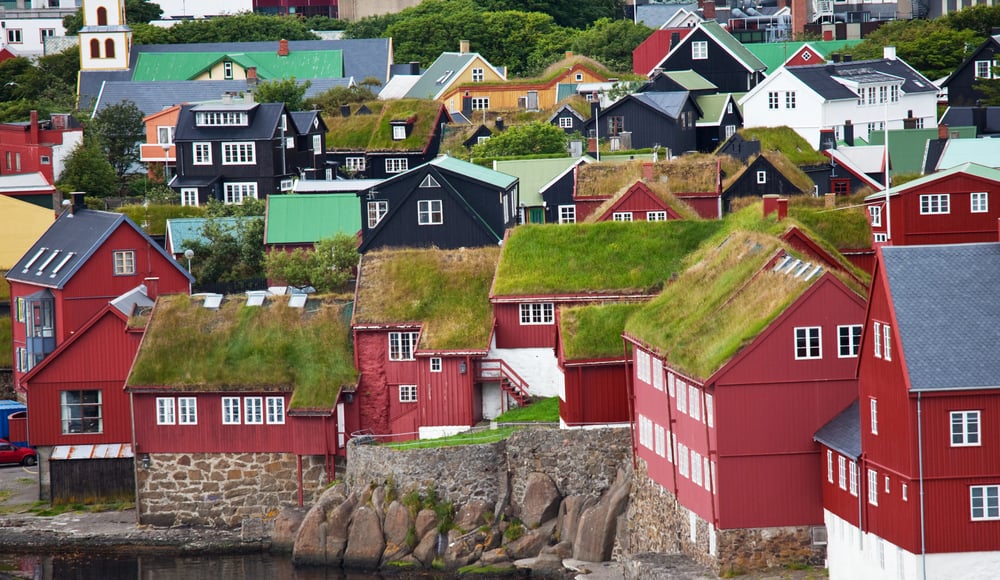
Some of the smaller, more scattered Faroese islands still rely on helicopter service for mail and supplies, particularly during winter when ferry crossings become unreliable or simply impossible. It’s an expensive way to move a letter, and nobody pretends otherwise.
But the alternative is isolation, and the Faroese have never seemed particularly interested in that option.
Ascension Island
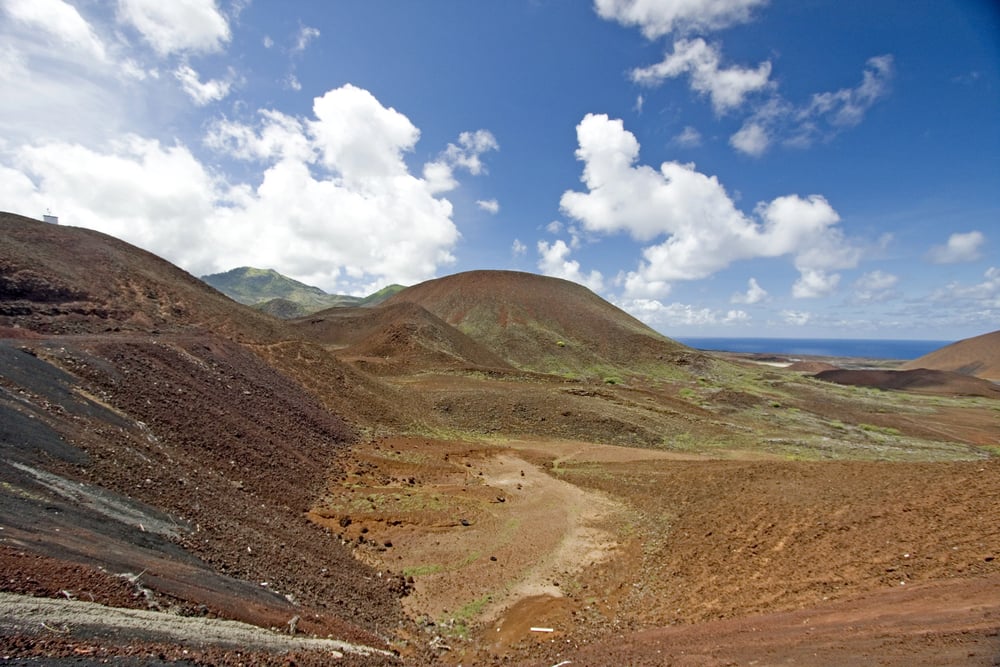
Ascension is a volcanic speck in the middle of the South Atlantic, roughly a thousand miles from the nearest continent, with a small population supporting a military and scientific presence. Mail arrives by ship or the occasional military flight, infrequent enough that residents plan around it rather than expect it.
Distance, here, isn’t an inconvenience so much as the defining fact of daily existence.
Norway’s Fjord Mail Route
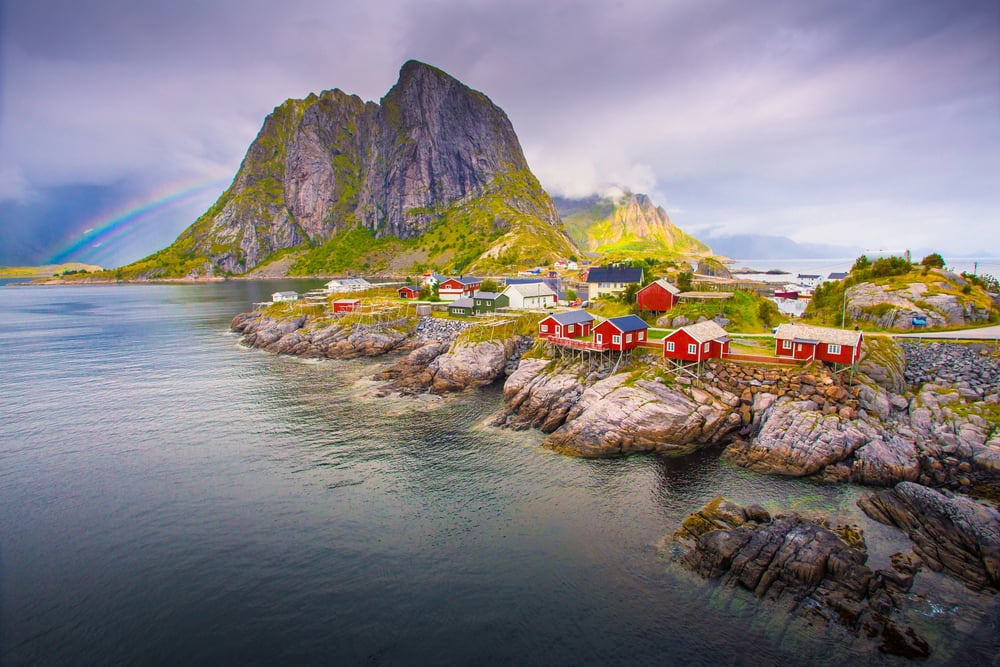
For over a century, Norway’s coastal steamers, the Hurtigruten line among them, carried mail to fjord villages that had no road access whatsoever, weaving between cliffs and inlets on a route that became as much a lifeline as a delivery service. Some of that tradition has faded as roads and airports crept into once-isolated corners of the coast.
But the memory of it lingers in how those towns still talk about the boat’s arrival — less a delivery, more an event, the kind that gathered people at the dock just to watch it come in.
What the Slow Mail Still Teaches
There’s a reason these places haven’t fully modernized their mail systems, and it isn’t stubbornness or nostalgia. It’s that some corners of the world simply refuse to bend to convenience, no matter how insistent the rest of the planet gets.
A letter carried by mule, by boat, by someone’s own two feet across a mountain path, arrives changed somehow — slower, yes, but heavier with the fact that a person chose to make that journey on your behalf. Maybe that’s worth remembering the next time an inbox fills up with things that took no effort at all to send.
More from Go2Tutors!

- The Romanov Crown Jewels and Their Tragic Fate
- 13 Historical Mysteries That Science Still Can’t Solve
- Famous Hoaxes That Fooled the World for Years
- 15 Child Stars with Tragic Adult Lives
- 16 Famous Jewelry Pieces in History
Like Go2Tutors’s content? Follow us on MSN.