16 Towns That Thrived Before Walmart Arrived
The arrival of Walmart in small American towns has become a defining moment in modern retail history. What many people don’t realize is just how vibrant and economically diverse these communities were before the retail giant set up shop.
These weren’t sleepy backwaters waiting for salvation—they were bustling centers of commerce with thriving Main Streets, local entrepreneurs, and economic ecosystems that had sustained generations of families. The transformation didn’t happen overnight, though the pattern became predictable across hundreds of communities.
Here are 16 towns that experienced dramatic changes after Walmart’s arrival, each telling a unique story of what was lost in the pursuit of everyday low prices.
Bentonville, Arkansas
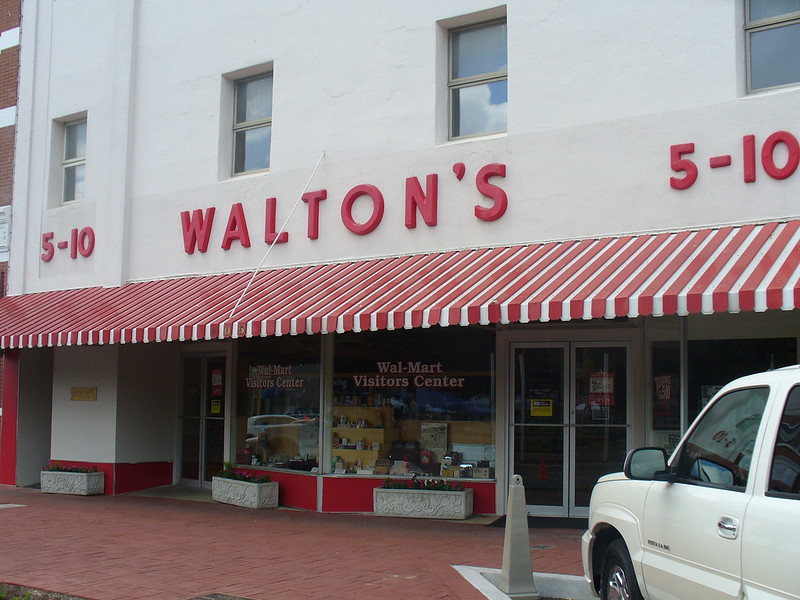
Bentonville might seem like an odd choice since it’s Walmart’s hometown, yet the irony runs deep. Before Sam Walton opened his first store in 1962, Bentonville was a typical small Arkansas town with a courthouse square surrounded by local businesses.
The town had everything a community needed: locally-owned department stores, family pharmacies, and specialty shops that had served the area for decades. Today, while Bentonville has certainly prospered as Walmart’s corporate headquarters—the original character of that small-town square has been completely transformed into something unrecognizable.
Ottumwa, Iowa
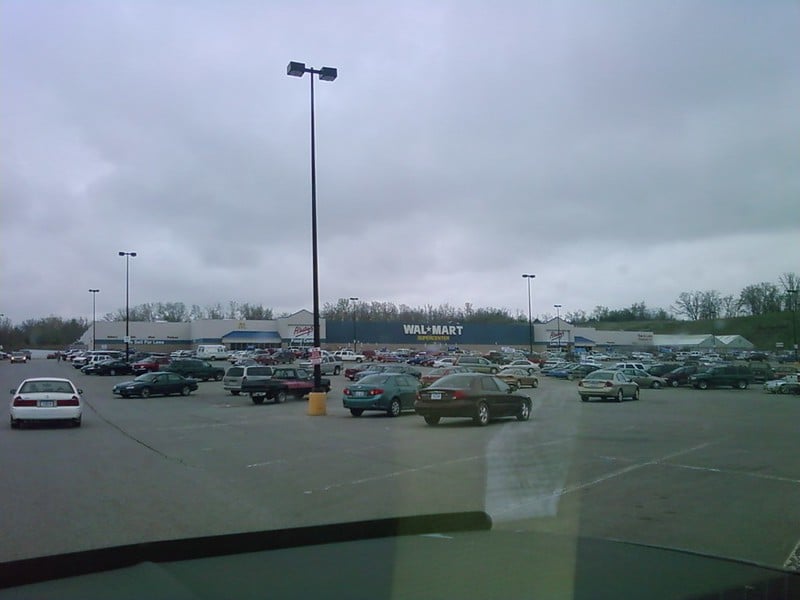
Ottumwa was once a railroad hub with a thriving downtown that stretched for blocks along Main Street. The town supported multiple department stores, including a locally-owned chain called Younkers that had deep roots in the community.
Local merchants knew their customers by name, and the downtown area buzzed with activity well into the evening hours. When Walmart arrived in the 1980s, it didn’t just compete with these stores—it fundamentally altered shopping patterns, drawing customers away from the walkable downtown to a car-dependent strip mall environment.
Like Go2Tutors’s content? Follow us on MSN.
Nowata, Oklahoma
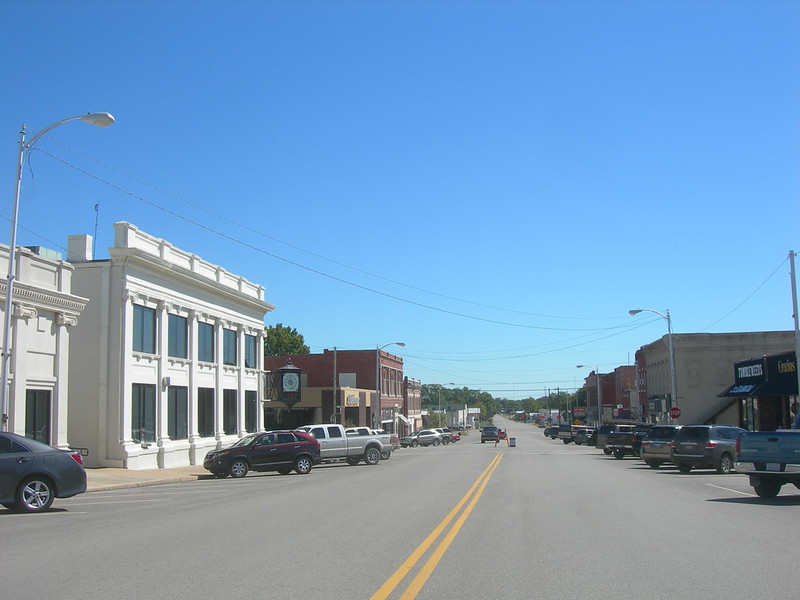
This small Oklahoma town had managed to maintain a surprising level of retail diversity for its size, with locally-owned stores serving everything from hardware needs to clothing and groceries. The town’s Main Street featured family businesses that had been passed down through generations—creating a sense of continuity and local identity.
Nowata’s business district was compact but complete, allowing residents to handle most of their shopping needs without leaving town. The arrival of Walmart didn’t just change where people shopped; it changed how they thought about their community and their relationship to local business ownership.
Pawhuska, Oklahoma
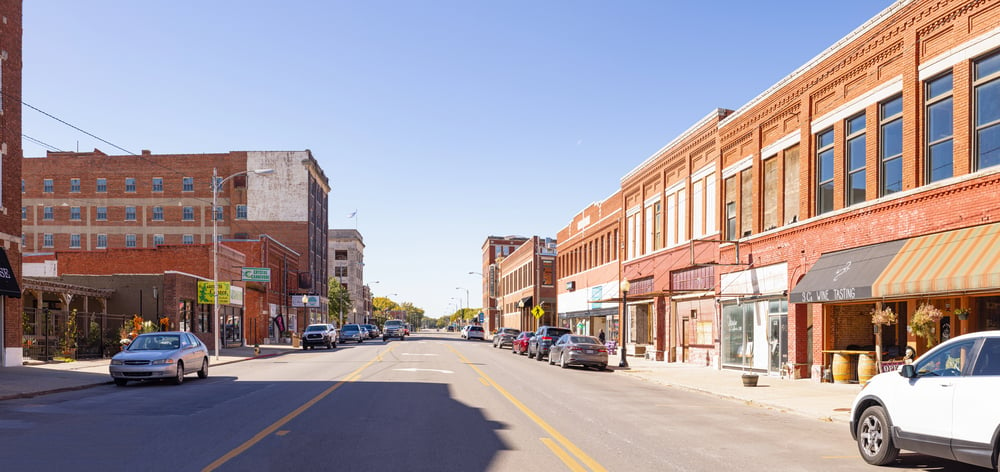
Pawhuska had a particularly vibrant downtown scene, anchored by the historic Constantine Theater and surrounded by locally-owned shops that catered to both the town’s residents and visitors drawn by the area’s oil heritage. The town’s Main Street was lined with family-owned businesses that had weathered the Great Depression and various economic ups and downs.
Many of these establishments had become local institutions—places where multiple generations of families had shopped and worked. The shift to big-box retail fundamentally altered not just the economic landscape but the social fabric of daily life in Pawhuska.
Guthrie, Oklahoma
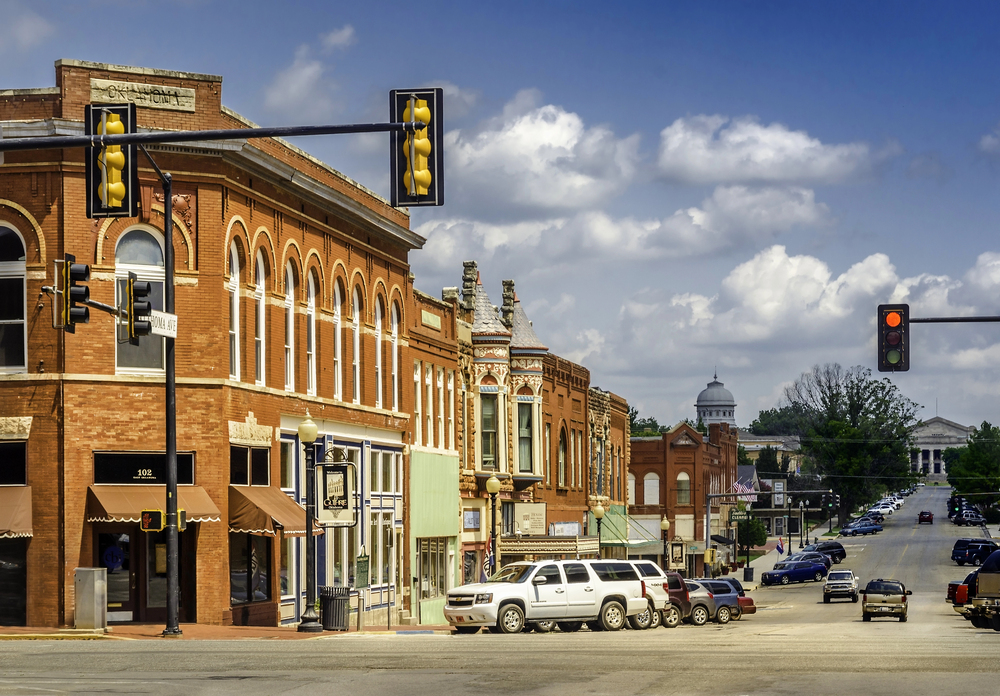
As Oklahoma’s first capital city, Guthrie had maintained a historic downtown with an impressive collection of Victorian-era buildings housing thriving local businesses. The town’s commercial district was a point of pride, featuring everything from clothing stores to pharmacies to restaurants, all independently owned and operated. Guthrie’s Main Street served as both a commercial center and a social hub, where people gathered not just to shop but to connect with their neighbors.
The town’s retail ecosystem was remarkably self-contained—with local businesses supporting each other through cross-referrals and shared customer bases.
Hearne, Texas
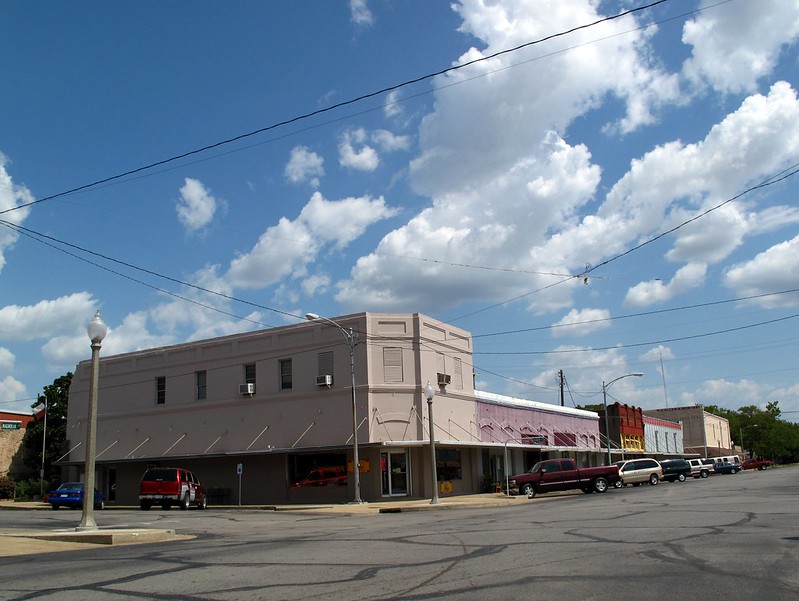
This small Texas town had developed a downtown area that served the surrounding farming community with everything from farm equipment to household goods. Local merchants had built relationships with customers that spanned decades, offering credit during tough times and celebrating during prosperous ones.
The town’s business district was compact but comprehensive, with stores that specialized in serving the specific needs of rural Texas families. Hearne’s retail landscape was built on personal relationships and deep knowledge of local needs—something that would prove difficult to replicate in a big-box format.
Corsicana, Texas
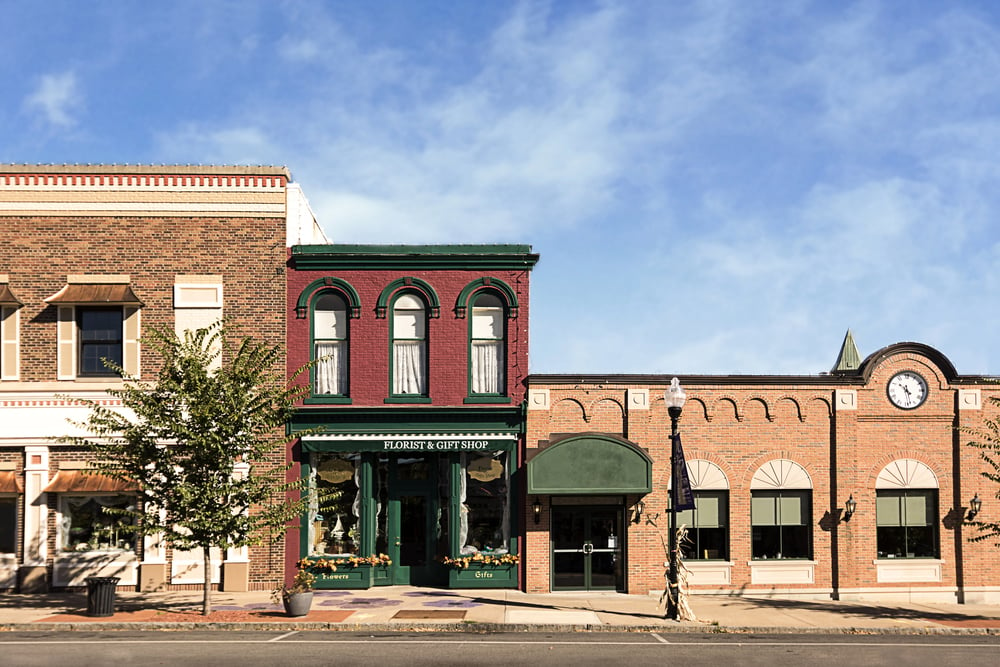
Corsicana’s downtown was anchored by several locally-owned department stores that had grown alongside the town’s oil and agriculture industries. The city’s Main Street featured a mix of practical businesses and specialty shops that gave the area a distinctive character.
Local entrepreneurs had built businesses that reflected the town’s unique culture and economic base, creating a retail environment that felt authentically rooted in place. The interconnected nature of these businesses created a multiplier effect—where success in one store often benefited others nearby.
Clarksville, Tennessee
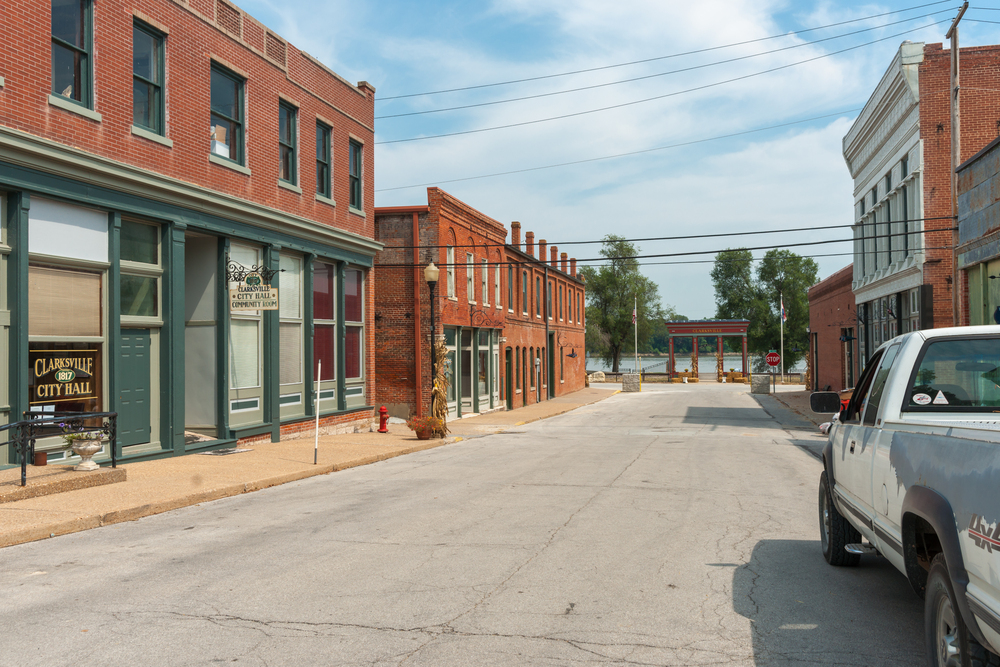
This Tennessee town had managed to maintain a thriving downtown area well into the 1980s, with locally-owned stores serving both the permanent residents and the nearby military base. The town’s Main Street was lined with family businesses that had adapted to serve changing needs over the decades.
Clarksville’s retail district had a particular strength in specialty items and services that required local knowledge and personal attention. The town’s business owners had created a network of mutual support that helped weather economic downturns and seasonal variations.
Hopkinsville, Kentucky
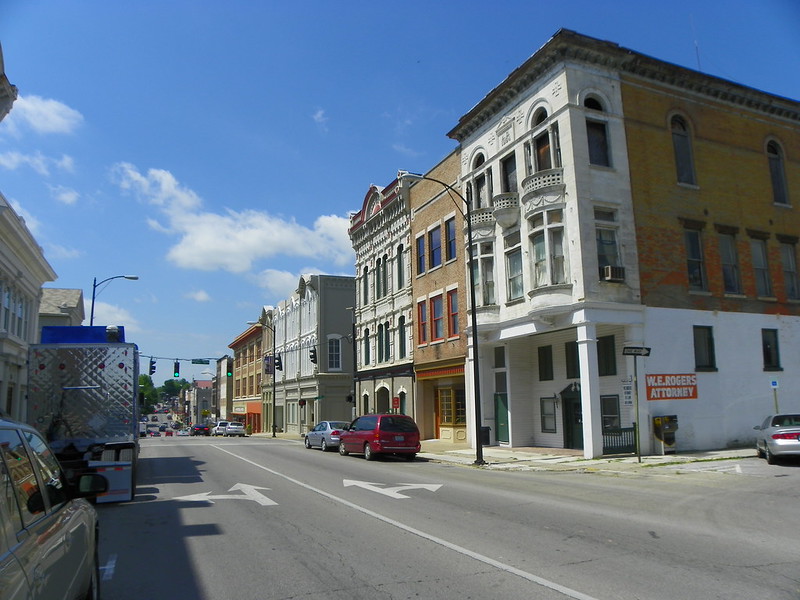
Hopkinsville’s downtown featured an impressive collection of locally-owned businesses that had grown up around the town’s role as a regional trading center. The city’s Main Street was home to department stores, specialty shops, and service businesses that drew customers from surrounding rural areas.
Local merchants had developed expertise in serving the specific needs of their agricultural community, stocking items and providing services that big-box stores would later struggle to match. The town’s retail environment was built on relationships and specialized knowledge—something that took years to develop.
Sikeston, Missouri
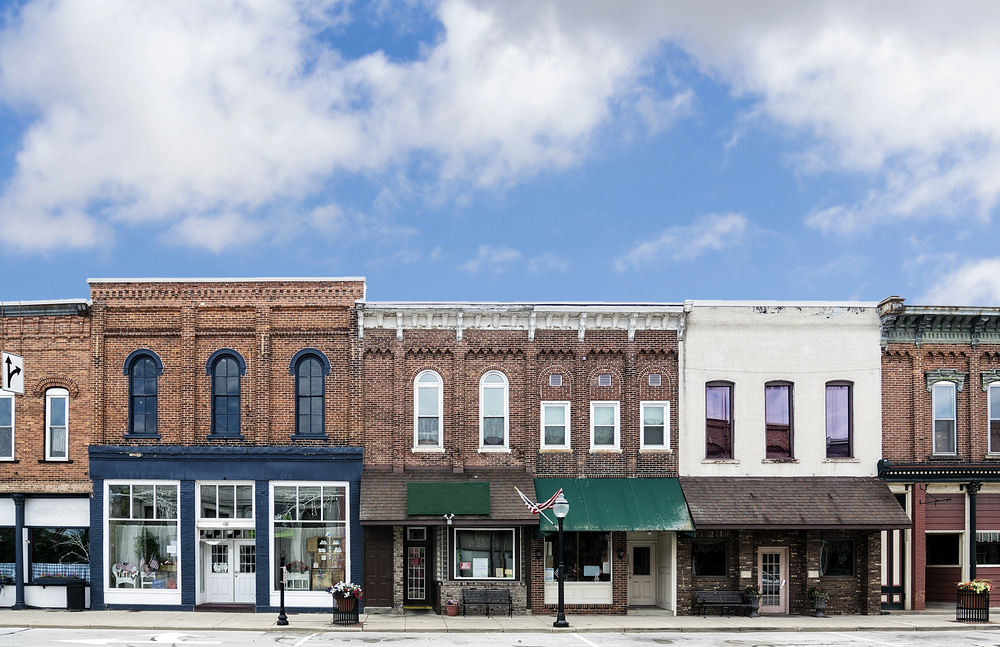
This Missouri town had developed a downtown area that served as a hub for the surrounding farming region, with businesses that specialized in both agricultural and household needs. Sikeston’s Main Street featured stores that had been in the same families for generations, creating a sense of continuity and trust with customers.
The town’s business district was remarkably self-sufficient, with local entrepreneurs filling niches that served the community’s specific needs. The interconnected nature of these businesses created a web of economic relationships that supported the entire downtown area.
Dyersburg, Tennessee
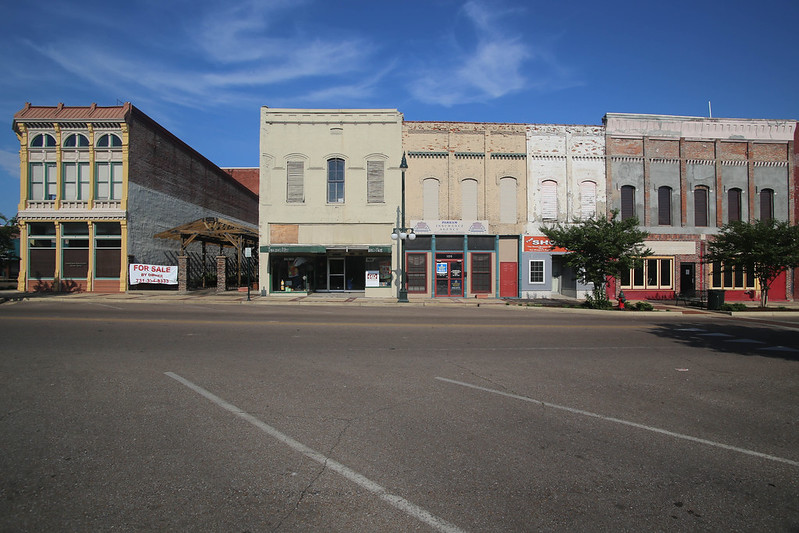
Dyersburg had maintained a vibrant downtown scene with locally-owned department stores and specialty shops that served the surrounding agricultural area. The town’s Main Street was lined with businesses that had grown alongside the community, adapting to changing needs while maintaining their local character.
Local merchants had developed deep knowledge of their customers’ needs and preferences, creating a shopping experience that was both personal and efficient. The town’s retail landscape was built on decades of relationship-building and community investment.
Paducah, Kentucky
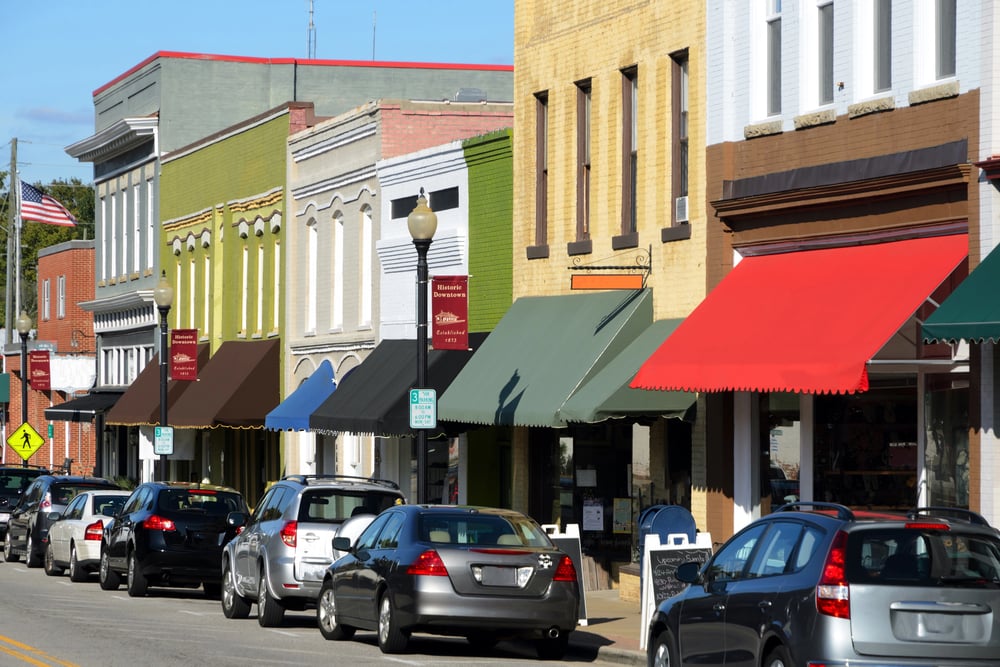
Located at the confluence of the Tennessee and Ohio rivers, Paducah had developed a substantial downtown commercial district that served a large regional area. The city’s Main Street featured multiple department stores, specialty shops, and service businesses that drew customers from across western Kentucky and southern Illinois.
Local entrepreneurs had built businesses that reflected the town’s river heritage and its role as a regional trading center. The downtown area was dense with activity, creating an urban-style shopping environment that was rare in rural Kentucky.
Carbondale, Illinois
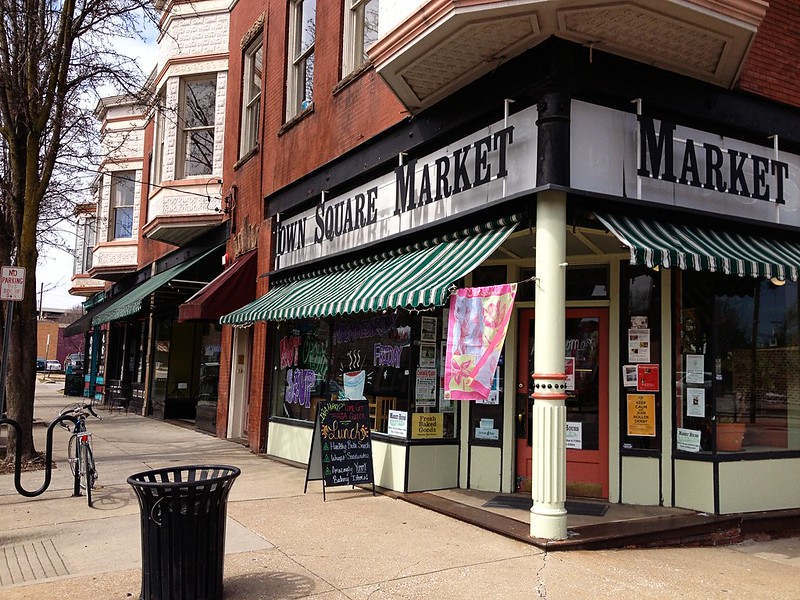
This college town had managed to maintain a healthy balance between student-oriented businesses and stores that served the broader community. Carbondale’s downtown featured a mix of locally-owned shops that had learned to adapt to the seasonal rhythms of university life while serving permanent residents year-round.
The town’s business district was compact and walkable, creating a sense of community that extended beyond just commerce. Local merchants had developed expertise in serving diverse customer bases, from college students to farming families from surrounding areas.
Cape Girardeau, Missouri
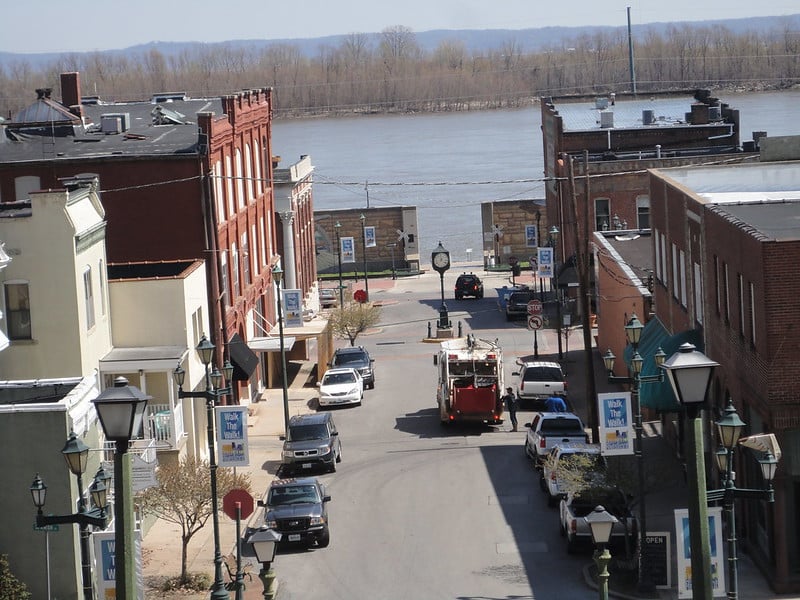
Positioned on the Mississippi River, Cape Girardeau had developed a substantial downtown area with locally-owned stores that served both the local community and river traffic. The town’s Main Street featured businesses that had grown alongside the river economy, creating a unique retail environment that reflected the area’s transportation heritage.
Local entrepreneurs had built stores that specialized in serving the needs of both permanent residents and the transient population that came through the river port. The downtown area was dense with activity and had a distinctly regional character.
Poplar Bluff, Missouri
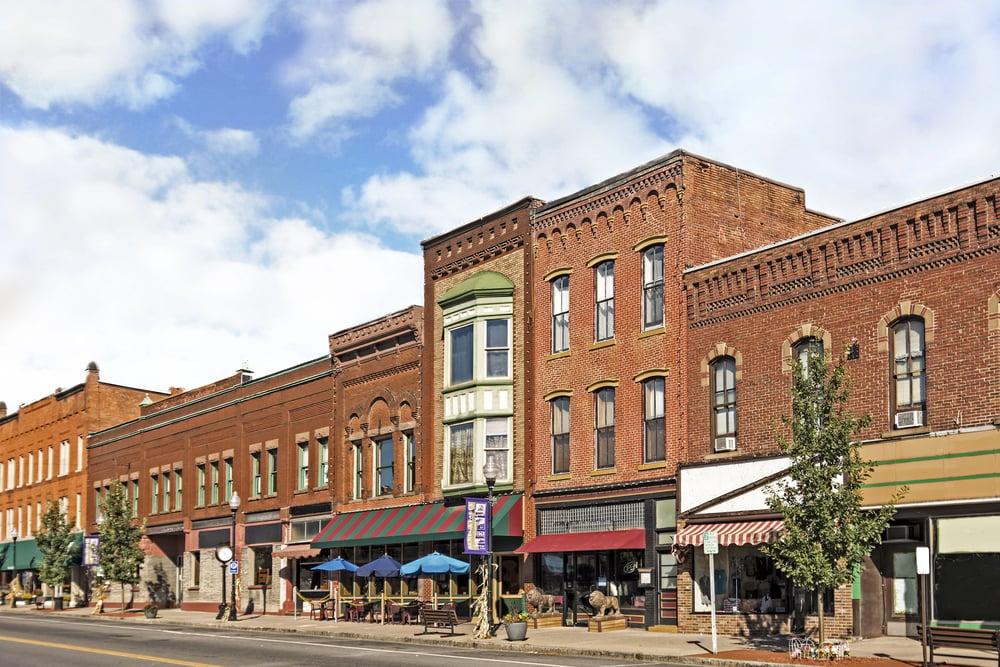
This southeastern Missouri town had developed a downtown area that served as a regional hub for the surrounding Ozark foothills communities. Poplar Bluff’s Main Street featured multiple locally-owned department stores and specialty shops that drew customers from across the region.
The town’s business district was built around the needs of rural families, with stores that specialized in everything from farm equipment to formal wear. Local merchants had created a retail environment that was both practical and personal, with customer relationships that often lasted for generations.
Kennett, Missouri
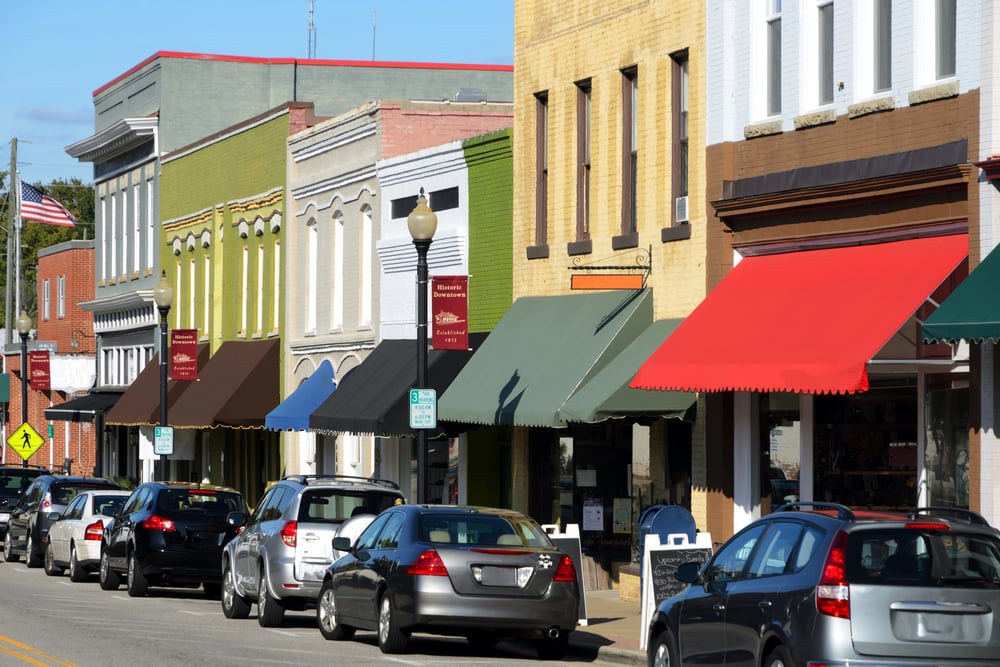
Located in the heart of the Missouri Bootheel, Kennett had developed a downtown area that served the surrounding cotton-growing region with remarkable efficiency. The town’s Main Street was lined with businesses that had grown up around the agricultural economy, creating a retail environment that was perfectly adapted to local needs.
Local entrepreneurs had built stores that reflected a deep understanding of farming cycles and rural life, stocking items and providing services that were essential to the community. The town’s business district was compact but comprehensive, allowing residents to handle most of their shopping needs without traveling to larger cities.
The Retail Revolution’s Legacy

These towns represent just a fraction of the communities that experienced fundamental changes as America’s retail landscape shifted toward big-box stores and national chains. What made these places special wasn’t just their local businesses, though that was certainly part of it.
Rather, it was the economic ecosystems those businesses created and supported. The transformation didn’t just change where people shopped; it altered the very nature of small-town life, shifting economic power away from local entrepreneurs and toward distant corporate headquarters.
While consumers certainly benefited from lower prices and greater convenience, something intangible yet valuable was lost in the process: the sense that commerce could be both personal and community-centered. Understanding what these towns were like before helps us appreciate both what was gained and what was sacrificed in America’s retail revolution.
More from Go2Tutors!

- The Romanov Crown Jewels and Their Tragic Fate
- 13 Historical Mysteries That Science Still Can’t Solve
- Famous Hoaxes That Fooled the World for Years
- 15 Child Stars with Tragic Adult Lives
- 16 Famous Jewelry Pieces in History
Like Go2Tutors’s content? Follow us on MSN.



