The Most Famous Sapphires in Royal Collections
Few gemstones carry the same quiet authority as a sapphire. Deep blue, serene, and symbolic of wisdom, they’ve long adorned the crowns and necklaces of monarchs who wanted more than sparkle—they wanted meaning.
From medieval relics to modern engagement rings, these gems have written their own kind of royal history. Here’s a list of the sapphires that became legends within the world’s most glittering collections.
The Stuart Sapphire – British Crown Jewels
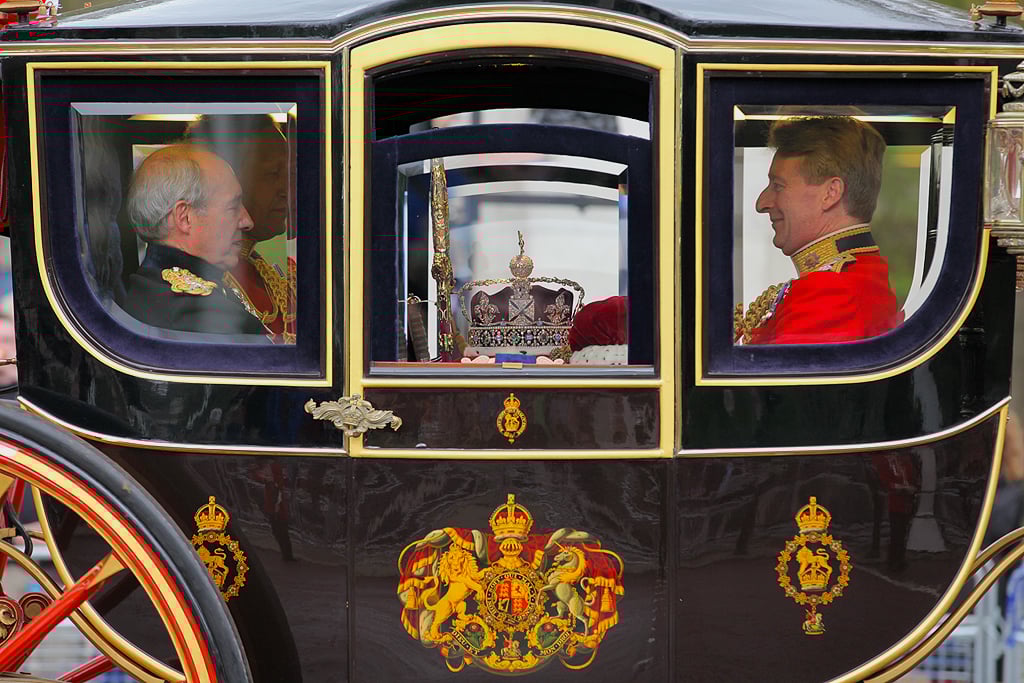
Set in the Imperial State Crown, the Stuart Sapphire sits at the back—quietly magnificent, slightly overshadowed by the Cullinan diamond in front. But it’s older, with a story that runs deep into royal exile and return.
Weighing around 104 carats, it once belonged to Charles II and passed through the hands of Stuart heirs before finding its way back to Britain. Not bad for a gem that’s seen kings fall and empires fade.
The Prince Albert Brooch – Queen Victoria’s Collection
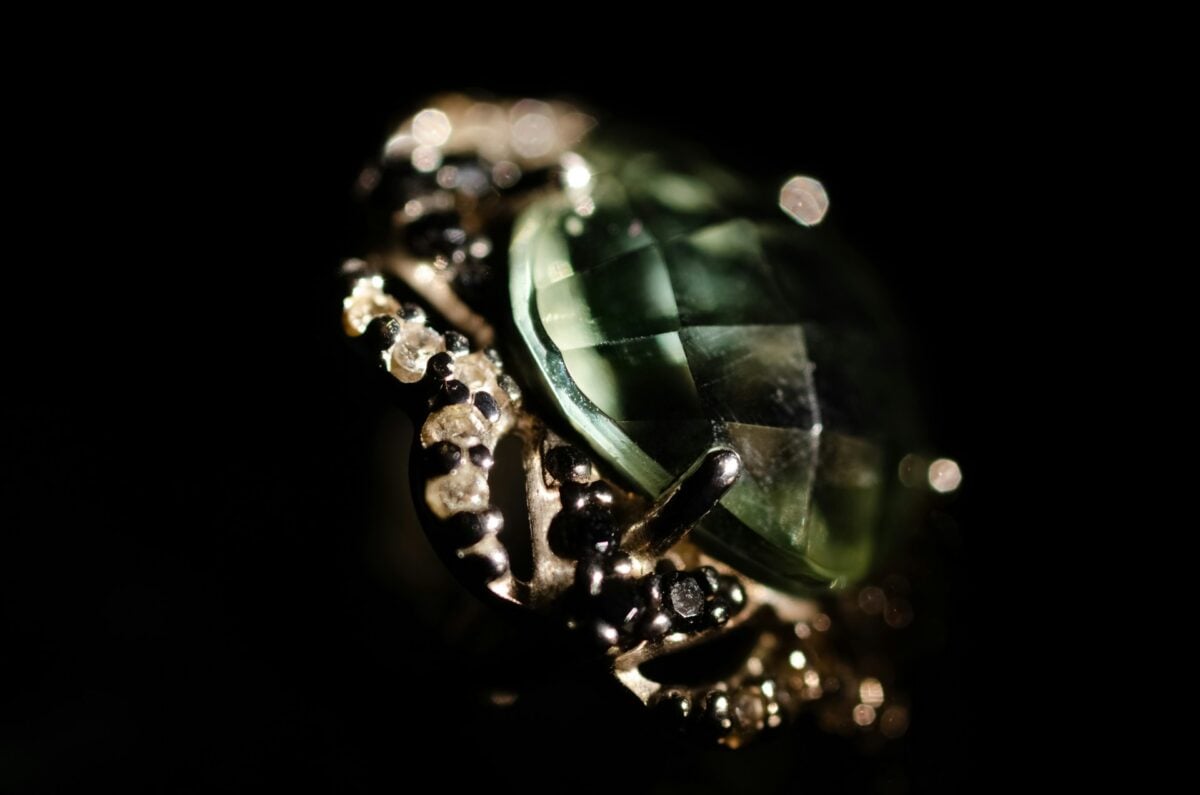
A sapphire surrounded by diamonds, gifted to Queen Victoria by Prince Albert on the eve of their wedding in 1840. She loved it so much she wore it on her gown that day and for years after, a symbol of devotion.
When she died, it became part of the British royal heirlooms, worn by generations of queens. A small gem, but with a pulse of sentiment still running through it.
Like Go2Tutors’s content? Follow us on MSN.
The Logan Sapphire – Smithsonian Institution (formerly royal)
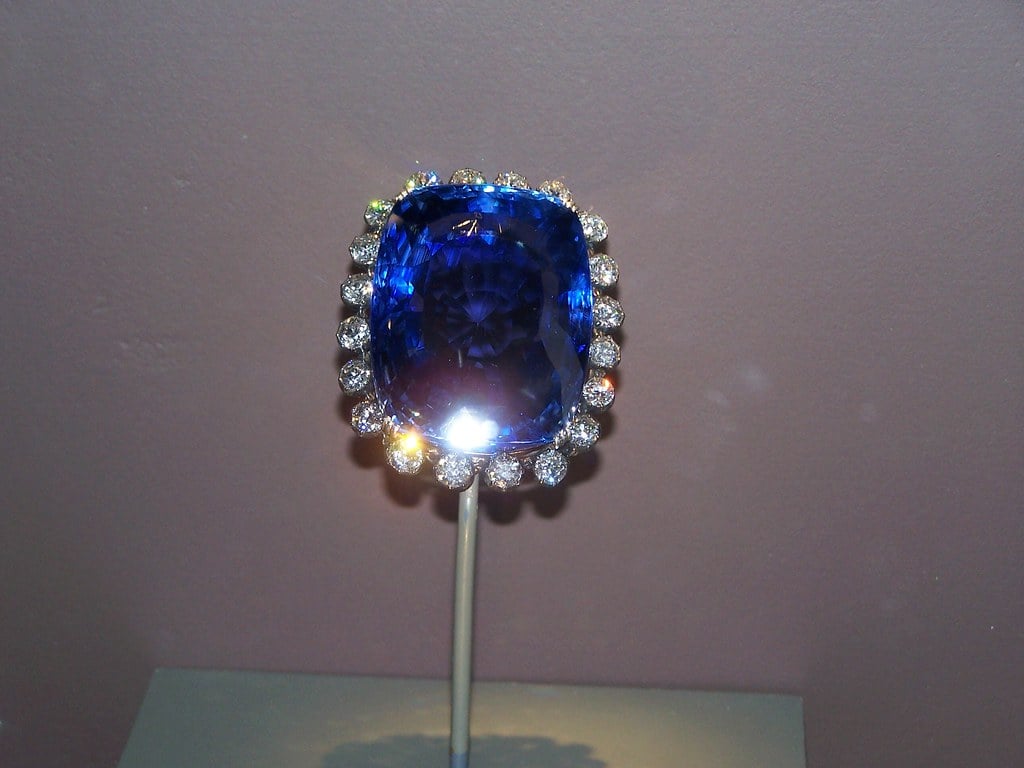
At 423 carats, the Logan Sapphire is one of the largest faceted sapphires in existence—and while no longer in a royal crown, its early history places it among noble collections in Sri Lanka and Europe.
It’s cushion-cut, flawless, and startlingly vivid. Standing in front of it, you’d swear the gem held its own sky inside.
The Sapphire Tiara of Princess Marie of Denmark
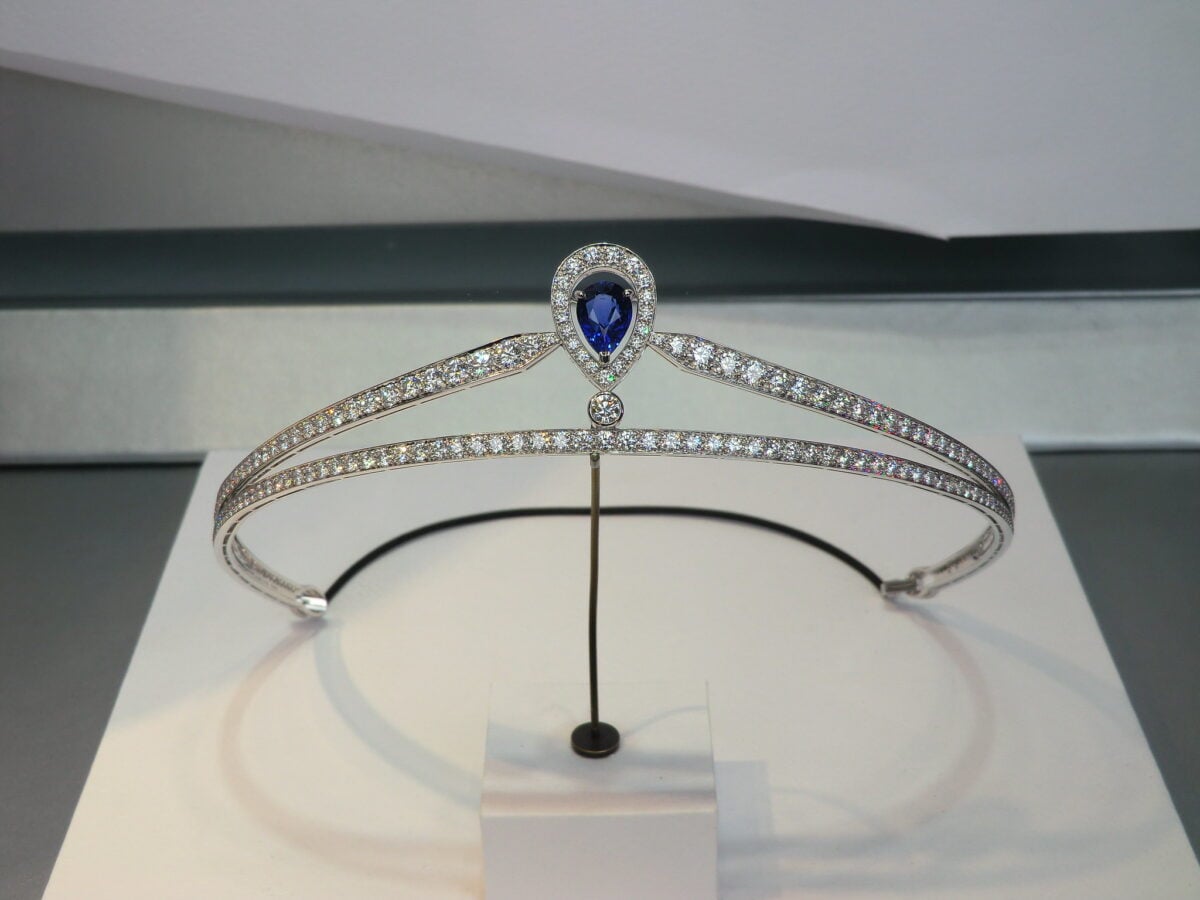
Elegant, understated, and incredibly regal. The sapphire tiara of Princess Marie was crafted in the 19th century and has passed through Danish royal generations.
Its stones are of an unusually rich cornflower blue—a shade that seems to glow even under candlelight. Still, it’s the adaptability that makes it special: the tiara can be taken apart to form a necklace, earrings, or brooch.
Royal efficiency, with sparkle.
The Rockefeller Sapphire – formerly owned by royalty
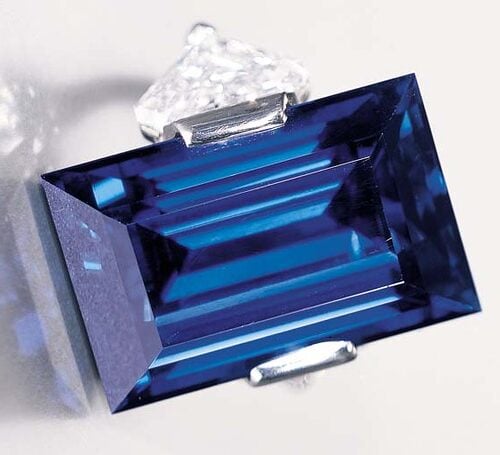
Before finding its way into American hands, this 62-carat gem spent time in the collection of Indian royalty. The Rockefeller family later acquired and remounted it in a sleek modern setting, but its royal roots remain unmistakable.
It’s a reminder that sapphires move easily across borders and titles—blue fire traded between empires and billionaires alike.
Like Go2Tutors’s content? Follow us on MSN.
The Dutch Sapphire Parure – The Netherlands
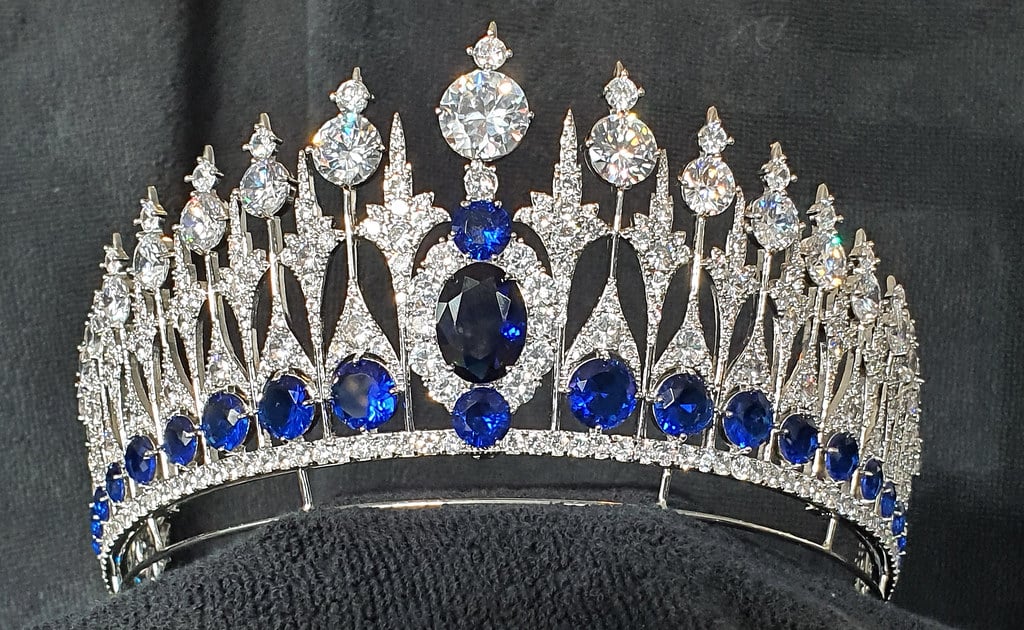
A parure fit for a queen, quite literally. This set—tiara, brooch, necklace, and earrings—was created in 1881 for Queen Emma of the Netherlands.
The tiara alone holds more than thirty sapphires and diamonds, arranged in a delicate, lace-like pattern. It’s still worn today by Queen Máxima, who somehow makes 19th-century grandeur feel utterly modern.
Proof that craftsmanship, when good enough, never ages.
The George VI Victorian Sapphire Suite – Queen Elizabeth II’s Collection
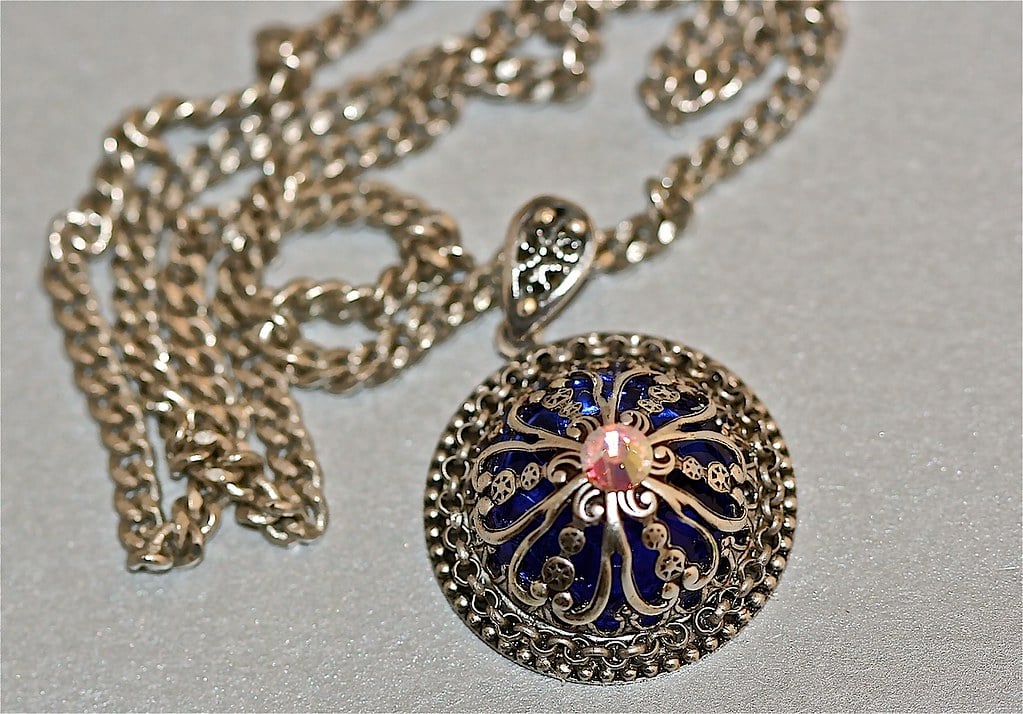
Gifted to the late Queen Elizabeth II by her father, this suite included a necklace and earrings that she often wore for state dinners and portraits. Later, she had a matching tiara made to complete the set.
There was something quietly striking about her in those sapphires—calm, poised, blue meeting blue. Even after decades, the stones seemed to mirror her composure.
The Duchess of Cambridge’s Sapphire Engagement Ring
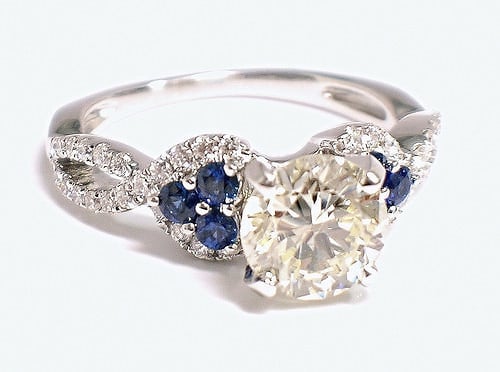
Perhaps the most famous modern sapphire of all—originally belonging to Princess Diana and later passed to Catherine, Princess of Wales. The 12-carat Ceylon sapphire surrounded by diamonds set off a global trend when first revealed in 1981, and again decades later.
It’s both personal and public now, carrying layers of sentiment, legacy, and media fascination. More symbol than jewel at this point—but still breathtaking up close.
Like Go2Tutors’s content? Follow us on MSN.
The Belgian Sapphire Tiara – British Royal Collection
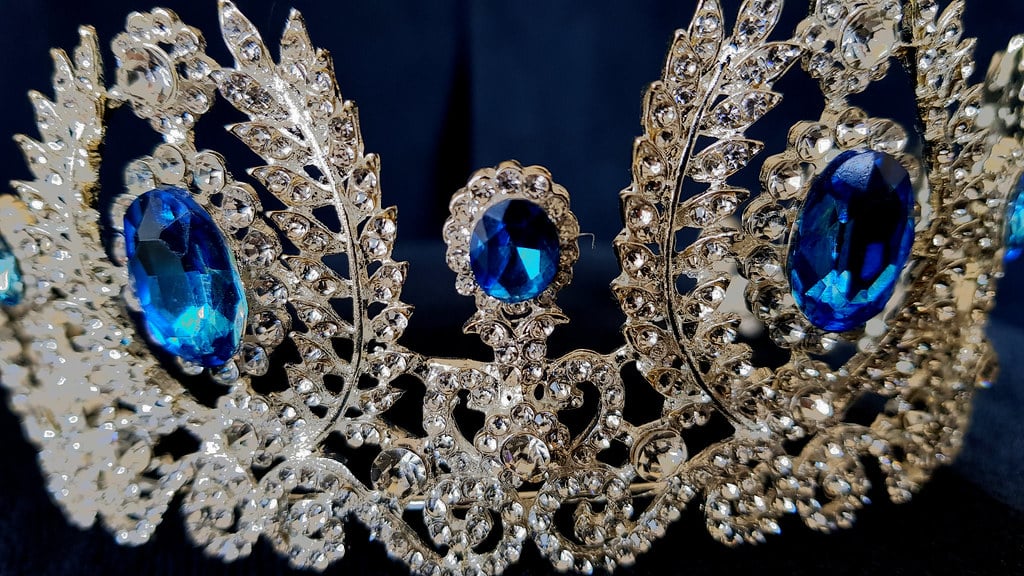
Bought by Queen Elizabeth II in the 1960s to match her sapphire suite, this tiara is built of scrolling diamond motifs and deep-blue stones once owned by a Belgian princess. It’s rarely seen, but unforgettable when it appears.
Some say it feels almost Art Deco in design—elegant, but slightly severe. The kind of piece that announces a queen without a single word.
The Kashmir Sapphire Necklace – Persian Royal Family
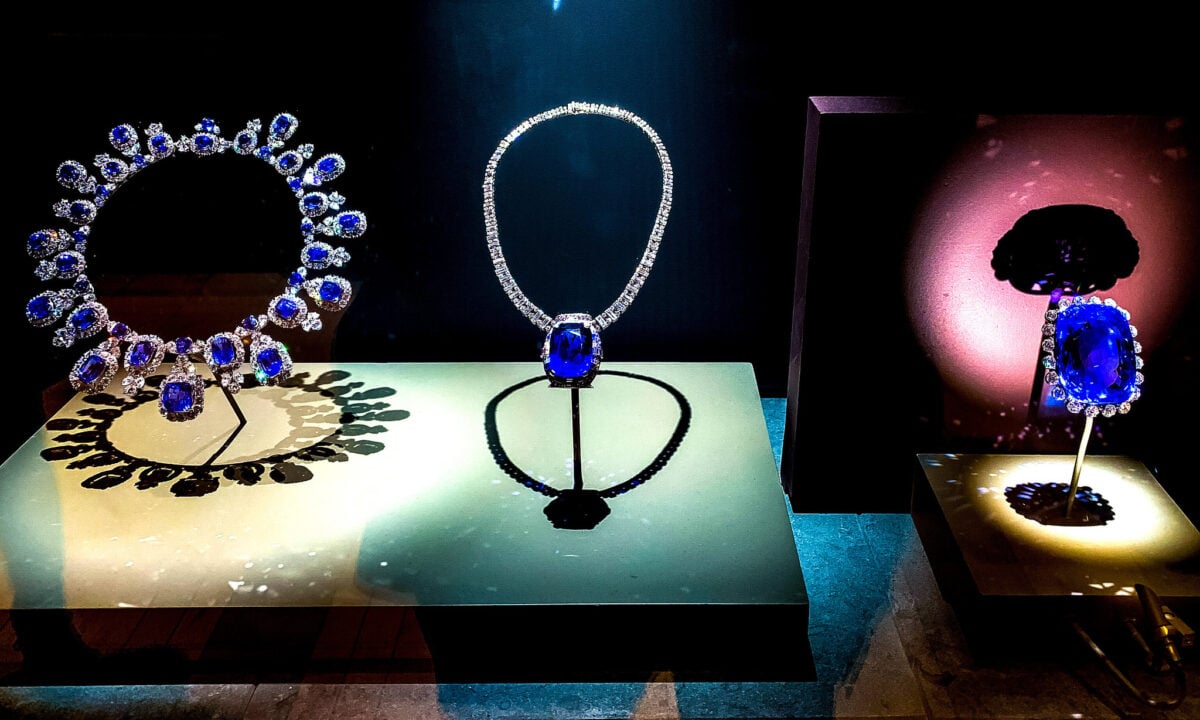
From the mines of Kashmir came sapphires of legendary blue—soft yet luminous, like dusk caught in stone. The Persian royal family owned some of the best, including a necklace once described as “a chain of twilight.”
It disappeared from view for years before resurfacing in private hands. Still, whispers of its origin persist.
Certain treasures never really leave the royal circle.
Jewels That Outlived Their Thrones
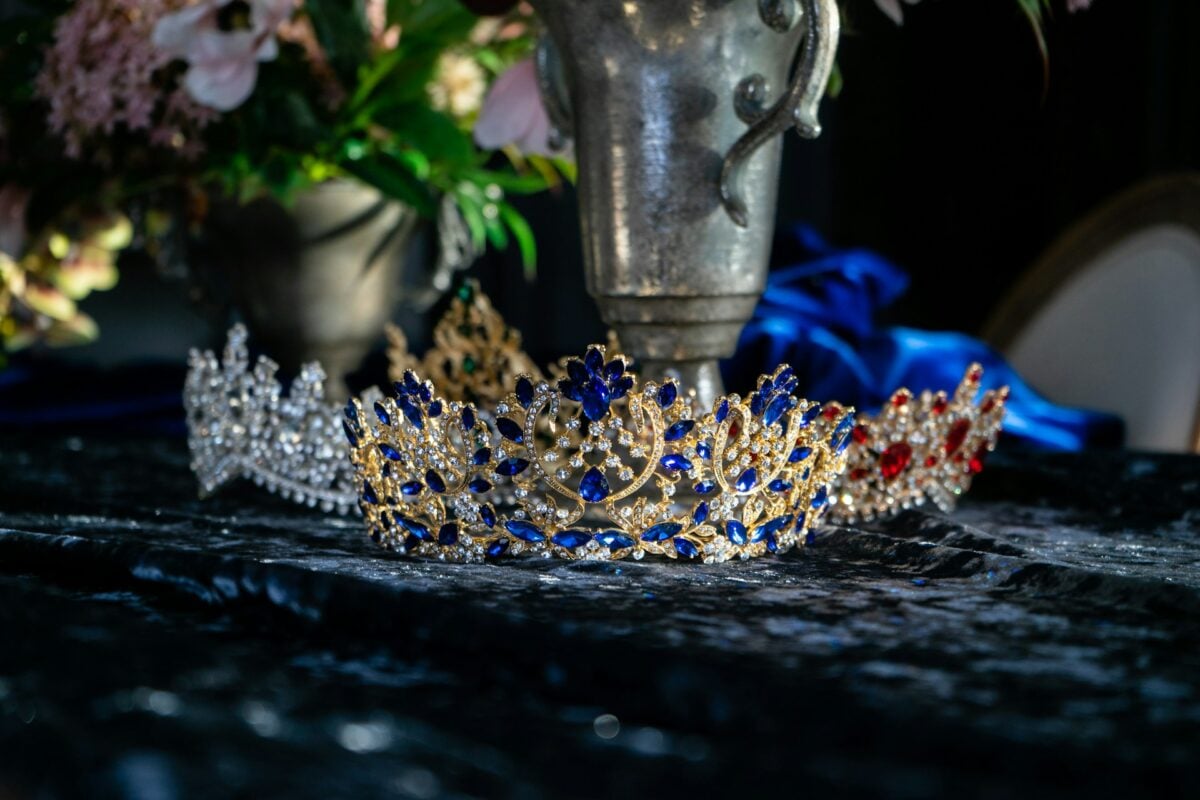
Crowns fade, monarchies shift, but sapphires remain—unmoved, unhurried, impossibly timeless. They’ve seen empires crumble, dynasties rise, and names change, yet the color of loyalty, calm, and power endures.
Blue, it seems, is forever.
More from Go2Tutors!

- 16 Historical Figures Who Were Nothing Like You Think
- 12 Things Sold in the 80s That Are Now Illegal
- 15 VHS Tapes That Could Be Worth Thousands
- 17 Historical “What Ifs” That Would Have Changed Everything
- 18 TV Shows That Vanished Without a Finale
Like Go2Tutors’s content? Follow us on MSN.