How Family Road Trips Without GPS Led to the Best Unexpected Discoveries
Before every phone turned into a tiny co-pilot barking out turns four hundred feet ahead, road trips ran on something messier and, honestly, a little more alive. A folded map.
A gut feeling. Whoever was sitting shotgun squinting at a road sign trying to decide if that exit number matched the one scrawled on the back of an envelope. Families didn’t plan those trips so much as they wandered into them, and somewhere along the way, that wandering turned into the part everyone still talks about at holiday dinners.
The Paper Map Ritual
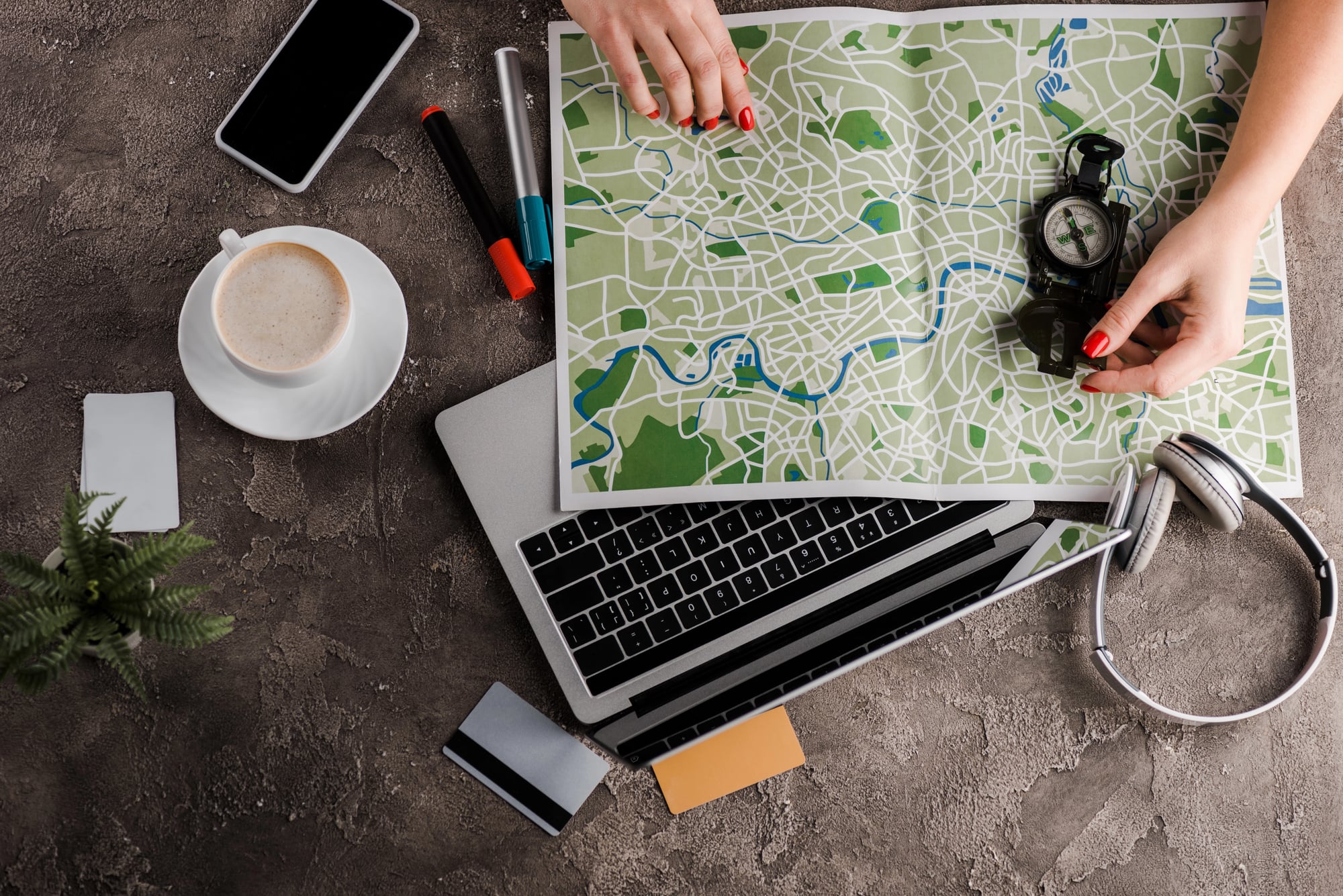
The map lived in the glove compartment, creased along the same three folds every summer. Someone always claimed navigator duty before the car left the driveway.
The folds tore, the ink faded, and somehow it worked anyway.
Wrong Turns That Weren’t Really Wrong
So the family took the wrong exit outside some town nobody could pronounce, and nobody noticed for eleven miles because the argument about lunch had gotten heated (the kind of heated only siblings trapped in a back seat for six hours can manage) — and by the time someone looked up, the road had turned narrower, greener, lined with a barn that had a mural painted on its side no atlas would have ever mentioned. Wrong turns had a way of doing that: opening onto something better than the plan ever was.
It wasn’t lost, not really. Just rerouted by accident, which turns out to be its own kind of magic.
Asking Strangers for Directions
There’s a particular trust in rolling down a window and asking a stranger which way to the interstate, the same trust it takes to lean on a rope bridge and hope it holds. Directions from a stranger never arrived clean — they came tangled in landmarks that no longer existed, a feed store that burned down, a stoplight removed years back.
And yet something about that tangle stuck better than any turn-by-turn voice ever could, the way a story sticks better than a fact. You remembered the woman at the hardware store more than you remembered the road she sent you down.
Roadside Diners
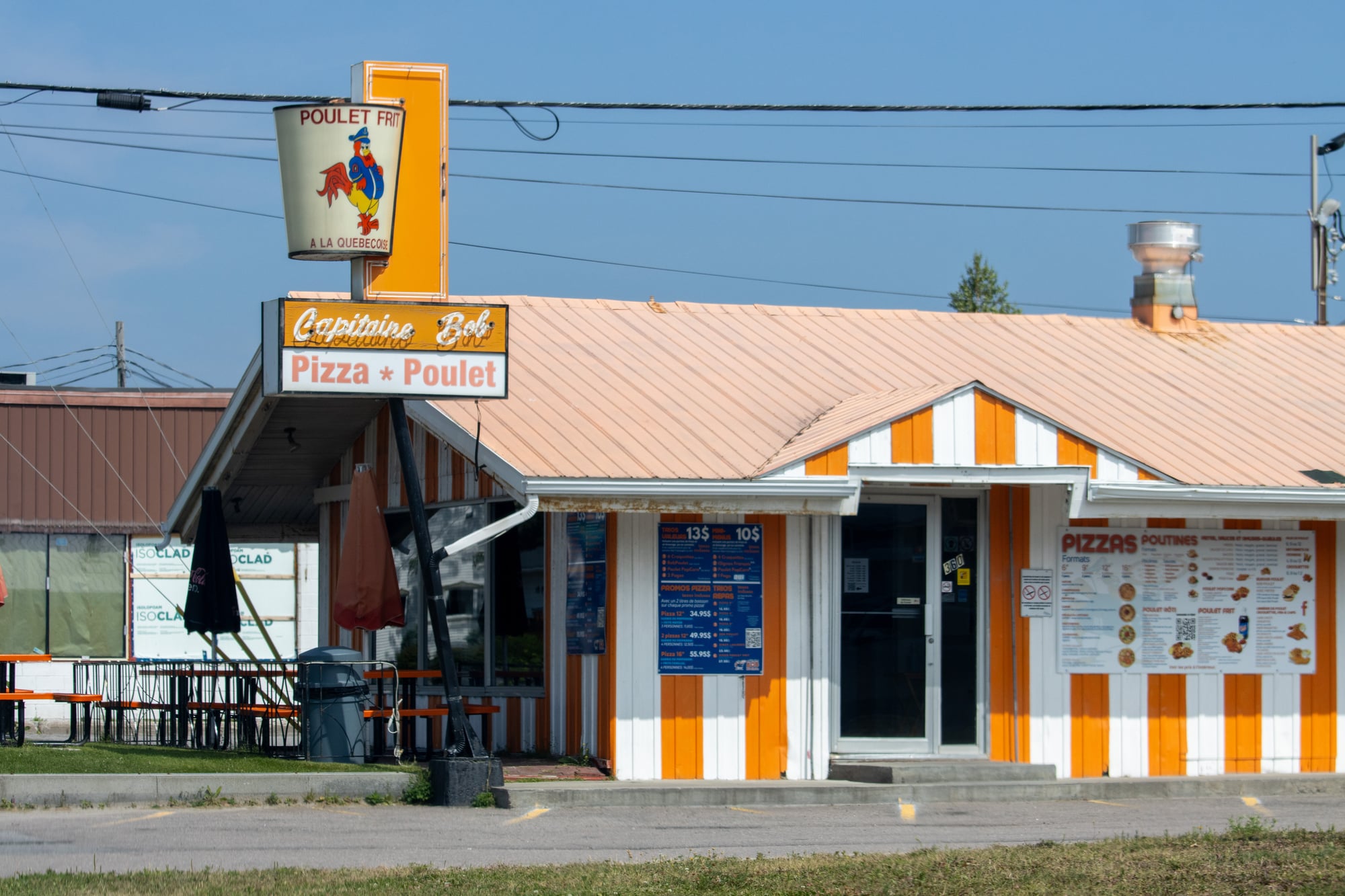
Roadside diners found by accident are better than any diner found by search results, full stop. There’s a particular pleasure in walking into a place called the Wagon Wheel or the Blue Ox with zero idea what the pie situation looks like.
Algorithms rank restaurants by consistency, which is exactly the wrong metric for a family road trip — nobody remembers the consistent grilled cheese, they remember the one that came with a side of gravy nobody ordered, in a diner with a jukebox that only played two songs. That’s the whole point, really: the mystery is the meal.
The Backseat Navigator
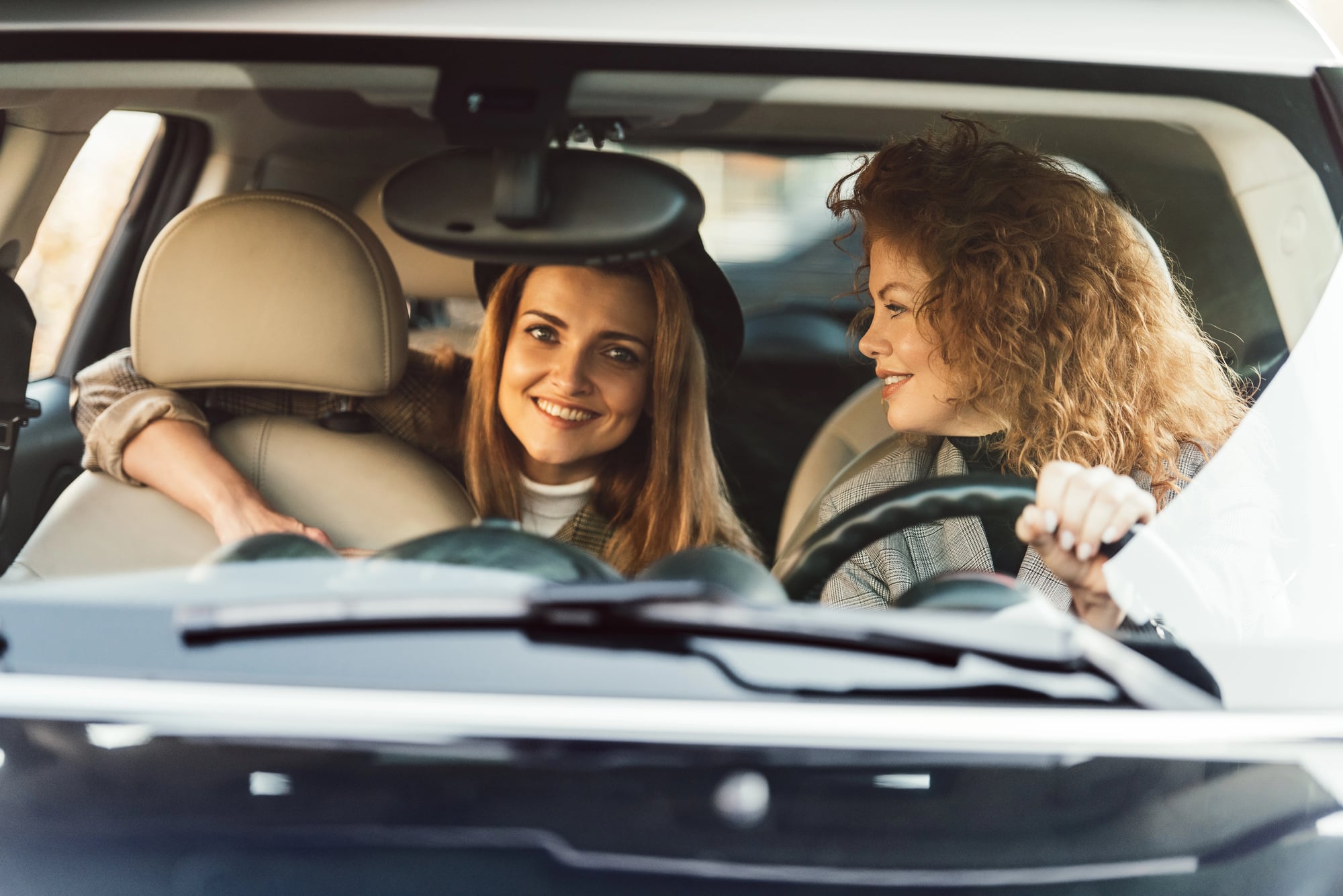
Every family had one: the kid who read the map like scripture. Usually the middle child.
Bossy about exits, righteous about wrong turns, convinced the whole trip rode on their shoulders — and honestly, sometimes it did.
Small Towns With No Name You’d Remember
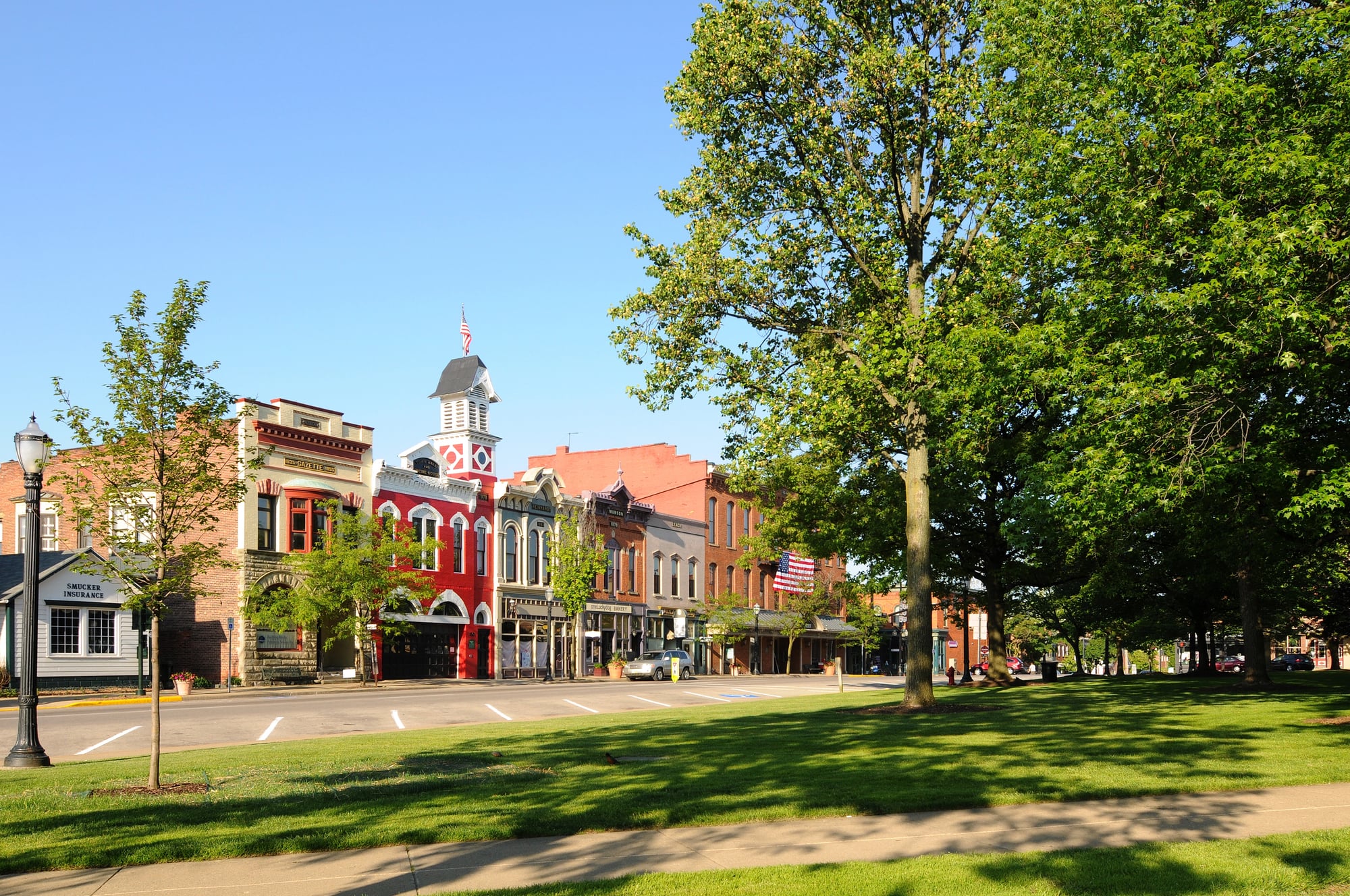
So there was always one town, usually somewhere between two states that don’t get much attention, where the family stopped for gas and ended up staying two hours longer than planned, because the woman at the counter mentioned a swimming spot down the road, or because the diner across the street had a pie case that looked like it hadn’t been touched since 1974 (in the best possible way). Nobody could ever find that town again on a map afterward — the name slipped, the exit number got forgotten, and all that stayed was the feeling of it: cold water, hot asphalt, a dog that followed the car halfway back to the highway.
And that’s maybe the strangest part of it all, how a place with no name held on harder than the ones you could actually locate again.
Gas Station Bulletin Boards
A gas station bulletin board is a strange little museum, thumbtacked with lost cats, a fiddle for sale, and a flyer for a county fair three towns over nobody in the car had heard of until that exact moment. It doesn’t advertise anything meant for you, and that’s precisely why it works — the way overhearing a conversation on a train says more than one addressed to you ever could.
Half of the best family detours started this way: a rectangle of paper stapled crooked to a corkboard, promising something ordinary that turned out not to be.
The Scenic Route by Accident
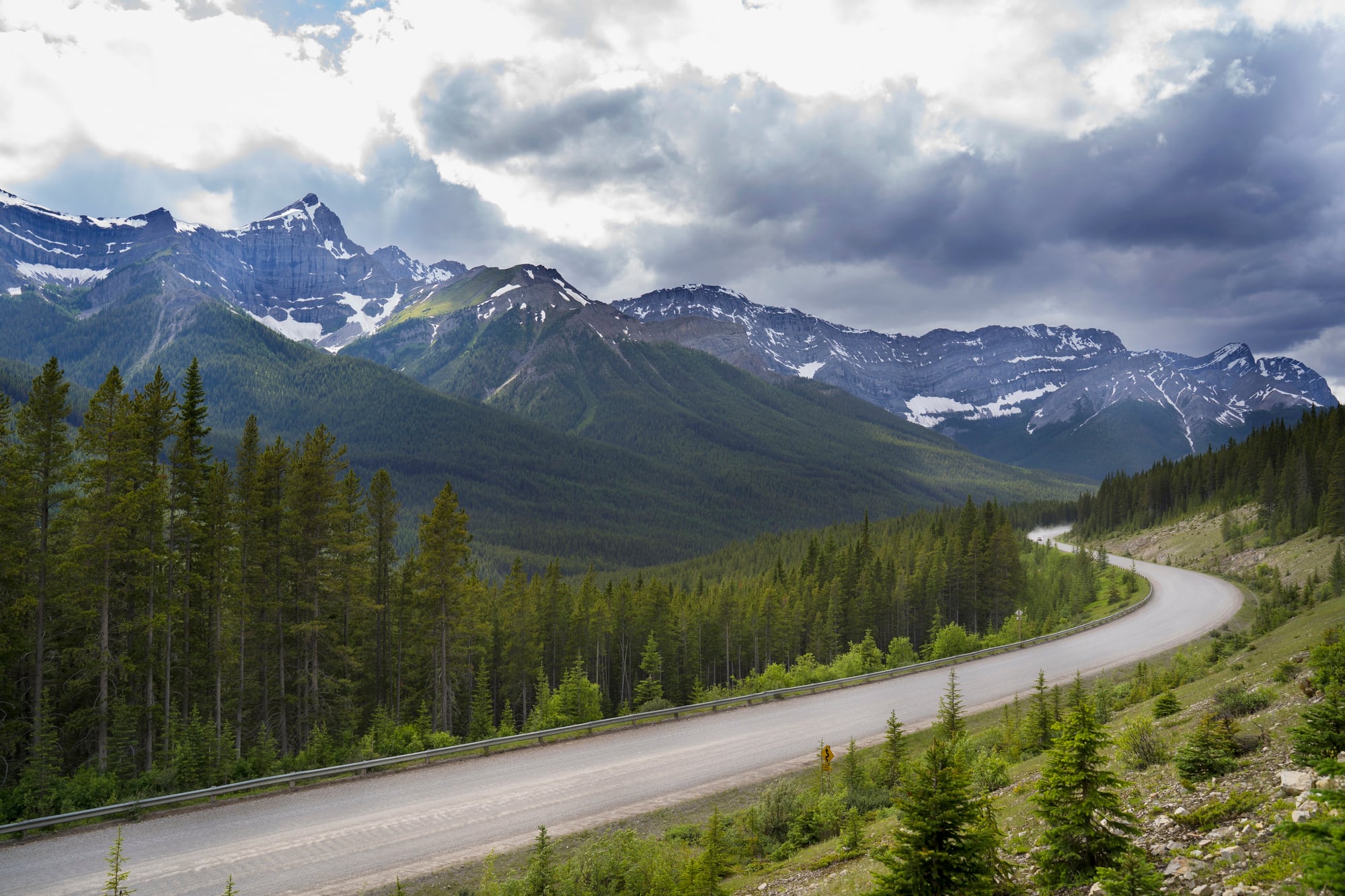
Scenic routes discovered on purpose are fine. Scenic routes discovered because the highway sign got missed at seventy miles an hour are better, and no one will convince you otherwise.
There’s something almost insulting about a GPS quietly rerouting you back to the fastest path, as if speed were ever the point of a family trip in the first place. The slow way, the one nobody chose, tends to be the one everybody remembers ten years later — the fast way just gets you there, which, to be fair, was never really the goal.
Handwritten Notes on the Dashboard

Somebody always wrote the route down before leaving, in pencil, on the back of an envelope. Highway numbers.
Exit names. A reminder, underlined twice, not to miss the turn for Aunt Carol’s house.
Getting Lost on Purpose

So every so often, usually on the last day of a trip when nobody had anywhere urgent to be, someone in the front seat would just turn — no map, no plan, no particular reason beyond curiosity about where a certain road went — and the whole car would groan and then, without fail, go quiet with interest about four minutes later. It never made sense on paper: burning gas and daylight on a road that led nowhere in particular, when the destination was already decided days ago.
But that’s exactly the kind of decision that doesn’t hold up to logic and doesn’t need to, because what came out of it — a covered bridge, an overlook nobody photographed for anyone else, a field of something purple nobody could name — was worth more than the schedule it wrecked. And somehow the family never once regretted the wasted hour, not one single time.
Local Radio Stations
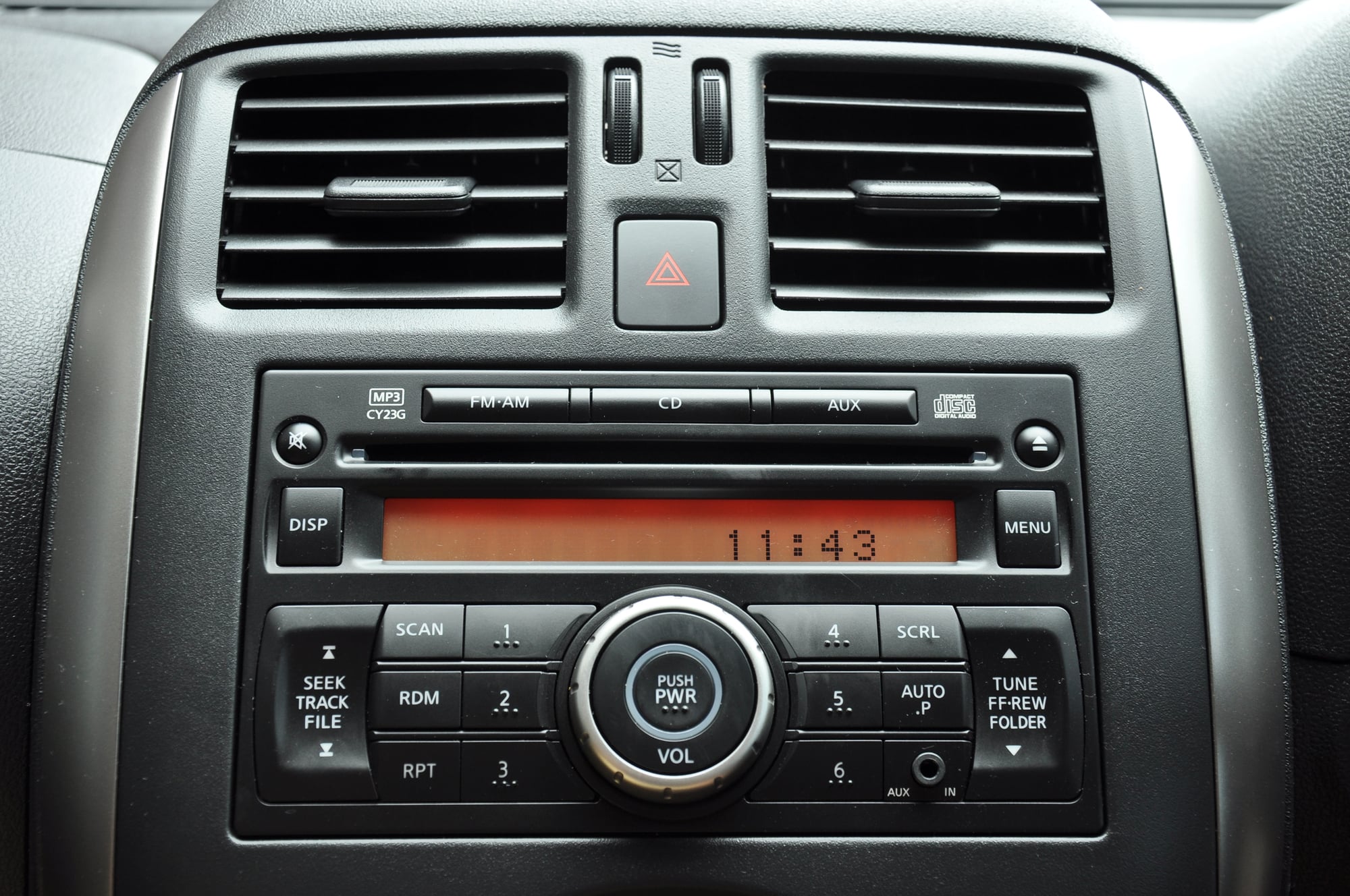
Local radio, back then, was its own kind of map — static thick as fog until suddenly a station cut through clear, playing a song nobody had heard outside a three-county radius. It told you where you were without saying so: a call-in show about hog prices meant Iowa, a preacher mid-sermon meant somewhere south of Nashville, a station playing nothing but polka meant Wisconsin had arrived.
The dial became a compass built out of sound instead of direction, and turning it felt less like searching and more like listening for a place to introduce itself.
The Motel With No Sign
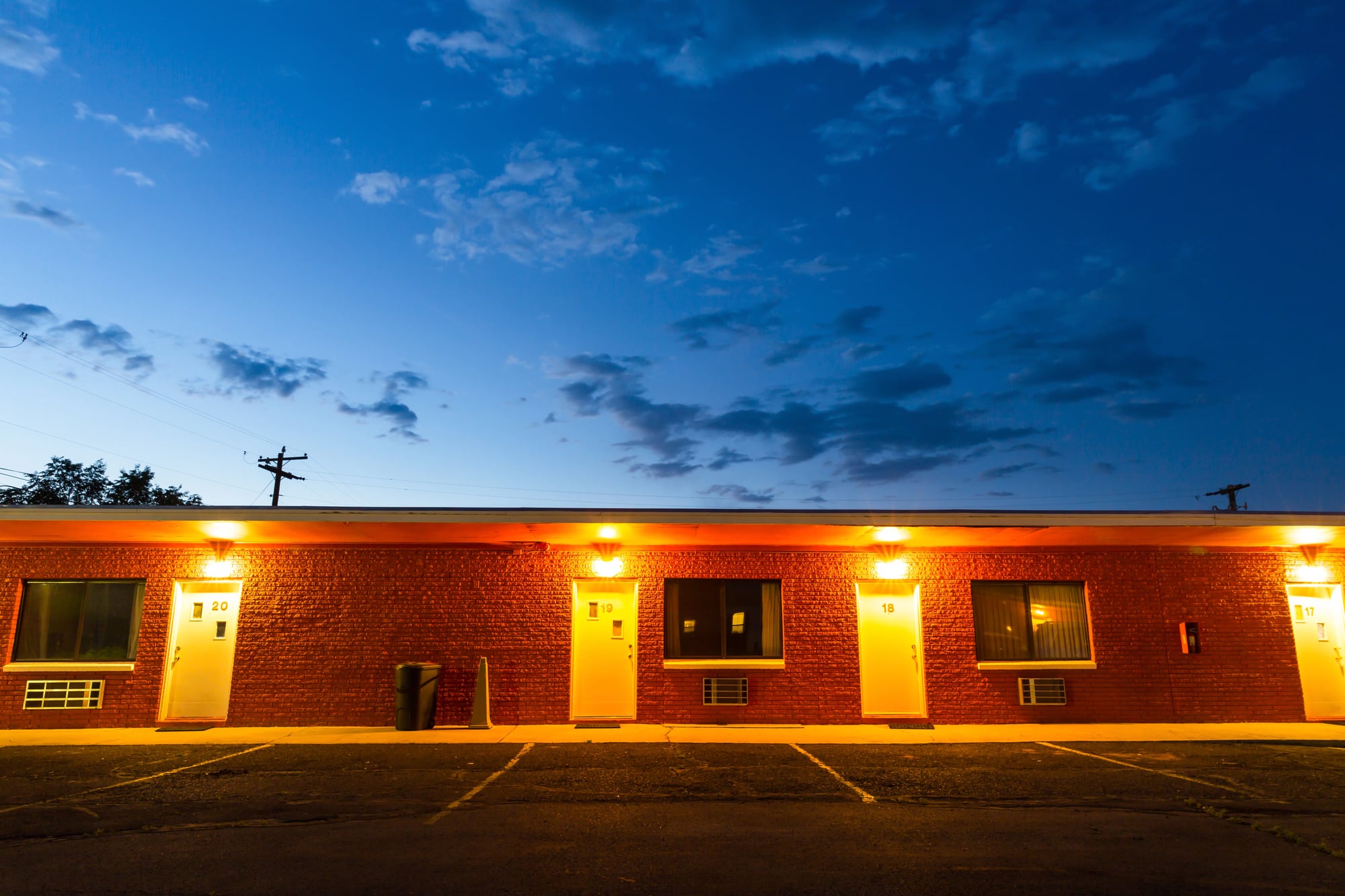
Motels without working signs were always the best ones, somehow. Half the letters burned out, VACANCY reduced to a stubborn “VA_A_CY” nobody bothered fixing for a decade — and that’s usually a sign (pun very much intended) the owner cared more about the rooms than the marketing.
A polished chain hotel gives you predictability. The flickering roadside motel gives you a story you’re still telling at Thanksgiving twenty years later, which is a far better return on investment.
Roadside Attractions You Couldn’t Google
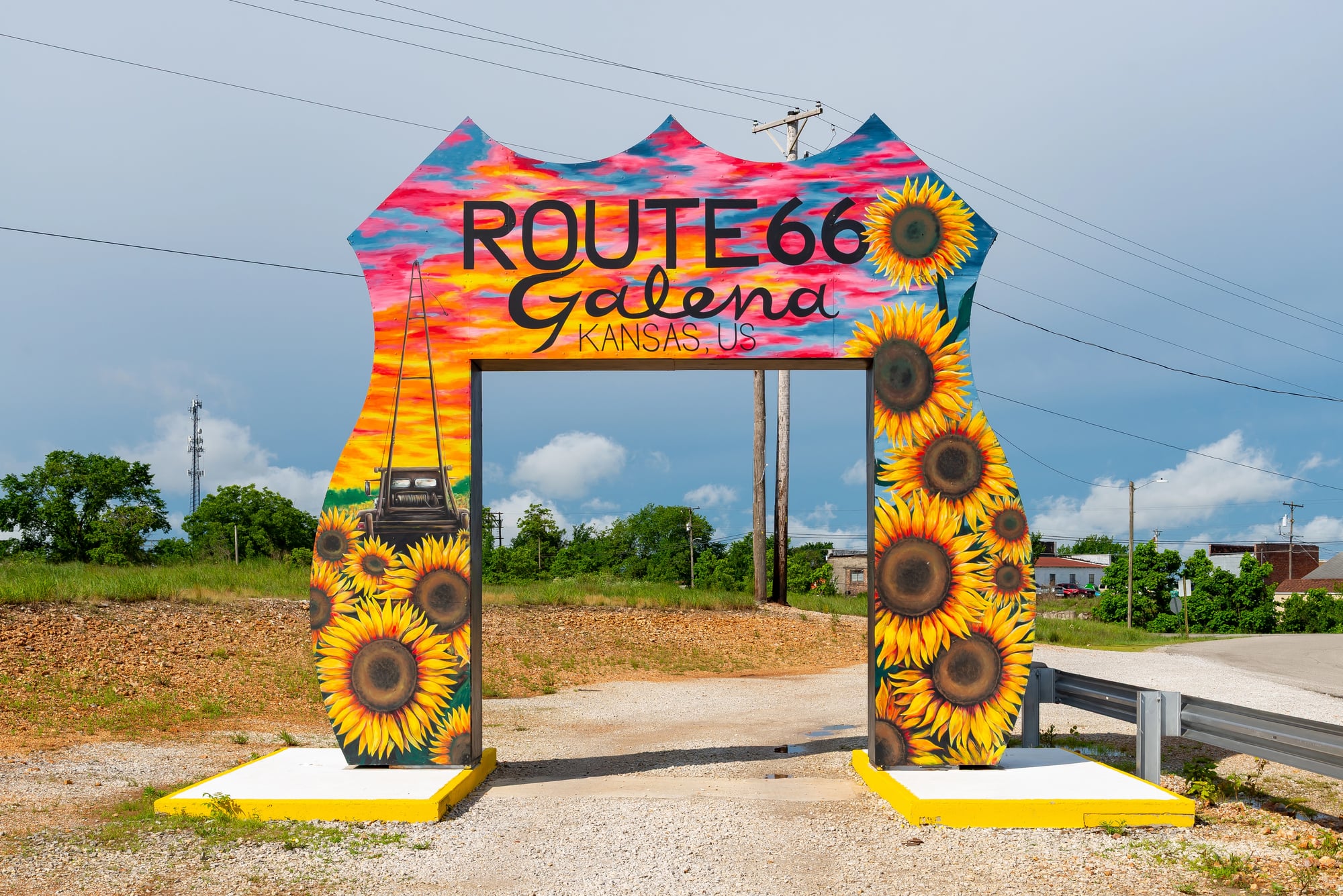
The world’s largest twine sculpture wasn’t on any list back then. Somebody just saw a hand-painted sign and slammed the brakes.
Half the fun was not knowing if it would be worth it — and it almost never was, which, somehow, made it better.
The Silence Between Turns
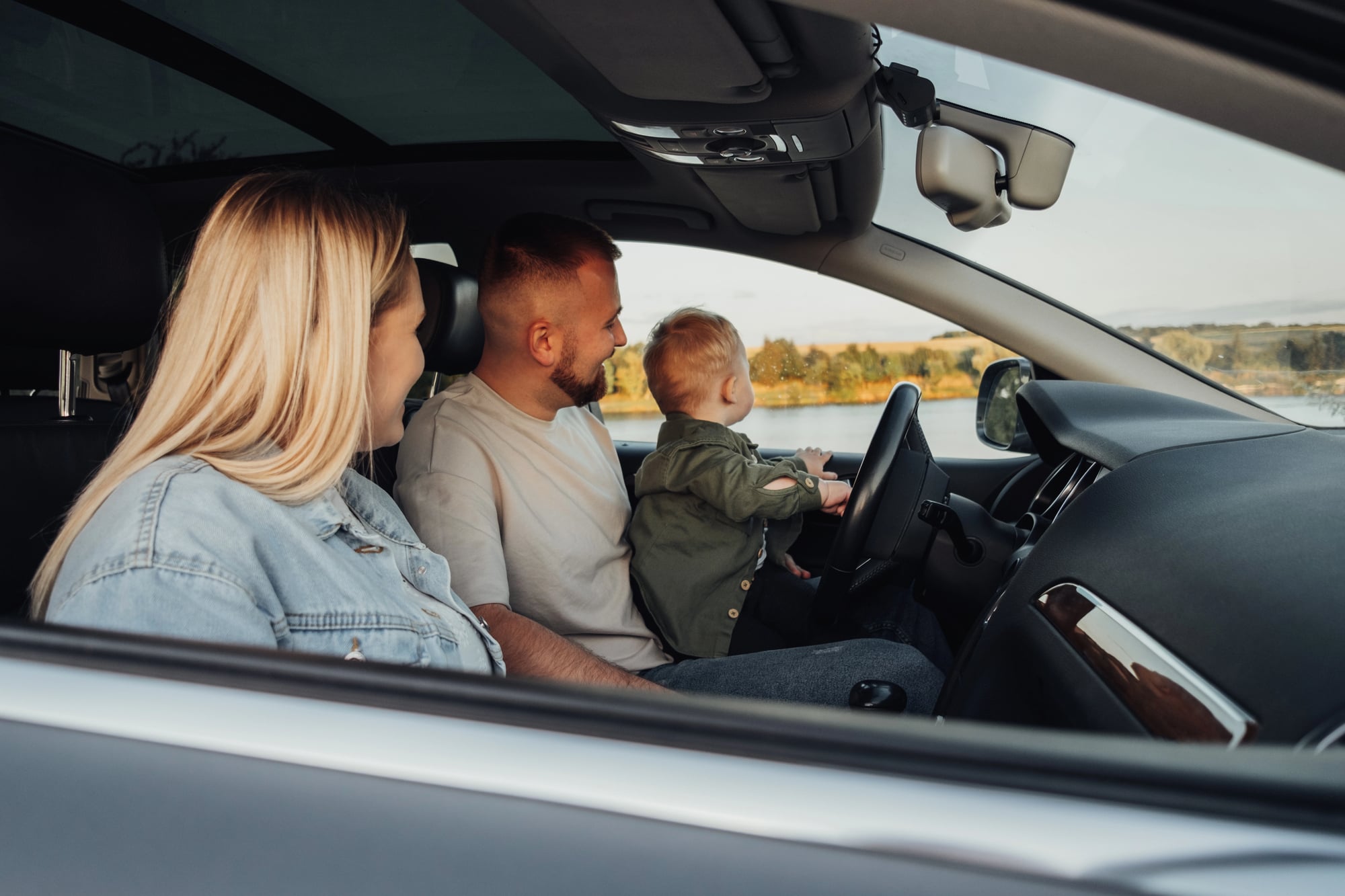
So there’s a particular quiet that settles into a car once everyone’s stopped arguing about the route and just accepted whatever happens next, a quiet that has nothing to do with boredom and everything to do with surrender (the good kind, not the tense kind) — windows cracked, radio low, someone’s forehead against the glass watching telephone poles go by like a metronome nobody asked for. It’s the kind of silence GPS voices interrupted before it ever had a chance to settle in, always ready with another turn in four hundred feet, always assuming the quiet needed fixing.
But it didn’t: that silence was doing something, stitching the trip together in a way conversation never could. And it’s strange, looking back, how much of the trip everyone actually remembers happened in exactly that hush.
Family Arguments Over Directions
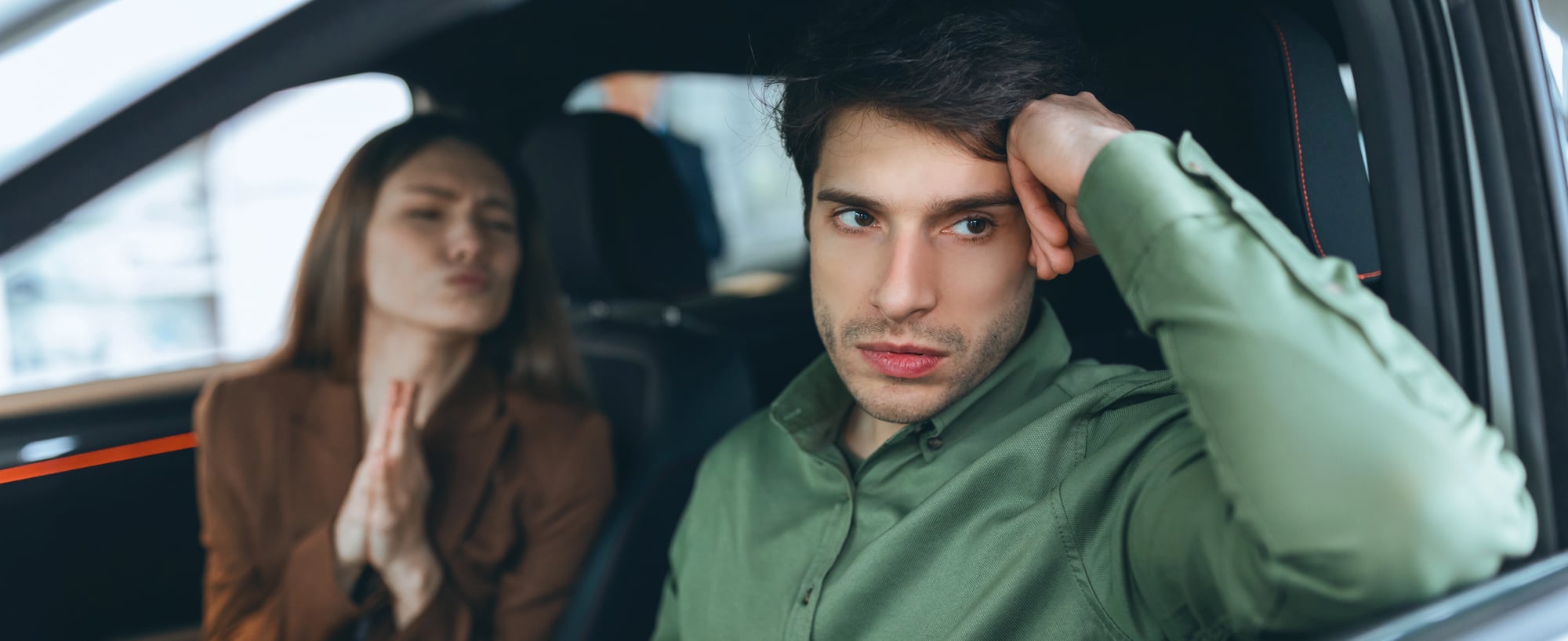
Every family had its version of the same argument, the one about whether to turn left at the water tower or trust the road sign that clearly disagreed with somebody’s memory. It never really was about the road — it was about who got listened to, who got blamed when the gas station wasn’t where they swore it would be, an old current running under a new fight every single time.
And yet the argument always resolved itself somewhere around a shared bag of gas station chips, the way weather always eventually clears, no apology required, no memory kept. Getting lost turned out to be a small, recurring rehearsal for getting along.
Discovering a Town Festival by Chance

Stumbling into a town’s one festival of the year, completely by accident, beats attending a planned event nine times out of ten. There’s a kind of joy in driving into Main Street and finding it blocked off for a chili contest nobody warned you about, judged by three people wearing sashes that clearly meant something to somebody.
A planned itinerary can’t compete with that kind of collision — the timing has to be wrong on purpose for it to feel this right. Nobody Googles their way into a moment like that; the road just hands it to you, and you’d be foolish to say no.
What Got Left Behind on the Dashboard
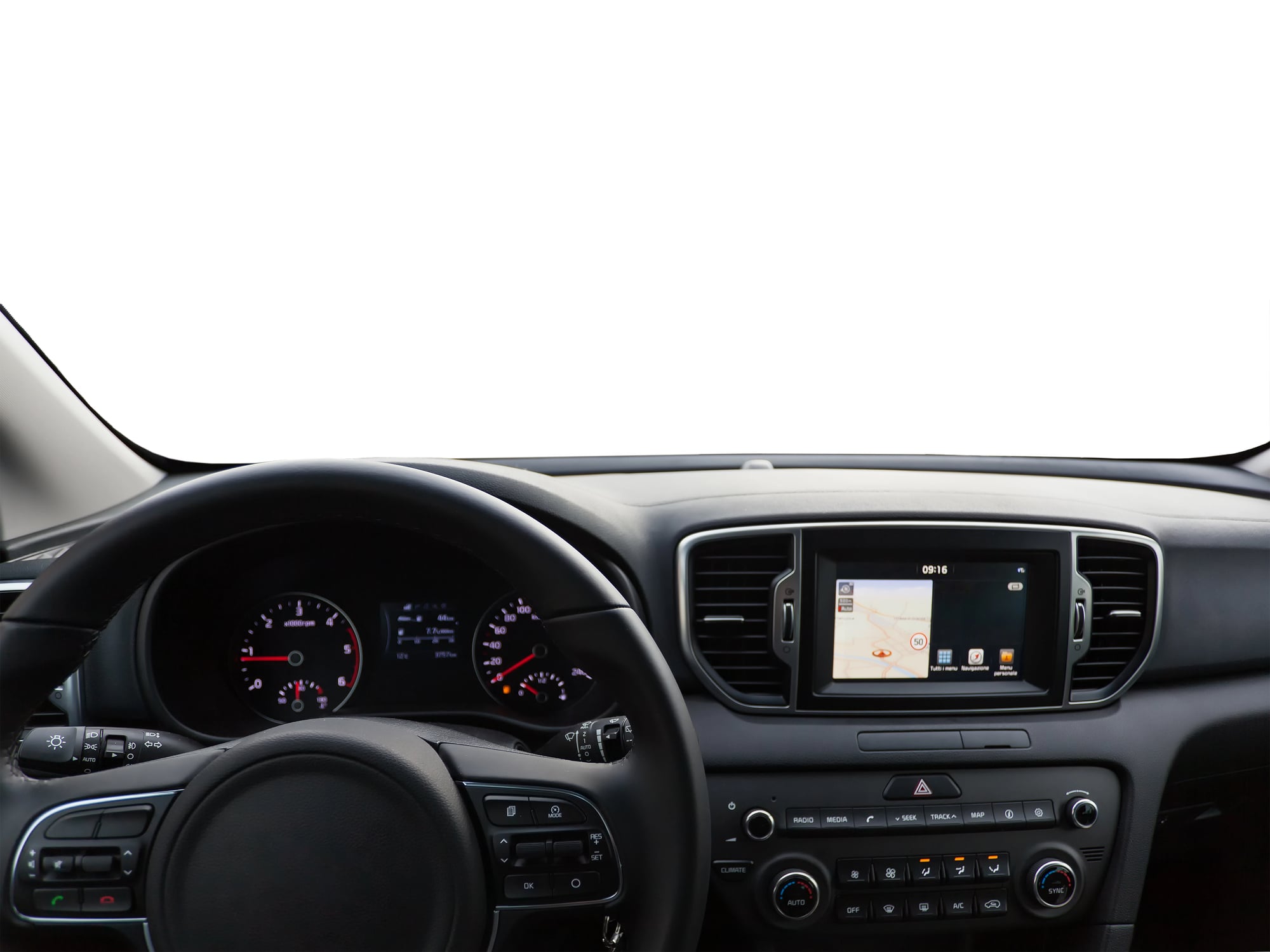
Somewhere along the way, the folded maps went into a drawer and the voice on the phone took over, calm and certain and always, always right about the fastest way home. Nothing about that is wrong exactly, and nobody’s arguing for getting lost on the way to a hospital.
But there’s a version of the family road trip that only existed because nobody knew exactly where they were going, and that version doesn’t really exist anymore, not in the same way. The next time the road feels a little too certain, a little too solved, it might be worth folding up the phone and letting the wrong turn happen. It usually knows something you don’t.
More from Go2Tutors!

- The Romanov Crown Jewels and Their Tragic Fate
- 13 Historical Mysteries That Science Still Can’t Solve
- Famous Hoaxes That Fooled the World for Years
- 15 Child Stars with Tragic Adult Lives
- 16 Famous Jewelry Pieces in History
Like Go2Tutors’s content? Follow us on MSN.