Why Certain Classroom Posters Are Burned Into the Memory of Anyone Who Went to School
There’s a particular kind of memory that doesn’t come from a lesson or a test or even a teacher’s voice. It comes from a wall.
Spend six hours a day for a decade in the same rooms, staring past the chalkboard when your mind wanders, and certain images get stapled into your brain right alongside the multiplication tables. Nobody assigned homework about them. Nobody quizzed you. And yet decades later, mention a cat hanging from a branch or a chart of the human muscular system, and something in your chest recognizes it instantly.
The “Hang In There” Cat

Every school in America had this poster. A soaked kitten, claws dug into a branch, somehow still smiling through the ordeal.
Nobody remembers who put it up or why it worked, but it worked. That cat outlasted at least four principals in most buildings.
The Periodic Table
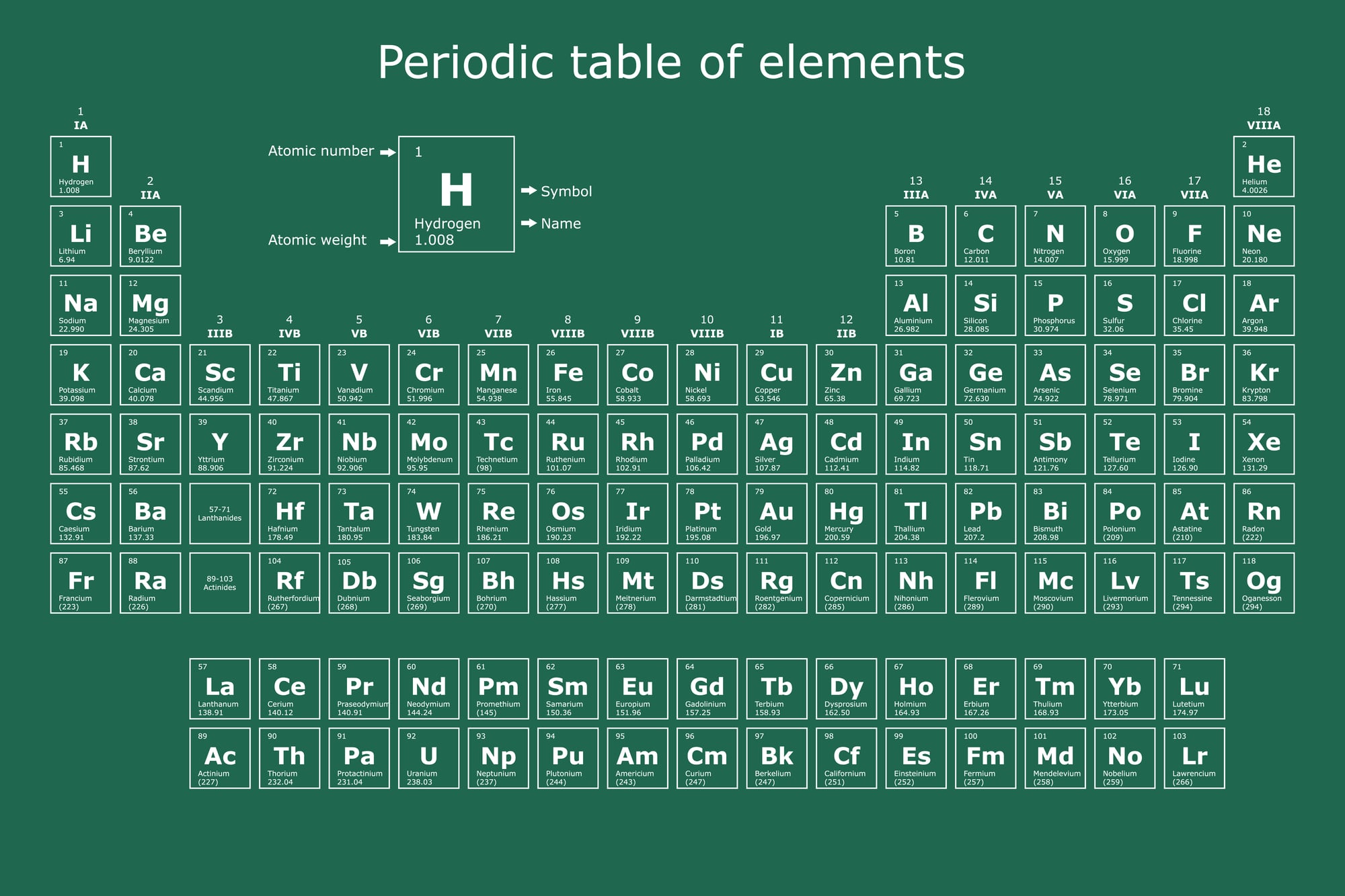
It hung above the chalkboard in almost every science room, usually a little askew, usually with a coffee stain near Iron — and if you think about it long enough, that chart was less a reference tool than a kind of promise: everything physical, all of it, reducible to a grid you could memorize by junior year. Nobody actually memorized it, not really, not beyond Hydrogen and Helium and whatever element spelled something funny when you strung the symbols together.
But it sat there anyway, patient and enormous, color-coded into families that meant nothing to a fourteen-year-old skimming it during a pop quiz. And that’s the strange part: you didn’t need to understand it to remember its shape, the way certain buildings stick in your memory purely by silhouette. So even now, the outline alone — that stair-step jog where the transition metals cut in — feels like walking back into third period.
Cursive Alphabet Chart
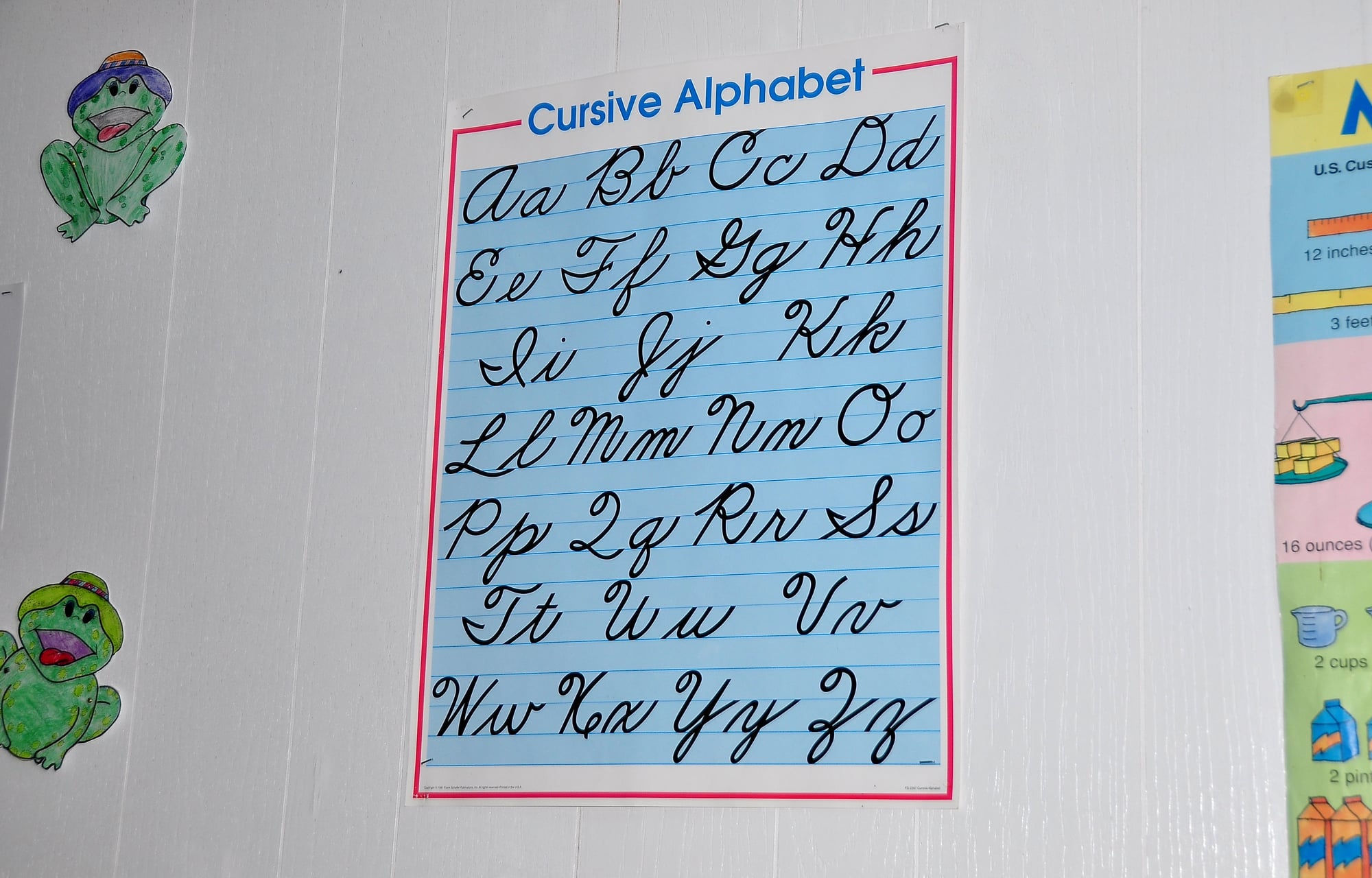
It ran along the top of the chalkboard like a quiet border checkpoint, each letter looping into the next in that stiff, dated penmanship nobody’s handwriting ever actually resembled. Learning to write in cursive felt, at the time, like being handed a secret adult language.
The capital Q looked like a number 2 wearing a hat, and no one has forgiven it since.
The Food Pyramid

Here’s an unpopular but accurate take: the food pyramid poster taught an entire generation questionable nutrition science dressed up as unquestionable fact. Bread, cereal, rice, and pasta stacked at the base like the foundation of a healthy life, which — to be fair, nutritionists have since walked back plenty of that.
Still, somehow every adult raised in the ’90s can redraw that pyramid from memory faster than they can recall their childhood address. That’s not nutrition education working as intended. That’s branding.
Reading Posters With Celebrities

Athletes and musicians holding books they were almost certainly not photographed actually reading, captioned with something like “Reading is FUNdamental.” The wordplay never stopped being a little painful, and yet it worked exactly as intended — some kid somewhere picked up a book because a basketball player was on the wall holding one.
There’s something oddly touching about that, a famous person lending their face to something as unglamorous as a library card. The poster wasn’t cool. The idea behind it kind of was.
The Solar System With Pluto
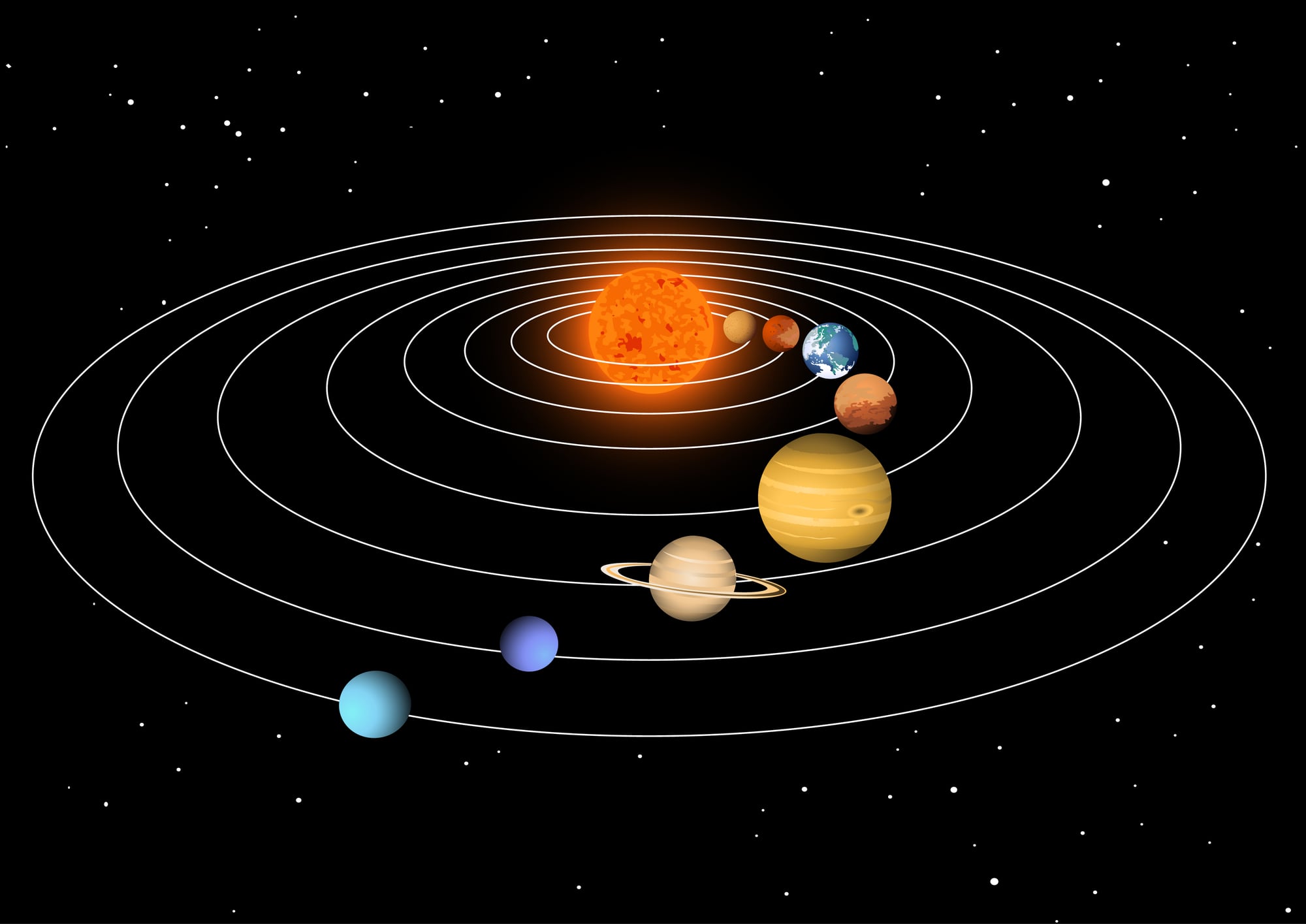
This one is a genuine artifact now. Millions of classroom posters across the country still show nine planets, Pluto included, dutifully orbiting out past Neptune like it belongs there — because for most of the people who stared at that chart, it did.
Then 2006 happened, the International Astronomical Union redefined what counts as a planet, and Pluto got demoted to “dwarf planet” status. Which is saying something about how classroom walls work: they’re frozen at the moment they were printed, teaching outdated science to kids who have no way of knowing it’s outdated. That poster is still hanging in some school right now, quietly lying to a third grader.
The Bill of Rights

It hung in the social studies room like a piece of furniture nobody looked at directly, the way you stop noticing a clock on a wall you pass every day. And yet ask any adult to name a few amendments and they’ll usually surface something, however hazy — free speech, the right to a trial, some vague memory of the number ten mattering.
The poster did its work sideways, not through memorization but through sheer repetition: ten amendments, always in the same order, always in that same slightly self-serious font. So the actual document might blur in memory, but the shape of it — the formality, the weight — stays intact.
The Human Body Cutaway
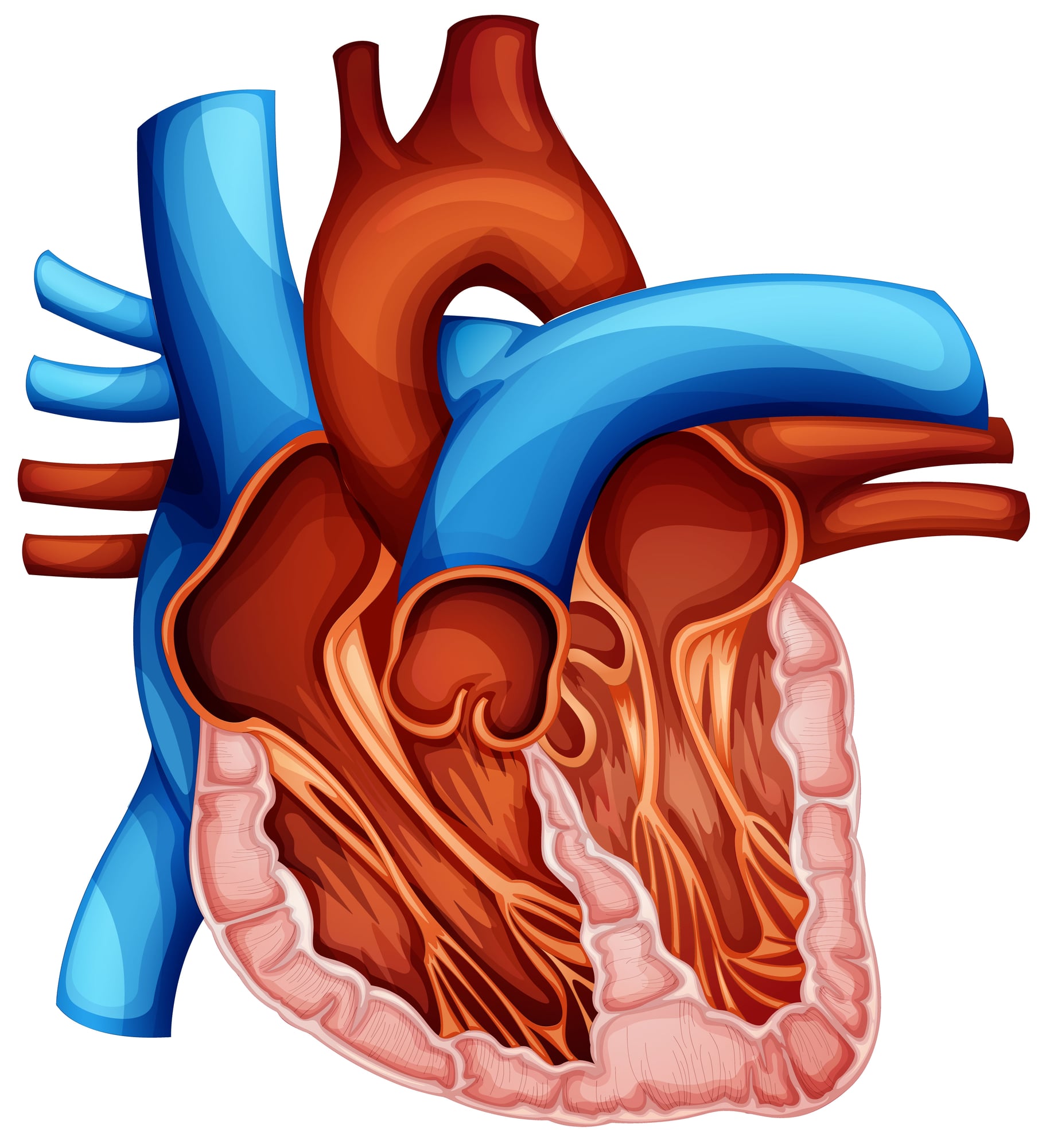
There’s no gentle way to say this: those anatomy posters were a little disturbing, and that’s exactly why they worked. A person, skinless, organs color-coded like a subway map, hanging directly across from where you ate lunch.
Nobody forgot the placement of the liver after staring at that thing for a full school year. Effective teaching tool, questionable interior decorating choice.
The World Map
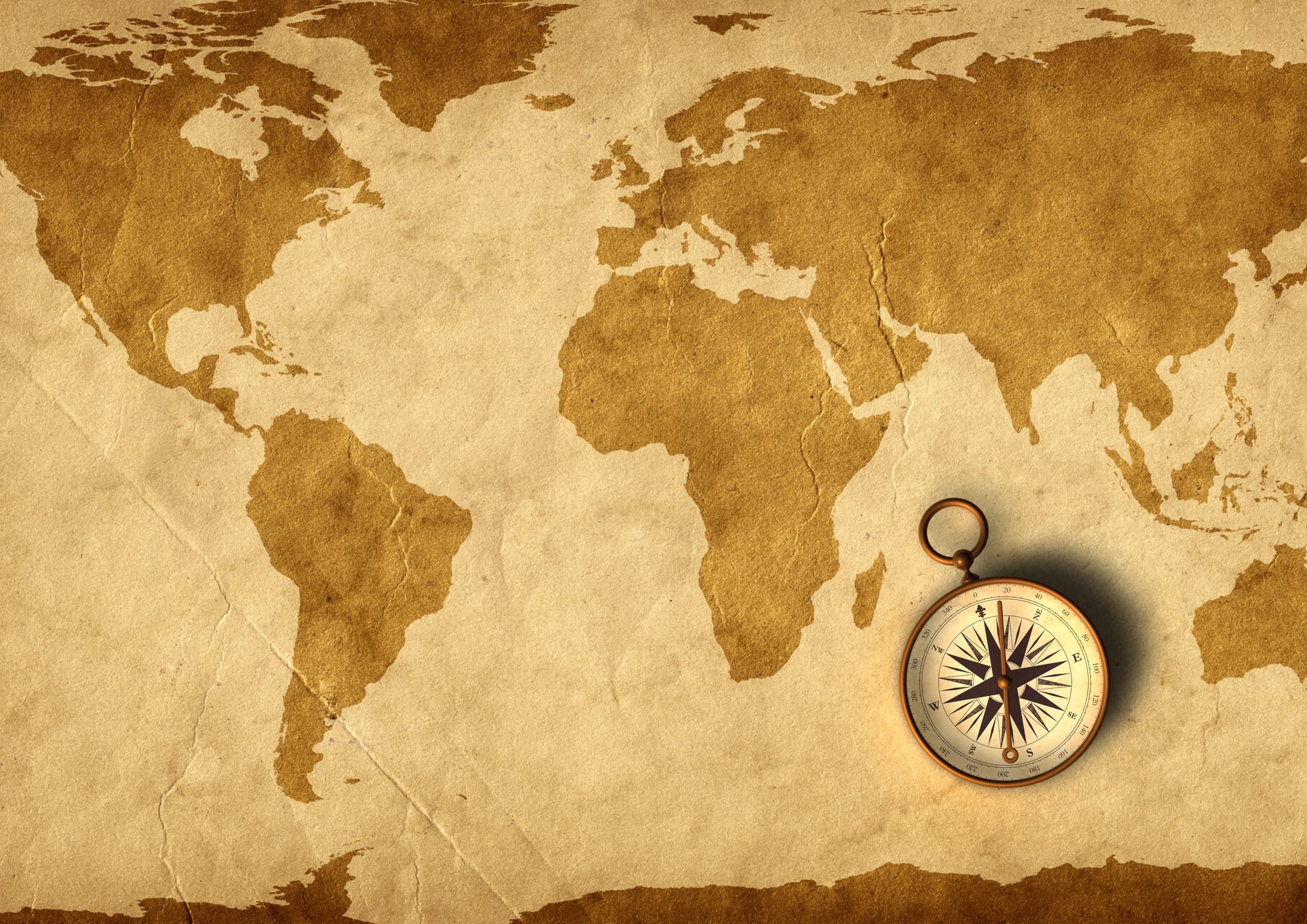
It curled slightly at the corners no matter how new it was, like the paper itself was tired of holding still. Some countries had already changed names by the time you were staring at it — borders shift faster than school budgets replace posters — so the map you memorized geography from was, in its own quiet way, already a little bit of history.
There’s something almost tender about that: a map meant to represent the present moment, aging into an artifact without anyone noticing. You didn’t learn the world from it so much as you learned a version of the world, one specific and unrepeatable.
Motivational Eagle and Mountain Posters
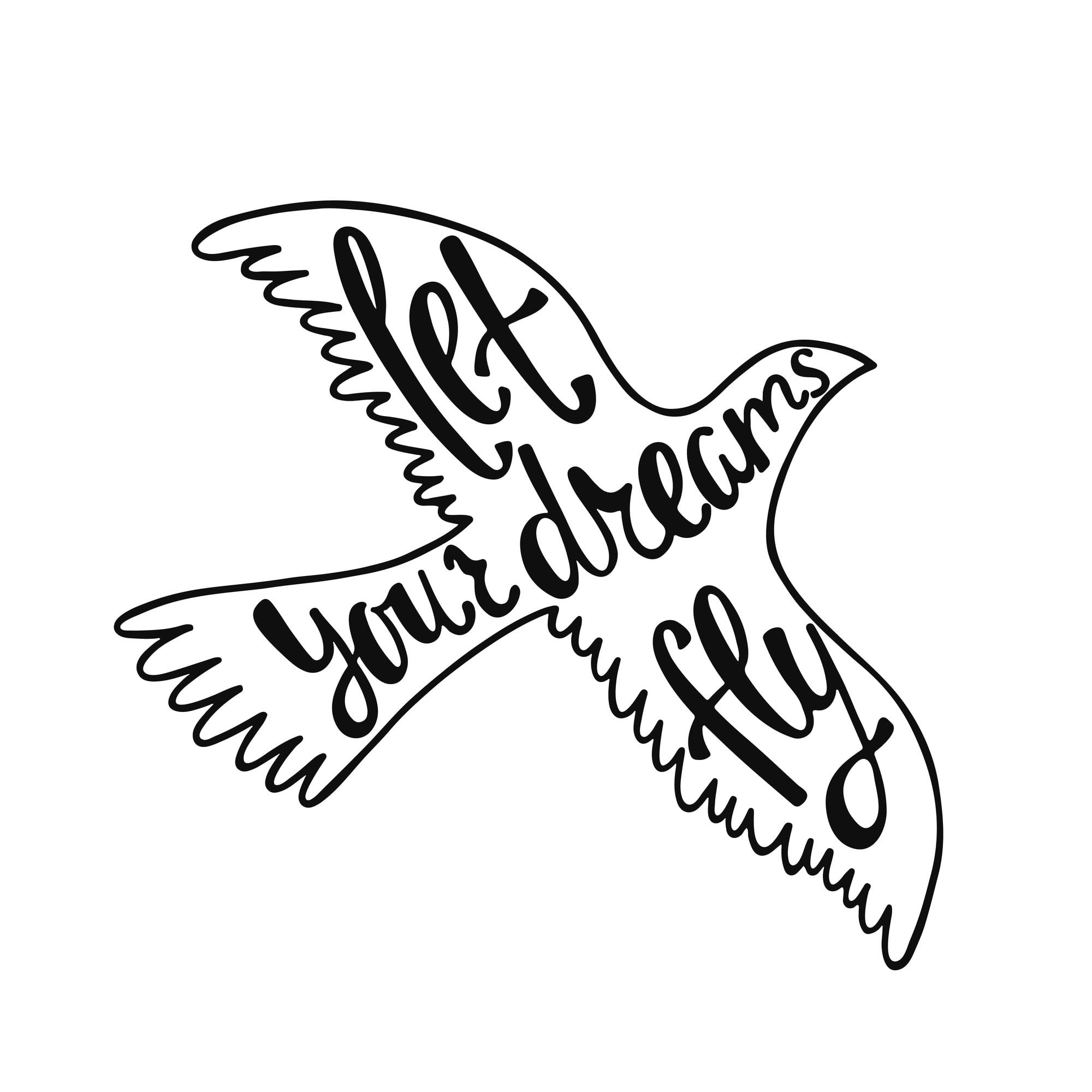
These deserve a specific, unflinching verdict: they were almost universally terrible, and everyone knew it even as children. A single word — “Perseverance,” “Teamwork,” “Excellence” — floating over a stock photo of a mountain peak or a soaring bird.
The humor wasn’t intentional, which somehow made it funnier. Every school had at least one hallway that looked like a motivational calendar had been shot out of a cannon.
The Water Cycle
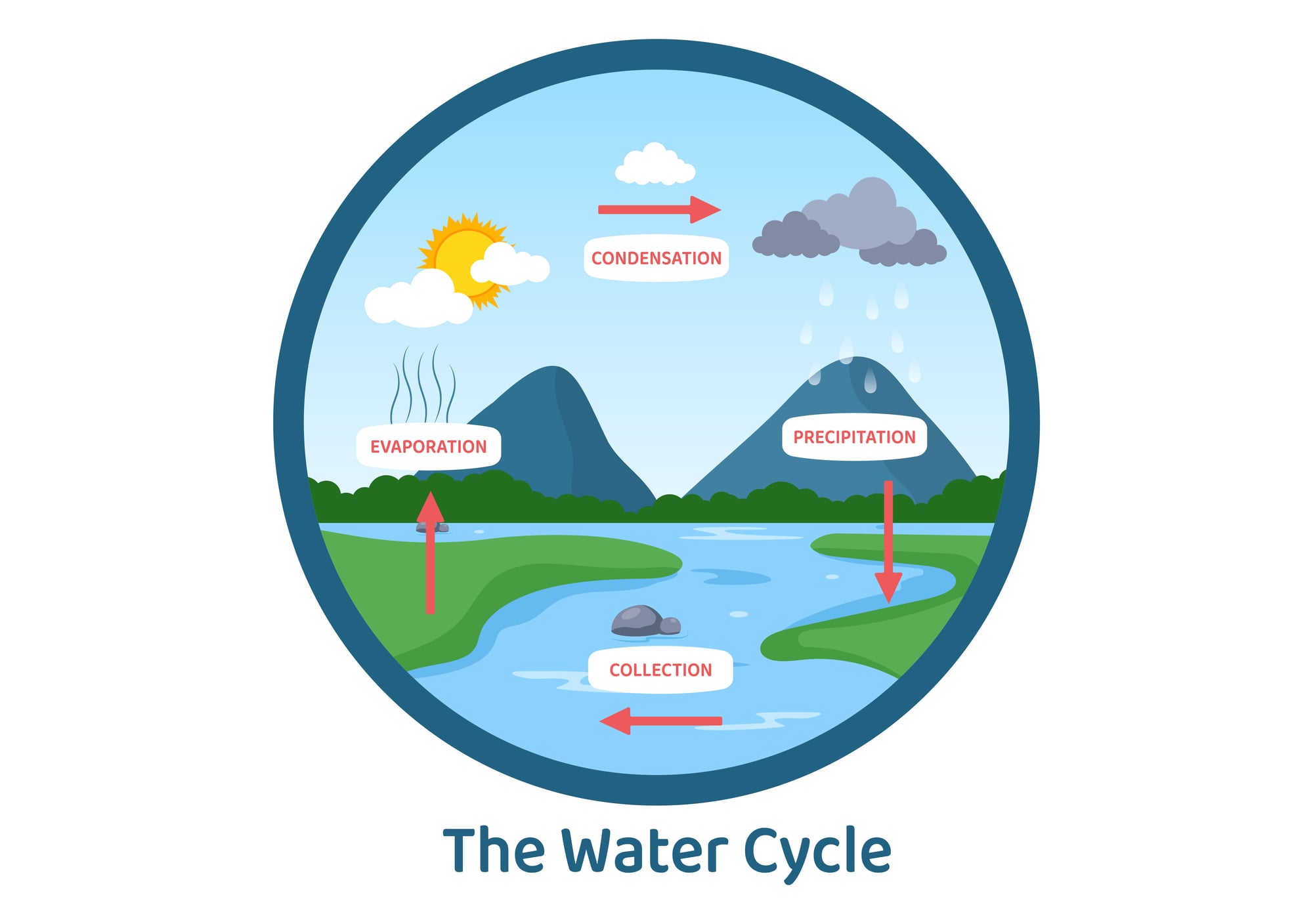
Evaporation, condensation, precipitation, collection — the arrows always looped back on themselves like a racetrack, which was sort of the point, though nobody explained it that way at the time. And it’s a strange thing to realize as an adult: that diagram, simple as it looked, was quietly one of the more accurate things taught in elementary school, structurally unchanged from the actual process meteorologists still describe today.
So while the solar system poster down the hall was already lying by the time you learned it, this one was just telling the truth in crayon colors. Not every childhood diagram ages badly. This one held up.
Classroom Rules Poster
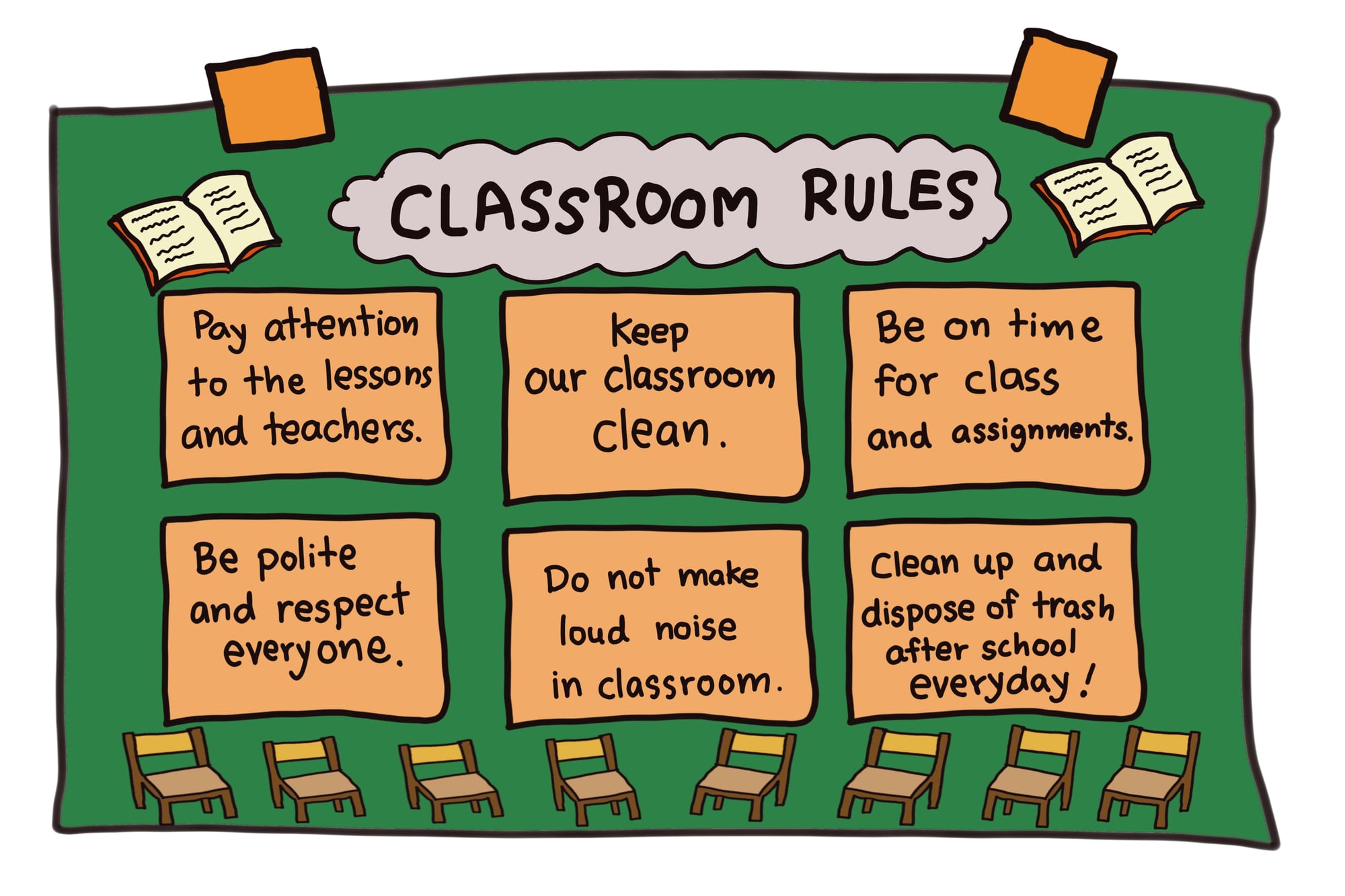
Every teacher had one, usually handwritten, usually laminated within an inch of its life. “Raise your hand.” “Be kind.” “Listen when others are speaking.”
None of it was profound, and none of it needed to be — repetition did the work eventually. You didn’t absorb the rules from reading them. You absorbed them from seeing them every single day until they stopped being words and just became the room.
The Fifty States Map
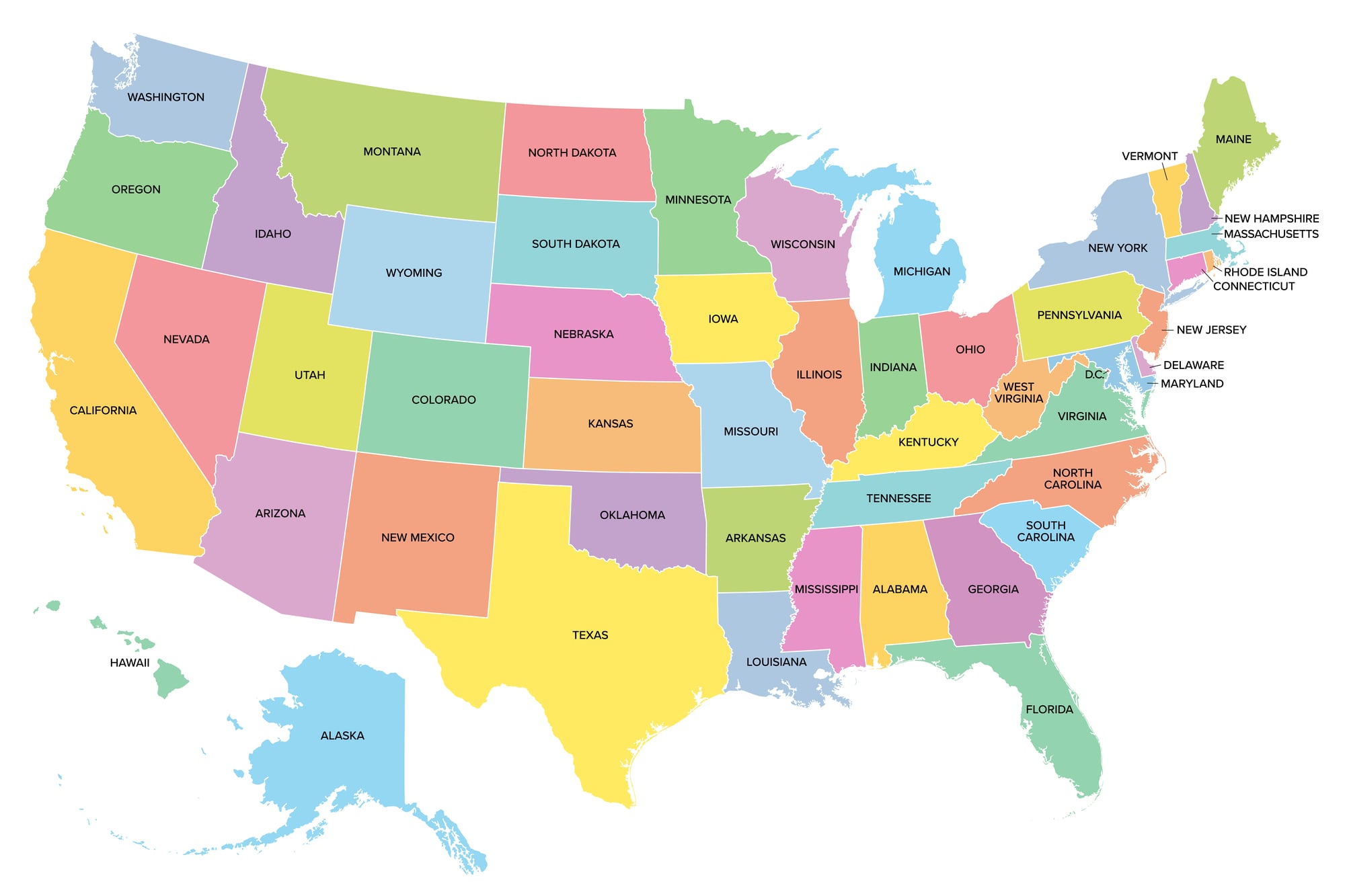
Every state a different pastel color, capital cities marked with a star, shapes that somehow became more recognizable than most actual countries. Kids who could not locate France on a map could identify Idaho by silhouette alone.
That’s not an accident — it’s just repetition, forty weeks a year, for years on end.
Stop, Drop, and Roll
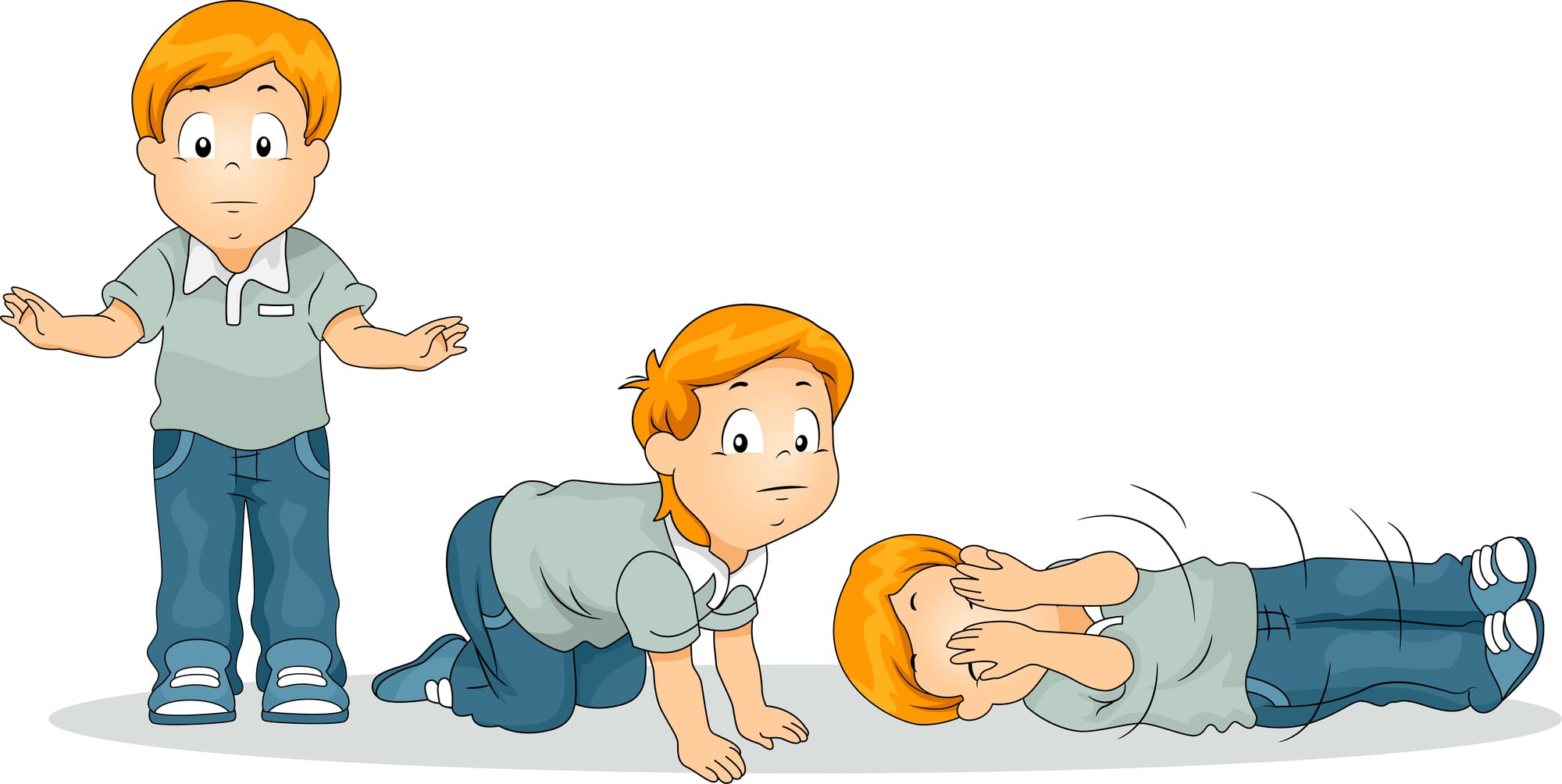
It usually showed a stick figure calmly rolling across the ground while flames danced nearby, drawn with a cheerfulness that never quite matched the subject matter. Fire safety posters had this strange tone problem across the board, treating a genuinely dangerous scenario with the visual register of a cereal box.
And yet the instructions stuck — stop, drop, roll, in that exact order — probably because the poster made sure of it through sheer, unglamorous repetition. Function over mood, and somehow that worked out fine.
The Plant Cell Diagram
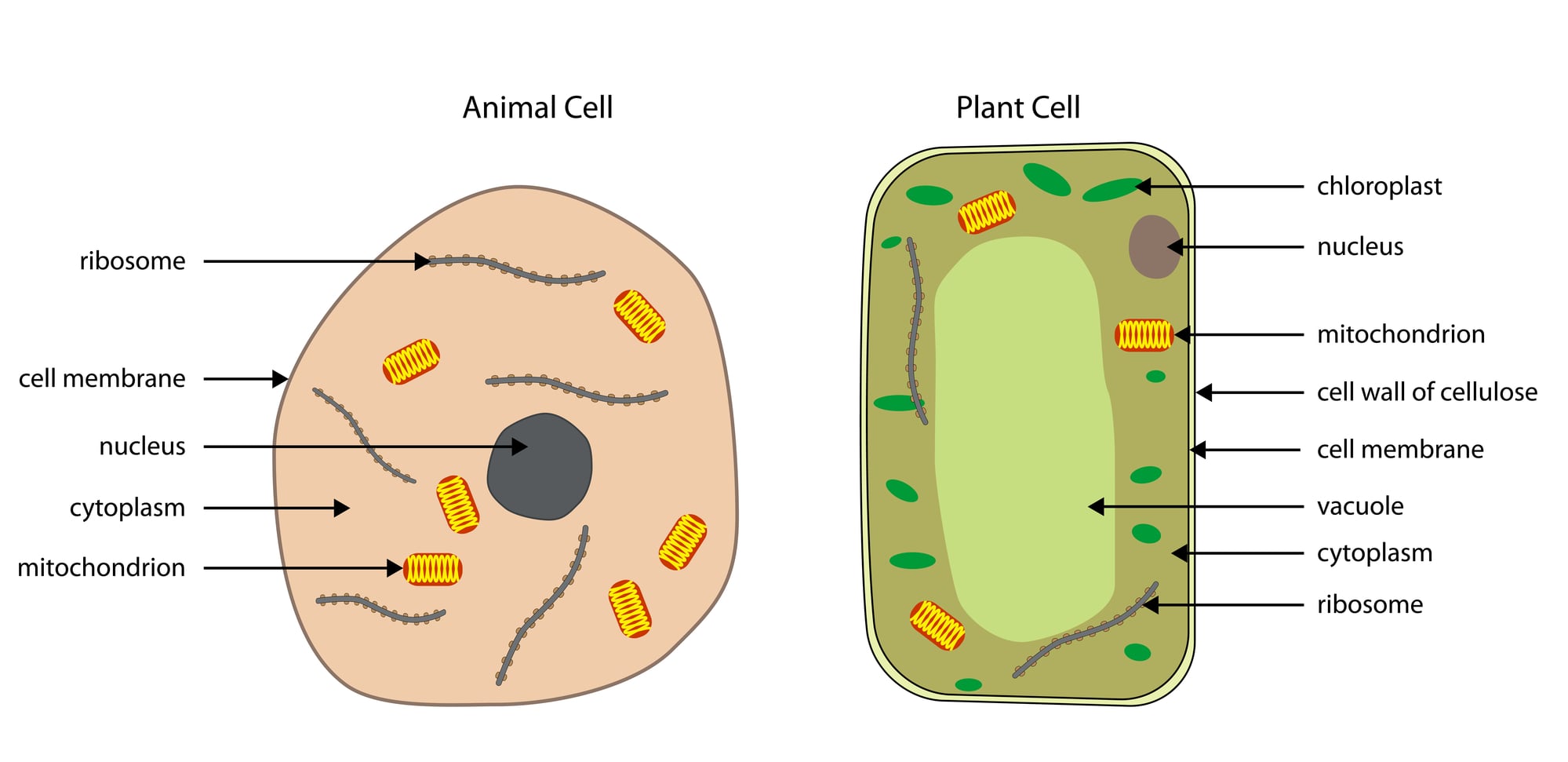
Next to it, almost always, hung its cousin: the animal cell, rounder and messier, missing the tidy rectangular wall that gave the plant cell its structure. Staring at both long enough, you start to notice something almost architectural about the comparison — one cell built like a brick, the other built like a balloon, each shape quietly explaining what the organism needed to survive.
Mitochondria got called “the powerhouse of the cell” so many times it turned into something closer to a chant than a fact. Certain phrases don’t get remembered because they’re interesting. They get remembered because someone said them exactly the same way, year after year, until the words wore a groove.
What the Walls Remember

None of these posters were built to be memorable. They were cheap, mass-produced, often outdated within a few years, and rarely acknowledged by anyone as anything more than background noise.
But that’s precisely how memory seems to work best — not through the lessons someone insisted mattered, but through the things absorbed sideways, glanced at during a thousand idle moments while waiting for class to end. Decades later, a soaked cat or a crooked periodic table can surface a whole classroom: the smell of the radiator, the particular slant of afternoon light, a version of yourself that hasn’t existed in years. Nobody meant for the walls to do that much work. They just did.
More from Go2Tutors!

- The Romanov Crown Jewels and Their Tragic Fate
- 13 Historical Mysteries That Science Still Can’t Solve
- Famous Hoaxes That Fooled the World for Years
- 15 Child Stars with Tragic Adult Lives
- 16 Famous Jewelry Pieces in History
Like Go2Tutors’s content? Follow us on MSN.



