Hearing an Old Answering Machine Greeting Still Catches People Off Guard No Matter Their Age
Someone finds an old cassette tape in a drawer, or stumbles across a saved voicemail buried in a phone they forgot to back up, and presses play without thinking much about it. Then a voice comes through — a parent, a grandparent, an old roommate reciting the same clunky greeting they used decades ago — and the room feels different for a second.
It doesn’t matter if you’re twenty-two or seventy-two. That sound does something to you that a photograph rarely manages.
The Sound Itself
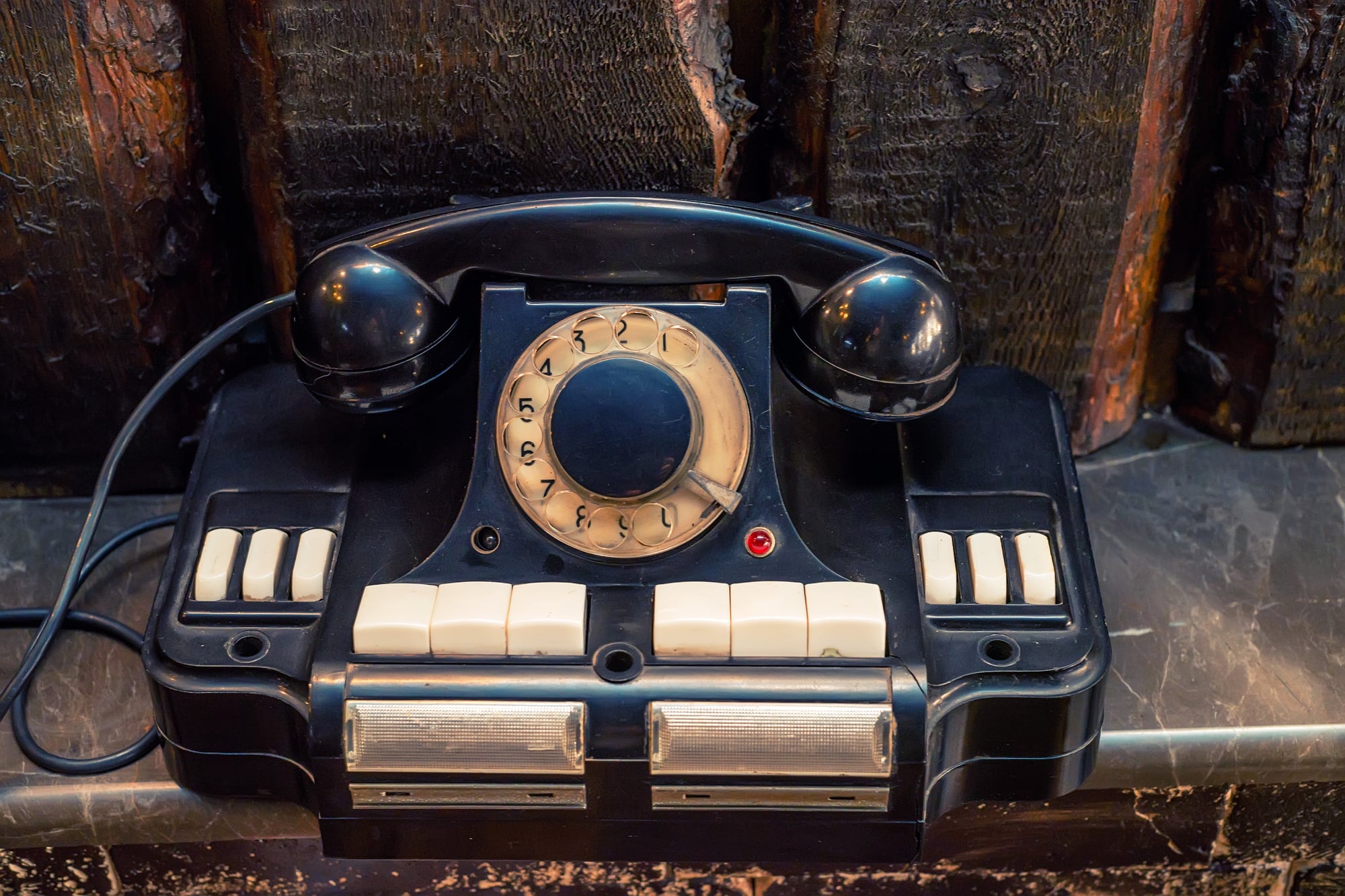
A voice hits different than a picture ever will. There’s no filter, no pose, nothing arranged for the moment.
It just exists, flat and unrehearsed, and it knocks the wind out of you before your brain catches up.
Why a Voice Outlasts a Face
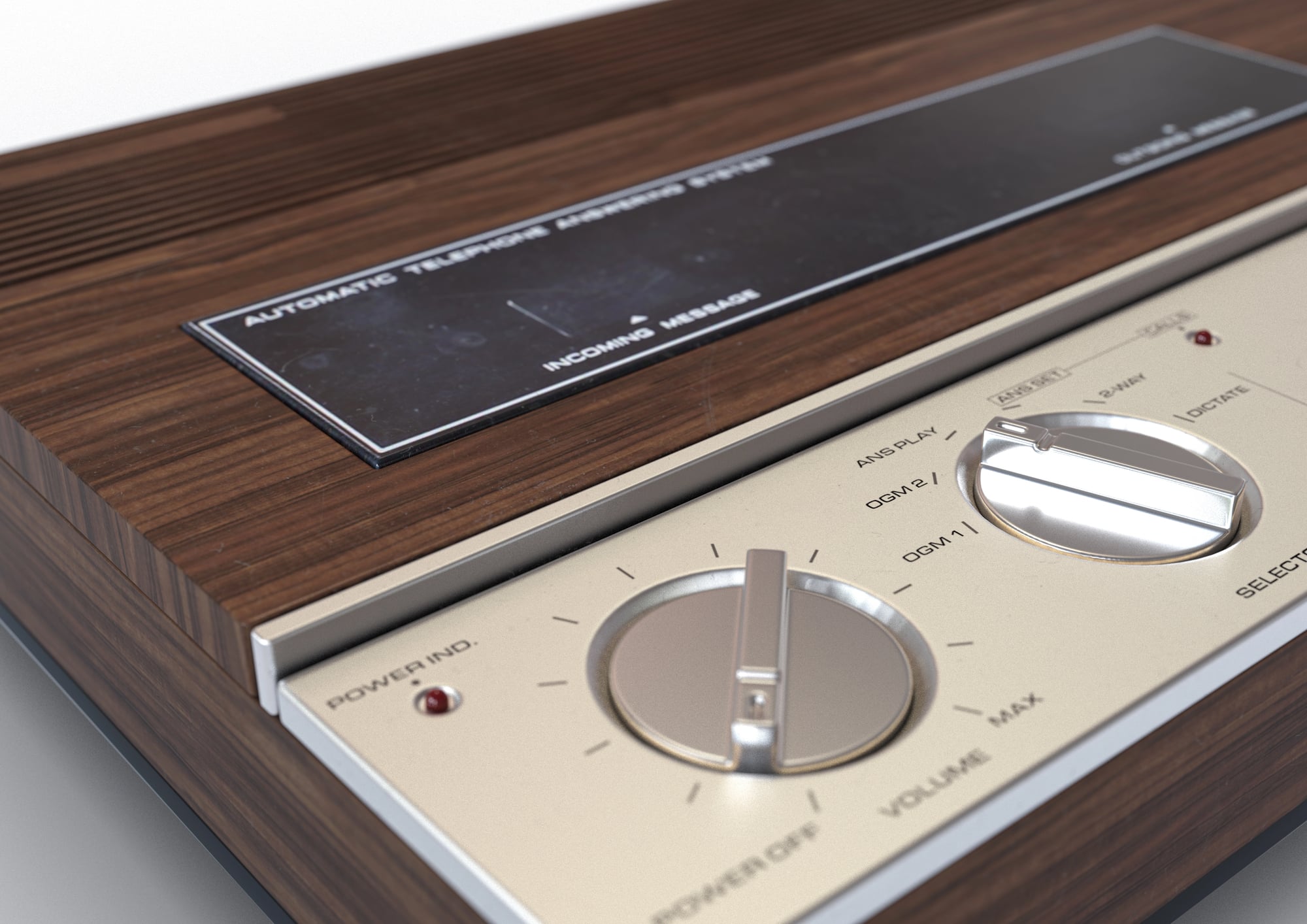
So here’s the strange part: people can usually recall a face pretty well, but a voice — the pitch, the pauses, the way someone cleared their throat before speaking — tends to fade faster in memory, which is exactly why hearing it again lands so hard. And it’s not just nostalgia, though it’s partly that: it’s closer to a jolt, the kind you get when a smell yanks you back to a kitchen you haven’t stood in for twenty years.
There’s something about the specific rhythm of a person’s speech (the little “um,” the way they always said the phone number twice) that no written record ever captures. So the tape plays, and for three seconds, that person is standing in the room again.
The Answering Machine’s Quiet Reign
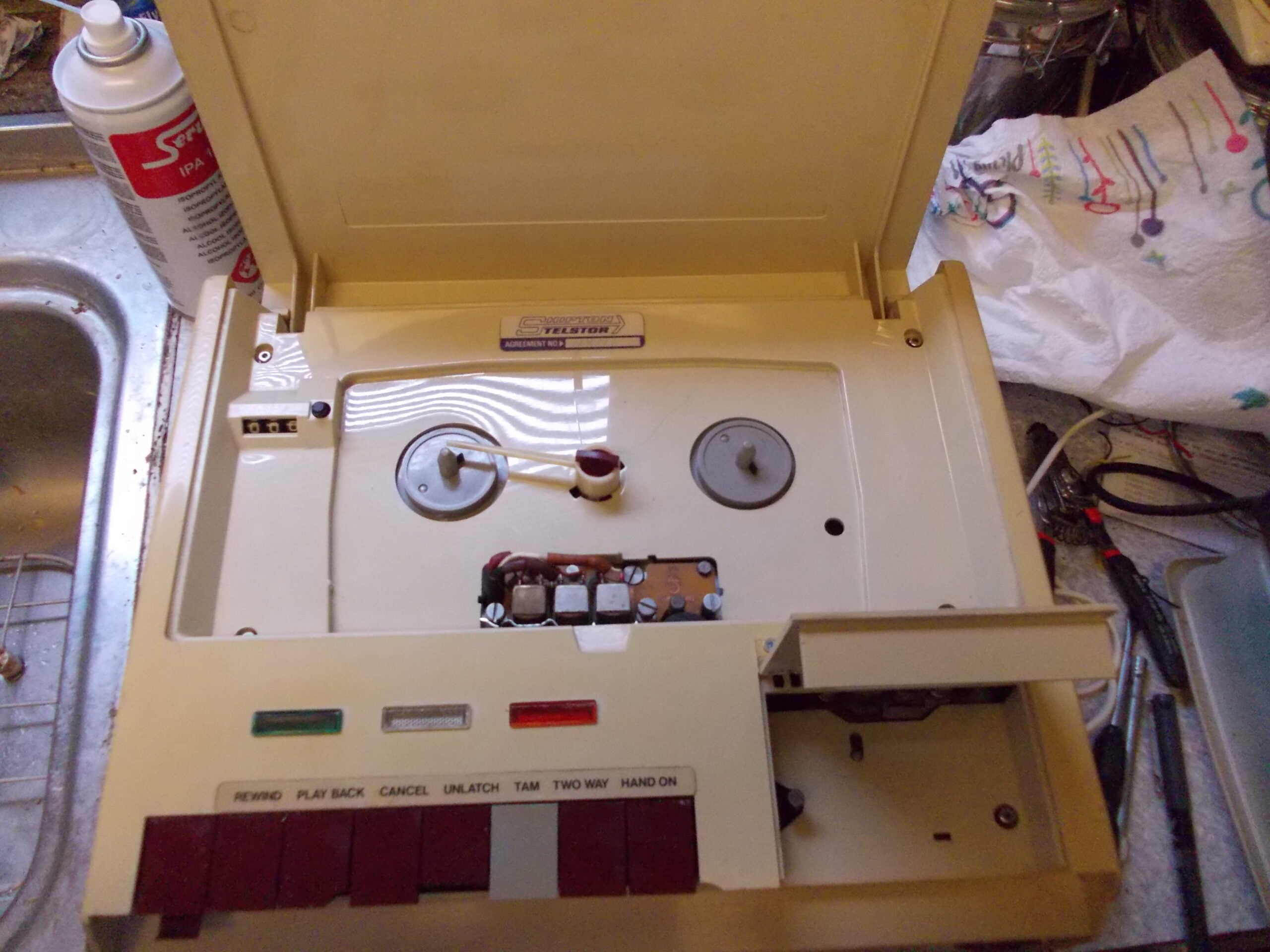
Before voicemail lived quietly inside a phone, it lived loudly on a countertop, blinking red like it had something urgent to confess. Families gathered around those machines the way people once gathered around radios, waiting to hear who called and what they wanted.
It was clunky and mechanical and occasionally chewed up a tape, but it held a house’s daily noise in a way nothing since quite has.
Grandma’s Kitchen Counter
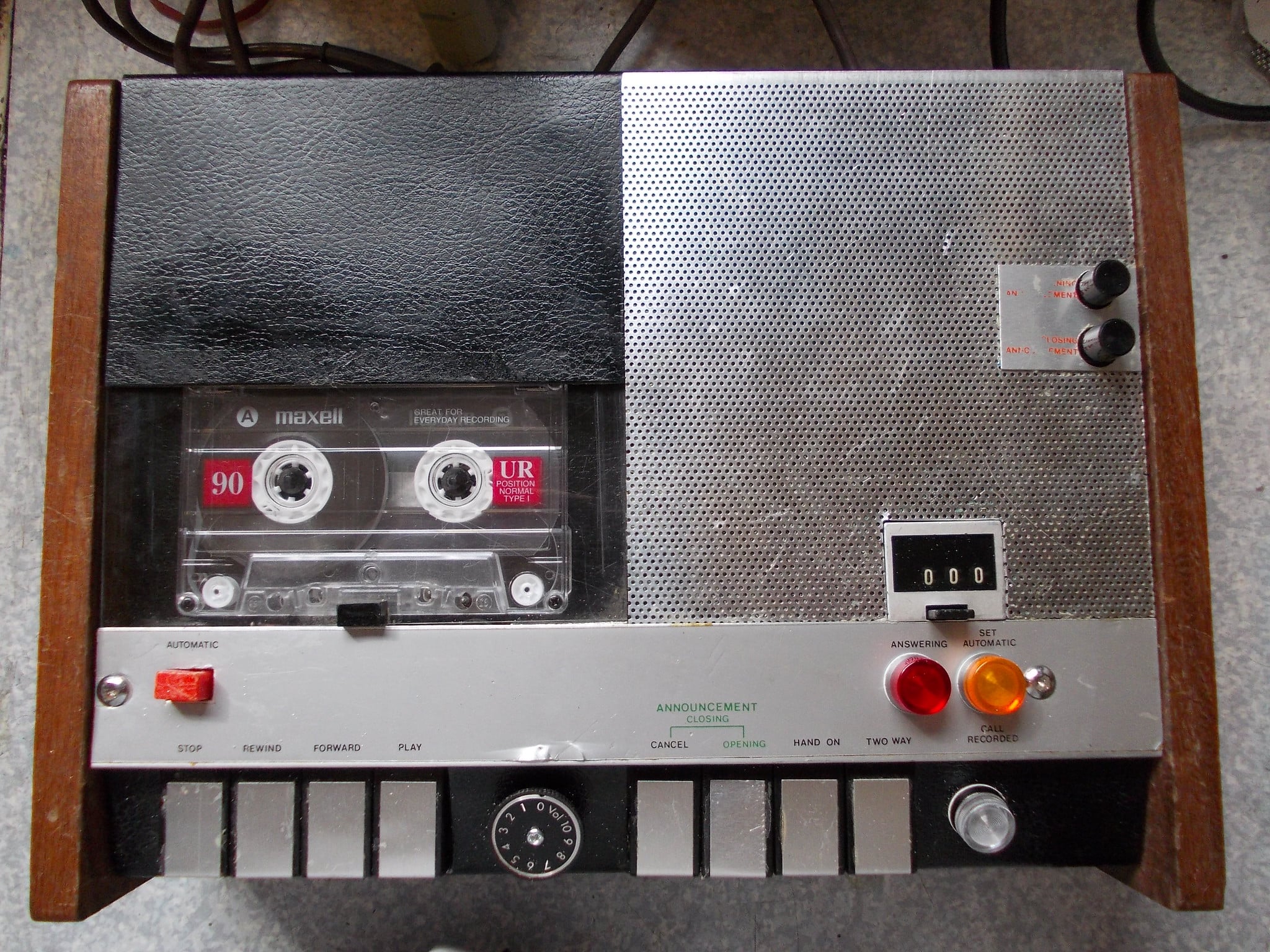
Everybody’s grandmother had one of these, usually beige, usually sitting next to a rotary phone that outlived three younger models. The outgoing message was always slightly too formal, recorded in one take because nobody wanted to record it twice.
To be fair, that stiffness is exactly why it still works — it sounds like an actual moment instead of a performance.
The Beep Nobody Explains Anymore
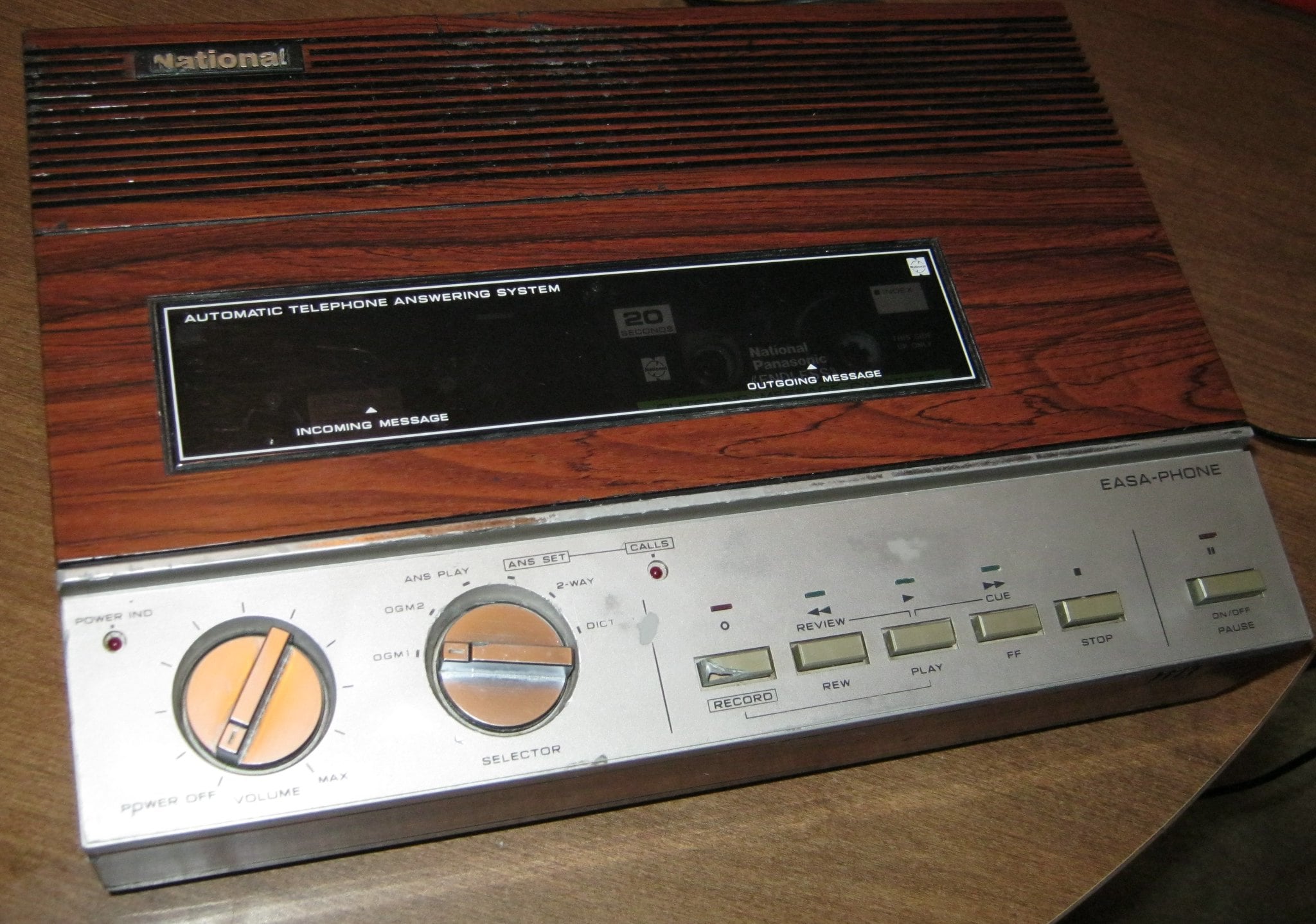
The beep meant something once. It told you to talk now, not before, not after.
Nobody under thirty has ever needed that instruction, and somehow the whole ritual still transmits itself through old recordings like a language nobody speaks anymore but everybody understands.
Kids Who Grew Up Without One

And this is where things get a little uneven, because kids raised entirely on smartphones have no memory of a machine physically sitting in a hallway — and yet they still react to these recordings the same way older generations do, maybe even more intensely, since the format itself feels foreign to them. It’s not the technology that grabs them: it’s the voice, the same as it grabs everyone else.
A parent’s recorded greeting from 1998 doesn’t need context to land. So a teenager who’s never touched a landline phone can still go quiet listening to one, which says more about voices than it does about machines.
Voicemail Didn’t Kill the Feeling

People assumed voicemail, being newer and cleaner, would strip the emotion out of a recorded greeting. It didn’t.
If anything, voicemail just moved the ritual somewhere smaller and more private, a single blinking notification instead of a blinking box on the counter, and the effect of hearing an old one stayed exactly as sharp.
Saved Messages Nobody Deletes

Plenty of people keep a voicemail they’ll never listen to again on purpose, saved for years because deleting it feels like erasing something that shouldn’t be erased. That’s not sentimentality for its own sake, it’s closer to insurance — a backup plan against forgetting a sound that matters.
Phones warn people constantly about storage running low, and there’s always that one message excluded from the cleanup, quietly surviving update after update.
The Difference Between Hearing and Reading

A text message sits there, flat and permanent, easy to reread without much feeling attached. A voice recording behaves differently.
It arrives, plays once through your ears, and disappears the moment it’s over, which is exactly why it never stops surprising people.
Estate Sales and Forgotten Machines
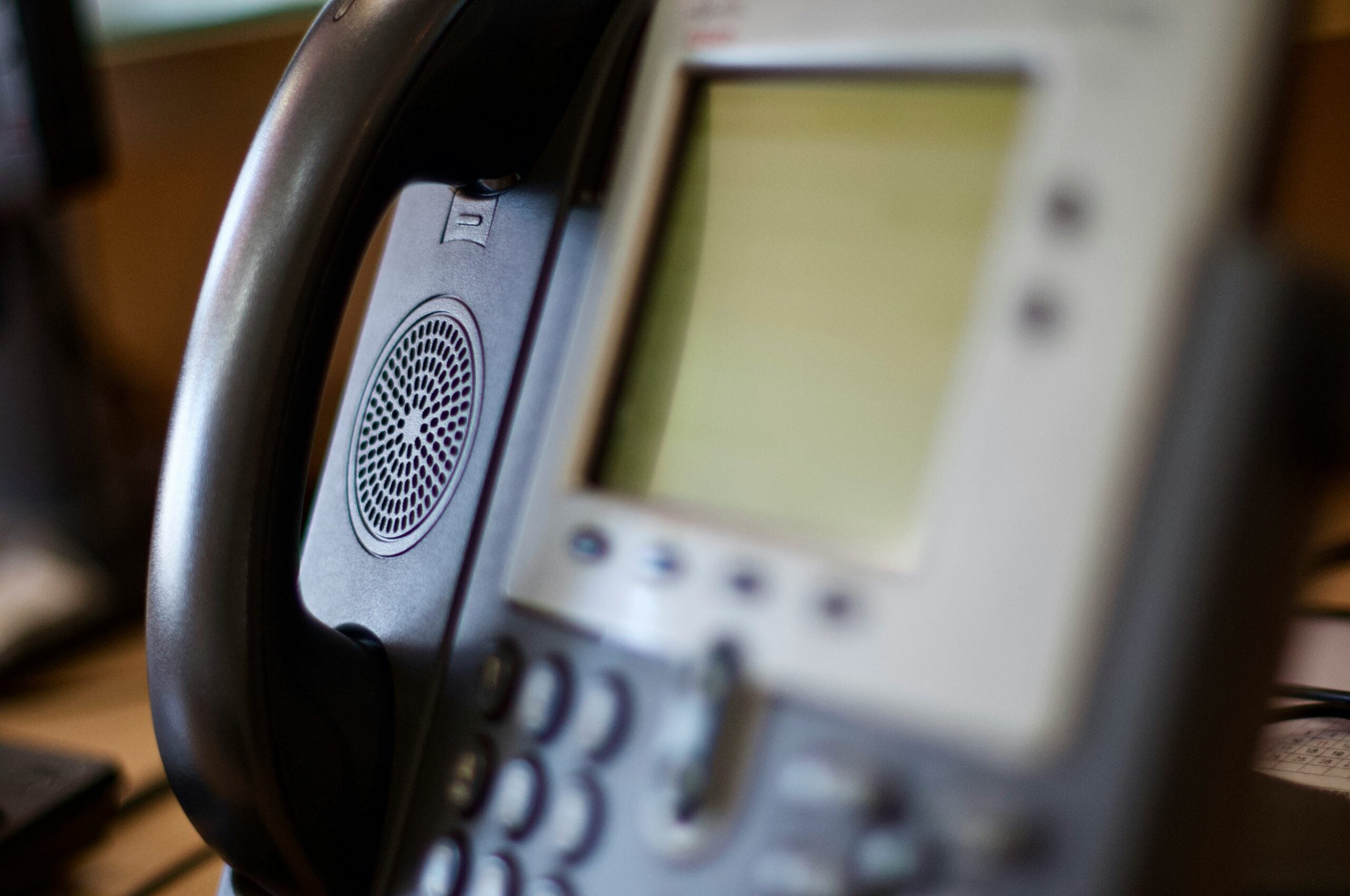
Somebody clears out a house after a passing, and buried in a closet is an actual answering machine, tape still loaded, message light long dead. And whoever finds it faces an odd decision — play it, knowing what might be on there, or leave it untouched, which somehow feels worse.
There’s no manual for this kind of moment, no etiquette guide for hearing a dead relative’s voice through a machine nobody thought still worked, and yet it happens in estate sales and storage units more often than people admit. So the tape usually gets played, hands shaking slightly, because curiosity tends to win over caution every single time.
The Awkward Charm of Outgoing Messages
Old outgoing messages have a texture modern voicemail greetings will never replicate. Someone’s kid shouting in the background, a dog barking at the wrong moment, three people arguing about who should record the message — it’s chaos, but it’s honest chaos.
Nobody stages that kind of thing on purpose, and that’s precisely what makes it worth keeping.
Losing Someone and Keeping the Sound
Grief researchers have documented this for years: hearing a deceased loved one’s voice affects people differently than viewing their photograph does, often triggering a sharper, more immediate wave of emotion. That’s not a guess, it’s a pattern noted repeatedly in how families describe keeping voicemails after a passing.
A photograph shows how someone looked. A recording proves, undeniably, how they sounded, and that distinction matters more than people expect until they’re the one holding the phone.
Digital Backups People Make Just in Case
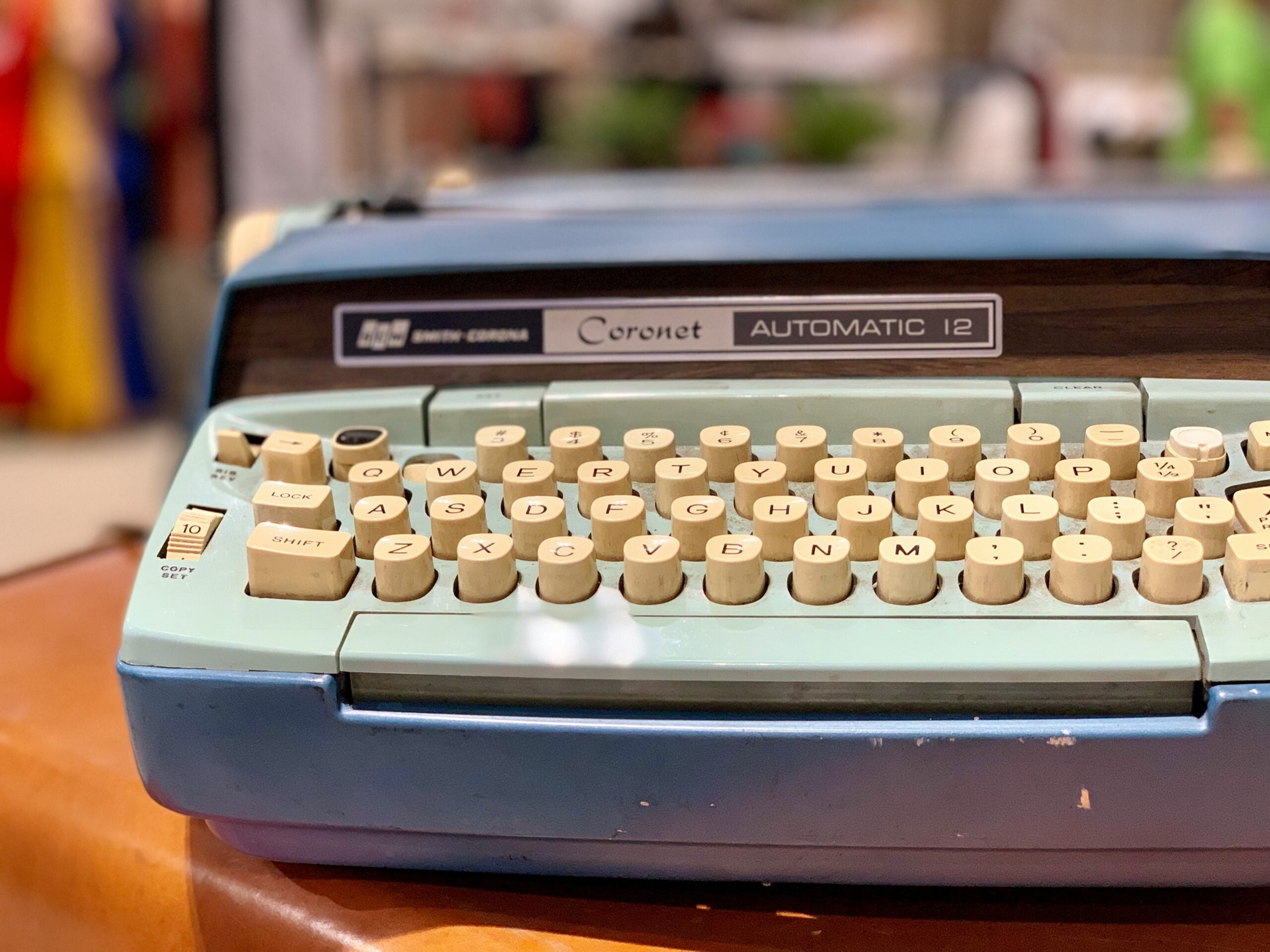
People now go out of their way to save these recordings onto laptops, cloud drives, even multiple devices, treating an old greeting like a document worth protecting. It’s a strange kind of preservation instinct, born from watching too many friends lose a voicemail when a phone broke or an account got deleted.
Nobody backs up a text message with the same urgency, which says plenty about which one actually matters more.
Old Home Videos Don’t Hit the Same
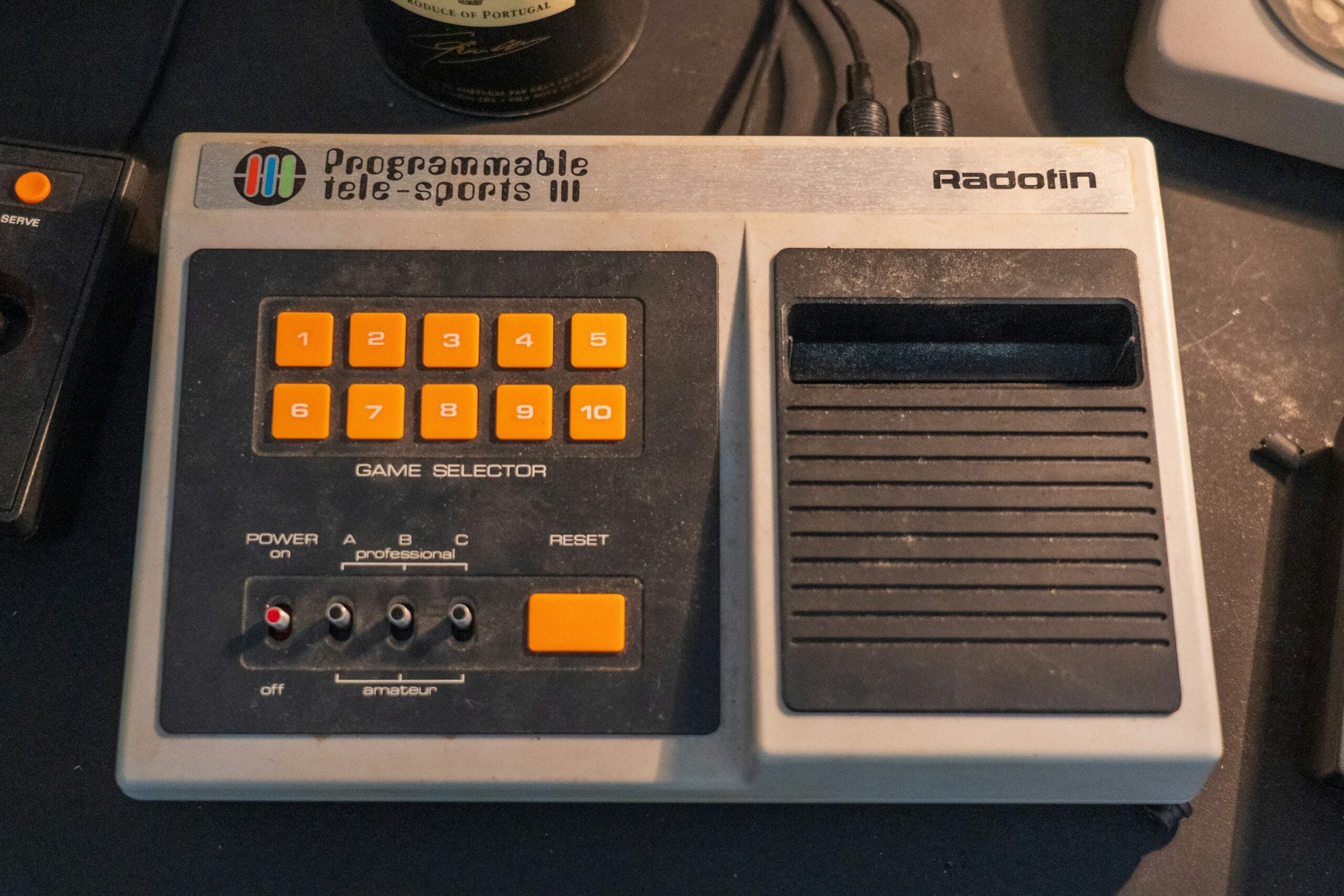
Home videos capture motion and expression, sure, but there’s usually a camera involved, meaning someone’s aware they’re being filmed and adjusts slightly because of it. An answering machine greeting has none of that self-consciousness — it’s a person just talking, quickly, sometimes annoyed at having to record it at all.
And maybe that’s the real reason it cuts deeper: nobody performs for a machine the way they perform for a lens, so what gets left behind ends up more honest than most footage ever manages to be.
Why This Isn’t Really About Technology

None of this is actually about beeps or tapes or blinking lights. It’s about the fact that a voice, stripped of everything else, is closer to a fingerprint than people give it credit for — unrepeatable, specific, gone the moment the person stops using it.
An old greeting isn’t nostalgic because of the machine that stored it. It’s the last honest echo of somebody talking exactly the way they used to, before time got its hands on the memory and softened the details.
What the Beep Leaves Behind
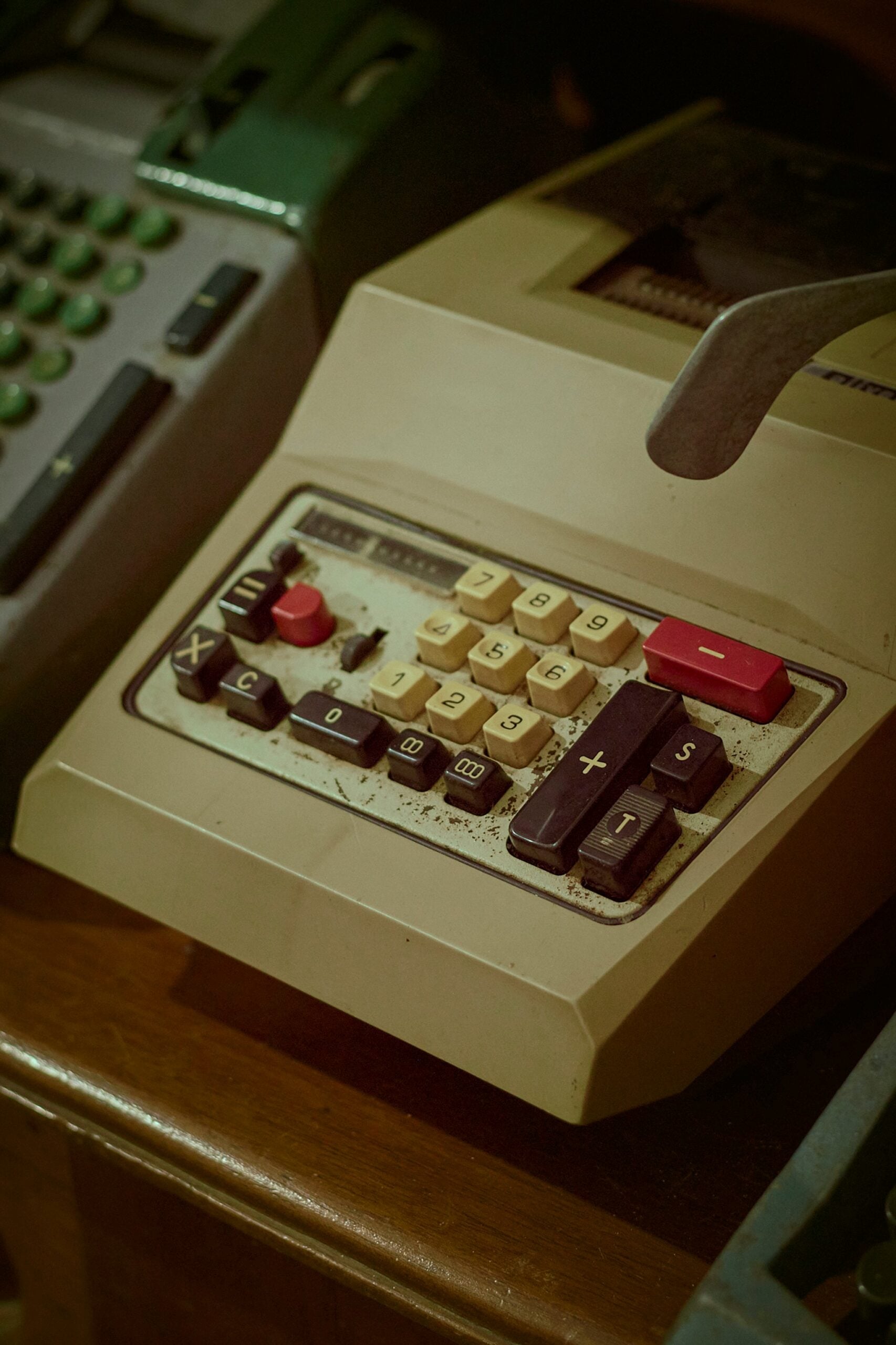
There’s no getting around it: a voice does something a photograph simply can’t, and an old answering machine greeting proves that in about four seconds flat. It doesn’t matter how old you are or how far technology has moved past cassette tapes and blinking counters — the moment that recording plays, something in you sits up and pays attention.
Machines get replaced constantly. Voices, once they’re gone, don’t come back nearly as easily, and maybe that’s exactly why hearing one again still catches everybody off guard.
More from Go2Tutors!

- The Romanov Crown Jewels and Their Tragic Fate
- 13 Historical Mysteries That Science Still Can’t Solve
- Famous Hoaxes That Fooled the World for Years
- 15 Child Stars with Tragic Adult Lives
- 16 Famous Jewelry Pieces in History
Like Go2Tutors’s content? Follow us on MSN.