15 Banking Mistakes That Cost Billions
Banking might seem like a straightforward industry where numbers add up and everything follows strict rules, but history tells a different story. From risky investments to technological failures, financial institutions have made some spectacularly expensive blunders that shook entire economies and cost taxpayers billions.
These mistakes didn’t happen in isolation—they often stemmed from overconfidence, poor risk management, or simply chasing profits without considering the consequences. Here is a list of 15 banking mistakes that demonstrate just how costly poor decisions can become when dealing with other people’s money.
Lehman Brothers’ Excessive Risk-Taking

Lehman Brothers collapsed in 2008 after taking on massive amounts of debt relative to their capital base, with a leverage ratio reaching 30 to 1. The investment bank became heavily invested in subprime mortgages and commercial real estate just as those markets began to crumble.
When housing prices started falling, Lehman couldn’t cover their losses and filed for the largest bankruptcy in U.S. history at the time.
Bear Stearns’ Hedge Fund Disaster

Bear Stearns lost nearly everything when two of their hedge funds collapsed in 2007 after betting heavily on subprime mortgage securities. The funds had borrowed enormous amounts of money to amplify their bets, turning what might have been manageable losses into catastrophic ones.
JPMorgan Chase eventually bought the firm for just $2 per share, down from over $150 a year earlier.
Like Go2Tutors’s content? Follow us on MSN.
Washington Mutual’s Aggressive Lending
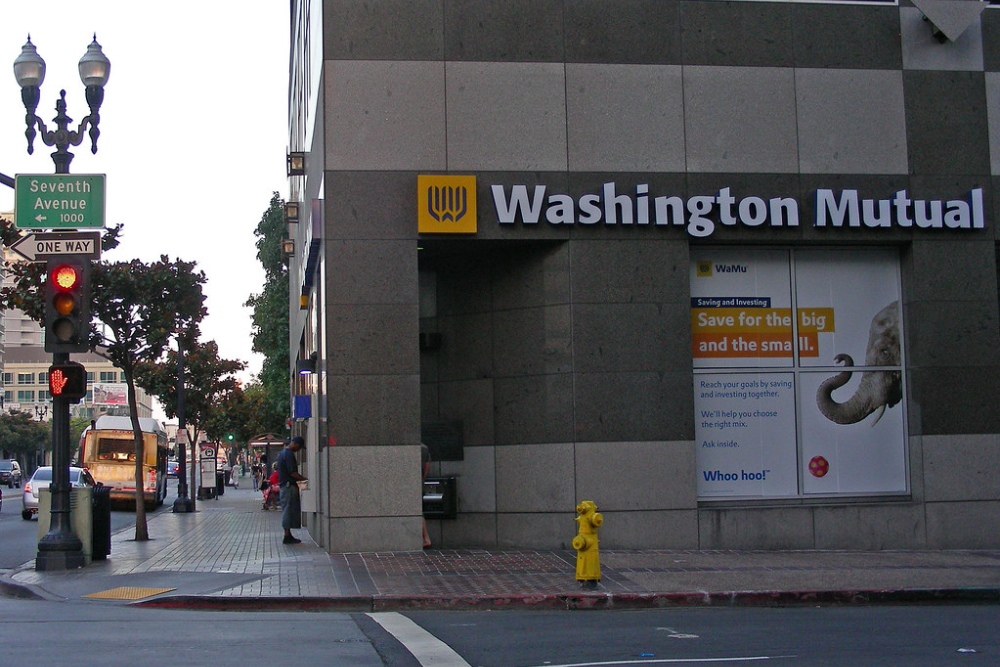
Washington Mutual became the largest bank failure in U.S. history when regulators seized it in 2008 after the bank pursued an aggressive strategy of making high-risk loans to borrowers with poor credit. WaMu offered loans with little documentation and even negative amortization mortgages, where monthly payments didn’t cover the interest.
When the housing market collapsed, the bank found itself holding billions in worthless assets.
Wells Fargo’s Fake Accounts Scandal

Wells Fargo created millions of unauthorized customer accounts between 2002 and 2016 to meet aggressive sales targets, ultimately paying over $3 billion in fines and penalties. Employees opened checking and savings accounts, credit cards, and other products without customer knowledge or consent to hit quotas.
The scandal damaged the bank’s reputation so severely that it’s still operating under regulatory caps on its growth.
Credit Suisse’s Archegos Meltdown
Credit Suisse lost over $5 billion in 2021 when family office Archegos Capital collapsed, highlighting massive failures in the bank’s risk management systems. The Swiss bank had allowed Archegos to build up enormous leveraged positions without properly monitoring the total exposure across different trading desks.
When Archegos couldn’t meet margin calls, Credit Suisse was left holding worthless stocks that it had to sell at huge losses.
Like Go2Tutors’s content? Follow us on MSN.
Deutsche Bank’s Mirror Trading Scheme
Deutsche Bank’s Moscow branch helped launder an estimated $20 billion through a scheme called ‘mirror trading’ between 2010 and 2014, resulting in massive fines and regulatory scrutiny. Russian clients would buy stocks in rubles through the Moscow office while simultaneously selling the same stocks for dollars through the London office.
The bank failed to detect this obvious money laundering pattern for years despite multiple red flags.
JPMorgan’s London Whale
JPMorgan Chase lost over $6 billion in 2012 when trader Bruno Iksil, nicknamed the ‘London Whale,’ made enormous bets on credit derivatives that went wrong. The bank’s chief investment office was supposed to hedge risks, not make speculative trades that could lose billions.
CEO Jamie Dimon initially dismissed concerns as a ‘tempest in a teapot’ before the losses mounted to embarrassing levels.
Royal Bank of Scotland’s ABN AMRO Acquisition
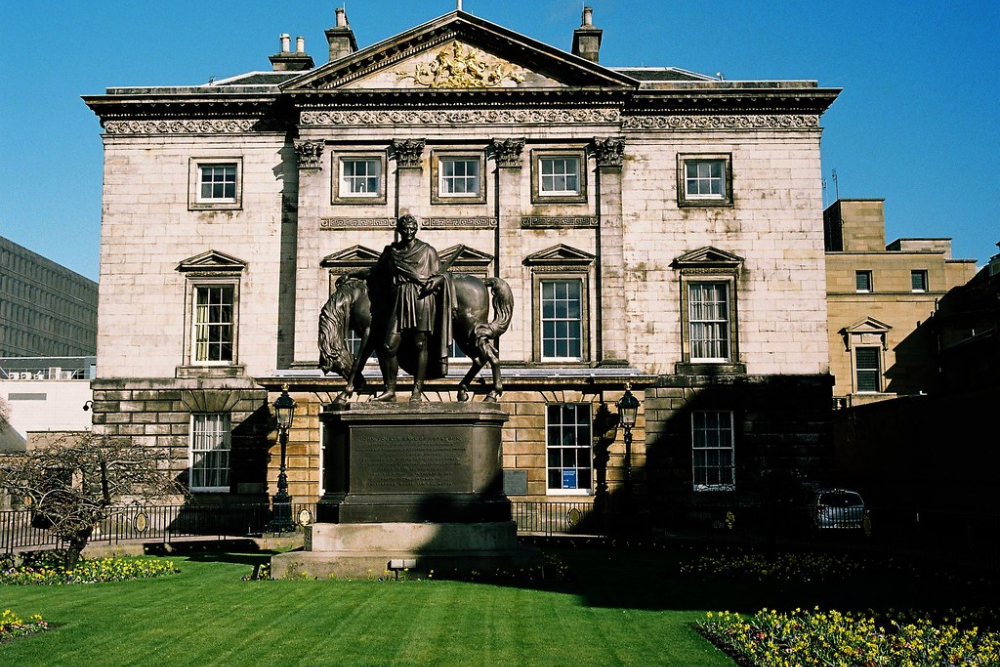
RBS nearly destroyed itself by paying $100 billion to acquire Dutch bank ABN AMRO in 2007, just before the financial crisis hit and credit markets froze. The acquisition was part of a consortium deal that loaded RBS with debt at the worst possible time.
The British government had to rescue RBS with a bailout that eventually cost taxpayers over $60 billion.
Like Go2Tutors’s content? Follow us on MSN.
Citigroup’s Subprime Mortgage Exposure
Citigroup accumulated massive losses from subprime mortgages and related securities, requiring multiple government bailouts totaling over $45 billion during the 2008 financial crisis. The bank had built up enormous exposure to mortgage-backed securities without properly understanding the risks involved.
Citi’s losses were so severe that the government ended up owning more than 30% of the bank.
UBS and the Rogue Trader Kweku Adoboli
UBS lost $2.3 billion in 2011 when rogue trader Kweku Adoboli made unauthorized trades that went spectacularly wrong over several years. Adoboli had been hiding losses and making increasingly desperate bets to try to recover them while his supervisors failed to detect the unauthorized activity.
The scandal forced UBS to exit most of its investment banking business and led to criminal charges against Adoboli.
Northern Rock’s Funding Model Failure

Northern Rock became the first British bank in 150 years to experience a bank run when its business model collapsed in 2007 during the credit crunch. The bank relied heavily on short-term wholesale funding rather than traditional customer deposits to finance its aggressive mortgage lending.
When credit markets froze, Northern Rock couldn’t refinance its debts and had to be nationalized by the British government.
Like Go2Tutors’s content? Follow us on MSN.
Countrywide Financial’s Predatory Lending

Countrywide Financial made billions in risky loans to borrowers who couldn’t afford them, particularly through their ‘NINJA’ loans that required no income, job, or asset verification. The company prioritized loan volume over loan quality, often misleading borrowers about the terms of their mortgages.
Bank of America acquired Countrywide in 2008 but ended up paying over $50 billion in settlements related to Countrywide’s lending practices.
Silicon Valley Bank’s Interest Rate Risk
Silicon Valley Bank collapsed in 2023 after making a catastrophic mistake with interest rate risk management, losing billions when they were forced to sell underwater government bonds. The bank had invested heavily in long-term securities when interest rates were low, then faced massive losses when rates rose and depositors wanted their money back.
SVB’s failure triggered a broader banking crisis and required emergency government intervention.
Barings Bank and Nick Leeson
Barings Bank, Britain’s oldest merchant bank, collapsed in 1995 when trader Nick Leeson lost $1.4 billion through unauthorized derivatives trading in Singapore. Leeson had been covering up losses for months while making increasingly risky bets to try to recover them, exploiting weak internal controls.
The 233-year-old bank was eventually sold to Dutch bank ING for just £1 after Leeson’s losses wiped out its entire capital base.
Like Go2Tutors’s content? Follow us on MSN.
HSBC’s Money Laundering Failures
HSBC paid a record $1.9 billion fine in 2012 for failing to prevent money laundering by drug cartels and terrorist organizations through its Mexican and U.S. operations. The bank’s compliance systems were so inadequate that they processed billions in suspicious transactions without proper oversight for years.
Mexican drug cartels had been using HSBC accounts to launder proceeds from trafficking operations across the border.
Learning From Financial Folly
These banking disasters share common threads of excessive risk-taking, poor oversight, and the dangerous assumption that good times would last forever. Many of these institutions prioritized short-term profits over long-term stability, creating systemic risks that ultimately required taxpayer bailouts.
The combined cost of these mistakes runs into the hundreds of billions, not counting the broader economic damage from lost jobs and reduced lending. While regulations have tightened since many of these failures, the banking industry’s capacity for expensive mistakes remains a constant reminder that financial innovation without proper risk management can quickly turn into financial destruction.
More from Go2Tutors!

- 16 Restaurant Chains That Went Too Fast
- 12 Things Sold in the 80s That Are Now Illegal
- 15 Strange Things People Have Tried to Ban (And Failed)
- 16 Collectibles People Tossed Out Too Soon
- 17 Myths from Your Childhood That Were Actually Based on Real Things
Like Go2Tutors’s content? Follow us on MSN.