25 Explorers Whose Expeditions Ended in Mysteries Never Solved
There’s a particular kind of story that never quite lets go of you, the ones where someone walks into the wilderness, or the ice, or the open ocean, and simply doesn’t come back. No confirmed ending, no recovered body, no final entry in the logbook to close the loop.
Just a last known position on a map and a question that outlives everyone who first asked it. History is full of these people, explorers who pushed further than anyone else was willing to go, and paid for it with a silence that’s lasted decades, sometimes centuries.
Percy Fawcett

Fawcett vanished in 1925 in Brazil’s Mato Grosso region, chasing rumors of a lost city he called “Z.” He brought his son Jack and a friend, Raleigh Rimell, and none of the three were ever seen again.
Dozens of search parties followed over the decades. Most of them disappeared too, or came back with nothing but more rumors.
Sir John Franklin
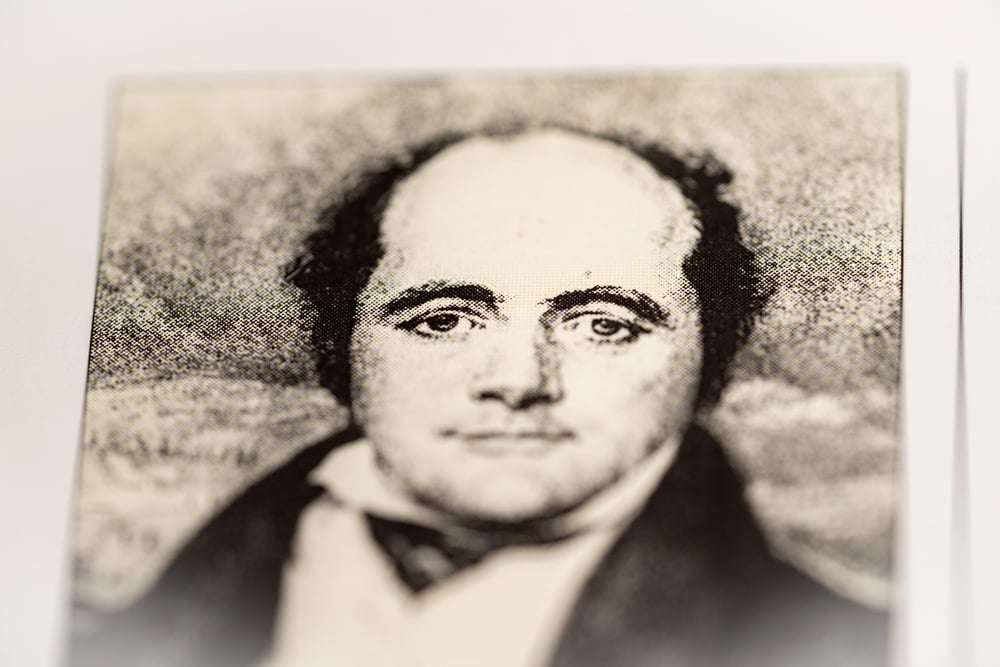
Franklin set out in 1845 with two ships, the Erebus and the Terror, and a hundred and twenty-nine men, all in pursuit of the Northwest Passage — and for over a decade, the Arctic simply swallowed them whole, offering nothing back but scattered graves and a few desperate notes left on King William Island. Later searchers found skeletons showing signs of scurvy and possibly lead poisoning from the tinned food, and some bones bore cut marks that suggested something far grimmer in the crew’s final weeks.
The wrecks themselves weren’t found until 2014 and 2016, sitting on the seabed like they’d been waiting the whole time to be asked what happened. So the ships turned up eventually.
The men, in any meaningful sense, never really did.
Amelia Earhart

Earhart’s disappearance in 1937 reads less like an event and more like a wound that never closed. She and navigator Fred Noonan vanished somewhere near Howland Island while attempting to circle the globe, their plane swallowed by an ocean that gave nothing back.
Theories have piled up for generations — a crash at sea, a landing on Nikumaroro atoll, survival for a handful of desperate days — and not one of them has ever been proven. The wreckage, if it exists, is still down there somewhere, keeping its own counsel.
Ludwig Leichhardt
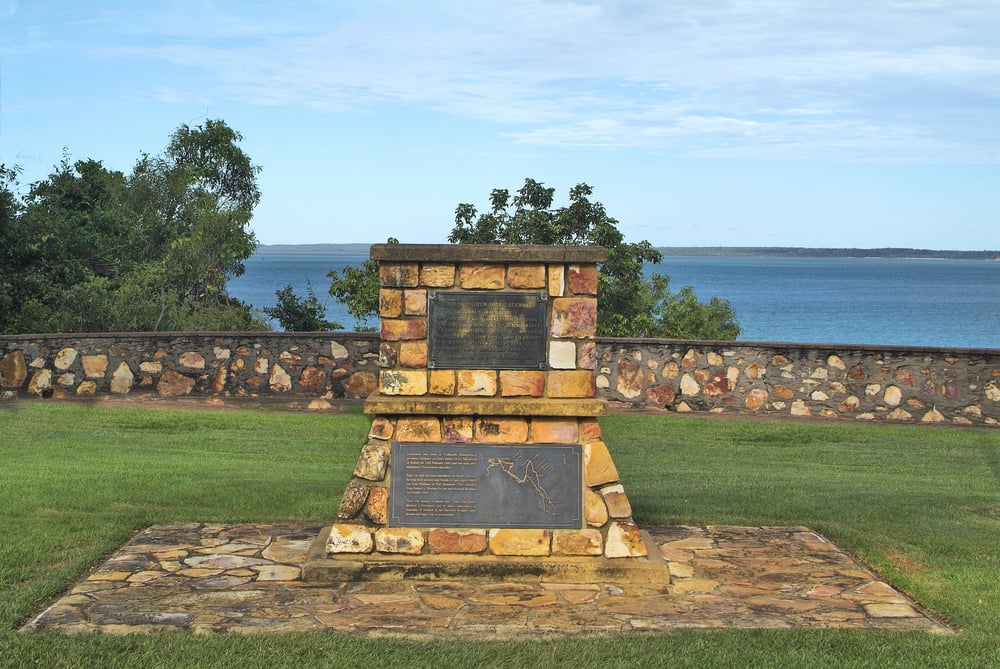
Leichhardt was arrogant, ambitious, and not particularly well-liked, which is probably why nobody organized a serious search fast enough. He vanished in 1848 attempting to cross Australia from east to west, taking his party into the outback and simply never coming out the other side.
No wreckage, no camp, no bones ever turned up despite more than a century of searching. He became a ghost story told by bushmen for generations, which is a strange kind of immortality for a man everyone privately suspected had gotten himself killed through sheer stubbornness.
Salomon August Andrée
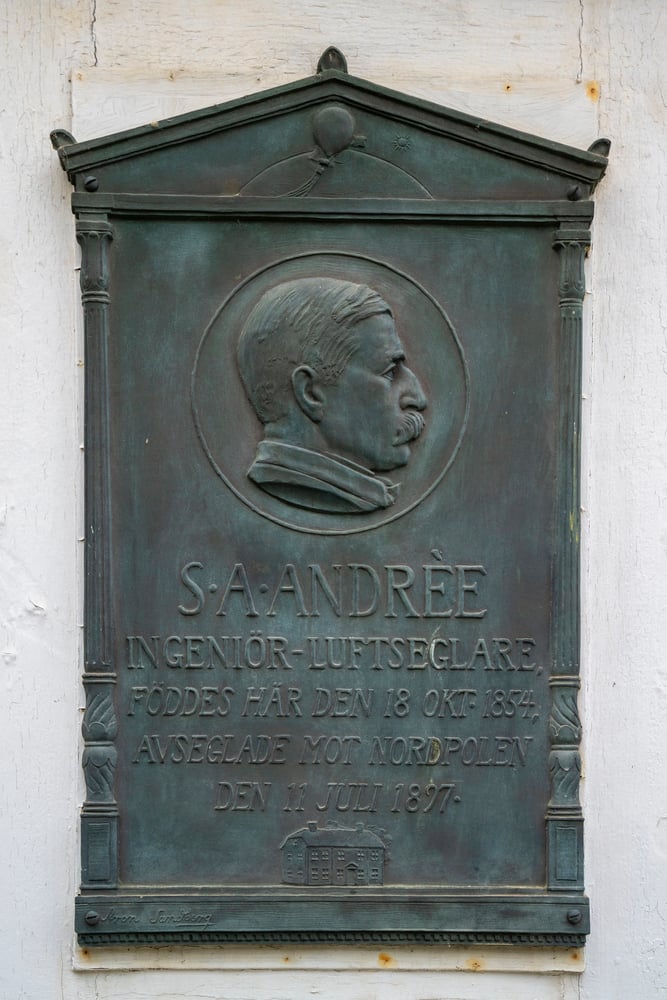
Andrée’s 1897 attempt to reach the North Pole by hydrogen balloon ended with the balloon crashing onto pack ice within days, and what followed was a slow, grinding death march across the frozen Arctic that nobody witnessed and nobody survived to fully explain. His body, along with his journals and undeveloped photographs, wasn’t found until 1930, thirty-three years later, on the remote island of Kvitøya.
The diaries described the crash and the retreat in detail. What they didn’t explain was the exact cause of death — theories still range from trichinosis in undercooked polar bear meat to simple exposure, and nobody has ever settled it for certain.
Michael Rockefeller
Rockefeller was the son of a governor and heir to one of the wealthiest families in America, and in 1961 he vanished off the coast of New Guinea like none of that mattered at all — because to the ocean, it didn’t. His boat capsized, he attempted to swim for shore, and he was never seen alive again.
Some accounts point to drowning. Others, more troubling ones, suggest he made it to land and encountered the Asmat people, whose oral traditions and some later investigations have hinted at a darker outcome that was never officially confirmed.
Everett Ruess

There’s something almost too neat about Everett Ruess disappearing into canyon country the way he did, a twenty-year-old wanderer who wrote letters about wanting to vanish into beauty, and then simply did. His burros were found wandering near Davis Gulch in Utah in 1934, unhurt, saddled, with no sign of the young man who’d been leading them.
Bones surfaced in 2009 that briefly seemed to solve it, until DNA testing ruled them out entirely. The desert kept whatever answer it had.
La Pérouse
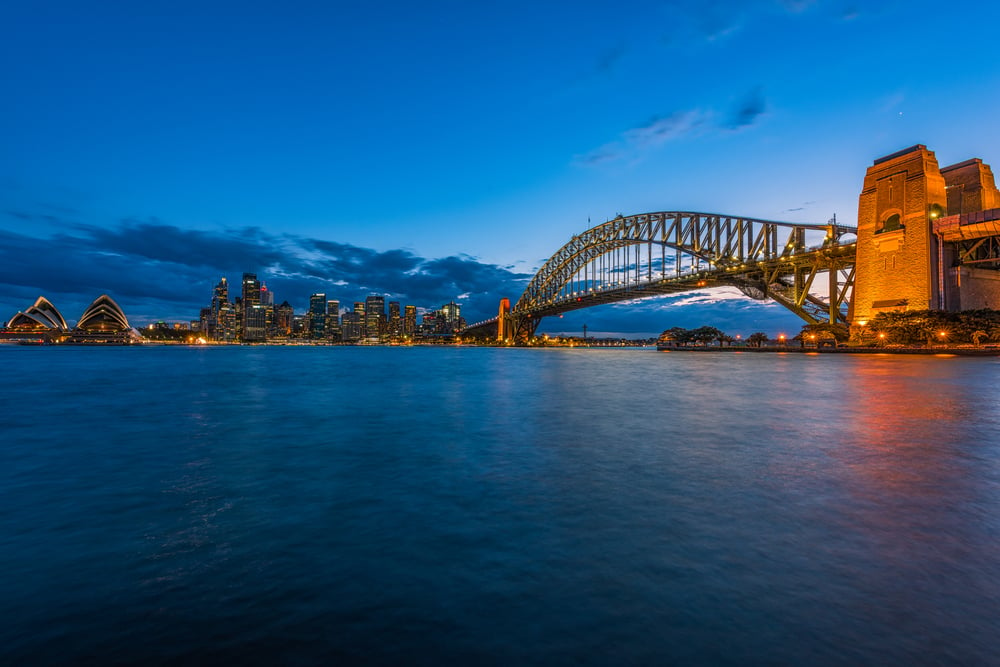
La Pérouse’s expedition is a lesson in how thoroughly the ocean can erase a story. He sailed from France in 1785 with two ships, made a final documented stop at Botany Bay in 1788, and then disappeared entirely, leaving European powers to wonder for nearly forty years.
Wreckage was finally located near the island of Vanikoro in 1826, confirming the ships had been lost in a storm. Confirming that isn’t the same as knowing what happened to the men in the weeks and months after — and that part was never fully recovered.
Roald Amundsen
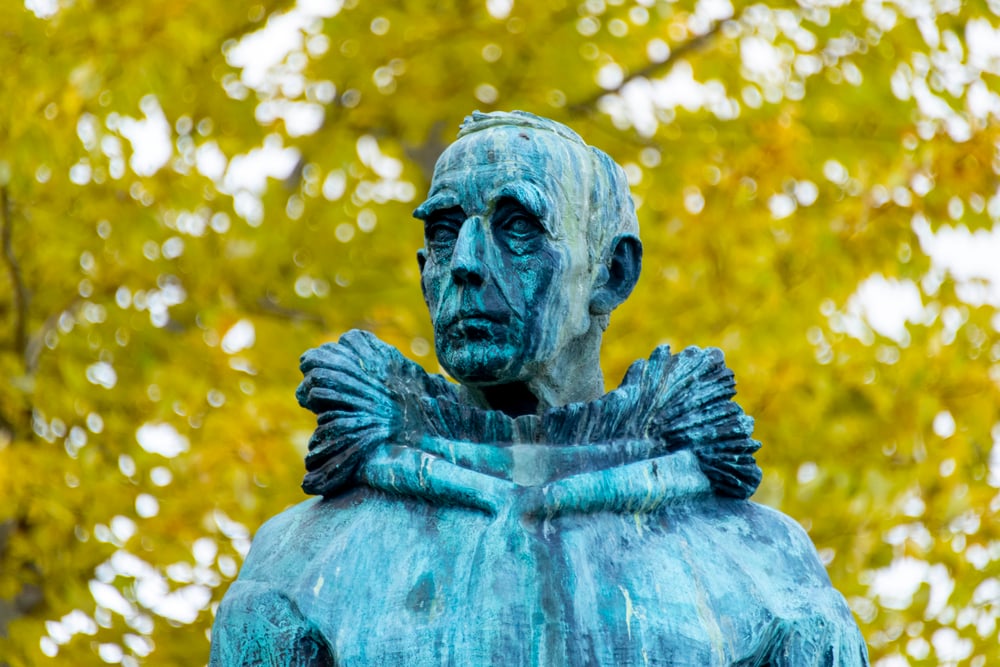
Amundsen was the first man to reach the South Pole, and he died trying to rescue someone else. In 1928 he flew north to help find Umberto Nobile’s crashed airship crew, and his plane was never seen again.
No wreckage, no confirmed crash site, nothing but a radio signal that stopped mid-transmission. It’s a strange kind of ending for a man who’d already conquered nearly everything the polar world had to offer.
Henry Hudson
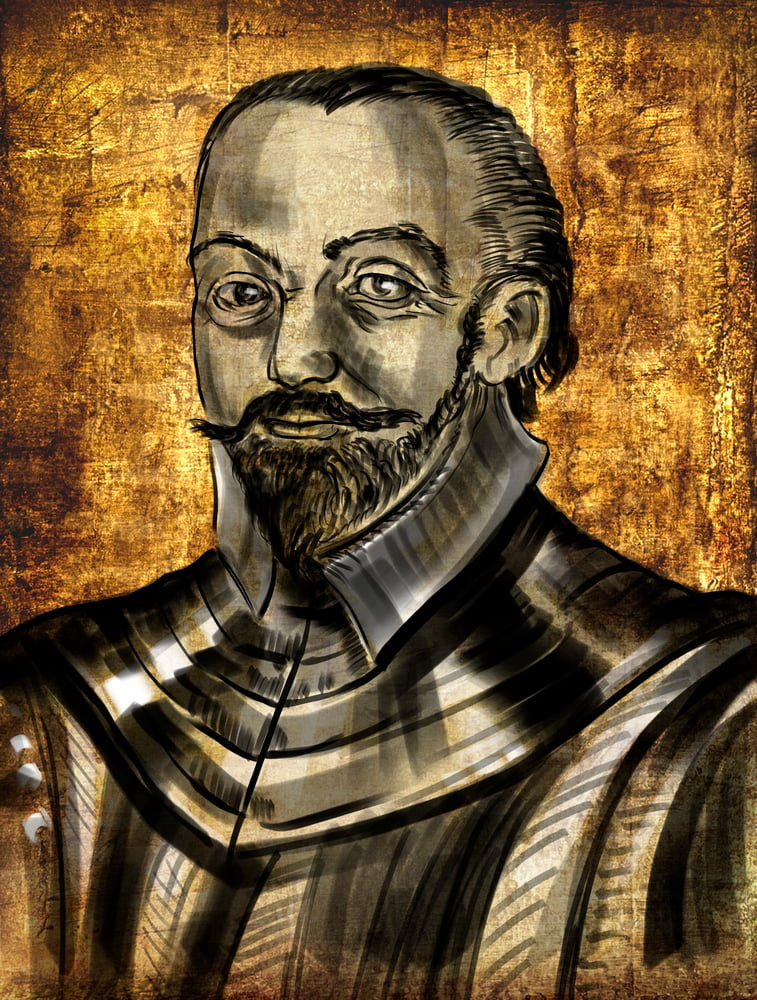
Hudson’s crew mutinied in 1611, tired of a winter spent trapped in the bay that now bears his name, and their solution was to set him adrift in a small boat with his son and a handful of loyal men. Nobody knows where the boat went — not the mutineers who sailed home to face charges, not the search parties sent afterward, not the historians who’ve picked over the record ever since.
So there’s no wreck to find, no bones to identify, no final camp to excavate. There’s just an empty patch of ocean where a man and his son quietly stopped existing.
John Cabot
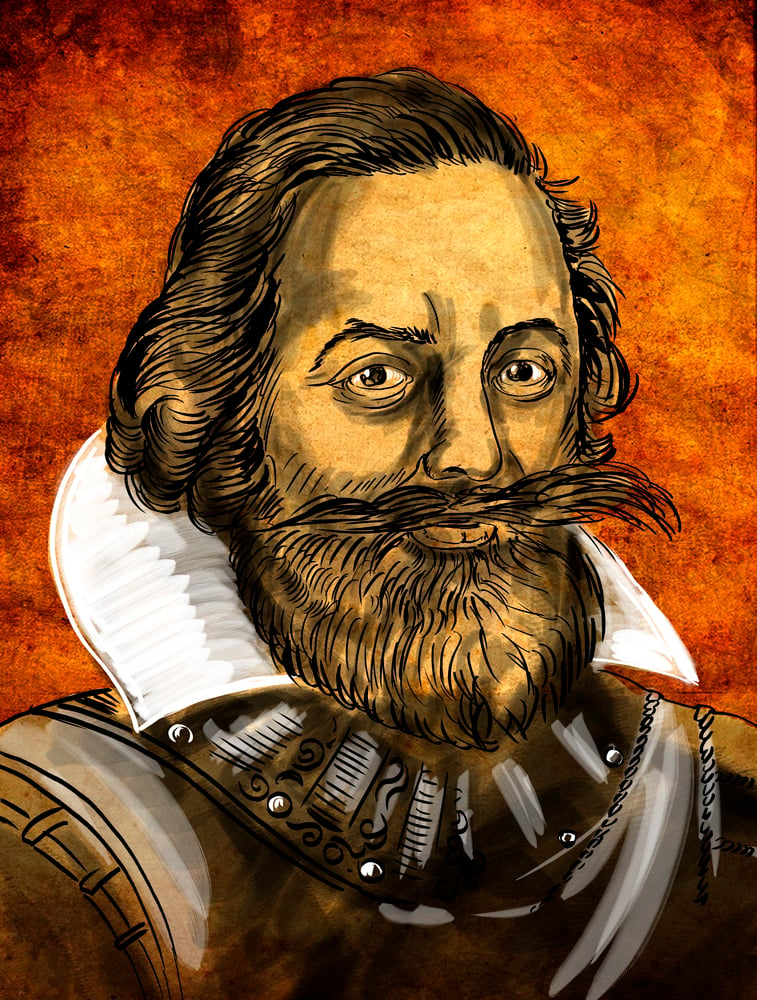
Cabot’s final voyage in 1498 is one of the thinnest mysteries in this list, mostly because so little was ever recorded in the first place. He set out from England with a small fleet to expand on his earlier discoveries and simply never returned, and the records from the era are frustratingly sparse about what happened next.
Some historians believe the ships were lost in a storm off the coast of Newfoundland. It’s a plausible guess dressed up as an answer, which is often the best history can offer.
Umberto Nobile and the Italia
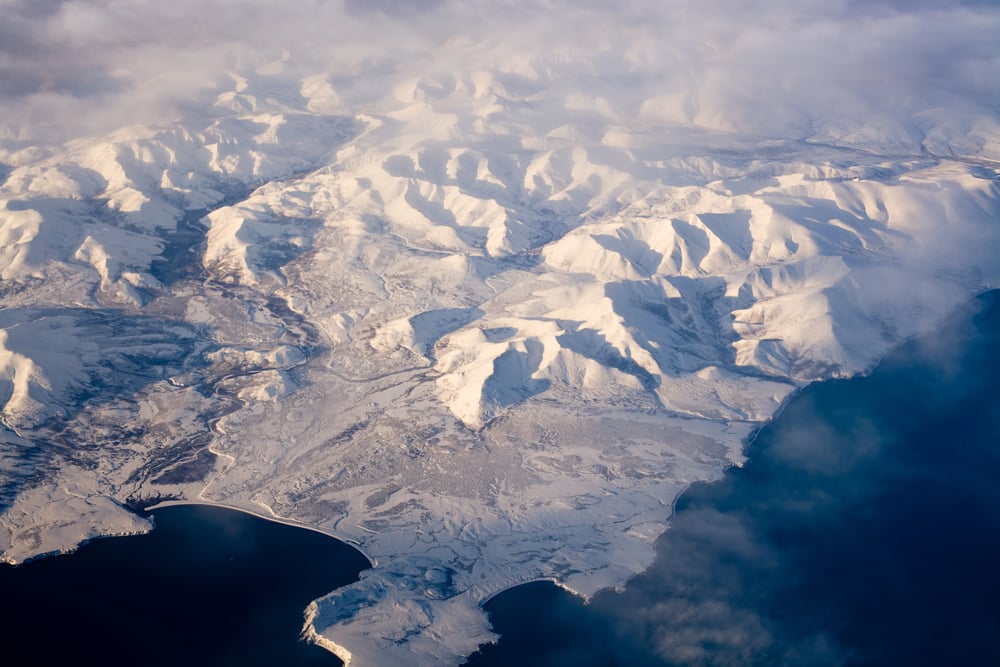
Nobile’s airship reached the North Pole in 1928, which should have been the triumphant part of the story. Instead the Italia crashed on the return trip, and when the deflated envelope tore free from the wreckage with six men still aboard, it drifted off across the ice and was never seen again.
The survivors on the ground were eventually rescued in a saga that made headlines worldwide. The six men carried off with the balloon simply weren’t among them, and no trace of them has ever surfaced.
Charles Francis Hall
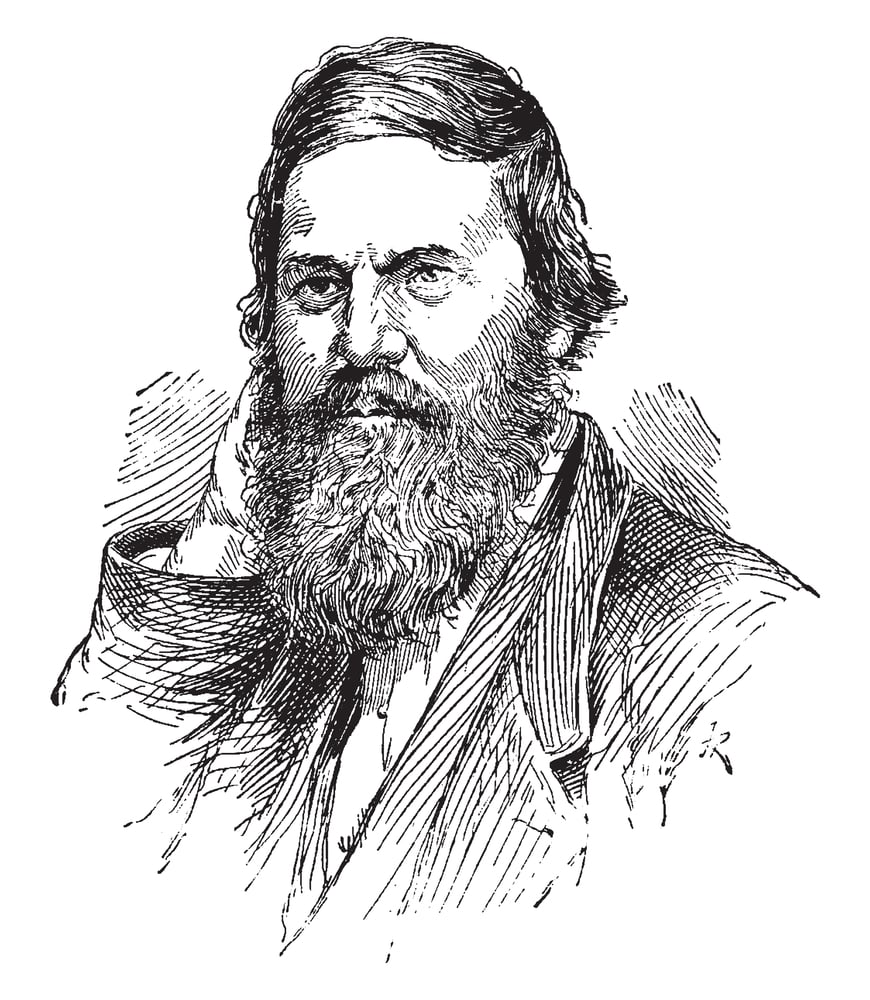
Hall died aboard his ship Polaris in 1871, shortly after drinking a cup of coffee that made him violently ill, and his crew buried him in the Arctic ice and continued on without him. For nearly a century, his death was chalked up to natural causes.
Then his body was exhumed in 1968, and tests revealed elevated arsenic levels consistent with poisoning. Nobody was ever charged, nobody confessed, and the case has sat unresolved for over a century and a half.
Gino Watkins
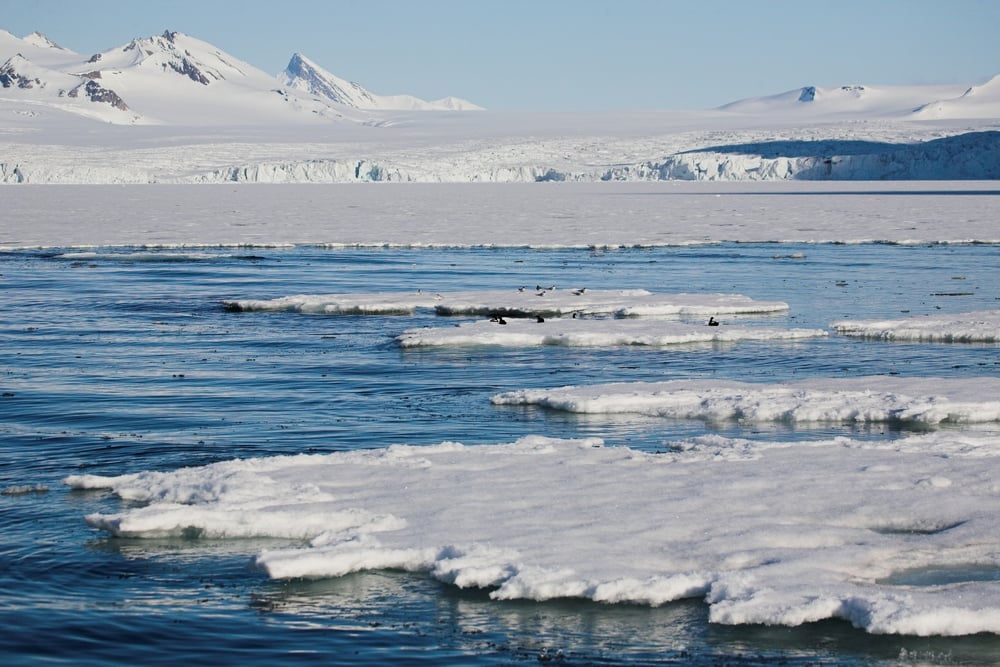
Watkins was one of Britain’s most promising young polar explorers, confident enough in the ice that he went out alone in a kayak to hunt seals near his camp in Greenland in 1932. He never came back.
His kayak was found empty, drifting near the shore, with no sign of struggle and no sign of him. The Arctic doesn’t usually bother explaining itself, and in this case it didn’t.
Ambrose Bierce
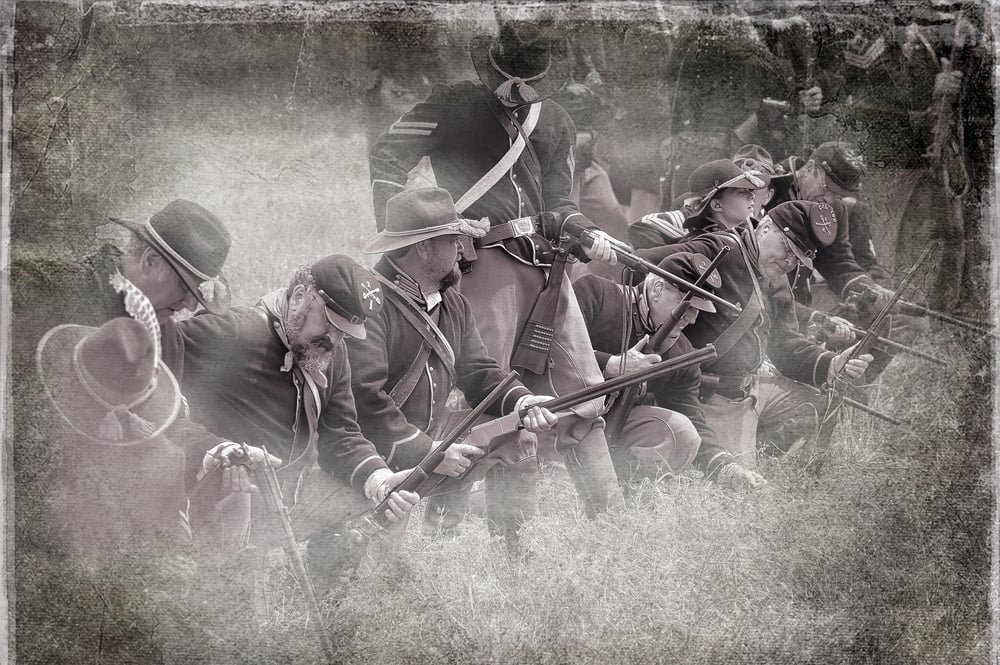
Bierce was already a Civil War veteran and a famously acid-tongued writer by the time he decided, in his seventies, to head into Mexico and observe the revolution firsthand. He wrote a final letter in 1913 mentioning he intended to travel with Pancho Villa’s forces, and then he simply stopped writing letters at all.
No body, no grave, no confirmed sighting after that point. Bierce, a man who’d spent a career writing about death with a certain dark relish, ended up starring in one of history’s better unsolved ones.
Antoine de Saint-Exupéry
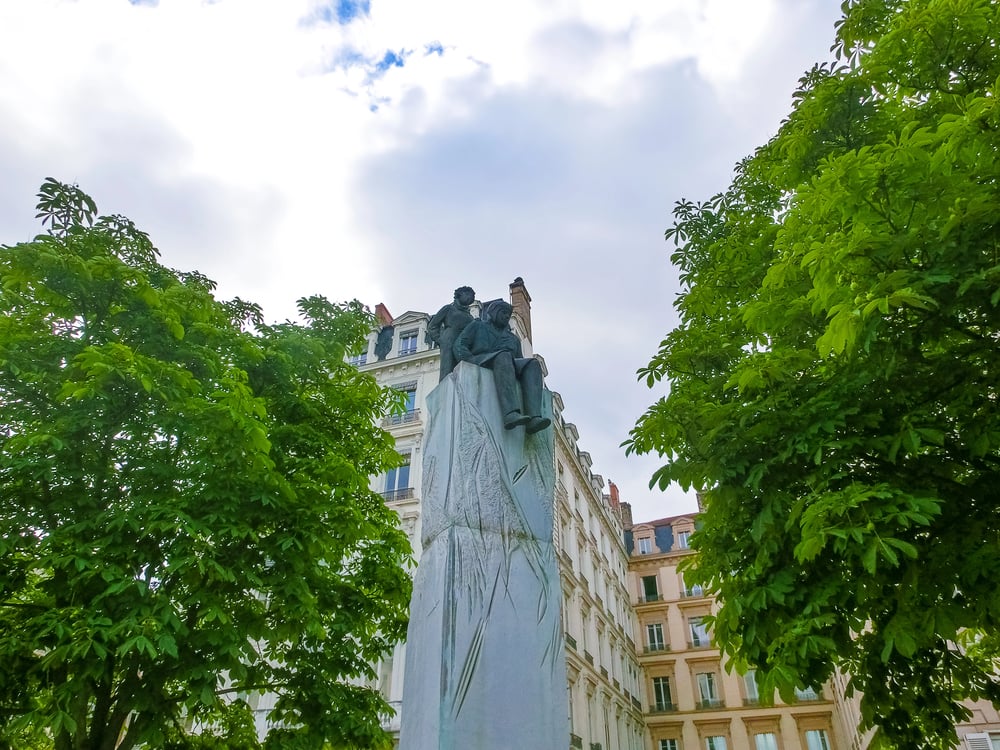
Saint-Exupéry vanished in July of 1944 during a reconnaissance flight over the Mediterranean, decades before anyone found so much as a scrap of his plane. Wreckage finally surfaced near Marseille in 2000, confirming the crash but not explaining it — mechanical failure and enemy fire have both been argued, and the debate has never fully settled.
He’d already written about vanishing into the sky with a kind of eerie foresight. Turns out he meant it.
Georgy Sedov
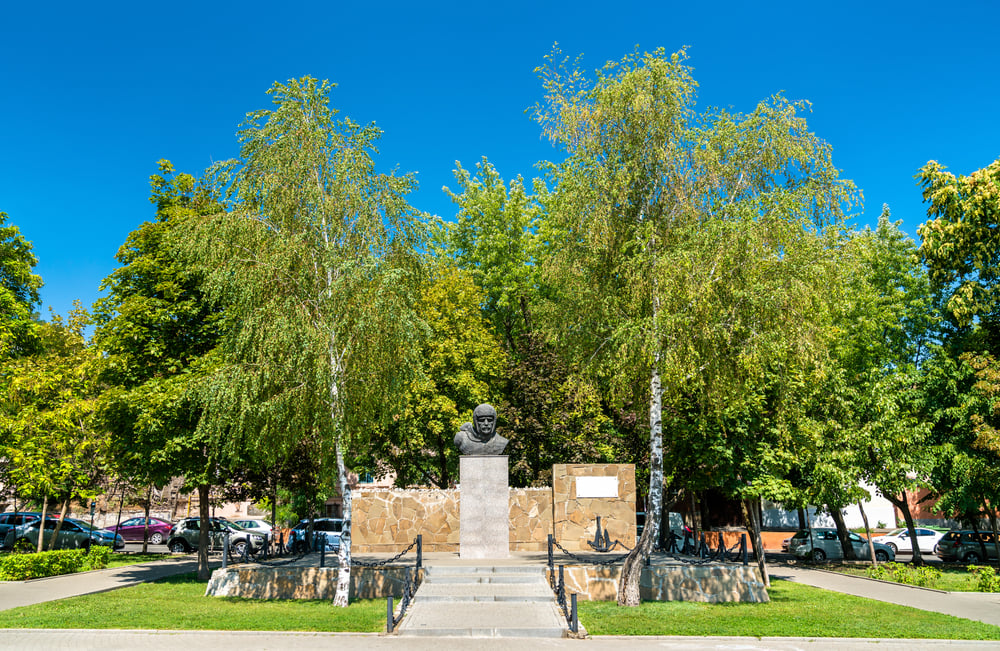
Sedov set out in 1912 determined to reach the North Pole and prove something, mostly to a Russian scientific establishment that doubted him from the start. He died in 1914 partway through the attempt, and the official records of exactly how the expedition unraveled were inconsistent even at the time.
Later historians have questioned whether his crew told the full story of his final days, or simply told the version that looked best. Either way, the discrepancies were never fully cleared up.
Meriwether Lewis
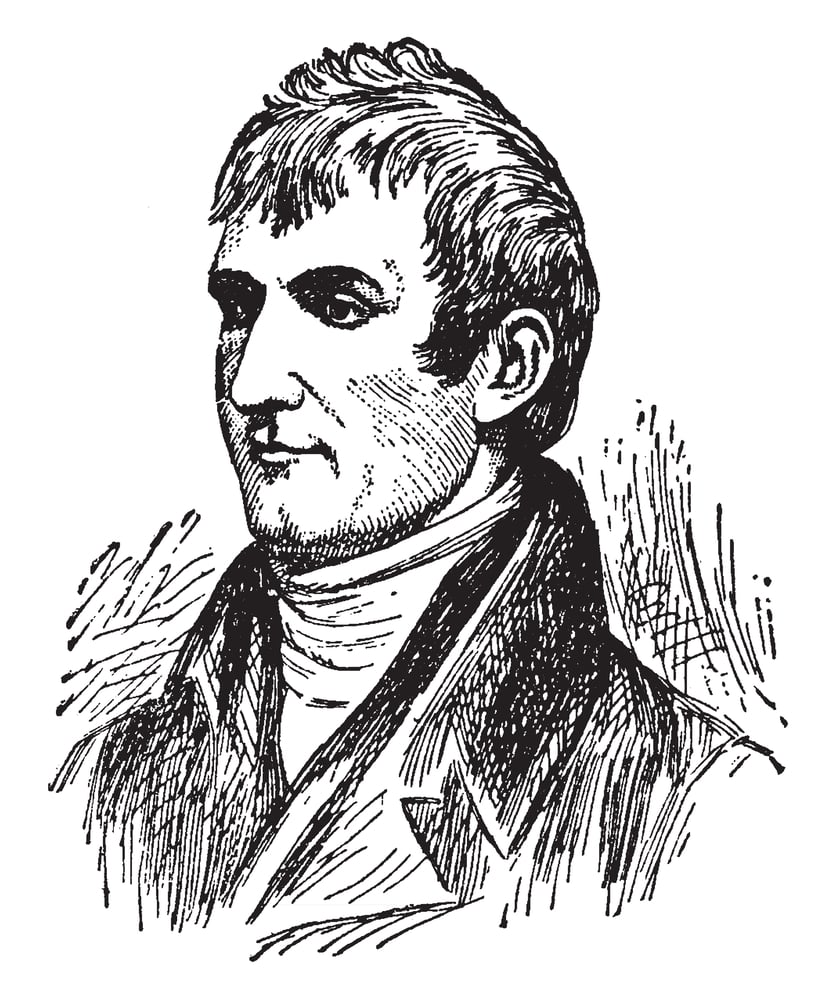
Lewis co-led the expedition that mapped the American West, and three years later he was dead in a Tennessee inn under circumstances that were officially recorded as his own doing. Plenty of historians have pushed back on that conclusion ever since, pointing to inconsistencies in the witness accounts and Lewis’s own erratic state in the months before.
Nobody has produced anything close to definitive proof either way. The case has been argued in books and journals for two centuries without resolution.
The Lost Colony of Roanoke
John White left over a hundred colonists on Roanoke Island in 1587 and sailed back to England for supplies, expecting to return within months. War delayed him for three years, and when he finally made it back, the colony was empty — no bodies, no signs of violence, just the word “Croatoan” carved into a post.
Every theory since, from assimilation with local tribes to disease to a hostile raid, has remained exactly that: a theory. Over four centuries later, nobody has found the colonists, and nobody has proven what happened to them.
David Douglas
Douglas spent his career collecting plant specimens across the American West, the kind of botanist explorer who named half the trees you’ve probably driven past without noticing. He died in Hawaii in 1834 after falling into a pit trap that already contained a wild bull, which killed him.
Whether that was a genuine accident or something arranged has never been settled, and the man who found the body had reasons of his own that historians still find suspicious. It’s a strange, undignified way for a serious explorer’s story to end, and it’s stayed unresolved for nearly two centuries.
Burke and Wills

Robert O’Hara Burke and William John Wills led the first expedition to cross Australia from south to north in 1860, and it should have been a triumph. Instead, both men died on the return journey near Cooper Creek, having missed a supply party by a matter of hours.
Historians still argue over the command decisions that led to that missed connection, and over whether Burke’s leadership was the real cause of the disaster. The what is settled.
The why still gets debated in Australian history circles with genuine heat.
Willem Barentsz
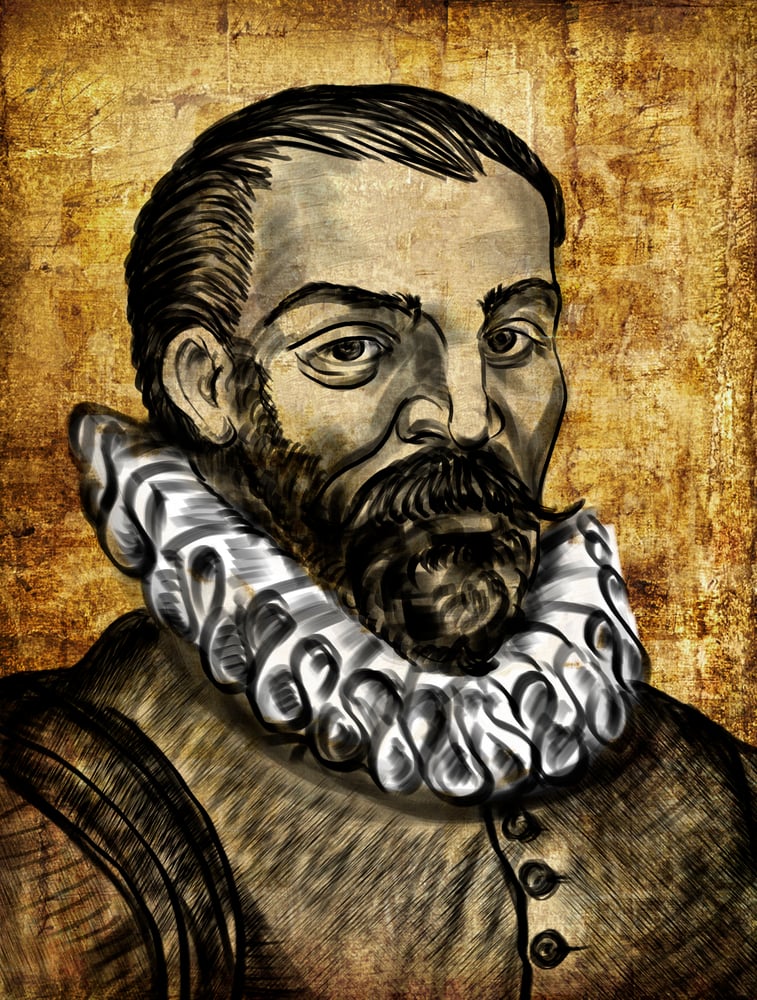
Barentsz died in 1597 while sailing home from his third failed attempt to find a northeast passage to Asia, after his ship spent a brutal winter trapped in ice off Novaya Zemlya. His crew buried what details they could in scattered logs, but the exact circumstances of his final days went largely undocumented for centuries.
His overwintering camp wasn’t rediscovered until 1871, still eerily preserved by the Arctic cold. Even with the camp found, the full account of his last weeks was never fully reconstructed.
Gaspar Corte-Real
Corte-Real sailed off in search of a passage to Asia in 1501 and never returned, which might have simply been another entry on a long list of failed Portuguese voyages. Except his brother Miguel went looking for him the following year, and vanished just as completely.
Two brothers, two ships, two disappearances a year apart, and not a trace of either one ever recovered. It’s a family tragedy dressed up as a mystery, and it’s stayed unsolved for over five centuries.
Charles Nungesser and François Coli
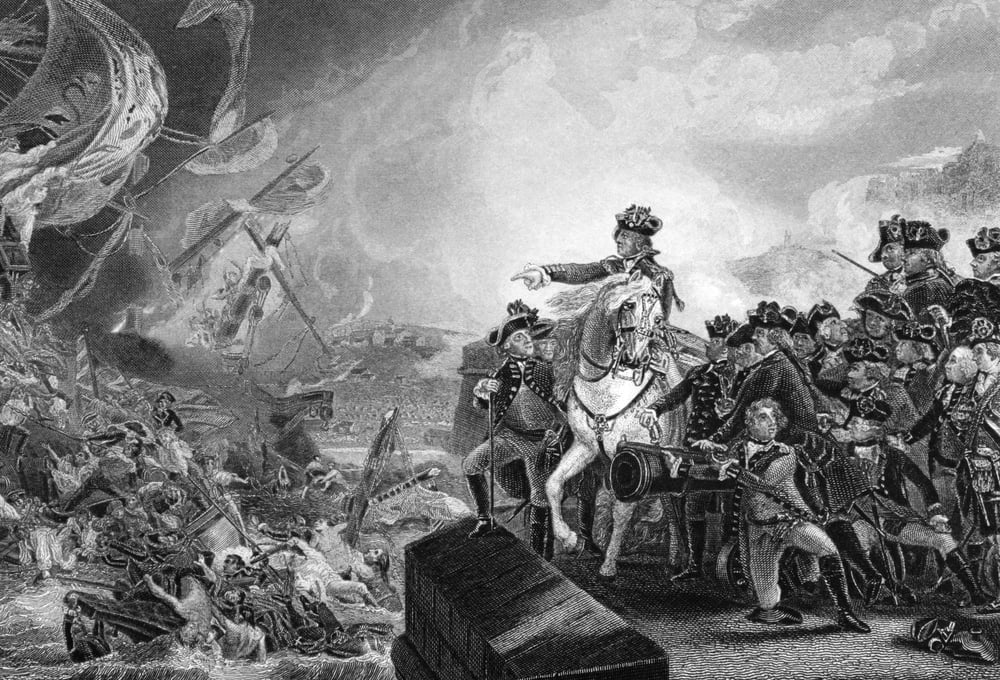
Nungesser and Coli were French war heroes attempting something nobody had done yet: a nonstop transatlantic flight, beating Charles Lindbergh to the milestone by just under two weeks. Their plane, “L’Oiseau Blanc,” took off from Paris in May of 1927 and was spotted a few times over the Atlantic before radio contact went quiet for good.
Searches turned up nothing conclusive, despite decades of amateur investigators chasing leads in the woods of Maine and beyond. Lindbergh got the headlines.
Nungesser and Coli got a mystery that’s still technically open.
Steve Fossett
Fossett had already broken world records in ballooning and sailing by the time he took off solo over Nevada in 2007 in a small plane, and he never landed where he was supposed to. Search efforts at the time turned up nothing, and the case went cold for over a year.
Wreckage was eventually found scattered across a remote mountainside in 2008, confirming the crash but not really explaining it. The exact sequence of what went wrong in those final minutes has never been fully agreed upon, even by investigators who spent years on the case.
What the Silence Leaves Behind
There’s a reason these stories stick around longer than most. An explorer who dies with a clear cause of death becomes a chapter in a history book, filed away and closed.
One who simply disappears becomes something else entirely, an open question that each new generation picks up and turns over again, hoping the angle they’re looking from will finally be the one that makes sense of it. Maps have gotten better, search technology has gotten better, and still the ocean floor and the ice sheets and the deep forests keep their own records.
Maybe that’s the part worth sitting with: how much of the world, even now, still knows things it hasn’t told anyone.
More from Go2Tutors!

- The Romanov Crown Jewels and Their Tragic Fate
- 13 Historical Mysteries That Science Still Can’t Solve
- Famous Hoaxes That Fooled the World for Years
- 15 Child Stars with Tragic Adult Lives
- 16 Famous Jewelry Pieces in History
Like Go2Tutors’s content? Follow us on MSN.