27 Ancient Libraries That Were Deliberately Destroyed Along With Their Irreplaceable Contents
Every library that has ever burned took something with it that cannot be recovered. Not just the books — the arguments those books contained, the scientific observations, the historical accounts, the religious texts, the poetry, the maps, the medical knowledge.
In some cases the loss was so total that we don’t even know what we lost. We can identify the absence but not the shape of it. This is a list of libraries that were destroyed not by accident or natural disaster but by deliberate human choice — by rulers, armies, religious authorities, and ideologues who decided that certain knowledge was more dangerous than its absence.
The Library of Alexandria, Egypt
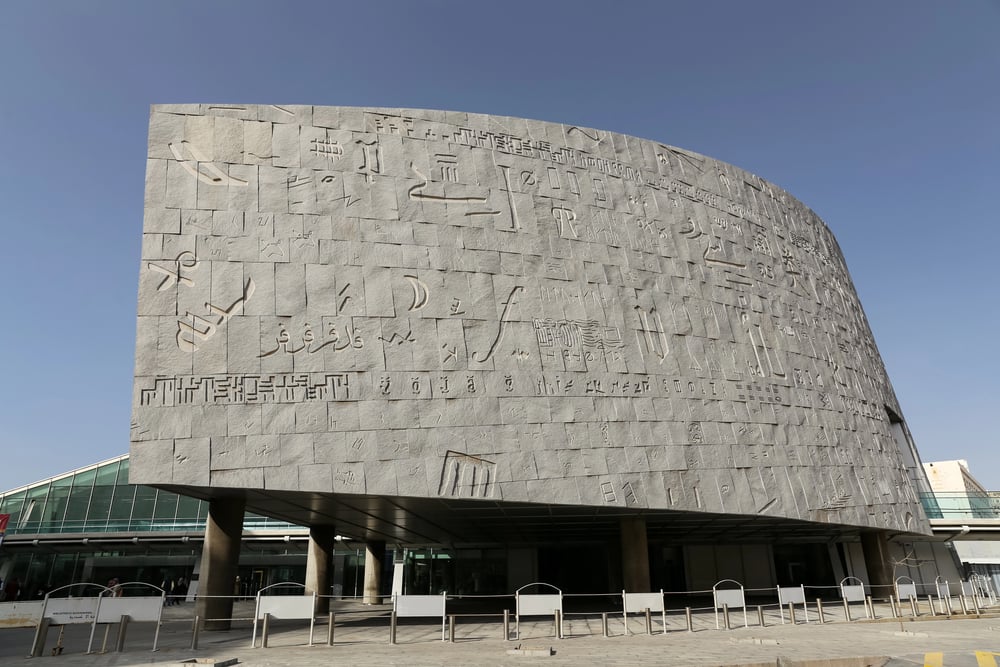
Founded in the third century BCE under Ptolemy II, the Library of Alexandria aimed to collect a copy of every book in the known world. At its height it may have held over 400,000 scrolls. Its destruction was not a single dramatic event but a long decline punctuated by damage — fire during Julius Caesar’s harbor battle in 48 BCE destroyed some portion, the city endured multiple sacks under later emperors, and the institution gradually ceased to function over several centuries.
The popular image of a single catastrophic burning is contested by historians, but the outcome was the same: the greatest collection of ancient knowledge ever assembled disappeared.
The Library of Nalanda, India
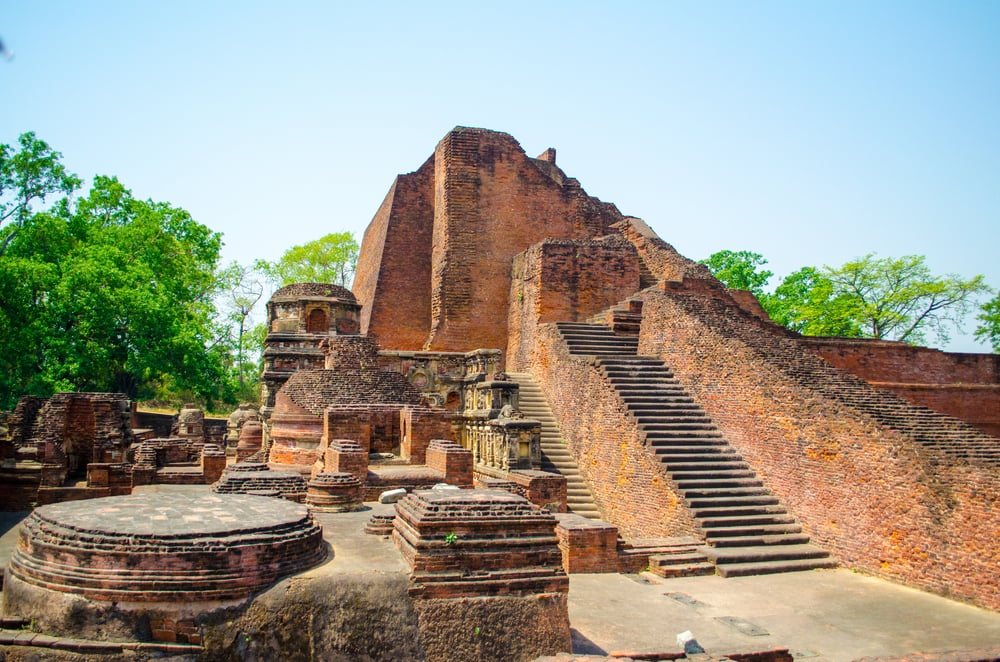
Nalanda was not merely a library but one of the world’s first great universities, located in northeastern India and attracting scholars from across Asia for centuries. Its library complex, known as Dharmaganja, reportedly filled three multi-storey buildings with hundreds of thousands of texts on Buddhism, medicine, astronomy, logic, and the arts. In 1193 CE, forces under the general Bakhtiyar Khilji razed the entire complex to the ground.
According to accounts, the library burned for three months.
The House of Wisdom, Baghdad
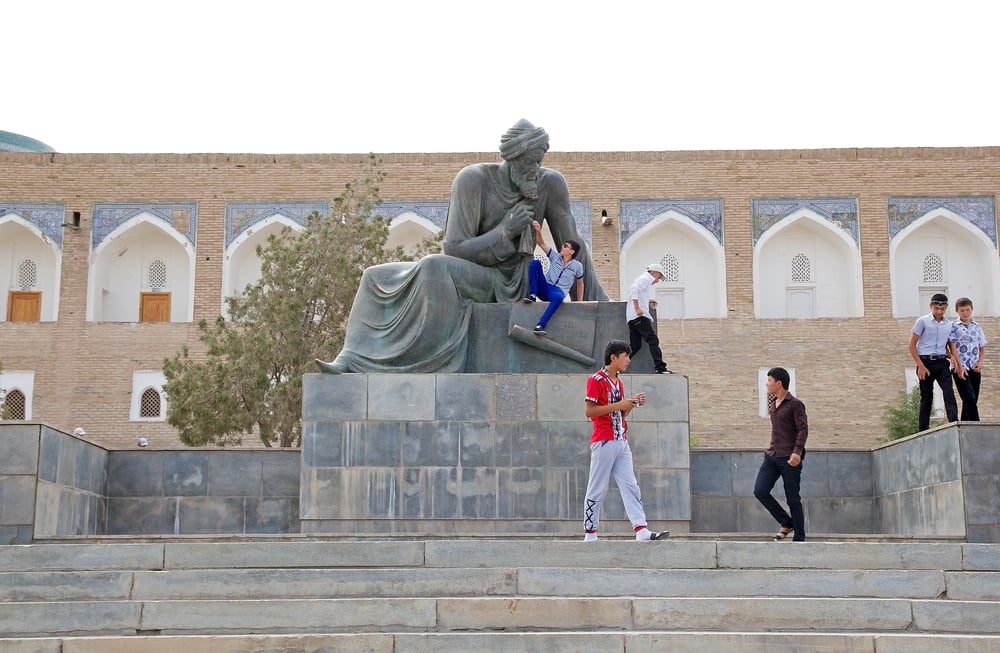
By the ninth century, Baghdad’s Bayt al-Hikma had become the intellectual center of the Islamic Golden Age — a place where Greek, Persian, Indian, and Syriac manuscripts were translated, studied, and built upon by scholars who developed algebra, refined astronomy, and advanced medicine. In February 1258, Hulegu Khan’s Mongol forces sacked Baghdad, massacred an estimated hundreds of thousands of civilians, and threw the library’s manuscripts into the Tigris River.
Medieval chroniclers describe the river running black with ink. The scale of the loss has never been fully calculated.
The Maya Codices, Yucatán
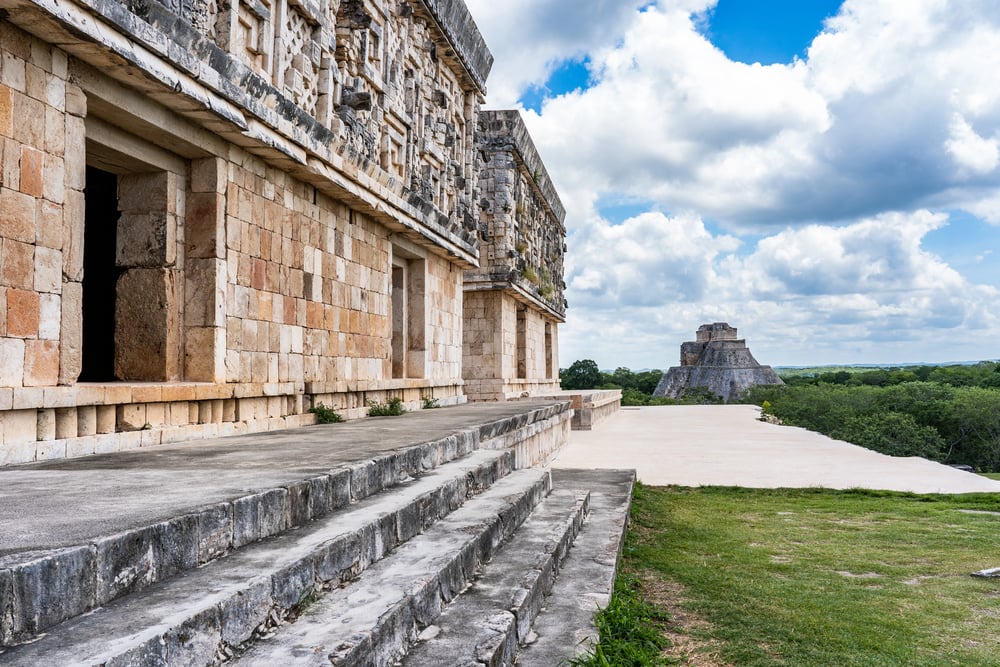
The Maya maintained a sophisticated literate culture with hundreds or thousands of bark-paper books covering astronomy, history, prophecy, and ritual. On July 12, 1562, Spanish Bishop Diego de Landa ordered a public burning in the town of Mani, destroying at least 27 codices along with approximately 5,000 carved images.
Landa himself recorded in his account that the Maya “regretted this to an amazing degree, and which caused them much affliction.” His burning was one event in a wider campaign that continued for decades. Only four Maya codices are known to survive today.
The Imperial Library of Constantinople
— Photo by natalia.milko@gmail.com
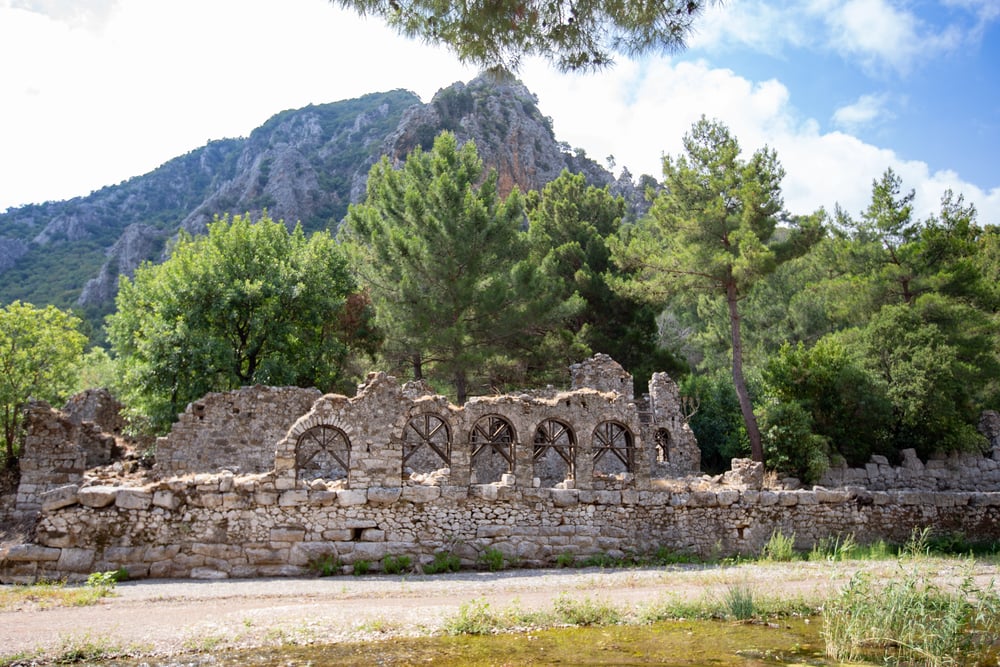
The Imperial Library of Constantinople preserved the works of ancient Greece and Rome through centuries of European turmoil — its holdings included manuscripts that existed nowhere else in the world. A catastrophic fire in 473 CE destroyed around 120,000 volumes.
The collection was partially rebuilt, but in 1204 the Fourth Crusade’s sack of the city inflicted enormous damage on both the buildings and the collection. When Constantinople finally fell to Ottoman forces in 1453, whatever remained of the imperial collection was scattered or lost.
The Libraries of Carthage
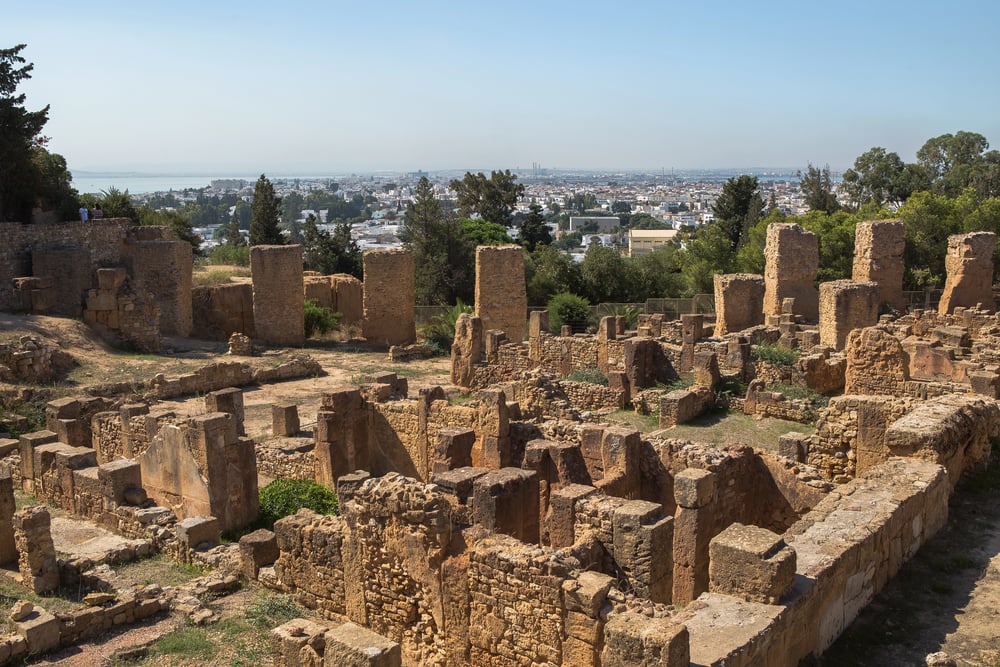
When Rome destroyed Carthage in 146 BCE at the end of the Third Punic War, the city’s library — reputedly containing half a million volumes — was systematically dismantled. The Romans distributed most of the texts to local North African rulers rather than preserving them centrally, and the collection dispersed and disappeared over subsequent generations.
The knowledge held in that library, including Carthaginian records of their own civilization, trade, and history, vanished almost entirely. Rome wrote the history; Carthage could not contradict it.
The Library of the Serapeum, Alexandria
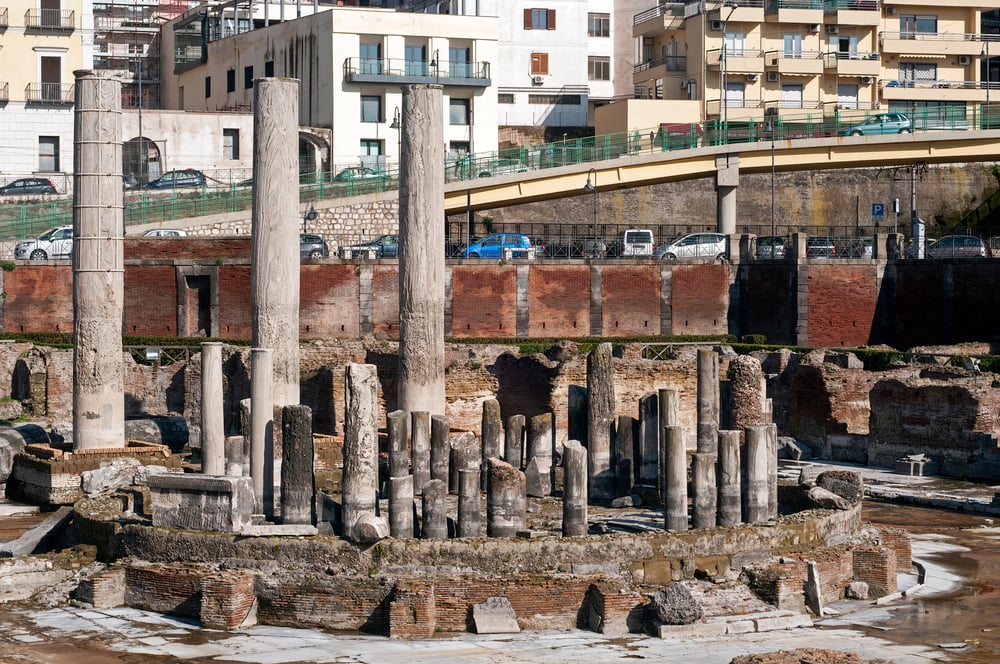
The Serapeum was a secondary library in Alexandria attached to the temple of Serapis. When the original Mouseion declined, the Serapeum became a functioning center of learning with a significant collection of its own.
In 391 CE, under orders from Theophilus, Patriarch of Alexandria, the temple was attacked by a Christian mob and the library destroyed. This was a deliberate act of religious violence against what was viewed as a centre of pagan learning.
The Library of Pergamon, Asia Minor
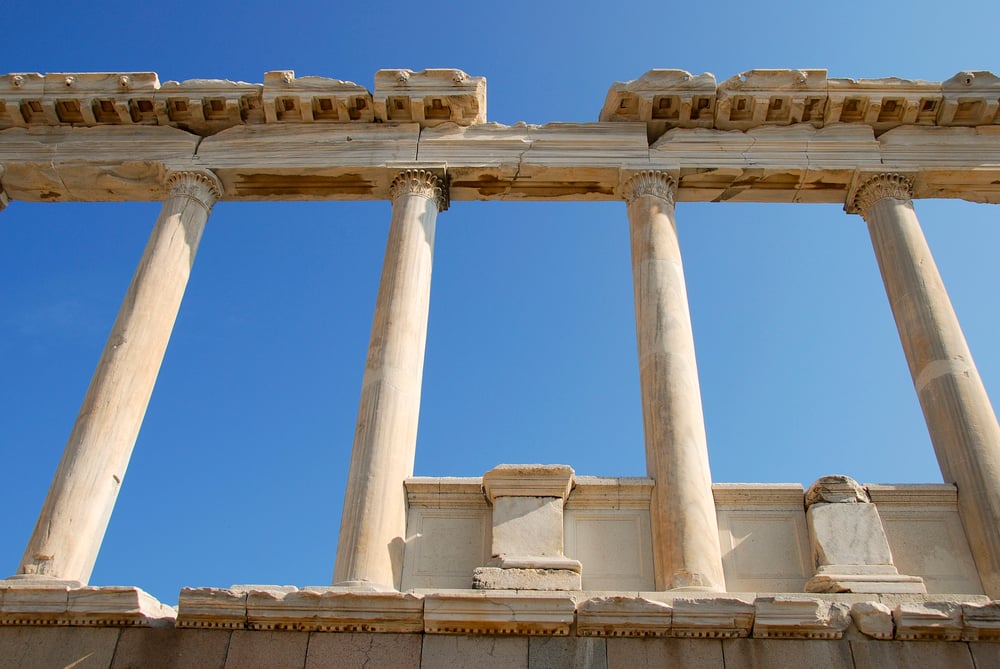
The Library of Pergamon in what is now western Turkey was once considered the rival of Alexandria, reportedly holding some 200,000 scrolls. When Mark Antony gifted Pergamon’s collection to Cleopatra, the texts were transported to Alexandria and eventually absorbed into — and lost along with — that institution.
The circumstances of the gift are historically debated, but the library as an independent institution ceased to exist, its unique holdings merged into the larger collection whose fate has already been described.
The Library of Antioch, Syria
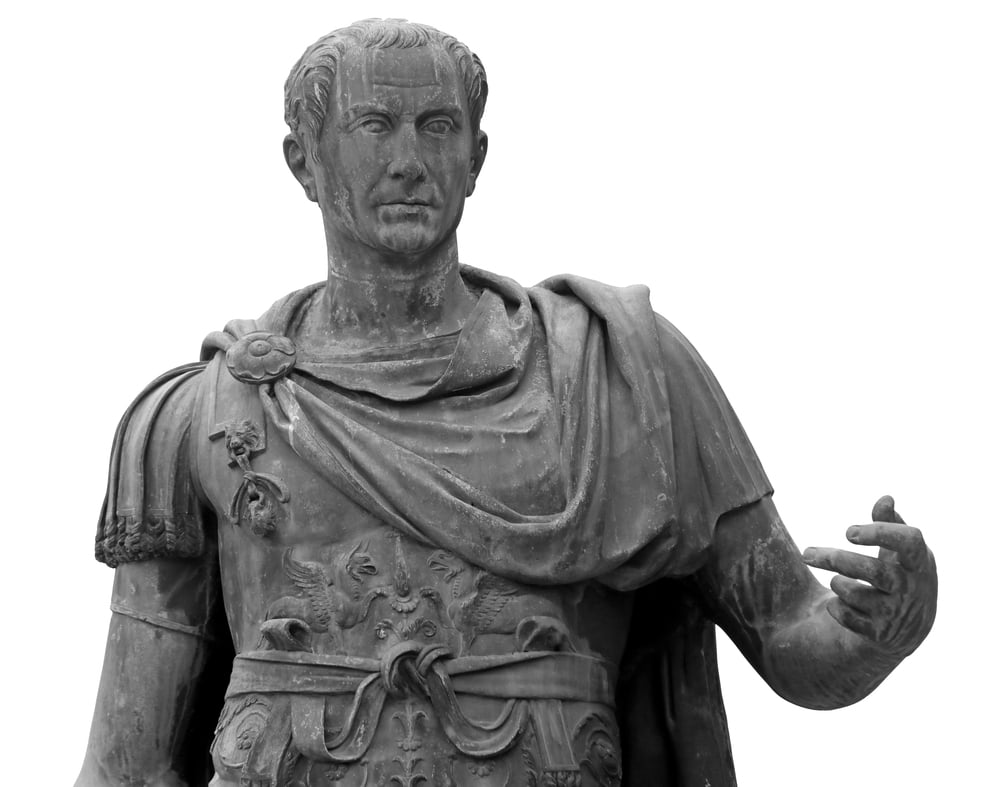
Emperor Julian assembled an extensive library in Antioch in the fourth century CE, reflecting his personal commitment to preserving classical learning in an increasingly Christianized empire. Following Julian’s death in 363 CE, the library suffered under his successors, who were hostile to the classical tradition it represented.
By the time the city declined as an imperial centre, the collection had been dispersed or destroyed, and the texts that Julian had gathered — many of which existed only there — were gone.
The Hanlin Academy Library, Beijing
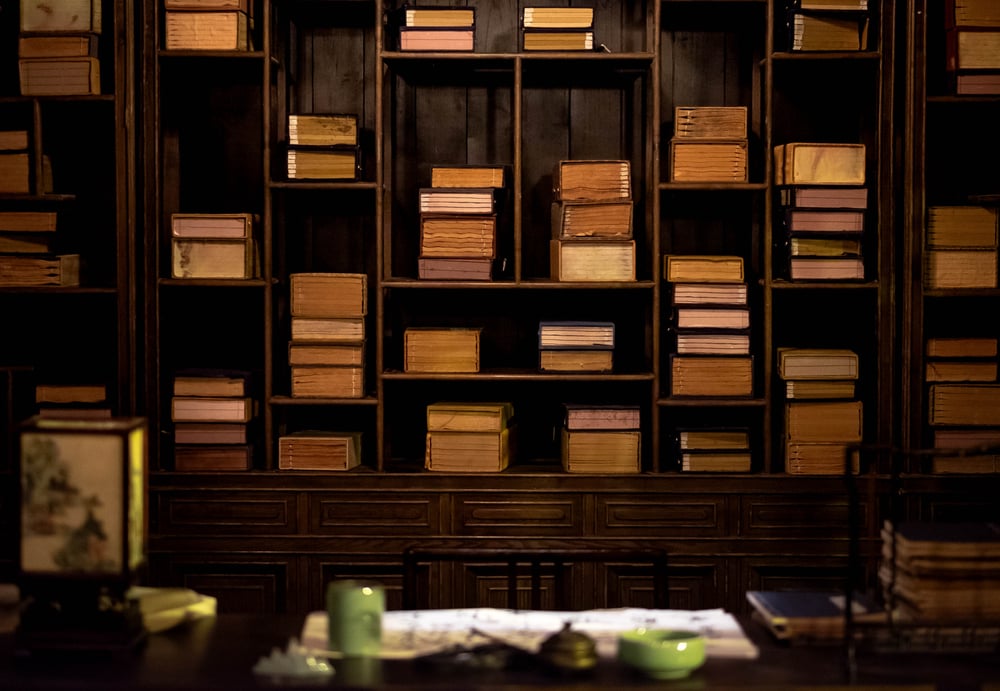
The Hanlin Academy served as the imperial library of China’s Ming and Qing dynasties, housing centuries of official records, literary works, and historical documents. When the Second Opium War ended with British and French forces occupying Beijing in 1860, the Summer Palace was looted and burned on orders from British commander Lord Elgin.
The library’s holdings were extensively damaged and scattered. A further assault on the Hanlin Academy occurred in 1900 during the Boxer Rebellion, when foreign forces again damaged the institution and its collections.
The Library of al-Hakam II, Córdoba
— Photo by diegograndi
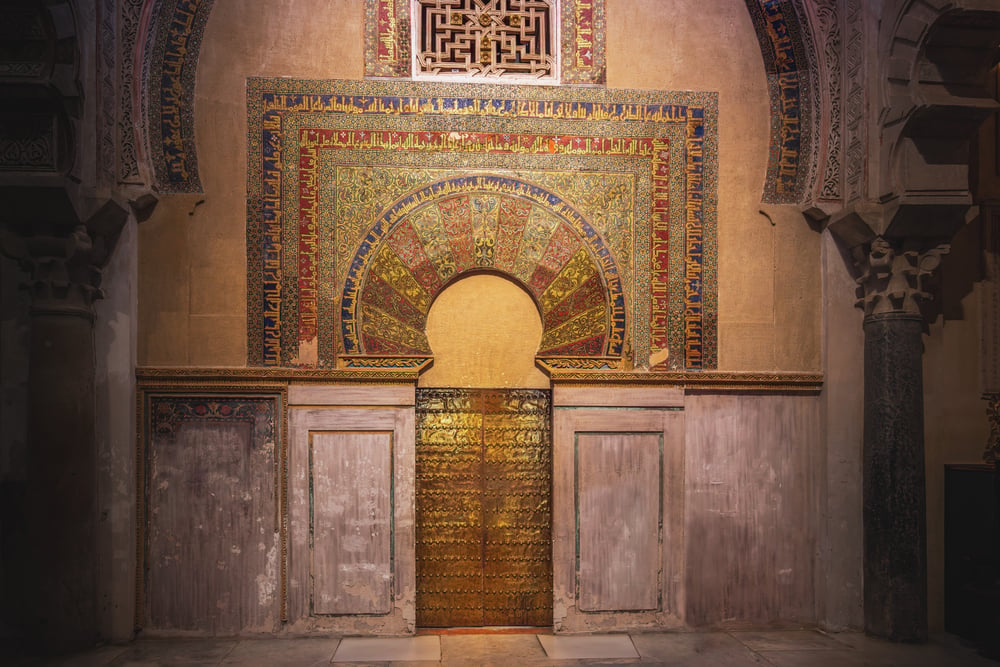
The Umayyad Caliph al-Hakam II of Córdoba assembled a library of approximately 400,000 volumes in the tenth century — one of the largest in the medieval world, covering subjects from medicine and philosophy to poetry and theology. When fundamentalist Berber forces took control of Córdoba following the collapse of the Umayyad Caliphate, a significant portion of the collection was deliberately destroyed as religiously impermissible.
The remainder was dispersed or sold, and the single greatest repository of knowledge in medieval Europe dissolved within a generation.
The Libraries of Nishapur, Persia
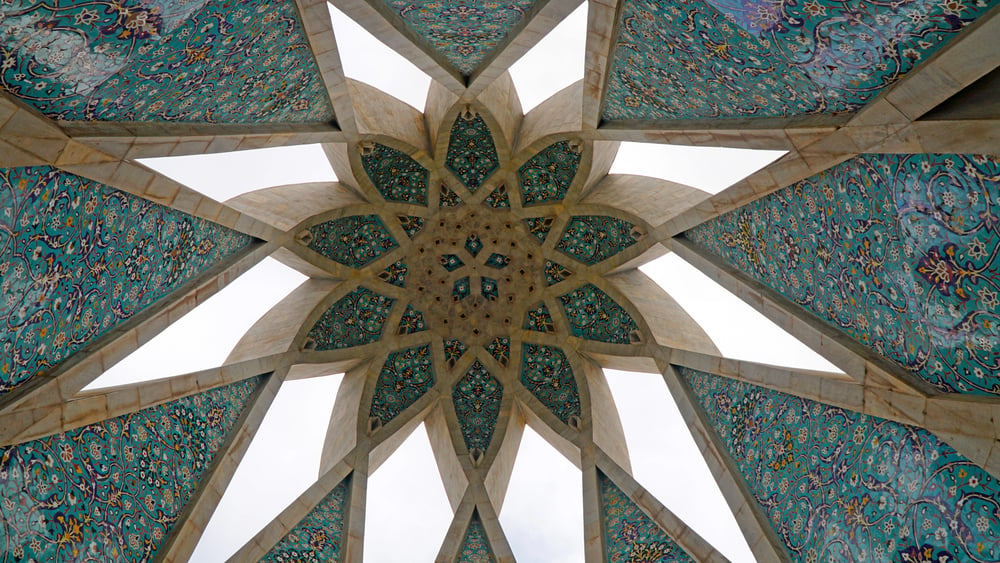
The Persian city of Nishapur was a cultural and intellectual centre of the Islamic world before the Mongol invasion. Its libraries contained centuries of accumulated scientific, philosophical, and literary works. The city was sacked by the Mongols in 1221, then razed again in 1222 following a revolt.
The Mongol commander at the second destruction was said to be the widow of a Mongol general killed during the first attack, who reportedly demanded that no living thing — human, animal, or textual — remain standing. The libraries were among the first things to burn.
The Library of Rayy, Persia
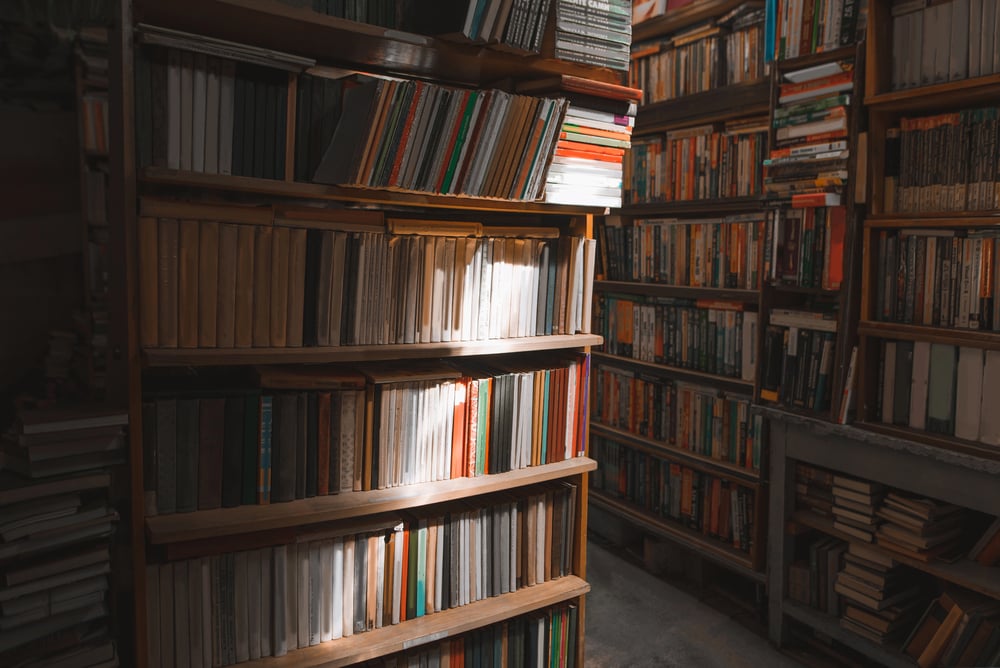
Rayy, near modern Tehran, was one of the great cities of the medieval Islamic world and held an enormous library — reportedly the largest in Persia at the time. Sultan Mahmud of Ghazni, on religious grounds, seized and destroyed the collection in the early eleventh century, declaring it to contain heterodox material.
The texts were either burned or carried away, and the intellectual tradition they represented in Rayy was effectively ended. The works of numerous Persian philosophers and scientists that existed only in that collection vanished with it.
The Library of Avicenna, Isfahan
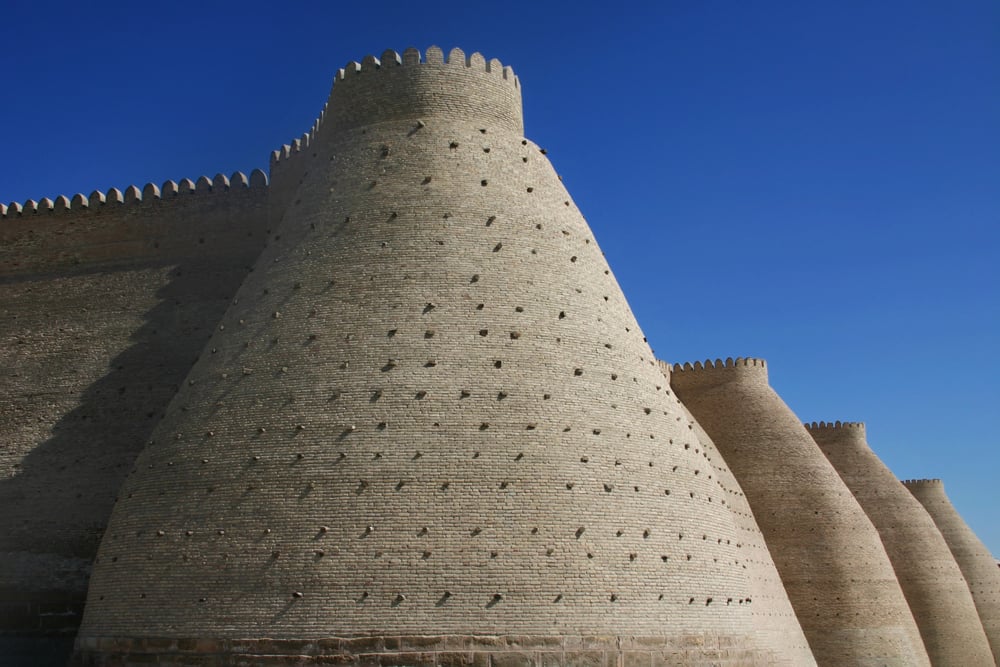
The great physician and philosopher Ibn Sina, known in the West as Avicenna, assembled a remarkable personal library in Isfahan that included works he used while developing his foundational texts on medicine and philosophy. The collection was reportedly destroyed during a period of political turmoil, and Avicenna himself wrote of the loss with evident anguish.
The destruction removed texts that had informed his work and that may have contained knowledge he had not yet fully incorporated into his surviving writings.
The Library of Ghazna, Afghanistan
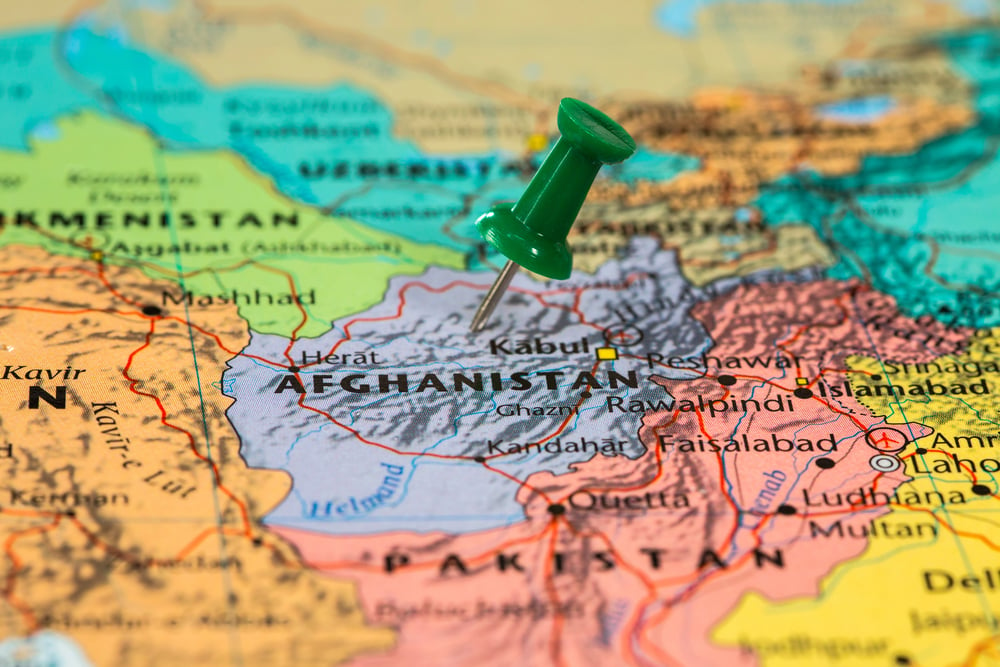
The library assembled at Ghazna under the Ghaznavid rulers was one of the premier intellectual collections of central Asia, containing texts on astronomy, mathematics, medicine, and literature. When Ala ud-Din Husayn, called “World-Burner,” sacked and burned Ghazna in 1150 CE in revenge for the killing of two of his brothers, he instructed that the entire city — including its library — be destroyed over a period of days.
The burning of Ghazna was thorough and deliberate enough to earn its ruler his permanent epithet.
The Bibliotheca Corviniana, Hungary
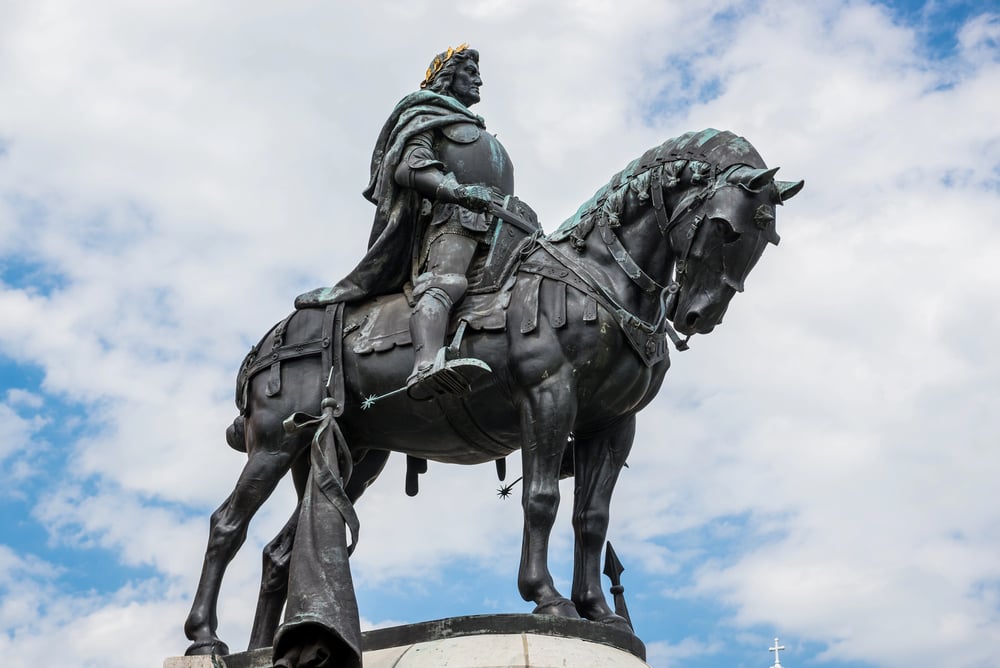
Matthias Corvinus, King of Hungary, assembled one of the great Renaissance libraries in his capital at Buda — a collection of several thousand beautifully illuminated manuscripts that he gathered from across Europe and the Byzantine world. After his death in 1490, the collection fell into neglect.
When Ottoman forces under Suleiman the Magnificent captured Buda in 1526 and again in 1541, significant portions of the Corvinian library were dispersed, destroyed, or carried to Istanbul. Only around 200 of the original volumes are known to survive today.
The Library of Banu Ammar, Tripoli
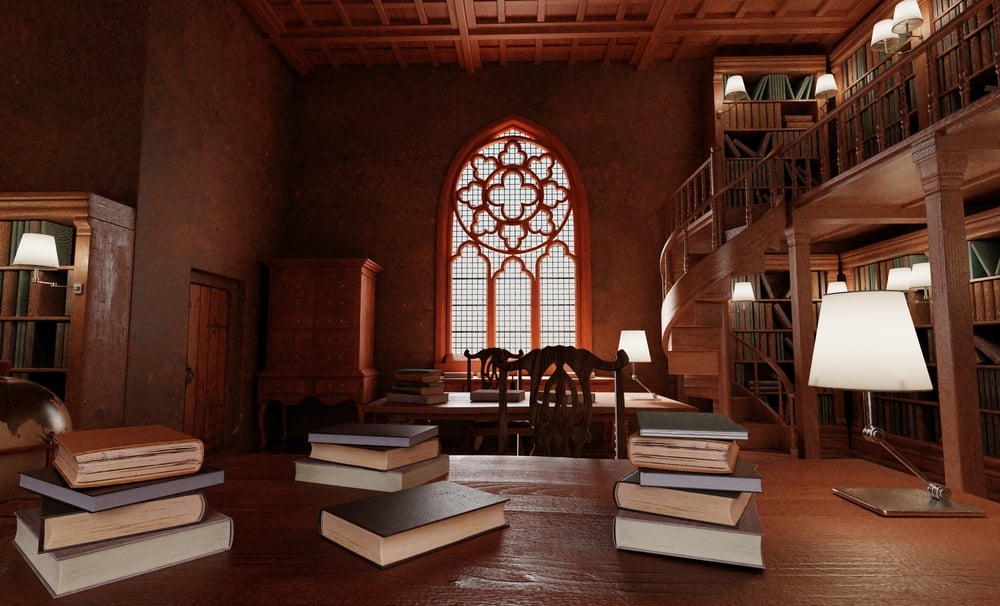
The medieval library of Tripoli in what is now Lebanon, assembled by the Banu Ammar dynasty in the tenth and eleventh centuries, reportedly contained three million volumes — an almost certainly exaggerated figure, but indicative of its extraordinary scale. When Crusader forces captured Tripoli in 1109, the library was destroyed.
Different accounts blame different actors in the chaos of the city’s capture, but the outcome was the same: one of the Islamic world’s largest libraries was gone in the space of days.
The Royal Library of the Kings of Burma
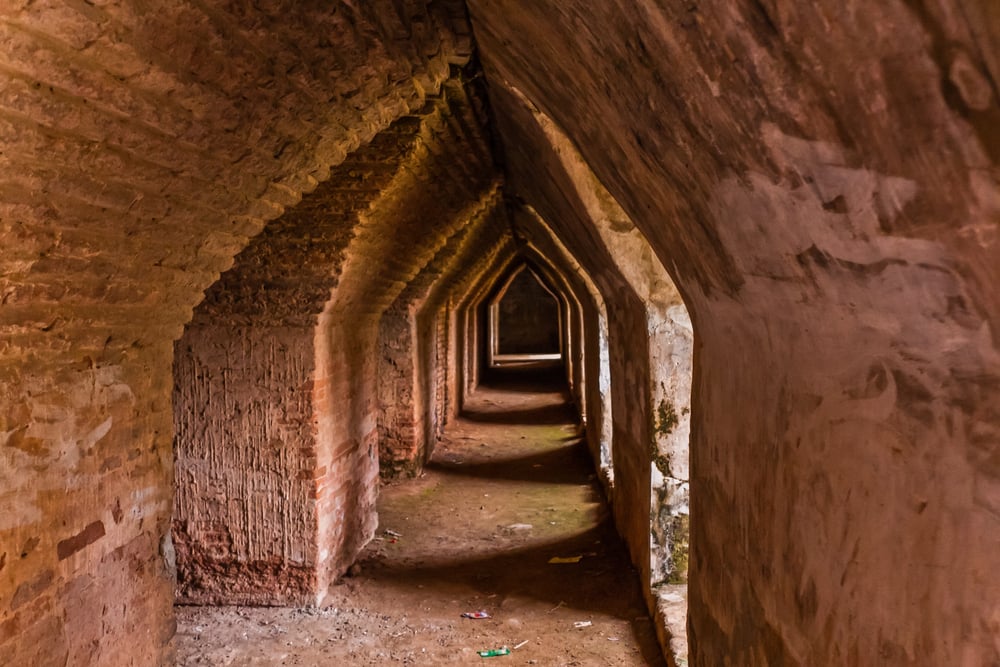
The Konbaung dynasty of Burma maintained a substantial royal library at Mandalay containing Buddhist scriptures, historical records, and literary works accumulated over centuries. When British forces captured Mandalay in 1885 as part of the Third Anglo-Burmese War, the royal palace was looted, and collections from the library were scattered.
British soldiers reportedly removed texts as souvenirs; others were destroyed in the chaos. The loss of the Burmese royal records has made reconstructing Burmese dynastic history significantly more difficult.
The Libraries of Louvain, Belgium

The University of Leuven’s library in Belgium was one of Europe’s great centres of medieval and early modern scholarship, containing around 300,000 volumes and irreplaceable medieval manuscripts. German forces deliberately burned the city and the university library on August 25, 1914, during the First World War, as collective punishment following alleged civilian resistance.
The library was rebuilt and then burned again by German forces in 1940 during the Second World War, destroying the collection a second time along with the new acquisitions, including 900 manuscripts donated by American universities.
The Library of the Public Records Office of Ireland
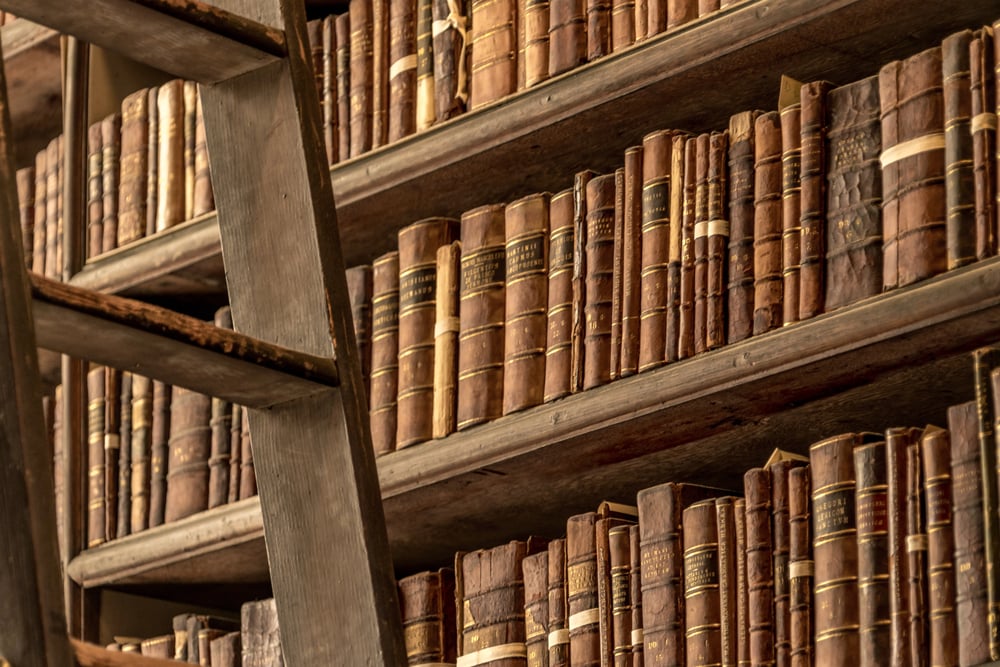
The Public Records Office of Ireland in Dublin held centuries of Irish administrative, legal, and genealogical records — an incomparable archive of Irish history. On June 30, 1922, during the Irish Civil War, the building was occupied by anti-Treaty forces and used to store munitions.
When pro-Treaty forces shelled the building, the resulting fire and explosions destroyed the entire collection. Centuries of census records, wills, church registers, and legal documents were lost in a single day. The Irish government has since described it as the greatest cultural catastrophe in Irish history.
The Institut für Sexualwissenschaft, Berlin

Founded by Magnus Hirschfeld in 1919, this Berlin research institution was the world’s first centre dedicated to the scientific study of human sexuality. Its library held tens of thousands of volumes, thousands of personal case histories, and years of research into gender variance and human sexual behaviour.
On May 6, 1933, the Nazi German Student Union raided the building and seized half a ton of scientific material. Four days later, on May 10, 1933, the contents were publicly burned at Berlin’s Bebelplatz. The event was among the first organised cultural destructions of the Nazi regime and presaged what followed.
The National Library of Serbia, Belgrade

The National Library of Serbia was bombed and burned by German aircraft on April 6, 1941 — the same day that Germany launched its invasion of Yugoslavia. The library held approximately half a million volumes, including medieval manuscripts, early printed books, and the most significant collection of documents related to Serbian history.
Unlike the collateral destruction of many wartime library losses, the bombing of Belgrade’s library on its first day of attack has been characterised by historians as a deliberate act of cultural destruction. It was the only national library bombed by Nazi Germany.
The Ahmed Baba Institute, Timbuktu
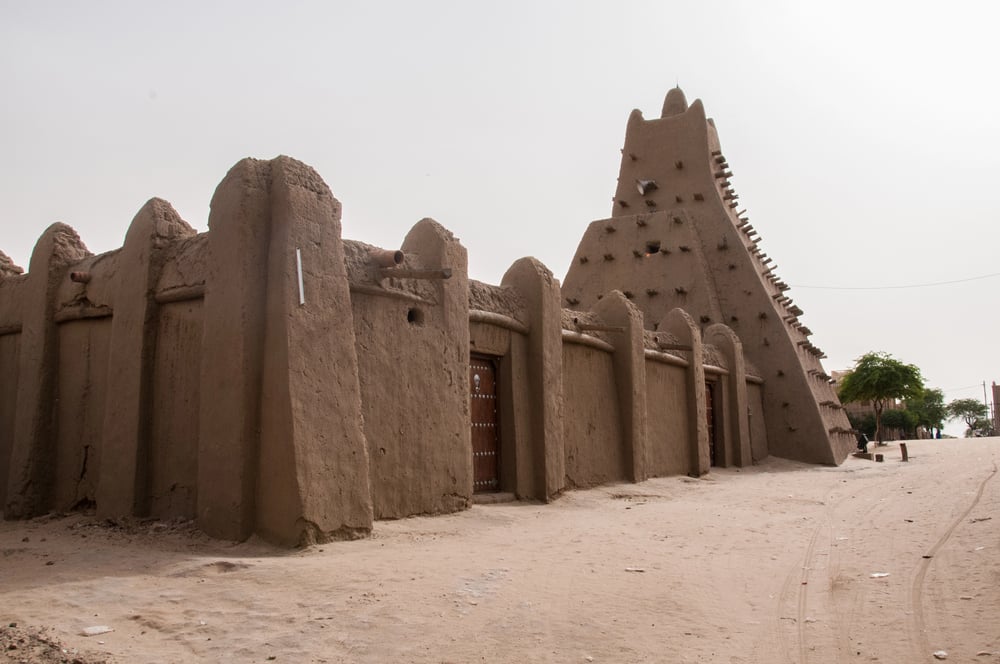
Timbuktu was a centre of Islamic scholarship for centuries, and the Ahmed Baba Institute of Higher Learning and Islamic Research held some 46,000 manuscripts — some dating to the thirteenth century and covering Islamic theology, mathematics, astronomy, and law. When Islamist militant groups controlling northern Mali were driven out by French military intervention in January 2013, fleeing fighters set fire to the institute’s buildings.
Around 4,203 manuscripts were either destroyed or stolen, according to a subsequent United Nations estimate. Many thousands more had been secretly hidden by residents in the preceding months and were saved.
The Library of the University of Baghdad College of Fine Arts
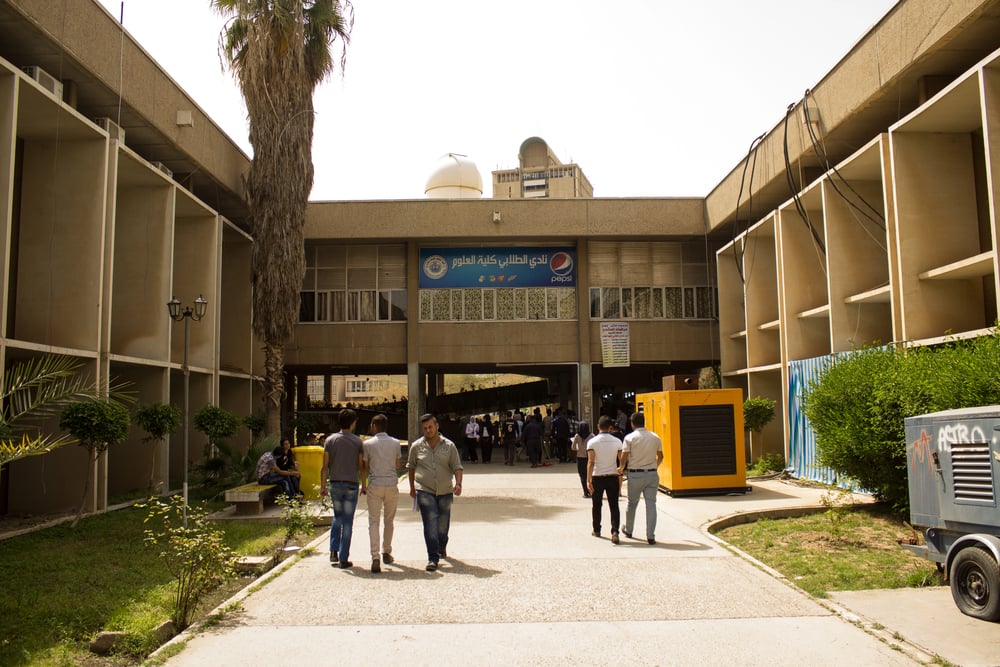
When US-led coalition forces invaded Iraq in 2003, the collapse of civil order allowed widespread looting. The library of the University of Baghdad’s College of Fine Arts was set on fire by looters, destroying more than 70,000 books and an irreplaceable archive of Iraqi artistic and intellectual history accumulated over decades.
Eyewitnesses reported that the burning was deliberate. More than a decade later, the college was still operating with almost none of its original reference materials.
The National Library of Bosnia, Sarajevo
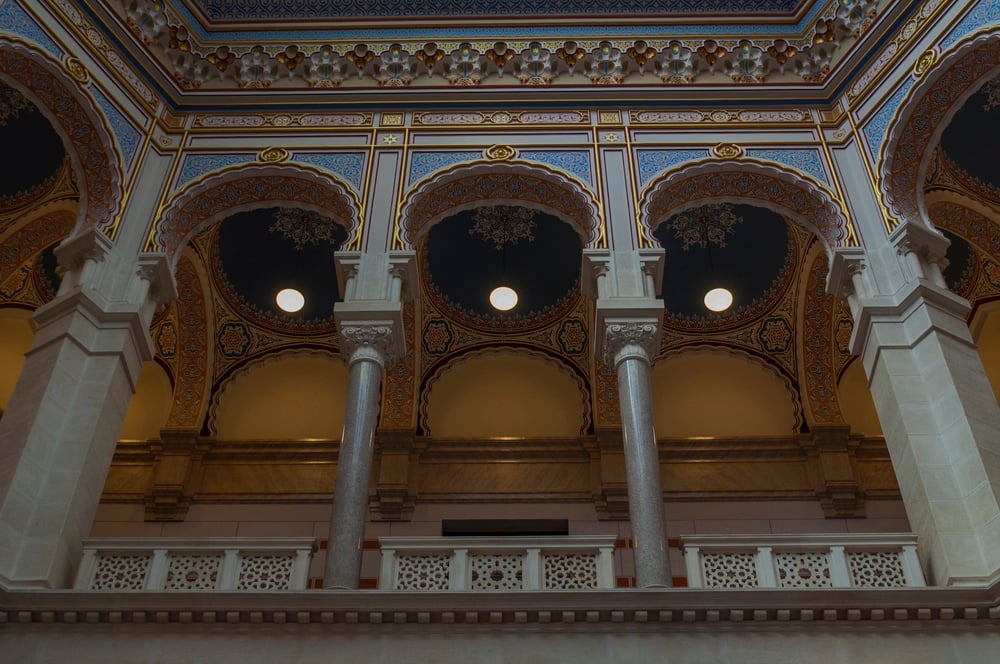
The Vijećnica — Sarajevo’s National Library, housed in a grand Austro-Hungarian building — held millions of items including 155,000 rare books and 700 manuscripts when Serbian nationalist forces shelled and burned it on the night of August 25, 1992. The attack was deliberate: incendiary shells were used specifically to destroy the building.
Residents of Sarajevo formed human chains in the darkness to pass books out through the flames, saving a portion of the collection. The rest burned. The Vijećnica has since been rebuilt, but the collection has not been replaced.
The Library of Mosul, Iraq
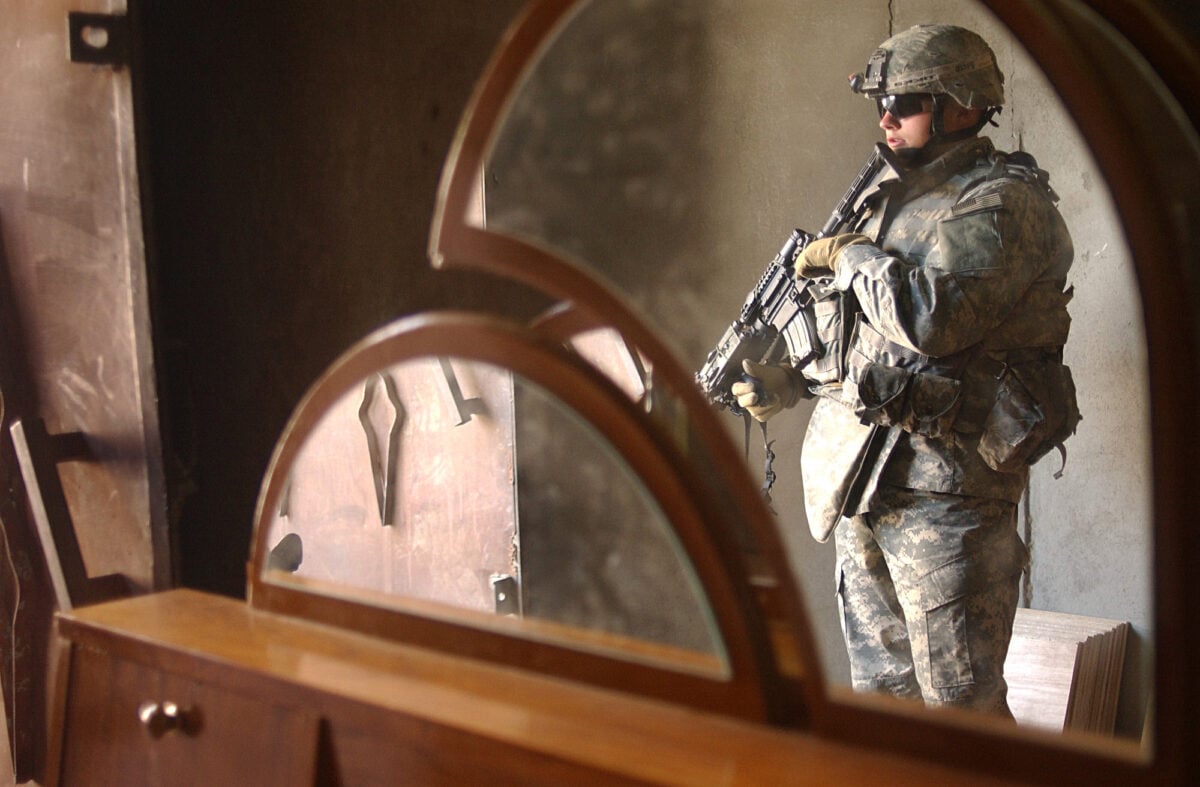
When ISIS seized Mosul in 2014, its forces began systematically destroying cultural institutions across the city. The Mosul Library was attacked in February 2015: videos published by ISIS showed fighters smashing manuscripts, burning books, and using bulldozers on archives.
The library had held thousands of rare maps, newspapers, and manuscripts — the accumulated record of Mosul’s cultural and intellectual life. ISIS framed the destruction as religious cleansing. International observers called it a war crime.
The Khudabakhsh Oriental Library, Patna — near-loss
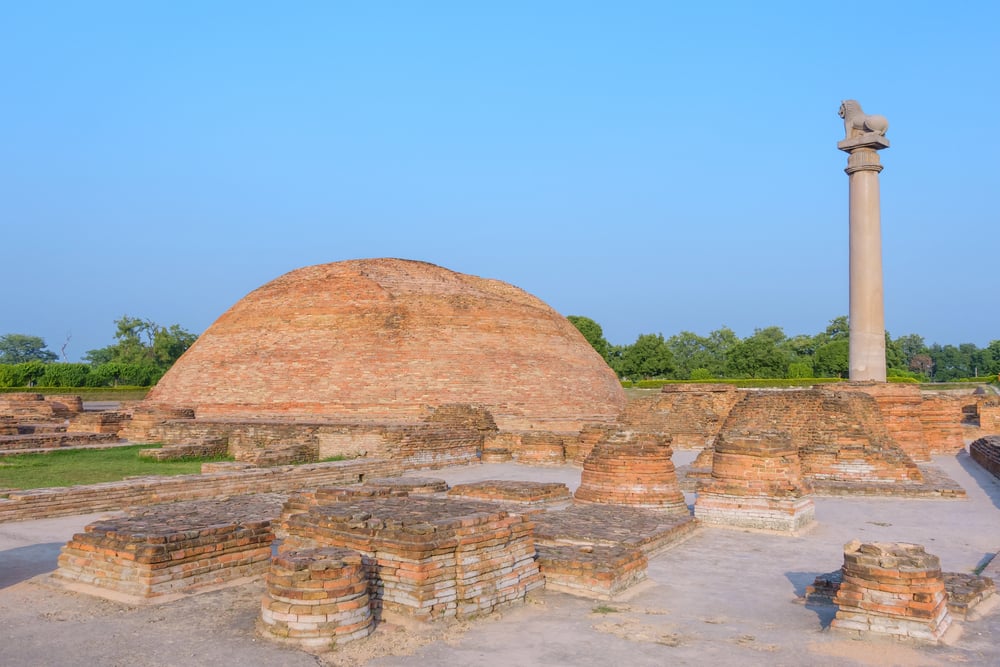
Not every library on this list was destroyed. The Khudabakhsh Oriental Public Library in Patna, India, survived a series of political upheavals, floods, and threats over more than a century and a half. Its survival is worth noting here precisely because it is the exception.
The library holds over 21,000 manuscripts including some of the rarest surviving texts of the medieval Islamic world. That it still exists is the result of deliberate protection — an outcome that distinguishes it from the entries above it and makes the preceding losses even harder to explain away as inevitable.
The Weight of All That Was Lost
— Photo by steveheap
The libraries in this list represent a fraction of the collections that human beings have deliberately destroyed over recorded history. What unites them — beyond the fires, the political calculations, and the ideological justifications — is the specificity of the knowledge that was gone. Medical observations about diseases that had been studied and documented. Astronomical calculations that took generations to compile.
Literary works that exist nowhere else in any language. Historical records of civilizations that had no other way of speaking to the future. The people who ordered these destructions understood exactly what they were doing.
They were not burning paper. They were ending conversations that could never be restarted, across centuries and languages and disciplines, removing the possibility that future generations might know what had once been known.
That is what makes deliberate library destruction different from other acts of war: it is specifically an act against time, against the continuity of human understanding, against the idea that what people thought and discovered and wrote down should be allowed to survive them.
More from Go2Tutors!

- The Romanov Crown Jewels and Their Tragic Fate
- 13 Historical Mysteries That Science Still Can’t Solve
- Famous Hoaxes That Fooled the World for Years
- 15 Child Stars with Tragic Adult Lives
- 16 Famous Jewelry Pieces in History
Like Go2Tutors’s content? Follow us on MSN.