30 Ancient Punishments So Extreme They Were Eventually Outlawed Worldwide
There is a version of history in which punishment becomes progressively more humane over time — a neat line from the brutal past toward an enlightened present. The actual record is messier.
Some of the methods described here persisted for centuries precisely because they were effective at doing what they were designed to do: terrify the population, demonstrate the absolute power of the state, and make examples out of individuals whose suffering was intended to be watched. Many of these punishments were public by design.
The audience was as important as the condemned. That these methods were eventually abolished is not simply a story of moral progress — it is also a story about what governments gradually decided no longer served their interests, about changing ideas of what a state was and what it was for.
Here are thirty of the most extreme punishments documented in the historical record, all of which have been formally abandoned.
Crucifixion
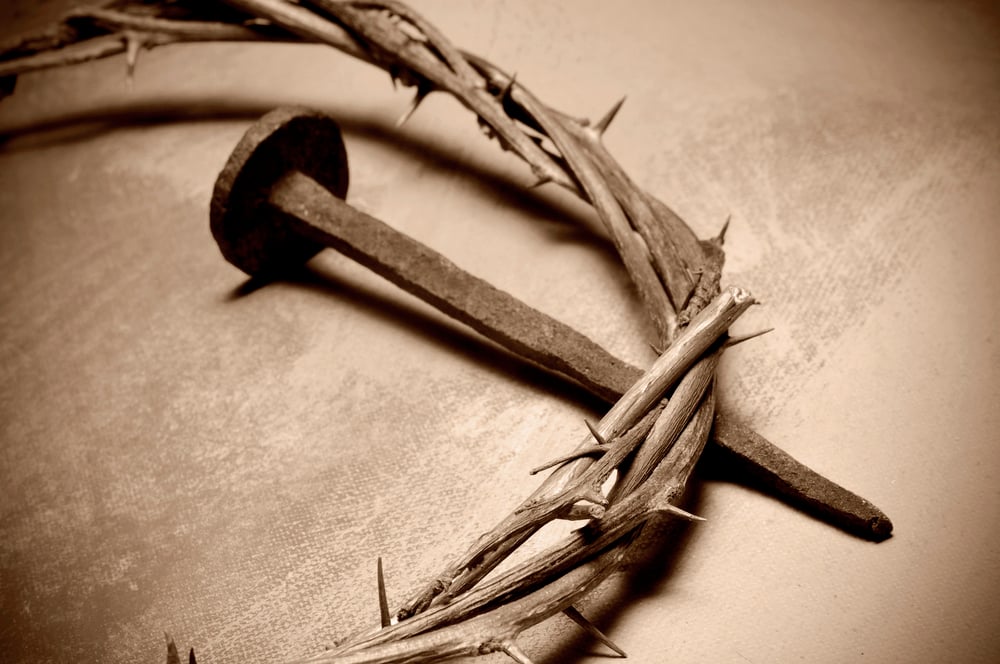
Crucifixion was practiced across the ancient world by the Persians, Carthaginians, and Romans before becoming most associated with Roman judicial punishment. The condemned were nailed or tied to a wooden cross and left to die from exhaustion, dehydration, and asphyxiation — a process that could take days.
The weight of the body pulling down on the arms made breathing progressively more difficult until the condemned could no longer lift themselves to exhale. Romans crucified people along major roads to maximize the deterrent effect.
Emperor Constantine abolished crucifixion throughout the Roman Empire in 337 CE, reportedly out of reverence for the execution method’s association with Christianity.
Scaphism
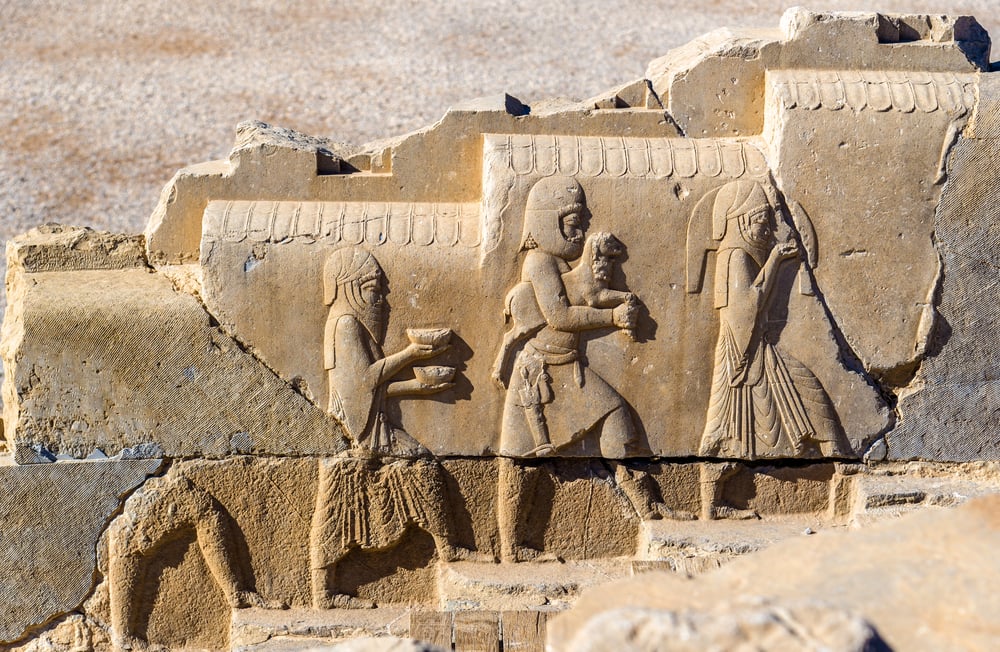
The ancient Persian punishment known as scaphism — documented by the Greek historian Plutarch — was applied to a soldier named Mithridates after he betrayed King Artaxerxes II around 401 BCE. The condemned was placed between two boats fitted together like a shell, with his arms, legs, and head protruding through openings in the sides.
He was then force-fed milk and honey until he developed severe diarrhea, which accumulated around him inside the enclosure and attracted insects that fed on him continuously. According to Plutarch’s account, Mithridates survived in this condition for seventeen days before dying of sepsis and organ failure.
Whether Plutarch’s account is fully accurate remains debated by historians.
Hanging, Drawing, and Quartering

England’s punishment for high treason — used from the thirteenth century onward — was a multi-stage process in which the condemned was dragged through the streets to the execution site, partially hanged, then while still alive disemboweled and castrated, their organs burned before their eyes, and finally beheaded and their body divided into four quarters displayed in public locations as a warning. The last full application of the sentence occurred in 1782; by 1820 the procedure had been modified to hanging until dead followed by posthumous beheading.
It was formally abolished in 1870 under the Forfeiture Act.
The Breaking Wheel
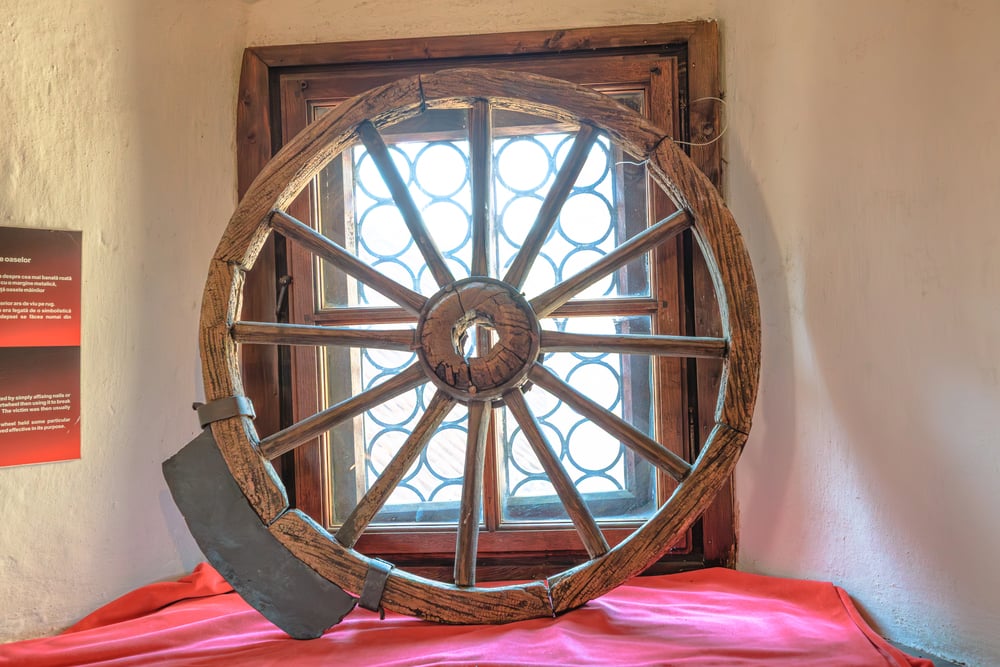
The breaking wheel, used across Europe from antiquity through the nineteenth century, involved strapping the condemned to a large cartwheel and using an iron hammer to systematically break the bones of their limbs in a specific sequence — designed to prolong the process without causing immediate death. The shattered limbs were then threaded through the spokes of the wheel, which was elevated on a post for public display.
In some jurisdictions, the body was left on the wheel to decompose. Bavaria abolished the practice in 1813, and the last known execution by wheel took place in Prussia in 1841.
The Brazen Bull
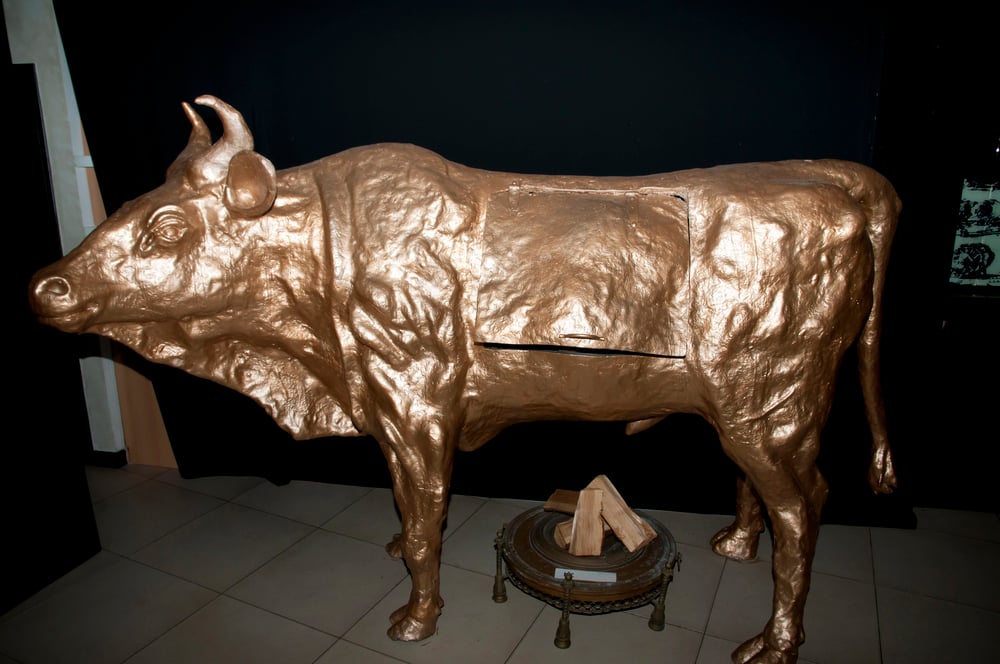
The Brazen Bull — also called the Sicilian Bull — was a hollow bronze statue of a bull, designed by the Athenian craftsman Perillos and presented to the tyrant Phalaris of Agrigentum in Sicily, allegedly in the sixth century BCE. The condemned was locked inside the statue and a fire lit underneath.
The acoustic design caused the screams of the person inside to emerge from the bull’s mouth as a sound resembling the bellowing of an animal. According to ancient sources, Phalaris was sufficiently disgusted by Perillos’s invention to test it on Perillos himself first.
Flaying
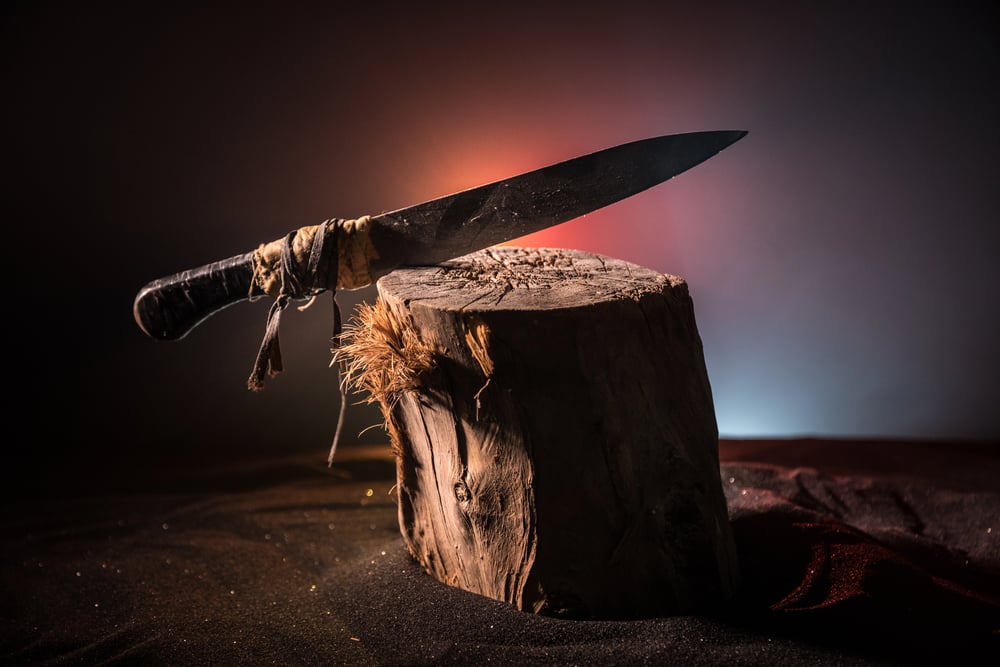
Flaying — the removal of skin from a living person — was practiced as a judicial punishment in ancient Assyria, and the Assyrian king Ashurnasirpal II left inscriptions describing the flaying of rebels whose skins were then displayed on city walls. It was also used in documented instances in the Mongol Empire as a method of execution for significant enemies.
The Ottoman Empire employed it in rare cases of extreme punishment into the early modern period. It was designed for maximum suffering and maximum visibility, and the preservation and display of skins served both as trophy and warning.
Damnatio ad Bestias
Roman law permitted the sentence of damnatio ad bestias — condemnation to wild beasts — for criminals of sufficiently low social status. The condemned were placed unarmed in an arena and released to hungry lions, tigers, bears, or other large animals.
The entertainment value of the proceedings was explicit: the Colosseum was the primary venue, and audiences attended as they would any other spectacle. The practice was used against Christian martyrs in the second and third centuries and was eventually phased out following Constantine’s edicts in the fourth century.
The Rack
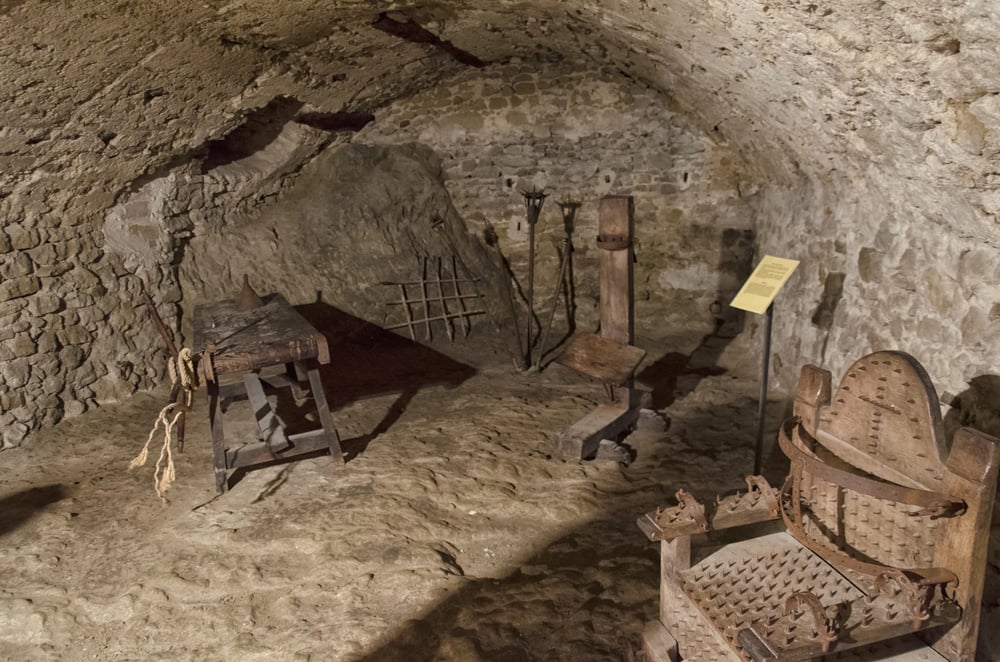
The rack was a torture instrument rather than an execution method — it was used to extract confessions or information before sentence was passed. The condemned lay on a frame while their wrists and ankles were attached to rollers at either end; as the rollers were turned in opposite directions, joints dislocated and eventually bones broke.
It was used across Europe through the early modern period. In England, the Privy Council authorized its use into the seventeenth century, and the last recorded use in England was in 1640.
Pressing to Death
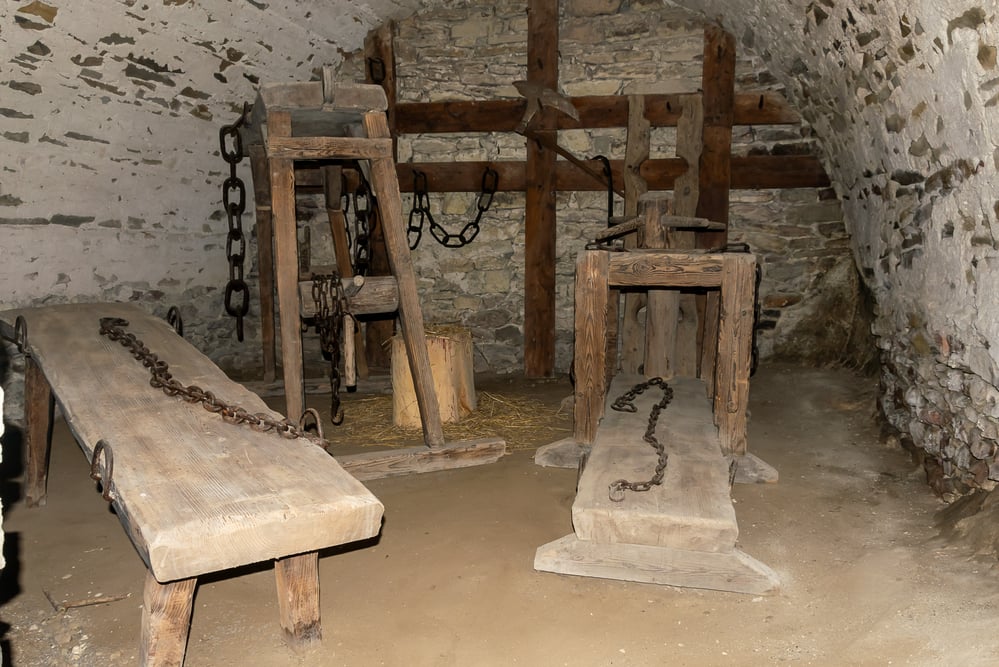
Peine forte et dure — “severe and hard punishment” — was used in English and colonial American law against defendants who refused to enter a plea, on the premise that a trial could not proceed without one. Heavy stones were placed on the chest of the accused, one at a time, until they entered a plea or died.
In the Salem witch trials of 1692, Giles Corey was pressed to death over two days after refusing to submit to trial. He reportedly said “more weight” as stones were added.
The practice was formally abolished in England in 1772.
Impalement
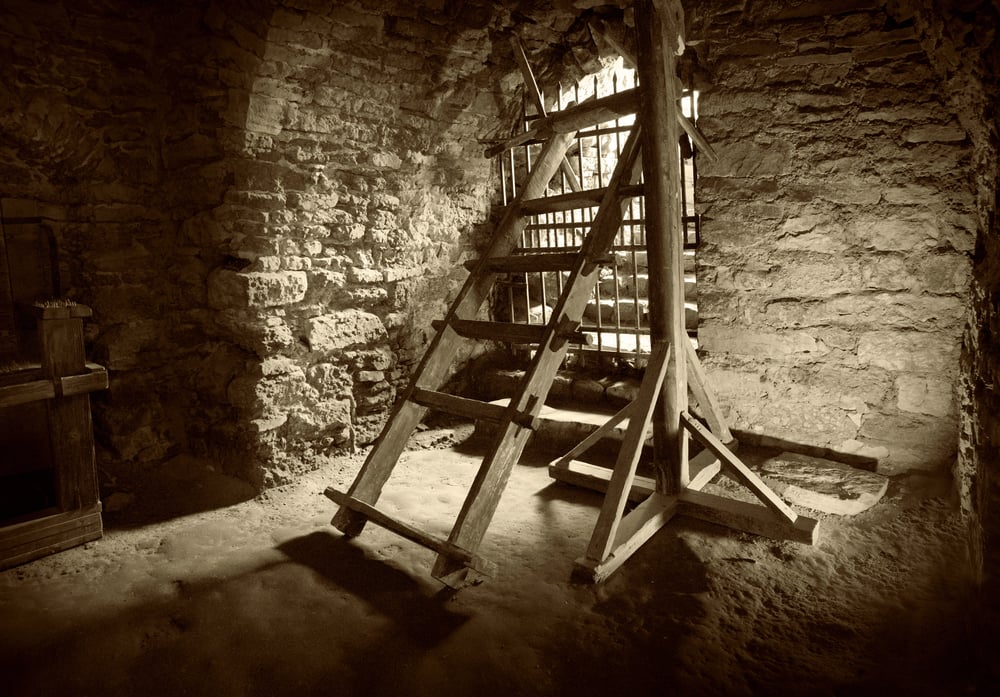
Impalement — forcing a sharpened stake through the body — was used as both an execution method and a display technique across various cultures, but its most documented practitioner in the historical record was Vlad III of Wallachia in the fifteenth century, who used it extensively against Ottoman enemies and domestic opponents. Contemporary accounts and later chronicles describe thousands of people impaled on stakes of varying heights, arranged in patterns for psychological effect on approaching armies.
Impalement appears in Ottoman and Persian records as well, typically as a deterrent applied to defeated enemies.
Boiling Alive

Death by immersion in boiling water — or oil — was used in England as a specific punishment for poisoners under Henry VIII, enacted as a statute in 1531 following a case in which a cook named Richard Roose poisoned members of a bishop’s household. The method was applied to Roose himself in 1531 and to at least one other convicted poisoner.
The statute was repealed in 1547. The same general method appears in records from China and in the Ottoman and Mughal empires, typically as an unusual punishment applied to extraordinary cases.
Stoning

Stoning — lapidation — as a formal legal punishment is among the oldest documented in the historical record, appearing in Mosaic law, ancient Greek and Roman practice, and the early Islamic legal tradition. The condemned was buried to varying depths and then struck with rocks until dead, sometimes requiring a large number of participants.
It remains a legal punishment in some jurisdictions today, though its application is internationally condemned as a violation of human rights. The movement toward its abolition has been part of international human rights advocacy for decades.
The Iron Maiden
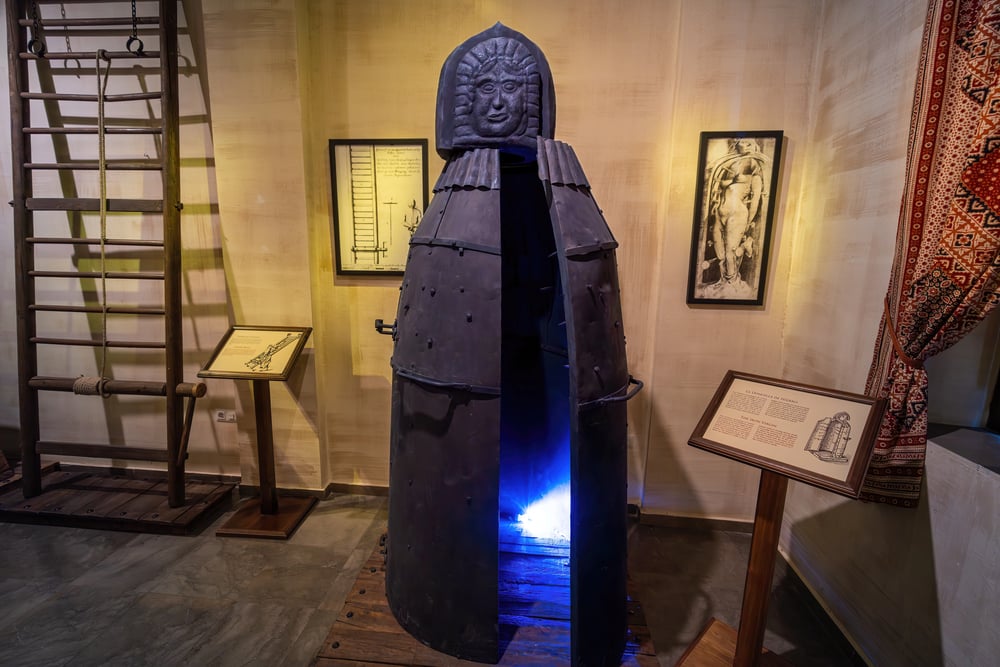
The Iron Maiden — a standing cabinet in the shape of a human figure, lined with interior spikes — appears in museum collections and popular culture as a medieval torture device, but most historians of punishment regard the evidence for its actual use as a judicial instrument as thin or fabricated. The most famous example, the Iron Maiden of Nuremberg, was assembled from unrelated medieval artifacts in the nineteenth century for exhibition purposes.
It is included here because its influence on popular understanding of medieval punishment has been substantial, even if its actual historical use remains unverified.
Sawing
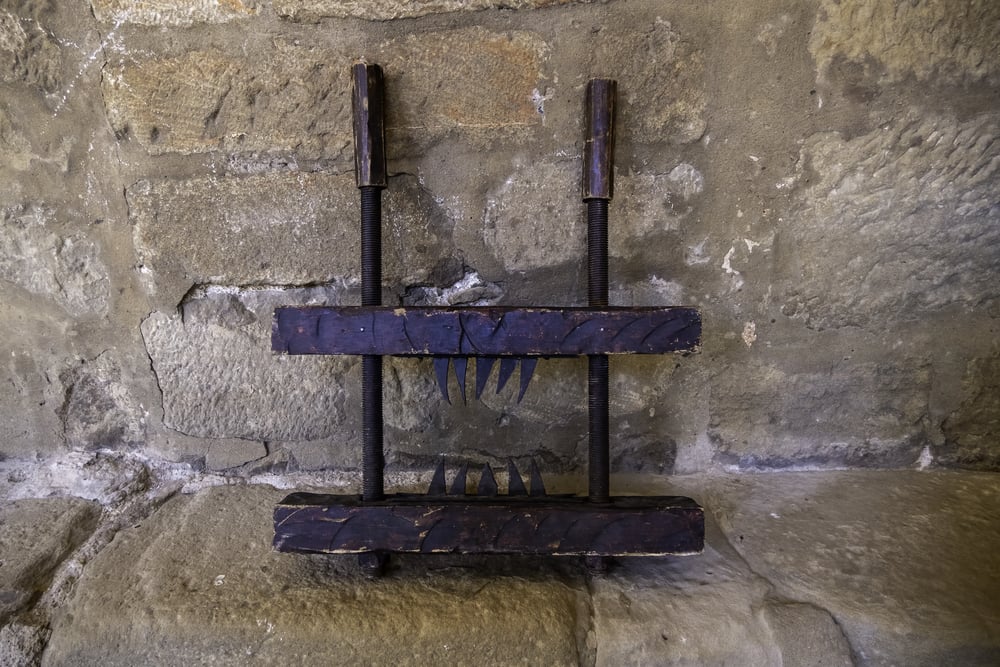
Death by sawing — placing the condemned upside down and cutting them in half longitudinally with a large two-person saw — appears in accounts from ancient Rome, China, the Ottoman Empire, and medieval Europe. Placing the victim upside down was supposedly intended to ensure blood flow to the brain prolonged consciousness throughout the process.
The method is referenced in the New Testament’s catalogue of martyrdoms and appears in Persian and Assyrian records. Its documented use as a formal judicial punishment is less extensive than its literary presence, and historians treat specific accounts with caution.
The Judas Cradle

The Judas Cradle — a pyramid-shaped wooden seat onto which the condemned was lowered by ropes so that the point of the pyramid pressed against an exposed area of the body — was used as a torture device rather than an execution method, principally to deprive the condemned of sleep or to extract confessions. Documents of its use in Spain and Italy during the Inquisition period mention it, though the reliability of sources about Inquisition torture methods is itself contested among historians.
Keelhauling

Keelhauling was a naval punishment used by Dutch and British maritime forces in which the condemned was thrown overboard, dragged on a rope under the keel of a moving ship, and hauled up the other side. The barnacles encrusting the ship’s hull lacerated the body as it passed; drowning was also possible if the ship was moving quickly enough.
The Dutch navy formally prohibited it in 1853. It was used primarily for offenses against naval discipline and was recorded in documentation of the Dutch East India Company’s operations in the seventeenth and eighteenth centuries.
Decimation
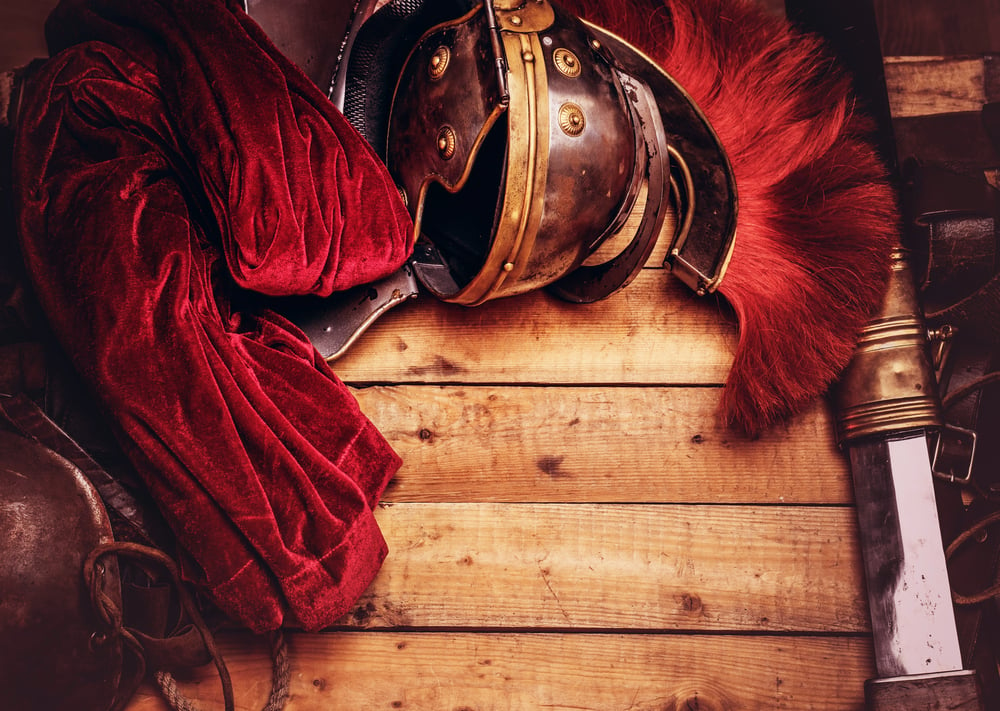
Decimation was a Roman military punishment for cowardice or mutiny in which one in ten soldiers of the offending unit was selected by lot and executed by his fellow soldiers. The practice was intended to punish the unit collectively while distributing the act of killing among survivors, creating group culpability.
It appears in Roman records from the Republican period and was revived by commanders in the civil wars of the late Republic. The word “decimate” in English derives from this practice, though its common modern usage significantly dilutes the original meaning.
Lingchi (Slow Slicing)
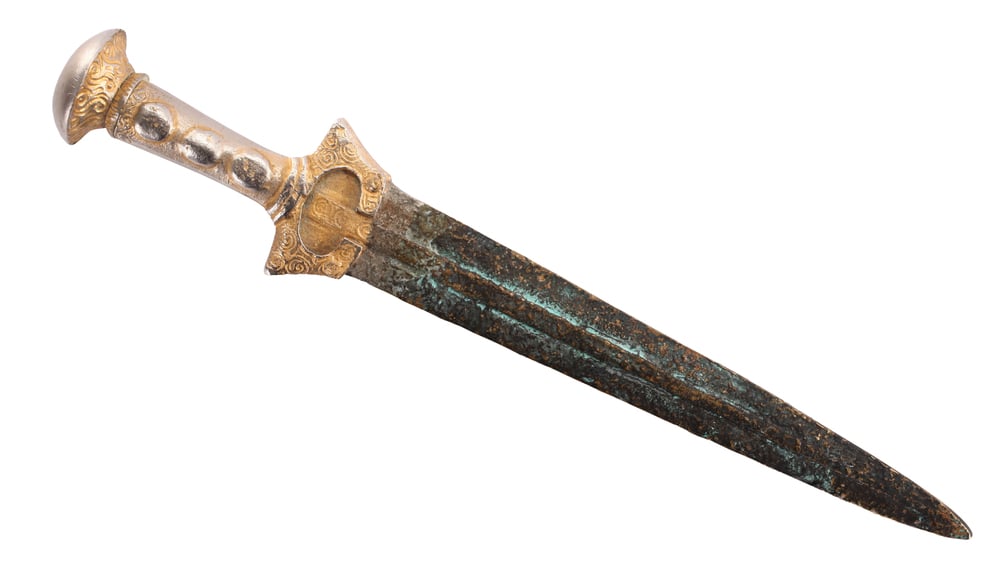
Lingchi — also called death by a thousand cuts, or slow slicing — was a formal judicial execution method used in China from roughly the tenth century until its official abolition in 1905. The condemned was tied to a post or frame and portions of flesh were methodically removed from the body in a prescribed sequence, with death delayed as long as possible.
It was reserved for the most serious crimes: parricide, killing a teacher, treason, or the killing of multiple family members. Photographs from the early 1900s document its application in China and have been widely reproduced in academic literature on punishment and its visual history.
Burning at the Stake

Burning at the stake was used across medieval and early modern Europe primarily for heresy and witchcraft. The condemned was tied to a vertical stake and combustible material piled around them and lit.
Death by smoke inhalation came before the flames in fortunate cases; in others, death was by burning. The execution of Joan of Arc in Rouen in 1431 is among the most documented specific instances.
In England, burning was the legal punishment for women convicted of treason until 1790, when it was replaced by hanging. Spain formally abolished burning at the Inquisition’s direction in 1834.
The Strappado
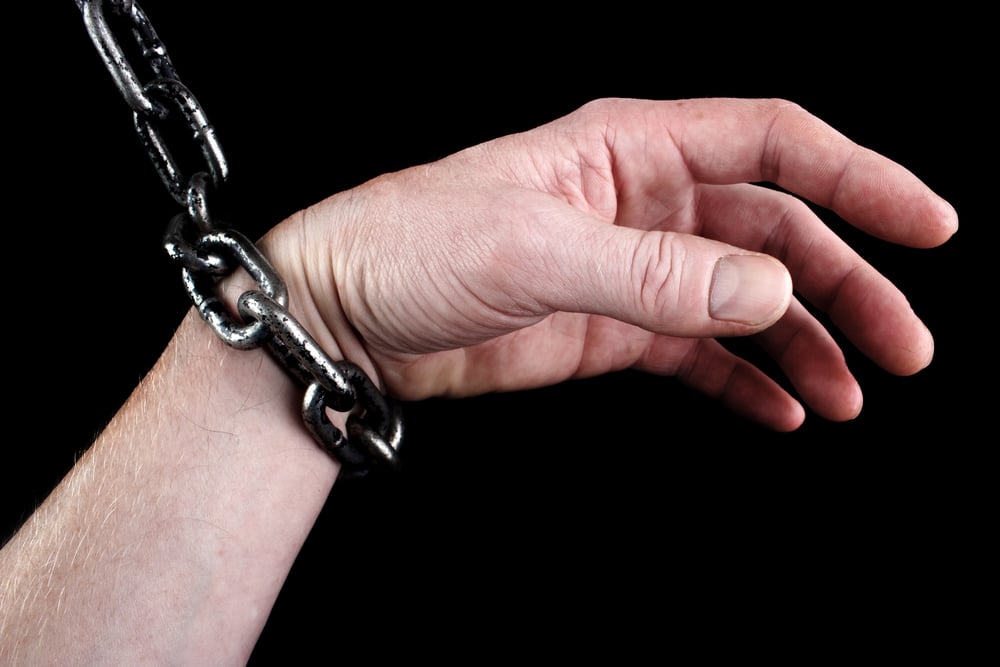
The strappado was a form of torture in which the condemned’s hands were tied behind their back and they were hoisted to a height by the wrists before being dropped suddenly to within a short distance of the ground. The sudden arrest of the fall dislocated both shoulders.
Weights were sometimes attached to the feet to increase the injury. It was used extensively during the Inquisition and by secular courts across Europe through the seventeenth century as a tool for extracting confessions.
It appears in documents of torture practices in Italy, Spain, and France.
Blinding as Punishment
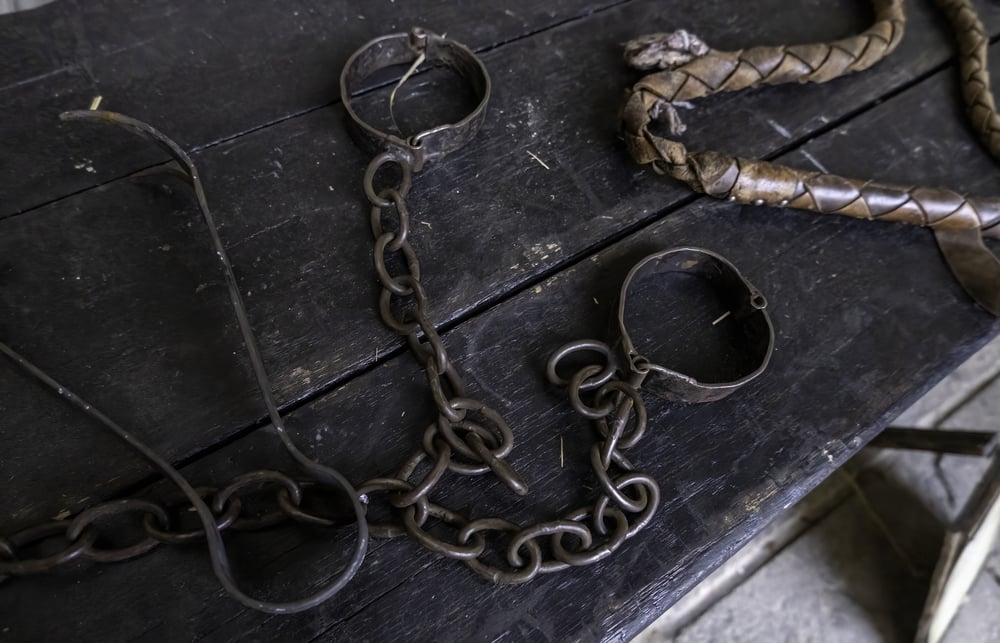
Judicial blinding — the deliberate destruction of a convicted person’s eyesight — was used in the Byzantine Empire as an alternative to execution, typically for political rivals and deposed emperors. Emperor Basil II blinded approximately 15,000 Bulgarian prisoners after the Battle of Kleidion in 1014, reportedly leaving one eye to one in every hundred men to lead the others home.
The tactic was intended to demoralize an enemy population and render a military force permanently non-functional. Blinding as a formal judicial punishment appears in English law for certain offenses in the early medieval period as well.
The Pillory
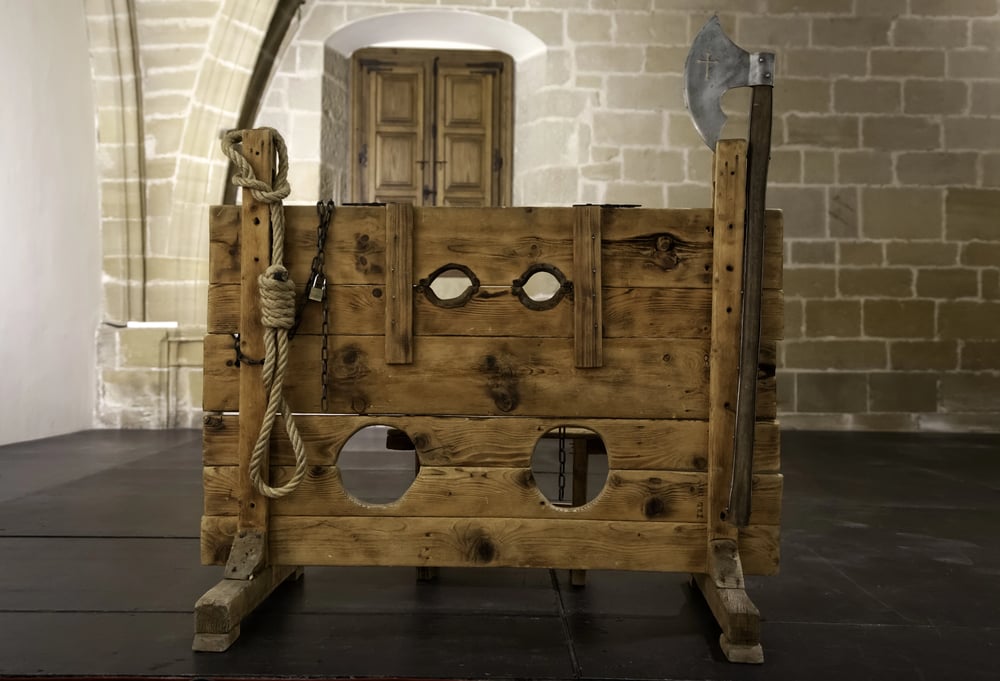
The pillory — a wooden frame that locked the head and hands in public — was used across England and colonial America as a punishment for fraud, forgery, perjury, and libel. While not lethal by design, the condemned was entirely exposed to whatever the crowd chose to throw at them, including objects capable of causing serious injury.
Convicts died in the pillory as a result of crowd violence on documented occasions. England abolished the pillory in 1837.
Transportation
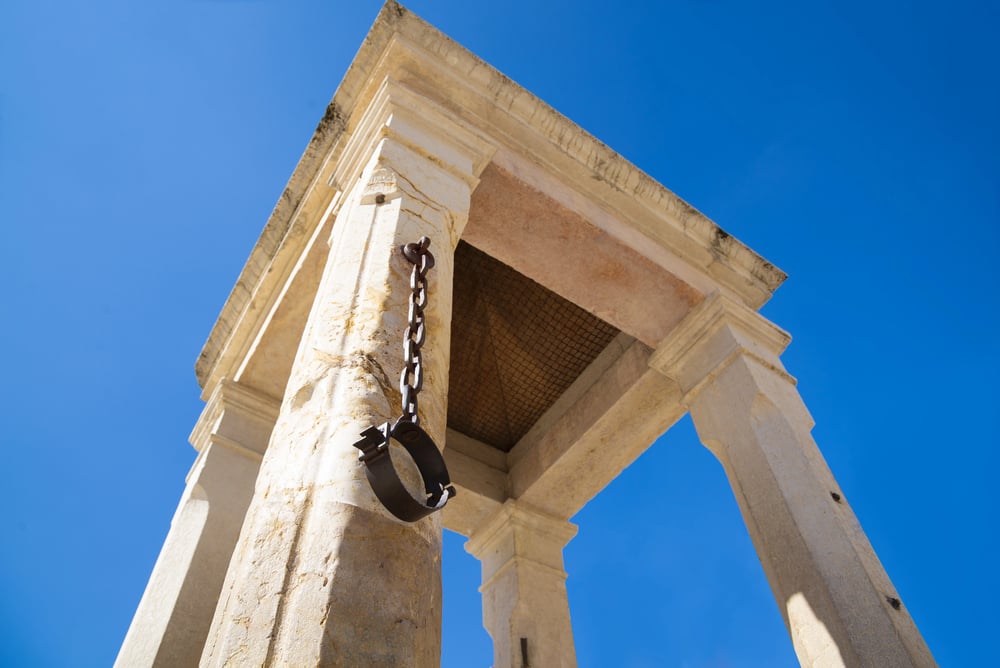
Transportation — sentencing convicted criminals to exile in penal colonies — was used by Britain from the late seventeenth century onward, first to the American colonies and after 1776 to Australia. While not violent in the manner of most punishments on this list, transportation to early Australian penal colonies frequently amounted to a death sentence given mortality rates and working conditions.
Britain transported approximately 162,000 convicted criminals to Australia between 1788 and 1868. Transportation was formally abolished as a sentence after 1868, replaced by long-term imprisonment.
The Ducking Stool
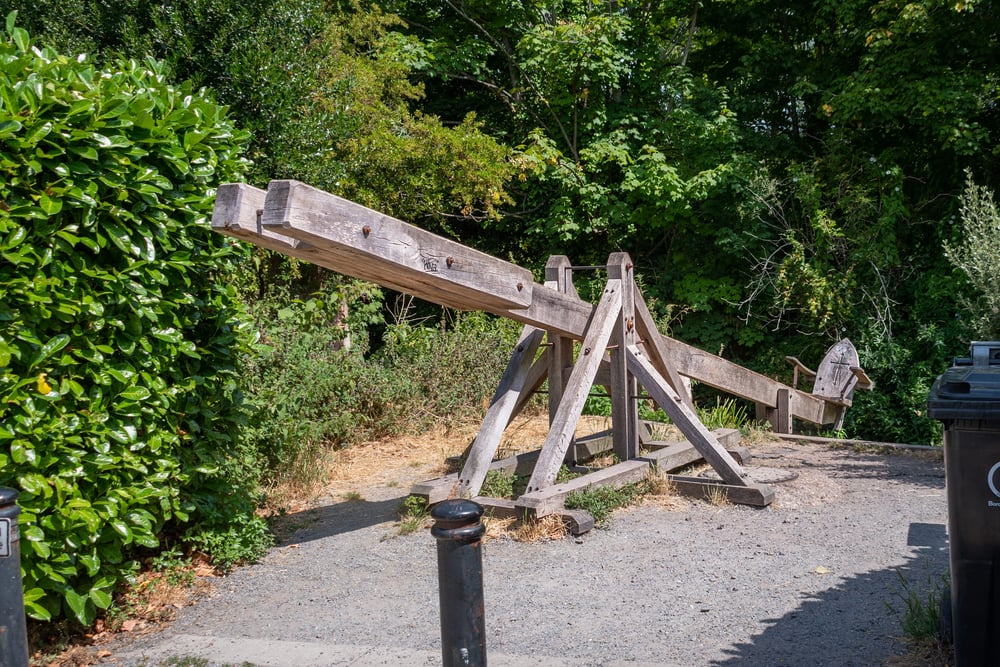
The ducking stool — a chair mounted on a lever over water into which the condemned was repeatedly plunged — was used in England and colonial America primarily against women accused of being quarrelsome or scolds, and against accused witches. The supposed logic of the witch trial application was that the innocent would sink while the guilty would float — an arrangement in which surviving the test was itself evidence of guilt.
The last recorded use of the ducking stool in England was in 1809. The standard of evidence applied to the witch trial variety had no rational basis, a fact noted by critics of the practice as early as the seventeenth century.
Flaying in Assyrian Law
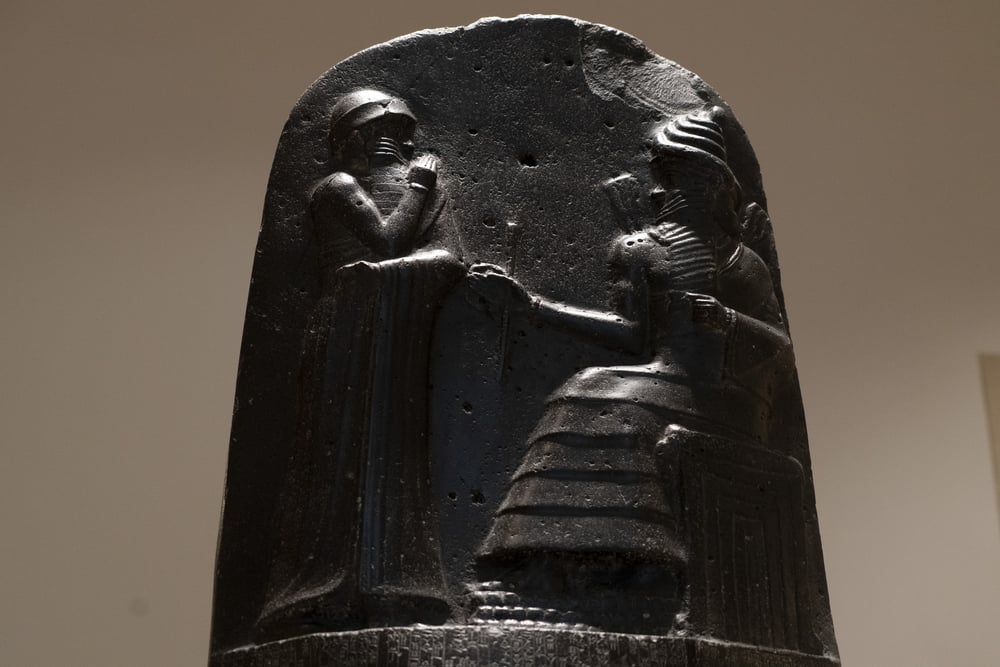
The Assyrian Empire left behind some of the most detailed records of state-sanctioned extreme punishment in the ancient world. Stone reliefs at Nimrud and Nineveh depict the flaying of captured enemies and rebels, and the inscriptions of Ashurnasirpal II include explicit descriptions of punishments applied to those who rebelled: flaying, impalement, burning, and the cutting off of ears, noses, and hands.
These punishments were recorded by the king himself in commemorative inscriptions intended to be read as demonstrations of power rather than hidden as evidence of atrocity.
Garroting
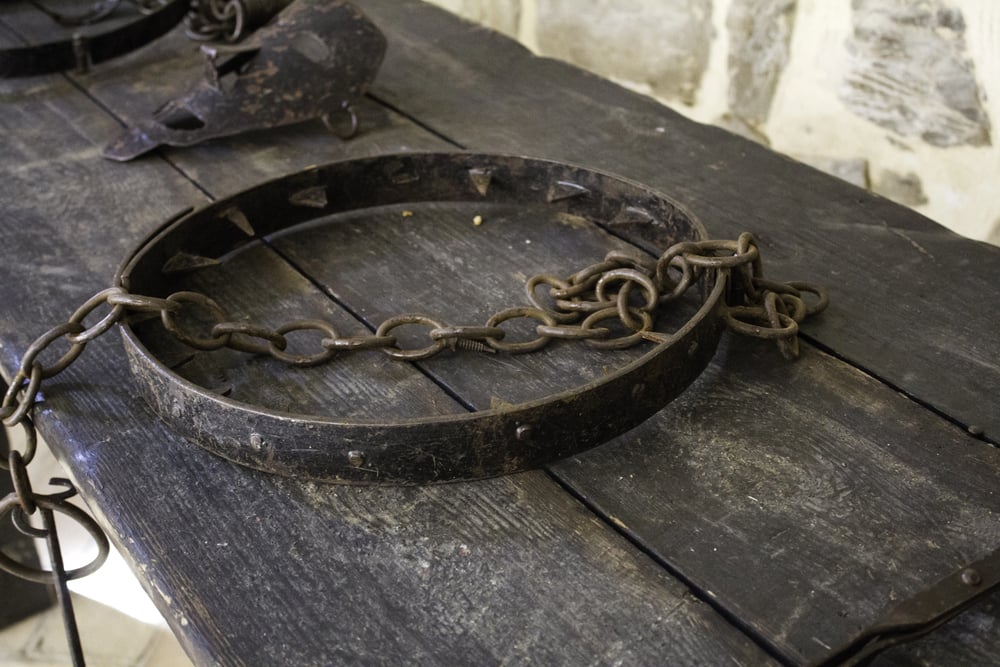
The garrote — a device for strangling the condemned by tightening a metal collar around the neck using a screw mechanism — was used as the standard method of judicial execution in Spain from the early nineteenth century until capital punishment was abolished there in 1978. It was considered more humane than hanging by Spanish authorities when it was introduced in 1820, on the grounds that it was faster and did not require the public display of a swinging body.
José Rizal, the Filipino nationalist executed by Spain in 1896, was killed by firing squad rather than garrote — a choice whose symbolism was noted by contemporaries.Death by Elephant

Execution by elephant was used as a judicial punishment in South and Southeast Asia, and is documented in records from the Mughal Empire, Sri Lanka, and the kingdoms of Southeast Asia. A trained elephant would step on or crush the condemned, or use its trunk to throw them against the ground.
The method appears in European travel accounts from the sixteenth through eighteenth centuries and in Mughal administrative records. It served a dual purpose: execution and public demonstration of the state’s command over both human and animal subjects.
Exposure
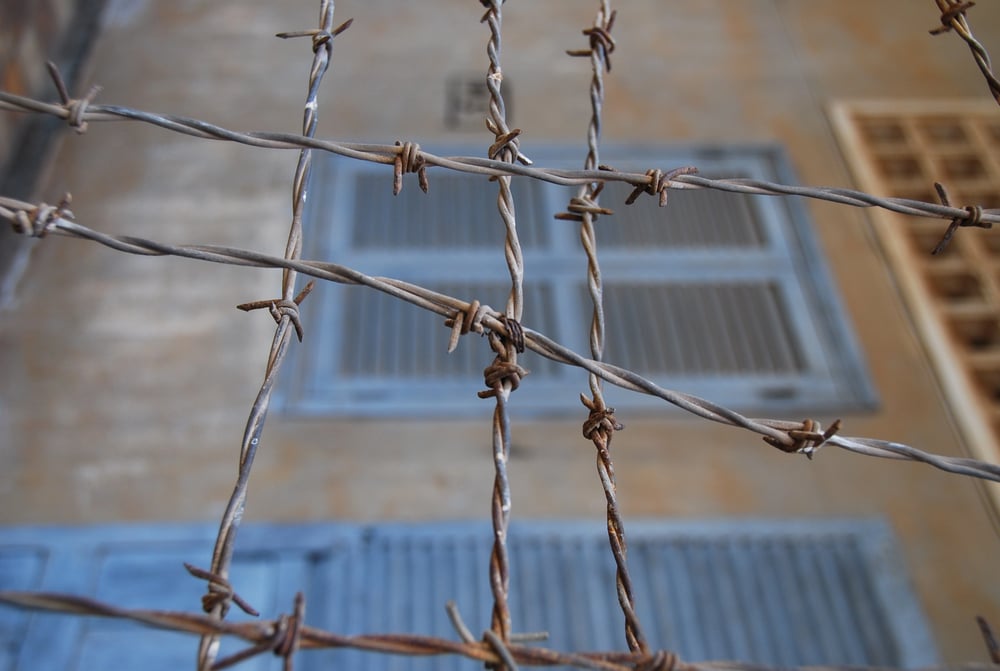
The Roman punishment of damnatio included in some of its forms the practice of leaving the condemned exposed in a public place without food or water, without shelter, and without any assistance being permitted to reach them. The method allowed maximum public visibility of the condemned’s deterioration over time.
It appears in records of punishments applied to slaves, enemies of the state, and in some periods to those convicted of religious offenses. The passive character of the punishment — doing nothing while the condemned died — was its specific legal feature.
The Ordeal of Water
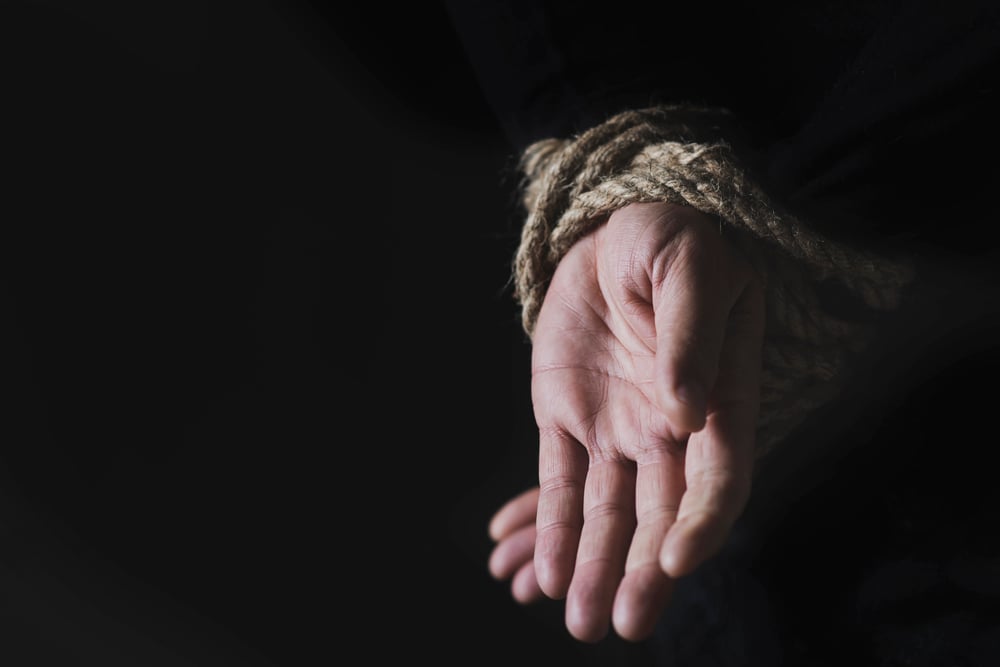
Trial by ordeal — in which guilt or innocence was determined by the outcome of a physically dangerous test rather than by evidence or testimony — was formally part of medieval European law until Pope Innocent III prohibited the participation of clergy at ordeals in 1215. The ordeal of water required the accused to be bound and lowered into water; sinking indicated innocence, floating indicated guilt.
The theological premise was that God would ensure the correct outcome. The practical result was a system in which the outcome bore no reliable relationship to factual guilt.
The Fourth Lateran Council’s prohibition effectively ended the practice in most of Western Europe.
Keel-Roping (Ottoman Practice)
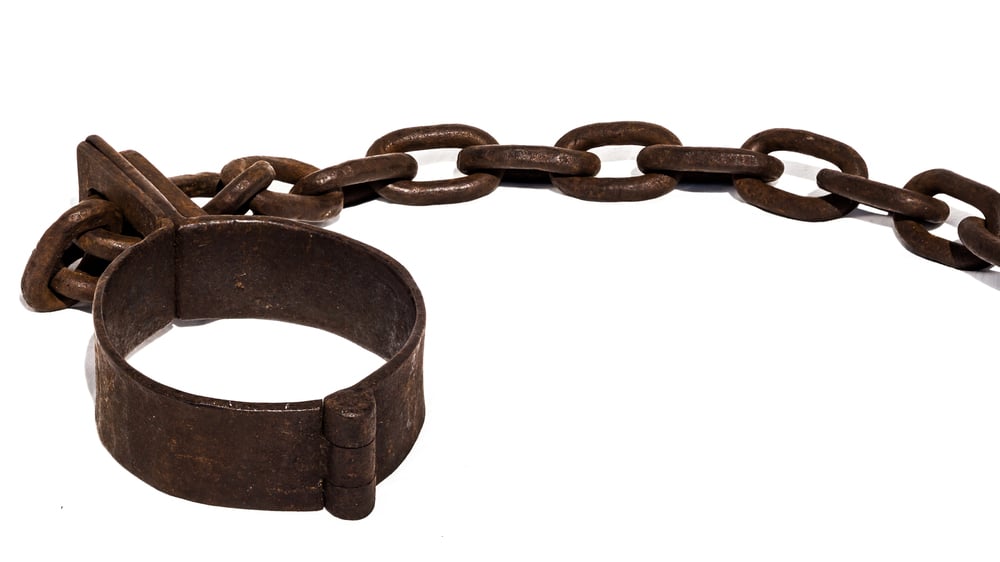
Distinct from the maritime keelhauling, the Ottoman practice of keel-roping — tying the condemned behind a boat and dragging them through water — appears in records of punishments applied to galley slaves and convicted criminals in the sixteenth and seventeenth centuries. It appears in European traveler accounts of Ottoman justice practices and in Ottoman administrative records regarding the handling of galley slave discipline.
When Abolition Became Policy
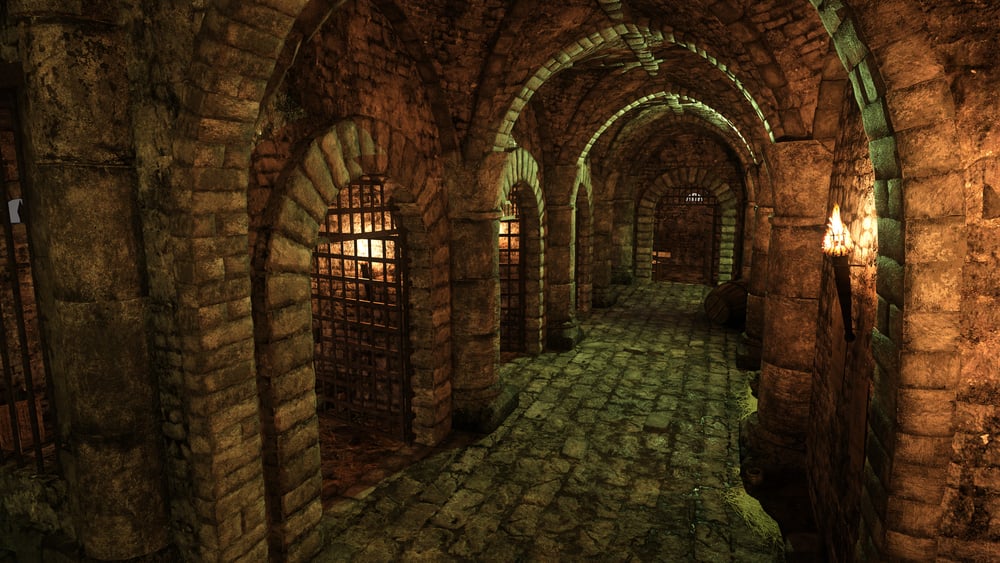
The formal abolition of these punishments was rarely driven by a single moral insight. More often it came from changing ideas about what the state was entitled to do to a body, combined with practical concerns about the effect of public brutality on social order.
The Enlightenment argument — that punishment should be proportionate and rationally calibrated, not theatrical — transformed legal thinking across Western Europe in the eighteenth century. Cesare Beccaria’s 1764 essay On Crimes and Punishments is often credited with providing the intellectual framework for this shift, arguing against torture and the death penalty on grounds of both humanity and effectiveness.
What replaced these punishments — the prison system, the penitentiary, the concept of rehabilitation — has its own critiques and its own history of abuse. The abolition of the methods listed above was genuine progress.
Whether the systems that replaced them fully satisfied the purpose of punishment, or justice, or human dignity, is a question that remains open.
More from Go2Tutors!

- The Romanov Crown Jewels and Their Tragic Fate
- 13 Historical Mysteries That Science Still Can’t Solve
- Famous Hoaxes That Fooled the World for Years
- 15 Child Stars with Tragic Adult Lives
- 16 Famous Jewelry Pieces in History
Like Go2Tutors’s content? Follow us on MSN.