Unexpected Origins of Popular Phrases
Language has a funny way of sticking around long after its original meaning fades into history. The phrases people use every day often carry stories from centuries ago, tied to jobs that no longer exist, traditions that have disappeared, and situations that seem completely ridiculous by modern standards.
These expressions became part of everyday conversation through repetition, even though most people have no idea where they actually came from. Let’s dig into some common sayings and uncover the surprising stories behind them.
Bite the bullet
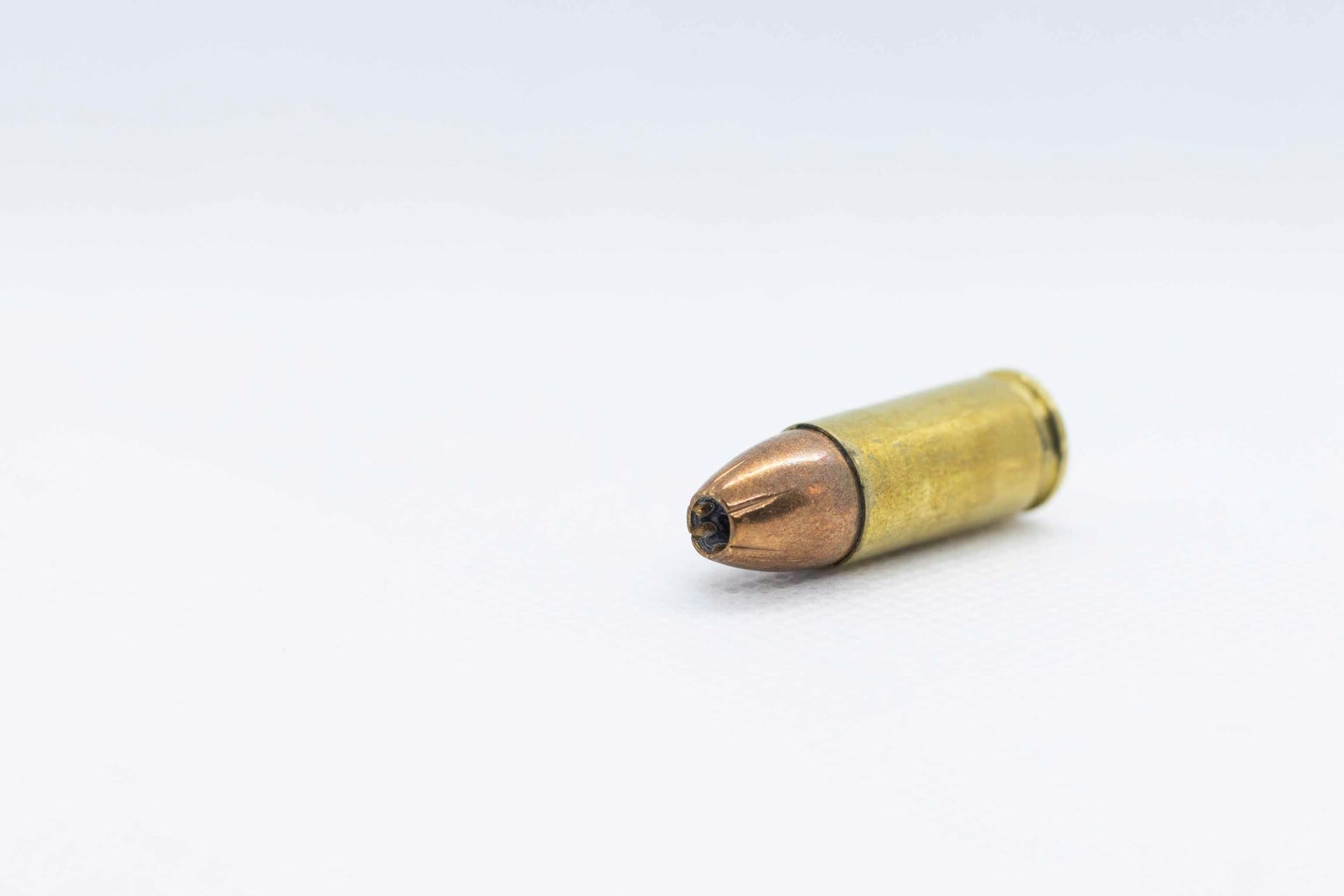
Soldiers in the 1800s faced a grim reality during battlefield surgery. Anesthesia wasn’t available, so doctors gave wounded men a lead bullet to clamp between their teeth during painful operations.
The bullet served as something to focus on while surgeons worked without pain relief. Today, the phrase means facing something difficult head-on, but it started with actual teeth marks on metal.
Rule of thumb

This expression has sparked debates about its true origin, but the most accepted explanation points to old English law. Judges apparently said a man could beat his wife with a stick no thicker than his thumb.
While historians argue whether this was ever an official rule, the phrase survived and now simply means a general guideline or principle. The dark history behind it shows how language can outlive the practices it described.
Spill the beans

Ancient Greeks voted by dropping colored beans into jars, with each color representing a different choice. White beans meant yes, and black beans meant no.
Someone could ruin a secret vote by accidentally knocking over the jar before the official count. The beans would scatter everywhere, revealing how people voted before they were ready to share the results.
Now people use it when someone accidentally reveals information they were supposed to keep quiet.
Let the cat out of the bag
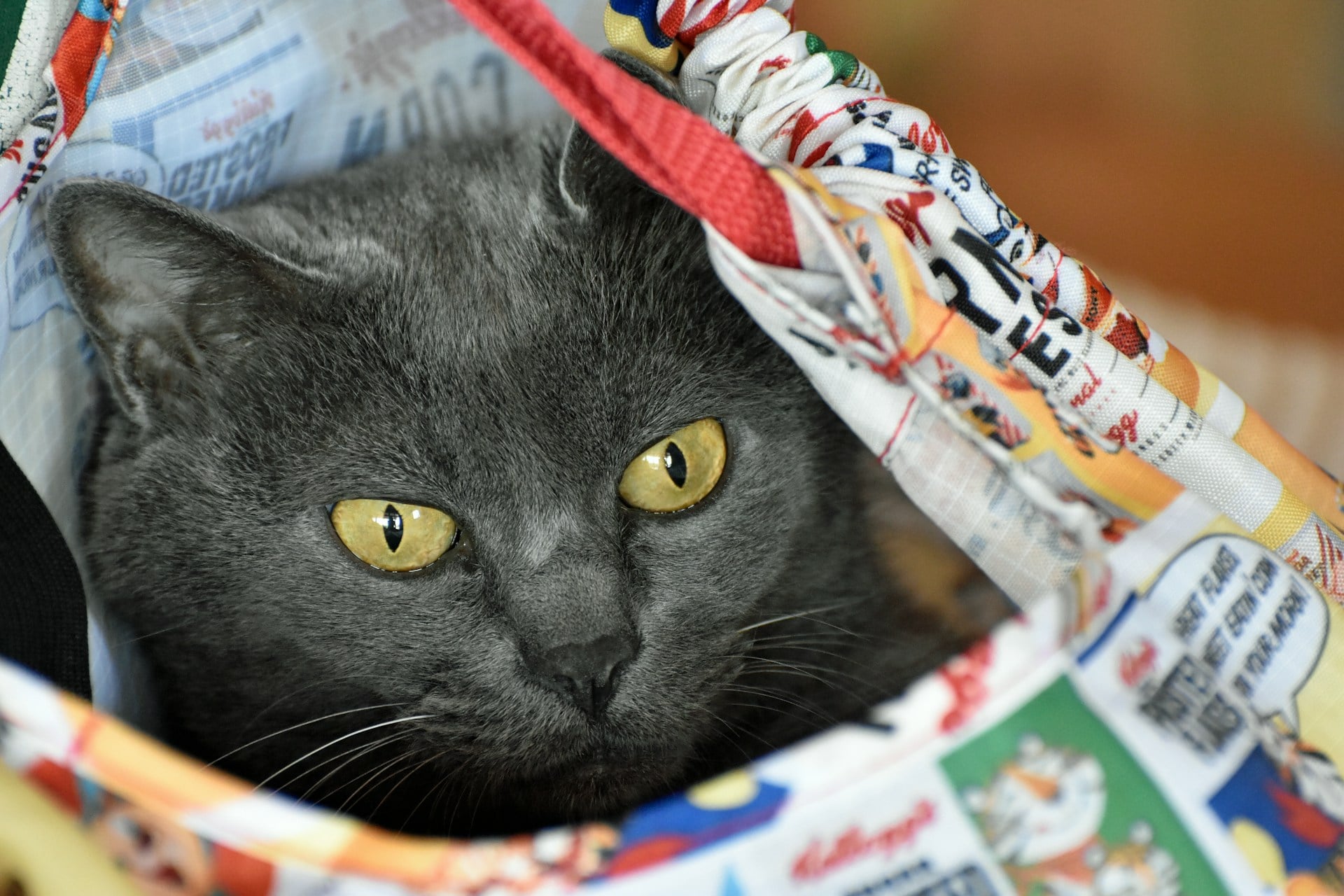
Market fraud in medieval times gave birth to this phrase. Dishonest sellers would put a cat inside a bag and try to sell it as a piglet.
Pigs were valuable livestock, and buyers who didn’t check the bag carefully got tricked into a bad deal. When someone opened the bag and the cat jumped out, the scam became obvious.
The phrase stuck around to describe revealing secrets or exposing something that was supposed to stay hidden.
Break the ice

Ships traveling through frozen waters in the Arctic needed smaller boats to go ahead and break up the ice. These icebreaker vessels cleared a path so larger ships could pass through safely.
Captains couldn’t start their journey until someone broke through that initial barrier. The phrase now describes getting past the awkward beginning of a conversation or meeting, making it easier for everyone to relax and communicate.
Caught red-handed
This phrase comes from a time when catching criminals was much more straightforward. If someone killed another person or poached an animal, they would literally have blood on their hands.
There was no way to deny the crime when the evidence was right there on their skin. Law enforcement in medieval Scotland and England used this term in legal documents.
Today it applies to catching anyone in the act of doing something wrong, whether or not blood is involved.
Turn a blind eye

Admiral Horatio Nelson created this phrase during a naval battle in 1801. His superior officer sent a signal to retreat, but Nelson didn’t want to follow the order.
He held his telescope up to his blind eye and claimed he couldn’t see the signal flags. The tactic worked, and Nelson’s forces won the battle.
Now people use it when someone deliberately ignores something they should probably address.
Butter someone up

Ancient Indians had a tradition of throwing orbs of butter at statues of gods to seek favor and blessings. The practice was part of religious ceremonies where people wanted to win approval from the deities they worshiped.
The butter would stick to the statues, showing devotion and hopefully earning good fortune. The phrase evolved to mean flattering someone excessively, usually because you want something from them.
Crocodile tears

People noticed that crocodiles seem to cry while eating their prey, and ancient observers thought the reptiles were showing fake sadness. The truth is more practical than emotional.
Crocodiles have glands near their eyes that produce tears to keep their eyes moist, especially when they’re eating. The tears have nothing to do with emotion, but the myth stuck around.
Now the phrase describes insincere displays of grief or sympathy.
Kick the bucket

This phrase has a morbid origin tied to methods of execution. People who hanged themselves would stand on a bucket with a noose around their neck, then kick the bucket away to complete the act.
Another explanation involves slaughterhouses where animals hung from a wooden beam called a bucket, and they would kick as they died. Either way, the connection to death is clear.
The phrase became a casual way to talk about dying without being too direct about it.
Cut to the chase

Silent films in the early 1900s often dragged on with slow-paced romance or dialogue scenes. Directors would eventually jump to an exciting chase scene to keep audiences interested.
Studio executives started telling filmmakers to cut unnecessary footage and get to the chase scenes faster. The instruction became shorthand for skipping past boring parts and getting straight to the important stuff.
Modern conversations use it the same way when someone wants to skip the buildup.
Dressed to the nines

Tailors in old England needed nine yards of fabric to make a perfect suit. Getting that much material was expensive, so only wealthy people could afford clothing that used the full nine yards.
Wearing such an outfit showed status and wealth at social gatherings. The phrase eventually shortened to dressed to the nines but kept its meaning of looking exceptionally well-dressed.
Some historians argue about the exact origin, but the connection to quality clothing remains consistent.
Pulling your leg

Thieves in London used to trip people by pulling their legs, then rob them while they were down on the ground. The tactic was common enough that people started warning each other about leg-pullers in crowded areas.
Street criminals found it easier to steal from someone who was off-balance or had already fallen. The phrase shifted from describing actual physical crime to meaning playful deception or joking.
Now it’s what you say when you’re teasing someone who took your joke seriously.
Run of the mill
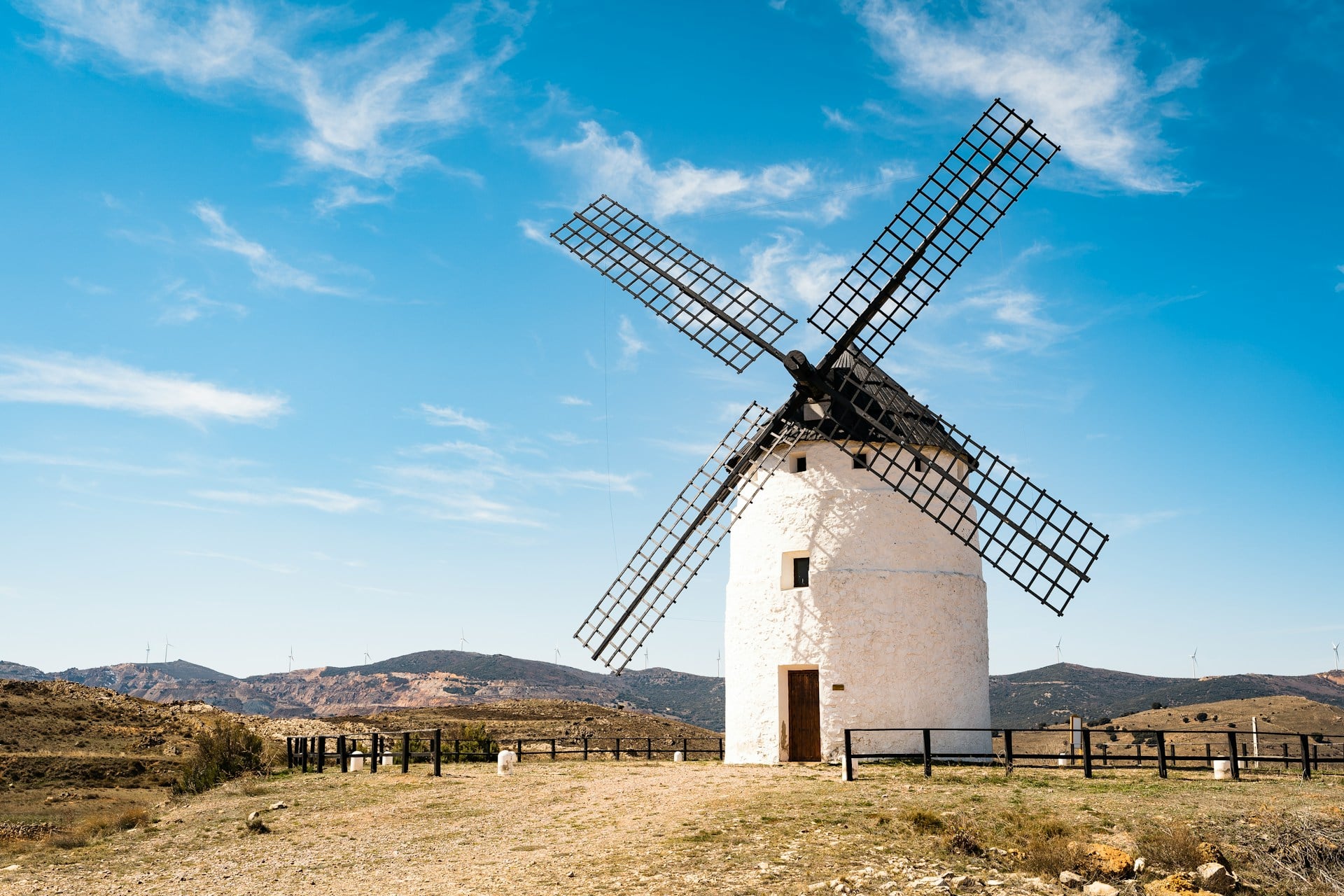
Mills that processed grain or lumber produced goods of varying quality throughout the day. The average output straight from the mill without any special sorting or grading was called the run of the mill.
Nothing about these products was particularly special or carefully selected. Factory owners would separate premium items from the regular run of the mill goods.
The phrase came to describe anything ordinary or unremarkable, just like those unsorted mill products.
Bury the hatchet

Native American tribes had a peace ceremony that involved literally burying weapons in the ground. When two groups decided to end their conflict, leaders from both sides would dig a pit and place their hatchets inside.
Covering the weapons with dirt symbolized the end of hostilities. The phrase traveled into common English usage with the same meaning of ending a disagreement.
Some tribes would later dig up the hatchets if war started again, which gave rise to another phrase about unearthing old conflicts.
Close but no cigs

Carnival games at county fairs in the late 1800s often gave out expensive items as prizes. Winners could receive things like pocket watches, large stuffed animals, or quality products.
Many games also offered a good piece of rolled nicotine as a prize for almost winning. When someone came close to winning the top prize but missed, the game operator would say they got close but didn’t quite earn the premium reward.
The phrase survived even though carnival prizes changed over the decades.
Baker’s dozen

Medieval bakers faced serious punishment for shortchanging customers on bread weight. Laws in England imposed harsh fines or even physical punishment for selling underweight loaves.
Bakers started adding an extra roll or loaf to each dozen to make sure they never came up short if someone checked. The thirteenth item acted as insurance against accusations of cheating customers.
The practice became so standard that baker’s dozen entered the language as meaning thirteen instead of twelve.
Above board

Card players and gamblers used to cheat by keeping cards hidden under the table. Honest players kept their hands above the board, which was what they called the table, so everyone could see they weren’t switching cards or hiding anything.
Gaming houses started requiring all players to keep their hands visible during play. The phrase expanded beyond card games to describe any behavior that’s transparent and honest.
Modern business dealings use it to indicate someone is operating without deception.
The full story comes together

These phrases wandered through centuries of use before landing in everyday conversation. Most people say them without thinking twice about wounded soldiers, medieval fraud, or ancient religious ceremonies.
Language keeps these old stories alive even when the original context completely disappears. The next time someone tells you to break the ice or asks if you’re pulling their leg, there’s a whole forgotten world packed into those few simple words.
More from Go2Tutors!

- The Romanov Crown Jewels and Their Tragic Fate
- 13 Historical Mysteries That Science Still Can’t Solve
- Famous Hoaxes That Fooled the World for Years
- 15 Child Stars with Tragic Adult Lives
- 16 Famous Jewelry Pieces in History
Like Go2Tutors’s content? Follow us on MSN.