Photos Of Abandoned Global Olympic Venues
Every so often, the Olympics gather people from everywhere, highlighting incredible efforts and moments no one forgets. Once the final event wraps up and crowds vanish, silence takes over.
Huge arenas remain standing in host cities, unused, forgotten – empty shells where cheers once echoed loud. What stays behind often shocks those who look closely.
Empty now, these places used to be full of life, slowly breaking down from years without care. Take a look at a few that stand out across different countries.
Sarajevo’s Bobsled Track
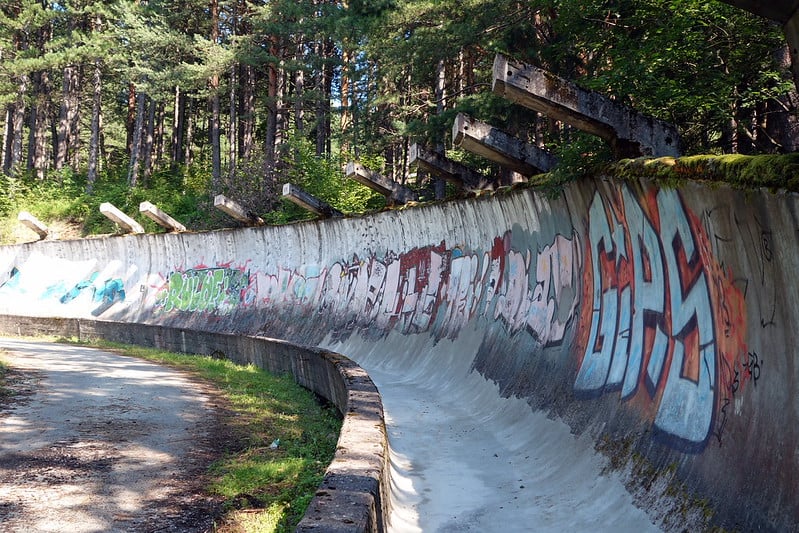
Sarajevo turned into a ski hotspot because of the 1984 Winter Games. Snaking up the hills, the bobsled and luge run looked like a gray stripe poured over rock and pine.
Thrilling speeds marked its races back then – until conflict hit Bosnia in the next decade. When fighting reached the city, troops took over the track, turning curves into gun nests.
Now paint splatters coat broken slabs, roots splitting seams where athletes once raced downhill fast.
Athens Olympic Complex
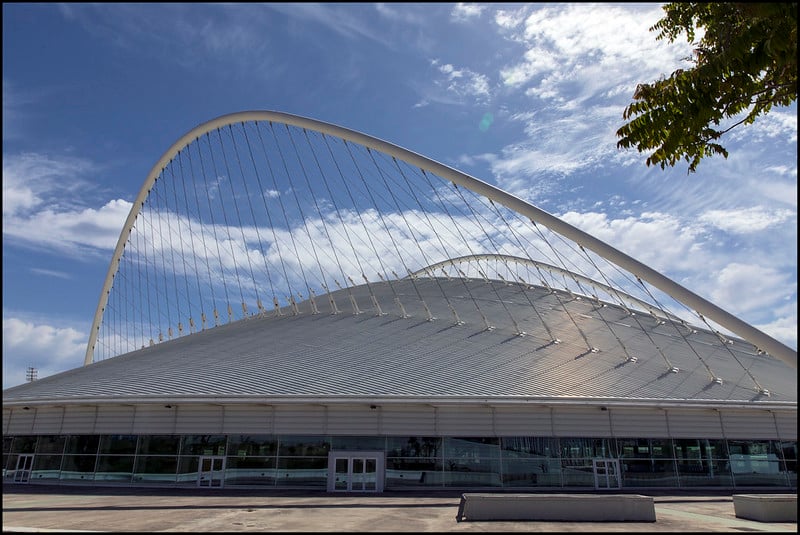
Empty buildings rot under the hot sun. Around fifteen thousand million dollars vanished into the 2004 games held by Greece, which later teetered near economic collapse because of it.
Instead of crowds, silence fills what used to be busy arenas across Athens. Nobody sits anymore at the beach volleyball arena; even benches have disappeared.
Water where canoes raced is thick and green like pond scum now. Nature creeps back through cracks in every corner.
Once buzzing with sportspeople, the athlete quarters stand hollow – glass shattered, walls chipped. Short festivals rarely justify long-term debts.
Beijing’s Abandoned Venue

Forty billion dollars poured into the 2008 Beijing Olympics, placing it among the priciest Games in history. Though places such as the Bird’s Nest remain active, many others faded fast.
Silence now fills what was once rushing water at the kayaking site – its channels pale and unused. Without crowds or events, even the beach volleyball arena collapsed inward, stripped down to bare bones.
Built loud and proud, these spaces struggled to matter after the medals were handed out.
Montreal Olympic Stadium

A giant sports venue built in Montreal for the 1976 Olympics picked up the nickname “The Big Owe” since bills kept arriving for thirty years. Its moving roof broke down often, needing constant repairs that drained money fast.
After a slab of concrete dropped inside during 1999, officials gave up on fixing the cover altogether. Though people still gather there sometimes, losses pile up every year.
That collection of buildings ended up costing far beyond early promises, leaving families stuck paying long after the games ended. Debt from those choices dragged through time like an anchor tied to city budgets.
Berlin’s Olympic Village
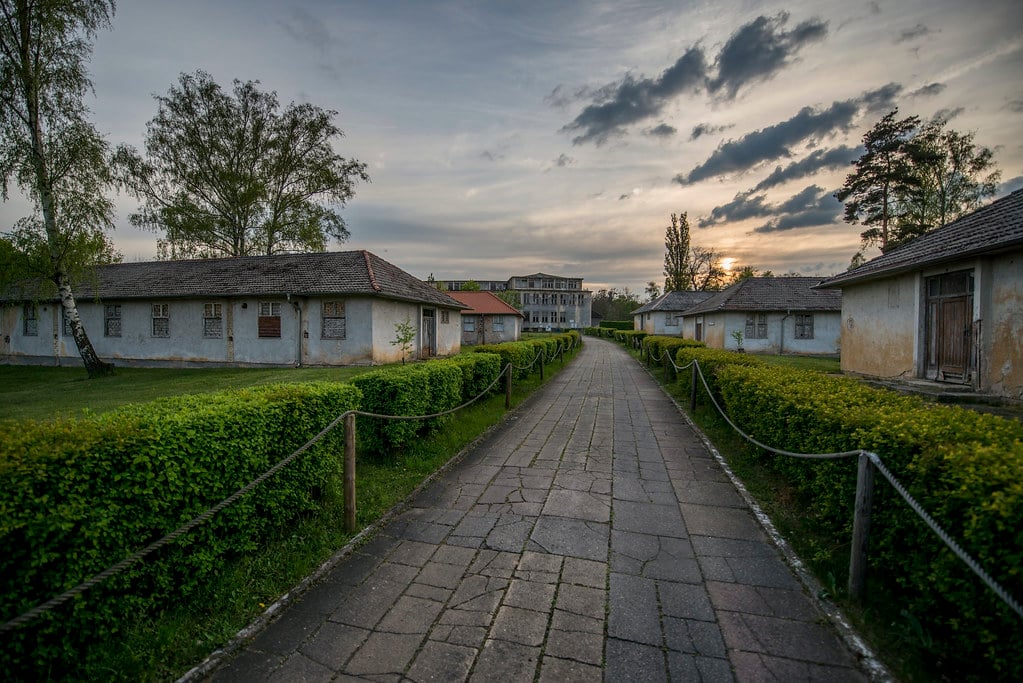
Outside Berlin sits a place made for the 1936 Olympics, shaped during harsh times. Though built for sport, its past holds heavier truths.
Once the crowds left, soldiers moved in – first Germans, then Soviets took control. When the Red Army pulled out in 1992, they walked away from nearly a hundred decaying buildings.
Trees creep closer every year, wrapping around old walls and broken roofs. Visitors step quietly among ruins where swimmers once raced, meals were shared, people slept.
What remains feels both strange and peaceful, like silence after loud noise. Time folds fast here – the wild wins back what was claimed.
Rio’s Aquatics Stadium

After the 2016 Rio Olympics ended, hopes faded fast – many sports sites were left empty just weeks later. Though built at huge expense, the aquatics center wasn’t taken apart to make classrooms like officials said.
Left untouched, its swimming pools now hold dirty water, gear corroding under sun and rain. Walk through the Olympic Park today?
You’ll find closed doors, peeling paint, structures slowly falling apart. Since money ran short across Brazil, dreams of repurposing these places vanished quietly.
What stood tall during the global spotlight now gathers dust without purpose.
Sarajevo’s Ski Jump

Now quiet, the peaks once buzzing with skiers in 1984 hold broken jumps rising like relics from another world. Against open air they stretch – empty, unused.
Overgrown paths snake toward where athletes once raced downhill. Grass swallows what used to be smooth landings.
Curious teenagers wander near now and then, though silence wins most days. Beauty hides in their shape; sadness lingers in their stillness – it shifts with who’s watching.
Turin’s Olympic Village

Italy hosted the 2006 Winter Olympics in Turin, building a fancy village for athletes that was supposed to become affordable housing afterward. The plan didn’t work out as hoped.
Many units sat empty for years because of disputes over renovations and pricing. Parts of the complex eventually found residents, but other sections remain vacant and deteriorating.
The outdoor areas show neglect, with overgrown landscaping and broken amenities. It’s a mixed success at best, showing how hard it is to repurpose Olympic construction.
Helsinki’s Velodrome

Finland built a sleek velodrome for the 1952 Olympics, and it served the city well for decades. But by the 2000s, maintenance costs became too high and usage dropped off.
The building sat empty for years, its iconic curved track gathering dust and debris. The wooden surface of the track started rotting, and the roof leaked.
Urban explorers occasionally snuck in to photograph the decay. Eventually, the city demolished it in 2015, deciding that saving it cost too much for how little it would be used.
Cortina D’Ampezzo’s Bobsled Run

This Italian mountain town hosted the 1956 Winter Olympics and built a bobsled track that carved through beautiful Alpine scenery. The track operated for about 40 years before closing in 1999 due to high costs.
Now it sits in the forest, slowly crumbling as plants grow through every crack. The curves that once saw Olympic athletes racing at dangerous speeds are now peaceful and quiet.
Hikers sometimes stumble across it and marvel at how nature reclaims everything given enough time.
Lake Placid’s Facilities

Lake Placid, New York hosted the Winter Olympics twice, in 1932 and 1980. Some venues still operate, but others have been abandoned or barely maintained.
The ski jumps from 1980 sit unused because nobody wants to pay for upkeep. Certain buildings around the complex show serious wear and tear.
The town struggles to maintain all the infrastructure left behind by hosting the Games twice. It turns out that even a small town with Olympic history can’t afford to keep everything running forever.
Albertville’s Venues
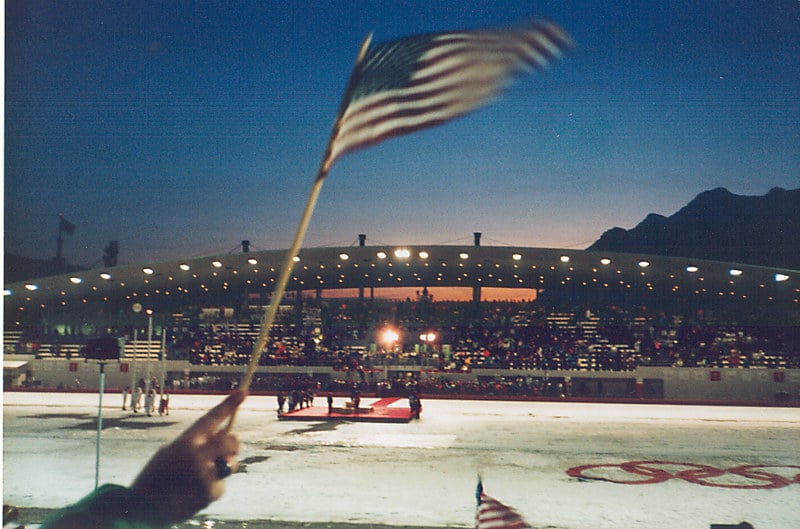
France hosted the 1992 Winter Olympics across multiple sites in the Alps, spreading facilities over a wide area. Many of these venues now sit abandoned or underused because they’re too spread out to maintain efficiently.
Some ski jumps are closed, bobsled tracks have shut down, and various buildings stand empty. The maintenance costs overwhelmed the small mountain communities that inherited them.
The Games brought temporary glory but left behind a scattered collection of expensive buildings that serve no real purpose now.
Seoul Olympic Stadium Area
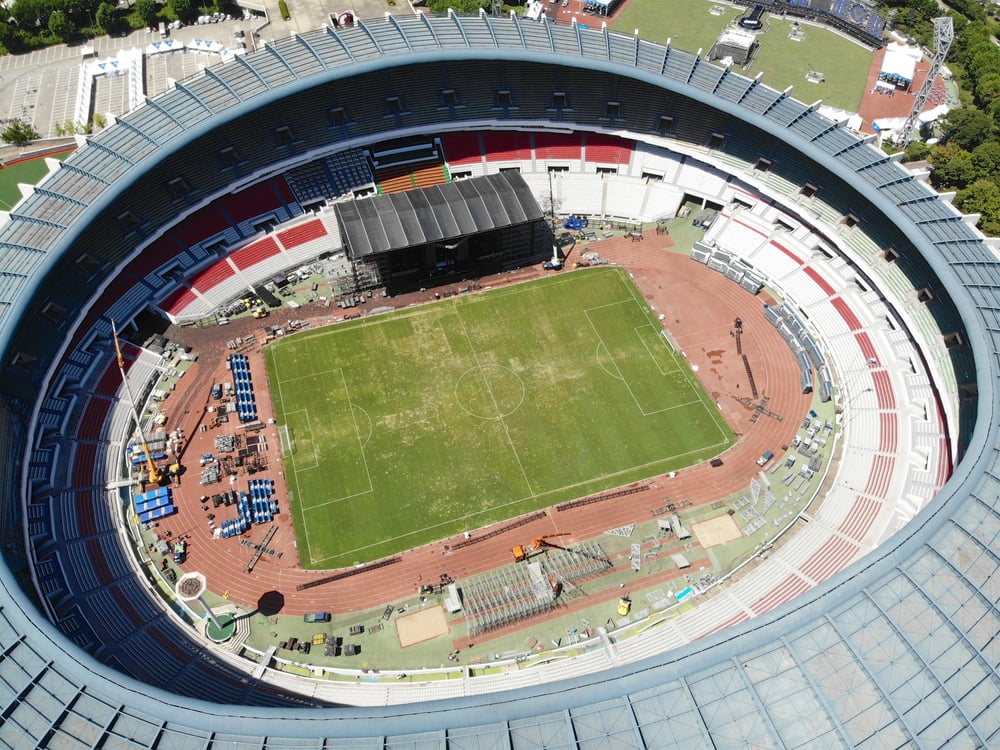
South Korea’s 1988 Olympics left behind some venues that still get used, but others have fallen into disrepair. Certain training facilities and smaller stadiums sit abandoned on the outskirts of Seoul.
The main stadium still hosts events, but the surrounding complex shows signs of age and neglect in places. Parking lots crack and buckle, auxiliary buildings need paint and repairs, and some areas are fenced off for safety.
Even in a major city, keeping all Olympic infrastructure maintained proves nearly impossible.
Innsbruck’s Sliding Center
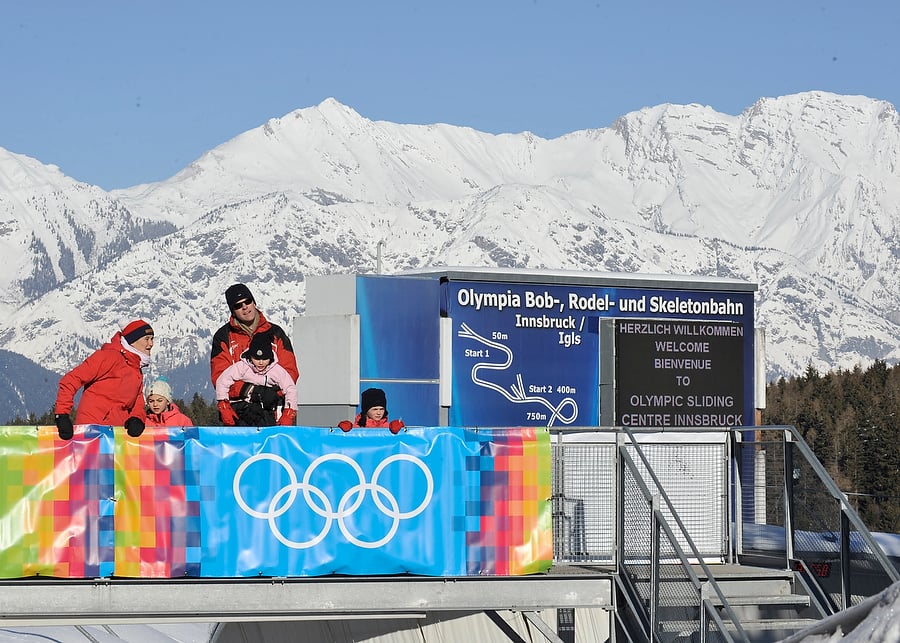
Austria hosted the Winter Olympics in Innsbruck twice, in 1964 and 1976. The bobsled and luge track from those Games operated for many years but eventually closed due to costs.
The refrigeration system alone required huge amounts of energy and money to run. Once the track shut down, it quickly deteriorated.
The concrete structure remains, winding down the mountain like a forgotten snake, but it’s just a shell now. The surrounding area is beautiful, which makes the abandoned track seem even more out of place.
Whistler’s Olympic Village
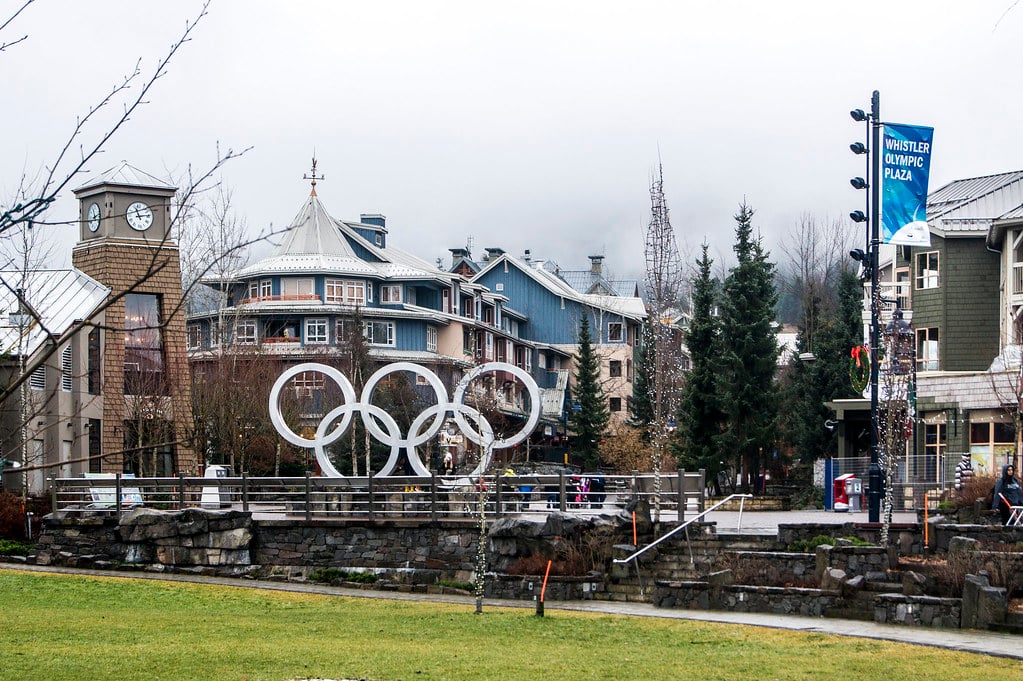
Canada’s 2010 Winter Olympics in Vancouver used Whistler for many events, building a village that was supposed to become condos afterward. The plan worked better than most Olympic conversions, but it wasn’t perfect.
Some units sold, but others sat empty for years as the real estate market struggled. The area around the village showed signs of incomplete development and abandonment in spots.
While not a total failure like some venues, it demonstrated that even good post-Olympic plans face real challenges in execution and timing.
When The Party’s Over

Olympic venues tell a story about how we plan for glory but not for reality. Cities spend billions creating facilities for a few weeks of competition, then scramble to figure out what to do with them afterward.
Some venues find new life, but many end up as expensive reminders of poor planning. The abandoned structures around the world stand as lessons about the true cost of hosting the Olympics.
Maybe future host cities will learn from these mistakes, or maybe we’ll keep building grand stadiums that eventually become beautiful ruins.
More from Go2Tutors!

- The Romanov Crown Jewels and Their Tragic Fate
- 13 Historical Mysteries That Science Still Can’t Solve
- Famous Hoaxes That Fooled the World for Years
- 15 Child Stars with Tragic Adult Lives
- 16 Famous Jewelry Pieces in History
Like Go2Tutors’s content? Follow us on MSN.