28 Artifacts Recovered from the Ocean Floor That Rewrote the Timeline of Ancient Trade
Oceans are the world’s best archive. Saltwater, sediment, and anaerobic conditions have preserved objects for thousands of years that would have rotted within decades on land.
This makes the ocean floor an unreliable place to sail and an extraordinary place to dig — and some of the most significant revisions to our understanding of ancient commerce, technology, and long-distance connection have come not from archaeological sites on land but from the wrecks and deposits lying quietly in the dark below. Every item in this list changed something: a date, a map, a trade route, an assumption. Several changed quite a few things at once.
The Antikythera Mechanism
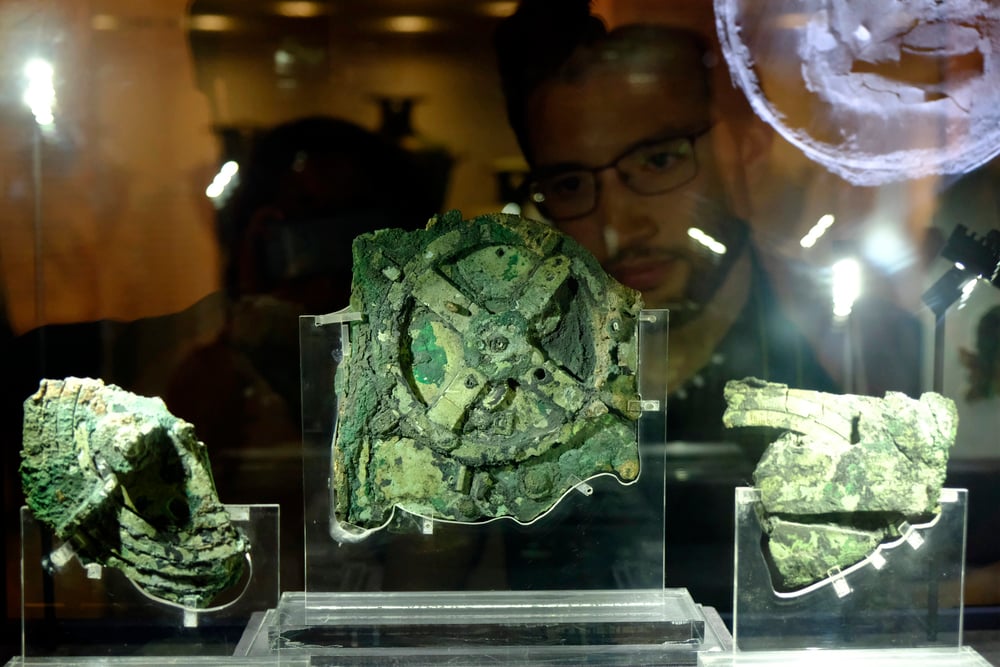
Found in a corroded lump at the bottom of the Aegean in 1900 by sponge divers working a 1st century BCE Roman-era shipwreck near Antikythera Island, the Antikythera Mechanism took decades of analysis to decode. It turned out to be a bronze geared astronomical calculator capable of predicting the positions of the sun and moon, upcoming eclipses, and the dates of athletic festivals — all encoded in an interlocking gear system of 30-plus wheels fitted into a wooden case roughly the size of a shoebox.
Nothing approaching its mechanical sophistication appears in the archaeological record for another thousand years. The mechanism pushed back the assumed timeline of precision mechanical engineering by an extraordinary margin and remains the single most analysed object in the history of archaeology.
The Uluburun Shipwreck’s Copper Ingots
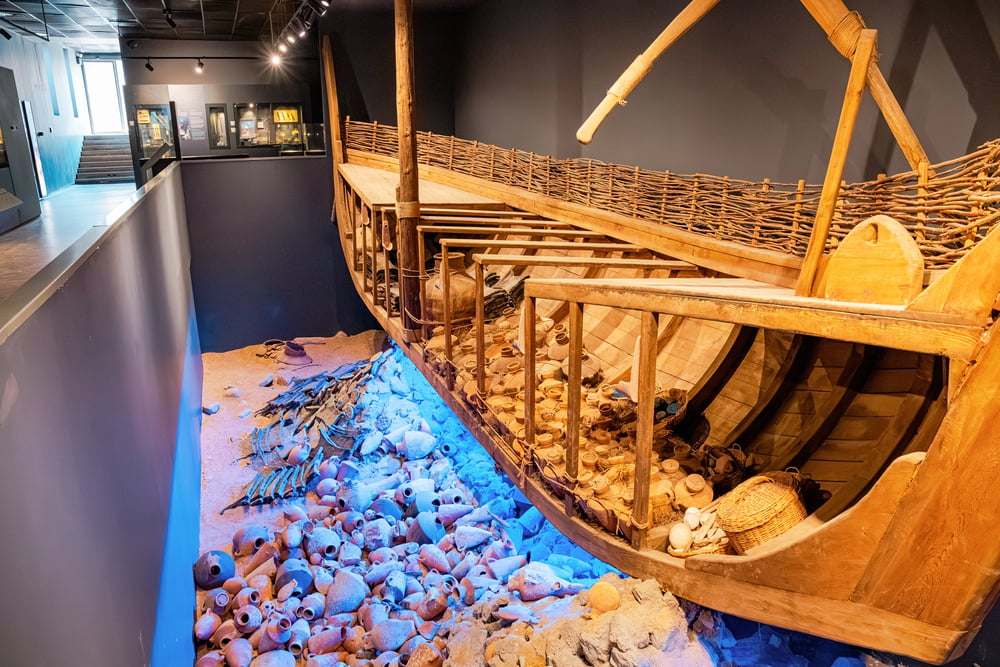
When a sponge diver spotted unusual shapes off the Turkish coast near Uluburun in 1982 and reported them to archaeologists, what followed was eleven years of excavation requiring over 22,000 individual dives. The cargo included more than ten tonnes of copper ingots in the distinctive “oxhide” shape — four-handled rectangular blocks — along with approximately one tonne of tin ingots.
This single cargo revised the understanding of Bronze Age metallurgy and trade: the tin was eventually traced, through geochemical analysis, partly to highland pastoralist communities in present-day Uzbekistan, more than 3,000 kilometres from where the ship had loaded in the eastern Mediterranean. The Bronze Age was considerably more internationally connected than the prevailing model had assumed.
The Uluburun Scarab of Nefertiti
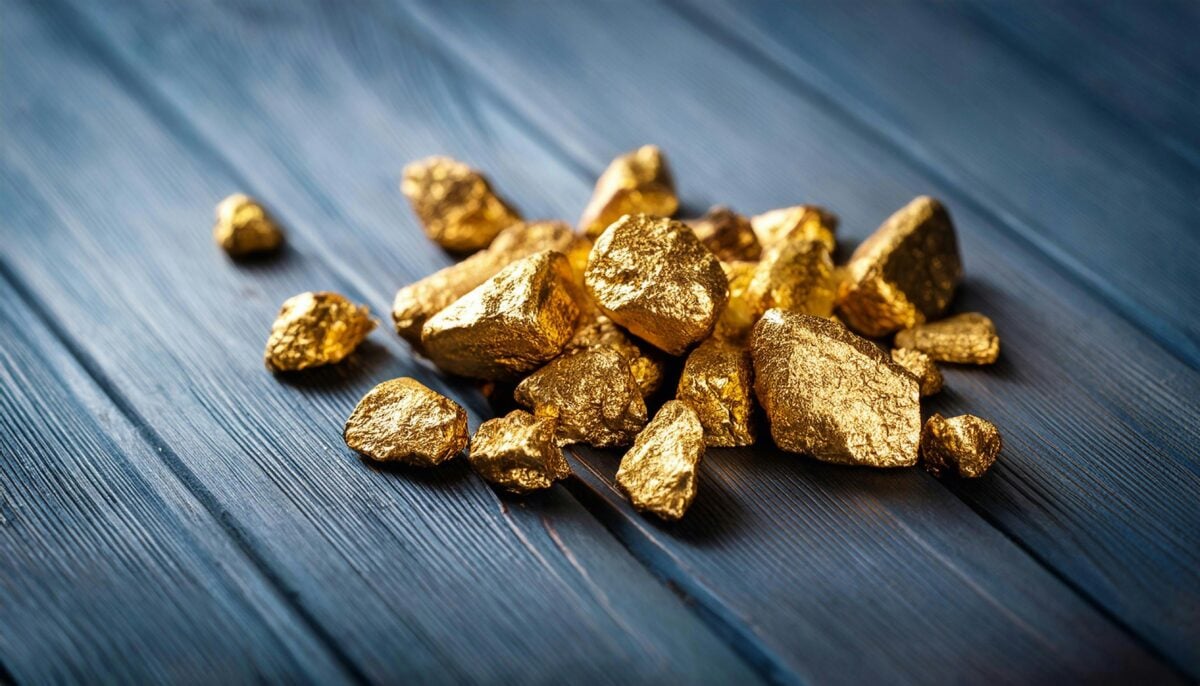
Among the Uluburun cargo was a gold scarab bearing the name of Nefertiti, wife of the Egyptian pharaoh Akhenaten. Nefertiti ruled in the 14th century BCE; the ship itself dates to around 1300 BCE. The scarab’s presence among the cargo — alongside Egyptian glass ingots, Canaanite gold jewellery, ivory from elephants and hippopotamuses, ebony from sub-Saharan Africa, and tin from Central Asia — was evidence of a trade network connecting Egypt, Cyprus, Canaan, Greece, and Central Asia in a single commercial sphere nearly 3,300 years ago.
No single artefact changed the mental map of Bronze Age economics more immediately than the combination of materials in a single ship.
The Cape Gelidonya Wreck’s Cypriot and Syrian Trade Goods
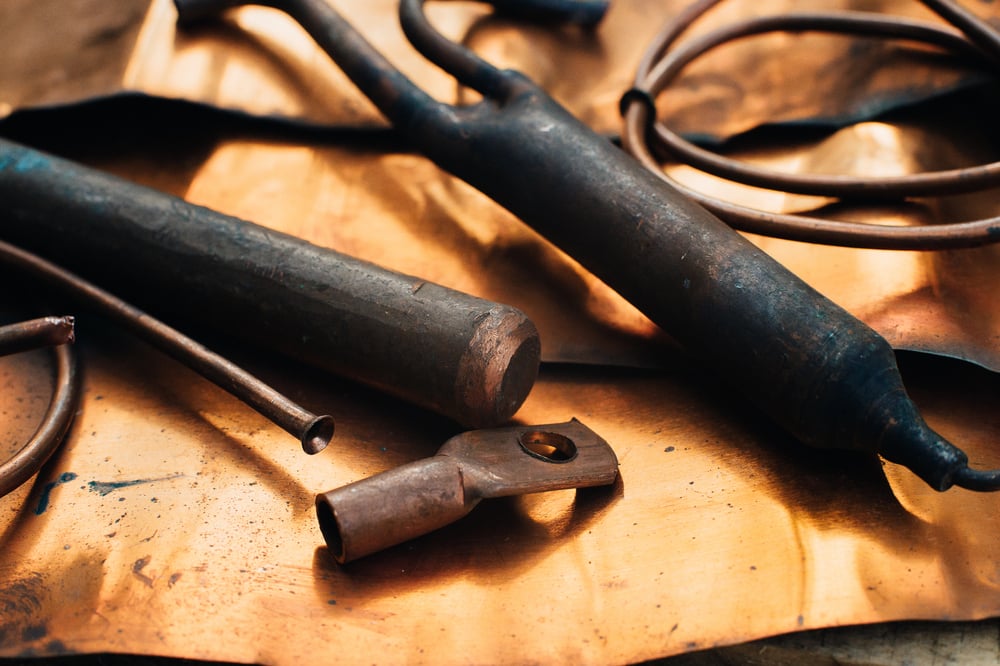
Excavated in 1960 by underwater archaeologist George Bass in what became the first complete archaeological excavation of an ancient wreck, the Cape Gelidonya wreck off Turkey’s southern coast contained more than a tonne of bronze scrap, copper ingots, and metalworking tools dating to around 1200 BCE. The wreck appeared to belong to an itinerant metalsmith of Cypriot or Syrian origin. Its contents overturned the assumption that Bronze Age Mediterranean maritime trade had been dominated by Mycenaean Greeks — the evidence here pointed to Near Eastern and Levantine seafarers operating the main trade circuits.
The revision was reinforced by the Uluburun find two decades later.
The Belitung Tang Dynasty Ceramics
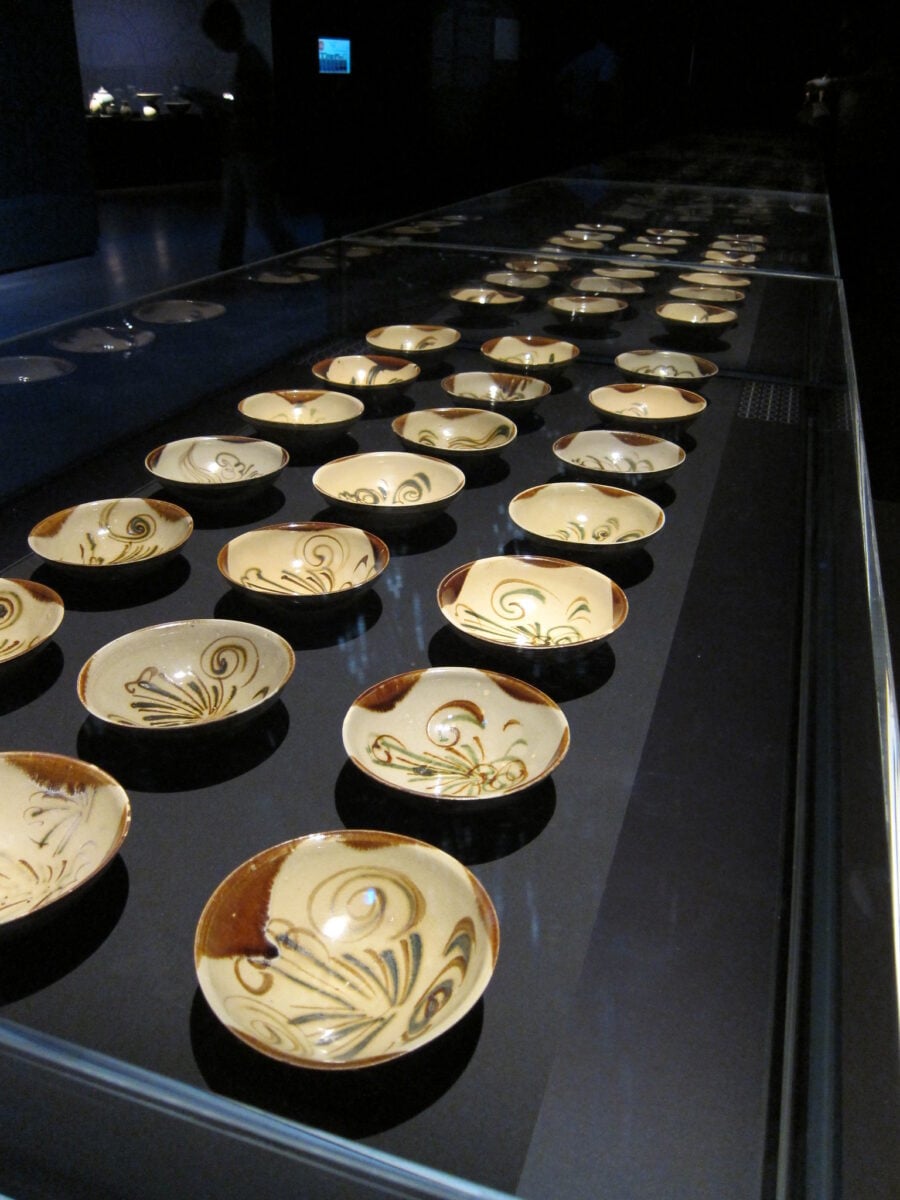
In 1998, Indonesian fishermen diving near Belitung Island found coral-encrusted ceramic bowls rising from the seabed like a mound. What they had found was a 9th-century Arab dhow — built in Oman or Yemen with timbers sewn together using twine, a construction technique identified through the remains of the hull — that had sunk while carrying more than 60,000 pieces of Tang dynasty Chinese ceramics destined for markets in the Abbasid Caliphate.
This was the oldest Arab vessel ever found in Asian waters and the largest single collection of Tang dynasty artefacts ever recovered. It demonstrated that direct, high-volume maritime trade between China and the Middle East via the Maritime Silk Road was operating at industrial scale in the 9th century — far earlier and at far greater volume than the written record had suggested.
The Belitung Gold and Silver Luxury Goods
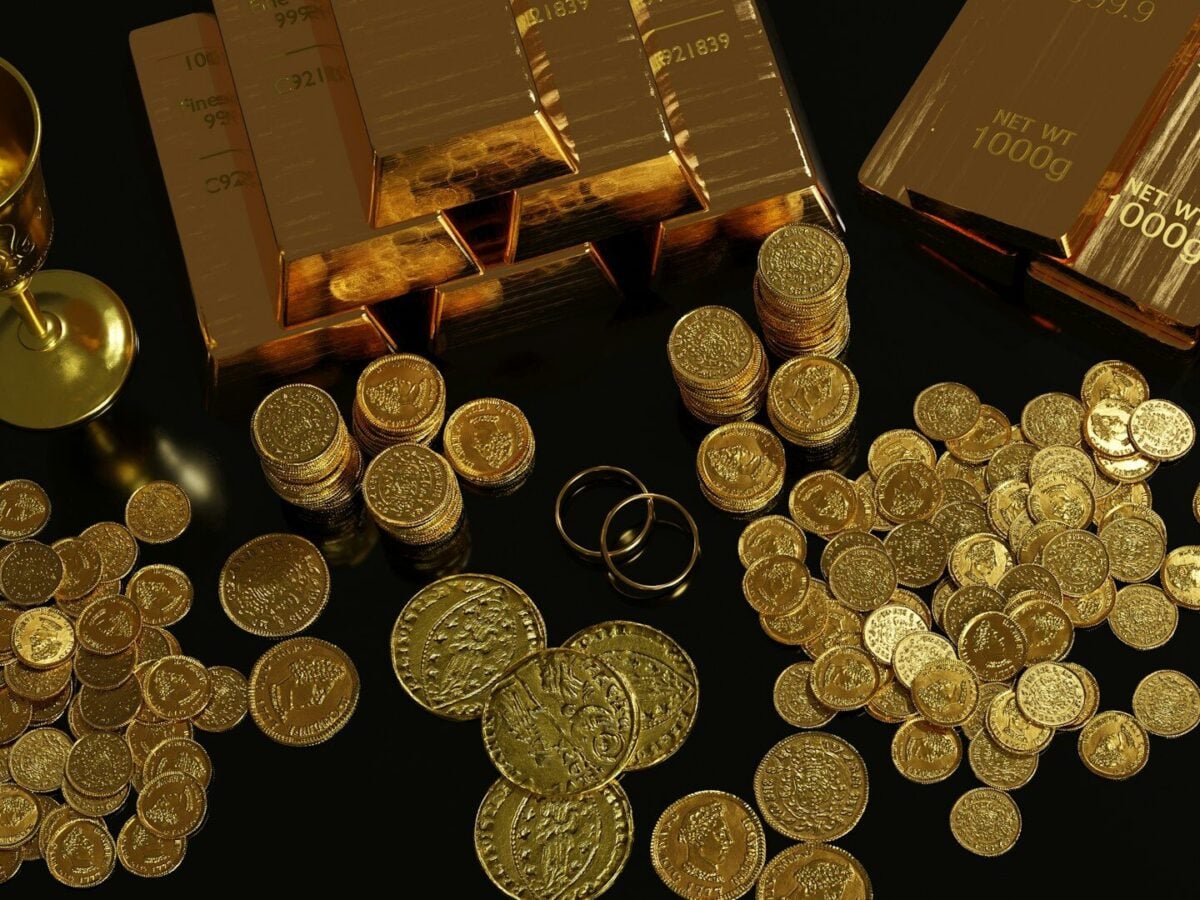
Within the same Belitung wreck that contained thousands of ceramic bowls, a smaller but more startling cache included a gold cup, a silver flask with lapis lazuli, silver boxes, and bronze mirrors — objects that documented a luxury trade alongside the bulk ceramics. One ceramic bowl found in the cargo had an inscription recording a specific summer day in 826 CE, providing the earliest possible date of the ship’s departure from China.
The luxury goods confirmed that what was being moved along the Maritime Silk Road was not just functional pottery but sophisticated art objects whose appeal crossed cultural and religious boundaries.
The Black Sea Intact Ancient Ships
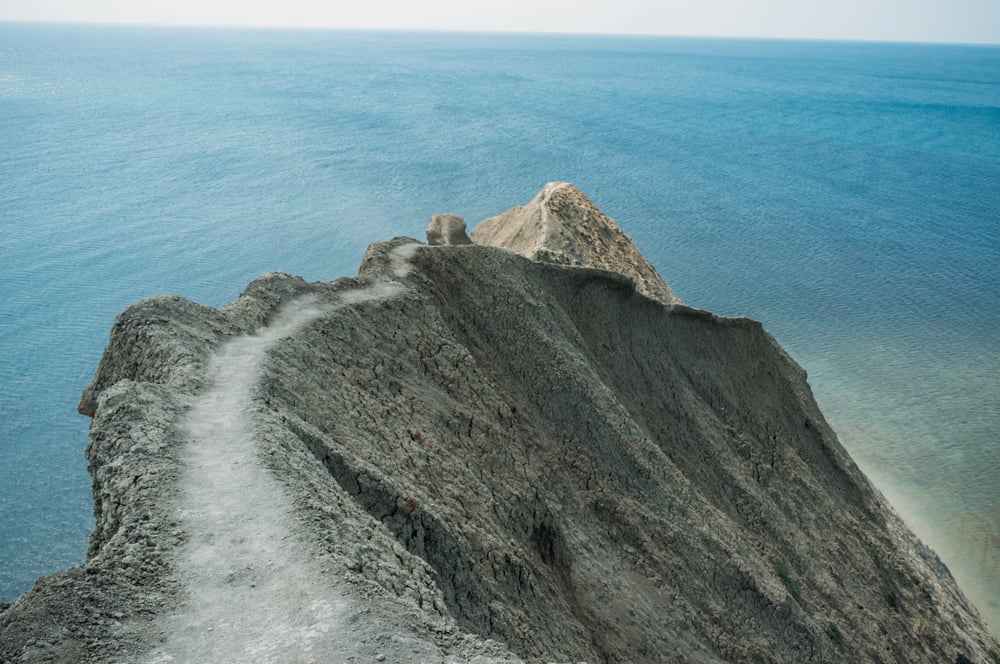
In 1999 and 2000, explorer Robert Ballard used remotely operated vehicles to survey the deep Black Sea floor below the anoxic layer at around 150 metres depth. What he found were ancient ships in extraordinary states of preservation, their wood still intact, their rigging visible, their hulls undistorted by millennial pressure.
Because the deep Black Sea has almost no oxygen, the standard processes of decay couldn’t operate. Subsequent expeditions from 2016 onward found more than 65 ancient wrecks in similar preservation, including Byzantine, Ottoman, and ancient Greek vessels.
Several were the best-preserved ancient wooden ships ever found.
The Comacchio Roman Wreck’s Lead Ingots
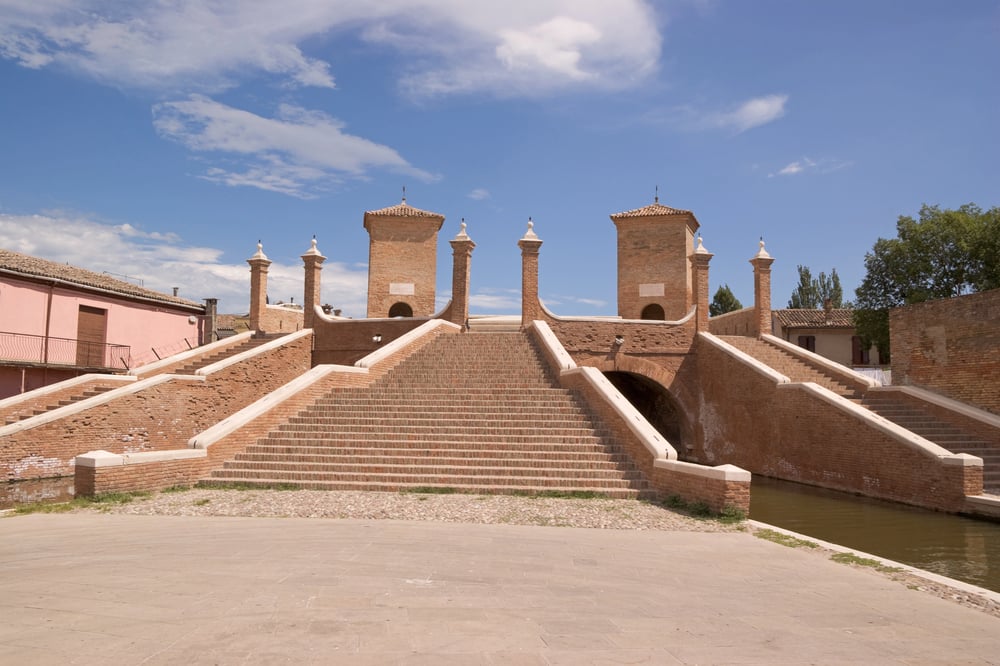
A Roman-era barge found in the Po delta near Comacchio in Italy in 1981 contained a cargo of lead ingots stamped with the names of Spanish mines in the 1st century BCE and 1st century CE. The stamps provided direct evidence of the geographic scope of Roman resource extraction and the industrial scale of its metal trade — lead from Spain, shipped to northern Italy, bearing the names of the Roman companies that had extracted it.
The ingots are one of the clearest surviving examples of what Roman economic historians call the “integrated empire” — the degree to which Roman commercial systems connected raw material sources to manufacturing centres across the Mediterranean.
The Caesarea Roman Shipwreck Bronze Statues
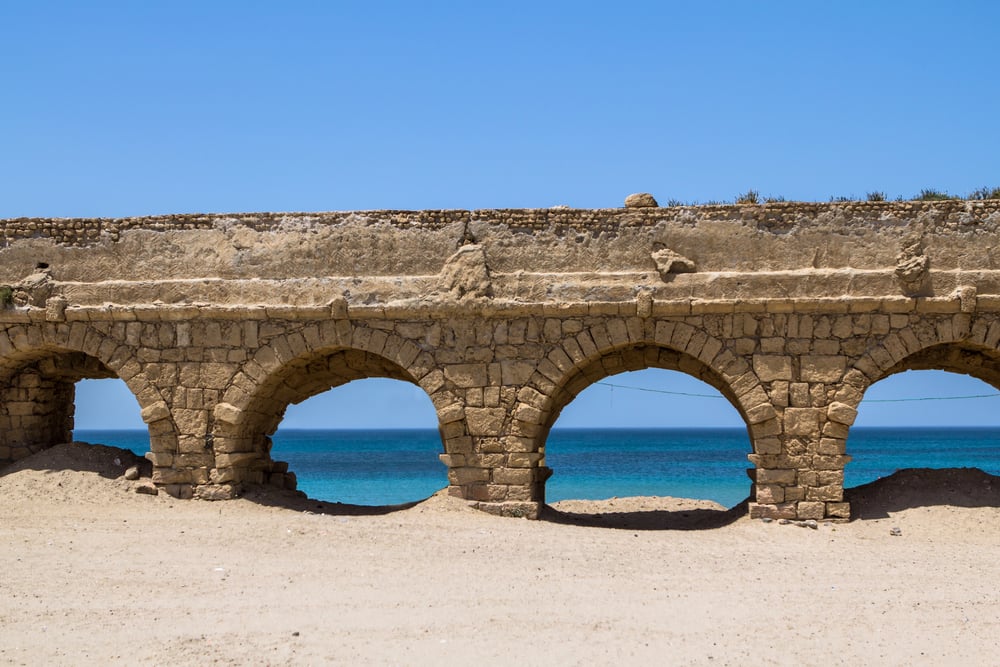
In 2016, two recreational divers exploring the ancient harbour of Caesarea Maritima on Israel’s Mediterranean coast discovered a Roman shipwreck containing bronze statues, pottery, coins, and commercial weights. The bronze included a lamp depicting the Roman sun god Sol Invictus, a figurine of a big cat, fragments of larger statues, and commercial bronze weights.
The find was described as the largest collection of underwater Roman-era artefacts found in Israel in three decades. The harbour at Caesarea was built by Herod the Great and was one of the most significant Roman ports in the eastern Mediterranean — the wreck added material texture to what had previously been a primarily architectural site.
The Mahdia Wreck’s Athenian Bronzes
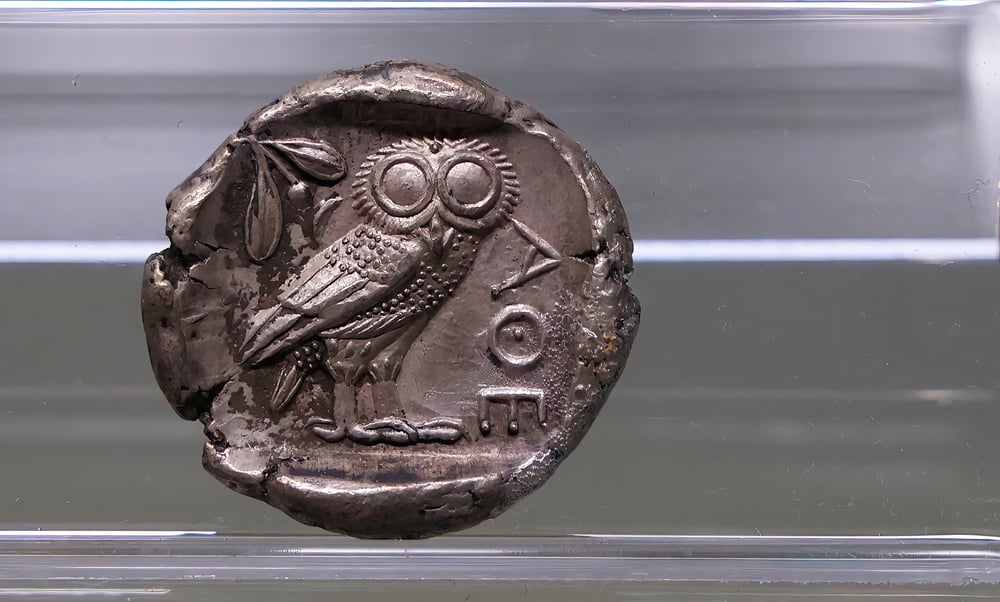
Discovered by sponge divers in 1907 off the coast of Tunisia near Mahdia, this Roman-era wreck dated to around 80–70 BCE and carried a cargo that appeared to have been looted or purchased from Athens following the Roman general Sulla’s sack of the city in 86 BCE. The cargo included marble columns, marble furniture, bronze furniture elements, and bronze statues — including a winged Eros and a satyr.
The combination of architectural and artistic elements suggested a Roman aristocrat’s wholesale acquisition of Athenian cultural property, shipped home for installation in a Roman villa. The wreck documented the Roman practice of transplanting Greek artistic culture physically into the Italian peninsula.
The Sinan Shipwreck’s Song and Yuan Dynasty Ceramics
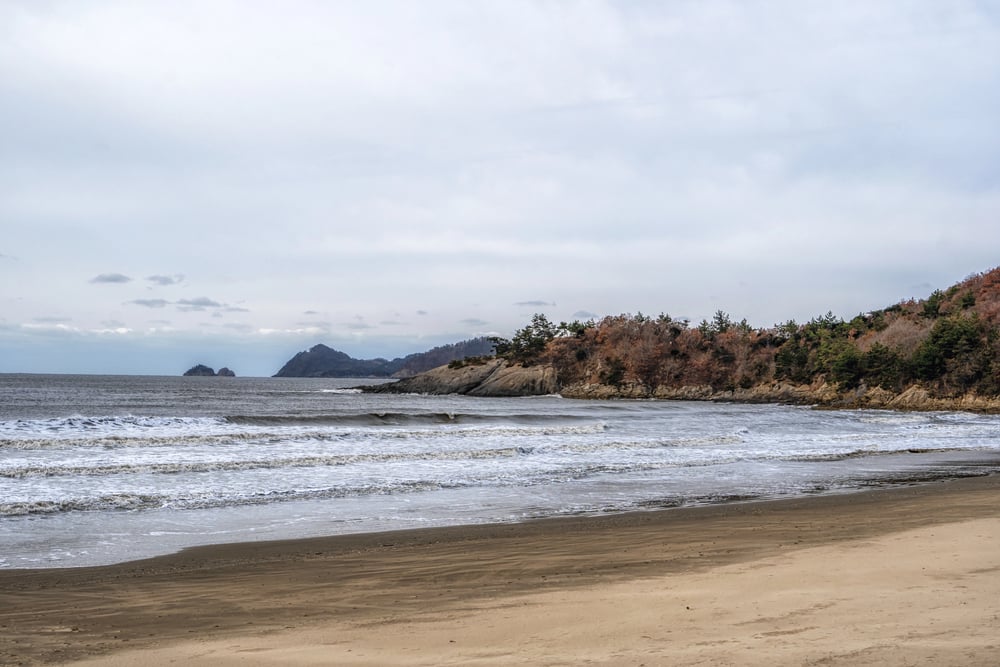
Found in 1975 off the coast of South Korea near Sinan, this wreck dated to 1323 CE and contained more than 20,000 pieces of Chinese pottery — primarily celadon ware from the Longquan kilns of Zhejiang province — along with 700 Chinese coins, spices, medicinal herbs, and wooden tags identifying the merchants and consignees. The Sinan wreck is one of the most comprehensively documented early 14th-century trade vessels ever found, and its contents reshaped understanding of the extent of Chinese ceramic exports to Japan and Korea in the Yuan dynasty period.
The wooden consignment tags functioned as a preserved shipping manifest.
The Iron Age Dor Wrecks, Israel
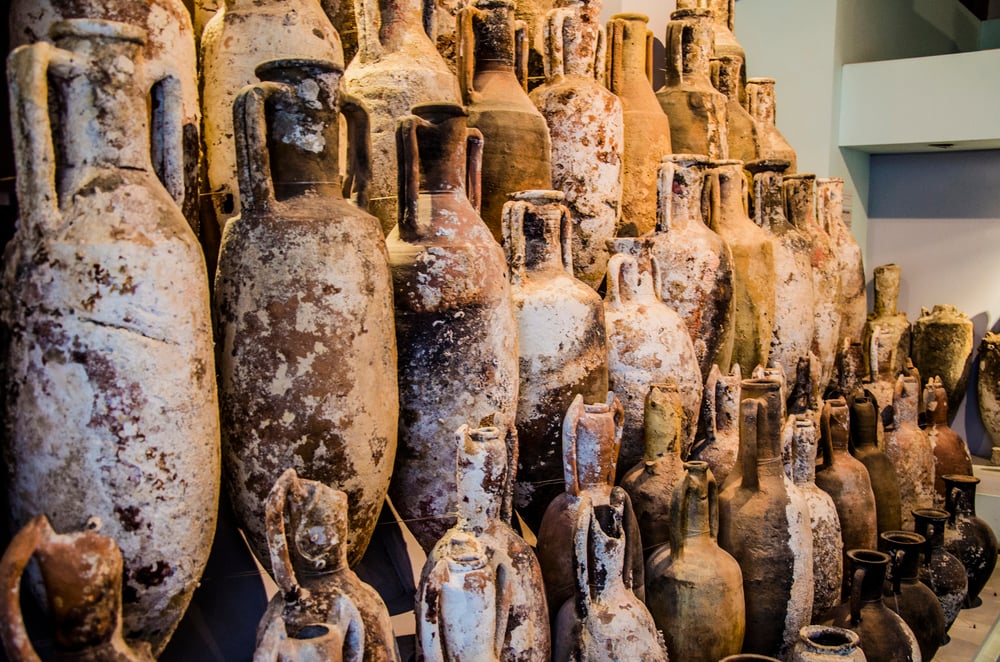
Two Iron Age shipwrecks discovered off Dor, on the Israeli coast, during excavations from 2015 onward have added detailed material evidence to the late Iron Age trade system operating between Phoenicia, the Levant, and the broader Mediterranean in the 9th and 8th centuries BCE. The cargoes included amphorae, stone anchors, metal tools, and organic materials including grape seeds and date pits.
The anchor inscriptions allowed researchers to identify port origins. Together with anchor deposits found at the site, the wrecks helped rewrite the mapping of Phoenician trade routes in ways that corrected previous assumptions derived primarily from land-based inscriptions.
The Dokos Wreck’s Helladic Pottery
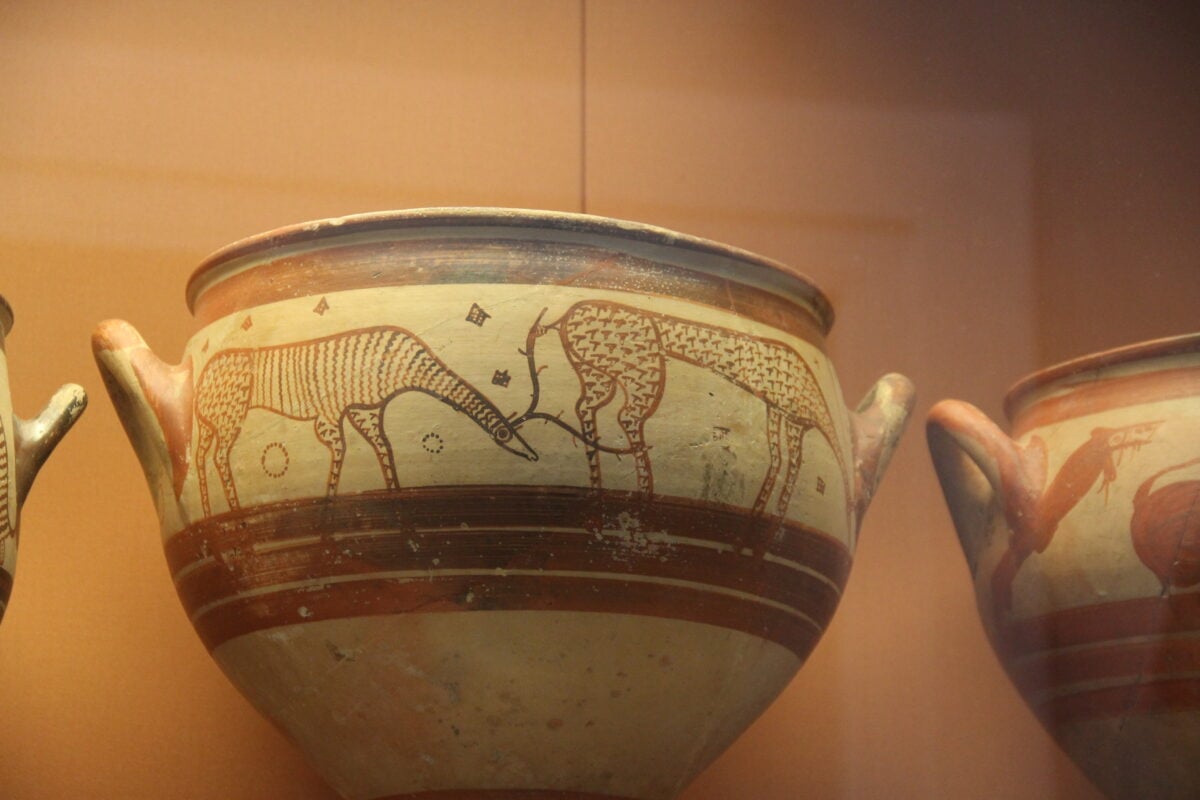
The Dokos wreck, located off the Greek island of Dokos in the Saronic Gulf and dated to around 2700 BCE, is among the earliest shipwrecks ever identified. Excavated from 1989 onward, it contained Early Helladic pottery, ceramic storage vessels, and stone anchors.
Its age pushed back the documented history of organised Greek seafaring by several centuries and provided the earliest material evidence yet found of maritime trade in the Aegean — suggesting that sea-based commerce in the region predates the great Minoan and Mycenaean civilisations that once seemed its starting point.
The Grand Congloué Wrecks, France
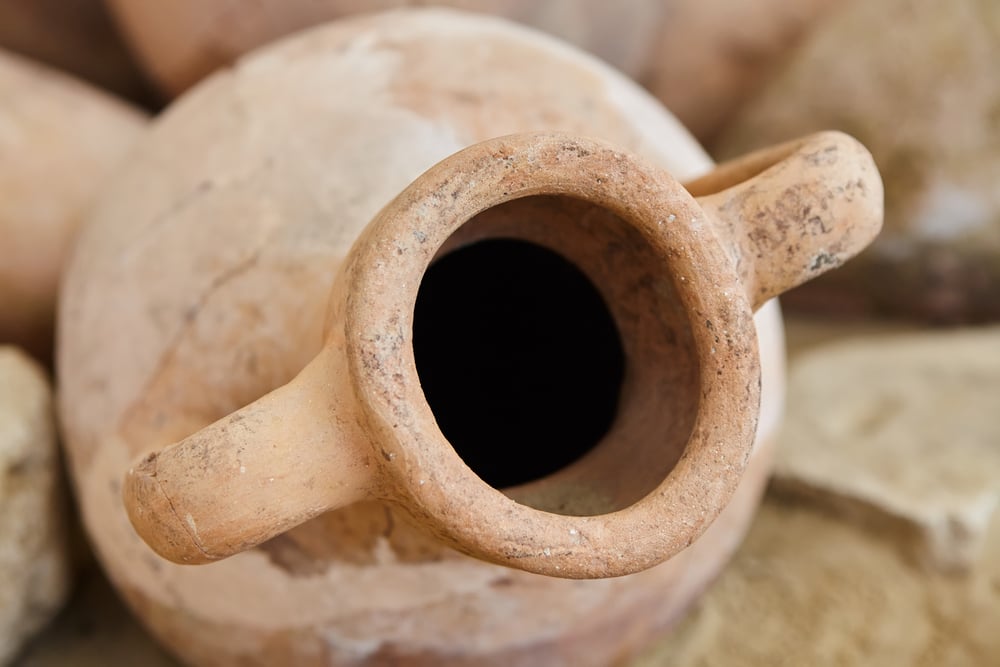
Off the coast near Marseille, the Grand Congloué rock has produced two distinct ancient wrecks dating to the 2nd century BCE, excavated in part by Jacques Cousteau in the early 1950s in one of the first systematic underwater archaeological operations. The primary cargo was thousands of Campanian wine amphorae and ceramics, which documented the scale of Italian wine export to the western Mediterranean during the Roman Republic period.
The sheer volume of amphorae — thousands of transport containers — made the case for an industrialised wine trade that had previously been inferred from land sites but not demonstrated at this material scale.
The Vasa’s Baltic Trade Context
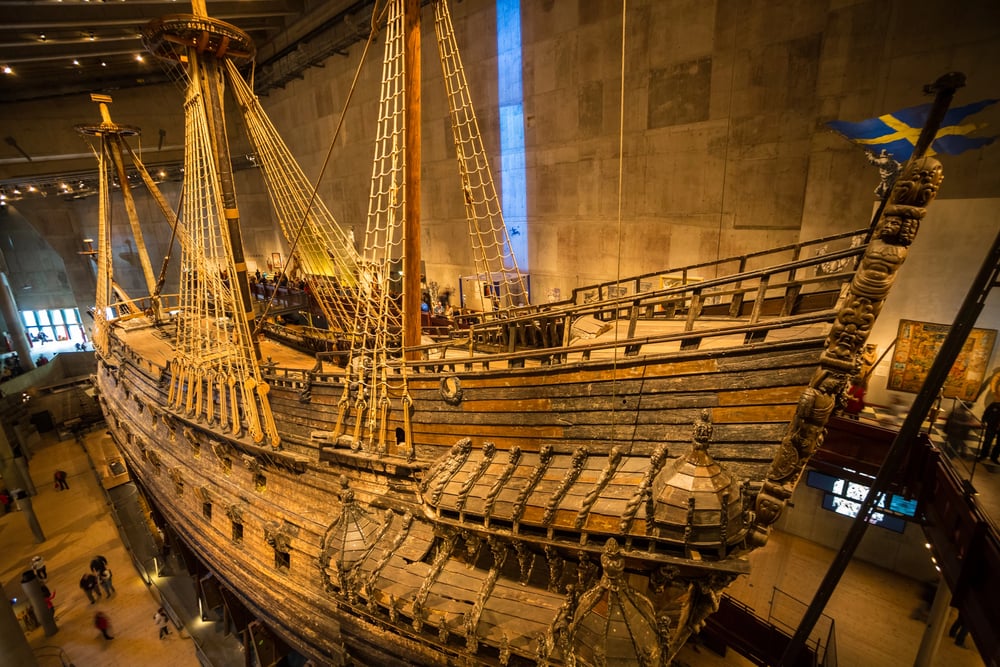
The Swedish warship Vasa sank in Stockholm harbour on its maiden voyage in 1628 and was raised largely intact in 1961, preserved by the low-salinity Baltic water that inhibits the shipworm that destroys wooden wrecks in saltier waters. The Vasa itself is a military and engineering artefact, but the broader programme of Baltic archaeological work stimulated by its discovery revealed hundreds of other wrecks — including medieval merchant vessels — that documented the Baltic trade networks of the Hanseatic League with a material specificity not available from archives alone.
The Roman Amphora Fields of the Mediterranean Floor
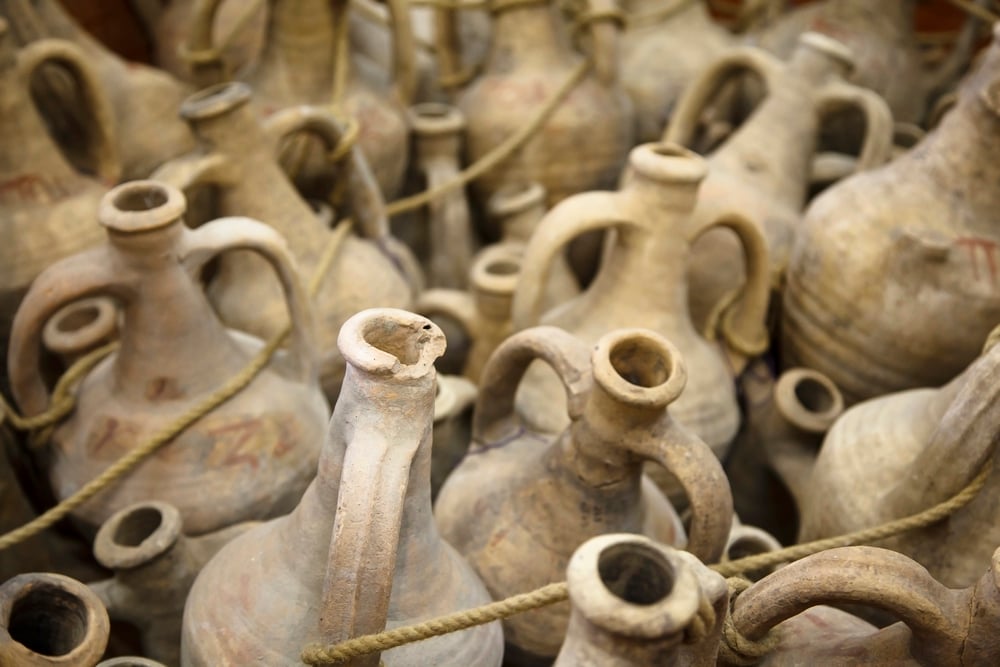
Extensive surveys of the Mediterranean seabed have identified sites where thousands of Roman wine, olive oil, and grain amphorae lie scattered across the bottom, the residue of wrecks too dispersed to identify as individual ships but collectively documenting enormous traffic volumes. Researchers have used amphora typologies to map trade flows across centuries.
The Mediterranean floor has become, in effect, the most complete surviving register of Roman commerce.
The Giglio Island Etruscan Wreck
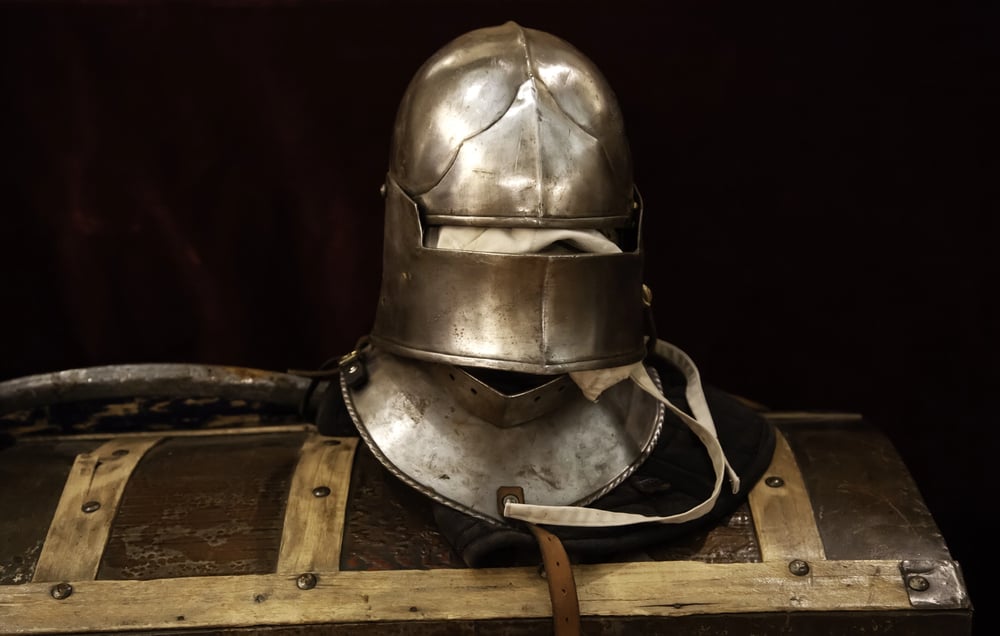
Found near the Italian island of Giglio and dated to around 600 BCE, the Giglio wreck carried Etruscan transport amphorae, pottery, a bronze helmet, and bronze basins. The artefacts provided early evidence of Etruscan maritime trade reaching the western Mediterranean at a date before the Romans dominated the region, when the Etruscans were the dominant commercial and naval power in the Tyrrhenian Sea.
The wreck is among the oldest merchant ships found in the western Mediterranean and pushed back the documented history of Etruscan offshore commercial activity.
The Yassi Ada Byzantine Wrecks
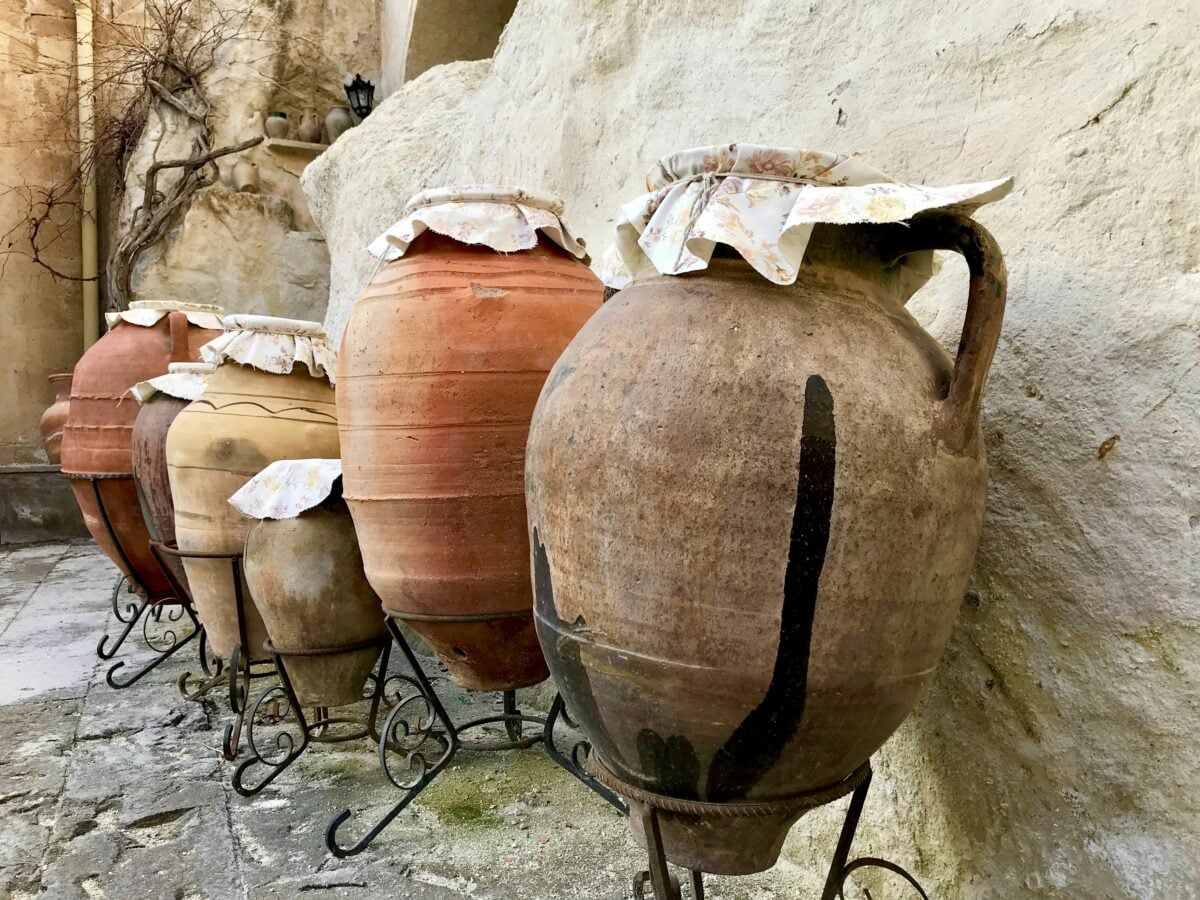
Two Byzantine wrecks found off Yassi Ada near Turkey’s southern coast — one dated to around 625 CE and another to the 7th century — were among the first ancient wrecks subjected to rigorous underwater archaeological methodology, under the direction of George Bass in the 1960s. The earlier wreck carried hundreds of amphorae loaded with wine and oil, along with a bronze steelyard and gold and silver coins.
The wreck was significant both for its cargo evidence and for what it established about how 7th-century Byzantine trade operated along the Aegean coast.
The Bronze Age Akrotiri Harbour Finds, Santorini
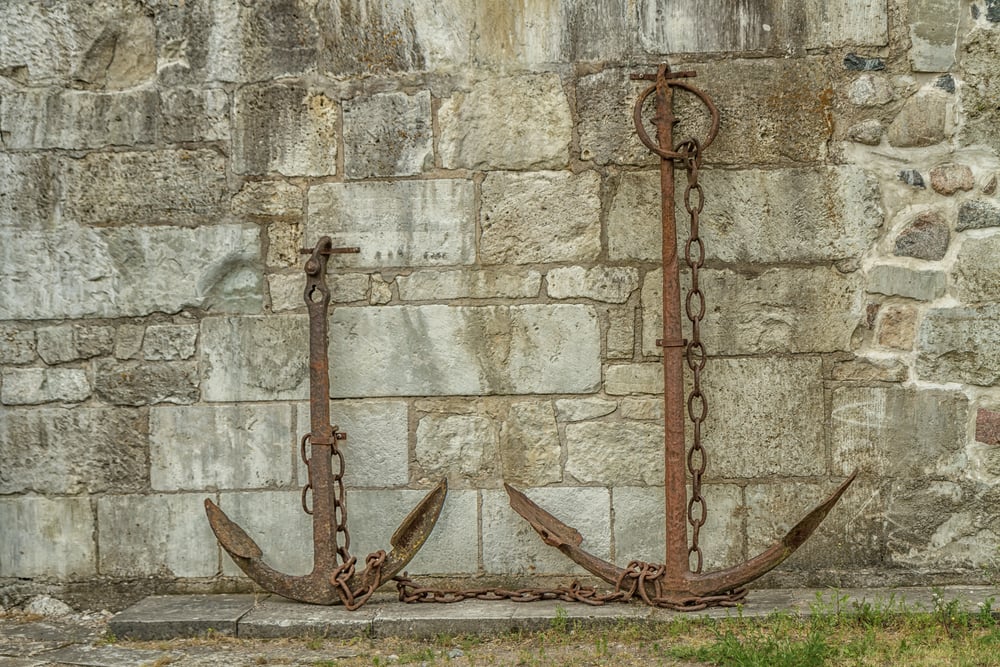
Underwater surveys off the ancient site of Akrotiri on the Greek island of Santorini — buried under volcanic ash around 1600 BCE — have found offshore deposits including stone anchors, pottery, and other maritime equipment. The underwater finds complement the land excavation in suggesting that Akrotiri was a significant trading port in the Bronze Age Aegean, not merely a prosperous settlement.
The combined picture of Akrotiri as both a sophisticated urban centre and an active maritime commercial hub has revised understanding of the role of the smaller Aegean islands in early Bronze Age trade.
The Madrague de Giens Roman Wine Wreck
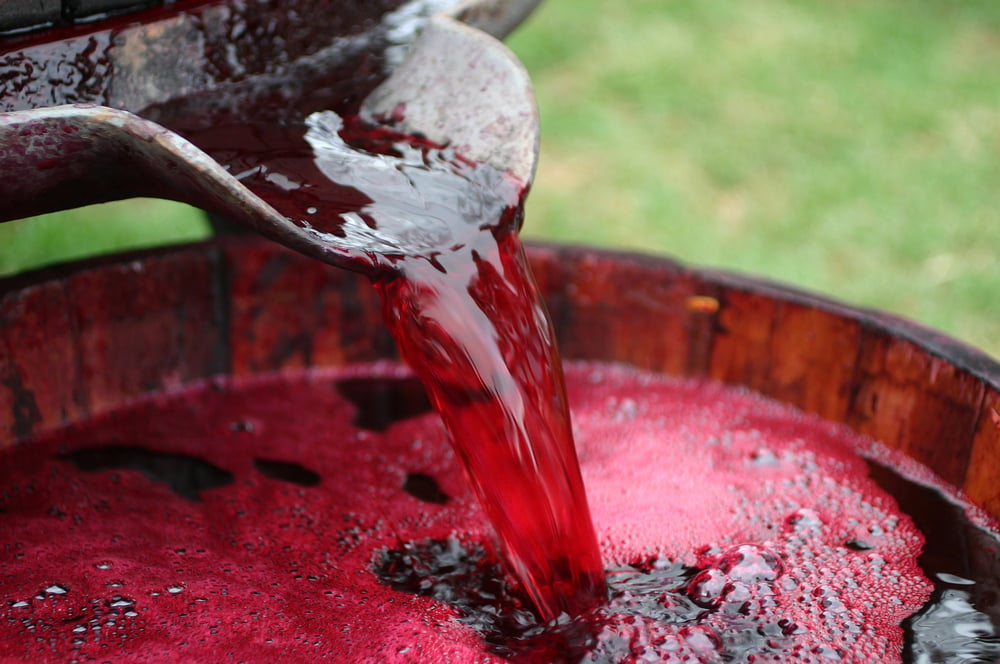
Found off the southern French coast near Hyères, the Madrague de Giens wreck was a large Roman vessel dated to around 70–60 BCE that carried an estimated 5,000 to 6,000 amphorae of Italian wine. The sheer scale of the cargo — some of the amphorae were still sealed, their contents identifiable — made it one of the clearest single pieces of evidence for the mass export of Italian wine to Roman Gaul in the late Republic period.
The wine trade documented by this and similar wrecks helped historians understand the commercial foundations of Roman provincial integration: wine moved west, slaves and metal moved east.
The Treasures of the Spanish Armada, Britain and Ireland
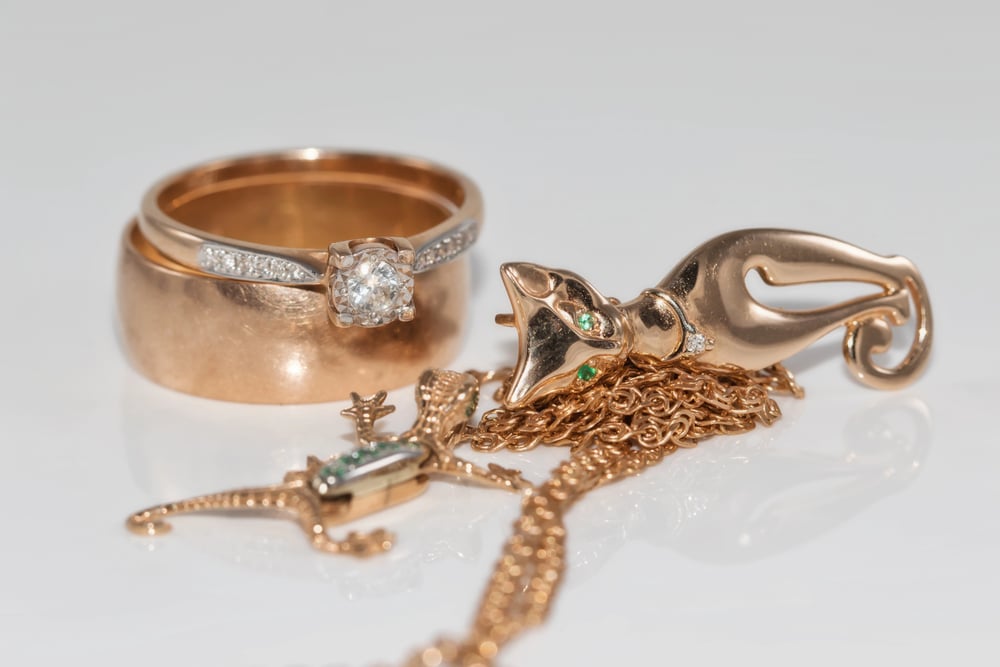
Underwater archaeological work on Armada wrecks — particularly the Girona (found off Northern Ireland in 1967) and the Santa Maria de la Rosa (found off Kerry in 1968) — recovered artillery, personal effects, gold jewelry, coins, and navigational instruments. The Girona find included a golden salamander pendant and gold chains belonging to the aristocratic officers on board.
Beyond their individual beauty, the Armada wrecks documented Iberian aristocratic material culture and military technology at a specific moment in history with unusual completeness.
The Sinop D Ancient Ship, Black Sea
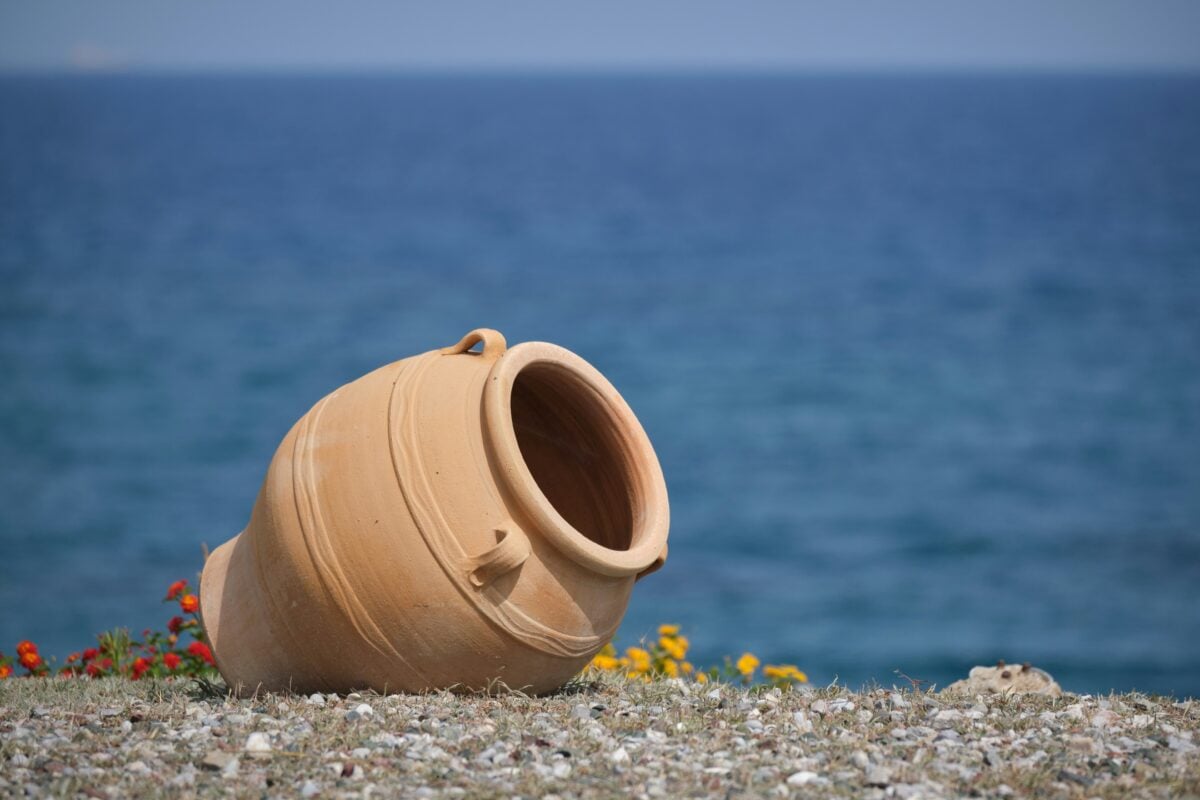
Among the ancient wrecks found during the Black Sea Maritime Archaeology Project expeditions, the Sinop D wreck was found with its hull timbers still standing, its mast still stepped, and cargo still in place. The preservation was so complete that researchers could identify individual amphorae with their contents still sealed, determine the loading arrangement of the cargo, and analyse the wood of the hull for species and geographic origin.
It was described as one of the most complete ancient ships ever found.
The Porto Novo Roman Fish-Sauce Amphorae
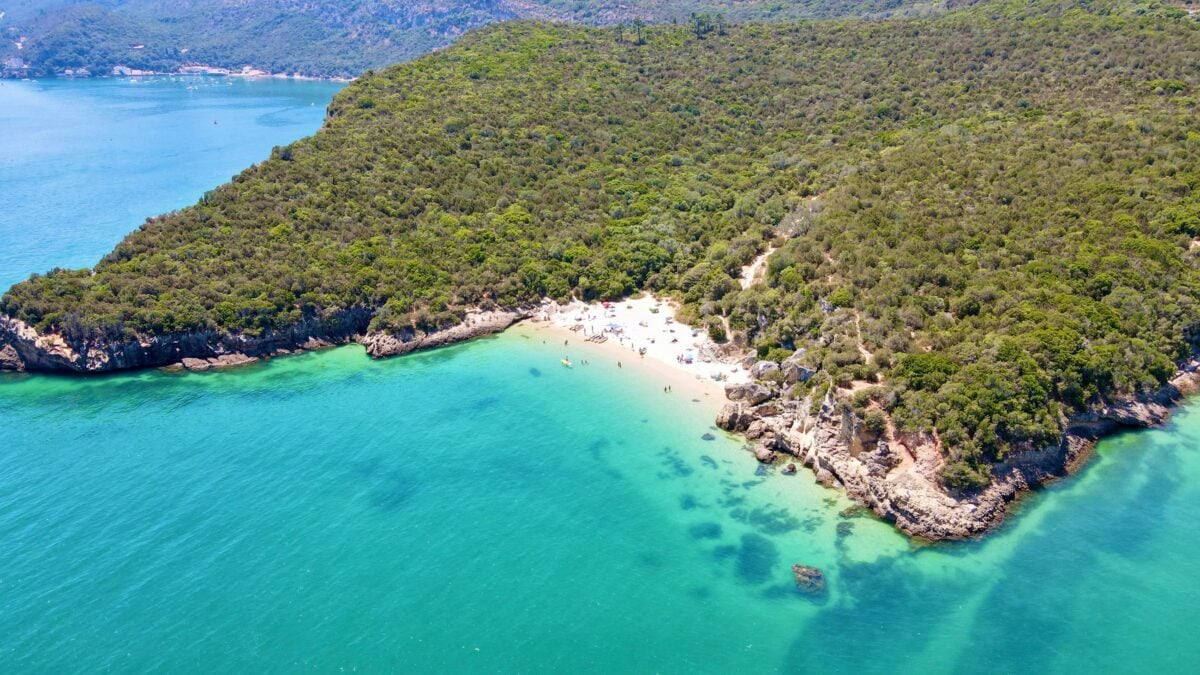
Surveys of the Portuguese coastal seabed south of Lisbon have identified concentrations of amphorae from the Roman period specifically associated with the production and export of garum — the fermented fish sauce that functioned as a Roman condiment. The geographic distribution of the amphorae documented that the Lusitanian coast (modern Portugal) was one of the major production centres for garum supplying the Roman empire, a conclusion previously reached by historians from textual evidence but now confirmed materially by the distribution pattern on the ocean floor.
The Phoenician Cape Bon Anchors, Tunisia
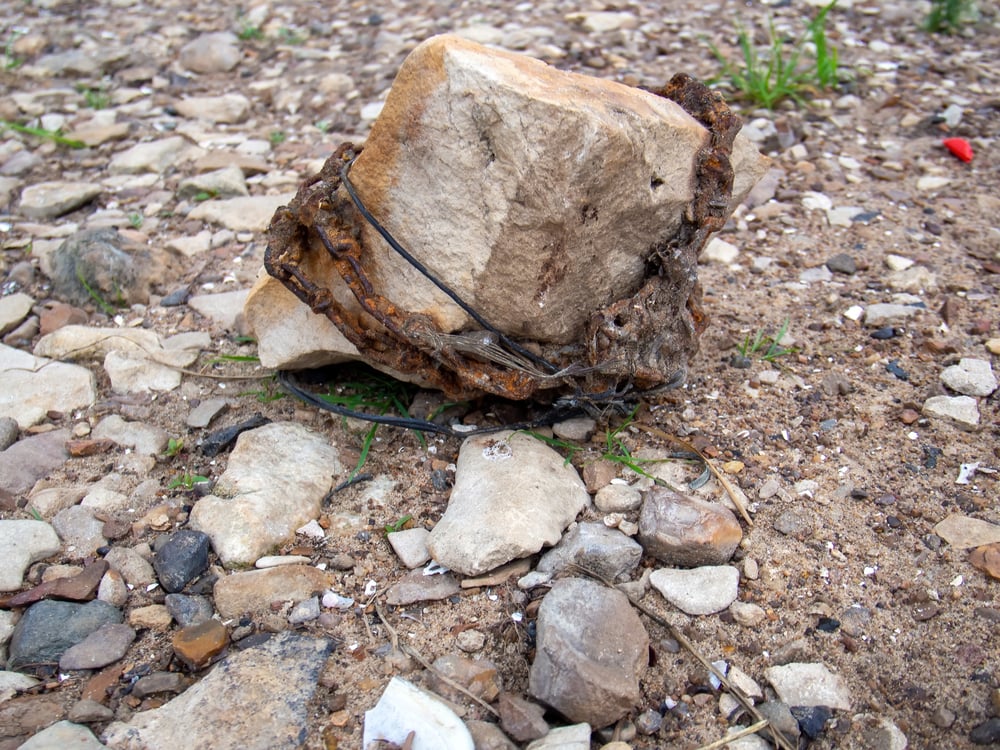
A concentration of stone anchors found off Cape Bon in Tunisia documented Phoenician navigation patterns in the western Mediterranean in the period before and during the Carthaginian empire. Stone anchors are one of the most durable indicators of regular maritime traffic — they were heavy, they sank immediately when cut, and they accumulated at locations where ships routinely stopped or sheltered.
The Cape Bon deposit helped map Phoenician sea routes in detail that textual evidence alone could not provide, confirming the extent of commercial Phoenician activity in the waters between North Africa, Sardinia, and Sicily as early as the 8th century BCE.
The Comacchio Bronze Age Amber Beads

A separate find associated with Po delta underwater contexts included amber beads of Baltic origin dating to the Bronze Age. Baltic amber was the most highly valued variety of amber in the ancient Mediterranean, coveted for its appearance and electrostatic properties.
The presence of Baltic amber in northern Italian Bronze Age contexts via waterway deposits confirmed the existence of an “Amber Road” connecting the Baltic coast through Central Europe to the Mediterranean roughly two millennia before the common era, operating through riverine and coastal maritime routes.
The San José Galleon, Colombia
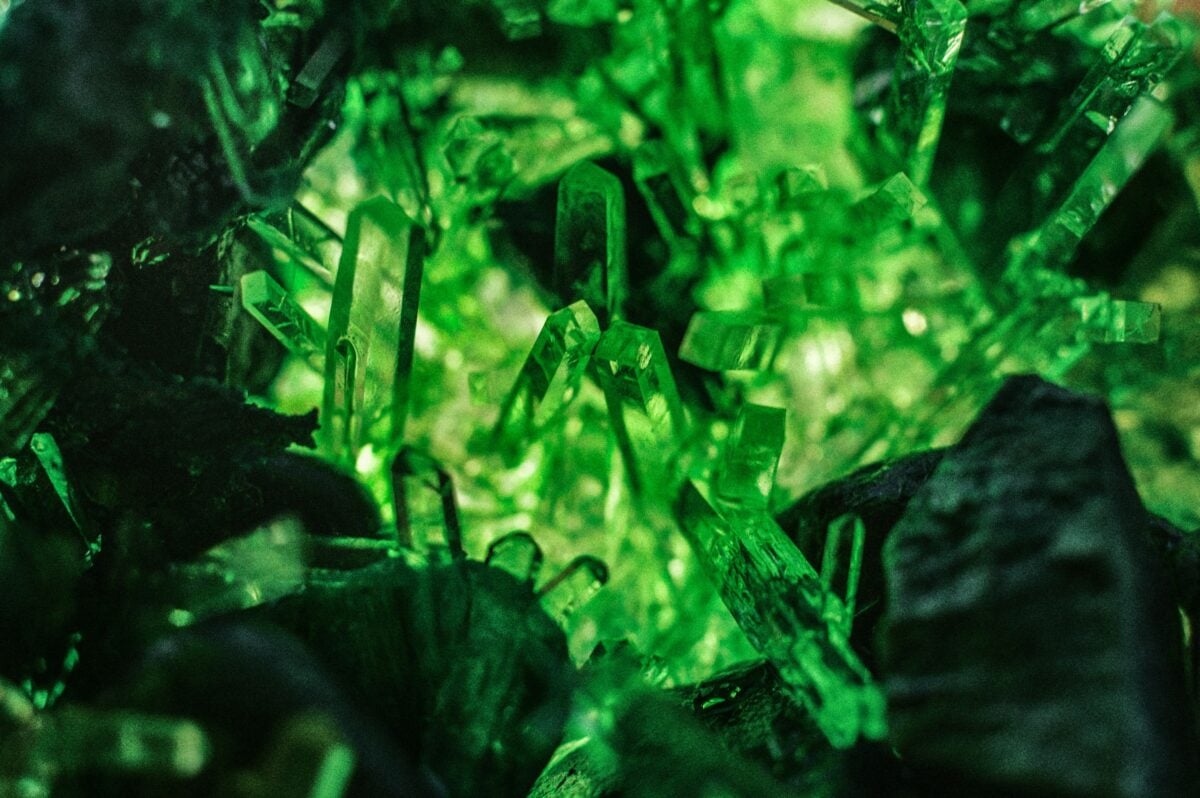
The Spanish galleon San José, sunk in 1708 by British warships in the Caribbean off the coast of Cartagena during the War of Spanish Succession, is estimated to contain gold, silver, and emeralds worth between 7 and 20 billion US dollars by modern valuation — making it one of the most valuable wrecks ever found. It was located by the Colombian navy in 2015 and formally announced in 2016.
The legal disputes over ownership between Colombia, Spain, and a US salvage firm have prevented full excavation, but what’s already been documented — through remotely operated vehicle footage — includes silver ingots, gold coins, Inca-era artefacts, and Chinese porcelain, all in a single ship’s hold. That single cargo cross-section is itself a document of the scope of 18th-century global colonial trade.
The Byzantine Captain’s Personal Equipment at Yassida
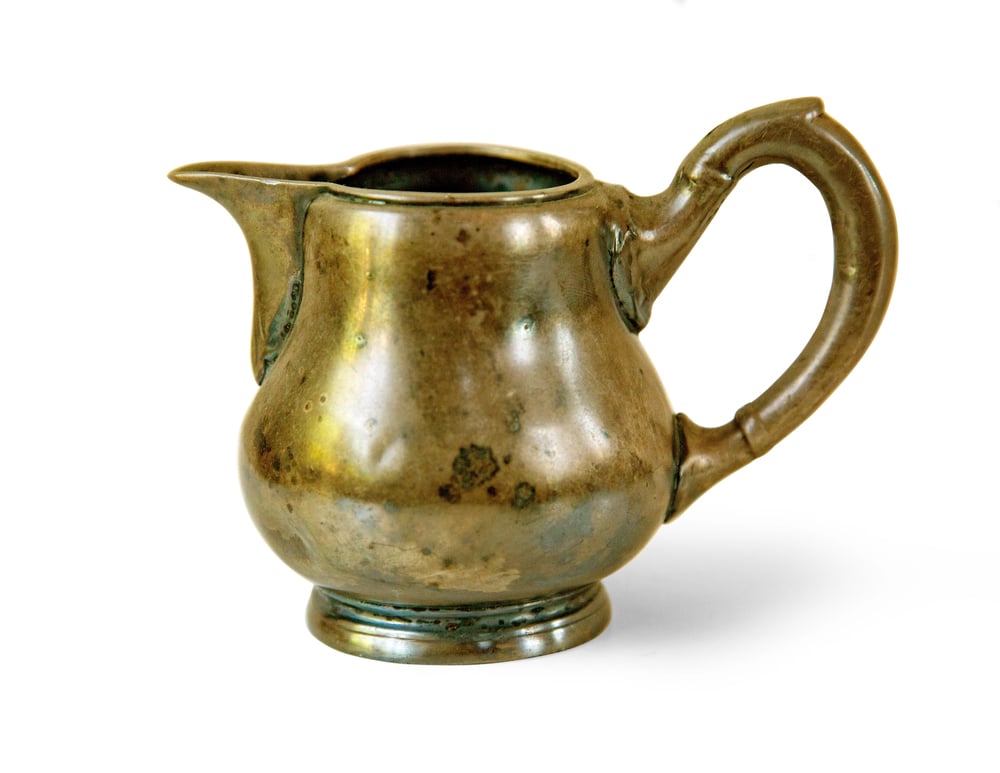
The cooking equipment found together in the presumed captain’s quarter of the 7th century Yassıada wreck — including a small copper jug, a copper pan with a long handle, and a steelyard balance — told a personal story within the commercial one. They were the tools of a man managing a working ship, calculating weights and measures for trade. The steelyard was calibrated in the Byzantine system of weights.
The combination of personal effects and commercial instruments offered a human-scale view of what it meant to be a merchant captain in the Byzantine Mediterranean — a detail that textual sources, which focused on laws and theology and imperial affairs, had almost entirely failed to preserve.
The Nemi Ships’ Ball Bearings, Italy

Emperor Caligula had two enormous pleasure barges built on Lake Nemi south of Rome in the 1st century CE. They sank in the lake and were recovered through Mussolini-era drainage efforts in the early 1930s; the recovered vessels were then destroyed during the Second World War.
But the bronze fittings and architectural elements that were recovered before the destruction provided detailed evidence of Roman luxury engineering — including sophisticated rotating bearing assemblies that function like modern ball bearings — pushing back the documented history of precision mechanical engineering in the Roman world.
What the Seabed Remembers
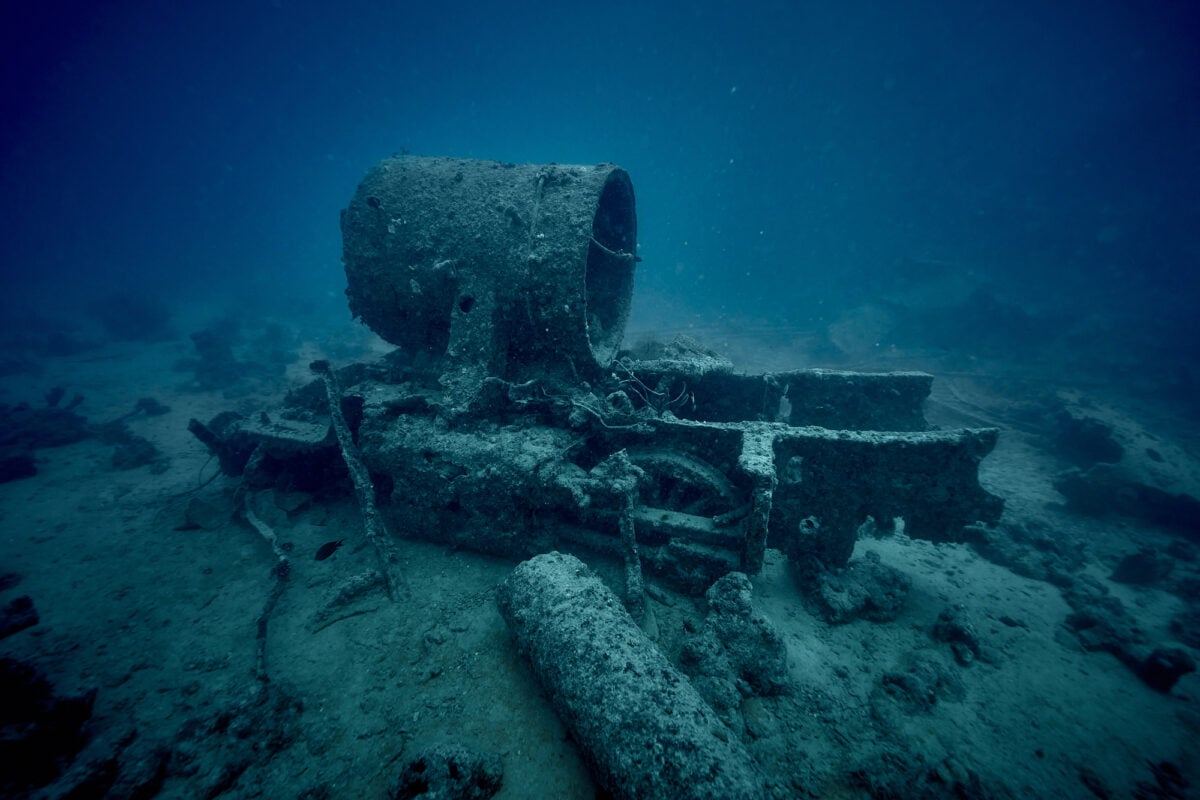
The ocean floor is not an archive anyone built. It’s the record of everything that went wrong — every ship caught in a storm, every cargo that never arrived, every voyage that ended without a survivor to report it. What has accumulated there over three thousand years of serious maritime commerce is an accidental library of the ancient economy, a record made not by scribes or administrators but by weather and waves and the structural limits of wooden ships in bad conditions.
What continues to come up from that library is consistently surprising, and consistently the same kind of surprise: the ancient world was more connected, more technically sophisticated, and more commercially integrated than the surviving written record suggests. The texts recorded what literate people found worth writing down.
The sea kept everything else.
More from Go2Tutors!

- The Romanov Crown Jewels and Their Tragic Fate
- 13 Historical Mysteries That Science Still Can’t Solve
- Famous Hoaxes That Fooled the World for Years
- 15 Child Stars with Tragic Adult Lives
- 16 Famous Jewelry Pieces in History
Like Go2Tutors’s content? Follow us on MSN.