21 Reasons the Last Week of Summer Felt Longer Than the Entire School Year
August had its own gravity. For most of the summer, time moved with the cheerful indifference of a kid on a bike — fast without trying, covering ground without tracking it.
Then something shifted in that final week. The days stretched.
The light felt different. Each afternoon had a particular quality, a weight, that the rest of the summer hadn’t carried.
You knew the end was coming, and that knowledge changed the texture of the time you had left. None of it was rational, and none of it was imaginary either.
There are real reasons that final stretch of summer felt like its own season — longer than June, denser than July, more vivid than both combined. Here is what was actually happening.
The End Was Visible

For most of summer, school was so far away it barely registered as a fact. Then it arrived on the calendar as a date, and the date had a number, and the number got smaller each morning.
The brain responds to known deadlines differently from open-ended time. When something finite is visible, attention sharpens toward it, and that sharpened attention makes each passing day feel more individually significant.
June felt long in retrospect. August felt long while it was happening.
Everything Got Noticed More

Cognitive neuroscientists describe a phenomenon in which the brain records experiences in richer detail when those experiences feel temporary. Childhood summers were full of this — but the final week intensified it.
The sound of the cicadas, the specific temperature of afternoon shade, the texture of the grass you were sitting on — all of it got noticed in a way that the identical afternoon in July hadn’t quite managed. You were, without knowing it, archiving.
Time-Rich Brain, Dense Memory

According to time perception research, we gauge the length of a past period by how many memories we can retrieve from it. A week packed with distinct, noticed experiences is remembered as longer than a week of routine.
The last week of summer was lived with enough conscious appreciation — or conscious dread — that it produced more retrievable memories per day than most of the preceding months. When you look back, it simply has more in it.
The Summer Reading Log Deadline

If your school required a summer reading log, the last week was when the log got filled, rapidly and with variable honesty. The scramble to account for books read, half-read, or fully intended produced a specific kind of productive panic.
Afternoons that might otherwise have drifted were anchored by a task, and anchored afternoons feel longer than unstructured ones. The reading log was a gift to the temporal experience of August, even if it didn’t feel that way at the time.
Back-to-School Shopping Changed the Atmosphere

The trip to buy new pencils, new shoes, and the specific kind of notebook that felt like a fresh start transformed the week into something more ceremonial. Even if you hadn’t particularly enjoyed shopping any other time of year, the back-to-school run had its own gravity.
The new items came home and sat in a pile that was exciting and slightly threatening at the same time. That pile changed the feeling of the days around it.
Squeezing Everything In
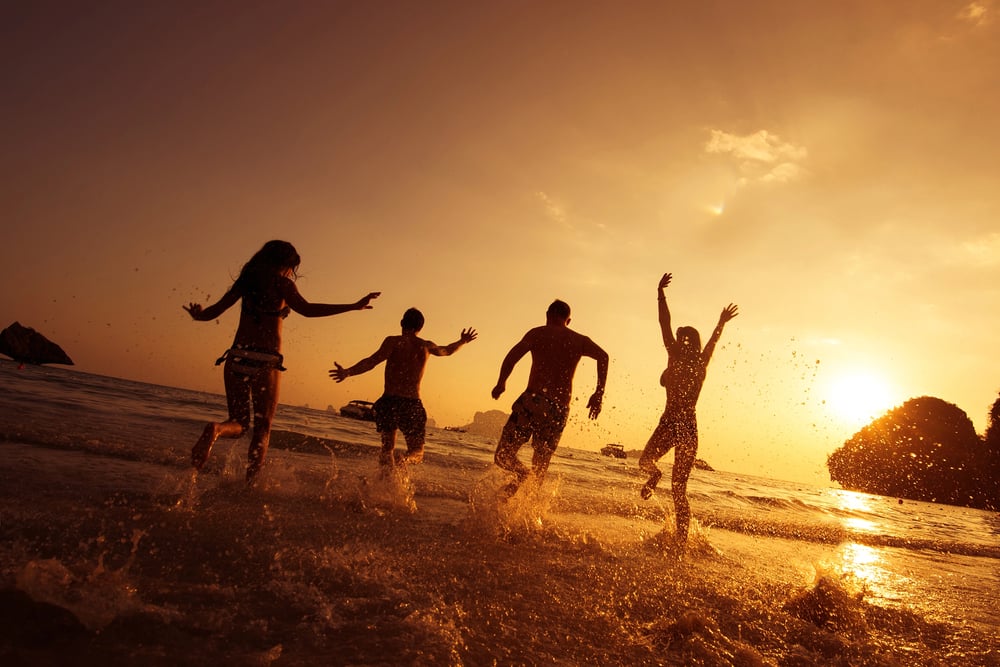
The last week activated a kind of list — conscious or not — of things that hadn’t happened yet and needed to before school started. The pool one more time.
That friend you hadn’t seen enough of. The film you still hadn’t watched.
The summer project someone had suggested in June and quietly abandoned. None of it had been urgent for two months.
Suddenly it all was. That urgency made each day feel purposeful, and purposeful days feel long in the way that good days do.
Staying Outside Until the Very Last Light

The summer rule about being inside before dark got quietly renegotiated in the final week. Everyone felt it — the need to extract one more hour from the daylight, one more circuit of the block, one more round of whatever game had been going all summer.
The evenings came in slower in August, or at least felt that way. Standing in the yard at dusk, not quite ready to go in, was a kind of small resistance that made the fading light feel generous and final at once.
The Quality of August Light

Late summer light is physically different from June light — warmer in tone, lower in angle, arriving in longer horizontal bars across lawns and floors. Children absorbed this without knowing it was atmospheric rather than temporal.
The light in August felt like the end of something, and it coloured every afternoon with a quality that made the hours feel simultaneously slow and precious. That light is one of the most reliably evocative memories adults carry from childhood without being able to explain exactly why.
Friends Were Available in a Particular Way

By the last week, the friends who had been at camps or visiting relatives had returned, which meant everyone was suddenly local again. But there was also the awareness that the free access to each other’s time was ending.
Plans were made and kept more reliably than in the rest of summer, because the cost of not seeing someone now included going an entire school week before the next opportunity. The social quality of those last days was different — more intentional, slightly more loaded.
There Was Nothing Else to Plan Around

The first weeks of summer had structure: events to attend, trips on the calendar, plans made in June that stretched toward July. The last week had nothing left to plan for except school, and school was not something most children scheduled voluntarily.
That absence of future plans made the present week feel unusually open — and paradoxically, unusually full. There was nothing to look forward to, so the current moment got the full allocation of attention.
The Brain Was Already Anticipating Novelty
Time perception researchers have noted that the brain slows its internal clock in anticipation of a novel or significant experience. The new school year — new teacher, new classroom, new arrangement of the day — was novel even if it followed a known pattern.
The approach of that novelty caused a subtle shift in how each day of the remaining week felt: more deliberate, more weighted. The brain was already adjusting for what was coming.
The Sadness Made It Thicker
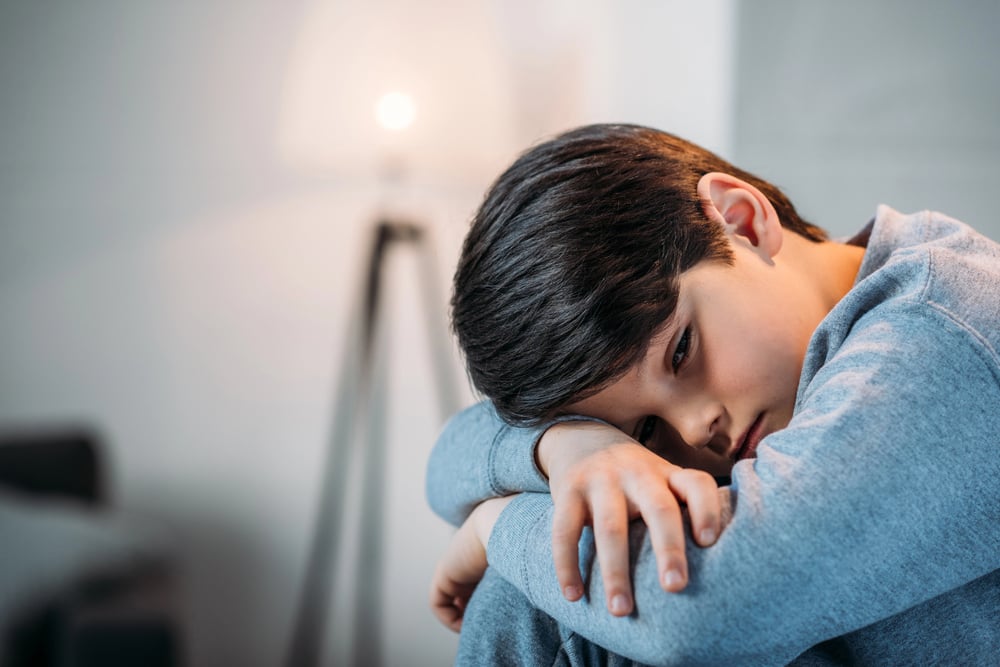
The particular sadness of the last week of summer — not acute grief, but a mild, continuous awareness of ending — added texture to every hour. Bittersweet emotions do this.
They make time feel denser because they require the brain to hold two things at once: the pleasure of what’s present and the awareness that it won’t continue. This double processing slows the subjective experience of time in a way that purely pleasant or purely unpleasant experiences don’t quite manage.
The Night Before Was Its Own Event
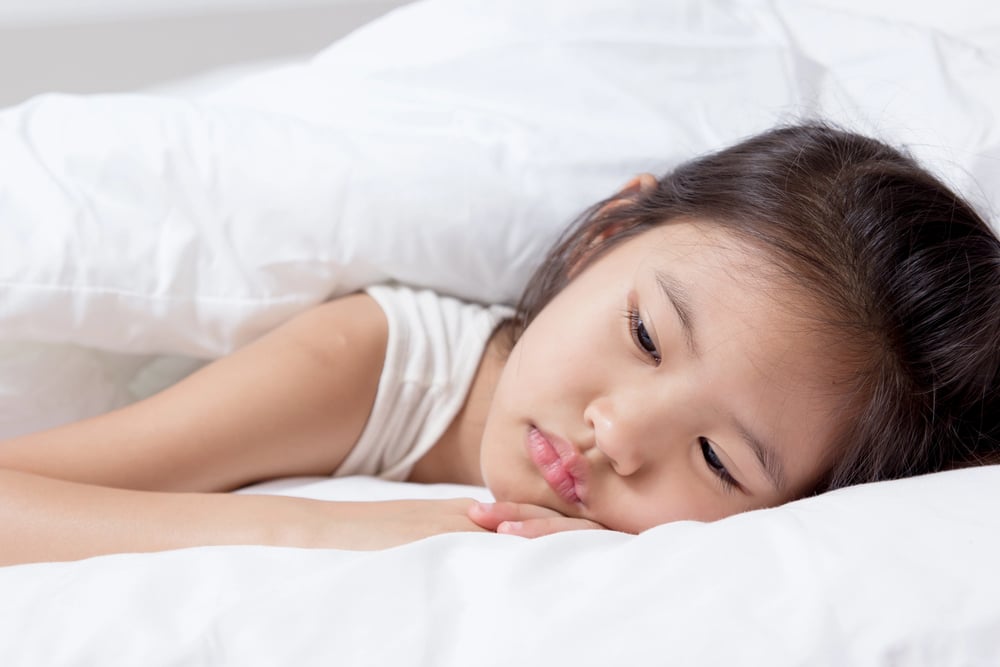
The night before school started occupied a category separate from ordinary nights. It was long because it was supposed to be, and short because anxiety made sleep unreliable.
The backpack was packed. The outfit might be chosen.
The alarm was set for a time that felt alarming. That night existed outside the normal scale of childhood time — not quite summer anymore, not quite school yet, suspended in its own brief, charged interval.
Childhood Novelty Made Everything Count More
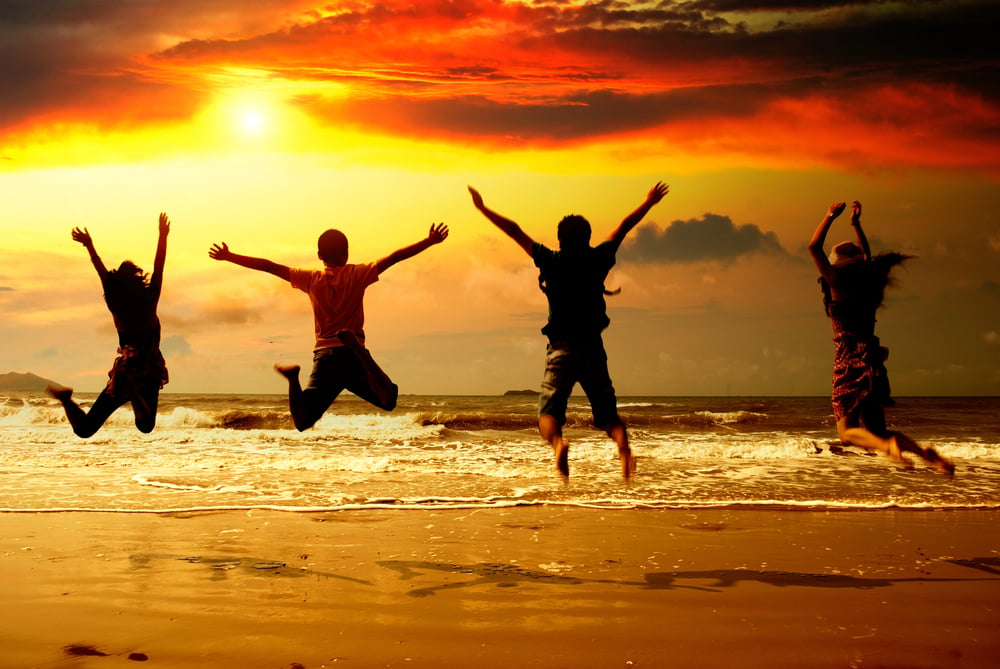
A single day at age eight contains more neurologically distinct experiences than a single day at thirty-eight, simply because more of what happens is genuinely new. A week of childhood summer contains enough firstness — the first time you tried that thing, the first time you went to that place — that the retrospective memory of it is genuinely richer than the same calendar week in adulthood.
The last week of summer, attended to with rare intentionality, was especially dense with this.
The School Supplies Had a Smell

New notebooks, fresh crayons, the specific chemical smell of a box of coloured pencils that hadn’t been opened yet — the back-to-school supplies sitting on the desk or kitchen table introduced a sensory element into the final days that marked them as different from the rest of summer. Smell is the sense most directly linked to memory formation.
Those last days carry a scent, and the scent is specific.
The Unfinished Projects Got Finished

The last week was when the summer construction project in the backyard got its final touches, the book got finished, the friendship bracelet got completed and given away. Things that had been in progress since June reached their natural end.
Completed things are remembered more distinctly than ongoing ones — the Zeigarnik effect runs the other way at completion, and the satisfaction of finishing something in those last days made each completion feel particularly vivid.
Returning to Rhythm Made Each Hour Feel Named

During the open weeks of summer, time was largely unnamed. There was no “first period” or “assembly time” or “lunch bell” — just morning, then afternoon, then dinner, then sleep.
In the last week, the old rhythm began to reassert itself: earlier bedtimes, reduced screen time, a gentle reintroduction to the idea of structure. Each hour started to have an identity again, and named hours feel more individually significant than the unnamed expanse of summer time.
The Television Schedule Changed

Late August network television schedules shifted — new season previews, back-to-school specials, the specific programming that existed in that strange transitional register between summer reruns and autumn premieres. Kids who paid attention to what was on noticed the change.
The television, which had been a reliable backdrop to summer, was already moving into a different season, and that small shift confirmed what was coming.
You Started Paying Attention to the Clock Again
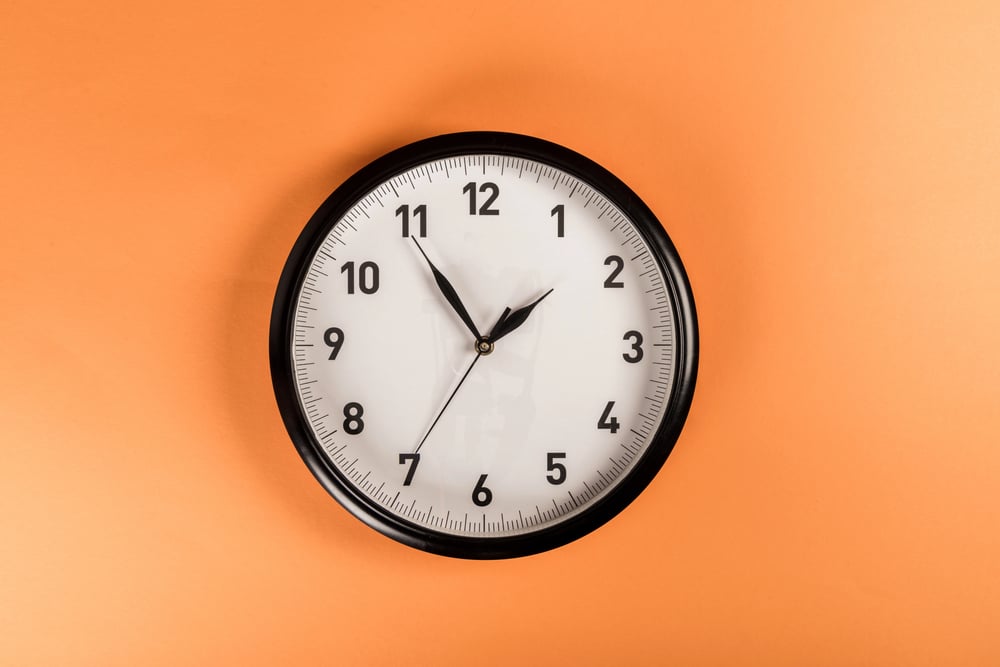
For most of the summer, the clock was largely irrelevant. Meals happened when they happened.
Sleep arrived when it arrived. The concept of time as a schedule was suspended.
In the final week, the clock came back — bedtimes reappeared, routines were tested, the morning alarm was remembered to exist. When you start watching the clock again, the clock slows down, because watched clocks always do.
The Walk Around the Neighbourhood Felt Like Archiving

Some kids made one last deliberate circuit in the final days — the bike path, the creek, the specific tree. Not with a plan, but with a feeling.
The walk that happened because the summer had been good and deserved a proper ending. Adults who remember these final walks often describe them with unusual precision: the temperature, the time of day, who was there.
The brain was writing something down, and it wrote carefully.
It Was the Last Time Summer Would Feel Exactly Like This
Every summer of childhood was the last time that particular configuration existed. The last summer when this group of friends were all still close.
The last summer before something changed. Children don’t usually know this in the moment, but something in the quality of the last week sometimes suggests it — a feeling that the summer is complete, that something specific is ending, that whatever comes next will be different in ways that haven’t been announced yet.
That feeling, whatever its source, made the days around it feel like they deserved to be noticed. And they were.
The Clock That Only Ran Backwards
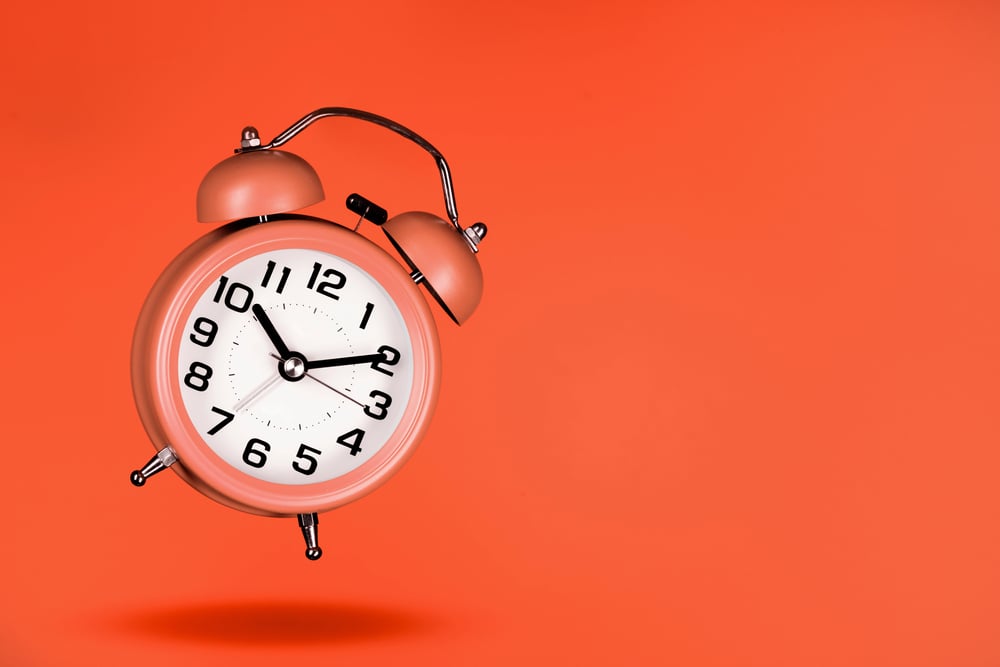
The strange thing about the last week of summer was that it was trying to slow down and speed up at the same time. Every day that passed was a day closer to school, which made the week feel short.
But every moment of it was attended to with a closeness that made it feel long. That tension — between the ticking countdown and the full-presence attention that arrival of an ending always produces — is what gave those final August days their particular quality.
You can’t manufacture that feeling. You can only recognise it, look at it while it’s happening, and appreciate it for what it actually is: a week that knew how to be a week.
More from Go2Tutors!

- The Romanov Crown Jewels and Their Tragic Fate
- 13 Historical Mysteries That Science Still Can’t Solve
- Famous Hoaxes That Fooled the World for Years
- 15 Child Stars with Tragic Adult Lives
- 16 Famous Jewelry Pieces in History
Like Go2Tutors’s content? Follow us on MSN.