32 Breakfast Cereals from Past Decades That Kids Would Riot to Get Back
Breakfast cereal in the 1970s, 80s, and 90s occupied a category of food that no longer quite exists: nominally nutritious, aggressively sugared, marketed to children through Saturday morning cartoons, and occasionally stuffed with a free toy that was worth more than the cereal itself. The mascots were unstable.
The colours were biologically implausible. The milk at the bottom of the bowl turned pink or chocolate-brown or radioactively purple, and this was considered a selling point.
Most of these cereals didn’t disappear because they were bad. They disappeared because the sugar content attracted regulatory attention, the licensed property they were tied to fell out of fashion, or the sales numbers didn’t justify the shelf space.
The market for nostalgia doesn’t care about any of those reasons. It just wants the cereal back.
Crazy Cow (1976–1979)
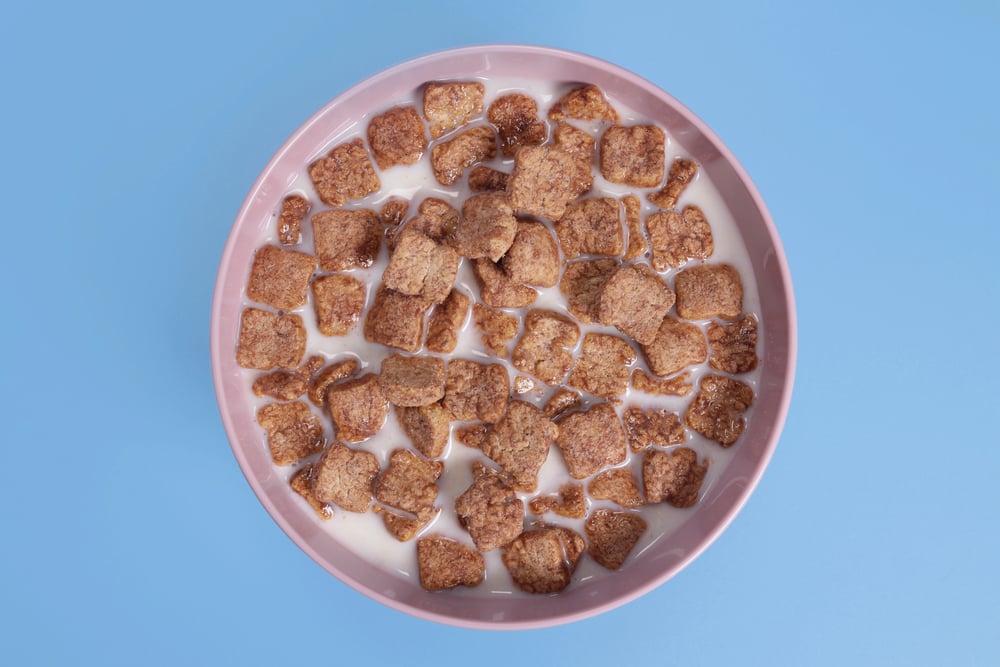
General Mills produced Crazy Cow in both chocolate and strawberry varieties, and the central innovation — coating the cereal pieces with flavoured powder that dissolved in milk, turning the milk chocolate-brown or strawberry-pink — was either brilliant or unnecessary depending on your relationship with the bottom of a cereal bowl. Children who grew up with Crazy Cow were effectively given permission to turn the milk into a flavoured drink, which is the kind of product decision that makes sense immediately when you understand your target market.
It lasted three years and has been remembered for five decades.
Smurf-Berry Crunch (1983–1988)
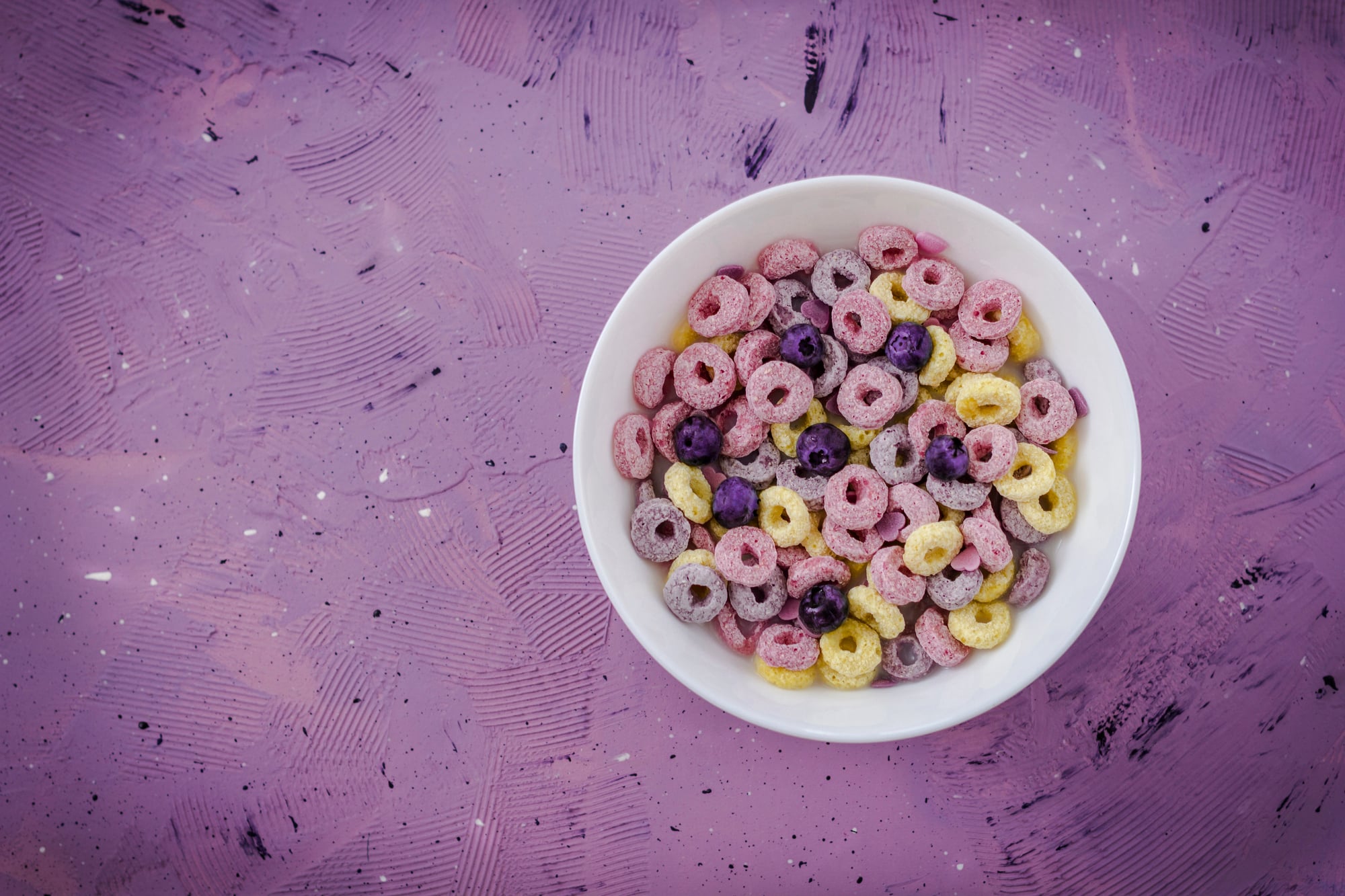
Post launched Smurf-Berry Crunch as a tie-in with the animated Smurfs series and produced a cereal that was bright red and purple with a sweetened berry flavour. The connection between Smurfs and berries was established in the cartoon, which meant children watching Saturday morning television and eating the cereal were consuming the same intellectual property in two formats simultaneously.
It was briefly revived under the name Smurf Magic Berries. Neither version lasted, but the original has maintained a presence in online nostalgia discussions that the cartoon has not.
Rocky Road Cereal (1983–1987)
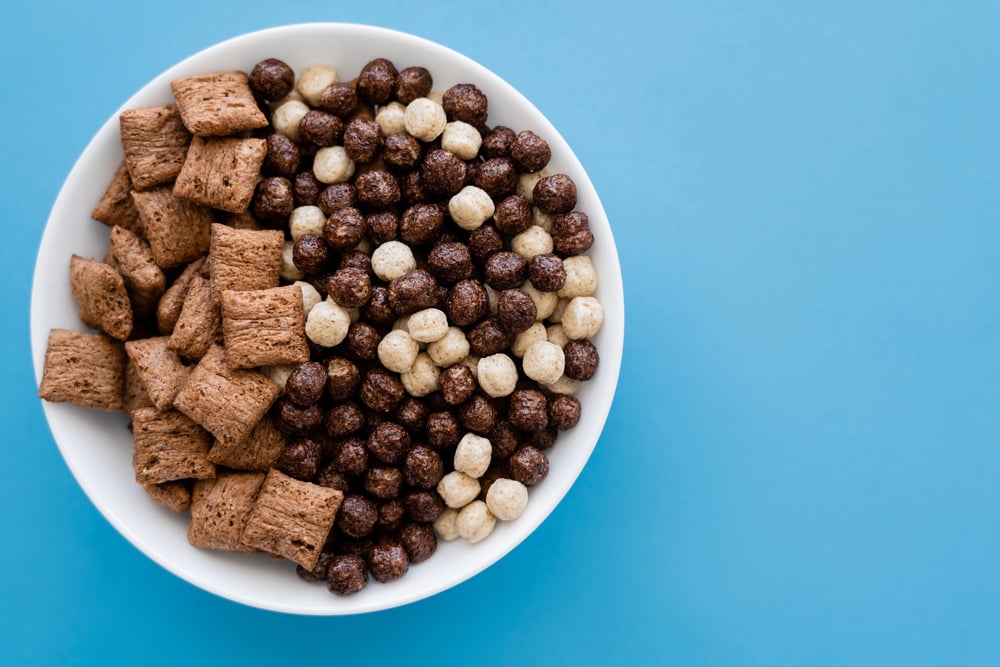
Post’s Rocky Road cereal attempted to translate the ice cream flavour — chocolate, marshmallow, nuts — into a breakfast format, which required some creative liberalising of what breakfast was supposed to be. The cereal included chocolate and vanilla puffs, coated marshmallows, and nut pieces, and it featured three cartoon band mascots named Choco, Van, and Marsha.
The television commercial was, by multiple accounts, distinctive enough to have survived in the memories of people who can recall very little else about 1985. The cereal was discontinued before the decade ended.
The mascots are still discussed online.
Ghostbusters Cereal (1985–1990)

Ralston produced the Ghostbusters cereal as a tie-in with the 1984 film and subsequent animated series, and it ran for five years — an unusually long lifespan for a licensed cereal, sustained by the cartoon’s continued success through the late 1980s. The cereal featured ghost-shaped marshmallows and imagery from the animated series, including Slimer and the Stay Puft Marshmallow Man on the box.
It received a brief revival in 2021 to coincide with Ghostbusters: Afterlife. The original version is regularly cited by adults who grew up in the 1980s as one of their clearest breakfast memories.
Nintendo Cereal System (1988–1989)
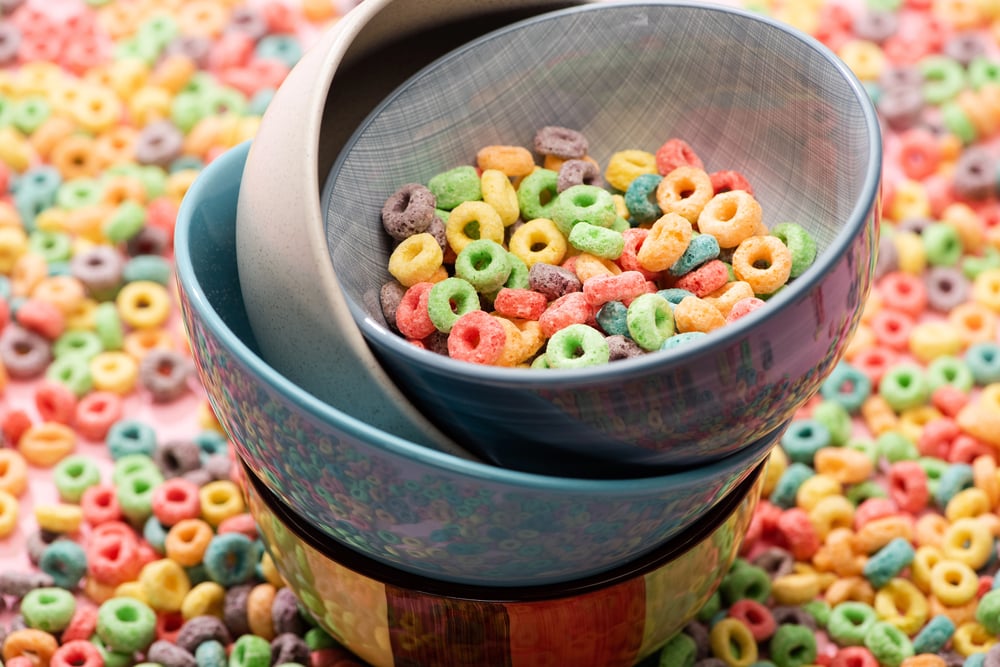
Ralston produced the Nintendo Cereal System as two cereals in one box — a Super Mario Bros. section and a Zelda section — with the divider in the middle of the box allowing you to pour them separately or combine them according to personal preference. The cereal shapes were Mario characters for the first side and Zelda characters for the second, both fruit-flavoured.
It lasted one year and is now considered a collectible item, with unopened boxes selling at significant prices. The concept of two cereals in one divided box is the product design detail that people remember most.
Mr. T Cereal (1984–1986)
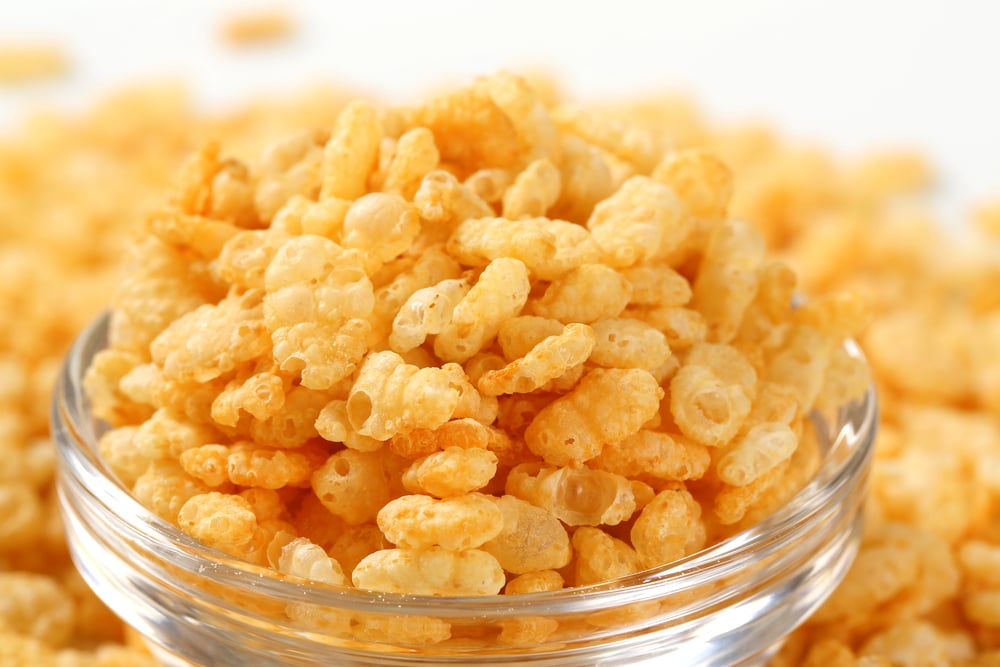
Quaker produced a T-shaped corn cereal in collaboration with Mr. T, the actor and professional wrestler famous from The A-Team, and it was essentially a rebranded version of Cap’n Crunch with a different mascot and shape. The cereal’s cultural legacy was secured when it appeared in Pee-wee’s Big Adventure, in which Pee-wee Herman eats it enthusiastically and it is treated as completely normal product placement.
Mr. T’s endorsement included the tag line “I pity the fool who doesn’t eat my cereal,” which remains one of the more direct arguments for a cereal ever made by a person who was not a cartoon character.
Waffelos (1979–1983)
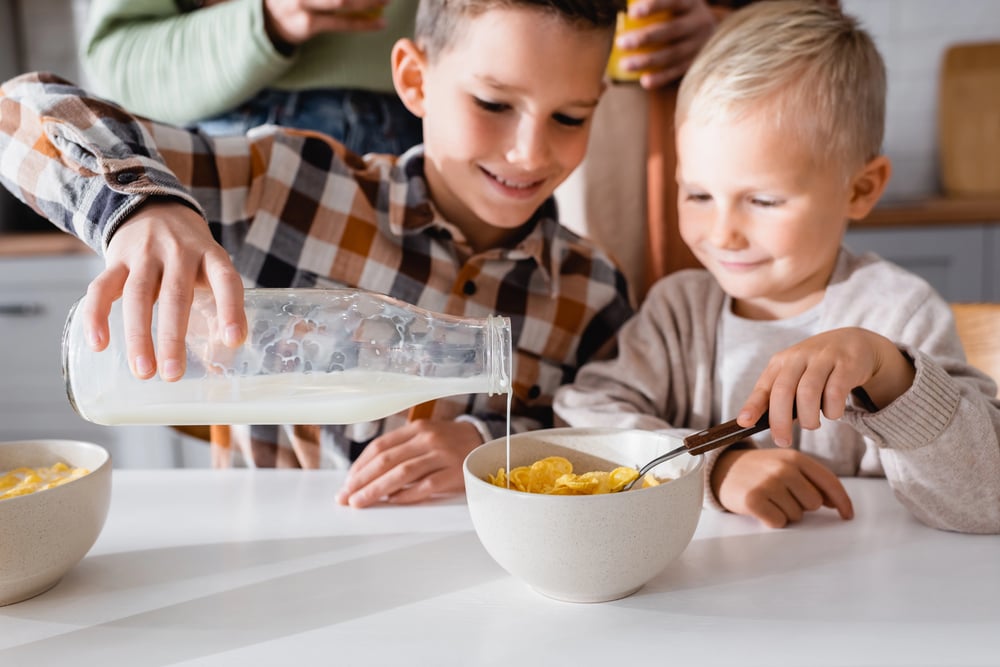
Ralston produced Waffelos as a waffle-shaped cereal with a maple syrup flavour, marketed through a mascot named Waffelo Bill — a cowboy character with a frontier aesthetic that had nothing obvious to do with waffles but communicated a certain Sunday-morning warmth. The cereal tasted, by multiple nostalgic accounts, genuinely like maple-flavoured waffles in miniature, which was a more specific ambition than most cereals of the era managed.
Its discontinuation left a gap in the maple-flavoured cereal market that was never convincingly filled.
Pac-Man Cereal (1983–1987)

General Mills produced Pac-Man cereal featuring Pac-Man-shaped puffs and coloured marshmallow “ghosts” — a format that required the consumer to eat the Pac-Man pieces in proximity to the ghost pieces, theoretically recreating the game’s dynamic in miniature and in milk. The video game connection was explicit and marketed heavily during a period when Pac-Man was ubiquitous across multiple media.
The cereal outlasted the peak of the arcade craze by several years before being discontinued. Ghost-shaped marshmallows in cereal were a structural innovation that subsequent cereals continued to explore independently of Pac-Man.
Sprinkle Spangles (1993–1995)
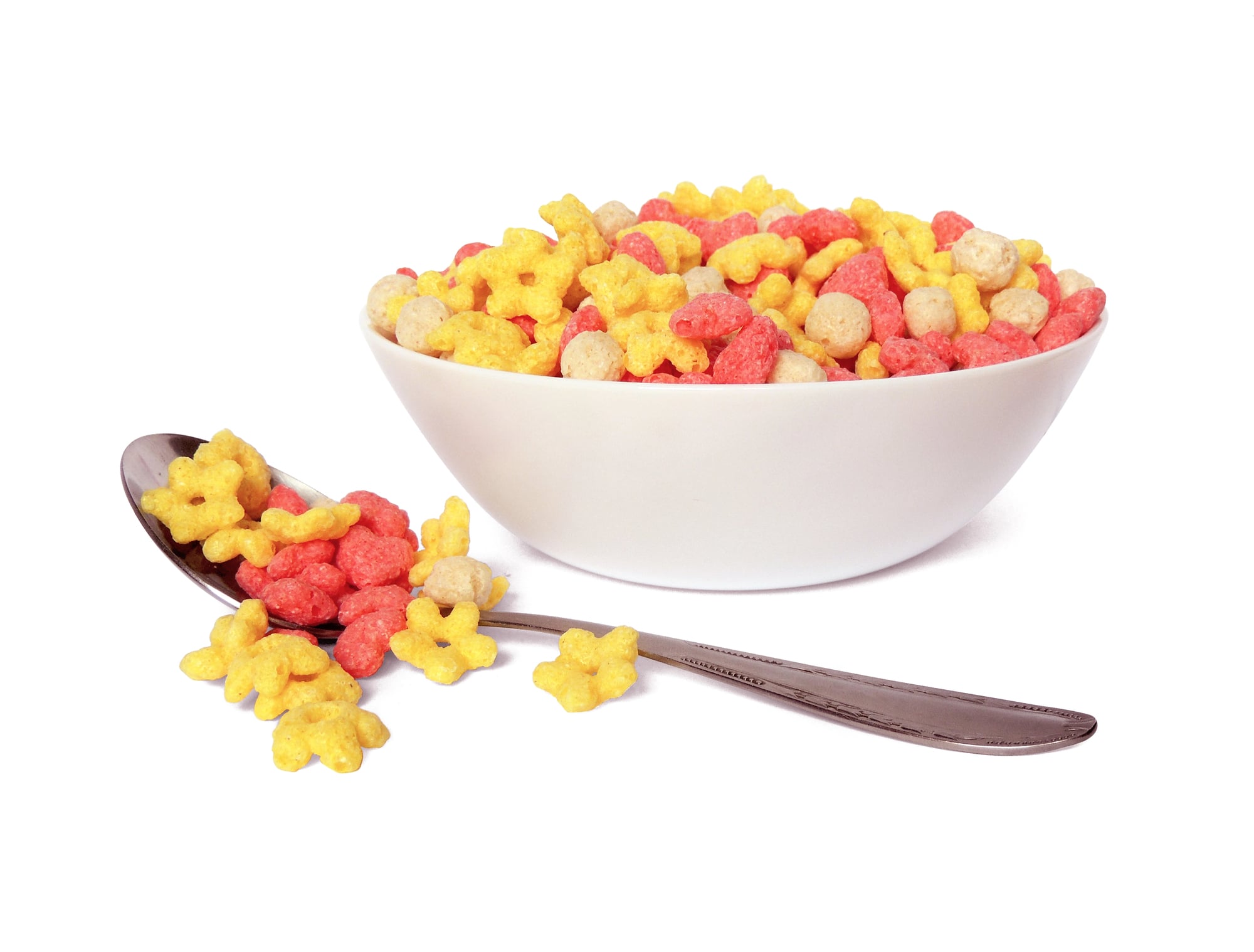
General Mills launched Sprinkle Spangles in the autumn of 1993 — less than a year after the release of Disney’s Aladdin — featuring a cartoon genie mascot voiced by comedian Dom DeLuise in commercials that drew an obvious comparison to Robin Williams’s performance in the film. The cereal itself was star-shaped corn puffs covered in rainbow sprinkles, which effectively made it a dessert with a morning delivery window.
It lasted two years and has since developed a cult following in nostalgia communities online, where people search for recipes that approximate its flavour profile.
Urkel-Os (1991–1992)
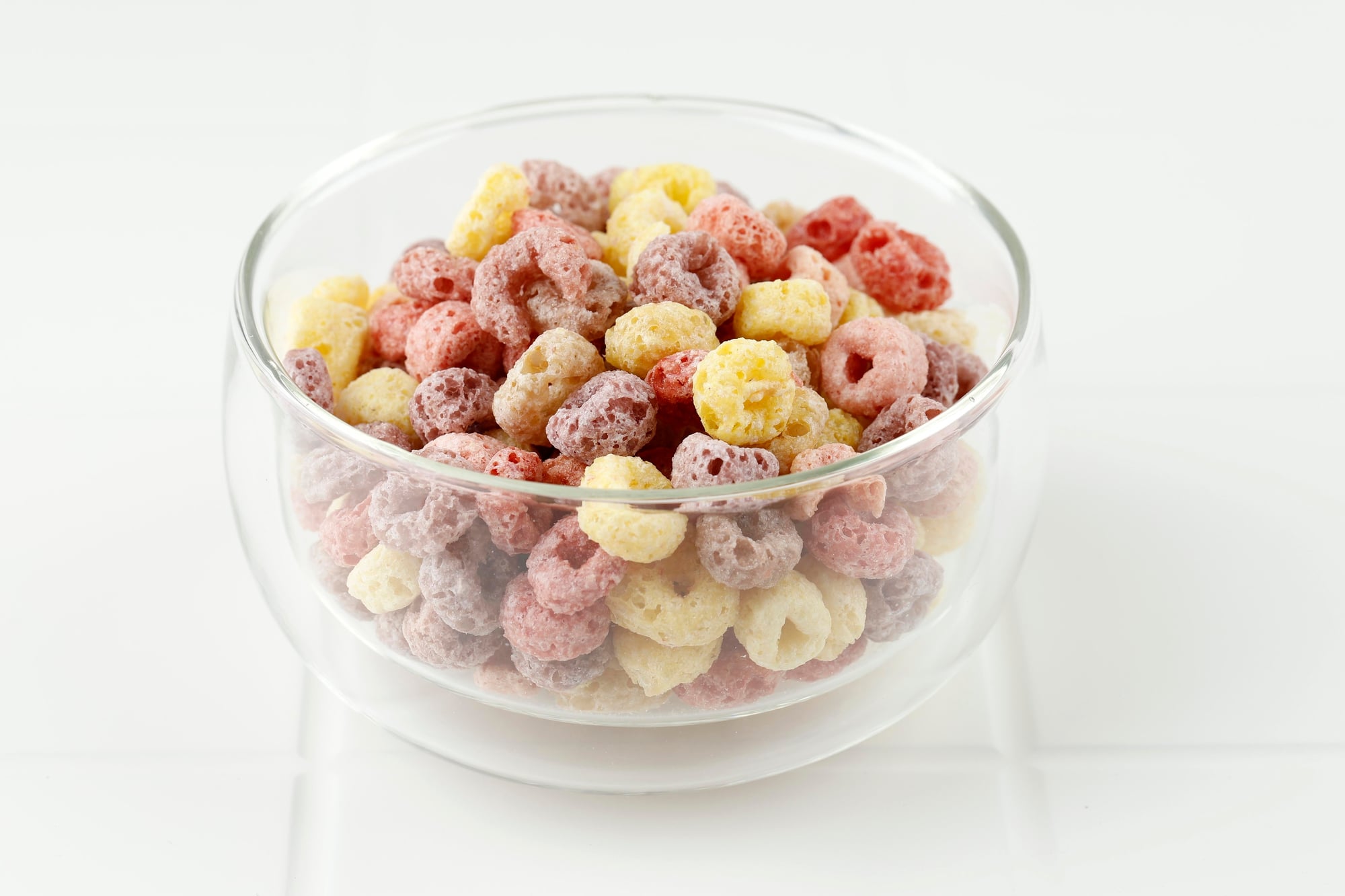
Ralston produced Urkel-Os as a tie-in with Steve Urkel, the character played by Jaleel White on the sitcom Family Matters, which was at its peak popularity in the early 1990s. The cereal came in banana and strawberry flavours and was shaped like O’s with no obvious connection to either Urkel as a character or Family Matters as a programme.
It lasted approximately one year. The speed of its discontinuation relative to the show’s continued popularity suggests that a character’s presence on a cereal box requires a more durable form of appeal than sitcom success alone can provide.
Ice Cream Cones Cereal (2003–2006)
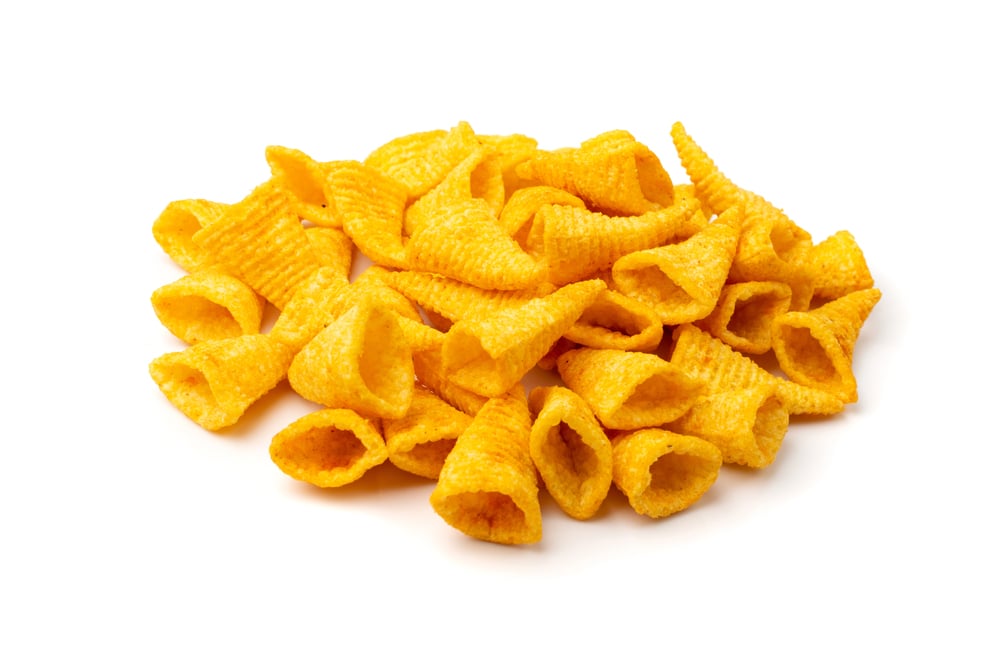
General Mills produced an Ice Cream Cones cereal in vanilla and chocolate varieties, with cone-shaped cereal pieces and freeze-dried puffs meant to approximate the ice cream portion. The concept of breakfast as a simulation of dessert was not new by 2003, but the specific execution — a cone shape that required both components to make sense — was distinctive enough to generate a loyal consumer base.
Its discontinuation in the mid-2000s prompted online petitions that accumulated enough signatures to demonstrate the gap between demonstrated desire and actual purchasing behaviour.
E.T. Cereal (1982–1985)
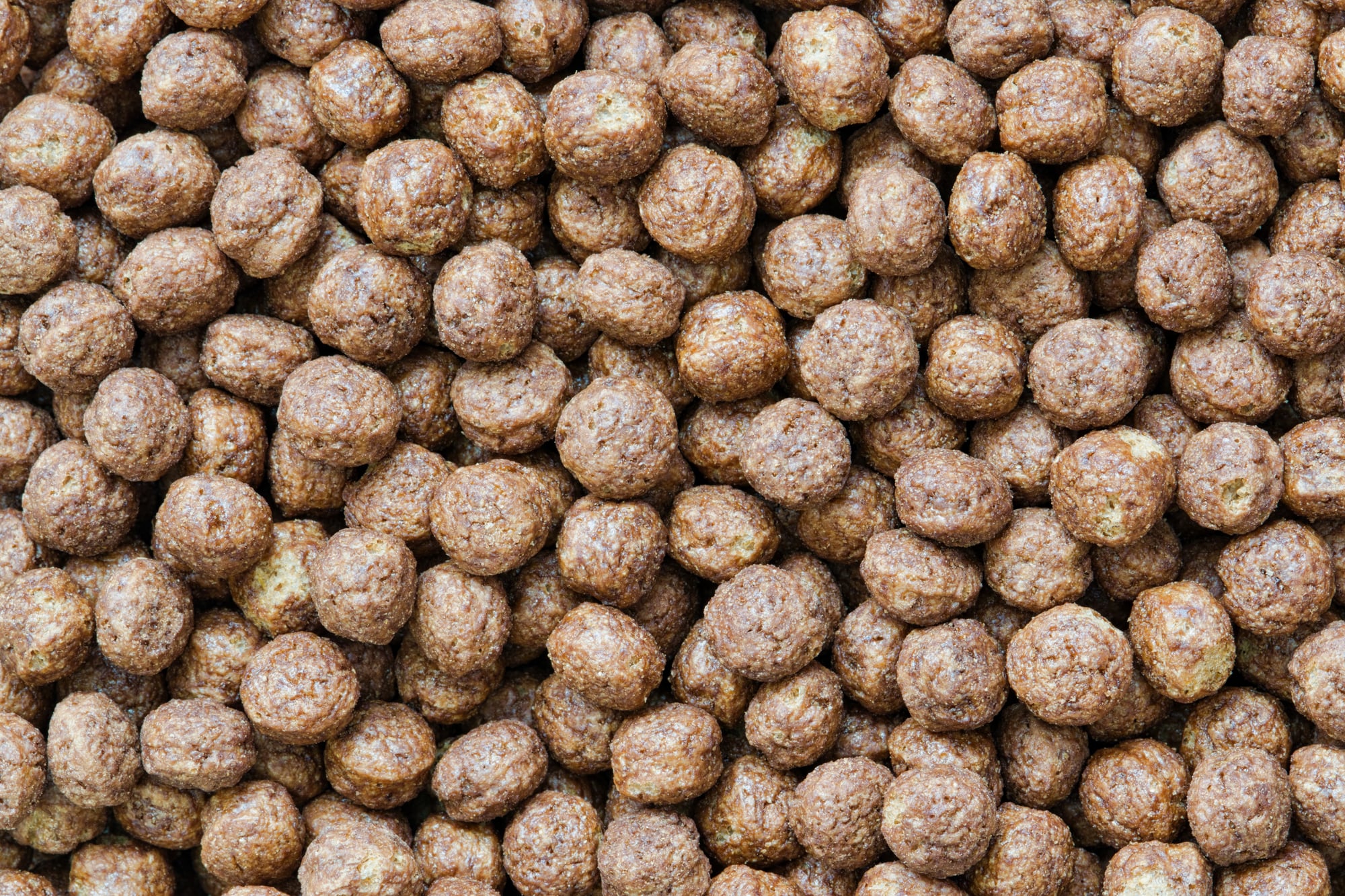
General Mills produced an E.T. the Extra-Terrestrial cereal following the film’s release in 1982, featuring peanut butter and chocolate-flavoured puffs shaped like the letters E and T. The combination of peanut butter and chocolate was the flavour decision, the E.T. connection was the marketing decision, and the overlap of both was brief: the cereal ran for three years before the film’s cultural moment had passed sufficiently that the E.T. branding no longer moved product.
Peanut butter and chocolate as a cereal combination continued without the licence, in multiple successor products that never quite had the same cultural charge.
Batman Cereal (1989–1990)
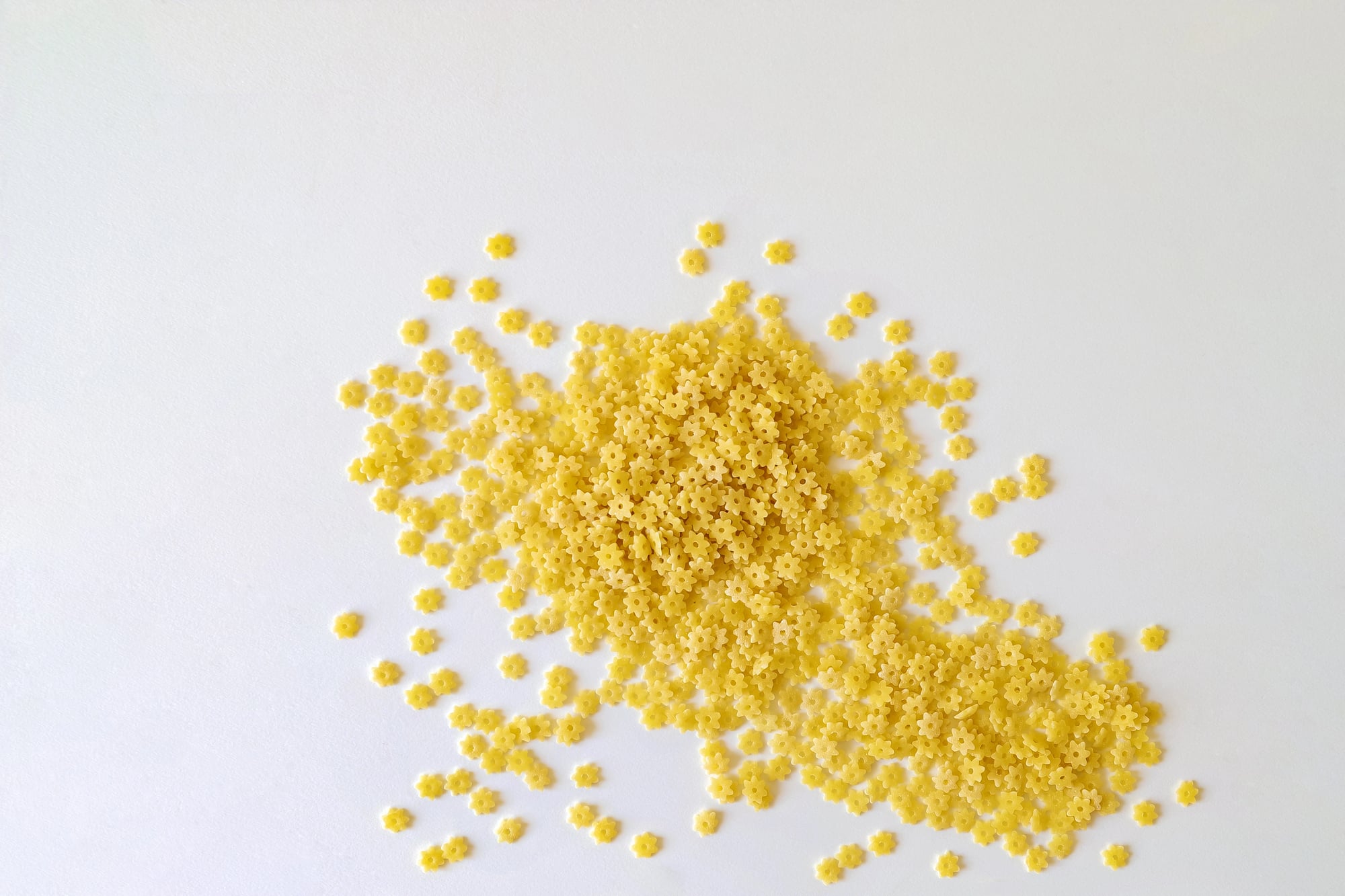
Ralston produced a Batman cereal as a tie-in with Tim Burton’s 1989 film, sold in a black and yellow box designed to echo the film’s visual identity. The cereal itself was sweetened corn puffs shaped like small bats — a food application of the bat motif that worked better visually than it probably needed to.
When the film’s immediate cultural moment faded, the cereal went with it. A cereal tied to a single film rather than an ongoing property has a structural problem: its audience’s enthusiasm depreciates at exactly the rate the film does.
Kellogg’s Cinnamon Mini Buns (1994–1997)
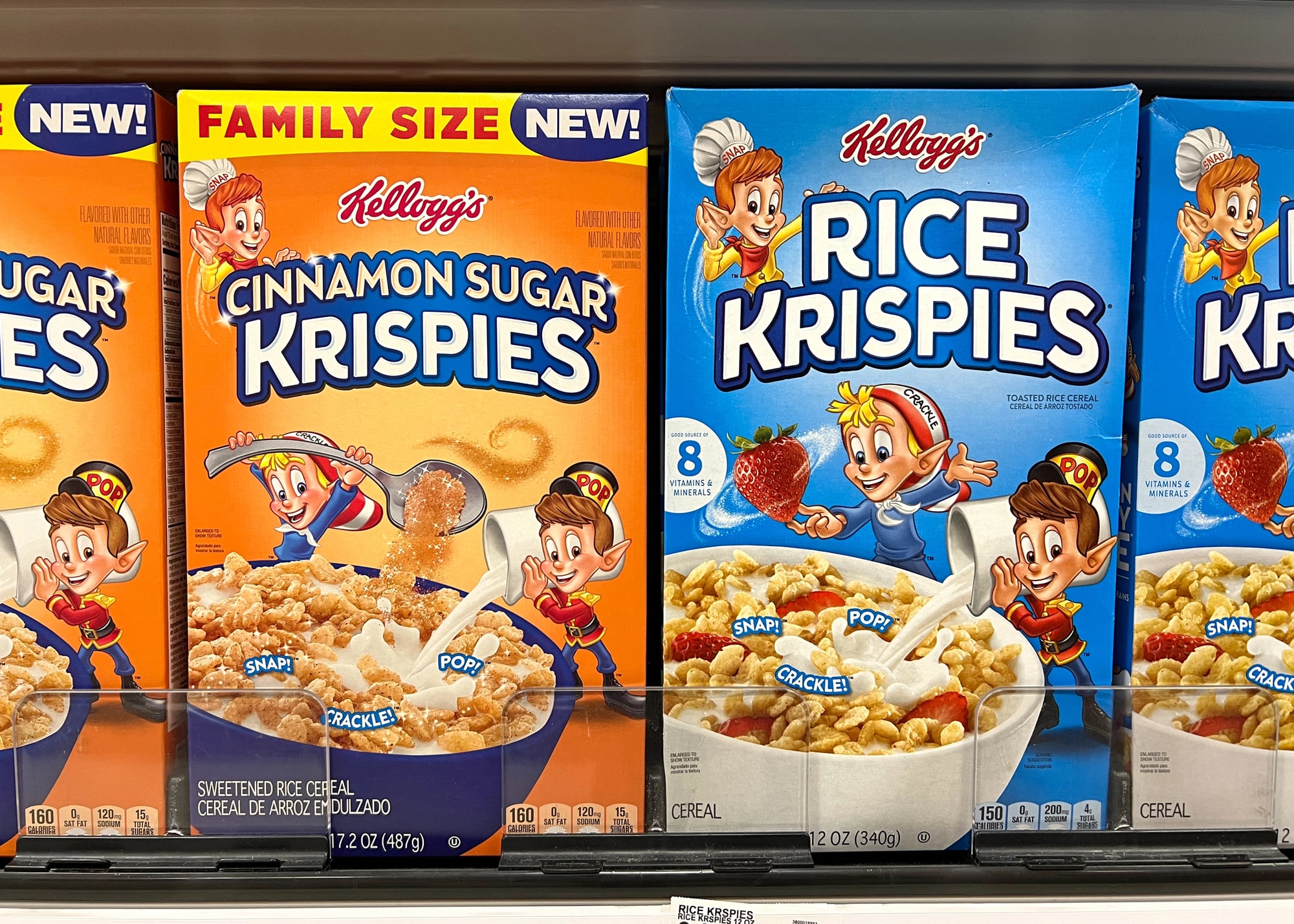
Kellogg’s produced Cinnamon Mini Buns as tiny spiral-shaped pieces designed to look like miniature cinnamon rolls, coated in a cinnamon-sugar mixture that produced the bakery flavour with the crunchy texture of a cold cereal. The concept — taking a warm breakfast item and making it into a shelf-stable cereal alternative — was a category of ambition that the 1990s cereal market explored repeatedly.
Cinnamon Mini Buns had a loyal following during its run and has been referenced frequently in 1990s food nostalgia content, where people describe it as closer to the actual flavour of cinnamon rolls than most things in the genre managed.
Donkey Kong Cereal (1982–1984)
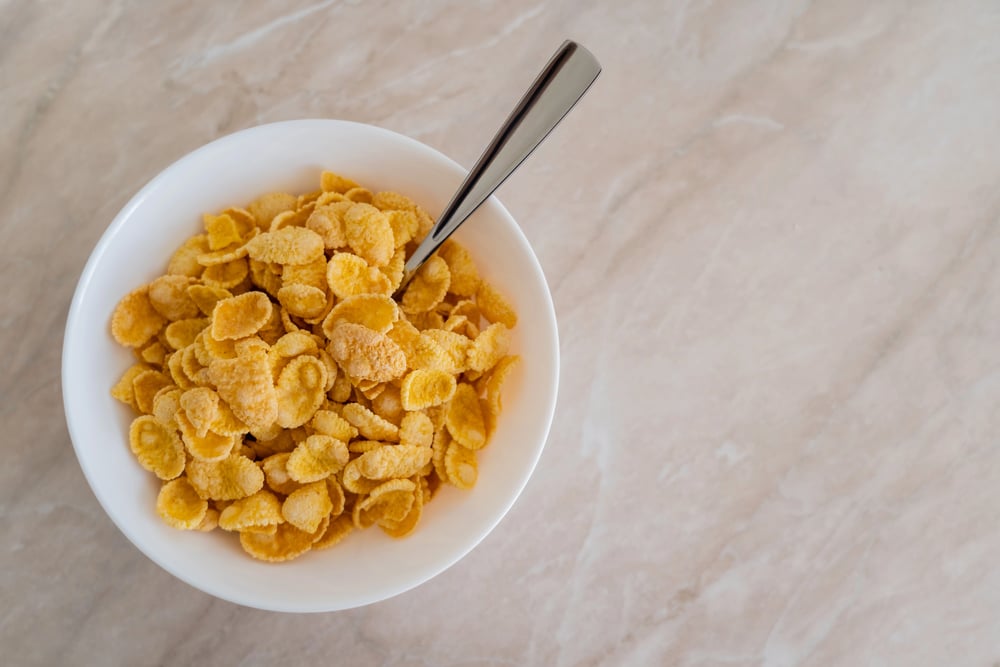
Ralston produced a Donkey Kong cereal during the arcade game’s peak popularity, featuring a sweet corn cereal described in commercials as having “a sweet, crunchy, corn taste” that would “drive you ape.” The cereal lasted two years, which tracked the arc of Donkey Kong’s dominance in arcades before other games overtook it in visibility.
Ralston was one of the more active producers of video game-licensed cereals during the early 1980s, having correctly identified that the arcade audience and the breakfast cereal audience overlapped significantly in the 8-to-14 age range.
Fruity Yummy Mummy (1987–1993)
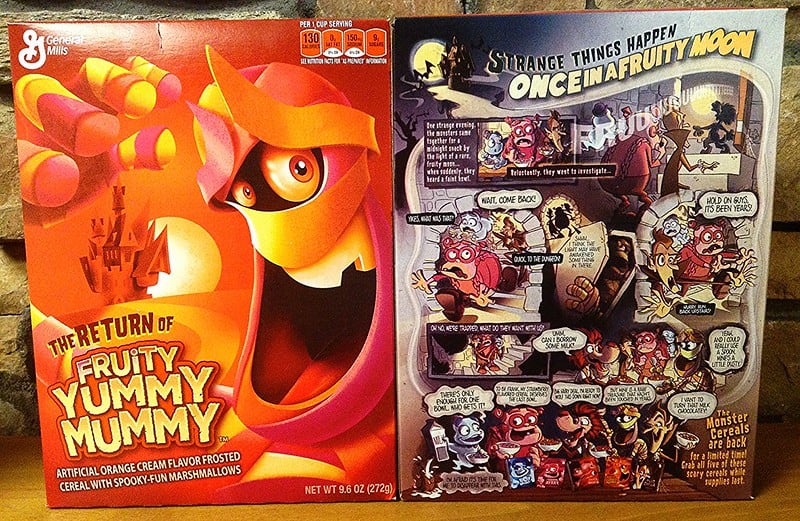
General Mills produced Fruity Yummy Mummy as part of its monster-themed cereal range — which included Count Chocula, Boo Berry, and Franken Berry — featuring a fruit-flavoured cereal with vanilla-flavoured marshmallows and a friendly mummy mascot. It ran for six years, which was longer than its cultural footprint suggests, having been discontinued before the internet created the nostalgia economy that would have sustained it.
It was briefly revived around Halloween in later years, as General Mills has done with several of its discontinued monster cereals, but Fruity Yummy Mummy has never returned to year-round distribution.
Swedish Chef Cereal (1988–1989)
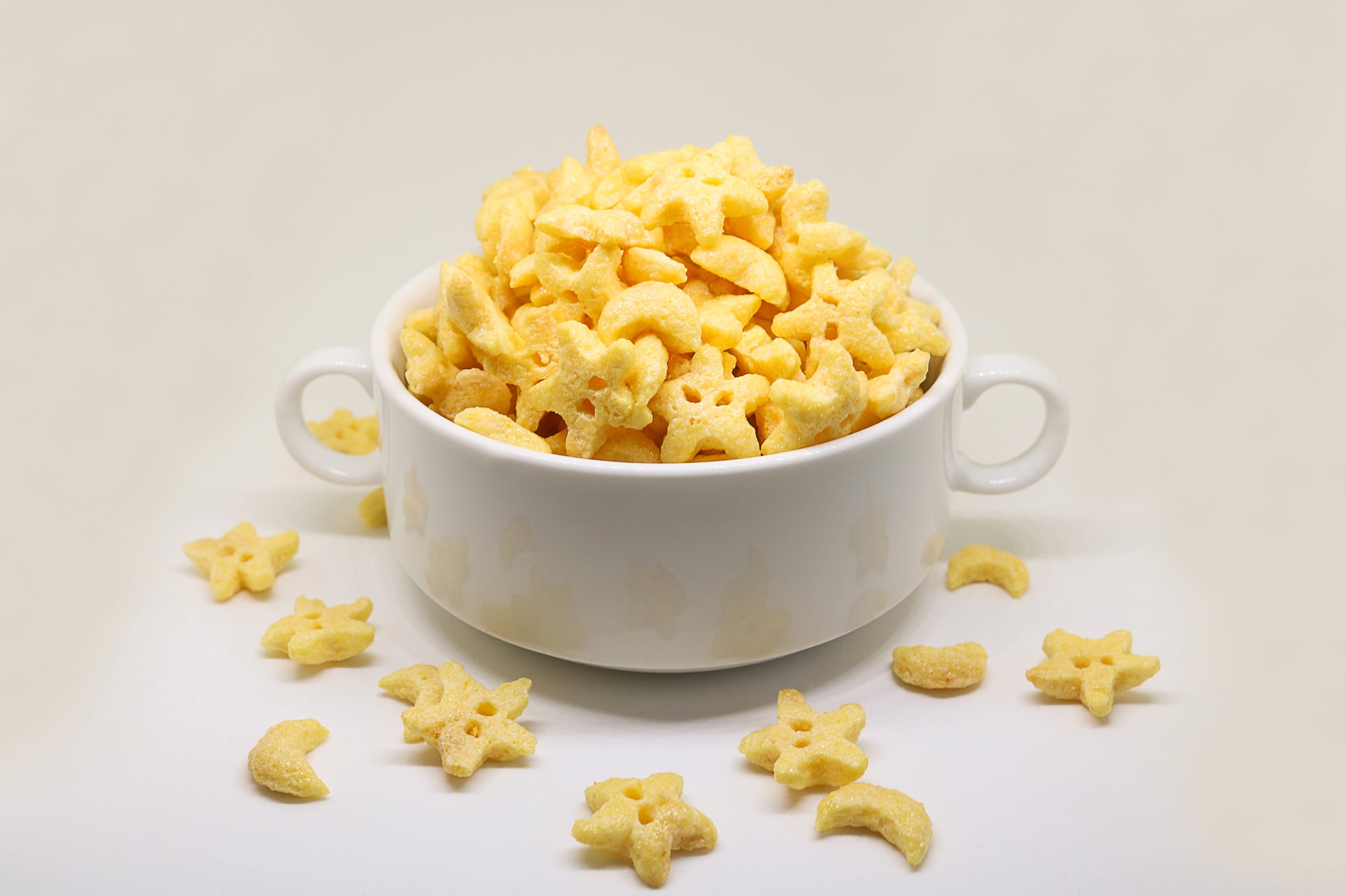
Ralston produced a Muppets-licensed cereal featuring the Swedish Chef as the primary mascot, with cinnamon-flavoured star-shaped puffs and packaging that reproduced the character’s comic incoherence in the box copy. The instructions were reportedly printed as the Swedish Chef might deliver them — repeated nonsensically and with characteristic enthusiasm.
It lasted one year. The Muppets licence as a marketing vehicle for breakfast cereal produced several entries across the 1980s, none of which had a particularly long shelf life despite the franchise’s durability.
Dino Pebbles (1990–1991)
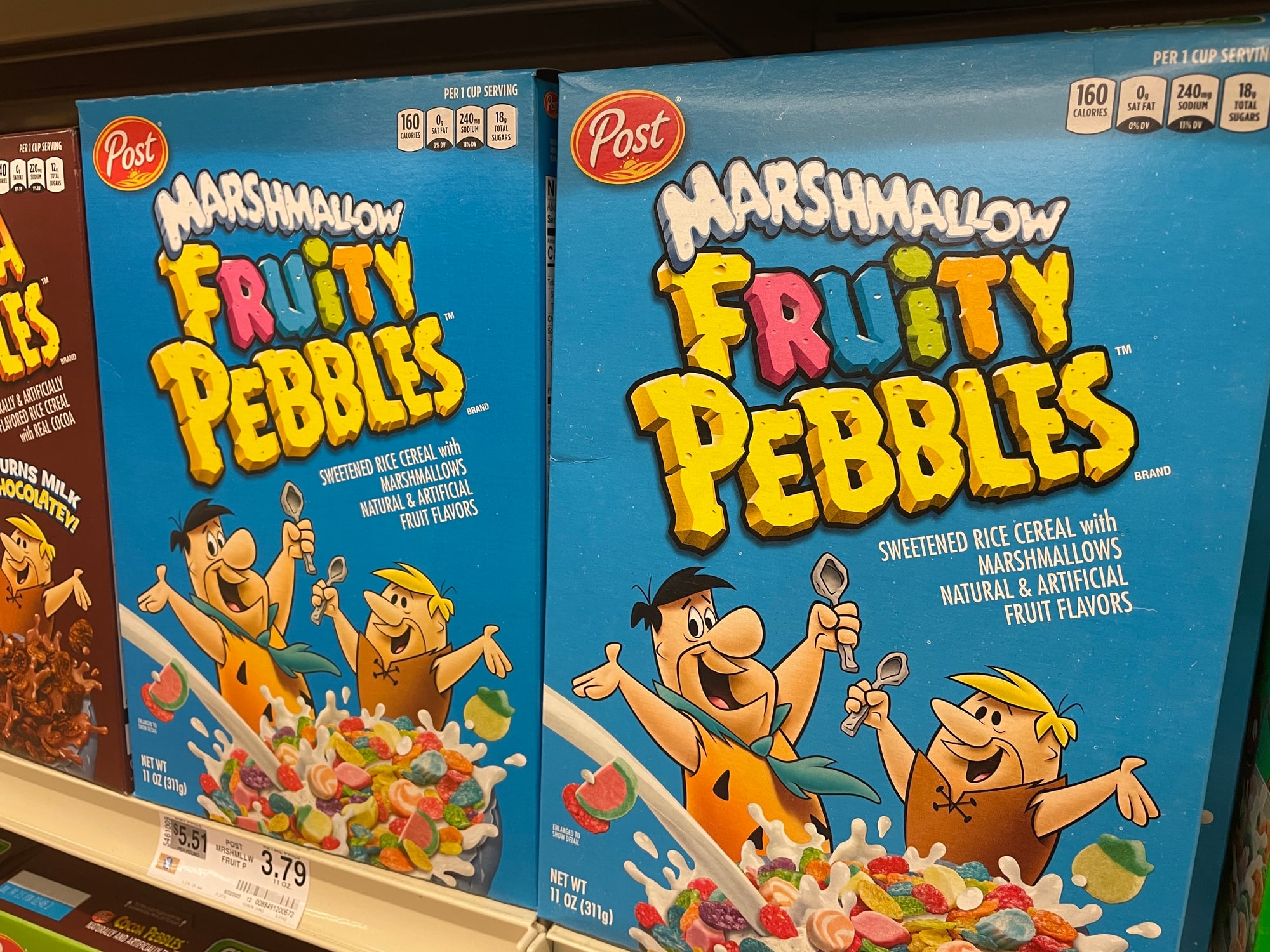
Post released Dino Pebbles as a variation on Fruity Pebbles that included coloured dinosaur-shaped marshmallows mixed in with the standard fruity puffed rice pieces. The timing was connected to ongoing public enthusiasm for dinosaurs in the early 1990s — a period that preceded Jurassic Park (1993) but rode the same cultural interest in prehistoric life that the film later amplified.
The cereal lasted approximately a year before Post discontinued it, and it remained in the Pebbles peripheral catalogue as one of the more frequently requested returns.
Banana Frosted Flakes (1980s–Early 1990s)
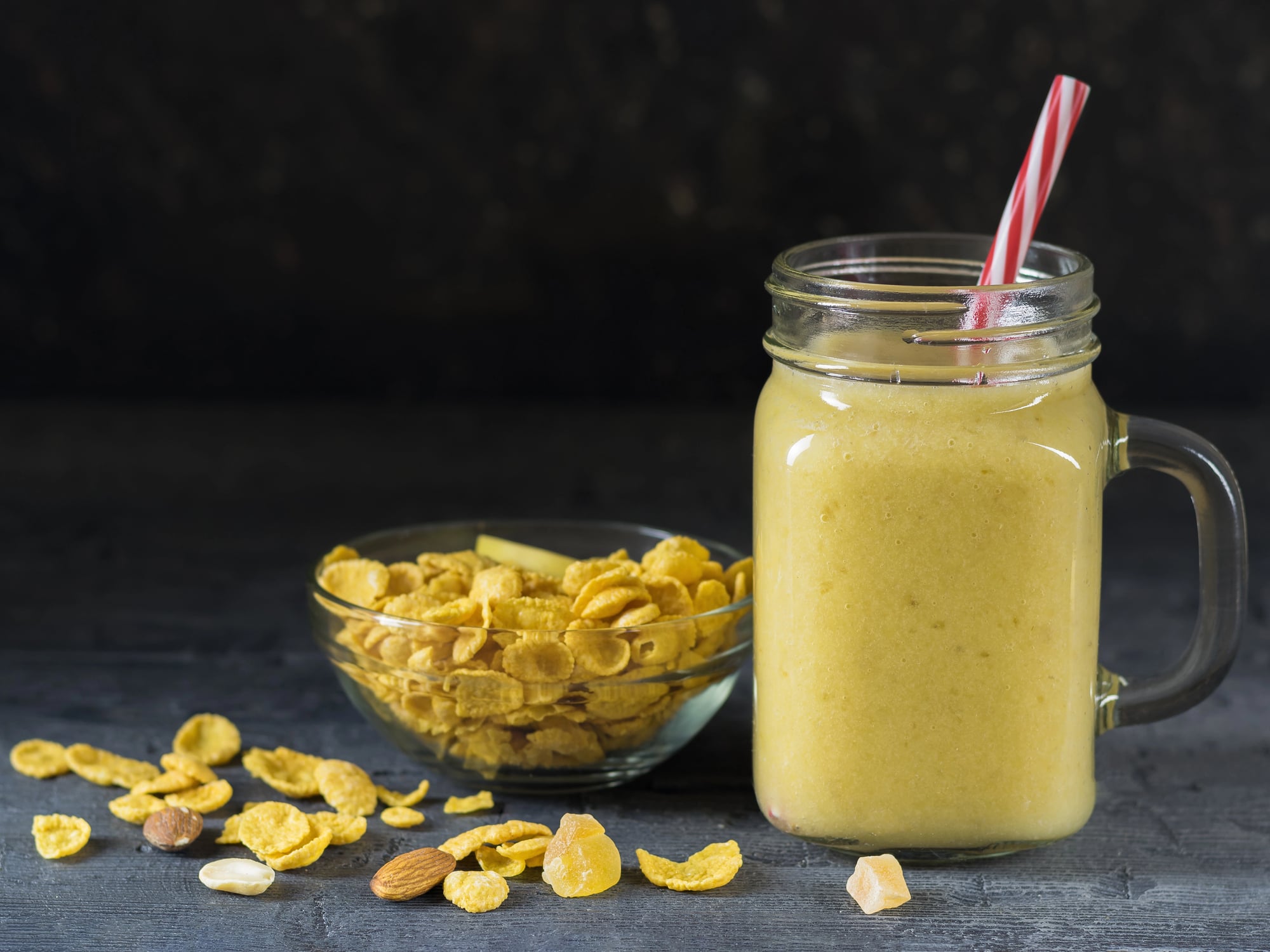
Kellogg’s produced a Frosted Flakes variation with banana flavouring and banana pieces at various points through the 1980s and early 1990s, marketed through Tony the Tiger with the standard enthusiasm that character brought to every product in the range. The banana flavour extension of the original corn flakes was considered an obvious variation, and banana as a cereal flavour has generally performed well in consumer preference testing without translating into consistently successful long-term products.
The original banana Frosted Flakes variation has been requested in revival petitions on multiple occasions.
Honey Smacks / Sugar Smacks
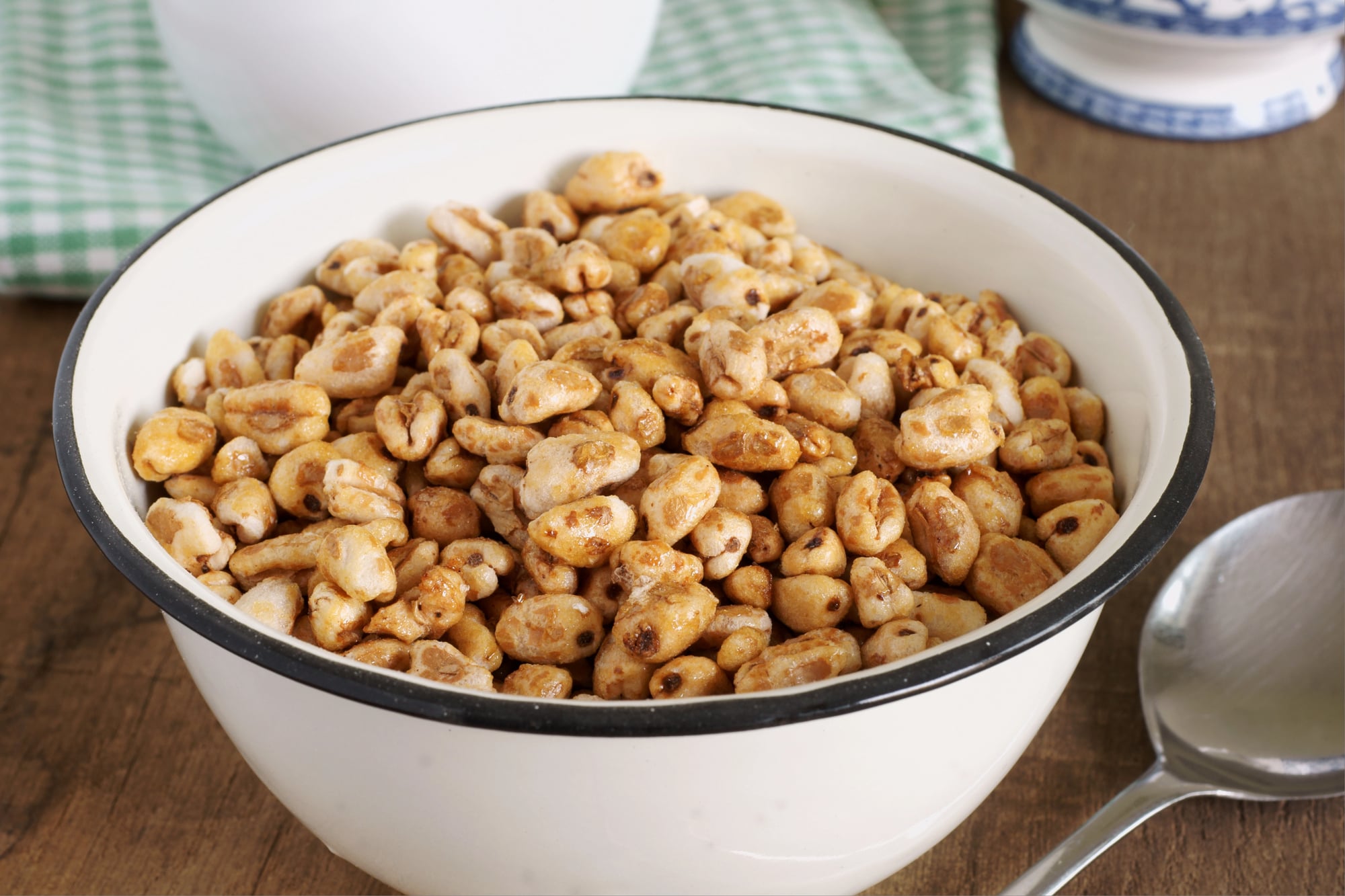
Sugar Smacks — later renamed Honey Smacks in response to regulatory pressure on cereals with “sugar” prominently in the name — was a sweetened puffed wheat cereal produced by Kellogg’s with a frog mascot named Dig’em Frog. The sugar content at its peak was among the highest of any cereal on the market: around 56% sugar by weight at various points in its history, a figure that was later used by health advocates as an example of cereal industry excess.
Honey Smacks was discontinued in the United States around 2022 following a Salmonella outbreak in 2018. Its history of maximum sugar concentration makes it a useful marker for the era when breakfast cereal sugar content was not yet a subject of meaningful public health scrutiny.
Kaboom! (1969–2010)
General Mills produced Kaboom! for over four decades, a corn cereal with a circus clown mascot and small marshmallow pieces in the shape of circus shapes — stars, moons, flowers. Its longevity relative to most cereals in this list reflects both its taste and the slow pace at which its specific consumer base aged out of the product without a sufficient replacement generation.
When it was discontinued in 2010, it generated nostalgic coverage in food media disproportionate to its contemporary market presence, which suggests it had maintained a quiet loyal following through its later years without drawing enough new customers to justify continued production.
Honey Nut Corn Pops (Various 1990s Iterations)
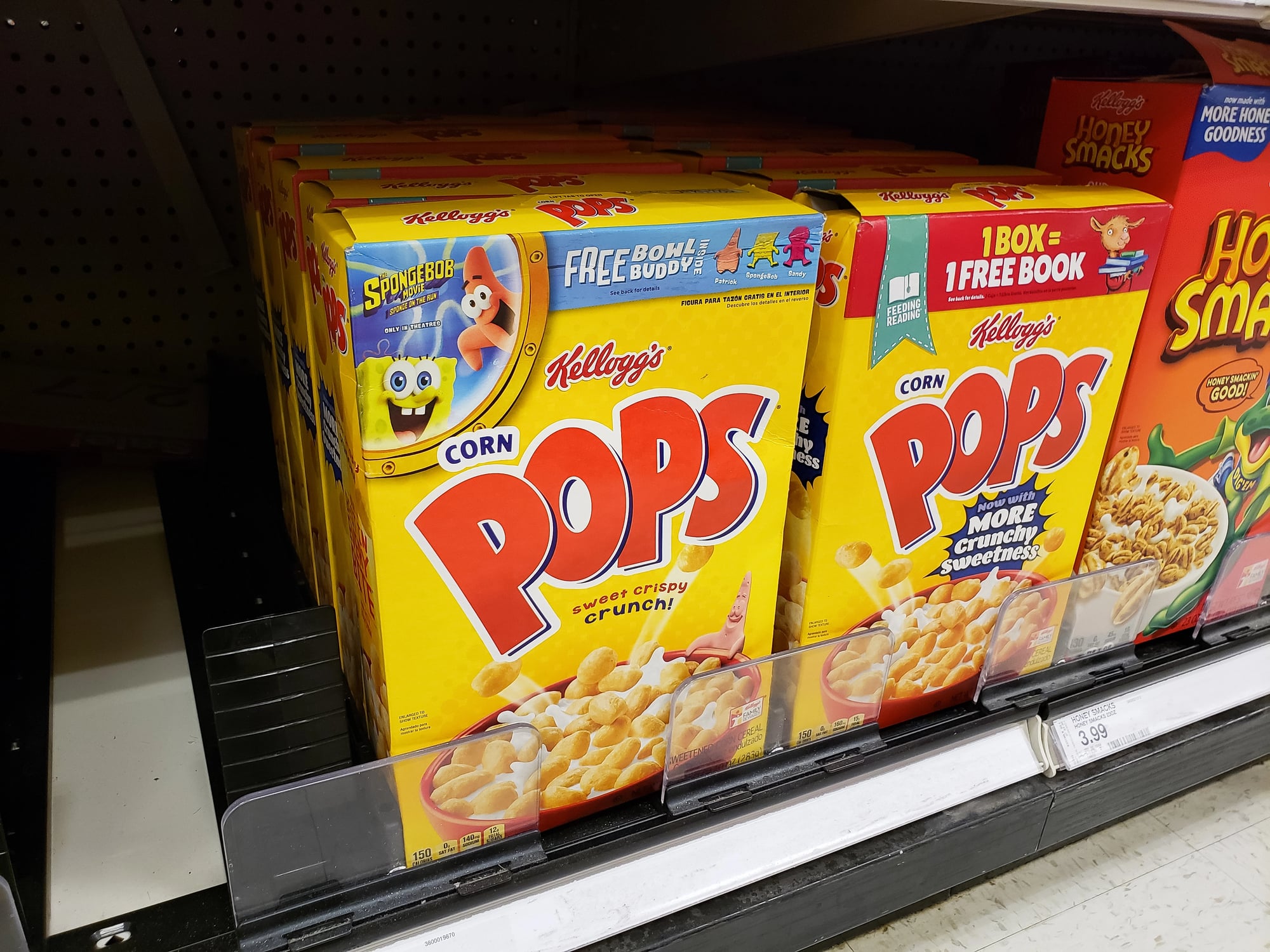
Kellogg’s produced various flavour extensions of its Corn Pops range through the 1990s, including honey nut variations that combined the base sweetened corn puff format with additional flavour layers. The original Corn Pops formula — then called Sugar Pops, before the naming conventions of the era were revised — has survived, but its flavour extensions have not.
The honey nut variation is regularly cited as preferable to the standard format by people who encountered it in childhood and find the comparison unflattering to the current product.
Crispy Critters (1983–1987, Revived 1991–1992)
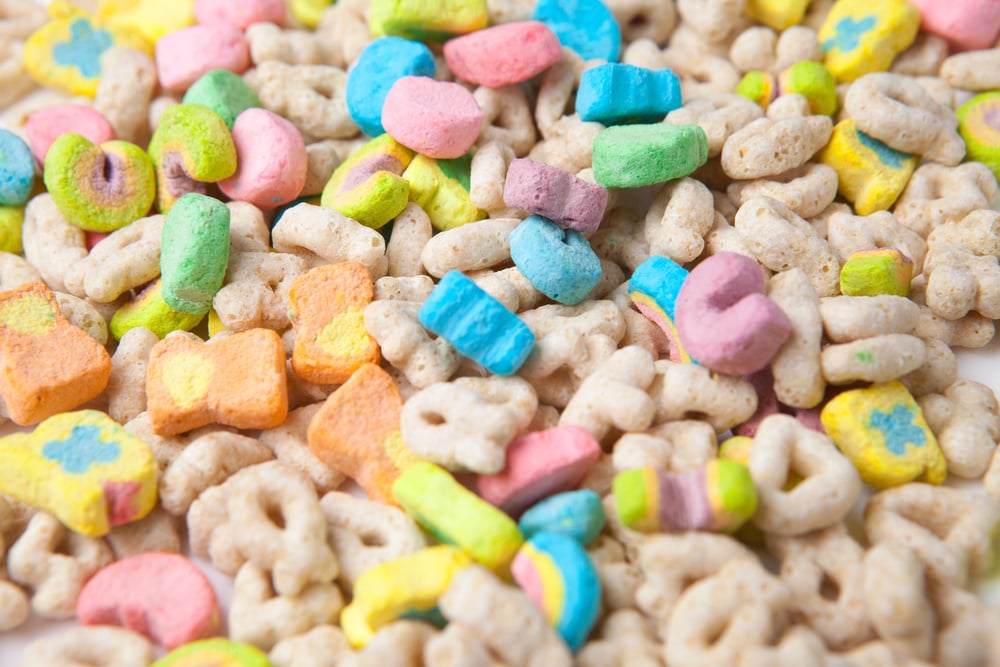
Post produced Crispy Critters in animal-shaped corn pieces with a sweetened coating, marketed through a campaign that described the cereal as “indubitably delicious” — an unusual vocabulary choice for a children’s food product that apparently landed well enough to survive in consumer memory. It was discontinued, revived, and discontinued again within a decade.
The two-phase existence of Crispy Critters has made it slightly more complicated to discuss in nostalgic terms than a cereal that simply ran once and ended, because the revival introduced a generation of children to a cereal that was already operating as a nostalgia product for an earlier generation.
Kellogg’s OJ’s (1985–1987)
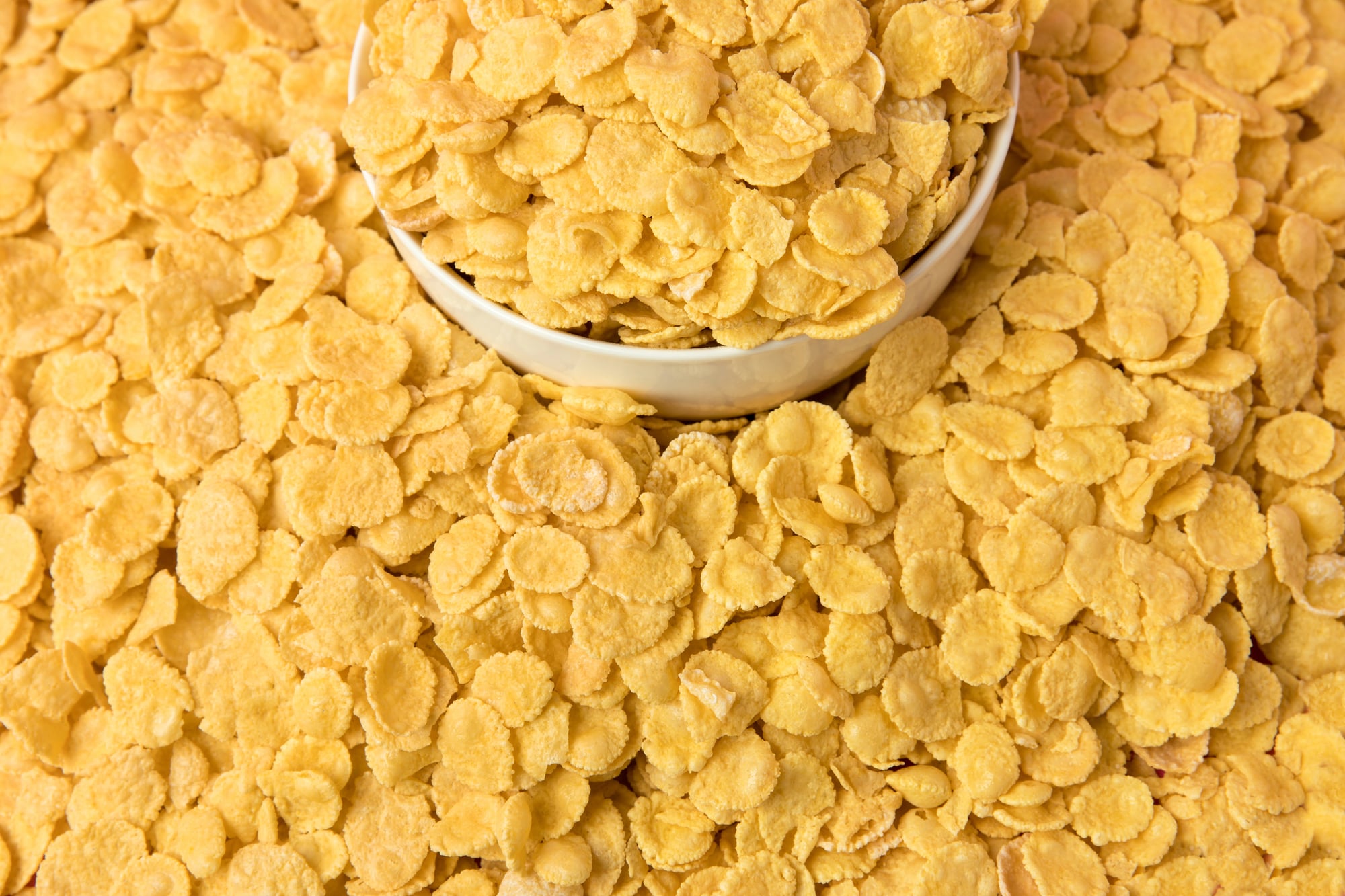
Kellogg’s produced OJ’s as an orange juice-flavoured sweetened corn cereal — a concept that either reads as inspired or alarming depending on your relationship to the idea of fruit-flavoured morning beverages being consolidated into a solid format. The cereal was orange in colour and marketed with the appeal of getting your morning orange juice as part of your cereal rather than alongside it.
It lasted two years, which is slightly more than the median lifespan for a flavour concept this specific, and has been discussed in nostalgia communities primarily by people who remember the orange colour more vividly than the taste.
Dinersaurs (1988–1990)
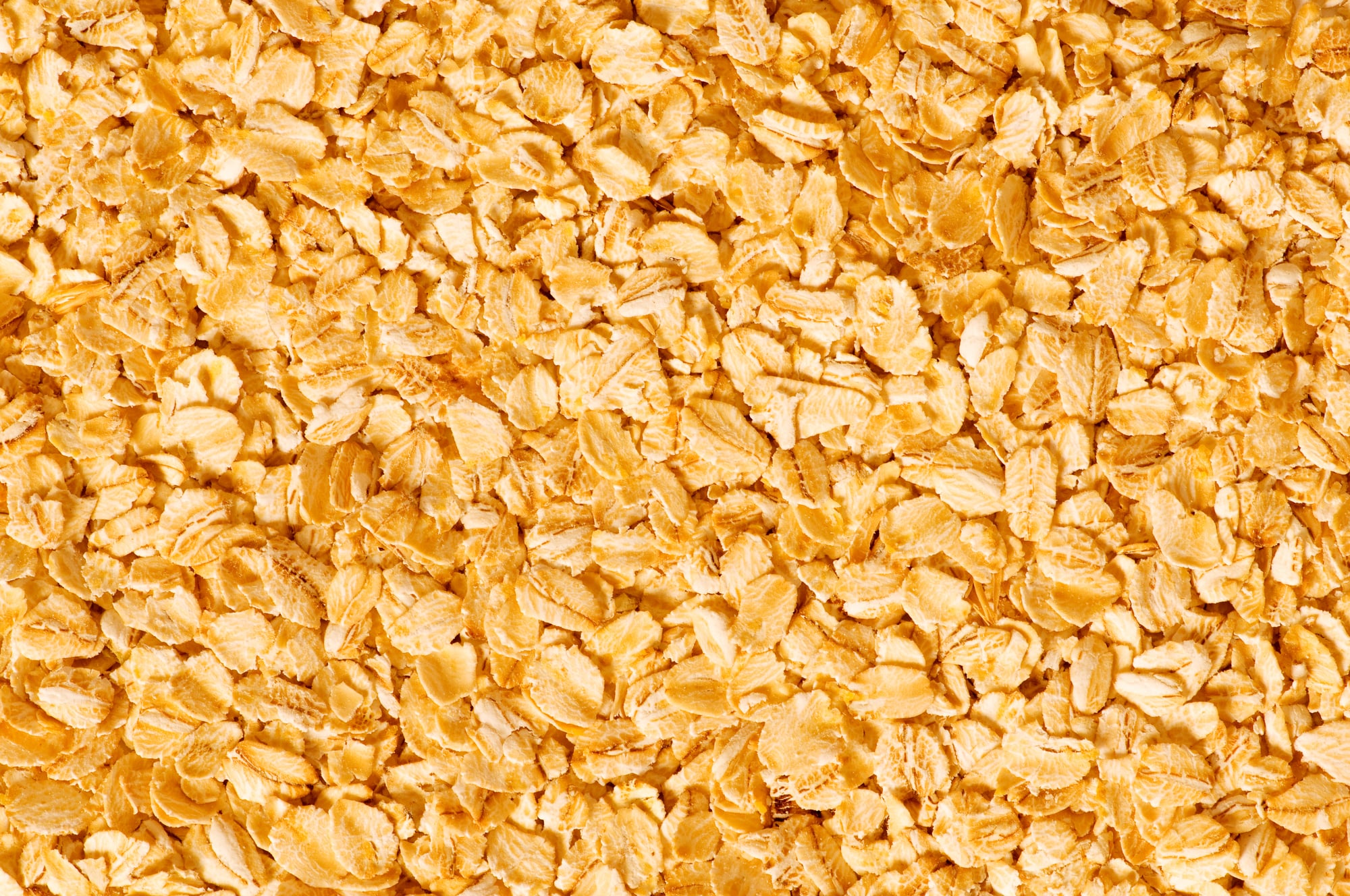
Ralston produced Dinersaurs as a dinosaur-themed cereal with sweetened corn pieces in the shapes of different dinosaur outlines. The late 1980s were a sustained peak of dinosaur enthusiasm in children’s media, and the cereal benefited from the same cultural moment that was filling children’s museums with new exhibits and libraries with new picture books.
The cereal ran for approximately two years, which was a relatively standard lifespan for a licensed-concept cereal without the anchor of an ongoing television property. It is remembered primarily by people who were at the optimal age for dinosaur enthusiasm between 1988 and 1990.
Honey Graham Oh’s (1981–Various)
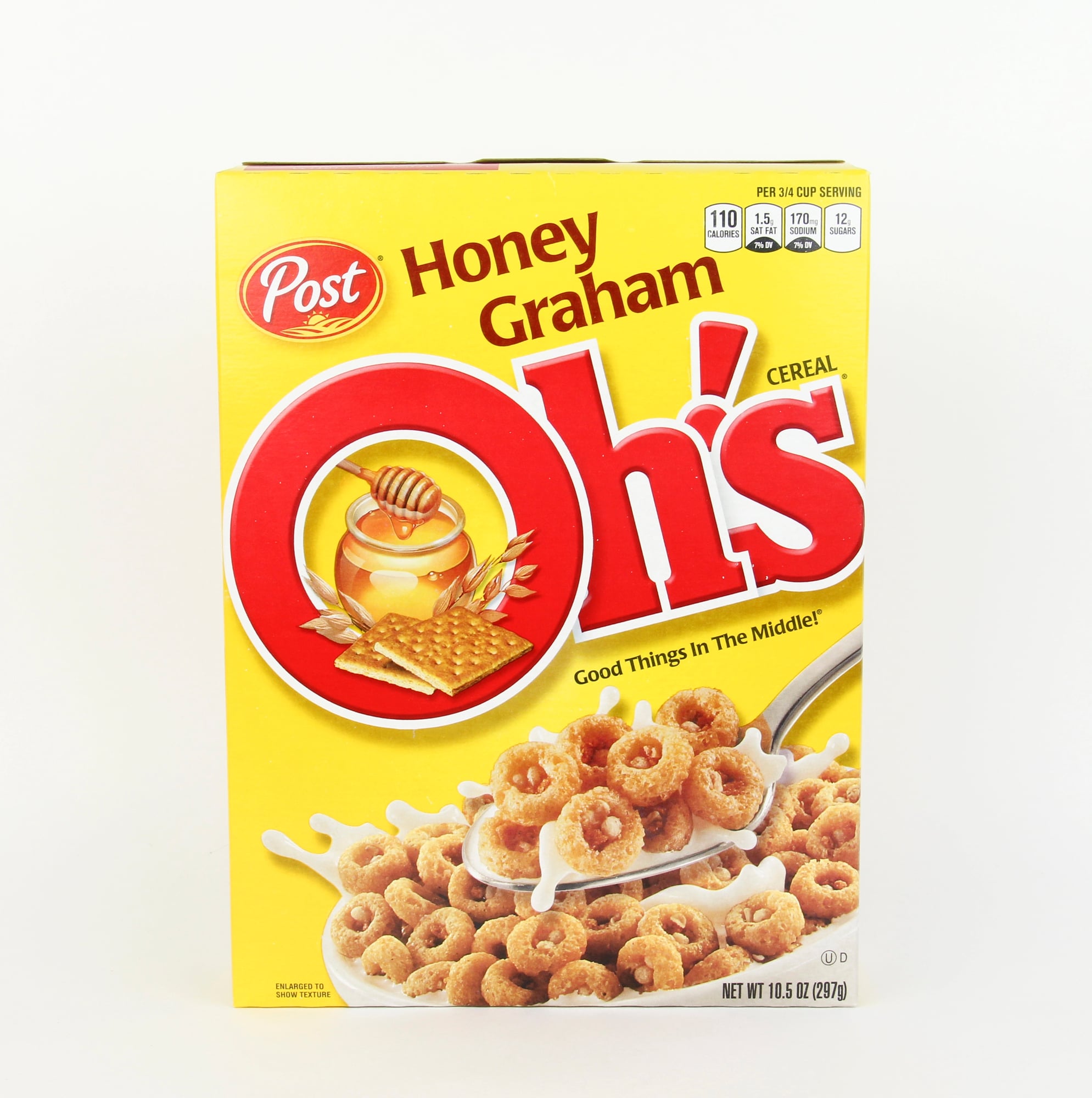
Post produced Honey Graham Oh’s as a ring-shaped cereal with a honey graham flavour, distinct enough from other sweetened cereals of the period to maintain a loyal following through its years of availability. Its on-and-off production history — available in some markets and not others, discontinued and occasionally revived — makes its classification as “discontinued” slightly complicated, as some consumers have been able to find it in specific regions while others regard it as definitively gone.
The honey graham flavour profile sits at a different point on the sweetness spectrum from most cereals in this list, making it slightly more defensible as a “wholesome” option from a parental perspective.
King Vitaman (1970–2014)
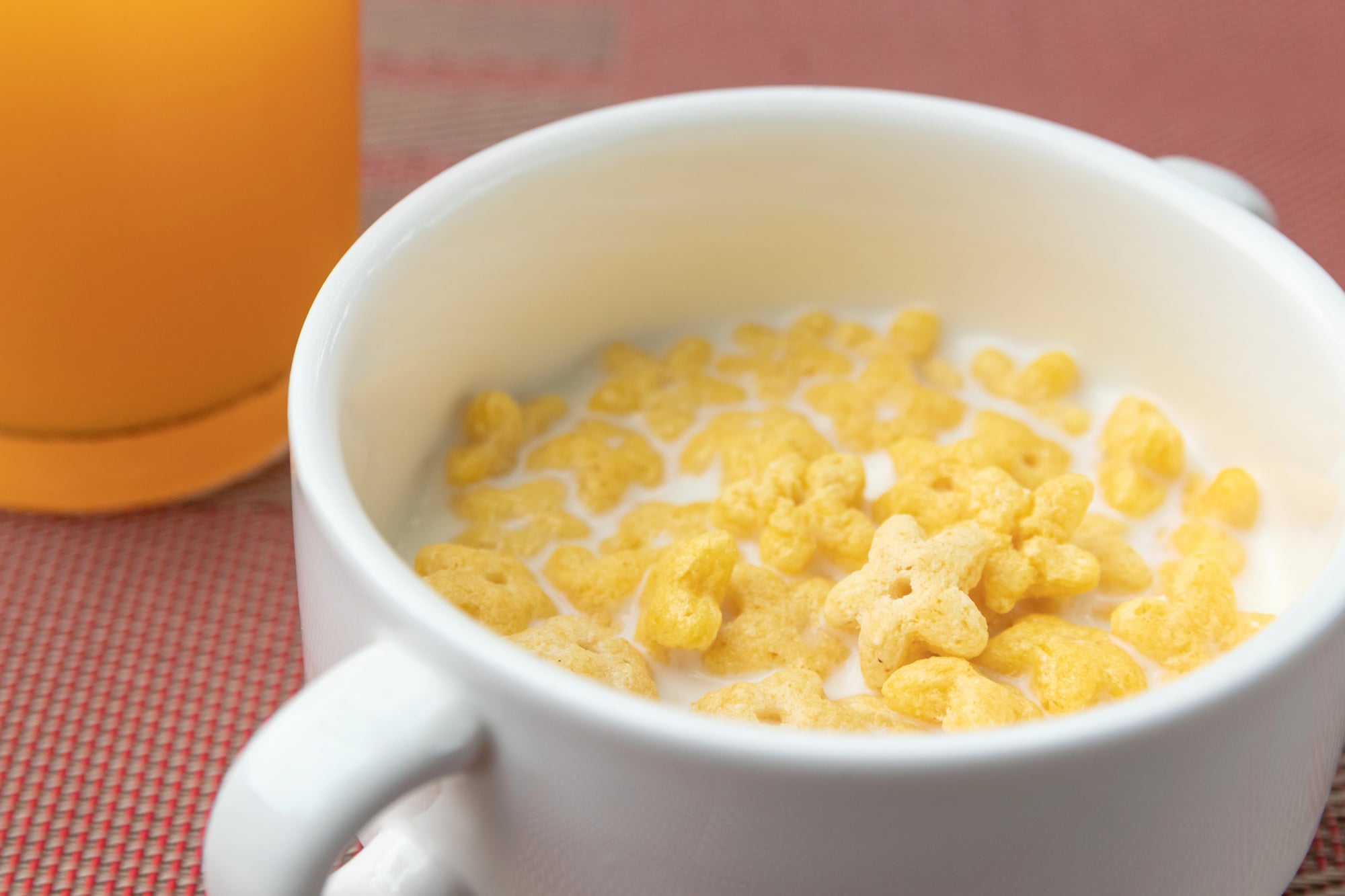
Quaker’s King Vitaman — a corn cereal sweetened and enriched, with a cartoon royal mascot — ran for over four decades before its discontinuation in 2014. Its longevity and subsequent absence make it a peculiar entry: it survived long enough to become genuinely unfashionable, then was discontinued just as food nostalgia started becoming a viable marketing strategy.
People who wanted King Vitaman back in 2014 had access to social media platforms that would have allowed them to organise that desire in ways that were unavailable to the Crazy Cow nostalgists of the early 1990s, and the discontinuation received more coordinated online mourning than most cereals of its generation.
Circus Fun (1985–1988)
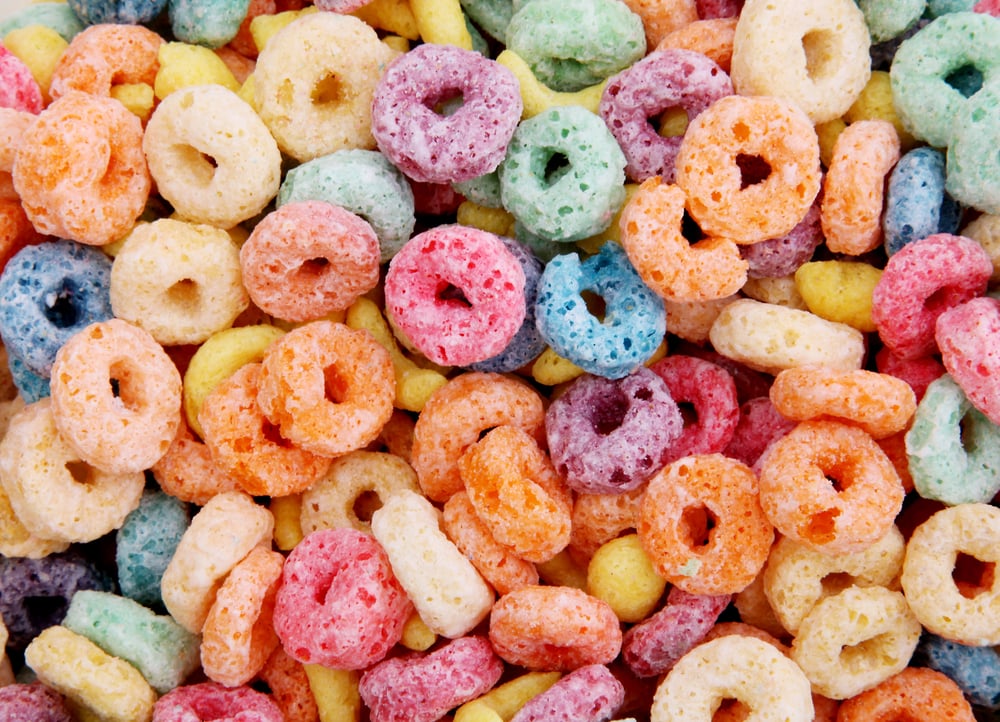
General Mills produced Circus Fun as an animal cracker-inspired cereal with sweetened corn puffs shaped like circus animals and small rainbow-coloured marshmallow pieces. The combination of animal shapes and marshmallows in a sweet corn base was a reliable formula for the period, and Circus Fun executed it within the acceptable parameters of 1985.
It lasted three years and has been referenced primarily in lists of discontinued cereals, which is its primary remaining cultural function.
Baron Von Redberry and Sir Grapefellow (1971–1974)
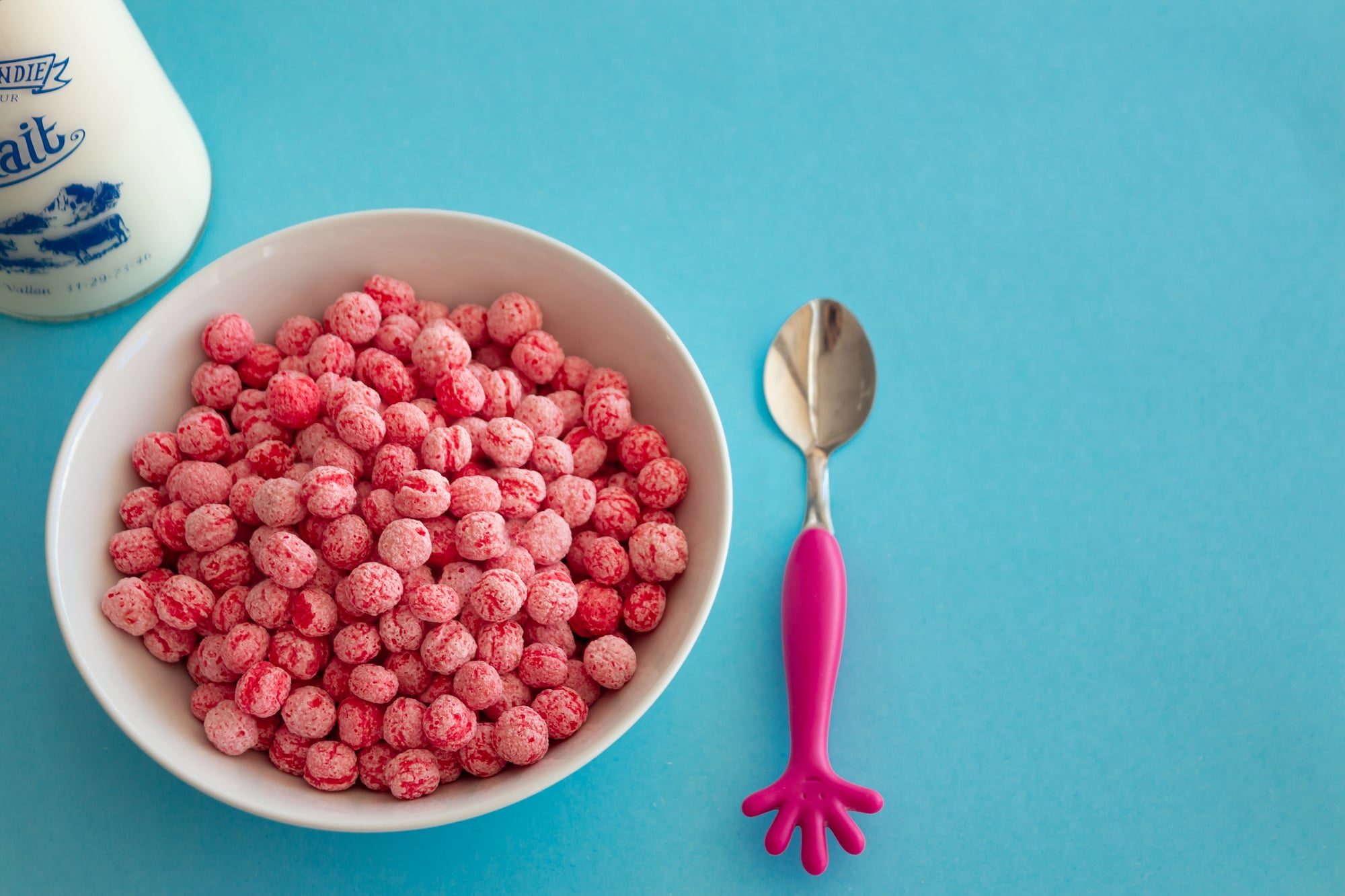
General Mills produced Baron Von Redberry and Sir Grapefellow as companion cereals sold together during a brief period in the early 1970s, with each featuring an aviation-themed mascot — one for strawberry, one for grape — in a sweetened corn cereal format. Their marketing framing positioned them as rivals, which was a structural innovation in cereal marketing that preceded the more elaborate brand rivalries of the following decades.
They lasted three years and were discontinued together, which maintained a certain narrative symmetry. Their brief existence makes them among the more obscure entries in the discontinued cereal conversation, known primarily by people old enough to have eaten them originally.
Powdered Donutz Cereal (Early 2000s)
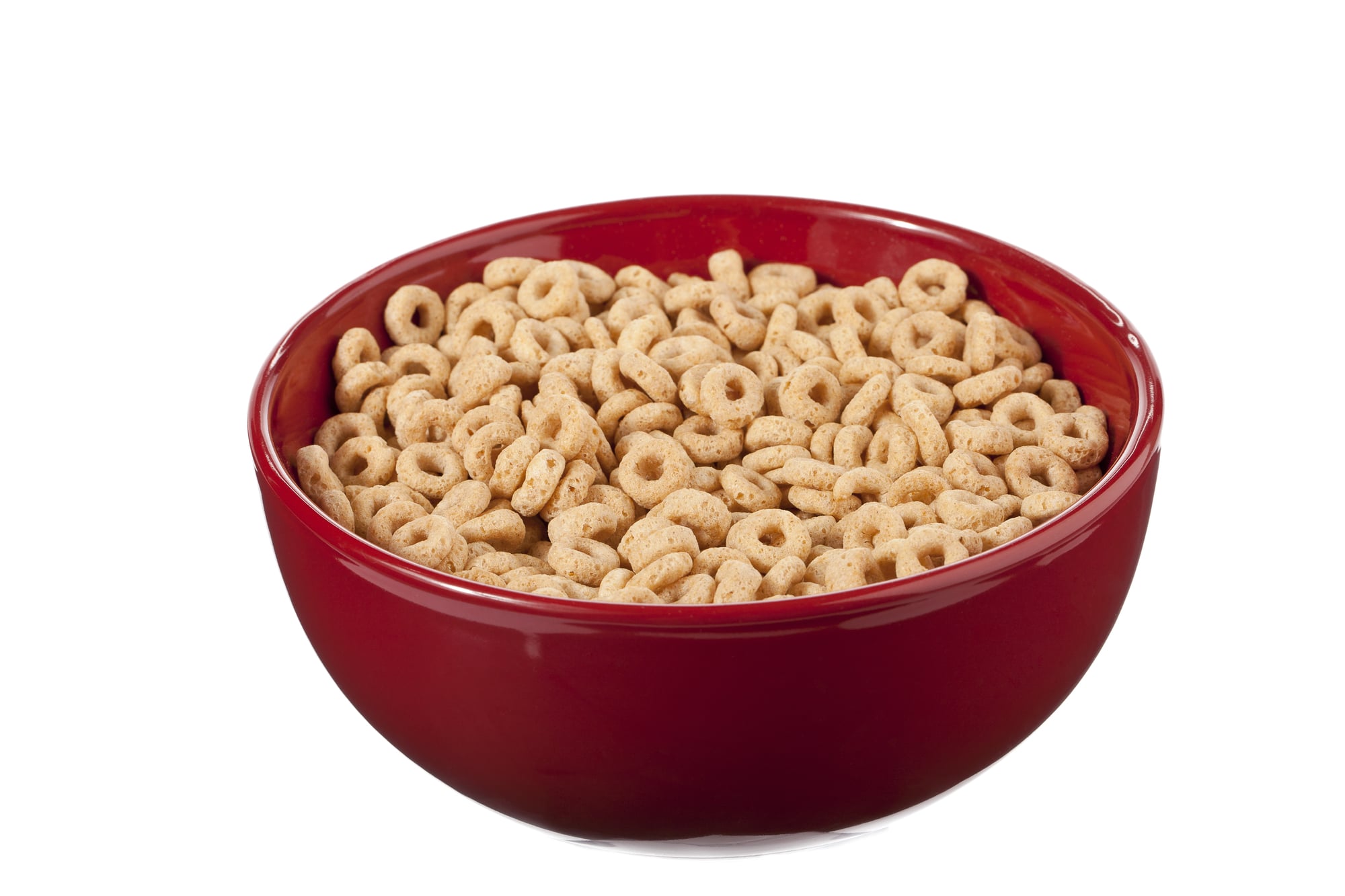
Cap’n Crunch’s Powdered Donutz variety appeared in the early 2000s as small ring-shaped pieces designed to resemble powdered doughnuts, with a vanilla-sweet flavour and a light coating that approximated the powdered sugar effect in a way that held up reasonably well to both dry consumption and immersion in milk. The Powdered Donutz entry represented the cereal industry’s sustained interest in making breakfast-dessert hybrids that had a nostalgic childhood food as the reference point.
Its discontinuation prompted the same pattern of online nostalgia that most Cap’n Crunch special editions have generated, with consumers requesting the return of the specific variety rather than the standard product.
Morning Funnies (1988–1989)
Ralston produced Morning Funnies as a fruit-flavoured cereal notable primarily for its box design: the packaging featured a comics section printed in the style of a Sunday newspaper, with original cartoon strips to read while eating. The concept of turning the cereal box itself into a piece of content was not unique to Morning Funnies, but the comics execution was more deliberately crafted than most.
It lasted one year. The product concept — cereal as content delivery mechanism — anticipated the later commercial logic of putting QR codes on packaging by approximately twenty-five years.
Kellogg’s Bigg Mixx (1990–1992)
Kellogg’s produced Bigg Mixx as a mixed-grain cereal with several different piece types in each box, marketed through a chimeric animal mascot that was part chicken, part moose, part wolf, and part pig — a creature called Bigg Mixx, designed to represent the mixed-species contents. The mascot’s implausible biology was the primary marketing angle.
The cereal had a slightly more complex flavour profile than most of its contemporaries by virtue of the mixed-grain format, and it developed a following during its two-year run that has sustained online nostalgia discussions decades after its discontinuation.
The Morning After the Last Bowl
There is no reasonable explanation for why adults feel genuine loss about cereals they haven’t eaten in twenty years. The sugar content was absurd, the nutrition profile was defensive at best, and most of the flavours are approximated well enough by current products that the gap is thinner than nostalgia would suggest.
But the cereal at the centre of the memory isn’t a food product — it’s a Saturday morning. It’s the television on, the rest of the house quiet, the specific ritual of pouring the cereal and watching the milk rise.
What these cereals carried, more than any flavour, was the specific texture of mornings that didn’t require anything of you yet. No urgency, no schedule, just the bowl and the cartoon and the mascot looking slightly deranged on the front of the box.
Bring the cereal back and the morning doesn’t follow. That’s the catch.
The cereal was never really the point.
More from Go2Tutors!

- The Romanov Crown Jewels and Their Tragic Fate
- 13 Historical Mysteries That Science Still Can’t Solve
- Famous Hoaxes That Fooled the World for Years
- 15 Child Stars with Tragic Adult Lives
- 16 Famous Jewelry Pieces in History
Like Go2Tutors’s content? Follow us on MSN.



