18 Times Historians Got Major Facts Wrong
History isn’t as set in stone as we’d like to believe. Scholars spend decades studying the past, yet even the most respected historians sometimes get things spectacularly wrong. From misidentified artifacts to completely fabricated events, these mistakes have shaped how we understand our world.
The following examples show just how dramatically historical ‘facts’ can change when new evidence emerges. Here is a list of 18 times historians got major facts wrong.
The Piltdown Man Hoax
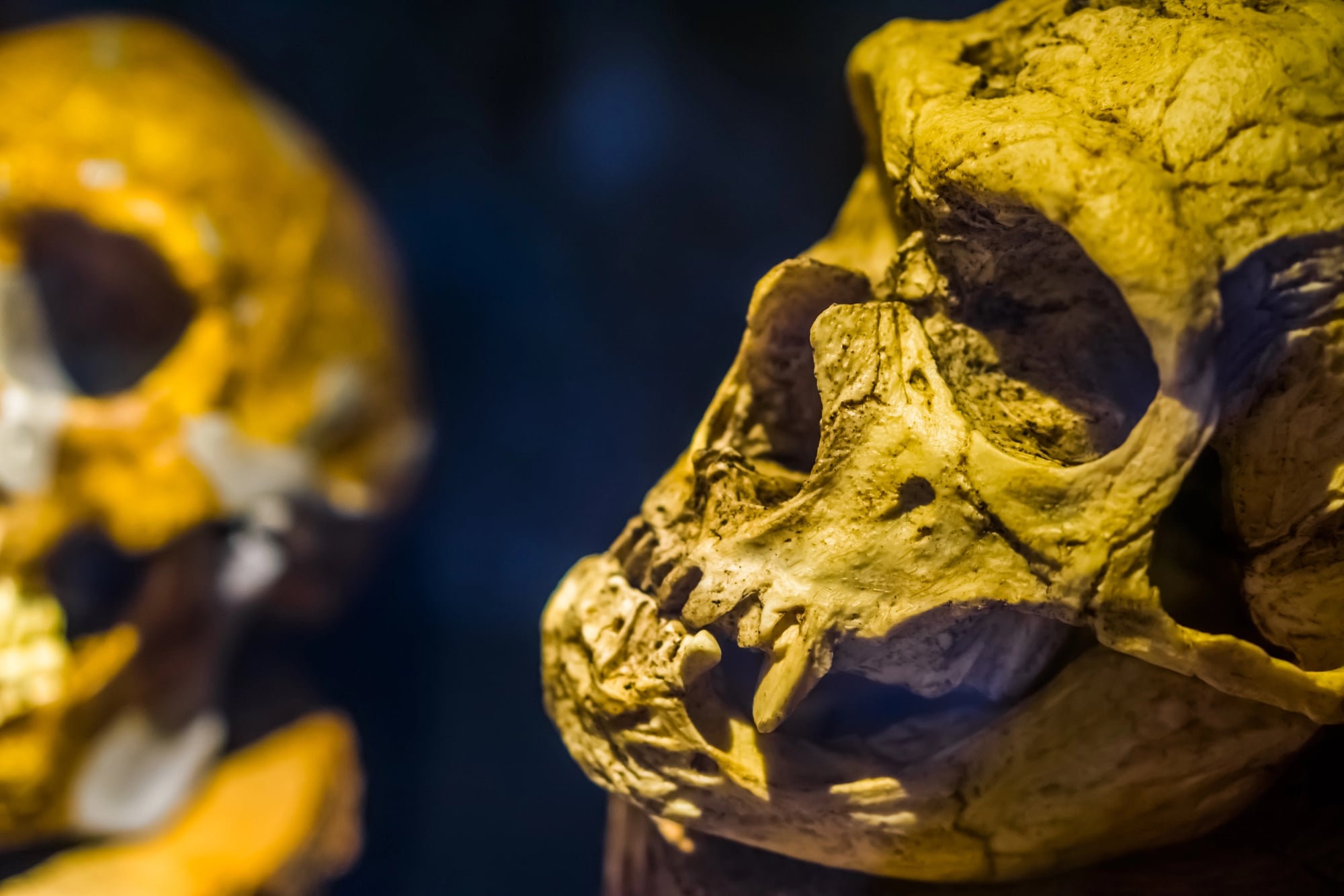
For over four decades, scientists believed they’d found the missing link between humans and apes in a gravel pit in England. The Piltdown Man skull — discovered in 1912 — seemed to prove that human evolution began in Europe rather than Africa.
Researchers built entire theories around this single find, publishing countless papers and reshaping anthropology textbooks. The truth didn’t emerge until 1953 when advanced testing revealed the skull was a clever fake made from a medieval human skull combined with an orangutan jaw.
Vikings Wore Horned Helmets
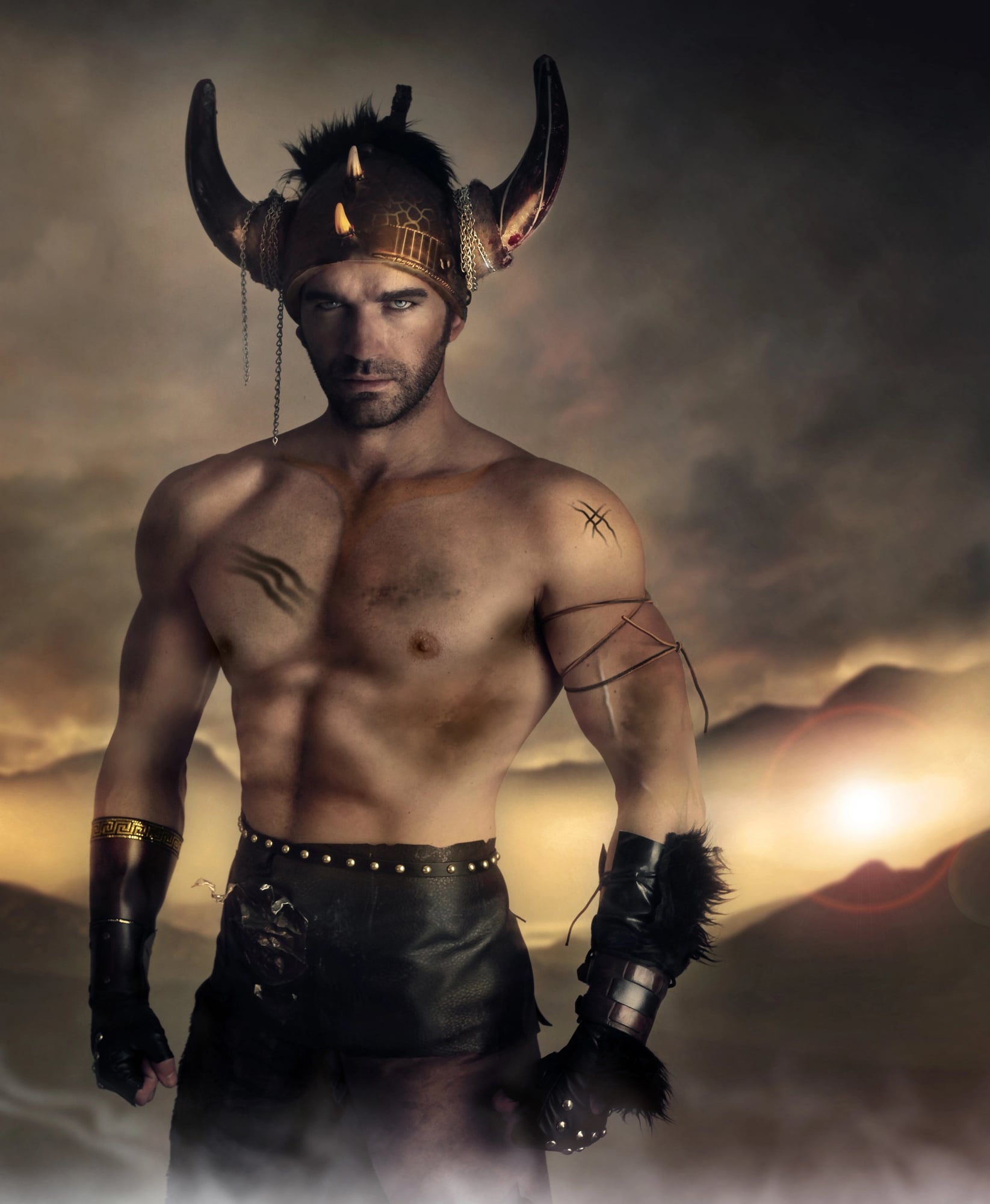
Thanks to 19th-century romantic art and Wagner’s operas, most people picture Vikings charging into battle with horned helmets. Historians repeated this image for generations — it became one of the most recognizable symbols of medieval warfare.
Archaeological evidence tells a completely different story though. No horned helmets from the Viking era have ever been found, plus practical warriors would never have worn such cumbersome headgear that could easily be grabbed by enemies.
Napoleon Was Short

History books long described Napoleon as a tiny man with a big ego, standing barely over 5 feet tall. This supposed fact became central to understanding his aggressive personality — plus his military ambitions.
The confusion arose from differences between French and English measurements of the time. Napoleon actually stood about 5’7″, which was average or even slightly tall for men in the early 1800s.
Like Go2Tutors’s content? Follow us on MSN.
The Great Wall of China Is Visible from Space

This claim appeared in geography textbooks and was repeated by countless educators as proof of human engineering achievement. Even some astronauts initially supported this idea — though they later admitted they were mistaken.
The Great Wall is actually far too narrow to be seen from space with the unaided eye. At its widest points, the wall measures only about 30 feet across, making it virtually invisible from even low Earth orbit.
Medieval People Believed the Earth Was Flat

For decades, historians taught that medieval Europeans lived in ignorance — believing they might sail off the edge of a flat Earth. This myth became a key example of how the Dark Ages supposedly set back human knowledge.
Ancient Greeks had already calculated the Earth’s circumference with remarkable accuracy, and this knowledge was preserved throughout the medieval period. Educated people in Columbus’s time knew the Earth was round while debating its size, not its shape.
Marie Antoinette Said ‘Let Them Eat Cake’
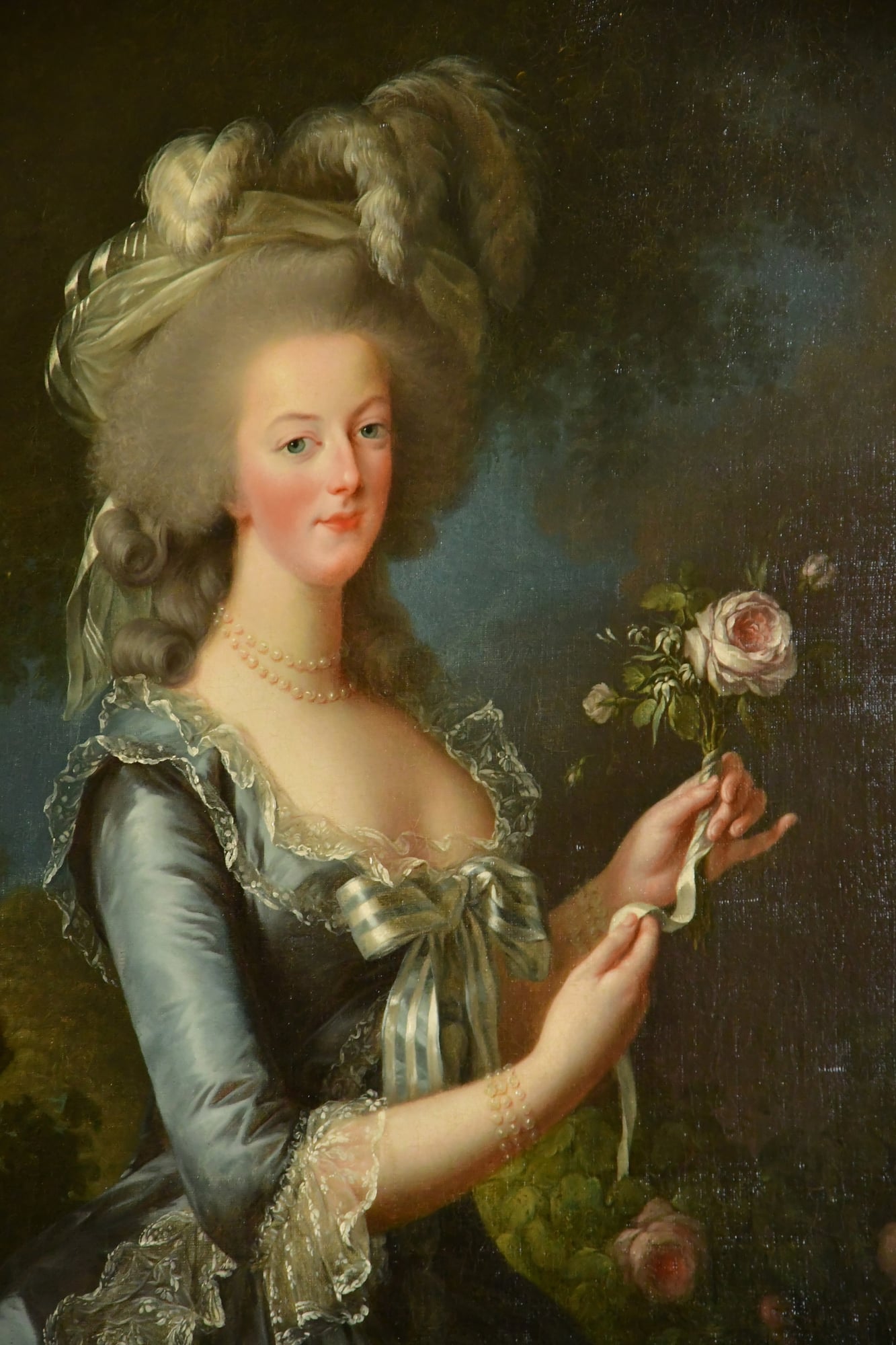
This phrase became the ultimate symbol of aristocratic indifference to common suffering during the French Revolution. Historians used it to explain the explosive anger that led to the monarchy’s downfall — yet the quote actually appeared in Jean-Jacques Rousseau’s writings when Marie Antoinette was still a child in Austria.
No credible evidence links these words to the French queen, though the myth persists because it perfectly captures the perceived arrogance of the royal court.
Like Go2Tutors’s content? Follow us on MSN.
The Library of Alexandria Was Destroyed by Religious Fanatics

Historians long blamed the destruction of the ancient world’s greatest library on a single catastrophic event — usually Christian mobs or Muslim conquerors. This narrative fit perfectly with stories about the triumph of ignorance over learning.
Modern research shows the library declined gradually over several centuries due to reduced funding, political instability, plus changing academic priorities. No single group or event caused its demise.
Witches Were Burned at the Stake in Salem
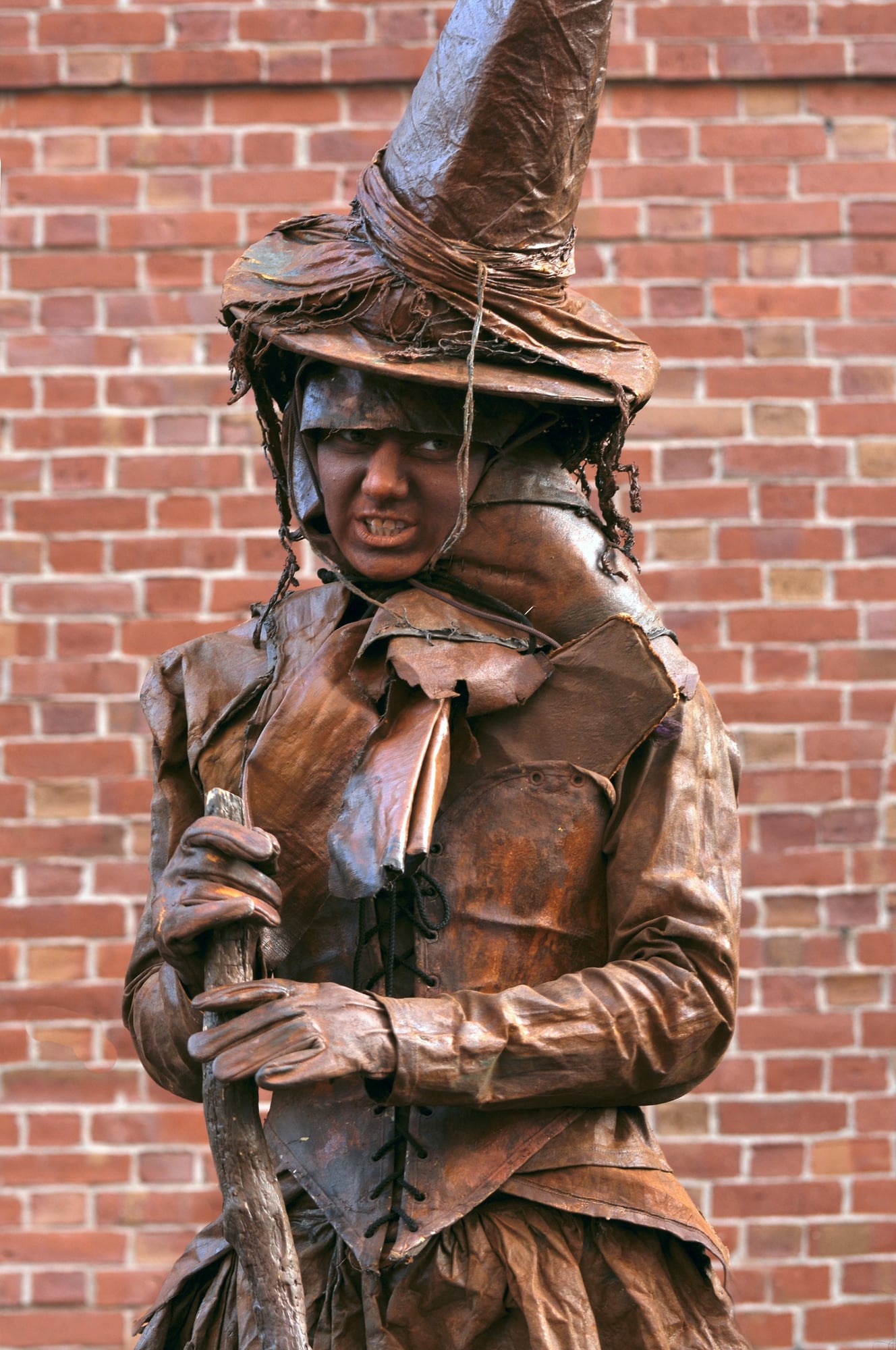
The Salem witch trials became synonymous with burning people alive for supposed supernatural crimes. This dramatic image appears in countless history books — plus historical fiction.
In reality, none of the 20 people executed in Salem were burned. Nineteen were hanged, while one man was pressed to death with heavy stones.
Iron Maidens Were Medieval Torture Devices

Museums displayed these spike-lined coffins as examples of medieval cruelty — historians incorporated them into studies of judicial torture. The iron maiden became a symbol of the supposedly barbaric Middle Ages.
These devices were actually created in the 18th and 19th centuries, long after the medieval period ended. Museum curators plus showmen invented them to attract visitors fascinated by tales of ancient brutality.
Like Go2Tutors’s content? Follow us on MSN.
The Trojan Horse Was a Real Wooden Horse
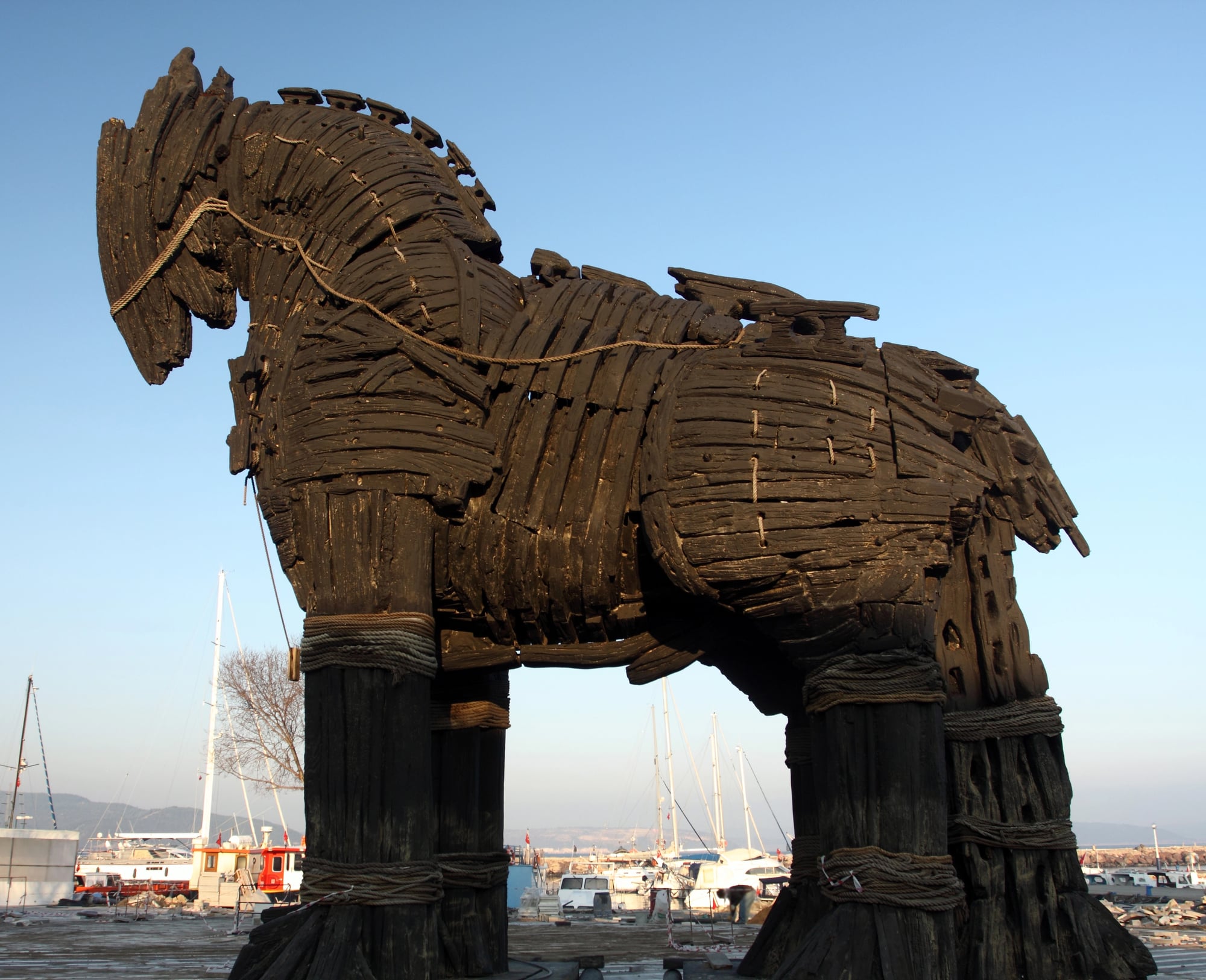
Archaeological discoveries at Troy seemed to confirm Homer’s epic tale — historians treated the wooden horse as a genuine military stratagem. The story became a classic example of ancient warfare tactics.
The horse was likely a metaphor for an earthquake, siege engine, or ship that the Greeks used to breach Troy’s defenses. Ancient writers often used animal imagery to describe military equipment plus natural disasters.
Nero Fiddled While Rome Burned
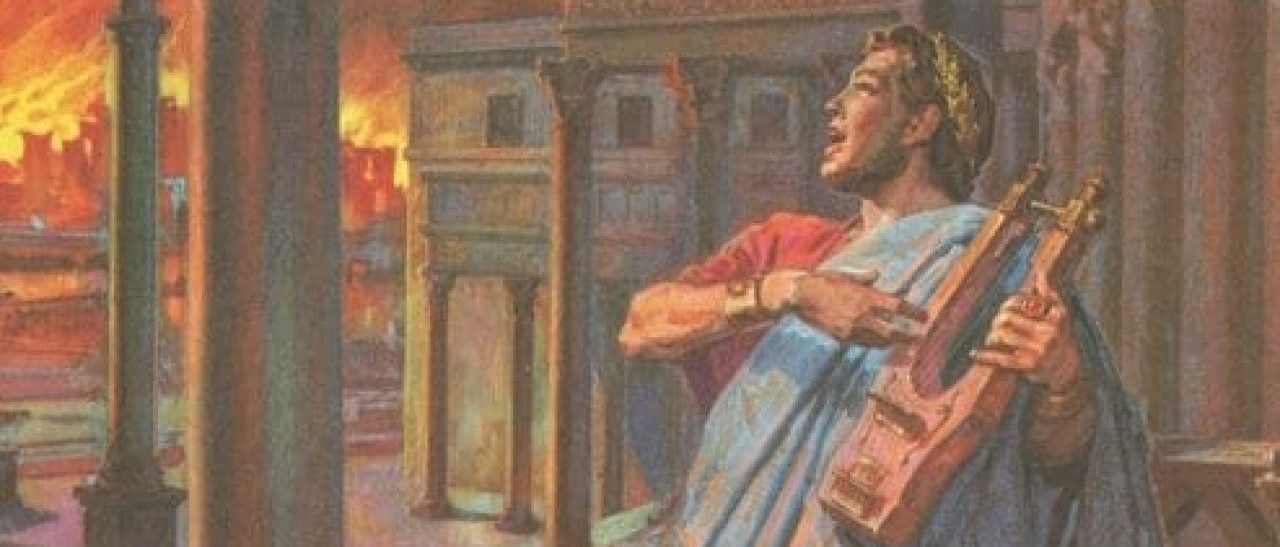
This image of imperial indifference became one of history’s most famous examples of leadership failure. Historians used it to illustrate the decadence and incompetence of Roman emperors.
Fiddles didn’t exist in ancient Rome, and contemporary accounts suggest Nero was actually in Antium, 35 miles away, when the fire started. When he returned to Rome, he organized relief efforts and opened his own palace to homeless citizens.
The Wild West Was Dominated by Gunfights
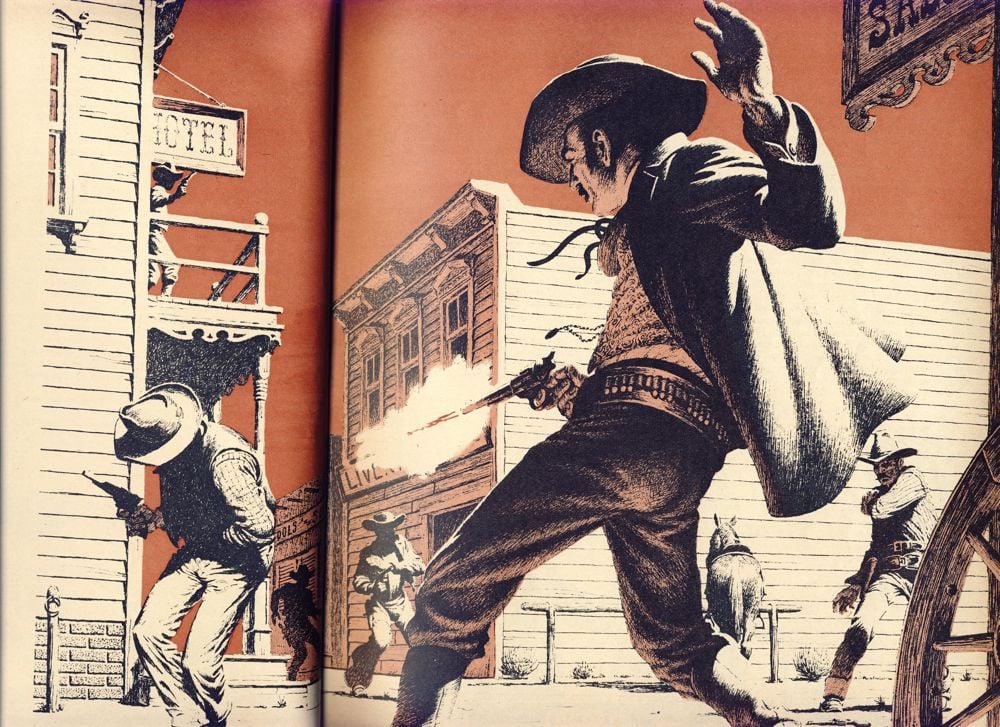
Hollywood westerns shaped historical understanding of the American frontier, where historians described daily shootouts and lawless violence. This period seemed to represent a unique chapter in American violence and individualism.
Most western towns had strict gun control laws, and actual gunfights were extremely rare. The famous gunfight at the OK Corral lasted only 30 seconds and involved just a handful of men, yet it became legendary precisely because such events were so unusual.
Like Go2Tutors’s content? Follow us on MSN.
Cleopatra Was Egyptian
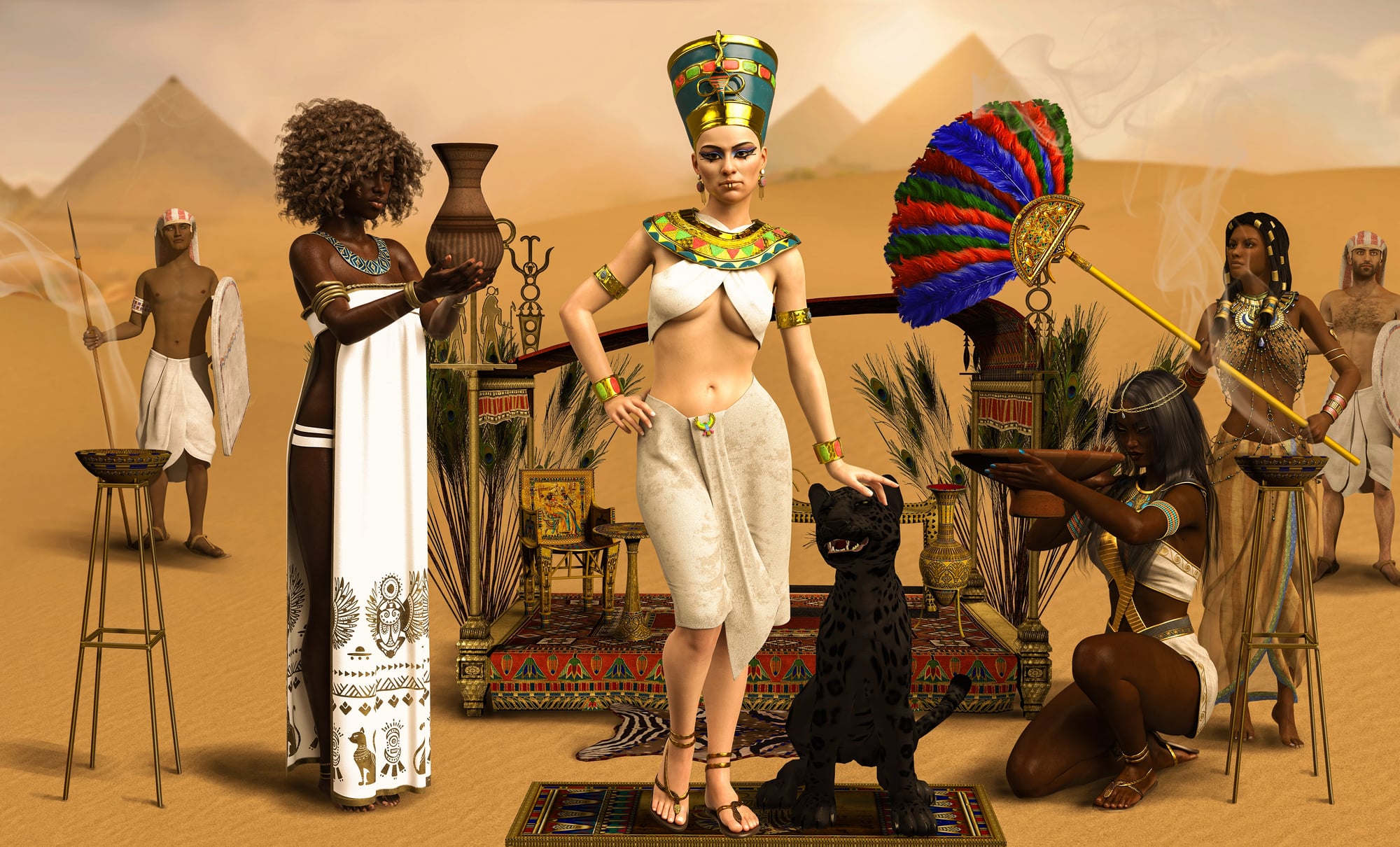
Ancient historians and modern scholars long assumed Egypt’s most famous queen was ethnically Egyptian, which seemed logical given her role as pharaoh. This assumption shaped understanding of her appearance and cultural background.
Cleopatra was actually of Macedonian Greek descent, belonging to the Ptolemaic dynasty that had ruled Egypt since Alexander the Great’s conquest. She was likely the first Ptolemaic ruler to actually learn the Egyptian language.
The Pyramids Were Built by Slaves

This belief, reinforced by biblical accounts and Hollywood movies, became central to understanding ancient Egyptian society and labor practices. Historians described massive slave gangs toiling under harsh conditions to build monuments to pharaonic ego.
Archaeological evidence from workers’ villages shows the pyramid builders were actually well-fed, skilled laborers who received proper burials and medical care. They were likely seasonal workers, possibly farmers working during flood seasons when agricultural work was impossible.
Medieval Chastity Belts Were Common

Museums displayed these metal devices as evidence of medieval attitudes toward women and marriage, while historians debated their social implications. The belts seemed to represent the ultimate symbol of patriarchal control.
Nearly all surviving examples date from the Renaissance or later periods, and many were likely created as jokes or curiosities. Contemporary medieval sources make no mention of such devices, suggesting they were far less common than once believed.
Like Go2Tutors’s content? Follow us on MSN.
George Washington Had Wooden Teeth
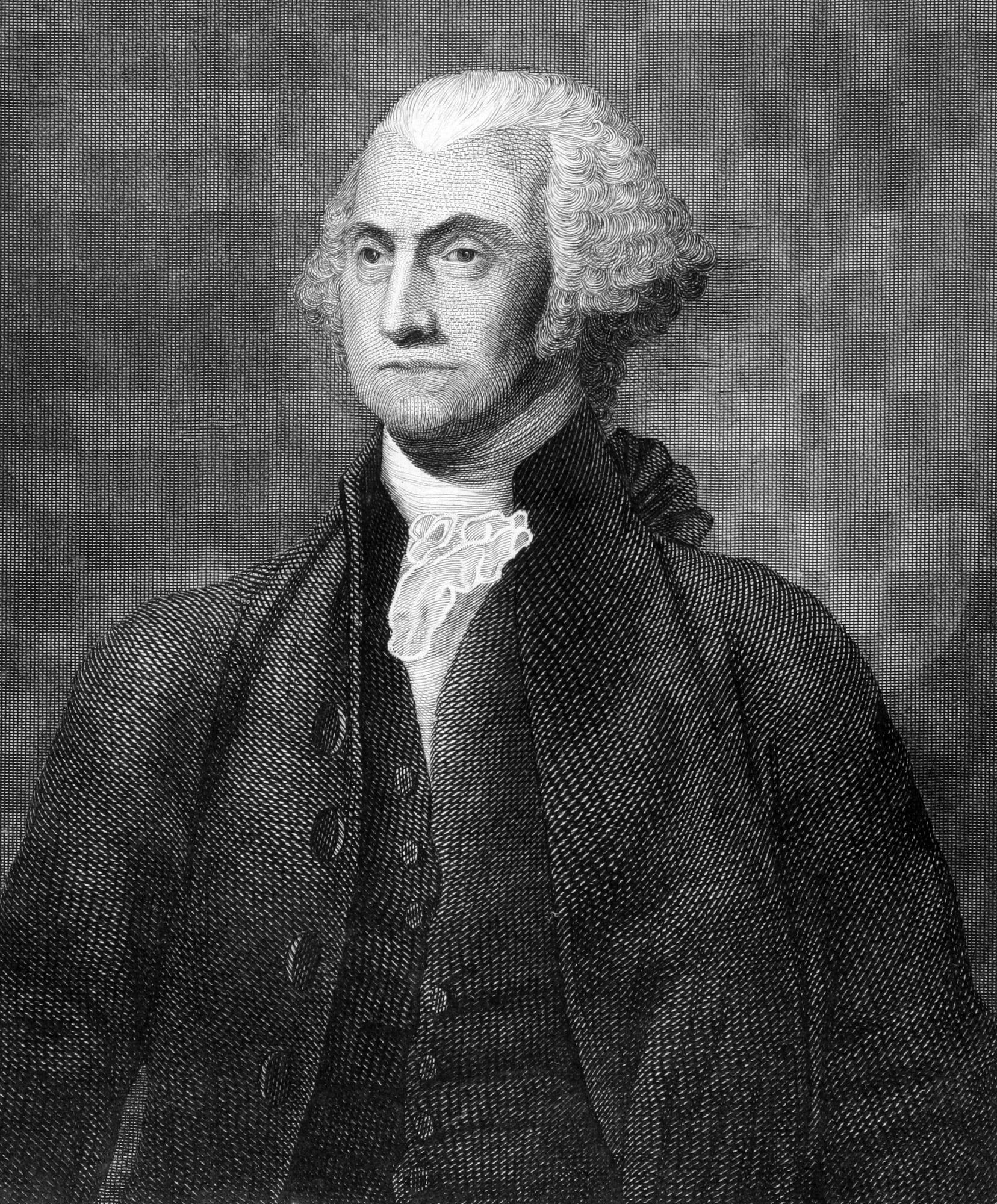
This detail appeared in countless biographies and became part of the founding father’s humanizing mythology. The story suggested Washington endured constant pain while leading the revolution and presidency.
Washington’s dentures were actually made from a combination of human teeth, animal teeth, and ivory, held together with gold wire and springs. While uncomfortable, they were far more sophisticated than simple wooden blocks.
The Boston Tea Party Was About Tea Taxes
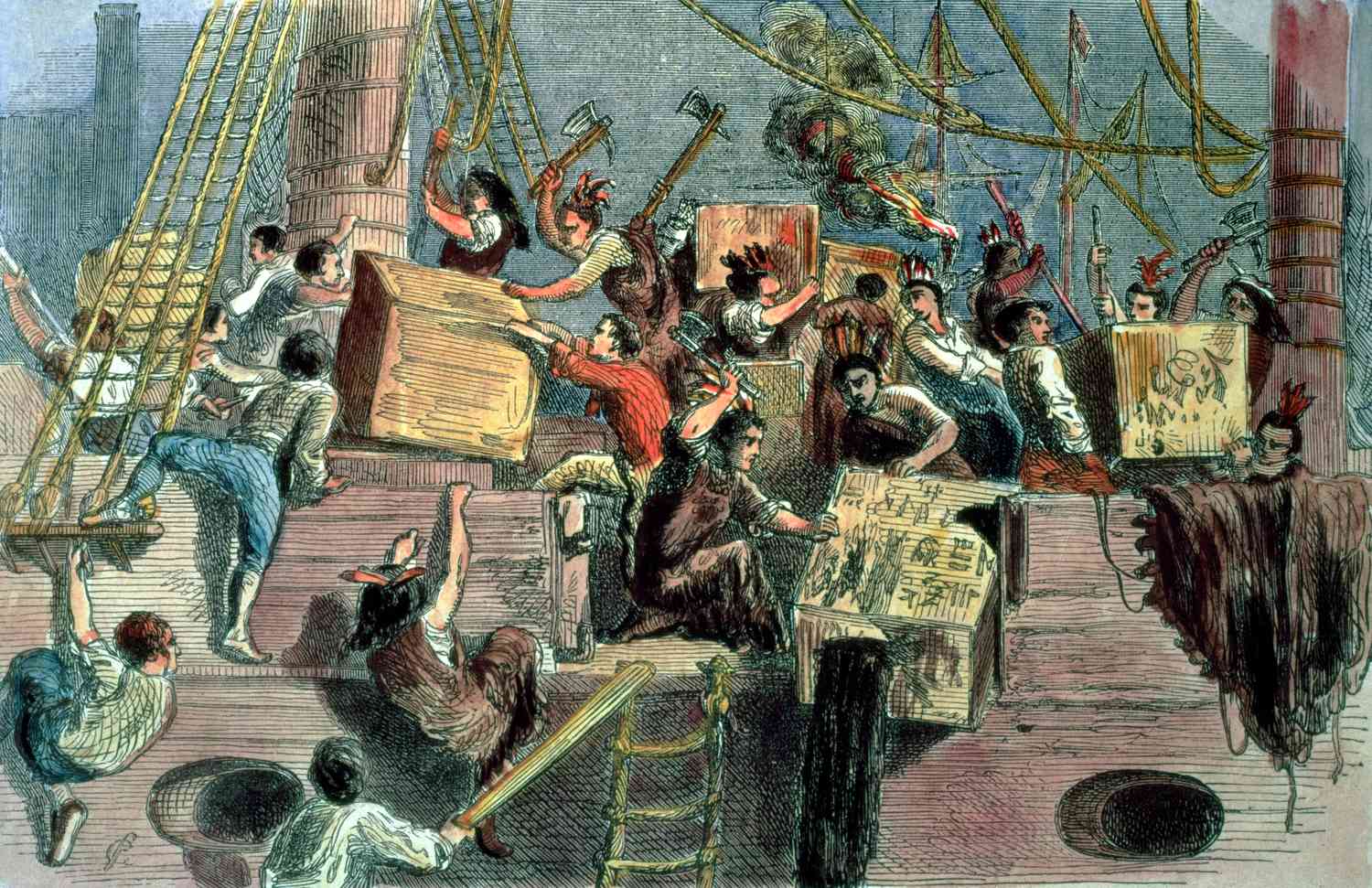
Elementary school textbooks simplified this pivotal event as a protest against high tea prices, making it easy for students to understand colonial grievances. The narrative emphasized taxation without representation as the core issue.
The colonists were actually protesting the Tea Act’s monopoly provisions, which would’ve driven local merchants out of business while potentially lowering tea prices for consumers. The economic disruption threatened colonial commerce more than the tax burden.
Vikings Discovered America 500 Years Before Columbus
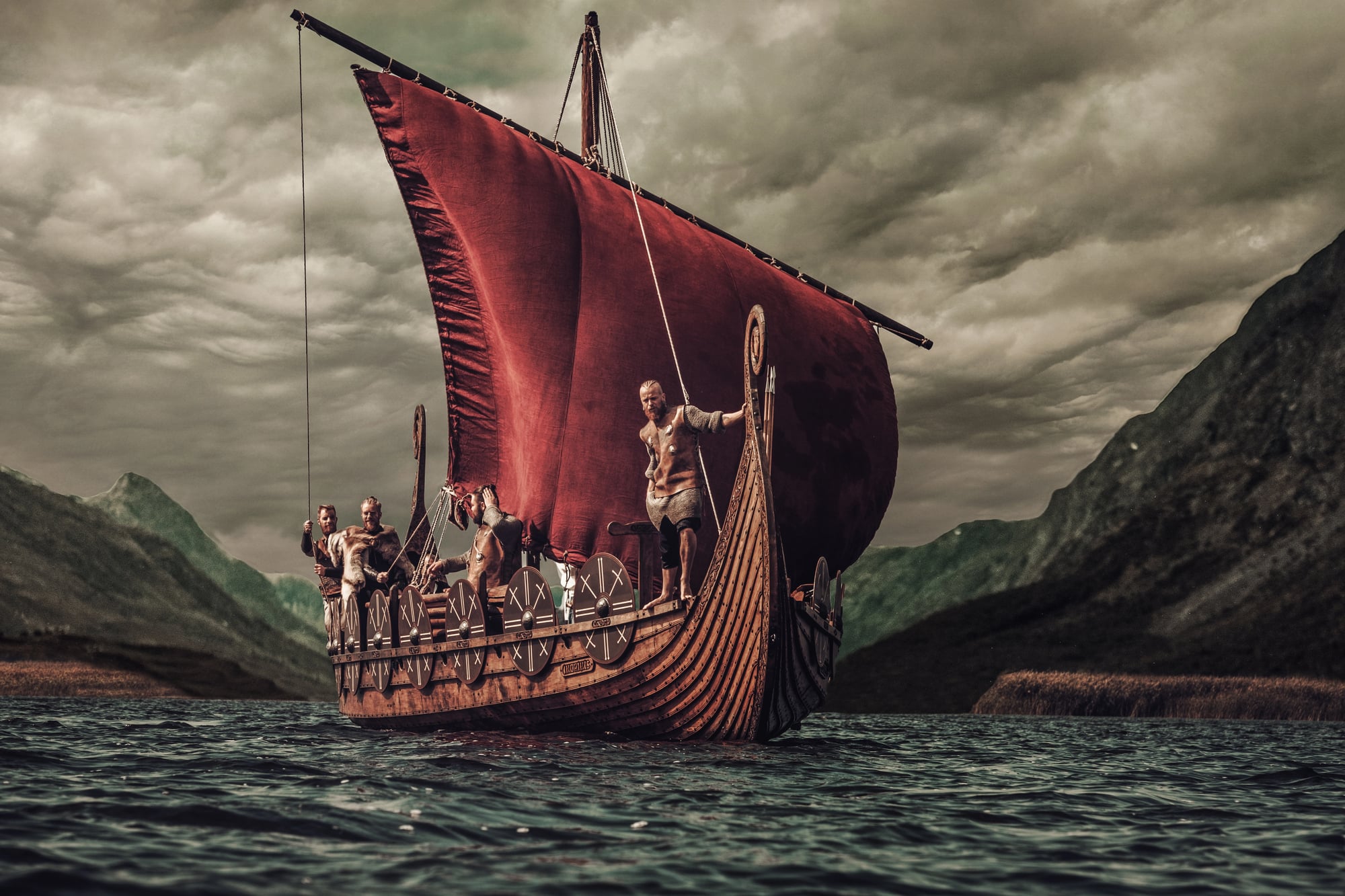
When archaeologists found Viking settlements in Newfoundland, some historians initially claimed this proved sustained Viking colonization of North America. The discovery seemed to revolutionize understanding of pre-Columbian contact between Europe and the Americas.
While Vikings did reach North America around 1000 CE, their presence was limited to small, temporary settlements that had no lasting impact on either Viking or Native American societies.
Like Go2Tutors’s content? Follow us on MSN.
The Real Story Behind Historical Myths

These corrections remind us that history is constantly evolving as new evidence emerges and old assumptions get challenged. What seemed like solid facts to previous generations often crumble under modern scrutiny, whether through advanced dating techniques, archaeological discoveries, or simply asking better questions.
The persistence of these myths also shows how compelling stories often outlast boring truths, especially when they fit our expectations about the past. Perhaps most importantly, these examples should make us wonder what ‘facts’ we accept today might seem equally ridiculous to future historians.
More from Go2Tutors!

- 18 Unexpectedly Valuable Collectibles You Might Have Lying Around
- 20 Little-Known Historical Battles That Had Huge Consequences
- 20 Historical Artifacts That Scientists Can’t Explain
- 15 Inventions That Were Immediately Banned After Being Created
- 20 Actors Who Were Almost Cast in Iconic Roles
Like Go2Tutors’s content? Follow us on MSN.