31 Artists Considered Controversial in Their Time Who Are Now Celebrated Icons
The gap between an artist’s reputation during their lifetime and their standing centuries later reveals something profound about how society evolves. Throughout art history, visionary creators faced mockery, rejection, and condemnation from the establishment only to become icons whose works define entire movements.
Their refusal to conform—whether through bold technique, taboo subject matter, or raw emotional honesty—is precisely what later generations would celebrate as genius.
What was once seen as scandalous, incoherent, or offensive eventually emerged as revolutionary. These artists persisted despite financial hardship, social ostracism, and critical dismissal, creating the very masterpieces that would later hang in the world’s greatest museums.
Vincent Van Gogh
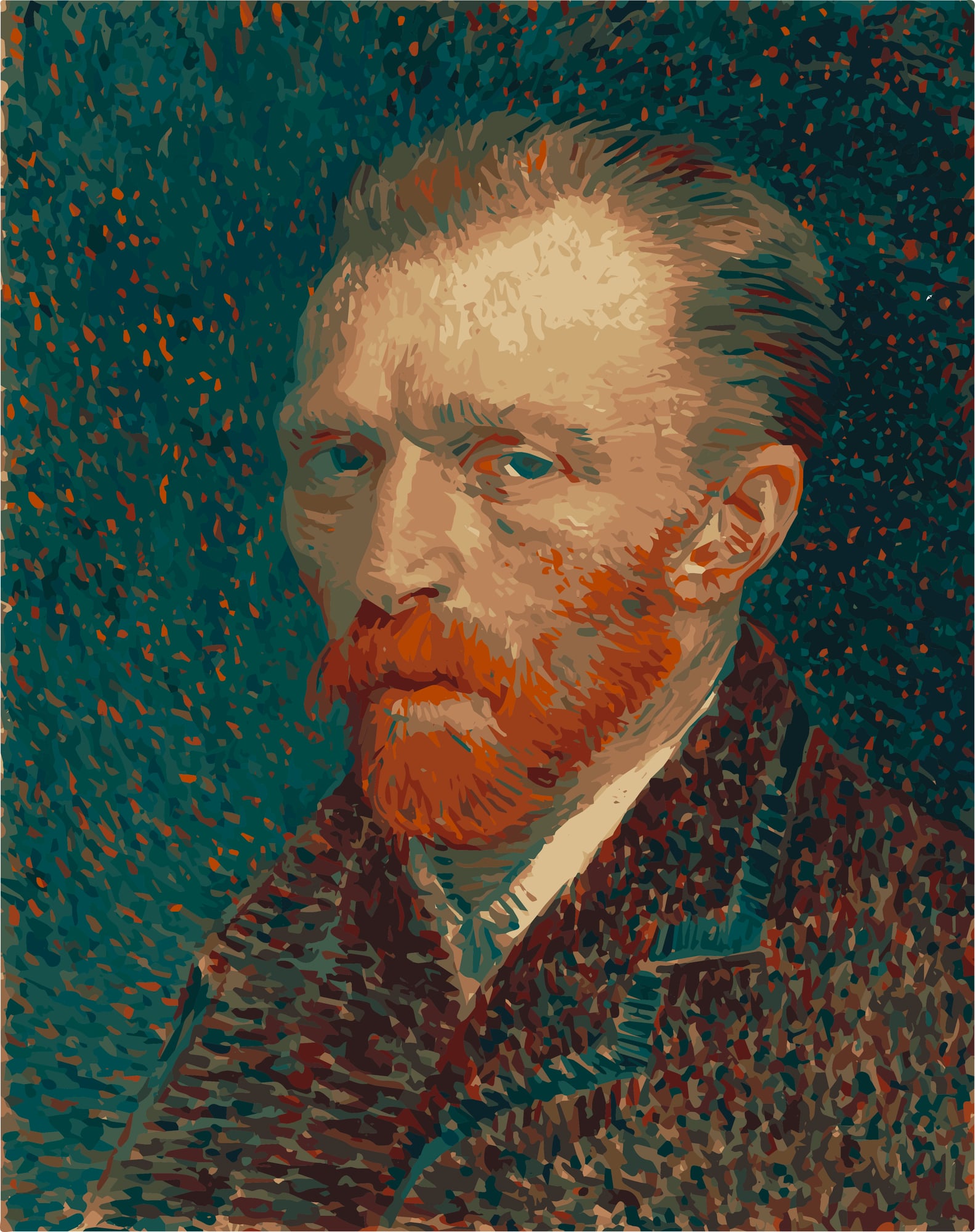
The Dutch post-impressionist painter died believing himself a complete failure, having sold only a single canvas during his lifetime for a pittance. Critics dismissed his bold, expressive brushwork and intense colors as amateurish.
His emotional vulnerability and unconventional style violated every academic standard of his era. Today, his paintings rank among the most valuable and recognizable artworks in history, and his tragic life has made him the archetypal struggling artist whose tortured genius was never appreciated in his time.
Claude Monet
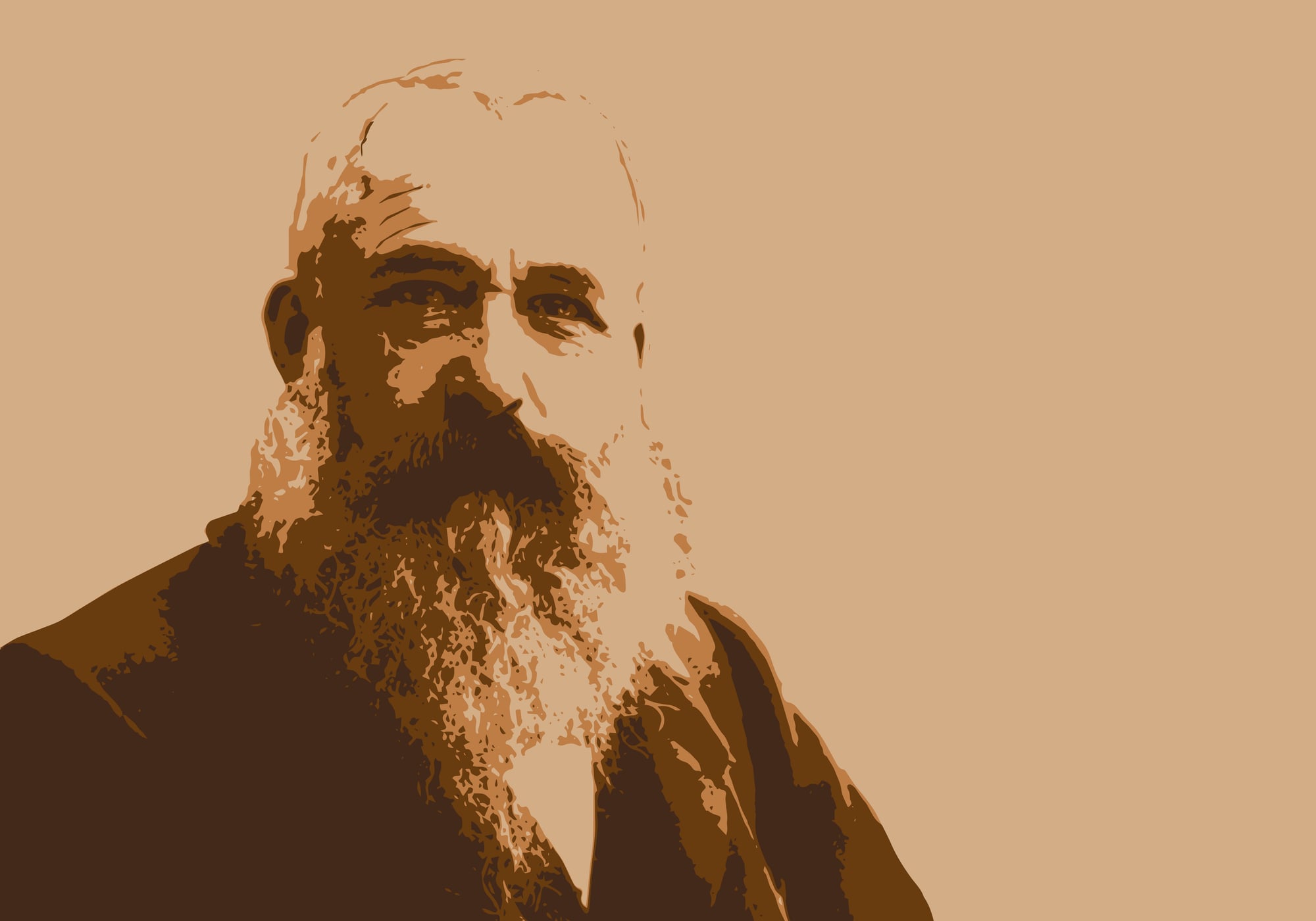
Monet’s Impressionist approach—capturing fleeting light effects rather than precise detail—was roundly mocked by Paris’s art establishment in the 1870s. Critics used the title of one of his paintings, “Impression, Sunrise,” as a derisive term, suggesting his work was merely a sketch rather than finished art.
He faced decades of financial struggle and rejection from official salons before eventually achieving recognition as one of history’s most influential painters and the defining voice of Impressionism.
Berthe Morisot
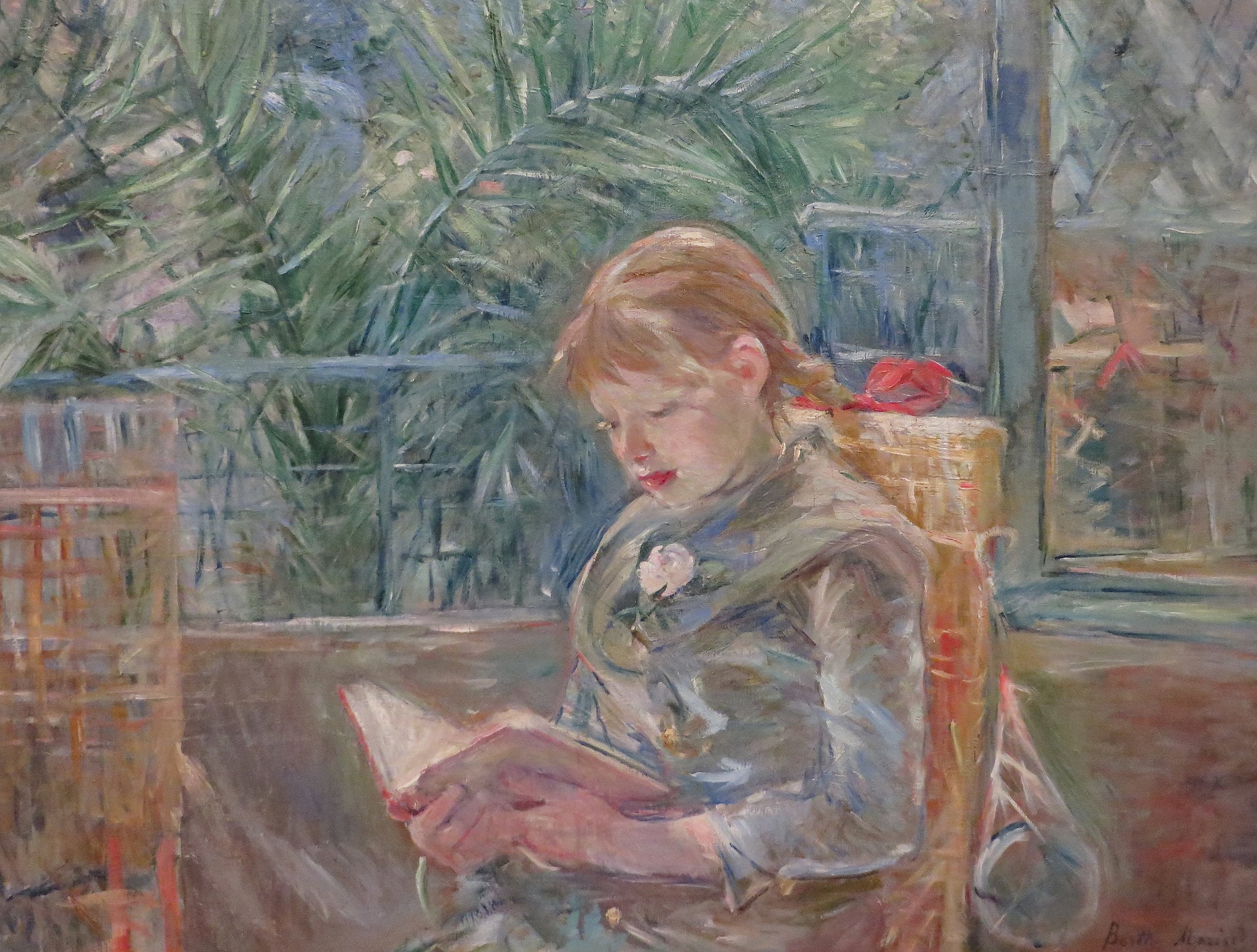
As a woman artist in 19th-century Paris, Morisot faced systemic barriers far beyond those her male counterparts encountered. Critics often dismissed her work as dilettante dabbling, and she struggled for decades to gain recognition.
She exhibited with the Impressionists despite fierce opposition and is now regarded as one of the movement’s most innovative and influential painters, whose intimate domestic scenes and delicate use of color proved as revolutionary as anything produced by her male colleagues.
Pierre-Auguste Renoir
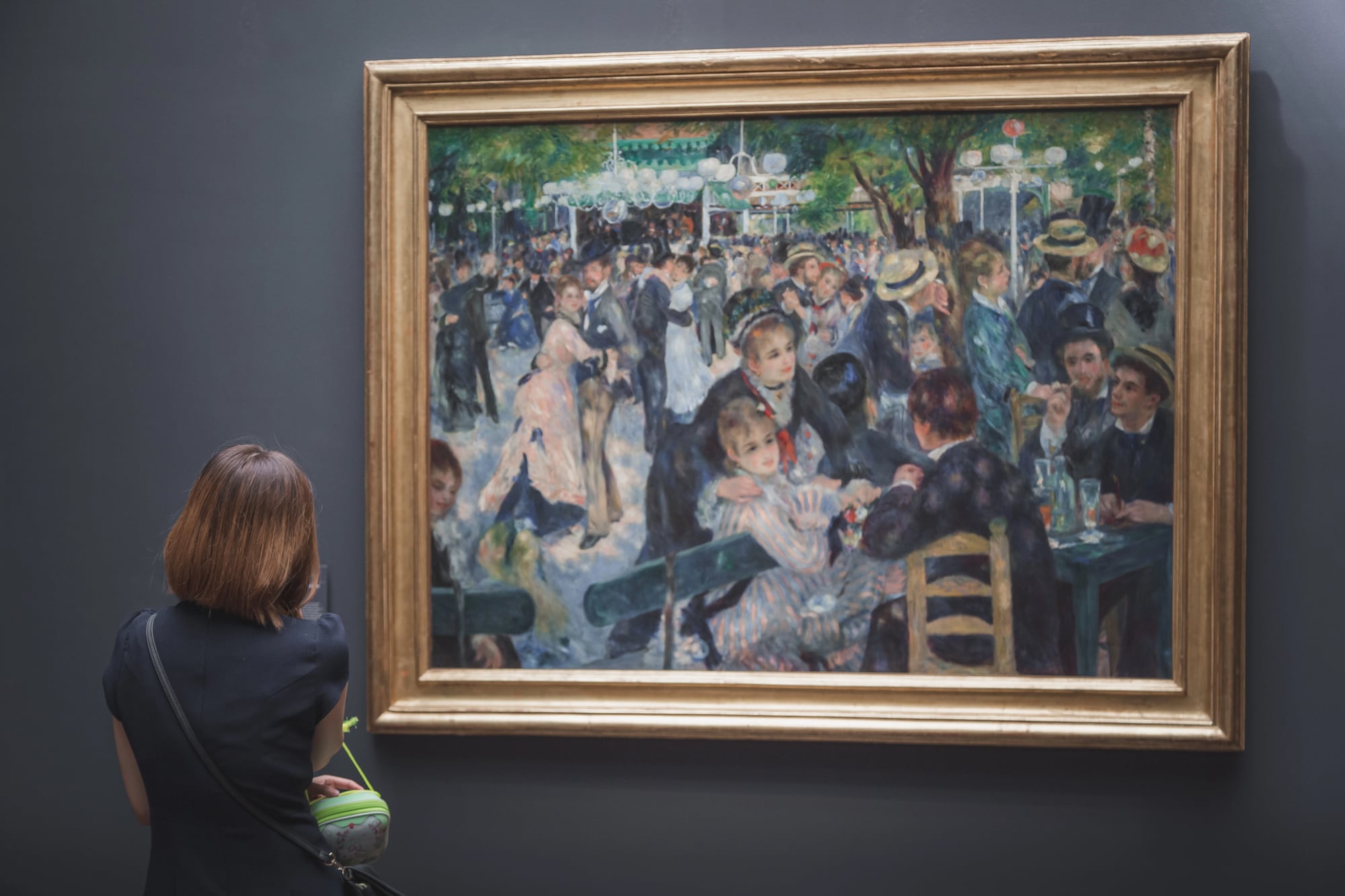
Initially lumped together with other Impressionists and attacked by conservative critics, Renoir’s soft, luminous style was seen as lacking structure and discipline. He endured years of poverty and rejection from official academies before his work eventually won acceptance.
His reputation underwent a complete transformation, and he is now celebrated as a master of capturing light, color, and human warmth in a way that influenced generations of painters.
Paul Cézanne
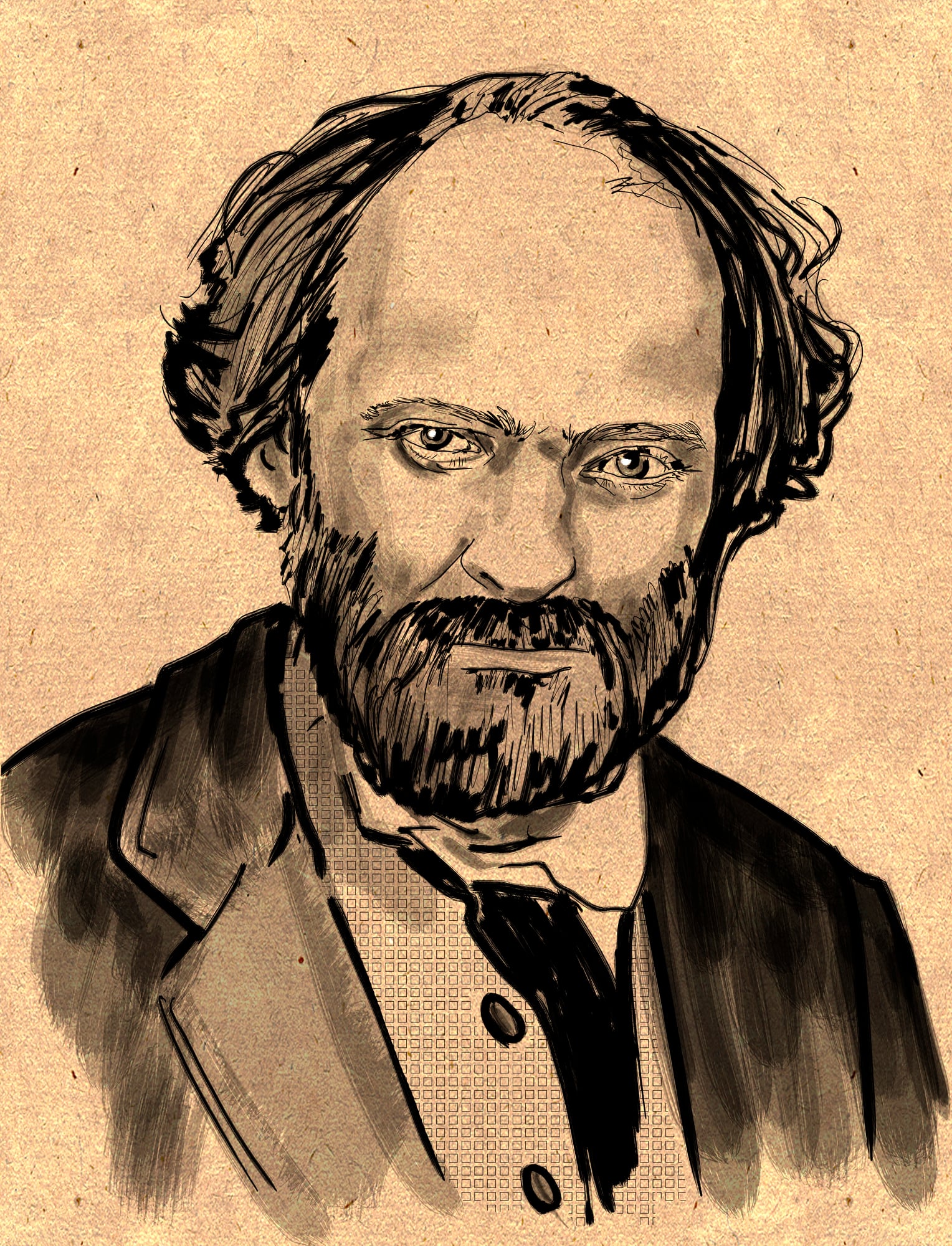
Cézanne spent decades creating paintings that dealers refused to sell and critics viciously attacked as structurally incompetent. His abandonment of perspective and his geometric approach to form violated every rule of classical painting.
He worked in obscurity and poverty for most of his career, ridiculed by those around him. It was only in the last years of his life that artists began recognizing his radical innovations, and his work eventually proved foundational to modern art movements including Cubism and Expressionism.
Paul Gauguin
After abandoning a profitable career as a stockbroker to pursue art, Gauguin faced bitter rejection and poverty throughout his life. Critics derided his Post-Impressionist style and his intriguing subject matter.
He lived in isolation in French Polynesia, largely unaware that his work was inspiring an entire artistic movement. His paintings, which now define the Symbolist movement and influenced primitivism, went unappreciated during his lifetime and were barely known until after his death.
Alfred Sisley
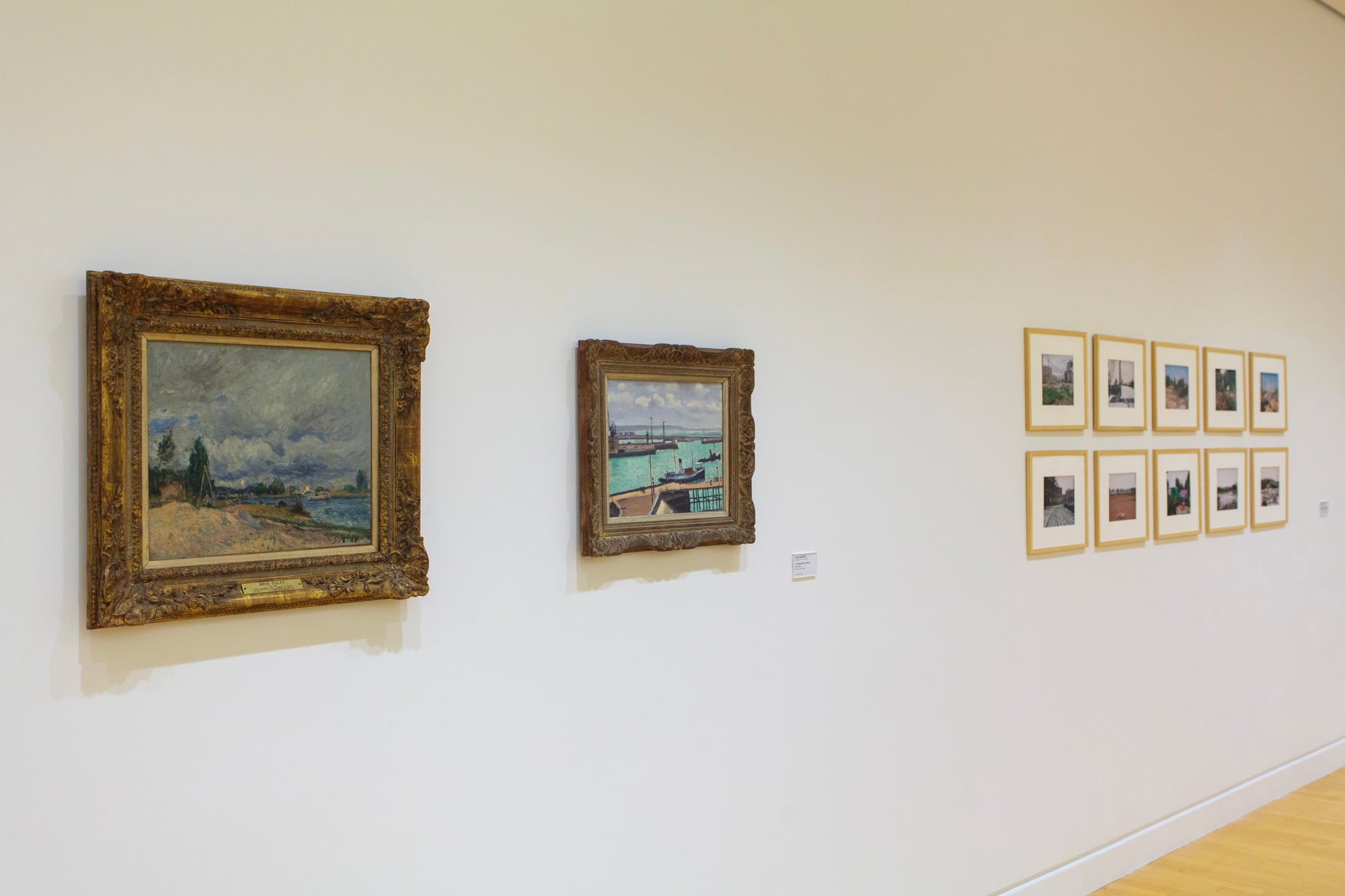
Though part of the original Impressionist circle, Sisley’s landscape paintings were consistently rejected from the Salon, the era’s most prestigious exhibition. His colorful, loosely painted canvases struck viewers as unfinished and undisciplined.
He died in relative obscurity and poverty, his innovative work largely forgotten. The 20th century reassessed his contribution and recognized him as a brilliant landscape painter whose commitment to capturing atmospheric effects was as sophisticated as that of his more celebrated peers.
Édouard Manet
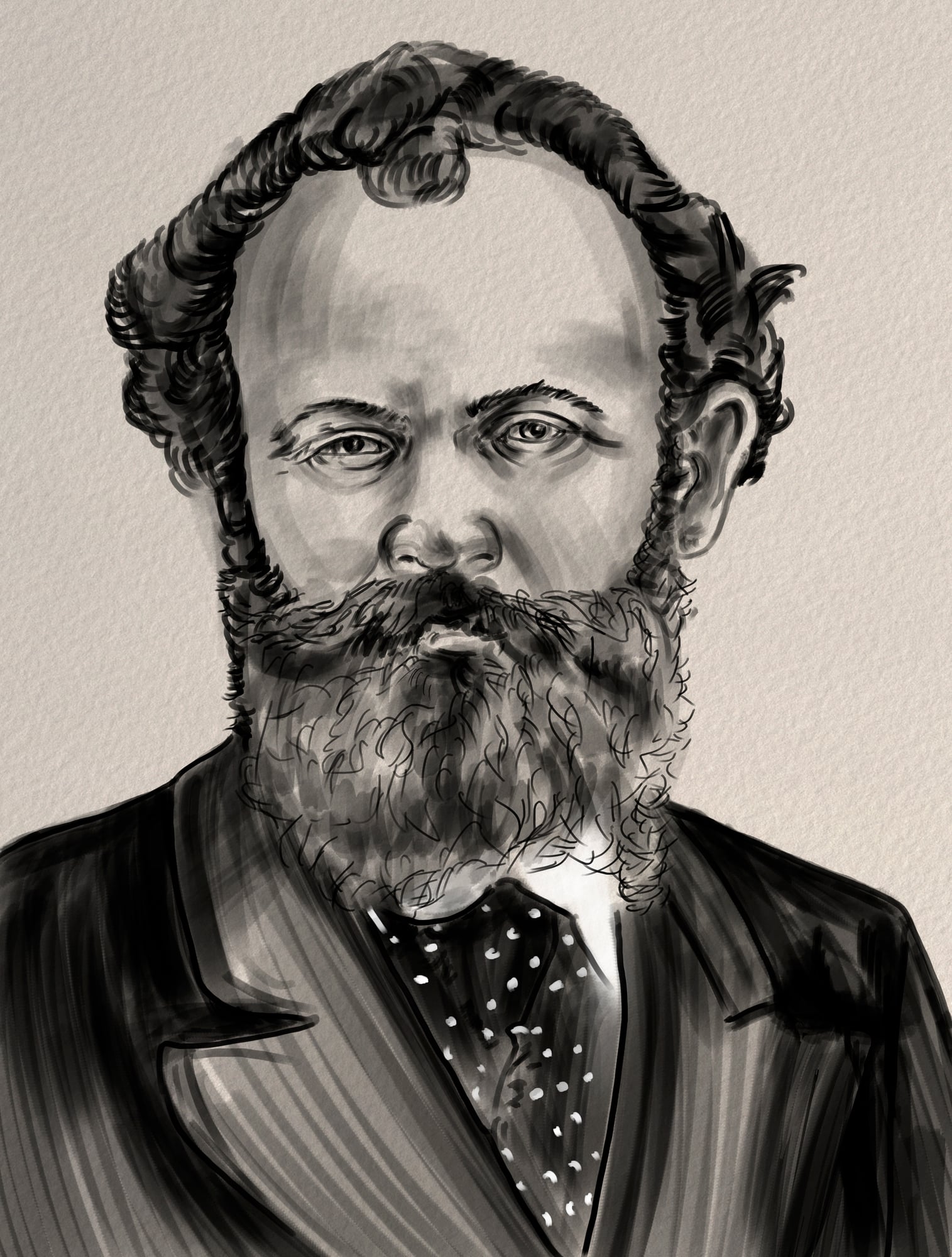
Manet’s bold depictions of modern life and his intriguing use of nudity shocked Paris. His paintings “Olympia” and “Le Déjeuner sur l’herbe” were rejected by official salons and denounced as immoral affronts to good taste.
Conservative society viewed him as a rebel and a corruptor of artistic standards. Today he is recognized as a bridge between classical painting and modernism, and his courage in breaking convention is seen as essential to the development of contemporary art.
Henri Matisse
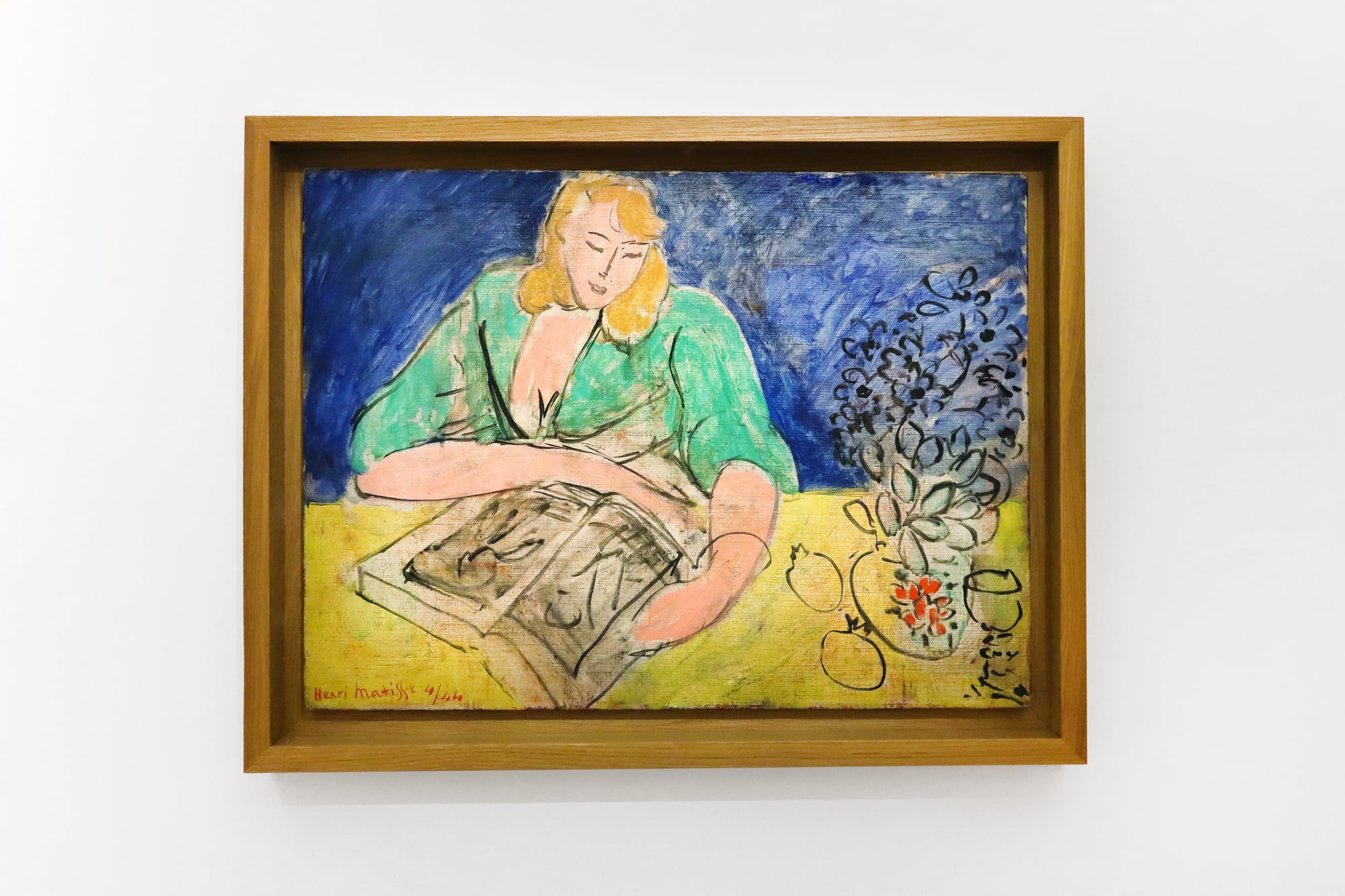
Matisse’s wild use of color and his radical simplification of form were attacked as childish and incompetent by academic critics and traditional collectors. His Fauvist works seemed deliberately ugly to contemporary eyes.
He struggled financially and faced constant mockery throughout his early career. By the mid-20th century, his innovations were recognized as profound, and he is now celebrated as one of the greatest colorists in art history and a master of form.
Pablo Picasso
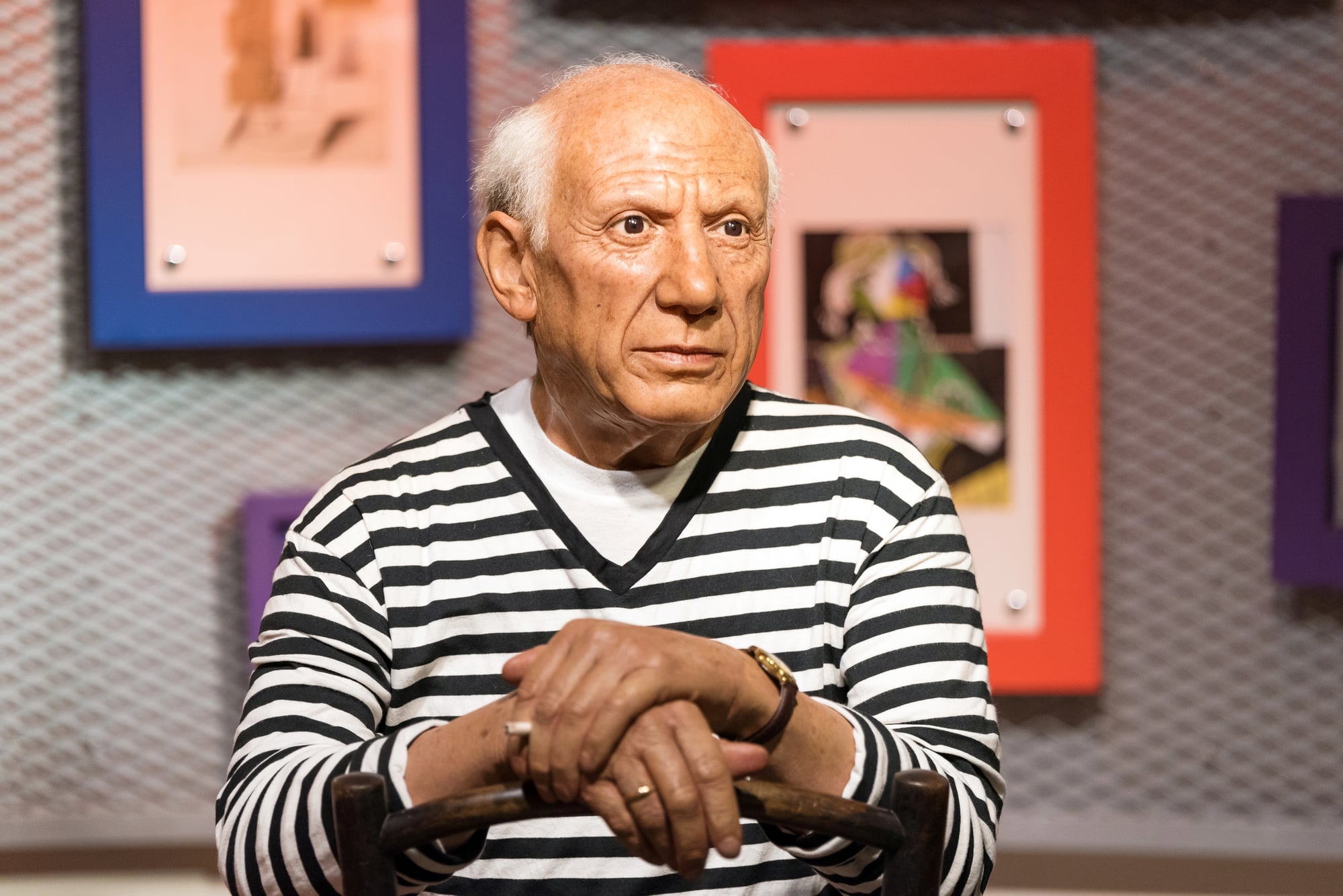
Picasso’s radical reinvention of artistic language through Cubism was initially met with confusion and hostility. Critics ridiculed his fractured, reassembled human forms as deformed and meaningless.
The established art world rejected his work as an affront to beauty and reason. His relentless experimentation and willingness to destroy and rebuild artistic conventions became recognized as genius, and he emerged as perhaps the most influential artist of the 20th century.
Marcel Duchamp
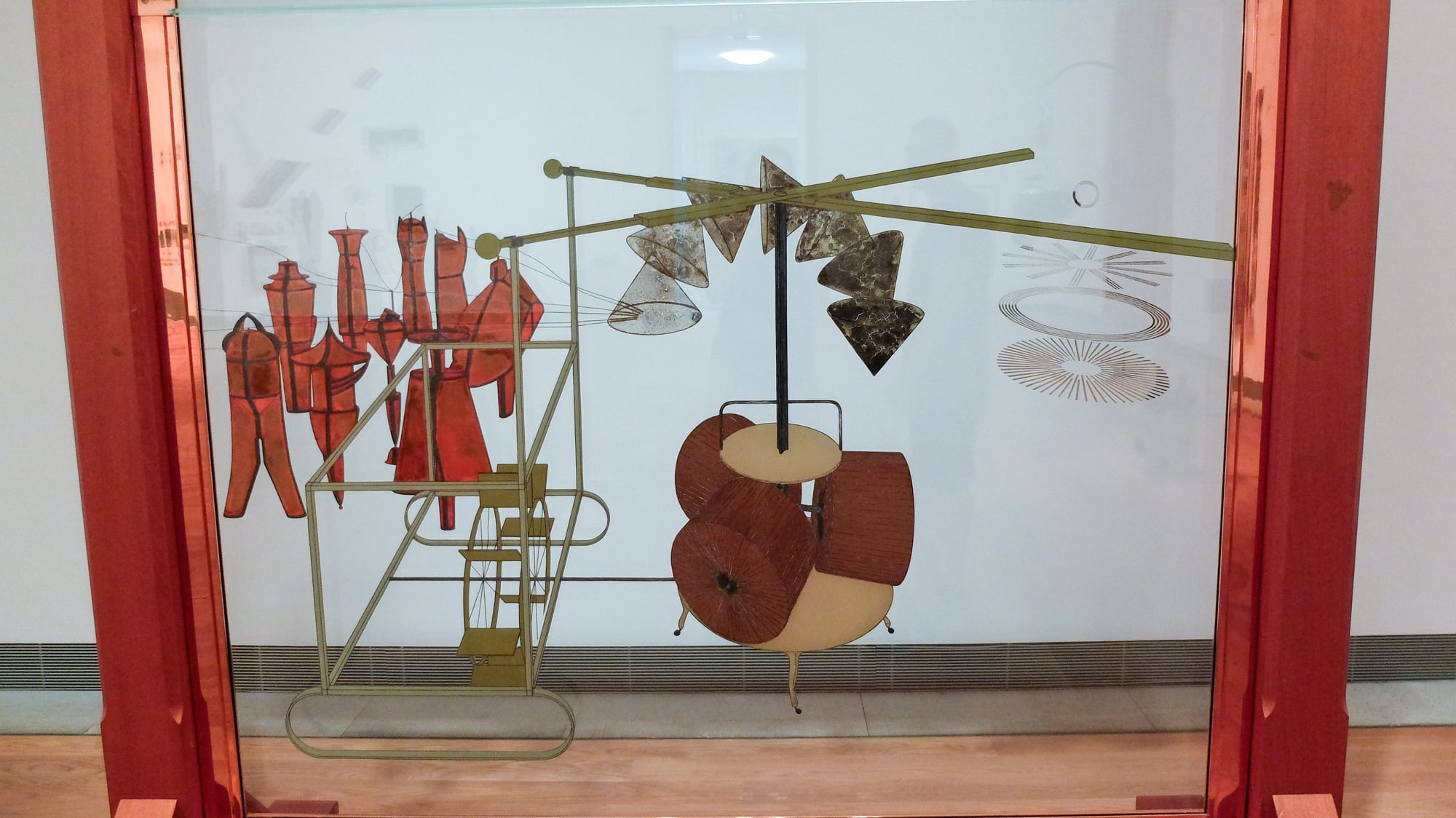
Duchamp’s conceptual art—particularly his readymades like a urinal signed as “Fountain”—was not merely rejected but actively mocked as a hoax and an insult to art itself. Institutions refused to exhibit his work, and critics questioned whether what he did was art at all.
His challenge to the very definition of art seemed absurd to his contemporaries. Decades later, he was recognized as a visionary whose ideas fundamentally transformed how we understand art and creativity.
Jean-Michel Basquiat

Basquiat began as a street artist and graffiti writer, forms dismissed by the establishment as vandalism rather than legitimate art. His neo-expressionist paintings were initially seen as crude and incomprehensible by critics.
As a Black artist working outside institutional channels, he faced racism and skepticism about his work’s value. After his death, Basquiat was recognized as a major figure whose work synthesized street culture, high art, and profound social commentary in ways that defined contemporary art.
Jackson Pollock
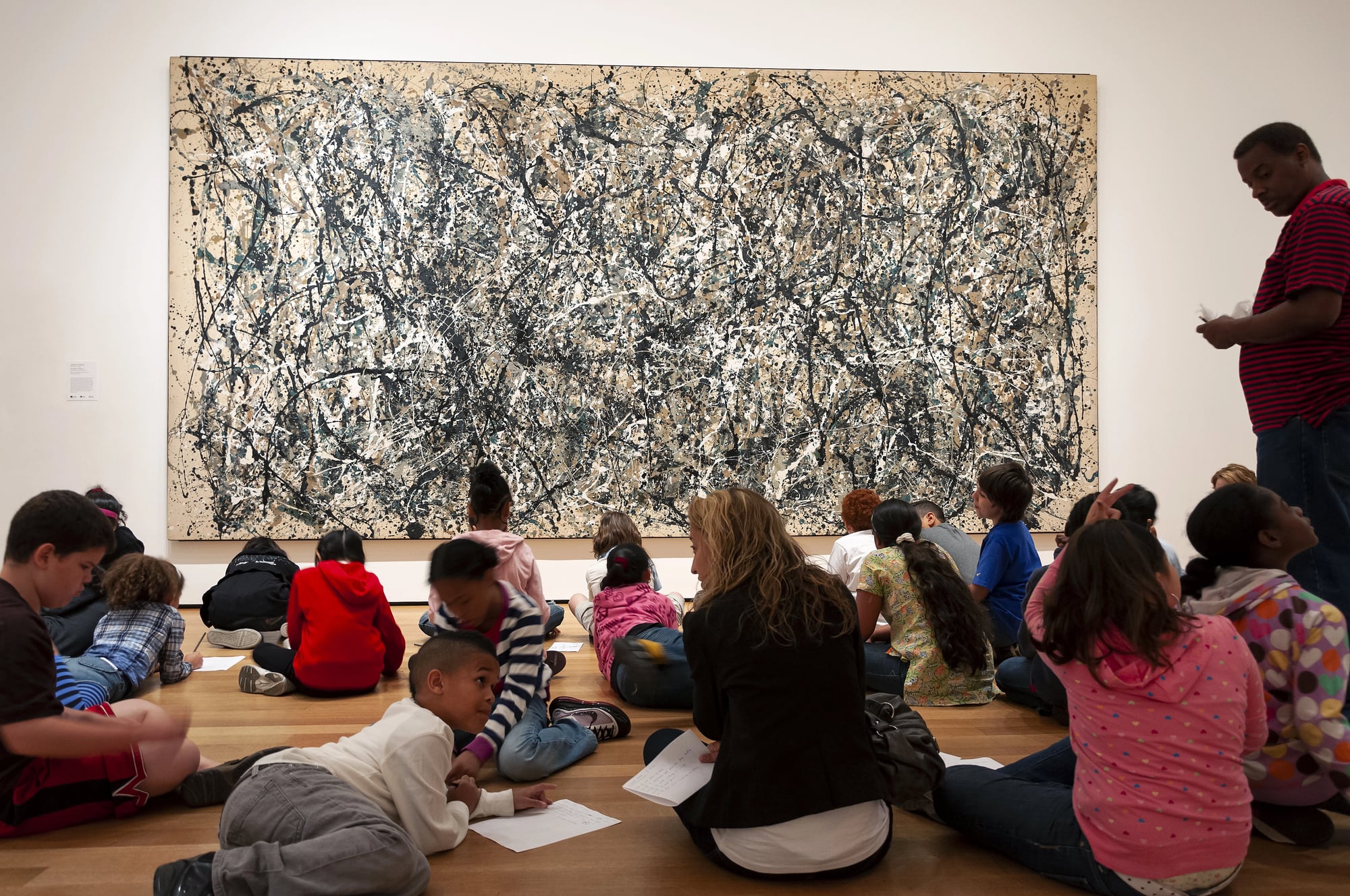
Pollock’s drip paintings seemed like chaotic splatters to critics who saw no skill, intention, or meaning in his action-based approach. The art establishment mocked him relentlessly, and galleries were reluctant to show his work.
He drank heavily out of despair and self-doubt, despite his radical innovations. The post-war art world eventually recognized him as a genius whose abstract expressionism revolutionized painting and established America as a center of artistic innovation.
Andy Warhol
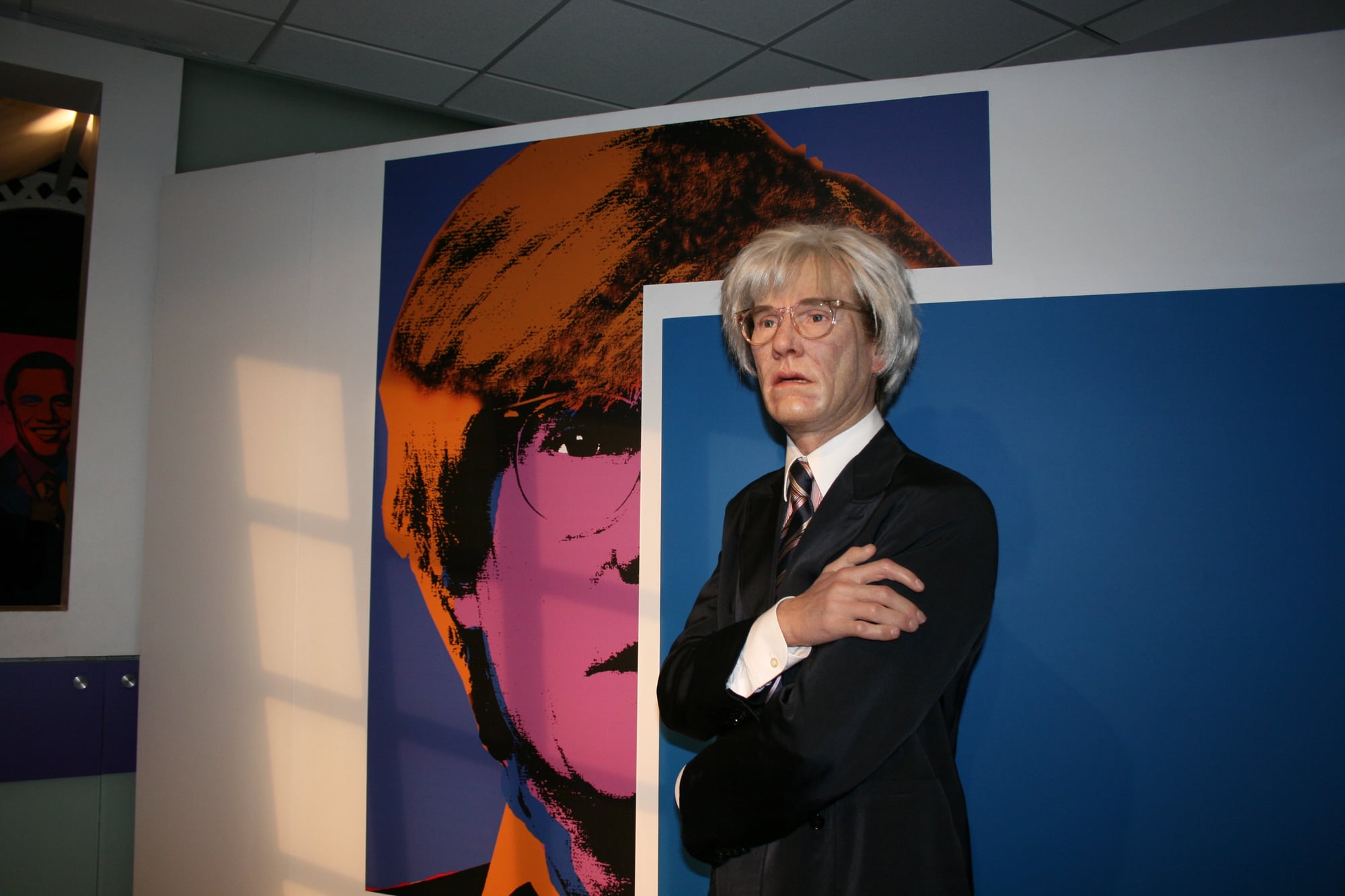
Warhol’s silk-screened Campbell’s soup cans were widely dismissed as not art at all but commercial reproductions, a mockery of everything art was supposed to represent. Critics accused him of cynicism and questioned whether his work had any genuine content or aesthetic value.
His blurring of high and low culture seemed willfully intriguing. His influence grew so profound that he became iconic, and his work is now recognized as brilliantly capturing the nature of mass production and contemporary life.
Frida Kahlo
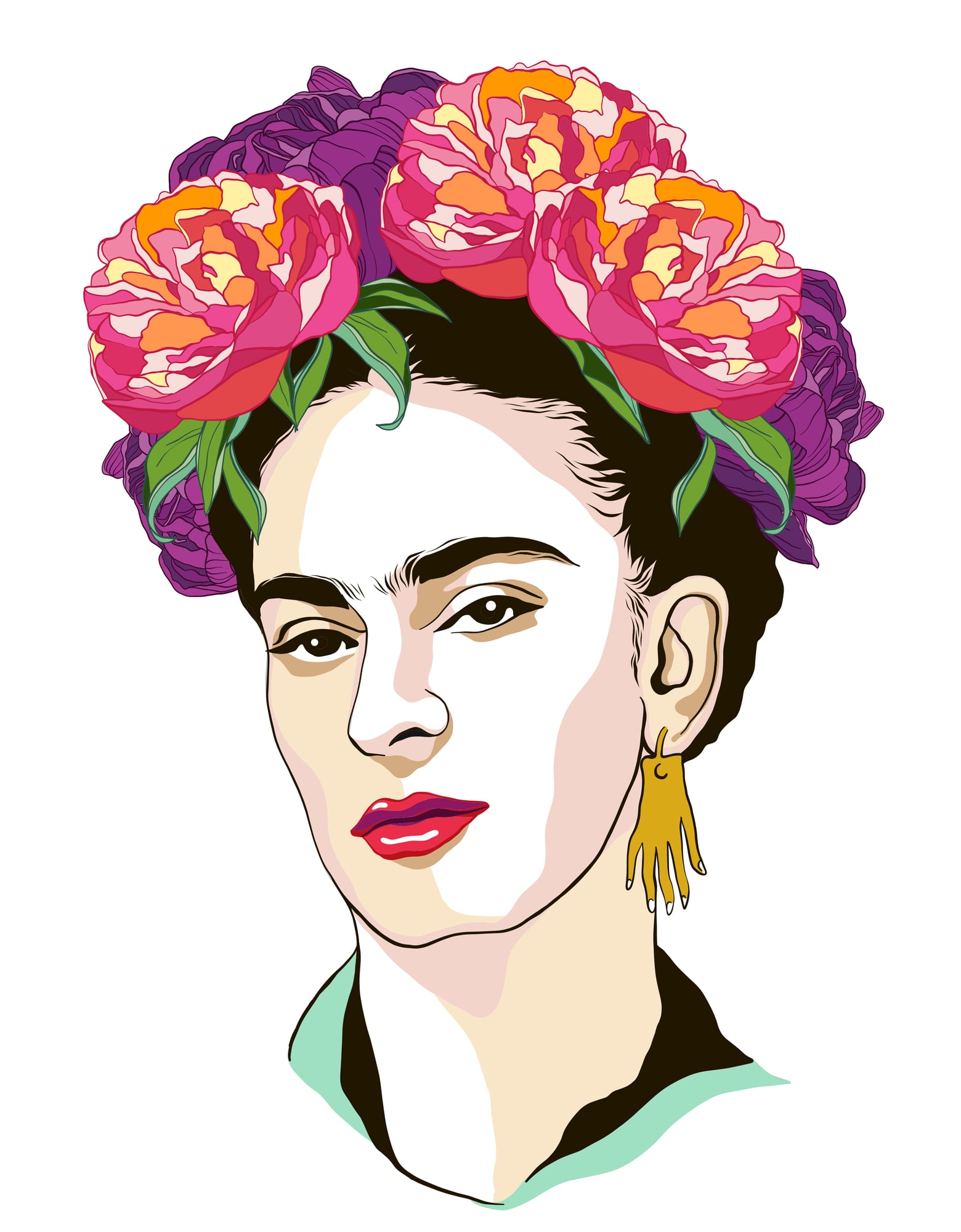
During her lifetime, Kahlo lived in the shadow of her more celebrated husband, Diego Rivera, and worked in relative obscurity. Her intensely personal paintings were considered too raw and unconventional by mainstream critics and collectors.
She was largely forgotten after her death until the 1970s, when feminist art historians and activists rediscovered her work as emblematic of female creativity and resilience. She is now recognized as one of the most important painters of the 20th century.
Lee Krasner
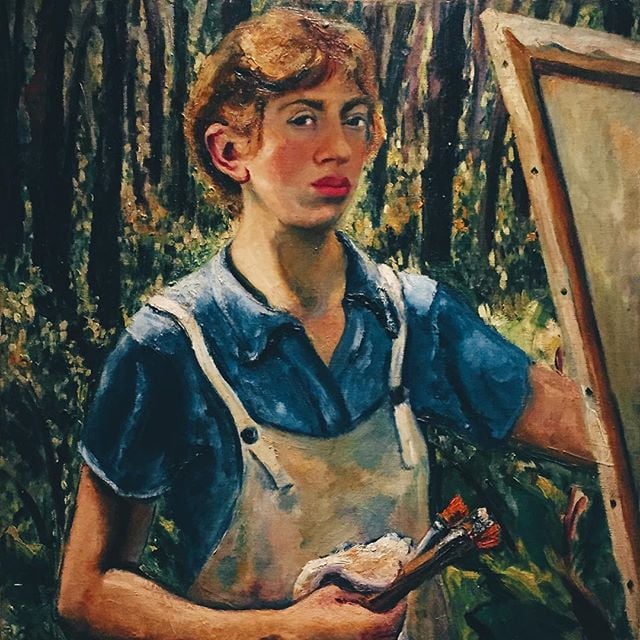
Krasner’s powerful abstract paintings were obscured by her marriage to Jackson Pollock and her role as “the action widow.” Her own significant innovations in abstract art went largely unrecognized during her lifetime, even though she exhibited alongside major figures and her work was equally bold and original.
Museums and critics paid her little attention compared to her husband. After her death, scholars and curators recognized her as an independent master whose work deserves equal standing.
Caravaggio
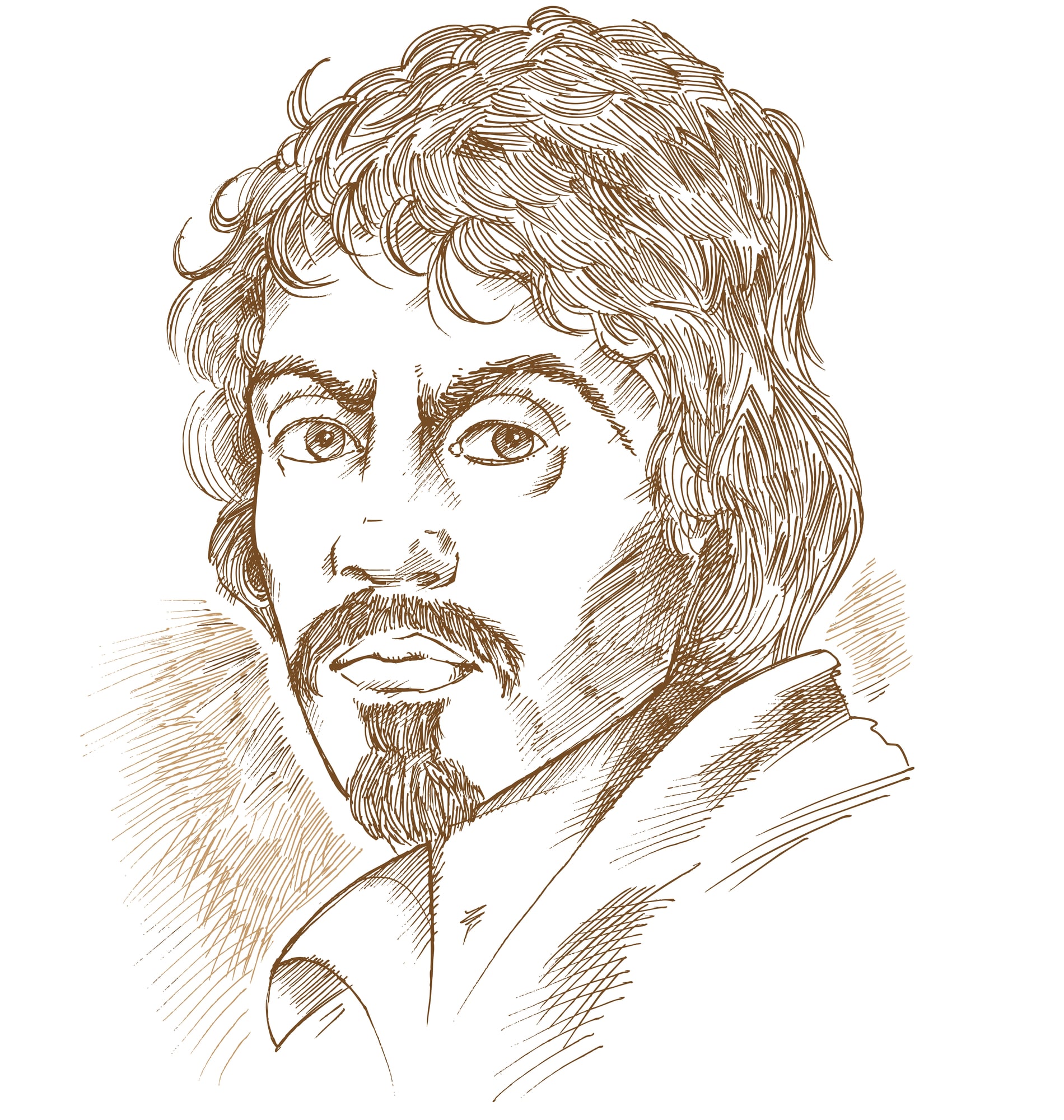
Caravaggio’s revolutionary use of light and shadow, combined with his realistic portrayals of religious figures drawn from common people, scandalized the Church and the art establishment. Many of his commissioned works were rejected as inappropriate and disrespectful.
His violent temperament and criminal past added to his notoriety, and his work was largely forgotten for centuries. The 20th century recognized him as one of history’s greatest painters, and his dramatic innovations were seen as foundational to Baroque art.
El Greco
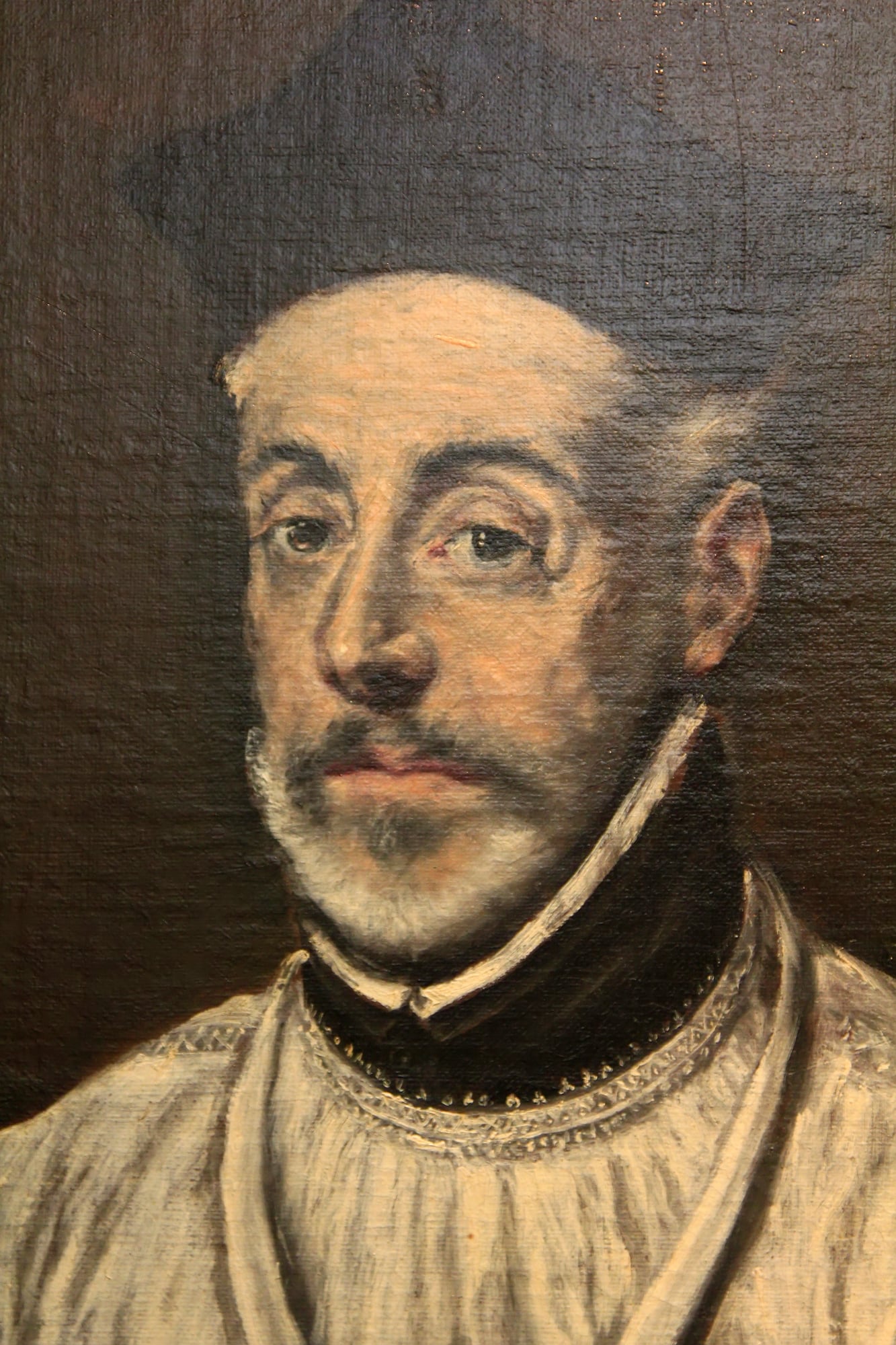
The Spanish-Greek painter’s wildly expressive, elongated figures and vivid colors baffled and alienated his contemporaries, who saw his style as grotesque and unpolished. He struggled for commissions and recognition, working largely in isolation.
Critics dismissed him as eccentric and incompetent. His unconventional approach eventually influenced Expressionism and Cubism, and art historians recognized him as a precursor to modernism whose unique vision was centuries ahead of its time.
Rembrandt
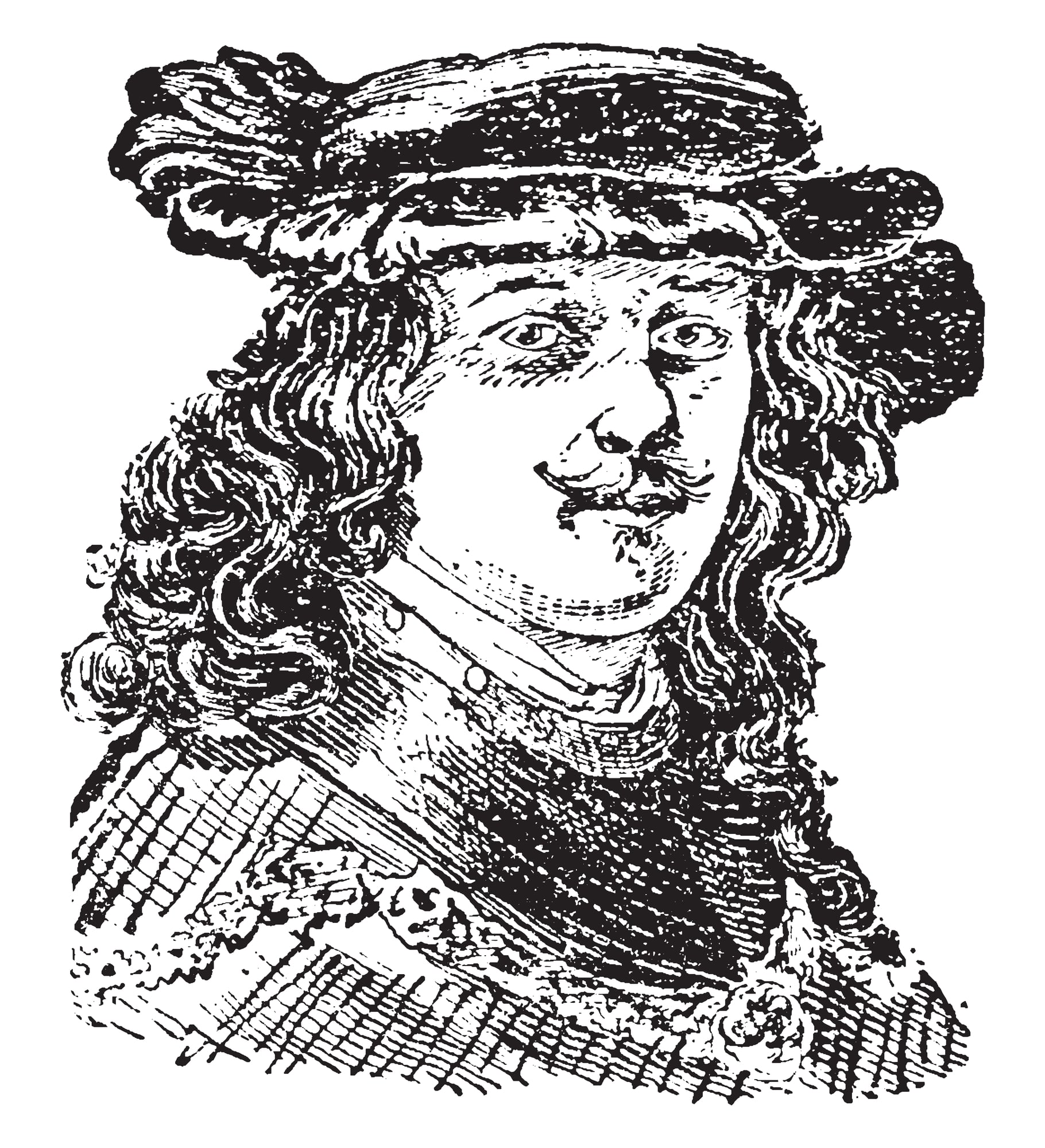
Rembrandt faced financial ruin, bankruptcy, and social ostracism in his later years as tastes shifted and patrons abandoned him. His late works, with their psychological intensity and radical use of shadow, were seen as ugly and unfinished by contemporary collectors who preferred the smooth surfaces and flattery of his rivals.
He spent his final years in poverty, largely forgotten. Centuries later, his psychological portraits and technical mastery were recognized as among the greatest achievements in Western art.
Jean Dubuffet
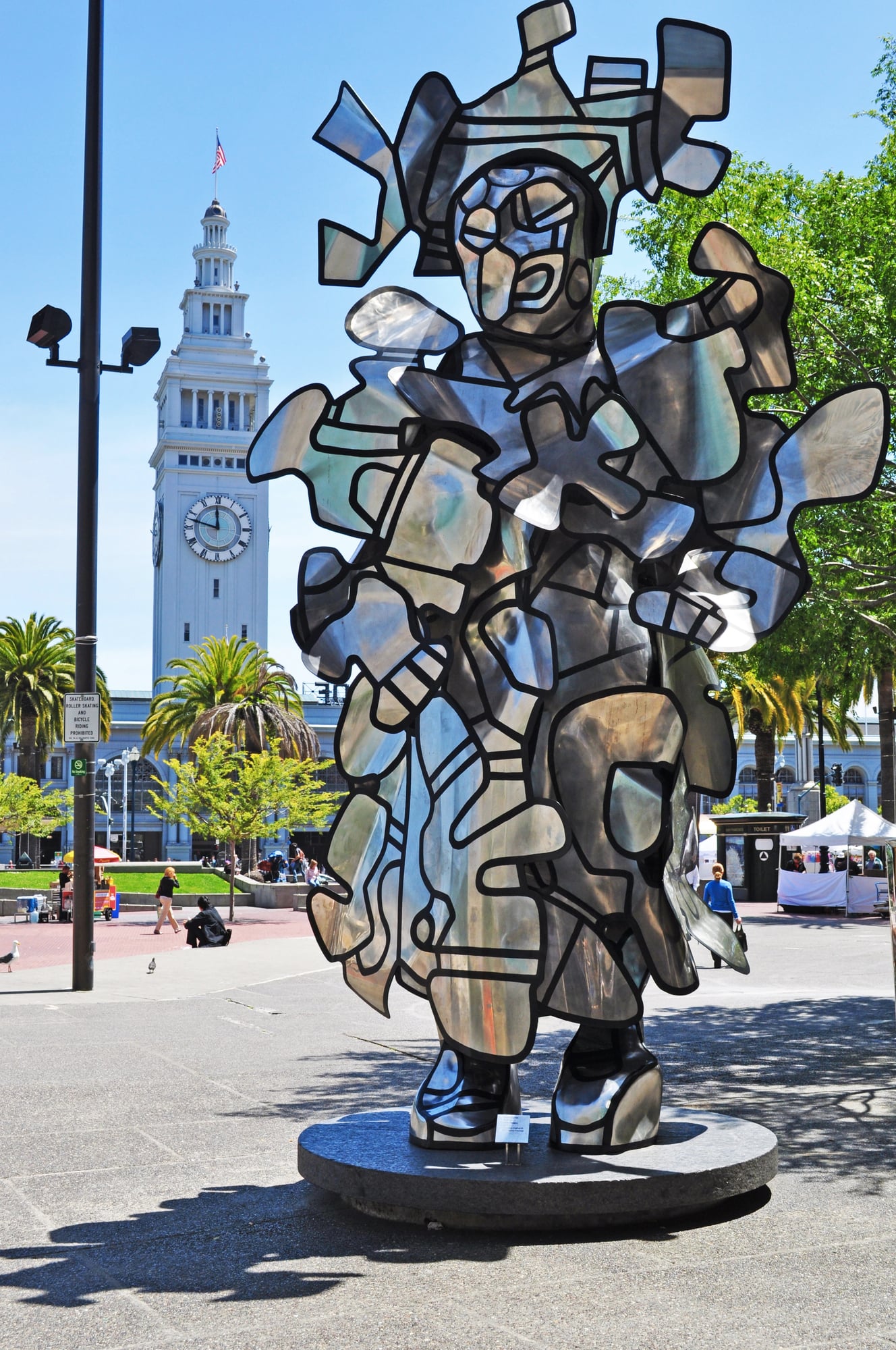
Dubuffet’s Art Brut, built from deliberately crude materials like sand, gravel, and tar, and inspired by the art of children and the mentally ill, seemed like a deliberate attack on refined artistic taste. His rough, childlike figures shocked the establishment and were dismissed as not art at all.
His philosophical challenge to “art culturel” seemed like heresy to tradition-bound collectors. He became recognized as a foundational figure whose rejection of convention opened new possibilities for artistic expression.
Fernando Botero
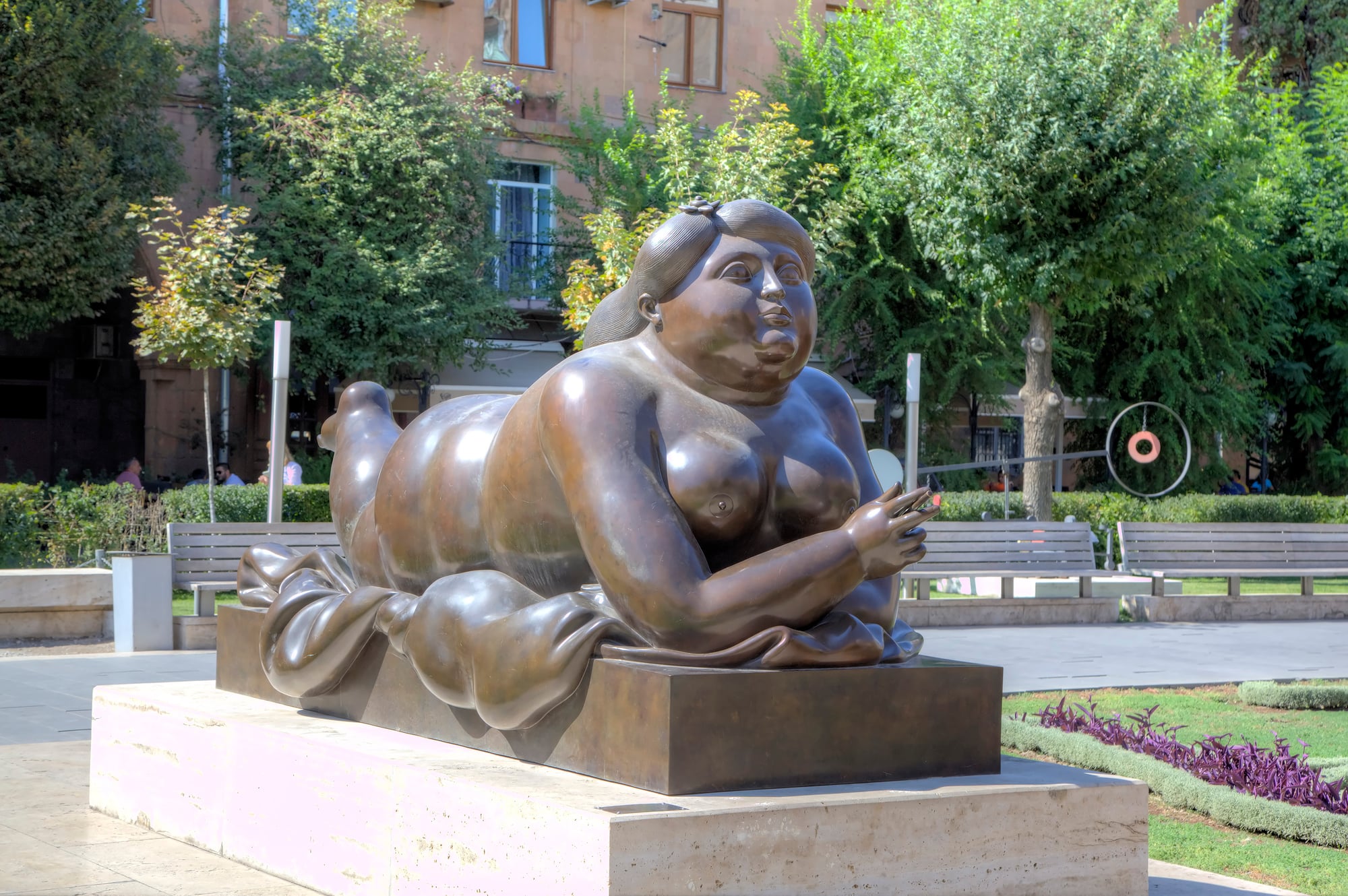
Botero’s exaggerated, voluptuous figures were initially scorned by North American critics who felt his work was overly populist and lacked intellectual rigor. Despite commercial success among the public, he was largely dismissed by the art world establishment as a lightweight.
Critics treated his distinctive style with condescension. Decades of persistent work eventually earned him international respect, and he is now recognized as a major contemporary artist whose work combines sharp social critique with undeniable formal mastery.
Keith Haring
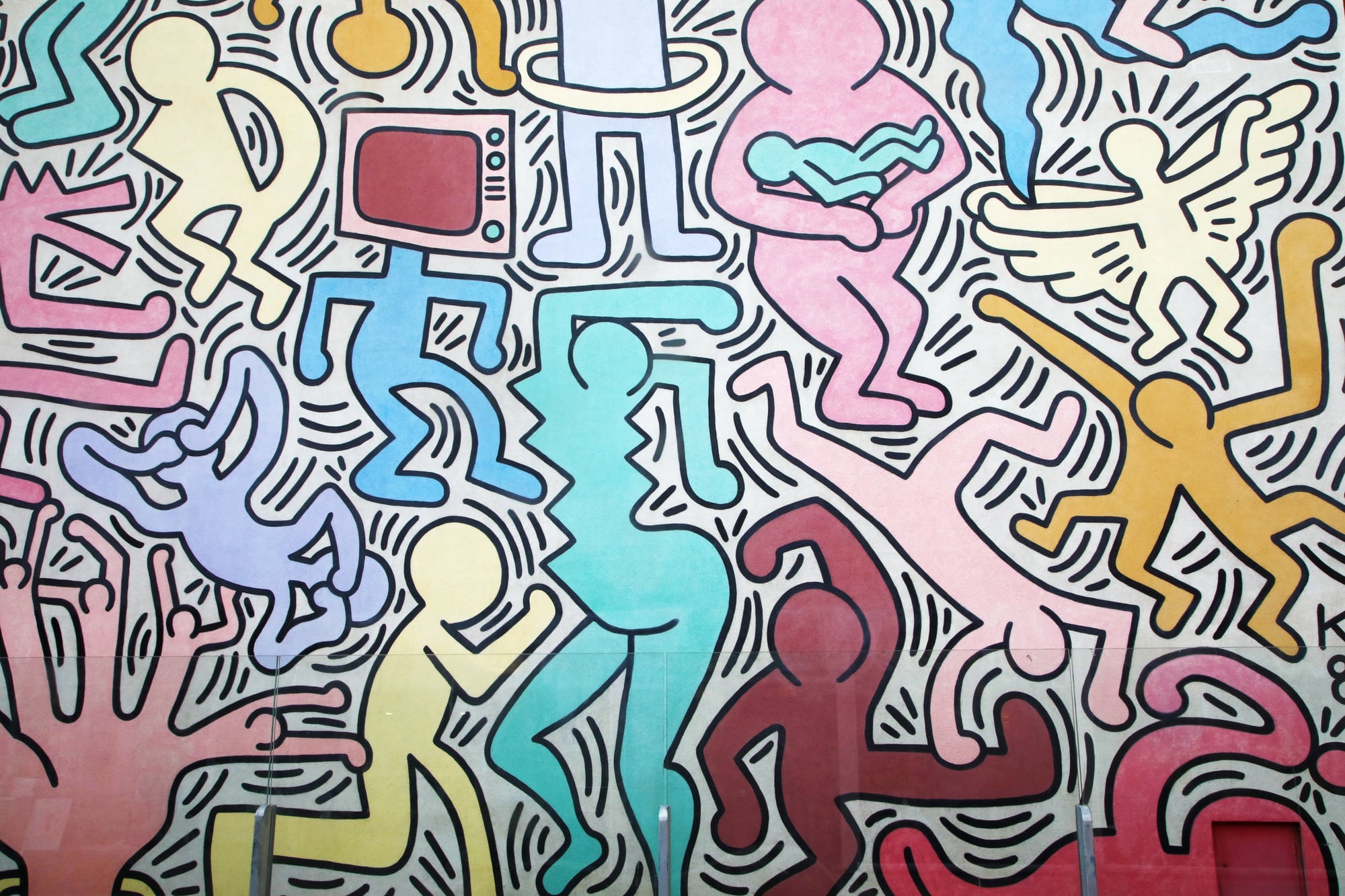
Haring began as a street artist creating unauthorized chalk drawings in the New York subway, an illegal activity dismissed as vandalism. The art establishment initially ignored his work, and galleries were hesitant to take him seriously.
His bold, expressive lines and his engagement with intimacy and disease were controversial. Though he gained recognition before his death from AIDS, his legacy faced resistance from conservative institutions. He is now celebrated as a visionary artist whose work powerfully documented the AIDS crisis and challenged social norms.
Louise Bourgeois
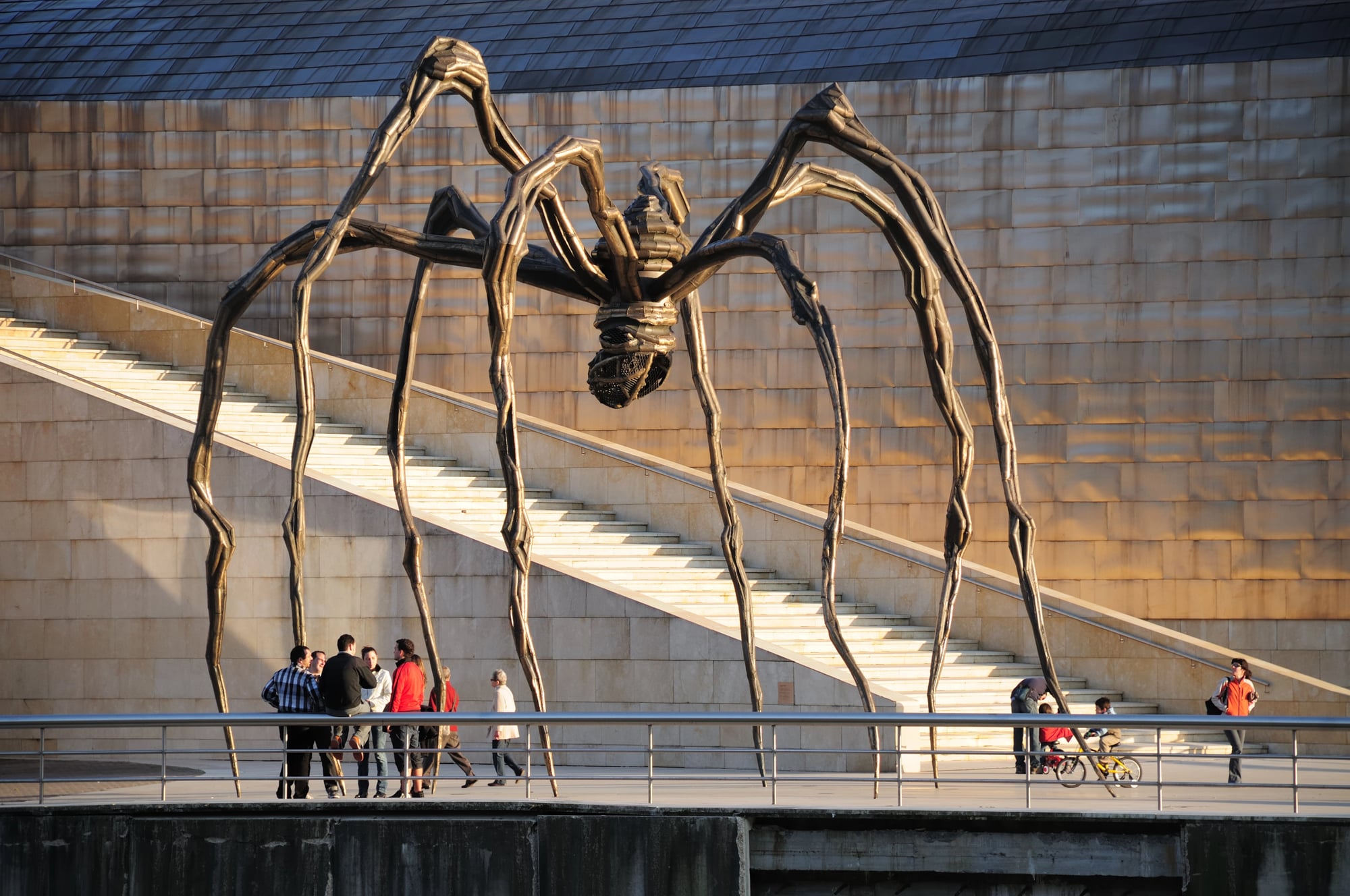
For decades, Bourgeois was overshadowed by her more celebrated male contemporaries and often discussed primarily in relation to her husband. Her innovative work in sculpture and installation went largely unappreciated, and major retrospectives were denied to her.
The art world treated her as a peripheral figure despite her technical brilliance and conceptual innovation. Late in her long life, she finally received the recognition she deserved, and her work is now seen as equal in importance to that of her male peers.
Mark Rothko
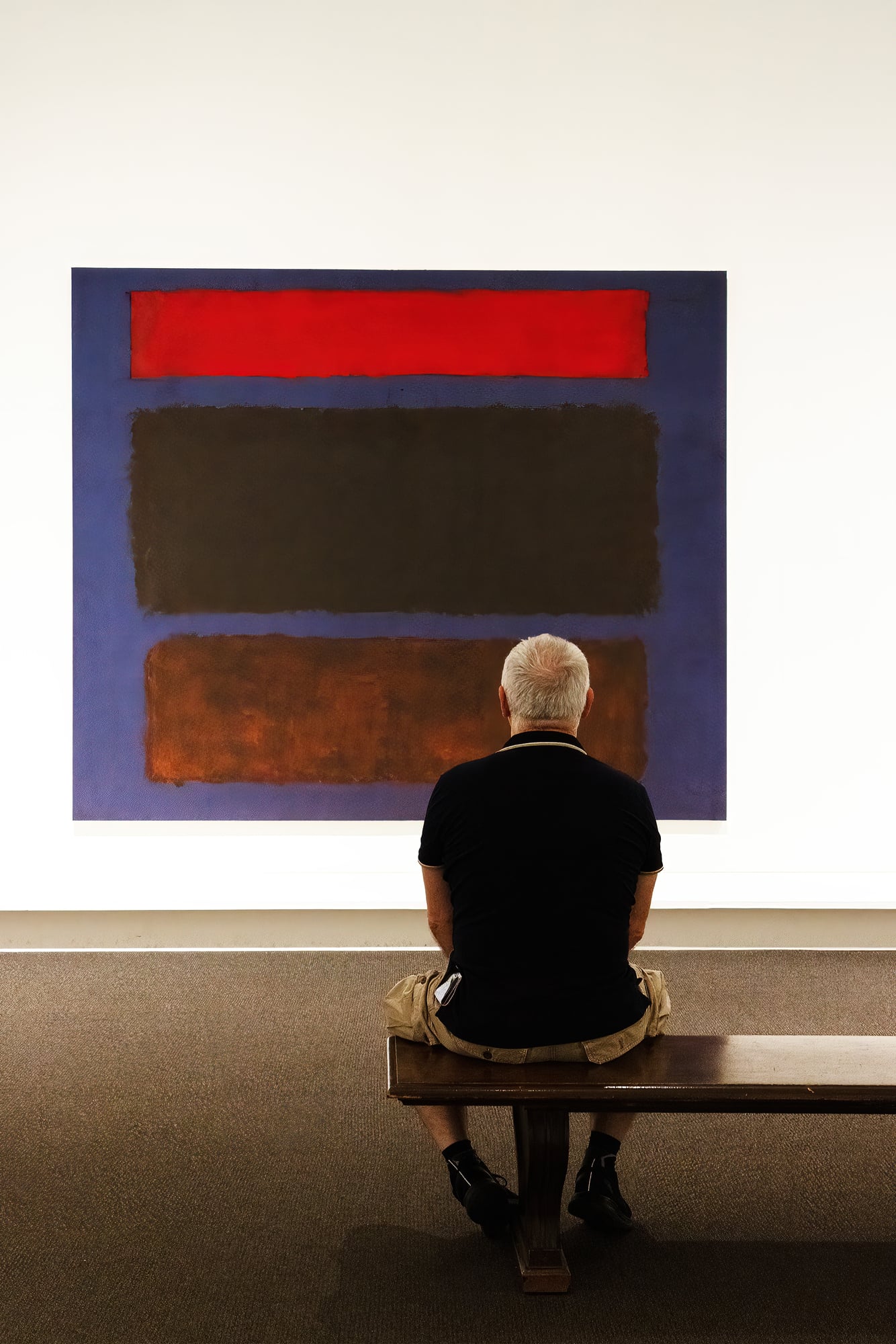
Rothko’s massive color field paintings were initially dismissed as simple rectangles of flat color lacking in skill or meaning. Critics questioned whether his work was art at all, and galleries were reluctant to exhibit his austere abstractions.
He struggled financially and emotionally, tormented by the lack of understanding he received. After his tragic death the art world began to recognize the profound emotional and spiritual power of his color relationships, and he became a central figure in Abstract Expressionism.
Käthe Kollwitz
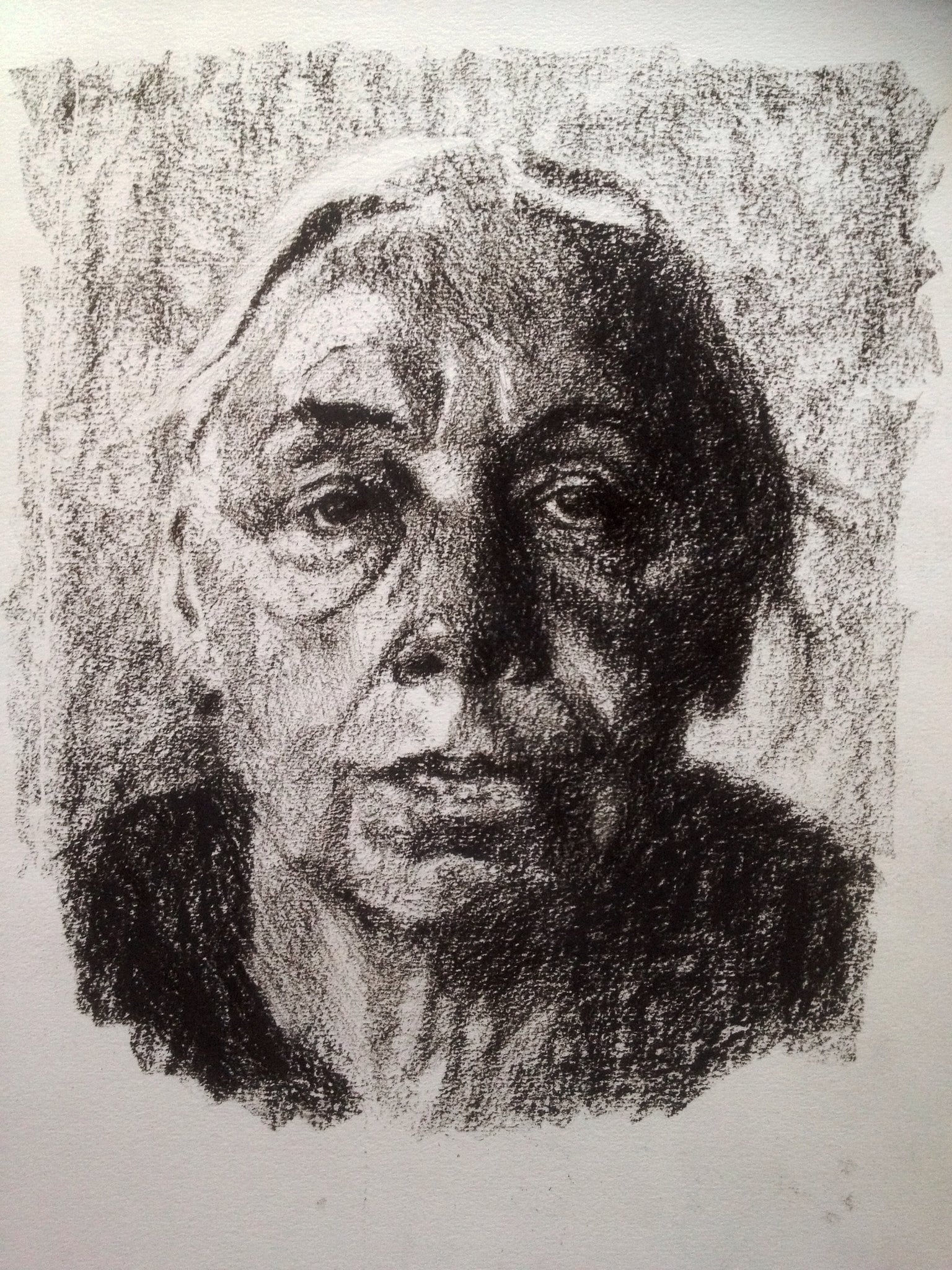
Kollwitz’s raw, emotionally direct depictions of suffering and loss were deemed too ugly and inappropriate by the refined art establishment of her time. Her political activism and her focus on subjects like grief and working-class struggle violated bourgeois notions of what proper art should depict.
She faced ongoing criticism and resistance from conservative institutions. She is now recognized as one of the great German modernists whose work’s emotional power and social significance were vindicated long after her death.
Edvard Munch
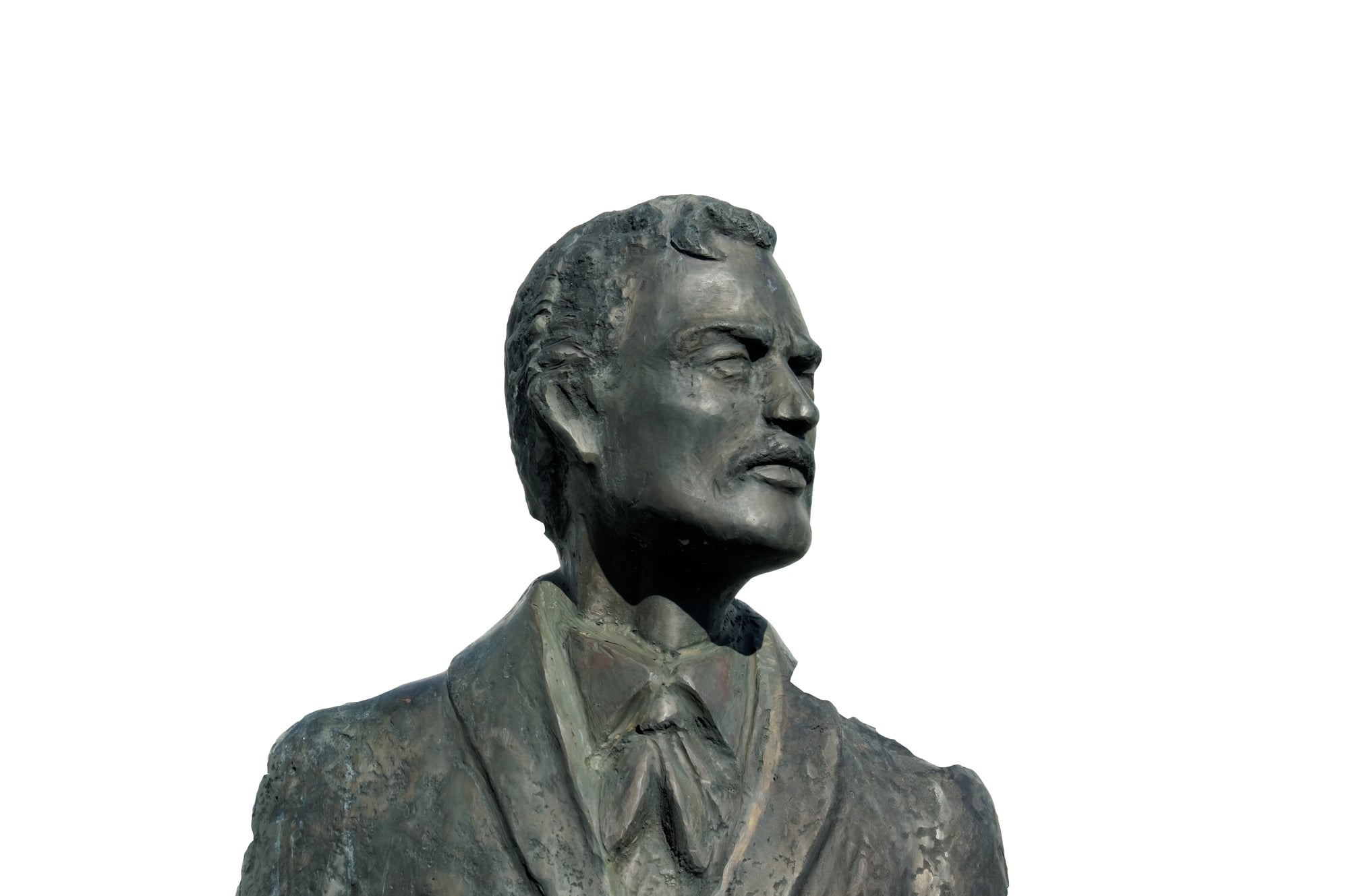
Munch’s expressionist paintings, particularly “The Scream,” with their distorted figures and raw psychological content, horrified critics who found them disturbing and ugly. His work was attacked as degenerate and as an assault on civilized aesthetics.
Collectors and institutions rejected his paintings as depictions of madness rather than serious art. The 20th century recognized him as a visionary whose psychological intensity and technical innovation defined Expressionism and influenced generations of artists.
Egon Schiele
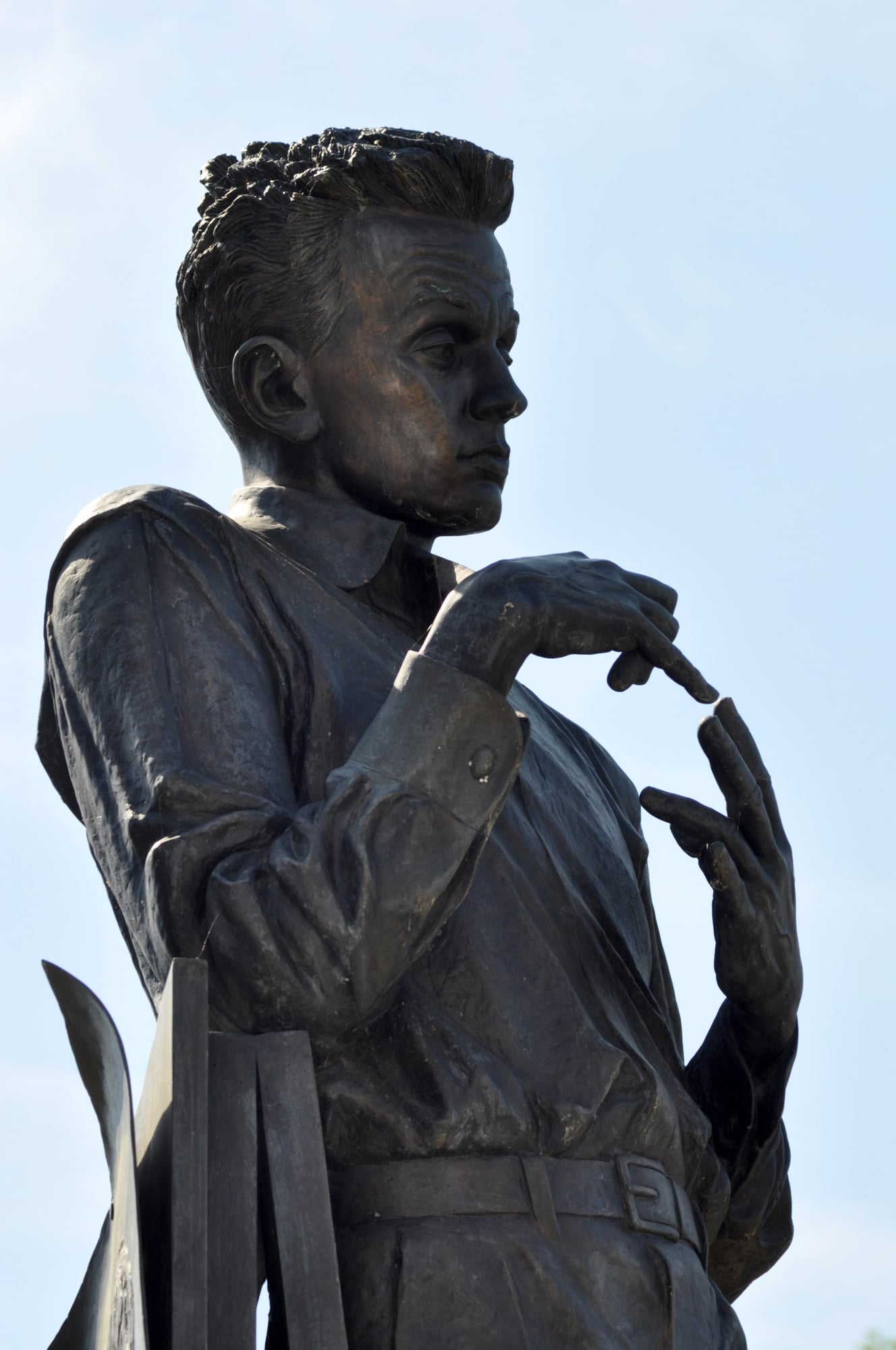
Schiele was arrested on obscenity charges for his intriguing depictions of intimacy and the human form drawn with unflinching honesty. Contemporary critics found his work shocking and perverse, and the established art world rejected him as an obscene troublemaker.
His unconventional subject matter and his raw, expressive style seemed designed to offend bourgeois sensibilities. He is now celebrated as a brilliant draftsman and one of the greatest portraitists of the modern era, whose psychological penetration and technical mastery are unquestioned.
Gustav Klimt
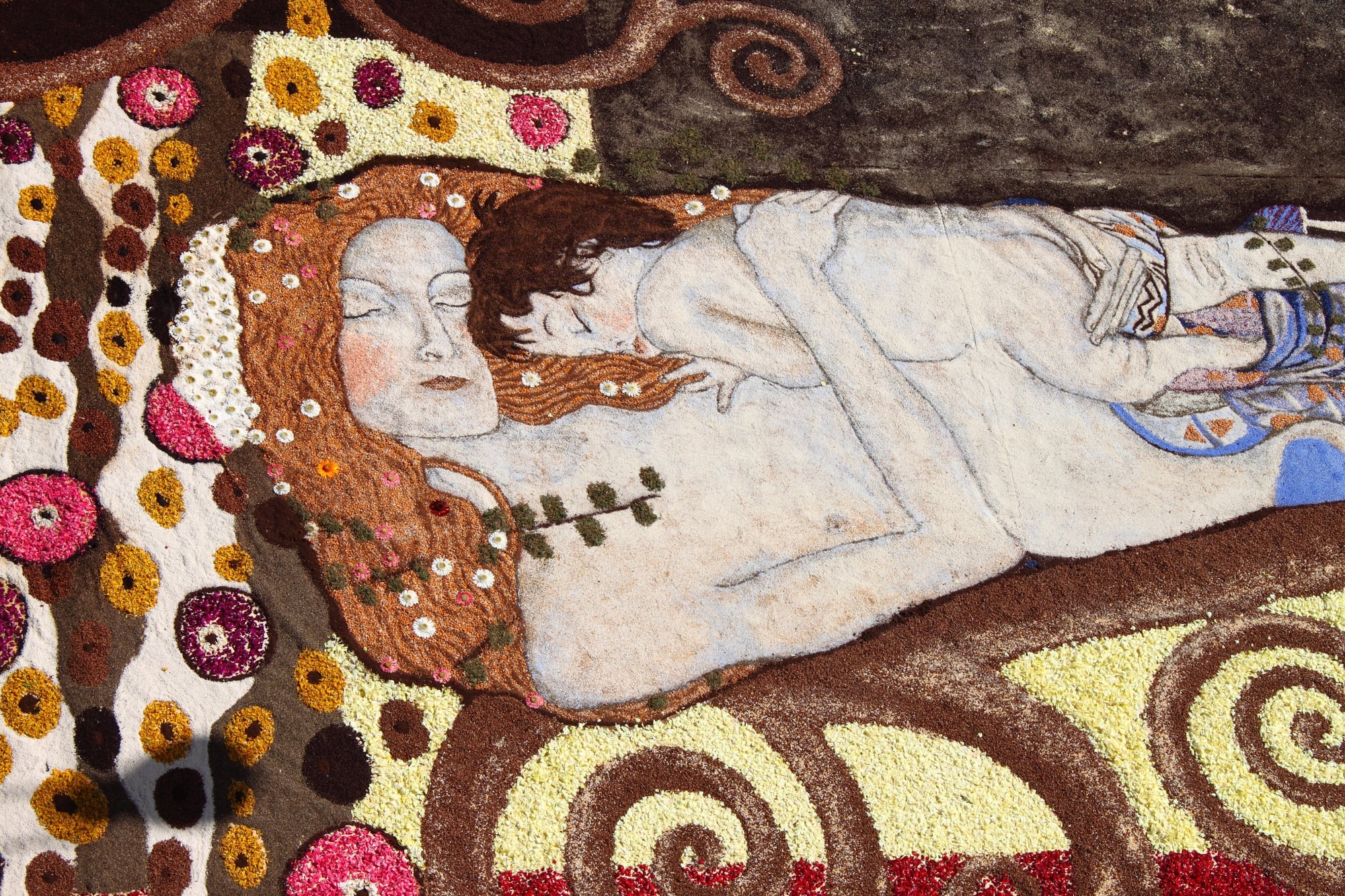
Klimt’s murals for Vienna University were denounced as obscene affronts to public morality due to their explicit depictions of intimacy and their decorative excess. Conservative critics and officials attacked him viciously, accusing him of corrupting artistic standards.
Though he had wealthy private patrons, he withdrew from public commissions due to the hostility. Later generations recognized him as a master of decorative painting and a crucial figure in the Vienna Secession whose innovations bridged tradition and modernism.
Banksy
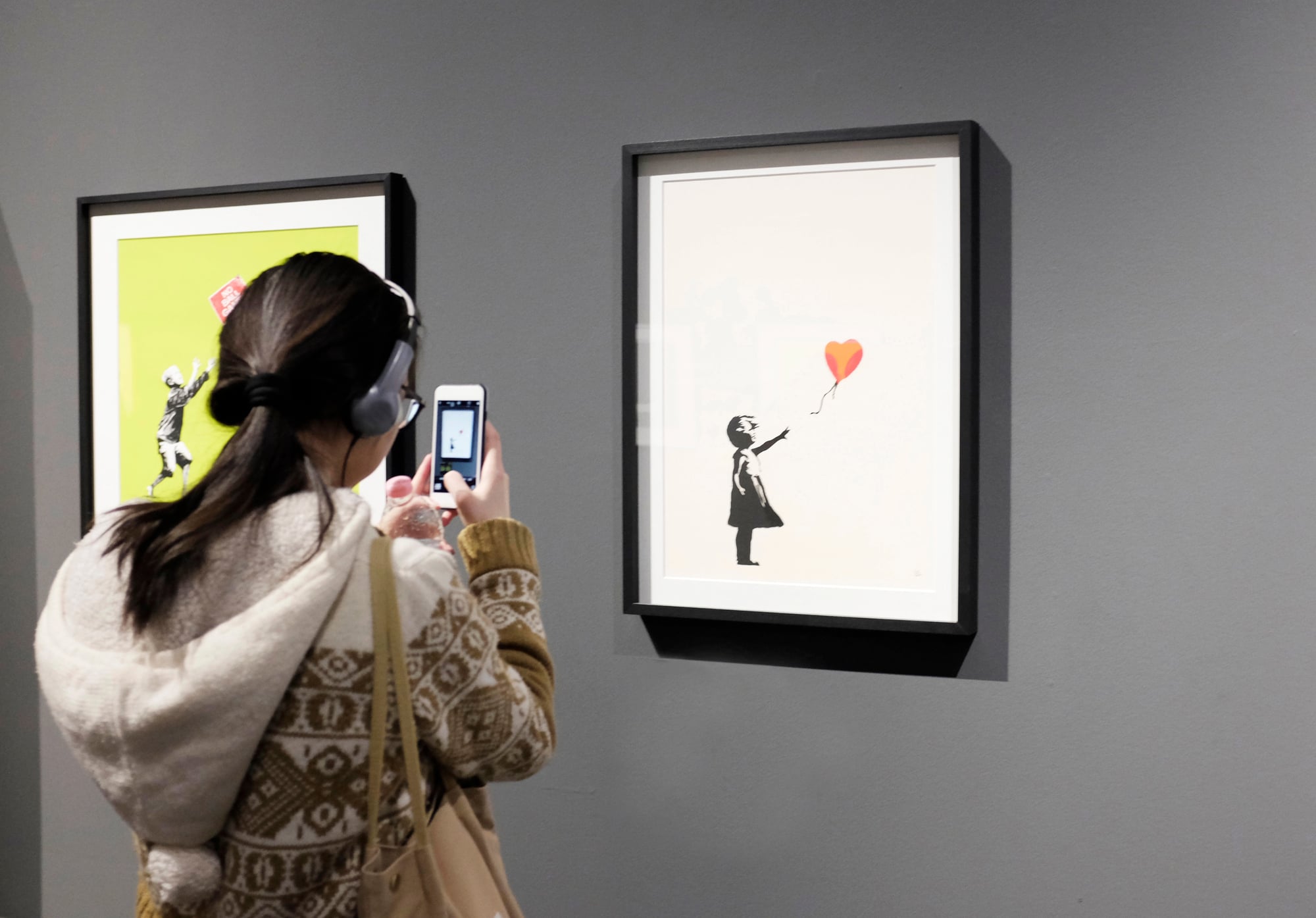
Though still living, Banksy began as a street artist whose illegal graffiti was dismissed by institutions as vandalism rather than legitimate art. His work appeared on walls without permission, and authorities pursued him as a criminal.
The art establishment was initially skeptical that street art could be serious art. His identity remains unknown, yet his work has come to command millions at auction, and he is now recognized as perhaps the most influential contemporary artist, whose subversive approach to public space and political commentary has redefined what art can be.
Henri De Toulouse-Lautrec
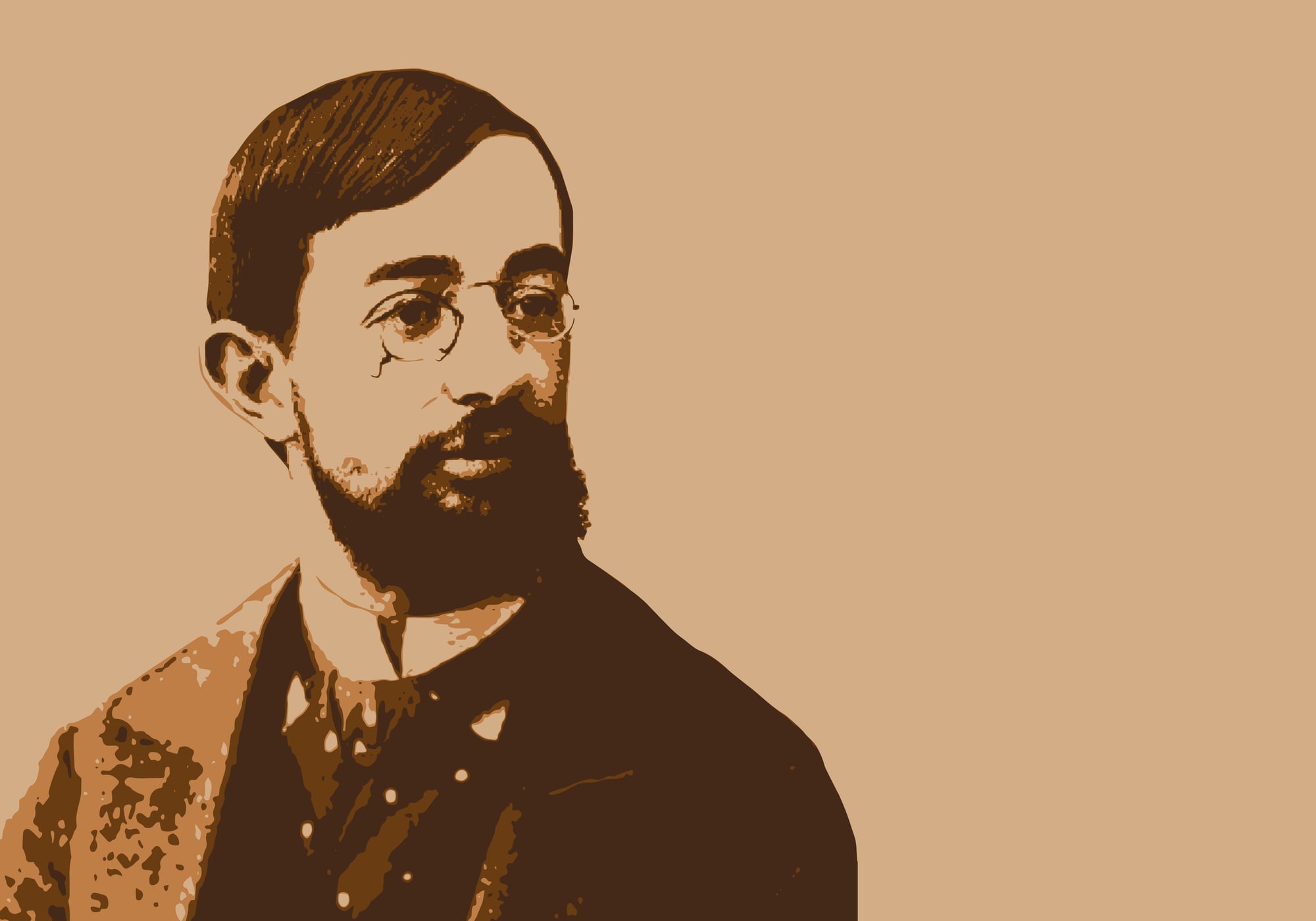
Toulouse-Lautrec was mocked and rejected throughout his life, both for his physical disabilities and for his artistic choices. His focus on Parisian nightlife, brothels, and performers was considered low and vulgar by bourgeois society, which looked down on him as an aristocrat who had abandoned his class.
His distinctive posters and paintings seemed crude to academic eyes accustomed to historical subjects and idealized beauty. After his death, his work was recognized as capturing the authentic soul of Paris in a way no other artist had achieved.
Oscar Wilde
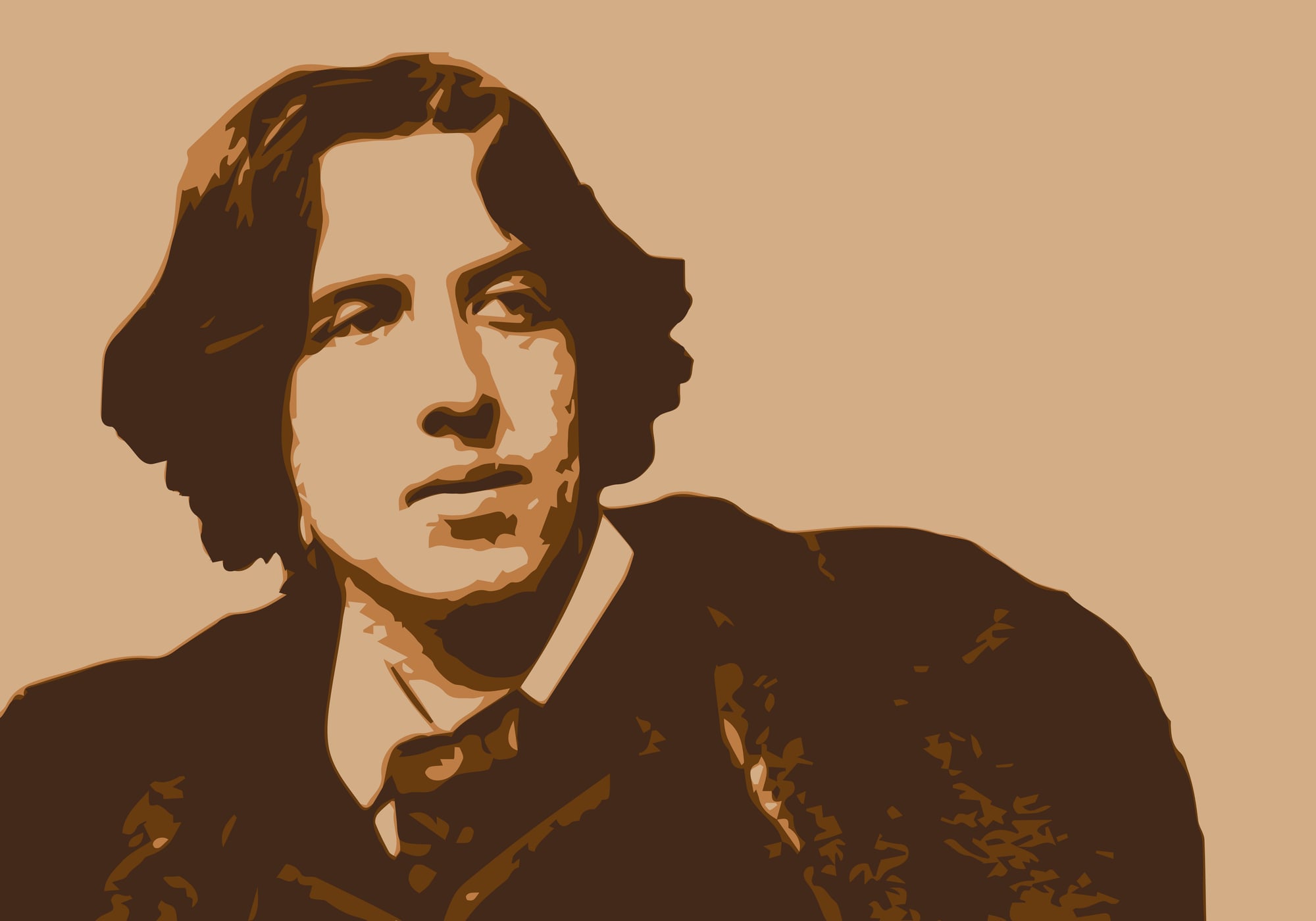
Wilde was imprisoned and exiled for his identity, his reputation destroyed by legal conviction and public humiliation. His aesthetic philosophy and his literary works were dismissed by conventional society as trivial decadence.
During his lifetime, he faced financial ruin and social banishment. His plays and writings are now recognized as works of genius, his wit as unparalleled, and his tragedy as emblematic of society’s cruelty. He is celebrated globally as a symbol of artistic courage and LGBTQ+ resilience.
The Vindication of Vision Over Convention

History repeatedly demonstrates that the art which disturbs its own era often becomes the art that defines it for all time. Each of these artists violated some rule their society held sacred, whether through technique, subject matter, or the mere audacity of their vision.
What contemporary establishments viewed as incompetence, obscenity, or madness eventually revealed itself as innovation, honesty, and profound insight. Their refusal to compromise or pander, though it cost them dearly in their lifetimes, is exactly what makes their work eternal.
The institutional gatekeepers of their eras proved wrong not because they lacked expertise but because they lacked imagination—the one quality every artist on this list possessed in abundance.
More from Go2Tutors!

- The Romanov Crown Jewels and Their Tragic Fate
- 13 Historical Mysteries That Science Still Can’t Solve
- Famous Hoaxes That Fooled the World for Years
- 15 Child Stars with Tragic Adult Lives
- 16 Famous Jewelry Pieces in History
Like Go2Tutors’s content? Follow us on MSN.