32 Jobs That Existed a Century Ago and Sound Completely Made Up Today
A century is a short span in human history, yet it’s long enough to render entire professions incomprehensible to contemporary minds. Jobs that were common occupations in the 1920s now sound like fictional inventions.
Some disappeared due to technology. Others vanished through social change. A few simply became anachronistic as their services became unnecessary or offensive by modern standards. The following 32 occupations were genuinely common a hundred years ago.
Knocker-Upper

In industrial England and Ireland, “knocker-uppers” were employed to wake workers for early shifts. They’d arrive before dawn and tap on windows until occupants woke.
This job was only rendered obsolete by the widespread adoption of alarm clocks.
Ice Harvester

Before mechanical refrigeration, ice was harvested from frozen lakes and rivers in winter, stored in ice houses with sawdust insulation, and sold throughout the year. Ice harvesters cut and transported massive blocks of ice that kept food cold through summer.
Lamp Lighter

Street lamps required daily lighting. Lamp lighters would traverse cities at dusk with long poles tipped with flames, igniting gas lamps one by one.
Electric lighting eliminated this occupation almost overnight.
Switchboard Operator
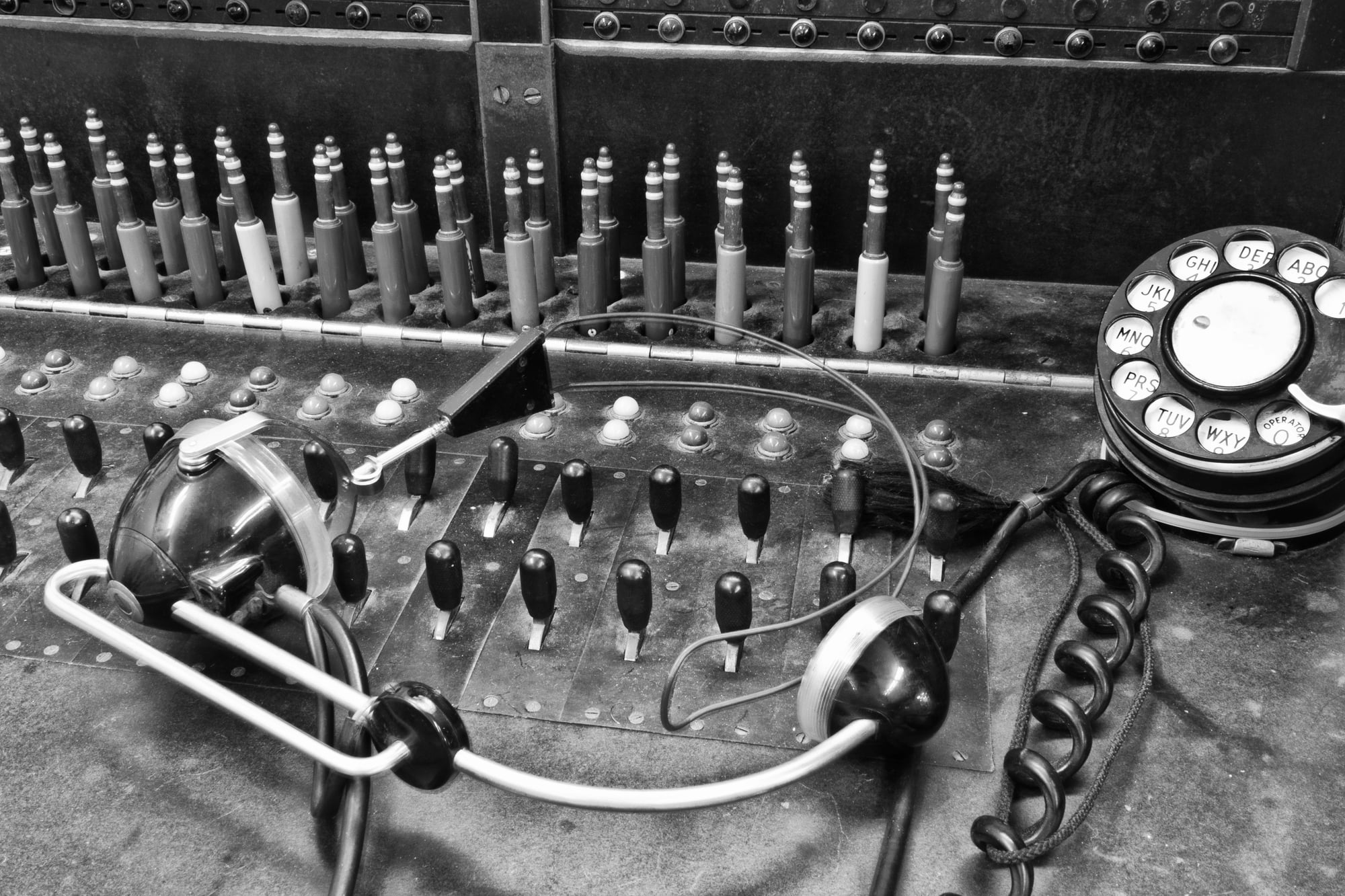
Early telephone systems required manual routing of calls through switchboards. Switchboard operators were almost exclusively women, connecting callers by inserting plug connectors into appropriate sockets.
Automated switching systems eliminated most of these jobs.
Pinsetters

Before automated bowling alleys, pins were manually replaced by people called pinsetters who worked in the pits behind bowling lanes. They’d dodge flying orbs and quickly reset fallen pins between frames.
Chimney Sweeps

Children and small adults were employed to climb inside chimneys and scrape accumulated soot. The practice was dangerous, causing respiratory disease and physical injury; child labor laws and regulations eventually eliminated the profession.
Garotter

A “garotter” was a criminal who attacked people, strangling them with a cord or scarf to rob them. This wasn’t an official occupation but a recognized criminal specialization that warranted its own name in crime statistics.
Fitter

Factory workers specifically trained to make small adjustments to engines and machinery to improve performance were called fitters. The specialization required knowledge of mechanics and precision fitting.
Knocker

A “knocker” made his living producing strong knocks and thuds—he was hired to beat carpets, bang on gongs for circuses, or produce needed percussion sounds. The job disappeared with mechanical and electronic sound production.
Whip Maker

Crafting whips was a specialized skill requiring understanding of leather, cord, and balance. Whip-making declined with the end of farming with oxen and horses.
Knocker and Knocker-Outer

Different from the knocker-up described above, a “knocker-outer” was a factory supervisor who would strike workers to wake them from inattentiveness. This job existed until workplace regulations prohibited physical punishment.
Dental Mechanic

Before dentistry became standardized, “dental mechanics” made dentures and performed dental work without formal credentials. Licensed dentistry gradually eliminated this profession.
Resurrectionist

Before sufficient cadavers were available for medical study, body snatchers known as “resurrectionists” would rob graves to sell bodies to medical schools. Legal provision of cadavers eliminated this criminal profession.
Loblolly Boy

Young male assistants aboard ships were called loblolly boys. They performed various menial tasks and assisted surgeons during operations; the role disappeared as modern naval hierarchies standardized.
Tumbler

In mills, a “tumbler” was someone who fell into vats of finished products to mix them. The name seems invented, yet the job genuinely existed as workers were literally tumbled through liquids to mix their contents.
Thimble Rigger

A confidence artist who used thimble-and-orb games to swindle people out of money was called a thimble rigger. The specific term became obsolete with changes in street gaming.
Linotype Operator
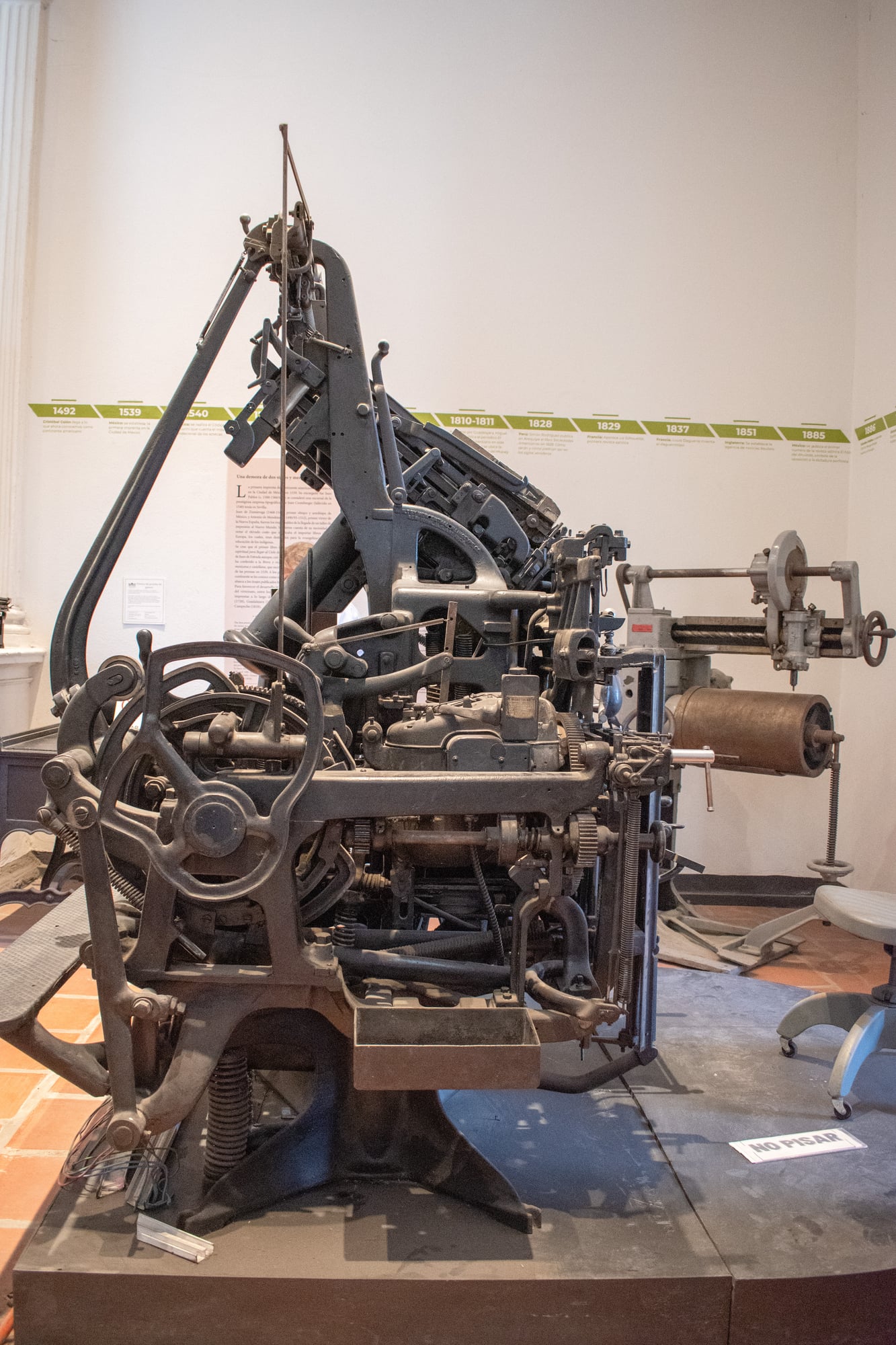
Typesetters operating linotype machines—mechanical devices that cast entire lines of type in metal—were highly skilled and well-paid workers. Computerized typesetting eliminated the profession.
Phrenologist
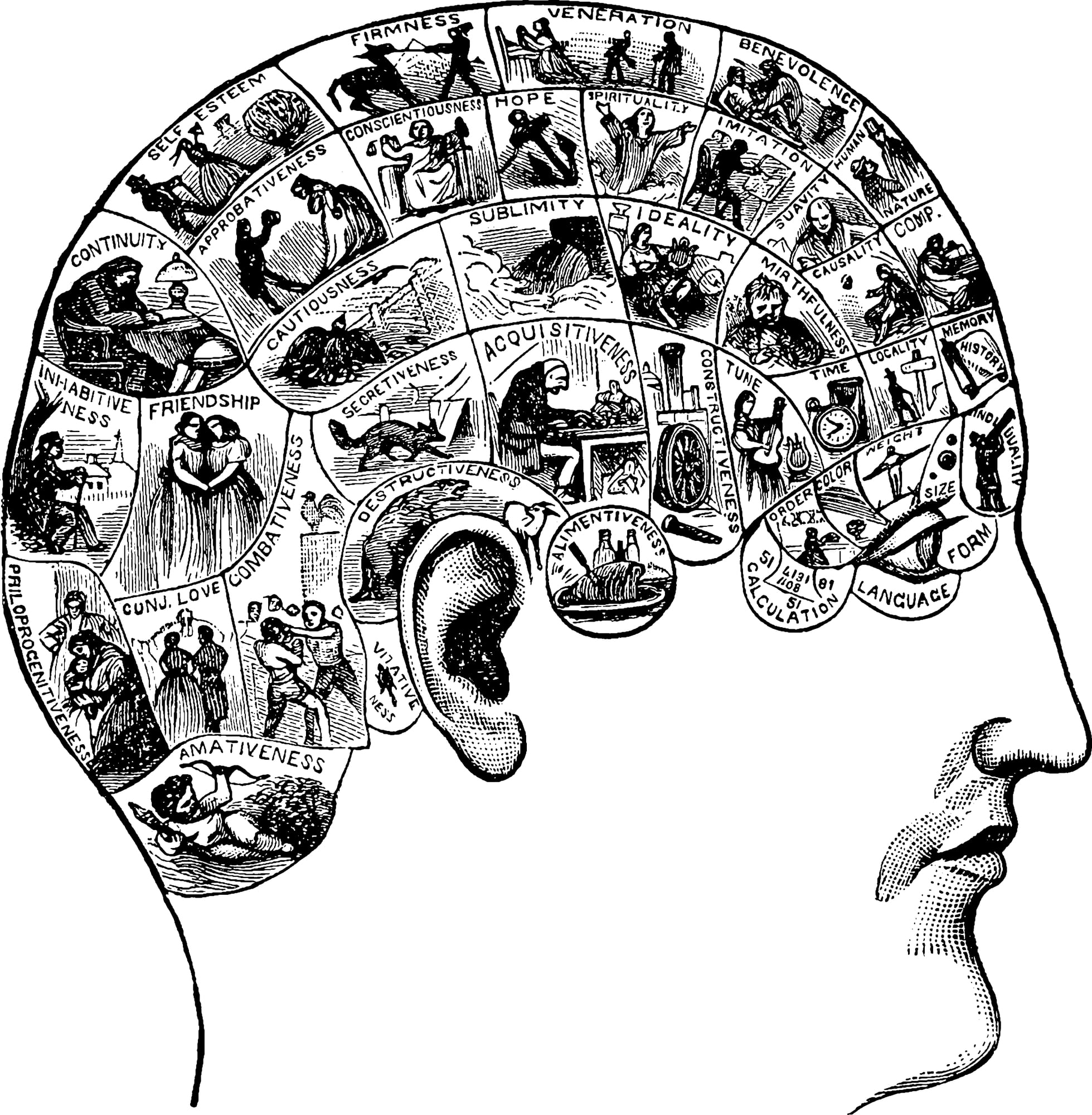
Practitioners claiming to analyze character through skull shape were called phrenologists. This pseudoscience was widely respected until modern psychology demonstrated its baselessness.
Milksop

Not an insult but a job: milksops were people who prepared milk-soaked bread as a dish. The profession disappeared as food preparation evolved.
Lye Maker

Lye was produced from wood ash and was essential for soap-making and other processes. Commercial lye production eventually rendered this specialized role unnecessary.
Ragpicker

People who collected rags from trash heaps for sale to mills that turned them into paper were called ragpickers. Waste management infrastructure and recycling systems made this job obsolete.
Shrimper

Not to be confused with shrimp fishing, shrimpers were people who caught shrimp for fisheries. The distinction as a separate profession disappeared as fishing became mechanized.
Fullers

Textile workers who cleaned, bleached, and thickened cloth through fulling processes were called fullers. Industrial textile processing made this specialized skill unnecessary.
Mud Lark

Children who scavenged through tidal mud for salvageable items were called mud larks. Social services and education systems eventually eliminated child labor.
Rat Catcher
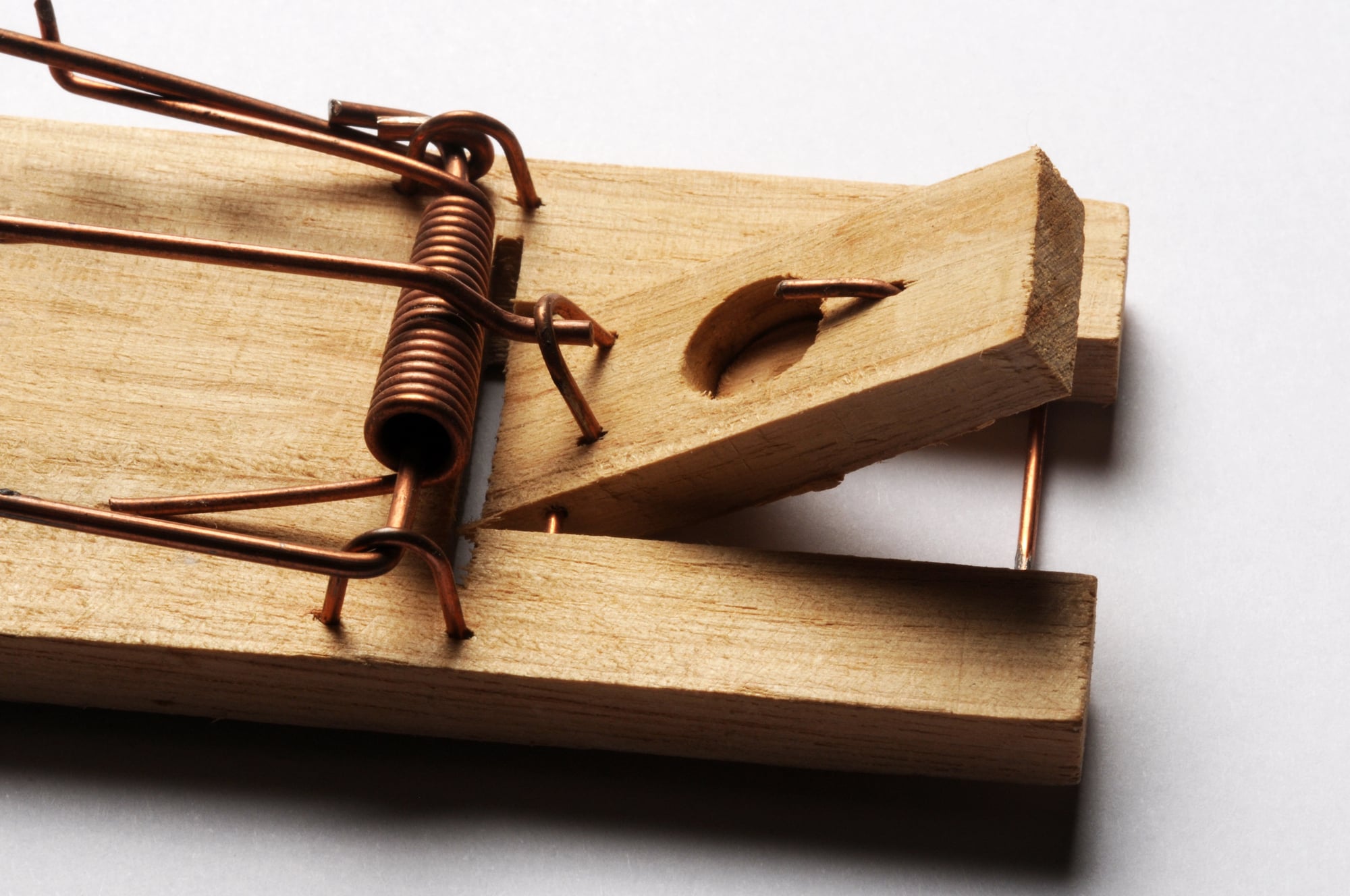
Professional rat catchers were employed by cities and farms to control rodent populations using traps, dogs, and poisons. Modern pest control services replaced this profession.
Rush Light Maker

Before candles were common, rush lights—plant stems soaked in fat—provided lighting. People specialized in creating these crude lights before alternatives became affordable.
Dung Collector

Urban dungaries collected animal manure for use as fertilizer or fuel. Urban agriculture decline and synthetic fertilizers rendered this profession obsolete.
Gong Farmer

Despite the name, gong farmers had nothing to do with music. They were workers who emptied and cleaned cesspits and outhouses, a job considered so unpleasant it was one of the lowest-paid positions.
Leech Collector

Bloodletting required leeches, and collectors would wade through ponds and streams gathering them for sale to medical practitioners. Modern medicine eliminated the profession.
Oyster Opener

Workers hired specifically to shuck oysters were common in coastal areas. The profession declined as mechanical shucking and prepared food became available.
Pill Roller

Before mechanical pill-making, workers rolled pills by hand, shaping medicine into consistent spheres. Pharmaceutical production automation eliminated this job entirely.
Paste Maker

Before adhesive manufacturing became centralized, workers produced paste for bookbinding and other applications. Industrial production made specialized paste makers unnecessary.
Why These Jobs Disappeared

These professions vanished through technology, regulation, social change, or shifting economic structures. Some represent genuine health and safety improvements—no one mourns the end of chimney sweep child labor.
Others simply became obsolete as innovation rendered their work unnecessary. Together, they demonstrate how professions we consider permanent will become equally incomprehensible to future generations.
More from Go2Tutors!

- The Romanov Crown Jewels and Their Tragic Fate
- 13 Historical Mysteries That Science Still Can’t Solve
- Famous Hoaxes That Fooled the World for Years
- 15 Child Stars with Tragic Adult Lives
- 16 Famous Jewelry Pieces in History
Like Go2Tutors’s content? Follow us on MSN.