18 Stories That Were Mistaken for April Fools’
Truth can be stranger than fiction, especially when real news breaks on April 1st. Many legitimate announcements, discoveries, and events have been dismissed as pranks simply because of their timing or unusual nature.
Here is a list of 18 genuine stories that people initially thought were elaborate jokes designed to fool the public.
Gmail Launch
When Google announced its free email service with 1GB of storage on April 1, 2004, most tech enthusiasts thought it was an elaborate hoax. The storage amount was so dramatically larger than competitors like Hotmail (which offered just 2-4MB) that it seemed impossible to deliver. Google had to spend weeks convincing users the service was legitimate, creating a strange launch period for what would become one of their most successful products.
The Titanic Sinking

News of the Titanic’s sinking on April 15, 1912, was so shocking that many initially refused to believe it wasn’t some kind of tasteless joke. Reports that the ‘unsinkable’ ship had gone down on its maiden voyage seemed too ironic to be true. Some newspapers even faced backlash when they published the story, with readers accusing them of printing fiction as fact.
Like Go2Tutors’s content? Follow us on MSN.
Snapchat’s $3 Billion Rejection
When news broke that Snapchat had rejected Facebook’s $3 billion acquisition offer in 2013, the tech industry thought it was satire. The idea that a small startup with no revenue would turn down such an enormous sum seemed like financial insanity. This legitimate business decision, which ultimately proved wise, was initially dismissed as a joke about startup hubris.
Water on Mars

NASA’s 2015 confirmation of flowing water on Mars happened to coincide with the release of the movie ‘The Martian,’ causing many to assume it was a publicity stunt. Social media users accused NASA of manufacturing the timing of this groundbreaking scientific discovery. The space agency had to repeatedly confirm that the briny water finding was completely legitimate research unrelated to Hollywood.
Sweden’s Twitter Experiment
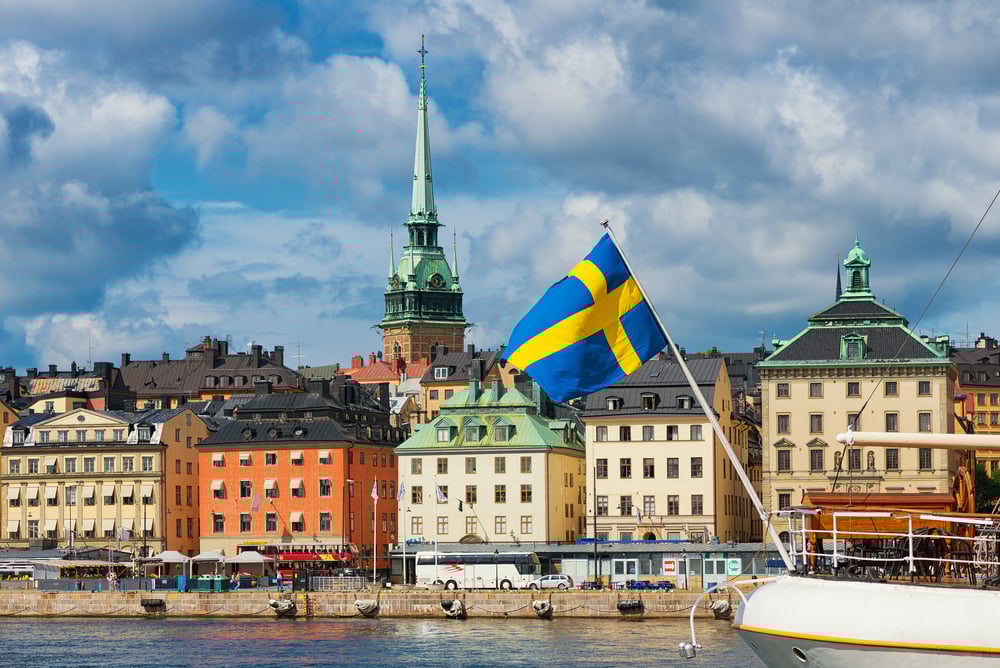
In 2011, Sweden announced they would hand over their official Twitter account to ordinary citizens to manage on a rotating basis. This unusual government program allowed regular Swedes complete control over the national account for a week at a time. Many international observers assumed this democratic social media experiment was a short-lived joke, but the program actually ran for seven years.
Like Go2Tutors’s content? Follow us on MSN.
The Great Blue Hole

When aerial photographs of Belize’s Great Blue Hole first circulated widely online, many thought they were looking at photoshopped images created for April Fools’ Day. The perfectly circular, intensely blue underwater sinkhole looks so symmetrical that it seems artificial. This natural formation, over 400 feet deep, continues to be mistaken for fake imagery despite being a real geological phenomenon and a popular diving destination.
Pope Benedict’s Resignation

When Pope Benedict XVI announced his retirement in 2013, it marked the first papal resignation in nearly 600 years. The Vatican’s announcement was met with such disbelief that many news organizations hesitated to report it, fearing they were falling for misinformation. The historical rarity of a pope stepping down made this legitimate news story seem like fiction even though it happened in February.
Boaty McBoatface

In 2016, Britain’s Natural Environment Research Council held an online poll to name their new research vessel, and the public overwhelmingly voted for ‘Boaty McBoatface.’ The ridiculous name received over 124,000 votes and international media coverage. Many assumed the poll and results were an April Fools’ joke that had gone viral, but it was a genuine public relations situation that the research council had to navigate.
Tasmanian Devils

Early European descriptions of Tasmanian devils were met with skepticism due to the animals’ bizarre behaviors and vocalizations. Reports of small creatures that could eat their body weight in food, produce blood-curdling screams, and have jaws strong enough to crush bones seemed too outlandish to be credible. These descriptions were dismissed as tall tales until specimens were brought to Europe, proving these unusual marsupials genuinely existed.
Like Go2Tutors’s content? Follow us on MSN.
The Leaning Tower of Pisa Straightening

In 2001, engineers temporarily stabilized the Leaning Tower of Pisa, reducing its famous tilt by about 16 inches. When this news broke, many assumed it was an April Fools’ prank about ‘fixing’ one of the world’s most beloved architectural mistakes. The legitimate engineering achievement was part of a decades-long preservation project, but the timing of the announcement led to widespread disbelief.
Microsoft Buying Minecraft

When Microsoft announced its $2.5 billion acquisition of Minecraft in 2014, gaming communities thought it was a parody of corporate takeovers. The idea that one of the world’s largest corporations would pay such an enormous sum for an indie game developed by a small Swedish studio seemed preposterous. Players waited for the ‘gotcha’ moment that never came as the very real business deal proceeded.
Australia’s $50 Million Typo

In 2019, Australia printed 46 million $50 bills with a typographical error in the microprint. The word ‘responsibility’ was spelled ‘responsibilty’ on currency worth over $2.3 billion. When this story broke, many thought it was satirical commentary on government oversight or financial institution incompetence. The Reserve Bank of Australia had to confirm that this embarrassing and costly mistake was indeed real.
Like Go2Tutors’s content? Follow us on MSN.
Unicorn Hunting License
In 1987, Michigan’s Lake Superior State University began issuing unicorn hunting licenses that quickly gained popularity. These official-looking documents specified that hunters could only use non-lethal methods to capture unicorns using ‘sparkle darts’ and ‘sugar lumps as bait.’ Despite being created for fun, many people outside the university believed this was a news story created for April Fools’ rather than a long-running university tradition.
The Running of the Bulls Legal Challenge

When animal rights activists legally challenged the famous Running of the Bulls in Pamplona, Spain, many dismissed it as satirical news. The idea that a centuries-old cultural tradition could face modern legal scrutiny seemed like commentary on changing social values rather than actual litigation. The legitimate legal challenges have continued for years, showing that this was never a fabricated story.
The Bitcoin Pizza Purchase

In 2010, programmer Laszlo Hanyecz purchased two pizzas for 10,000 Bitcoin in what would become the first real-world Bitcoin transaction. As Bitcoin’s value skyrocketed years later, making those pizzas worth hundreds of millions of dollars, many assumed this story was created as a cautionary tale about cryptocurrency investment. This unfortunate but completely real transaction is now commemorated annually as ‘Bitcoin Pizza Day.’
Denmark’s Claim to the North Pole

When Denmark claimed ownership of the North Pole in 2014, submitting documentation to the United Nations to support their territorial rights, international media initially treated it as satire. The idea of a nation attempting to legally claim Santa’s workshop seemed too whimsical to be a diplomatic reality. This legitimate geopolitical maneuver was part of serious Arctic territory disputes but was frequently played for laughs in news coverage.
Like Go2Tutors’s content? Follow us on MSN.
Playboy Removing Nudity

When Playboy magazine announced in 2015 that it would no longer feature nude models, readers thought it was an elaborate joke. The idea that a publication built entirely around nude photography would abandon its core identity seemed like an impossible business pivot. This genuine business decision, later reversed, was initially met with such disbelief that the company had to repeatedly confirm its authenticity.
The Oklahoma Panhandle Creation
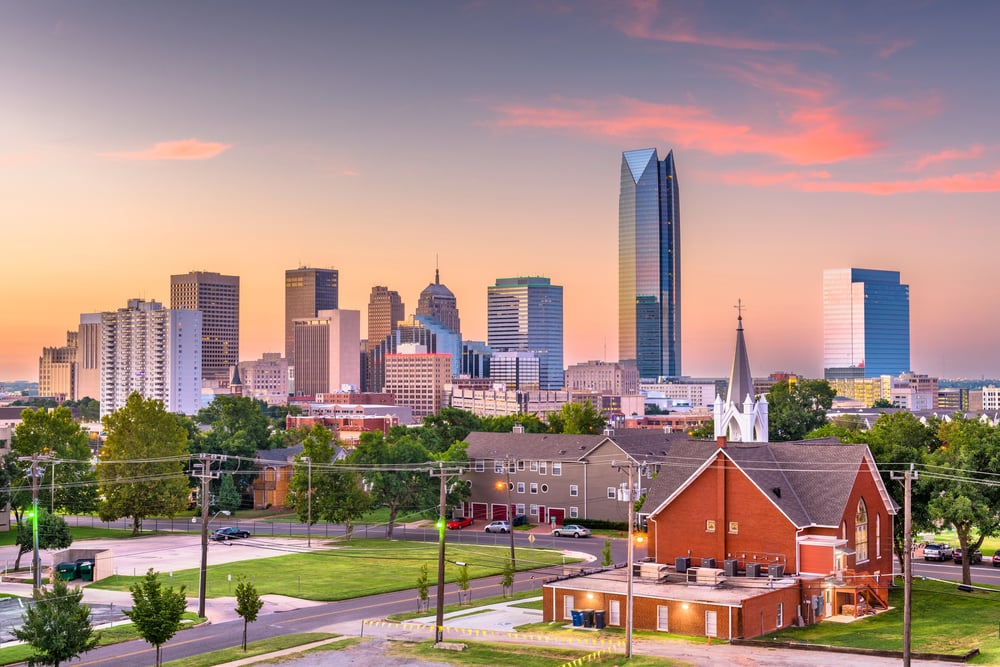
The unusual shape of Oklahoma’s panhandle resulted from complex negotiations during the organization of U.S. territories. When maps showing this peculiar geographical feature first circulated widely, many assumed cartographers were playing a practical joke. The narrow strip of land, only 34 miles wide but 166 miles long, looked so impractical that people thought it must be fictitious rather than the result of genuine political compromise.
When Reality Outpaces Imagination
These stories remind us that truth often contains elements that fiction writers would reject as too implausible. Our natural skepticism serves us well in a world of deliberate misinformation, but sometimes the most unbelievable headlines are documenting genuine events. As communication speeds increase and unusual events gain instant global attention, the line between April Fools’ pranks and legitimate news continues to blur in fascinating ways.
Like Go2Tutors’s content? Follow us on MSN.
More from Go2Tutors!

- 16 Restaurant Chains That Went Too Fast
- 12 Things Sold in the 80s That Are Now Illegal
- 15 Strange Things People Have Tried to Ban (And Failed)
- 16 Collectibles People Tossed Out Too Soon
- 17 Myths from Your Childhood That Were Actually Based on Real Things
Like Go2Tutors’s content? Follow us on MSN.